Forced labour in Myanmar (Burma)
Report of the Commission of Inquiry
appointed under article 26 of the Constitution of the
International Labour Organization to examine
the observance by Myanmar of the
Forced Labour Convention, 1930 (No. 29)
Geneva, 2 July 1998
Contents
Part I. Establishment of the Commission
1. Filing of the complaint and appointment of the Commission
(1) Filing of the complaint
(2) Provisions of the Constitution of the International Labour Organization relating to complaints concerning non-observance of ratified Conventions
(3) Summary of the measures taken by the Governing Body of the International Labour Office following the filing of the complaint and establishment of the Commission
Part II. Procedure followed by the Commission
2. First Session of the Commission
(1) Solemn declaration made by the members of the Commission
(2) Adoption of the procedure to be followed by the Commission
(3) Communication of additional information
(4) Measures adopted with a view to the Second Session and the subsequent work of the Commission
3. Communications received by the Commission following its First Session
(1) Communications received from the parties
(a) Communications from the complainants
(b) Communications from the Government of Myanmar
(2) Communications received from other sources
(a) Communications from member States under article 27 of the ILO Constitution
(b) Communications from intergovernmental organizations
(c) Communications from non-governmental organizations
(d) Communications from companies mentioned in the complaint
4. Second Session of the Commission
(1) Hearing of witnesses
(2) Communications received by the Commission following its Second Session
(a) Communication from the Government of Myanmar
(b) Communications from non-governmental organizations
(c) Communications from a company named in the complaint
5. Visit by the Commission to the region
(1) Procedure followed by the Commission
(2) Persons and witnesses interviewed
(a) India
(b) Bangladesh
(c) Thailand
6. Third Session of the Commission
Part III. Allegations by the parties and historical background of the case
7. Summary of the complaint and the Government's observations
(1) Factual allegations submitted by the complainants
(2) Legal conclusions submitted by the complainants
(3) The Government's observations
(a) Public purposes or public sector
(i) Portering
(ii) Construction of development and infrastructure projects by the Government
(iii) Hotel industries in Myanmar
(b) Private benefit or private sector
(i) Construction of the Yadana natural gas pipeline
(c) The law
(d) Conclusion
8. Historical background
A. Earlier reports and statements by the Government of Burma/Myanmar on the application of the Forced Labour Convention, 1930 (No. 29), comments and representation by industrial organizations, and observations, findings and requests by ILO supervisory bodies
(1) Reports under article 22 of the ILO Constitution and statements to the International Labour Conference (ILC) presented by the Government, 1960 to 1992, and corresponding comments
(2) 1993 representation under article 24 of the ILO Constitution
(a) Allegations made by the complainant organization
(b) The Government's observations as to the facts
(c) The Government's observations concerning the Convention
(d) The Committee's conclusions and recommendations, approved by the Governing Body of the ILO
(3) Subsequent developments up to the lodging of the complaint under article of the ILO Constitution (June 1996)
B. Examination by United Nations bodies of the human rights situation in Myanmar (particularly with respect to forced labour)
(1) General Assembly
(2) Commission on Human Rights and Special Rapporteurs on the situation of human rights in Myanmar
(3) Secretary-General
(4) Other United Nations bodies
Part IV. Examination of the case by the Commission
9. Context of general international law and requirements of the Forced Labour Convention, 1930 (No. 29)
A. General international law, including slavery, forced labour and other slavery-like practices
B. Requirements of the Forced Labour Convention, 1930 (No. 29)
(1) Measures called for under Articles 1(1) and 25 of the Convention
(2) Definition of forced or compulsory labour and scope of exceptions
(a) Compulsory military service
(b) Normal civic obligations
(c) Prison labour
(d) Emergencies
(e) Minor communal service
(3) Present status of Article 1, paragraph 2, and Articles 4 et seq. of the Convention
10. Brief description of Myanmar
(1) General presentation
(2) Historical background
(3) Administrative structure
(4) Opposition forces
11. Legislation of Myanmar relevant to the case
(1) Requisition of labour under the Village Act and Towns Act and subsequent orders and directives
(2) Restrictions on the freedom of movement and citizenship
(3) Compulsory military service and forced conscription
(4) Sanctions for illegally imposing forced or compulsory labour
12. Findings of the Commission concerning the facts
A. Admissibility and probative value of testimonial evidence and documentary material
B. General pattern of conduct by Myanmar authorities
C. Thematic analysis of the forms of labour and services requisitioned by certain authorities
(1) Portering
(a) Documentary material
(b) Oral testimony
(2) Military camp work
(a) Documentary material
(b) Oral testimony
(3) Other work in support of the military
(a) Documentary material
(b) Oral testimony
(4) Forced recruitment
(a) Documentary material
(b) Oral testimony
(5) Work on agriculture, logging, and other production projects
(a) Information provided to the Commission
(b) Oral testimony
(6) Construction and maintenance of roads, railways and bridges
(a) Documentary material
(b) Oral testimony
(7) Other infrastructure work
(a) Documentary material
(b) Oral testimony
(8) General work
(a) Nature and condition of work
(b) Specific examples from documentary material and oral testimony
13. Findings as to compliance with the Convention
A. National laws and statutory or administrative standard-setting instruments, considered in the light of the Convention
(1) Provisions of the Village Act and the Towns Act and subsequent orders and directives dealing with the requisition of labour
(a) Applicability of the definition of forced labour
(b) Non-applicability of exceptions defined in Article 2(2) of the Convention
(c) Expiration of the transitional period
(d) Role of secret directives and payment of wages
(2) Legislation on citizenship and other instruments bearing on the freedom of movement
(3) Legislation on compulsory military service
(4) Sanctions for illegally imposing forced or compulsory labour
B. National practice considered in the light of the Convention
(1) Requisition of labour
(2) Requisition of labour for various purposes, considered in the light of the exceptions in Article 2(2)(a), (b), (d) and (e) of the Convention
(a) Portering
(b) Military camp work and other work in support of the military
(c) Forced conscription
(d) Work on agriculture, logging and other production projects
(e) Construction and maintenance of roads, railways and bridges
(f) Other infrastructure work
(g) General work
(3) Requisition of labour, considered in the light of the prohibitions in Article 4 et seq. of the Convention
(a) Residual relevance of Article 4 et seq. of the Convention
(b) Violation of specific prohibitions
(i) Imposition of forced or compulsory labour for private benefit
(ii) Exaction of forced or compulsory labour from women, children, elderly people and disabled persons
(iii) Denial of remuneration and compensation
(iv) Compulsory cultivation
(4) Punishment of the illegal exaction of forced or compulsory labour
Part V. Conclusions and recommendations
14. Conclusions and recommendations
(1) Preliminary questions
(2) Terms of reference of the Commission
(3) Conclusions on the substance of the case
(4) Recommendations
(5) Concluding observations
Appendices
Supplementary evidence submitted by the complainants in October 1996
Observation of the Myanmar Government on the initial complaint and supplementary evidence made by 25 Worker delegates to the 83rd Session of the International Labour Conference under article 26 of the ILO Constitution
Rules for the hearing of witnesses
List of documents received by the Commission following its First Session
List of documents received by the Commission following its Second Session
List of documents received in the course of the hearings
Summaries of testimony
List of documents received in the course of the visit to the region
Maps of Myanmar
Names, foreign terms and acronyms
Samples of orders received by the Commission
Order by the Chairman of the State Law and Order Restoration Council (SLORC) on the subject of "Prohibiting unpaid labour contributions in national development projects" dated 2 June 1995
The Forced Labour Convention, 1930 (No. 29)
--------------------------------------------------------------------------------
Part I
Establishment of the Commission
--------------------------------------------------------------------------------
1. Filing of the complaint and appointment of the Commission
(1) Filing of the complaint
1. By a letter dated 20 June 1996 addressed to the Director-General of the ILO, 25 Workers' delegates to the 83rd Session of the International Labour Conference (June 1996)(1) presented a complaint under article 26 of the Constitution against the Government of Myanmar for non-observance of the Forced Labour Convention, 1930 (No. 29), which it ratified on 4 March 1955 and which came into force for Myanmar on 4 March 1956. The complaint stated, in particular, that:
Myanmar's gross violations of the Convention [No. 29] have been criticized by the ILO's supervisory bodies for 30 years. In 1995, and again in 1996, they have been the subject of special paragraphs in the reports of the Committee on the Application of Conventions and Recommendations, and this year, the Government has also been singled out by the Committee for its "continued failure to implement" the Convention.
In addition, in November 1994, the Governing Body adopted the report of the Committee it had established to examine the representation made by the International Confederation of Free Trade Unions [ICFTU] against the Government of Myanmar for its failure to ensure effective observance of Convention No. 29.
The Government has demonstrated its unwillingness to act upon the repeated calls addressed to it by the ILO's supervisory bodies to abolish and cancel legislation which allows for the use of forced labour and to ensure that forced labour is eliminated in practice. In these circumstances, the Committee on Applications has again expressed deep concern at the systematic recourse to forced labour in Myanmar.
Despite its protestations that the powers available under the offending legislation, the Village Act (1908) and the Towns Act (1907), have fallen into disuse since 1967 and that these laws are currently under review with a view to their repeal, the Government has failed conspicuously to provide the information requested of it concerning concrete action for legislative change.
Indeed, it is clear that the practice of forced labour is becoming more widespread and that the authorities in Myanmar are directly responsible for its increasing use, and actively involved in its exploitation.
The ICFTU representation presented under article 24 of the Constitution in January 1993 addressed the particular case of the forced recruitment and abuse of porters by the military which was, at that time, the primary cause of concern.
Since then, however, forced labour is being used systematically, on an ever larger scale, and in an increasing number of areas of activity. Large numbers of forced labourers are now working on railway, road, construction, and other infrastructure projects, many of which are related to the Government's efforts to promote tourism in Myanmar. In addition the military is engaged in the confiscation of land from villagers who are then forced to cultivate it to the benefit of the military appropriators.
The current situation is that the Government of Myanmar, far from acting to end the practice of forced labour, is engaged actively in its promotion, so that it is today an endemic abuse affecting hundreds of thousands of workers who are subjected to the most extreme forms of exploitation, which all too frequently leads to loss of life.
2. Supplementary evidence was submitted to the ILO in the name of the complainants by a letter dated 31 October 1996 and is appended to the present report.(2)
(2) Provisions of the Constitution of the
International Labour Organization relating
to complaints concerning non-observance
of ratified Conventions
3. The procedure under which the Workers' delegates filed their complaint against the Government of Myanmar is set out in articles 26 to 29 and 31 to 34 of the ILO Constitution, which read as follows:
Article 26
1. Any of the Members shall have the right to file a complaint with the International Labour Office if it is not satisfied that any other Member is securing the effective observance of any Convention which both have ratified in accordance with the foregoing articles.
2. The Governing Body may, if it thinks fit, before referring such a complaint to a Commission of Inquiry, as hereinafter provided for, communicate with the government in question in the manner described in article 24.
3. If the Governing Body does not think it necessary to communicate the complaint to the government in question, or if, when it has made such communication, no statement in reply has been received within a reasonable time which the Governing Body considers to be satisfactory, the Governing Body may appoint a Commission of Inquiry to consider the complaint and to report thereon.
4. The Governing Body may adopt the same procedure either of its own motion or on receipt of a complaint from a delegate to the Conference.
5. When any matter arising out of article 25 or 26 is being considered by the Governing Body, the government in question shall, if not already represented thereon, be entitled to send a representative to take part in the proceedings of the Governing Body while the matter is under consideration. Adequate notice of the date on which the matter will be considered shall be given to the government in question.
Article 27
The Members agree that, in the event of the reference of a complaint to a Commission of Inquiry under article 26, they will each, whether directly concerned in the complaint or not, place at the disposal of the Commission all the information in their possession which bears upon the subject-matter of the complaint.
Article 28
When the Commission of Inquiry has fully considered the complaint, it shall prepare a report embodying its findings on all questions of fact relevant to determining the issue between the parties and containing such recommendations as it may think proper as to the steps which should be taken to meet the complaint and the time within which they should be taken.
Article 29
1. The Director-General of the International Labour Office shall communicate the report of the Commission of Inquiry to the Governing Body and to each of the governments concerned in the complaint, and shall cause it to be published.
2. Each of these governments shall within three months inform the Director-General of the International Labour Office whether or not it accepts the recommendations contained in the report of the Commission; and if not, whether it proposes to refer the complaint to the International Court of Justice.
Article 31
The decision of the International Court of Justice in regard to a complaint or matter which has been referred to it in pursuance of article 29 shall be final.
Article 32
The International Court of Justice may affirm, vary or reverse any of the findings or recommendations of the Commission of Inquiry, if any.
Article 33
In the event of any Member failing to carry out within the time specified the recommendations, if any, contained in the report of the Commission of Inquiry, or in the decision of the International Court of Justice, as the case may be, the Governing Body may recommend to the Conference such action as it may deem wise and expedient to secure compliance therewith.
Article 34
The defaulting government may at any time inform the Governing Body that it has taken the steps necessary to comply with the recommendations of the Commission of Inquiry or with those in the decision of the International Court of Justice, as the case may be, and may request it to constitute a Commission of Inquiry to verify its contention. In this case the provisions of articles 27, 28, 29, 31 and 32 shall apply, and if the report of the Commission of Inquiry or the decision of the International Court of Justice is in favour of the defaulting government, the Governing Body shall forthwith recommend the discontinuance of any action taken in pursuance of article 33.
(3) Summary of the measures taken by the
Governing Body of the International Labour
Office following the filing of the complaint
and establishment of the Commission
4. At its 267th Session (November 1996), the Governing Body had before it a report by its Officers (GB.267/16/2) concerning the subject of the complaint. The report recalled, inter alia, the dates of ratification and entering into force of the Forced Labour Convention, 1930 (No. 29) (hereinafter "Convention No. 29") for Myanmar. It also pointed out that the 25 complainants were, on the date of filing the complaint, Workers' delegates of their countries to the 83rd Session of the International Labour Conference. Accordingly, they had the right to file a complaint under article 26, paragraph 4, of the Constitution, if they were not satisfied that the Government of Myanmar was securing the effective observance of Convention No. 29. In addition, the report indicated the following:
No discussion on the merits of the complaint is admissible at the present stage. It would indeed be inconsistent with the judicial nature of the procedure provided for in article 26 and the following articles of the Constitution that there should be any discussion in the Governing Body on the merits of a complaint until the Governing Body has before it the contentions of the government against which the complaint is filed, together with an objective evaluation of these contentions by an impartial body. Nor would such discussion be appropriate while a proposal to refer the complaint to a Commission of Inquiry is pending before the Governing Body or while the complaint is sub judice before a Commission of Inquiry. If there is to be a Commission of Inquiry -- which it is for the Governing Body to decide under article 26, paragraph 4, of the Constitution -- it is when the Commission of Inquiry has reported on the merits of the complaint that the Governing Body may be called upon to take action in the matter.
5. At the same session, the Governing Body took the following decisions:
(a) The Government of Myanmar should be requested by the Director-General to communicate its observations on the complaint so as to reach him not later than 31 January 1997.
(b) In accordance with article 26, paragraph 5, of the Constitution, the Governing Body should invite the Government of Myanmar to send a representative to take part in the proceedings of the Governing Body concerning this matter at its future sessions. When so inviting the Government of Myanmar, the Director-General should inform it that the Governing Body intended to continue its discussion of this case at its 268th Session, which was to take place in Geneva in March 1997.
6. In a letter dated 23 December 1996, the Director-General informed the Government of Myanmar of the decisions mentioned above.
7. By a letter dated 5 February 1997, the Permanent Mission of the Union of Myanmar in Geneva transmitted the observations of the Government of Myanmar on the complaint and the further supplementary evidence submitted. The document (without its confidential annexes) is appended to the present report (Appendix II).
8. At its 268th Session (March 1997), the Governing Body had before it another report of its Officers (GB.268/15/1) which noted that:
Contradictions exist between the facts presented in the allegations and those set out in the observations of the Government of Myanmar. It would, however, not be appropriate to enter into a discussion of the substance if it is envisaged to set up a Commission of Inquiry under article 26, paragraph 4, of the Constitution in order to make an objective assessment of the situation. As was pointed out in the report of the Officers of the Governing Body at the latter's 267th Session, it would be incompatible with the judicial nature of the procedure thus instituted to open up such a discussion before the Commission of Inquiry submits its conclusions.In light of the foregoing, the Governing Body decided that the whole matter should be referred, without further discussion, to a Commission of Inquiry set up in accordance with article 26 of the Constitution. The Governing Body recalled that the members of the Commission would be nominated in accordance with the same criteria, and would serve in the same conditions, as the members of commissions previously appointed under article 26 of the Constitution. They would serve as individuals in their personal capacity, would be chosen for their impartiality, integrity and standing. They would undertake by solemn declaration, similar to that made by judges of the International Court of Justice, to carry out their tasks and exercise their powers as members of the Commission "honourably, faithfully, impartially and conscientiously". The Governing Body added that the Commission was to establish its own procedure in accordance with the provisions of the Constitution.
9. At the same session, the Governing Body decided that the Commission be composed as follows, as proposed by the Director-General (GB.268/14/8):
Chairperson: The Right Honourable Sir William DOUGLAS, PC, KCMG (Barbados), former Ambassador; former Chief Justice of Barbados; former Chairman, Commonwealth Caribbean Council of Legal Education; former Chairman, Inter-American Juridical Committee; former Judge of the High Court of Jamaica; Chairperson of the Committee of Experts on the Application of Conventions and Recommendations.
Members: Mr. Prafullachandra Natvarlal BHAGWATI (India), former Chief Justice of India; former Chief Justice of the High Court of Gujarat; former Chairman, Legal Aid Committee and Judicial Reforms Committee, Government of Gujarat; former Chairman, Committee on Juridicare, Government of India; former Chairman of the Committee appointed by the Government of India for implementing legal aid schemes in the country; member of the International Committee on Human Rights of the International Law Association; member of the Editorial Committee of Reports of the Commonwealth; Chairman of the National Committee for Social and Economic Welfare of the Government of India; Ombudsman for the national newspaper Times of India; Chairman of the Advisory Board of the Centre for Independence of Judges and Lawyers, Geneva; Vice-President of El Taller; Chairman of the Panel for Social Audit of Telecom and Postal Services in India; member of the United Nations Human Rights Committee; member of the Committee of Experts on the Application of Conventions and Recommendations.
Ms. Robyn A. LAYTON, QC (Australia), Barrister-at-Law; Director, National Rail Corporation; former Commissioner on Health Insurance Commission; former Chairperson of the Australian Health Ethics Committee of the National Health and Medical Research Council; former Honorary Solicitor for the South Australian Council for Civil Liberties; former Solicitor for the Central Aboriginal Land Council; former Chairman of the South Australian Sex Discrimination Board; former Judge and Deputy President of the South Australian Industrial Court and Commission; former Deputy President of the Federal Administrative Appeals Tribunal; member of the Committee of Experts on the Application of Conventions and Recommendations.
--------------------------------------------------------------------------------
1. The Workers' delegates were: Messrs. E. About-Risk (Lebanon), C. Agyei (Ghana), K. Ahmed (Pakistan), M. Blondel (France), W. Brett (United Kingdom) and U. Edström (Sweden), Ms. U. Engelen-Kefer (Germany), Messrs. R. Falbr (Czech Republic), C. Gray (United States), S. Itoh (Japan), Y. Kara (Israel), A. Lettieri (Italy), I. Mayaki (Niger), S. Mookherjee (India), B.P. Mpangala (United Republic of Tanzania) and J.-C. Parrot (Canada), Ms. P. O'Donovan (Ireland) and Messrs. F. Ramirez Leon (Venezuela), Z. Rampak (Malaysia), I. Sahbani (Tunisia), A. Sanchez Madariaga (Mexico), G. Sibanda (Zimbabwe), L. Sombes (Cameroon), L. Trotman (Barbados) and T. Wojcik (Poland).
2. Appendix I.
Updated by VC. Approved by RH. Last update: 26 January 2000.
--------------------------------------------------------------------------------
For further information, please contact the Official Relations Branch at Tel: +41.22.799.7732, Fax: +41.22.799.8944 or by e-mail: RELOFF@ilo.org
International Labour Conference: [ Home ]
International Labour Organization (ILO): Contact us | Site map |
Copyright and Permissions 1996-2008 International Labour Organization (ILO) - Disclaimer
Saturday, June 7, 2008
Forced labour in Myanmar (Burma)


Friday, June 6, 2008
AI report onHuman rights concerns a month after Cyclone Nargis, 人権のアムネスティ・インターナショナルのレポートはサイクロンNargisの後の月にかかわる
AMNESTY INTERNATIONA
アムネスティ・インターナショナル
Myanmar Briefing-ミャンマー報告
Human rights concerns a month afterCyclone Nargis
人権はサイクロンNargisの後の月にかかわる
Introduction-導入
On 2 and 3 May 2008, Cyclone Nargis devastated much of southern Myanmar,especially the densely populated Ayeyarwady (Irrawaddy) delta and areas close to the country’s most populous city, Yangon (formerly Rangoon). Tens of thousands ofpeople were killed and hundreds of thousands lost their homes and livelihoods. Yet Myanmar’s government, the State Peace and Development Council (SPDC), refused to acknowledge the scope of the disaster and provided little assistance to the estimated 2.4 million survivors of the cyclone. Furthermore, for three weeks, the SPDC rejected international assistance and blocked access to the Ayeyarwady delta at the time when survivors most needed food, shelter, and access to medicine. Instead, a week after the cyclone, as victims were still struggling to survive, the SPDC diverted crucial resources away from disaster relief toward holding a rubber stamp referendum to approve a new and deeply flawed constitution.1 By deliberately blocking lifesustaining aid, the SPDC violated the right of hundreds of thousands of people to life, food, and health, and created a massive human rights disaster on top of the
humanitarian crisis.
2 5月3日で2008年のサイクロンNargis南ミャンマーの多くを荒廃させた、国の最も人口稠密な都市、ヤンゴン(以前ラングーン)の近くの特にAyeyarwady密に住まれた(Irrawaddy)デルタそして区域。 数万人の人々は殺され、数十万は彼らの家および暮しを失った。 けれどもミャンマーの政府、サイクロンの推定2.4百万人の生存者に災害の規模をおよび少し援助認めるために断られる州の平和および開発議会(SPDC)。 なお、3週間、SPDCは国際的な援助を拒絶し、Ayeyarwadyのデルタへのアクセスを時生存者薬へのほとんどの必要な食糧、避難所およびアクセス妨げた。 その代り、犠牲者としてサイクロンの後の週は、まだ新しいの承認するためにゴム印の国民投票を行うことの方に、災害救助からのSPDCによって転換された重大な資源存続するために努力して、慎重にlifesustaining援助を妨げることによる深く傷が付いたconstitution.1は生命に、SPDC数十万人の人々の権利に違反した、食糧および健康、および大きい人権の災害の上に作成されて人道主義の危機。
On 23 May, the SPDC finally agreed to allow international assistance inresponse to tremendous international pressure. Since then, the SPDC has granted at least 45 international UN staff visas, and allowed a small number of additional
international nongovernmental aid workers to visit the worst-affected areas of the Ayeyarwady delta. These steps are welcome but do not provide sufficient assistance to the huge population of displaced and homeless survivors. Tens of thousands of people continue to face the risk of death, disease, and malnutrition. On 4 June, the World Food Program (WFP) described access to the delta as “an ongoing challenge” at a UN press conference in Bangkok. Moreover, the onset of the rainy season in the delta brings increased flooding, making access to the region and the distribution of
assistance even more difficult.
5月23日に、SPDCは最終的に国際的な援助を可能にすることに同意した途方もない国際的な圧力への応答。 それ以来、SPDCは少なくとも45の国際的な国連スタッフの査証を与え、少数の付加的な国際的な非政府の援助に労働者がAyeyarwadyのデルタの最も一番被害が大きい区域を訪問することを可能にした。 これらのステップは歓迎であるが、転置されたホームレスの生存者の巨大な人口に十分な援助を提供しない。 数万人の人々は死、病気および栄養不良の危険に直面し続ける。 6月4日に、世界食糧計画(WFP)はバンコクで国連記者会見で「進行中の挑戦」としてデルタへのアクセスを記述した。 さらに、デルタの雨期の手始めは高められたあふれることを持って来、地域へのアクセスおよび困難な配分をさらにもっと援助のする。
1 The 10 May referendum was postponed to 24 May in the 47 worst-hit townships. For more information on Myanmar’s flawed new constitution, seeMyanmar: Constitutional referendum flouts human rights, 9 May 2008.
1つは5月の10日国民投票47の最も被害が最も大きい町区の5月24日延期された。 ミャンマーの台なしにされた新しい憲法のより多くの情報のために、ミャンマーを見なさい: 体質性の国民投票は人権5月9日2008年を軽視する
Since declaring the end of the rescue and relief phase of the cyclone Nargis response on 20 May 2008 the SPDC has ordered increasing numbers of victims to eturn to their villages while still traumatised and with no food, shelter or other aid to help them once they return. Amnesty International’s ongoing research suggests that since that time, the SPDC has stepped up its campaign to force homeless cyclone survivors out of government and unofficial resettlement sites and back to their original villages, even though many villages remain uninhabitable. Government officials also
have continued to block or divert aid meant for the worst-hit areas, notwithstanding pledges by the SPDC’s senior leadership to the contrary.
サイクロンNargisの救助そして救助段階の終わりの宣言以来 5月20日に応答は2008日SPDC犠牲者の増加する数をに発注した戻ればそれらを助けるためにまだ衝撃を与えられる間村へのそして食糧、避難所または他の援助無しのリターン。 アムネスティ・インターナショナルの進行中の研究はその時間以来、ホームレスのサイクロンを強制するためにSPDCがキャンペーンに力を入れたことを提案する多くの村が住むことができなく残るのに、政府および非公式な再定住場所からのそして元の村に戻る生存者。 国家公務員はまたSPDCの年長のリーダーシップによって帖当にもかかわらず最も被害が最も大きい区域のために、反対に意味される援助を妨げるか、または転換し続けた.
The SPDC’s disregard for its own population is not new. The humanitarian crisis in the aftermath of Cyclone Nargis, exacerbated by the SPDC’s initial intransigence, is occurring in the context of ongoing, grave and longstanding human rights violations. On 2 June Louise Arbour, the UN High Commissioner for Human Rights, said in her final address to the Human Rights Council: “In the case of Myanmar, the obstruction to the deployment of such assistance illustrates the invidious effects of long-standing international tolerance for human rights violations that made such obstruction possible.” The SPDC currently holds at least 1,850 political prisoners in poor conditions, while nearly all key political activists remain behind bars or in hiding. The government systematically and routinely harasses and detains its critics. On 27 May, the detention order of Daw Aung San Suu Kyi, the SPDC’s most prominent critic, was renewed. She enters the sixth consecutive year of her current house arrest. For over two years in eastern Myanmar, the army has waged a continuous offensive in which ethnic Karen civilians are targeted for killings, torture, forced labour and forcible displacement.
自身の人口のためのSPDCの無視は新しくない。 人道主義者 SPDCの頭文字によって悪化させるサイクロンNargisの影響で危機固執は進行中、重要なおよび長年の人権の違反という点において、起こっている。 6月の2日ルイーズアーバー、人間のための国連高等弁務官権利は人権議会に彼女の最終アドレスで、言った: 「ミャンマーの場合には、そのような援助の配置への妨害は説明するそのような妨害を可能に」。した人権の違反のための長年の国際的な許容の不当な効果 SPDCは現在少なくとも1,850を保持するほぼすべては政治運動家を調整するが悪い条件の政治犯は棒の後ろにまたは隠れることに、残る。 組織的の政府は定期的に評論家を悩ませ、引き留め。 5月27日に、Daw Aung San Suu Kyi、SPDCの最も顕著な評論家の延滞の順序は、更新された。 彼女は彼女の現在の自宅軟禁の第6連続した年に入る。 東のミャンマーの2年以上、軍隊はカレンの民族の一般市民が殺害、苦悶、強制労働および強制的な変位のために目標とされる連続的な抗勢を行った。
Myanmar’s appalling human rights record is not the backdrop to the cyclone aftermath, but is squarely at the centre of it. Therefore, respect for human rights must be at the centre of the relief effort. International human rights norms and
principles provide safeguards to ensure the security and dignity of survivors, as well as the protection, assistance, and reintegration of displaced people and other vulnerable groups such as women, children, and ethnic minorities. Human rights principles should also guide the reconstruction, rehabilitation, and resettlement efforts.
ミャンマーの愕然とする人権記録はサイクロンへ背景幕ではない余波はそれの中心に、しかし方形にある。 従って、人権の尊重は救助活動の中心であるなる。 国際的な人権の標準および主義は女性、子供および少数民族のような転置された人々そして他の傷つきやすいグループの保護、援助および再統合と同様、生存者の保証そして威厳を、保障するために安全装置を提供する。 人権の主義また復元、リハビリテーションおよび再定住努力を導くべきである。
Amnesty International is aware of the enormous challenges facing any government after a disaster on this scale, but the organization believes that it is imperative to ensure that security, order, and restoration of public services are not
achieved at the expense of human rights. Delivery of aid has now started on a massive scale, but there are insufficient mechanisms to ensure effective distribution. It is imperative that the SPDC immediately ensures that its officials, including at the local level, do not obstruct aid, and urgently addresses shortcomings in accountability. The donor community should address the broader human rights and governance issues inthe efforts to save lives in the Ayeyarwady delta.
アムネスティ・インターナショナルは公共事業の保証、順序および復帰はないことを保障することは命令的であることをこのスケールの災害、構成が信じたが後政府に直面する巨大な挑戦に気づいている人権を犠牲にして達成される。 援助の配達は大きいスケールで今始まってしまったが、有効な配分を保障する不十分なメカニズムがある。 ローカルレベルに含んでいる役人が援助を妨げない保障し、緊急に責任能力の欠点に演説することをSPDCがすぐにことは命令的である。 供給のコミュニティはAyeyarwadyのデルタの生命を救うための努力のより広い人権そして支配の問題を扱うべきである
‘Mercy Fleet’ Surrenders to Than Shwe’s Iron Will , Than Shweの鉄への慈悲の艦隊の降伏は

The US has ordered its four Pacific fleet warships, packed with supplies for Burma’s cyclone survivors, to end their fruitless wait for permission from the Burmese junta to join in the international relief mission.
米国はビルマのサイクロンの生存者のために国際的な救助の代表団で参加するビルマの会議からの許可のための彼らの無益な待ち時間を終えるために供給と詰まる4隻の太平洋艦隊の軍艦を、発注した
The ships, headed by the aircraft carrier USS Essex, will head for neighboring Thailand from the position they have been maintaining for the past three weeks in international waters off the Burmese coast, the Pacific fleet commander, Adm Timothy J Keating, announced.
航空母艦USS Essexによって先頭に立たれた船はずっとビルマの海岸の沖で国際水域の過去の3週の間維持している位置からの近隣のタイに向かう、Adm Timothy J Keating、太平洋艦隊の司令官は発表した
USS Essex, center, and the Essex Amphibious Ready Group steam in formation, in the Andaman Sea. The US military ordered the navy ships loaded with relief aid off Burma's coast to leave the area Thursday after Burma's junta refused to give them permission to help survivors of last month's devastating cyclone. (Photo: AP/US Navy)
USS Essex, center, and the Essex Amphibious Ready Group steam in formation, in the Andaman Sea. The US military ordered the navy ships loaded with relief aid off Burma's coast to leave the area Thursday after Burma's junta refused to give them permission to help survivors of last month's devastating cyclone. (Photo: AP/US Navy)
In a press statement released at the US air base in Utaphao, Thailand, Keating said: “I am both saddened and frustrated to know that we have been in a position to help ease the suffering of hundreds of thousands of people and help mitigate further loss of life, but have been unable to do so because of the unrelenting position of the Burmese military junta.”
出版物では声明はUtaphaoの米国の航空基地で解放したと、タイ、Keatingは言った
私は私達が数十万人の人々の苦労を楽にし、それ以上の生命の損失の軽減を助けるのを助けるべき位置にあったがずっとビルマの軍の会議の容赦ない位置のためにそうしてない」。くすみ、失望することを知るために
Keating said he and American officials had made at least 15 attempts to persuade the Burmese regime to allow the US ships, helicopters and landing craft to carry relief supplies to the cyclone victims—“but they have refused us each and every time. It is time for the USS Essex group to move on to its next mission
Keatingは米国の船、ヘリコプターおよび着陸飛行機がサイクロンの犠牲者に救助の供給を運ぶように彼およびアメリカの役人がビルマの政体を説得する少なくとも15の試みを試みたことを言った.しかし彼らは私達をいつも断ったあることが。 それはである次の代表団に進むUSS Essexのグループの時間」。
The US ships, carrying more than 5,000 military personnel, including marines, had been taking part in a naval exercise in Thai waters before being ordered to join in the international effort to take relief supplies to cyclone survivors in the Irrawaddy delta and Rangoon Division.
5,000人以上の軍人を、海兵隊員を含んで運ぶ米国の船はタイ水の海軍練習にラングーンのIrrawaddyのずっとデルタおよび部分のサイクロンの生存者に救助の供給を持って行くための国際的な努力で結合するべき命令される前に加わって.
Multimedia (View)
The US “mercy fleet” of four vessels also carried 22 helicopters, including aircraft capable of heavy loads, and four landing craft.
米国4つの容器の「慈悲艦隊」のまた重負荷および4着陸飛行機が可能な航空機を含む22のヘリコプターを、運んだ
A French ship that also joined the seaborne relief mission shortly after the cyclone hit sailed for Thailand last week and unloaded their supplies at the holiday island of Phuket.
サイクロン衝突がタイのために先週航海し、プーケットの休日の島で供給を荷を下したら後間もなくしてまた舶来の救助の代表団を結合したフランスの船
The US and French readiness to bring aid to cyclone victims within hours of receiving orders to do so sparked a debate in the highest government, diplomatic and academic circles over the legality and advisability of launching a unilateral humanitarian intervention, over the opposition of the Burmese regime and its allies.
するために受け入れ順序の時間内のサイクロンの犠牲者に援助を持って来る米国およびフランスの準備はそうビルマの政体および同盟国の反対についての一方的な人道主義の介在の進水の合法性そして得策についての最も高い政府の、外交および学界の討論を、スパークさせた。
Michael Charney, of the University of London’s School of Oriental and African Studies, said the US was reluctant to anger countries like China and India, who were not only allies of Burma but eyed that country’s natural resources.
米国が同盟国だけビルマのだったしかし注目されたこと国の天然資源ことを中国およびインドのような国を怒らせて好まなかったオリエンタルおよびアフリカ人の調査の学校ロンドン大学のミハエルCharneyは、言った。
“Beijing’s happiness is much more important to US political leaders than the wellbeing of Burmese villagers,” Charney said.
北京の幸福はビルマの村民の福利より米国の政治指導者にとってはるかに重要である。Charneyは言った。
Even if the US had wanted to act unilaterally to help the cyclone victims, it would have been unable to do so because its military resources were already overcommitted, particularly in Iraq and Afghanistan, Charney said. “It could not handle yet another military crisis, one so far from the Persian Gulf.”
サイクロンの犠牲者を助けるために米国は一方的に機能したいと思った持っていても軍資源が既にovercommittedのでそうすることはなかろうだろう、特にイラクおよびアフガニスタンで.Charneyは言った.それは更に別の軍事的危機、ペルシャ湾からずいぶん遠くの1を扱うことができなかった
Charneyはまた危険にさらされた米国を言い怒らせる支配する会議のすべての[ASEAN]最近の批評のための東南アジアの国家の連合のビルマのパートナーを、「」。
Mikael Gravers, an expert on Burma at Aarhus University in Denmark, commented:
“Humanitarian intervention is a very difficult question. If relief and military actions are combined there is risk of combining a military conflict and a post-disaster situation and thus increasing human suffering.”
ミカエルの彫刻刀、コメントされるデンマークのオルフス大学のビルマの専門家: 「人道主義の介在は非常に困難な質問である。 救助および軍事活動が結合されればある軍事衝突およびポスト災害の状態を結合し、こうして人間の苦労を高める危険が」。
Kyaw Zaw, a Burmese graduate of the London School of Economics and Political Science, said if western forces became involved in any military move to topple the Burmese’s regime it would result in “a nightmare scenario.” Western democracies, anyway, had no strategy for regime change in Burma.
西部力がによって「悪夢のシナリオで」。起因するビルマ人の政体をぐらつかせるあらゆる軍移動で複雑になったかどうかKyaw Zawの経済学および政治学のロンドンの学校のビルマの卒業生は、言った とにかく西部の民主主義にビルマの政体の変更のための作戦がなかった。
Burma lacked material assets that might attract potential western invaders, Kyaw Zaw said.
“What are the most attractive assets we have left? The only attractive asset is natural gas and that’s been ear-marked already by the Chinese and Thais. This isn’t Iraq or Iran.
ビルマは潜在的な西部の侵略者を引き付けるかもしれない有形資産にKyaw Zaw言った欠けていた。「私達が残した魅力的な資産は何であるか。 唯一の魅力的な資産は天燃ガスであり、それは中国人およびThaisによって既に指定される。 これはイラクまたはイランではない。
Some Burmese commentators say the very presence of US warships off the Burmese coast might have brought some pressure on the regime. They point to junta leader Snr-Gen Than Shwe’s assurance to UN Secretary-General Ban Ki-moon that international aid workers would be allowed access to cyclone survivors, although the general appears to be retreating from that promise.
何人かのビルマの解説者はビルマの海岸の沖の米国の軍艦のまさに存在が政体の圧力を持って来るかもしれないことを言う彼らは国連事務総長をBan Ki-moon会議のリーダーの保証を大将がその約束から退くようであるが国際的な援助の労働者がサイクロンの生存者へのアクセスを与えられること指す
Discussion in the west was anyway moving away from the cyclone crisis to Burma’s longer term problems, such as the sham referendum and constitution, the worst since the Japanese-imposed one of 1943, said Michael Charney.
とにかく西の議論はサイクロンの危機から偽りの国民投票のようなビルマのより長期的な問題に、移って、憲法、1943年の日本課されたもの以来の最も悪いのは、ミハエルCharneyを言った。
Copyright © 2008 Irrawaddy Publishing Group | www.irrawaddy.org
版権の©の2008年のIrrawaddyの出版グループ | www.irrawaddy.org
Monday, June 2, 2008
My point of view on national referendum(ဆႏၵခံယူပဲြအေပၚသုံးသပ္ခ်က္အက်ည္းခ်ဳပ္)
မုန္တိုင္းဒဏ္နဲ ့ လူေတြ အမ်ားႀကီးေသျပီး ဒုကၡေရာက္
ေနခ်ိန္မွာေတာင္ကယ္ဆယ္ေရးမလုပ္ဘဲ ဆႏၵခံယူပဲြကို
ဆက္လုပ္သြားတဲ့ စစ္အာဏာရွင္ေတြကိုလူထုကဘယ္
လိုေထာက္ခံမွာလဲ၊(အစအဆုံးဖတ္ရန္-ေခါင္းစဥ္ကိုကလစ္ေခါက္ပါ)
Phone Hlaing-FWUBC said...
မုန္တိုင္းဒဏ္နဲ ့ လူေတြ အမ်ားႀကီးေသျပီး ဒုကၡေရာက္
ေနခ်ိန္မွာေတာင္ကယ္ဆယ္ေရးမလုပ္ဘဲ ဆႏၵခံယူပဲြကို
ဆက္လုပ္သြားတဲ့ စစ္အာဏာရွင္ေတြကိုလူထုကဘယ္
လိုေထာက္ခံမွာလဲ၊ ဒီမဲစာရင္းေတြဟာ ႀကိဳတင္ျပင္ဆင္
ထားျပီးသားေတြ ပါ။ျပီးေတာ့ဒီဖဲြ ့စည္းပုံအသစ္ထဲမွာအ
မ်ိဳးသားကာကြယ္ေရးနဲ ့လုံျခံဳေရးေကာင္စီဆိုတာပါတယ္
ဒီေကာင္စီမွာေကာ္မတီ၀င္၁၁ဦးပါျပီး၆ဦးဟာစစ္တပ္က
ျဖစ္ပါတယ္။ ျပီးေတာ့ဒီေကာင္စီဟာအေရးေပၚအေျခအ
ေျခအေနေႀကျငာခြင့္ရိွျပီးစစ္တပ္အေနနဲ ့လည္းအခ်ိန္မ
ေရြးအာဏာသိမ္းလို ့ရေအာင္တရား၀င္ခြင့္ျပဳထားပါ
တယ္ ဒါေႀကာင့္ဒီဖဲြ့စည္းပုံဟာမတရားတဲ့ဖဲြစည္းပံုျဖစ္
တယ္လို ့ေရဘူယအားျဖင့္ အႀကမ္းေျပာလို ပါတယ္
ဒါေႀကာင့္ အရင္ကတရားမ၀င္စစ္ေကာင္စီ နအဖ ဟာ
ဒီဖဲြစည္းပုံအရ တရား၀င္စစ္ေကာင္စီျဖစ္ျပီးရာသက္ပန္
ဆက္လက္တည္ရိွနိုင္ေအာင္ေခါင္းေကာင္းေကာင္းနဲ ့
စဥ္းစားျပီးသူတို ့စိတ္တိုင္းက်ဆဲြထားတာပါ။ စစ္ေခါင္း
ေဆာင္ေတြအတြက္သာေကာင္းတာပါ။ စစ္တပ္ကို
မမုန္းပါဘူး နိုင္ငံေတာ္ကိုကာကြယ္ဖို ့အသက္ကိုေပး
ထားတဲ့တပ္မေတာ္သားတိုင္းကိုေလးစားပါတယ္ ။ ဒီေန
ရာမွာ နုိင္ငံေတာ္ဆိုတာျပည္သူလူထုကိုဆိုလိုပါတယ္။
ျပည္သူလူထုကိုကာကြယ္မွသာျပည္သူ ့တပ္မေတာ္ျဖစ္
မွာပါ။ ျပည္သူေတြမုန္တိုင္းဒဏ္ခံရျပီးဒုကၡေရာက္ေနခ်ိန္
မွာတပ္မေတာ္သားေတြဘယ္ေရာက္ေနလဲမသိဘူးေနာ္
ဒါေပမဲ့ စစ္တပ္ဆိုတာအထက္အမိန္ ့ကိုတေသြမသိမ္း
နာခံရပါတယ္ ျပန္လွန္ေမးခြန္းထုတ္ပိုင္ခြင့္မရိွပါဘူး၊
ဒါေႀကာင့္တပ္မေတာ္သားေတြဆႏၵျပျပည္သူေတြကို
နိွမ္နင္းဖို ့သတ္ျဖတ္ဖို ့ေတာ့ ခ်က္ျခင္းထြက္လာျပီး
ေလေဘးဒုကၡသယ္ေတြကိုကူညီဖို ့မထြက္လာတာဟာ
အထက္အမိန္ ့အရမို ့လို ့ ေအာက္ေျခကရဲေဘာ္အဆင့္
ေတြကိုနားလည္ေပးနိုင္ပါတယ္။ က်ြန္ေတာ္ဆိုလိုခ်င္တာ
ကစစ္တပ္မွာအမိန္ ့ေပးသူေခါင္းေဆာင္ဟာ အမိန္ ့ေပး
ရံုနဲ ့မျပီးပါဘူး ကိုယ္ေပးတဲ့ အမိန္ ့ ကို ကုိုယ္တာ၀န္ယူ
ရပါတယ္။ ငါခိုင္းတဲ့ အတိုင္းလုပ္ဒါေဘမဲ့ျပႆနာျဖစ္
လာရင္ငါတာ၀န္မယူနိုင္ဘူးဆိုရင္အဲ့ဒီစစ္တပ္ဟာ
ပ်က္ပါျပီ။ဒါေႀကာင့္ျမန္မာျပည္မွာစစ္တပ္ကေအာက္ေျခ
မွာလုပ္ေနတာေတြအားလုံးဟာ အထက္ကအဆင့္ဆင့္
ေသာစစ္ေခါင္းေဆာင္အသီးသီးမွာတာ၀န္ရိွပါတယ္၊
တာ၀န္ယူရပါမယ္။ ဆႏၵခံယူပဲြအေႀကာင္းေျပာရင္း
ေလေဘးဒုကၡသယ္ေတြဆီေရာက္သြားတာဟာ
မဆီမဆိုင္ေတာင္စဥ္ေရမရေလ်ွာက္ေရးေနတာမဟုတ္ပါဘူးဆက္စပ္ေနလို ့ပါ။ လူထုကိုေစာင့္ေရွာက္ဖို ့ ကာ
ကြယ္ဖို ့ပ်က္ကြက္ျပီး လူထုကိုဖိနွပ္ျပီးလက္နက္အား
ကိုးနဲ ့ကိုယ္ထင္ရာစိုင္းေနတဲ့ စစ္ေခါ္င္းေဆာင္ေတြရာ
သက္ပန္အာဏာတရား၀င္ယူသြားဖို ့လမ္းဖြင့္ထားတဲ့ဒီ
ဖဲြစည္းပုံသစ္ကိုဘယ္လိုမွမေထာက္ခံနိုင္ပါ ဘူး။
ေထာက္ခံတဲ့ အုပ္စုနဲ ့ ကန္ ့ကြက္တဲ့အုပ္စု ဆိုေပမဲ့
ဒီဖဲြ ့စည္းပုံသစ္ကျဖစ္ထြန္းလာမယ့္အက်ိဳးရလာဒ္
ကိုခံစားႀကရမွာကေတာ့ အားလုံးအတူတူဘာဘဲ(နအဖ
စစ္ေခါင္းေဆာင္ေတြနဲ ့အဆင္ေျပေအာင္ေပါင္းျပီးေ၀စားမ်ွစားလုပ္ေနတဲ့လူေတြကလဲြရင္ေပါ့ေနာ္)က်န္တာက
ေတာ့ ေငြေရာင္ပိတ္ကားေပၚမွာဆက္ႀကည့္ႀကတာေပါ့။ ၀င္ျပီးေ၀ဖန္ခြင့္ ရတဲ့အတြက္ေက်းဇူးအမ်ားႀကီးတင္ပါ
တယ္ခင္ဗ်ား
June 1, 2008 11:27 AM
(ပေတာက္ေျမဘေလာက္မွာက်ြန္ေတာ္ေရးထားခဲ့တဲ့ေ၀ဖန္ခ်က္ျဖစ္ပါတယ္။ ေအာက္မွ Link ထည့္ေပးထားပါတယ္ တျခားသူေတြရ့ဲ
သေဘာထားေတြကိုလည္းဖတ္ႀကည့္နိုင္ပါတယ္။ တခုဘဲ ေတာင္းပန္ခ်င္တာက သြားေတာ့မဆဲလိုက္ႀကပါနဲ ့ သူတို ့အျမင္နဲ ့ကိုယ့္
အျမင္ဖလွယ္ႀကတာပါ။ မသိနားမလည္တဲ့ လူေတြကိုနားလယ္ေအာင္ရွင္းျပဖို ့လို ုပါတယ္ သိရဲ့သားနဲ ့မသိခ်င္ေရာင္ေဆာင္ေနရင္ေတာ ့မတတ္နိုင္ဘူးေပါ့၊ အိပ္ခ်င္ေယာင္ေဆာင္တဲ့သူနိွဳးရခက္ပါတယ္၊
ေလးစားစြာျဖင့္-
ဘုန္းလိွဳင္-FWUBC
http://padaukmyay.blogspot.com/2008/05/blog-post_4850.html
Tuesday, May 27, 2008
Burma extends Aung San Suu Kyi's house arrest,ビルマはAung San Suu Kyiの自宅軟禁を拡張する
Burma extends Aung San Suu Kyi's house arrest.
ビルマはAung San Suu Kyiの自宅軟禁を拡張する
Tuesday, May 27, 2008
Burma's military rulers have extended the house arrest of pro-democracy leader Aung San Suu Kyi.
The 62-year-old leader of the National League for Democracy has spent more than 12 of the past 18 years under house arrest.
The NLD won national elections in 1990, but was prevented from taking power by the military, which has been ruling the country ever since.
Around 20 activists from the party were arrested in Rangoon this morning during a march to Suu Kyi's lakeside villa.
2008年5月27日火曜日 Burma' sの軍の定規は民主化のリーダーAung San Suu Kyiの自宅軟禁を拡張した。 民主主義のための国民リーグの62歳のリーダーは自宅軟禁の下で過去の18年の以上12使った。 NLDは1990年に国政選挙に勝ったが、力の取得からずっと国をその後支配している軍隊によって防がれた。 党からのおよそ20人の運動家はSuu Kyi'への行進の間にラングーンで今朝阻止された; sの湖畔の別荘。
Tens of thousands killed in Myanmar cyclone - Yahoo! News Photos
Tens of thousands killed in Myanmar cyclone - Yahoo! News Photos: "Tens of thousands killed in Myanmar cyclone"
Burma (Myanmar) dodges a bullet ,ビルマ(ミャンマー)は弾丸を避ける
The outside world finally made its point, perhaps at the barrel of a gun. Burma's leader has agreed to let in foreign aid workers – mainly Asian – to help save 2 million people left vulnerable after the May 3 cyclone. But did Gen. Than Shwe partly relent under rising threats of an "aid invasion"?
The answer, if it can ever be known, will be critical to a difficult question only recently put before the global community: Should a country be invaded if its government does not protect its people from massive harm?
That idea, known as "responsibility to protect," was endorsed by the United Nations in 2005, a decade after it failed to prevent the Rwanda genocide. The notion is that no country, in this increasingly borderless world, is an island, entire of itself.
This month, the doctrine, which in theory would allow breaking once-inviolate national sovereignty to prevent large-scale tragedy, was cited by France in a call for armed intervention in Burma. At least 78,000 people perished during the cyclone, but many more now face a perilous future without direct foreign aid – which Burma's reclusive and cruel junta had opposed for nearly three weeks.
It helped France's case that the US Navy stood ready off Burma's coast to launch aid into the hard-hit Irrawaddy Delta, and that the Navy had assisted Indonesia's recovery after its 2004 tsunami.
But China, along with other nondemocratic nations, blocked France's efforts at the UN, just as it impeded serious intervention in Darfur. (Authoritarian leaders find sovereignty a useful shield to protect their own ruthless rule.) China then may have advised its allies in Burma (also called Myanmar) to avoid a coercive intervention and to accept foreign help.
It is possible, then, that the mere existence of this UN doctrine could have achieved limited success in bringing relief to the destitute in Burma's ravaged delta.
But that hardly clears up doubts and dilemmas that hang over this new and largely unrefined idea in global governance.
How, for instance, would a French or US force have delivered aid while also fighting Burma's 428,000-man military? Would France or any European nation really risk lives for such a cause – as the US did in 1992 for Somalia's famine? During the 1990s, Europe had to be pushed by the US to use military might to save Bosnia and Kosovo from Serbia's atrocities.
And if Burma, then why not Zimbabwe, with its political violence and hunger? Or North Korea, which faces a famine?
Defining the scale of an atrocity that justifies an invasion, and then the effective means to achieve it, has not yet been done by the UN. Without that, uneven use of the doctrine would erode its chances of being used for the most egregious atrocities. Then the very apathy that it is meant to end may only rise. Dictators would see a green light to commit inhumane acts.
At root, "responsibility to protect" is an assertion of individual rights over states' rights. A state is legitimate only if it protects its citizens and, failing that, it faces the possibility of its citizens asking for protection from others.
Burma came close to that point. Because of this doctrine, the world, however feebly, has staked a new claim for human rights.
外の世界は銃のバレルで最終的にポイントを、多分作った。 Burma' sのリーダーは-対外援助の労働者-主にアジア人残っている5月3日のサイクロンの後で傷つきやすい2百万人を除けば助けるために受信することを同意した。 しかしShweが"の上昇の脅威の下で部分的に寛大になるよりGen.をした; 援助のinvasion"か。 広告 それが知っていることができれば答えは最近全体的なコミュニティの前だけに置かれた困難な質問に重大である: 政府が大きい害から人々を保護しなければ国は侵入されるべきであるか。 "として知られているその考え; 保護する責任" 裏書きされたそれの後で2005年に国際連合によって、十年ルワンダの集団虐殺を防がなかった。 概念は、それ自身の全体国が、このますますボーダレスな世界で、島ではないことである。 この月、大規模な悲劇を防ぐために理論で固く守られた国民の主権を壊すことを割り当てる主義はビルマの武装した介在のための呼出しのフランスによって引用された。 少なくとも78,000人はサイクロンの間に死んだが、多くはBurma'なしで今危い未来に直接対外援助直面する; sの孤立した、残酷な会議はほぼ3週間反対した。 それはFrance'を助けた; 米国海軍がBurma'を離れて準備ができている立ったことsの場合; Irrawaddyの激しく攻撃されたデルタに援助を進水させるsの海岸およびそれは海軍Indonesia'を助けた; 2004年の津波の後のsの回復。 しかし中国は、他の非民主主義の国家と共に、France'を妨げた; ちょうどDarfurの深刻な介在を妨害したように、国連のsの努力。 (彼らの自身の無慈悲な規則を保護すると独裁主義的なリーダーは主権が有用な盾見つける。) 中国はそれからビルマの同盟国に(またミャンマーと呼ばれる)強制的な介在を避け、外国の助けを受け入れるように助言するかもしれない。 それはこの国連主義のただの存在がBurma'ことをの貧困のに救助を持って来ることのある程度の成功を達成したかもしれないこと、可能、そしてである; sはデルタを破壊した。 しかしそれはほとんど全体的な支配のこの新しく、主として精製されていない考えに掛かるジレンマおよび疑いを片付けない。 、例えば、フランス人か米国軍は援助をいかに提供しようまたBurma'を戦っている間; sの428,000人の軍隊か。 フランスまたはどのヨーロッパの国家の実際に危険でも米国がSomalia'のためにのための1992年にしたそのような原因住んでいる; s飢饉か。 90年代の間に軍隊を使用するために、ヨーロッパはSerbia'から米国によってボスニアおよびコソボを救うかもしれない押されなければならなかった; sの残虐行為。 そしてビルマなら、そして政治暴力および空腹のなぜないジンバブエ、か。 または飢饉に直面する北朝鮮、か。 それを達成する侵入および有効な平均を正当化する残虐行為のスケールを定義することは国連によってまだされていない。 そのなしで、主義の不均等な使用は最も言語道断な残虐行為のための使用のチャンスを腐食させる。 それから終えることを意味するまさに無感動はただ上がるかもしれない。 独裁者は不人情な行為を託すために緑色航法燈を見る。 根、" protect"への責任; states'上の個人の権利の主張はある; 権利。 状態は市民および保護するときだけ正当であり、それを、それを直面する他からの保護を頼んでいる市民の可能性に失敗する。 ビルマはそのポイントの近くに来た。 このような理由で主義、世界は、どんなに微弱に、人権のための新しい要求を杭で囲った。
Monday, May 26, 2008
Avaaz Members from 124 Countries Donate $2,000,000 to the Burmese People, 124ヶ国$2,000,000をからのビルマの人々にAvaazのメンバーは寄付する
Pipelines to nowhere ,どこもへのパイプライン
Saturday May 24 2008 17:37 IST Ashwani TalwarOn paper, pipelines bringing in natural gas from places such as Shwe in Myanmar and South Pars fields in Iran seem a great idea. However, in real life, the gas-pipes have to traverse rough diplomatic terrain.
Take the Myanmar-Bangladesh- India gas pipeline proposal. Energy ministers from the three countries met in January 2005 and issued an upbeat joint statement, committing themselves in principle to the idea. Apart from natural gas from Myanmar's offshore drills, gas from Tripura and Bangladesh's Sylhet region would also flow into the main, nearly1,000 kilometre, pipeline to West Bengal. Obstacles soon cropped up. In return for letting the pipeline from Myanmar through, Bangladesh apparently wanted India to allow the passage of commodities it wants to buy from Bhutan and Nepal. However, transit rights are a sensitive issue between the two countries. India has for years in vain been trying to persuade Dhaka to allow the passage of Indian goods to the northeastern states. India began exploring the possibility of an alternative route that would take the pipeline around Bangladesh, through India's own northeast. However, this could make gas from Myanmar far too expensive. China, which like India has stakes in Myanmar's gas-fields, has been coming up with its own pipeline proposals that Yangon just might find more attractive. The shadow of China, India's constant rival in energy stakes all over the world, now seems to loom even over the 2,700 kilometre, $ 7.5 billion Iran-Pakistan- India pipeline, under protracted discussions since the 1990s. Iran likes calling it the Peace Pipeline: Apart from providing oil, it could become a confidence-building measure, particularly between Pakistan and India who would share the gas between them. However, that hasn't stopped Teheran from driving a hard bargain. India had gone into a sulk for some time, keeping away from meetings because Iran was insisting on a price revision clause in the agreement. With Pakistan, India had to work quite hard on issues such as security guarantees and the transit fee. There have been other pressures as well. The US doesn't want India (or Pakistan) to do this kind of business with "axis-of-evil" Iran. And of late, Pakistan and Iran have been hinting that if India didn't show more interest in the IPI pipeline, they could rope in ever-ready China as the third partner. There is another pipeline idea that India is looking at ― the Turkmenistan- Afghanistan
-Pakistan-India pipeline. Last month, oil ministers from the four countries signed a framework agreement on this. The US backs the plan. The Asian Development Bank is also on board. If it works out, by 2015 gas from the Daulatabad fields in Turkmenistan will flow 1,700 kilometre through Herat and Kandahar in Afghanistan and Multan in Pakistan to India's Fazilka. There is a lot of scepticism. Energy expert Narendra Taneja says Indian industry and consumers might be ready to pay a higher price for gas. "However, Indian defence, foreign and security establishments strongly believe that the time is not right for transnational transit pipelines," he says.-- ************ ********* ********* ********* ********* ********* **The Shwe Gas Pipeline Campaign Committee- Indiashwecampaign@ gmail.comshweinfo@gmail. comwww.shwe.org" You are never a loser, until you quit trying" __._,_.___
土曜日5月24日2008 17:37 IST Ashwani Talwar ペーパーで、ミャンマーのShweのような場所からの天燃ガスを持って来るパイプラインおよびイランの南標準分野は良い考えのようである。 但し、実際に、ガス管は荒い外交地勢を横断しなければならない。 ミャンマーバングラデシュインドのガス・パイプラインの提案を取りなさい。 3ヶ国からのエネルギー相は2005年1月に会い、考えに彼ら自身を原則的には託す明るい共同声明を出した。 Myanmar'からの天燃ガスから離れて; Tripuraからの沖合いのsのドリル、ガスおよびBangladesh' s Sylhetの地域はまた本管、nearly1,000キロメートルに、西のベンガルへのパイプライン流れる。 障害はすぐに予期せず起こった。 ミャンマーからのパイプラインがブータンおよびネパールから買いたいと思う商品の道を許可するようにすることに対して、バングラデシュ外見上望まれたインド。 但し、輸送権は2ヶ国間の微妙な問題である。 インドは北東州にインドの商品の道を可能にするようにダッカを説得することを試みる無駄に幾年もの間持っている。 インドはIndia'によってバングラデシュのまわりでパイプラインを取る代替ルートの可能性を探検し始めた; sは北東を所有する。 但し、これはミャンマーの遠い余りに高いからガスを作ることができる。 Myanmar'でインドのように棒がある中国、; sの油田はヤンゴンがちょうどより魅力的見つけるかもしれない自身のずっとパイプライン案を、思い付いている。 中国、India'の影; 世界中エネルギー棒のsの一定した競争相手は、今90年代以来の延ばされた議論の下で2,700キロメートル、$に7.5イランパキスタン十億のインドのパイプライン、現われるようである。 イランはそれを平和パイプラインと呼ぶことを好む: オイルの提供から離れて、それはその間のガスを共有するインドとパキスタン間の自信関係の樹立の測定に、特になることができる。 但し、そのhasn' tは堅い契約の運転からテヘランを停止した。 インドは不機嫌にイランが一致の価格の修正節を主張していたのでしばらくの間入り、会合から保つ。 パキスタンによって、インドは保証保証および運輸料金のような問題でかなり懸命に動作しなければならなかった。 他の圧力がまたずっとある。 米国doesn' tはインド(かパキスタンに)この種類の"とのビジネスをしてほしい; 軸線のevil" イラン。 そして最近、パキスタンおよびイランはそれインドならずっとdidn'暗示している; tショーIPIのパイプラインのより多くの興味、それらは準備ができた中国でので第3パートナーロープをかけることができる。 インドが見ているというもう一つのパイプラインの考えが-タキマンニスタンアフガニスタンある -パキスタンインドのパイプライン。 先月、4ヶ国からのオイルの大臣はこれの枠組の合意に署名した。 米国は計画を支持する。 アジア開発銀行は船上にまたある。 それが解決すれば、タキマンニスタンのDaulatabad分野からの2015ガスによって1,700キロメートルはIndia'にパキスタンでアフガニスタンおよびムルタンで中心およびカンダハルを貫流する; s Fazilka。 多くの懐疑論がある。 インドの企業および消費者がガスの高い値段を支払って準備ができるかもしれないことをエネルギー巧妙なNarendra Tanejaは言う。 " 但し、インドの防衛の、外国および保証確立は強く時間が多国間の運輸パイプラインのため正しくではないことを、"信じる; 彼は言う。 -- ************の*********の*********の*********の*********の********* ** Shweのガス・パイプラインのキャンペーン委員会インド shwecampaign@ gmail.com shweinfo@gmail。 com www.shwe.org "
Burma Bans Top Western Journalist, Deports Another, ビルマは上の西部のジャーナリストを、追放する別のものを禁止する
By JIM ANDREWS
Monday, May 26, 2008
The Burmese regime on Sunday banned the prominent Swedish author and journalist Bertil Lintner from accompanying a Swedish government delegation to Rangoon.
Lintner, author of six books on Burma and a leading authority on the country, had been invited by the Stockholm government to join two other Swedish journalists on a two-day visit to Rangoon, and possibly Naypyidaw, in a delegation led by Minister of International Development Cooperation Gunilla Carlsson.
Carlsson and her delegation attended Sunday’s international aid conference in Rangoon.
Lintner is correspondent in Southeast Asia for the Swedish daily Svenska Dagbladet and also writes for other publications, including The Irrawaddy. He frequently presides over conferences on Burma in the US, Europe, Asia and Australia.
One day before he was due to join the Stockholm delegation in Bangkok for the flight to Rangoon he was told his name had been struck from the list of participants by the Burmese authorities. No reason was given—“But it didn’t really surprise me,” said Lintner, an outspoken critic of the Burmese regime and its repressive policies.
Lintner said he was told by Burmese diplomats about 20 years ago that he had been put on the country’s black list of unwanted foreigners following the publication of his books “Land of Jade,” an account of a trek of more than 2,000 kilometers through northern Burma, and “Outrage: Burma’s Struggle for Democracy,” a blistering account of the military regime’s brutal rule,
Last Wednesday, another leading journalist and authority on Burma, Britain’s Andrew Marshall, was deported from Rangoon, together with his American photographer. Both underwent several hours of interrogation before being put aboard a flight to Bangkok.
“This is the reality behind the regime’s promises to become more open to the international community,” said Lintner. “They’re just empty promises.”
Copyright © 2008 Irrawaddy Publishing Group www.irrawaddy.org
-->
ジムアンドリュース2008年5月26日月曜日著 -------------------------------------------------------------------------------- 日曜日のビルマの政体はラングーンにスウェーデンの政府の委任に伴うことからの顕著なスウェーデンの著者およびジャーナリストを禁止したバーチルリントナー。 ビルマの6冊の本のリントナー、著者および国の指導的な権威はストックホルムの政府ラングーンに2日間の訪問の2人の他のスウェーデンのジャーナリストを、および多分国際的な開発協力グニッラCarlssonのMinisterによって導かれた委任のNaypyidawによって、結合するために、誘われた。 Carlssonおよび彼女の委任は日曜日のラングーンの国際的な援助の会議に出席した。 リントナーはスウェーデン人毎日のSvenska Dagbladetのための東南アジアで対応して、またIrrawaddyを含む他の出版物のために、書く。 彼は米国、ヨーロッパ、アジアおよびオーストラリアのビルマの会議で頻繁に司会する。 彼がラングーンへの飛行のためのバンコクのストックホルムの委任に加わって当然だった1日前に彼は彼の名前がビルマの権限によって参加者一覧表から打たれたことを言われた。 理由は「与えられなかったが、実際に私を」、リントナー言った、ビルマの政体および抑圧的な方針の率直な評論家を驚かさなかった。 リントナーは彼が前にビルマの外交官によって約20年彼が国の彼の本のの出版物に従がって不必要な外国人の黒いリストに「ヒスイの土地置かれたそれ」、北ビルマを通した2,000キロメートル以上のTREKの記述、および「非道言われたことを言った: 民主主義のためのビルマの苦闘」、軍の政体の残酷な規則の水ぶくれが生じる記述、 ビルマ、英本国の最後の水曜日、もう一人の一流のジャーナリストおよび権限アンドリューマーシャルは彼のアメリカのカメラマンとともにラングーンから、追放された。 両方ともバンコクへの飛行に置かれる前に質問の数時間を経た。 「これは国際地域社会に開いた多くになる政体の約束の後ろの現実である」リントナーを言った。 「それらはであるちょうどから約束」。 版権の©の2008年のIrrawaddyの出版グループ www.irrawaddy.org
Military Rulers Silent On Suu Kyi's Detention Deadline As Donors Gather In Myanmar

BANGKOK, THAILAND: The deadline for pro-democracy leader Aung San Suu Kyi's house arrest expires this week, but Myanmar's military rulers remained silent about her fate Sunday (25 May) as international donors pushed politics aside to help suffering cyclone victims.
バンコク、タイ:民主主義に賛成の指導者のための最終期限アウン・サン・スー・チーです自宅監禁は今週終わります、しかし、国際的なドナーが苦しんでいるサイクロン犠牲者を手伝うことの側に政治を押し進めたので、ミャンマーの軍事政権は、日曜日に彼女の運命について静かなままでいました(5月25日)
The detention of Nobel Peace Prize laureate Suu Kyi has been at the center of friction between the secretive junta and many countries around the world, who have tirelessly campaigned for her release. She was last put under house arrest in May 2003, and the term has been renewed every year since.
But this year's deadline comes at a critical point. Under Myanmar law, no one can be held longer than five years without being released or put on trial, said U.S. lawyer Jared Genser, hired by Suu Kyi's family to push for her release.
It remained unclear what action, if any, the regime would take as the world focuses on the Southeast Asian country still reeling from Cyclone Nargis. The storm killed 78,000 people three weeks ago and left another 2.4 million people homeless and facing hunger and disease.
U.N. Secretary-General Ban Ki-moon and representatives from 50 nations met Sunday for a one-day fundraising conference in Myanmar's biggest city, Yangon. The donors have agreed, at least for now, to focus on the humanitarian relief effort.
"We must think about people just now, not politics," Ban told the conference.
The junta has made it nearly impossible for foreign aid agencies to get access to the Irrawaddy Delta _ where the cyclone damage was worst _ but the country's ruling general promised Ban on Friday that those restrictions would be lifted. The government has estimated the economic damage at about US$11 billion.
"Their failure to abide by their own law by refusing to release (Suu Kyi) ... is a clear slap in the face to Ban Ki-moon and the ASEAN diplomats and others coming into town," Genser said, referring to the member countries of the Association of Southeast Asian Nations. "They are out of time to hold her under their own law."
Genser, of U.S.-based Freedom Now, which represents pro-democracy dissidents in a number of countries, said Suu Kyi's house arrest expired at midnight Saturday (24 May). But Nyan Win, spokesman for her opposition National League of Democracy party, said it would not officially be up until Monday, adding there had been "no sign at all" indicating what the government will do.
On Saturday, the government held the second phase of a referendum vote for a proposed military-backed constitution that had already won overwhelming support and is largely considered a sham by the international community. One provision would prohibit Suu Kyi from holding public office. The military refused to accept the results of a general election in 1990 won by her party.
Suu Kyi has lived under house arrest for about 12 of the past 18 years for leading an internationally hailed movement for democracy in Myanmar, which has been ruled by the military with an iron fist since 1962. (By MARGIE MASON/ AP
ノーベル平和賞受賞者Suuチーの拘留は、隠したがる暫定政府と多くの世界中の国,それは彼女の解放のために疲れずに運動を起こした,の間に摩擦の中心部にいました。彼女は、2003年5月に最後に自宅監禁されて定着していました、そして、用語は、それ以来毎年新たにされました。
しかし、今年の最終期限は、限界点で来ます。ミャンマーの法律のもとで、誰も、彼女の解放を要求するために、発表されることのない5年またはSuuチーの家族に雇われる気取り裁判、アメリカ合衆国のジャラドGenser弁護士が言うところでは、よりも長く保持することができません。
それは、まだサイクロンNargisに動揺している南東のアジアの国で世界がどのような活動、もしあるなら(あるとしても)、を体制が取るだろうかであるにもかかわらずはっきりしないままでいました。強襲は、3週前78,000人を殺して、そして別の240万人ホームレスと空腹と病気に面することを残しました。
ミャンマーの最も大きい都市、ヤンゴンの1日間の資金集め会議のKi-月の国連事務総長禁止と日曜日に会われた50人の国民からの代表者。ドナーは、人道主義の安堵努力に焦点を合わせることに、少なくともさしあたり、同意しました。
「我々は、政治ではなくたった今の人々について考えなくてはいけません」、禁止は会議に伝えました。
暫定政府は、外国援助代理店がイラワディ・デルタに、--サイクロン被害が最悪だった--接近を得ることをほとんど不可能にし、しかし、国を支配する陸(空)軍大将は、金曜日の禁止にそれらの制限が持ち上げられるだろうことを約束しました。政府は、経済的損失を約110億USドルと推定しました。
「(Suuチー)発表することを拒絶することによって彼ら自身の法律に従う彼らの失敗... はっきりした叱咤はKi-月とASEAN外交官を禁じるためにですかそして、町に入っている他のもの、」東南アジア諸国連合の議員国を参照して、Genserは言いました。「彼らは、彼ら自身の法律のもとで彼女を開く時が不足です。」
多くの国で民主主義に賛成の反体制派を代表するU.S.-based自由今のGenser、すなわち言われたSuuチーの自宅監禁は、土曜日に真夜中に終わりました(5月24日)。しかし、Nyan当選、民主主義党の彼女の反対ナショナルリーグのスポークスマン、は、それが月曜日まで公式に上がっていないだろうと言いました、「すべてのいかなるサイン」もなかったと付け加えて政府が何をするかを示して同上
土曜日に、政府は、すでにサポートを得た提案された軍隊が支えた設立のために国民投票投票の第2の段階を開いて、そして国際社会によっておおいに模造とみなされています。1つの用意は、ホールディング公職からSuuチーを禁止するでしょう。軍隊は、総選挙の決定が彼女の党によって1990年に獲得したということを認めることを拒絶しました。
Suuチーは、過去18のうち約12のミャンマーで民主主義のための国際的にあびせられた運動を導くための年の間自宅監禁されて生きました、そして、それは1962年以来鉄拳で軍隊によって支配されました。(マギー煉瓦工/APによって
Myanmar aid effort stalls as French ship turns back,ミャンマーの援助の努力はフランス人の船が回ると同時に停止する
YANGON (AFP) — Efforts to deliver life-saving aid to Myanmar's cyclone victims hit trouble Monday as France turned back a ship laden with supplies, citing its shock at the resistance of Yangon's military regime.
The military vessel carrying 1,000 tonnes of aid for the battered Irrawaddy Delta was instead sent to Thailand to be handed to the World Food Programme for distribution, the French defence and foreign ministries said in a statement.
The move was a further blow to the international community's attempts to help desperate survivors still short of food, water and shelter more than three weeks after Cyclone Nargis hit the country.
The French ship, the Mistral, had been poised to deliver enough aid to help 100,000 people.
The ministries said they were "particularly shocked that the Myanmar authorities did not accept that 1,000 tonnes of humanitarian aid... could not be directly unloaded and distributed."
"Nothing... can justify the victims of a catastrophe being denied the basic right to the necessary aid," the ministerial statement said late Sunday.
At a conference in Yangon earlier, UN Secretary General Ban Ki-moon had led calls for Myanmar to make good on a pledge to let outsiders in, with 2.4 million victims needing help and many at risk of dying from hunger or disease.
Officials put the best possible spin on a day-long meeting of representatives from dozens of nations, aid agencies and the secretive military regime, which has enraged world opinion with its handling of the catastrophe.
Ban called the event an "important exercise for building greater trust and cooperation" between Myanmar and the outside world, although participants said it was unclear how much money had actually been pledged.
But the French statement appeared to cast further doubt on the promises of Myanmar's ruling generals to accept help and speed up the relief effort.
The May 2-3 cyclone has left more than 133,000 dead or missing and access to devastated areas has been extremely limited by Myanmar's secretive generals.
In comments echoed by most nations at Sunday's donors conference, Ban rejected Myanmar's insistence that the emergency relief phase was over and that it was now time to focus on rebuilding the delta.
"I expect the relief effort will run for several months, probably six months at least, as we feed and care for those who have lost everything," Ban said to open the meeting, which was attended by Myanmar's Prime Minister Thein Sein.
"I ask all of us to keep our eye firmly on the immediate objective -- saving lives."
Making the first visit of a UN secretary general to Myanmar for more than four decades, Ban held talks with secretive junta leader Than Shwe on Friday -- and announced that the general had agreed to let in all foreign aid workers.
At Sunday's conference Thein Sein said Myanmar would accept foreign workers, but appeared to link their admission with rebuilding work in particular.
"For those groups who are interested in rehabilitation and reconstruction, my government is ready to accept them, in accordance with our priorities and the extent of work that needs to be done," Thein Sein said.
"We will consider allowing them if they wish to engage in rehabilitation and reconstruction work."
Upon his return to Thailand from Yangon late Sunday, Ban told reporters: "I sincerely hope they will honour their commitment."
Once known as Burma and now one of the most isolated countries on the planet, Myanmar has often reneged on its commitments -- but nations at the conference warned they would push the junta to get aid workers in.
The storm washed away entire villages and ruined crucial rice fields that are essential to feed the impoverished nation. The European Union's top aid official has already warned there could be a famine ahead.
The United Nations and the Association of Southeast Asian Nations ( ASEAN ), the co-hosts of the donor conference, have approval to coordinate an expanded aid operation.
ヤンゴン(AFP) - Myanmar'に人命救助援助を提供するための努力; sのサイクロンの犠牲者はフランスが供給と積まれた船を回したと同時にYangon'の抵抗で衝撃を引用する悩み月曜日に当った; sの軍隊の政体。 Irrawaddyの連打されたデルタのための援助の1,000トンを運ぶ軍の容器は配分のための世界食糧計画に渡されるべきタイに代りに送られたフランスの防衛および外務省は声明で言った。 移動は国際的なcommunity'へそれ以上の打撃だった; sは3週以上サイクロンNargisが国に当った後食糧、水の絶望的な生存者を急にまだ助け、保護するように試みる。 フランスの船、ミストラルは、100,000人を助けるために十分な援助を提供するように安定した。 大臣は言った"だったことを; 人道的援助の1,000トンが…およびdistributed."直接荷を下すことができなかったことをミャンマーの権限が受け入れなかったこと特に衝撃を与えられる; " 何も…必要な援助、"に基本的権利を否定される大災害の犠牲者を正当化できない; 行政上の声明は遅い日曜日を言った。 先のヤンゴンの会議で、Ban Ki-moon国連事務総長は空腹か病気がもとで死ぬことの危険がある状態に助けおよび多数を必要としていて2.4百万人の犠牲者が局外者を、受信すること帖当でよく作るためにミャンマーのための呼出しを導いた。 役人はたくさんの国家、援助機関および大災害の処理を用いる世界の意見を激怒させた秘密主義の軍の政体からの代表の終日の会合に最良の回転を置いた。 禁止はでき事を"と呼んだ; 建物のより大きい信頼およびcooperation"のための重要な練習; ミャンマーと外の世界間で、関係者が言ったがそれはどの位お金が実際に誓約されたか明白でなかった。 しかしフランスの声明はMyanmar'の約束のそれ以上の疑いを投げたようである; 助けを受け入れ、救助活動をスピードをあげるsの支配する大将。 5月2-3日のサイクロンは死亡または行方不明の以上133,000のおよび打撃を受けた区域へのアクセスがMyanmar'によって非常に限られた去った; sの秘密主義大将。 Sunday'でほとんどの国家によってエコーされるコメント; sの提供者の会議、禁止はMyanmar'を拒絶した; 今では緊急救援段階が終わったこと、そしてそれがデルタの再建に焦点を合わせる時間だったことsの主張。 " 私は私達が与える期待し、すべてを失った人、"を気遣うように救助活動が数月、少なくともおそらく6か月の間動くことを、; 禁止はMyanmar'によって出席された会合を開けると言った; Thein Sein sの総理大臣。 " 私は即時の目的で私達の目をしっかりと保つために私達皆を頼む -- セービングlives." 最初の訪問を、禁止は秘密主義の会議のリーダーを会談した金曜日のShweより四十年以上のためのミャンマーに国連事務総長のして -- そして大将がすべての対外援助の労働者を受信することを同意したことを発表される。 Sunday' ミャンマーが外国人労働者を受け入れたが、仕事を特に再建することと彼らの入場をつなぐようであることをsの会議Thein Seinは言った。 " リハビリテーションおよび復元に興味があるそれらのグループのために、私の政府は仕事の私達の優先順位そしてされる必要がある範囲に従ってそれらを、受け入れて準備ができている" Thein Seinは言った。 " 私達はそれらがリハビリテーションおよび復元work."で従事したければそれらを許可することを考慮する; ヤンゴン遅い日曜日からのタイへの彼のリターンに、禁止はレポーターを告げた: " 私は誠意をこめて彼らが彼らのcommitment."に名誉を与えることを望む; 惑星の最も隔離された国のビルマそして今1つとして一度知られていて、ミャンマーは頻繁にずっと責任で断っている -- しかし会議の国家は警告した援助の労働者を得るために会議を押すことを。 嵐は全体の村を洗い流し、困窮した国家に与えて必要である重大な米分野を台無しにした。 ヨーロッパUnion' sの上の援助の役人は既に前方の飢饉があることができることを警告した。 東南アジアの国家(ASEAN)の国際連合はそして連合に、供給の会議の共催、拡大された援助操作を調整する承認がある。
A 'No' Vote Means 'Let's Have a Dialogue'' No' 投票は'を意味する; Let' sにDialogue'がある(ENGLISH AND JAPANESE)
A 'No' Vote Means 'Let's Have a Dialogue': "
By KYAW ZWA MOE
MAY, 2008 - VOLUME 16 NO.5 , -->
Kyaw Zwa MoeTHE word “No” has become increasingly popular in Burma since February 9, the day the ruling generals announced the constitutional referendum would be held on May 10.
If the majority of the Burmese people cast a “No” vote—as expected—it doesn’t really mean “no” in political terms: it means “let’s have a dialogue” to resolve the country’s decades-long political impasse.
About 30 million enfranchised citizens—out of an estimated 55 million population—are called on to vote on the draft constitution, clearly a flawed document written by the junta’s handpicked delegates during a 14-year process.
In the past two decades, the regime itself has always responded with a “no” to the people’s dreams of living in a truly democratic country as an accepted member of the international community. The people are now in a position on May 10 to respond with a “no” to the military regime.
Strategically, a “No” vote opens at least a possibility for positive change. Maybe—just maybe—if the people’s vote of “No” is accepted, a real dialogue between the military, opposition leaders and Aung San Suu Kyi might occur. A “No” vote will also give more legitimacy to calls by the international community for an inclusive dialogue, hopefully followed up by more concrete pressure.
On the other hand, after the referendum, the junta—as many observers predict—could manipulate the vote count, claim victory, and simply ignore cries of foul play and the protests of opposition groups and the international community.
Regardless of the actual outcome—a victory for the opposition or a rigged “Yes” victory for the junta—the country will enter a dangerous period in which anything could happen. Based on my experience with the junta, I believe we are about to witness more civil strife and bloodshed.
Politically, economically and socially, the once proud Burmese people have been beaten down by the 46-year rule of the military. People in the cities are subjected to constant intimidation by the military government’s intelligence units. Special security police and goon squads monitor daily life. People in ethnic states along the borders have endured decades of war and countless villages have been uprooted.
In 1988, when the military regime staged a bloody coup, thousands of citizens, including monks and students, were gunned down by the junta’s troops. The majority of the people’s representatives who were elected in the 1990 general election were imprisoned, and the democratic vote was thrown out by the generals.
Recent images from the 2007 civil uprising are still fresh in the world’s memory, showing the military’s determination to hold on to power at all costs. About 1,800 political prisoners currently languish in prisons across the country. It is the tip of the iceberg of the generals’ gross human rights violations.
The flaws of the junta’s draft constitution are legion. It guarantees the military key leadership positions in the government. The constitution says the president would be the head of the state, but the real power would lie with the military commander in chief, instead of being derived from citizens in line with democratic principles.
The commander in chief is given the power to appoint 25 percent of the seats in both the upper and lower houses of parliament from among military officials; the offices of president and two vice presidents are controlled by the commander in chief; the commander in chief is granted a political position on the same level as a vice president; and the commander in chief is given authority to declare a “state of emergency” at any time and assume all legislative, executive and judicial powers.
A special clause in the constitution was inserted to deny Suu Kyi, the nation’s long-suffering democracy icon, the right to seek public office. It bars anyone from contesting an election if they receive the benefits of citizenship from another country or are spouses of foreigners. Suu Kyi was married to a British citizen.
“If the draft constitution isn’t approved, the people of Burma will have to struggle for some decades. But if it is approved, the people will have to suffer for many generations,” said Nyan Win, a spokesperson for the National League for Democracy, which Suu Kyi heads.
1 2
Recently, the UN special envoy to Burma, Ibrahim Gambari, told The Irrawaddy, “I do not see an alternative to dialogue.” Unfortunately, we see many alternatives to a dialogue—all of them bad for Burmese citizens.
The May 10 referendum may well be a springboard to more bloodshed, pain and suffering. Or, it may offer some hope for positive change.
The real power to determine the country’s future remains in the hands of the junta and the upper-level officer corps, which has remained loyal to misguided dictators since 1988.
We are living in dangerous times, but a “No” vote is the best option for Burmese citizens to bring about a dialogue.
Kyaw Zwa Moe 単語は「」2月9日以来のビルマでますます普及するようにならなかった、体質性の国民投票は5月10.日に行われることを支配する大将が発表した日。 ビルマの人々の大半が「」投票ように投げなかったら期待政治用語で実際に「」意味しない: それは「私達を国の十年長い政治袋小路を解決するダイアログ」を持つことを許可しなさいことを意味する。 推定55百万の約30,000,000人の公民権を与えられた市民は人口憲法草案、はっきり14年プロセスの間に会議の選り抜かれた代表者が書いている傷が付いた文書で投票するために頼まれる。 過去の二十年では、政体自体は国際地域社会の受け入れられたメンバーとして人々の偽りなく民主国家の生存の夢にと常に「」答えなかった。 人々は軍の政体にと「」答える5月10日に位置に今ない。 戦略的に、「」投票は肯定的な変更のための少なくとも可能性を開けない。 人々の投票がの「」受け入れられなければ多分Maybe-just、軍隊間の実質ダイアログ、反対派勢力の指導者およびAung San Suu Kyiは起こるかもしれない。 「」投票はまたうまく行けばより具体的な圧力によって追われた含んだダイアログのための国際地域社会によって呼出しにより多くの合法性を、与えない。 一方で、多くの観測者会議ように国民投票の後で投票計算を処理する単に予測でき勝利を要求し、そして不正の叫びおよび対立する組織および国際地域社会の抗議を無視する。 反対のための実際の結果の勝利か会議のための装備された「はい」勝利にもかかわらず国は何でも起こることができる危ない期間に入る。 会議との私の経験に基づいて、私は私達が内戦および惨殺を目撃することを約あることを信じる。 誇り高いビルマの人々が軍隊の46年のルーラーによって打たれたら行政上、経済的そして社会的に。 都市の人々は軍事政権の情報部によって一定した強迫に服従する。 特別な公安警察およびごろつきの分隊は日常生活を監視する。 ボーダーに沿う民族の状態の人々は十年戦争の耐え、無数の村は根こそぎになった。 1988年に軍の政体が血の不意の一撃、たくさんの市民を、修道士および学生を含んで上演したときに、会議の軍隊によって撃たれた。 1990年の総選挙で選ばれた人々の代表の大半は大将によって、民主的な投票投げ出された投獄され。 2007市民反乱からの最近のイメージは力に絶対にしがみつくために軍隊の決定を示す世界の記憶でまだ新しい。 約1,800人の政治犯は刑務所で現在全国各地から憂鬱な生活を送る。 それは大将の総体の人権の違反の氷山の一角である。 会議の憲法草案の欠陥は軍隊である。 それは政府の軍の主指導者の地位を保証する。 憲法は大統領が州の頭部であるが、実質力が軍の最高司令官と民主的な主義ことをと一直線に市民から得られるかわりに、あることを言う。 最高司令官は軍当局者間のからの議会の上部および下院の座席の25%任命する力を与えられる; 大統領および2人の副大統領のオフィスは最高司令官によって制御される; 最高司令官は副大統領と同じレベルの政治位置を許可される; そして最高司令官は「緊急事態を」いつでも宣言し、すべての立法の、管理および司法権を仮定する権限を与えられる。 憲法の特別な節はSuu Kyiの国家の辛抱強い民主主義アイコン、官公署を追求する権利を否定するために挿入された。 それは選挙を争うことからそれらが別の国から市民権の利点を受け取るか、または外国人の配偶者ならだれでも禁止する。 Suu Kyiはイギリスの市民に結婚していた。 「憲法草案が公認でなければ、ビルマの人々はある長年に渡って戦わなければならない。 しかしそれが公認なら、人々は」Nyanの勝利言った、Suu Kyiが先頭に立つ民主主義の国民リーグのためのスポークスマンを多くの生成のために苦しまなければならない.
最近、ビルマへの国連特使、イブラヒムGambariは、Irrawaddyを言った、「私は対話するために見ない代わりを」。 残念ながら、私達はビルマの市民については悪いそれらのダイアログすべてに多くの代わりを見る。 5月10日の国民投票はより多くの惨殺、苦痛および苦しむことへばね板であるかもしれない。 または、それは肯定的な変更のための希望を提供するかもしれない。 国の未来を定める実質力は会議および1988年以来の間違っている独裁者に忠節に残った上段役人隊の手に残る。 私達は危ない時に住んでいるが、「」投票は約ダイアログを持って来るビルマの市民のための最もよい選択ではない
Sunday, May 25, 2008
Aid agencies call on Myanmar to act on pledge, -援助機関はミャンマーで帖当で機能するために呼ぶ Yahoo! News (ENGLISH AND JAPANESE)
Aid agencies call on Myanmar to act on pledge
Sat May 24, 7:04 AM ET
Foreign aid agencies Saturday called on Myanmar's junta to urgently clarify the rules for operating in the country's cyclone-devastated areas, expressing hope tinged with skepticism after the regime promised to open its doors to the international community.
Myanmar's ruling generals offered no elaboration after U.N. Secretary-General Ban Ki-moon announced Friday that the junta had agreed to allow "all aid workers" into the country. The concession came after three weeks of blocking relief for cyclone survivors and on the eve of an international donors conference Sunday in Myanmar.
"I want to be optimistic, but I'm skeptical," Lionel Rosenblatt, president emeritus of U.S.-based Refugees International said, voicing comments echoed by relief agencies worldwide. "My overall impression is skepticism and what this actually means. The devil is going to be in the implementation."
The possible breakthrough distracted attention from the junta's widely criticized decision to push ahead Saturday with a constitutional referendum in Yangon, Myanmar's largest city, and hard-hit delta areas.
Critics say the proposed charter is designed to strengthen the military's grip on power and they had urged the government to focus on relief efforts.
Saturday's voting was a pointless exercise. The rest of the country voted May 10, and state radio has said the delayed balloting could not reverse the constitution's reported approval by 92.4 percent of the 22 million eligible voters.
Detained democracy leader Aung San Suu Kyi cast her ballot on Friday evening when referendum officials visited her Yangon home with a ballot card, an official said on condition of anonymity. Suu Kyi's opposition party called for a "No" vote on the proposed charter, which effectively bars her from holding elected office.
Suu Kyi's home was damaged during the May 2-3 cyclone, which decimated the Irrawaddy delta, Myanmar's key rice-producing region in the southwest.
The xenophobic junta has kept the delta virtually off-limits to foreign aid workers, who have been barred from leaving Yangon.
The push to get aid workers into the delta is increasingly urgent because an estimated 2.5 million people remain in severe need, threatened by disease, hunger and exposure because of the loss of their homes.
"It is a race against time to get aid to the people who desperately need it," the British aid group Oxfam said in a statement, adding it "cautiously welcomed" the junta's new willingness to accept foreign experts but was waiting to see "genuine efforts to relieve the suffering on the ground."
Aid agencies said that much needs to be clarified from Ban's meeting, ranging from logistical issues about when aid workers' visas will be granted to how long they will be allowed to stay in Myanmar and where they can work.
"We're hopeful that it means more foreign aid workers will go to the worst-affected areas," said Save the Children spokeswoman Kate Conradt. "We already have a number of expatriate staff in Yangon. They just can't leave the city."
The U.S.-based International Rescue Committee said in a statement it is "still seeking clarity" and hoped aid workers will truly have "unhindered access to deliver aid."
Official estimates put the death toll at about 78,000, with another 56,000 missing. Myanmar has estimated the economic damage at about $11 billion.
Under intense international pressure — and with an aid donors meeting scheduled for Sunday — Senior Gen. Than Shwe said he would allow aid workers into the affected area "regardless of nationality," Ban said Friday.
Than Shwe refused to relent on the landing of military ships, however.
According to Ban, Than Shwe "agreed that international aid could be delivered to Myanmar via civilian ships and small boats."
The U.S., Britain and France all have warships off Myanmar's coast ready to help, but they have not been given approval to go ashore or send helicopters to bring aid to the most remote and desperate areas. Myanmar's junta is nervous about any shore landings because it fears an invasion or political interference.
Though his work for Myanmar is still far from completed, Ban flew to Chengdu in China on Saturday to inspect the damage from the May 12 earthquake there. While touring earthquake-hit areas, Chinese Premier Wen Jiabao said China will pledge $10 million in aid for Myanmar at Sunday's conference.
Ban was scheduled to fly to Bangkok, Thailand later Saturday to join Thai Prime Minister Samak Sundaravej in opening a staging center for cyclone relief supplies at the city's Don Muang airport.
The U.N. chief returns to Yangon on Sunday to co-chair the donors conference, which will be attended by officials from more than 45 countries and regional organizations, U.N. deputy spokeswoman Marie Okabe said Friday in New York.
The conference is being sponsored by the U.N. and the 10-member Association of Southeast Asian Nations, which is taking the lead in organizing the delivery of aid.
ASEAN Secretary-General Surin Pitsuwan said he believed donors would be unlikely to honor pledges if the junta failed to follow through on its promises for international access.
"If the agreement given to the secretary-general of the United Nations cannot be implemented in spirit, then we will have problems delivering assistance," he said by telephone.
Copyright © 2008 The Associated Press. All rights reserved. The information contained in the AP News report may not be published, broadcast, rewritten or redistributed without the prior written authority of The Associated Press.
日本語
援助機関はミャンマーで帖当で機能するために呼ぶ
対外援助代理店土曜日はMyanmar'を頼んだ; 緊急にcountry'の作動のための規則を明白にするsの会議; 希望を表現するsのサイクロン打撃を受けた区域は国際地域社会にドアを開けると約束された政体の後で懐疑的に鳴った。 Myanmar' sの支配する大将は会議が"に与えることを同意したU.Nの事務総長Ban Ki-moonによって発表された金曜日の後で精密さを提供しなかった; すべての援助のworkers" 国に。 譲歩はサイクロンの生存者のためのそしてミャンマーの国際的な提供者の会議日曜日の晩に救助の妨害の3週後に来た。 " 私は楽観的、I'でありたいと思う; 懐疑的なm " 、Lionel Rosenblatt米国基盤の避難者の救助機関によって世界的にエコーされる国際的な言われた、表明のコメントの名誉退職大統領。 " 私の全面的な印象は何実際にこれ平均か懐疑論であり。 悪魔はimplementation."にあることを行っている; 可能な進歩はjunta'から注意を混乱させた; sは広くヤンゴン、Myanmar'の体質性の国民投票との前方に土曜日を押すために決定を批判した; sの大都市および激しく攻撃されたデルタ区域。 評論家はmilitary'を増強するように提案されたチャーターが設計されていることを言う; 力のsのグリップおよび彼らは政府を救助活動に焦点を合わせるようにせき立てた。 Saturday' sの投票は無意味な練習だった。 国の残りは5月10日を投票し、遅らせられた投票がconstitution'を逆転できなかったことを国営ラジオ放送は言った; sは22,000,000人の資格がある投票者の92.4%によって承認を報告した。 国民投票の役人が投票用紙カードが付いているヤンゴンの彼女の家を訪問したときにAung San Suu Kyiが金曜日の夕方の彼女の投票用紙を、公式投げた引き留められた民主主義のリーダーは匿名で言った。 Suu Kyi' sの野党は"を求めた; No" 保有物から効果的に彼女を禁止する提案されたチャーターの投票、オフィスを選んだ。 Suu Kyi' sの家はの間にIrrawaddyのデルタを衰退させた5月2-3日のサイクロン、Myanmar'損なわれた; sの南西の主rice-producingの地域。 他人恐怖性の会議はデルタをヤンゴンを去ることから禁止された対外援助の労働者に事実上立入禁止保った。 デルタに援助の労働者を得る押しは推定2.5百万人が家の損失のために病気、空腹および露出によって脅される厳しい必要性に残るのでますます緊急である。 " それは必死にそれを必要とする人々に援助得る時間に対して競争、"をである; イギリスの援助グループOxfamはそれを加える声明で"言った; 用心深くwelcomed" junta' 外国の専門家を受け入れるsの新しい自発性はしかし"を見るために待っていた; ground."の苦労を取り除くための本物の努力; 援助機関は多くがBan'から明白になる必要があると言った; 記号論理学問題からについての及ぶsの会合時援助workers' 査証はミャンマーにどの位とどまる、そしてどこにに働いてもいいか許可される。 " We' 再有望なそれが意味する対外援助の労働者は最も一番被害が大きい区域、"に行く; 子供の女性スポークスマンKate Conradtを除けば言われる。 " 私達にヤンゴンで既に何人かの国外居住のスタッフがある。 それらちょうどcan' tの許可city." 米国基盤の国際的な救助委員会はそれによってが"である声明で言った; まだ追求のclarity" そして望まれた援助の労働者に偽りなく"がある; aid."を渡す妨害されていないアクセス; 役人の見積もりは逃していてもう56,000が約78,000に死者数を、置いた。 ミャンマーは約$11,000,000,000で経済的な損傷を推定した。 強い国際的な圧力の下で-日曜日の間予定される援助国の会うことと- Shweより年長Gen.は彼が影響を受けた区域の"に援助の労働者を許可することを言い、; 国籍にもかかわらず、" 禁止は金曜日を言った。 しかしShweより軍の船の着陸で寛大になることを断った。 Shweの"より禁止に従って、; 国際的な援助が一般市民の船および小さいboats."によってミャンマーに提供できることを一致する; 米国に、英本国およびフランスにすべてMyanmar'を離れて軍艦がある; 助けること準備ができたsの海岸しかしそれらはない陸上行くか、または遠隔および最も絶望的な区域に援助を持って来るためにヘリコプターを送る承認を与えられた。 Myanmar' sの会議は侵入か政治干渉を恐れているのであらゆる海岸の着陸について神経質である。 ミャンマーのための彼の仕事が完了されるまだ様子はまったくないけれども5月12日の地震からの損傷をそこに点検するために、禁止は土曜日の中国の成都に飛んだ。 旅行が区域に地震当る間、中国の首位のWen Jiabaoは中国がSunday'でミャンマーのための援助の$10,000,000を誓約することを言った; sの会議。 禁止はバンコク、city'でサイクロンの救助の供給のための足場の中心を開けることのタイの総理大臣を結合するSamak Sundaravejタイより遅い土曜日に飛ぶことになっていた; sドンMuang空港。 U.Nの責任者は日曜日のヤンゴンに45ヶ国以上および地方組織からの役人によって副議長を勤めるために出席される提供者の会議、Marie Okabeがニューヨークの金曜日を言ったU.Nの代理の女性スポークスマン戻る。 会議は東南アジアの国家のU.Nそして援助の配達の組織の鉛を取っている10メンバー連合によって後援されている。 Surin Pitsuwan ASEAN事務総長は会議が国際的なアクセスのための約束で続き損ったら提供者が帖当に名誉を与えてまずないことを彼が信じたことを言った。 " 国際連合の事務総長に与えられる一致が精神で実行することができなければ私達は問題を援助、"を提供することを有する; 彼は電話によって言った。 版権の© 2008 AP通信。 複製権所有。 APのニュースレポートに含まれている情報はAP通信の前の文書による権限なしで、放送配布されるか、書直されるか、または再分配されないかもしれない。 版権の©の2008年のYahoo複製権所有。Copyright/IPの方針 年期 助け フィードバック通知: 私達はこの場所の個人情報を集める。 学ぶためには私達があなたの情報をいかにについての使用するか詳細を、私達の」プライバシー規約を見なさい
Rangoon civil servants have no option but to vote 'Yes' ,ラングーンの公務員に選択が'を投票するためにない; Yes'
May 24, 2008
By Loa Htaw, IMNA
Despite deep seated opposition to the military regime, a majority of Rangoon's civil servants said they have to vote in favour of the draft constitution of the junta.
Many civil servants have voted in advance in support of the constitution afraid of losing their jobs, said a government bank staff Daw Ngwe Win.
"I live in the country. If I don't want problems, I have to support the constitution" she said.
The referendum is slated to be held on May 24 in Rangoon and Irrawaddy divisions, where Cyclone Nargis has affected over 2.5 million people.
"According to the authorities, the regime is already on its way to democracy. The government will also offer free education for elementary students," said a teacher, Daw Tin Htar. "They said if you support the constitution then the country will benefit," she added.
"We have not seen the draft constitution, " said a civil servant. I do not want to vote because if I do, I would have to vote 'yes', because I'm a civil servant," said Daw Ngwe Win.
The State media claimed there was a turnout of over 99 percent eligible voters, of whom 92 percent voted in support of the constitution. The announcement was made much before Rangoon and Irrawaddy division were to vote.
According to the Myanmar Times journal, there are over four million eligible voters and 2,500 polling stations in Rangoon.
2008年5月24日
Loa Htawによって、IMNA
軍の政体への根深い反対にもかかわらず、Rangoon'の大半; sの公務員は言った会議の憲法草案を支持して投票しなければならないことを。 多くの公務員は彼らの仕事の損失を恐れている憲法を助けて言った政府銀行のスタッフのDaw Ngweの勝利を前もって投票してしまった。 " 私は国に住んでいる。 Iならdon' tは問題が、私constitution"を支えなければならないほしいと思う; 彼女は言った。 国民投票はサイクロンNargisが2.5百万人に影響を与えたラングーンおよびIrrawaddy部の5月24日に行われるために候補になる。 " 権限に従って、政体は民主主義に方法に既にある。 政府はまた基本的な学生のための自由な教育、"を提供する; 教師、Dawの錫Htarを言った。 " 彼らはそれから国が寄与することを憲法、"を支えるかどうか言った; 彼女は加えた。 " 私達は憲法草案、"を見なかった; 公務員を言った。 私は、私が'を投票しなければならないので投票したいと思わない; yes' 、のでI' m公務員、" Daw言われたNgweの勝利。 そこに要求された州媒体は憲法を助けて投票される92% 99%資格がある投票者上のの生産高だった。 発表はラングーンの前の多くになされ、Irrawaddy部は投票することだった。 ミャンマーの時間ジャーナルに従って、ラングーンの4,000,000人の資格がある投票者そして2,500の投票所にある。
NAYPYITAW, MYANMAR: Ruling generals continue to ban aid from foreign military ships | TheNewsTribune.com | Tacoma, WA
NAYPYITAW, MYANMAR: Ruling generals continue to ban aid from foreign military ships TheNewsTribune.com Tacoma, WA: "NAYPYITAW, MYANMAR: Ruling generals continue to ban aid from foreign military ships"
THE NEWS TRIBUNE
Published: May 24th, 2008 01:00 AM
Myanmar’s ruling junta said Friday that it will let foreign aid workers and commercial ships help survivors in the cyclone-ravaged Irrawaddy Delta, but refused to relent on accepting aid from U.S., French and British military ships.
The ships, almost within sight of the coast for more than a week, offer a huge potential boost to the aid effort because they can send helicopters to the hardest-to-reach spots.
The military regime told U.N. Secretary-General Ban Ki-moon on Friday that all aid workers would be let into the country as long as it was clear what they were doing and how long they would remain.
An estimated 2.5 million people remained in severe need.
NAYPYITAW、ミャンマー: 支配する大将は外国の軍の船からの援助を禁止し続ける
ニュースの人権擁護者は出版した: 2008の5月24日、01:00のAMMyanmarの支配する会議は対外援助の労働者および商業船がIrrawaddyのサイクロン破壊されたデルタの生存者を助けるようにするが言ったり米国の、フランスおよびイギリスの軍の船からの援助の受諾で寛大になることを断ったこと金曜日を。 週以上のための海岸の視力内の船は、ほとんど援助の努力に、に堅に達する点にヘリコプターを送ってもいいので巨大で潜在的な倍力を提供する。 軍の政体はしていたこと、そして残るどの位それが明確だった限りすべての援助の労働者が国に許可されること金曜日のU.Nの事務総長を告げたBan Ki-moon。 推定2.5百万人は厳しい必要性に残った。
Saturday, May 24, 2008
Myanmar military rulers cannot extend Suu Kyi's arrest: lawyer,ミャンマーの軍の定規はSuu Kyi'を伸ばすことができない; sの阻止: 弁護士
This summary is not available. Please click here to view the post.
Will Burma keep its word on aid? , ビルマは援助の単語を保つか。
Will Burma keep its word on aid?
By Jonathan Head South East Asia correspondent, BBC News
For nearly three weeks the Burmese government has insisted that, while it will take relief supplies from overseas, foreign personnel are not welcome.
Hundreds of disaster experts have been left stranded outside the country, waiting for visas, and most of those foreigners already inside have been confined to Rangoon - military checkpoints preventing them from reaching the stricken Irrawaddy Delta.
So the offer by senior General Than Shwe to UN Secretary Ban Ki-moon to allow in "all foreign aid workers, regardless of nationality", appears to be a breakthrough.
If nothing else, it is a significant shift in the official view of the disaster.
Until now the ruling junta had insisted, against all the evidence, that it could look after the more than 2 million victims of Cyclone Nargis by itself, perhaps because of pride, or because of its intense suspicion of any large-scale foreign presence.
Gen Than has had to bow to international pressure, something he rarely does.
But there is an awful lot of detail to be negotiated with the Burmese authorities before we know whether this is a real deal, or just another manoeuvre to deflect international pressure.
Illusory concessions?
The UN has had bitter experience dealing with Than Shwe and his generals in the past; apparent concessions have usually proved illusory.
The first point aid agencies want clarified is whether they will get free access to the delta.
They say there is little point in giving visas to all their disaster experts if they are then stuck in Rangoon.
"We already have equipment in Burma which could produce a million litres of drinking water a day," says John Sparrow, from the International Federation of Red Cross and Red Crescent Societies (IFRC).
"Water is critical. But our water and sanitation experts can't get into the delta - so we are training local engineers to use the equipment. But it isn't ideal - they have never done this before."
'Corrupt' army
The IFRC gives a stark illustration of how much needs to be done. It estimates that 1.5 million people are homeless, without any shelter, in the middle of the rainy season.
Our local staff are breaking their backs, but they have never seen a disaster on this scale before - they can't cope John Sparrow IFRC
But the IFRC has only managed to distribute 6,000 temporary housing kits.
To increase that, it needs more foreign experts to find suitable locations, put up the tents, and work out how to run and supply the camps.
"These are people who have been to a hundred disasters, and can make quick judgements about what is needed," says John Sparrow.
"Our local staff are breaking their backs, but they have never seen a disaster on this scale before - they can't cope."
The agencies also want to know that they will be able to run their relief operations themselves, and not through the Burmese army, which is notoriously corrupt and ineffective.
Enormous needs
Cyclone survivors have told the BBC that soldiers distribute aid to favoured groups, or often not at all.
One told us that the government's aid effort, praised in the state media as a rousing success, amounted to a choice of one small packet of noodles or one egg per family per day.
There are still large communities who have received nothing.
To meet these enormous needs, the aid agencies would undoubtedly prefer to work independently of the military, but may have to work out some form of co-operation with it.
Then there is the South-East Asian role - the so-called "Coalition of Mercy", whereby the Association of South East Asian Nations, Asean, of which Burma is a member, leads the aid effort.
The idea is that a task force made up of UN experts and two delegates from each of the 10 Asean member states will be formed as the interlocutor between the Burmese government and the aid agencies.
No-one has yet spelled out how this mechanism will work.
Unchanged priorities
One issue does seem clear - the generals are not ready to allow the French, British and US navy ships anchored offshore, with dozens of helicopters on board, to be used to deliver aid.
They told the UN secretary general that civilian ships and small boats would be acceptable - but one UN official said the idea of foreign navy ships docking was extremely sensitive for them.
Nor will they consider using helicopters available in neighbouring Thailand. That has left the UN scrambling to source heavy-lifting helicopters elsewhere.
They have had to go as far as South Africa - bringing them to Burma will take time and be very expensive. Obtaining boats, trucks and the fuel to run them could also prove difficult.
Three weeks into the worst natural disaster in Burma's recorded history, the relief effort has barely started.
Huge numbers of people are surviving in appalling conditions, with little or no help.
The ruling generals may now realise that they cannot cope.
But for them, security and control have always come first; the lives of their people come second. Those priorities will not have changed.
Story from BBC NEWS:http://news.bbc.co.uk/go/pr/fr/-/2/hi/asia-pacific/7417203.stmPublished: 2008/05/23 14:53:11 GMT© BBC MMVIII
ジョナサンHead著
東南アジアの特派員、BBCのニュース
ほぼ3週間ビルマの政府はそれは海外からの救助の供給を取るが、外国の人員は歓迎されていないことを主張した。
何百もの災害の専門家は国、待っている査証の外で座礁させて残って、それらの外国人の既に内部のほとんどはラングーン-防ぐ軍チェックポイントに制限されてしまったIrrawaddyの傷ついたデルタに達することを。 従って"で許すべき国連秘書へのBan Ki-moon Shweより年長の一般的による提供; nationality"にもかかわらずすべての対外援助の労働者、; 、進歩はあることをようである。 何ものそれ災害の公式の概観の重要な転位なら。 今まで支配する会議はサイクロンNargisの2以上,000,000人の犠牲者をひとりでに守ることができることすべての証拠に対して、またはあらゆる大規模な外国の存在の強い疑いのために自尊心のために多分、主張した。 国際的な圧力に曲がらなければならなかったよりGEN何か彼はまれに。 しかしこれは実質の取り引きである、またはちょうど別の操縦わかるかどうか国際的な圧力を逸らすために私達が前にビルマの権限と交渉されるべき多くの細部がある
つかみどころがない譲歩か。
国連に以前苦い経験がShweおよび彼の大将よりに対処することをあった; 明白な譲歩は通常ずっとつかみどころがない証明している。 最初のポイント援助機関は明白にされてデルタへの開架を得るかどうかであるほしい。 彼らはラングーンでそれから付けばすべての災害の専門家ことをに査証を与えることに少しポイントがあることを言う。 " 私達に飲料水の百万リットルを作り出すことができる日ビルマ"で既に装置がある; 赤十字および赤い三日月形の社会(IFRC)の国際的な連合からのジョンのすずめを、言う。 " 水は重大である。 しかし私達の水および公衆衛生の専門家can' tはデルタに得る-従って私達は装置を使用するためにローカルエンジニアを訓練している。 しかしそれisn' tの理想-彼らは決してこのbefore."をしたあらないことは;
' Corrupt' 軍隊
IFRCはされる必要があるかどの位の硬直した実例を与える。 1.5百万人が雨期の真中に、避難所なしで、ホームレスであることを推定する。 私達のローカルスタッフは背部を壊しているが、-の前に決してこのスケールの災害をずっとcan'見ていない; tは対処する ジョンのすずめ IFRC しかしIFRCはただ6,000の仮設住宅のキットを配ることをどうにかして。 それを増加するためには、それは外国の専門家が適した位置を見つけることを必要としテントを設置し、そしてキャンプを動かし供給する方法を解決する。 " これらは百の災害に行ったことがある、必要であるものをについての、"速い判断をすることができる人々; ジョンのすずめを言う。 " 私達のローカルスタッフは背部を壊しているが、-の前に決してこのスケールの災害をずっとcan'見ていない; t cope." 代理店はまた救援活動自身を動かせるないたいと思い悪名高く不正、非効果的であるビルマの軍隊を通してことを知り。 巨大な必要性 サイクロンの生存者は兵士が支持されたグループに援助を配る、または頻繁に全く言わなかったことBBCを。 1つは私達にことgovernment'告げた; 目覚める成功として州媒体で賞賛されたsの援助の努力は1日あたりの家族ごとのヌードルまたは1の卵の1個の小さい包みの選択になった。 何も受け取らなかった今でも大きいコミュニティがある。 これらの巨大な必要性を満たすためには、援助機関は確実に軍隊とは関係なく働くことを好んだりそれとの協同の形態を解決しなければならないかもしれない。 それから南東のアジア役割-いわゆる" --がある; Mercy"の連合; 、東南アジアの国家の連合、ビルマがメンバーであるASEANが援助の努力を導くという。 考えは10のASEAN加盟州のそれぞれから国連専門家および2人の代表者から成っていたタスクフォースがビルマの政府と援助機関間の対談者として形作られることである。 このメカニズムがいかに働くか誰もまだ綴った。 不変優先順位 1つの問題は明確なようである援助を提供するのに-大将は使用されるようにたくさんのヘリコプターによって、船上に沖合いに固定するフランス語、イギリスおよび米国の軍艦を許可して準備ができていない。 彼らは一般市民が出荷し、小さなボートが受諾可能である国連事務総長に言った外国に軍艦のつなぐ考えがそれらのために非常に敏感だったことを- 1人の国連役人は言ったが。 彼らは近隣のタイで利用できるヘリコプターを使用することを考慮する。 それは源の重持ち上がるヘリコプターに他の所で先を争っている国連を去った。 それらは限りでは南アフリカ共和国行かなければならなかった-ビルマにそれらを持って来ることは時間をかけ、非常に高い。 それらを動かすためにボートを得て、トラックおよび燃料はまた困難証明できる。 Burma'の最も悪い自然災害への3週; sは歴史を、救助活動やっと始まった記録した。 巨大な人数は助けがほとんどないひどい状態で、存続している。 支配する大将は今対処できないことを意識するかもしれない。 しかしそれらのために、保証および制御は常に最初に来た; 彼らの人々の生命は二番目に来る。 それらの優先順位は変わってしまわない。 BBCのニュースからの物語: http://news.bbc.co.uk/go/pr/fr/-/2/hi/asia-pacific/7417203.stm 出版される: 2008/05/23 14:53: 11 GMT © BBC MMVIII
UN Burma visit: Reporter's diary ,国連ビルマ訪問: Reporter' s日記
UN Burma visit: Reporter's diary
UN Secretary General Ban Ki-moon has toured cyclone-hit Burma and met the Burmese leadership in an effort to speed up the relief operation. The BBC's UN correspondent Laura Trevelyan is travelling with him.
THURSDAY, 22 MAY
As I clutched my satellite phone and radio recording equipment at Bangkok airport, I wondered: "Would the Burmese really allow a BBC reporter into the country?"
Colleagues in the United Nations press corps in New York had joked that if the Burmese authorities were going to turn down any visa applications for journalists accompanying Ban Ki-moon, it would be mine.
The BBC is banned from reporting inside Burma. But, no, I sailed into Rangoon without anyone even looking at my luggage, as an official member of Ban Ki-moon's delegation.
Being an official reporter inside post-cyclone Burma is a strange experience. Unlike BBC colleagues who've reported anonymously and must be careful about who they associate with, here we're being given the five-star treatment.
The Burmese military flew us across the Irrawaddy delta, in two Mi-17 helicopters, ostensibly to see the cyclone damage but actually Mr Ban was treated to a carefully choreographed display designed to show how well the Burmese authorities are handling the relief effort.
We were ushered into what one UN official described as a show camp, with not that many people in it. Some empty tents, with a very spick and span appearance.
'Ruthlessly affable'
Then we went off to another model example of Burma's relief operation - a distribution centre for the aid - efficient and well run and orderly. The message was clear. Burma doesn't need any outside help.
Mr Ban, who rarely looks ruffled, began to look a little uncomfortable as it became clear quite how the Burmese were stage-managing his visit. But he stuck doggedly to his message: that he's here to help Burma's people try to speed up the relief operation.
Mr Ban is, as one colleague observed, ruthlessly affable.
He greets Burmese colleagues happily, tells them they're doing well then follows up with, "You must do more". Being part of the official entourage makes us something of a curiosity.
In our hotel in Rangoon, on the floors where the journalists and UN delegations are based, by the lifts sit groups of two or three men. They were sleeping there last night. Why? Someone from the Burmese opposition might be trying to get in, to speak to the UN delegation, related one colleague.
Just across the road from our hotel is Aung San Suu Kyi's home. She's the leader of the Burmese opposition, who's under house arrest - a reminder of the ongoing tension here.
Before the cyclone Mr Ban had been trying to encourage talks between Aung San Suu Kyi and the Burmese opposition - a further factor in the fallout between the UN and the Burmese military.
So much for all my state of the art equipment. None of it actually works in Burma, so I've had to borrow a local phone from the UN interpreter and in the process I've learnt my first word in Burmese, chezu tinbade, or thank you.
Story from BBC NEWS:http://news.bbc.co.uk/go/pr/fr/-/2/hi/asia-pacific/7417229.stmPublished: 2008/05/23 15:18:54 GMT© BBC MMVIII
Ban Ki-moonが旅行した国連事務総長はビルマにサイクロン当り、救援活動のスピードをあげるためにビルマのリーダーシップに会った。 BBC' s国連対応したローラTrevelyanは彼と走行している。
私がバンコク空港で私の衛星電話およびラジオの記録装置をつかんだので、私は疑問に思った: " ビルマ人は国に実際にBBCレポーターを許可するか。"
ニューヨークの国際連合の記者団の同僚はビルマの権限がBan Ki-moonに伴っていればジャーナリストのためのビザ申請を断る筈だったら私の物であること冗談を言った。
BBCはビルマの中の報告から禁止される。 しかし、NO、私はBan Ki-moon 'の公式のメンバーとして私の荷物を、見るだれでもなしではラングーンに航海しなかった; sの委任。
ポストサイクロンビルマの中の公式レポーター奇妙な経験であるであることは。 だれについてと関連付けるか匿名に報告し、注意深くなければならないBBCの同僚とは違って、ここに私達は最高の処置を与えられていた。
ビルマの軍隊は表面上にサイクロンが傷つくのを見るようにIrrawaddyのデルタを渡って私達を、2つのMi17ヘリコプターで、飛ばしたが、実際にBan氏はどれだけうまくビルマの権限が救助活動を扱っているか示すように設計されている注意深く演出された表示に扱われた。 私達は1人の国連役人がそれでと同時にそれのショーのキャンプ、多くの人々記述しなかったものをに案内された。 非常にspickおよびスパンの出現のある空のテント。
' 無慈悲にaffable'
それから私達はBurma'の別のモデル例に消えた; sの救援活動-援助のための流通センター-の有効で、健康な操業および看護兵。 メッセージは明確だった。 ビルマdoesn' tの必要性外側の助け。
まれに波立たせられて見ないBan氏はビルマ人が彼の訪問を段階管理していたかいかに見それは明確に不快になったかなり少し始めた。 しかし彼は彼のメッセージに頑固に付いた: そのhe' Burma'を助けるここのs; sの人々は救援活動のスピードをあげることを試みる。 Ban氏は、ように観察される1人の同僚無慈悲に愛想がよいある。 彼はビルマの同僚に、言うそれらにthey'を幸福に挨拶する; 再する井戸はそれからと、"追う; more"をしなければならない;。 公式の側近の部分私達に何かをするであることは興味の。 ジャーナリストおよび国連委任が基づいている上昇による床のラングーンの私達のホテルでは、2か3人のグループを坐らせなさい。 彼らは昨晩そこに眠っていた。 なぜか。 ビルマの反対からの誰かは1人の同僚関連する国連委任に話すために、入ることを試みるかもしれない。 ちょうど私達のホテルからの道を渡ってAung San Suu Kyi 'はある; sの家。 She' sビルマの反対、who'のリーダー; 自宅軟禁の下のs -ここの進行中の張力のメモ。 サイクロンの氏がAung San Suu Kyiとビルマの反対-国連とずっとビルマの軍隊間の原子灰のそれ以上の要因間の話を励ますことを試みていた前にBan。 そんなにすべての私の最新式装置のために。 それのどれもビルマ、そうI'で実際にはたらかない; veは国連通訳からそしてプロセスI'でローカル電話を借りなければならなかった; veはビルマ語、chezuのtinbadeの私の最初単語を学ぶか、または感謝する。
Friday, May 23, 2008
A disaster for the ages(ENGLISH AND JAPANESE)
A disaster for the ages
The horrific death toll from Cyclone Nargis is pushing the storm higheron the list of deadliest natural disasters of the last 30 years. With thedeath toll now at 100,000 (and rising), this would make it the 4thdeadliestdisaster since 1980. Here's the complete list of recent naturaldisasters, which I found Tuesday on the website of the Center forResearch on the Epidemiology of Disasters:
Disaster and date Killed
Horn of Africa drought, 1983: 450,000
Southeast Asia tsunami, December 2004: 225,841
Bangladesh cyclone, April 1991: 138,866
Mozambique drought, 1981: 100,000
Pakistan earthquake, August 2005: 73,338
Europe heat wave, July, August 2003: 66,720
Iran earthquake, June 1990: 40,000
Venezuela flood, December 1999: 30,000
Iran earthquake, December 2003: 26,796
Soviet Union earthquake, December 1988: 25,000
The news today that inadequate radar equipment in Burma may havecontributed to the death toll only heightens the tragedy. The storm'seffects are also dramatically illustrated on these before-and-aftersatellite photos of the region.
Posted by Doyle Rice at 03:37 PM/ET, May 07, 2008 in Hurr
日本語
年齢のための災害サイクロンNargisからの恐しい死者数は最後の30年の最も致命的な自然災害のリストの嵐をより高く押している。 100,000 (および上昇)の今死者数によって、これはそれに1980年以来の4thdeadliest災害をする。 Here' s私が中心のウェブサイトの火曜日を見つけた最近の自然災害の完全なリスト、災害の疫学の研究: 殺される災害および日付
アフリカの干ばつ、1983:450,000
の角東南アジアの津波、12月の2004:225,841
バングラデシュのサイクロン、4月の1991:138,866
モザンビークの干ばつ、1981:100,000
パキスタンの地震、8月の2005:73,338
ヨーロッパの熱波、7月の8月の2003:66,720
イランの地震、6月の1990:40,000
ベネズエラの洪水、12月の1999:30,000
イランの地震、12月の2003:26,796
ソビエト連邦の地震、12月の1988:25,000
ビルマの不十分なあるレーダー装置にかもしれない今日ニュース死者数に貢献されて悲劇だけを高める。 storm' 地域の衛星写真の前およびの後のこれらに対するsの効果は劇的に説明されるまた。 Hurrの03:37 PM/ET 2008年5月7日でDoyle Rice著掲示される
An Offer Burma Can't Refuse -- Printout -- TIME
An Offer Burma Can't Refuse
By Romesh Ratnesar
The disaster in Burma presents the world with its worst humanitarian crisis since the 2004 Asian tsunami. The ruling military junta says that more than 30,000 people are dead; the U.N. estimates the figure at perhaps 100,000. The number of Burmese at risk of starvation and disease could reach nearly 2 million.
Unless the victims receive immediate help, the death toll could conceivably approach that of the entire number of civilians killed in the genocide in Darfur.
So what is the world doing about it? Not much. The military junta that runs Burma initially signaled it would accept outside relief but has imposed so many conditions on those who would actually deliver it that barely a trickle has gotten through. Hundreds of foreign aid workers have been denied visas and blocked from visiting the stricken areas. Shipments of food and medicine have been seized. After more than 10 days, the U.N. World Food Program said it had been able to deliver only a fraction of the food required for the emergency. "I've never seen anything like this," said Julio Sosa Calo, an official for the German relief group Malteser International. "We need a huge humanitarian response. What we're doing now is too little compared to the need."
It isn't close. Even the sight of U.S. military cargo planes landing in Rangoon failed to quell the frustration. The U.S.'s top commander in the Pacific offered to "put Burmese officials on our planes and ships" if they allowed U.S. forces to bring relief supplies into the country. But there's little chance a regime this insular and paranoid will let that happen. The trouble is, the Burmese lack the kinds of assets needed to deal with a calamity of this scale--and the longer Burma resists offers of help, the more likely it is that the disaster will degenerate beyond anyone's control. "A lot is at stake here," says Jan Egeland, the former U.N. emergency-relief coordinator. "If we let them get away with murder, we may set a very dangerous precedent."
So what other options exist? Here's one: if Burma's rulers continue to refuse help, the world should impose it on them--even if that requires military force. The Bush Administration has so far resisted the idea of a coercive humanitarian intervention--"I cannot imagine us going in without the permission of the Myanmar government," Defense Secretary Robert Gates said--which is somewhat surprising, since this is the same gang that unilaterally invaded Iraq. (Though considering how that turned out, maybe it shouldn't be.) But others have taken up the cause. French Foreign Minister Bernard Kouchner has called for the U.N. Security Council to authorize outsiders to bring in and deliver aid no matter what the junta says; David Cameron, leader of Britain's Conservatives, advocates direct airdrops to the Burmese people. The European Union's foreign policy chief said, "We have to use all means" to get aid to those still at risk.
A coercive humanitarian intervention in Burma wouldn't be without precedent: the U.S. funded and helped coordinate the delivery of aid without the host governments' consent during the wars in Bosnia and southern Sudan. Nor would it be illegal: according to U.N. Security Council Resolution 1674, member states have a "responsibility to protect" populations from genocide, war crimes and crimes against humanity, if their own governments fail to do so (or are responsible for committing the crimes themselves). Burma's crisis--hundreds of thousands of innocents at risk of death because of their rulers' willful neglect--easily meets that standard.
But is an uninvited foreign intervention likely to happen? Any relief operation would be fraught with risk. Air-dropping food into the Irrawaddy Delta could cause even more chaos, in the absence of military or relief personnel on the ground who can distribute supplies. And given the junta's xenophobia and insecurity, it's a safe bet any outside troops--or worse, foreign relief workers--would be viewed as hostile forces even if the U.S. and its allies made clear that their actions were strictly for humanitarian purposes. To save the Burmese people without their rulers' consent, in other words, we may not have much choice but to shoot our way in.
All of which is to say that the junta can probably rest easy. The realities are that states rarely undertake military action unless their national interests are at stake, the world lacks consensus about when coercive measures in the name of averting humanitarian disasters are permissible and the war in Iraq has given interventions of any kind a bad name. But try telling that to Burmese like San San Khing, who has lost her money, home, food and two children and now suffers in a refugee camp in Kaw Hmu township. "We urge the U.N. and foreign governments to provide assistance ... without waiting for permission of the military junta," pleads a Burmese alliance of political activists and Buddhist monks. "Just come now." What, exactly, are we waiting for?
Cyclone Nargis For more images of the disaster in Burma, go to time.com/burma
ma Can't Refuse -- Printout -- TIME
木曜日、5月。 15 2008年
提供ビルマは断ることができない
Romesh Ratnesar
著 ビルマの災害は2004人のアジア人の津波以来の最も悪い人道主義の危機の世界を示す。 支配する軍の会議は30,000人以上死んでいると言う; U.Nは多分100,000で図を推定する。 飢餓および病気の危険がある状態にビルマ語の数はほぼ2,000,000に達することができる。 犠牲者が即時の助けを受け取らなかったら、死者数は多分Darfurの集団虐殺で殺された一般市民の全体の数のそれに近づいてもよい。 従ってそれについてする世界は何であるか。 多く。 ビルマを最初に信号を送ったそれに動かす軍の会議は実際にやっと細流が通過したそれを提供する人ことをに外の救助を受け入れるしかしそう多くの条件を課した。 何百もの対外援助の労働者は査証を否定され、傷ついた区域の訪問から妨げられた。 食糧および薬の郵送物は握られた。 10日以上後で、U.Nの世界食糧計画はそれが緊急事態に必要なわずか食糧だけ渡せたことを言った。 " I' 決してそのようなことの"見られるve; 言われたフリオSosa Caloの救援団体のMalteserドイツのインターナショナルのための役人。 " 私達は巨大な人道主義の応答を必要とする。 どんなwe'か; 今再することはneed."とほんのわずかだけ比較される; それisn' tの終わり。 米国のラングーンで上陸する軍の貨物機の視力は欲求不満を鎮めなかった。 U.S.' 太平洋のsの上の司令官は"に提供した; 私達の平面およびships"にビルマの役人を置きなさい; それらが米国軍が国に救助の供給を持って来るようにしたら。 しかしthere' sは少しチャンス政体起こるパラノイア患者割り当てるおよびこの島国的。 悩みは、ビルマの欠乏このスケールの災害を取扱うのに必要とされる一種の資産ある--そしてより長いビルマは助け抵抗する、より本当らしいの提供にそれはanyone'を越えて災害は退化すること; s制御。 " たくさんここに危機に瀕している、"は; Jan Egelandの前のU.Nの緊急事態救助の調整者を言う。 " それらが殺害をうまく免れるようにすれば私達は非常に危ないprecedent."を置くかもしれない; 従って他の選択によっては何があるか。 Here' s 1: Burma'なら; sの定規はそれらに世界それを課すべきである助けを断り続ける--それが軍事力を要求しても。 ブッシュ政権は今のところ強制的な人道主義の介在の考えに抵抗してしまった--" 私は私達をミャンマーの政府、"の許可なしで入ることを想像できない; ロバート国防長官のゲートは言った--幾分意外であるかどれが、これが一方的にイラクに侵入した同じ一団であるので。 (しかし、多分それshouldn'それがいかになったか考慮する; tはある。) しかし他の人々は原因をとた。 Bernard Kouchnerフランス人の外相はU.Nの安全保障理事会を会議が言う局外者を持って来、援助を提供するために承認するために求めた; デイヴィッドカメロンのBritain'のリーダー; sの保守主義者、支持者はビルマの人々に空中投下を指示する。 ヨーロッパUnion' sの外交政策の責任者は、"言った; 私達はすべてのmeans"を使用しなければならない; 援助をそれらにまだ得るため危険な状態に。 ビルマwouldn'の強制的な人道主義の介在; tは先例なしにある: 米国の資金を供給され、助けられた座標ホストgovernments'のない援助の配達; ボスニアおよび南スーダンの戦争の間の承諾。 それは違法である: U.Nの国連安保理決議1674年に従って、加盟州に"がある; protect"への責任; 彼らの自身の政府が従ってし損えば、人間性に対する集団虐殺、戦争犯罪および罪からの人口(または罪自身を託すために責任がありなさいありなさい)。 Burma' sの危機--彼らのrulers'のために死の危険がある状態に数十万人の潔白な人; 故意無視--容易にその標準に合う。 しかし招かれない外国の介在は起こるためにが本当らしいか。 どの救援活動でも危険に満ちている。 Irrawaddyのデルタへの空中投下の食糧により供給を配ることができる地面の軍隊または救助の人員がない時さらに無秩序を、引き起こすことができる。 そしてjunta'を与えられる; sの外国嫌いおよび危険、it' s.aの安全策外の軍隊--またはより悪い、外国の救援スタッフ--行為は人道主義の目的のため厳しくだったこと米国および同盟国が明らかに作っても敵力として見られなさい。 ビルマの人々を彼らのrulers'なしで救うため; すなわち、承諾、私達は多くの選択を有する私達の方法を撃たないかもしれない。 会議はおそらく容易休ませることができると言うべきであるかどれが。 現実は国益が危機に瀕していなければ州が人道主義の災害を避けることの名でまれに軍事活動を、世界欠けている一致にについてのとき強圧手段許されている引き受けないし、イラクの戦争は種類の介在に悪名を与えたことである。 しかし試みの、ビルマ語に彼女のお金を失ったサンサンKhingを好みなさい言うこと、家、食糧および2人の子供はKaw Hmuの町区の難民キャンプでおよび今苦しむ。 " 私達はU.Nおよび外国の政府を許可、"なしで援助を…軍の会議の待っている提供するようにせき立てる; 政治運動家および僧侶のビルマの同盟を弁護する。 " ちょうどnow."は来る; 私達は何を、丁度、待っているか。 ビルマの災害のより多くのイメージのためのサイクロンNargisはtime.com/burmaに、行く


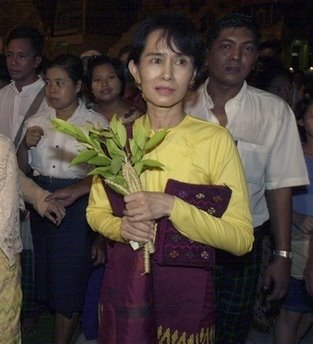


 Posts
Posts


