Showing posts with label UN. Show all posts
Showing posts with label UN. Show all posts
Friday, February 25, 2011


Thursday, December 2, 2010
国連高官 ミャンマーで会見
11月29日 5時42分
ミャンマー問題を担当する国連の高官が、2日間のミャンマー訪問を終えて28日に現地で記者会見し、今月行われた総選挙について、民主化運動のリーダー、アウン・サン・スー・チーさんを排除して強行したなどの批判に対して軍事政権は誠実に答えるべきだと述べました。
国連でミャンマー問題を担当するナンビアール官房長は、27日から2日間にわたって現地を訪問し、今月中旬に自宅軟禁を解除されたアウン・サン・スー・チーさんや、さきの総選挙で圧勝した軍事政権側の政党の代表などと会談しました。訪問を終えて28日に現地で記者会見したナンビアール官房長は、スー・チーさんの自宅軟禁を軍事政権が解除したことについては、一定の進歩だという認識を示しました。その一方で、20年ぶりに行われた総選挙については「多くの関係者が選挙の過程や結果について強い懸念を示している」と述べたうえで、民主化運動のリーダーのスー・チーさんを排除したなどの批判に対し、軍事政権側がしんしに耳を傾け、誠実に答えるべきだという考えを示しました。また、ナンビアール官房長は、総選挙で圧勝した軍事政権側の政党が新政権を主導することが確実ななか、軍事政権がスー・チーさんらを排除せずに新しい国作りを進めていくことを強く求めました。
[関連ニュース]
自動検索 ・スー・チーさん 国連幹部と会談
Thursday, October 7, 2010
Former UN Rights Officials Call for Burma Inquiry
Former UN Rights Officials Call for Burma Inquiry
Source: The Irrawaddy
Date: 06 Oct 2010
By LALIT K JHA
WASHINGTON — Two top former human rights officials of the United Nations on Tuesday urged the European Union to support the establishment of a UN Commission of Inquiry to investigate war crimes and crimes against humanity in Burma, as recommended by the UN Special Rapporteur on the Situation of Human Rights in Burma.
The request was made by Paulo Sergio Pinheiro of Brazil and Yozo Yokota of Japan, who served as the special rapporteurs on the Situation of Human Rights in Burma in (2000-2008) and (1992-1996), respectively, in a letter to Catherine Ashton, the high representative of the EU.
"As former UN special rapporteurs on human rights in Myanmar [Burma], it is our firm conclusion that the pattern of human rights violations perpetrated by the military regime in Burma/Myanmar is severe, widespread and systematic, and directed at civilians, and may therefore violate international human rights and humanitarian laws," Pinheiro and Yokota said.
"As the current special rapporteur has concluded, the abuses are a matter of state policy and there is more than sufficient evidence to justify the creation of such a Commission of Inquiry," the letter said.
Pinheiro and Yokota also urged that the EU should propose the commission in a forthcoming UN General Assembly resolution. "It is essential to send a strong message to the regime ahead of the elections that the international community will not continue to tolerate its violations of international humanitarian law and that impunity must end," they wrote.
The letter noted that evidence of the widespread and systematic use of forced labor, rape as a weapon of war, the forcible conscription of child soldiers, religious persecution, torture and killings is well documented and has been presented by many respected human rights organizations including Amnesty International, Human Rights Watch, International Federation of Human Rights (FIDH) and Christian Solidarity Worldwide (CSW), among others.
Copies of the letter were sent to the government of Belgium, the current president of the Council of the European Union, foreign ministers of EU member states and permanent representatives of EU member states to the United Nations in New York and Geneva.
"Since 1996, over 3,500 villages in eastern Burma alone have been destroyed, and at least half a million people internally displaced. Hundreds of thousands have been forced to flee to the borders of neighboring countries, and beyond. These violations of international humanitarian law have been documented by the UN in numerous resolutions by the General Assembly and Human Rights Council, and in our own and other reports of Special Rapporteurs," the letter said.
The two former UN officials said the new Constitution, which will come into force after the regime's elections in November, contains a clause providing blanket immunity for all crimes, past, present and future, committed by the military, and guarantees the military a quarter of the parliamentary seats.
"The election laws issued earlier this year, the recent de-registration of Aung San Suu Kyi's party, the National League for Democracy, and the regime's decision to exclude many ethnic populations and parties from participating, mean that the forthcoming elections offer little hope of meaningful change in Burma. The elections, in our opinion, will perpetuate military rule and result in continuing human rights violations," they said.
So far, 13 nations have expressed their support for the establishment of the UN Commission of Inquiry in Burma, including the United States, United Kingdom, France, Czech Republic, Slovakia, the Netherlands, Hungary, Ireland, Lithuania, Australia, New Zealand, Canada and Estonia, which became the 13th supporter on Saturday.
Aung Din of the US Campaign for Burma said the European Union is the major author of the Burma draft resolution at the UN General Assembly and it has been working on a draft in Brussels since September.
Pro-democracy activists including the US Campaign for Burma are pushing the EU to include the language, "calling for the secretary-general to establish a Commission of Inquiry to investigate human rights violations in Burma" in the draft resolution, which will be submitted to the UN General Assembly soon.
So far, the EU hasn't agreed to the proposal.
Friday, September 24, 2010
Obama pressed to confront Asean leaders on UN inquiry
Obama pressed to confront Asean leaders on UN inquiry
Thursday, 23 September 2010 02:56 Ko Wild
Chiang Mai (Mizzima) – A leader from Burma’s pro-democracy opposition is calling on US President Barack Obama to raise the issue of a United Nations commission of inquiry into crimes against humanity committed by Burma’s military junta with regional representatives thus far unsupportive of the measure.
Win Tin attends the meeting in March that decided Burma’s main opposition party, the National League for Democracy, would not re-register for this year’s polls with the Burmese military junta’s electoral watchdog, the Union Election Commission. He is calling on US President Barack Obama to raise the issue of a United Nations commission of inquiry into the junta’s crimes against humanity with Asean representatives who have been unsupportive of the measure during an upcoming meeting with Southeast Asian leaders in New York. Photo: Mizzima
Win Tin, a central executive committee member of the National League for Democracy (NLD), has urged the US president to take the initiative during an upcoming meeting with Southeast Asian leaders in New York.
In New York to attend the UN General Assembly, Obama and his Southeast Asian counterparts are scheduled to meet for about two hours tomorrow, discussing security matters, environmental issues, trade and investment, according to the White House.
It is unknown whether Burmese Foreign Minister Nyan Win will also attend the gathering.
“The junta ignored the people’s desires and the 1990 election result. This is a violation of human rights. So, they should support the organisation of a UN commission of inquiry to put the Burmese regime on trial at the International Criminal Court for its crimes against humanity,” Win Tin told Mizzima.
The establishment of a commission of inquiry has been gaining momentum, with Dutch Foreign Minister Maxime Verhagen on Tuesday telling Mizzima that the Netherlands will join the ranks of those supporting an investigation into crimes against humanity in Burma.
Australia, Britain, Canada, the Czech Republic, Hungary, New Zealand, Slovakia, the United States, and today, France, and have all voiced their support for the formation of such a commission of inquiry. No Southeast Asian government has yet to support the initiative.
Aung Din, executive director at US Campaign for Burma, added that he expected Obama and the US to dismiss the results of the forthcoming general election on November 7 in Burma, but that Asean countries may respond differently.
Obama last met Asean leaders as a group, including Burmese Prime Minister Thein Sein, last November in Singapore.
One issue sure to receive attention is the continuing dispute regarding territorial rights to all or part of the Spratly and Paracel island chains in the resource-rich South China Sea.
China, Vietnam, Taiwan, Malaysia, Brunei and the Philippines each claim jurisdiction over at least a portion of the regions in question.
Tuesday, August 17, 2010
တကမၻာလုံးကျမန္မာျပည္ေရြးေကာက္ပဲြကို ေစာင့္ႀကည့္ေနတယ္
တကမၻာလုံးကျမန္မာျပည္ေရြးေကာက္ပဲြကို ေစာင့္ႀကည့္ေနတယ္
ဥေရာပယူနီယံ(အီးယူ)က တကမၻာလုံးက ျမန္မာျပည္ေရြးေကာက္ပဲြကို
ေစာင့္ႀကည့္ေနတယ္လို ့ေျပာလိုက္ပါတယ္။
ဒီေရြးေကာက္ပဲြကို အနွစ္(၂၀)အတြင္းပထမဆုံးအေနနဲ ့က်င္းပတာျဖစ္ပါတယ္။
လာမည့္ နိုဝဘၤာလ(၇)ရက္ေန ့မွာေရြးေကာက္ပဲြျပဳလုပ္မွာျဖစ္ေႀကာင္းျမန္မာနိုင္ငံကို
လက္ရိွအုပ္ခ်ဳပ္ေနတဲ့စစ္အုပ္စုကေႀကျငာခဲ့တာျဖစ္ပါတယ္။
အီးယူက တဆက္ထဲေျပာႀကားရာမွာ ေရြးေကာက္ပဲြဟာလြတ္လပ္ျပီးတရားမွ်တမႈမရိွ
ဘူးဆိုရင္ တရားဝင္တဲ့ေရြးေကာက္ပဲြလို ့ကမၻာကယူဆမွာမဟုတ္ေႀကာင္းဆိုလိုက္ပါတယ္။
ေလ ့လာေ၀ဖန္သူမ်ားကေတာ့ဒီေရြးေကာက္ပဲြဟာ ဟန္ျပေရြးေကာက္ပဲြသာျဖစ္ျပီး
အဲ့ဒီေရြးေကာက္ပဲြကေနတဆင့္ စစ္တပ္က ျမန္မာျပည္နိုင္ငံေရးမွာတရားဝင္ဦးေဆာင္
မႈအေနအထားကိုရယူနိုင္ေအာင္လုပ္ေနတာသာျဖစ္တယ္လို ့ဆိုပါတယ္။
ျမန္မာျပည္သူလူထုနဲ ့ ကမၻာ့မိသားစုႀကီးက ျမန္မာ့ေရြးေကာက္ပဲြကိုတရားဝင္တဲ့
ေရြးေကာက္ပဲြတစ္ခုအေနနဲ ့လက္ခံနိုင္ဖို ့အတြက္ နိုင္ငံေရးပါတီအားလုံးဟာ လြတ္လြတ္
လပ္လပ္စည္းရုံးခြင့္ိရိွရပါမယ္။ျပီးေတာ့မဲေပးတဲ့နည္းလမ္းစည္းကမ္းမ်ားဟာလဲ လြတ္လပ္ျပီး
တရားမွ်တရပါမည္။ ဒီအခ်က္အလက္ေတြကို ျမန္မာအာဏာပိုင္မ်ားကလုပ္ေဆာင္ေပးရမွာ
ျဖစ္တယ္လို ့ရန္ကုန္ျမိဳ ့မွာထုတ္ျပန္လိုက္တဲ့ အဂၤလိပ္သံရုံးရဲ့ေႀကျငာခ်က္ထဲမွာေဖာ္ျပခဲ့ပါ
တယ္။အထက္ပါေႀကျငာခ်က္ကို ျပင္သစ္ ဂ်ာမဏီ နဲ ့ အီတလီအပါအဝင္အျခားေသာ
အီးယူနိုင္ငံမ်ားကိုယ္စားထုတ္ျပန္ေႀကျငာခဲ့တာျဖစ္ပါတယ္။
ျပီးခဲ့တဲ့ေသာႀကာေန ့ကဘဲ ကုလသမဂၢအေထြေထြအတြင္းေရးမႉးဘန္ကီမြန္းက
အလားတုူေႀကျငာခ်က္တစ္ခုကိုထုတ္ျပန္ခဲ့ပါတယ္။အေထြေထြအတြင္းေရးမႉးက ျမန္မာ့
ဒီမိုကေရစီေခါင္းေဆာင္ေဒၚေအာင္ဆန္းစုႀကည္အပါအဝင္ နိုင္ငံေရးအက်ဥ္းသားမ်ား
အားလုံးကိုလႊတ္ေပးဖို ့နဲ ့၊ ဒါမွသာျမန္မာျပည္တြင္းရိွနိုင္ငံေရးလႈပ္ရွားမႈမ်ားမွာ အဆိုပါ
ပုဂၢိဳလ္မ်ားပါဝင္နိုင္မွာျဖစ္ေႀကာင္းဆိုပါတယ္။
ျမန္မာျပည္ကစစ္တပ္ကအုပ္ခ်ဳပ္ခဲ့တာ အနွစ္(၅၀)ေက်ာ္ခဲ့ျပီျဖစ့္ပါတယ္။
ေဒၚေအာင္ဆန္းစုႀကည္ေခါင္းေဆာင္တဲ့အမ်ိဳးသားဒီမိုကေရစီအဖဲြ ့ခ်ဳပ္ဟာ ျပီးခဲ့တဲ့
၁၉၉၀ခုနွစ္မွာျပဳလုပ္ခဲ့တဲ့အေထြေထြေရြးေကာက္ပဲြမွာအျပတ္အသတ္အနိုင္ရခဲ့ေပမဲ့
စစ္အာဏာပိုင္မ်ားက အာဏာကိုလဲြေျပာင္းေပးဖို ့ျငင္းဆန္ခဲ့ရုံတင္မကဘဲ ျငိမ္းခ်မ္း
ေရးနိုဘယ္ဆုရွင္ေဒၚေအာင္ဆန္းစုႀကည္ကိုလဲ ျပီးခဲ့တဲ့ ၂၁ နွစ္တာကာလအတြင္း
၁၅ နွစ္တာ (ယေန ့တိုင္) ေနအိမ္အက်ယ္ခ်ဳပ္ခ်ထားခဲ့ပါတယ္။
ေဒၚေအာင္ဆန္းစုႀကည္ရဲ့အမ်ိဳးသားဒီမိုကေရစီအဖဲြခ်ဳပ္ဟာ လာမဲ့ ၂၀၁၀
ေရြးေကာက္ပဲြကို သပိတ္ေမွာက္ခဲ့ပါတယ္။ အေႀကာင္းျပခ်က္က ေရြးေကာက္ပဲြ
ဥပေဒေတြဟာဒီမိုကေရစီနည္းလမ္းမက်သလို တရားမွ်တျခင္းလဲမရိွလို ့ျဖစ္ပါတယ္။
အဲ့ဒီေရြးေကာက္ပဲြဥပေဒေတြအရ ေဒၚေအာင္ဆန္းစုႀကည္အေနနဲ ့ ေရြးေကာက္ပဲြဝင္ခြင့္မရိွ
ပါဘူး။ွ
ေဒၚေအာင္ဆန္းစုႀကည္ရဲ့ပါတီအပါအဝင္ အျခားပါတီအမ်ားအႀကားက ေရြးေကာက္ပဲြ
လုပ္ငန္းစဥ္ေတြဟာတရားမွ်တဘူး ၊ ပါတီအမတ္ေလာင္းေတြေရြးခ်ယ္ဖို ့နဲ ့မဲဆြယ္စည္းရုံး
ဖို ့အတြက္အခ်ိန္လုံေလာက္မႈမရိွဘူးလို ့ဆိုပါတယ္။ ပါတီမ်ားဟာ မိမိတို ့ရဲ့ပါတီအမတ္
ေလာင္းစာရင္းကို ဒီလကုန္ေနာက္ဆုံးထားျပီးတင္သြင္းရမွာျဖစ္ျပီး ၊ မဲဆြယ္မႈကို
အာဏာပိုင္မ်ားက ေႀကျငာေပးမဲ့မဲဆြယ္ကာလမွာဘဲမဲဆြယ္ရမွျဖစ္ပါတယ္။
ဒီေရြးေကာက္ပဲြလုပ္ငန္းစဥ္ေတြနဲ ့ပတ္သက္ျပီးအေမရိကန္ျပည္ေထာင္စုက
အႀကိမ္ေပါင္းေျမာက္ျမားစြာရံႈ ့ခ်ေျပာဆိုခဲ့ပါတယ္။ျမန္မာနိုင္ငံကိုျပီးခဲ့တဲ့ေမလကတရား
ဝင္သြားေရာက္ခဲ့ျပီးေနာက္ မွာ အေမရိကန္နိုင္ငံအေရွ့အာရွဆိုင္ရာလက္ေထာက္နိုင္
ငံျခားေရးဝန္ႀကီး ကတ္ ကမ္ ့ဘဲ(KURT CAMPBELL) ကေအာက္ပါအတိုင္ေျပာႀကားခဲ့ပါ
တယ္။ျမန္မာစစ္အာဏာပိုင္ေတြဟာ ေစ့စပ္ညိွနိႈင္းအေျဖရွာဖို ့စိတ္ပါဝင္စားျခင္းမရိွေႀကာင္း၊
ေရြးေကာက္ပဲြလုပ္ငန္းစဥ္ေတြကိုလဲျပဳျပင္ေျပာင္းလဲလိုစိတ္မရိွေႀကာင္း ဒါေႀကာင့္ လာမဲ ့
၂၀၁၀ ေရြးေကာက္ပဲြကို တရားဝင္တဲ့ေရြးေကာက္အေနနဲ ့ကမၻာကအသိိအမွတ္ျပဳမွာ
မဟုတ္ဘူးလို ့အေမရိကန္ျပည္ေထာင္စုအေနနဲ ့ယုံႀကည္ေႀကာင္းေျပာႀကားသြားပါတယ္။
Translation By Phone Hlaing
EU tells Myanmar world is watching its elections
Sat Aug 14, 6:51 am ET
Wednesday, August 4, 2010
UN ‘working behind the scenes’ on Burma
http://www.dvb.no/news/un-%e2%80%98working-behind-the-scenes%e2%80%99-on-burma/11073
By FRANCIS WADE
Published: 3 August 2010
The UN has been forced to defend its record on Burma in recent days with the fallout from a leaked memo that slated Ban Ki-moon’s impact on the pariah state showing no signs of easing.
The now-infamous 50-page report, written by Inga-Britt Ahlenius and leaked to the Washington Post in mid-July, said that the UN secretariat is in a “process of decay” after three years of “absence of strategic guidance and leadership” under Ban.
The comments were a parting shot from Ahlenius, who recently finished her post as chief of the UN’s anti-corruption agency, the Office of Internal Oversight (UNOIOS).
“We seem to be seen less and less as a relevant partner in the resolution of world problems,” she said, questioning the UN’s “capacity to protect civilians in conflict and distress…What relevance do we have in disarmament, in Myanmar [Burma], Darfur, Afghanistan, Cyprus, G20…?”
The secretary general used one of his first speeches as UN chief in January 2007 to urge for the release of Burma’s political prisoners, but since his last, and widely criticised, visit to Burma in June last year, he has barely mentioned the country in public.
Moreover, the UN is yet to appoint a successor to Ibrahim Gambari, the equally maligned UN special envoy to Burma who was reassigned to Sudan in late 2009. In January this year it defended the hiatus on reappointing an envoy by claiming that UN Chief of Staff Vijay Nambiar was temporarily filling the role.
But it has again been forced to defend accusations in the wake of the leaked report that it has been lax on pressuring the Burmese junta to reform. One reporter asked Ban’s spokesperson, Martin Nesirky, on 23 July whether the UN had indeed accomplished anything on Burma, which is heading towards widely-criticised elections this year.
“We continue to work, as I also said to you before; the good offices [team] is not one individual, if you like, it’s people working behind the scenes,” he said. “Not everything that happens is in the public eye…Sometimes you see those results quickly, sometimes it takes longer. Certainly we’ve been very public about the need for credible elections in Myanmar.
Nambiar also responded to the Ahlenius report by saying that Ban’s work as secretary general had been “visionary” and that he had balanced his UN role with “providing truly global leadership.”
But critics have argued that his method of dealing in “soft power” has reinforced the growing influence of China within the UN, at a time when Western nations are in a face-off over China’s support for the Burmese junta. Ahlenius said that Ban was “spineless and charmless” and was “struggling to show leadership”, an accusation that has apparently rattled his office.
Author: FRANCIS WADE Category: News, Politics
Tuesday, August 3, 2010
Letter to His Excellency Ban Ki-moon,General Secretary-The United Nations
To
Mr. Ban Ki-moon
General Secretary
The United Nations
Dated – 3-8-2010
Dear Mr. Ban Ki-moon,
First of all, we would like to let you know that our Burmese people would be suffering more
grievances evidently because of the gross violation of human rights and lack of rule of law
under the Burmese dictatorial regime and there will be a bigger burden on the shoulders of
international community including the United Nations as long as all of us cannot set the
following targets in Burma’s political affairs -
1. the current regime should recognize Burma’s 1990 election result appropriately;
2. all concerned parties should amend the 2008 Constitution to be compatible with a
democratic standard,
3. all political prisoners including Daw Aung San Suu Kyi should be released immediately
and unconditionally, and
4. all inclusive dialogue for national reconciliation should be launched immediately.
Without implementing such targets, it is very clear that we cannot make political progress to
change Burma as a democratic nation.
The Burmese regime was completely ignorant of the above-mentioned targets; instead, it
continued to announce its one-sided 2010 Election Law based on the so-undemocratic 2008
Constitution. It should be well aware that any election in accordance with such election law
cannot be considered a free and fair election which the UN and international community have
long expected.
If the current Burmese regime holds an election desperately without the above-mentioned
important political process, as this will not certainly be the much needed one that our
Burmese people and international community including the UN, we request you to use your
good office to leverage the United Nations not to recognize the result of such election.
In addition to these political affairs, we strongly urge you to consider without delay a report
from Mr. Tomás Ojea Quintana, the UN Special Rapporteur on human rights in Burma, in
which he has recommended that the UN should consider establishing a Commission of
Inquiry into war crimes and crimes against humanity by the Burmese government.
2
As the IAEA has planned to play a big role in insuring that nuclear materials do not fall into
the wrong hands, we again request you to take necessary measure against the Burmese
junta who has been aiming to develop nuclear weapons despite being a member of the
nuclear Non-Proliferation Treaty (NPT), a global anti-nuclear arms pact, and of the IAEA.
Finally, we would like to let you know that there will be no economic development for our
Burmese people but only for the unnecessarily longer dictatorship in Burma when Daewoo
Group, a major conglomerate from your native South Korea, has invested extremely in Burma
and collaborated with the junta leaders for their bilateral self-interest.
May you be well during your official trip to Japan!
From:
Burmese democratic forces in Japan
N.B. We are individuals and groups of pro-democracy Burmese community in Japan.
ဂ်ပန္ႏိုင္ငံေရာက္ ကုလသမဂၢ အေထြေထြအတြင္းေရးမႉးခ်ဳပ္ ဘန္ကီမြန္းအား တိုက္တြန္းေတာင္းဆိုသည့္ လႈပ္ရွားမႈ
Tuesday, August 3, 2010
ဂ်ပန္ႏိုင္ငံေရာက္ ကုလသမဂၢ အေထြေထြအတြင္းေရးမႉးခ်ဳပ္ ဘန္ကီမြန္းအား တိုက္တြန္းေတာင္းဆိုသည့္ လႈပ္ရွားမႈ
ဂ်ပန္ႏိုင္ငံ ဟီရိုရွီးမားၿမိဳ့ႏွင့္ နာဂါဆာကီးၿမိဳ့မ်ားတြင္ က်င္းပရန္ရွိသည့္ Peace Memorial ႏွစ္ပတ္လည္ အခမ္းအနားသို႔ တက္ေရာက္လာမည့္ ကုလသမဂၢ အေထြေထြအတြင္းေရးမႉးခ်ဳပ္ ဘန္ကီမြန္းအား ဂ်ပန္ႏိုင္ငံေရာက္ ျမန္မာ့ဒီမိုကေရစီ အင္အားစုတို႔မွ ျမန္မာ့အေရးႏွင့္ ပတ္သက္၍ တိုက္တြန္း ေတာင္းဆိုသည့္ လႈပ္ရွားမႈတရပ္ကို တိုက်ိဳ Shibuya UN House ေရွ႔၌ ယေန႔ ညေန ၃း၀၀ နာရီ မွ ၄း၀၀ နာရီအထိ က်င္းပျပဳလုပ္ခဲ့ပါသည္။
အေထြေထြအတြင္းေရးမႉးခ်ဳပ္ ဘန္ကီမြန္းအား ျမန္မာ့အေရးႏွင့္ ပတ္သက္သည့္ တိုက္တြန္း ေတာင္းဆိုသည့္စာကို ကုလသမဂၢရုံး(ဂ်ပန္)တာ၀န္ရွိသူ Mr.KAWADE NOBUYUKI မွလကၡံရယူေပးခဲ့ပါသည္။ တိုက္တြန္း ေတာင္းဆိုသည့္စာတြင္ လက္ရွိ ျမန္မာႏိူင္ငံ၏ အေထြေထြ အက်ပ္အတည္းမ်ားကို ၿငိမ္းခ်မ္းစြာ ေျဖရွင္းႏိုင္ရန္အတြက္ ေရႊဂံုတိုင္ ေၾကညာစာတမ္းပါ အခ်က္မ်ားကို ဂ်ပန္ႏိုင္ငံေရာက္ ျမန္မာ့ဒီမိုကေရစီ အင္အားစုတို႔မွ အဓိကထားၿပီး တိုက္တြန္း ေတာင္းဆိုထားပါသည္။
ေရႊဂံုတိုင္ ေၾကညာစာတမ္းပါ ေတာင္းဆိုခ်က္မ်ားကို နအဖ စစ္အာဏာပိုင္တို႔က လံုးဝ လစ္လ်ဴရႈကာ ၂ဝ၁ဝ မတ္လတြင္ ၎တို႔စိတ္ႀကိဳက္ တဘက္သပ္ ေရးဆြဲထားေသာ ေရြးေကာက္ပြဲ ဥပေဒမွာ ဒီမိုကေရစီ စံႏႈန္းမ်ား မျပည့္စံုဘဲ ရွိေနသျဖင့္ ကုလသမဂၢႏွင့္ ႏိုင္ငံတကာမွ ေမွ်ာ္လင့္ထားသည့္ ဒီမိုကေရစီ အသြင္ေျပာင္းေရးအတြက္ လြတ္လပ္၍ တရားမွ်တေသာ ေရြးေကာက္ပြဲ ျဖစ္မလာႏိုင္ေၾကာင္းကိုလည္း ဘန္ကီမြန္းအား တပ္မွန္ၿပီး အသိေပးျခင္းျဖစ္ပါသည္။ တိုက္တြန္းေတာင္းဆိုမႈမ်ားကို လစ္လ်ဴရႈလ်က္ ေရြးေကာက္ပြဲကို ဇြတ္အတင္း က်င္းပလာမည္ ဆိုပါက ကုလသမဂၢ အပါအဝင္ ႏိုင္ငံတကာက အလိုရွိအပ္ေသာ ဒီမိုကေရစီ အသြင္ကူးေျပာင္းျခင္း မဟုတ္သျဖင့္ အဆိုပါ ေရြးေကာက္ပြဲ၏ ရလဒ္ကို ကုလသမဂၢမွ အသိအမွတ္ မျပဳရန္ ဘန္ကီမြန္းအား တိုက္တြန္းေတာင္းဆိုခဲ့ပါသည္။
အထက္ေဖာ္ျပပါ ႏိုင္ငံေရးကိစၥမ်ားအျပင္ ျမန္မာနအဖ စစ္အစိုးရမွ အႀကီးအက်ယ္ က်ဴးလြန္ေနေသာ စစ္ရာဇဝတ္မႈမ်ား (war crimes) ႏွင့္ လူသားမ်ားအေပၚ က်ဴးလြန္သည့္ ရာဇဝတ္မႈမ်ား(crimes against humanity) ကို စံုစမ္းစစ္ေဆးရန္ ေကာ္မရွင္တရပ္ ဖြဲ႔စည္းေရးကို ကုလသမဂၢမွ သံုးသပ္ စဥ္းစားသင့္ေၾကာင္း ကုလသမဂၢ အထူးကိုယ္စားလွယ္ Tomas Ojea Quintana ၏ အစီရင္ခံစာကို ဘန္ကီမြန္းမွ အေလးအနက္ထားကာ အေရးယူ ေဆာင္ရြက္ေပးသင့္ေၾကာင္းႏွင့္ သံသယျဖစ္ဖြယ္ရာ အႏုျမဴလက္နက္မ်ားကို ထုတ္လုပ္ရန္ ၾကံစည္ႀကိဳးပမ္းေနျခင္းကို ကုလသမဂၢအေနျဖင့္ လစ္လ်ဴမရႈပဲ လိုအပ္သလို အေရးယူ တားဆီးေပးရန္ စသည့္အခ်က္မ်ားကိုပါ ထည့္သြင္းေတာင္းဆိုထားေၾကာင္း သိရွိရပါသည္။တိုက္တြန္းေတာင္းဆိုသည့္ အခမ္းအနားတြင္ ဂ်ပန္ႏိုင္ငံေရာက္ ျမန္မာ့ဒီမိုကေရစီ အင္အားစု စုစုေပါင္း ၉၀ ခန္႔ ပူးေပါင္း ပါ၀င္ခဲ့ၾကေၾကာင္း သိရွိရပါသည္။
သတင္းမွတ္တမ္း ။ Mai Kyaw Oo
မွတ္တမ္းဓါတ္ပုံ ။ Lian Khan Sum(CNC-Japan)
Friday, May 28, 2010
UN experts say NKorea is exporting nuke technology
By EDITH M. LEDERER, Associated Press Writer Edith M. Lederer, Associated Press Writer – Fri May 28, 2:38 am ET
UNITED NATIONS – North Korea is exporting nuclear and ballistic missile technology and using multiple intermediaries, shell companies and overseas criminal networks to circumvent U.N. sanctions, U.N. experts said in a report obtained by The Associated Press.
The seven-member panel monitoring the implementation of sanctions against North Korea said its research indicates that Pyongyang is involved in banned nuclear and ballistic activities in Iran, Syria and Myanmar. It called for further study of these suspected activities and urged all countries to try to prevent them.
The 47-page report, obtained late Thursday by AP, and a lengthy annex document sanctions violations reported by U.N. member states, including four cases involving arms exports and two seizures of luxury goods by Italy — two yachts and high-end recording and video equipment. The report also details the broad range of techniques that North Korea is using to try to evade sanctions imposed by the U.N. Security Council after its two nuclear tests in 2006 and 2009.
Council diplomats discussed the report by the experts from Britain, Japan, the United States, France, South Korea, Russia and China at a closed-door meeting on Thursday.
Its release happened to coincide with heightened tensions between North Korea and South Korea over the March sinking of a South Korean navy ship which killed 46 sailors. The council is waiting for South Korea to decide what action it wants the U.N.'s most powerful body to take in response to the sinking, which a multinational investigation determined was caused by a North Korean torpedo.
The panel of experts said there is general agreement that the U.N. embargoes on nuclear and ballistic missile related items and technology, on arms exports and imports except light weapons, and on luxury goods, are having an impact.
But it said the list of eight entities and five individuals currently subject to an asset freeze and travel ban seriously understates those known to be engaged in banned activities and called for additional names to be added. It noted that North Korea moved quickly to have other companies take over activities of the eight banned entities.
The experts said an analysis of the four North Korean attempts to illegally export arms revealed that Pyongyang used "a number of masking techniques" to avoid sanctions. They include providing false descriptions and mislabeling of the contents of shipping containers, falsifying the manifest and information about the origin and destination of the goods, "and use of multiple layers of intermediaries, shell companies, and financial institutions," the panel said.
It noted that a chartered jet intercepted in Thailand in December carrying 35 tons of conventional weapons including surface-to-air missiles from North Korea was owned by a company in the United Arab Emirates, registered in Georgia, leased to a shell company registered in New Zealand and then chartered to another shell company registered in Hong Kong — which may have been an attempt to mask its destination.
North Korea is also concealing arms exports by shipping components in kits for assembly overseas, the experts said.
As one example, the panel said it learned after North Korean military equipment was seized at Durban harbor in South Africa that scores of technicians from the North had gone to the Republic of Congo, where the equipment was to have been assembled.
The experts called for "extra vigilance" at the first overseas port handling North Korean cargo and close monitoring of airplanes flying from the North, saying Pyongyang is believed to use air cargo "to handle high valued and sensitive arms exports."
While North Korea maintains a wide network of trade offices which do legitimate business as well as most of the country's illicit trade and covert acquisitions, the panel said Pyongyang "has also established links with overseas criminal networks to carry out these activities, including the transportation and distribution of illicit and smuggled cargoes."
This may also include goods related to weapons of mass destruction and arms, it added.
Under council resolutions, all countries are required to submit reports on what they are doing to implement sanctions but as of April 30 the panel said it had still not heard from 112 of the 192 U.N. member states — including 51 in Africa, 28 in Asia, and 25 in Latin America and the Caribbean.
While no country reported on nuclear or ballistic missile-related imports or exports from North Korea since the second sanctions resolution was adopted last June, the panel said it reviewed several U.S. and French government assessments, reports from the International Atomic Energy Agency, research papers and media reports indicating Pyongyang's continuing involvement in such activities.
These reports indicate North Korea "has continued to provide missiles, components, and technology to certain countries including Iran and Syria ... (and) has provided assistance for a nuclear program in Syria, including the design and construction of a thermal reactor at Dair Alzour," the panel said.
Syria denied the allegations in a letter to the IAEA, but the U.N. nuclear agency is still trying to obtain reports on the site and its activities, the panel said.
The experts said they are also looking into "suspicious activity in Myanmar," including activities of Namchongang Trading, one of the companies subject to U.N. sanctions, and reports that Japan in June 2009 arrested three individuals for attempting to illegally export a magnetometer — which measures magnetic fields — to Myanmar via Malaysia allegedly under the direction of a company known to be associated with illicit procurement for North Korea's nuclear and military programs. The company was not identified.
Thursday, March 11, 2010
Myanmar: Secretary-General voices concern at new electoral laws
New electoral laws unveiled by authorities in Myanmar do not meet United Nations expectations of what is required for an inclusive political process in the Asian country, Secretary-General Ban Ki-moon warned today.
Thursday, March 11, 2010By UN News
Aung San Suu Kyi
New electoral laws unveiled by authorities in Myanmar do not meet United Nations expectations of what is required for an inclusive political process in the Asian country, Secretary-General Ban Ki-moon warned today.
The UN is carefully studying the laws as they are being published by the Government in preparation for planned national elections later this year, Mr. Ban said in a statement issued by his spokesperson.
According to media reports, the new laws relate to the registration of political parties and prohibit anyone with a criminal conviction from being a member of an official party.
"The indications available so far suggest that they do not measure up to our expectations of what is needed for an inclusive political process," Mr. Ban said.
"The Secretary-General reiterates his call for the Myanmar authorities to ensure such an inclusive political process leading to fair, transparent and credible elections in which all citizens of Myanmar, including Daw Aung San Suu Kyi, can freely participate."
Ms. Suu Kyi, a Nobel Peace Prize laureate and leader of the National League for Democracy (NLD), a prominent opposition leader, has been under house arrest for much of the past two decades. In August last year she was sentenced to an additional 18 months of detention after being convicted of violating State security laws.
Last month Mr. Ban expressed disappointment that Ms. Suu Kyi"s appeal against her house arrest was rejected and reiterated his call for her release.
Myanmar is slated to later this year conduct its first elections in over 20 years as part of a Government-designed timetable towards greater democratization.
Source: UN News
Thursday, October 8, 2009
Exiled Myanmar activist backs sanctions
Exiled Myanmar activist backs sanctions
Economic restrictions target the regime, do not affect the people, Htun says
Detained leader Aung San Suu Kyi has called for the lifting of sanctions
"Some of the sanctions do hurt the people, " U.N. envoy to Myanmar Gambari says
U.S. Congressman Webb says "reciprocal gestures" needed by Myanmar
October 8, 2009 -- Updated 0313 GMT (1113 HKT)Next Article in U.S. »
NEW YORK (CNN) -- An activist exiled from Myanmar called for the government to release pro-democracy leader Aung San Suu Kyi and urged the U.S. to continue sanctions against it.
Protesters demand release of Aung San Suu Kyi in front of the United Nations in New York on Wednesday.
Thaung Htun, Myanmar's government-in-exile's unofficial representative to the United Nations, on Wednesday told CNN's Christiane Amanpour that "it is not the right time even to think about lifting sanctions." He wants the United States to continue to pressure Myanmar's military regime with economic sanctions as it pursues talks with the south Asian nation, also known as Burma.
Sanctions will continue, according to the Obama administration, but it noted that such a policy has not worked as a one-tiered strategy. Even as the United States has settled on moving toward diplomacy, detained leader Suu Kyi has called for lifting the sanctions.
Suu Kyi's detention has been a key component in the United States' political tangle with Myanmar.
Critics of the country's ruling junta have accused the regime of convicting Suu Kyi, 64, to keep her from participating in 2010 elections.
Sanctions coupled with diplomacy could be most effective in dealing with Myanmar, Htun said on the CNN interview program "Amanpour."
In advocating tougher sanctions, Htun said economic restrictions target the regime and do not affect the nation's people.
Don't Miss
Suu Kyi accepts U.S. shift on Myanmar
According to the CIA, more than 30 percent of Myanmar's population lives in poverty.
"The Burmese people are poor, and economy is getting worse because of the mismanagement of the regime," Htun said. "Actually, the regime is getting more money, you know, in the last 20 years. Now they are having $2.6 billion ... just from the sale of gas to Thailand, but they don't use that money for the people."
Others disagree on the effects of sanctions on the country's people.
"[Suu Kyi] does not want to hurt the people of Myanmar," Ibrahim Gambari, the U.N. envoy to Myanmar, told Amanpour. "Some of the sanctions do hurt the people."
Myanmar Prime Minister Gen. Thein Sein has called the sanctions "a form of violence" that do not "promote human rights and democracy."
Senator Jim Webb, the first congressman to visit Myanmar in a decade, said the U.S. State Department "has been clear that they're not going to move forward on issues like sanctions unless there are further reciprocal gestures.
"But we have seen the beginning of a removal of the paralysis," the Virginia Democrat said on "Amanpour" on Wednesday. "Aung San Suu Kyi has been able to meet twice now over the past week with government leaders."
But she is still detained and last week she lost the appeal of the 18-month sentence recently added to time she was already serving. She was sentenced in August for breaching the terms of her house arrest after an incident in May in which an uninvited American, John Yettaw, stayed at her home. Suu Kyi, a Nobel Peace Prize laureate, has been confined in her house for about 14 of the past 20 years.
Htun says it's too early to tell whether more talks with Myanmar will affect Suu Kyi's detention or how the regime treats political adversaries.
"If we look at the reality on the ground, there is no improvement," he said.
"There is more violence in the last seven months, more political prisoners, more arrests, and more military attacks in the ethnic minority areas. That's why we need to be very cautious and we need to put pressure on the regime until these benchmarks can be fulfilled by the regime."
Wednesday, September 2, 2009
UN, West pressure Myanmar for change from within
By JOHN HEILPRIN (AP) – 17 hours ago
UNITED NATIONS — Secretary-General Ban Ki-moon said Monday that elections in Myanmar must be free and fair, amid mounting concerns that they won't be.
"We need to work more for the democratization of Myanmar," Ban told a press conference in Oslo, Norway, with Norwegian Prime Minister Jens Stoltenberg. "This election in 2010 must be a fair and credible and inclusive one."
Ban said he was working hard to keep the pressure on General Than Shwe and other of Myanmar's leaders to live up to their commitments to hold legitimate elections in 2010. At a minimum, the U.N. wants Suu Kyi and 2,000 other political prisoners released. A transcript of Ban's remarks were made available at the U.N. in New York.
Than Shwe has resisted U.N. demands to open up democratically, ignoring four Security Council statements and direct entreaties by Ban and a top envoy. Suu Kyi has been in detention for 14 of the last 20 years since her pro-democracy party won in the polls but was denied power.
Myanmar's government has given no indication it will release her or the 200 political prisoners that Ibrahim Gambari, Ban's top envoy, told The Associated Press he expected would be freed after Ban's most recent trip.
Western and U.N. diplomats increasingly view Myanmar as intent on holding staged elections to enshrine its military dictatorship next year, with few other than the government or neighboring China able to steer an alternate course.
"It's the Burmese leadership that have to take the decision to move forward, rather than to keep their country held back in a state of lack of freedom, military regime and an environment in which there's going to be very little international investment," British Ambassador John Sawers said in an AP interview.
China and Russia, two of Myanmar's main weapons suppliers and trading partners, oppose the idea of a U.N.-backed international arms embargo, and they also blocked the council from making anything more than a tepid protest of Suu Kyi's return to house arrest on Aug. 11.
Copyright © 2009 The Associated Press. All rights reserved. http://www.google. com/hostednews/ ap/article/ ALeqM5hTLKeb1OEm TBx0wCiSeGVbwOkZ yAD9AE2MPG1
UN's Ban says has his own leadership style
Mon Aug 31, 2009 5:15pm IST
OSLO (Reuters) - U.N. Secretary-General Ban Ki-moon responded to Norwegian criticism of his leadership on Monday by saying he had his own style and charisma.
Ban met Norway's Prime Minister Jens Stoltenberg to discuss climate change during a visit that followed the leak of a scathing memo in which Norway's deputy U.N. Ambassador Mona Juul said Ban suffered from "a lack of charisma"
Juul accused Ban, a former South Korean foreign minister, of weak, ineffective and at times counterproductive leadership, Norwegian daily Aftenposten had reported.
Norway has stressed that the letter was an internal diplomatic memo and not a statement by the government.
"We all have a different background, leadership styles. We must respect each others'," Ban told a news conference. "I have my own leadership style, my own charisma."
Juul reportedly wrote that Ban was a mere "passive observer" after Myanmar's arrest of opposition leader Aung San Suu Kyi and that his visit there to meet the hardline generals was fruitless and could create problems for lower-level diplomats.
The secretary-general pointed to his diplomatic efforts last year, when he persuaded Myanmar Senior General Than Shwe to lift humanitarian aid restrictions after Cyclone Nargis. Ban said he was committed to work for democratization of Myanmar.
© Thomson Reuters 2009 All rights reserved http://in.reuters. com/article/ worldNews/ idINIndia- 42110220090831
Sunday, July 19, 2009
လက္ဗလာထက္ ဦးေႏွာက္ဗလာက ပုိၿပီးရွက္ဖုိ႔ေကာင္းတယ္ [Forum ဂ်ာနယ္]
လက္ဗလာထက္ ဦးေႏွာက္ဗလာက ပုိၿပီးရွက္ဖုိ႔ေကာင္းတယ္ [Forum ဂ်ာနယ္]
Posted by ျမန္မာႏုိင္ငံဒီမိုကရက္တစ္အင္အားစု On July - 16 - 2009 စာပံုႏွိပ္ရန္
အတြဲ ၂ ၊ အမွတ္ ၂ ၊ ဇူလုိင္လ ၊၂၀၀၉
ကုလအတြင္းေရးမွဴးခ်ဳပ္ မစၥတာ ဘန္ကီမြန္းေတာ့ ျပန္ၿပီး။
‘လက္ဗလာႏွင့္ ျပန္သြားရၿပီး’လုိ႔ မွတ္ခ်က္ေပးသူေတြ မ်ားပါတယ္။ သူ႔ခရီးစဥ္ကုိ အားမလိုအားမရ အေတာ္ပဲျဖစ္ၾကပါတယ္။ အားမလိုအားမရ ျဖစ္သူမ်ားကုိလည္း အဆုိးမဆုိသာဘူး။
ဘာေၾကာင့္ဆုိ မစၥတာ ဘန္ကီမြန္း ေထာက္ျပတဲ့ အခ်က္ (၃)ခ်က္၊ ေျပာရရင္ မစၥတာ ဘန္ကီမြန္း ေဆာင္ရြက္ေပးခ်င္တဲ့ မစ္ရွင္ (၃)ခု။
လက္ေတြ႔မွာ ဘာဆုိဘာမွ မရခဲ့ဘူး ျဖစ္ခဲ့ေပတာကုိး။
ၾကည့္ဦးေလ -
ေဒၚေအာင္ဆန္းစုၾကည္ လြတ္ေျမာက္ေရးကုိ ေဆာင္ရြက္ေပးႏုိင္ဖုိ႔ ေနေနသာသာ ေတြ႔ခြင့္အႀကိမ္ႀကိမ္ေတာင္းတာေတာင္ ဗိုလ္သန္းေရႊရဲ႕ ေခါင္းအခါကုိ ခံခဲ့ရတာပါ။
၉၀ ေရြးေကာက္ပြဲ အႏုိင္ရပါတီမ်ားႏွင့္ ေတြ႔ခြင့္ေပးေတာ့လည္း ၾကည့္ဦး။
တပါတီစီက တင္ျပခြင့္ (၂) မိနစ္စီတဲ့။
အမ်ဳိးသားဒီမုိကေရစီအဖြဲ႔ခ်ဳပ္က လံုး၀မသင့္ေလ်ာ္ေၾကာင္း၊ သီးျခားေတြ႔ဖုိ႔လုိေၾကာင္း ေထာက္ျပမွ အိပ္ခန္းမွာ (၁၀)မိနစ္ ထပ္ေတြ႔ခြင့္ရခဲ့တယ္။
ဒီလုိ အႏုိင္ရပါတီႀကီးေတြကုိ (၂)မိနစ္စီပဲ စကားေျပာခြင့္ေပးတာက ဒီမစ္ရွင္ (၃)ရပ္ကုိ ကုိင္လာတဲ့ အတြင္းေရးမွဴးခ်ဳပ္ရဲ႕ အစီအမံလုိ႔ က်ေနာ္လံုး၀မယူဆဘူး။ ဒါဟာ ဗုိလ္သန္းေရႊရဲ႕ အစီအမံသက္သက္မွ်သာ ျဖစ္တယ္။
ဒါေပမယ့္ ဒါကုိ သူ ျငင္းခြင့္မရိွခဲ့ဘူး။ မျငင္းႏုိင္ခဲ့ဘူး။
အပစ္ရပ္အင္အားစုေတြႏွင့္ ေတြ႔မယ္ဆိုျပန္ေတာ့လည္း လက္ညွိဳးေထာင္၊ ေခါင္းညိမ့္အဖြဲ႔ေတြ၊ အားမတန္လုိ႔ မာန္ခ်ထားရတဲ့ သူေတြ၊ ယံုလုိ႔ျဖစ္ေစ၊ ပေယာဂ တစံုတရာေၾကာင့္ျဖစ္ေစ ၂၀၁၀ ေရြးေကာက္ပြဲအေပၚ ပေဒသာပင္ေပါက္သလုိ ေျပာဆုိ၀ံ့သူေတြႏွင့္ပဲ ေရြးၿပီး ေတြ႔ခြင့္ျပဳခဲ့သည္။
ဒါဟာ …
ဗိုလ္သန္းေရႊရဲ႕ ဇယားေတြပါ။ ဗုိလ္သန္းေရႊ ေရႊ႕ခ်င္သလုိ ေရႊ႕ထားတဲ့ အကြက္ေတြျဖစ္ပါတယ္။
ဒါကုိ ကမၻာပတ္ေနတဲ့ နားႀကီး မ်က္စိႀကီး အတြင္းေရးမွဴးခ်ဳပ္ႀကီးက မသိ ဘယ္မွာရိွပါ့မလဲ။
မုခ် သိပါတယ္။ ေသေသခ်ာခ်ာကုိ သိပါတယ္။
သိလုိ႔လည္း သံအမွတ္ေတြ၊ မီဒီယာသမားေတြနဲ႔ ေတြ႔ဆံုတဲ့ပြဲမွာ သူ ‘လူအ မဟုတ္ေၾကာင္း’ တရား၀င္ အတိအလင္း ထုတ္ေဖာ္ေျပာဆုိခဲ့တာ ျဖစ္ပါတယ္။
ဗုိလ္သန္းေရႊတုိ႔ကေတာ့ ဒီခရီးစဥ္မွာ အပုိင္ခ်ည္လုိက္ႏုိင္ၿပီလုိ႔ ထင္ေကာင္းထင္ပါလိမ့္မယ္။
ဒါေပမယ့္ ႏုိင္ငံတကာအလယ္မွာ၊ လူတေယာက္အလယ္မွာ ေခါင္းမာၿပီး ဦးေႏွာက္မဲ့သူျဖစ္ေၾကာင္း၊ ဆင္ျခင္တံုတရား ေခါင္းပါးသူျဖစ္ေၾကာင္း သူကုိယ္တုိင္ လူသိရွင္ၾကား ၀န္ခံလုိက္သလုိ ျဖစ္သြားတာကုိေတာ့ မူလတန္းကေလးေတာင္ ရိပ္မိႏုိင္ေလာက္ပါတယ္။
မစၥတာ ဘန္ကီမြန္းက လက္ဗလာ ျဖစ္ေကာင္းျဖစ္ပါလိမ့္မယ္။
ဗိုလ္သန္းေရႊ ဦးေႏွာက္ဗလာျဖစ္တယ္ဆုိတာကုိေတာ့ ဒီခရီးစဥ္က ပုိၿပီးပိုၿပီး
ရွင္းသြားေစတယ္လုိ႔ မွတ္ခ်က္ခ်ခ်င္ပါတယ္။ ။ … [ Forum ဂ်ာနယ္ file ]
Thursday, July 16, 2009
UN gains leverage over Myanmar
Asia Times: UN gains leverage over Myanmar - Haseenah Koyakutty
Tue 14 Jul 2009
The consensus headlines from United Nations chief Ban Ki-moon’s recent trip to Myanmar focused on his failure to meet with detained pro-democracy leader Aung San Suu Kyi. The ruling military junta’s Senior General Than Shwe disallowed the diplomatic contact because Suu Kyi is currently on trial for allegedly violating the terms of her house arrest.
But an emerging parallel narrative is starting to generate different headlines, where UN pressure on the military regime and political fatigue among its top generals produces results. According to reports, Myanmar’s ambassador to the UN, U Than Swe, told the Security Council on Monday that his government was “processing to grant amnesty” to an undisclosed number of political prisoners to allow them to participate in democratic elections scheduled for 2010.
Ban had pressed the military regime during his recent visit to release over 2,100 political prisoners and ensure that the democratic elections would be free and fair. The prisoner release announcement comes notably while the global spotlight is focused on Myanmar’s secretive military modernization and nuclear energy designs. The UN’s latest and unanimous Security Council Resolution 1874, passed last month against North Korea, recently forced a North Korean ship suspected of carrying arms or missile components to abort its voyage to Myanmar and return home.
Chief of US naval operations Admiral Gary Roughhead told reporters that the UN resolution was indication of the international community coming together on the issue and the US navy’s tracking of the North Korean ship was a “very effective way” of preventing arms proliferation. Significantly, China and Russia, which have both shielded Myanmar from UN Security Council censure with their veto votes, cooperated with the toughened sanctions against Pyongyang.
What the purportedly Myanmar-bound North Korean ship was actually carrying remains a mystery, but the incident underscored how the UN and US are collaborating on security issues more effectively under the Barack Obama administration than the two sides did under the outgoing George W Bush government. Tying Myanmar to North Korea could also pay strategic dividends for the UN, which has for years tried to mediate national reconciliation in Myanmar without any meaningful breakthroughs.
During Ban’s most recent visit, his second to Myanmar as the UN’s chief envoy, Than Shwe dropped what some considered a symbolic bombshell. According to the UN, the reclusive military leader told Ban during their discussions that the next time the UN chief visited Myanmar, “I will be an ordinary citizen, a lay person, and my colleagues will too because it will be a civilian government.”
Myanmar’s generals plan to hold democratic elections next year after nearly a half century of uninterrupted military rule. Myanmar ambassador Swe told the UN on Monday that the country was “steadfastly proceeding on its chosen path to democracy” and hinted that the regime might accept international assistance in arranging the polls if deemed “necessary”. Several opposition groups, including Suu Kyi’s National League for Democracy (NLD) party, may boycott the polls if their conditions for a free and fair poll are not met, while exiled activists have slammed the polls as a sham designed to perpetuate Than Shwe’s and the military’s rule under a civilian guise.
But people familiar with Ban’s recent closed-door meetings say the general conjured up the prospect of a civilian government in the presence of his military lieutenants who may still be split on the issue. The septuagenarian leader, a former expert in psychological warfare, is notorious for his mind games, making promises to the UN only to later break them. But political fatigue, an under-appreciated concept in conflict resolution, cannot be ruled out.
In neighboring Indonesia, nobody predicted its all-powerful military would step aside constitutionally in favor of civilian rule after former dictator Suharto’s fall from grace in 1998. Military schisms and fatigue were contributing factors in that democratic breakthrough. Myanmar lacks a credible constitution, impartial institutions, and a vocal middle class to press for democratic change, but like all decrepit regimes the end game often comes about through a succession of policy mishaps.
Repressive record
Than Shwe has in recent years overseen state-sponsored killing of Buddhist monks, the initial rejection of international emergency aid for over two million cyclone victims, and now subjected Suu Kyi to a show trial few if any in the international community believes has legal merit. The regime’s top general has ignored the world’s pleas for her release and once again bid to manipulate the UN in the process.
A UN official who requested anonymity out of protocol described Ban’s first two-hour meeting with Than Shwe as a mission to “speak truth to power”; as unscripted, frank and “forceful back-and-forth” through an interpreter. When the capricious dictator dismissed an idea out-of-hand, the UN official recounted, he would reply with a curt “Yes, thank you.”
The second meeting eventuated with the general’s refusal to allow Ban to visit Suu Kyi, and the UN’s top envoy had to make do with meeting her NLD party stalwarts. Ban’s exclusive time with Than Shwe was notable as the mercurial general has in the past rebuffed top UN envoys who visited the country.
It’s unclear if the two sides spoke about weapons proliferation or Myanmar’s nuclear designs. Upon his departure, Ban said Myanmar’s generals had missed an opportunity to work through the UN, but has yet to indicate whether the UN would consider tabling a resolution against Myanmar similar to the one passed against North Korea.
Prior to Ban’s courtesy call, Than Shwe met with Singapore’s former prime minister Goh Chok Tong, who last month led an official delegation to Myanmar. Singapore is a leading foreign investor in Myanmar, its second-largest trade partner after Thailand and one of the first countries to offer Cyclone Nargis assistance. A Singapore hospital has also provided treatment to Than Shwe for an undisclosed medical condition.
A source who accompanied Goh during the four-day visit said Myanmar is at a “tipping point” and that there’s a genuine need and want for change among the military and population. The Singapore source said that during their meetings the army expressed “deep frustration” over its inability to tame armed ethnic insurgent groups. At the upcoming elections, the Singapore official estimated, the downtrodden population “would buy into the rhetoric of the party that promises them the most peace”.
History has shown that political breakthroughs often occur when least expected. The UN and international community should recognize the growing signs of political fatigue in Myanmar’s stalemate, while at the same time treat Than Shwe’s overtures of democratic change through elections with deep skepticism as long as Suu Kyi remains behind bars and her NLD is excluded from any political transition.
United States Secretary of State Hillary Clinton is expected to attend the Association of Southeast Asian Nations (ASEAN) Regional Forum to be held in Thailand later this month, and North Korea and Myanmar are expected to dominate the security-oriented agenda. All eyes will be on China, which has big investment interests in Myanmar and in the past protected its military regime from UN censure, but may now frown on the generals’ weapons proliferation and alleged nuclear gambit with North Korea - both clear threats to international peace and stability.
It is possible that the UN, ASEAN and its dialogue partners could, with the backing of the US and China, move to close ranks and apply more uniform pressure for change on the military regime. Than Shwe is arguably running out of options and time-trusted allies and if China were to meet the regime’s brinksmanship with support for a new punitive UN resolution, a new diplomatic dynamic would emerge where the UN might yet make a difference in Myanmar.
Haseenah Koyakutty is a freelance Southeast Asia correspondent based in Bangkok.
Ban Should Now Tackle Burma’s Constitution, Says Opposition
By WAI MOE Wednesday, July 15, 2009
Opposition parties in Burma say UN Secretary-General Ban Ki-moon didn’t go far enough in urging the military regime to ensure that the 2010 general election is “credible, inclusive and legitimate.”
The UN chief should also have addressed demands to rewrite the constitution drawn up by the regime and enacted in 2008, they say.
Nyan Win, spokesman of the National League for Democracy (NLD), said that even if the 2010 election were to be “free and fair”—as the regime had promised—“the 2008 constitution is undemocratic.”
The NLD disagreed with Ban on this point, Nyan Win said.
The regime claimed the 2008 constitution had been approved by more than 90 percent of voters in a national referendum held shortly after the Cyclone Nargis in May that year. Critics say the constitution had been drafted by handpicked official representatives and that the referendum was anything but free and fair.
The constitution reserves 25 percent of seats in both houses of a new parliament for military representatives, appointed by the commander-in- chief of the armed forces.
It also bars any person married to a foreigner from serving as president of the country. Furthermore, presidents must have military experience.
Both restrictions rule out the possibility of Aung San Suu Kyi ever taking office. “Daw Aung San Suu Kyi is definitely banned from becoming president under the 2008 constitution,” Nyan Win said.
Burma’s largest ceasefire groups—the Wa, Kachin, Kokang and Mon—also take issue with the constitution, which reserves 25 percent of the seats in state or regional assemblies for non-elected military representatives. The commander-in- chief of the armed forces will have power to abolish the parliaments of ethnic states and autonomous regions.
In a joint letter to the Chinese government, Wa and Kachin leaders said they wanted the 2008 constitution amended because it failed to respect the truth of political history and perpetuated the Burman centric long-term political distrust towards ethnic minorities.
“Mr Ban Ki-moon’s election proposals are totally out of touch with stakeholders in Burmese politics,” said Aye Thar Aung, an Arakan leader and secretary of the Arakan League for Democracy. “The greatest difficulty for Burma’s democracy process is now the constitutional crisis.”
Aye Thar Aung said the UN’s Burma efforts should now be directed at making sure the constitution enshrined democratic principles and ethnic minority rights.
http://www.irrawadd y.org/article. php?art_id= 16332
Tuesday, July 14, 2009
US, Britain and France Doubt Credible Election; China Calls for Lifting Sanctions
By LALIT K JHA Tuesday, July 14, 2009
WASHINGTON — Three permanent members of United Nations Security Council—the United States, Britain and France—expressed skepticism that the Burmese junta will hold free, fair and credible general elections in 2010, while urging the military rulers to match their words with deeds.
China, on the other hand, which has been a strong supporter of the totalitarian Burmese rulers both inside and outside the Security Council, urged Western countries including the US, Britain and France to lift their economic sanctions on Burma.
View of the UN Security Council in New York. (Photo: AFP)
“Now is the time for Burma to match its words with deeds,” said Rosemary A DiCarlo, the US alternate representative for special political affairs, following a Security Council briefing on Burma by UN Secretary-General Ban Ki-moon at the UN headquarters in New York.
DiCarlo expressed US disappointment that the Burmese authorities refused Ban’s request to meet with Aung San Suu Kyi.
“By turning down this simple, straightforward request, the Burmese government missed a critical opportunity to, in your words, ‘show its commitment to a new era of political openness,’” she said.
Calling on the Burmese regime to free Aung San Suu Kyi immediately and unconditionally, she said the junta is clearly not respecting the popular will by putting the leader of the country’s democratic opposition on trial for spurious charges of violating her house arrest, which itself was illegitimate. “We are deeply concerned about these proceedings,” she said.
British Deputy Permanent Representative Philip Parham said Ban’s visit was an opportunity for the junta to transform its relationship with the international community which stands ready to respond positively to real progress.
“The regime’s failure to take this opportunity has only served to isolate it further. We can only hope that we may yet see progress in the coming days; it is not too late. But if it does not come, and if we see an unjust outcome in Aung San Suu Kyi’s trial, the international community will need to follow the secretary-general’ s lead and respond robustly,” Parham said. “The onus is on the government to act.”
He said the generals heard the strong message the secretary-general delivered in Rangoon when he addressed ministers and the diplomatic and NGO communities.
“They can be in no doubt about his disappointment and the disappointment of the international community as a whole,” Parham said.
France called for stronger actions by the Security Council.
“The current impasse is no reason for the international community to do nothing. The council must respond firmly if she [Suu Kyi] is found guilty, but inaction must not be the price of its unity,” said Jean-Maurice Ripert of France.
Far from initiating a dialogue with political parties and ethnic groups, Ripert said the junta has unilaterally implemented a “road map” to democracy which had led to increased polarization.
In defense of the junta, Chinese Deputy Ambassador Liu Zhenmin said Ban’s failure to meet with Suu Kyi should not be the criterion to judge the success of the visit.
“Gen Than Shwe had not made arrangements for the secretary-general to meet with her, and the United Nations must respect that decision by a member state. During his visit, the secretary-general had held in-depth dialogues with top leaders and that would play an important role in encouraging the democratic process,” he said.
Liu said that Ban’s visit had been significant and its positive outcome deserved to be assessed fairly by the international community.
He said Burma’s problems could not be addressed in a Western manner, the junta should steadily reform and the international community should fairly assess the country’s challenges.
He called for lifting the international sanctions against Burma, a necessary step for economic development.
“Events occurring inside Myanmar [Burma] are internal affairs that should be handled by the government, as they posed no threat to international peace and security. China is against isolating and sanctioning Myanmar and its position in that regard remained unchanged,” Liu said.
Copyright © 2008 Irrawaddy Publishing Group | www.irrawaddy. org
http://www.irrawadd y.org/article. php?art_id= 16320
Thursday, July 9, 2009
UNSG’s Remarks on Myanmar to Diplomatic Missions, UN Agencies and Non-Governmental Organizations
ျမန္မာဘာသာျပန္ကို အဂၤလိပ္ဘာသာေနာက္တြင္ဆက္လက္ဖတ္ရႈနိုင္ပါသည္
(ဘာသာျပန္၍ေမးပို ့ေပးေသာအန္ကယ္ဦးေမာင္ေမာင္လွႀကိဳင္အားေက်းဇူးအထူးတင္ရိွပါသည္)
Excellencies,
Distinguished guests and colleagues
Ladies and Gentlemen,
This is my second visit to Myanmar in just over a year. Both visits have been at critical times for the country's future.
My first visit was in the aftermath of Cyclone Nargis. This devastating natural disaster, which took so many lives and created so much hardship, touched hearts across the globe. In Myanmar's moment of need, the world responded generously.
I want to personally thank everyone here today for your remarkable contributions to the relief and recovery effort.
You have saved lives, rejuvenated communities and made it possible for many thousands of people to reclaim their livelihoods. You have helped Myanmar to overcome adversity. It is important that this work continues.
Ladies and Gentlemen,
I felt the tragedy of Cyclone Nargis deeply -- as a fellow Asian and as Secretary-General.
I am Asia's second Secretary-General. The first was Myanmar''s U Thant. I revere his memory. I also recall his wise words.
U Thant said: “The worth of the individual human being is the most unique and precious of all our assets and must be the beginning and end of all our efforts. Governments, systems, ideologies and institutions come and go, but humanity remains.”
This is why I have returned.
As Secretary-General, I attach the highest importance to helping the people of this country to achieve their legitimate aspirations.
The United Nations works for people – their rights, their well-being, their dignity. It is not an option. It is our responsibility.
I have come to show the unequivocal shared commitment of the United Nations to the people of Myanmar.
I am here today to say: Myanmar – you are not alone.
We want to work with you for a united, peaceful, prosperous, democratic and modern Myanmar.
We want to help you rise from poverty.
We want to work with you so your country can take its place as a respected and responsible member of the international community.
We want to help you achieve national reconciliation, durable peace and sustainable development.
But, let me emphasize: neither peace nor development can thrive without democracy and respect for human rights.
Myanmar is no exception.
Ladies and Gentlemen,
The challenges are many. But they are not insurmountable.
We know from experience that securing Myanmar's peaceful, democratic and prosperous future is a complex process.
None of Myanmar's challenges can be solved on their own. Peace, development and human rights are closely inter-related.
Failure to address them with equal attention will risk undermining the prospects for democracy, durable peace and prosperity.
However, we also know that where there is a genuine will for dialogue and reconciliation, all obstacles can be overcome.
The question today is this: how much longer can Myanmar afford to wait for national reconciliation, democratic transition and full respect for human rights?
The cost of delay will be counted in wasted lives, lost opportunities and prolonged isolation from the international community.
Let me be clear: all the people of Myanmar must work in the national interest.
I said this yesterday when I met with representatives of Myanmar's registered political parties and with those armed groups that have chosen to observe a cease-fire. I encouraged them respectively to honour their commitments to the democratic process and peace.
Nonetheless, the primary responsibility lies with the Government to move the country towards its stated goals of national reconciliation and democracy.
Failure to do so will prevent the people of Myanmar from realizing their full potential.
Failure to do so will deny the people of Myanmar their right to live in dignity and to pursue better standards of life in larger freedom.
These principles lie at the core of the United Nations Charter, whose opening words are “We the peoples”.
The founding Constitution of independent Myanmar echoes these noble words. We must work together to ensure that Myanmar's future embodies these principles too.
With this in mind, I bring three messages.
First, respect for human dignity is the precondition for peace and development everywhere.
Myanmar was one of the first United Nations Member States to adopt the Universal Declaration of Human Rights.
It subscribed early on to the consensus that respect for human rights and fundamental freedoms is indispensable to political, economic and social progress.
Unfortunately, that commitment has not been matched in deed. Myanmar's human rights record remains a matter of grave concern.
The Government has articulated its goals as stability, national reconciliation and democracy.
The upcoming election –the first in twenty years – must be inclusive, participatory and transparent if it is to be credible.
Myanmar's way forward must be rooted in respect for human rights
This is why I say that all political prisoners, including Daw Aung San Suu Kyi, should be released without delay.
When I met General Than Shwe yesterday and today, I asked to visit Ms. Suu Kyi. I am deeply disappointed that he refused.
I believe the government of Myanmar has lost a unique opportunity to show its commitment to a new era of political openness.
Allowing a visit to Daw Aung San Suu Kyi would have been an important symbol of the government's willingness to embark on the kind of meaningful engagement that will be essential if the elections in 2010 are to be seen as credible.
Daw Aung San Suu Kyi must be allowed to participate in the political process without further delay.
Indeed, all the citizens of Myanmar must be given the opportunity to contribute fully to the future of this country.
National reconciliation cannot be complete without the free and active participation of all who seek to contribute.
The country must embark on a process of genuine dialogue that includes all concerned parties, all ethnic groups and all minorities.
People must be free to debate and to engage in political dialogue, and they must have free access to the information that will help them participate meaningfully in the democratic process.
Ladies and gentlemen,
Any transition is difficult. Myanmar has already undergone transitions from sovereign kingdom, to occupied colony, and now independent State.
This history carries a twin legacy of armed conflict and political deadlock, including recent painful events: the repression of demonstrators in 1988, the cancellation of the 1990 election results, and the clampdown on peaceful dissent that continues to this day.
At the same time, there have been some positive efforts that should be recognized.
Although still fragile, the cease-fire agreements between the Government and armed groups have reduced the level of conflict. The United Nations has wide-ranging experience in making such gains irreversible.
Sovereignty, territorial integrity and national unity are legitimate concerns for any government.
We contend that opening and broadening the political space is the best way to ensure that each group and each individual becomes part of the greater collective project.
The military, all political parties, ethnic minority groups, civil society, and indeed every son and daughter of Myanmar has a role to play in this country's transition.
Only mutual compromise, respect and understanding can lay the foundations for durable peace, national reconciliation and democracy.
My second message is on addressing the humanitarian needs of Myanmar's people.
I am glad I have been able to return to see the progress made in the Irrawaddy Delta. The loss of some 130,000 people was tragic, but the rebuilding I saw today was impressive.
The tragedy showed the resilience of the people of Myanmar. It also demonstrated that people throughout the world care deeply about Myanmar and its people.
Above all, the response to Cyclone Nargis proved the value of engagement over isolation.
The unprecedented cooperation between Myanmar, the United Nations and ASEAN through the Tripartite Core Group, with the support of the donor community, has demonstrated that humanitarian imperatives and the principles of sovereignty do not conflict.
Humanitarian assistance -- in Myanmar as elsewhere -- should never be held hostage to political considerations. We can and must work together to ensure access to humanitarian and development assistance to all those in Myanmar who need it.
This brings me to my third message. It is time for Myanmar to unleash its economic potential.
Myanmar sits in the middle of Asia's economic miracle. Harnessing Myanmar to the rapid advances taking place around it is the surest way to raise living standards.
I welcome the Government's policy of opening up to outside trade and investment, and its efforts to achieve the Millennium Development Goals, control HIV, combat human trafficking and curtail opium production.
But the reality is that millions continue to live in poverty. Standards of living in Myanmar remain among the lowest in Asia.
The people of Myanmar need jobs, they need food security and they need access to health care.
We must work to ensure that the people of Myanmar can benefit from and contribute to the regional and global economy.
We must recognize that the region and the world have much to gain from a stable, prosperous and democratic Myanmar. We must work together for that goal.
The Government of Myanmar must seize the moment.
It must take advantage of the opportunities that the international community is prepared to offer to the people of Myanmar.
Ladies and Gentlemen,
I came here as a friend.
My duty is to uphold the ideals and principles of the United Nations Charter.
My role is to encourage all of you – the Government, political parties, ethnic groups, civil society – to move forward together as one people and one nation.
Nothing is insurmountable or impossible when the people's interest is placed above divisions.
The region and the world are changing fast. Myanmar only stands to gain from engagement -- and from embarking on its own change.
The Government of Myanmar has repeatedly stated that cooperation with the United Nations is the cornerstone of the country's foreign policy.
We ask it to match deeds with words.
The more Myanmar works in partnership with the United Nations to respond to its people's needs and aspirations, the more it affirms its sovereignty.
Similarly it is incumbent on the international community as whole to work together to help Myanmar meet our shared goals: a united, peaceful, prosperous and democratic future, with full respect for the human rights of all the country's people.
Kyae zoo tin bar tae.
ဂုဏ္သေရ႐ွိ လူႀကီးမင္းမ်ား၊ ဧည့္သည္ေတာ္မ်ားႏွင့္ေရာင္းရင္းမိတ္ေဆြမ်ားခင္ဗ်ား
ဒါဟာ တႏွစ္ေက်ာ္အတြင္း ျမန္မာႏိုင္ငံကို ဒုတိယအႀကိမ္ေျမာက္လာေရာက္ျခင္းျဖစ္ပါတယ္။ ႏွစ္ႀကိမ္စလုံး ဟာ ျမန္မာႏိုင္ငံရဲ႕အနာဂတ္အတြက္ အေရးႀကီးတဲ့အခ်ိန္မ်ားပင္ျဖစ္ပါတယ္။
ပထမ ကၽြန္ေတာ္လာေရာက္တဲ့အခ်ိန္ဟာ နာဂစ္မုန္တုိင္း၀င္ေရာက္ၿပီးခ်ိန္အတြင္းျဖစ္ပါတယ္။ ဒီ ေၾကာက္မက္ ဘြယ္သဘာ၀ေဘးအႏၱရာယ္ဟာ အသက္ေပါင္းမ်ားစြာကုိယူသြားခဲ့တယ္၊ ၾကမ္းတမ္းတဲ့အေျခအေနေတြကုိလဲ ဖန္တီးခဲ့တယ္၊ တကမၻာလုံးရဲ႕ ႏွလုံးသည္းပြတ္ေတြကုိလဲခံစားရေအာင္လႈပ္ကုိင္ခဲ့ပါတယ္။ ျမန္မာႏိုင္ငံရဲ႕လုိအပ္ ေနခ်ိန္မွာ ကမၻာက ရက္ရက္ေရာေရာ တုန္႔ျပန္ခဲ့ပါတယ္။
ကယ္ဆယ္ေရးနဲ႔ ျပန္လည္ထူေထာင္ရန္ႀကိဳးပမ္းခ်က္ျဖစ္တဲ့ သင္တုိ႔ရဲ႕ ထင္႐ွားတဲ့ ပ့ံပုိးကူညီမႈမ်ားအတြက္ အား လုံးကုိ ေက်းဇူးတင္႐ိွပါေၾကာင္း ဒီေန႔ ဒီေနရာကေန ပုဂၢိဳလ္ေရးအရ ကၽြန္ေတာ္ ေျပာၾကားလုိပါတယ္။
သင္တုိ႔ဟာ အသက္ေပါင္းမ်ားစြာကုိကယ္ခဲ့ပါတယ္၊ လူ႔အသုိင္းအ၀ုိင္းကုိျပန္လည္႐ွင္သန္လန္းဆန္းေစပါတယ္၊ ေထာင္ေပါင္းမ်ားစြာေသာျပည္သူေတြကုိ သူတုိ႔ရဲ႕ ေနထုိင္မႈဘ၀မ်ားအား ျပန္လည္အသက္ဆက္ေစႏိုင္ခဲ့ပါ တယ္။
ဂုဏ္သေရ႐ိွလူႀကီးမင္းမ်ားခင္ဗ်ား
အာ႐ွတုိက္သားတေယာက္အေနနဲ႔ေရာ အေထြေထြအတြင္းေရးမႉးခ်ဳပ္အေနနဲ႔ပါ နာဂစ္မုန္တုိင္းဒဏ္ကုိ ေၾက ကြဲစြာခံစားရမိပါတယ္။
ကၽြန္ေတာ္ဟာ အာ႐ွတုိက္ရဲ႕ ဒုတိယေျမာက္အေထြေထြအတြင္းေရးမႉးခ်ဳပ္ပါ။ ပထမေျမာက္ပုဂၢဳိလ္ကေတာ့ ျမန္ မာႏိုင္ငံသား ဦးသန္႔ပါ။ သူ႔ရဲ႕မွတ္ဉာဏ္ကုိ ကၽြန္ေတာ္ ျမတ္ႏိုးၾကည္ညိဳပါတယ္။ သူရဲ႕ပညာ႐ိွစကားကုိလဲ အ မွတ္ရပါတယ္။
ဦးသန္႔ကဆိုမိန္႔ခဲ့ပါတယ္။ “လူသားတဦးခ်င္းစီရဲ႕တန္ဘုိးဟာ ကၽြန္ေတာ္တုိ႔ရဲ႕အဘုိးတန္ပိုင္ဆိုင္မႈေတြအနက္ အလြန္ထူးျခားၿပီး အလြန္တန္ဘုိး႐ိွလွပါတယ္။ အစုိးရမ်ား၊ စံနစ္မ်ား၊ အေတြးအေခၚမ်ားနဲ႔ အသင္းအပင္းအ ဖြဲ႕အစည္းမ်ား ၀င္လိုက္ ထြက္လုိက္နဲ႔ ျဖစ္ေနေပမင့္ လူသားဂုဏ္ရည္ကေတာ့ ဆက္လက္တည္႐ိွ ေနမွာပါ” တဲ့။
ဒါေၾကာင့္ ကၽြန္ေတာ္ျပန္လာခဲ့တာျဖစ္ပါတယ္။
အေထြေထြအတြင္းေရးမႉးခ်ဳပ္အေနနဲ႔ သူတုိ႔ရဲ႕ တရား၀င္ဆႏၵျပင္းျပမႈမ်ားရ႐ိွေစႏိုင္ရန္အတြက္ ဒီႏိုင္ငံျပည္သူ မ်ားအား ကူညီႏိုင္ေရးကုိ အေရးအႀကီးဆုံးအျဖစ္ ကၽြန္ေတာ္ ဦးထိပ္ပန္ဆင္သယ္ေဆာင္လာပါတယ္။
ကုလသမဂၢဟာ လူအမ်ားရဲ႕ အခြင့္အေရးမ်ား၊ ခ်မ္းသာသုခမ်ား၊ ဂုဏ္အ႐ိွန္အ၀ါမ်ားအတြက္ ေဆာင္႐ြက္ေပး ေနပါတယ္။ ဒါဟာ စိတ္ႀကိဳက္ေ႐ြးခ်ယ္လုပ္ေပးေနျခင္း မဟုတ္ပါ။ ဒါဟာ ကၽြန္ေတာ္တို႔ရဲ႕တာ၀န္ပုိင္းပါ။
ကုလသမဂၢရဲ႕ ျပတ္သားၿပီးတာ၀န္ခြဲေ၀ကာ ျပဌာန္းႏွစ္ႁမႇဳပ္ေဆာင္႐ြက္ျခင္းကို ျမန္မာျပည္သူမ်ားအား ျပသ ရန္ကၽြန္ေတာ္လာေရာက္တာျဖစ္ပါတယ္။
ဒီေန႔ ဒီေနရာမွာ ကၽြန္ေတာ္ေျပာပါရေစ။ ျမန္မာ- သင္သည္ အထီးက်န္မဟုတ္ပါ။
စည္းလုံးညီၫြတ္တဲ့၊ ၿငိမ္းခ်မ္းတဲ့၊ ေပါႂကြယ္၀တဲ့ ေခတ္သစ္ဒီမုိကေရစီ ျမန္မာႏိုင္ငံအတြက္ သင္တုိ႔နဲ႔အတူ အလုပ္လုပ္ရန္ ကၽြန္ေတာ္တုိ႔ လုိလားပါတယ္။
ဆင္းရဲတြင္းမွ႐ုန္းထႏိုင္ရန္ သင္တုိ႔ကုိကၽြန္ေတာ္တုိ႔ ကူညီလုိပါတယ္။
ႏိုင္ငံတကာအသုိင္းအ၀န္းရဲ႕ ေလးစားခံရတဲ့ တာ၀န္သိတဲ့အဖြဲ႕၀င္ေနရာကုိ သင္တုိ႔ႏိုင္ငံရယူႏိုင္ရန္အတြက္ သင္တုိ႔နဲ႔အတူ ကၽြန္ေတာ္တုိ႔ လုပ္ေဆာင္လုိပါတယ္။
အမ်ဳိးသားျပန္လည္သင့္ျမတ္ေရး၊ တည္တံ့တဲ့ ၿငိမ္းခ်မ္းေရးနဲ႔ ေရ႐ွည္ခံ ဖြံ႕ၿဖိဳးတုိးတက္မႈမ်ားအတြက္ ကၽြန္ေတာ္ တုိ႔ သင္တုိ႔ကုိကူညီလုိပါတယ္။
ဒါေပမင့္ ကၽြန္ေတာ္အေလးအနက္ျပဳေျပာပါရေစ - ဒီမုိကေရစီနဲ႔ လူ႔အခြင့္အေရးေလးစားလိုက္နာမႈမ႐ိွလွ်င္ ၿငိမ္းခ်မ္းေရးေသာ္၄င္း၊ ဖြံ႕ၿဖိဳးတုိးတက္မႈေသာ္၄င္း ႐ွင္သန္မွာမဟုတ္ပါဘူး။
ျမန္မာႏိုင္ငံဟာ ခၽြင္းခ်က္မဟုတ္ပါ။
ဂုဏ္သေရ႐ိွလူႀကီးမင္းမ်ားခင္ဗ်ား
စိန္ေခၚမႈေတြက အမ်ားႀကီးပါ။ ဒါေပမင့္ ေက်ာ္လႊားလုိ႔မရႏိုင္တာေတာ့ မဟုတ္ပါ။
ျမန္မာႏိုင္ငံရဲ႕ ၿငိမ္းခ်မ္းတဲ့၊ ဒီမုိကေရစီစံနစ္႐ိွတဲ့ သာယာ၀ေျပာ ေပါႂကြယ္၀တဲ့အနာဂတ္ကုိ ကာကြယ္ထိန္းသိမ္း ရမဲ့ကိစၥဟာ ႐ႈပ္ေထြးတဲ့လုပ္ငန္းစဥ္ျဖစ္ေၾကာင္း အေတြ႕အႀကဳံမ်ားအရ ကၽြန္ေတာ္တုိ႔ သိ႐ိွရပါတယ္။
ျမန္မာႏိုင္ငံအတြက္ မည္သည့္ စိန္ေခၚမႈကုိမဆုိ ျမန္မာႏိုင္ငံခ်ည္းသက္သက္ မေျဖ႐ွင္းႏိုင္ပါ။ ၿငိမ္းခ်မ္းေရး၊ ဖြံ႕ၿဖိဳးတုိးတက္ေရးနဲ႔ လူအခြင့္အေရးဟာ အျပန္အလွန္ ႏြယ္႐ွက္ ဆက္စပ္ေနပါတယ္။
ဒီအခ်က္ေတြကုိ တူညီတဲ့အာ႐ုံစုိက္ အေလးထားမႈမ႐ိွပဲ ေျပာဆုိေဆာင္႐ြက္ျခင္းဟာ ဒီမိုကေရစီေရး၊ တည္တ့ံ တဲ့ ၿငိမ္းခ်မ္းေရးနဲ႔ သာယာ၀ေျပာေရးတုိ႔ရဲ႕ အလားအလာေကာင္းျခင္းကုိ ေမွးမွိန္ ေသးသိမ္ေစပါတယ္။
ဒါေပမင့္၊ ေတြ႕ဆုံေဆြးေႏြးေရးနဲ႔ျပန္လည္သင့္ျမတ္ေရးအတြက္ စစ္မွန္တဲ့ဆႏၵ႐ိွမယ္ဆုိရင္ အခက္အခဲအားလုံး ကုိ ေက်ာ္လႊားေအာင္ျမင္မွာပါ။
‘အမ်ဳိးသားျပန္လည္သင့္ျမတ္ေရး၊ ဒီမုိကေရစီအသြင္ကူးေျပာင္းေရးနဲ႔ လူ႔အခြင့္အေရးကုိ အျပည့္အ၀ အေလးထားေရးအတြက္ ေစာင့္ဆုိင္းဘုိ႔ ျမန္မာဟာအခ်ိန္ဘယ္ေလာက္ၾကာၾကာႀကိဳးပမ္းႏိုင္မွာလဲ’ ဆုိတာဟာ ယေန႔ေမးခြန္းျဖစ္ပါတယ္။
ကၽြန္ေတာ္ ႐ွင္းလင္းေျပာျပပါရေစ။ အမ်ဳိးသားေရးအတြက္ ျမန္မာႏိုင္ငံသားအားလုံး ေဆာင္ရြက္ရမွာျဖစ္ပါ တယ္။ ျမန္မာႏိုင္ငံရဲ႕ မွတ္ပုံတင္ထားတဲ့ႏိုင္ငံေရးပါတီမ်ားမွကုိယ္စားလွယ္မ်ားနဲ႔ အပစ္အခတ္ရပ္စဲေရးေလ့လာ ေနတဲ့ လက္နက္ကုိင္အုပ္စုမ်ားနဲ႔ ယမန္ေန႔ကေတြ႕ခဲ့စဥ္မွာ ကၽြန္ေတာ္ေျပာခဲ့တာပါ။ ဒီမိုကေရစီလုပ္ငန္းစဥ္နဲ႔ ၿငိမ္းခ်မ္းေရးအတြက္ သူတုိ႔ရဲ႕ ျပဌာန္းႀကိဳးပမ္းမႈကုိ ဂုဏ္ျပဳရန္အတြက္ သီးျခားစီ ကၽြန္ေတာ္ ေျပာၾကားအားေပး ခဲ့တာပါ။
သုိ႔ေသာ္၊ ျမန္မာႏိုင္ငံကုိ ေျမာ္မွန္းထားတဲ့ အမ်ဳိးသားျပန္လည္သင့္ျမတ္ေရးနဲ႔ ဒီမိုကေရစီ ရည္မွန္းခ်က္ပန္းတိုင္ မ်ားကိုေရာက္႐ိွရန္ အဓိကတာ၀န္မွာ ႏိုင္ငံ့အစုိးရေပၚက်ေရာက္လ်က္႐ိွေနပါတယ္။
ဒီတာ၀န္မ်ားကုိေက်ပြန္စြာမေဆာင္႐ြက္ႏိုင္လွ်င္ ျမန္မာႏိုင္ငံသားမ်ားအား သူတုိ႔ရဲ႕ ‘စြမ္းရည္ အျပည့္အ၀ကုိ နား လည္သေဘာေပါက္ျခင္း’ မွ ဟန္႔တားထားရာေရာက္ပါလိမ့္မယ္။
ဒီတာ၀န္မ်ားကုိေက်ပြန္စြာမေဆာင္႐ြက္ႏိုင္လွ်င္ ျမန္မာႏိုင္ငံသားမ်ားရဲ႕ ဂုဏ္သေရ႐ိွစြာေနထုိင္ႏိုင္ခြင့္နဲ႔ ပုိမုိ လြတ္လပ္မႈျဖင့္ သာလြန္ေကာင္းမြန္တဲ့ လူမႈအဆင့္အတန္းမ်ားခံစားခြင့္ကုိ ျငင္းပယ္ရာေရာက္ပါလိမ့္မယ္။
ဒီ အေျခခံစည္းမ်ဥ္းမ်ားဟာ ‘ကၽြႏု္ပ္တုိ႔သည္ ျပည္သူမ်ားျဖစ္ၾကသည္’ ဆုိတဲ့စကားမ်ားျဖင့္ အဖြင့္နိဒါန္းခ်ီထား တဲ့ ကုလသမဂၢပဋိဉာဥ္စာတမ္းရဲ႕ ေက်ာ႐ိုးအတြင္းမွာတည္႐ိွေနပါတယ္။
ဒီ မြန္ျမတ္တဲ့စကားမ်ားကုိ လြတ္လပ္တဲ့ျမန္မာႏုိင္ငံရဲ႕ စတင္ေရးဆြဲခဲ့တဲ့ ဖြဲ႕စည္းအုပ္ခ်ဳပ္ပုံအေျခခံဥပေဒကလဲ ပဲ့တင္ထပ္ထားပါတယ္။ ျမန္မာႏိုင္ငံရဲ႕အနာဂတ္မွာ ဒီစည္းမ်ဥ္းစည္းကမ္းမ်ားကုိ အေကာင္အထည္ေဖာ္ဘုိ႔ ေသခ်ာေစေရးအတြက္လဲ ကၽြန္ေတာ္တုိ႔ အတူတကြလုပ္ေဆာင္ၾကရမွာျဖစ္ပါတယ္။
ဒီအခ်က္ကုိ ကြန္ေတာ္စိတ္ထဲမွာထည့္ထားၿပီး အမွာစကား ၃ ခုကို သယ္ေဆာင္ခဲ့ပါတယ္။
ပထမဦးစြာအေနနဲ႔ ဘယ္ေဒသမွာမဆုိ လူသားဂုဏ္ရည္ကုိ အေလးထားေလးစားျခင္းဟာ ၿငိမ္းခ်မ္းေရးနဲ႔ ဖြံ႕ၿဖိဳး တုိးတက္ေရးအတြက္ မ႐ိွမျဖစ္လုိအပ္ခ်က္ျဖစ္ပါတယ္။
ျမန္မာႏိုင္ငံဟာ အျပည္ျပည္ဆုိင္ရာလူ႔အခြင့္အေရးေၾကညာစာတမ္းကုိ ပထမ စတင္လက္ခံခဲ့တဲ့ ကုလသမဂၢ အဖြဲ႕၀င္ႏိုင္ငံမ်ားမွာ တႏိုင္ငံအပါအ၀င္ျဖစ္ခဲ့ပါတယ္။
ႏိုင္ငံေရး၊ စီးပြါးေရးနဲ႔ လူမႈေရးတုိးတက္မႈမ်ားအတြက္ လူ႔အခြင့္အေရးနဲ႔ အေျခခံလြတ္လပ္မႈမ်ားအား ေလးစား ဘုိ႔ အမ်ားဆုံးျဖတ္ခ်က္ဆႏၵကို ျမန္မာႏိုင္ငံက ေစာစီးစြာ ေထာက္ခံခဲ့ပါတယ္။
ကံမေကာင္းအေၾကာင္းမလွစြာပဲ ဒီျပဌာန္းႀကိဳးပမ္းမႈဟာ အမွန္တကယ္မွာ အံ၀င္ခြင္က်မႈ မ႐ိွခဲ့ပါ။ ျမန္မာ့လူ႔အ ခြင့္အေရးမွတ္တမ္းဟာ အလြန္အမင္း စုိးရိမ္ေသာကျဖစ္စရာအေၾကာင္းအရာအေနနဲ႔ တည္႐ွိေနလ်က္ပါ။
ျမန္မာအစုိးရဟာ သူ႔ရဲ႕ရည္မွန္းခ်က္မ်ားျဖစ္တဲ့ တည္ၿငိမ္မႈ၊ အမ်ဳိးသားျပန္လည္သင့္ျမတ္ေရးနဲ႔ ဒီမိုကေရစီေရး တုိ႔ကုိ ေျပာဆုိေနပါတယ္။
အႏွစ္ ၂၀ အတြင္း ပထမဆုံးအေနနဲ႔က်င္းပမွာျဖစ္တဲ့ လာမဲ့ေ႐ြးေကာက္ပြဲဟာ ဂုဏ္ထယ္တင့္တယ္ေစလုိလွ်င္ အားလုံးပါ၀င္ၿပီး အျမင္ၾကည္လင္မႈ ႐ိွရမွာျဖစ္ပါတယ္။
ျမန္မာႏိုင္ငံရဲ႕ ေ႐ွ႕ဆက္မဲ့ခရီးမွာ လူ႔အခြင့္အေရးကုိေလးစားလုိက္နာမႈ အျမစ္တြယ္ရမွာျဖစ္ပါတယ္။
ဒါေၾကာင့္ ေဒၚေအာင္ဆန္းစုၾကည္အပါအ၀င္ ႏိုင္ငံေရးအက်ဥ္းသားအားလုံးကုိ အျမန္ဆုံးလႊတ္ေပးရမယ္လုိ႔ ကၽြန္ေတာ္ေျပာခဲ့တာပါ။
ဗိုလ္ခ်ဳပ္ၾကီးသန္းေ႐ႊနဲ႔ မေန႔ကနဲ႔ဒီေန႔ ေတြ႕ရတဲ့အခါ ေဒၚစုၾကည္ကုိေတြ႕ဘုိ႔ေတာင္းဆုိခဲ့ပါတယ္။ သူကျငင္းပယ္ လုိက္တဲ့အတြက္ ကၽြန္ေတာ္မ်ားစြာစိတ္ပ်က္ခဲ့ရပါတယ္။
ျမန္မာအစိုးရဟာ ႏိုင္ငံေရးပြင့္လင္းမႈရဲ႕ က႑သစ္မွာ ျပဌာန္းႀကိဳးပမ္းမႈကိုျပသႏိုင္မဲ့ အခြင့္အေရးထူးတခု ဆုံး႐ႈံး သြားၿပီလုိ႔ ကၽြန္ေတာ္ယုံၾကည္လုိက္ပါတယ္။
ေဒၚေအာင္ဆန္းစုၾကည္အားေတြ႕ဆုံခြင့္ေပးလိုက္ျခင္းဟာ ၂၀၁၀ ေ႐ြးေကာက္ပဲြကုိ အမ်ားယုံၾကည္လက္ခံႏိုင္မႈ ႐ိွေစေရးအတြက္ အေရးႀကီးတဲ့ အဓိပၸါယ္႐ိွေသာေဆာင္႐ြက္မႈကုိ စတင္လုပ္ေဆာင္ရန္ အစုိးရကဆႏၵ႐ိွေၾကာင္း ကိုေဖာ္ျပတဲ့ အေရးႀကီးတဲ့ျပယုဂ္ျဖစ္ပါလိမ့္မယ္။
ဒီနိုင္ငံရဲ႕အနာဂတ္အတြက္ ျပည့္၀တဲ့ ပါ၀င္ေဆာင္႐ြက္ႏိုင္ခြင့္အား ျမန္မာႏိုင္ငံသားအားလုံးကုိ အမွန္တကယ္ ေပးရမွာျဖစ္ပါတယ္။
ပါ၀င္ေဆာင္႐ြက္လုိသူမ်ားအားလုံး လြတ္လပ္တက္ႂကြစြာပါ၀င္မႈမ႐ိွလွ်င္ အမ်ဳိးသားျပန္လည္သင့္ျမတ္ေရးဟာ မျပည့္စုံႏိုင္ပါ။
သက္ဆုိင္တဲ့ပုဂၢဳလ္မ်ား၊ တုိင္းရင္းသားအုပ္စုမ်ားနဲ႔လူနည္းစုမ်ားအားလုံးပါ၀င္တဲ့ စစ္မွန္တဲ့ ေတြ႕ဆုံေဆြးေႏြးမႈ လုပ္ငန္းစဥ္ကုိ ျမန္မာႏိုင္ငံဟာ စတင္ေဆာင္႐ြက္ရမွာျဖစ္ပါတယ္။
ျပည္သူအမ်ားဟာ ႏိုင္ငံေရးေဆြးေႏြးမႈမွာ လြတ္လပ္စြာအေျခအတင္ေျပာႏုိင္ရမယ္၊ လြတ္လပ္စြာပါ၀င္ႏိုင္ရမွာ ျဖစ္ပါတယ္။ ဒီမိုကေရစီလုပ္ငန္းစဥ္မွာ အဓိပၸါယ္႐ိွစြာပါ၀င္ႏိုင္ေရးအတြက္အေထာက္အကူျဖစ္ေစမဲ့ သတင္းအ ခ်က္အလက္မ်ားကုိ လြတ္လပ္စြာ သိ႐ွိရယူႏိုင္ရမွာျဖစ္ပါတယ္။
ဂုဏ္သေရ႐ိွ လူႀကီးမင္းမ်ားခင္ဗ်ား
အသြင္ကူးေျပာင္းမႈတုိင္းဟာ ခက္ခဲလွပါတယ္။ ျမန္မာႏိုင္ငံဟာ သက္ဦးဆံပုိင္စံနစ္ကေန ကုိလုိနီစံနစ္၊ အခု
တခါ လြတ္လပ္တဲ့ႏိုင္ငံအျဖစ္ အသြင္ကူးေျပာင္းခဲ့ပါတယ္။
သမုိင္းဟာ လတ္တေလာမွာ နာက်င္ဘြယ္ျဖစ္ရပ္မ်ားအပါအ၀င္ ‘အေမြ’ႏွစ္မႊာပူးကို သေနၶေဆာင္ခဲ့ပါတယ္။
လက္နက္ကုိင္ပဋိပကၡ နဲ႔ ႏိုင္ငံေရးေ႐ွ႕မတုိးသာေနာက္မဆုတ္သာအေျခအေနေတြပါ။
အခ်ဳပ္အျခာပုိင္ဆုိင္မႈ၊ နယ္ေျမတည္တံ့ခုိင္ၿမဲမႈ နဲ႔ အမ်ဳိးသားညီၫြတ္ေရးတုိ႔ဟာ ႏိုင္ငံတုိင္းရဲ႕ တရား၀င္ စိုးရိမ္ ေသာကမ်ား ျဖစ္ပါတယ္။
ႏိုင္ငံေရး၀န္းက်င္ကုိ ဖြင့္ေပးျခင္းနဲ႔ ခ်ဲ႕ထြင္ျခင္းဟာ ပုိမုိႀကီးမားတဲ့ စုေပါင္းေဆာင္႐ြက္ျခင္းရဲ႕ အစိတ္အပုိင္းအ ျဖစ္ အုပ္စုတစုခ်င္းနဲ႔ လူတဦးခ်င္းပါ၀င္ႏိုင္မႈအတြက္ အာမခံရန္ အေကာင္းဆုံးနည္းလမ္းျဖစ္ေၾကာင္း ကၽြန္ ေတာ္တုိ႔ ရဲရဲႀကီးေျပာႏိုင္ပါတယ္။
စစ္တပ္၊ ႏိုင္ငံေရးအဖြဲ႕အစည္းအားလုံး၊ တုိင္းရင္းသားလူနည္းစုမ်ား၊ အမ်ားျပည္သူနဲ႔သက္ဆိုင္ေသာအဖြဲ႕အ စည္းမ်ားနဲ႔ ျမန္မာႏိုင္ငံရဲ႕ သားသမီးတုိင္း အမွန္တကယ္ကုိ ႏိုင္ငံရဲ႕အသြင္ကူးေျပာင္းေရးမွာပါ၀င္ၾကရမွာ။
အျပန္အလွန္ အေပးအယူလုပ္ၫိႇႏိႈင္းျခင္း၊ ေလးစားျခင္းနဲ႔ နားလည္မႈတုိ႔သာလွ်င္ ၾကာ႐ွည္တည္တ့ံမဲ့ ၿငိမ္းခ်မ္း ေရး၊ အမ်ဳိးသားျပန္လည္သင့္ျမတ္ေရးနဲ႔ ဒီမိုကေရစီေရးတုိ႔အတြက္ အေျခခံအုတ္္ျမစ္ခ်ေပးႏိုင္မွာ ျဖစ္ပါတယ္။
ကၽြန္ေတာ္ရဲ႕ ဒုတိယအမွာစကားကေတာ့ ျမန္မာႏိုင္ငံသားမ်ားရဲ႕ လူသားခ်င္းစာနာတဲ႔လိုအပ္ခ်က္မ်ားကုိ ေဖာ္ျပ လုိပါတယ္။
ဧရာ၀တီျမစ္၀ကၽြန္းေပၚေဒသမွာျဖစ္ထြန္းခဲ့တဲ့တုိးတက္မႈမ်ားကုိ ၾကည့္ျမင္ႏိုင္ရန္ ျပန္လည္ေရာက္႐ိွလာႏိုင္စြမ္း အတြက္ ကၽြန္ေတာ္၀မ္းသာလွပါတယ္။
အလုိခ်င္ဆုံးကေတာ့ နာဂစ္မုန္တုိင္းဒဏ္ကုိတုန္႔ျပန္ျခင္းဟာ သီးျခားခြဲျခားထားျခင္းအေပၚ ပူးေပါင္းေဆာင္႐ြက္ ႏိုင္ျခင္းရဲ႕တန္ဘုိးကုိ သက္ေသျပႏိုင္တာပဲ။
အလႉ႐ွင္အသုိင္းအ၀န္းရဲ႕ကူညီပံ့ပုိးမႈျဖင့္ ‘သုံးပြင့္ဆုိင္ ေက်ာ႐ိုးအုပ္စု’အျဖစ္ ျမန္မာ၊ ကုလသမဂၢနဲ႔ အာဆီယံတုိ႔ အတြင္း မႀကံဳစဖူးပူးေပါင္းေဆာင္႐ြက္ျခင္းဟာ လူသားခ်င္းစာနာမႈအေရးပါျခင္းနဲ႔ အခ်ဳပ္အျခာအာဏာပုိင္မႈရဲ႕ စည္းမ်ဥ္းစည္းကမ္းတုိ႔ဟာ ပဋိပကၡ မျဖစ္ၾကဘူးဆုိတာ သက္ေသျပသြားပါတယ္။
ျမန္မာႏိုင္ငံနဲ႔ မည္သည့္ေနရာတြင္မဆုိ လူသားခ်င္းစာနာမႈအကူအညီဟာ ႏိုင္ငံေရးအတြက္တုန္႔ျပန္ရမဲ့ ဓားစာ ခံ မျဖစ္သင့္ပါဘူး။ ျမန္မာႏိုင္ငံ႐ိွ လူသားခ်င္းစာနာမႈနဲ႔ တုိးတက္မႈအေထာက္အကူမ်ား လုိအပ္ေနသူအားလုံး ရ႐ိွႏိုင္ေရးအာမခံခ်က္႐ိွေအာင္ ကၽြန္ေတာ္တုိ႔ အတူတကြေဆာင္႐ြက္ႏိုင္ရမယ္၊ လုပ္ကုိလုပ္ရမွာ ျဖစ္ပါတယ္။
အခုဟာကေတာ့ ကၽြန္ေတာ္ရဲ႕ တတိယ အမွာစကားျဖစ္ပါတယ္။
အခုအခ်ိန္ဟာ ျမန္မာႏိုင္ငံအေနနဲ႔ သူရဲ႕ စီးပြါးေရးစြမ္းအင္အလားအလာေကာင္းမ်ားကို ထုတ္ေဖာ္ဘုိ႔အခ်ိန္ ျဖစ္ ပါတယ္။
‘အာ႐ွစီးပြါးေရးအံ့ဘြယ္’ အလယ္မွာ ျမန္မာႏိုင္ငံဟာရပ္တည္ေနပါတယ္။ ႏိုင္ငံအ၀ွမ္းမွာ လ်င္ျမန္တဲ့တုိးတက္မႈ မ်ားအတြက္ ျမန္မာကုိ ‘ကႀကိဳးဆင္ေစျခင္းဟာ’ လူေနမႈအဆင့္အတန္းျမင့္မားေရးအတြက္ အေသခ်ာဆုံးနည္း လမ္းျဖစ္ပါတယ္။
ျမန္မာအစုိးရရဲ႕ ကုန္သြယ္မႈအတြက္ ျပင္ပကိုလမ္းဖြင့္ေပးျခင္း၀ါဒ၊ ေထာင္စုဖြံ႕ၿဖိဳးတုိးတက္မႈရည္မွန္းခ်က္မ်ား ရေအာင္ ႀကိဳးပမ္းမႈ၊ အိတ္ခ်္အုိင္ဗီြေရာဂါထိန္းခ်ဳပ္မႈ၊ လူကုန္ကူးမႈတုိက္ဖ်က္ေရးနဲ႔ ဘိန္းထုပ္လုပ္မႈအဆုံးသတ္ ေရးတုိ႔ကုိ ကၽြန္ေတာ္ႀကိဳဆုိပါတယ္။
ဒါေပမင့္ အမွန္လက္ေတြ႕မွာေတာ့ ျပည္သူသန္းေပါင္းမ်ားစြာဟာ ဆက္လက္ဆင္းရဲေနဆဲျဖစ္ပါတယ္။
ျမန္မာႏိုင္ငံရဲ႕ လူေနမႈအဆင့္အတန္းဟာ အာ႐ွရဲ႕ အနိမ့္ဆုံးထဲမွာပါ၀င္ေနတုန္းပါ။
ဒီျမန္မာျပည္သူမ်ားဟာ အလုပ္မ်ားလိုအပ္ေနပါတယ္။ စားနပ္ရိကၡာဖူလုံမႈေတြလုိအပ္ေနပါတယ္။ က်န္းမာေရး ေစာင့္ေ႐ွာက္ခံယူႏိုင္မႈေတြ လုိအပ္ေနပါတယ္။
ေဒသဆုိင္ရာနဲ႔တကမၻာလုံးဆုိင္ရာ စီးပြါးေရးမွ အက်ဳိးအျမတ္ရႏိုင္ေအာင္နဲ႔ ပါ၀င္ပံ့ပုိးေပးႏိုင္ေရးအတြက္ ျမန္မာ ျပည္သူမ်ားကို အာမခံရဘုိ႔ ကြန္ေတာ္တုိ႔ လုပ္ေပးရမွာျဖစ္ပါတယ္။
တည္ၿငိမ္ၿပီး သာယာ၀ေျပာေပါႂကြယ္တဲ့ ဒီမိုကေရစီျမန္မာႏိုင္ငံမွ ေဒသနဲ႔ကမၻာက အက်ဳိးအျမတ္ေတြပုိမုိရ႐ွိလာ မွာကုိ ကၽြန္ေတာ္တုိ႔ အသိအမွတ္ျပဳရမွာျဖစ္ပါတယ္။ အဲဒီရည္မွန္းခ်က္အတြက္ ကၽြန္ေတာ္တုိ႔ ေဆာင္႐ြက္ေပး ရပါ့မယ္။
ျမန္မာအစုိးရကလဲ ဒီအခ်ိန္အခါကုိ အမိအရ ရယူရမွာျဖစ္ပါတယ္။
အျပည္ျပည္ဆုိင္ရာအသုိင္းအ၀န္းက ျမန္မာႏိုင္ငံျပည္သူမ်ားကုိ လက္ကမ္းရန္ျပင္ဆင္ေနသည့္ အခြင့္အလမ္း မ်ားရဲ႕ အက်ဳိးသက္ေရာက္မႈကုိ ျမန္မာအစုိးရက ရယူရမွာျဖစ္ပါတယ္။
ဂုဏ္သေရ႐ွိ လူႀကီးမင္းမ်ားခင္ဗ်ား
ကၽြန္ေတာ္ ဒီကုိ မိတ္ေဆြတဦးအျဖစ္ေရာက္လာခဲ့တာပါ။
ကၽြန္ေတာ့္တာ၀န္က ကုလသမဂၢပဋိဉာဥ္ရဲ႕ အေကာင္းဆုံးစံမ်ားနဲ႔စည္းမ်ဥ္းစည္းကမ္းမ်ားကုိ ထိန္းသိမ္းဘုိ႔ပဲ ျဖစ္ပါတယ္။
ကၽြန္ေတာ့္အခန္းက႑ကေတာ့ သင္တုိ႔အားလုံး - အစုိးရ၊ ႏိုင္ငံေရးအဖြဲ႕အစည္းမ်ား၊ တုိင္းရင္းသားအုပ္စုမ်ား၊ လူမႈအဖြဲ႕အစည္းမ်ား - ကို ျပည္သူတရပ္အေနနဲ႔ ႏိုင္ငံတခုအေနနဲ႔ အတူတကြ ေ႐ွ႕ဆက္ေ႐ြ႕လ်ားဘုိ႔ အား ေပးရန္ ျဖစ္ပါတယ္။
က႑အားလုံးရဲ႕အေပၚမွာ ျပည္သု႕အက်ဳိးကုိထား႐ွိလုိက္တဲ့အခါ မေက်ာ္လႊားႏိုင္တာ သုိ႔မဟုတ္ မျဖစ္ႏိုင္တာ ဆုိတာ မ႐ွိပါဘူး။
ေဒသနဲ႔ကမၻာဟာ လ်င္ျမန္စြာေျပာင္းလဲေနပါတယ္။ ပူးေပါင္းေဆာင္႐ြက္ျခင္းမွ၊ ၿပီးေတာ့ မိမိကိုယ္တုိင္ေျပာင္းလဲ မႈကုိ စတင္လုပ္ျခင္းမွ အက်ဳိးျဖစ္ထြန္းဘို႔ ျမန္မာဟာ ရပ္တည္လုိ႔သာ ေနပါတယ္။
ျမန္မာအစုိးရက ကုလသမဂၢႏဲ႔ ပူးေပါင္းေဆာင္႐ြက္ျခင္းဟာ ႏိုင္ငံရဲ႕ႏိုင္ငံျခားေရး၀ါဒရဲ႕ အေျခခံအုတ္ျမစ္ျဖစ္ တယ္လုိ႔ ထပ္ခါတလဲလဲ ေျပာလ်က္႐ွိပါတယ္။
စကားေတြနဲ႔ အလုပ္ေတြ ကုိက္ညီဘုိ႔အတြက္ ကၽြန္ေတာ္တုိ႔ ေတာင္းဆုိပါတယ္။
သူ႔ျပည္သူမ်ားရဲ႕လုိအပ္ခ်က္မ်ားနဲ႔ ျပင္းျပတဲ့ဆႏၵမ်ားကုိတုန္႔ျပန္ဘုိ႔ ျမန္မာႏိုင္ငံဟာ ကုလသမဂၢနဲ႔ ပုိမုိပူးေပါင္း လုပ္ေဆာင္ေလ ႏိုင္ငံရဲ႕ အခ်ဳပ္အျခာပုိင္ဆုိင္မႈကုိ အခုိင္အမာျပဳႏိုင္ေလ ျဖစ္ပါတယ္။
ဒီအတူပါပဲ။ ကၽြန္ေတာ္တုိ႔္ရဲ႕ေ၀မွ်ခံယူထားတဲ့ရည္မွန္းခ်က္မ်ားျဖစ္တဲ့ ျပည္သူအားလုံးရဲ႕လူ႔အခြင့္အေရးကုိ အျပည့္အ၀ေလးစားျခင္းနဲ႔အတူ ညီၫြတ္တဲ့ ၿငိမ္းခ်မ္းတဲ့ သာယာ၀ေျပာတဲ့ ဒီမုိကေရစီနည္းလမ္းက်တဲ့ အနာ ဂတ္အတြက္ ျမန္မာႏိုင္ငံလက္လွမ္းမွီႏိုင္ေအာင္ ကူညီရန္ အတူတကြလုပ္ေဆာင္ဘုိ႔ ႏိုင္ငံတကာအသုိင္းအ၀န္း မွာလဲ တာ၀န္႐ွိပါတယ္။
ေက်းဇူးတင္ပါတယ္။
( ၂၀၀၉ ဇူလုိင္ ၄ ရက္ေန႔တြင္ အစုိးရမဟုတ္ေသာ အဖြဲ႔အစည္းမ်ား (NGO) ၊ သံတမန္မ်ား၊ ျပည္တြင္း သတင္းေထာက္မ်ား စုစုေပါင္း ၅၀၀ ခန္႔ တက္ေရာက္ခဲ့သည့္ ဟံသာဝတီ မူးယစ္ ေဆးဝါးျပတုိက္တြင္ ျပဳလုပ္ခဲ့ေသာ သတင္းစာ ရွင္းလင္းပြဲ၌ ကုလသမဂၢ အေထြေထြ အတြင္းေရးမႉးခ်ဳပ္ မစၥတာ ဘန္ကီမြန္း ေျပာၾကားခဲ့သည့္ မိန္႔ခြန္းအျပည့္အစုံကုိ ျပန္ဆုိပါသည္ )
Unofficial translation
ေမာင္ေမာင္လွႀကိဳင္
၂၀၀၉ ၀၇ ၀၆
Wednesday, July 8, 2009
BURMA: UN Chief Speaks Out Against Lack of Human Rights
By Marwaan Macan-Markar
BANGKOK, Jul 8 (IPS) - Using the power of his office, U.N. Secretary-General Ban Ki-moon achieved a rare diplomatic feat during his recent visit to military-ruled Burma. He broke a taboo by delivering a public speech about the lack of democracy and human rights in the country.
So far, the notoriously prickly regime, which controls the South-east Asian nation with an iron grip, has accepted Ban's verbal thrust without an outburst. But Burma watchers wonder how long that silence will last, given the regime is known to lash out at U.N. officials who have made public statements in the country about the debilitating effects of ignoring political and civil liberties.
"Neither peace nor development can thrive without democracy and respect for human rights," the world body's top diplomat said over the weekend to an audience of diplomats, U.N. officials and staff from aid agencies in Rangoon, the former capital. "Peace, development and human rights are closely inter-related."
"Myanmar's human rights record remains a matter of grave concern," Ban added, using the name of the country that the junta opts for, instead of Burma. "Myanmar's way forward must be rooted in respect for human rights."
Ban's speech, on the last of his two-day stay in Burma, also touched on the plight of Aung San Suu Kyi, the pro-democracy leader who has spent over 14 years either under house arrest or in Rangoon's Insein Prison. He called for the release of the Nobel Peace laureate and the over 2,100 political prisoners languishing in Burmese jails.
"Aung San Suu Kyi must be allowed to participate in the political process without further delay," Ban said after being denied a chance to meet the 64-year-old Suu Kyi, currently being held in the Insein Prison as part of a bizarre trial after a U.S. citizen showed up as an uninvited guest in her home in early May after he swam there across a lake.
Little wonder why Ban's critical comments - which shatter the illusion being created by the regime that it is on the right track as part of its "roadmap to democracy," including a planned general election in 2010 - is being welcomed in some quarters.
In the past, the junta has not been kind to the far less provocative and milder comments about the shortcomings of the regime's model for democracy and the humanitarian situation made by Ibrahim Gambari, the U.N. special envoy to Burma, and Charles Petrie, the former U.N. humanitarian coordinator in the country.
Gambari was given a dressing down by Information Minister Brig-Gen Kyaw Hsan in March last year for comments the Nigerian diplomat made about flaws in the "democratic" political process being pushed by the junta. Gambari said that the U.N. wanted this push, including the new constitution, to be inclusive, accommodating the opposition.
Petrie paid a different price for speaking his mind in a press release issued in October 2007. The junta refused to renew his visa, prompting an early departure from his post, after the head of the United Nations Development Programme deplored the "deteriorating humanitarian situation" in the country
The regime described that statement as "unprecedented" and "very negative."
But by going many steps further, Ban's speech is being described as "encouraging" by the National Coalition Government of the Union of Burma (NCGUB), the democratically elected government forced into exile after the regime refused to recognised the results of the 1990 general elections.
"This is the first time that someone has been so openly critical about the reality in Burma," says Bo Hla Tint, the foreign minister of the NCGUB. "It was important for Mr. Ban to tell the regime how the U.N. sees the problem in Burma."
"The U.N. secretary-general's role is important to bring change in Burma," the minister in the exile government told IPS. "It has to be part of a long serious political process, and not just a one-time event."
The personal commitment shown by Ban to usher in an open and inclusive democratic culture in Burma is being well received by the Association of South-east Asian Nations (ASEAN), a 10-member regional bloc of which Burma is a member.
"The prime minister, as the chair of ASEAN, supports the U.N. secretary-general's trip to Myanmar and he wants to ensure that the U.N. keeps engaging the Myanmar government," said Panitan Wattanayagorn, the acting spokesman for the Thai government. "We will see from this point onwards what more can be done now that the U.N. secretary-general has delivered his message."
Such a regional response marks a departure from the harsh comments by Western governments that saw Ban's trip as a failure, achieving barely any concessions from the junta. A key to this dismissive stance was Ban being denied access to meet Suu Kyi.
"Although we know that expectations among some in the international community was very high and they wanted the secretary-general to meet Aung San Suu Kyi, it is not fair to say the mission was a failure because the meeting did not take place," added Panitan in an interview. "The issues are much more complex and beyond this single issue."
But for the current U.N. engagement to achieve political reform in Burma more is required, say human rights groups that have continued to expose the litany of abuse in a country that has been under the grip of successive military regimes since a 1962 coup.
"Setting the standards through a speech is the easiest thing to do; achieving the standards is the difficult part," says David Scott Mathieson, Burma consultant for Human Rights Watch, a New York-based global rights watchdog. "That is where the hard work and effort is going to be." "The average person in Burma will find Ban's speech patronising," Mathieson told IPS. "They expect more from the U.N." (END/2009)
Tuesday, July 7, 2009
Ban—Empty-handed But Wiser
The Irrawaddy - EDITORIAL:
Monday, July 6, 2009
Although he left Burma empty-handed without any visible sign of progress or concession from the Burmese junta, United Nations Secretary-General Ban Ki-moon’s visit was by no means pointless.
Through his official visit to the military-ruled country he should have discovered a deeper understanding of how far the international community—under the name of the United Nations—can expect to go in its current mission to facilitate democratization in Burma through national reconciliation.
Ban's talks with the Naypyidaw regime—and primarily junta chief Snr-Gen Than Shwe—focused on three important issues: gaining the release of all political prisoners including democracy icon Aung San Suu Kyi; resumption of dialogue between the military government and its opposition; and creating the conditions for credible elections.
The UN secretary-general’s hopes were quickly dashed. He was even refused a visit with detained opposition leader Suu Kyi.
However, in forcing Than Shwe to show his cards, Ban is left in no doubts as to what degree of flexibility the regime might be prepared to go to—none.
The UN chief had no qualms about publicly criticizing Burma’s military rulers before he left from the country. "I believe the government of Myanmar [Burma] has lost a unique opportunity to show its commitment to a new era of political openness," he said in an emotive speech at Rangoon’s Drug Elimination Museum to 500 state officials, diplomats, INGO staff and local pressmen.
Of course, no one expected much from the visit, and observers noted once again that the junta would manipulate it for propaganda purposes. But at least Ban should have earned the respect of the international community for confronting the junta and for speaking the truth.
Now the gloves are off and Ban can concentrate more forcefully on what he has called "a very tough mission."
At a pit stop in the Thai capital, Bangkok, Ban met with Prime Minister Abhisit Vejjajiva, and told reporters that to show his commitment to moving the Burma issue forward, his special envoy, Ibrahim Gambari, will shortly convene the so-called Group of Friends on Myanmar, a gathering of countries supporting greater dialogue.
However, Ban must now know that words without teeth will not worry the Burmese generals.
Naypyidaw has proved to the world that no matter how many resolutions the UN passes—even dragging Burma before the 15-nation UN Security Council—the junta will not willingly release the 2,100 political prisoners in the country, least of all Suu Kyi.
We will all be closely watching the UN secretary-general’s next step.
Ban’s visit may not have achieved any visible outcome, but the people of Burma will remember what he promised: "I have come to show the unequivocal shared commitment of the United Nations to the people of Myanmar. I am here today to say: Myanmar – you are not alone."
Subscribe to:
Posts (Atom)


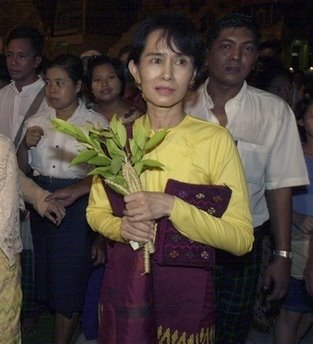


 Posts
Posts


