အာဏာရႇင္အနံ႔အသက္ေတြ ကင္းရႇင္းဖို႔
Monday, October 10, 2011
Written by လူထုစိန္၀င္း>>
'မိေက်ာင္းမင္း ေရခင္းျပသလို' ျဖစ္မႇာေတာ့ စိုးတယ္။ ဒါေပမယ့္ 'ပညာရႇိ သတိျဖစ္ခဲ' မျဖစ္ဖို႔အတြက္ ေရးသင့္ေရးထိုက္တာေလးေတြေတာ့ ေရးပါရေစ။ ဒီလိုေရးဖို႔အတြက္ စာနယ္ဇင္းသမားဆိုတာ ရႇိေနရတာ မဟုတ္လား။
ရာထူးႀကီးေလ ဇိမ္မရႇိေလ
ေခါင္းေဆာင္ေတြဆိုတာက ေန႔စဥ္နဲ႔အမွ် စားခ်ိန္၊ အိပ္ခ်ိန္မႇာေတာင္ တုိင္းေရးျပည္ေရးေတြ စဥ္းစားရင္းနဲ႔ စားၾကအိပ္ၾကရတာပါ။ ရာထူးႀကီးေလ ဇိမ္မရႇိေလလို႔ေတာင္ ဆိုႏိုင္တယ္။ အေရးႀကီးကိစၥမႇန္သမွ် ကိုယ္တိုင္ဆံုးျဖတ္ရတာျဖစ္ေလေတာ့ တာ၀န္သိပ္ႀကီးၿပီး စိုးရိမ္ေၾကာင့္ၾကရတာေတြ သိပ္မ်ားတယ္။ ကိစၥႀကီးေတြကို ေခါင္းထဲမႇာထည့္ထားၿပီး စကၠန္႔နဲ႔အမွ်
စဥ္းစားခန္းထုတ္ေနရတာေၾကာင့္ ေတာ္႐ံုကိစၥေလးေတြကို 'သတိမမူ ဂူမျမင္' ျဖစ္ေနတတ္တယ္။ အဲဒီလိုအခါမ်ဳိးမႇာ သတင္း စာေတြကို အားကိုးအားထားျပဳရတယ္။ စဥ္းစားရလြန္းလို႔ ေခါင္းေတြပူလာတဲ့အခါ သတင္းစာေတြကို လႇန္ေလႇာၾကည့္ရင္း ေခါင္းေအးေအာင္ လုပ္ၾကရတယ္။
ထမင္းစားေရေသာက္သလို
သတင္းစာဆုိတာက လူ႔ေလာကအတြင္း ျဖစ္ပ်က္သမွ် ကိစၥႀကီးငယ္မွ်သမွ် ေရးသားေဖာ္ျပၾကတာျဖစ္ေလေတာ့ သာမန္အခ်ိန္ေတြမႇာ သတိမထားမိတဲ့ ကိစၥေလးေတြကို သတိထားမိသြားတတ္တယ္။ အဲဒါေၾကာင့္ တိုင္းေရးျပည္ေရး ေဆာင္ရြက္တဲ့ ပုဂၢိဳလ္မႇန္သမွ် သတင္းစာေတြကို ေန႔စဥ္ထမင္းစားေရေသာက္တဲ့ အလုပ္ေတြလုပ္သလို တာ၀န္တစ္ရပ္အျဖစ္ သေဘာထားၿပီး မျဖစ္မေနဖတ္ဖို႔ လိုအပ္တယ္။
သတင္းစာမဖတ္သူဟာ ဘယ္နည္းနဲ႔မႇ တာ၀န္ေက်တဲ့ေခါင္းေဆာင္ ေကာင္းတစ္ေယာက္ မျဖစ္ႏိုင္ဘူး။
ခြဲျခမ္းစိတ္ျဖာေပးရ
သတင္းစာေတြကလည္း စတုတၳမ႑ိဳင္ ပီသဖို႔အတြက္ ေခါင္းေဆာင္ေတြအပါအ၀င္ တုိင္းသူျပည္သားအားလံုး သိရႇိသင့္တဲ့၊ လုပ္ကိုင္ေဆာင္ရြက္သင့္တဲ့ ကိစၥမႇန္သမွ်ကို ကိစၥႀကီး ကိစၥငယ္ မခြဲျခားဘဲ ေဖာ္ထုတ္ေရးသားၾကဖို႔ လိုအပ္တယ္။ အေၾကာင္း အရာအလိုက္ ဆစ္ပိုင္းၿပီး ခြဲျခမ္းစိတ္ျဖာ ျပသင့္တဲ့အခါလည္း ျပရတယ္။ သတင္းစာဖတ္သူတိုင္းဟာ အားလပ္ေနၾကသူေတြ မဟုတ္ၾကဘူး။ သတင္းစာက
ခြဲျခမ္းစိတ္ျဖာျပတဲ့အတြက္ အခ်ိန္ကုန္သက္သာၿပီး အမ်ားႀကီး အေထာက္အကူျဖစ္ေစတယ္။ ဒါေၾကာင့္ တာ၀န္သိ သတင္းစာသမားတိုင္း ဒီကိစၥကို အထူးအေလးထား လုပ္ေဆာင္ၾကရတယ္။
က်န္ေနတဲ့ အားအင္ကေလးနဲ႔
အသက္ခုနစ္ဆယ္ေက်ာ္ဆိုတာ ျမန္မာလူမ်ဳိးတို႔ရဲ႕ သက္တမ္းအရေျပာရရင္ ေနာက္ဆံုးဆယ္စုႏႇစ္ထဲ ေရာက္ေနၿပီလို႔ေျပာရမႇာပါ။ ေကြးေသာလက္ မဆန္႔မီ၊ ဆန္႔ေသာလက္ မေကြးမီ အခ်ိန္မေရြး ျဖဳတ္ခနဲ ေႂကြက်သြားႏိုင္တယ္။ ဒီအခ်ိန္မႇာ ပိုက္ ဆံရဖို႔တို႔၊ နာမည္ႀကီးဖို႔တို႔ မလိုေတာ့ပါဘူး။ က်န္ရႇိေနေသးတဲ့ အားအင္ကေလးနဲ႔ တုိင္းက်ဳိးျပည္က်ဳိး အမ်ားအက်ဳိးကို
သယ္ပိုးထမ္းရြက္လိုတဲ့စိတ္ပဲ ရႇိပါေတာ့တယ္။ ဒီစိတ္ကေလးနဲ႔ပဲ ေရးသင့္တယ္ထင္တာေလးေတြ ေရးေနပါတယ္။ အခု ေရး မယ့္ကိစၥကလည္း ဘယ္သူ႔အေပၚမႇာမႇ အျမင္မၾကည္လင္လို႔ မဟုတ္ပါဘူး။'ပညာရႇိသတိျဖစ္ခဲ' မျဖစ္ေစခ်င္လို႔ပါ။
ေတာ္႐ံုကိစၥေလးေတြကို 'သတိမမူ ဂူမျမင္' ျဖစ္ေနတတ္တယ္။ အဲဒီလိုအခါမ်ဳိးမႇာ သတင္းစာေတြကို အားကိုးအားထား ျပဳရတယ္။ စဥ္းစားရလြန္းလို႔ ေခါင္းေတြပူလာတဲ့အခါ သတင္းစာေတြကို လႇန္ေလႇာၾကည့္ရင္း ေခါင္းေအးေအာင္ လုပ္ၾကရတယ္ .. .
အာဏာရႇင္ေစာ္နံ
သတင္းမီဒီယာေတြ နားေထာင္၊ ဂ်ာနယ္ေတြဖတ္လုပ္တဲ့အခါတိုင္း သမၼတႀကီးဦးသိန္းစိန္အပါအ၀င္ ႏိုင္ငံေခါင္းေဆာင္ေတြ ေန႔စဥ္နဲ႔အမွ် ေျပာၾကားေနတဲ့ ဒီမိုကေရစီဆိုတဲ့ စကားသံေတြနဲ႔ မအပ္စပ္တဲ့စကားသံေတြလည္း ၾကားၾကားေနရတဲ့ အတြက္ ေရးျဖစ္တာပါ။ အဲဒီစကားသံေတြကေတာ့
''သမၼတႀကီးညႊန္ၾကားတဲ့အတိုင္း''
''သမၼတႀကီးေျပာၾကားတဲ့အတုိင္း''
''သမၼတႀကီးဆံုးျဖတ္တ့ဲအတိုင္း'' ဆိုတဲ့ အသံေတြျဖစ္တယ္။ ဒီစကားေတြက အရာရာကို သမၼတႀကီးတစ္ေယာက္တည္းရဲ႕သေဘာနဲ႔ ဆံုးျဖတ္လုပ္ကိုင္ေနတယ္ဆိုတဲ့ အဓိပၸာယ္သက္ေရာက္ပါတယ္။ အစိုးရအဖြဲ႕၊ အထူးသျဖင့္ ဒီမိုကေရစီလမ္း ေၾကာင္းလုိက္ေနတဲ့ အစိုးရအဖြဲ႕ကို ဂုဏ္သိကၡာ က်ဆင္းေစတယ္။ အာဏာရႇင္စနစ္ေအာက္မႇာဆိုရင္ေတာ့ နားလည္ႏုိင္တယ္။ ဒါေပမဲ့ ဦးသိန္းစိန္အစိုးရဟာ မဲဆႏၵရႇင္
ျပည္သူလူထုက ေရြးေကာက္တင္ေျမႇာက္ထားတဲ့ အစိုးရဆိုေတာ့ အာဏာရႇင္ေစာ္နံတဲ့ ဒီစကားမ်ဳိးေတြ မသံုးသင့္ေတာ့ဘူး။
အေျမာ္အျမင္ရႇိသူ
သမၼတႀကီးဦးသိန္းစိန္ဟာ အေျမာ္အျမင္ရႇိၿပီး စိတ္ေနသေဘာထား ျပည့္၀သူျဖစ္တယ္လို႔ သိရႇိထားပါတယ္။ ဒီမိုကေရစီစနစ္ကို လိုလားသူလို႔လည္း ယံုၾကည္ပါတယ္။ ပုဂၢိဳလ္ကုိးကြယ္မႈဆန္လြန္းၿပီး အာဏာရႇင္အနံ႔အသက္မကင္းတဲ့ ဒီလိုခ်ီး ပင့္ေျမႇာက္စားေျပာစကားမ်ဳိးကို ႏႇစ္သက္လိမ့္မယ္လို႔ မထင္ဘူး။အစိုးရအဖြဲ႕ရဲ႕ လမ္းညႊန္ခ်က္တို႔၊ ျပည္သူ႔လႊတ္ေတာ္ရဲ႕
ဆံုးျဖတ္ခ်က္တို႔ဆိုတဲ့ အသံုးအႏႈန္းမ်ဳိးကိုသာ က်င့္သားရေအာင္ သံုးသင့္တယ္။
အပ္ေၾကာင္းထပ္ေအာင္သံုး
အစိုးရဘက္ကတင္ ဒီစကားမ်ဳိး သံုးေနတာမဟုတ္ဘူး။ ႏိုင္ငံေရးပါတီေတြဘက္ကလည္း ဒီစကားမ်ဳိးကို အပ္ေၾကာင္းထပ္ေအာင္ သံုးေနၾကတယ္။ ေဆးခန္းဖြင့္ပြဲလုပ္တာလည္း ''အန္တီစုညႊန္ၾကားခ်က္ အရ'' ၊ ပရဟိတေက်ာင္းဖြင့္ စာသင္တာလည္း ''အေမစု တာ၀န္ေပးခ်က္အရ''၊ စာၾကည့္တုိက္ဖြင့္တာလည္း ''အန္တီစု လမ္းညႊန္ခ်က္အရ'' ဆိုတာမ်ဳိးခ်ည္း ၾကားေနရတယ္။ ဒီစကားေတြၾကားရေတာ့ တစ္ေခတ္တစ္ခါက
ေဘာလံုးပြဲႏိုင္တာလည္း ''ဥကၠ႒ ေမာ္ေခါင္းေဆာင္မႈေၾကာင့္''၊ ေရနံ တြင္းေတြ႕တာလည္း '' ဥကၠ႒ေမာ္ေၾကာင့္''၊ မီးရထားလမ္းေဖာက္ႏိုင္တာလည္း ''ဥကၠ႒ေမာ္ေၾကာင့္'' ဆိုတဲ့ အသံေတြညံေနေအာင္ ၾကားခဲ့ရတာကို ျပန္အမႇတ္ရမိတယ္။
အရိယာမဟုတ္
ေဒၚေအာင္ဆန္းစုၾကည္လည္း ဥာဏ္ပညာႀကီးသူ၊ စိတ္ႏႇလံုးျဖဴစင္ သန္႔ရႇင္းသူ၊ တရားရႇိသူျဖစ္တယ္ဆိုတာ နည္းနည္းေလးမႇ ယံုမႇား သံသယမရႇိပါဘူး။ တုိင္းျပည္နဲ႔လူမ်ဳိးအတြက္ ကိုယ္က်ဳိးစြန္႔လႊတ္တဲ့ေနရာမႇာလည္း အံ့မခန္းေလာက္ေအာင္ကို ျဖစ္ပါတယ္။ ဒါေပမယ့္ သမၼတဦးသိန္းစိန္တို႔ ေဒၚေအာင္ဆန္းစုၾကည္တို႔ဆိုတာ အရိယာေတြမဟုတ္ၾကဘူး။ ပုထုဇဥ္ေတြသာ ျဖစ္ၾကတယ္။ ပုထုဇဥ္
လူသားမႇန္သမွ် ခ်ီးပင့္ေျမႇာက္စားမႈမႇာ သာယာတတ္တယ္။ ေကာင္းတဲ့စကားကို ၾကားလိုတယ္။ ဂုဏ္ျပဳခံရရင္ ၀မ္းသာပီတိျဖစ္တတ္တယ္။ ဒါသဘာ၀ျဖစ္တယ္။
ငါမႇငါ
ခ်ီးပင့္ေျမႇာက္စားမႈကတစ္ဆင့္တက္ရင္ ပုဂၢိဳလ္ကိုးကြယ္မႈ ျဖစ္သြားတတ္ပါတယ္။ ပုဂၢိဳလ္ကိုးကြယ္မႈ လြန္ကဲလြန္းရင္၊ ကိုးကြယ္ခံရသူမႇာ ငါမႇ ငါဆိုတဲ့ အတၲစိတ္ ႀကီးထြားလာေလ့ရႇိတယ္။ ဒီမိုကေရစီကို ခ်စ္ျမတ္ႏိုးသူတိုင္း ပုဂၢိဳလ္ေရးကိုးကြယ္မႈကို ေရႇာင္ရႇားႏိုင္ေအာင္ အထူးသတိထားၾကဖို႔ လိုအပ္ေၾကာင္း သတိေပး ေရးသားလိုက္ပါတယ္။
Credit :Eleven Media
Posted in: လူထုစိန္၀င္း
Thursday, October 13, 2011
အာဏာရႇင္အနံ႔အသက္ေတြ ကင္းရႇင္းဖို႔


Friday, October 7, 2011
Welfare system not faring well
The Japan Times Articles
Welfare system not faring well
By PHILIP BRASOR
Ten years ago, in her book "Nickel and Dimed," Barbara Ehrenreich chronicled her own experience as a subsistence-level American wage-earner during a period of relative economic vigor. She found a whole class of workers who lived — and would always live — from paycheck to paycheck. In the afterword to the recently published tenth-anniversary edition of the book, Ehrenreich says that in the wake of the 2008 financial meltdown, these people now have to compete for minimum-wage jobs. Ever since President Bill Clinton overhauled the welfare system, many poor Americans no longer qualify for assistance, which means they have nothing to fall back on. The "safety net" has turned into a "dragnet," since, in line with the contraction of welfare eligibility, many state and municipal governments have effectively "criminalized homelessness."
In spirit, Japan's public welfare system is closer to America's than it is to Europe's. Citizens do not have a right to be supported by the government. Some claim they do and as proof point to Article 25 of the Constitution, which states that all people have the right to "maintain the minimum standards of wholesome and cultured living." But Article 27 states that people have the right "and the obligation" to work. What this means in practice is that a person who applies for welfare must pass a rigorous screening process that can include personal disclosures, such as whether or not the applicant has access to support from a relative or even a lover. The applicant has to conform to certain notions of impoverishment. I've heard that in the 1960s and 70s, potential welfare recipients would hide "inessential" possessions like color TVs when a case worker visited.
The authorities will support you as long as you understand your place vis-a-vis someone who is "productive." In America, welfare recipients are often characterized as leeches who have learned how to scam the system. In Japan, the equivalent negative image is less harsh but, given the context, perhaps more effective. Receiving welfare is a social stigma. The idea is to shame recipients into getting back into society, where "everybody" works for a living. That's why when Japanese people get their first full-time job, they are dubbed shakaijin, or "members of society."
According to a recent documentary broadcast by NHK, this strategy may no longer work. The number of welfare recipients nationwide is over 2 million, the highest it's been since the system was launched in 1950, after which it continued to drop steadily until bottoming out in 1996. Central and local governments now give out ¥3.4 trillion in welfare benefits a year, equal to 10 percent of all tax revenues.
The local government with the heaviest burden is Osaka, where 17 percent of the city budget goes to welfare payments. NHK found that a substantial portion of the recipients are able-bodied males between the ages of 20 and 60. In the past, long-term welfare recipients belonged to one of three categories: elderly people, single mothers and the chronically ill or handicapped. The remaining recipients were people who were temporarily out of work, meaning their ranks were constantly changing. The number of unemployed in Japan hovers just under the 5 million mark, and as one case worker explained, most of the new additions to the welfare rolls are men who were employed as haken (contract workers), non-regular employees who could be laid off easily. After thousands of these workers lost their jobs in the financial meltdown of 2008, the Ministry of Health Labor and Welfare issued a directive to local governments to ease up on the requirements for receiving welfare. In principle, people who can work don't qualify, but in order to provide relief to this large group of newly unemployed workers, the government said that they now did.
Many are still on welfare, a situation that has as much to do with a change in social psychology as it does with continuing economic stagnation. At one point in the documentary, NHK visits the apartment of a man in his early 50s who used to work for a real-estate company. He receives ¥126,700 a month, at the end of which he has ¥40,000 left over. Though it's much less than what he received when he was working, he says he's "comfortable," which is why he has no desire to look for a job.
With each additional example NHK presented, it became clear that these men were not merely lazy. They have no desire "to be in society." One reason is the unstable haken lifestyle. As one welfare recipient in his 20s pointed out, he doesn't go to employment offices because he's afraid of "being asked to move away" from his wife and newborn daughter. As long as he can survive on welfare, he'll stay with it. But the problem goes deeper. One Osaka caseworker says that most of the 60 men assigned to him have "lost the will to work," and that has led to self-isolation. In this regard, the strategy of keeping people off welfare by threatening them with social ostracism backfires: These men prefer to be ostracized.
An underground economy has built up around these men. Yakuza organize illegal gambling dens with free food and drink to attract welfare recipients. And since these men also receive free medical care, doctors ply them with drugs they don't necessarily need and then charge it all to the public health insurance scheme. The recipients turn around and sell the drugs on the black market.
The central government is now asking local governments to refuse welfare payments to men who can work. That's easier said than done, especially with the present job market. Employers are increasingly demanding specific skills, if not experience, even for minimum-wage jobs such as food service. Many of these unemployed welfare recipients, including those who want to work, don't qualify. According to antipoverty activist Makoto Yuasa, who was interviewed on the program, taking away welfare could be "dangerous," because the next step down for these men is "nothingness."
The Japan Times: Sunday, Sep. 25, 2011
(C) All rights reserved
Go back to The Japan Times Online Close window
Tuesday, May 3, 2011
တာ၀န္သိသူ… တာ၀န္ရွိသူ . ႏွင္႕...နုိင္ငံေရးအေတြးအေခၚ BY BO BO KYAW NYEIN
ႏိုင္ငံေရးမွာ … နုိင္ငံေရးသတၱ၀ါတုိင္းဟာ …. မိမိရဲ႕ နုိင္ငံေရးအေတြးအေခၚ
အေပၚမူတည္ျပီး … စိတ္ကူးၾကတယ္ … လႈပ္ရွားၾကတယ္ …
ရွင္သန္ၾကတယ္လို႕ေျပာလို႕ရပါတယ္ ….
တခ်ိဳ႕ကလည္း … ေလးေလးနက္နက္..ေလ႕လာၾကျပီး … နက္နက္နဲနဲေတြးျပီးမွ ….
ေခါင္းထဲက တဆင္႕ … အသဲထဲမွာ ..စြဲက်န္ေနတဲ႕ … နုိင္ငံေရး..(ယံုၾကည္ခ်က္)
ကို ခံယူခဲ႕ၾကတဲ႕သူေတြ .. ရွိသလို … တခ်ိဳ႕က … အေသးစိပ္..ေလ႕လာမႈက …
ေပါက္ဖြားလာျခင္း..မဟုတ္ … ပုဂၢိဳရ္ခင္လို႕ ..တရားမင္
..သူေတြလည္းရွိတတ္ၾကပါတယ္ …. အမ်ားႏွင္႕..လုိက္၍
..မိုးခါးေရ..လိုက္ေသာက္ၾက ျခင္းဟုဆိုႏုိင္သည္ …. ေခတ္အဆက္ဆက္ ..
ျမန္မာ႕နုိင္ငံေရးတြင္ … ဒုတိယ ..လူမ်ိဳးက ..အမ်ားစု ..ျဖစ္ေပလိမ္႕မည္ ….
ပို၍ဆိုးသည္မွာ… နုိင္ငံေရးအေတြးအေခၚ … ႏွင္႕ ဆက္စပ္ေသာ ….
ေရာင္ျပန္ဟပ္ေသာ အက်င္႕ စရိုက္မ်ား … လုပ္ကြက္ မ်ားသည္ … မသိမသာ
..စိုးမိုးလာ၍ … နုိင္ငံေရးယဥ္ေက်းမႈ ..အသြင္ေဆာင္ ကာ … အလိုတူ
နုိင္ငံေရးအေတြးအေခၚ သမားမ်ားအၾကား … လႊမ္းမိုးလာသည္..ကိုပင္..မသိလိုက္
ၾကပါ ….
ဥပမာ … အနီေဟ႕..ဆိုလိုက္သည္ႏွင္႕ .. ရန္သူႏွင္႕
ငါတုိ႕အၾကား..စည္းျပတ္..ရမည္..ဟူေသာ .. ရန္-ငါ-စည္း…စိတ္ဓါတ္ … ရန္သူဆို
..အျပဳတ္တိုက္ … သူေသကိုယ္ေသ .. ခ် ..ဟူသည္႕ … ဇီးရိုးဆမ္း ..စိတ္ဓါတ္ …
ကိုယ္႕လူဆို..ျမွင္႕တင္ၾက … တျခားလူ..ဆို … နာမ္ႏွိမ္ထား..ဆိုတဲ႕ ဖက္လိုက္
စိတ္ဓါတ္ … ဒီကမွ ..တဆင္႕ … သူရဲေကာင္း ေဖၚထုတ္လိုေသာ ..သူရဲေကာင္း
ျဖစ္..လိုေသာ စိတ္ဓါတ္ ေတြက ၾကီးစိုးလာကာ … မိမိတို႕ရဲ႕ ေတြးေခၚမႈ
…ဆံုးျဖတ္မႈ..ေတြကို လႊမ္းမိုး..သြားရတဲ႕ ..အထိ ..ျဖစ္လာတဲ႕ ..ယဥ္ေက်းမႈ
..တရပ္ျဖစ္လာေတာ႕ ..ေနာက္ဆံုး..ရလဒ္.. ကိုလာ ..ထိခိုက္..တဲ႕အထိ
..ျဖစ္လာရပါတယ္ ….
ဒါေၾကာင္႕ … ေရေသာက္ျမစ္ ..ျဖစ္တဲ႕ …
နုိင္ငံေရးအေတြးအေခၚ..ကို..ေဇာင္းေပး.. ေရး..ေနရျခင္း. ...ျဖစ္ပါတယ္။
နုိင္ငံေရးမွာ …. အေခၚအေ၀ၚ..နီးစပ္ေပမဲ႕ …အဓိပၸါယ္ (လႊဲ) ေစတဲ႕
..အေတြးအေခၚအမ်ားအျပားရွိပါ တယ္… ဥပမာ … ရန္-ငါ-သိ ..တာနဲ႕ … ရန္-ငါ-စည္း
…ျပတ္တာမတူပါ ….
က်ေနာ္႕အျမင္အရ …. ရန္သူ..ဘယ္သူ..ငါ..ဘယ္သူ..ဆိုတာကိုသိတာ ကို … ရန္-ငါ-သိ
..တာ..လို႕ ..ေခၚပါတယ္ …. တခ်ိန္ထဲမွာ …. ဒီရန္သူကို ..ေအာင္နုိင္ျပီး ….
မိမိရည္မွန္းခ်က္..ကို..ေရာက္ဖို႕ မေမ႕ဖူး ….
ဥပမာ … ဗိုလ္ခ်ဳပ္ေအာင္ဆန္းနဲ႕
ျပည္သူ႕အေရးေတာ္ပံု..ပါတီ..ေခါင္းေဆာင္..ေတြဟာ … ရန္သူဟာ အဂၤလိပ္နယ္ခ်ဲ႕ …
ရည္မွန္းခ်က္ဟာ ..လြပ္လပ္ေရး … ဒါေၾကာင္႕ … လက္နက္ကိုင္..ေတာ္လွန္မွ..
ရမယ္ .. လို႕..ဆံုးျဖတ္ၾကျပီး .. ရဲေဘာ္ (၃)က်ိပ္ကို..စုစည္းခဲ႕ၾကတယ္ ….
ရန္-ငါ သိ..ခဲ႕ ၾကတယ္ … သခင္စိုးနဲ႕ သခင္သန္းထြန္း..တို႕က … စတာလင္ကို
.ကိုးကြယ္ၾကရင္း … ရန္-ငါ-စည္း .. မျပတ္ႏိုင္ ခဲ႕ၾက …
အင္းစိန္စာတမ္းက..သက္ေသ …
ဒီ..အခ်ိန္မွာ … ဗိုလ္ခ်ဳပ္တုိ႕ .. ဟာ … လြပ္လပ္ေရး..လိုခ်င္တာသာ
..သိ..ေသာ ..လူငယ္ ေခါင္းေဆာင္ ..အဆင္႕သာရွိၾကေသးသည္ …
ႏိုင္ငံ႕ေခါင္းေဆာင္ ..အဆင္႕..မေရာက္ၾကေသး …
ထို႕ေၾကာင္႕ ..(တာ၀န္..သိ..သူ) မ်ားသာျဖစ္ၾကေသးသည္ ..(တာ၀န္..ရွိ..သူ..)
မျဖစ္ၾကေသး ….
စစ္ၾကီးအျပီး … ဂ်ပန္ေတာ္လွန္ေရးကို ..ဦးေဆာင္ခဲ႕ေသာ ..ဖဆပလ
ေခါင္းေဆာင္မ်ား..အျဖစ္ … အဂၤလိပ္..ႏွင္႕..ရင္ဆိုင္ရျပန္ေတာ႕ …
ႏိုင္င့ံေခါင္းေဆာင္..မ်ားျဖစ္ေနျပီ … (တာ၀န္..ရွိ..သူမ်ားျဖစ္.. ေနေပျပီ)
….
ႏိုင္ငံ႕ အေျခအေန..ကလည္း..မတူၾကေတာ႕ ..စစ္ဒဏ္ခံခဲ႕..ရေသာ ..တိုင္းျပည္ဟာ …
ျပာပံု.. က်ခဲ႕ရျပီ … တာ၀န္ရွိသူေတြ..အေနႏွင္႕ …
တုိင္းျပည္ႏွင္႕လူမ်ိဳး..ကိုေနာက္ထပ္ .. စစ္ပြဲ..ႏွင္႕ …
ထပ္..မနင္းေျခ..ရက္ၾကေတာ႕ ….
ထို႕ေၾကာင္႕ … လြပ္လပ္ေရးကို … အဂၤလိပ္ထံမွ … ေစ႕စပ္မႈ..ႏွင္႕ …
ရယူ..ရန္ဆံုးျဖတ္ၾကသည္ ….
ရန္-ငါ-သိ … ျခင္းဟု..ဆိုႏိုင္သည္ ….
ေနာက္တနည္းၾကည္႕လွ်င္ ..ဖဆပလ..၏..အဓိက..ဦးတည္ခ်က္သည္ ..လြပ္လပ္ေရး…. မိမိ
အာဏါရ ေရး..တခုထဲ..မဟုတ္ ….
ကြန္ျမဴနစ္ေတြရဲ႕ … အဓိကဥိးတည္..ခ်က္က ..မိမိတုိ႕..အာဏါရေရး ….
ဒါေၾကာင္႕..ဖဆပလ..ကို..တိုက္ရန္ ..အေယာင္ေဆာင္ ..လြပ္လပ္ေရး..ဆိုျပီး ..
စြပ္စြဲ..လာၾကတယ္ … လင္နင္က … အာဏါမရခင္ …
ဆိုရွယ္ဒီမိုကရက္ေတြနဲ႕..ယာယီမဟာမိတ္လုပ္ရမယ္ .. ျပီးမွ
..ဖယ္ထုတ္..ဆိုတဲ႕သေဘာ..မွာၾကားခဲ႕တယ္ … ဒီေဟာၾကားခ်က္ကို … သခင္စိုးနဲ႕
သခင္သန္းထြန္း တုိ႕ရဲ႕ ပင္ကိုယ္ (လူခ်) တဲ႕ .. ဥါဥ္စိုးနဲ႕
ေပါင္းစည္း..လုိက္ေတာ႕ .. မရိုးသားတဲ႕ .. dishonest ျဖစ္တဲ႕
(စိုး-သန္း) စိတ္ဓါတ္ေပါက္ဖြားခဲ႕ရတယ္။
ဗိုလ္ခ်ဳပ္ေအာင္ဆန္းရဲ႕ honest စိတ္ဓါတ္ ႏွင္႕ ကြာျခားဖိျခင္း …..
ဗိုလ္ခ်ဳပ္တို႕ရဲ႕ အဓိက..ဦးတည္ခ်က္သည္ ..လြပ္လပ္ေရး …
တုိင္းျပည္ႏွင္႕လူမ်ိဳးေကာင္းစားေရး .. ျဖစ္တာေၾကာင္႕ …
နုိင္ငံသားမွန္သမွ် .. ကို ..ကိုယ္စားျပဳေသာ ႏိုင္ငံေရး… ဒါေၾကာင္႕
အားလံုးကို ..ဆြဲေခၚသလို ..တာ၀န္ေပး..ခိုင္းသည္ …
ကြန္ျမဴနစ္ေတြက …. ပစၥည္းမဲ႕..ဟုေခၚေသာ ..လူတန္းစား အသစ္ ..အာဏါ..ရရွိေရး
..သည္..ပထမ .. ထို႕ေၾကာင္႕ ..က်န္သူေတြ .. မပါေရး …. ျပိဳင္ဖက္ေတြကို
..အနုိင္ရေရးက … အားသာလာသည္။ ထို႕ေၾကာင္႕ ..စိတ္ထားမမွန္ .. dishonest
ျဖစ္လာၾကသည္။
ထို႕ေၾကာင္႕ … အားလံုး..ထက္ ..မိမိ …ဆိုတဲ႕ … ပစၥည္းမဲ႕ …
လူတန္းစားမ်က္စိနဲ႕ၾကည္႕ ..လူတန္း စားေပတံ..နဲ႕..တိုင္းၾကေတာ႕ …
လူတန္းစားရန္သူ..ႏိုင္ငံေရးျပိဳင္ဖက္ရန္သူ ..ေတြႏွင္႕ ..၀ိုင္း၀ိုင္းလည္
ကာ ..ေအာင္ပြဲ..မခံႏုိင္ခဲ႕ၾက …. ဗိုလ္ခ်ဳပ္ကို ..ကေလာ္ဆဲ၍ ဖဆပလထဲမွ
..အထုတ္ခံရျပီးကတည္း က … ျပည္သူ၏ေထာက္ခံမႈ..ကိုမရေတာ႕ …. ေရြးေကာက္ပြဲတြင္
…. ဗိုလ္ခ်ဳပ္ဦးေဆာင္ေသာ ..ဖဆပလ သာ မဲ …အႏိုင္ရခဲ႕ၾကသည္ …. ကြန္ျမဴနစ္ေတြ
..မဲမရၾက … ထို႕ေၾကာင္႕ ..တာ၀န္ (ရွိ)သူမ်ား.. မဟုတ္ၾက …. ထို႕ေၾကာင္႕ ….
စိတ္ထင္ရာ ..ေျပာနုိင္သည္ …
သို႕ေသာ္ … ဗိုလ္ခ်ဳပ္တို႕ချမာ … လက္လြပ္စပယ္..မေျပာ..နုိင္ရွာၾက ….
တိုင္းျပည္..လြပ္လပ္ေရး.. ရဖို႕ … က ဗိုလ္ခ်ဳပ္..ႏွင္႕ ..ဖဆပလ ၏
.ပုခံုးေပၚတြင္ ..က်ေရာက္လ်က္..ရွိသည္ ….
ထို႕နည္းတူစြာ ..ဒီဖက္ေခတ္..ကိုၾကည္႕လွ်င္ ….
၈၈၈၈ လူထု.. အေရးအခင္းၾကီး..ကို ေဖၚထုတ္..ဦးေဆာင္ခဲ႕ၾကသည္မွာ …. ဗကသ
အမႉးျပဳသည္႕ ..ေက်ာင္းသားလူငယ္မ်ား ….
သို႕ေသာ္ …. မဆလျပိဳက်ျပီး … ဖရိုဖရဲကာလမွာ … မည္သူမွ ..အာဏါကို ..(လု)
မယူ… ႏုိင္ခဲ႕ၾက…
စစ္အာဏါ..သိမ္းျပီးကာလ.. ..နုိင္ငံေရးအခင္းအက်င္းသစ္တြင္ …. NLD မွာ
အင္အားသစ္..ျဖစ္လာ ရသည္ …. ၁၉၉၀ ေရြးေကာက္ပြဲမွာ … NLD သည္ … တရား၀င္ ..
ျပည္သူမ်ား၏ ..အေရြးခံ ..ပါတီ .. ျဖစ္လာရသည္ … (ေဒၚစု) ႏွင္႕ … NLD
တို႕သည္ … (တာ၀န္ရွိသူ) မ်ားျဖစ္လာရသည္ ….
အကယ္၍ …. ေက်ာင္းသားကိုယ္စားျပဳ ပါတီ ကို တည္ေထာင္နုိင္၍ … ၁၉၉၀
ေရြးေကာက္ပြဲ ..ကို ၀င္ျပိဳင္.ခဲ႕ၾက၍ … NLD ႏွင္႕
..ေက်ာင္းသား…ကိုယ္စလွယ္အမ်ားစု ..သာေရြးခ်ယ္ခံရခဲ႕ေသာ္ … ဖဆပလ..ကဲ႕သို႕ …
ပါတီခ်င္း..ရင္ခ်င္းကပ္၍ … ႏိုင္ငံေရးကစားႏုိင္သည္… good cop…bad cop..
ကစားကြက္ကို … လွလွေလး..ကစားႏိုင္..လိမ္႕မည္ …. တရား၀င္
..မဟာမိတ္..ဖြဲ႕စရာပင္ ..မလို …
ေဒၚစု..ကိုဖမ္းဦးေတာ႕ … မင္းကိုႏုိင္..နဲ႕..ကိုကိုၾကီး..တုိ႕ က ..တဖက္က
.. တရား၀င္..ေတာင္းဆို ႏုိင္မည္ .. လွည္႕ ကစားနုိင္မည္ …. NLD
အန္ကယ္ၾကီးေတြ ..မလႈပ္လည္း… ေက်ာင္းသားပါတီ ကလႈပ္ရွားနုိင္မည္ …..
ေက်ာင္းသားေတြသာ …. ႏိုင္ငံေရး..အီေကြးရွင္း..ထဲ ..ပါခဲ႕လွ်င္ …
(တာ၀န္ရွိသူ) မ်ားျဖစ္ခဲ႕လွ်င္
..ႏိုင္ငံေရး..က်ားကြက္..ေျပာင္းသြားႏိုင္..စရာရွိသည္ ….
သို႕ေသာ္ ..ဤသို႕..မျဖစ္လာခဲ႕ …
နုိင္ငံေရးတြင္သာမက … သဘာ၀..တြင္လည္း …. Mass မရွိလွ်င္ လုိအပ္ေသာ Energy
ကိုမရနုိင္ … ထို႕ေၾကာင္႕ ..(အင္အား) မျပည္႕ႏိုင္ေတာ႕ …. ကြ်န္ပ္ တုိ႕၏
စၾက္ာ၀ဠာ..ၾကီးတြင္ ..လိုအပ္ေသာ Mass မစုစည္း နုိင္၍ Fission
မျဖစ္နုိင္သျဖင္႕ ေန - Sun ဘ၀မေရာက္ရပဲ … Brown Dwarf ဟုေခၚေသာ .. ေနနဲ႕
ျဂိဳဟ္ အၾကီးစား ..ၾကားဘ၀..ႏွင္႕ေက်နပ္ေနရေသာ … အရာမ်ားရွိပါသည္။
စာေရးသူ၏..ထင္ျမင္ခ်က္အရ …. ေက်ာင္းသား (ၾကယ္) ..မေပၚခဲ႕..ရသည္မွာ …
ရန္-ငါ-စည္း ..ျပႆနာ..ဟု …သံုးသပ္မိသည္ …. ေရြးေကာက္ပြဲ..၀င္လွ်င္ …
ရန္-ငါ-စည္း … မျပတ္ … စစ္တပ္ေအာက္ ..ကို၀င္ရာေရာက္မည္ ….
လက္၀ဲ..အယူအဆေအာက္က…မထြက္ႏုိင္ၾကသည္ ..ကိုေတာ႕ ..သတိမရွိၾက … ရန္-ငါ-စည္း
… တိမ္ ဖံုး..ေနေသာေၾကာင္႕ ..ဗ်ဴဟာနွင္႕ ..မၾကည္႕ျဖစ္..ခဲ႕ ၾကဟု
..သံုးသပ္မိသည္ ….
ျပႆနာက… ႏိုင္ငံေရးမွာ .. အခြင္႕အေရး..ဆိုတာ ..ႏွစ္ခါ..လာခဲသား …..
ေက်ာင္းသားတပ္မေတာ္… ေထာင္နုိင္ခဲ႕ သည္မွာ … လြန္စြာ..တန္ဖိုးရွိသည္ ….
သို႕ေသာ္ … က်ေနာ္ အျမင္ေျပာရလွ်င္ … နုိင္ငံေရးႏွင္႕ စစ္ေရး..
စည္း..မကြဲလွ …. ထုိ႕ေၾကာင္႕ … (လူ) ကြဲၾကေတာ႕ …
အဖြဲ႕အစည္း..တခုလံုး..လိုက္.. ကြဲ..ၾကရသည္ …. အမွန္က … ႏိုင္ငံေရး..ႏွင္႕
..စစ္ေရး ..လံုး၀ခြဲထား .. ရမည္ …. Factional politics အုပ္စုနုိင္ငံေရးဟာ
…. နုိင္ငံေရး..နယ္ပယ္မွာ..သာယွဥ္ျပိဳင္ရမည္ … စစ္ဖက္ထဲ ..အ၀င္မခံသင္႕ …
ေက်ာင္းသားပါတီ ..မရွိခဲ႕သည္႕..အတြက္ … ေက်ာင္းသားတပ္မေတာ္ ..
အတြင္းမွာလည္း …. ႏုိင္ငံေရး..ေတြ၀င္ေရာကုန္သည္ ….
တခ်ိဳ႕က .. လူ႕ေဘာင္သစ္ဟာဘာလဲ? ဟုေစာတက တက္ခ်င္သူေတြရွိမည္ …..
လူ႕ေဘာင္သစ္ဟာ … proxy ပါတီဟုသာျမင္သည္ …. ေက်ာင္းသားအားလံုးကို …
စုစည္းေပးဖို႕ ..ဟုမျမင္နုိင္ … က်ေနာ္အျမင္အရ ..ေျပာရလွ်င္
..မင္းကိုနုိင္..ကိုကိုၾကီး..မိုးသီးဇြန္ … မင္းေဇယ်ာ … ဂ်င္မီ
..အားလံုး..ပါ၀င္ …ဦးေဆာင္ေသာ..ေက်ာင္းသားထုု..ကိုဦးေဆာင္ႏုိင္ ေသာ
..ပါတီျဖစ္သင္႕သည္။
ဗကသ..မကသ..ရကသ..အကသ..ရွိသမွ်ေက်ာင္းသားထု..ပါႏိုင္ေသာ … ပါတီျဖစ္သင္႕သည္။
အတြင္းမွာ အင္န္အာလ္ဒီႏွင္႕ ..ေက်ာင္းသားပါတီ … အျပင္မွာ …
ေက်ာင္းသားတပ္မေတာ္ ႏွင္႕.. အေ၀းေရာက္ ..အစိုးရ … အားလံုး … အကြက္ညီညီ ..
ေျခလွမ္းညီညီ … ႏွင္႕..ေတာ္လွန္ေရး.. ယိမ္း ..က..ႏုိင္ခဲ႕..လွ်င္ …
အလြန္ၾကည္႕လို႕..ေကာင္းပါလိမ္႕မည္။
(မွတ္ခ်က္။ အေ၀းေရာက္ ..အစိုးရ ဆိုရာတြင္ .. အားလံုးကို ..ပါ၀င္ေစမည္႕
အစိုးရ … Mandate မာနတက္၍ ..မဆလ စိတ္ဓါတ္..အျပည္႕ႏွင္႕ …
ငါတို႕သာ..ဦးေဆာင္မည္ … ၀ိုင္းစားမည္ … ေတာ္လွန္ေရးကို … ၅
ေယာက္တပိုင္းႏွင္႕ ..လုပ္ခ်င္သည္႕ …. ပုဇြန္ေခါင္းအစိုးရ..မဟုတ္ ….
အေ၀းေရာက္ ဗမာႏုုိင္ငံသား တုိင္း ကိုဆြဲစိ၍ … ေနရာေပး..ခိုင္းစားနုိင္သည္႕
..အစိုးရ ..ကို ရည္ညႊန္း..လိုျခင္း.ျဖစ္သည္။)
စၾက္ာ၀ဠါၾကီးမွာေတာင္ …. ေန (၂) စင္းႏွင္႕ ..binary star system
ေတြက..အမ်ားသား … ေက်ာင္းသား ပါတီ … ေက်ာင္းသား..(ေန) ..ေပၚခဲ႕ရေသာ္ ….
NLD ႏွင္႕ … ေက်ာင္းသား … ႏွစ္ပါးသြား..က.. လို႕ရသည္… ယၡဳေတာ႕ …. ပါတီ
(သို႕) အဖြဲ႕အစည္း..မရွိေသာ … ေက်ာင္း သားမ်ား… န၀တ-နအဖ ..ေခတ္မွာ .. role
ေပ်ာက္ခဲ႕ၾကရသည္။ တာ၀န္ (ရွိ) သူမ်ား အျဖစ္..ရပ္ၾကရမည္႕…အစား … တာ၀န္ (သိ)
သူမ်ားအျဖစ္ သာ … က်န္ခဲ႕ၾကရသည္ ….
တာ၀န္ (ရွိ) သူ ႏွင္႕ တာ၀န္ (သိ) သူ တုိ႕ ..လြန္စြာ (ကြာ) ပါတယ္
တာ၀န္ (သိ) သူ တုိ႕က ေတြးခ်င္ရာ..ေတြး..ေရးခ်င္ရာေရး… ေျပာခ်င္တာေျပာ …
အရွက္မရွိက (ဆဲ)လို႕ပင္ရေသးသည္ …
တာ၀န္ (ရွိ) သူ အဖို႕ ..လုပ္ခ်င္တိုင္း..မလုပ္..နုိင္ပါ … တာ၀န္
..ဆိုတာကို ပုခုံး..အေပၚ ..ထမ္းထားရ..ရွာာတာကိုး …..
တာ၀န္ (သိ) သူ အဖို႕ … သူတပါးနုိင္ငံက ..အျဖစ္ေတြကို ၾကည္႕ျပီး..
စိတ္ၾကြကာ … လမ္းေပၚထြက္.. ပါေတာ႕လား? ဘာလုပ္ေနတာတုန္းဟု
..ေလွ်ာက္..ေအာ္..လို႕ရသည္ ….
တာ၀န္ (ရွိ) သူ အဖို႕ က.. ေအာ္..ရံုႏွင္႕..မရ … စစ္တပ္က
..ဘယ္လိုတုန္႕ျပန္မွာလည္း … ပစ္ရင္ဘာလုပ္မွာလည္း ..အစုလိုက္
..ဖမ္းရင္..ဘာလုပ္မွာလည္း? … အရွိန္ (က်)ရင္ဘာလုပ္ မွာလည္း? အရွိန္ (တက္)
ရင္ဘာလုပ္ မွာလည္း? Agitators လႈံ႕ေဆာ္သူေတြ … စည္းရံုးေရးမႉးေတြ..
လူထုကုိ..ထိမ္းမဲ႕..ေခါင္းေဆာင္ေတြ..ရွိရဲ႕လား … ရန္ကုန္ (က်)
သြားရင္ေတာင္ … ေနျပည္ေတာ္..မွာ .. အထိုင္မပ်က္ .. command and control
မပ်က္ … လႈိုင္ေခါင္းေတြ..အက် ..ေဆာက္ျပီးသား … စစ္တပ္ကို ဘယ္လုိ …
အႏိုင္ယူမွာလည္း ….ေဆြးေႏြးမွာလါး? မရ..ရင္..ျပည္တြင္းစစ္ ..
အၾကီးစားျဖစ္ရင္.. ဘယ္လို.. ကိုင္တြယ္မွာလည္း?
တရုတ္..မ၀င္ေအာင္..ဘယ္လိုတားမလဲ? အကယ္၍ ..regime change ျဖစ္သြား ရင္ေတာင္
.. စစ္တပ္ကိုဘယ္..ပံုစံ..ကိုင္မွာလည္း … အီရတ္လိုလား? အီရန္လိုလား?
အုပ္ခ်ဳပ္ေရး.. နားလည္သူေတြ..လံုလံုေလာက္ေလာက္..ရွိရဲ႕လား ….
ဆိုတဲ႕..လာမဲ႕ …. ျပႆနာေပါင္း…ေသာင္းေျခာက္ေထာင္ကို .ရင္ဆိုင္ႏုိင္ဖို႕ …
အေျခအေန..ရွိရမယ္
မရွိရင္ ..ယေန႕ ..လစ္ဗ်ားမွာျဖစ္သလို ….
ဟိုမေရာက္..ဒီမေရာက္..ျဖစ္ေနလိမ္႕မယ္ …
က်ေနာ္တို႕ ဗမာႏိုင္ငံသားေတြက … စစ္အာဏါရွင္…ပေပ်ာက္ေရး.. ..regime change
ကိုသာအာရံု.. စိုက္..ေနၾကသည္။ အေမရိကန္.. တရုတ္..ႏွင္႕ အာဆီရန္..တို႕က …
စစ္အစိုးရျပဳတ္က်..သြားလွ်င္ … ဘယ္သူက..ေနရာ၀င္ျဖည္႕မွာလဲ? … NLD မွာ
…အုပ္ခ်ဳပ္ေရး..ႏုိင္သူေတြရွိရဲ႕လား? ..စသည္ျဖင္႕ ..
ေဒသတည္ျငိမ္ေရး..ဖက္ကၾကည္႕ၾကတာ …. အီရတ္မွာ ..ဆဒန္ၾကီးျပဳတ္သြားျပီး…
တိုင္းျပည္ဗရိုဗရဲ ..ျဖစ္တာကို..သခၤန္းစာ..ရခဲ႕ၾကတယ္ ….
ဒါ..တာ၀န္ (ရွိ) ..သူေတြရဲ႕..ေနာက္တဆင္႕ ..ေပ ၄၀၀၀၀ အျမင္နဲ႕ၾကည္႕ၾကတာ …..
တာ၀န္ (သိ) သူေတြက ..စိတ္ကူးယဥ္ ..လို႕ရသည္ … တာ၀န္ (ရွိ) သူေတြ က
လက္ေတြ႕ဘ၀ က ေသြဖီလို႕..မရ…
ဒါကို..မသိပဲ… ရွိရွိသမွ်..အရာ..အားလံုးကို …
ရန္-ငါ-စည္း…မ်က္စိနဲ႕ၾကည္႕ၾကေတာ႕ ..အာလံုးကို ..ႏိုးႏိုးနုိး…ဆိုျပီး
..ဗူးခံ..ေျဗာင္ျငင္း..ၾကေတာ႕ ..မိမိတို႕လည္း ..အထီးက်န္..ေ၀းကြာ..isolate
ျဖစ္လာရတယ္ … မနက္ဖန္..အစိုးရ …ျဖစ္ရင္ ..အုပ္ခ်ဳပ္ေရး..နားလည္းသူ …
အစိုးရ..လုပ္ႏိုင္တဲ႕ ..သူ..ဘယ္ႏွစ္ေယာက္ရွိသလဲ? ေဒၚစု..တေယာက္ထဲ …
တိုင္းျပည္အုပ္ခ်ဳပ္လို႕..မရပါ ….
တခါ ..တာ၀န္ (သိ) သူေတြက .. တာ၀န္ (ရွိ) သူ..ေတြကို ..ကူဖို႕..ဘာေတြ …
ျပင္ဆင္ ထားၾကသလဲ? ျပည္တြင္းမွာ … မျငိမ္မသက္ျဖစ္ရင္ … Agitators ေတြ …
စည္းရံုးေရးမႉးေတြ.. လူထုကုိ..ထိမ္းမဲ႕.. ေခါင္းေဆာင္ေတြ … ျဖစ္နိင္ဖို႕
..မိမိကိုယ္မိမိ..ျပင္ဆင္ထားျပီးျပိလား? logistic
အတြက္..စဥ္းစားထားၾကပါသလား? logistic အတြက္ဘာေတြ..ျပင္ထားၾကပါသလဲ?
Saffron တုန္းကလို … ျဖစ္မွ … ေရဒီယို..တယ္လီေဖးရွင္းဖြင္႕ …
အင္တာနက္ေပၚတက္ျပီးဆဲ… လက္ခုပ္ ၀ိုင္းတီးၾကျပီး …
ေ၀ေလးေလး..လုပ္ၾကဦးမွာလား? ….
ဘာမွ..ၾကိဳတင္မျပင္ဆင္..ထားၾကေတာ႕ …
ဘာမွ..မလုပ္ႏုိင္..ဘာမွ..မကူ.နုိင္ၾကတာ..အဆန္းလား?
မိမိတို႕ဖက္ ..ကေတာ႕..ဘာမွမလုပ္ ..မလႈပ္ၾကပဲ …တဖက္သတ္ … အျပစ္တင္ရင္ေတာ႕
..မတရားဖူး..လို႕..ေျပာရမွာပဲ …..
အားလံုးကို ..မေမ႕ေစခ်င္တာက … ေဒၚစု..ေနာက္မွာ ..ေထာက္ခံမႈ. support
..အျပည္႕ရွိတယ္ ….
ေဒၚစုရဲ႕..သတၱိကို ဘယ္သူမွ ..မယွဥ္..နုိင္ပါ …. လက္နက္မပါပဲ ….
ရင္ေကာ႕ျပီး … အာခံရဲ..လို႕..လူတိုင္း..ေလးစား..ခ်စ္ခင္ရတာပါ ….
ေဒၚစု ..ဟာ ..လူတိုင္းရဲ႕ …ေမွ်ာ္လင္႕ခ်က္ပဲ …
ဒါေပမဲ႕ …ေဒၚစု..ဟာ..ေတာ္လွန္ေရးသမားမဟုတ္ …. ျငိမ္းခ်မ္းေရးသမား ….
မိခင္စိတ္..ျပင္းတယ္ …
သူ႕သားငယ္ ကို …ၾကည္႕တာကိုျမင္ျပီး ..စာေရးသူ..စိတ္ေျပာင္းသြားတယ္ ..
နားလည္သြားတယ္
သူတပါး..သားငယ္..သမိီးငယ္ေတြကို … စြန္႕လႊတ္..ခုိင္းမည္..မထင္ …..
ဗိုလ္က်င္ေမာင္..ကို ၈၀..ေက်ာ္မွ … ကြန္ျမဴနစ္..စံနစ္ဟာ.. ေခတ္နဲ႕
မေလွ်ာ္ေတာ႕ဖူး … ကြန္ျမဴနစ္ ၀ါဒ..ကိုစြန္႕..လႊတ္လိုက္ပါေတာ႕
..ဟုေျပာလွ်င္ … လက္ခံမည္ထင္ပါသလား?
အညမည ကိုေရးခဲ႕တဲ႕ ..ဦးခ်စ္လႈိင္ေတာင္ … ကြန္ျမဴနစ္..စံနစ္.. ကို
..ယံုဆဲတဲ႕ သူလည္း ၈၀ ေက်ာ္ .. ၉၀ ၀န္းက်င္ ပဲ… ဒီလူၾကီး ႏွစ္ေယာက္ ..
ကြန္ျမဴနစ္..၀ါဒ..ကိုမစြန္႕လႊတ္နုိင္ၾက ….
ထို႕နည္းတူ..ေဒၚစု..ကို … လမ္းေပၚထြက္ပါေတာ႕
..လက္နက္ကိုင္ေတာ္လွန္ပါေတာ႕လား ဟု .. အျပစ္တင္ေနလွ်င္..လည္း …
သဘာ၀က်မည္..မထင္…
လြပ္လပ္ခြင္႕ …ကို ..ယံုၾကည္ရင္ .. လြပ္လပ္စြာယံုၾကည္ခြင္႕ .. ကိုလည္း…
လက္ခံ..ရေပလိမ္႕မည္ ..
လက္ရွိ..ျပႆနာ..မွာ ..ေဒၚစု..ေနာက္က ..ေထာက္ခံမႈ..ကုိ ..CAPITALIZED
လုပ္နုိင္ဖို႕လုိသည္ ….
၀ိုင္း..ေ၀ဖန္မည္႕အစား … ၀ိုင္းစဥ္းစားေပးေစခ်င္သည္ ….
အစိုးရက …. Development လုပ္ရင္ ..အတိုက္ခံက …. လူမႈေရး..ႏွင္႕..လူထု..ကို
… အက်ိဳးျပဳ..လို႕ ရပါသည္… ပညာေရးနိမ္႕က်ေနတာျမင္ရင္ ..၀ိုင္း
…စာသင္ေပးမယ္ … ေဆးကုဖို႕.. မတတ္နိင္ရင္.. ေဆးကု..ေပးမယ္ ..
ဆင္းရဲသားေတြအတြက္..ေငြေခ်းမယ္ … ေရမရွိရင္ ..ေရတြင္းတူးေပးမယ္ …
အခုလည္း..ဒါေတြ ..စ … လုပ္ေနပါျပီ …
လူထု..ကို..ကူတာ… လူမႈေရး..တခုထည္္း..မဟုတ္ပါ … နုိင္ငံေရး..လည္းဟုတ္ပါသည္။
ေမွ်ာ္လင္႕ခ်က္..ကေန … လက္ေတြ႕..ကူညီတာျဖစ္ခဲ႕..ရင္ ..ျပည္သူေတြ
..ဟတ္ထိ..ကုန္မယ္ဗ်ိဳ႕ ….
ျပည္သူနဲ႕ ..မထိေတြ႕ပဲ … ေလေပၚက ..ေအာ္..ေနၾကရံုနဲ႕
..ေထာက္ခံမႈ..ကိုမတည္ေဆာက္..နုိင္ ..ဆိုတာကို..မေမ႕..ၾကပါနဲ႕…
ေဒၚစု..ေနာက္မွာ..ေထာက္ခံမႈ..ၾကီးတယ္..ဆိုတာကိုလည္း…မေမ႕ၾကပါနဲ႕ ….
နုိင္ငံေရး..ဆိုတာ..အားလုံ..ပါေလ..အားၾကီးေလပဲ ….
အားလံုး..အတြက္..ေနရာရွိပါတယ္ …. ေရ၀ိုင္းျဖည္႕ေပးၾကရေအာင္ပါ ….
ဒို႕..ကေတာ႕..လက္ႏွက္ကိုင္ ေတာ္လွန္ေရးက..နဲနဲမွ..မေလ်ာ႕ဖူးဆိုရင္လည္း ….
ေမာ္လျမိဳင္ေလာက္ …သိမ္းႏုိင္ရင္ … လူေတြ..ေနာက္က..လိုက္မွာပါ ….
Tuesday, April 5, 2011
Japan’s Political Tremors
Japan’s Political Tremors
East Asia | Politics | Japan March 30, 2011By Karel van Wolferen
The earthquake and tsunami were preceded by tremors in the country’s political system. Their continuation will help shape post-disaster Japan.
Image credit:US Navy
In September 2009, the relatively new Democratic Party of Japan ended a virtual one-party system that had been in existence for over half a century. But the election of the DPJ was significant for another reason—it raised the still unsettled question of who has the right to rule?
The Japanese Constitution undoubtedly gives that right to elected officials representing Japanese citizens. But tradition, rooted in pre-Meiji restoration times, has always favoured career officials in the mighty bureaucracy. The post-World War II ruling party, the Liberal Democratic Party formed in 1955, didn’t actually do much actual ruling once postwar reconstruction had been completed by politicians who had emerged from the bureaucratic elite. That reconstruction of a war-devastated country was never halted by a political debate about what to do next; it automatically evolved into an unofficial but very real national policy of seemingly limitless expansion of industrial production capacity, with little regard for other possible economic and social priorities. Alternatives hardly registered in general discussion.
But the earlier successes of an extraordinary, finely-tuned system of industrial, financial, and political entities operating in concert—which all combined to produce the so-called Japanese economic miracle—turned into a political burden. Overcapacity, neglected prefectural development, huge dollar profits that had to stay in the US economy, and dwindling demand from world markets befuddled incumbent authorities. Officials in the economic ministries and their always cooperating counterparts in the higher echelons of industrial federations, the corporate clusters, and financial circles frequently produced miracles of adjustment, but they couldn’t replace or even question Japan’s basic set of priorities. The necessary political decisions for such an overhaul were forever postponed because those weren’t part of how the LDP exercised its power.
What was needed, a widening circle of politically concerned Japanese were concluding, was a political steering wheel with which to deviate from the course set in the early post-occupation years. When in 1993 two major political figures bolted from the LDP with their followers (beginning a reformist political movement in the process) the well-established structures and bureaucratic vested interests were finally questioned.
A first attempt to replace the LDP with a couple of coalition governments ran aground because elected politicians were no match for the bureaucrats controlling their own lines of communication with the administrative apparatus. It took five years for the reformists to come together in the DPJ, the first credible opposition party that was prepared actually to win elections, and replace the façade of government that had become the norm under the LDP with genuine cabinet-centred government intent on actually governing. (The Socialists had only been interested in mere ritualistic opposition.)
But to really understand Japan’s political situation, it’s also important to be aware of the hugely important role played by the country’s major newspapers in creating what is understood to be political reality. Whenever significant changes are afoot, the papers tend to speak with one voice—one that’s usually critical of anything that threatens the established order. Indeed, some senior editors share what’s nothing less than an obsession of the senior bureaucrats, namely social tranquillity and harmony.
Why do I mention this now? Because it matters when trying to judge, based on media evaluations, how Japan’s current government has been dealing with the recent calamity. Japan’s newspapers indulge in routine criticism of politicians in government, no matter what. Unfortunately, foreign reporters and commentators, including at venerable newspapers like The Financial Times and The New York Times, tend to rely on their Japanese counterparts’ tone and opinion for lack of independent knowledge.
The Japanese business newspaper Nihon Keizai Shimbun, to take just one example, lamented the shortcomings of current government action, emphasizing the poor lines of command running from responsible politicians to the officials carrying out rescue and supply operations. This was perfectly true. But the paper failed to mention that the feebleness of such coordination was precisely the number one weakness of Japan’s political system that the founders of the DPJ had focused on as something needing repair. The party is genuinely trying hard to overcome bureaucratic rigidity and untested chains of command and lines of communication.
Those who have impatiently decided that the DPJ taking over from LDP has been Tweedledee replacing Tweedledum ought to pause and remember how after the previous catastrophic earthquake, which struck Kobe in 1995, the central government appeared to be washing its hands of the miseries of the victims. The contrast could hardly be greater with what’s happening now.
Citizens of Kobe who were extricated from the rubble of their collapsed homes, and survived the fire that eliminated an entire city district, were treated as if they belonged to corporations or religious groups. Those who weren’t so lucky were expected mostly to fend for themselves. This reflected a feudal approach that comes with Japan’s peculiar form of corporatist political structure, in which the link between the citizen and the state plays significantly less of a role than it’s expected to do in modern democracies. The government neglect of the Kobe earthquake victims was widely decried, and it became one of the major sources of public indignation that gave significant impetus to the reformist movement from which Prime Minister Naoto Kan emerged.
This time around, things haven’t been left to local authorities. The Kan government has demonstrated that it really wants to be in charge of rescue and support operations, with frequent cabinet meetings and newly formed task forces. Kan himself has been on TV with relevant officials, all wearing the uniform work fatigues typical for Japanese engineers. Admittedly, Kan shows no particular knack for projecting a grand image of leadership, leaving it to Chief Cabinet Secretary Yukio Edano, who holds daily press conferences, to be the face of the government. But under the current situation of multiple crises, DPJ politicians have already set a standard of political command unprecedented in post-Meiji Japan.
The fact is that rather than dealing with a single emergency, as was the case with the Kobe earthquake, the DPJ government is being expected to deal with three crises simultaneously, and is hampered by huge logistical problems that since the end of World War II no cabinet has had to face. Aside from the early breakdown of communication and transportation networks, it must cope with an administrative system over which the LDP had neglected to establish control. Important parts of it are, as it were, out of effective reach of the cabinet ministers supposedly in charge of them. The confusion over information about the crisis at the Fukushima nuclear reactors underscores this. Their owner, Tokyo Electric Power Company, along with its ‘regulators’ in the bureaucracy, exist in a political twilight zone that is in effect neither public nor private, with discretionary power outside the purview of the elected officials. As is the case with many other industrial–government interfaces, responsible officials just aren’t used to being held to account by Japan’s politicians.
All this meant that the DPJ hadn’t found its footing when disaster struck. As was entirely predictable, what it wanted to accomplish has required a major struggle with career officials in many parts of the bureaucracy, including the judiciary, who have been battling to preserve the world they’ve always known. The attempt to alter a political status quo that has had half a century to form and consolidate is no joke, and the world could learn much about the mutual frustrations of preservers and reformers.
The latter, inexperienced, may wield hatchets in a counterproductive manner. The former are, of course, better equipped, and in Japan’s case well experienced in cutting down to size politicians whose ambitions include major changes to the ministries. They are helped in this by what I think of as a built-in systemic immune system, one which is activated by the combined efforts of the public prosecutor and the major newspapers. These manage to create political scandals almost at will, with overhyped ‘violations’ of political funding laws (that were purposely vague when designed) for forcing difficult politicians to step aside or down.
This tendency was in evidence in the treatment of Japan’s most formidable politician, Ichiro Ozawa. Ozawa was expected to become the DPJ’s first prime minister, engineering its astonishing electoral success in 2009. But as the talented giant on Japan’s political scene, he has been highly controversial, and has long faced a campaign of character assassination of varying degrees of intensity over the years.
In the face of DPJ victory at the polls, the defenders of Japan’s political status quo, as well as influential newspaper editors and those fearing the opening of bureaucratic skeleton-filled closets, decided that Ozawa shouldn’t be allowed to manage a government. The ‘discovery’ of supposed financial misdoings by his secretaries forced Ozawa to withdraw to a position behind the scenes. If the DPJ has since 2009 been the single biggest threat in half a century to Japan’s bureaucracy-dominated status quo, Ozawa is its single biggest threat within the party. He made political history shortly after the DPJ came to power by arranging for China’s visiting vice president to meet with the Emperor. When this seemed to give the ultraconservative Imperial Household Agency a collective heart attack, he reminded these career officials that they had to begin reckoning with the fact that the elected officials in the cabinet, and the elected politicians in the Diet, would now be making the major decisions.
However, the DPJ was almost immediately scarred by the demise of its first cabinet, formed by Yukio Hatoyama. The cause has been mostly overlooked outside Japan—the reality is that Washington administered that major blow to the reformists. For decades, US officials dealing with Japan had been critical of its low profile in international affairs, and of the difficulty of negotiating with a country whose political centre couldn’t be found. (Few ever understood the connection between that peculiar political structure and the odd reliance of Japan’s bureaucrats on Washington of not having to submit themselves to a made-in-Japan political steering wheel).
But when Ozawa made clear that improved relations with China would be a good idea, and Hatoyama announced that he was interested in helping to bring about a ‘more equal’ relationship with the United States, Washington got cold feet. Secretary of State Hillary Clinton arrived in Tokyo before the elections that were expected to bring the DPJ to power, followed by Defence Secretary Robert Gates. Both came with the message that no matter who was going to actually run Japan, the country’s position in the world, and especially what it is expected to do for the United States, couldn’t possibly be changed.
The centre of gravity among US officialdom overseeing and managing US-Japan relations has in recent years shifted from the State and Treasury Departments to the Pentagon, while the diplomats dealing directly with Japan have tended to be Pentagon alumni. Unfortunately for this point of Japan’s political overhaul, and with a new government composed of a new political party announcing its intention to actually do some governing (for instance, by playing a more positive role vis-à-vis its Asian neighbours), Washington decided to test its loyalty with a plan to build a new Marine base on the southernmost prefecture of Okinawa, in an aquatically vulnerable environment.
The LDP had earlier buckled under then-Defence Secretary Donald Rumsfeld’s intimidation, but in venerable LDP style had proceeded to do nothing, and had been happy to dump the agreement into the lap of the new government. Yet the base building plans aren’t feasible. Forcing the issue would almost certainly create an uproar in Okinawa that no government in Tokyo is likely to survive. But Hatoyama miscalculated. Insufficiently aware of the sacred status of the United States Marine Corps, and of the extent to which US decision-making with regards to Japan is now directed by the Pentagon, he believed that in a face-to-face meeting with the new US president, in which he hoped to discuss long-term matters affecting the East Asia region, the conflict could be settled. It was an entirely reasonable idea if the constant avowals by Washington of Japan being America’s most important ally in the Pacific region are to be taken seriously. But at least three attempts to achieve such a meeting were rebuffed by Washington, and Barack Obama was reportedly told by his advisers not to give Hatoyama more than 10 minutes of his time in case they ran into each other at some international event.
In the meantime, the US media—particularly the Washington Post, which no longer had a regular correspondent in Tokyo—contributed to the denigrating of the prestige of Japan’s new governing party, including by referring to Hatoyama as a ‘loopy’ prime minister. The clear indications that the DPJ cabinet wanted to improve relations with Beijing, as well as its interest in the idea of ASEAN+3 (China, Korea and Japan), meant it was clear by December of 2009 that Washington wanted to be rid of the Hatoyama administration.
The following May, the United States got its wish after Hatoyama, misinformed and misled by an adviser operating on the US-Japan interface, couldn’t keep his promise of safeguarding the interests of the Okinawan people, and offered a customary resignation.
The easily intimidated career officials in Japan’s foreign and defence ministries, along with a bunch of supposedly wise men, have long been oblivious to the fact that the United States needs Japan more than the other way round. In this case, they won an early major confrontation with the DPJ. But all this has meant that the United States missed a valuable opportunity to plan new policy with a genuine ally, rather than the reluctant vassal that Japan has always been. And Japan’s reformist movement was thrown off course.
Meanwhile, Japan’s newspaper editors, ill-equipped to handle the confusing details of an entirely new situation, were effectively playing on Washington’s side against the DPJ before they began to understand what was happening. It was under those circumstances that Kan, a prominent member of the first group of reformist politicians, took his turn as prime minister.
Fast forward to today, and it’s clear that 17 months of struggling against external enemies has prompted an inner turmoil in the DPJ that has provided an additional obstacle for Japan’s reformist movement to show its worth in the current crisis. Kan’s government and his own position in it was anything but stable before the Tohoku earthquake shook the country. A number of political analysts, and a considerable number of politicians in his own party, had been predicting the imminent end of his prime ministership. Rumours had begun to spread of the possibility of an irreparable split within the DPJ, with as many as half the party considering joining Ozawa in an attempt to forge a new reformist coalition with parts of the disintegrating LDP and other opposition groups.
How all of this will play out now, in the immediate aftermath of the earthquake, tsunami, logistical problems, the energy crisis, and the nuclear radiation scare will, without question, play a major role in determining how Japan emerges from its greatest catastrophe since World War II.
For the moment, it seems the Kan cabinet will have a longer lease of life than had been anticipated. But Kan’s mistake of allowing himself to be intimidated by Ministry of Finance bureaucrats who, influenced by neoliberal dogma, had turned reduction of government debt into a misplaced priority, could yet dash the potential for the economic and socio-political rejuvenation that hopeful Japanese believe may still come out of the disaster.
Karel van Wolferen is Emeritus University Professor of Comparative Political and Economic Institutions at the University of Amsterdam. He is the author of numerous books, including ‘The Enigma of Japanese Power’. His website in English is karelvanwolferen.com
http://the-diplomat.com/2011/03/30/japan%e2%80%99s-political-tremors/For inquiries, please contact The Diplomat at info@the-diplomat.com
Tuesday, December 14, 2010
ကိုဝင္းတင့္ထြန္း၏ရွင္းျပခ်က္
က်ေနာ္က အမွန္ကိုပဲ ေဖၚျပခဲ့တာျဖစ္ပါတယ္။ ဦးေက်ာ္ၿငိမ္းဟာ စာရင္းထဲသာ ပါခဲ့ၿပီး၊ အမွန္က ဖက္ဆစ္ေတာ္လွန္ေရးအတြင္း ဘယ္စစ္တိုင္းကိုမွ သြားေရာက္ခဲ့ျခင္းမရွိလို႔ပါ ပဲ။ ဘိုဘိုေက်ာ္ၿငိမ္းက သခင္တင္ျမရဲ႕ စာအုပ္ထဲကကို ကိုးကားျပခဲ့ၿပီး၊ က်ေနာ္က သခင္တင္ျမစာအုပ္ကို ကိုးကားခဲ့ျခင္းမရွိပါဘူး။ ဖက္ဆစ္ေတာ္လွန္ေရးမွာ ေရွ႕တန္းက ပါဝင္တိုက္ခိုက္ခဲ့ဖူးတဲ့ ဗိုလ္မွဴးခ်ဳပ္ေက်ာ္ေဇာရဲ႕ေရးသားေဖၚျပခ်က္ေတြကို အဓိကထား ကိုးကားခဲ့ျခင္းျဖစ္ပါတယ္။ ဗိုလ္မွဴးခ်ဳပ္ေက်ာ္ေဇာက …
“ဦးေက်ာ္ၿငိမ္းမွာ ဖက္ဆစ္ဂ်ပန္ေတာ္လွန္ေရးတြင္ ဘယ္စစ္တိုင္း ဘယ္ေနရာကိုမွ တာ ဝန္မယူခဲ့၊ ပထမတိုင္း (၄) ႏိုင္ငံေရးမွဴးတာဝန္လ်ာထားရာကိုလဲ မသြား၊ ေနာက္ တိုင္း (၆) ႏိုင္ငံေရးမွဴးတာဝန္ကိုလဲ သြားမယူဘဲ၊ တေနရာ လုံျခဳံရာတြင္ မိမိဘာသာ ပုန္းခိုေန ၿပီး၊ ရန္ကုန္မွ ဂ်ပန္တပ္မ်ားဆုတ္ခြါၿပီးေတာ့မွ ရန္ကုန္တိုင္း ကိုဗေဆြထံ သြားပူးေပါင္း ေနခဲ့သည္။” လို႔ ေဖၚျပခဲ့တာ ရွိပါတယ္။
မွတ္ခ်က္ (၂) ဆိုၿပီးေဖၚျပရာမွာ၊ တိုင္း (၆) တာဝန္က်ေသာ ဦးေက်ာ္ၿငိမ္းကို တိုင္း (၆) မပို႔ေတာ့ပဲ၊ ရန္ကုန္တြင္ ကိုဗေဆြႏွင့္ တြဲဖက္တာဝန္ေပးသည္။ လို႔လဲ ေရးသားထားတာ ရွိပါတယ္။ (ဗိုလ္မွဴးခ်ဳပ္ေဟာင္းေက်ာ္ေဇာရဲ႕ ကိုယ္တိုင္ေရးအတၱဳပၸတၱိ - စာမ်က္ႏွာ ၈ဝ) ကို ၾကည့္႐ႈ႕ႏိုင္ပါတယ္။ အဲဒီလို အခ်က္အလက္ေတြေၾကာင့္ က်ေနာ္က “ဦးဗေဆြနဲ႔ ဦး ေက်ာ္ၿငိမ္းက ရန္ကုန္တာဝန္ခံ ျဖစ္ပါတယ္လို ့ေရးသားတာပါ။
ဗိုလ္မွဴးခ်ဳပ္ေက်ာ္ေဇာရဲ႕ ေဖၚျပထားခ်က္၊ မွတ္ခ်က္ (၄) ဆိုတာမွာဆိုလ်ွင္- ၁၉၅၂ ခုႏွစ္ က အဂၤလန္ လန္ဒန္ၿမိဳ႕မွာ လွည့္လည္ေလ့လာေရးအဖြဲ႔အျဖစ္နဲ႔ အတူခရီးသြားရစဥ္ က်ေနာ္ (ဗိုလ္ေက်ာ္ေဇာ) ဦးစီးတဲ့ တိုင္း (၄) ကို ဦးေက်ာ္ၿငိမ္း ပထမႏိုင္ငံေရးမွဴးတာဝန္ က်တာကို ဘာ့ေၾကာင့္မလာသလဲလို ့ေမးၾကည့္ရာမွာ ဦးေက်ာ္ၿငိမ္းက ခင္ဗ်ားႀကီးကို ေၾကာက္လို႔ မလာတာလို႔ ခပ္ေျပာင္ေျပာင္ပဲ ေျဖခဲ့ဖူးတယ္ဆိုတာေတာင္ ေရးသားထား ပါတယ္။
“အဓိပၸါယ္မွာ က်ေနာ္တို႔က ဂ်ပန္ကို ဖိတိုက္ရင္ ဂ်ပန္က က်ေနာ္တို႔ကို ျပန္တိုက္မည္။ ထိုဒဏ္ကို သူမခံႏိုင္လို႔မလာသည့္သေဘာ ျဖစ္သည္။ ဦးေက်ာ္ၿငိမ္းမွာ အနာမခံလို ေသာ ႏိုင္ငံေရးအေခ်ာင္သမားႀကီးျဖစ္သည္ကို သိႏိုင္ေပသည္။” လို႔ေတာင္ ရွင္းရွင္း လင္းလင္းေဖၚျပထားတာ ရွိပါတယ္။ အဲဒီ ဗိုလ္မွဴးခ်ဳပ္ေဟာင္းေက်ာ္ေဇာရဲ႕ကိုယ္တိုင္ေရး
အတၱဳပၸတၱိ-စာမ်က္ႏွာ-၈၁) ထဲမွာပဲ တဆက္တစပ္တည္းဖတ္႐ႈ႕ၾကည့္ႏိုင္ပါတယ္။ အမုန္းကိုသာ အဓိကထား ေရးရမယ္ဆိုရင္-အဲဒီလိုအခ်က္အလက္ေတြကိုပါ က်ေနာ္ ရွာေဖြ ေရးထည့္လိုက္မွာ ျဖစ္ပါတယ္။ အခု က်ေနာ္အတိုခ်ဳပ္ပဲ ေရးျပခဲ့တာ ျဖစ္ပါတယ္။
ဒုတိယအခ်က္၊ “စစ္တိုင္းမ်ားရဲ ့ႏိုင္ငံေရးမွဴးမ်ားက ကြန္ျမဴနစ္ပါတီမွခ်ည္းျဖစ္သည္” လို႔ ေရးသားခ်က္၊ လိုရာဆြဲ ေကာက္ခ်က္ခ်ထားခ်က္ဆိုတာနဲ႔ပတ္သက္ၿပီးလဲ က်ေနာ္ ရွင္း ျပႏိုင္ပါတယ္။ ေသေသခ်ာခ်ာ ျပန္စဥ္းစားၾကည့္ေစခ်င္ပါတယ္။ က်ေနာ္ေရးခဲ့တဲ့ အတို ခ်ဳပ္ၿပီး ေရးခဲ့တာအမွန္က အဲဒီစာမ်က္ႏွာ (၃၅) မွာ …
“စစ္တိုင္းမ်ားရဲ႕ ႏိုင္ငံေရးေခါင္းေဆာင္ေတြဟာ ဗမာျပည္ကြန္ျမဴနစ္ပါတီကခ်ည္းျဖစ္ၿပီး၊ စစ္ေရးေခါင္းေဆာင္ေတြဟာ ဗမာ့တပ္မေတာ္ကခ်ည္းျဖစ္ပါတယ္။ တိုင္းအလိုက္ ႏိုင္င ံေရးေခါင္းေဆာင္ေတြဟာ သခင္စိုး၊ သခင္ဗဟိန္း၊ သခင္ခ်စ္၊ သခင္ဗသိန္းတင္၊ သခင္ တင္ထြန္း၊ သခင္တင္ျမ၊ ကိုစံညြန္ ့တို႔ျဖစ္ၾကၿပီး စစ္ေရးေခါင္းေဆာင္ေတြဟာ ဗိုလ္ခ်ဳပ္
ေအာင္ဆန္း၊ ဗိုလ္ေမာင္ေမာင္၊ ဗိုလ္ေစာၾကာဒိုး၊ ဗိုလ္ေနဝင္း၊ ဗိုလ္ေက်ာ္ေဇာ၊ ဗိုလ္တင္ ထြန္း။ ဗိုလ္ရဲထြတ္၊ ဗိုလ္မွဴးေအာင္၊ ဗိုလ္မွဴးဗထူး၊ ဗိုလ္ခင္ညိဳ တို႔ျဖစ္ၿပီး တိုင္း(၂) တိုင္း (၄) ဆက္သြယ္ေရးတာဝန္ခံက ဗိုလ္လက္်ာျဖစ္ပါတယ္လို႔ ေရးခဲ့တာပါ။ အဲဒီေတာ့ …
အဲဒီႏိုင္ငံေရးမွဴးေတြကို ျပန္ၾကည့္လိုက္ပါ။ အကုန္လုံးဟာ သခင္ခ်စ္ကလြဲၿပီး အဲဒီတုန္း က ကြန္ျမဴနစ္ပါတီကခ်ည္းမဟုတ္လား။ ဘိုဘိုေက်ာ္ၿငိမ္းက ကပ္လုံးေထာက္လုံးအျဖစ္ ေထာက္ျပခ်င္တဲ့ သခင္ခ်စ္ ကိုယ္တိုင္ပင္လွ်င္ ျပန္ၾကည့္ပါ။ အဲဒီလို တာဝန္ခြဲၾကတဲ့ မတ္လဆန္းကအထိပဲ “ျပည္သူ႔အေရးေတာ္ပုံပါတီ” ဆိုင္းဘုတ္နဲ႔ျဖစ္ေနၿပီး၊ ေမလဆန္း ကြန္ျမဴနစ္ပါတီဌာနခ်ဳပ္ ဗားကရာမွာ ဖြင့္လိုက္ၿပီးတဲ့ေနာက္ပိုင္း ကြန္ျမဴနစ္ပါတီဝင္အ ျဖစ္ အတိအလင္းေျပာင္းလဲေဖၚျပလိုက္တယ္ မဟုတ္လား။ ေသတဲ့အထိလဲ ကြန္ျမဴနစ္ ႀကီးအျဖစ္ ျပတ္ျပတ္သားသားေဖၚျပသြားခဲ့ၿပီး တပါတီလုံးရဲ႕ အတြင္းေရးမွဴးႀကီးအျဖစ္ နဲ႔ေတာင္ ရပ္တည္ေဖၚျပသြားခဲ့တယ္ မဟုတ္လား။ ဒါေၾကာင့္ အတိုခ်ဳပ္အျဖစ္ ကြန္ျမဴနစ္ ပါတီကခ်ည္းလို႔ေဖၚျပခဲ့မိတာဟာ ဘိုဘိုေက်ာ္ၿငိမ္းေျပာသလို ႀကီးက်ယ္တဲ့ လိုရာဆြဲ ေကာက္ခ်က္ႀကီးပါလား။ ႏိုင္ငံေရးမွဴးေတြထဲမွာ ဦးေက်ာ္ၿငိမ္းက ဘယ္မွမသြား၊ သခင္ ခ်စ္ ကလြဲလို႔ က်န္ႏိုင္ငံေရးမွဴးေတြအားလုံးဟာ ကြန္ျမဴနစ္ေတြခ်ည္းျဖစ္ေနေတာ့ (သခင္ ခ်စ္ေတာင္ မၾကာမတင္အတြင္း ကြန္ျမဴနစ္အျဖစ္တိတိလင္းလင္းခံယူလိုက္ေတာ့)၊ ဒါ အေတာ္ႀကီးက်ယ္တဲ့ လိုရာဆြဲ ေကာက္ခ်က္ႀကီးဆိုတာ ျဖစ္ႏိုင္ပါ့မလား။
တတိယအခ်က္၊ ဖတပလ ဗဟိုဦးစီးအဖြဲ႔ (၉) ဦးမွာ သခင္တင္ျမအစား သခင္ဗဟိန္းကို ကြန္ျမဴနစ္ကိုယ္စားလွယ္အျဖစ္ ေျပာင္းပစ္တယ္ဆိုတဲ့ အခ်က္၊ ဝင္းတင့္ထြန္းဟာ သခင္ တင္ျမကို ၾကည့္မရ၍ေသာ္၎၊ သခင္ဗဟိန္းကို ၾကည္ညိဳစိတ္ေၾကာင့္ေသာ္၎၊ သခင္ တင္ျမအစား သခင္ဗဟိန္းကို အစားထိုးေျပာင္းပစ္ခဲ့တယ္ဆိုတဲ့ကိစၥ အေပၚမွာလဲ က်ေနာ္ ရွင္းလင္းျပႏိုင္ပါတယ္။ ဘိုဘိုေက်ာ္ၿငိမ္းက သူ႔အတၱေနာ္မတိနဲ႔ ကိုက္ညီေနတဲ့ သခင္တင္ျမရဲ႕ “တိုင္းႀကီး (၁ဝ) တိုင္း” ကိုပဲ ကိုင္ၿပီး တဖက္သတ္ေျပာဆိုေနတာ ျဖစ္ တယ္။
ဟုတ္ပါတယ္ … က်ေနာ္ သခင္ဗဟိန္းကို ၾကည္ညိဳတယ္ဆိုတာ၊ သခင္တင္ျမကို ၾကည့္ မရဘူး မႀကိဳက္ဘူးဆိုတာ အမွန္ပါပဲ။ ဦးေက်ာ္ၿငိမ္းကိုလဲ က်ေနာ္ မႀကိဳက္တာ အမွန္ပါ ပဲ။ ဒါေပမဲ့ အဲဒီလိုေၾကာင့္ အဲဒီအခ်က္ေတြကိုကိုင္စြဲၿပီး ေရးခဲ့တာမဟုတ္ဘူး။ သခင္တင္ ျမစာအုပ္ကိုလဲ က်ေနာ္ မကိုးကားခဲ့ပါဘူး။ က်ေနာ့္ရဲ႕ ေရးသားခ်က္အတြက္ က်ေနာ္ကိုး ကားခဲ့တဲ့ “က်မ္းကိုးစာရင္း”ကိုလဲ စာအုပ္ထဲမွာ ထည့္သြင္းေဖၚျပထားရာမွာ၊ သခင္တင္
ျမရဲ႕ အဲဒီတိုင္းႀကီး (၁ဝ) တိုင္း မပါပါဘူး။ အဲဒီ အခ်က္နဲ႔ပတ္သက္ၿပီး က်ေနာ္ကိုးကား ခဲ့တာက သခင္ႀကီးေတြစုစုေပါင္း ရာဂဏန္းေလာက္ပါဝင္ၿပီး အဆင့္ဆင့္ေသာ ေကာ္မီ တီေတြဖြဲ႔ၿပီး အထပ္ထပ္ေရးသားခဲ့ၾကတဲ့ “တို႔ဗမာအစည္းအရုံးသမိုင္းျပဳစုေရးအဖြဲ႔” က ျပဳစုထုတ္ေဝခဲ့တဲ့ “တို႔ဗမာအစည္းအရုံးသမိုင္း” ပါ အခ်က္အလက္အရ ေရးခဲ့တာပါ။
အဲဒီ တို႔ဗမာအစည္းအရုံးသမိုင္းႀကီးဟာ ပထမတြဲ၊ ဒုတိယတြဲ ႏွစ္တြဲရွိပါတယ္။ ၁၉၇၆ ခုႏွစ္က ထုတ္ေဝခဲ့ပါတယ္။ အဲဒီတုန္းက ဦးေက်ာ္ၿငိမ္းလဲ မေသေသးဘူးလို ့ထင္ပါ တယ္။ ဦးသိန္းေဖျမင့္လဲ ရွိေနေသးရုံမက အဲဒီသမိုင္း ျပဳစုေရးအဖြဲ႔ထဲက တေနရာမွာ ပါ ဝင္ေနပါတယ္။ အခု လက္ရွိ ဝါရင့္ႏိုင္ငံေရးသမားႀကီးမ်ားအဖြဲ႔က သခင္သိန္းေဖ၊ သခင္ သိန္းေမာင္ႀကီးတို႔သာမက ဖက္ဆစ္ေတာ္လွန္ေရးမွာ ပါဝင္ခဲ့ၾကတဲ့ သခင္ႀကီးေတြလဲ ေတာ္ေတာ္ပါပါတယ္။ အဲဒီ “ဒို႔ဗမာအစည္းအရုံးသမိုင္း” ဒုတိယတြဲ စာမ်က္ႏွာ (၅၈ဝ) မွာ “ေျမေအာက္ ဖက္ဆစ္တိုက္ဖ်က္ေရး တပ္ေပါင္းစုႀကီးဖြဲ႔စည္းျခင္း” ဆိုတဲ့ အခန္းမွာ ေဟာဒီလို ေရးထားပါတယ္။ …
“ပထမဆုံး လွ်ဳိ႕ဝွက္တပ္ေပါင္းစုအဖြဲ႔ခ်ဳပ္ႀကီးတြင္ ဗမာ့တပ္မေတာ္၊ ကြန္ျမဴနစ္ပါတီႏွင့္ ျပည္သူ ့အေရးေတာ္ပုံပါတီတို႔မွ ကိုယ္စားလွယ္သုံးဦးစီ ပါဝင္ၾကသည္။ ပထမဆုံး ဖက္ ဆစ္တိုက္ဖ်က္ေရး ျပည္သူ႔လြတ္လပ္ေရးအဖြဲ႔ခ်ဳပ္ ေခါင္းေဆာင္မ်ားမွာ -
၁။ ဗိုလ္ခ်ဳပ္ေအာင္ဆန္း၊ ၂။ ဗိုလ္လက္်ာ၊ ၃။ ဗိုလ္ေနဝင္း၊ ၄။ သခင္စိုး၊ ၅။ သခင္ဗဟိန္း၊ ၆။ သခင္သန္းထြန္း၊ ၇။ ကိုေက်ာ္ၿငိမ္း၊ ၈။ ကိုဗေဆြ၊ ၉။ သခင္ခ်စ္-တို ့ျဖစ္ၾကသည္။”
တဲ့။
အဲဒီတုန္းက သခင္တင္ျမတို႔လဲ မဆလမွာလား ဘယ္မွာလဲမသိ၊ ေနရာေကာင္းေကာင္း ရၿပီး အျပင္မွာ ရွိေနေသးတဲ့အခ်ိန္လို႔ေျပာရမွာပါ။ ၁၉၇၆ ခုႏွစ္ ပထမအႀကိမ္ ေသာင္းနဲ႔ ခ်ီထုတ္ေဝထြက္ေပၚလာခဲ့ရာမွာ အခ်က္အလက္မွားေနတယ္လို႔လဲ ေျပာသံထြက္လာ တာ မၾကားခဲ့ရဖူးပါဘူး။ ဒါေၾကာင့္ သခင္တင္ျမတေယာက္တည္း ေရးတာထက္၊ သခင္ ေတြ ရာနဲ႔ခ်ီေရးထားတဲ့ အဲဒီစာအုပ္ပါအခ်က္အလက္ကို က်ေနာ္ကိုးကားေရးသားခဲ့တာ ျဖစ္သလို၊ အဲဒီအခ်က္နဲ႔ပတ္သက္ၿပီး ေနာက္ထပ္ကိုးကားမိခဲ့တဲ့ အေထာက္အထား စာ အုပ္တအုပ္လဲ ရွိပါေသးတယ္။
တကၠသိုလ္မ်ားသမိုင္းသုေတသနဌာနက ဒုတိယညႊန္ၾကားေရးမွဴး ဦးျမဟန္ ရဲ႕ “ကိုလိုနီ ေခတ္ ျမန္မာ့သမိုင္းအဘိဓါန္” စာအုပ္ပါ။ ၁၉၈၁ က ပထမအႀကိမ္အျဖစ္ ထုတ္ေဝခဲ့ၿပီး၊ ၁၉၉၉ မွာ တတိယအႀကိမ္ ထပ္ထုတ္ပါတယ္။ ေဒါက္တာသန္းထြန္းတို႔အမွာ ေရးသား ထားၾကတဲ့ စာအုပ္ပါ။ အဲဒီ “ျမဟန္” ရဲ႕ “ကိုလိုနီေခတ္ ျမန္မာ့သမိုင္းအဘိဓါန္” ထဲမွာလဲ စာမ်က္ႏွာ(၁ဝ၄) မွာ၊ “ဖတပလ ဗဟိုဦးစီးအဖြဲ႔ဝင္မ်ား” ဆိုတဲ့ ေခါင္းစည္းနဲ႔ သီးသန္႔ ေဖၚျပထားရာမွာ ေဟာဒီလို ေရးသားထားပါတယ္။
ဖတပလ ဗဟိုဦးစီးအဖြဲ႔ဝင္ (၉) ဦး
၁။ သခင္စိုး၊ ၂။ ဗိုလ္ခ်ဳပ္ေအာင္ဆန္း၊ ၃။ သခင္သန္းထြန္း၊ ၄။ ကိုဗဟိန္း၊ ၅။ဗိုလ္လက္်ာ၊ ၆။ ဗိုလ္ေနဝင္း၊ ၇။ သခင္ခ်စ္၊ ၈။ ကိုဗေဆြ၊၉။ ကိုေက်ာ္ၿငိမ္း -
ဆိုၿပီး ျဖစ္ပါတယ္။
ဒါ့ေၾကာင့္ အဲဒီစာအုပ္ ႏွစ္အုပ္ပါ အခ်က္အလက္ကို အေထာက္အထားျပဳၿပီး၊ က်ေနာ့္ရဲ႕ “အေမွာင္ၾကားက ဗမာျပည္” စာအုပ္မွာ အဲဒီအခ်က္အလက္ကို ေရးသားခဲ့ျခင္း ျဖစ္ပါ တယ္။ ဘိုဘိုေက်ာ္ၿငိမ္းထင္သလို သခင္တင္ျမကို ၾကည့္မရလို ့ မလိုတမာေျပာင္းလဲ
ေရးသားခဲ့ျခင္းမဟုတ္ပါ။ အဲဒီစာအုပ္ (၂) အုပ္ကိုလဲ ဘိုဘိုေက်ာ္ၿငိမ္း ရွာေဖြတိုက္ဆိုင္ ဖတ္႐ႈ႕ၾကည့္ဖို႔ လိုပါလိမ့္မယ္။
သမိုင္းကိုေရးၾကတဲ့အခါမွာ၊ သမိုင္းမွာ ျဖစ္ခဲ့ပ်က္ခဲ့တဲ့အရာကိစၥေတြဟာ မ်ားေသာအား ျဖင့္ က်ေနာ္တို႔ မမီ မေတြ႔လိုက္ရဖူးတဲ့ကိစၥေတြက အမ်ားစုႀကီးျဖစ္တဲ့အတြက္၊ အကိုးအ ကားျပဳ ေရးသားၾကတဲ့အခါမွာ ကြဲလြဲမႈေတြ ျဖစ္တတ္ပါတယ္။ က်ေနာ့္စာအုပ္မွာ က်ေနာ္ မွီျငမ္းကိုးကားခဲ့တဲ့ “က်မ္းကိုး” စာရင္းကိုလဲ ေဖၚျပထားၿပီးျဖစ္ပါတယ္။ အမွာစာမွာလဲ “ခၽြတ္ယြင္းမႈ၊ တိမ္းေစာင္းမႈ၊ လစ္ဟာလိုအပ္မႈမ်ားအေပၚ ေဝဖန္အၾကံေပးၾကမႈမွန္သမွ်
ေလးစားစြာႀကိဳဆိုရင္း၊ ေနာင္ ပိုမိုျပည့္စုံေအာင္ ႀကိဳးပမ္းျဖည့္ဆည္းသြားပါ့မယ္၊” လို႔ ႐ိုး ႐ိုးသားသား ပန္ၾကားထားခဲ့ၿပီး ျဖစ္ပါတယ္။
သမိုင္းဆိုတာ ညာလို႔မရ သလို၊ ညႇာလို႔လဲ မရပါဘူး။
ဒီအခ်ိန္မွာ အဓိကပစ္ကြင္း ေမွးမွိန္သြားေစႏိုင္မယ့္ အျငင္းအခုန္မ်ဳိးေတြ မလုပ္ခ်င္ပါ။
ဒါေလာက္ဆိုရင္ လုံေလာက္ၿပီလို႔ ထင္ပါတယ္။
(ဝင္းတင့္ထြန္း)
၁၂- ၁၂- ၂ဝ၁ဝ
Monday, December 13, 2010
ဘာေၾကာင့္ ဗိုလ္ခ်ဳပ္ေအာင္ဆန္းတို႔ ေခတ္က ေအာင္ပြဲ ခံႏိုင္ခဲ့ၾကတာလဲ?-ဘိုဘိုေက်ာ္ၿငိမ္း
ဘာေၾကာင့္ ဗိုလ္ခ်ဳပ္ေအာင္ဆန္းတို႔ ေခတ္က ေအာင္ပြဲ ခံႏိုင္ခဲ့ၾကတာလဲ?
ဘိုဘိုေက်ာ္ၿငိမ္း | ေသာၾကာေန႔၊ ဒီဇင္ဘာလ ၁၀ ရက္ ၂၀၁၀ ခုႏွစ္ ၁၃ နာရီ ၅၉
မိနစ္
က်ေနာ္တို႔ ဗမာလူမ်ိဳးေတြဟာ သူရဲေကာင္း ကိုးကြယ္ခ်င္တဲ့ စိတ္ရွိၾကတယ္။
ဒါေၾကာင္႕သူရဲေကာင္းေမွ်ာ္တဲ့ (မင္း)ေလာင္းေမွ်ာ္တဲ့ အက်င္႕ကေလးဟာလဲ
တြယ္ကပ္ပါလာၾကျပန္တယ္။ ဒီ (စိတ္) ဒီအက်င္႕စ႐ိုက္ေတြေၾကာင့္ လူအမ်ားဟာ
ကိုယ္႕အားကိုယ္ကိုးခ်င္တဲ႕ စိတ္ေတြနည္းပါးလာၾကၿပီး စၾကာဝေတးမင္း
ျမင္းပ်ံၾကီးစီးၿပီး လာကယ္မယ့္ေန႔ကိုပဲ စိတ္ကူးယဥ္ေနၾကတယ္လို႔ ခံစားရမိတယ္။
ဒါေၾကာင့္ ေဒၚစုေမြးေန႔ေရာက္ရင္ ကမၻာတဝွမ္း ဧည့္သည္ေတာ္ၾကီးေတြကိုဖိတ္၊
ထမင္းစားပြဲၾကီးေတြ က်င္းပၾက၊ ဓာတ္ပံုစံုစံု ႐ိုက္ၿပီး အင္တာနက္ေပၚ
အၿပိဳင္အဆိုင္ တင္ၾက၊ အန္တီစု ..အေမစုရဲ႕… ဆိုၿပီး ငိုၾကယိုၾက၊
ကဗ်ာေတြသီကံုးဖြဲ႕ဆိုၾကေပါ့။ အဲ အာဇာနည္ေန႔ ေရာက္ျပန္ရင္တခါ ဗိုလ္ခ်ဳပ္ကို
လြမ္းၾကျပန္ေရာ။ အို…..ဖခင္ဗိုလ္ခ်ဳပ္ရဲ႕… အာဇာနည္ၾကီးရဲ႕ ….
ကယ္တင္ရွင္ၾကီးရဲ႕….. ဆိုၿပီး တခါ ငိုၾက..ယိုၾက..တမ္းတ ၾကျပန္ေရာ။
အဲၿပီးသြားရင္ ကိုယ္အိမ္ကိုယ္ျပန္ၾကၿပီး ကိုယ့္ဘဝ ကိုယ္ေလွ်ာက္ၾက၊ ၾကံဳရင္
ၾကည္႕မရတဲ့သူ ကိုခလုတ္တိုက္သြားၾက၊ ဒါမွမဟုတ္ နာမည္ရေအာင္ စစ္တပ္နဲ႔
စစ္ဗိုလ္ခ်ဳပ္ေတြကို အင္တာနက္ေပၚ တက္ဆဲလိုက္ၾကနဲ႔ တႏွစ္ကုန္သြားျပန္ေပါ့။
စစ္အာဏာရွင္ စံနစ္က လြတ္ေျမာက္ေအာင္ (ငါ) တို႔ဘာလုပ္ရမယ္၊ ဘာေတြလုိအပ္တယ္၊
ဘာေတြျပင္ဆင္ရမယ္၊ ဘယ္လိုရင္ဆိုင္မယ္၊ ဘယ္လိုဗ်ဴဟာနဲ႔ အႏိုင္တိုက္မယ္္
ဆိုတာ ေတြကို စိတ္မဝင္စားၾကဘူး။
ေခတ္သစ္ ႏုိင္ငံေရး စာေရးသူ အမ်ားစုကို ေလ႕လာၾကည္႕ရင္ Objective Analysis
လို႔ေခၚရမယ့္ ဓမၼဒိ႒ာန္က်က် သံုးသပ္မႈဟာ ရွားပါးလွ တယ္လို႔ထင္မိျပန္တယ္။
ေဒၚစု အိမ္တြင္း အထိန္းသိမ္းခံဘဝက လြတ္ေျမာက္တဲ့ေန႔ရယ္၊ ေနာက္တေန႔ လူထုနဲ႔
ေတြ႔ဆံုတဲ့ေန႔မွာ လူထုက ေသာင္းေသာင္းျဖျဖ ၾကိဳဆိုတာဟာ လူထုရဲ႕
အသည္းၾကားမွာ ေဒၚစုရွိေနေသးတယ္ ဆိုတာကို ျပလိုက္တာပဲ။ မ်က္ရည္က်ေလာက္ေအာင္
အားရစရာ ေကာင္းလွပါတယ္။ ေဒၚစုရဲ႕ ဖခင္ က်ဳပ္တို႔ ဗိုလ္ခ်ဳပ္ ေရႊတိဂံုမွာ
မိန္႔ခြန္းေျခြတဲ့ေန႔နဲ႔ ေနသူရိန္ အစည္းအေဝးပြဲေတြကို ေျပးသတိရမိတယ္။
လူထုေထာက္ခံမႈရတာဟာ ပထမအပိုင္းပဲ ရွိပါေသးတယ္၊ ဒုတိယအပိုင္းက
ဒီေထာက္ခံမႈကို အေျခခံ (အား)ယူၿပီး ဒုတိယ လြတ္လပ္ေရးကို
ဆြတ္ခူးႏို္င္ဖို႔က်န္ေသးတယ္။ ေဒၚစုကိုယ္တိုင္က အားလံုးပါဝင္ၾကရမယ္
က်မတေယာက္ထဲနဲ႔မျဖစ္ဖူးလုိ႔ ဆိုခဲ့ၿပီ။ ေတြးတတ္ရင္ အလံုးစံုကို
ေဒၚစုပုခံုးေပၚ ဝိုင္းတင္ၾကတာ မတရားပါဘူး။ သမၼတကေနဒီ ေျပာခဲ့တဲ့ နာမည္ၾကီး
စကားစု ရွိပါတယ္။ “တိုင္းျပည္ကငါ့အတြက္
ဘာလုပ္ေပးႏိုင္သလဲဆိုတာကိုမေမးပါနဲ႔၊ ငါကတိုင္းျပည္အတြက္
ဘာလုပ္ေပးႏိုင္သလဲ ဆိုတာကိုသာ ေမးပါတဲ႕”။ မွတ္သားစရာေလးပါ။
ဗိုလ္ခ်ဳပ္ေအာင္ဆန္းဟာ တိုင္းျပည္ကို လြတ္လပ္ေရးရေအာင္
ဦးေဆာင္ႏိုင္ခဲ့တဲ့ လြတ္လပ္ေရး ဖခင္ျဖစ္တာေၾကာင့္ ေလးစားတာ ခ်စ္ခင္တာ
သဘာဝက်ပါတယ္။ ဗိုလ္ခ်ဳပ္ေအာင္ဆန္းဟာ လြတ္လပ္ေရးကို ရေအာင္ ဦးေဆာင္
တိုက္ယူႏိုင္ခဲ့တဲ႕ မ်ိဳးခ်စ္ေခါင္းေဆာင္ လြတ္လပ္္ေရး ဗိသုကာ
ႏိုင္ငံ့သူရဲေကာင္းဆိုတာ ဘယ္သူမွ မျငင္းႏုိင္တဲ့ အခ်က္ပါ။
ဗိုလ္ခ်ဳပ္ေအာင္ဆန္းဟာ သူရဲေကာင္းအျပင္ တေခတ္မွာ တေယာက္သာ ေပၚေပါက္တတ္တဲ့
တကယ့္ လူေတာ္လူေကာင္း ထူးျခားတဲ့ ေခါင္းေဆာင္ေကာင္းတဦးျဖစ္ျပန္တယ္။
ေလာကမွာ အက်ိဳးတရားနဲ႔ အေၾကာင္းတရား ဆိုတာ ဒြန္တြဲေနတာပဲ မဟုတ္ပါလား။
ဒါေၾကာင့္ ဗိုလ္ခ်ဳပ္ေအာင္ဆန္း ဦးေဆာင္ခဲ့တဲ့ ဖဆပလ အဖြဲ႕ၾကီး အဂၤလိပ္လက္က
လြတ္လပ္ေရးကို ရေအာင္ တိုက္ႏိုင္ခဲ့တဲ့ (အက်ိဳးတရား) အေနာက္မွာ
(အေၾကာင္းတရား)ေတြ အမ်ားၾကီးရွိသလုိ ဗိုလ္ခ်ဳပ္တို႔ဆီက အတုယူစရာ
အက်င့္အၾကံ အရည္အခ်င္းနဲ႔ ဗိုလ္ခ်ဳပ္ရဲ႕ ေခါင္းေဆာင္မႈ - (စံ) နဲ႔ စနစ္ -
နည္းပရိယာယ္ - အေျမာက္အျမားရွိပါတယ္။
က်ေနာ္တို႔ ဗမာလူမ်ိဳးအမ်ားစုဟာ သူရဲေကာင္း ကိုးကြယ္ခ်င္တဲ့ အက်င့္ေၾကာင့္
ပုဂၢိဳလ္ေရး ခ်ီးက်ဴးေတး ေတြကိုသာ ဖြဲ႕ဆိုက်ဳးရင့္လိုၾကတယ္။ အတြင္းက်က်
ဆည္းပူးၿပီး ေလ႕လာသံုးသပ္မႈ Analysis မွာ အားနည္းတာကို ဉာဏ္ရွိသူေတြ
သတိျပဳမိၾကမွာပါ။ ဒါေၾကာင့္ ေခတ္သစ္ ႏုိင္ငံေရး စာေရးသူ အမ်ားစုကို
ေလ႕လာၾကည္႕ရင္ Objective Analysis လို႔ေခၚရမယ့္ ဓမၼဒိ႒ာန္က်က် သံုးသပ္မႈဟာ
ရွားပါးလွ တယ္လို႔ထင္မိျပန္တယ္။
ဗိုလ္ခ်ဳပ္တို႔ ေခတ္က မ်ိဳးခ်စ္ေတာ္လွန္ေရးသမားေတြ ဘာေၾကာင့္
လြတ္လပ္ေရးကို အႏိုင္တိုက္ႏိုင္ခဲ့ၾကသလဲ ဆိုတာကို ေလ႕လာသံုးသပ္ၿပီး
ဗိုလ္ခ်ဳပ္တို႔ရဲ႕ တိုက္နည္း တိုက္ဟန္ တိုက္ကြက္ နည္းဗ်ဴဟာ မဟာဗ်ဴဟာေတြကို
ေလ့လာ သေဘာေပါက္ၿပီး အတုယူ ႏိုင္မွ ဗိုလ္ခ်ဳပ္တို႔ေခတ္ကလို
ေအာင္ပြဲခံႏုိင္လိမ့္မယ္ လို႔ ထင္ျမင္ ယံုၾကည္တာေၾကာင့္ ဒီေဆာင္းပါးကို
ေရးရတာပါ။
ဗိုလ္ခ်ဳပ္ေအာင္ဆန္းဟာ အခ်ိန္ (Time) နဲ႔ယွဥ္ၿပီး
မွတ္ေက်ာက္အတင္ခံႏိုင္တဲ့ စစ္မွန္တဲ့ ေခါင္းေဆာင္ ဆိုတာကို အရင္
အသိအမွတ္ျပဳပါရေစ။
က်ေနာ္ဘာကို ဆိုလိုတာဘာလဲ။
ဥပမာ ေမာ္စီတံုး ဟာ အသက္ရွိစဥ္ ကာလမွာ တ႐ုတ္ျပည္ၾကီးမွာ ဘုရားတဆူတမွ်
တန္ခိုးၾကီးထြားခဲ႕ပါတယ္ ဒါေပမဲ႕ ယေန႔တ႐ုတ္စာသင္ေက်ာင္းေတြမွာ ေမာ္စီတံုး
အေၾကာင္း စာတပိုဒ္ပဲ သင္ၾကရေတာ့တယ္။ အာဏာနဲ႔ ရမ္းခဲ႕တာေတြ သတ္ခဲ့တာေတြ
ေပၚလာၿပီးတဲ့ေနာက္ပိုင္းမွာ ေမာ္ဟာ ဘုရားမဟုတ္ဖူးဆိုတာ တ႐ုတ္ေတြ
သိသြားၾကရၿပီ။ သို႔ေသာ္လဲ ေမာ္ဟာ တ႐ုတ္ေတာ္လွန္ေရးမွာ အေရးပါတဲ႕ေနရာက
ပါခဲ႕တယ္ဆိုတာ ဟာျငင္းမရတဲ႕အခ်က္ပါပဲ။ ဒါေၾကာင့္ ရာဇဝင္မွာ ေနရာမွန္
ျပန္ေရာက္သြားရတာပါ။ ထို႔နည္းအတူ စတာလင္ဟာ သက္ရွိ အထင္အရွားရွိစဥ္က
ေမာ္ကိုပင္ ၾကိဳးဆြဲႏိုင္ခဲ႕တဲ႕ ဘုရားတဆူပါပဲ။ ႐ုရွားေတြသာမက
ကမၻာ့ကြန္ျမဴနစ္ေတြရဲ႕ ဘုရားတဆူေပါ့။ ဒါေပမဲ႕ ေသၿပီးမၾကာမီမွာပဲ
ကရူး႐ွက္ရဲ႕ ေက်းဇူးေၾကာင့္ ဒို႔ဘုရားဟာ လူသတ္သမား (mass murderer)
ၾကီးဆိုတာ ကမၻာက သိခြင့္ရခဲ့ၾကရတယ္။
ဗိုလ္ခ်ဳပ္ေအာင္ဆန္း အေၾကာင္းကို ၾကိဳက္တဲ႕(အခ်ိန္) ၾကိဳက္တဲ႕ေခတ္မွာ
ေလ႕လာၾကပါ စံတင္ၾကည့္ပါ။ မေျပာင္းလဲေစရပါဘူး။
ေခါင္းေထာင္လ်က္ပဲ….ေလးစားလ်က္ပဲ။ ရဲရဲေျပာရဲပါတယ္၊ လက္ရွိစစ္အစိုးရဟာ
ဗိုလ္ခ်ဳပ္ကို ေဒၚစုရဲ႕ ဖခင္ဆိုၿပီး အေလးမေပးခ်င္ဘူးလုိ႔ထင္မိတယ္၊ ဒါေပမဲ့
ဗိုလ္ခ်ဳပ္ကိုျပည္သူေတြရဲ႕ အသည္းၾကားက ဆြဲႏႈတ္လို႔မရပါဘူး။
ဘာေၾကာင့္လဲ။
ဗိုလ္ခ်ဳပ္ေအာင္ဆန္း ရဲ႕အဓိက လက္နက္ဟာ အမွန္တရားကို လက္ကိုင္ထားတဲ့
မလိမ္မညာတဲ့ ႐ိုးသားျဖဴစင္မႈ (Honesty)၊ တိုင္းျပည္နဲ႔ လူမ်ိဳး အေပၚထားတဲ့
ေစတနာနဲ႔ မ်ိဳးခ်စ္စိတ္ေၾကာင့္ပဲဲ။ ဗိုလ္ခ်ဳပ္ေအာင္ဆန္းဟာ ဒီ
႐ိုးသားျဖဴစင္မႈ (Honesty) နဲ႔ သူရဲ႕ လုပ္ေဖၚကိုင္ဖက္ေတြအျပင္
ၿပိဳင္ဖက္ေတြကိုပါ အႏိုင္ယူ စည္း႐ုံး ႏိုင္ခဲ့တယ္။
ဒီစိတ္ဓာတ္ေတြေၾကာင့္ ဗိုလ္ခ်ဳပ္ေအာင္ဆန္းဟာ အားလံုးကို
ေျဗာင္ေျဗာင္တင္းတင္း.. ခုေခတ္ အၾကိဳက္စကားနဲ႔ ေျပာရရင္ေတာ့ ဖံုးကြယ္ျခင္း
အလ်င္းမရွိတဲ့ Transparency အျပည့္နဲ႔ တိုင္းျပည္တာဝန္
ကိုထမ္းေဆာင္ခဲ႕တယ္၊ တာဝန္ခံရဲတယ္။
အားရစရာ ရွိတာက ဗိုလ္ခ်ဳပ္သမီးဟာလဲ ဖခင္နည္းတူ ႐ိုးသားျဖဴစင္ (Honest)
ျဖစ္တယ္။
ဗိုလ္ခ်ဳပ္ေအာင္ဆန္း ရဲ႕ႏိုင္ငံေရးဘဝ ကို ေလ႕လာရင္ (၂)
ပိုင္းေတြ႔ႏိုင္ပါတယ္။ ပထမအပိုင္းက ၁၉၃၆ ေက်ာင္းသားသပိတ္
ေခါင္းေဆာင္ဘဝစၿပီး ဖဆပလအဖြဲ႕ၾကီးကို ထူေထာင္ႏိုင္ခဲ႕တဲ့ ေခါင္းေဆာင္
တည္ေဆာက္မႈဘဝ ျဖစ္ၿပီး ဒုတိယဘဝမွာ ၿပိဳင္ဘက္မရွိ ေခါင္းေဆာင္ျဖစ္ၿပီးမွ
မိမိရရွိလာတဲ့ ေခါင္းေဆာင္မႈနဲ႔ ေနရာ၊ ျပည္သူရဲ႕ေထာက္ခံမႈ
(ျပည္သူ႔အာဏာ)ကို အရင္းျပဳၿပီး မိမိရည္မွန္းခ်က္ကို အေကာင္အထည္ေဖၚတဲ့ ဘဝ၊
လြတ္လပ္ေရးကို အရတိုက္ႏိုင္ခဲ့တဲ့ ဘဝလို႔ဆိုႏိုင္ပါတယ္။
ပထမႏိုင္ငံေရးဘဝ - ေက်ာင္းသားသမဂၢ
ဗိုလ္ခ်ဳပ္ေအာင္ဆန္းဟာ ေကာလိပ္ေက်ာင္းသားဘဝ၊ ေက်ာင္းသားေခါင္းေဆာင္ဘဝမွာ
ေက်ာက္႐ို္င္းသာသာ ရွိေသးခ်ိန္မွာေတာင္ ပင္ရင္းဇာတိက ေပၚလြင္ခဲ့တယ္။
ဗိုလ္ခ်ဳပ္ေအာင္ဆန္းဟာ ေရွ႕တန္းကေနရာယူၿပီး တာဝန္ယူ
ေခါင္းေဆာင္ခ်င္တဲ့လူမ်ိဳးုျဖစ္တယ္ ။
ဗိုလ္ခ်ဳပ္ေအာင္ဆန္းတို႔ ေကာလိပ္ေရာက္သည့္ အခ်ိန္မွာ ေက်ာင္းသားသမဂၢဟာ
အဂၤလိပ္ အလိုေတာ္ရိ ေက်ာင္းသားေတြရဲ႕ လက္ထဲမွာ က်ေရာက္လ်က္ ရွိပါတယ္။
၁၉၃၄-၃၅ ေက်ာင္းသားသမဂၢ ေရြးေကာက္ပြဲမွာ အမ်ိဳးသားေရး ႏိုးၾကားမႈရွိ၍
ႏိုင္ငံေရးစိတ္ဓာတ္ ရွိတဲ့ ေက်ာင္းသားတစု ဝင္အေရြးခံၾကတယ္။ ကိုေအာင္ဆန္း
ကိုသီဟန္ ကိုေက်ာ္ၿငိမ္း ကိုသိန္းေဖ တို႔ျဖစ္ၾကတယ္
(ဦးသိန္းေဖျမင္႕၏ေက်ာ္ၿငိမ္း စာမ်က္ႏွာ(၂၅))
အေရြးမခံရခင္ကထဲက ကိုေအာင္ဆန္းက ကိုေက်ာ္ၿငိမ္းကို ငါအတြင္းေရးမႉး
လုပ္မယ္လို႔ ၾကဳိ အသိေပးထားတယ္။ (ဦးေက်ာ္ၿငိမ္း၏ ကိုယ္ေရးမွတ္တမ္းမွ)
ကံဆိုးခ်င္ေတာ့ အဲဒီႏွစ္မွာ ကိုေက်ာ္ၿငိမ္းနဲ႔ ကိုသိန္းေဖတို႔ပဲ
အေရြးခံရခဲ့တယ္။ ေအာက္တိုဘာ ေက်ာင္းပိတ္ရက္မွာ ဒုဥကၠ႒ ေနရာလစ္လပ္သြားေတာ့
၅ဦးအဖြဲ႕ (ကိုႏု-ကိုေအာင္ဆန္း-ကိုအုန္း-ကိုေက်ာ္ၿငိမ္း-ကိုသိန္းေဖ)
တိုက္တြန္းခ်က္အရ ၾကားျဖတ္ ေရြးေကာက္ပြဲမွာ ကိုႏု ဝင္ၿပိဳင္ရာ
ယွဥ္ၿပိဳင္သူမရွိ အေရြးခံခဲ့ရပါတယ္။ (ေက်ာင္းသား လႈပ္ရွားမႈ သမိုင္း
(ေအာင္ထြန္း) -စာမ်က္ႏွာ(၆၁))
၁၉၃၅-၁၉၃၆ တကသ အမႈေဆာင္ အဖြဲ႕မွာေတာ့ ႏို္င္ငံေရး ေက်ာင္းသားမ်ားက
ေရြးေကာက္ပြဲမွာ အႏို္င္ရ အုပ္စိုးထားႏိုင္ခဲ႕ၾကေပၿပီ။ ၁၉၃၅-၃၆ တကသ
အမႈေဆာင္ အဖြဲ႕ကို ရာဇဝင္ အမွတ္တရျဖစ္ေစရန္ တင္ျပပါရေစ။
ဘာ့ေၾကာင့္လဲဆိုေတာ့ တကၠသိုလ္သမဂၢဟာ ေနာင္ တိုင္းျပည္
ေခါင္းေဆာင္ျဖစ္လာၾကမယ့္ ေခါင္းေဆာင္မ်ားကို ေမြးဖြားေပးရာဌာန
ျဖစ္လာတာေၾကာင့္ပါ။
၁။ ကိုႏု ဥကၠ႒ (ေနာင္ဝန္ၾကီးခ်ဳပ္)
၂။ ကိုရာရွစ္ ဒုဥကၠ႒ (ေနာင္ဝန္ၾကီး)
၃၊ ကိုသီဟန္ အတြင္းေရးမႉး (ေနာင္ဝန္ၾကီး)
၄။ ကိုေအာင္ဆန္း အိုးေဝစာတည္းအယ္ဒီတာ (ေနာင္ဗိုလ္ခ်ဳပ္ေအာင္ဆန္း)
၅။ ကိုအုန္း ေငြထိန္း (ေနာင္သံအမတ္)
၆။ ကိုထြန္းအံု စာၾကည္႕တိုက္မႉး (ေနာင္
ရန္ကုန္ျမဴနီစပယ္မင္းၾကီး)
ရ။ ကိုသာလွ ႏိုင္ငံျခားဆက္သြယ္ေရး (ေနာင္ ရန္ကုန္တကၠသုိလ္
ပါေမာကၡခ်ဳပ္)
ဂ။ ကိုဘဆက္ အားကစားမႉး
(ေနာင္ႏိုင္ငံျခားေရးဌာန)
၉။ ကိုထြန္းတင္ ေပါင္းသင္းဆက္ဆံေရးမႉး (ေနာင္ လွ်ပ္စစ္ဘုတ္ဥကၠ႒)
တို႔ျဖစ္ၾကတယ္။ ( ေက်ာင္းသားလႈပ္ရွားမႈသမိုင္း - စာမ်က္ႏွာ (၆၂))
၁၉၃၆ မွာ ဥကၠ႒ ကိုႏု ေက်ာင္းထုတ္ခံရျခင္း နဲ႔ အိုးေဝမဂၢဇင္းတြင္
ငရဲေခြးၾကီး လြတ္ေနၿပီ (Hell Hound at large) ေဆာင္းပါးရွင္ နာမည္ကို
မေဖၚႏိုင္ဆိုတဲ့အမႈနဲ႔ အိုးေဝ အယ္ဒီတာ ကိုေအာင္ဆန္းပါ
ေက်ာင္းထုတ္ခံရမႈေၾကာင့္ သမဂၢေခါင္းေဆာင္မ်ား ဦးေဆာင္ၿပီး
၁၉၃၆ေက်ာင္းသားသပိတ္ကို ေဖၚထုတ္ခဲ့ၾကပါတယ္။ ဤသပိတ္ဟာ ၁၉၂ဝခု
ေက်ာင္းသားသပိတ္ေနာက္ ဒုတိယ ေက်ာင္းသားသပိတ္ျဖစ္ၿပီး ဗမာႏိုင္ငံရဲ့
လြတ္လပ္ေရးကို ဦးေဆာင္မယ့္္ လူငယ္ေခါင္းေဆာင္မ်ားကို ေမြးဖြား
စုစည္းေပးခဲ့တဲ့့ မွတ္ေက်ာက္ ဆိုရင္လဲ မမွားပါ။
ဤေက်ာင္းသားသပိတ္ရဲ့ထူးျခားခ်က္မွာ ရန္ကုန္တကၠသိုလ္တြင္သာ (ဝ)ကြက္၍
အံုၾကြခဲ့ၾကတာမဟုတ္၊ တႏိုင္ငံလံုး ျပန္႔ႏွံ႔ကာ တကၠသိုလ္ေက်ာင္းသား မ်ားနဲ႔
အထက္တန္းေက်ာင္းသားမ်ား အဆက္အသြယ္ရၾကကာ ေက်ာင္းသားအခ်င္းခ်င္းဆက္သြယ္မႈ
ကြန္ယက္ ( Communication Network ) ကုိေဖၚထုတ္ႏိုင္ခဲ့ၾကပါတယ္။
ဤဆက္သြယ္မႈမွ ဗမာျပည္လံုးဆိုင္ရာ ေက်ာင္းသားသမဂၢ (ဗကသ) ကို
ေဖၚထုတ္ႏိုင္ခဲ့ၾကတယ္။
ဗ်ဴဟာအျမင္က ၾကည့္ရင္္ ေနာင္လြတ္လပ္ေရးေခါင္းေဆာင္ျဖစ္လာၾကမယ့္္
ေက်ာင္းသားေခါင္းေဆာင္ လူငယ္မ်ား ဤေက်ာင္းသားသပိတ္မွာ လူထုစည္း႐ုံးေရး -
အဖြဲ႕အစည္းထူေထာင္ေရး - လူထုႏွင့္ ဆက္သြယ္ေရး - ေခါင္းေဆာင္မႈပညာတို႔ကို
စစ္္ေျမျပင္မွာ လက္ေတြ႔သင္ၾကားရသလို နဖူးေတြ႔ ဒူးေတြ႔ တတ္ေျမာက္ခဲ့ၾကရတယ္။
အဖြဲ႕အစည္းတခုကို တည္ေထာင္႐ုံသာမက အဖြဲ႕စည္းအတြင္း အားၿပိဳင္မႈ (Factional
Politics) ႏွင့္ ႏိုင္ငံေရး အခြင့္အေရးအသံုးခ်တတ္မႈ (Political
Manipulations) ေတြကိုပါ ေကာင္းေကာင္းနားလည္လာၾကတယ္။
အေရးၾကီးတဲ့ ေနာက္တခ်က္က ႏုိင္ငံေရးလုပ္ၾကရင္း တဦးကိုတဦး
ယံုၾကည္ေလးစားမႈ တည္ေဆာက္ေပးတဲ့ ရဲေဘာ္ရဲဘက္ စိတ္ဓာတ္ကို
အလုပ္ကေမြးဖြားေပးလိုက္တယ္္။
စုေပါင္းေခါင္းေဆာင္မႈ
အုပ္စုအလိုက္ဦးေဆာင္မႈကိုလဲပဲ ဒီေက်ာင္းသားေခါင္းေဆာင္တစု
ေကာင္းေကာင္းသေဘာေပါက္ၾကတယ္။ ဒါေၾကာင္႕ (အတြင္းအုပ္စု) ဆိုတာကို
ဖြဲ႕ခဲ့ၾကတယ္။ ဒီအတြင္းအုပ္စုကပဲ သမဂၢၾကီးထြားေရး ကို
ေခါင္းေဆာင္မႈေပးခဲ့တယ္။
ဥပမာ ၁၉၃၅ စာေမးပြဲၿပီးေတာ့ ကိုေက်ာ္ၿငိမ္းဟာ အုိုင္စီအက္ ျဖစ္ဖို႔
ရည္မွန္းခ်က္နဲ႔ ေက်ာင္းထားေပးတဲ႕ ဦးေလးအလိုက် တတိယႏွစ္ ဂုဏ္ထူးတန္းအတြက္
စာၾကိဳးစားေနရတယ္။ သမဂၢ အလုပ္အမႈေဆာင္ပင္ ဝင္မလုပ္ႏုိင္ေတာ့။ သို႔ေသာ္
ကိုသာလွကို သမဂၢမွာ ဝင္လုပ္ဖို႔ စည္း႐ုံးၾကေတာ့ ကိုသာလွက
အ့့ံအားသင့္ေနတယ္။ ဒါ ကိုေက်ာ္ၿငိမ္းေနရာလို႔ ဆိုခဲ့တယ္။ ခင္ဗ်ားကို
ကိုေက်ာ္ၿငိမ္း က အဆိုျပဳတာဗ်လုိ႔ေျပာမွ လက္ခံခဲ့တယ္။ (ေဒါက္တာသာလွ
ကိုယ္တိုင္ေရး မွတ္တမ္းမွ) - အလားအလာရွိေသာ လူေတာ္မ်ားကို ေရြးစုၿပီး
ျပဳစုပ်ိဳးေထာင္ေပးၾကတယ္။ ထို႔နည္းတူစြာ ႏုိင္ငံေရး အကြက္မ်ား
အုပ္စုတိုက္ပြဲပညာမ်ားကို ကိုေအာင္ဆန္း - ကိုေက်ာ္ၿငိမ္းတို႔
ကိုရာရွစ္ထံမွ ပညာရခဲ့ၾကတယ္ (ဦးေက်ာ္ၿငိမ္း ကိုယ္တိုင္ေျပာျပခ်က္)
(မွတ္ခ်က္။ ကိုရာရွစ္ဟာ တကသရဲ့ ပထမဦးဆံုး အတြင္းေရးမႉး ျဖစ္ၿပီး
ကိုေအာင္ဆန္းတို႔ထက္ (၃) ႏွစ္ၾကီးတယ္၊ (ေက်ာင္းသားသမဂၢသမိုင္း စာမ်က္ႏွာ
၁၅၁ ) ၁၉၃၁ ခု ေက်ာင္းသားသမဂၢေပၚေပါက္လာအၿပီး သၡင္ဗစိန္ႏွင့္
ကိုရာရွစ္တို႔ အထင္ေပၚဆံုး ေက်ာင္းသား ေခါင္းေဆာင္မ်ားျဖစ္လာၾကတယ္)
၁၉၃၆ ေက်ာင္းသားလႈပ္ရွားမႈ မွ ေနာင္တေန႔ေခါင္းေဆာင္္ျဖစ္မယ့္ လူငယ္္မ်ား
အတုယူႏိုင္ရန္ ျဖစ္စဥ္ (၂)ခု ကို ေဆြးေႏြးပါရေစ။ Mr Butwell ရဲ့စာအုပ္ U
Nu of Burma - Chapter 3 – The 1936 Student Strike ကို ကိုးကားပါတယ္။
မစၥတာဘတ္ဝဲလ္ က ကိုရာရွစ္ကို ကိုးကားၿပီးေရးခဲ့တာက
“ကိုႏုဟာ အေသးစိပ္ကိစၥေတြကိုစိတ္မဝင္စားပါ။ သို႔ေသာ္ စကားေျပာေကာင္း၍ လူထု
စိတ္ပါလာေအာင္ ေထာက္ခံလာေအာင္ ေျပာႏိုင္တယ္။ (မွတ္ခ်က္ ။ အဂၤလိပ္လိုေတာ႕
ဒါကို Charisma ဟု ေခၚၾကတယ၊္ စာေရးသူကေတာ႕ (ဘုန္း) လုိ႔ုေခၚခ်င္တယ္္)
ဒါေၾကာင္႕ ေဆြးေႏြးမႈတာဝန္ နဲ႔ ေန႔တဓူဝ အဖြဲ႕အစည္း
ေဆာင္ရြက္္မႈတာဝန္တို႔ဟာ ေအာင္ဆန္း၊ ေက်ာ္ၿငိမ္းႏွင့္ က်ေနာ့ထံ
က်ေရာက္ခဲ့ပါတယ္။
လူတိုင္းကိုယ္စီမွာ အားသာခ်က္ အားနဲခ်က္ဆိုတာရွိၾကစၿမဲပဲ။
တဦးရဲ႕အားနဲခ်က္ကို တဦးရဲ႕ အားသာခ်က္နဲ႔ ျဖည္႕ဆည္းလိုက္တဲ႕အခါ
(အုပ္စုအား) (အုပ္စုေခါင္းေဆာင္မႈ) ဆိုတာ ေပၚလာရပါတယ္။ ေနာက္သတိျပဳရန္
အခ်က္မွာ သူသာသည္ ငါနာသည္ စိတ္မထားၾက မနာလို စိတ္္မျဖစ္ၾက ။
က်ေနာ့ အျမင္အရေျပာရရင္ ဗိုလ္ခ်ဳပ္ေအာင္ဆန္း ဟာ ဦးႏုရဲ႕ Charisma ကို
ေကာင္းေကာင္း သေဘာေပါက္တယ္။ ဒါေၾကာင္႕ တို႔ဗမာအစည္းအ႐ုံးကိုဝင္ဖို႔
အတင္းဆြဲေခၚလာသလို ဖဆပလ အမတ္ဝင္ေရြးဖို႔ ဦးႏုက အေၾကာက္အကန္ျငင္းေနေတာ့
“The country is doomed” တိုင္းျပည္ေတာ႕ (ဒုကၡျဖစ္ပီ)
ဆိုၿပီးညည္းတြားလိုက္တာပဲ ။”
ေနာက္ျဖစ္စဥ္ေလးတခုမွာ ကိုႏုနဲ႔ ကိုရာရွစ္တို႔ ဟသၤာတမွာ
စည္း႐ုံးေရးထြက္ၾကေတာ့ ကိုရာရွစ္က အိပ္ရာဝင္သြားၿပီ။ ကိုႏုတေယာက္ပဲ
ပရိသတ္နဲ႔က်န္ခဲ႕တယ္။ ေျပာရင္း ေဆြးေႏြးရင္း တကၠသိုလ္ထံုးကို
ေရာက္သြားတယ္။ ဒါေပမဲ့ ဒီ တကၠသိုလ္ထံုး မွာ ဘာေတြမ်ား မွားေနသလဲ၊ ဘာေတြ
ျပင္ရမွာလဲလို႔ အေမးခံရေတာ့ ကိုႏု မေျဖႏုိင္ဘူး။ ကိုႏုက ပရိသတ္္ကို
မညာဘူး၊ မလွည့္စားဘူး၊ က်ေနာ္ မသိဘူး အားလံုးကိုသိတဲ႕
ကိုရာရွစ္ကိုေခၚေပးမယ္ ဆိုၿပီး ေျဖလိုက္တယ္။ ကိုႏု
ဒီေလာက္အထိပြင့္လင္းတာကို ကိုရာရွစ္က အံ႕အားသင့္မယံုႏိုင္ဘူး။ ဒါေပမဲ႕
ကိုႏုက ငါတို႔အမွန္အတိုင္း ႐ိုးသား ရမယ္ (we must be honest)
လို႔ေျဖခဲ႕တယ္။ ဒါဟာ လူေကာင္း - ေခါင္းေဆာင္ ေကာင္း ျဖစ္တာကို
သက္ေသျပလိုက္တာပဲ။ ယၡဳေခတ္ ကိုယ္မသိတာကို ဝန္္မခံခ်င္တဲ့ တတ္ေယာင္ကား
ေတြနဲ႔ ကြာလိုက္ပါၿပီ။ လူငယ္ေလးေတြကို သတိျပဳ အတုယူ ေစခ်င္တာပါ။
ေခါင္းေဆာင္မႈမွာ (မူ) ဆိုတာ အေရးၾကီးလွပါတယ္။
အဖြဲ႕အစည္းနဲ႔ ႏုိင္ငံေရး အေတြ႔အၾကံဳ မရွိတဲ့အေပၚမွာ မဆလစိတ္ဓာတ္က
ဖိစီးလိုက္ေတာ့ ရွစ္ေလးလံုးလူငယ္ ေတြခမ်ာ
ရွင္သန္တိုးတက္ခြင့္မရေတာ့ဘူးလို႔ ေယဘုယ်အားျဖင့္ သံုးသပ္ ႏိုင္ပါတယ္။
ကိုေအာင္ဆန္းဟာ ေက်ာင္းသားသမဂၢ ထဲမွာ တကသ ေရာ ဗကသ မွာပါ ဥကၠ႒ အျဖစ္နဲ႔
ဆက္ေခါင္းေဆာင္မႈ ေပးခဲ႕တာေၾကာင့္ ေရွ႕မီေနာက္မီ ေက်ာင္းသား
ေတာ္မ်ားမ်ားနဲ႔ ရင္းႏွီး အကြ်မ္းဝင္ခြင့္ရခဲ့ရတယ္၊၊ ၁၉၃၆
ေက်ာင္းသားလႈပ္ရွားမႈမွာ ကိုႏု ကိုေက်ာ္ၿငိမ္း ကိုသိန္းေဖ ကိုရာရွစ္
ကိုလွေဖ (ဗိုလ္လက်္ာ) ကိုခင္ေမာင္ကေလး တို႔နဲ႔ ရင္းႏွီးခဲ့ရတယ္။ ထို႔ျပင္
ေနာင္ ကြန္ျမဴနစ္ပါတီ ဥကၠ႒ ျဖစ္လာၿပီး ဗိုလ္ခ်ဳပ္နဲ႔ မယားညီအကို
ျဖစ္လာမယ့္ ကိုသန္းထြန္း (သၡင္သန္းထြန္း) ကို ကိုေက်ာ္ၿငိမ္း ရဲ႕
မိတ္ဆက္ေပးမႈေၾကာင့္ သိကြ်မ္းခဲ႕ရျပန္တယ္။ ကိုေက်ာ္ၿငိမ္းနဲ႔
ကိုသန္းထြန္းတို႔က ပ်ဥ္းမနားသား အခ်င္းခ်င္း မႏၲေလးတကၠသိုလ္မွာ ကထဲက
သိခဲ့ၾကရတယ္။ ၁၃ဝဝျပည္႕အေရးေတာ္ပံုမွာ နာမည္ၾကီးလာၾကမယ့္ ကိုဗဟိန္း
(ေနာင္ကြန္ျမဴနစ္ ေခါင္းေဆာင္)၊ ကိုဗေဆြ (ေနာင္ဆိုရွယ္လစ္ေခါင္းေဆာင္)
တို႔နဲ႔လဲ ေက်ာင္းသားသမဂၢ ဘဝမွာ ခင္မင္ရင္းႏွီးခဲ့ရျပန္တယ္။ ဗိုလ္ရန္ႏုိင္
ဗိုလ္ေဇယ်တို႔ဟာလဲ ေက်ာင္းသားသမဂၢက တက္လာၾကသူေတြပါပဲ။
မွတ္သားစရာ နဲ႔ သံုးသပ္မႈ
အဂၤလိပ္ဟာ ကိုလိုနီ က်ဴးေက်ာ္ေစာ္ကားသူေတြ ျဖစ္လင့္ကစား သူတို႔ႏိုင္ငံမွာ
ဒီမီုကေရစီ က်င့္သံုးတာေၾကာင္႕ civil society လို႔ေခၚတဲ့
လူ႔အဖြဲ႕အစည္းေတြကို တည္ေထာင္ခြင့္ျပဳတယ္။ ဒါေၾကာင့္ ဗိုလ္ခ်ဳပ္တို႔ေခတ္က
လူငယ္ေတြဟာ သမဂၢေတြေထာင္ၿပီး ဦးေဆာင္ခြင့္ရခဲ့ၾကတယ္။ ဒါေၾကာင့္
အဖြဲ႕အစည္းနဲ႔ သိုင္းသိုင္းသိုင္းဝိုင္းဝိုင္း လုပ္ေဆာင္္ခြင့္ ရခဲ့ၾကတယ္။
အတြင္းအုပ္စုကို တည္ေထာင္ႏိုင္ခဲ့ၾကတယ္။
၁၉၆၂ စစ္တပ္အာဏာသိမ္းၿပီးကထဲက ဗိုလ္ခ်ဳပ္ေနဝင္းဟာ ႏိုင္ငံေရးပါတီေတြကို
ႏွိမ္ႏွင္း၊ စစ္တပ္ကလြဲလို႔ civil society လို႔ ေခၚႏိုင္တဲ့
အဖြဲ႕အစည္းမွန္သမွ်ကို စံနစ္တက် ႐ိုက္ခ်ိဳးဖ်က္စီးခဲ့တာ ၁၉၆၂ ေနာက္
ဗမာျပည္မွာ လူလုပ္ရသူတိုင္း စစ္တပ္နဲ႔ မဆလကလြဲလို႔ အဖြဲ႕အစည္းနဲ႔
လုပ္ခြင့္ကိုမရၾကေတာ့ပါ။ ဒါေၾကာင့္ အဖြဲ႕အစည္းေထာင္ၿပီး
အင္အားယူရမည္ကိုမသိၾကသလို အဖြဲ႕အစည္း ဘယ္လို ေထာင္ၿပီး
ဘယ္လိုၾကီးထြားေအာင္ လုပ္ရမွာကုိ မသိၾကလုိ႔ သံုးသပ္မိပါတယ္။
၁၉၈၈ အေရးေတာ္ပံုၾကီး အတြင္းက မင္းကိုႏုိင္ ကိုကိုၾကီး မိုးသီးဇြန္
ဝင္းမိုး ေအာင္ႏုိင္ စတဲ့ ဗကသ ေခါင္းေဆာင္မ်ား ထြန္းေပၚလာၾကေသာ္လဲ
ဗို္လ္ခ်ဳပ္တို႔ေခတ္ကလုိ လြတ္လြတ္လပ္လပ္ ဦးေဆာင္ႏိုင္တဲ့ အခ်ိန္ေရရွည္
မရခဲ့ၾကပါ။ ထို႔ျပင္ ရွစ္ေလးလံုး အံုၾကြမႈၾကီးကို ေဖၚထုတ္ဦးေဆာင္ခဲ့ၾကတဲ့
ေက်ာင္းသားေခါင္းေဆာင္မ်ား ဝါရင့္ႏိုင္ငံေရးေခါင္းေဆာင္ၾကီးမ်ား၊
ေဒၚစုတုိ႔နဲ႔ ပူးတြဲလုပ္ေဆာင္ခြင့္ အခ်ိန္မရခဲ့ၾက။ စစ္တပ္က
ေပါင္းစည္းခြင့္ႏွင့္ေပါင္းစည္းခ်ိန္မေပးခဲ့။ အတိုက္အခံဆိုတာက ဦးေနဝင္း
(၂၆) ႏွစ္ အုပ္စိုးၿပီးခ်ိန္မွာ ယဲ့ယဲ့သာ က်န္တာမို႔ ရွစ္ေလးလံုး
ျဗဳန္းစားၾကီးေပၚလာၿပီး အခြင့္အေရး အေကာင္းဆံုးအခ်ိန္မွာ အာဏာကို (လု)
ယူလိုက္သင္႕တယ္၊ မ(လု)ယူ ႏိုင္ခဲ႕ၾက ။ စစ္အစိုးရက ဒုတိယအၾကိမ္
အာဏာသိမ္းအၿပီး ဖိႏွိပ္ၿဖိဳခြဲခ်ိန္ ေရာက္လာၿပီမို႔ ေက်ာင္းသားအမ်ားစု
အေဝးေရာက္ကုန္ၾကၿပီး ေက်ာင္းသား တပ္မေတာ္လဲ ႏွစ္ျခမ္းကြဲ၊ အမ်ားစု
တကမၻာလံုးျပန္႔ၾကဲ အစိပ္စိပ္အမႊာမႊာ ျဖစ္ကုန္ၾကေတာ့ အဖြဲ႕အစည္း
တည္ေထာင္ၿပီး အင္အားကို ျပန္မတည္ေဆာက္ႏိုင္ၾကေတာ့ပါ။ အဖြဲ႕အစည္းနဲ႔တိုက္မွ
အင္အားရွိမည္ကိုမသိၾက၊ အဖြဲ႕အစည္းႏွင့္မလုပ္တတ္တာေတြ ပါပါတယ္။
ႏိုင္ငံေရးဆိုတာအင္မတန္ ရႈပ္ေထြးသလို သိမ္ေမြ႔ နက္နဲလွပါတယ္ ။
မဆလ စံနစ္ၾကီးၿပိဳကြဲသြားေပမယ့္ သူ႔ရဲ႕အေမြဆိုးျဖစ္တဲ႕ “ မဆလစိတ္ဓာတ္ဆိုး“
ၾကီးဟာ ဗမာေတြအၾကားမွာ ယေန႔အထိ စစ္တပ္အတြင္းမွာေရာ အတိုက္ခံေတြ
အၾကားမွာပါ ရွင္သန္လ်က္ပါပဲ။
အဖြဲ႕အစည္းနဲ႔ ႏုိင္ငံေရး အေတြ႔အၾကံဳ မရွိတဲ့အေပၚမွာ မဆလစိတ္ဓာတ္က
ဖိစီးလိုက္ေတာ့ ရွစ္ေလးလံုးလူငယ္ ေတြခမ်ာ
ရွင္သန္တိုးတက္ခြင့္မရေတာ့ဘူးလို႔ ေယဘုယ်အားျဖင့္ သံုးသပ္ ႏိုင္ပါတယ္။
ေနာက္သိသာထင္ရွားတဲ႕ အခ်က္က capacity လိုေခၚႏုိင္တဲ႕ (အသိစြမ္းအား) ပါပဲ
ရင္နာဖို႔ေကာင္းတာက ဗိုလ္ခ်ဳပ္တို႔ ေခတ္က ကိုလိုနီ(ကၽြန္)
ပညာေရးျဖစ္ေပမယ့္ အဆင့္အတန္းရွိတယ္။ ဟိုေခတ္က ေကာလိပ္ေက်ာင္းသားဆိုရင္
အဂၤလိပ္စာကို ပိုင္ပိုင္နင္းနင္း ေရးႏိုင္ေျပာႏိုင္ၿပီ။ ဆရာေတြက
ဖိဖိစီးစီး သင္တာေၾကာင့္တေၾကာင္း၊ အဂၤလိပ္စာ ႏိုင္နင္းတာေၾကာင့္တေၾကာင္း
စာဖတ္အားေကာင္းၾကတယ္ ဗဟုသုတၾကြြယ္ၾကျပန္တယ္ ။ အေတြးအေခၚ (အသိစြမ္းအား)
capacity ျမင့္ၾကတယ္ လို႔ဆိုႏိုင္တယ္ ။
ပါလီမန္ဒီမိုကေရစီေခတ္ေက်ာ္ၿပီးသည့္တိုင္ ဗမာႏို္င္ငံရဲ႕
ပညာေရးဟာျမင့္မားခဲ့ပါေသးတယ္။ စစ္အစိုးရတက္ကာစ ကာလအထိ
ရွင္သန္လ်က္ရွိပါတယ္။ ၁၉၅ဝ ခုႏွစ္မ်ားမွာ ရာဇဝင္ ပါေမာကၡ ေဒါက္တာေက်ာ္သက္
အဂၤလိပ္လုိ သင္ၾကားပို႔ခ်ေနတာကို (YouTube)
မွာရွာေဖြၾကည့္႐ႈႏိုင္္ၾကပါတယ္။ က်ေနာ္ စက္မႈတကၠသိုလ္ေရာက္ေတာ့ (၁၉၆၈ခု)
ဆရာေတြဟာ အေမရိကန္ ႏုိင္ငံ ေက်ာင္းေကာင္းေတြျဖစ္တဲ႕ MIT- Harvardမွ
ဘြဲ႔ရသူေတြနဲ႔ ျပည့္လ်က္ပါ။ ဖဆပလ အစိုးရဟာ ရသမွ် အခြင္႕ေရးေတြကို ယူၿပီး
ႏိုင္ငံျခားပညာေတာ္သင္ေတြ လႊတ္ ခဲ့တာကိုး။
စစ္အစိုးရတက္အၿပီး တကသ တပ္ဦးေက်ာင္းသားေဟာင္း ေဒါက္တာညီညီ
ဒုဝန္ၾကီးအျဖစ္မွာ စနစ္သစ္ပညာေရး ဆိုၿပီး ဆိုရွယ္လစ္စံနစ္
ပညာေရးစံနစ္သစ္ကို စတင္အေကာင္ အထည္ေဖာ္ခ်ိန္ကစၿပီး ဗမာျပည္ရဲ႕
ပညာေရးစံနစ္ဟာ ထိုးက်ခဲ႕ရတယ္။ အရင္က အေနာက္ႏိုင္ငံေတြ ရဲ႕
ထံုးတမ္းစဥ္လာအတိုင္း Liberal arts ပညာေရးကို ဦးစားေပးခဲ့တယ္။ ဘီေအ
ဘီအက္စ္စီ အဆင့္မွာ အေျခခံပညာရပ္ေတြကို ဖက္စံုကသင္ေပးတာေပါ့။ ေဒါက္တာ
ညီညီတို႔ေခတ္မွာေတာ႕ ေရႊဉာဏ္ေတာ္ စူးေရာက္ၿပီး ဆိုရွယ္လစ္ပညာေရးအတိုင္း
(အထူးျပဳ) Specialization ကို ဦးစားေပးရမယ္ဆိုၿပီး စံနစ္တခုလံုး
ေျပာင္းလဲခဲ႕ၾကပါတယ္။ အဓိက ထိခိုက္တာကေတာ့ critical thinking လို႔ေခၚတဲ့
လြတ္လြတ္လပ္လပ္ ခ်င့္ခ်ိန္ ေတြးေခၚျခင္းပညာရပ္ဟာ တိမ္ေကာခဲ့ရတယ္လို႔
ဆိုႏုိင္ပါတယ္။
၁၉၆၂ ဇူလိုင္ (၇) ရက္ ေက်ာင္းသားထုနဲ႔ ထိပ္တိုက္ေတြ႔ အၿပီးမွာ စစ္အစိုးရဟာ
ေက်ာင္းသားေတြကို မရွိမျဖစ္တဲ့ တိုင္းျပည္ ရတနာေတြလို႔ မျမင္ေတာ့ဘူး။
ျပႆနာေကာင္ေတြလို႔ ျမင္စျပဳလာၿပီ။ ဒါေၾကာင္႕ ေနာင္ေခတ္ေခါင္းေဆာင္ေတြ
ပညာတတ္ေတြ ေမြးဖို႔ထက္ ေက်ာင္းသားေတြကို ကိုင္တြယ္ႏိုင္ဖို႔
အားသန္ၾကိဳးစားလာေတာ့တယ္။
ထို႔ျပင္ ဦးေနဝင္းဟာသူ႔ရဲ႕ အုပ္ခ်ဳပ္သက္တမ္း (၂၆) ႏွစ္မွာ အေရွ႕နဲ႔အေနာက္
စစ္ေအး တိုက္ပြဲကိုအခြင္႕ေကာင္းယူၿပီး isolation policy လို႔ေခၚတဲ႕
တကိုယ္တည္းသီးျခားေနတဲ႕ ေပၚလစီ ကိုက်င့္သံုးခဲ့ၿပီး တတိုင္းျပည္လံုးကိုလဲ
သတင္းေမွာင္ခ်ခဲ့ပါတယ္။ ဒါေၾကာင္႕ (အသိဉာဏ္) ဖြံ႔ၿဖိဳးေရးဟာ ထိုးက်
လာခဲ႕ရတယ္။
ကြယ္လြန္သူ ဦးတင္ေမာင္ဝင္းေျပာျပလို႔ သိရတာပါ။
ရွစ္ေလးလံုးအံုၾကြမႈၾကီးအၿပီး ေက်ာင္းသား ေတြစုျပံဳျပီး ထြက္လာၾကေတာ႕
လူငယ္ေက်ာင္းသားတစုက စိတ္ဓာတ္ ထက္သန္စြာနဲ႔ ဦးတြတ္…. က်ေနာ္တို႔ကို
အက္(၁၅) (F-15) ေလယာဥ္ရွာေပးပါ၊ စစ္တပ္ကိုအေသခံ ဗံုးၾကဲမယ္
လို႔ေတာင္းဆိုခဲ႕ၾကတယ္။ စိတ္ဓာတ္ကိုခ်ီးက်ဴးစရာေကာင္းလွေပမယ့္ ဒီလိို
စစ္ေလယာဥ္ေတြ ဘယ္ေလာက္ေစ်းၾကီးတယ္၊ ဒီေလယာဥ္ေတြ ပ်ံႏိုင္ဖို႔ ေနာက္က
ဘယ္ေလာက္ပံ့ပိုးရတယ္ဆိုတဲ့အခ်က္ေတြကို မစဥ္းစားမိတာဟာ (အသိဉာဏ္စြမ္းအား)
မျပည္႕စံုေသးေသာေၾကာင့္လို႔ ျငင္းခ်က္ထုတ္ႏို္င္ပါတယ္။ (အသိဉာဏ္စြမ္းအား)
နဲရင္ ႐ိုး႐ိုးအအ ေတြျဖစ္ကုန္တာေပါ့။
ဗုဒၶတရားေတာ္မွာ အဝိဇၨာ လႊမ္းေနရင္ တဏွာကိုလဲမပယ္ႏုိင္၊ တြယ္တာမႈကိုလဲ
မေက်ာ္ႏုိင္ပဲ သံသရာကမထြက္ႏုိင္သလို အသိဉာဏ္စြမ္းအားသည္လဲ ႏိုင္ငံေရးမွာ
အေရးပါလွပါတယ္။ ႏိုင္ငံေရး အဝိဇၨာလို႔ေျပာလို႔ရပါတယ္။ ဒီ
(အသိဉာဏ္စြမ္းအား) အေပၚ အမ်ားၾကီး မူတည္ပါတယ္။ ဒိအျပင္ (အသိဉာဏ္စြမ္းအာား)
ရွိတဲ့သူေတြဟာ အသိပညာရဲ႕ ထိန္းသိမ္းမႈေၾကာင့္ ရမ္းရမ္းကားကားဆဲဆိုျခင္း
တဖက္သတ္ တိုက္ခိုက္ျခင္း မတရား စြပ္စြဲေစာ္ကားျခင္းတို႔ကုိ
ေရွာင္ရွားၾကပါတယ္။ မိမိရဲ့ဂုဏ္သိကၡာ မိမိအေပၚယံုၾကည္မႈ (credibility)
ထိိခိုက္မွာကို ေၾကာက္ရြံ႕သတိရွိၾကပါတယ္။ မိမိရဲ့ (မူ) principle
မွေသြဖည္မွာကို စိုးရိမ္ၾကပါတယ္။ ဒါ့ေၾကာင့္ အေျပာအဆို အေရးအသားမွအစ (သတိ)
ရွိၾက၊ (မူ) ရွိၾကပါတယ္။
က်ေနာ္ဥပမာေလး တခုကိုတင္ျပပါရေစ။
၁၉၃၆ ခုႏွစ္ ေက်ာင္းသားသပိတ္ မွာ အတူတူပါဝင္ခဲ့ၾကတဲ့ ကိုေက်ာ္ၿငိမ္းနဲ႔
ေနာင္လူထုေဒၚအမာျဖစ္လာၾကမယ့္ မအမာ တို႔ဟာ ပုဂၢိဳလ္ေရးသက္သက္ပဲလား
ဝါဒေရးေၾကာင့္ပဲလားမသိ၊ တေယာက္ကိုတေယာက္ ၾကည့္မရခဲ့ၾကပါ။ ဒါေပမဲ့
ဦးေက်ာ္ၿငိမ္းဟာ ၁၉၃၆ ခုေက်ာင္းသားသပိတ္ အေၾကာင္းေရးျပေတာ့ ရာဇဝင္ကို
အမွန္အတိုင္း (မူ) Principle အရ အရွိကိုအရွိအတိုင္း ေရးျပခဲ့ပါတယ္။
“လူထုတရားပြဲတြင္ ေယာက်္ား မ်ားႏွင္႕ ယွဥ္၍ ရဲရဲေတာက္ ရင္ေဘာင္တန္း
တရားေဟာ ေကာင္းသူ ေက်ာင္းသူ ေခါင္းေဆာင္မ်ားမွာ မအမာ-ဘီေအေအာက္တန္း
(ယၡဳလူထုဦးလွဇနီး)၊ မမၾကီး
(ယၡဳအထက္တန္းေက်ာင္းဆရာမၾကီး-ျမဴမင္းၾကီးေဟာင္း ဦးထြန္းအံု၏ဇနီး)၊ မခင္ျမ
(ယၡဳ ေဒါက္တာေဒၚခင္ျမ-ပညာေရးတကၠသိုလ္) ၊ မအံုး (ယၡဳ မႏၲေလးတကၠသိုလ္ ပါဠိ
ဌာန ပင္စင္စား ပါေမာကၡ - အမ္ေအေဒၚအံုး) တို႔ပါဝင္သည္။ က်န္သပိတ္ေမွာက္
ေက်ာင္းသူမ်ားမွာ စင္ျမင္႕ေပၚ၌ တရားေဟာမေကာင္းေသာ္လည္း
ရဲရဲေတာက္ေတြခ်ည္းျဖစ္ၾကပါသည္။”
(ဦးေက်ာ္ၿငိမ္း၏ကိုယ္ေရးမွတ္တမ္းမွ )
ဦးေက်ာ္ၿငိမ္းဟာ လူထုေဒၚအမာႏွင့္ ႏို္င္ငံေရးအရ ဆန္႔က်င္ဘက္ျဖစ္ခဲ့ေသာ္လဲ
ရာဇဝင္ အခ်က္အလက္ ကိုေရးရာမွာ အာဃာတမရွိ အမွန္အတိုင္း ေရးျပခဲ့တယ္။ (မူ)
Principle ကိုအေလးထားတာကတေၾကာင္း ၊ self-respect ဟုေခၚေသာ မိမိကိုယ္ကို
မိမိ ေလးစားတာေၾကာင့္လဲျဖစ္တယ္။
သို႔ေသာ္ အသိဉာဏ္စြမ္းအားနဲေသာ လက္ဝဲ တယူသန္အခ်ဳိ႔သည္ ဦးေက်ာ္ၿငိမ္းကို
မုန္းတာနဲ႔ ရာဇဝင္ အခ်က္ေတြကိုပါ ျပင္ခ်င္ၾကတယ္။
ဂ်ပန္ေတာ္လွန္ေရးမွာ တိုင္းေတြခြဲၾကေတာ့ တိုင္း (၆)မွာ ဗိုလ္ရဲထြဋ္က
စစ္တိုင္းမႉး ဦးေက်ာ္ၿငိမ္းက ႏိုင္ငံေရးမႉးအျဖစ္ တာဝန္ခြဲေဝခဲ႕ၾကပါတယ္
(သၡင္ တင္ျမ၏ ဖက္ဆစ္ ေတာ္လွန္ေရးဌာနခ်ဳပ္ႏွင္႕တိုင္း(၁ဝ)တိုင္း -
စာမ်က္ႏွာ ၄၄) ဒါလူတိုင္းအသိပါ။
သို႔ေသာ္ ဝင္းတင့္ထြန္းရဲ့ အေမွာင္ၾကားကဗမာျပည္စာအုပ္မွာ “ဦးဗေဆြ
ဦးေက်ာ္ၿငိမ္းသည္ ရန္ကုန္တာဝန္ခံ ျဖစ္္သည္ ”လုိ႔
သမိုင္းကိုလိမ္ညာေရးခဲ့တယ္ (စာမ်က္ႏွာ ၃၅)။ က်ေနာ္ မွတ္မိသေလာက္
ကြန္ျမဴနစ္ေတြ ျပဳစုထုတ္ေဝခဲ့တဲ့ (လြတ္လပ္ေရး ေရႊရတုသဘင္) စာအုပ္မွာလည္း
ဤနည္းတူေရးသားခဲ့ၾကတယ္။
ပုိဆိုးတာက ဝင္းတင့္ထြန္းက (စာမ်က္ႏွာ ၃၅မွာပဲ) “စစ္တိုင္းမ်ား ၏
ႏိုင္ငံေရးမႉးမ်ားမွာ ကြန္ျမဴနစ္ ပါတီမွခ်ည္းျဖစ္သည္” လုိ႔ လိုရာဆြဲ
ေကာက္ခ်က္ခ်ျပန္တယ္။ ဒီတုန္းက သၡင္ခ်စ္ဟာ ျပည္သူ႔အေရး ေတာ္ပံုပါတီ
ေခါင္းေဆာင္ျဖစ္တယ္။ စစ္ၿပီး ေနာင္ ကြန္ျမဴနစ္ပါတီေထာင္မွ ကြန္ျမဴနစ္ဘက္
ပါသြားသူျဖစ္တယ္။ ဦးေက်ာ္ၿငိမ္းလဲ ျပည္သူ႔အေရးေတာ္ပံုပါတီကျဖစ္တယ္။
ဒီလုိရာဇဝင္ အခ်က္အလက္ကိုလိမ္ၿပီး ကိုယ္လိုရာဆြဲ ေကာက္ခ်က္ခ်တာ တာဝန္မဲ့
ေရးသားခ်က္သာျဖစ္တယ္။
ဝင္းတင့္ထြန္းက ဦးေက်ာ္ၿငိမ္း တေယာက္ကိုသာ ကြန္ျမဴနစ္ အမ်က္ ကြန္ျမဴနစ္
အၿငိဳးနဲ႔ ရာဇဝင္ အခ်က္အလက္ ကို ျပင္ဆင္တင္ျပခဲ့တာမဟုတ္။
ဖတပလ (ဖက္စစ္တိုက္ဖ်က္ေရး ျပည္သူ႔လြတ္လပ္ေရး) အဖြဲ႕ၾကီးကိုဖြဲ႕ၾကေတာ့
အဓိကအင္အားျဖစ္တဲ့ ကြန္ျမဴနစ္ပါတီ ျပည္သူ႔အေရးေတာ္ပံုပါတီနဲ႔
ဗမာ့တပ္မေတာ္က ကိုယ္စားလွယ္ ေခါင္းေဆာင္ (၃) ဦးစီ - ေပါင္း(၉)ဦးပါတဲ့
ဗဟိုဦးစီးအဖြဲ႕နဲ႔စတင္ဖြဲ႕စည္းခဲ့တာပါ။ ကြန္ျမဴနစ္ပါတီမွ သၡင္စိုး -
သၡင္သန္းထြန္း - သၡင္တင္ျမ၊ ျပည္သူ႔ေရးေတာ္ပံုပါတီမွ ဦိးေက်ာ္ၿငိမ္း -
ဦးဗေဆြ - သၡင္ခ်စ္၊ တပ္မေတာ္မွ ဗိုလ္ခ်ဳပ္ေအာင္ဆန္း - ဗိုလ္လက်္ာ -
ဗိုလ္ေနဝင္းတို႔ျဖစ္ၾကပါတယ္။ (သၡင္တင္ျမရဲ့
ဖက္ဆစ္ေတာ္လွန္ေရးဌာနခ်ဳပ္ႏွင့္ တိုင္း (၁ဝ)တိုင္း - စာမ်က္ႏွာ ၄ဝ)
ဤအခ်က္ကို ရာဇဝင္စိတ္ဝင္စားသူတိုင္း သိၾကပါသည္၊ သိသင့္ပါသည္။ စာအုပ္ေပါင္း
ေျမာက္ျမားစြာတြင္လည္း ေဖၚျပထားၿပီး ျဖစ္ပါသည္။ အေရးပါေသာ ရာဇဝင္
အခ်က္တခ်က္ပင္ျဖစ္သည္။
ဒါေပမဲ့ ဝင္းတင့္ထြန္းဟာ သၡင္တင္ျမကို ၾကည္႕မရ၍ေသာ္လည္းေကာင္း၊
သၡင္ဗဟိန္းကို ၾကည္ညိဳစိတ္ေၾကာင့္ေသာ္လည္းေကာင္း သၡင္တင္ျမအစား
သၡင္ဗဟိန္းကို ကြန္ျမဴနစ္ကိုယ္စားလွယ္အျဖစ္ ေျပာင္းပစ္ခဲ့ပါတယ္
(ဝင္းတင့္ထြန္း စာအုပ္ စာမ်က္ႏွာ ၃၂ ကိုၾကည့္ပါ)။ ဒီလုိရာဇဝင္ကိုေရးရာမွာ
ကိုယ္ျဖစ္ခ်င္ရာကို တကယ့္အျဖစ္မွန္နဲ႔ အစားထိုးလုိ႔ မရသလို လိုရာကို
ျဖစ္သလို မေရးေကာင္းပါ။ (မွတ္ခ်က္။ ကိုဗဟိန္းကို ဗိုလ္ခ်ဳပ္က
ေဆြးေႏြးပြဲစဖိတ္ေသာ္လဲ ေနမေကာင္းလုိ႔မပါႏိုင္လုိ႔ သၡင္တင္ျမက အမွတ္ (၆ဝ)
- ဧၿပီလ (၁) ရက္ -၂ဝ၁ဝ ထုတ္ Northern Star ဂ်ာနယ္မွာ ေရးျပမွ
ဇာတ္ရည္လည္ရပါတယ္)
ေနာက္ ဥပမာတခု ထပ္တင္ျပပါရေစ။
ဆိုရွယ္လစ္ပါတီေထာင္ကာစက အေရးပါခဲ့တဲ့ ႏိုင္ငံေရးသမားတဦးက
ဦးကိုကိုၾကီးပါ။ ဆိုရယ္လစ္ပါတီမွာ ဦးကိုကိုၾကီးတို႔က မာ့က္(စ္)ဆစ္
Marxists မ်ားျဖစ္၍ ဦးေက်ာ္ၿငိမ္း၊ ဦးဗေဆြ တို႔က ဆိုရွယ္လစ္စံနစ္ကို
ဒီမိုကေရစီနည္းအရ ထူေထာင္လိုတဲ့ ဆိုရွယ္ဒီမိုကရက္ (Social Democrat)
မ်ားျဖစ္ၾကတယ္။ အုပ္စု တိုက္ပြဲမ်ား ျဖစ္ကာ ဦးကိုကိုၾကီးတို႔အုပ္စု
ဆိုရွယ္လစ္ပါတီမွ ထြက္ခဲ့ၾကရတယ္။ ႏိုင္ငံေရးအရ နာမယ္ဆိုရင္ နာစရာေတြ
ရွိခဲ့ၾကပါတယ္။ သို႔ေသာ္ ဦးကိုကိုၾကီးရဲ့ ေျမးျဖစ္သူ
ေဒါက္တာေက်ာ္ေဇာ္ဝင္း ပါရဂူဘြဲ႕အတြက္ ျပဳစုေရးသားတဲ့ ဗမာျပည္
ဆိုရွယ္လစ္ပါတီသမိုင္း (A History of Burma Socialist Party 1930-1964)
စာတန္းကို ဖတ္ၾကည့္ၾကပါ။ လူပုဂၢိဳလ္တိုက္ခိုက္ျခင္းေသာ္လည္းေကာင္း၊ ရာဇဝင္
အခ်က္အလက္ကို လိမ္ညာရန္ ၾကိဳးစားျခင္းေသာ္လည္းေကာင္း မေတြ႔ရပါ။
ေမာ္စီတံုးကြယ္လြန္အၿပီး တ႐ုတ္ျပည္ၾကီးတြင္ အသိဉာဏ္စြမ္းအားနည္းတဲ့
ေမာ္ရဲ့ဇနီး ခ်န္ခ်င္းဦးေဆာင္တဲ့ (၄)ဦးဂိုဏ္းသာ အာဏာရခဲ့ရင္ တ႐ုတ္ေတြ
ေျမာက္ကိုရီးယားျပည္သူေတြလုိ ဆင္းရဲတြင္းနက္ေနႏုိင္တယ္။
အသိဉာဏ္ျမင့္မားလွတဲ့ တိန္ေလ်ာက္ပိန္လုိ ေခါင္းေဆာင္ေၾကာင့္သာ
ယေန႔တ႐ုတ္ေတြ ကမၻာမွာ ေခါင္းေထာင္ ႏိုင္ခဲ့ၾကရတာကို မေမ့သင့္ပါ။
တခ်ိန္က ဗမာေတြဟာလဲ အေရွ႕ေတာင္အာရွမွာ ဗမာကြလုိ႔
ေမာ္ၾကြားႏို္င္ခဲ႕ဖူးပါတယ္။ ေခါင္းေဆာင္သူမ်ားရဲ့ ေစတနာနဲ႔
အသိဉာဏ္စြမ္းအား ကြာျခားမႈပဲ မဟုတ္ပါလား။
ယၡဳေဒၚစုရဲ့ မိန္႔ခြန္းမ်ား - မီဒီယာေတြနဲ႔ ေတြ႔ဆံုခန္းေတြကို
နားဆင္ၾကည့္ၾကပါ။ ေစတနာနဲ႔ အသိဉာဏ္စြမ္းအား ရဲ့ အက်ိဳးတရား ထင္ေပၚလွပါတယ္။
ေနာက္ အသိဉာဏ္စြမ္းအား (capacity) နဲ႔ပတ္သက္လုိ႔ သတိျပဳေစခ်င္တာက
အသိဉာဏ္စြမ္းအားဆိုတာ ေက်ာင္းစာသက္သက္ေသာ္လည္းေကာင္း စင္မီနာမ်ား
တက္႐ုံနဲ႔ေသာ္လည္းေကာင္း အဆင့္အတန္းတက္ မလာႏိုင္ပါ။ ေလ႕လာမႈအားလို႐ုံမက
လက္ေတြ႔ အလုပ္အေတြ႔အၾကံဳ၊ ဘဝအေတြ႔အၾကံဳမ်ားနဲ႔ ေပါင္းစပ္မွသာ
ၿပီးျပည္႕စံုလာၿပီး အဆင္႕အတန္းျမင္႕မားလာႏိုင္ပါတယ္။ ဥပမာ ဗိုလ္ခ်ဳပ္တို႔
လူတစုကိုၾကည့္ရင္ တကၠသိုလ္ေက်ာင္းသား ေခါင္းေဆာင္ၿပီးမွ သၡင္ေခါင္းေဆာင္
(သို႔) ယူဂ်ီေခါင္းေဆာင္၊ ထိုမွတဆင့္ ဂ်ပန္ေခတ္္ ဗိုလ္ခ်ဳပ္ (သို႔)
ဝန္ၾကီး ။ ႏိုင္ငံေရးနယ္ပယ္မွာ တဆင့္ထက္တဆင့္ျမင့္တက္ကာ ေနာက္ဆံုး ဖဆပလ
လြတ္လပ္ေရးေခါင္းေဆာင္မ်ား ျဖစ္လာၾကရတယ္။
ထိုနည္းတူစြာ တ႐ုတ္္ျပည္သမိုင္းကိုၾကည့္ရင္လဲ ခ်ဴအင္လုိင္းသည္လည္းေကာင္း၊
တိန္ေလ်ာက္ပိန္ သည္လည္းေကာင္း ေက်ာင္းသားလူငယ္ဘဝမွာ ျပင္သစ္ျပည္ကုိ
ပညာေတာ္သင္ ထြက္ခဲ့ၾကေသာ္လဲ စာကိုေျဖာင့္ေအာင္ မသင္ၾကရ၊
ပါတီအက်ိဳးအတြက္ေဆာင္ရြက္ၾကရင္း တ႐ုတ္ျပည္ ျပန္ေခၚခံရကာ ပါတီ တာဝန္ေတြကို
ထမ္းေဆာင္ရင္း တာဝန္အဆင့္မ်ား ျမင့္သထက္ျမင့္လာကာ
ေနာက္ဆံုးဝန္ၾကီးခ်ဳပ္/ဒုဝန္ၾကီးခ်ဳပ္ ဘဝေရာက္ခဲ့ၾကရတယ္။ (မွတ္ခ်က္- The
eldest son by Han Su Ying ႏွင္႕My father Deng Xiaoping – The war years
by Deng Rong တို႔ကိုဖတ္ၾကည့္ၾကပါ)
ဗိုလ္ခ်ဳပ္တို႔ေခတ္က ထိပ္တန္းေခါင္းေဆာင္မ်ားျဖစ္တဲ့ ကိုေအာင္ဆန္း ကိုႏု
သၡင္စိုး သၡင္သန္းထြန္း ဂိုရွယ္ ကိုေက်ာ္ၿငိမ္း သၡင္သိန္းေဖ ကိုရာရွစ္
ကိုဗဟိန္း ကိုဗေဆြတုိ႔ဟာ စာဖတ္အားေကာင္းၿပီး စာတန္းတခုကို
လက္တန္းေရးႏိုင္တဲ့ အရည္အခ်င္းျပည္႔ (အသိဉာဏ္စြမ္းအား) ျမင့္မားတဲ့
ပညာတတ္မ်ားျဖစ္ၾက႐ုံမက ေအာက္ေျခစည္း႐ုံးေရးကို ေကာင္းေကာင္းေနာေၾကတဲ့
အေရြးေကာက္ခံေခါင္းေဆာင္မ်ား၊ ပါတီထူေထာင္ႏိုင္စြမ္းရွိတဲ့
ေခါင္းေဆာင္မ်ား ျဖစ္ၾကတယ္ ။
ကေန႔အျဖစ္ကို ၾကည္႕ၾကရင္ (အထူးသျဖင့္ ျပင္ပတြင္) ႏိုင္ငံေရးအရ မူလတန္း
သာသာ ရွိေသာ သူမ်ားကလဲ မိမိကိုယ္မိမိ ေခါင္းေဆာင္ၾကီးလုိ႔ထင္သူကထင္၊ ၈၈၈၈
မွာ ငါတို႔ကမွေခါင္းေဆာင္အစစ္ဟု ေၾကြးေၾကာ္သူကေၾကြးေၾကာ္၊
စာအုပ္ေလးအုပ္ႏွစ္ဆယ္္သာသာေလာက္ ဖတ္ၿပီးတာႏွင့္ မိမိအထင္ကို ရာဇဝင္ အျဖစ္
ေရးသူကေရး၊ ေျမႇာက္ေပး သူမ်ားက ေျမႇာက္ေပး။
ႏိုင္ငံေရးသမားဆိုတာ တံဆိပ္တပ္.. အလံေထာင္.. ေၾကြးေက်ာ္႐ုံနဲ႔
ႏို္င္ငံေရးသမား စစ္စစ္ ႏိုင္ငံေရးသမားေကာင္း ျဖစ္မလာပါဘူး။
ျပည္တြင္းမွာလဲ ႏိုင္ငံေရးနားမလည္တဲ့ အင္ဂ်ီအို နဲ႔ စီ္းပြားေရးသမားမ်ားက
ေန႔တြင္းညတြင္းခ်င္း ႏိုင္ငံေရးသမား အမတ္ေလာင္းမ်ား ျဖစ္လုိျဖစ္၊ မေန႔ကမွ
ပုခုံးအေပၚက အပြင့္ေတြနဲ႔ စစ္ယူနီေဖါင္း ဝတ္ထားသူမ်ားကလဲ
ေမာင္႕က်က္သေရေခါင္းေပါင္းတလူလူႏွင့္
အရပ္သားႏိုင္ငံေရးေခါင္းေဆာင္ၾကီးေတြျဖစ္၊ လမ္းမေတာ္ ဖိုးတုတ္နဲ႔ အလီဘာဘာ
လူမိုက္အုပ္စု ဖြတ္ၾကီးအဖြဲ႕ကလဲ ႐ုတ္တရက္ တရားဝင္ ႏို္င္ငံေရး ေပၚပင္
ပါတီဝင္မ်ား ျဖစ္လိုျဖစ္ နဲ႔ ပလုိ႔ဂ်ိ ဆိုၿပီး ၾကိမ္တို႔ကာ ေပၚလာလိုက္တဲ့့
ေခတ္ေပၚ ႏိုင္ငံေရးသမားေတြ ….ဒုနဲ႔ေဒး။
ႏိုင္ငံေရးသမားဆိုတာ တံဆိပ္တပ္..အလံေထာင္..ေၾကြးေက်ာ္႐ုံနဲ႔
ႏို္င္ငံေရးသမား စစ္စစ္ ႏိုင္ငံေရးသမားေကာင္း ျဖစ္မလာပါဘူး။
ႏိုင္ငံေရးသမား စစ္စစ္ဆိုတာ တိုင္းျပည္ႏွင္႕လူမ်ိဳးကို ခ်စ္သည့္စိတ္ကို
အေျခခံကာ ယံုၾကည္ခ်က္၊ ခံယူခ်က္္ ရွိရပါမယ္။ အတြင္း စိတ္ဓာတ္
ခိုင္မာရပါမယ္။ မိမိေလွ်ာက္လိုတဲ့ ဦးတည္ခ်က္ - လမ္းစဥ္ - ရည္မွန္းခ်က္ -
ေဖၚေဆာင္လိုတဲ့ ေပၚလစီ - ေတြကို မိမိကိုယ္တိုင္သိမွ - လူထုကိုခ်ျပ
ဦးေဆာင္မႈေပးႏိုင္ပါမယ္။ ဒါေတြျပည့္စံုဖို႔- အသိဉာဏ္စြမ္းအား -
လိုလာျပန္တယ္။
ဗိုလ္ခ်ဳပ္ေအာင္ဆန္းဟာ သူအထင္ၾကီးတဲ့ ေဒါက္တာဗေမာ္ ေလသံနဲ႔ ဌာန္က႐ုိဏ္း
က်က် အဂၤလိပ္ စကား ေျပာက်င့္ခဲ့ရတယ္ (ဦးသိန္းေဖျမင္႕၏ေက်ာ္ၿငိမ္း
စာမ်က္ႏွာ ၃၉)။ အဂၤလိပ္ကို အထင္ၾကီးလုိ႔မဟုတ္၊ ေခါင္းေဆာင္ဆိုတာ မိမိအေတြး
မိမိအျမင္ မိမိ ယံုၾကည္ခ်က္ကို အမ်ားလူထုသိေအာင္ ခ်ျပဖို႔လိုတယ္။
ပရိသတ္အလယ္မွာ ရဲရဲေျပာတတ္ဖို႔လုိတယ္။ အဂၤလိပ္စာဟာ ကမၻာသိစာျဖစ္ေနလုိ႔
အဂၤလိပ္စာကို လက္နက္အျဖစ္သံုးရမွာကို သိလုိ႔ ျဖစ္တယ္။
တခါ ေက်ာင္းသားတဦးက ကိုေက်ာ္ၿငိမ္းကုိအျပစ္တင္စကားေျပာလာတယ္။
ကိုေအာင္ဆန္းက မခံ ကိုေက်ာ္ၿငိမ္းအခန္းေခၚသြားၿပီး
စာအုပ္ပံုအၾကားငံု႔ဖတ္ေနတဲ့ ေက်ာင္းသားကိုလက္ညိဳးထိုးၿပီး အဲဒါ
ေက်ာ္ၿငိမ္း တို္င္းျပည္အတြက္ ကုန္းဖတ္ေနတာကြလုိ႔ ကာကြယ္ခဲ့တယ္။
ဘာလုပ္လုပ္ တိုင္းျပည္အတြက္လုိ႔ု စိတ္ထဲမွာ ရွိခဲ႕ၾကတယ္။ ဗဟုသုတ
ၾကြယ္ရန္စာဖတ္ၾကတယ္၊ သေဘာတရားေရးေတြ ေလ့လာေဆြးေႏြးၾကတယ္၊
တရားေဟာစည္း႐ုံးေရးဆင္းၾကတယ္၊ အားလံုးတိုင္းျပည္အတြက္ သူ႔ကြ်န္ဘဝက
လြတ္ဖို႔။
ယၡဳေခတ္ ေခါင္းေဆာင္ ျဖစ္ခ်င္သူမ်ား (ျပည္ပ) ၊ႏိုင္င့ံံအာဏာ ယူထားသူမ်ား
နဲ႔ကြာျခားလွပါၿပီ။
ႏိုင္ငံေရးစိတ္ဓာတ္ - တိုင္းျပည္ ႏွင္႕လူမ်ိုဳးအေပၚ ထားတဲ့႕
ေစတနာကြာျခားပါၿပီ။
ေစတနာ နဲ႔ တိုင္းျပည္ခ်စ္စိတ္ တို႔ဟာ ဗီဇ လုိ႔ုေျပာႏိုင္တယ္၊
ႏွလံုးသားမွစီးဆင္းလာတယ္။
(မူ) ႏွင္႕ (ယံုၾကည္ခ်က္) တို႔ ဟာ (အသိဉာဏ္စြမ္းအား) အေပၚ မူတည္ျပန္တယ္။
အတိုခ်ဳပ္ရေသာ္
ဗိုလ္ခ်ဳပ္တို႔ေခတ္က ေက်ာင္းသားေခါင္းေဆာင္ သၡင္ေပါက္စမ်ားဟာ
သူ႔ကၽြန္မခံလိုစိတ္ တိုင္းျပည္ခ်စ္စိတ္ အရင္းတည္ၿပီး
ႏိုင္ငံေရးလုပ္ခဲ့ၾကတယ္။ အဖြဲ႕အစည္းတြင္း စနစ္တက် စည္းကမ္းတက်
လုပ္ေဆာင္ခြင့္ရွိခဲ့ၾက႐ုံမက မဲနဲ႔အေရြးေကာက္ခံရတဲ့
ေက်ာင္းသားေခါင္းေဆာင္အျဖစ္ ရပ္တည္ၾကရလုိ႔ တာဝန္နဲ႔ ဝတၱရားကို နားလည္သလို
အဖြဲ႕အစည္းတြင္း အုပ္စုအားၿပိဳင္မႈအေၾကာင္းကို လက္ေတြ႔ ေျဖရွင္းၾကရလုိ႔
အေပးအယူ အေၾကာင္း ေကာင္းေကာင္းၾကီး နားလည္ခြင့္ရခဲ့ၾကတယ္။ တျပည္လံုး
ျပန္႔သြားတဲ့ေက်ာင္းသားသပိတ္ၾကီးကို ေဖၚထုတ္ႏိုင္စြမ္းရွိလုိ႔
ေက်ာင္းသားကြန္ယက္ တည္ေဆာက္ႏိုင္ၾက႐ုံမက ထိုေခတ္
ႏိုင္ငံေရးသမားၾကီးမ်ားႏွင့္ ထိေတြ႔ဆက္ဆံခြင့္ရခဲ့ၾကတယ္။
ေက်ာင္းသားသမဂၢဟာ ေနာင္တိုင္းျပည္ လြတ္လပ္ေရးကို အရယူေပးမယ့့္္္
ေခါင္းေဆာင္မ်ားကို ေမြးထုတ္ေပးရာ ဘူမိလက္သံ မွန္ေသာ မ႑ိဳင္ တခု ျဖစ္တယ္။
ေက်ာင္းသားေခါင္းေဆာင္မ်ားကလဲ အစြမ္းအစ ရွိတဲ့ စာဖတ္အား ေလ့လာအား
ေကာင္းတဲ့ အသိိဉာဏ္ (capacity) ျမင့္မားၿပီး (မူ) ရွိတဲ့
တိုင္းျပည္ခ်စ္တဲ့ လူငယ္မ်ား ျဖစ္ေၾကာင္း သတိျပဳေစခ်င္ပါတယ္။
လူငယ္အေပါင္း အမ်ိဳးခ်စ္စိတ္ တိုင္းျပည္ခ်စ္စိတ္ တိုးပြား၍
အသိိဉာဏ္စြမ္းအားျမင့္မားၾကပါေစေသာဝ္္။
ဘိုေက်ာ္ၿငိမ္း
ဇင္းမယ္ (ခ်င္းမိုင္)
ကိုးကားစာအုပ္စာတမ္းမ်ား
ေက်ာင္းသားလႈပ္ရွားမႈသမိုင္း (ေအာင္ထြန္း)
ဦးသိန္းေဖျမင့္ရဲ့ ေက်ာ္ၿငိမ္း
ဦးႏုရဲ့ တာေတစေနသား
U Nu of Burma by Mr Butwell
Aung San of Burma by Aung San Suu Kyi
ဦးေက်ာ္ၿငိမ္း ကိုယ္ေတြ႔မွတ္တမ္း
ေဒါက္တာသာလွ ကိုယ္ေတြ႔မွတ္တမ္း
သၡင္တင္ျမရဲ့ ဖက္ဆစ္ေတာ္လွန္ေရးဌာနခ်ဳပ္ႏွင့္ တိုင္း(၁ဝ)တိုင္း
A History of Burma Socialist Party 1930-1964 by Dr Kyaw Zaw Win
ဝင္းတင္႕ထြန္းရဲ့ အေမွာင္ၾကားကဗမာျပည္
The eldest son by Han Su Ying
My father Deng Xiaoping – The war years by Deng Rong
ေနာက္ဆက္တြဲ
ဒုတိယပိုင္းမွာ ဗိုလ္ခ်ဳပ္ ေက်ာင္းသားေခါင္းေဆာင္ဘဝက ႏိုင္ငံေရးသမားဘဝ
သို႔ ကူးေျပာင္းသြားပံု ကုိ ဆက္လက္ ေဖၚျပသြားၿပီး အတိုက္အခိုက္
အၿပိဳင္အဆိုင္ မ်ားၾကားက ၿပိဳင္ဘက္မရွိ အမ်ိဳးသားေခါင္းေဆာင္ဘဝ သို႔
ေရာက္လာပံု ဗိုလ္ခ်ဳပ္ရဲ႕ ေလ့လာစရာ ႏိုင္ငံေရးအကြက္ေတြကို ဆည္းပူး
ေဖၚထုတ္ရင္း..
တတိယအပိုင္းမွာ…. အမ်ိဳးသားေခါင္းေဆာင္ အဆင္႕ေရာက္မွ အဂၤလိပ္
ကိုလိုနီတို႔နဲ႔ ဉာဏ္္ခ်င္းယွဥ္ၿပီး လြပ္လပ္ေရးကို မည္သို႔ အကြက္က်က်
တိုက္ယူႏိုင္ခဲ့ပံုတို႔ကိုတင္ျပေဆြးေႏြးပါရေစ။
****************
ရာဇဝင္ မွတ္တမ္းအတြက္ ၁၉၃၆ သပိတ္ေမွာက္ေကာင္စီ စာရင္းကို တင္ျပပါရေစ။
ေက်ာင္းသားလႈပ္ရွားမႈသမိုင္း (စာမ်က္ႏွာ ၇၈) ကိုညႊန္းပါတယ္။
၁။ ကိုရာရွစ္ ဥကၠ႒
၂။ ကိုေက်ာ္ၿငိမ္း အတြင္းေရးမႈး
၃။ ကိုအုန္း
၄။ ကိုသီဟန္
၅။ ကိုလွေဖ (ဗိုလ္လက်္ာ)
၆။ ကိုထြန္းအံု
၇။ ကိုထြန္းတင္
၈။ ကိုတီေကဘြန္း
၉။ ကိုေအးခ်ိဳ
၁ဝ။ကိုညိဳျမ (ကိုသိန္းတင္)
၁၁။ကိုသာလွ
၁၂။သရဲကိုဘေအး
၁၃။ကိုညိဳထြန္း
၁၄။မအမာ (လူထုေဒၚအမာ)
၁၅။ကိုစိုးေမာင္
၁၆။မအုန္း
၁၇။မမၾကီး
၁၈။မခင္ျမ
၁၉။ကိုလွေမာင္ (ရမည္းသင္း)
၂ဝ။ကိုညြန္႔
၂၁။ကိုခင္ေမာင္
၂၂။ကိုသိန္းေဖ
၂၃။ကိုေအာင္ဆန္း
၂၄။ကိုႏု
၂၅။မခင္ၾကီး အပါအဝင္ (၂၉)ဦး
(မွတ္ခ်က္။ ေက်ာင္းသားသမဂၢသမိုင္း စာအုပ္အရ ကိုရာရွစ္ဟာ
သပိတ္ေမွာက္ေကာင္စီဥကၠ႒ျဖစ္ၿပီး ကိုေက်ာ္ၿငိမ္းဟာ အတြင္းေရးမႉးျဖစ္တယ္္။
ဦးေက်ာ္ၿငိမ္းနဲ႔ ေဒါက္တာသာလွတို႔ရဲ့ ကိုယ္ေရးမွတ္တမ္းအရ ကိုႏု ဥကၠ႒၊
ကိုရာရွစ္ ဒုဥကၠ႒၊ ကိုေက်ာ္ၿငိမ္း အတြင္းေရးမႉး အျဖစ္ အေရြးခံရတယ္လုိ႔
ေရးသားမွတ္တမ္းတင္ခဲ႕ၾကတယ္)
Sunday, November 28, 2010
An Industrial Project That Could Change Myanmar
An Industrial Project That Could Change Myanmar
Friday, November 26, 2010
By THE INTERNATIONAL HERALD TRIBUNE, The New York Times
DAWEI, MYANMAR -- The vast, pristine stretch of coastline here is almost deserted, save for fishermen hauling their bountiful catches onto white-sand beaches. But a deal signed this month would transform these placid waters into a seaport for massive cargo ships. Cashew nut groves and rice fields would be plowed under and replaced with a warren of factories, refineries and a massive coal-burning power plant.
Myanmar, which is run by a repressive military regime that controls both economic and political life, recently captured the world's attention with its first elections in two decades and the release of Daw Aung San Suu Kyi, the country's leading dissident, from house arrest.
But the Dawei Development Project, as it is known, could have as much of an impact on Myanmar's future as the decades-old political chess games between the military and its opponents -- and perhaps more.
The deal, signed Nov. 2, calls for what would be by far the largest industrial area in Myanmar, which is also known as Burma. In an impoverished, relatively cloistered country where malnourishment is widespread, the factories and refineries could provide jobs on an unprecedented scale, not unlike the special economic zones that China and Vietnam set up in recent decades.
"We need tons of workers," said Premchai Karnasuta, the president of Italian-Thai Development, a conglomerate based in Bangkok that was awarded the contract after years of negotiations and surveys of the area. "We will mobilize millions of Burmese."
A work force on that scale seems years away; engineers at the company speak of hiring tens of thousands of people over the first five years of construction. But analysts see the project as a landmark development for the region in many other ways.
Foreign companies building plants here would be freed from the restraints of increasingly strict antipollution laws elsewhere in the region. For Thailand, the project would be a cheap and convenient way to export its dirty refineries across the border.
"Some industries are not suitable to be located in Thailand," Abhisit Vejjajiva, the Thai prime minister, said in explaining the project to viewers of his weekly television address recently. "This is why they decided to set up there," he said, referring to Dawei.
The project is also crucial for geo-strategic reasons: Construction of a deep-sea port would create a shortcut between Europe and Indochina. Companies in Thailand and the fast-growing economies of Vietnam and Cambodia could save fuel and time by bypassing the long journey through the Strait of Malacca, a detour of several thousand kilometers.
The project has backing at the highest levels of both the Thai and Myanmar governments, including Myanmar's dictator, Senior Gen. Than Shwe, who appears to be treating it as an experiment in opening the largely state-controlled economy.
"Than Shwe said he wanted this project to be like the Shenzhen economic zone," Mr. Premchai said at a news conference this month, referring to the city where southern China's industrial transformation began three decades ago.
Virgin territory
Italian-Thai has been awarded a huge chunk of territory for the project -- 250 square kilometers, or about 97 square miles, more than four times the size of Manhattan. There are also plans to develop hotels and resorts further down Myanmar's wild and sparsely populated southern coast, which extends 500 kilometers, or about 300 miles, south.
The coastline here is a rare blank slate in an otherwise crowded part of the world. In addition to the power plant, the company is planning a steel mill, an oil refinery, a petrochemical complex, a shipbuilding yard, a fertilizer factory and many other facilities.
Workers have already broken ground -- construction on the road to Thailand is under way -- but there remains the possibility that the project will founder. Ethnic rebels inhabit the hills around the site, though they have been relatively quiet in recent years.
Sean Turnell, an expert on the Burmese economy at Macquarie University in Sydney, said he was optimistic about the project's prospects, provided that Italian-Thai can follow through with financing and that the Myanmar government does not interfere.
"Will the government really leave this alone? In the past they haven't been able to resist the temptation," Mr. Turnell said.
Italian-Thai -- which gets its name from a partnership formed five decades ago between an Italian engineer and a Thai medical doctor -- has been given exemptions from import duties and a 75-year concession to build and operate the heavy-industrial part of the project, as well as a 40-year concession for light industry, like garment factories. After that, according to the deal, the concession can be extended, or control can revert to the Myanmar government.
The company estimates that infrastructure for the project will cost $8 billion; it says it has secured the financing, from a private bank that it would not name. Other companies, including the Thai petrochemical giant PTT, have expressed interest but have been ultimately noncommittal.
One of the largest Thai banks, Kasikorn, said it would not offer financing for projects in Myanmar because of "political risk."
Anan Amarapala, vice president of the marine division of Italian-Thai, said Chinese companies had no such fears. "Japanese, Korean and Chinese companies have been flying in nonstop to meet us," he said in an interview.
The Thai government, for its part, is highly supportive of the project. It has been under consideration since the late 1990s, and all Thai governments, before and after the 2006 military coup, have supported it -- a rare example of unanimity across Thailand's fractured political landscape.
In that sense, the Dawei project highlights the ineffectiveness of economic sanctions imposed by the United States and European Union on Myanmar's junta. Myanmar's neighbors, especially Thailand, China and India, have been rushing to do business with the country.
Mr. Premchai, the president of Italian-Thai, said there was so much interest from other nations that when the military government asked him for a decision, he could not hesitate. "They asked me, 'Are you interested in doing this project?' I thought if we didn't take it, the foreigners would definitely get it. So I said, 'I'll take it,"' Mr. Premchai said.
Chinese businesses are already dominant in many parts of Myanmar. A state-owned Chinese firm has begun construction of a pipeline that will carry gas and oil from another port in Myanmar, near the city of Sittwe, to southern China. The purpose of that project is much the same as Dawei's: bypassing the transportation chokehold of the Strait of Malacca and speeding up oil shipments from the Middle East for China's energy-hungry economy.
A free hand
For Thai companies, the business environment in Myanmar could hardly be more different from that at home -- or more convenient for them. In Thailand, new private development requires environmental impact reports and hearings with local residents, obstacles that have snarled a number of high-profile projects.
In Dawei, the government simply told local residents to leave.
A group of farmers interviewed in their fields said they had not been consulted about the project but were told by a local leader that they would have to move. They were offered land elsewhere, they said, but it was not suitable for grazing cattle or cultivating rice. The idea of working on the project itself did not seem to entice them, and no representatives from Italian-Thai had made any offers yet, they said.
"Maybe there will be opportunities," said one farmer. "But right now, we are in trouble."
Local residents said the residents of 19 villages, each home to about 5,000 people, would be forced to leave. That number could not be confirmed. Italian-Thai said it calculated that 3,800 households would have to move.
"We are still in the process of negotiating with the villagers," said Mr. Anan of Italian-Thai. As in most parts of Myanmar, which underwent a massive nationalization of assets in the 1960s, the land belongs to the state.
"It is totally different from Thailand," Mr. Anan said in an interview. "Thais would argue about compensation and go to court. That's not the case with this project."
For foreign companies, the project also means less environmental oversight. In the case of Thailand, new laws that require more environmental safeguards have slowed the expansion of the industrial complex at Map Ta Phut, the country's largest petrochemical facility.
Local residents at Map Ta Phut have pointed to data indicating higher cancer rates and polluted air and groundwater -- and government studies have backed them up. A group of residents filed a lawsuit that last year led to a court injunction on future development; the injunction was later lifted, after protracted negotiations.
By contrast, Italian-Thai officials said that there were no laws in Myanmar covering environmental protection but that they had conducted their own assessment of the likely impact in Dawei.
"You have to think of Myanmar as Thailand 50 years ago," said Surin Vichian, the project manager in charge of engineering. "There's nothing in the country but wilderness and cheap labor."
The Dawei project would help Thailand meet its energy needs while avoiding the brunt of the pollution from the power's generation. A massive 6,000-megawatt, coal-fired power plant planned for Dawei would transmit power to Thailand.
Thailand already relies heavily on Myanmar for energy; the Dawei project is only a few dozen kilometers south of a pipeline to Thailand built more than a decade ago by the U.S. oil company Chevron and the French oil company Total, and which supplies electricity for greater Bangkok. The sale of gas to Thailand, worth $4 billion last year alone, has been crucial in helping buttress the power of the military leadership in Myanmar.
The Dawei project includes a profit-sharing agreement with the Myanmar government, but executives from Italian-Thai said they could not divulge details.
A PowerPoint presentation prepared by Italian-Thai and obtained by the International Herald Tribune described the site, known as northern Maungmagan, as ideal. The water is deep enough to accommodate ships and oil-carrying supertankers with loads of up to 300,000 tons, it said. A number of islands help form a barrier for the port. The adjacent area is largely flat and has plentiful water supplies, making it suitable for factories and refineries that will manufacture plastics and other petrochemical products.
The city of Dawei does not seem entirely prepared for what is coming. It has four traffic lights, dilapidated British colonial villas and horse-drawn carts that clip-clop along potholed streets. The region's poverty and its decrepit infrastructure have left it isolated from central Myanmar, let alone the rest of the world.
The mountainous jungle along the Thai border to the east is so thick that smugglers bring in motorcycles from Thailand on bamboo poles, because there are no paths on which to ride them. But once the planned highway is completed, it is conceivable that Bangkok will be just a few hours' drive away.
The company said the first phase of construction -- the road to Thailand, a water reservoir, and the coal-fired power plant, among other projects -- would be completed within five years, while finishing the whole project would take a decade.
The Thais are drawing on their experience in building Map Ta Phut, the massive petrochemical complex linked to pollution and higher cancer rates. Somchet Thinaphong, who helped devise the master plan for Map Ta Phut, is the managing director of Dawei Development, which is to oversee the project.
"This will be exactly 10 times bigger than Map Ta Phut," Mr. Somchet said.
U.N. official to visit
A senior U.N. official was to visit Myanmar over the weekend to meet the country's military rulers and the recently released democracy activist Daw Aung San Suu Kyi, diplomats said Friday, The Associated Press reported from Yangon.
Vijay Nambiar, chief of staff for the U.N. secretary general, Ban Ki-moon, was probably coming to "feel the temperature" in the country following the first election in 20 years and the democracy leader's release from house arrest, one diplomat said on condition of anonymity, citing protocol.
This article originally appeared in The New York Times.


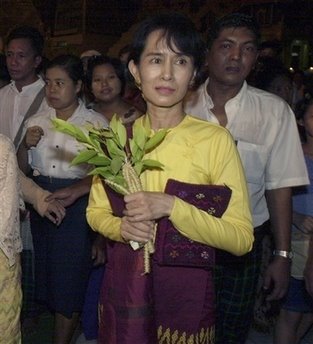


 Posts


