တျခားေသာ အမ်ဳိးသားကို မုန္းတီးျခင္းသည္ အမ်ဳိးသားေရး မဟုတ္ဟု ေဒၚစုေျပာၾကား
ဖနိဒါ
ဗုဒၶဟူးေန႔၊ ႏုိဝင္ဘာလ 11 ရက္ 2009 ခုႏွစ္ 15 နာရီ 22 မိနစ္
မဇိၩမ (ခ်င္းမုိင္) ။ ။ တျခားေသာ အမ်ဳိးသားမ်ားကို မုန္းတီးျခင္းသည္ အမ်ဳိးသားေရး မဟုတ္ဟု အတိုက္အခံ ေခါင္းေဆာင္ ေဒၚေအာင္ဆန္းစုၾကည္က ေျပာဆိုလိုက္သည္။
”သူ (ေဒၚေအာင္ဆန္းစုၾကည္) တခုပဲ ေျပာပါတယ္။ အမ်ဳိးသားေရးဆုိတာ အင္မတန္ေကာင္းတယ္။ အမ်ဳိးသားေရးဆုိတာ ကုိယ့္အမ်ဳိးသားကို ေကာင္းစားေစခ်င္တဲ့ ေစတနာ ေမတၱာေတြ ေကာင္းတယ္။ ဒါေပမယ္လုိ႔ တျခားအမ်ဳိးသားကို ထိခိုက္ေစတဲ့ဟာ၊ တျခားအမ်ဳိးသားကုိ မုန္းတီးတာဟာ အမ်ဳိးသားေရး မဟုတ္ဘူးဆုိတာပဲ ေျပာလုိက္တယ္”ဟု အမ်ဳိးသား ဒီမိုကေရစီအဖြဲ႔ခ်ဳပ္ ေျပာေရးဆိုခြင့္ရွိသူ ဦးဥာဏ္ဝင္းက ေဒၚေအာင္ဆန္းစုၾကည္ ေျပာစကားကို ကိုးကား၍ မဇိၩမကုိ ေျပာသည္။
ေဒၚေအာင္ဆန္းစုၾကည္
ေရွ႕ေနလည္းျဖစ္ေသာ ဦးဥာဏ္ဝင္းႏွင့္ ေနအိမ္ခ်ဳပ္က်ခံေနရေသာ ပါတီေခါင္းေဆာင္တို႔ ယေန႔နံနက္တြင္ ရန္ကုန္ၿမိဳ႕ တကၠသိုလ္ရိပ္သာလမ္းရွိ သူမ၏ ေနအိမ္တြင္ ေတြ႔ဆံုခဲ့ၾကရာ ေျပာၾကားလိုက္ျခင္း ျဖစ္သည္။
ယေန႔သည္ ျမန္မာ့႐ိုးရာ ျပကၡဒိန္အားျဖင့္ တန္ေဆာင္မုန္းလျပည့္ေက်ာ္ ၁၀ ရက္ေန႔ျဖစ္ၿပီး ၈၉ ႏွစ္ေျမာက္ အမ်ဳိးသားေန႔ ျဖစ္သည္။ အဂၤလိပ္ ကိုလိုနီ အစိုးရလက္ေအာက္ ၁၉၂၀ ခုႏွစ္တြင္ ျဖစ္ပြားခဲ့ေသာ ပညာေရးအဆင့္ ျမႇင့္တင္ေစလိုေသာ ေကာလိပ္ေက်ာင္းသားမ်ား၏ သပိတ္စတင္ေသာေန႔ကို အမ်ဳိးသားေန႔ဟု သတ္မွတ္ခဲ့ၾကသည္။
စစ္အစိုးအႀကီးအကဲ ဗိုလ္ခ်ဳပ္မႉးႀကီး သန္းေရႊကလည္း အမ်ဳိးသားေန႔မိန္းခြန္း ေျပာၾကားသည္ကို ယေန႔ထုတ္ စစ္အစိုးရအာေဘာ္ ျမန္မာ့အလင္း သတင္းစာတြင္ ေဖာ္ျပထားသည္။
မ်က္ေမွာက္ကာလတြင္ ေခတ္သစ္ကိုလိုနီနယ္ခ်ဲ႕ ႏိုင္ငံႀကီးမ်ားက အျခားႏုိင္ငံမ်ား၏ ျပည္တြင္းေရးကို ဝင္ေရာက္စြက္ဖက္ၿပီး နယ္ပယ္အသီးသီး ကို လႊမ္းမိုးျခယ္လွယ္ရန္ ႀကိဳးပမ္းေဆာင္ရြက္လ်က္ ရွိသည္ဟု ဗိုလ္ခ်ဳပ္မႉးႀကီး၏ ေျပာဆုိသည့္ စကားကို ေဖာ္ျပထားသည္။
ထို႔အျပင္ ၂၀၁၀ ခုႏွစ္တြင္ ေရြးေကာက္ပြဲ က်င္းပႏုိင္ေရး ျပင္ဆင္ေနသည့္အတြက္ ျပည္သူမ်ားက ပူးေပါင္း ေဆာင္ရြက္ရန္လည္း ေတာင္းဆို လိုက္ေသးသည္။
ျမန္မာႏုိင္ငံအေပၚ အေမရိကန္၊ ဥေရာပသမဂၢအဖြဲ႔ဝင္ ႏုိင္ငံမ်ား၊ ၾသစေၾတးလ်ား အပါအဝင္ စီးပြားေရးႏွင့္ သံတမန္ေရးရာ ပိတ္ဆို႔အေရးယူမႈမ်ား ႐ုတ္သိမ္းေရးတြင္ ပါဝင္ကူညီေပးမည္ဆိုေသာ ၿငိမ္းခ်မ္းေရး ႏုိဘယ္လ္ဆုရွင္က စစ္ေခါင္းေဆာင္ထံ စာေရးသား ေပးပို႔ၿပီးေနာက္ ေနာက္ဆက္တြဲ အျဖစ္ ေဒၚေအာင္ဆန္းစုၾကည္သည္ အမ်ားျပည္သူ ျမင္ကြင္းတြင္ ျပန္လည္ေပၚထြက္လာခဲ့ကာ သူမ၏ ေျပာစကားမ်ားလည္း တဆင့္စကားအျဖစ္ ပံုမွန္ထြက္ေပၚလာေနခ့ဲသည္။
ရန္ကုန္ရွိ အန္အယ္ဒီ ႐ံုးခ်ဳပ္တြင္ က်င္းပေသာ အမ်ဳိးသားေန႔ အခမ္းအနားအတြက္ ေဒၚေအာင္ဆန္းစုၾကည္က ဦးဥာဏ္ဝင္းမွတဆင့္ ႏႈတ္ျဖင့္ သဝဏ္လႊာပါး ေက်းဇူးတင္စကား ဆိုလိုက္သည္။ ျပည္နယ္ႏွင့္ တုိင္း အသီးသီးမွ ေခါင္းေဆာင္မ်ား မအားလပ္သည့္ၾကားမွ အခမ္းအနား တက္ေရာက္ျခင္းအေပၚ ေက်းဇူးတင္သည္ဟု သူမက ေျပာၾကားသည္။
အမ်ဳိးသားဒီမိုကေရစီအဖြဲ႔ခ်ဳပ္က စစ္အစိုးရအေနျဖင့္ ေတြ႔ဆံုေဆြးေႏြးအေျဖရွာရန္ ထပ္မံေတာင္းဆိုလုိက္ျပန္ၿပီး ေဒၚေအာင္ဆန္းစုၾကည္၊ ဦးတင္ဦး၊ ရွမ္းအမ်ဳိးသားမ်ား ဒီမုိကေရစီ အဖဲြ႔ခ်ဳပ္ ဥကၠ႒ ဦးခြန္ထြန္းဦး၊ အတြင္းေရးမႉး စုိင္းညြန႔္လြင္ႏွင့္ အျခားတုိင္းရင္းသား ေခါင္းေဆာင္ မ်ားအား အျမန္ဆံုးလႊတ္ေပးရန္ လိုအပ္သည္ဟု ဆိုသည္။
ထို႔အျပင္ အဖြဲ႔ခ်ဳပ္ ႐ံုးမ်ားကုိ ကာလရွည္ၾကာ ပိတ္ထားျခင္းမွ ျပန္လည္ဖြင့္ခြင့္ျပဳရန္ႏွင့္ လြတ္လပ္စြာ စည္း႐ံုးခြင့္၊ တရားဝင္ စည္း႐ံုးခြင့္ေပးရန္၊ ၁၉၉၀ ျပည့္ႏွစ္ ပါတီစံု ေရြးေကာက္ပြဲတြင္ အႏုိင္ရၿပီးမွ ဖ်က္သိမ္းခံပါတီမ်ား အပါအဝင္ ႏုိင္ငံေရးပါတီမ်ားကို ႏုိင္ငံေရး မွတ္ပံုတင္ခြင့္ေပး၍ စည္း႐ံုးခြင့္ျပဳရန္တို႔ကုိ စစ္အစုိးရအေနျဖင့္ အျမန္ဆံုး ေဆာင္ရြက္ေပးရန္ လုိအပ္ေၾကာင္း ေၾကညာခ်က္တြင္ ေဖာ္ျပထားသည္။
အန္အယ္ဒီ ျပန္ၾကားေရးအဖြဲ႔ဝင္ ဦးအုန္းႀကိဳင္က အမ်ဳိးသားေန႔ အထိန္းအမွတ္အျဖစ္ “ဒီအမ်ဳိးသားေန႔မွာ ေဒၚေအာင္ဆန္းစုၾကည္က အခုလုိ ႏႈတ္နဲ႔ သဝဏ္လႊာပါးခြင့္ရတာဟာ ထူးျခားတယ္လုိ႔ ေျပာခ်င္ပါတယ္။ ျမန္မာ့ႏုိင္ငံအေရး ေျပလည္မႈ အလားလာ တုိးတက္လာသလားလုိ႔ ေမွ်ာ္လင့္ႏုိင္တယ္ဆုိရင္ေတာ့ အားတက္စရာ ျဖစ္တယ္လုိ႔ ေျပာခ်င္ပါတယ္” ဟု ေျပာသည္။
အခမ္းအနားသုိ႔ အမ်ဳိးသား ဒီမုိကေရစီအဖြဲ႔ခ်ဳပ္ ျပည္နယ္ႏွင့္ တုိင္းအသီးသီးမွ ကုိယ္စားလွယ္မ်ား၊ ဝါရင့္ႏုိင္ငံေရးသမားမ်ား အဖြဲ႔ဝင္မ်ား၊ ျပည္သူ႔လႊတ္ေတာ္ ကိုယ္စားျပဳေကာ္မတီ - CRPP ႏွင့္ ရခုိင္ အမ်ဳိးသား ဒီမုိကေရစီ အဖြဲ႔ခ်ဳပ္တို႔ အပါအဝင္ လူဦးေရ ၁၀၀၀ ခန္႔ တက္ေရာက္ ခဲ့သည္။
ျမန္မာ့ႏိုင္ငံေရး ျဖတ္သန္းမႈတြင္ ကာလရွည္စြာ ပါဝင္လာခဲ့သည့္ ဝါရင့္ႏုိင္ငံေရးသမားအစုကလည္း ေတြ႔ဆံုေဆြးေႏြးေရး ျပဳလုပ္ပါဟု ေျပာဆိုလိုက္သည္။
Thursday, November 12, 2009
တျခားေသာ အမ်ဳိးသားကို မုန္းတီးျခင္းသည္ အမ်ဳိးသားေရး မဟုတ္ဟု ေဒၚစုေျပာၾကား


Thursday, November 5, 2009
Not So Great Expectations for U.S. Diplomats in Burma
Not So Great Expectations for U.S. Diplomats in Burma
By Robert Horn / Bangkok Wednesday, Nov. 04, 2009
The first high-level team of U.S. diplomats to visit Burma in 14 years met with detained opposition leader Aung San Suu Kyi in Rangoon on Wednesday in what some hope may signal the first steps towards breaking the political deadlock that has gripped Burma for more than 20 years. But Burma analysts said any positive developments from the mission would depend upon the man the Americans did not meet — Burma's reclusive military leader Gen. Than Shwe.
Instead, Assistant Secretary of State Kurt Campbell and his deputy Scot Marciel met with Prime Minister Thein Sein, who wields little actual political power, in the inland capital of Nyapyidaw on the second day of their two day visit. They later flew to Rangoon to confer with 1991 Nobel Peace Prize winner Suu Kyi, who was allowed to travel from the home where she has spent 14 of the past 20 years under arrest, to a downtown hotel where the diplomats were staying. (See pictures of Burma's slowly shifting landscape.)
"Our expectations are modest,'' says Aung Zaw, editor of The Irrawaddy, an influential Thailand-based magazine on Burma affairs. "We've seen these on-again, off-again discussions many times before with the United Nations and the European Union, among others.'' Real change, he said, could only come from Than Shwe, the supreme leader since 1992 of the military committee that rules the country and calls itself the State Peace and Development Council. Describing Burma as an oligarchy, he says that if Than Shwe had the political will, "He could solve 40 years of Burma's problems in four hours.''
The visit is the second meeting between the nations' diplomats since President Barack Obama announced in September that his administration would pursue a policy of engaging the generals who rule the country, rather than rebuffing them. The first meeting took place several weeks ago in New York City. Burma has been under military rule since 1962, and since the bloody suppression of a democracy uprising in 1988, the U.S. has incrementally reduced contacts with the regime and increased sanctions against it for its record of human rights violations and quashing democracy. Larry Dinger, thecharge d'affairs at the U.S. embassy in Rangoon, was quoted in the state-run Myanmar Times this week as saying that Washington wanted to make progress on "important issues" but would maintain sanctions "until concrete progress is made." The State Department has referred to the trip as a "fact-finding mission."
The regime blames Suu Kyi for having called for sanctions in the past. She has said she is open to rescinding the call if the regime agrees to engage in a genuine dialogue with her, her party and ethnic minorities. The junta is planning on holding elections next year for the first time since 1990, when they lost to Suu Kyi's party, the National League for Democracy, by a landslide, and then ignored the results. Suu Kyi has been barred from participating in the upcoming poll, and unless she is pardoned, will still be under house arrest when it takes place. Thein Sein recently told Southeast Asian diplomats that the terms of her could be eased if she "behaved." (See the world's top 10 contested elections.)
The Obama Administration has said it has changed its approach because sanctions alone have not worked in bringing about change in the isolated and impoverished nation. For their part, the generals are interested in improving relations because they are overly reliant on China, which has major investments in Burma, as an ally. The junta wants sanctions removed and their upcoming elections to be regarded as legitimate.
Debbie Stothard, executive director of ALTSEAN, an activist network involved in Burma issues, urged the two American diplomats to stand firm on democracy and human rights during their visit this week. "The regime won't like it, but they will respect the U.S. more for it. They will know that the U.S. can't be pushed around or fooled like the Association of Southeast Asian nations,'' she says. ASEAN, which admitted Burma as a member in 1997, has advocated a course of "constructive engagement" as a way of moderating the regime's behavior, including expanding economic and business ties. Stothard says that policy has failed, as evidenced by what she calls "an all-time high in the number of political prisoners and a spike in military aggression against the country's ethnic minorities.' '
Aung Zaw credits Campbell, who specializes in East Asian and Pacific affairs for the White House, with being well-informed on Burma issues. It was unlikely the regime could pull the wool over his eyes, as it has done with other prominent visitors, he says. "Campbell met and listened to everyone, whether they were Burman, ethnic minorities, pro-regime or anti-regime. Everyone was pleased with that."
Read more: http://www.time. com/time/ world/article/ 0,8599,1934441, 00.html?xid= rss-world# ixzz0VtVfn6Et
============ ========= ========= =
Thursday, October 29, 2009
NLD Elder Holds Out for Constitutional Review
NLD Elder Holds Out for Constitutional Review
Wednesday, October 28, 2009
U Win Tin is a founding member of the National League for Democracy (NLD), which was formed in 1988. He is also a well-known journalist in Burma. He was detained in 1989 and served 19 years in prison. He was released in September 2008. He spoke to The Irrawaddy on the issues of international economic sanctions, the 2010 election, the regime’s 2008 Constitution and the current position of the NLD.
Question: How much does the lifting of Western economic sanctions on Burma relate to national reconciliation?
Answer: In our politics, these two factors are related. If there is a US dialogue, the military regime is involved in the process. The sanctions now control them somewhat. Even if the sanctions can’t be said to strengthen us [the NLD], it is at least a rein on the junta. It’s something like tying down a brutal giant with many ropes so that we can survive.
I think there are three kinds of sanctions. First, there are sanctions that can affect ordinary people. For example, the US sanction [on the importation of Burmese textile products] caused unemployment in the garment factories. Second, there are sanctions that can directly affect the military generals and their cronies. Third, there are many countries that imposed arms embargos on Burma. Among these three kinds, we don’t have anything to say about the sanctions affecting the military and its generals, but we will step in to talk about easing the sanctions that affect the people.
I think if there is an ease in sanctions, it can probably lead to national reconciliation. The new US policy will be carried out while maintaining the existing sanctions. It is a drama which will include a variety of scripts, such as sadness, pleasure, and Nhit Par Thwar [a dance with a main actor and actress]. The last script of the drama, we expect, will be Zat Paung Khan [a peaceful end]. Therefore, we can’t predict now the role of sanctions in political dialogue and reconciliation. Things will unfold more before the 2010 election.
Q: What is your opinion on the announcement of the regime to hold the election as scheduled, and their preparations?
A: on March 27, Snr-Gen Than Shwe said he will not review the Constitution. Recently, he again declared that the Constitution has already been approved by the people and the elections will be held systematically. He said that political parties must respect the Constitution, and parties that work responsibly will be protected by the government. It means that if they believe some political parties are not responsible in their work, they will take action against the parties. These two facts are significant.
His words can be translated into these points: Political parties must keep quiet. All the principles have been set out for the pre-election campaigns: don’t talk about the demands from [the NLD’s] Shwegondine Declaration. I think he also warned other politicians, including from the National Unity Party (NUP) [transformed from the former ruling Burma Socialist Programme Party], who said the Constitution can be amended in the future. It looks like the parties must follow their way.
Q: What do you think the democratic forces and ethnic organizations should do in regard to the election?
A: There is still a way out. Although they denied a review of the Constitution, I still have hope for a political dialogue. If we demand it with a united stand, I think we have a way left. I think Snr-Gen Than Shwe’s words are related to the new US Burma policy. He bluntly responded to the US demands on the election and its relations with the opposition groups. But politics is an unending process no matter how decisive the general is in his words. The situation is changing. Daw Aung San Suu Kyi also asked the US to engage with both sides. Whatever Snr-Gen Than Shwe says, I expect the US policy will open a way for relations with the regime.
Q: What are your views on some politicians who want to take part in the election?
A: Regarding this election, my stand is even a bit different from the NLD. I accept the NLD’s stand on the Shwegondine Declaration. The statement demands a release of all political prisoners, a review of the Constitution and to hold a free and fair election under international supervision. What we mainly want is political dialogue.
U Thu Wai and U Khin Maung Gyi of the NUP said that the situation will change in the next 10 to 15 years. They will take part in the election. They didn’t consult with us. I don’t agree that we should take part in the election.
We must create a situation conducive to the participation of all parties. We believe that all the parties should demand a more flexible Constitution at the outset. If the Constitution is amended, we can have a democratic space to some extend and can talk and work in parliament. If we accept the current situation, no amendments can be made, and there will be no rights for democratic forces or ethnic nationalities.
Yes, the Constitution offers a parliament where we can have a political platform from which to talk. But we must understand that under this Constitution, we can’t make any decision or move forward. That’s why I say we must demand a review of the Constitution before the election.
Q: What do you want to amend in the 2008 constitution?
A: There are about a dozen things that should be amended. What I can say now is we can’t accept the sixth basic principle of the Constitution: “the national political leadership role” of the military. The fact that more than 75 percent of the parliamentary vote is needed to amend the Constitution should be amended. Regarding the rights of ethnic nationalities, the fact that the President will appoint the chairmen of the Hluttaws (Parliament) in the Regions and States should be amended. That is important for the ethnic nationalities.
Q: What are your thoughts on the debate inside the NLD over whether the party should take part in the election?
A: Our leaders have their roots in the democratic struggle. I led a Burmese media union and spent about 20 years in jail. Therefore, I have evaluated the situation in terms of the goals of our democratic struggle. I think and talk in this way.
A central issue is the results of the 1990 election [a landslide win for the NLD]. We can’t throw away the results like a piece of paper or a leaf. In the NLD, there are people who have safeguarded the party for the past 20 years. For me, I do things based on the spirit I had during the democratic struggle in 1988. Some party leaders base their thinking on rationality. There are differences in our ways of thinking and working.
Some in the party think the regime can change its attitude, but I don’t think so. We have different views in this respect. They think the regime can become flexible and take positive steps and make some compromises. But the regime is stubborn, and it tries to do all that it can to hold on to power.
The youth organizations, monks, democratic forces and ethnic nationalities outside the country are all talking about a boycott of the election. Inside the country, there are some political groups that talk about contesting the election, but they are not a strong force even though they have important leaders.
Democratic and ethnic forces inside and outside the country are decisively saying “No” to the election. On the other hand, some so-called third forces and a few cease-fire armed ethnic groups are willing to take part.
The NLD won the election in 1990, but to date the party hasn’t been allowed to carry out the election results. At this point, if we turn our back on the 1990 election results and talk about taking part in the new election, the NLD will be shamed. In the future, the political scenario will be clearer, after the NLD finally decides whether to contest the election or not.
Copyright © 2008 Irrawaddy Publishing Group | www.irrawaddy. org
http://www.irrawadd y.org/article. php?art_id= 17083
Thursday, October 8, 2009
US Must Understand Myanmar’s Diversity
US Must Understand Myanmar’s Diversity
By Nehginpao Kipgen
http://www.koreatim es.co.kr/ www/news/ opinon/2009/ 10/165_52931. html
Developments are indicating that the Obama administration is starting to ease tension with the military junta of Myanmar (Burma). At the U.N. headquarters in New York on Sept. 23, Hillary Clinton said the U.S. will be ``moving in a direction of both engagement and continued sanctions.''
Clinton is reiterating the comment she made earlier this year during her maiden visit to Asia as secretary of state.
The announcement comes at a time when the world awaits what the U.S. government's policy review on Myanmar might be. The outcome of the 9-month long policy review is something not unexpected. The Obama administration understands the ineffectiveness of either engagement or sanction by itself, without a coordinated international approach.
In another development, Myanmar's foreign minister was allowed a 24-hour visit to Washington, D.C. on the night of Sept. 18. This visit happens after years of the U.S. sanctions since the late 1990s, under which the military generals were banned from traveling to the United States, except for international organizations' meetings.
Under the 2003 Burmese Freedom and Democracy Act, the White House needs to approve a waiver to allow Myanmarese officials attending the U.N. General Assembly to travel more than 25 miles out of New York.
Though Nyan Win did not meet with the Obama administration officials, he met with Myanmarese Embassy staff, the U.S.-Asian Business Council and James Webb, a democrat senator from Virginia, who recently returned from a visit to Myanmar. Webb has been a vocal proponent of engagement.
In anticipation of a softer tone at the ongoing U.N. General Assembly and from the Obama administration, the Myanmarese military junta on Sept. 17 released over 7,000 prisoners, which included about 100 political prisoners. Both the Myanmarese opposition and U.N. secretary General Ban Ki-moon welcomed the news.
While the U.S. is starting to engage Myanmar, it must understand the ethnic diversity of this Southeast Asian nation. What is today called Myanmar came into being at the 1947 Panglong Agreement. In fact, the correct name of the country should be the ``Union of Burma'' and not just Myanmar. The military junta changed from Burma to Myanmar in 1989, and as a result, it becomes the ``Union of Myanmar.''
Primarily based on dialectical variations, the military junta identifies ``135 races'' in the Union of Myanmar. In fact, the peoples of Myanmar were under two separate British administrations before it gained independence in 1948: ``Burma Proper'' and ``Frontier Areas.''
The Burma Proper was predominantly occupied by ethnic Burmarns, while Frontier Areas belonged to other ethnic nationalities, which are now identified as ``ethnic minorities.' '
The Union of Burma has the longest armed insurgency in the entire Southeast Asian region. While the military has persuaded more than a dozen armed groups to sign ceasefire agreements, there are still armed groups operating along the Indo-Myanmar and Thai-Myanmar borders.
These armed groups are neither terrorists nor separatists. They are demanding autonomy under a federal government, a foundation in which the Union of Myanmar was established in 1947.
The conflicts in Myanmar are not only political, but also ethnical. Only restoring democracy is unlikely to restore the trust and confidence of the so-called ``ethnic minorities.' '
The U.S. government and the international community need to understand the complexity nature of the conflicts. Though the Myanmarese military junta has the power to suppress ethnic armed insurgents, given the army strength of over 400,000 without any foreign enemy, the aspirations of ethnic minorities cannot simply be suppressed by force. The root cause of the conflicts needs to be addressed.
There are two different stages in the ongoing democratic struggle in Myanmar. While a majority of the ethnic Burmarns may be satisfied with the restoration of a democratic government, the overwhelming ethnic minority population, which constitutes a little less than 40 percent of the country's total population but occupies more than two-thirds of the land, will continue to demand their fundamental political rights.
In order to find a way out for Myanmar, the Obama administration is doing the right thing by applying both engagement and sanction tools. The administration needs to continue to put pressure on the military junta to release all political prisoners, including Aung San Suu Kyi, leader of the National League for Democracy (NLD) and the 1991 Nobel peace laureate. Sanctions should not be unconditionally lifted before any tangible changes are happening inside the country.
The new policy will provide a platform for the U.S. government to have access to both the engagement and isolation groups. With the engagement agenda, the Obama administration can now work with members of Association of Southeast Asian Nations, China, India, and Russia. With the continued sanction policy, the administration can still work together with the European Union, its traditional ally.
While the policy shift is a welcome move, the Obama administration needs to understand the root cause of conflicts in Myanmar. The U.S. engagement should not be just with the military junta and the NLD, but inclusive. The plights and aspirations of ethnic minorities should always be part of the solutions.
Nehginpao Kipgen is a researcher on the rise of political conflicts in modern Myanmar (1947-2004) and general secretary of the U.S.-based Kuki International Forum (www.kukiforum. com). He has written numerous analytical articles on the politics of Myanmar and Asia for many leading international newspapers. He can be reached at nehginpao@yahoo. com.
Monday, October 5, 2009
အရပ္သားအျမင္နဲ႔ စစ္သားအထင္-ဦးေအာင္ခင္
ျမန္မာျပည္မွာ ဒီမုိကေရစီစနစ္တည္ေဆာက္ခ်င္တဲ့ အရပ္သားအဖြဲ႔အစည္းေတြနဲ႔ စစ္အစုိးရတုိ႔ ေစ့စပ္ေဆြးေႏြးတဲ့အဆင့္ကုိ မေရာက္ႏုိင္ေသးဘဲ လိပ္ခဲတည္းလည္းျဖစ္ေနရတဲ့ အေျခခံအေၾကာင္းတခုက အရပ္သားရဲ႕ သမုိင္းအျမင္နဲ႔ စစ္သားရဲ႕ သမုိင္းအျမင္ ကြဲျပားျခားနားေနလုိ႔ပါပဲ။ စစ္တပ္တုိင္းမွာ သီးျခားအသြင္လကၡဏာရွိတယ္။ အရပ္သားနဲ႔စစ္သားဟာ သမုိင္းအျမင္ခ်င္း မတူတာမ်ားပါတယ္။ စစ္ဗိုလ္ရဲ႕ အေတြးအေခၚဟာ စစ္တပ္ရဲ႕သမုိင္းအျမင္က လႊမ္းမုိးေလ့ရွိတယ္။
အရပ္သားဟာ သူေတြ႔ရွိတဲ့ အခ်က္အလက္ေပၚမွာမူတည္ၿပီး သမုိင္းေရးတယ္။ မိမိေတြ႔ရွိတဲ့ အခ်က္အလက္ကုိလုိက္ၿပီး သုံးသပ္မႈနဲ႔ အဓိပၸာယ္ေဖာ္မႈလည္း ေျပာင္းသြားရပါတယ္။ ကုိယ္ျဖစ္ခ်င္တာကုိ ေရးလုိ႔မရဘူး။ ကုိယ္ထင္တာကုိမေရးဘဲ ေတြ႔တဲ့အတုိင္းေရးတာကုိ သတၱိရွိတယ္လုိ႔ ေျပာတာပါပဲ။ ဗမာစစ္တပ္က သမုိင္းေရးသလုိ လုိခ်င္တာေတြထည့္ၿပီး မလုိခ်င္တာ ကုိ ဖယ္ထုတ္လုိ႔မရပါဘူး။ လူသတ္တာကုိ ကယ္တင္တာလုိ႔ ေရးလုိ႔မရပါဘူး။ အေနာက္တုိင္းမွာ နာမည္ႀကီးတဲ့ စစ္သမုိင္းဆရာေတြဟာ အရပ္သားေတြပါ။ ဗမာျပည္မွာေတာ့ စစ္ဗုိလ္ကသာ စစ္သမုိင္းကုိ ေရးခြင့္ရွိသလုိ ျဖစ္ေနတယ္။
စစ္တပ္ကုိအယုံတင္သြင္းရာမွာ သမုိင္းကုိ ၀ါဒျဖန္႔ပစၥည္းအျဖစ္ အသုံးျပဳၿပီး ပုံႀကီးခ်ဲ႕ေလ့ရွိတယ္။ ဒီလုိေျပာပါမ်ားလာေတာ့ စစ္ေခါင္းေဆာင္ေတြကုိယ္တုိင္ ဂ်ပုိးကုိလိပ္လုိ႔ ယုံၾကည္လာတာပါပဲ။ ဒါကုိ စိတ္ပညာမွာ auto-suggestion လုိ႔ေခၚတယ္။ ၂၀ ရာစုအေစာပုိင္းမွာ ျပင္သစ္စိတ္ပညာရွင္တဦး Emile Coue 1857-1926 ေတြ႔တဲ့နည္းပါ။ မိမိကုိယ္မိမိ ကယ္တင္ရွင္လုိ႔ အႏွစ္ (၅၀) နီးပါး ၀ါဒျဖန္႔လာတဲ့ စစ္ေခါင္းေဆာင္ေတြဟာ သူတုိ႔၀ါဒျဖန္႔တာကုိ သူတုိ႔ကုိယ္တုိင္ ျပန္ယုံေနတဲ့အတြက္ ေနရာတကာ စစ္ဗိုလ္က ဦးေဆာင္ခြင့္ရွိေၾကာင္း ဥပေဒျပဳတာျဖစ္တယ္။
ဥပမာ အေမရိကန္နဲ႔ အဂၤလိပ္ စစ္အင္အားႀကီးမားလုိ႔ ဂ်ပန္စစ္႐ႈံးရတာ တကမာၻလုံး သိတယ္။ ဂ်ပန္႔လက္ေအာက္ခံ ဗမာစစ္တပ္က ဂ်ပန္ကုိေတာ္လွန္ၿပီး အဂၤလိပ္နဲ႔ အေမရိကန္ဘက္က ကူတုိက္ေပးတယ္။ ဗမာစစ္တပ္ မကူလည္း အဂၤလိပ္/အေမရိကန္က ႏုိင္မွာပါပဲ။ ဗမာစစ္တပ္က ေတာ္လွန္လုိ႔ ဂ်ပန္စစ္႐ႈံးတာမဟုတ္ဘူး။ ဂ်ပန္ကုိ ေတာ္လွန္တဲ့အတြက္ ဗမာစစ္တပ္သာ အျမတ္ထြက္သြားတယ္။ ဂ်ပန္နဲ႔လက္တြဲၿပီး အဂၤလိပ္၊ အေမရိကန္တပ္ကုိ သြားတုိက္မယ္ဆုိရင္ ဗမာစစ္တပ္ဟာ အိႏၵိယလြတ္လပ္ေရးတပ္ဖြဲ႔လုိ အဂၤလိပ္စစ္တပ္ရဲ႕ ကူလီဘ၀ကုိ ေရာက္သြားမွာ ေသခ်ာတယ္။
ဒီအျဖစ္အမွန္ကုိမထုတ္ေဖာ္ဘဲ တပ္မေတာ္ကေတာ္လွန္လုိ႔သာ ဂ်ပန္စစ္႐ႈံးသလုိလုိ တျပည္လုံးကုိ ၀ါဒျဖန္႔ထားတာ စစ္တပ္ရဲ႕ သမုိင္းအျမင္ပါပဲ။ ဗမာစစ္တပ္တုိက္ယူလုိ႔ လြတ္လပ္ေရးရတာလုိ႔ စစ္ဗိုလ္ေတြယူဆထားတာဟာ မွားယြင္းတဲ့သမုိင္းအျမင္ပါ။ ျမန္မာ့လြတ္လပ္ေရးလႈပ္ရွားမႈသမုိင္းမွာ ဖက္ဆစ္ေတာ္လွန္ေရးဟာ အခန္းက႑ေလးတခုသာျဖစ္တယ္။ စစ္ၿပီးေခတ္ လြတ္လပ္ေရးႀကိဳးပမ္းမႈဟာ ႏွလုံးရည္တုိက္ပြဲသာျဖစ္တယ္။ အဲဒီအခ်ိန္မွာ ဗမာစစ္တပ္ဟာ အဂၤလိပ္စစ္တပ္ရဲ႕ လက္ေအာက္ခံ ျဖစ္ေနလုိ႔ လြတ္လပ္ေရးလႈပ္ရွားမႈမွာ တုိက္႐ုိက္မပါ၀င္ႏုိင္ခဲ့ဘူး။
ေခတ္ပညာတတ္ စစ္ဗိုလ္ဆရာ၀န္ စာေရးဆရာ ေဒါက္တာေမာင္ေမာင္ညိဳ လုိဟာမ်ဳိးကေတာင္ ဂ်ပန္ေတာ္လွန္ေရးကုိ အႀကီးအက်ယ္ ေအာက္ေမ့ေနတယ္။ ၁၉၇၃ ခုနွစ္က တုိက်ဳိမွာ က်ေနာ္ သမုိင္းသုေတသနလုပ္ေနတုန္း ေဒါက္တာေမာင္ေမာင္ညိဳနဲ႔ ခဏဆုံမိေတာ့ ဂ်ပန္ေတာ္လွန္ေရးအေၾကာင္း ဘာေတြေရးထားသလဲလုိ႔ သူကေမးတယ္။ ဂ်ပန္ေတာ္လွန္ေရးကုိ အေလးအနက္ထားသူ သိပ္မရွိေၾကာင္း ေျပာျပေတာ့ ေဒါက္တာေမာင္ေမာင္ညိဳ အေတာ္မေက်မနပ္ ျဖစ္သြားတယ္။ ဂ်ပန္ေတာ္လွန္ေရးကုိ ေမွးမွိန္ေသးသိမ္ေအာင္ က်ေနာ္က တမင္ေျပာတဲ့ပုံစံနဲ႔ သူ႔ခရီးသြားမွတ္တမ္းမွာ ၁၉၇၇ က ေရးထားတယ္။ စစ္ဗုိလ္ဆရာ၀န္ ေဒါက္တာေမာင္ေမာင္ညိဳလည္း စစ္တပ္၀ါဒျဖန္႔တာကုိ ယုံၾကည္သူပါပဲ။
အခုေတာ့ ဂ်ပန္ကုိ ဗမာစစ္တပ္က တြန္းလွန္လုိက္တယ္ဆုိတဲ့ စိတ္ကူးယဥ္ခ်က္ကုိ အမ်ားယုံၾကည္လာေအာင္ ပုံႀကီးခ်ဲ႕၀ါဒျဖန္႔ၿပီး ႏုိင္ငံေရးအာဏာကုိ လက္၀ါးႀကီးအုပ္ထားတယ္။ ဂ်ပန္ကုိ တုိက္ထုတ္သူဟာ ဗမာစစ္တပ္ျဖစ္ေၾကာင္း ပုံႀကီးခ်ဲ႕တာကုိနားေထာင္ၿပီး လူငယ္ေတြ ႀကီးျပင္းလာရတယ္။ ဗမာစစ္တပ္ရဲ႕ ပုံႀကီးခ်ဲ႕ဇာတ္လမ္းအရ အဂၤလိပ္စစ္တပ္၊ အေမရိကန္စစ္တပ္၊ တ႐ုတ္၊ ကရင္၊ ကခ်င္၊ ခ်င္း၊ နာဂနဲ႔ ျမန္မာအရပ္သားေတြကေတာ့ ဂ်ပန္ေတာ္လွန္ေရးမွာ မပါသလုိ ျဖစ္ေနတယ္။
တကယ္ေတာ့ ဂ်ပန္ေတာ္လွန္ေရးကုိ ပထမဆုံး စတင္ဆင္ႏႊဲသူဟာ ကရင္နဲ႔ ခ်င္းအမ်ဳိးသားေတြပါ။ ကရင္တုိင္းရင္းသားေတြနဲ႔ အတူ ပထမဆုံးေသာ ဂ်ပန္ဆန္႔က်င္ေရးတုိက္ပြဲ ဦးေဆာင္ဆင္ႏႊဲခဲ့သူ ၿဗိတိသွ်ဗိုလ္မႉး Hugh Paul Seagrim ျဖစ္တယ္။ ကရင္ေျပာက္က်ားအဖြဲ႔က ဂ်ပန္စစ္တပ္ကုိ ပထမဆုံးေတာ္လွန္တာျဖစ္တယ္။
၁၉၄၂ ခုႏွစ္ ေဆာင္းဦးရာသီမွာ ကေလးၿမိဳ႕ကုိ ဂ်ပန္သိမ္းပုိက္ထားတုန္း ကင္းလွည့္တဲ့ ဂ်ပန္စစ္သားကုိ ဇုိျပည္သူ႔စစ္က ေျဖာင္ပစ္တဲ့အတြက္ အဲဒီအခ်ိန္ကတည္းက ခ်င္းေတာ္လွန္ေရးစတယ္လုိ႔ ဆုိႏုိင္ပါတယ္။ ကေလးၿမိဳ႕အနီးမွာ ဂ်ပန္တပ္ဖြဲ႔တဖြဲ႔ အနားယူေနစဥ္ ၁၉၄၂ ခုႏွစ္ ဒီဇင္ဘာ (၂၃) ရက္ေန႔မွာ ဇုိျပည္သူ႔စစ္က လွ်ပ္တျပက္၀င္တုိက္လုိ႔ ဂ်ပန္ (၁၂) ဦး က်သြားတယ္။ ဒီတုိက္ပြဲသတင္းကုိ ဒီဇင္ဘာ (၂၆) ရက္ေန႔မွာ ဘီဘီစီအဂၤလိပ္ပုိင္းက ေၾကညာတယ္။ ဒါဟာ အရပ္သားေရးတဲ့ သမုိင္းပါ။ စစ္တပ္ကုိ ကယ္တင္ရွင္လုိ႔ ျပည္သူလူထုက မယူဆပါဘူး။
စစ္ေခါင္းေဆာင္ကုိ သစၥာရွိတဲ့စစ္တပ္ဟာ အဲဒီစစ္ေခါင္းေဆာင္အလြဲသုံးစားလုပ္တာကုိ ခံရတယ္။ ဗုိလ္ေန၀င္းနဲ႔ ဗုိလ္သန္းေရႊဟာ သာဓကေတြပဲ။ ဒီကေန႔ စစ္ဗိုလ္ေတြလက္ခံတဲ့ ႏုိင္ငံေရးအယူအဆကုိ ေနာက္တေန႔မွာ စစ္ဗိုလ္ေတြ ေမ့သြားႏုိင္တယ္။ ၁၉၆၂ ကစၿပီး ဗမာစစ္တပ္တခုလုံးက ယုံၾကည္ပါတယ္လုိ႔ ေႂကြးေၾကာ္ခဲ့တဲ့ ဆုိရွယ္လစ္၀ါဒကုိ ၁၉၈၈ ေရာက္ေတာ့ ယုံၾကည္တဲ့စစ္ဗိုလ္ တေယာက္မွမရွိေတာ့ဘူး။ ဒါဟာ ဗမာစစ္ဗိုလ္ေတြရဲ႕ ခံယူခ်က္လား။
အျပင္လူက ျမန္မာျပည္ကုိ နားလည္ဖုိ႔လုိအပ္သလုိ ျမန္မာေတြကလည္း မိမိကိုယ္မိမိ အကဲျဖတ္ဖုိ႔လုိအပ္ေၾကာင္း အေမရိကန္သမုိင္းဆရာႀကီး ဂြန္ေကဒီ ၁၉၅၇ ခုႏွစ္က ေျပာဖူးတယ္။ ဗမာစစ္အစုိးရက အႏွစ္ (၅၀) နီးပါး ကုိယ္ရည္ေသြး ၀ါဒျဖန္႔ခဲ့တာေၾကာင့္ ျမန္မာ့သမုိင္းျဖစ္ရပ္မွန္ကုိ သိႏုိင္ဖုိ႔ မလြယ္ပါဘူး။ အျဖစ္မွန္ကုိမသိရင္ တဘက္နဲ႔တဘက္ နားလည္ဖုိ႔နဲ႔ ျပႆေျဖရွင္းဖုိ႔ ခက္ခဲႏုိင္တယ္။
ဥပမာ အဂၤလိပ္ကုိလုိနီနယ္ခ်ဲ႕ဟာ တုိင္းရင္းသားလူမ်ဳိးေတြကုိ စိတ္၀မ္းကြဲျပားေအာင္လုပ္ၿပီး ျမန္မာျပည္ကုိ ေသြးစုပ္ျခယ္လွယ္ တယ္ဆုိတာနဲ႔ ဖက္ဆစ္ေတာ္လွန္ေရးဆင္ႏႊဲလုိ႔ လြတ္လပ္ေရးရတာဆုိတဲ့ ၀ါဒျဖန္႔ခ်က္ေတြကုိ ယုံၾကည္ေလေလ တုိင္းရင္းသားျပႆနာ ေျဖရွင္းရတာ ခက္ေလေလပါပဲ။ ျမန္မာ့ျပႆနာဟာ တုိင္းရင္းသားအေရးမွာ အေျခခံတယ္လုိ႔ဆုိတယ္။ ဗမာလူမ်ဳိး ေရာက္မလာမီကတည္းက ျမန္မာျပည္မွာ တုိင္းရင္းသားအမ်ဳိးမ်ဳိးရွိေနတယ္။ တုိင္းရင္းသားေတြဟာ ဗမာမင္းကုိ သစၥာခံလုိက္၊ တ႐ုတ္လက္ေအာက္ေရာက္သြားလုိက္၊ ထုိင္းကုိသစၥာခံလုိက္နဲ႔ ေနာက္ဆုံး အဂၤလိပ္လက္ထက္ေရာက္ေတာ့မွ သူတုိ႔ဘ၀ဟာ လုံၿခံဳသြားတဲ့သေဘာပါပဲ။ ေရွးကတည္းက ဗမာမင္းနဲ႔ တုိင္းရင္းသားေတြ အကြဲကြဲအၿပဲၿပဲျဖစ္လာတာကုိ အဂၤလိပ္က လုိသလုိ အသုံးခ်သြားတာပါပဲ။
ဖက္ဆစ္ဂ်ပန္စစ္ဗိုလ္ကလည္း သူ႔ကုိယ္သူကုိယ္ ကယ္တင္ရွင္လုိ႔ ယူဆတာပဲ၊ ၁၉၄၅ မွာ ဂ်ပန္လက္နက္ခ်ၿပီး စစ္တပ္တခုလုံး ဖ်က္သိမ္းလုိက္ေတာ့မွ ကယ္တင္ရွင္၀ါဒ နိဂုံးခ်ဳပ္သြားတယ္။ စစ္ၿပီးေခတ္ဂ်ပန္မွာ ႏွစ္ေပါင္းအေတာ္ၾကာ စစ္တပ္မရွိဘူး။ အေမရိကန္စစ္တပ္နဲ႔ ဂ်ပန္အရပ္သားအစုိးရက ပူးတြဲအုပ္ခ်ဳပ္ပါတယ္။ စစ္ဗိုလ္ေတြေၾကာင့္ တုိင္းျပည္ပ်က္စီးခဲ့ရတဲ့အေျဖစ္ကုိ နာၾကည္းခဲ့တဲ့ ဂ်ပန္ႏုိင္ငံမွာ စစ္မႈထမ္းအလုပ္ကုိ ဂုဏ္ယူစရာလုိ႔ မယူဆၾကေတာ့ဘူး။ စစ္႐ႈံးလုိ႔ရရွိလုိက္တဲ့ အက်ဳိးအျမတ္ကေတာ့ ဂ်ပန္ျပည္မွာ စစ္၀ါဒကြယ္ေပ်ာက္ၿပီး ဒီမုိကေရစီစနစ္ ထြန္းကားလာတာပါပဲ။
Dr. Kyi May Kaung addresses Senator Webb
Dr. Kyi May Kaung addresses Senator Webb
This is a letter to Senator Webb, expressing disappointment on Wednesday's Congressional US Policy Hearing, from a respected friend, Dr Kyi May Kaung. To many of you, she may require no introduction - but to the rest of you, read on and you will learn.
"We must take sides. Neutrality helps the oppressor, never the oppressed. Sometimes we must interfere. . . There is so much injustice and suffering crying out for our attention . . . writers and poets, prisoners in so many lands governed by the left and by the right." Elie Wiesel, Nobel Peace Prize Acceptance Speech, 1986, Oslo.
Senator Webb,
I was disappointed by your Hearing yesterday, which I saw as rather one-sided. No representatives of Daw Aung San Suu Kyi, her lawyer Jared Genser, representatives of the National League for Democracy, or the NCGUB (the Exile Government, elected to their constituencies in Burma in the 1990 elections), Burmese refugees and dissidents, Burmese monk survivors of the 2007 Saffron Revolution, the US Campaign for Burma, scholars who have not advocated removing sanctions, representatives of major non-profits working for change in Burma, other stakeholders or known strong supporters of Aung San Suu Kyi such as Speaker Nancy Pelosi, Barbara Boxer, Diane Feinstein or Mitch McConnell were present. Here is Sen. McConnell’s “two tests for the new US policy from his website: http://mcconnell. senate.gov/ record.cfm? id=318402&start=1
I request that you place this Statement on the official record of the Hearing of September 30th, 2009.
You conducted the Hearing single-handed and was noticeably harsher in your questions towards Kurt Campbell, who explicated the new US policy and took a measured approach, and towards Professor David Williams, who was the only one among the witnesses who mentioned gross human rights violations in Burma and the stepped up military campaigns against the ethic minorities, being conducted right now as military attacks against the Kokang Chinese, the Rohingya in the west, the Kachin in the north and in addition to the on-going longest civil war against the Karen in the east. In many cases it was the Naypyidaw (former Rangoon government) which violated the ceasefires.
Professor Williams said, “Before the 2010 elections, the mountains will flow with blood.” The continuous and constantly increasing stream of refugees into all the neighboring countries are evidence of this.
Dr. Williams also testified that he thought after 2010 it would not be a civilian government, though it would be civilianized. As Burmese, we have seen too much of the trick of army brass changing into civilian clothes and continuing in power, directly or from behind the scenes, to think much of the promises of the 2010 so-called “election.” Professor Williams concluded by saying “This effort won’t shift the game, it will only give the game away.”
I am relieved that the US State Department’s new Burma policy will in fact be a limited engagement policy, subject to concrete and substantial changes (political and economic reforms of a structural nature) on the part of the Burmese military regime, and that the US government reserves the right to impose or extend sanctions whenever it sees fit.
Please allow me to tell you who I am and my qualifications for talking about Burma.
I am a Burmese-born scholar and long time democracy advocate who has been studying Burma all her adult life. My 1994 Ph.D. dissertation from the University of Pennsylvania was on the detrimental effects of a highly centralized command economy and the political economy of Burma in relation to those of Zaire, the then Soviet Union, India and the People’s Republic of China. I studied the design of political-economic systems and the rundown economies produced by having a dictatorship or one party system. My thesis is on Scholarly Commons http://repository. upenn.edu/ dissertations/ AAI3116650/
available from Proquest http://repository. upenn.edu/ dissertations/ index.221. html
and a summary available from Asian Survey
http://caliber. ucpress.net/ toc/as/35/ 11
I also study the economic relationship between nations and I was the first to start pointing out in 2002 that to study Burma we also need to look at China and India. Today, I am happy to see this view is being increasingly taken up, including by you at yesterday’s Hearing.
In addition I have publicly debated David Steinberg and others about sanctions and Burma several times since 2002. Here are some links –
http://www.fpif. org/fpiftxt/ 3917
http://news. bbc.co.uk/ 2/hi/programmes/ hardtalk/ 7026645.stm
For the BBC Hardtalk interview, I went at the request of the NCGUB or National Coalition Government of the Union of Burma or the Exile Government, as one of the members of their Technical Advisory Network.
I have been closely associated with The Free Burma Coalition when it was working on sanctions, with The Burma Fund and the NCGUB. Most recently, (winter of 2008-2009) I worked on a Transition Plan for Burma, commissioned by the NCGUB. I compiled the plans and ideas of 6-7 internationally recognized scholars and Burma experts; several economists; including an expert on money and banking and economic development; a human geographer who has studied Burmese agriculture extensively and is alarmed about the mass landlessness taking place in Burma as the junta takes over the land of Cyclone Nargis victims; an MP of a western government friendly with Burma and constitutional scholars. I also looked at past papers prepared for the democracy movement since 1990. These consultants published and unpublished works are much more detailed and show a much better understanding of Burma than anything that David Steinberg or Thant Myint U have ever written. In fact these two and others in the same camp are widely known as regime apologists. Maybe that is why they were invited onto your panel.
To my knowledge (I stopped work on this project in mid-March 2009), none of the scholars and dissidents consulted advocated lifting sanctions. Most of the experts instead advocated structural reforms of a political and economic nature. The sentence “Sanctions will be gradually lifted” did work its way into the official report, after it had passed from my hands, but this can be seen as subject to concrete changes from the SPDC’s side, and in line with Daw Suu’s recent letter indicating her willingness to help lift sanctions and asking to be better informed. She cannot truly make an informed decision without access to the internet and other international media as she continues under a more severe house arrest since the sham trial conducted against her, towards the end of which you were allowed to see her.
My advice to you and Secretary Clinton and everyone working on this new policy is to be extremely careful that you are all not used by the junta, while Burma is left worse off than before 2010.
In my opinion you need to show you are not more motivated by playing to an American audience by going to secure American Mormon John Yettaw’s release, and talking about recovering the bones of US war dead from World War II in Burma, but not even issuing a statement or making any moves to help in the case of Burmese-born US Citizen Kyaw Zaw Lwin (Nyi Nyi Aung) who was arrested on Sept 3 as he arrived at Rangoon airport from Bangkok. See – Jonathan Hulland “As an American is Tortured in Burma, Where’s the Outrage?”
http://www.huffingt onpost.com/ jonathan- hulland/as- an-american- is-torture_ b_303297. html
This article was published two days ago and has already been widely cited and linked on the Internet.
Daw Aung San Suu Kyi, U Tin Oo of the NLD, Kyaw Zaw Lwin and all the more than 2000 political prisoners need to be free and able to freely organize and conduct their political activities. Otherwise 2010 will remain the farce it is.
I will be cc.ing this statement to Amnesty International and other organizations and individuals.
I commend you for your spearheading efforts, but much more needs to be done.
The SPDC needs to be held accountable for its actions. Otherwise you are sending the wrong message.
Sincerely,
Kyi May Kaung (Ph.D.)
Wednesday, September 23, 2009
Irrawaddy: Sangha leader calls for united opposition – Simon Roughneen
Irrawaddy: Sangha leader calls for united opposition – Simon Roughneen
Tue 22 Sep 2009
Filed under: International
Bangkok — Two years ago, the sight of thousands of saffron-clad monks marching in silence, hands clasped and heads bowed, briefly sparked hopes that some loosening of military control in Burma might be in sight.
Would the junta dare harm the revered monks and pink-robed nuns who took to the streets to bolster protests that begun as a response to an arbitrary fuel price hike in August 2007?
A student monk from Burma holds a photo of Aung San Suu Kyi and joins the protest held to commemorate the annual memorial day of the Saffron Revolution in front of the Burmese embassy in Colombo last year. (Photo: Reuters)
Some observers thought, for the few short days between the start of the monk demonstrations and the army crackdown that the army would not dare touch the monks. However, the Saffron Revolution was crushed when the army moved in under the order of the ruling generals.
In hindsight, given that monks in Mandalay were beaten up, imprisoned and shot in 1990, when they marked another two year anniversary—commemorating the 1988 student demonstrations when the army killed around 3000 Burmese—such optimism was unfounded.
Speaking at a Bangkok press conference on Tuesday to launch the Human Rights Watch report “The Resistance of the Monks: Buddhism and Activism in Burma,” author Bertil Linter said that “the crackdown in 2007 undermined whatever little legitimacy the State Peace and Development Council (SPDC) has in the eyes of most Burmese people.”
However, given that the army has a new constitution which mandates a civilian version of military rule and it is seeking to legitimize itself by holding elections in 2010, while not releasing the 2,100 political prisoners in the country’s jails, it seems the junta will not be challenged in the foreseeable future.
Venerable Sayadaw U Pannya Vamsa is spiritual director at the Burmese Buddhist temple in Penang, Malaysia. Speaking to The Irrawaddy last week, he said that the international community needs to understand that the situation in Burma is getting worse—“That has been the trajectory for the past 60 years, and that while we are grateful for the kind support they have shown, the people of Burma need to see action, and there needs to be direct dealing with the real problems faced by Burma’s people.”
While the clergy does not have or seem to seek an overtly political role, its 400,000 members are a bellwether for Burma’s political climate, and it has sought to open political space for others, by carefully chosen activism, such as in 2007. However, it seems unlikely that the monks and nuns will be able to take to the streets any time between now and the 2010 elections.
More than 250 Buddhist clergy remain in prison, and unknown numbers of monks either sought refuge overseas or returned to their villages, discarding their robes. There seems to be scant prospect that a heavily infiltrated Sangha (another name for the Buddhist clergy), now under constant army surveillance, can mobilize again anytime soon.
Monks in Burma have sought assistance from their counterparts in the Sangha in exile. One of the most outspoken and prominent is U Pannya Vamsa, who is also co-founder and chairperson of the International Burmese Monks Organization (IBMO), established in October 2007, as Burmese monks and nuns were being shot at, beaten, rounded-up and imprisoned.
“Before 2007, I did not take a direct interest in politics,” he said. “I left Burma five decades ago to do missionary work and that was my priority. However, the monks in Burma pleaded with me to use my voice and influence, as they could not in such a repressive system.”
While direct political involvement is not ordinarily sanctioned by Buddhist teaching, there are exceptions, as Stanford University’s Paul Harrison outlined in a 2008 interview with the Council on Foreign Relations.
He said that clergy are forced to use their influence to help the oppressed when there is no other option. That Buddhist clergy have become more active in recent decades is “a testimony to the situation in many Buddhist countries where previously things were not so bad in terms of political oppression.”
Things have been bad in Burma for a long time. The Burmese Sangha have been politically active a number of times, and their defiance of some sacrilegious British actions—such as Crown officials refusing to remove their shoes when entering places of worship—helped spark the resistance to colonial rule. The Sangha later protested following the 1962 military coup and participated in demonstrations against military rule in 1974, 1988 and 1990.
Now, the Sangha is trying to take the fight to the global level, and U Pannya Vamsa told The Irrawaddy he is forming alliances with religious leaders of other faiths, at the highest level, to raise awareness about the situation in Burma. He was condemned in an unsigned letter published by the Ministry of Religion in Burma for his efforts, though significantly no junta figure would put his or her name to the document.
Under the controversial 2008 constitution, approved in a rushed and in a flawed referendum held within days of the Cyclone Nargis disaster, monks do not have voting rights. This is something carried over from previous constitutions and electoral systems in the country and indicates that the military has sought to keep the clerics at a remove from politics, fearing their influence, which is based on what Linter described as “a symbiotic relationship with the Burmese people”, 90 percent of whom are Buddhist and whose alms-giving helps to materially support the Sangha across the country.
U Pannya Vamsa thinks that the military is trying to divide the Burmese people, to ensure that no effective opposition can challenge its grip on power.
“The army will proceed with elections its own way, based on the premise that its sole ambition is to perpetuate military rule in Burma, in whatever form,” he said.
Some donor governments and other organizations have advocated some form of engagement with the junta, seeing the elections as an opening to bring about a more enlightened authoritarianism in Burma and in turn creating space for civil society or opposition groups to gain a political foothold.
U Pannya Vamsa believes this to be a fallacy. “I spoke to the EU, who seemed happy that Burma was going to have elections,” he said. “However, I explained that these are not going to be real elections. ‘Election’ is just a name, this is an army project, under army law.”
With the Sangha in Burma silenced, the ethnic ceasefire groups either divided among themselves or mulling a response to the junta’s demand to join the state security services, and the political opposition scattered or in jail, there seems little prospect that the junta can be successfully challenged anytime soon.
U Pannya Vamsa says that with more coherent international support, the Burmese opposition can revive and form a united front, “without ceding their autonomy or identity in the process.”
He thinks that this might set an example to members of the Burmese military, some of whom who are not happy with their leaders, or how the country is run.
“Not all the military are bad,” he said, “but they just follow orders, as they have no leadership to show them another path, and do not know what to do.”
အသံုးခံလိုက္လို႔ ေကာင္းသြားမယ္ဆိုရင္ က်ေနာ္လည္း အသံုးခံရဲတယ္”
Comments (0)
“အသံုးခံလိုက္လို႔ ေကာင္းသြားမယ္ဆိုရင္ က်ေနာ္လည္း အသံုးခံရဲတယ္”
Wednesday, 23 September 2009 16:55 ဧရာဝတီ
ေဒါက္တာဇာနည္သည္ ယခင္က ျမန္မာစစ္အစုိးရအား စီးပြားေရး အရ ဒဏ္ခတ္ ပိတ္ဆုိ႔ရန္ တက္ႂကြစြာ ဦးေဆာင္ လႈံ႔ေဆာ္ခ့ဲသည့္ ဒီမုိကေရစီအေရး လႈပ္ရွားသူတဦး ျဖစ္သည္။ ထို႔ေၾကာင့္ လက္ရွိ ျမန္မာျပည္ အေရးႏွင့္ ပတ္သက္၍ ေဒါက္တာ ဇာနည္ကို ဧရာဝတီမဂၢဇင္းက ေတြ႕ဆံုေမးျမန္းထားပါသည္။
ေဒါက္တာဇာနည္ (ဓာတ္ပံု - ေအာင္ေအာင္/ဧရာဝတီ)
အင္တာဗ်ဴး အျပည့္အစံုကို ဤေနရာတြင္ နားဆင္ပါ
ေမး။ ။ မၾကာေသးခင္က NLD ပါတီက ဦးဝင္းတင္ ဝါရွင္တန္ပို႔စ္မွာ ေဆာင္းပါးတပုဒ္ ေရးခဲ့တယ္။ အဲဒီထဲမွာ အေျခခံဥပေဒကိုျပင္ခိုင္းတယ္၊ ေဒၚေအာင္ဆန္းစုၾကည္အပါအဝင္ ႏုိင္ငံေရး အက်ဥ္းသားေတြကို လႊတ္ခိုင္းတယ္၊ NLD ပါတီကို လြတ္လပ္စြာလႈပ္ရွားခြင့္ေတာင္းဆိုထားတာ ေတြ႕ရတယ္။ အဲဒီေဆာင္းပါးနဲ႔ ပတ္သက္လို႔ ျပည္တြင္း ျပည္ပမွာ အျမင္အမ်ိဳးမ်ိဳး ရွိတာကို ေတြ႕ရတယ္။ ကိုဇာနည္က ဘယ္လုိျမင္လဲ။
ေျဖ။ ။ က်ေနာ္က ဦးဝင္းတင္ ေျပာတာကို ေထာက္ခံတယ္။ ဒါက ဦးဝင္းတင္ေျပာလို႔ ေထာက္ခံတာ မဟုတ္ဘူး၊ သူေျပာတာက အခ်က္အခ်ာက်တယ္။ ျမန္မာျပည္က ဒီမိုကေရစီလမ္းေၾကာင္း ေပၚမွာ ေလွ်ာက္ေတာ့မယ္ဆိုရင္ ဒီအေျခခံဥပေဒက ေခတ္ေနာက္ျပန္ဆြဲေနတာ ေတြ႕ရတယ္။ မဆလေခတ္ ၁၉၇၃၊ ၇၄ ေလာက္မွ ဆြဲခဲ့တဲ့ အေျခခံဥပေဒကို ၾကည့္မယ္ဆိုရင္ တပါတီတည္းေတာ့ဟုတ္တယ္၊ ဒါေပမယ့္ အဲဒီထဲမွာ တပ္မေတာ္ေနာက္ခံရွိမွ ႏိုင္ငံ့အႀကီးအကဲ ျဖစ္ရမယ္ဆိုတာမ်ိဳးမပါဘူး။ အခုဟာက လက္ရွိ ၂၀၀၈ မွာ လက္ခံလိုက္တဲ့ အေျခခံဥပေဒက်ေတာ့ တိုင္းသူျပည္သားေတြကို ျပည္တြင္း ကိုလုိနီ စနစ္ကို ေရာက္ေအာင္ တြန္းပို႔ေနတယ္။ ဘာလို႔လဲ ဆိုေတာ့ စစ္သားေတြကို အလႊာတလႊာမွာ ထားလုိက္ၿပီးေတာ့ က်န္တဲ့ တိုင္းရင္းသားနဲ႔ သာမန္ျပည္သူေတြက်ေတာ့ ဒုတိယတန္းစား အဆင့္မွာ ထားထားတယ္။ အဲဒါက ဘယ္လိုမွ လက္ခံလို႔မရဘူး။ တခုေတာ့ရွိတာေပါ့၊ ဒီဟာကို လက္ခံပါလို႔ ေျပာေနတဲ့သူေတြက အခြင့္အေရး တခုအေနနဲ႔ သံုးမယ့္သူေတြလို႔ ေျပာလို႔ရတယ္။
ေမး။ ။ ဒါဆို ၂၀၁၀ မွာ လုပ္မယ့္ ေရြးေကာက္ပြဲကို ေရြးစရာမရွိေတာ့ဘူးဆိုၿပီး အခြင့္အေရး တခုအေနနဲ႔ ကိုဇာနည္က မျမင္ဘူး ဆိုပါေတာ့။
ေျဖ။ ။ လြန္ခဲ့တဲ့ ၁ ႏွစ္ေက်ာ္ေက်ာ္ ေလာက္ကေတာ့ ျမင္ခဲ့တယ္ဗ်။ ဘာလို႔လဲ ဆိုေတာ့ ေရြးေကာက္ပြဲ ေပၚလာမယ္၊ ႏိုင္ငံေရးျဖစ္စဥ္တခု ေပၚလာမယ္ ဆိုရင္ တပ္မေတာ္သားေတြနဲ႔ ဒီဘက္က ေဒၚေအာင္ဆန္း စုၾကည္တို႔၊ ကိုမင္းကိုႏုိင္တို႔ အပါအဝင္၊ ျပည္သူေတြနဲ႔ လက္တြဲလုပ္ႏုိင္မယ့္ အေနအထားမ်ား ေရာက္မလား လို႔ စဥ္းစားခဲ့မိတယ္။ ဒါေပမယ့္ သံဃာေတာ္ေတြကို မတရား ေသနတ္နဲ႔ ပစ္တာ၊ ရိုက္တာ၊ ႏွက္တာ၊ ႏွိပ္စက္တာ၊ အတူတြဲလုပ္ရမယ့္ ကိုမင္းကိုႏိုင္တို႔လို လူေတြကို ေထာင္ထဲဆြဲထည့္လိုက္တာ … ေနာက္တခုက တိုင္းရင္းသားေတြကို ေသေသခ်ာခ်ာ ႏုိင္ငံေရးအရ မေဆြးေႏြးဘဲနဲ႔ လက္နက္အားကိုးနဲ႔ လုုပ္တာေတြ၊ ေနာက္ဆံုးကေတာ့ နာဂစ္တုန္းက လူေပါင္း ၁ သိန္းေက်ာ္ေသတာကိုေတာင္ လူေတြရဲ႕ ဒုကၡကို မစာနာဘဲ သူတို႔လုပ္ခ်င္တဲ့ အေျခခံဥပေဒအတည္ျပဳဖို႔ကုိ အတင္းလုပ္တာ … အဲဒီအခ်က္ေတြကို ၾကည့္လိုက္ေတာ့ ဒီအစိုးရဟာ သၾကားမင္းဆြဲေပးတဲ့ အေျခခံဥပေဒပဲ ျဖစ္ျဖစ္ ေအာက္ကလာတဲ့ အေျခခံဥပေဒပဲ ျဖစ္ျဖစ္ ဒီလုိလူေတြနဲ႔ အတူလက္တြဲၿပီး အလုပ္လုပ္လို႔ မရေတာ့ဘူးဆိုတာ လံုးဝ လက္ခံလုိက္တယ္။
အေရးႀကီးတာက အေျခခံဥပေဒကို အျမင္ ၂ မ်ိဳးနဲ႔ ျမင္လို႔ရတယ္။ အခြင့္အေရးအေနနဲ႔ ျမင္မယ္ဆိုရင္ လာမယ့္ ေရြးေကာက္ပြဲကို သံုးၿပီးေတာ့ သူတို႔ ဖိႏွိပ္တဲ့ လူတန္းစား ကြဲသြားမယ္ဆိုတဲ့ အျမင္ေပါ့၊ အဲဒီ အျမင္အတုိင္းသြားမယ္ဆိုရင္ေတာ့ လက္ခံလို႔ရတယ္။ ဒါေပမယ့္ ဒီအေျခခံဥပေဒႀကီး သက္ဆိုး ရွည္မယ္ ဆိုရင္ေတာ့ က်ေနာ္တုိ႔ ျပည္သူလူထုကို သတ္ေသခိုင္းတာနဲ႔ တူတူပဲ။ ႏိုင္ငံေရးအရ ေသခိုင္းတာေပါ့ေလ။
စဥ္းစားၾကည့္ ကိုလိုနီစနစ္ကို ဘယ္သူကမွ မဲဆႏၵနဲ႔ မေထာက္ခံႏုိင္ဘူးေလ၊ အဂၤလိပ္ကိုလိုနီပဲျဖစ္ျဖစ္ စစ္တပ္ရဲ႕ ကိုလိုနီပဲျဖစ္ျဖစ္ ဘယ္သူ႔ကိုမွမဲဆႏၵေပးၿပီး ေထာက္ခံခိုင္းဖို႔ မသင့္ဘူးလို႔ က်ေနာ္ျမင္တယ္။
ေမး။ ။ ဒါဆို တခ်ိဳ႕ ျပည္တြင္းမွာေကာ၊ ျပည္ပမွာေကာ ေရြးစရာလမ္း မရွိေတာ့တဲ့အတြက္ နအဖကို ႏွဴးႏွပ္ၿပီး ပူးသတ္မွရေတာ့မယ္၊ စစ္ဗိုလ္ခ်ဳပ္ေတြကိုေတာ့ တျဖည္းျဖည္းခ်င္း ပူးေပါင္းၿပီး ေျပာင္းလဲပစ္မွ ရေတာ့မယ္ဆိုတဲ့ အျမင္ေတြ အမ်ားႀကီးေတြ႕ရတယ္။ ျမန္မာ့အေရးမွာ ပါဝင္ပတ္သက္ေနတဲ့သူေတြ၊ ျမန္မာႏိုင္ငံကို ပိုက္ဆံေပးေနတဲ့ ဒိုနာ ႏုိင္ငံေတြ ျပည္တြင္းျပည္ပက ႏုိင္ငံေရးသမားေတြက အစေပါ့၊ ဒီလူေတြကို နအဖက ေဆးေဖာ္ေက်ာဖက္ေကာ လုပ္ရဲ႕လားဗ်။
ေျဖ။ ။ က်ေနာ္တို႔ သမိုင္းကိုေတာ့ ျပန္ၾကည့္ရမယ္။ မဆလ ေခတ္တုန္းက ျပင္ပက ပညာရွင္ေတြပဲ ျဖစ္ျဖစ္၊ ဒိုနာႏုိင္ငံေတြပဲျဖစ္ျဖစ္၊ ျပည္တြင္းက စီးပြားေရးပညာရွင္ေတြပဲျဖစ္ျဖစ္ ေဒါက္တာေမာင္ေမာင္တို႔၊ ေဒါက္တာ ညီညီတို႔၊ ေဒါက္တာခ်စ္ေဆြတို႔ေပါ့။ မဆလ ေခတ္မွာ ဗိုလ္ခ်ဳပ္ႀကီးေတြနဲ႔ ေပါင္းၿပီး တုိင္းျပည္ ထူေထာင္ဖို႔ လုပ္ၾကတယ္။ ဗိုလ္ခ်ဳပ္ႀကီးေတြ ဆိုတာလည္း ရွင္းရွင္းေျပာရရင္မွားတဲ့ စနစ္ႀကီးကို ထူေထာင္ၿပီး ဘဝပ်က္သြားတယ္၊ ဒီလူေတြလည္း သမိုင္းမွာ နာမည္ပ်က္သြားတယ္။ အဲဒါမ်ိဳးကို က်ေနာ္တို႔ ဆက္လုပ္မွာလား၊ ပူးသတ္ဖို႔ ဆိုတာကေတာ့ မျဖစ္ႏုိင္ဘူး။ က်ေနာ္ကိုယ္တုိင္လည္း စာအုပ္ဖတ္ၿပီး ေျပာေနတာ မဟုတ္ဘူး။ က်ေနာ္ကိုယ္တုိင္ ဒါမ်ိဳးလုပ္လာတာ။ က်ေနာ့္ကိုလည္း သိတဲ့အတိုင္း ဝိုင္းၿပီး ဆဲေနၾကတာပဲ။ က်ေနာ္တုိ႔လည္း ထိပ္ပုိင္းက ဗိုလ္ခ်ဳပ္ခင္ညြန္႔က အစ၊ ဗိုလ္ခ်ဳပ္ေမာင္ေအးတို႔ အဲဒီလို ဗိုလ္ခ်ဳပ္ေတြကို တိုင္းျပည္ကိုခ်စ္တဲ့ ပညာရွင္တေယာက္အေနနဲ႔ ကူညီဖို႔၊ စီးပြားေရး ျပဳျပင္ေျပာင္းလဲေရး လုပ္ဖို႔၊ ေနာက္ အင္တာနက္ ကိစၥမွာ ေလွ်ာ့ေပးဖုိ႔၊ ဒီမိုကေရစီ လမ္းသြားမယ္ဆိုရင္ မီဒီယာေတြ ေဝဖန္တာကို နားေထာင္ဖို႔ ဒါေတြကို ဝိုင္းတြန္းၾက၊ အႀကံဉာဏ္ ေပးၾကတယ္။ က်ေနာ္တို႔က တိုင္းရင္းသားေတြကို ေခ်မႈန္းပါလား၊ NLD ကို ဘယ္လိုႏွိပ္ကြပ္လုိက္ပါလား ဆိုတာ ေျပာတာမဟုတ္ဘူး။ တနည္းတဖံုနဲ႔ က်ေနာ္တို႔က ပိုေကာင္းလာတဲ့ အျမင္ေတြေပၚလာေအာင္ တြန္းၾကည့္တယ္၊ ဒါေပမယ့္ တြန္းလို႔မရဘူး။ က်ေနာ္ဆိုရင္ ဗိုလ္ခ်ဳပ္မႉးႀကီး သန္းေရႊနဲ႔ ဗိုလ္ခ်ဳပ္ေမာင္ေအးနဲ႔ မေတြ႕တာေတာင္ သူတို႔ထဲမွာ အေရးပါတဲ့ ပုဂၢိဳလ္ေတြနဲ႔ စကားေျပာဖူးတာ ရွိတယ္။
၂၀၀၄ မွာလည္း ေျပာဖူးတယ္၊ ဗိုလ္ခ်ဳပ္ခင္ညြန္႔ ျပဳတ္အၿပီးမွာလည္း ေျပာခဲ့တယ္။ က်ေနာ္တို႔က ပူးသတ္ခ်င္ တာမဟုတ္ဘူး၊ သူတို႔နဲ႔ ေပါင္းလုပ္ခ်င္တာ။ ေဒၚေအာင္ဆန္းစုၾကည္နဲ႔ သူတို႔ဆက္ဆံေရး အခက္အခဲ ရွိေနတာကို ၾကားထဲကေန ေပါင္းကူးတံတားျဖစ္ေအာင္ ပထမ ယံုၾကည္မႈတည္ေဆာက္တဲ့ အေနနဲ႔ လုပ္တယ္။ ေနာက္ၿပီးေတာ့ ေဒၚေအာင္ဆန္းစုၾကည္ဟာ တိုင္းျပည္ အတြက္ အေရးႀကီးပါတယ္၊ ေဒၚေအာင္ဆန္းစုၾကည္ဟာ တပ္မေတာ္နဲ႔ တုိင္းျပည္အေပၚမွာ စိတ္ထားမွန္ပါတယ္ ဆိုတာ ဝုိင္းေျပာတာ။ ဒါကို က်ေနာ္တို႔ မီဒီယာမွာေတာ့ မေျပာဘူး။ တေယာက္ခ်င္းေတြ႕ရင္ ေျပာတာပဲ၊ စည္းေဝးမွာဆို ေျပာတာပဲ။ ဒီေတာ့ တိုင္းျပည္အတြက္ ေစတနာ သန္႔သန္႔နဲ႔ လုပ္မယ္ဆိုရင္ သူတို႔ဘက္ကလည္း ေစတနာသန္႔မွ လုပ္လို႔ရမယ္။ ပူးသတ္တယ္ဆိုတာကေတာ့ သူတို႔ကညစ္ ကိုယ္ကညစ္ ဆိုရင္ သူတို႔မွာ ပါဝါ၊ အာဏာ၊ ေသနတ္ရွိတယ္။ အဲဒီလို လူေတြကို က်ေနာ္တို႔ ပူးသတ္လို႔ မရဘူး။ တကယ္တမ္းေျပာရရင္ ပူးမသတ္ သင့္ဘူး။ က်ေနာ္တုိ႔ ပူးေပါင္းၿပီး လုပ္သင့္တယ္။ ဒါကို ခုခ်ိန္ထိ ေျပာမွာပဲ။ လက္ရွိစနစ္ကို မေက်နပ္ဘူး၊ ဒါေပမယ့္ တပ္မေတာ္သားေတြကို မေစာ္ကားဘူး။ သူတို႔က ဒီစနစ္ရဲ႕ သားေကာင္ေတြပဲ။ ဒီစနစ္ကို သူတို႔ကုိယ္တိုင္ျပင္ရမွာ။ ဒီေတာ့ ေပါင္းလုပ္ရမွာ၊ ဒါေပမယ့္ ေပါင္းလို႔ကလည္း မျဖစ္ျပန္ဘူး။
ေမး။ ။ ေပါင္းလို႔ကလည္းမလြယ္ဘူး၊ ပူးသတ္လို႔လည္း မရဘူး။ ဒီစနစ္ရဲ႕ သားေကာင္ေတြက ေစတနာလည္း မသန႔္ဘူး။ ဒါဆို ျမန္မာျပည္ ေျပာင္းလဲမႈအတြက္ ေရြးစရာလမ္းကဘာလဲ။ ဒဏ္ခတ္ ပိတ္ဆို႔မႈလား ဘာျဖစ္မလဲ။
ေျဖ။ ။ ဒီလူေတြ ေစတနာ မမွန္ဘူးဆိုတာကုိေတာ့ က်ေနာ္လက္မခံဘူး။ သူတို႔ထဲမွာ ေစတနာ ရွိတဲ့သူေတြ ရွိတယ္၊ တိုင္းျပည္ကို ခ်စ္တဲ့သူေတြ ရွိတယ္။ ဒါေပမယ့္ ဒီလူေတြကလည္း သူတို႔ ဘဝ ေပ်ာက္သြားမယ္ ဆိုတာမ်ိဳးေပါ့၊ ဥပမာ - ဗိုလ္ႀကီး အုန္းေက်ာ္ျမင့္တို႔က စၿပီးေတာ့ အစဥ္အလာ ရွိခဲ့ေတာ့ ဒီစနစ္ကို ေျပာင္းဖို႔ ႀကံတဲ့သူေတြကို ဒီစနစ္ကေန အျမတ္ထြက္ေနတဲ့သူေတြက အျပတ္ရွင္းလိုက္တယ္။ ဗိုလ္ခ်ဳပ္ ခင္ညြန္႔လည္း ဒီတုိင္းျဖစ္တာပဲ။ ဗိုလ္ခ်ဳပ္ခင္ညြန္႔က ဒီမိုကရက္မဟုတ္ဘူး။ လူတိုင္းသိတယ္၊ ဒါေပမယ့္ သူလည္း ေျပာင္းဖို႔ ႀကိဳးစားခဲ့တဲ့လူတေယာက္။
လက္ရွိအေနအထားအရ ဆိုရင္ က်ေနာ့္အေနနဲ႔ အေကာင္းျမင္ဖို႔ ေတာ္ေတာ္ေလး ခက္တယ္။ ဒါကလည္း အတိုက္အခံက လုပ္တာကို သေဘာမက်လို႔၊ နအဖလုပ္တာက ဆိုးလို႔ ဒါကို စိတ္ခံစားမႈနဲ႔ ေျပာတာ မဟုတ္ဘူး။ အခ်က္အလက္နဲ႔ ခ်ျပထားတယ္။ ေသခ်ာၾကည့္ ဘယ္ေနရာမွ ေကာင္းတဲ့ အခ်က္က မရွိသေလာက္ ျဖစ္ေနတယ္။ က်ေနာ္တုိ႔ တုိင္းျပည္က ေဘာ့စနီးယားလို ျဖစ္မသြားတာ တခုက လြဲရင္ အဲဒီဘက္ကို ဦးတည္ေနတာ ေတြ႕ရတယ္။ က်ေနာ္ျမင္တာေပါ့ေလ။ ဒီေလာေလာဆယ္မွာေတာ့ အတိုက္အခံ အေနနဲ႔ကလည္း ေဘးၾကပ္နံၾကပ္ပဲ၊ တကယ္တန္း ေျပာရရင္ တပ္မေတာ္ေခါင္းေဆာင္ ေတြကလည္း ေဘးၾကပ္နံၾကပ္ပဲ။
ေျဖရွင္းဖို႔က အေျဖရွိတယ္။ ျမန္မာျပည္မွာ အားလံုးေပါင္းလုပ္ခ်င္တယ္ဆိုရင္ တကယ္အေရးႀကီးတာက တပ္မေတာ္ေခါင္းေဆာင္ေတြရယ္၊ ေဒၚေအာင္ဆန္းစုၾကည္ အပါအဝင္ ေထာင္က်ေနတဲ့ အတိုက္အခံ ေခါင္းေဆာင္ေတြရယ္၊ ျပည္ပက အတုိက္အခံေတြရယ္၊ တုိင္းရင္းသား ေခါင္းေဆာင္ေတြရယ္၊ ဒီအင္အားစု ေလးစုက အေရးႀကီးတယ္။ ဒီအင္အားစုေတြ ေပါင္းလုပ္ရင္ က်ေနာ္ထင္တယ္ ၆ လအတြင္းမွာ ေရွွ႕ဆက္ သြားဖို႔ အေျဖရွာလို႔ ရတယ္။ ဒါေပမယ့္ အေျဖရွာခ်င္တဲ့ ဆႏၵေတာ့ရွိရမယ္။ ဒါေပမယ့္ ျပႆနာက က်န္တဲ့သူ မဟုတ္ဘူး။ ထိပ္ပိုင္းမွာ ရွိတဲ့ ဗိုလ္ခ်ဳပ္ တေယာက္ ၂ ေယာက္ပဲ။ နံပါတ္ ၁ ျပႆနာက ဗိုလ္ခ်ဳပ္မႉးႀကီး သန္းေရႊ။
ဗိုလ္ခ်ဳပ္မႉးႀကီးသန္းေရႊကို ဆႏၵေျပာင္းဖို႔ပဲျဖစ္ျဖစ္၊ အၿငိမ္းစားယူဖို႔၊ ေဘးကိုဖယ္လိုက္ဖို႔ပဲျဖစ္ျဖစ္ မလုပ္ႏုိင္ရင္ ဒီႏုိင္ငံက ဆက္ၿပီး ျပႆနာတက္ေနမွာပဲ။ ဒါေပမယ့္ ဦးေနဝင္းေခတ္တုန္းကလည္း ဦးေနဝင္းေသသြားရင္ တိုင္းျပည္ေကာင္းလာမွာပါလို႔ ေျပာခဲ့ၾကတယ္။ ဦးေနဝင္းလည္း ေသသြားၿပီ တုိင္းျပည္ေကာင္းမလာခဲ့ဘူး။ ဒီေတာ့ ဗိုလ္ခ်ဳပ္မႉးႀကီးသန္းေရႊ မရွိရင္ တုိင္းျပည္ေကာင္းလာမွာပါ ဆိုတဲ့သီအိုရီမ်ိဳးကိုေတာ့ သတိ နည္းနည္း ထားဖို႔လိုလိမ့္မယ္။
ေမး။ ။ ကိုဇာနည္ ဧရာဝတီမွာ ေရးတဲ့ “အနီးကပ္ဆက္ဆံမႈ ဝါဒ” ဆိုတဲ့ ေဆာင္းပါးတပုဒ္ရွိတယ္။ လူႀကိဳက္ေတာ္ေတာ္ မ်ားတာလည္း ေတြ႕ရတယ္။ အဲဒီေဆာင္းပါးက မစၥတာဂ်င္မ္ဝက္ဘ္ ျမန္မာျပည္ သြားအၿပီးမွာ ေရးတာျဖစ္တယ္။ သူျမန္မာျပည္ သြားအၿပီးမွာ ဦးသန္႔ျမင့္ဦး အပါအဝင္ ျမန္မာတခ်ိဳ႕ဟာ New York Times လို Washington Post လို သတင္းစာႀကီးေတြမွာ အေမရိကန္ အစိုးရအေနနဲ႔ နအဖ အစိုးရနဲ႔ ေပါင္းသင့္တယ္ ဆိုတာမ်ိဳး ေရးၾကတယ္။ ခင္ဗ်ားက်ေတာ့ ေဆာင္းပါးထဲမွာ “အနီးကပ္ဆက္ဆံေရး ဝါဒသမားတခ်ိဳ႕ဆိုရင္ ရင္ေတြသိပ္ခုန္ၿပီး တရားေဟာဆရာတပိုင္း နိဗၼာန္ေဆာ္တပိုင္းကို ကူးေျပာင္းၿပီး ငါ့စကားႏြားရ ေရးၾက၊ ေျပာၾက၊ ေဟာၾကတယ္” ဆိုတာမ်ိဳး ေရးထားတယ္။ ဒါဆို ခင္ဗ်ားကေတာ့ အေမရိကန္ အစိုးရက ျမန္မာ နအဖ အစိုးရနဲ႔ ေပါင္းလုိ႔ အလုပ္ျဖစ္ သြားမယ္လို႔ မထင္ဘူး ဆိုတဲ့ သေဘာေပါ့။ ဟုတ္လား။
ေျဖ။ ။ က်ေနာ္ေျပာတာက အခ်ိန္ရွိမယ္၊ သူ႔ကာလရွိမယ္ဆိုေတာ့ စိတ္သိပ္လႈပ္ရွားၿပီး လိုအပ္တာ ထက္ ပိုတာမ်ိဳး မျဖစ္သင့္ဘူးလို႔ ဆိုလိုတာ။ ေစတနာ သန္႔သန္႔နဲ႔ ေကာင္းေစခ်င္လို႔ တိုင္းျပည္နဲ႔ ေပါင္းလုပ္ တာမ်ိဳးကို က်ေနာ္တို႔ လက္ခံလို႔ရတယ္။ ျမန္မာျပည္မွာ သြားလုပ္တာပဲျဖစ္ျဖစ္။ သြားလိုက္ျပန္လုိက္ လုပ္တာ ပဲျဖစ္ျဖစ္ေပါ့။ ဒါေပမယ့္ ဟိုဘက္က သံုးမယ့္ အေနအထားမွာ ကိုယ္က အသံုးခံမယ္ဆိုတာမ်ိဳးက်ေတာ့ ႏွစ္မ်ိဳး ေပါ့ဗ်ာ။
အသံုးခံလုိက္လို႔ ေကာင္းသြားမယ္ဆိုရင္ က်ေနာ္လည္း အသံုးခံရဲတယ္၊ သူမ်ားေတြ အသံုးခံတာကိုလည္း က်ေနာ္ ရႈတ္ခ်စရာအေၾကာင္း မရွိဘူး။ ဒါေပမယ့္ ကိုယ္လည္း အသံုးခံလိုက္ရတယ္၊ တုိင္းျပည္လည္း အက်ိဳး မရွိဘူး၊ စားသြားတာေတာ့ ဗိုလ္ခ်ဳပ္ေတြပဲ ဆိုရင္ အဲဒီလမ္းေၾကာင္းကိုေတာ့ က်ေနာ္လည္း လက္မခံဘူး။ အဲဒီအေနအထားမ်ိဳးမွာ က်ေနာ္ေရာက္ခဲ့ရင္လည္း က်ေနာ္ (U – Turn) ျပန္လုပ္မယ္။ က်ေနာ္ လုပ္လည္း လုပ္ခဲ့တာပဲ။
ဥပမာ - ကုလသမဂၢ လံုၿခံဳေရးေကာင္စီက အေရးပါတဲ့ ဆံုးျဖတ္ခ်က္မ်ိဳး ခ်ႏုိင္မလား၊ ခ်ႏုိင္ရင္ က်ေနာ္တို႔ လက္ခံတယ္။ မခ်ႏုိင္ဘဲနဲ႔ေတာ့ အလကား ေျပာမေနနဲ႔။
ေမး။ ။ ျမန္မာ နအဖ အစိုးရက အထီးက်န္တယ္ဆိုၿပီး ႏိုင္ငံတကာ သတင္းစာေတြက ေျပာၾကတယ္။ ပညာရွင္ေတြက အစေပါ့ သူ႔ကို အထီးက်န္တဲ့အတိုင္း ထားလို႔မရဘူး၊ ဆြဲေခၚရမယ္ ဆိုတာမ်ိဳးေျပာၾကတယ္။ သူ႔ကိုအဝန္းအဝိုင္းထဲ ဆြဲသြင္းလိုက္ရင္ ေပ်ာ့ေျပာင္းလာမယ္ ဆိုတာမ်ိဳးလည္း ေျပာၾကတယ္။ တကယ္ပဲ နအဖ အစိုးရက အထီးက်န္ေနပါသလား။
ေျဖ။ ။ အီရန္တို႔ ေျမာက္ကိုရီးယားတို႔နဲ႔ ျမန္မာျပည္ကို ယွဥ္ၾကည့္လုိက္ပါ။ ဒီအစိုးရေတြက အထီးက်န္ ေနတာမဟုတ္ဘူး။ တကမၻာလံုးကသြားေနတဲ့ ဂလိုဘယ္လိုက္ေဇးရွင္းထဲမွာ ေရာက္ေနတယ္။ ဆိုးရြားတဲ့ ဂလိုဘယ္လိုက္ေဇးရွင္း ျဖစ္စဥ္ထဲမွာေပါ့။ ေခတ္မီ လက္နက္ေတြ လုပ္ႏုိင္တယ္၊ ေဒၚလာေတြ ဘီလ်ံနဲ႔ခ်ီ ရေနတယ္ ဆိုတာ ဒီ ဂလိုဘယ္လိုက္ေဇးရွင္းထဲ ေရာက္ေနလို႔ပဲ။
ျမန္မာအစိုးရကို အာရွတိုက္တတိုက္လံုးက အစိုးရေတြက ဆက္ဆံေနတယ္၊ အဂၤလန္သံရံုး၊ အေမရိကန္ သံရံုးေတြ ျမန္မာျပည္မွာရွိတယ္။ အေနာက္အုပ္စု အကုန္လံုးက သံတမန္ေရးရာအရ ျမန္မာျပည္နဲ႔ ဆက္ဆံ တယ္။ ေနာက္ ေရနံကုမၸဏီေတြ၊ တကမၻာလံုးက ကုမၸဏီေတြေပါ့ .. ၁၅ ႏုိင္ငံ ရွိတယ္။ တရုတ္ အိႏၵိယနဲ႔ စင္ကာပူတင္ ေျပာေနတာ မဟုတ္ဘူး။ အဲဒီလို အစိုးရကို အထီးက်န္တယ္လို႔ ေျပာေနတာကေတာ့ က်ေနာ္တို႔ကို ယံုတမ္းစကား ေျပာေနသလိုပဲ။
ေမး။ ။ ဒီေတာ့ နအဖက အထီးမက်န္ဘူး ဆိုပါေတာ့။ ကိုဇာနည္ ေျပာသလိုဆို ဒီလို အထီးမက်န္တဲ့ အစိုးရကို သက္ဆိုး ရွည္ေအာင္လုပ္ေနတဲ့ထဲမွာ အရပ္သား ပညာတတ္ေတြလည္း ပါတယ္။ စစ္အစိုးရကို ဝို္င္းကူေနတဲ့ ႏိုင္ငံေတြလည္းပါတယ္။ ခုေနာက္ပိုင္းမွာ အလွဴရွင္ႏုိင္ငံေတြေတာင္ ပါတယ္လို႔ စြပ္စြဲမႈေတြ ရွိေနတယ္။ ဒါကို ကိုဇာနည္ ဘယ္လိုျမင္ပါသလဲ။
ေျဖ။ ။ အာဏာရွင္စနစ္မွာ အၿမဲတမ္းဒီလိုပါပဲ။ ေဘာင္းဘီဝတ္ေတြေကာ ပညာရွင္ေတြေကာ ပါတယ္။ ဒါခုမွမဟုတ္ဘူး။ ရုရွားမွာပဲၾကည့္ၾကည့္ က်ေနာ္တို႔ ႏုိင္ငံ .. ဦးေနဝင္းေခတ္တုန္းကလည္း ဒီလိုပဲ။ လက္ရွိျဖစ္လာမယ့္ စနစ္တခုကို ျဖစ္လာဖို႔ နအဖကို ကူညီေနတာ အရပ္သားေတြရွိမယ္၊ ပညာရွင္ေတြ၊ စီးပြားေရးသမားေတြ ရွိမယ္၊ တျခားႏိုင္ငံေတြလည္း ရွိမယ္၊ ကုလသမဂၢအရာရွိေတြရွိမယ္။ ဒါေပမယ့္ ဒီလူေတြက စနစ္ဆိုးႀကီး ေပၚလာပါ ေစေတာ့ဆိုၿပီး ကူတာေတာ့ မဟုတ္ဘူးဗ်။ ေရရွည္မွာ ေကာင္းသြားမယ္ ဆိုၿပီးကူၾကတာပဲ။ ဒါေပမယ့္ ဒါ အတိတ္ေမ့တဲ့ အျမင္မ်ိဳးလို႔ က်ေနာ္ေတာ့ထင္တယ္။
မဆလေခတ္မွာ ၂၅ ႏွစ္လံုးလံုး အရပ္သားေတြ ဝိုင္းကူၿပီးတုိင္းျပည္ ထူေထာင္ဖို႔ လုပ္ၾကတာပဲ။ ဒါေပမယ့္ အေျဖက ရွင္းေနတာပဲ လံုးဝ မေအာင္ျမင္ဘူး။ ေနာက္ပိုင္း နအဖ တက္လာၿပီး ေနာက္ထပ္ အႏွစ္ ၂၀ လံုးလံုး၊ စုစုေပါင္း ၄၅ ႏွစ္၊ အႏွစ္ ၅၀ ေလာက္ စစ္အစိုးရကို အရပ္သားေတြက ကူေပးေနတုန္းပဲ။ စြမ္းအားရွင္ ဆိုတာလည္း အရပ္သားပဲ။ ႀကံ့ဖြံ႔လည္း အရပ္သားပဲ။ ဦးေတဇတို႔လို ကုန္သည္ ႀကီးေတြ ကလည္း အရပ္သားေတြပဲ။ ပညာရွင္ေတြလည္း အရပ္သားေတြ အမ်ားႀကီး ရွိတယ္။ ဝင္ကူ ၾကတာပဲ။ အႏွစ္ ၅၀ ေလာက္ မေအာင္ျမင္ခဲ့တာဟာ ေနာက္ထပ္ အႏွစ္ ၅၀ လုပ္လည္း ေအာင္ျမင္မွာ မဟုတ္ဘူး။
ေမး။ ။ ကိုဇာနည္က အရင္က ပက္ (ပ္) စီ အခ်ိဳရည္ကို ျမန္မာျပည္က ထြက္သြားေအာင္ လုပ္ႏုိင္ခဲ့တယ္၊ အေမရိကန္အေျခစိုက္ ျမန္မာ့အေရးလႈပ္ရွားမႈမွာ ပါဝင္ခဲ့တယ္။ ေနာက္ေတာ့ ျမန္မာျပည္ ျပန္ဝင္သြားတယ္။ အဲဒီမွာ စစ္အစိုးရလူ၊ လက္နက္ခ်သူဆိုၿပီး အတုိက္အခံေတြေကာ၊ တျခား အျပင္က၊ အထဲက ဝိုင္းတုိက္ခိုက္ၾကတယ္။ ဒီကေန႔ ခင္ဗ်ားက စစ္အစိုးရ ဆန္႔က်င္တဲ့ ကိစၥကို ဆန္႔က်င္ ေနေသးလား။ ဆႏၵျပ သပိတ္ေမွာက္တဲ့အလုပ္ ဆက္လုပ္ဦးမွာလား။ ဒီေန႔ ခင္ဗ်ားရဲ႕ ရည္ရြယ္ခ်က္က ဘာလဲ။
ေျဖ။ ။ ပထမ ျပန္သြားတဲ့ကိစၥကို ေျပာခ်င္တယ္။ ျပန္တာက ဒူးေထာက္တာ မဟုတ္ဘူး။ ဒါ လံုးဝ ေျပာႏုိင္တယ္။ ေနာက္တခုက ဆႏၵျပ သပိတ္ေမွာက္တဲ့ အလုပ္ ဆက္မလုပ္ေတာ့ဘူး။ ဘာျဖစ္လို႔လဲ ဆိုေတာ့ ဒီအလုပ္က မေအာင္ျမင္ဘူးဆိုတာ အားလံုးလက္ခံတယ္။ လြန္ခဲ့တဲ့ ၅ ႏွစ္ေလာက္က မေအာင္ျမင္ ဘူး ဆိုၿပီး စြန္႔ခဲ့တဲ့ဗ်ဴဟာတခုကို ဆက္မလုပ္ေတာ့ဘူး။ ေနာက္တခုက ႏုိင္ငံေရးနဲ႔ ပတ္သက္လို႔ က်ေနာ္ လုပ္ေနတာက က်ေနာ့္ရည္ရြယ္ခ်က္က ျမန္မာ့အဝန္းအဝိုင္းထဲမွာ အေတြးအေခၚလြတ္လပ္တဲ့ ယဥ္ေက်းမႈ အစဥ္အလာတခု ျပန္ေပၚေပါက္လာေအာင္ လုပ္လာႏုိင္ဖို႔ပဲ။ က်ေနာ့္ရည္ရြယ္ခ်က္က ႏုိင္ငံေရး မဟုတ္ဘူး။ တိုးတက္တဲ့ လြတ္လပ္တဲ့ ယဥ္ေက်းမႈတခု တည္ေဆာက္ႏုိင္ဖို႔ပဲ။ က်ေနာ္တို႔ဆီမွာ အရင္က ရွိခဲ့ဖူးတယ္။ ေယာမင္းႀကီး ဦးဖိုးလႈိင္တို႔၊ ျမဝတီမင္းႀကီးဦးစ၊ လက္ဝဲသုႏၵရတို႔၊ အနႏၵသူရိယ အမတ္ႀကီးတို႔ ..၊ သူတို႔က တကယ့္ကိုလြတ္လပ္တဲ့ အေတြးအေခၚရွိခဲ့တာပဲ။ အရင္က ရွိခဲ့ဖူးတဲ့ အစဥ္အလာကို ျပန္ေပၚလာေအာင္ တြန္းခ်င္တယ္။
ေမး။ ။ ခင္ဗ်ားကို လူေတာ္ေတာ္မ်ားမ်ားက ဝုိင္းက်ဥ္ခဲ့ၾကတယ္၊ ဒီဘက္က အတိုက္အခံေတြ ကလည္း က်ဥ္ခဲ့ၾကတယ္၊ ဒါေပမယ့္ ျမန္မာျပည္မွာ တခုခုျဖစ္တဲ့အခ်ိန္မွာ ခင္ဗ်ားရဲ႕ ထင္ျမင္ခ်က္ ေတြကို ျပန္ေတာင္းရတာေတြရွိတယ္။ ဧရာဝတီက အစေပါ့။ အဲဒီေတာ့ လြန္ခဲ့တဲ့ ၄၊ ၅ ႏွစ္အတြင္း ခင္ဗ်ားကိုယ္ ခင္ဗ်ား ဘယ္လိုသံုးသပ္မိလဲ။ အထီးက်န္ခဲ့ရတာမ်ိဳးေတြ ရွိလား။
ေျဖ။ ။ က်ေနာ္ထင္တာေတာ့ အေတြးအေခၚလြတ္လပ္မႈက နစ္နာမႈေတြ အၿမဲတမ္းရွိတယ္။ ကိုယ္ေျပာ ေနတာကို လူတို္င္းက အၿမဲတမ္း ႀကိဳက္မွာ မဟုတ္ဘူး။ လူကေတာ့ ႀကိဳက္တဲ့အခါ လက္ခုပ္ တီးမွာပဲ၊ မႀကိဳက္တဲ့အခါ တံေတြးနဲ႔ေထြးမယ္၊ ေျပာင္းဖူးရုိးနဲ႔ပစ္မယ္။ ႏုိင္ငံေရးအရ လုပ္ေနတယ္ ဆိုရင္ေတာ့ အၿမဲတမ္း လူမ်ားႀကိဳက္တဲ့ ေနရာမွာ ေနရမွာေပါ့။ ေသနတ္ရွိတဲ့သူက အာဏာယူ၊ ေသနတ္မရွိတဲ့သူက လူမ်ားႀကိဳက္ေအာင္ ေနေပါ့။ က်ေနာ္က ႏုိင္ငံေရး လုပ္မွာလည္း မဟုတ္ဘူး၊ အာဏာယူမွာလည္း မဟုတ္ဘူး။ က်ေနာ္က အေတြးအေခၚ လြတ္လပ္မႈကို နံပါတ္ ၁ ေနရာက ထားၿပီး လုပ္ေနတာ။ က်ေနာ့္ တေယာက္တည္း အတၱနဲ႔ လုပ္ေနတာလဲ မဟုတ္ဘူး။ ယဥ္ေက်းမႈ အစဥ္အလာအရ ဒီမိုကေရစီ လမ္းေၾကာင္းမွာ အေတြးအေခၚ လြတ္လပ္မႈမပါဘဲ သြားလို႔မရဘူး။
ေဒၚေအာင္ဆန္းစုၾကည္ လုပ္သမွ် မွန္တယ္လုပ္လို႔မရသလို၊ ဗိုလ္ခ်ဳပ္မႉးႀကီးသန္းေရႊ လုပ္သမွ် မွန္တယ္ ဆိုၿပီး အမိန္႔မွန္သမွ် နာခံေနရင္လည္း ငါးပါးေမွာက္မွာပဲ။ တကယ္လို႔ ေဒၚေအာင္ဆန္းစုၾကည္ တက္လာရင္ လည္း ေဝဖန္မွာပဲ။ ေဝဖန္တယ္ဆိုတာ ပုဂၢိဳလ္ကို ေစာ္ကားတာမဟုတ္ဘူး။ အဲဒီသေဘာထားေလး ေပၚလာ ခဲ့ရင္ က်ေနာ္တို႔ ယဥ္ေက်းမႈ တိုးတက္တယ္လို႔ ေျပာလို႔ရမယ္။
ေမး။ ။ ေဒၚေအာင္ဆန္းစုၾကည္ကို ဝိုင္းရံၾက ဆိုတဲ့ စကားကို ခင္ဗ်ား မၾကာခဏ ေျပာဖူးတယ္ေနာ္။ ခင္ဗ်ားအဲဒီအယူအဆကို အခုေကာ လက္ခံလား။
ေျဖ။ ။ ဟုတ္တယ္။ လက္ခံတယ္။ လူေတြ နားမလည္တာက က်ေနာ္ ေဒၚေအာင္ဆန္းစုၾကည္ကို ေဝဖန္တယ္ဆိုတာက စီးပြားေရးပိတ္ဆို႔မႈနဲ႔ ပတ္သက္လို႔ သူ႔အယူအဆ မွားသြားတယ္ ဆိုတာမ်ိဳး ေျပာတာ။ သူ႔အယူအဆကို လက္မခံၾကနဲ႔လို႔ ေျပာတာမဟုတ္ဘူး။ ဒါကို ခြဲျခားသိဖို႔ လိုတယ္။ ေနာက္တခုက ဗိုလ္ခ်ဳပ္ ႀကီးေတြနဲ႔ စကားေျပာတုိင္းမွာ ေဒၚေအာင္ဆန္းစုၾကည္က တပ္မေတာ္နဲ႔ ပတ္သက္လာရင္ သေဘာထား မွန္တယ္၊ သူ႔ကို လက္တြဲေခၚပါ ဆိုတာကို အၿမဲ ေျပာခဲ့တယ္။ ဆိုလိုတာက ေဒၚေအာင္ဆန္းစုၾကည္ကို က်ေနာ္ ေစာ္ကားတာမဟုတ္ဘူး။ ေဝဖန္တာက သူ႔ရဲ႕ အယူအဆကို ေလးေလးနက္နက္ ထားၿပီးေတာ့ သေဘာမတူတာကို ေျပာတာ။ တကယ္တမ္းေျပာရရင္ ႏုိင္ငံေရးလုပ္တဲ့သူေတြက ေဝဖန္တဲ့သူေတြကို တန္ဖိုးထားသင့္တယ္။ အထူးသျဖင့္ ေစတနာနဲ႔ ေဝဖန္ရင္ ပိုတန္ဖိုးထားသင့္တယ္။
ေမး။ ။ ေနာက္ဆံုး ေမးခြန္းအေနနဲ႔ တပ္မေတာ္မွာ ဗိုလ္ခ်ဳပ္မႉးႀကီးသန္းေရႊနဲ႔ သူ႔ရဲ႕ အခန္းက႑ကို ဘယ္လိုျမင္ပါသလဲ။ တခ်ိဳ႕က ေခါင္ကိုၿဖိဳရမယ္လို႔ ျမင္ၾကတယ္၊ အတုိက္အခံေတြ ဆိုရင္လည္း အၾကမ္း မဖက္တဲ့နည္းနဲ႔ စစ္အစိုးရကို စိမ္ေခၚဖို႔ႀကိဳးစားၾကတယ္ အဲဒီႏွစ္ခုကို ဘယ္လို ျမင္လဲ။
ေျဖ။ ။ ႏိုင္ငံထူေထာင္ဖို႔ လုပ္တာက အၾကမ္းဖက္ရမယ္၊ အၾကမ္းမဖက္ရဘူးဆိုတာကေတာ့ ကိုယ္ ေရာက္ေနတဲ့ေနရာနဲ႔ပဲ ဆုိင္တယ္။ က်ေနာ့္အေနနဲ႔ေတာ့ အၾကမ္းဖက္ပါ၊ အၾကမ္မဖက္နဲ႔ ဆိုတာ ေျပာခြင့္ မရွိဘူး။ တကမၻာလံုးမွာဗ်ာ ႏိုင္ငံတခုထူေထာင္ဖို႔လုပ္တာ နည္းမ်ိဳးစံုနဲ႔ လုပ္ၾကတာပဲ။ ကိုယ့္နည္း ကိုယ့္ဟန္နဲ႔ လုပ္ၾကတာကို က်ေနာ္ ေျပာစရာမရွိဘူး။ က်ေနာ္ကိုယ္တုိင္ကေတာ့ လုပ္ခ်င္မွ လုပ္မွာေပါ့။ ဗိုလ္ခ်ဳပ္မႉးႀကီး သန္းေရႊကိစၥကေတာ့ တပ္မေတာ္သားေတြနဲ႔ပဲ ဆိုင္တယ္။ သူတို႔ ဘယ္သူ႔လက္ေအာက္မွာ ေနခ်င္တာလဲ။ ဘယ္လို ေခါင္းေဆာင္မ်ိဳးကို သူတို႔ လိုခ်င္တာလဲ။ ဗိုလ္ခ်ဳပ္မႉးႀကီးသန္းေရႊလို အရမ္းဆိုးရြားတဲ့ ေခါင္းေဆာင္ ကို လက္ခံမွာလား၊ တိုင္းျပည္ေပၚမွာ ေစတနာရွိတဲ့သူကို လက္ခံမလားဆိုတာ သူတို႔ အေပၚမွာ မူတည္တယ္။ က်ေနာ့္အျမင္အေနနဲ႔က ဗိုလ္ခ်ဳပ္မႉးႀကီးသန္းေရႊက တုိင္းျပည္အတြက္ ဘယ္လိုမွ တန္ဖိုးမရွိဘူးလို႔ ျမင္တယ္။
ဧ၀ံ ေမ သုတံ -(ဖတ္ရႈျပီးကိုယ္တိုင္ဆုံးျဖတ္ႀကပါခင္ဗ်ား)
၂၀၀၈ ဖဲြ ့စည္းပုံကို မျပင္ဘဲနဲ ့ ၂၀၁၀ ေရြးေကာက္ပဲြ ဝင္ရင္ ဘာမွအဓိပါၸယ္မရိွဘူးဆိုတာ လူအမ်ားနားလည္ထားျပီးသား
ထင္ပါတယ္ စစ္အာဏာရွင္ေတြကို တရားဝင္ အသိအမွတ္ျပဳ ျပီး တရားဝင္နိုင္ငံေရးစင္ျမင့္ေပၚတင္ျပီး ခင္ဗ်ားတို ့ထင္တာ
လုပ္ႀကပါေတာ့ ကၽြန္ေတာ္တို ့ ဘာမဆိုလက္ခံပါတယ္ လို ့ေျပာတာတဲ့အတူတူပါဘဲ ဘယ္လို ဘဲျဖစ္ျဖစ္ ျပည္တြင္းက
လတ္တေလာ နိုင္ငံေရးျဖစ္စဥ္ေတြ ကို သိရိွရေအာင္ ဒီေဆာင္းပါးကို ကူးယူေဖာ္ျပေပးလိုက္ပါတယ္။
ေလးစားစြာျဖင့္-
ဘုန္းလိႈင္
PEACEFUL BURMA
FROM
http://kabarmakyay.blogspot.com/
(၁၄-၉-၀၉)ႏိုင္ငံေရးသမားေခါင္းေဆာင္မ်ားမွ၊ ျပည္သူသို႔ ေျပာၾကားလိုေသာ သတင္းစကားႏွင့္ မည္သို႔ ေသာ ေခါင္းေဆာင္မ်ိဳးျဖစ္ေၾကာင္း၊ ျပည္သူတို႔ ေလ့လာသံုးသပ္ႏိုင္ရန္ ေပါင္းကူးေပးမည့္ ေက်ာင္းသား လူငယ္အဖြဲ႕၏ ဖိတ္ၾကားခ်က္အရ၊ ဒီမိုကရက္တစ္ပါတီဥကၠဌ ဦးသုေ၀ ေျပာၾကားေသာမိန္႔ခြန္း။
ဧ၀ံ ေမ သုတံ
စစ္အစိုးရက ၂၀၁၀ ခုႏွစ္တြင္ ေရြးေကာက္ပြဲ က်င္းပမည္ဟု ေၾကညာထားေသာ္လည္း ပါတီဖြဲ႔စည္းေရး၊ ေရြးေကာက္ပြဲ ေကာ္မရွင္ဆိုင္ရာ ဥပေဒ လုပ္ထံုးလုပ္နည္းမ်ား မေၾကညာေသးပါ။
၂၀၁၀ ခုႏွစ္တြင္ ေရြးေကာက္ပြဲ အမွန္တကယ္ က်င္းပျဖစ္မည္ မျဖစ္မည္ကိုလဲ မည္သူကမွ် ကံေသ ကံမ မေျပာႏိုင္ပါ။ အရာအားလံုးသည္ အရွက္ သိကၡာ ကင္းမဲ့ေသာ အတၱ႐ူး လူ႕တိရစာၦန္အာဏာရွင္တဦးထံ ၌သာ ရွိေနေသးသည္ကို မျငင္းႏိုင္ပါ။ စစ္ဖက္၀န္ထမ္းမ်ား အရပ္ဖက္၀န္ထမ္းမ်ားအပါအ၀င္ ရဟန္းရွင္လူ ျပည္သူအေပါင္းမွာလည္း “ဂုတ္ေပၚ ဒါးမိုး ”အေျခအေနမွာ ရွိေနပါသည္။
ျမန္မာျပည္ ဒီမိုကေရစီေရးအတြက္ ေပါင္းစည္း ညီညြတ္ေအာင္ ႀကိဳးစားရင္း ဒီမိုကေရစီ အရင္ရေအာင္ လုပ္ၿပီးမွ ညီညြတ္ေအာင္လုပ္တာက ပိုသင့္မယ္ထင္တယ္ဟု ၀ါရင့္ဘေလါ့ဂါတေယာက္ တေလာက ညီးသြားသလို က်ေနာ္တို႕ရဲ႕ညီညြတ္ေရးကလဲ အသိေခါက္ခက္ အ၀င္နက္ေနဆဲျဖစ္ပါသည္။
အတၱ႐ူး လူ႕တိရစာၦန္ အာဏာရွင္ႏွင့္ အာဏာရွင္အရိုက္အရာခြဲတန္းအလွည့္ေမ်ာ္ စစ္မလႈိင္တစုက ဥပေဒျပဳေရးအာဏာ တရားစီရင္ေရးအာဏာ အုပ္ခ်ဳပ္ေရးအာဏာတို႕ကို ထင္သလိုသံုးၿပီး ႏိုင္ငံေတာ္အၾကမ္းဖက္ ၀ါဒႏွင့္ ရမ္းကားေနသည့္အျပင္ ႏိုင္ငံတကာအသိုင္းအ၀ိုင္းကို နားလွည့္ ပါးရိုက္လုပ္ကာသူတို႕ ပိုမိုအခိုင္အမာျဖစ္ေစမည့္ အေျခခံဥပေဒကို ဇြတ္အတင္း အတည္ျပဳ ခဲ့ၿပီးျဖစ္သည္။ဆက္လက္ ၍ ၂၀၁၀ ေရြးေကာက္ပြဲႏွင့္သရဖူေဆာင္းမည့္ေျခလွမ္းကိုလည္း အထင္း သားျမင္သာေနပါသည္။သူတို႕စိတ္ႀကိဳက္ ေရးဆြဲထားၿပီးျဖစ္သည့္ ၂၀၀၈ အေျခခံ ဥပေဒအရ က်င္းပမည့္၂၀၁၀ ေရြးေကာက္ပြဲဆိုသည္မွာ တရားမွ်တေစရန္ သူတို႕စစ္တပ္ႀကီးတခုလံုးေဘးထြက္ထိုင္ေပးကာ ကုလသမဂၢအမႉးျပဳေသာနိုင္ငံတကာႀကီးၾကပ္ေရးလက္သို႕ထိုးအပ္ကာ က်င္းပေစသည့္တိုင္ ျမန္မာျပည္သူတို႕အတြက္မည္သို႕မွထူးလာမည္မဟုတ္။၂၀၀၈ အေျခခံ ဥပေဒကိုျပန္လည္သံုးသပ္ျပင္ဆင္ရန္ ေတာင္းဆိုမႈဆိုသည္မွာလည္းကၽြဲပါးေစာင္းတီးသည္ကမွ ရြံ႕လူးခိုက္ႏွင့္ႀကံဳလွ်င္ စည္း၀ါး လိုက္သေယာင္ရွိဦးမည္။
သူကေတာ ့လူထု ဆႏၵခံယူပြဲႏွင့္ အတည္ျပဳခဲ့သည့္ အေျခခံ ဥပေဒကို ဖ်က္လုိဖ်က္ဆီး မလုပ္ၾကရန္(၆၄) ႏွစ္ျပည့္ တပ္မေတာ္ေန႔ အခမ္းအနားတြင္ေျပာၾကားခဲ့ေသးသည္။
ထို႕ေၾကာင့္ ထိုစစ္အာဏာရွင္တို႕အားဖယ္ရွားျပစ္ေရးသာက်ေနာ္တို႕အတြက္ တခုတည္းေသာ အဓိက နည္းလမ္း ျဖစ္သည္။ အရင္းမွလွန္ အျမစ္မွတူးကာ ဖယ္ရွားႏိုင္မည္လား တစျခင္းတလြာျခင္းခြာ၍ ဖယ္ရွားႏိုင္မည္လား ဆိုသည္က အေျခအေနအေပၚတည္ပါမည္။
မည္သို႕ပင္ျဖစ္ေစအျခင္းျခင္းညီညြတ္မႈ နားလည္မႈ အေပးအယူမွ်ဖို႕ အေရးအလြန္ႀကီးသည္ကို က်ေနာ္တို႕အားလံုး ႏွစ္ႏွစ္ကာကာ သေဘာေပါက္ဖို႕လိုက္နာက်င့္ႀကံဖို႕ နည္းလမ္းရွာေဆာင္ရြက္ဖို႕ ေနာက္ဆံုအေျခအေနကိုလည္းေရာက္ေနပါၿပီ။
ထိုစစ္အာဏာရွင္တို႕အားဖယ္ရွားျပစ္ေရးအတြက္ ၂၀၁၀ေရြးေကာက္ပြဲကို ဆန္႕က်င္တားဆီးရမည္မွာ မလြဲမေသြ ျပဳလုပ္ရမည့္တိုက္ပြဲတရပ္ျဖစ္သည္။ခုအခ်ိန္မွာ၂၀၁၀ ေရြးေကာက္ပြဲကုိ ဝင္ေရာက္ယွဥ္ၿပိဳင္ဖုိ႔ တရားဝင္ ေၾကညာ ျပင္ဆင္လုပ္ကုိင္ေနတဲ့ ပါတီမ်ားနဲ႔ ႏုိင္ငံေရးသမားမ်ားလည္းရွိေနပါသည္။(နအဖ၏ လံရွဴးမ်ားစကားထဲထည့္မေျပာပါ)ဒါေၾကာင့္ က်ေနာ္တို႕ထဲမွာဘဲ ဆန္႕က်င္ဖက္ ျဖစ္ေနတယ္ဆိုတဲ့ ျပႆနာတရပ္ကိုလည္းအက်ယ္ႀကီးကို ၾကားေနရပါတယ္။
က်ေနာ့အျမင္ကို ေျပာရရင္ေတာ့ဒါဟာဆန္႔က်င္ဖက္လမ္းႏွစ္ခုမဟုတ္ပါ။
ထိပ္တိုက္ျပႆနာတရပ္လည္းမဟုတ္ပါ။
လမ္းေၾကာင္းတခုထဲေပၚက ေရွ႕ဆင့္ေနာက္ဆင့္အလုပ္ေတြသာ ျဖစ္ပါတယ္။က်ေနာ္တို႕၂၀၁၀ေရြးေကာက္ပြဲကို တားဆီးဆန္႕က်င္တိုက္ပြဲ၀င္မႈ ေအာင္ျမင္တဲ႕အခါ ေရြးေကာက္ပြဲ၀င္ေရးဆိုတာ မရွိႏိုင္ေတာ့ပါ။ ဒါ့အတြက္ဘာ့ေၾကာင့္က်ေနာ္တို႕ျခင္း အင္အားအပ်က္ခံျငင္းခံုဆန္႕က်င္ တြန္းတိုက္ ေနၾကမွာလဲ။တဆက္ထဲမွာဘဲ သေဘာသဘာ၀အရ တိုက္ပြဲဆိုတာ အႏိုင္အရံႈးရွိၿမဲျဖစ္ပါတယ္။ ၂၀၀၈ ဖြဲ႕စည္းပံုဥပေဒကို က်ေနာ္တို႕ တခဲနက္ဆန္႕က်င္ခဲ႕ပါတယ္။ အရွိန္အဟုန္နဲ႕ “ဗုတ္ႏိုး” ခဲ့ပါတယ္။ နအဖက ေျဗာင္လိမ္ၿပီး ေျဗာင္ဘဲစားသြားပါတယ္။ ဒါေၾကာင့္ ဒီတိုက္ပြဲမွာ က်ေနာ္တို႕ အေမ်ာ္အျမင္ႀကီးႀကီး အေပးအယူ အခ်ိတ္အဆက္ ရွိရွိနဲ႕ စစ္အာဏာရွင္ဖယ္ရွားျပစ္ေရးအဓိကရည္မွန္းခ်က္ကို မ်က္ေျချပတ္မခံဘဲ ခိုင္မာျပည့္စံုစြာတိုက္ပြဲ၀င္ဖို႕သာ ျပင္ဆင္သင့္ပါတယ္။တနည္းအားျဖင့္ အျမစ္လွန္ေျခမႈန္းၾကပါမယ္။ တစစီခြါတလြာစီလွီးျဖတ္မဲ႕သူမ်ား အရံအသင့္ရွိေနပါေစ။ေႏြးေထြးစြာႀကိဳဆိုရန္ မသင့္ပါ(သ)လား။
အ႐ွည္တည္တန္႔မယ့္ဒီမို ကေရစီ အတြက္လိုအပ္တဲ့ ေခါင္းေဆာင္မႈအရည္ အေသြးေတြကို႐ိုးသားမႈ႐ွိ႐ွိ ပြင့္လင္းျမင္သာမႈ႐ွိ႐ွိ တာ၀န္ခံမႈ႐ွိ႐ွိ လုပ္ကိုင္ႏိုင္ဖို႔ျပင္ဆင္ထားရပါမယ္။ က်ေနာ္တို႕ဟာ အမ်ား စံုညီသေဘာထားက်ေအာင္ စည္း႐ံုးႏိုင္စြမ္း ႐ွိသူေတြ၊ သေဘာထားအျမင္ က်ယ္ျပန္႔ မွ်တ သူေတြျဖစ္ဖို႕လိုပါတယ္။ တရားမွ်တေရးကို ဦးထိပ္ပန္ၿပီးအမ်ား ျပည္သူအက်ဳိးစီးပြားကို ဦးစား ေပးလံုးပမ္းသူေတြ ျဖစ္ရပါမယ္။ ဒါ့အျပင္ မတူညီတဲ့ ရပ္တည္ခ်က္ေတြကိုလည္း သေဘာထား ႀကီးႀကီး သည္းခံ ႏိုင္သူေတြျဖစ္ဖို႕ အျခားသူေတြရဲ႕ အယူအဆ ေျပာစကားေတြကို နာၾကားနားေထာင္ႏိုင္ဖို႕လည္းလိုပါမယ္။
ဒါေၾကာင့္ ခုရက္ပိုင္းအတြင္း သတင္းပရိတ္သတ္ေတြ သတင္းဌာနေတြနဲ႕ ႏိုင္ငံေရး အသားေပး ဘေလာ့ဂါမ်ား အၾကား ေရပန္းစားခဲ႕တဲ့ “ဒီမုိကရက္တစ္ပါတီ” အမည္ျဖင့္ ပါတီတရပ္ ဖြဲ႕စည္းၿပီး လာမည့္ ၂၀၁၀ ေရြးေကာက္ ပြဲတြင္ ပါ၀င္ယွဥ္ၿပဳိင္မည့္သတင္းမ်ားကို နားေထာင္ ဖတ္ရႈ (ဂ်ီေတာ့လ္ခ္စသည္က)ေမးျမန္း ၾကားသိ ရသည္မ်ားမွ က်ေနာ္ သတိထားမိတဲ့ ကြဲလြဲမႈေလးတခ်ိဳ႕နဲ႕ ထြက္ၿပီးသတင္းမ်ားမွာ က်ယ္က်ယ္ျပန္ျပန္႕ မပါ ေသးတဲ့ အခ်က္အလက္အခ်ိဳ႕ကို က်ေနာ္ၾကားသလို မွ်ေ၀လိုက္ပါတယ္။
ကြဲလြဲမႈေလးတခ်ိဳ႕ကေတာ့ (ဗီြအုိေအ ျမန္မာသတင္း16 September 2009) ႏုိင္ငံေရးသမားႀကီး ဦးသုေဝကုိ ဦးေက်ာ္ဇံသာ က ဆက္သြယ္ေမးျမန္း ေဆြးေႏြးတင္ျပထားရာမွာ ညီၫြတ္ေသာ ဒီမုိကရက္တစ္ပါတီ - ျမန္မာျပည္ (United Democratic Party of Myanmar) နဲ႔ UDP ပါတီလို႕ ေျပာသြားတာၾကားလိုက္ရပီး တကယ္ပါတီရဲ႕အမည္မွန္က ဒီမုိကရက္တစ္ပါတီ လို႕ ၾကားသိရပါတယ္။
ေနာက္တခုက သတင္းေတြထဲမွာ ၀ါရင့္ႏိုင္ငံေရးသမား ႏွစ္ဦး၏ သတင္းစာရွင္းလင္းပြဲလို႕ ၾကားသိရၿပီး အမွန္က ဒီပြဲကုိ ေက်ာင္းသား လူငယ္အဖြဲ႕ဆိုတာက စီစဥ္ၿပီး ဖိတ္ၾကားလို႕ ဦးသုေ၀ ဦး၀င္းႏိုင္တို႕ တက္ေရာက္ေျပာၾကားတာ လို႕ ၾကားသိရပါတယ္။( ဒါေပမဲ့ သတင္းစာရွင္းလင္းပြဲႏွင့္ ပတ္သက္ၿပီး ၿမိဳ႕နယ္ အာဏာပိုင္ထံမွ ခြင့္ျပဳခ်က္ မယူခဲ့သျဖင့္ ဥပေဒခ်ဳိးေဖာက္သည္ဟုဆုိကာ သတိေပး လက္မွတ္ေရးထုိးခိုင္းျခင္းခံရရာမွာေတာ့ အဲဒီေက်ာင္းသားလူငယ္အဖြဲ႕ရဲ႕ တာ၀န္ရွိသူေတြ ပါမပါမသိရပါ။) ေနာက္အနည္းငယ္ကြဲလြဲမႈကေတာ့ သတင္းမ်ားမွာ တက္ေရာက္သူ လူ၂၀ခန္႕လို႕ ဆိုေပမဲ့ တကယ္တက္ေရာက္သူ ၆၀ ေက်ာ္ရွိလို႕ ထိုင္စရာမေပးႏိုင္လို႕ နဲနဲအဆင္မေခ်ာျဖစ္သြားတာေတြ႕ရတယ္လို႕ ၾကားရပါတယ္။
ဆက္လက္ပီး အဲဒီပြဲမွာ ဦးသုေ၀ေျပာၾကားခဲ့တဲ့ မိန္႕ခြန္းအျပည့္အစံုကို တင္ေပးလိုက္ပါတယ္။
(၁၄-၉-၀၉)ႏိုင္ငံေရးသမားေခါင္းေဆာင္မ်ားမွ၊ ျပည္သူသို႔ ေျပာၾကားလိုေသာ သတင္းစကားႏွင့္ မည္သို႔ ေသာ ေခါင္းေဆာင္မ်ိဳးျဖစ္ေၾကာင္း၊ ျပည္သူတို႔ ေလ့လာသံုးသပ္ႏိုင္ရန္ ေပါင္းကူးေပးမည့္ ေက်ာင္းသား လူငယ္အဖြဲ႕၏ ဖိတ္ၾကားခ်က္အရ၊ ဒီမိုကရက္တစ္ပါတီဥကၠဌ ဦးသုေ၀ ေျပာၾကားေသာမိန္႔ခြန္း။
မဂၤလာပါခင္ဗ်ား၊ ဒါေလာက္မ်ားတဲ့ သတင္းဌာနပုဂၢိဳလ္မ်ားကို ေတြ႕ရလိမ့္မယ္လို႔ က်ေနာ္ မေမွ်ာ္လင့္ခဲ့ပါ ဘူး။ အခုလို ေတြ႕ရတာ အလြန္၀မ္းသာပါတယ္။ က်ေနာ့္ကို လူငယ္ေက်ာင္းသားမ်ားက (၂၀၁၀) ေရြးေကာက္ပြဲနဲ႔ ပတ္သတ္ၿပီး က်ေနာ့္သေဘာထားကို ျပည္သူသို႔ ေျပာျပေပးပါလုိ႔ ဖိတ္တဲ့အတြက္ က်ေနာ္ ေရာက္ရွိလာျခင္း ျဖစ္ပါ တယ္။ က်ေနာ္တို႔ ႏိုင္ငံရဲ႕ စစ္အစိုးရဟာ အင္ဒိုနီးရွားကို အတုယူတာပါလုိ႔ တခ်ိဳ႕ကေျပာတယ္။ တခ်ိဳ႕ကလဲ ေတာင္အာဖရိကကို အတုယူ၊ လက္တင္အေမရိက၊ တ႐ုတ္ကို တုတာလုိ႔ ေျပာသံၾကားရပါတယ္။ က်ေနာ္ နားလည္ သေလာက္ေတာ့၊ ဘယ္ႏိုင္ငံ၊ ဘယ္သူ႕ကိုမွအတုမခိုးပါဘူး။ သူတို႔ အေတြးအေခၚ၊ သူတို႔ ယံုၾကည္ခ်က္နဲ႔ လုပ္တာပါ။ မဆလမွ ဆင္းသက္လာတာျဖစ္လို႔၊ မဆလ နည္းဟန္ရွိတယ္လို႔ေတာ့ ေျပာႏိုင္ပါတယ္။ မတူတာက စီးပြားေရး စနစ္ေလာက္ပါပဲ။ ဒီေခတ္စီးပြားေရးဟာ တစ္ပါတီအာဏာရွင္ပဲျဖစ္ျဖစ္၊ ကြန္ျမဴနစ္အာဏာရွင္ပဲျဖစ္ျဖစ္၊ အာဏာရွင္ ေတြအားလံုးလိုလို၊ ေစ်းကြက္စီးပြားေရးစနစ္ကို ေျပာင္းလဲက်င့္သံုးၾကတယ္။ မေျပာင္းရင္ ေခတ္ေနာက္က်မွာ က်န္ရစ္ခဲ့မွာပါ။ ဒါေၾကာင့္ က်ေနာ္တို႔ ျမန္မာႏိုင္ငံလဲ ေျပာင္းကိုေျပာင္းရပါတယ္။ ေျပာင္းတဲ့ အတြက္လဲ အားလံုး စီးပြားေရးတိုးတက္လာၾကပါတယ္။ စနစ္တက် လိမ္လိမ္မာမာ လုပ္တတ္သူေတြက ပိုတိုးတက္တာေပါ့။ တစ္ကမၻာလံုး ဂလိုဘယ္လိုင္ေဇးရွင္းဆိုေတာ့၊ တစ္ကမၻာလံုးဆက္သြယ္ၿပီး
ရင္းႏွီးႁမွဳပ္ႏွံၾကတယ္။ ေရာင္းတယ္၊ ၀ယ္တယ္ စုေပါင္း လုပ္ၾကေတာ့၊ အနည္းဆံုး အထိုက္အေလ်ာက္ စီးပြားျဖစ္ၾကတာဘဲ။ အဲဒီ အာဏာရွင္ေတြက အုပ္ခ်ဳပ္ေရးအာဏာ ကိုသာ လက္မလႊတ္ၾကေသးတာပါ။ ဘာပဲေျပာေျပာ၊ ဒီမိုကေရစီမဟုတ္တဲ့ အဓမၼ၀ါဒီအစိုးရေတြဟာ၊ ျပည္သူေတြကို ဖိႏွိပ္ခ်ဳပ္ခ်ယ္တဲ့ေနရာမွာ တူၾကေတာ့၊ သူ႔ႏုိင္ငံကို ငါအတုယူသလုိလို၊ ငါ့ႏိုင္ငံကို သူအတုယူသလုိလို ထင္ၾကတာျဖစ္ပါတယ္။
ႏုိင္ငံသမိုင္းအျဖစ္အပ်က္ေတြမွာ၊ က်ေနာ္တို႔ႏိုင္ငံနဲ႔ ခပ္မ်ားမ်ားတူတဲ့ အင္ဒိုနီးရွားႏုိင္ငံအေၾကာင္းကို က်ေနာ္ေျပာပါမယ္။ က်ေနာ္တို႔ ျမန္မာႏုိင္ငံဟာ ၿဗိတိသွ်ကိုလိုနီအျဖစ္၊ ႏွစ္(၁၀၀)ေက်ာ္ေနခဲ့ရသလို၊ အင္ဒိုနီးရွား ႏိုင္ငံလဲ၊ ဒတ္ခ်္တိုိ႔ရဲ႕ ကိုလိုနီအျဖစ္ အႏွစ္(၃၀၀)ေက်ာ္ေနခဲ့ရပါတယ္။ ျမန္မာ့လြတ္လပ္ေရးရည္ရြယ္ၿပီး ဗိုလ္ခ်ဳပ္ ေအာင္ဆန္းတို႔၊ ၿဗိတိသွ်အစိုးရကို အံတုဆန္႔က်င္ခဲ့သလို၊ တခ်ိန္တည္းမွာဘဲ၊ အင္ဒိုနီးရွားမွာ အသက္(၂၆)ႏွစ္ရြယ္ ဆိုကာႏိုက၊ အင္ဒိုနီးရွားအမ်ိဳးသားေရးပါတီကို ေထာင္ၿပီး၊ ဒတ္ခ်္အစိုးရကို အံတုပါတယ္။ အဖမ္းခံရတယ္။ သူ႔ေၾကြး ေၾကာ္သံက ဒို႔ႏိုင္ငံ၊ ဒို႔လူမ်ိဳး၊ ဒို႔ဘာသာစကား။ ဒုတိယကမၻာစစ္ႀကီးျဖစ္ေတာ့၊ ျမန္မာႏိုင္ငံကို ဂ်ပန္ေတြ၀င္ေရာက္သိမ္းပိုက္သလို၊ အင္ဒိုနီးရွားကိုလဲ ဂ်ပန္ ေတြ သိမ္းပိုက္လုိက္ပါတယ္။ အင္ဒုိနီးရွင္း ေထာင္ေပါင္းမ်ားစြာကို စစ္တပ္ထဲအတင္းသြင္းၿပီး အေရွ႕ေတာင္ အာရွ စစ္ပြဲေတြအတြက္ ေခၚသြားတာ ရာေထာင္ခ်ီၿပီး ေသေၾကေပ်ာက္ဆံုးကုန္တယ္။ ဂ်ပန္ကို အင္ဒိုိနီးရွားလူထုအခြန္ ေတာ္ေတြေပးရတယ္။ အင္ဒိုနီးရွားအလံလဲ မေထာင္ရဘူး။ ႏိုင္ငံေတာ္သီခ်င္းလဲ ဆိုခြင့္မေပးဘူး။ (၁၉၄၅)ခုႏွစ္ ဂ်ပန္လက္နက္ခ်ေတာ့၊ ဆိုကာႏိုနဲ႔ ဟာတာတုိ႔က အင္ဒိုနီးရွားလြတ္လပ္ေရးကို ေၾကညာ လိုက္တယ္။ သို႔ေသာ္ ကိုလိုနီအရွင္ေဟာင္း၊ ဒတ္ခ်္ေရာက္လာၿပီး အုပ္ခ်ဳပ္တယ္။ ဒတ္ခ်္အစိုးရကို ဆက္ေတာ္လွန္ ေတာ့၊ (၁၉၄၉)ခုႏွစ္မွာ လြတ္လပ္ေရးရတယ္။ အဲဒီအခ်ိန္ကစၿပီး၊ ပါလီမန္ဒီမုိကေရစီစနစ္နဲ႔ အုပ္ခ်ဳပ္ခဲ့တာ (၁၉၅၉)ႏွစ္ထိ (၁၀)ႏွစ္ၾကာတယ္။ ပါလီမန္ဒီမိုကေရစီစနစ္ကို အသံုးျပဳရာမွာ အေတြ႕အၾကံဳ ရင့္က်က္ျခင္းမရွိေသး တဲ့ ႏိုင္ငံေရးသမားေတြ ေခါင္းေဆာင္တဲ့အတြက္ ေအာင္ျမင္သင့္သေလာက္ မေအာင္ျမင္ဘူး။ ဆိုကာႏိုရဲ႕ ၀ါဒက အေနာက္ႏိုင္ငံနယ္ခ်ဲ႕ကို တိုက္ခဲ့သူပီပီ၊ အေနာက္ဆန္႔က်င္ေရး၀ါဒျဖစ္ေနတယ္။ သူ႔မိန္႔ခြန္းတစ္ခုမွာ အေမရိကန္ကို ရည္ရြယ္ၿပီး ါသ အသ ့ငူူ တငအ့ ပသကမ ေငိ…လို႔ေျပာခဲ့တယ္။ ျမန္မာ့တပ္မေတာ္ဟာ ေတာ္လွန္ေရးမွေပါက္ဖြားလာခဲ့သလုိဘဲ၊ အင္ဒိုနီးရွားတပ္မေတာ္လဲ ေတာ္လွန္ေရးမွ ေပါက္ဖြားတာျဖစ္တယ္။ ေတာ္လွန္ေရးၿပီးေတာ့ ႏုိင္ငံေရးေခါင္းေဆာင္ေတြက ႏိုင္ငံအုပ္ခ်ဳပ္ေရးအစိုးရအဖြဲ႕ေတြမွာ ပါၾကတယ္။ စစ္ေခါင္းေဆာင္ေတြက တပ္မေတာ္မွာ ဆက္လက္ ဦးေဆာင္ၾကတယ္။ ဒါေၾကာင့္ အုပ္ခ်ဳပ္ေရး၊ စစ္ေရးေခါင္းေဆာင္ေတြဟာ လုပ္ေဖာ္လုပ္ဖက္ေတြ ျဖစ္ၾကတယ္။ ပါလီမန္ဒီမိုကေရစီစနစ္အရ၊ တပ္ဟာ အေရး မပါတဲ့ေနရာ ေရာက္ေနတယ္။ ကာကြယ္ေရး၀န္ႀကီးဟာ အရပ္သားျဖစ္လို႔၊ တပ္အေရာင္ေမွးမွိန္ေနတဲ့အတြက္ ဗိုလ္ခ်ဳပ္ေတြက မေက်နပ္ဖူးေပါ့။ အင္ဒိုနီးရွားအစိုးရအုပ္ခ်ဳပ္ေရးဟာ လြတ္လပ္ေရးရၿပီး (၁၀)ႏွစ္ၾကာတဲ့အခါ၊ ထိထိေရာက္ေရာက္မေအာင္ ျမင္ေတာ့ ဆုိကာႏိုက ပÍၥသီလဆိုတဲ့ ါကငိနိ ိနာသခမေခပ စနစ္ကို ခ်မွတ္ပါတယ္။ ႏိုင္ငံေရး၊ စီးပြားေရးေတြအားလံုး အစိုးရၾသဇာေအာက္မွာ ထားလိုက္တာေပါ့။ စစ္တပ္ကလဲ ပူးတြဲအုပ္ခ်ဳပ္ေရးဆိုၿပီး လႊတ္ေတာ္မွာ ၁^၃ ပုံ၊ အုပ္ခ်ဳပ္ ေရးမွာ ၁^၅ ပံု၊ အထက္ဆံုးအဖြဲ႕မွ ေအာက္ေက်းရြာအထိ၀င္ပါတယ္။ အဲဟိုတုန္းက ဆိုကာႏိုရဲ႕အားဟာ စစ္တပ္၊ ကြန္ျမဴနစ္ပါတီ၊ မူဆလင္ဘာသာေရးအဖြဲ႕ေတြနဲ႔၊ ႏိုင္ငံသား တ႐ုတ္စီးပြားေရးသမားေတြျဖစ္တယ္။ ဆိုကာႏိုဆိုတာက အင္ဒိုနီးရွားႏုိင္ငံရဲ႕သူရဲေကာင္း၊ လြတ္လပ္ေရး ဖခင္ႀကီး၊ အမ်ိဳးသားေခါင္းေဆာင္ႀကီးဆိုၿပီး ၾကည္ၫိုေလးစားျခင္းခံရတယ္။ ၿပီးေတာ့ ဆုိကာႏိုဟာ အေျပာအေဟာေကာင္းတဲ့ ေနရာမွာ ကမၻာ့ထိပ္တန္းေခါင္းေဆာင္စာရင္း၀င္ျဖစ္တယ္။ သို႔ေသာ္လဲ ေလာကမွာ အေျခအေနတြက အၿမဲေျပာင္းေနပါတယ္။ ကံဇာတာက်လာၿပီဆုိရင္ မေကာင္း က်ိဳးေတြ ျဖစ္လာေတာ့တာဘဲ။ ဆိုကာႏိုရဲ႕ အားတစ္ခုျဖစ္တဲ့ မူဆလင္ဘာသာေရးအဖြဲ႕ေတြက အင္ဒိုနီးရွားကို အစၥလာမ္ႏိုင္ငံအျဖစ္ ေၾကညာဖို႔လုပ္တယ္။ အဲဒါကို စစ္တပ္နဲ႔ကြန္ျမဴနစ္ပါတီက လက္မခံဘူး။ တစ္ခါ စီးပြားေရးသမားမွာ ဘယ္လုိျဖစ္သလဲဆိုေတာ့ အစိုးရက စီးပြားေရးကို လက္၀ါးႀကီးအုပ္ထားတယ္။ စစ္ဗိုလ္ခ်ဳပ္ေတြနဲ႔ ရင္းႏွီးတဲ့ တ႐ုတ္စီးပြားေရးသမားေတြကို စီးပြားေရးလုပ္ငန္းအားလုံုးခ်ေပးၿပီး ေ၀စားၾကတယ္။ ဆိုကာႏိုရဲ႕ အနီးကပ္ဗိုလ္ခ်ဳပ္ႀကီး(၂)ေယာက္ဆုိရင္ စီးပြားေရးဗိုလ္ခ်ဳပ္ႀကီးေတြလို႔ ထင္ရွားတယ္။ ႏိုင္ငံျခားရင္းႏွီး ႁမွဳပ္ႏွံမႈဆိုပါေတာ့ အရင္းအႏွီးက (၁၀၀)ပို႔လို႔ရတယ္။ ဒါေပမယ့္ ဗိုလ္ခ်ဳပ္ေတြ၊ တ႐ုတ္ကုန္သည္ႀကီးေတြနဲ႔ ဆက္သြယ္လုပ္ရမွာဆိုေတာ့ ရွယ္ရာထည့္ေပးထားရတယ္။ အဲဒါနဲ႔ စစ္ဗိုလ္ခ်ဳပ္ေတြေရာ၊ တ႐ုတ္ကုန္သည္ႀကီးေတြပါ အလြန္ခ်မ္းသာကုန္တယ္။ လူထုႀကီးကေတာ့ စားရမယ့္၊ ေသာက္ရမယ့္၊ ဒုကၡေတြနဲ႔ ရင္ဆိုင္ေနရေတာ့ မေက် မနပ္ျဖစ္ၿပီး တ႐ုတ္နဲ႔အင္ဒိုနီးရွင္းလူမ်ိဳးေရး ပဋိပကၡျဖစ္ၾကပါတယ္။ ဘန္ဒြန္းမွာ တ႐ုတ္ဆုိင္နဲ႔ အိမ္ေတြ (၁၅၀၀) ေလာက္ ပ်က္စီးသြားေအာင္ဖ်က္ဆီးခံရပါတယ္။ တစ္ခါ စစ္တပ္ထဲမွာ ဗိုလ္ခ်ဳပ္ႀကီးေတြက အက်င့္ပ်က္ၿပီး ခ်မ္းသာေနေတာ့ တပ္နာမည္ပ်က္တယ္။ ႏုိင္ငံ တိုးတက္မႈ ေႏွာင့္ေႏွးေစတယ္ဆိုၿပီး စစ္ဗိုလ္ငယ္ေတြက ေတာ္လွန္ၾကတယ္။ သူပုန္အစိုးရလို႔ ေၾကညာၿပီး၊ စစ္ဗိုလ္ခ်ဳပ္ႀကီးေတြကို ျပန္ေပးဆြဲတယ္။ သတ္ပစ္ၾကတယ္။ စစ္ဗုိလ္ခ်ဳပ္ေတြ အမ်ားအသတ္ခံရတယ္။ ေနာက္ဆံုး စစ္ဦးစီးခ်ဳပ္ကိုပါ ျပန္ေပးဆြဲသြားတယ္။ က်န္တဲ့ စစ္ဗိုလ္ခ်ဳပ္ေတြက ေ႐ွ႕တန္းမထြက္ရဲၾကေတာ့ဘူး။ အဲဒီအခ်ိန္မွာ အထူးတပ္ရဲ႕ဗ်ဴဟာမွဴးေလး ဗိုလ္မွဴးခ်ဳပ္ ဆိုဟာတို ေရွ႕တန္းထြက္ၿပီး တပ္ကို စည္း႐ုံုးတယ္။ ေရတပ္၊ ရဲတပ္ တို႔ကိုလဲ သူ႔လက္ေအာက္မွာ ထားလိုက္တယ္။ ဆိုကာႏုိရဲ႕ ါကငိနိ ိနာသခမေခပ နဲ႔ ပူးတြဲ အုပ္ခ်ဳပ္ေရးတို႔ကို အခြင့္အေရး ယူၿပီး အရပ္သားေတြေနရာမွာ တပ္နဲ႔အစားထုိး တိုးခ်ဲ႕ ဖြဲ႕စည္းလိုက္တယ္။ ဒီလို အေျခအေနေတြ ႐ုတ္႐ုတ္သဲသဲ ျဖစ္ေနတဲ့အခ်ိန္မွာ ကြန္ျမဴနစ္ပါတီက အာဏာသိမ္းဖို႕ ႀကံတယ္။ အင္ဒိုနီးရွားကြန္ျမဴနစ္ပါတီဟာ ႐ုရွား-တ႐ုတ္ၿပီးရင္ ကမၻာမွာ အင္အားအႀကီးဆံုးပါ။ ေကဒါ (၃)သိန္းနဲ႔ ပါတီ၀င္ (၂)သန္းေက်ာ္ရွိတယ္။ အာဏာသိမ္းဖို႔ ႀကံတယ္ဆိုတဲ့ ကြန္ျမဴနစ္ပါတီကို ဆိုဟာတုိရဲ႕ စစ္တပ္ရယ္၊ ျပည္သူ႔စစ္လို႔ ေခၚရမလားမသိ၊ အရပ္သားလက္နက္ကိုင္ေတြက ရက္ရက္စက္စက္ အစုအၿပံဳလိုက္ သတ္ပစ္လုိက္တာ (၁)သန္း ေက်ာ္ေသတယ္ လို႔ဆုိတယ္။ ဆိုဟာတိုက ဆိုကာႏိုိနဲ႔ သြားေတြ႕ၿပီး ကြန္ျမဴနစ္ပါတီကို ႏိုင္ငံေရးနယ္ပယ္မွ ဖယ္ရွား ပစ္ေၾကာင္း ေၾကညာခုိင္းတယ္။ ဆိုကာႏိုဟာ ႏုိင္ငံေတာ္ရဲ႕ဖခင္၊ အမ်ိဳးသားေခါင္းေဆာင္ႀကီးဆိုေတာ့ မာနရွိမွာေပါ့။ သူ႔ကို ေထာက္ခံတဲ့ ပါတီလဲျဖစ္ေနျပန္ေတာ့ ဘယ္ေၾကညာမွာလဲ။ ဒါနဲ႔ ဆိုကာႏိုကုိ ဖမ္းဆီးလုိက္ ပါတယ္။ အရင္က လွ်မ္းလွ်မ္းေတာက္ခဲ့တဲ့ ေခါင္းေဆာင္ႀကီးဟာ ေသတဲ့အထိ မထင္မရွားနဲ႔ ေနသြားရရွာတယ္။ ဆုိဟာတိုက (၁၉၆၅)ခုႏွစ္မွာ သမၼတအာဏာယူၿပီး အာဏာကို ခုိင္မာေအာင္ ႀကိဳးစားတယ္။ တစ္မိန္႔ တစ္အာဏာစနစ္ကို ထူေထာင္တယ္။ တပ္ထဲမွာ သစၥာရွိတဲ့လူေတြကိုသာထားၿပီး သူ႔အမိန္႔ မတည္တဲ့ စစ္ဗိုလ္ေတြ ကို သံအမတ္ခန္႔တဲ့လူ ခန္႔တယ္။ ရာထူးခ်တယ္၊ ေရႊ႕တယ္။ ျဖဳတ္တဲ့လူ ျဖဳတ္တယ္။ တပ္နဲ႔ ေ၀းေအာင္ ထားတယ္။ စီးပြားေရးကိုလဲ သူ႔လူေတြနဲ႔၊ သားသမီးအမ်ိဳးေတြလက္ထဲမွာ ထားတယ္။ ဂုိကာ ပါတီမွာလဲ သူ႔လူေတြပဲ ခန္႔တယ္။ လႊတ္ေတာ္မွာ အတိုက္အခံမရွိရဘူး။ ဆိုဟာတိုရဲ႕ လမ္းစဥ္ကို နားလည္ေအာင္ဆိုၿပီး တပ္မေတာ္သားေတြ၊ ၀န္ထမ္းေတြ၊ ဆရာေတြ၊ ဆရာ၀န္ေတြ အားလံုးမြမ္းမံသင္တန္းတက္ၾကရတယ္။ ေရြးေကာက္ပြဲကို (၅)ႏွစ္တစ္ႀကိမ္ က်င္းပေပးပါရဲ႕။ လူထုေထာက္ခံတဲ့ ႏိုင္ငံေရးပါတီကို အမ်ိဳးမ်ဳိး ကန္႔သတ္ ခ်ဳပ္ခ်ယ္္တယ္။ ႏိုင္ငံေရးပါတီ(၁၇)ခု မိမိပါတီ၀င္ေတြကိုယ္တိုင္က ဖ်က္သိမ္းပစ္ေအာင္ ဖိအားေတြေပးတယ္။ ႏိုင္ငံေရးဆိုတာကိုေတာင္ မေကာင္းတဲ့ အဓိပၸါယ္ျဖစ္ေအာင္ လုပ္ပစ္တယ္။ အားလံုးကိုလဲ သူသံသယရိွတယ္။ ဘယ္သူ႔ကိုမွ မယံုဘူး။ ဘယ္လိုပဲ ပိုင္ေအာင္လုပ္လုပ္၊ ကံတတ္တဲ့အခ်ိန္ ကံက်တဲ့အခ်ိန္ရွိတယ္။ ျပႆနာေပၚခ်င္ေတာ့ စီးပြားေရး ကလဲ က်တယ္။ ဆန္အထြက္ကလဲ ေလ်ာ့သြားတယ္။ ကုန္ေစ်းႏႈန္းကလဲ တက္တယ္။ သတင္းစာ(၁၂)ေစာင္ကိုလဲ ပိတ္ပစ္လိုက္တယ္။ ျပည္သူရာေပါင္းမ်ားစြာကိုလဲ ဖမ္းလိုက္တယ္။ (၁၉၉၈) တကၠသိုလ္မွာ ေက်ာင္းသား (၄)ေယာက္ကို ပစ္သတ္လိုက္တယ္။ အဲဒါေၾကာင့္ ေက်ာင္းသားေတြအံု ၾကၿြပီး ဆႏၵျပၾကတယ္။ စစ္တပ္ကို ႏွိမ္ခုိင္း ေပမယ့္ တပ္ကေက်ာင္းသားေတြကို စာနာၿပီး ေရွာင္သြားတယ္။ ဆိုကာႏိုကို ဆန္႔က်င္ခဲ့စဥ္က ဆိုဟာတို အသံုးျပဳခဲ့ တဲ့ ဗိုလ္ခ်ဳပ္ေတြကပဲ ေက်ာင္းသားေတြကို အားေပးအားေႁမွာက္ျပဳေနတယ္။ ဆိုဟာတို က်ခ်ိန္ေရာက္လာၿပီျဖစ္လို႔၊ စစ္တပ္အပါအ၀င္ လူတန္းစားအသီးသီးက ဆန္႔က်င္ၾကတယ္။ ဆိုဟာတိုက ႏိုင္ငံျပဳျပင္ေရးေတြ လုပ္ေပးပါမယ္။ ေရြးေကာက္ပြဲအသစ္လဲ က်င္းပေပးပါမယ္။ အဲဒီေရြးေကာက္ပြဲမွာ သူလဲ အေရြးမခံေတာ့ဘူးလို႔ ေၾကညာပါရဲ႕။ ဒါေပမယ့္ သူ႔ကို ဘယ္သူမွ မယံုေတာ့ဘူး။ ဒါနဲ႔ ဆိုဟာတိုက အစိုးရအဖြဲ႕သစ္ကို ဖြဲ႕တယ္။ သူခန္႔လိုက္တဲ့ ၀န္ႀကီးေတြ၊ စစ္ဗိုလ္ေတြက အစ၊ ဘယ္သူမွ လက္မခံၾကဘူး။ ႏႈတ္ထြက္လိုက္ၾကတယ္။ ကက္ဘိနက္ မွာ ဆိုဟာတိုတစ္ေယာက္ပဲ က်န္တယ္။ အရင္တုန္းက ဆိုဟာတိုနားမွာ ၀ိုင္း၀ိုင္းလည္ေနတဲ့ လူေတြ၊ ဆိုဟာတိုေကြၽးေမြးထူေထာင္ေပးခဲ့တဲ့ လူေတြအားလံုး၊ ဆိုဟာတို အနားက ဖယ္ခြာသြားကုန္ၾကပါတယ္။ စိတ္ဓါတ္အႀကီးအက်ယ္က်သြားတဲ့ ဆိုဟာတိုဟာ ေခါင္းငိုက္စိုက္နဲ႔ သမၼတ ရာထူးမွ ႏႈတ္ထြက္လိုက္ပါေတာ့တယ္။ ဒုသမၼတ ဟာဘီဘီက သမၼတရာထူးတက္ယူၿပီးတဲ့အခ်ိန္မွာေတာ့ ႏိုင္ငံေရး အက်ဥ္းသားေတြအားလံုးလႊတ္လိုက္ပါတယ္။ သတင္းလြတ္လပ္ခြင့္ေတြရလာတယ္။ ႏိုင္ငံေရးပါတီေတြလဲ အသီးသီး ေပၚလာၾကတယ္။ ဒီမိုကေရစီလမ္းေပၚျပန္ေရာက္တယ္ဆိုုပါေတာ့။ သို႔ေသာ္ ဒီမိုကေရစီအသီးအပြင့္ေတြ သီးပြင့္ လာၿပီး ျပည္သူေတြစားသံုးႏိုင္ဖို႔က ျပည္သူေတြကိုယ္တိုင္ႀကိဳးစားယူရအံုးမွာ ျဖစ္ပါတယ္။ အာဏာရွင္စနစ္မွ ဒီမိုကေရစီစနစ္သို႔ အေျပာင္းအလဲဟာ၊ ေရွာေရွာ႐ႈ႐ႈ၊ လြယ္လြယ္ကူကူမဟုတ္ပါဘူး။ အေ႐ွ႕ဥေရာပ၊ လက္တင္အေမရိက၊ အင္ဒိုနီးရွား အပါအ၀င္ အေတြ႕အႀကံဳမ်ားအရ ျပည္သူေတြလိုခ်င္တဲ့ ဒီမိုကေရစီ ခ်က္ခ်င္းရဖို႔ေတာ့ ခက္ပါတယ္ဗ်ာ။ ကဲ..က်ေနာ္တို႔ တိုင္းျပည္အေၾကာင္းကို က်ေနာ္ဆက္ေျပာပါမယ္။ စစ္အစိုးရအုပ္ခ်ဳပ္ေနတာ အႏွစ္(၂၀) ရွိသြားပါၿပီ။ ျပည္သူကၿငီးေငြ႕ေနပါၿပီ။ အစိုးရေပၚလစီကလဲ မိမိအာဏာတည္ၿမဲေရး ေပၚလစီ ျဖစ္ေနတယ္။ ႏိုင္ငံေတာ္ဖြံ႕ၿဖိဳးတိုးတက္ေရးအတြက္ ျပည္သူေတြ တကယ္ႀကိဳးစားႏိုင္တဲ့ အခြင့္အလမ္းေတြမရွိ။ တကယ္ အကူအညီ ရႏုိင္တဲ့ ႏုိင္ငံေတြနဲ႔ ခ်စ္ၾကည္မႈကမရွိ၊ အကူအညီကမရ။ ရန္ျဖစ္တဲ့ ေပၚလစီျဖစ္ေနတယ္။ ျပည္သူေတြ အလုပ္ အကိုင္ရရွိဖို႔၊ စား၀တ္ေနေရးေၾကာင့္ၾကမႈကင္းဖို႔၊ ပညာေရး၊ က်န္းမာေရးေစာင့္ေရွာက္မႈေတြ ျပည့္စံုဖို႔၊ ျပည္သူေတြက ေမွ်ာ္လင့္ေနၾကပါၿပီ။ ဒါေၾကာင့္ အေျပာင္းအလဲကို တကယ္လိုခ်င္ေနၾကတာ ျဖစ္ပါတယ္။ ဒီလုိ အေျပာင္းအလဲကို ေတာင့္တေနခ်ိန္မွာ အစိုးရက (၂၀၁၀) ေရြးေကာက္ပြဲ က်င္းပေပးမယ္လို႔ ေၾကညာတယ္။ ဒီေရြးေကာက္ပြဲနည္းအားျဖင့္၊ ႏုိင္ငံနဲ႔ျပည္သူတို႔အတြက္ က်ေနာ္တို႔ တစ္စံုတစ္ခု အက်ိဳးျပဳႏုိင္လိမ့္ မယ္လို႔ ယူဆၿပီး၊ ေရြးေကာက္ပြဲမွာ ပါ၀င္ႏိုင္ဖို႔ ဒီမိုကရက္တစ္ပါတီကို ဖြဲ႕စည္းလိုက္ၾကပါတယ္။ ေရြးေကာက္ပြဲ ၀င္ေရးရည္ရြယ္ခ်က္က အဓိက(၂)ခ်က္ပဲ က်ေနာ္တင္ျပခ်င္ပါတယ္။ ပထမအခ်က္က တိုင္းျပည္မွာ ယိုယြင္းပ်က္စီး ေနတာဟူသမွ်ကိို ထိထိေရာက္ေရာက္ျပင္ဆင္ႏိုင္ဖို႔။ ျပည္သူလူထုရဲ႕ အသံက်ယ္က်ယ္ေလာင္ေလာင္ ၾကားႏိုင္ဖို႔ ျဖစ္ပါတယ္။ ဒါကို က်ေနာ္နည္းနည္းခ်ဲ႕ၿပီး ေျပာပါမယ္။ ႏိုင္ငံရဲ႕ ျပႆနာေတြအေပၚ ႏိုင္ငံေရးသမားေတြကခ်ည့္ သေဘာထားေတြထုတ္ထုတ္ၿပီး ေျပာေနၾကတယ္။ ျပည္သူေတြ ေျပာမယ့္အသံကိုလဲ က်ေနာ္တို႔ အေလးထားရမယ္။ ကိုယ္ကသာေျပာၿပီး ျပည္သူကို ခ်န္ထားရင္ အဲဒါ ဒီမိုကေရစီမဟုတ္ဘူးေလ။ ဒီမိုကေရစီလို႔ တစာစာေအာ္ေနေပမယ့္ လက္ေတြ႕အလုပ္က ဒီမိုကေရစီဆန္ရမယ္။ အေျပာတစ္မ်ဳိး၊ အလုပ္တစ္မ်ိဳး၊ ကိုယ့္အက်ိဳးခ်ည့္ပဲၾကည့္ၿပီး ျပည္သူ႔အက်ိဳးဘက္ကစဥ္းစားမေပးရင္ မမွန္ဘူး။ ျပည္သူ႔ဆႏၵထုတ္ေဖာ္ဖို႔ အေကာင္းဆံုးနည္းလမ္းဟာ ေရြးေကာက္ပြဲဘဲ။ က်ေနာ္ ရွင္းျပပါမယ္။ (၁၉၉၀)ခုႏွစ္ ေရြးေကာက္ပြဲတုန္းက မဲဆႏၵေပးခဲ့တဲ့သူေတြရယ္၊ အဲဒီေရြးေကာက္ပြဲ တုန္းက အသက္မျပည့္လို႔ မဲမေပးလိုက္ရသူေတြဆိုၿပီး ၂ မ်ိဳးရွိပါတယ္။ ကိုးဆယ္ခုႏွစ္မဲေပးစဥ္ အသက္ ၃၀-၄၀ ရွိတဲ႔ ပုဂၢိဳလ္ေတြ အခု (၂၀၁၀)မွာ အသက္ ၅၀-၆၀ျဖစ္ေနၿပီ။ သူတို႔ မဲေပးခဲ့ၿပီးတဲ့ေနာက္ ဒီအႏွစ္(၂၀)အတြင္းမွာ သူတို႔ေတြ႕ႀကံဳခံစားရတဲ့ အေျခအေနေပၚမွာ သူတို႔သေဘာထားေတြ ေျပာဖို႔လုိတယ္။ ေျပာခြင့္ေပးရမယ္။ အမွန္ ကေတာ့ (၄)ႏွစ္တစ္ႀကိမ္ သူတို႔သေဘာထားေတြ ထုတ္ေဖာ္ခြင့္ေပးရမွာပါ။ သူတို႔သေဘာထားေတြဟာ အေျခအေန ေျပာင္းသလို၊ ေျပာင္းႏိုင္ပါတယ္။ ဒါေၾကာင့္ သူတို႔လက္ရွိ သေဘာထားေျပာခြင့္ေပးရမယ္။ ဟိုအႏွစ္ (၂၀)တုန္းက သေဘာထားကို တသမတ္တည္း၊ ေလွနံဒါးထစ္ မွတ္လို႔မရဘူး။ တစ္ခါ (၁၉၉၀)ခုႏွစ္ ေရြးေကာက္ပဲြတုန္းက အသက္မျပည့္လို႔ မဲမေပးႏိုင္ခဲ့သူေတြ၊ ဥပမာ-အသက္(၁၆-၁၇)ႏွစ္ လူငယ္ေတြဟာ အခု(၄၀)နားေရာက္ကုန္ၿပီ။ ၿပီးေတာ့ သူတို႔လို အင္မတန္တက္ၾကြတဲ့ သက္တန္းအရြယ္ ေတြဟာ ျမန္မာႏုိင္ငံလူဦးေရရဲ႕ ထက္၀က္ေလာက္ရွိတယ္။ လူဦးေရ (၅၆)သန္းဆိုရင္ သူတို႔(၂၈)သန္းရွိတာေပါ့။ အဲဒီ(၂၈)သန္းေသာတက္ၾကြတဲ့ အရြယ္လူငယ္ေတြရဲ႕ ဆႏၵထုတ္ေဖာ္ခြင့္ ေပးရမယ္။ အဲဒီ လူငယ္လူရြယ္ေတြကို ေျပာခြင့္မေပးဘဲ ငါပဲေျပာမယ္၊ ငါ့ပါတီပဲေျပာမယ္ လုပ္ေနရင္ ဒီမိုကေရစီစနစ္နဲ႔ မအပ္စပ္ပါဘူး။ အဲဒါေၾကာင့္ ေရြးေကာက္ပြဲဆိုတဲ့ တံခါးေပါက္က မဲေပးခြင့္ရွိတဲ့ ျပည္သူေတြအားလံုး ၀င္ၾကပါေစ။ ၀င္ႏိုင္ ေအာင္ ေရြးေကာက္ပဲြကို က်ေနာ္တို႔ႀကိဳဆိုရမယ္။ ေရြးေကာက္ပြဲ တရားမွ်တမႈရွိတာ မရွိတာ ေနာက္တစ္ပိုင္း။ အဲဒါကို ႏိုင္ငံေရးပါတီကခ်ည္း စဥ္းစားရမွာ မဟုတ္ဘူး။ ျပည္သူကလဲ စဥ္းစားရမယ္။ ဆံုးျဖတ္ရမယ္။ ေရြးေကာက္ပဲြဟာ ျပည္သူတစ္ရပ္လံုးနဲ႔ ဆုိင္တာ မဟုတ္ဘူးလား။ တရားမွ်တေအာင္ ျပည္သူေတြကလဲ အမ်ားႀကီးပံ့ပိုးႏိုင္တယ္။ မတရားတာေတြ၊ မသမာတာေတြကို ေတြ႕ေအာင္ရွာၿပီး ကန္႔ကြက္ရမယ္။ တားဆီးရမယ္။ အဟန္႔အတားမလုပ္ရင္ မတရားလုပ္မယ့္ သူေတြက လုပ္သြား မွာေပါ့။ ဒါေၾကာင့္ ဒီမိုကေရစီဆိုတာ ကိုယ္တိုင္ပါ၀င္ၿပီးလုပ္ရပါမယ္။ သူမ်ားလုပ္ေပးလိမ့္မယ္ဆိုၿပီး ႏို႔သက္ခံယူဖို႔ ေစာင့္မေနပါနဲ႔။ က်ေနာ္တို႔ ဒီမိုကရက္တစ္ပါတီက ေရြးေကာက္ပြဲ၀င္မယ္ဆိုတာ၊ ဒီမိုကေရစီထြန္းကားေရးအတြက္ ကိုယ္တိုင္ လုပ္ဖို႔ ၀င္တာပါ။ ဒါေပမယ့္ က်ေနာ္တို႔ခ်ည္းလုပ္ရင္ က်ေနာ္တို႔ လုပ္သေလာက္ပဲရမွာေပါ့။ ျပည္သူေတြ ကိုယ္တိုင္ ပါ၀င္လုပ္မွ ဒီမိုကေရစီ ျပည့္ျပည့္ၿဖိဳးၿဖိဳးႀကီးကို ရမွာ။ ဒါေၾကာင့္ က်ေနာ္ထပ္ေျပာပါမယ္။ ဒီကာလမွာ ျပည္သူေတြ ေတြေ၀မေနပါနဲ႔ေတာ့။ ေရြးေကာက္ပြဲမွာ ကိုယ္တိုင္တက္တက္ၾကြၾကြ မဲေပးမယ္လို႔ ဆံုးျဖတ္ပါ။ ဒီမိုကေရစီလိုခ်င္ရင္ေတာ့ ဒီမုိကရက္တစ္ပါတီကို မဲေပးပါ။ အဲဒါ တိုက္႐ိုက္အက်ဆံုးေျပာတာပါ။
ေက်းဇူးတင္ပါတယ္။
ၾသဂုတ္လ(၃၀) ရက္ ငါးႀကိမ္ေျမာက္အစီးအေ၀း
ဥကၠဌ ဦးသုေ၀(အလယ္) အလုပ္အမႈေဆာင္ ဒုဥကၠဌ ဦးရဲထြန္း(၀ဲ) ဒုဥကၠဌ ဦးဘတင့္ေဆြ(ယာ)
(မ်က္မွန္ႏွင့္ ပု၀ါခ်ထားသူ)ေဒၚသန္းသန္းႏု ႏွင့္၀ဲဖက္ကပ္လ်က္ထိုင္ေနသူမွာ ဦးၿငိမ္းျဖစ္သည္။
ေဒၚေနရီဗေဆြ (ဓါတ္ပံု၏ယာစြန္ )
အမွတ္(၆) ဦး၀ိဇၹာလမ္း၊ ေရေက်ာ္ရပ္ ပုဇြန္ေတာင္ၿမိဳနယ္ရွိ စုရပ္အိမ္တြင္ စက္တင္ဘာလ (၁၆)ရက္ေန႕က
ျပဳလုပ္သည့္ဆြမ္းကပ္အလွဴ။
ကိုေနမ်ိဳးေ၀ စုေဆာင္းေပးထားေသာ ေရြးေကာက္ပြဲ ၀င္မည္ ဆိုသူတို႔၏ ဆက္သြယ္ရန္ ဖုန္းနံပတ္မ်ား
1. ဦးကိုကို 064-50410 / 09-2165036
2. ဦးကိုကိုႏိုင္ 01-580480
3. ဦးေက်ာ္စိုးလင္း 01-244924
4. ဦးခင္ေမာင္ေထြး တဆင့္ 064-24751
5. ဦးစိုးၾကြယ္ တဆင့္ 01-629463
6. ဦးညိဳမင္းလြင္ 01-578503
7. ဦးညြန္႔ေမာင္ 01-244924
8. ဦးေဌး၀င္း တဆင့္ 01-710553
9. ဦးတင္ေမာင္ေအး 01-243633 / 09-503452
10. ဦးတင္လွ တဆင့္ 01-593259
11. ဦးတင္ဟန္ တဆင့္ 064-24751
12. ေဒၚနန္းေရႊႀကာ တဆင့္ 02-57618 / 02-57109
13. ဦးေနမ်ိဳးေ၀ 09-8610719
14. ဦးမ်ိဳးခိုင္ တဆင့္ 01-611272 / 01-610083
15. ဦးၿမင့္ေအာင္ 01-645001
16. ဦးရဲမင္း တဆင့္ 02-57618 / 02-57109
17. ဦးလွၿမင့္ 068-21398
18. ဦး၀င္းေဇာ္ 064-24259 / 09-2201141
19. ဦးသန္းမင္းစိုး တဆင့္ 01-291375
20. ဦးသန္းေအး တဆင့္ 09-8590990
21. ဦးသိန္းတင္ေအာင္ 01-682581
22. ဦးအုန္းလြင္ 01-296693 / 09-5197648
23. ဦးေအာင္ဘြား 01-296693 / 09-5197648
24. ဦးေအာင္မ်ိဳးဥိး 01-500610
25. ဦးေအာင္သန္းတင့္ တဆင့္ 063-50642
26. ဦးေက်ာ္ၿမင့္ 09-5333193
27. ဦးသုေ၀ 09-5084963
28. ဦးႀကည္၀င္း 01-637076
29. ဦးရဲထြန္း ( အငယ္ ) 01-556554
30. ဦးသိန္းႀကည္ 063-50641
31. ဦးထြန္းေအာင္ေက်ာ္ 01-504882 / 01-505307
32. ဦးလွသိန္း 01-504882
33. ဦးၿငိမ္းေမာင္ 01-504882
34. ဦးရဲထြန္း ( အႀကီး ) 09-5185511 / 01-538669
35. ဦးတင္ထြန္းေမာင္ 01-540987
36. ဦးေဌး 09-8534539
37. ဦးေရႊအံုး 01-510541 /01-510764
38. ဦးတင္အံုး တဆင့္ 01-662461
39. ဦးတင္၀င္း 045-48321
40. ဦးဘိုေမာင္း တဆင့္ 01-553869
41. ဦးမ်ိဳးသန္႔ တဆင့္ 09-6570445
42. ေဒၚခ်ိဳခ်ိဳေက်ာ္ၿငိမ္း 09-5161173
43. ဦးတင္စိုး 01-504882
Saturday, September 19, 2009
Myanmar Doubles Political Arrests; Elections a Sham, Group Says
Myanmar Doubles Political Arrests; Elections a Sham, Group Says
By Ed Johnson
Sept. 17 (Bloomberg) -- Myanmar’s military regime has doubled the number of political prisoners in the past two years and elections next year will have no credibility unless they are freed, Human Rights Watch said in a report.
Buddhist monks, journalists and artists are among more than 2,200 people held at more than 40 prisons or forced to perform hard labor at about 50 camps in the country formerly known as Burma, the New York-based group said.
The elections “will be a sham” if political opponents remain in jail, Tom Malinowski, the group’s advocacy director in Washington, said yesterday. The U.S., China, India and Southeast Asian countries “should make the release of all political prisoners a central goal of their engagement with Burma.”
The junta, the latest in a line of generals to rule Myanmar since 1962, triggered international condemnation last month when it extended opposition leader Aung San Suu Kyi’s house arrest order for 18 months. The Nobel Peace Prize winner has spent more than 13 years in custody since her National League for Democracy won elections in 1990, a result rejected by the regime.
Repression increased in the country after an uprising led by Buddhist monks two years ago was crushed by the government, Human Rights Watch said.
More than 300 political and labor activists, monks, artists, comedians, journalists and Internet bloggers have been sentenced to jail after trials in closed courts, the group said. Some prison terms have been for more than 100 years.
More than 20 activists, including the country’s most-famous comedian, Zargana, were arrested for speaking out about obstacles to humanitarian relief following Cyclone Nargis, which struck Myanmar in May 2008 leaving at least 138,000 people dead or missing, according to the report.
Sunday, September 13, 2009
က်မနဲ ့စကားအေျခအတင္ နွင့္ နိုင္ငံေရးစစ္ေရးပညာရွင္မ်ား--ဟူသည္
ကၽြန္ေတာ္ ဒီေဆာင္းပါးကို ေလးစားစြာနဲ ့ကူးယူေဖာ္ျပလိုက္ပါတယ္။
ဘုန္းလိႈင္
က်မနဲ ့စကားအေျခအတင္ နွင့္ နိုင္ငံေရးစစ္ေရးပညာရွင္မ်ား--ဟူသည္
Friday, August 28, 2009
က်မ လြန္ခဲ့တဲ့နွစ္ရက္ေလာက္က အေမရိကန္ က က်မတို ့ရဲ့ရဲေဘာ္တစ္ဦးနဲ ့စကားအေျခအတင္ေျပာ ျဖစ္ခဲ့ႀက ပါတယ္။သူနဲ့က်မလူျခင္းခုမွေတြ ့ဖူးေပမဲ့ က်မတို့တေတြကလူရင္း ေတြပဲေပါ့ နင္ဘာလုပ္ခဲ့လဲငါဘာလုပ္ခဲ့လဲလို့ ေမးခြန္းနွစ္ခုႀကားမွာပဲ လူရင္းေတြျဖစ္သြားပါတယ္ ၈-၈-၈၈ထဲက ခင္လာခဲ့တဲ့သူေတြပမာေပါ့ ဒါဟာဒီမိုကေရစီ အေရးပံုကာလမွာ တိုက္ပြဲ၀င္ရဲေဘာ္အားလံုးရဲ့ ေသြးကစကားေတြ လို ့ေျပာလို ့ရပါတယ္။
ဒါေပမဲ့ ျဖတ္သန္းခဲ့တဲ့ပံုစံျခင္းျခားနားတဲ့အေပၚမွာက်မကို အဲဒီ့ရဲေဘာ္က ေစတနာေစာဒက ေတြနဲ ့နင္နိင္ငံျခား
ကိုသြား ///သြားသင့္တယ္ လို ့စတင္တိုက္တြန္းေတာ့တာပါပဲ ။ သူကိုယ္တိုင္က ျမန္မာျပည္မွာ ဦးေဆာင္ခဲ့တဲ့
ေက်ာင္းသားေခါင္းေဆာင္ေတြထဲကတစ္ဦးအပါအ၀င္ျဖစ္သလို ေတာထဲေတာင္ထဲမွာလည္းေသနတ္ဆြဲျပီးငတ္
ခဲ့သူေပပဲဆိုေတာ့ သူ ့ေစတနာစကား က်မလက္ခံနားႀကားနိုင္ပါေသးတယ္။ဒီေနရာမွာ အာပလာလို ့က်မေျပာ
ေလ့ရွိတဲ့ နိုင္ငံေရးအတုအေယာင္ ၊ခိုလံုခြင့္အတြက္နိုင္ငံေရးဟန္ျပ၊ဘ၀ရပ္တည္ေရးအတြက္ နိုင္ငံေရးလို ့ေႀကြး ေက်ာ္သူကမ်ား လာေျပာရင္ ျဖင့္ က်မ ပါးစပ္ေပါက္ နဲ ့ ေတြ ့ဦးမွာ --ေတြ ့ကို ေတြ ့ဦးမွာ --ေပါ့
အေႀကအလည္ ေဆြးေႏြးခဲ့ရပံုမ်ားကျဖင့္ သူေျပာတာ'' ငါတို ့ေတြ နိုင္ငံျခားမထြက္ခင္က ငါတို ့ကိုယ္င့တို ့သိတ္
ဟုတ္လွခ်ည္ ထင္ခဲ့တာဟ ဟိုလည္းေရာက္ေရာ ငါ တို ့သိထားတက္ထားတာေတြ ဘာမွမဟုတ္မွန္း သိေတာ့
တယ္။ နင္တို ့လည္း ကိုယ္ထင္ထားတဲ့ ကိုယ္ျမင္တဲ့ ျခံဳပုတ္ေလးေလာက္ ကိုႀကီးတယ္ထင္မေနနဲ ့ သြား နိုင္ငံ
ျခား တိုင္ျပည္တခုခု သူတို ့ဘာသာစကားေတြ မသင္ရတဲ့ အေမရိကန္ ကေနဒါ လို မ်ိဳး နိုင္ငံေတြ သြားစမ္းပါ
နင့္သမီးေတြ ခုခ်ိန္ ထက္ထက္ျမတ္ျမတ္နဲ ့ပညာ သင္ေနရမဲ့အရြယ္ ''--- တဲ့
"က်မ ျပန္ေျပာျဖစ္ပါတယ္ နိုင္ငံျခား ဆိုတာက်မလည္းမက္ပါတယ္ တိုးတက္မယ္ ေခတ္မွီမယ္ က်မမွာ မရွိတဲ့
ပညာရပ္ေတြလည္းရမယ္ က်မသမီးေလးေတြလည္း ဖြံ ့ ျဖိဳးတိုးတက္မွဳပိုမယ္ ဆိုတာကိုေပါ . ဒါေပမဲ့ က်မငယ္
စဥ္ကတည္း က ဒီ ဒီမိုကေရစီဆိုတဲ့ လမ္း ကိုေလ်ာက္ခဲ့တယ္ နိုင္ငံေရးဆိုတာသိျခင္း နားလည္ျခင္းမရွိပဲကိုယ့္
ေရွ့လူေတြ အတံုးအရံုးေသတာေတြ ေတြ ့ ျပီး မခံခ်င္စိတ္ျဖစ္ခဲ့ရာက ခု ထိက်မမွာမျပီးေသးတဲ့တာ၀န ္ေတြအ
လားခံစားေနရတုန္းပဲ -က်မ လိုပဲ ရဲေဘာ္အသီးသီးကဖြံ ့ျဖိဳးတိုးတက္ဖို ့နိုင္ငံျခားသြားသူေတြ ႀကည့္ပဲ ဆိုရင္?''
အဲဒီ့မွာ သူက ထပ္ေျပာပါတယ္ ''ညီမတို ့မွာ CAPACITY & EDUCATION အမ်ားႀကီးလိုေသးတယ္ အကို
တို ့တိုင္းျပည္အတြက္ ဒါေတြ အေရးႀကီးတာ သူမ်ားနိုင္ငံေတြ ႀကည့္အကိုတို ့ေတြ သိတ္ကိုေနာက္က်ေနတာ''
ဆိုျပီး က်မ ကို တိုးတက္ေစ့ခ်င္တဲ့ေစတနာ ထပ္ေျပာျပန္ပါတယ္
က်မ ကေနာက္ထပ္ ထပ္ျပီးအေႀကာင္းျပခ်က္ေပးပါတယ္ "က်မတို ့ရဲ့ရည္ရြယ္ခ်က္ဟာဒီမိုကေရစီရဖို ့ရည္ရြယ္ခဲ့တာပါ ပညာရွင္ႀကီးျဖစ္ရမယ္ ငါတို ့ဘ၀ေတြ တိုးတက္ျမင့္မားရမယ္ ဆိုတဲ့ရည္ရြယ္ခ်က္နဲ ့
ဒီလမ္းကိုေလ်ာက္ခဲ့တာမဟုတ္ပါဘူး" က်မသမီးေတြ ပညာေရး သူတို ့ဖာသာႀကိဳးစားရပါလိမ့္မယ္ အႀကီး
ကိုလည္းက်မအသိေတြေပးထားတယ္ အငယ္ ကို လည္း ဒီနိုင္ငံမွာပဲျပဳစုပ်ိဳးေထာင္ပါမယ္ အလင္းမ၀င္ လက္
နက္မခ်ရတဲ့နည္း နဲ ့ ျပန္၀င္ရမယ္ ဆို ျမန္မာျပည္ပဲျပန္မွာပါ ။ ၂၀၁၀ ကို မဆိုလိုပါဘူး က်မတို ့ျပန္ရမဲ့ေန ့ရွိ
လာဦးမွာပါလို ့ က်မ ယံုႀကည္ပါတယ္ ဘာ့ေႀကာင့္လဲ ဆိုရင္ ျမန္မာျပည္ က ကိုယ္ျပည္ ကိုး ဒါ့အျပင္တဆက္
တည္ း စကားကြ်ံျခင္းမျဖစ္ရေအာင္ ေနလို ့ရသေရြ ့ အႀကပ္အတည္းမႀကီးမားသေရြ့ က်မ ေနေနဦးမွာပါ လို ့
ေျပာျဖစ္ခဲ့ပါတယ္ ။အဲဒီ့လို့ေျပာတဲ့ အခါ သူလက္ေလ်ာ့ သြားတယ္ထင္ပါတယ္ က်မ ကအယူအဆ နဲ့ေျပာေန
တာ မဟုတ္ပါဘူ း ယံုႀကည္ခ်က္နဲ ့ေျပာေနတာပါ ။
ဒါကေတာ့က်မယံုႀကည္ခ်က္ထဲက ျပည္ပနိုင္ငံတစ္ခု ကိုထြက္သြားျပီး က်မကိုယ္ကိုယ္ျဖည့္ဖို ့ထက္ေတာ္လွန္
ေရးအျပီးသတ္ဖို ့သာ ပို လို အပ္တယ္ဆိုတဲ့ တစ္ခ်က္ေပါ့ ။ေနမရလို ့ရပ္တည္ဖို ့မေျပလည္လို ့နိုင္ငံျခားထြက္
ရသူေတြ ကို စာနာနားလည္ေပးနိုင္ေပမဲ့ ငါတို ့ေတာ္လွန္ေရးေ၀းေသးပါတယ္ကြာ မျပီးနိုင္ေသးပါဘူး ဒီေတာ့
တို ့ပညာေရးနဲ့ ဘ၀ျမင့္ေရးအဓိက လို ့ ေျပာလာမဲ့ / တဲ့ သူေတြ အတြက္ေတာ့ အားေတာ့နာပါတယ္ --
တိုင္းျပည္ကိုျပန္မလာတာအေကာင္းဆံုးပါပဲ ။ အဲဒီ့ရဲေဘာ္တစ္ဦး နဲ့ေဆြးေႏြးခန္း ကေတာ့ ဒီမွာပဲျပီးပါတယ္ ။။
သူလည္းက်မ ရဲ့ပြင့္လင္းမွဳကိုေလးစားသလို သူ ့ရဲ့ ရပ္တည္ခ်က္နဲ့ ယေန ့တာ၀န္ယူမွဳတခ်ိဳ ့ကိုလည္းသိထား
တဲ့အတြက္ ေလးစားျပီးသားပါ။
က်မဆက္ျပီးတင္ျပခ်င္တာက ဒီကိစၥ နဲ့ ဆက္ -ဆက္ ေနတဲ ့ ပညာရွင္မ်ားရဲ့ အေတြးအေခၚပိုင္း ဆိုင္ရာပါ ။။
က်မတို ့တိုင္းျပည္ဟာ ပညာမတက္သူေတြ အုပ္စိုး လို ့ ခြ်တ္ျခံဳက်တယ္ပညာတက္ေတြ နဲ့ပဲ ေခတ္မွီ တဲ့နိုင္ငံ
ေတာ္သစ္တည္ေဆာက္ရ မယ္ ဆိုတာ ျငင္းမရတဲ့ ၀ိေသသ ပါ အဲ --ျငင္းလို ့ရတဲ့ အရာကေတာ့ ေတာ္လွန္
ေရးတစ္ခုေအာင္ျမင္ဖို ့ဒီဘ၀မွာပညာရွင္ ျဖစ္ကာမွရမယ္ဆိုတဲ့ အယူအဆကေတာ့က်မျပတ္ျပတ္ သားသား
ျငင္းျပလိုက္ခ်င္တာပါပဲ ။ ပညာတက္ဆိုရာမွာ ခု ေတာ္လွန္ေရးအင္အားစုမ်ား ေျပာေနတဲ့ PHD ဘြဲ ့မ်ား ကို
ဆိုလိုတာပါ ျမန္မာျပည္က ရိုက္သတ္လို ့မကုန္တဲ့ သာမာန္ အတန္းရ ဘြဲ ့ရ ေတြ ကိုမဆိုလိုပါဘူး။ ပညာဆို
တာ လူခိုးလို ့မရတာေႀကာင့္ ကိုယ့္ဆီမွာခိုင္မာတယ္ ပညာေရႊအိုးလူမခိုးလို ့ေရွးကစာဆိုရွင္မ်ား မိန့္ခဲ့တာပါ။
က်မလည္းပညာတက္ ဘြဲ ့ရ ပညာရွင္ႀကီးျဖစ္ခ်င္တာေပါ့ ဘယ္သူမျဖစ္ခ်င္ပဲရွိပါ့မလဲ ဒါေပမဲ့ ေတာ္လွန္ေရး
တခုမွာေတာ့ ကိုယ့္ကိုယ္ကိုယ္တည္ေဆာက္မယ္ဆိုတဲ့ အတၱသတ္သတ္ႀကည့္နဲ့ေတာ့ ပညာရွင္ ေတြဖက္ခုန္
မကူးသြားႀကပါနဲ ့။ ေတြးေခၚေမ်ာ္ျမင္မွဳ နဲ့ နိုင္ငံတကာစံနွဳန္းေတြ ဟာေလ့လာက်တ္မွတ္ရင္ရနိုင္ပါတယ္ ။
ဒါကို အစြန္းေရာက္ျပီး ေတာ္လွန္ေရး ကိုေက်ာခိုင္းသြားမယ္ ဆို ဘယ္လို ပညာရွင္ႀကီးေတြ ျဖစ္သြားပါေစ
ေတာ္လွန္ေရး ရဲ့ ဒဏ္ခတ္တာေတာ့ခံရပါလိမ္ ့မယ္ ။
က်မႀကားေနသိေနရပါတယ္ အေရးေတာ္ပံုႀကီး မွာဘယ္တုန္းကမွာဘယ္ေနရာမွာမွ မေတြ ့ဘူး မႀကားဖူးတဲ့
သူေတြ က တစ္ခါတစ္ရံ အမ်ိဳးသားဒီမိုကေရစီအဖြဲ ့ခ်ဳပ္ကိုမ်ားေ၀ဖန္လိုက္ရင္ျဖင့္ စာထဲကသင္ရိုး ညြန္းတန္းေတြအတိုင္းပါပဲ ဘာတဲ့ နိုင္ငံေရးသိပၸံ ဆိုသည္ကမ်ား က်မ ကတစ္ခါတစ္ရံ ဟား တိုက္
မိပါတယ္ စစ္ေရးကြ်မ္းက်င္သူ နိုင္ငံေရး ကြ်မ္းက်င္သူ ဘယ့္နွယ့္ သူ ့တို ့ေနာက္က ဘြဲ ့တက္လည္း
တက္နိုင္ရိုးရဲ့ သူတို ့သာတကယ္က်ြမ္းရင္ ျမန္မာျပည္ဒီမိုကေရစီရတာႀကာပါပေကာ --
ေတာ္လွန္ေရးမွာ ေနာက္မွပဲပါပါ ေရွ့ကပဲပါပါ ေတာ္လွန္ေရးမွာ ပါ၀င္လာျပီဆိုကတည္းကတိုင္းျပည္အတြက္
ေပးဆပ္မဲ့ တိုင္းျပည္အက်ိဳးကို ေဆာင္ရြက္မဲ့ ပုဂိုလ္ႀကည့္ ပါပဲ သတိထားရမွာက အေတြ ့အႀကံဳနဲ့ ေက်ာ္ျဖတ္
မွဳအားေကာင္းသူသာလွ်င္ ေတာ္လွန္ေရးရဲ့ အားနည္းခ်က္ အားသာခ်က္ကို ပံုေဖာ္ သံုးသပ္ နိုင္တာပါ ။ပညာ
ရွင္ေတြ ကေတာ့ စာအုပ္ထဲကအတိုင္း အျခားနိုင္ငံေတြ ရဲ့ျဖစ္စဥ္ေတြ အတိုင္းသံုးသပ္မယ္ဆိုရင္ အဲဒီ့သူေတြ
မွာရွိတဲ့ပညာရပ္ေတြ ကို ပိုက္ထားျပီး အေတြ ့အႀကံုေတြ ကို ေက်ာ္ျဖတ္ ဖို ့လို ့အပ္ပါတယ္ ။ ဒါ့ေႀကာင့္ တိုင္း
ျပည္ျပန္လည္တည္ေဆာက္ေရးမွာ နည္းနာေကာင္းတဲ့ နိုင္ငံႀကီးေတြ ၇ဲ့ စံနမူနာကိုယူျပီး ပညာရွင္ေတြ နဲ့ေပါင္း
ျပီး တိုငး္ျပည္တည္ေဆာက္ရမွာ ျဖစ္ေပမဲ့ ေတာ္လွန္ေရးကာလ မွာေတာ့ သတၱိရွိရွိ ျပတ္ျပတ္သားသား တိုက္
ရဲတဲ့ ေစတနာမွန္တဲ့ ေတာ္လွန္ေရးသမား ေတြ မ်ားမ်ားရွိေနဖို ့ သာအဓိက က်တယ္ ဆိုတဲ ့ က်မအယူအဆ
ကို တင္ျပလိုက္ပါတယ္ ။
Posted by ေမအိခင္ (လယ္ေ၀း) at 10:37 AM
Wednesday, September 9, 2009
Junta into diversionary tactics
Junta into diversionary tactics
News - Shan Herald Agency for News
Tuesday, 08 September 2009 13:04
In what seems to be tactics to divert attention, the Burmese Army has been deploying and redeploying troops and armour in Kachin State, Shan State North and Shan State East, but its next target after Kokang is so far anybody’s guess.
In northern Shan State, one tactical command of the Sagaing-based Light Infantry Division No. 33, deployed in Kokang last month, has been ordered to move to Kachin State further north, according to a border source. A tactical command from the Kalaw-based LID No. 55 is due to replace it. (One tactical command comprises three infantry battalions)
In eastern Shan State, more troops and heavy weapons are arriving in Mongkhark and Monyang, facing the United Wa State Army (UWSA) and its southeastern ally the National Democratic Alliance Army (NDAA).
However, a representative from Naypyitaw, Col Kyaw Kyaw, who used to be commander of the Infantry Battalion No. 279 based in Mongyang, told the local people on September 4, “There is no way the government is going to attack either the Wa or Mongla.” He therefore urged the people to recall their relatives who have fled the area.
“Which is contrary to exhortations by local TV channels in neighbouring Yunnan to all Chinese nationals working on the Burmese side of the border to return to their homeland for their safety and welfare,” said a source close to the Mongla authorities.
On the Thai-Burma border, a Lahu militia source claimed yesterday that his unit was instructed to do everything it could to provoke the Wa soldiers to shoot first. “My boss told me that the idea is for the Burmese Army to have an excuse to attack the Wa, as it did in Kokang,” he explained.
Areas of the Kokang, a ceasefire group north of Wa, were overrun three days after an advancing police column was fired upon by the defenders on August 27.
The Burmese Army has also reinforced its troops at Namzarm, the village east of Monghsat, where the road branches off to the Wa strongholds in Mongyawn, opposite Thailand’s Mae Ai district. “There used to be only the LIB (Light Infantry Battalion) 333,” said a local. “But now we are seeing at least 200 more troops, with 10 armoured cars.”
West of the Salween in southern Shan State, all units have been ordered to requisition both civilian trucks and porters and be ready to move in 24 hours. “Even in Taunggyi and Kalaw, where requisition of trucks and porters were unheard of in the past, are not being spared,” a local source said “Each unit has to have at least 10 trucks and 100 porters at its disposal.”
Bewildered, many people are consulting local spirits through known mediums, he added.
Shan State Army leader Sao Yawdserk has predicted that Naypyitaw’s next target would be Mongla, followed by Kachin, Wa and then the SSA.
“The Burmese Army is in a high state of readiness,” commented a Thai security official. “What it needs is a good excuse (to attack the ceasefire groups).” http://www.bnionlin e.net/news/ shan/6993- junta-into- diversionary- tactics.html
Wednesday, September 2, 2009
New York Times: Myanmar forces overwhelm rebels – Thomas Fuller
New York Times: Myanmar forces overwhelm rebels – Thomas Fuller
Mon 31 Aug 2009
Filed under: On The Border
BANGKOK — The Myanmar military has overwhelmed rebels from an ethnic Chinese minority in the northern reaches of the country, the junta’s second victory over armed opponents in three months.
The routing over the weekend of the forces of the small, Chinese-speaking Kokang ethnic group gives Myanmar’s governing generals momentum in their campaign to quell armed opposition before elections and the adoption of a new Constitution next year.
Several well-armed groups, notably the Wa and Kachin, still stand in the way of the junta’s goal of complete control over the country. But a recently announced agreement of solidarity among the rebel groups, which had the potential to slow the central government’s advance against the Kokang, may be fraying.
The Myanmar government’s strategy, analysts say, appears to be to challenge the groups one by one and to try to capitalize on the many factions within each group.
In June, the military defeated ethnic Karen insurgents along the border with Thailand, aided by a local militia of Karen Buddhists who led an attack on forces that were largely made up of Karen Christians.
To defeat the Kokang, the small ethnic group in the north, the junta allied itself with a defector and chased out troops loyal to the Kokang’s chairman, Peng Jiasheng.
A force of 2,000 Wa soldiers had initially come to the assistance of the Kokang, but they retreated Friday, according to Aung Kyaw Zaw, a former rebel based on the Chinese side of the border. This appeared to undercut a mutual-assistance agreement that the rebel groups reached several weeks ago.
Late on Sunday, Myanmar’s official media broke their silence on the fighting with a television broadcast announcing that clashes had ended and providing what appeared to be a preliminary death toll of 26 members of government security forces and 8 Kokang militiamen, The Associated Press reported. “The region has now regained peace,” the official announcement said.
Chinese state media said that two Chinese citizens had also been killed in the fighting.
News services reported from southern China that Kokang forces were continuing to flee across the border into China on Sunday on the heels of what United Nations and Chinese officials estimated were as many as 30,000 civilian refugees. Nearly half the estimated 1,500 members of the Kokang militia have crossed the border and handed their weapons to the Chinese authorities, according to Mr. Aung Kyaw Zaw.
The central government’s assaults on the Kokang, which began last week, have put other ethnic groups on alert, according to Brang Lai, a local official in the Kachin headquarters in Laiza, along the Chinese border.
“People are very concerned,” Mr. Brang Lai said in a telephone interview. On the Chinese side of Laiza, residents have put Chinese flags on their roofs in the hope that they will be able to avoid any additional fighting. Officers from the Myanmar military’s Northern Division were in Laiza over the weekend to call for calm, Mr. Brang Lai said.
Followers of Mr. Peng, the Kokang’s chairman, were spotted by reporters on the Chinese side of the border buying civilian clothes to replace their militia uniforms.
“There was no way we would win,” Ri Chenchuan, a Kokang rebel, said as he shopped for new clothes, The A.P. reported.
The Myanmar government has signed more than a dozen cease-fire agreements with ethnic groups over the past two decades, but the fighting with the Kokang raised questions about the military’s intentions.
Aung Din, executive director of the United States Campaign for Burma, an advocacy group that opposes the junta, said the generals apparently had adopted a more aggressive posture, partly influenced by the Sri Lankan government’s military victory over Tamil rebels in May.
Sri Lanka’s president, Mahinda Rajapaksa, met with Myanmar’s generals in June in what was his first overseas trip after the defeat of the Tamil Tigers. The visit might have inspired Myanmar’s senior general, Than Shwe, who has spent much of his military career battling ethnic groups, Mr. Aung Din said.
“It was an encouragement to the regime to do away with the insurgency once and for all,” Mr. Aung Din said. “Their thinking has changed.”
The motives and strategies of Myanmar’s leaders have long been difficult to divine. General Than Shwe is a very secretive man and the state-run media are highly selective in their reporting. The report on Sunday evening was the first time they had mentioned the campaign against the Kokang.
The fighting appears to have strained Myanmar’s relations with China, especially since the Kokang are ethnically Chinese. The Chinese Foreign Ministry warned Myanmar on Friday to “properly handle domestic problems and maintain stability in the China-Myanmar border region.”
Analysts said that the Chinese government had asked Myanmar’s generals to refrain from initiating military campaigns before the celebration of the 60th anniversary of the founding of the People’s Republic on Oct. 1.
In that light, China could view Myanmar’s campaign as provocative, especially since China is a large investor in Myanmar and plays the role of the junta’s protective big brother in the United Nations and other international forums.
Mr. Aung Kyaw Zaw said he suspected that the Myanmar generals wanted to demonstrate their independence to Chinese leaders. Their message, he said, is that “if we want to fight along the border, we can fight.”
“This is a political game,” he added.


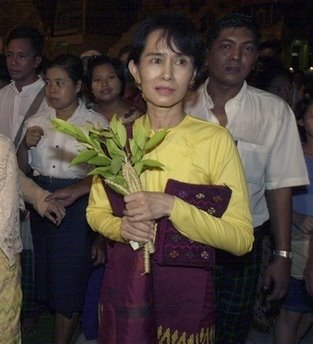


 Posts
Posts


