Will Burma keep its word on aid?
By Jonathan Head South East Asia correspondent, BBC News
For nearly three weeks the Burmese government has insisted that, while it will take relief supplies from overseas, foreign personnel are not welcome.
Hundreds of disaster experts have been left stranded outside the country, waiting for visas, and most of those foreigners already inside have been confined to Rangoon - military checkpoints preventing them from reaching the stricken Irrawaddy Delta.
So the offer by senior General Than Shwe to UN Secretary Ban Ki-moon to allow in "all foreign aid workers, regardless of nationality", appears to be a breakthrough.
If nothing else, it is a significant shift in the official view of the disaster.
Until now the ruling junta had insisted, against all the evidence, that it could look after the more than 2 million victims of Cyclone Nargis by itself, perhaps because of pride, or because of its intense suspicion of any large-scale foreign presence.
Gen Than has had to bow to international pressure, something he rarely does.
But there is an awful lot of detail to be negotiated with the Burmese authorities before we know whether this is a real deal, or just another manoeuvre to deflect international pressure.
Illusory concessions?
The UN has had bitter experience dealing with Than Shwe and his generals in the past; apparent concessions have usually proved illusory.
The first point aid agencies want clarified is whether they will get free access to the delta.
They say there is little point in giving visas to all their disaster experts if they are then stuck in Rangoon.
"We already have equipment in Burma which could produce a million litres of drinking water a day," says John Sparrow, from the International Federation of Red Cross and Red Crescent Societies (IFRC).
"Water is critical. But our water and sanitation experts can't get into the delta - so we are training local engineers to use the equipment. But it isn't ideal - they have never done this before."
'Corrupt' army
The IFRC gives a stark illustration of how much needs to be done. It estimates that 1.5 million people are homeless, without any shelter, in the middle of the rainy season.
Our local staff are breaking their backs, but they have never seen a disaster on this scale before - they can't cope John Sparrow IFRC
But the IFRC has only managed to distribute 6,000 temporary housing kits.
To increase that, it needs more foreign experts to find suitable locations, put up the tents, and work out how to run and supply the camps.
"These are people who have been to a hundred disasters, and can make quick judgements about what is needed," says John Sparrow.
"Our local staff are breaking their backs, but they have never seen a disaster on this scale before - they can't cope."
The agencies also want to know that they will be able to run their relief operations themselves, and not through the Burmese army, which is notoriously corrupt and ineffective.
Enormous needs
Cyclone survivors have told the BBC that soldiers distribute aid to favoured groups, or often not at all.
One told us that the government's aid effort, praised in the state media as a rousing success, amounted to a choice of one small packet of noodles or one egg per family per day.
There are still large communities who have received nothing.
To meet these enormous needs, the aid agencies would undoubtedly prefer to work independently of the military, but may have to work out some form of co-operation with it.
Then there is the South-East Asian role - the so-called "Coalition of Mercy", whereby the Association of South East Asian Nations, Asean, of which Burma is a member, leads the aid effort.
The idea is that a task force made up of UN experts and two delegates from each of the 10 Asean member states will be formed as the interlocutor between the Burmese government and the aid agencies.
No-one has yet spelled out how this mechanism will work.
Unchanged priorities
One issue does seem clear - the generals are not ready to allow the French, British and US navy ships anchored offshore, with dozens of helicopters on board, to be used to deliver aid.
They told the UN secretary general that civilian ships and small boats would be acceptable - but one UN official said the idea of foreign navy ships docking was extremely sensitive for them.
Nor will they consider using helicopters available in neighbouring Thailand. That has left the UN scrambling to source heavy-lifting helicopters elsewhere.
They have had to go as far as South Africa - bringing them to Burma will take time and be very expensive. Obtaining boats, trucks and the fuel to run them could also prove difficult.
Three weeks into the worst natural disaster in Burma's recorded history, the relief effort has barely started.
Huge numbers of people are surviving in appalling conditions, with little or no help.
The ruling generals may now realise that they cannot cope.
But for them, security and control have always come first; the lives of their people come second. Those priorities will not have changed.
Story from BBC NEWS:http://news.bbc.co.uk/go/pr/fr/-/2/hi/asia-pacific/7417203.stmPublished: 2008/05/23 14:53:11 GMT© BBC MMVIII
ジョナサンHead著
東南アジアの特派員、BBCのニュース
ほぼ3週間ビルマの政府はそれは海外からの救助の供給を取るが、外国の人員は歓迎されていないことを主張した。
何百もの災害の専門家は国、待っている査証の外で座礁させて残って、それらの外国人の既に内部のほとんどはラングーン-防ぐ軍チェックポイントに制限されてしまったIrrawaddyの傷ついたデルタに達することを。 従って"で許すべき国連秘書へのBan Ki-moon Shweより年長の一般的による提供; nationality"にもかかわらずすべての対外援助の労働者、; 、進歩はあることをようである。 何ものそれ災害の公式の概観の重要な転位なら。 今まで支配する会議はサイクロンNargisの2以上,000,000人の犠牲者をひとりでに守ることができることすべての証拠に対して、またはあらゆる大規模な外国の存在の強い疑いのために自尊心のために多分、主張した。 国際的な圧力に曲がらなければならなかったよりGEN何か彼はまれに。 しかしこれは実質の取り引きである、またはちょうど別の操縦わかるかどうか国際的な圧力を逸らすために私達が前にビルマの権限と交渉されるべき多くの細部がある
つかみどころがない譲歩か。
国連に以前苦い経験がShweおよび彼の大将よりに対処することをあった; 明白な譲歩は通常ずっとつかみどころがない証明している。 最初のポイント援助機関は明白にされてデルタへの開架を得るかどうかであるほしい。 彼らはラングーンでそれから付けばすべての災害の専門家ことをに査証を与えることに少しポイントがあることを言う。 " 私達に飲料水の百万リットルを作り出すことができる日ビルマ"で既に装置がある; 赤十字および赤い三日月形の社会(IFRC)の国際的な連合からのジョンのすずめを、言う。 " 水は重大である。 しかし私達の水および公衆衛生の専門家can' tはデルタに得る-従って私達は装置を使用するためにローカルエンジニアを訓練している。 しかしそれisn' tの理想-彼らは決してこのbefore."をしたあらないことは;
' Corrupt' 軍隊
IFRCはされる必要があるかどの位の硬直した実例を与える。 1.5百万人が雨期の真中に、避難所なしで、ホームレスであることを推定する。 私達のローカルスタッフは背部を壊しているが、-の前に決してこのスケールの災害をずっとcan'見ていない; tは対処する ジョンのすずめ IFRC しかしIFRCはただ6,000の仮設住宅のキットを配ることをどうにかして。 それを増加するためには、それは外国の専門家が適した位置を見つけることを必要としテントを設置し、そしてキャンプを動かし供給する方法を解決する。 " これらは百の災害に行ったことがある、必要であるものをについての、"速い判断をすることができる人々; ジョンのすずめを言う。 " 私達のローカルスタッフは背部を壊しているが、-の前に決してこのスケールの災害をずっとcan'見ていない; t cope." 代理店はまた救援活動自身を動かせるないたいと思い悪名高く不正、非効果的であるビルマの軍隊を通してことを知り。 巨大な必要性 サイクロンの生存者は兵士が支持されたグループに援助を配る、または頻繁に全く言わなかったことBBCを。 1つは私達にことgovernment'告げた; 目覚める成功として州媒体で賞賛されたsの援助の努力は1日あたりの家族ごとのヌードルまたは1の卵の1個の小さい包みの選択になった。 何も受け取らなかった今でも大きいコミュニティがある。 これらの巨大な必要性を満たすためには、援助機関は確実に軍隊とは関係なく働くことを好んだりそれとの協同の形態を解決しなければならないかもしれない。 それから南東のアジア役割-いわゆる" --がある; Mercy"の連合; 、東南アジアの国家の連合、ビルマがメンバーであるASEANが援助の努力を導くという。 考えは10のASEAN加盟州のそれぞれから国連専門家および2人の代表者から成っていたタスクフォースがビルマの政府と援助機関間の対談者として形作られることである。 このメカニズムがいかに働くか誰もまだ綴った。 不変優先順位 1つの問題は明確なようである援助を提供するのに-大将は使用されるようにたくさんのヘリコプターによって、船上に沖合いに固定するフランス語、イギリスおよび米国の軍艦を許可して準備ができていない。 彼らは一般市民が出荷し、小さなボートが受諾可能である国連事務総長に言った外国に軍艦のつなぐ考えがそれらのために非常に敏感だったことを- 1人の国連役人は言ったが。 彼らは近隣のタイで利用できるヘリコプターを使用することを考慮する。 それは源の重持ち上がるヘリコプターに他の所で先を争っている国連を去った。 それらは限りでは南アフリカ共和国行かなければならなかった-ビルマにそれらを持って来ることは時間をかけ、非常に高い。 それらを動かすためにボートを得て、トラックおよび燃料はまた困難証明できる。 Burma'の最も悪い自然災害への3週; sは歴史を、救助活動やっと始まった記録した。 巨大な人数は助けがほとんどないひどい状態で、存続している。 支配する大将は今対処できないことを意識するかもしれない。 しかしそれらのために、保証および制御は常に最初に来た; 彼らの人々の生命は二番目に来る。 それらの優先順位は変わってしまわない。 BBCのニュースからの物語: http://news.bbc.co.uk/go/pr/fr/-/2/hi/asia-pacific/7417203.stm 出版される: 2008/05/23 14:53: 11 GMT © BBC MMVIII
Saturday, May 24, 2008
Will Burma keep its word on aid? , ビルマは援助の単語を保つか。


UN Burma visit: Reporter's diary ,国連ビルマ訪問: Reporter' s日記
UN Burma visit: Reporter's diary
UN Secretary General Ban Ki-moon has toured cyclone-hit Burma and met the Burmese leadership in an effort to speed up the relief operation. The BBC's UN correspondent Laura Trevelyan is travelling with him.
THURSDAY, 22 MAY
As I clutched my satellite phone and radio recording equipment at Bangkok airport, I wondered: "Would the Burmese really allow a BBC reporter into the country?"
Colleagues in the United Nations press corps in New York had joked that if the Burmese authorities were going to turn down any visa applications for journalists accompanying Ban Ki-moon, it would be mine.
The BBC is banned from reporting inside Burma. But, no, I sailed into Rangoon without anyone even looking at my luggage, as an official member of Ban Ki-moon's delegation.
Being an official reporter inside post-cyclone Burma is a strange experience. Unlike BBC colleagues who've reported anonymously and must be careful about who they associate with, here we're being given the five-star treatment.
The Burmese military flew us across the Irrawaddy delta, in two Mi-17 helicopters, ostensibly to see the cyclone damage but actually Mr Ban was treated to a carefully choreographed display designed to show how well the Burmese authorities are handling the relief effort.
We were ushered into what one UN official described as a show camp, with not that many people in it. Some empty tents, with a very spick and span appearance.
'Ruthlessly affable'
Then we went off to another model example of Burma's relief operation - a distribution centre for the aid - efficient and well run and orderly. The message was clear. Burma doesn't need any outside help.
Mr Ban, who rarely looks ruffled, began to look a little uncomfortable as it became clear quite how the Burmese were stage-managing his visit. But he stuck doggedly to his message: that he's here to help Burma's people try to speed up the relief operation.
Mr Ban is, as one colleague observed, ruthlessly affable.
He greets Burmese colleagues happily, tells them they're doing well then follows up with, "You must do more". Being part of the official entourage makes us something of a curiosity.
In our hotel in Rangoon, on the floors where the journalists and UN delegations are based, by the lifts sit groups of two or three men. They were sleeping there last night. Why? Someone from the Burmese opposition might be trying to get in, to speak to the UN delegation, related one colleague.
Just across the road from our hotel is Aung San Suu Kyi's home. She's the leader of the Burmese opposition, who's under house arrest - a reminder of the ongoing tension here.
Before the cyclone Mr Ban had been trying to encourage talks between Aung San Suu Kyi and the Burmese opposition - a further factor in the fallout between the UN and the Burmese military.
So much for all my state of the art equipment. None of it actually works in Burma, so I've had to borrow a local phone from the UN interpreter and in the process I've learnt my first word in Burmese, chezu tinbade, or thank you.
Story from BBC NEWS:http://news.bbc.co.uk/go/pr/fr/-/2/hi/asia-pacific/7417229.stmPublished: 2008/05/23 15:18:54 GMT© BBC MMVIII
Ban Ki-moonが旅行した国連事務総長はビルマにサイクロン当り、救援活動のスピードをあげるためにビルマのリーダーシップに会った。 BBC' s国連対応したローラTrevelyanは彼と走行している。
私がバンコク空港で私の衛星電話およびラジオの記録装置をつかんだので、私は疑問に思った: " ビルマ人は国に実際にBBCレポーターを許可するか。"
ニューヨークの国際連合の記者団の同僚はビルマの権限がBan Ki-moonに伴っていればジャーナリストのためのビザ申請を断る筈だったら私の物であること冗談を言った。
BBCはビルマの中の報告から禁止される。 しかし、NO、私はBan Ki-moon 'の公式のメンバーとして私の荷物を、見るだれでもなしではラングーンに航海しなかった; sの委任。
ポストサイクロンビルマの中の公式レポーター奇妙な経験であるであることは。 だれについてと関連付けるか匿名に報告し、注意深くなければならないBBCの同僚とは違って、ここに私達は最高の処置を与えられていた。
ビルマの軍隊は表面上にサイクロンが傷つくのを見るようにIrrawaddyのデルタを渡って私達を、2つのMi17ヘリコプターで、飛ばしたが、実際にBan氏はどれだけうまくビルマの権限が救助活動を扱っているか示すように設計されている注意深く演出された表示に扱われた。 私達は1人の国連役人がそれでと同時にそれのショーのキャンプ、多くの人々記述しなかったものをに案内された。 非常にspickおよびスパンの出現のある空のテント。
' 無慈悲にaffable'
それから私達はBurma'の別のモデル例に消えた; sの救援活動-援助のための流通センター-の有効で、健康な操業および看護兵。 メッセージは明確だった。 ビルマdoesn' tの必要性外側の助け。
まれに波立たせられて見ないBan氏はビルマ人が彼の訪問を段階管理していたかいかに見それは明確に不快になったかなり少し始めた。 しかし彼は彼のメッセージに頑固に付いた: そのhe' Burma'を助けるここのs; sの人々は救援活動のスピードをあげることを試みる。 Ban氏は、ように観察される1人の同僚無慈悲に愛想がよいある。 彼はビルマの同僚に、言うそれらにthey'を幸福に挨拶する; 再する井戸はそれからと、"追う; more"をしなければならない;。 公式の側近の部分私達に何かをするであることは興味の。 ジャーナリストおよび国連委任が基づいている上昇による床のラングーンの私達のホテルでは、2か3人のグループを坐らせなさい。 彼らは昨晩そこに眠っていた。 なぜか。 ビルマの反対からの誰かは1人の同僚関連する国連委任に話すために、入ることを試みるかもしれない。 ちょうど私達のホテルからの道を渡ってAung San Suu Kyi 'はある; sの家。 She' sビルマの反対、who'のリーダー; 自宅軟禁の下のs -ここの進行中の張力のメモ。 サイクロンの氏がAung San Suu Kyiとビルマの反対-国連とずっとビルマの軍隊間の原子灰のそれ以上の要因間の話を励ますことを試みていた前にBan。 そんなにすべての私の最新式装置のために。 それのどれもビルマ、そうI'で実際にはたらかない; veは国連通訳からそしてプロセスI'でローカル電話を借りなければならなかった; veはビルマ語、chezuのtinbadeの私の最初単語を学ぶか、または感謝する。
Friday, May 23, 2008
A disaster for the ages(ENGLISH AND JAPANESE)
A disaster for the ages
The horrific death toll from Cyclone Nargis is pushing the storm higheron the list of deadliest natural disasters of the last 30 years. With thedeath toll now at 100,000 (and rising), this would make it the 4thdeadliestdisaster since 1980. Here's the complete list of recent naturaldisasters, which I found Tuesday on the website of the Center forResearch on the Epidemiology of Disasters:
Disaster and date Killed
Horn of Africa drought, 1983: 450,000
Southeast Asia tsunami, December 2004: 225,841
Bangladesh cyclone, April 1991: 138,866
Mozambique drought, 1981: 100,000
Pakistan earthquake, August 2005: 73,338
Europe heat wave, July, August 2003: 66,720
Iran earthquake, June 1990: 40,000
Venezuela flood, December 1999: 30,000
Iran earthquake, December 2003: 26,796
Soviet Union earthquake, December 1988: 25,000
The news today that inadequate radar equipment in Burma may havecontributed to the death toll only heightens the tragedy. The storm'seffects are also dramatically illustrated on these before-and-aftersatellite photos of the region.
Posted by Doyle Rice at 03:37 PM/ET, May 07, 2008 in Hurr
日本語
年齢のための災害サイクロンNargisからの恐しい死者数は最後の30年の最も致命的な自然災害のリストの嵐をより高く押している。 100,000 (および上昇)の今死者数によって、これはそれに1980年以来の4thdeadliest災害をする。 Here' s私が中心のウェブサイトの火曜日を見つけた最近の自然災害の完全なリスト、災害の疫学の研究: 殺される災害および日付
アフリカの干ばつ、1983:450,000
の角東南アジアの津波、12月の2004:225,841
バングラデシュのサイクロン、4月の1991:138,866
モザンビークの干ばつ、1981:100,000
パキスタンの地震、8月の2005:73,338
ヨーロッパの熱波、7月の8月の2003:66,720
イランの地震、6月の1990:40,000
ベネズエラの洪水、12月の1999:30,000
イランの地震、12月の2003:26,796
ソビエト連邦の地震、12月の1988:25,000
ビルマの不十分なあるレーダー装置にかもしれない今日ニュース死者数に貢献されて悲劇だけを高める。 storm' 地域の衛星写真の前およびの後のこれらに対するsの効果は劇的に説明されるまた。 Hurrの03:37 PM/ET 2008年5月7日でDoyle Rice著掲示される
An Offer Burma Can't Refuse -- Printout -- TIME
An Offer Burma Can't Refuse
By Romesh Ratnesar
The disaster in Burma presents the world with its worst humanitarian crisis since the 2004 Asian tsunami. The ruling military junta says that more than 30,000 people are dead; the U.N. estimates the figure at perhaps 100,000. The number of Burmese at risk of starvation and disease could reach nearly 2 million.
Unless the victims receive immediate help, the death toll could conceivably approach that of the entire number of civilians killed in the genocide in Darfur.
So what is the world doing about it? Not much. The military junta that runs Burma initially signaled it would accept outside relief but has imposed so many conditions on those who would actually deliver it that barely a trickle has gotten through. Hundreds of foreign aid workers have been denied visas and blocked from visiting the stricken areas. Shipments of food and medicine have been seized. After more than 10 days, the U.N. World Food Program said it had been able to deliver only a fraction of the food required for the emergency. "I've never seen anything like this," said Julio Sosa Calo, an official for the German relief group Malteser International. "We need a huge humanitarian response. What we're doing now is too little compared to the need."
It isn't close. Even the sight of U.S. military cargo planes landing in Rangoon failed to quell the frustration. The U.S.'s top commander in the Pacific offered to "put Burmese officials on our planes and ships" if they allowed U.S. forces to bring relief supplies into the country. But there's little chance a regime this insular and paranoid will let that happen. The trouble is, the Burmese lack the kinds of assets needed to deal with a calamity of this scale--and the longer Burma resists offers of help, the more likely it is that the disaster will degenerate beyond anyone's control. "A lot is at stake here," says Jan Egeland, the former U.N. emergency-relief coordinator. "If we let them get away with murder, we may set a very dangerous precedent."
So what other options exist? Here's one: if Burma's rulers continue to refuse help, the world should impose it on them--even if that requires military force. The Bush Administration has so far resisted the idea of a coercive humanitarian intervention--"I cannot imagine us going in without the permission of the Myanmar government," Defense Secretary Robert Gates said--which is somewhat surprising, since this is the same gang that unilaterally invaded Iraq. (Though considering how that turned out, maybe it shouldn't be.) But others have taken up the cause. French Foreign Minister Bernard Kouchner has called for the U.N. Security Council to authorize outsiders to bring in and deliver aid no matter what the junta says; David Cameron, leader of Britain's Conservatives, advocates direct airdrops to the Burmese people. The European Union's foreign policy chief said, "We have to use all means" to get aid to those still at risk.
A coercive humanitarian intervention in Burma wouldn't be without precedent: the U.S. funded and helped coordinate the delivery of aid without the host governments' consent during the wars in Bosnia and southern Sudan. Nor would it be illegal: according to U.N. Security Council Resolution 1674, member states have a "responsibility to protect" populations from genocide, war crimes and crimes against humanity, if their own governments fail to do so (or are responsible for committing the crimes themselves). Burma's crisis--hundreds of thousands of innocents at risk of death because of their rulers' willful neglect--easily meets that standard.
But is an uninvited foreign intervention likely to happen? Any relief operation would be fraught with risk. Air-dropping food into the Irrawaddy Delta could cause even more chaos, in the absence of military or relief personnel on the ground who can distribute supplies. And given the junta's xenophobia and insecurity, it's a safe bet any outside troops--or worse, foreign relief workers--would be viewed as hostile forces even if the U.S. and its allies made clear that their actions were strictly for humanitarian purposes. To save the Burmese people without their rulers' consent, in other words, we may not have much choice but to shoot our way in.
All of which is to say that the junta can probably rest easy. The realities are that states rarely undertake military action unless their national interests are at stake, the world lacks consensus about when coercive measures in the name of averting humanitarian disasters are permissible and the war in Iraq has given interventions of any kind a bad name. But try telling that to Burmese like San San Khing, who has lost her money, home, food and two children and now suffers in a refugee camp in Kaw Hmu township. "We urge the U.N. and foreign governments to provide assistance ... without waiting for permission of the military junta," pleads a Burmese alliance of political activists and Buddhist monks. "Just come now." What, exactly, are we waiting for?
Cyclone Nargis For more images of the disaster in Burma, go to time.com/burma
ma Can't Refuse -- Printout -- TIME
木曜日、5月。 15 2008年
提供ビルマは断ることができない
Romesh Ratnesar
著 ビルマの災害は2004人のアジア人の津波以来の最も悪い人道主義の危機の世界を示す。 支配する軍の会議は30,000人以上死んでいると言う; U.Nは多分100,000で図を推定する。 飢餓および病気の危険がある状態にビルマ語の数はほぼ2,000,000に達することができる。 犠牲者が即時の助けを受け取らなかったら、死者数は多分Darfurの集団虐殺で殺された一般市民の全体の数のそれに近づいてもよい。 従ってそれについてする世界は何であるか。 多く。 ビルマを最初に信号を送ったそれに動かす軍の会議は実際にやっと細流が通過したそれを提供する人ことをに外の救助を受け入れるしかしそう多くの条件を課した。 何百もの対外援助の労働者は査証を否定され、傷ついた区域の訪問から妨げられた。 食糧および薬の郵送物は握られた。 10日以上後で、U.Nの世界食糧計画はそれが緊急事態に必要なわずか食糧だけ渡せたことを言った。 " I' 決してそのようなことの"見られるve; 言われたフリオSosa Caloの救援団体のMalteserドイツのインターナショナルのための役人。 " 私達は巨大な人道主義の応答を必要とする。 どんなwe'か; 今再することはneed."とほんのわずかだけ比較される; それisn' tの終わり。 米国のラングーンで上陸する軍の貨物機の視力は欲求不満を鎮めなかった。 U.S.' 太平洋のsの上の司令官は"に提供した; 私達の平面およびships"にビルマの役人を置きなさい; それらが米国軍が国に救助の供給を持って来るようにしたら。 しかしthere' sは少しチャンス政体起こるパラノイア患者割り当てるおよびこの島国的。 悩みは、ビルマの欠乏このスケールの災害を取扱うのに必要とされる一種の資産ある--そしてより長いビルマは助け抵抗する、より本当らしいの提供にそれはanyone'を越えて災害は退化すること; s制御。 " たくさんここに危機に瀕している、"は; Jan Egelandの前のU.Nの緊急事態救助の調整者を言う。 " それらが殺害をうまく免れるようにすれば私達は非常に危ないprecedent."を置くかもしれない; 従って他の選択によっては何があるか。 Here' s 1: Burma'なら; sの定規はそれらに世界それを課すべきである助けを断り続ける--それが軍事力を要求しても。 ブッシュ政権は今のところ強制的な人道主義の介在の考えに抵抗してしまった--" 私は私達をミャンマーの政府、"の許可なしで入ることを想像できない; ロバート国防長官のゲートは言った--幾分意外であるかどれが、これが一方的にイラクに侵入した同じ一団であるので。 (しかし、多分それshouldn'それがいかになったか考慮する; tはある。) しかし他の人々は原因をとた。 Bernard Kouchnerフランス人の外相はU.Nの安全保障理事会を会議が言う局外者を持って来、援助を提供するために承認するために求めた; デイヴィッドカメロンのBritain'のリーダー; sの保守主義者、支持者はビルマの人々に空中投下を指示する。 ヨーロッパUnion' sの外交政策の責任者は、"言った; 私達はすべてのmeans"を使用しなければならない; 援助をそれらにまだ得るため危険な状態に。 ビルマwouldn'の強制的な人道主義の介在; tは先例なしにある: 米国の資金を供給され、助けられた座標ホストgovernments'のない援助の配達; ボスニアおよび南スーダンの戦争の間の承諾。 それは違法である: U.Nの国連安保理決議1674年に従って、加盟州に"がある; protect"への責任; 彼らの自身の政府が従ってし損えば、人間性に対する集団虐殺、戦争犯罪および罪からの人口(または罪自身を託すために責任がありなさいありなさい)。 Burma' sの危機--彼らのrulers'のために死の危険がある状態に数十万人の潔白な人; 故意無視--容易にその標準に合う。 しかし招かれない外国の介在は起こるためにが本当らしいか。 どの救援活動でも危険に満ちている。 Irrawaddyのデルタへの空中投下の食糧により供給を配ることができる地面の軍隊または救助の人員がない時さらに無秩序を、引き起こすことができる。 そしてjunta'を与えられる; sの外国嫌いおよび危険、it' s.aの安全策外の軍隊--またはより悪い、外国の救援スタッフ--行為は人道主義の目的のため厳しくだったこと米国および同盟国が明らかに作っても敵力として見られなさい。 ビルマの人々を彼らのrulers'なしで救うため; すなわち、承諾、私達は多くの選択を有する私達の方法を撃たないかもしれない。 会議はおそらく容易休ませることができると言うべきであるかどれが。 現実は国益が危機に瀕していなければ州が人道主義の災害を避けることの名でまれに軍事活動を、世界欠けている一致にについてのとき強圧手段許されている引き受けないし、イラクの戦争は種類の介在に悪名を与えたことである。 しかし試みの、ビルマ語に彼女のお金を失ったサンサンKhingを好みなさい言うこと、家、食糧および2人の子供はKaw Hmuの町区の難民キャンプでおよび今苦しむ。 " 私達はU.Nおよび外国の政府を許可、"なしで援助を…軍の会議の待っている提供するようにせき立てる; 政治運動家および僧侶のビルマの同盟を弁護する。 " ちょうどnow."は来る; 私達は何を、丁度、待っているか。 ビルマの災害のより多くのイメージのためのサイクロンNargisはtime.com/burmaに、行く
Thursday, May 22, 2008
Burma fearful of oil grab by US aid, 米国の援助によってオイルのグラブの恐ろしいビルマ
Burma fearful of oil grab by US aid
jserve.write("/SITE=TAUS/AREA=NEWS.WORLD/AAMSZ=110X40/");
ipt>
Font Size: Decrease Increase
Print Page: Print
Correspondents in Rangoon May 22, 2008
HOPES that UN Secretary-General Ban Ki-moon could today broker a deal to get aid flowing into cyclone-hit Burma looked grim last night, after the junta cited fears of an American invasion when it yesterday blocked US naval ships and helicopters from delivering supplies.
On the eve of Mr Ban's visit to Burma, the New Light of Myanmar, a mouthpiece for the ruling junta, said US naval ships and helicopters poised offshore would not be allowed to deliver aid to cyclone victims - citing fears of a US invasion aimed at grabbing the country's oil reserves.
The ridiculous propaganda from the isolated junta came as Mr Ban flew into Bangkok last night enroute to Burma, where he hopes to resolve the aid crisis.
The stakes could not be higher for Mr Ban. Success will open up aid routes to 2.4million needy victims of Cyclone Nargis, and secure from the Burmese junta the biggest concession it has made in years of fraught relations with the outside world.
Failure will result in personal embarrassment, continuing misery in the Irrawaddy Delta and even greater isolation for one
of the world's most cut-off countries.
But just a day before his arrival today in Burma's former capital, Rangoon, it was still not certain whether he would meet the man with the ultimate power: Than Shwe, the country's senior general.
Even if he does, he faces the task of negotiating knotty details and reconciling two contradictory views of reality.
On the one hand, foreign aid agencies, including the UN World Food Program and the International Committee of the Red Cross, regard the Irrawaddy Delta as a disaster zone on the verge of developing into a second catastrophe. They say about 2.4million people have lost their homes or livelihoods; many are at the risk of epidemics in unsanitary refugee camps; and the country as a whole faces months of food shortages and destabilising price rises.
But to read the state media and utterances of the generals, the problems caused by the cyclone are all but overcome.
To succeed in his mission, Mr Ban must attempt to save the face of the generals while getting into Burma international aid experts capable of seeing the cyclone-stricken regions through at least six months of hardship and dependency.
He must also contend with a notoriously opaque and stubborn leadership with a history of snubbing the UN, for which it has ill-disguised contempt.
Since Cyclone Nargis struck on May 2, Mr Ban has made many attempts to speak to Than Shwe by telephone; the general has never been available.
Mr Ban's proposal has been developed over the past few days in visits by ministers and senior officials from Britain, the EU, Japan and the UN, and at an ASEAN meeting on Monday.
Under the plan, the Association of Southeast Nations - of which Burma is a member - will, with the UN, provide a framework for an aid mission.
Led by fellow Asians, with which the junta feels more comfortable, the plan will allow Western experts access to the stricken region that they are denied at present.
Optimists have several reasons for believing the regime is making an effort to show a more acceptable face to the world.
After two weeks of silence and invisibility, General Than Shwe has visited the disaster zone, apparently in emulation of President Hu Jintao after the Chinese earthquake.
Foreign governments are making an effort to curb their angrier sentiments about the junta's indifference to its people.
But in 46 years of unbroken military rule, Burma's generals have never shown signs of caring in the least what the rest of the world thinks of them.
If General Than Shwe has made the decision to accept large-scale foreign help and experts, it would be remarkable.
However, it is more likely he will use Mr Ban's visit to promote the appearance of accepting international advice while keeping control over the aid program on his own terms.
ASEAN has a history of appeasing Burma; an aid program run by compliant and cautious Southeast Asian appointees could end up being more of a frustration than a help to the experienced emergency experts the UN wants to bring in.
The New Light of Myanmar yesterday said assistance from the US "comes with strings attached" and said Washington wanted to overthrow the country's government and seize its oil.
AP, The Times
米国の援助のフォント・サイズによってオイルのグラブの恐ろしいビルマ: 減少増加の印刷物のページ: ラングーンの印刷物の特派員 2008年5月22日 に流れる援助を得るために国連事務総長が今日取り引きを仲介できるというBan Ki-moon希望は昨日供給の提供からの米国の軍艦そしてヘリコプターを妨げたときに会議がアメリカの侵入の恐れを引用した後、ビルマによって見られた厳格な昨晩にサイクロン当った。 氏の晩にBan' ビルマへのsの訪問、ミャンマーの新しいライト、支配する会議のための送話口は、言い沖合いに安定した米国が軍艦およびヘリコプター-目指した米国の侵入の引用の恐れをサイクロンの犠牲者に援助提供する認められないことをcountry'をつかむ; sの石油備蓄。 隔離された会議からのばかばかしい宣伝は氏が彼が援助の危機を解決することを望むビルマにバンコクのenrouteに昨晩飛んだと同時にBan来た。 棒は氏のためにBanより高いことができなかった。 成功はサイクロンNargisの2.4million貧乏な犠牲者に援助のルートを開発し、ビルマの会議から外の世界との満ちている関係の年に作った最も大きい譲歩を保証する。 失敗はIrrawaddyのデルタの悲惨さおよび1つのためのより大きい分離を続ける個人的な当惑で起因する world'の; sほとんどの締切りの国。 しかしBurma'の今日彼の到着の前のちょうど日; sの前の首都、ラングーンのそれはまだ彼が最終的な力の人に会うかどうか確かではなかった: Shweより、country' sの年長大将。 彼が、彼はknotty細部を交渉し、現実の2つの矛盾した概観を和解させることの仕事に直面する。 一方で、国連世界食糧計画そして赤十字国際委員会を含む対外援助代理店は、第2大災害に成長間際に災害の地帯と、Irrawaddyのデルタをみなす。 彼らは2.4million人々について失った彼らの家か暮しを言う; 多数は不衛生な難民キャンプの伝染病を賭けてある; そして国は全体として食糧不足の月に直面し、不安定にする価格は上がる。 しかし大将の州媒体そして発言を読むために、サイクロンによって起こされる問題は克服されるを除いてすべてである。 彼の代表団に成功するためには、Ban氏はビルマの困難および依存の少なくとも6か月によってサイクロン打たれた地域を見ることができる国際的な援助の専門家に得ている間大将の表面を救うように試みなければならない。 彼はまた軽蔑を病気隠した国連を邪険にすることの歴史の悪名高く不透明で、頑固なリーダーシップと争わなければならない。 サイクロンNargisが5月2日に打ってから、Ban氏は電話によってShweよりに話す多くの試みを試みた; 大将はいままで決して利用できなかった。 Ban'氏; sの提案は英本国、EU、日本および国連からの、そして月曜日のASEAN会合の大臣そして高官によって訪問でここ数日開発されてしまった。 計画の下で、メンバーはどのビルマであるかの南東の国家の連合は- -、国連と援助の代表団に、フレームワークを提供する。 会議がより快適に感じるアジア人によって導かれて、計画はそれらが現在否定されること西部専門家に傷ついた地域へのアクセスを与える。 楽天家に政体を信じるための複数の理由がしている世界により受諾可能な表面を示すための努力をある。 Shweより沈黙および不可視性の2週後で、一般的中国の地震の後で大統領のHu Jintao模範化の災害の地帯を、外見上訪問した。 外国の政府はjunta'についての彼らのより怒っている感情を抑制するための努力をしている; 人々へのsの無関心。 しかし46年間の切れていない軍事政権で、Burma' s大将は最少で決してその他の国々がそれらについて考える何を気遣うことの印を示したあらないことは。 Shweより一般的承諾の決断を大規模な外国の助けおよび専門家を作ったら驚くべきである。 但し、それはより本当らしい彼使用するBan'氏を; 援助プログラムの自分自身で保っている間言葉の制御を国際的な助言の受諾の出現を促進するsの訪問。 ASEANにビルマをなだめることの歴史がある; 迎合的で、用心深い東南アジアの被指定人による援助プログラムの操業はベテランの緊急の専門家への助けが国連持って来たいと思うより欲求不満の多く上がることを終えることができる。 ミャンマーの新しいライトは昨日米国の"からの援助を言った; ひものattached"と来る; そして言われたワシントン州はcountry'を打ち倒したいと思った; sの政府はオイルを握り。 AP、時
Burma 'still uses child soldiers' , ビルマ' まだ子供soldiers'を使用する
Burma 'still uses child soldiers'
Burmese children are forcibly recruited on the street, reports say.
Burma has been named as the most persistent user of child soldiers, with thousands in its armed forces - some as young as 11, Human Rights Watch says.
The governments of six other countries, five of them in Africa, also recruit children, the report says.
Overall the number of armed conflicts in which children are involved has gone down from 27 to 17, it adds.
But it says world consensus that minors should not be used as soldiers has failed to protect tens of thousands.
Children have also been recruited to auxiliary forces and non-government armed groups, and are used as spies and suicide attackers.
'Efforts falling short'
Human Rights Watch's 2008 Child Soldiers Global Report, which documents military recruitment policy, legislation and practice in more than 190 countries worldwide, cites "positive developments" since the last report four years ago.
CHILD SOLDIERS
Involved in 17 armed conflicts
Used by government forces in Burma, Yemen, Sudan, Somalia, Uganda, DR Congo and Chad
Voluntary recruitment of under-18s in 63 countries
In non-state armed groups in at least 24 countries or regions
Source: 2008 Child Soldiers Global ReportTens of thousands of children have been released from armies and armed groups involved in long-running conflicts, in sub-Saharan Africa in particular.
But children remain in the ranks of non-state armed groups in 24 countries or regions, and deployed by governments in another nine armed conflict situations.
"The international community's commitment to ending the global scourge of child soldiering cannot be doubted, but existing efforts are falling short," said Victoria Forbes Adam, Director of the Coalition to Stop the Use of Child Soldiers.
"Laws, policies and practices must now be translated into real change to keep children out of armed conflict once and for all."
Previous reports have documented cases in Burma of forced recruitment of boys on the streets and in other public places. Recruits were reported to be frequently threatened with jail if they refused or later deserted.
The 2008 report says that although Burma has taken some steps to end recruitment of children, a formal demobilisation and reintegration (DDR) programme has not been put in place and some recruitment is continuing.
The Burmese military is involved in conflicts with several ethnic groups in border areas. Evidence of the use of child soldiers has also been found in armed groups both allied to and opposed to the army.
Other countries, including Israel and the US, were criticised in the report for ill treatment of children allegedly associated with armed groups.
In Afghanistan, Iraq, Pakistan and the Palestinian territories, teenagers have been used in suicide attacks, the report said.
Palestinian children have also been used as human shields by the Israeli army, it adds.
Meanwhile the US and UK are among 63 countries which recruited volunteers under the age of 18, the report says. Several British minors were deployed to Iraq up to mid-2005.
ビルマ' まだ子供soldiers'を使用する; ビルマの子供は通りで強力に募集されると、レポートは言う。 ビルマは子供の兵士の最も耐久性があるユーザーとして示されたと武力のたくさん-同様にいくつかと11若者は、人権ウォッチ言う。 6つの他の国、アフリカのそれらの5の政府はまた、子供を募集すると、レポートは言う。 全面的子供が複雑である武力紛争の数にダウン状態になった27から17からのそれが加えるある。 しかしそれは兵士が数万を保護し損ったので未成年者が使用されるべきではないこと世界の一致を言う。 子供はまた補助力および非政府の武装したグループに募集され、スパイおよび自殺の攻撃者として使用される。 ' 努力欠ける' 人権Watch' sの190ヶ国以上の軍の募集の方針、立法および練習を世界的に文書化する2008年の子供の兵士の全体的なレポートは"を引用する; 肯定的なdevelopments" 最後のレポート以来4年前に。 子供の兵士 17の武力紛争で含まれるビルマ、イエメン、スーダン、ソマリア、ウガンダ、DRコンゴおよびチャドで政府力によって使用される 63ヶ国の下18sのの自発的な募集非状態少なくとも24ヶ国または地域の武装させていたグループ源: 2008年の子供の兵士の全体的なレポート 数万人の子供はサハラ以南のアフリカの長期の対立に、特にかかわる軍隊および武装させていたグループから解放された。 しかし子供は24ヶ国または地域の非状態によって武装させているグループのランクに、およびもう9つの武力紛争の状態の政府によって配置されて残る。 " 国際的なcommunity' soldiering子供の全体的な天罰の終了へのsの責任は疑うことができないが既存の努力は、"欠けている; 、言われたビクトリアForbesアダム子供の兵士の使用を停止する連合のディレクター。 " 法律、方針および練習は実質の変更に武力紛争のきっぱりと保つために。"から子供を今翻訳されなければならない; 前のレポートは通りの男の子の強制募集のビルマと他の公共の場の場合を文書化した。 新兵は断るか、または後で捨てたら頻繁に刑務所と脅されるために報告された。 2008レポートはビルマが子供の終わりの募集にあるステップを踏んだが、形式的な復員および再統合(DDR)プログラムが設置されないし、募集が続いていると言う。 ビルマの軍隊は国境地帯の何人かの民族グループと対立にかかわる。 子供の兵士の使用の証拠はまたに同盟武装したグループにあり、軍隊に反対された。 他の国は、イスラエル共和国および米国を含んで伝えられるところでは武装したグループと関連付けられた子供の虐待のためのレポートで、批判された。 アフガニスタンでは、イラク、パキスタンおよびパレスチナの領域のティーネージャーは自爆攻撃で使用されたと、レポートは言った。 パレスチナの子供はまたイスラエルの軍隊、それによって人間の盾として加える使用された。 その間米国およびイギリスは18の年齢の下でボランティアを募集した63ヶ国間に、レポート言うある。 何人かのイギリスの未成年者は中間2005までイラクに配置された。
No Aid to Generals' Pockets . Congress Must Do More for Victims of Burma's Two Tragedie ,Generals'への援助無し; ポケット議会はBurma'の犠牲者のための多くをしなければならない; s 2の悲劇

Dear Friends,
The people of Burma need your help again. Thanks to you, 43 Representatives sent a letter to President Bush on Friday urging him to consider humanitarian intervention to get aid to the victims of Cyclone Nargis in Burma before more lives are lost because of the callousness of Burma's military regime. We can do more, Congress can do more for both the cyclone victims and the victims of Burma's other tragedy, the regime's war on Burma's ethnic minority civilians - by increasing aid to organizations who ARE working to help bring assistance to the people of Burma. Congress is right now considering an emergency funding bill - we need you to tell them not to forgot the victims of Burma's two tragedies, the cyclone and the regime's ethnic cleansing campaign. There are organizations working to help the victims of Burma's military regime, but the needs are great and with increasing food prices in the region, organizations are struggling to provide the most basic and necessary relief for refugees fleeing the cylone and the regime's attacks. This emergency spending bill can help ensure that the U.S. is doing its part to save the lives of the people of Burma. Please send an email now.
The current situation:
The Burmese Regime's Prime Minister Thien Sein said this week: "We have already finished our first phase of emergency relief. We are going on to the second phase, the rebuilding stage". This is beyond horrifying considering the UN and aid agencies inside Burma have all stated that 75% of the cyclone victims, more than 2 million people, have yet to receive ANY emergency aid. The emergency relief 'phase' is not over. More than 2 million people are in desperate need of food, clean water, shelter and medical care. If they do not receive emergency aid in the immediate future they are at severe risk of death from starvation and disease.
The Burmese junta continues to not only neglect, but brutally restrict aid from getting to those in need. UN Secretary General Ban Ki Moon is going to Burma himself on Thursday, but the regime will try its usual tricks to make it seem that all is normal.An agreement at an ASEAN conference of ministers on Monday was overly limited and will not be able to faciliate and ensure the massive aid delivery that needs to happen. While some aid might get in because of this agreement, it is mostly a ploy to advert international pressure.Now on Sunday, Ban Ki-moon and ASEAN will lead a conference in Rangoon, to raise funds to go towards cyclone relief. These funds cannot go directly into the pockets of the Burmese generals, they have shown for decades, and even in this tragic situation that they care nothing for the people of Burma.This donor pledging conference for reconstruction will take place the day after the regime holds their sham constitutional referendum in cyclone affected areas and the same day it is expected they will extend Aung San Suu Kyi's house arrest.
While the regime sits on more than $4 billion in foreign exchange reserves and earns more than $150 million a month in natural gas sales, they have pledged only $4.4 million to relief efforts. The regime is hoping to turn the international community's compassion and generosity for the survivors of Cyclone and regime's cruelty into their newest cash cow.
Global Food Crisis creates Emergency Food Crisis for those fleeing attacks by the Burmese militaryFor many years, the Burmese regime has been attacking ethnic minority civilians in its ethnic cleansing campaign. Those who have fled to avoid being killed, now face a second crisis: increasing rice prices. If the U.S. does not provide emergency funding for refugees from Burma, organizations that provide them food, shelter and medicine will have to cut food rations by 50 to 75%, creating a serious humanitarian disaster affecting hundreds of thousands of people.
Learn more about Burma's Ethnic Cleansing Here
Articles:
Burma's Next Wave of Dying (Boston Globe)
Aid Still Undelivered to Neediest in Burma (UPI Asia Online)
Burma Still Short on Food and Power (Newsweek)
Support 1991 Nobel Peace Prize recipient Aung San Suu Kyi and the struggle for freedom and democracy in Burma. Become a member of the United States Campaign for Burma today.
Were you accidentally subscribed to our e-mail list?Unsubscribe
China, Indonesia helped Burma block aid,中国、インドネシアはビルマのブロックの援助を助けたENGLISH AND JAPANESE)
China, Indonesia helped Burma block aid
19 May 2008 - Issue : 782
Led by the French, some European Union officials said they were aghast that Burma’s military leaders were delaying or blocking international aid and that China and Indonesia had moved to protect its ally by blocking stronger United Nations action. France said it would take action on its own for the victims of Cyclone Nargis, sending the warship Mistral loading with 1,500 tonnes of goods. “We have decided to act without waiting any further,” French Foreign Minister Bernard Kouchner said.
He had been the first to slam China for interfering in the UN and protecting Burma. “The aid was to be directly distributed to the effected. .., either by the ship’s crew or by French aid organisations,” Kouchner said, adding that “delivering aid directly to (Myanmar’s military) junta doesn’t come into the question.” “This regime is capable of everything - even organising a constitutional referendum in the midst of a natural catastrophe,” the foreign minister said. Kouchner spoke out further for a resolution by the UN Security Council on Myanmar’s responsibilities to its citizens. “There is a responsibility to protect a population in danger,” he said, adding that France would not move from its position, even at the risk of antagonising China, which is close to the government in Myanmar (Burma).
“The survival of millions of people is in question,” Kouchner said. France has recently raised its emergency aid to Burma to two million Euro. Thierry Cornillet, a Member of the European Parliament from France, said the blocking of humanitarian aid by military junta in Burma should result in international condemnation. “The most basic of humanitarian rights is that to receive assistance from the international community, to be aided in reasonable delay and with appropriate means. This right to assistance is coupled with the responsibility to protect one’s population as recognised by the United Nations. The Burmese Junta has effectively made a mockery of it.”
As permanent rapporteur for humanitarian aid in the European Parliament’s Development Committee, Cornillet said he believed the Burmese regime should not go unpunished: “The Burmese leadership must explain to international public opinion, even if they refuse to do so to their own people. It is high time that international humanitarian law, so often rejected or not respected, should be protected by an international Convention and that any failure be clearly punished.” Indonesia’s move to block a resolution in the UN Security Council over Myanmar’s cyclone crisis was “unbelievable and unacceptable,” Sunai Phasuk, a representative of Human Rights Watch said. He said Indonesia has no excuse for its cynical tactics because it received massive lifesaving international help after the tsunami disaster in December 2004, said the New York-based agency’s international representative.
中国、インドネシアはビルマのブロックの援助を助けた
2008年5月19日-問題: 782
フランス人によって導かれて、何人かの欧州連合の役人は言い愕然としたことをことビルマの軍事指導者がだった国際的な援助を、そしてこと国際連合のより強い行為のことを妨害によって同盟国を保護するために中国およびインドネシアが動いた遅らせるか、または妨げる。 フランスは言った商品の1,500トンの軍艦のミストラルのローディングを送っているサイクロンNargisの犠牲者のための処置を自分自身でとることを。 「私達は更に待っていないで行動することにしたと」Bernard Kouchnerフランス人の外相は言った。 彼はずっと国連および保護のビルマの干渉のための中国をばたんと閉める第1である。 「援助は。直接もたらされたに配られるべきだった。、による船の乗組員またはフランスの援助の組織」、Kouchner言った「は(ミャンマーの軍隊の)会議に援助を直接提供することが質問に」。入って来ないことを加える、 「この政体すべてが可能である-自然災害の真っ只中に体質性の国民投票を組織して」、は外相は言った。 Kouchnerは市民にミャンマーの責任の国連安全保障理事会によって決断のために更に伝えた。 「危険の人口を保護する責任が」あり彼は、フランスがミャンマー(ビルマ)の政府に近い中国の反対を承知で位置から、移らないことを加える言い。 「何百万の人々の存続疑わしい」、はKouchnerは言った。 フランスは2,000,000ユーロにビルマに最近緊急援助を上げてしまった。 ビルマの軍の会議による人道的援助の妨害が国際的な非難で起因するべきであることをThierry Cornilletのフランスからのヨーロッパ議会のメンバーは、言った。 「人道主義の権利の基本は適度な遅れでそして適切な平均と助けられる国際地域社会から援助を受け取るそれである。 援助へのこの権利は国際連合によって確認されるように人口を保護する責任とつながれる。 ビルマの会議はそれの効果的にした嘲笑を」。 ヨーロッパ議会の開発委員会の人道的援助のための永久的な報告担当者として、Cornilletはビルマの政体が処罰されなく行くべきではないことを彼が信じたことを言った: 「ビルマのリーダーシップは国際的な世論に彼らが自身の人々にそうすることを断っても説明しなければならない。 頻繁に拒絶されるか、または尊重されない国際人道法が、そう国際的な大会によって保護されるべきであるどの失敗でもはっきり」。罰され、のは潮時である ミャンマーのサイクロンの危機上の国連安全保障理事会の決断を妨げるインドネシアの移動は「信じ難く」、Sunai Phasukは受け入れられない、人権ウォッチの代表言った。 彼は2004年12月の津波の災害の後で大きい人命救助の国際的な助けを受け取ったのでインドネシアにニューヨークを基盤とする代理店の国際的な代表言われる冷笑的な作戦のための弁解がないことを言った。
When disaster hits, Don’t call the UN , 災害が当るとき、国連を呼んではいけない(ENGLISH AND JAPANESE)
http://www.neurope. eu/articles/ 86603.phpWhen disaster hits, Don’t call the UN Author: Andy Dabilis19 May 2008 - Issue : 782
It took the massacre of 8,000 people in Srebrenica in Bosnia in 1995 to get the world’s attention on the atrocities there – for which the Serbian war criminals who conducted it will walk, with the silent acquiescence of the European Union- which wants Serbia as a member more than it wants justice for the biggest mass murder since World War II. The only ones who cared less were the comfortablyensconce d diplomats of the Useless Nations (UN) in New York, who let it happen.
The UN won’t intervene in the ongoing genocide in the Darfur region of Sudan either because, well, because it just doesn’t care, apart from the press releases to reporters proclaiming otherwise. Somalia hasn’t had a government in a couple of decades? Hey, they’re African, and it’s so far away, and the thugs there have a tendency to fight back, if you recall the last time the UN half-heartedly attempted to intervene in 1993, leaving a band of Americans to fight their way out of Mogadishu alone.
Zimbabwe’s dictator-president Robert Mugabe is stealing an election? Leave it up to South Africa to help, a nice decoy for the UN, since it knows no one is going to mess with him, but they can pretend to care on that one too. There hasn’t been peace in the Middle East since God was a boy? Well, the Americans have that one figured out with that Annapolis Peace conference which promised it would happen this year. (Las Vegas odds against: 3.14159265358979323 8463-1.)
Lebanon is edging toward another Civil War as Syria keeps killing its political leaders? Let’s leave that one for the UN’s Insecurity Council to squabble over before the inevitable veto by one of the members so that it can be tabled until, oh, let’s say about 2020.
Apart from the children’s programme UNICEF, and a few other efforts where there’s no real political risk, the Useless Nations limits itself to providing aid or intervention where no one will complain or it won’t offend any of the permanent members, the United States, France, Russia, the United Kingdom, and, of course, China, the Veto King.
So at 10 a.m. on May 14, while the bodies of around 100,000 Burmese (they don’t count because they’re not white) were bobbing around in the rivers after Cyclone Nargis devastated that country, and at least that many more people were starving or dying because of disease, the UN was still begging Burma’s military junta for permission to come in and help instead of marching in whether the generals liked it or not, and the UN’s Insecurity Council had a meeting on Darfur again, just like all the others it had that led to nowhere. Then they had a nice lunch break.
Burma wasn’t on the agenda because China, which owns that country, wouldn’t let it, and because Indonesia blocked it too, leading Human Rights Watch to decry the move as “unbelievable and unacceptable.” The only guy with any guts in this horror is French Foreign Minister Bernard Kouchner, who said his country was sending aid and didn’t care who objected or tried to veto it. That’s because the UN couldn’t even vote on whether to TALK about it. What do they do there?
The UN’s Way-Under Secretary General for Humanitarian Affairs, John Holmes, resisted taking action to force Burma to open its doors. What could he do, since his weakling boss, Secretary General Ban ki-Moon said he wouldn’t even think of trying to force Burma to save its own people. It was good logic for him to seize on: if Burma doesn’t care, why should we? Even the EU sent an emissary to Burma and they never get involved.
US Secretary of State Condoleezza Rice, a real profile in courage, said America would keep flapping its gums and hope China, Japan, Indonesia and India would do something, which they didn’t, and won’t. She only had one thing wrong in her little entreaty that “It is not a matter of politics. This is a humanitarian crisis.” With the UN, it’s always a matter of politics.
Richard Horsey, a spokesman for the UN’s Office for the Coordination of Humanitarian Affairs (UNOCHA), said the closest they could get was Bangkok, two weeks after the disaster. “It’s all being done by remote control,” he said. If only we could use one to turn off the UN, because that diplomatic channel never comes in when you need it.
http://www.neurope。 eu/articles/86603.php
災害が当るとき、国連を呼んではいけない
著者: アンディーDabilis
2008年5月19日-問題: 782 それは残虐行為の世界の注意をそこに得るために1995年にボスニアのSrebrenicaの8,000人の大虐殺を取った-行なったセルビアの戦争犯罪者がそれ歩かせるかどれをのために、セルビアがようにメンバーほしいと思うそれより多く欧州連合の無声黙従と第二次世界大戦以来の最も大きい大量殺人のための正義がほしいと思う。 気遣った唯一の物はより少なくそれが起こるようにしたニューヨークの無用の国家(国連)のcomfortablyensconce dの外交官だった。国連はスーダンのDarfurの地域の進行中の集団虐殺に他では宣言しているレポーターに新聞発表から離れてどうしても気遣わないので、どちらかので、よく介入しない。 ソマリアに幾つかの十年に政府がなかったか。 最後を1993年に介入するように気乗りしない様子で試みられる国連リコールすればちょっと、それらはアフリカであり、それは従って遠方あり、そこの刺客に抵抗する傾向がありだけモガジショの彼らの出口を戦うためにアメリカ人のバンドを残す。 Robert Mugabeジンバブエの独裁者大統領は選挙を盗んでいるか。 誰も彼と台なしにすることを行っていないそので気遣うことをもふりをしてもいいことを知っているので、国連のための素晴らしいおとり助けるために残しなさい南アフリカ共和国までそれを。 そこに神が男の子でから中東の平和はなかったか。 それで、アメリカ人はが今年起こることをそれを約束したそのアナポリス平和会議と把握したこと持っている。 (ラスベガスの確率に対する: 3.14159265358979323 8463-1。) レバノンは別の内戦の方にシリアが政治指導者を殺し続けると同時に研いでいるか。 まで台に置くことができるようにohメンバーの1人によって避けられない拒否権の前に口論に国連の危険議会のためのそのを任せよう、私達を約2020年を言うことを許可しなさい。 子供のプログラムユニセフおよび実質の政治的リスクがない他の少数の努力から離れて、無用の国家は誰も不平を言わないまたは永久的なメンバー、米国、フランス、ロシア、イギリスおよび、当然、中国のうちのどれもおこらせない援助をか介在、拒否権王の提供にそれ自身を限る。従って白くないのでおよそ100,000人のビルマ語(数えし)のボディは川で振れていたが5月14日に10のAMにサイクロンNargisがその国を荒廃させた、少なくともそれはもっとたくさんの人々であり後病気のために飢えているまたは死ぬ、国連はまだ入る許可のためにビルマの軍の会議を頼んで、国連の危険議会はDarfurの会合を再度開き、ちょうど大将がそれを好んだかどうかそれがあったすべての他のように行進するかわりに助けることはどこもに導いた。 それから彼らは素晴らしい昼休みを有した。ビルマは議題にありし、その国を所有する中国がそれを可能にしない、のでインドネシアがそれを余りに妨げたので「信じ難くおよび受け入れられないです移動をけなすには導く人権ウォッチを」。 この恐怖のあらゆる内臓を持つ唯一の人は彼の国は援助を送って、だれが反対した言ったりまたはそれを拒否することを試みたか気遣わなかったことをフランス人の外相であるBernard Kouchner。 それは国連がそれ述べるためにかどうか投票できなかったのである。 何をそこにするか。人道主義の出来事のための事務総長処置をビルマにドアを開けさせるとることを抵抗するジョンHolmes方法の下の、国連。 彼できた何がしなさい彼の虚弱者の主任以来、Ban Ki-moon彼がビルマに自身の人々を救わせる試みることについて考えないことを事務総長は言った。 それは握るべき彼のためのよい論理だった: ビルマが気遣わなければ、私達はなぜべきであるか。 ビルマに使者送られるEUはおよびそれらに決して関与しない。 Condoleezza Riceの勇気の実質のプロフィール米国の国務長官は、アメリカがゴムをはためかし続ける希望中国、日本、インドネシアおよびインドがし、しことを何かを言った。 彼女は「それが問題政治のではない彼女の小さい懇願だけで1つの事の悪事を有した。 これはである人道主義の危機」。 国連で、それは政治の問題常にである。得ることができる最も近いのバンコク、災害の後の2週だったことをHorseyリチャード人道主義の出来事(UNOCHA)の調整の国連のオフィスのためのスポークスマンは、言った。 「それはリモート・コントロールによってされるすべてであると」彼は言った。 それを必要とする時国連を消せばのに私達だけ1つを使用できればその外交ルートが決して入って来ないので。
Cyclone's winds may change Burma's political landscape as well ,Cyclone' sの風はBurma'を変えるかもしれない; sの政治景色また(ENGLIISH AND JAPANESE
Cyclone’s Winds May Change Burma’s Political Landscape as Well
Lord David Alton
May 12th 2008
Member, British House of Lords
Lord David Alton
Throughout the 18 years since Aung San Suu Kyi has been under house arrest, the Burmese military regime have repeatedly promised and failed to deliver democratic change. These are the same secretive leaders who gave orders for Buddhist monks to be mown down in the streets and who are now impeding rescue efforts as hundreds of thousands of their countrymen die following the decimation of their homes and land by Cyclone Nargis. They are the same men who have ignored 28 United Nations General assembly and Human Rights Commission resolutions.
What is sometimes less well known and reported on is the way in which they have accelerated their cruel campaign of attrition against the country's ethnic minorities. In the case of the brave Karen people it is nothing short of genocide.
Take, for instance, the story of a nine-year-old Karen girl who was shot at point blank range, having watched her father and grandmother being killed. There are also shocking reports of beheadings and mutilations of Karen villagers - 18,000 of whom have been displaced in the past few weeks. Some will doubtless join the 120,000 who have lived for years in make shift camps along the Thai border - which, as I have seen for myself - barely allow people to do more than cling on to life.
So far, the approach to the Burmese regime by the international community and its failure to implement strong sanctions against Burma has been a complete and utter failure. The Burmese military's systematic atrocities against ethnic groups such as the Karen, Karenni and Shan are still very grave and as the recent Burmese military offensive in Karen state demonstrates, are even escalating (over 16,000 Karen were displaced by the last offensive and many were killed.) Despite posturing and maneuvering and attempting to use a smoke and mirrors referendum to pretend to the world that change is on the way, Burma is also now no closer to democracy than it was back in 1990 and Aung San Suu Kyi remains under house arrest. The shooting of Buddhist monks last year and the disregard for the victims of the cyclone this year underline the nature of this perfidious and ruthless regime.
After more than 10 years, there has been no improvement in the situation of the Karen, Karenni and Shan or that of Burma's pro-democracy movement. More of the same weak and ineffectual policy towards the Burmese regime will simply maintain the current, horrendous status quo for decades to come. Dictators like these survive when they believe that the world is willing to overlook, or has forgotten, their cruelties and barbarism. They survive longest - think of Franco's fascist dictatorship in Spain - when the rest of the world becomes overly fearful of the alternatives: "hold on to nurse for fear of something worse," as the Victorians memorably put it.
What dictators fear most is the penetrating searchlight that forensically exposes their depredations. That's why they impose reporting restrictions, suppress free speech, impose rigid travel restrictions, and turn their countries into what they imagine to be impregnable fortresses. Unfortunately for them, truth usually finds a way through; and often the pen proves mightier than the sword.
I was recently deeply moved to read two books that expose the contemptible junta that tyrannizes Burma. "The Lizard Cage", a novel by Karen Connelly (Harvill Secker, 2007), is set inside a Burmese prison, while the autobiographical "From The Land of The Green Ghosts" by Pascal Khoo Thwe (Flamingo, 2003) brought tears to my eyes, and recalled memories of my own visits to the Karen State. It's the story of a young man who comes from the Padaung tribe, a sub group of the Karen tribe’s people. Their women are often called the "giraffe-necked" women because of the rings they wear around their necks.
After testing a priestly vocation at a Burmese seminary, Pascal went to study English literature at Mandalay University where he has a chance encounter - and conversation about James Joyce - with a visiting English academic. In 1988 he becomes caught up in the student uprising, fights his way through the jungle to a refugee camp in Thailand, and ends up reading English Literature at Cambridge. Pascal weaves together a rich tapestry that brings to life the traditions and culture of one of Burma's diverse ethnic minorities. His grandfather was one of the Padaung's leaders and was converted to Catholicism by Italian missionaries. The book draws deeply on Pascal's rich Faith that is deeply influenced by traditional spirituality. It is also a testament of personal courage ingrained with a sense of destiny and Divine Providence.
Despite losing his family, his university lover - who is arrested, raped and murdered by the armed forces - and being forced to abandon his studies to join the subterranean world of guerrilla freedom fighters, Pascal never despairs. Pascal never gives up hope.
His greatest fear is that he is "letting down" his compatriots by traveling to the West; but, by using his remarkable gifts in telling their story, he has delivered a body blow against the dictators. Karen Connelly's novel, "The Lizard Cage" also celebrates the ability of the human spirit to endure when assaulted by seemingly impossible trials of injustice and brutality.
Like Pascal, this book's central figure, Teza, also takes part in mass protests - and has become a celebrated dissident through his music. He is seven years into a twenty-year prison sentence in solitary confinement.
The book traces the relationship that develops between Teza and Little Brother, an orphan boy growing up inside the prison. Like Pascal Khoo Thwe, Connelly cleverly intersperses the history of Burma, the captivity of Aung San Suu Kyi, with vivid accounts of life in jails such as Rangoon's Insein prison. We are reminded of the heroic role of the National League for Democracy and dissident groups, especially the All Burma Students Democratic Front, and the different facets of Burmese politics, Buddhism and the rich but oppressed ethnic groups.
Books like these remind us of the million people displaced in Burma's jungles, the 1,500 political prisoners languishing behind bars, the use of forced labor, the use of villagers as human mine sweepers, the rape of women, the burning down of villages, the killing of thousands, and of a regime which stands accused of genocide. A regime that has been cruelly indifferent to the plight of its devastated people.
As European countries stand accused of breaking arms embargos by selling weapons to the Burmese military via third countries such as India, it's as well to be reminded how easily we can become collaborators.
But, like the literature from the gulags, these books also stand as a rebuke to the dictators, from Ne Win onwards - who have exploited and terrorized their people. They also help break down the regime's walls of secrecy.
Winston Churchill once said, "Dictators ride to and fro upon tigers which they dare not dismount. And the tigers are getting hungry".
The Burmese military dictatorship have been riding on the backs of their suffering people - crushing and terrorizing them. They too dare not dismount; but they should beware, the world can see very clearly the nature of their regime. A day of reckoning will come. The cyclone may prove to be the catalyst for a popular uprising: the tigers are getting hungry.
Although the world should not hold back in providing much needed humanitarian assistance to the cyclone victims we also need long-term concerted international action to significantly weaken the economic and military strength of the Burmese regime. If we do not do this it will be practically impossible to get that regime to take any of our concerns about human rights in Burma seriously. Burma's military regime will only continue to string all of us along, making an occasional superficial concession, followed by even more harsh and repressive measures.
A much stronger policy on Burma that will involve tough sanctions and thereby put real pressure on the Burmese regime to change its ways will be needed.
Such a new policy should include the following characteristics:· Treating the Burmese regime's systematic atrocities against the Karen, Karenni and Shan people as being of at least equal importance as the situation of the pro-democracy movement and political prisoners in Burma and giving EQUAL coverage to both issues. · Keeping both these issues on the agenda of the U.N Security Council - and demanding a binding resolution of the Security Council. This should impose a global arms and investment embargo on Burma as well as strongly condemning the systematic atrocities by the Burmese military against the Karen, Karenni and Shan people. · Very seriously considering the case that has been made by Parliamentarians and human rights groups, such as the Jubilee Campaign, that the systematic atrocities by the Burmese military against the Karen, Karenni and Shan people amount to Genocide, Crimes Against Humanity and War Crimes. So far too many Governments have ignored these claims as a reflex action, without giving any deep consideration to them or attempting to seriously research the subject, and failing to give detailed reasons for their position. At the very least, the repeated and deliberate attacks against Karen, Karenni and Shan civilians by the Burmese military must surely be a flagrant violation of Common article 3 of the Geneva Conventions which prohibits the targeting of non-combatants during conflict. It should be clear to anybody with even a basic knowledge of the laws of war that War Crimes are being committed against the Karen, Karenni and Shan by the Burmese military. Unfortunately, the Foreign Office has previously denied that even War Crimes are being committed.
I have no doubt that such charges add up.Four years ago I traveled to the Burmese refugee camps and with Congressman Joseph Pitts took first hand evidence.
We collected truly shocking accounts of the latest violations of human rights. The story of one small child we met at a refugee camp near Mae Sot illustrates how the brutality and violence of this perfidious regime continues.
Saw Naing Gae is just eight years old. He saw the Burmese military shoot dead his mother and his father. He was then trafficked across the border and sold to a Thai family. Desperately unhappy he managed to escape and made his way to the camp, where he is staying with a group of thirty other orphans. Even as these children sang and welcomed their visitors Saw Naing Gae seemed unable to join in or even to smile. Every trace of joy and innocence had been stamped out of him; and all of this by the age of 8.
Saw Naing Gae squatted alongside four other children, brothers and sisters, whose parents had also been brutally murdered. The oldest girl, aged about 12, and now head of their family, dissolved into tears as she recounted their story.
Naw Pi Lay, whose photograph illustrates this article, did not survive. Aged 45, the mother old five children and pregnant with her sixth, Naw Pi Lay was murdered in June of last year by the Burmese militia. During a massacre in the Dooplaya district of the Karen State, twelve other people were killed, including children aged 12,7,5, and 2 years old. Elsewhere in the same district, at Htee Tha Blu village, further violations of human rights were carried out by Light Infantry Battalions 301 and 78. They beat and tortured villagers, stole their belongings and burnt down their church and their homes.
The previous time I visited this region I illegally crossed the border and entered the Karen State. I heard and saw evidence of the internally displaced people - estimated now at 600,000; of the scorched earth policy that has depopulated and destroyed countless villages; and of brutality unequalled anywhere I have traveled. One of the people I met is part of the Free Burma Rangers. He had just come out of the Karen State. He had been with a little girl of eight who still had a bullet lodged in her stomach. To help people like hr he had taken in some nurses and medics. Why was he, an American, so committed to the Karen? "I love these people, and I simply don't want to see them suffering like this. We've got to do something, even if we're just like a small barking dog," he told me.
At Mae Sot we took evidence from the Committee for Internally Displaced Karen People. They provided me with over 100 pages of carefully documented examples of human rights violations committed by Burmese military over the past twelve months alone. One day I hope that this evidence will be placed before an international court and as at Nuremberg the perpetrators will be brought to justice. The report lists three mass killings by the SPDC (Burma's singularly ill-named State Peace and Development Council). It is a carefully chronicled account of looting, burning, torture, rape and murder. The SPDC routinely plant landmines indiscriminately and in areas where landmines have been laid by their opponents the SPDC use people as human landmine sweepers.
I saw some of the victims - people whose limbs have been severed from their bodies, whose skin has been peppered with shrapnel, and others who have been left blind. I also talked to the families of people whose loved ones - men and women - had been seized and used as porters and construction workers, and who have never returned. The SPDC kill many of the porters in frontline areas, especially when they are unable to any longer work because of exhaustion or sickness. The international focus on Burma has long been on the heroic struggle of Aung San Suu Kyi and her National League for Democracy (NLD). A settlement with the NLD will, however, represent a solution to only half of the conflict. The seven ethnic groups who have been fighting for self determination or autonomy since the end of World War Two - the Karen, Karenni, Mon, Arakam, Kachin, Chin and Shan - will still need to have their grievances addressed. In Chiang Mai I met with the authors of a carefully meticulous 120 page report on the Burmese military regime's use of sexual violence in the Shan State over the past six years. The report of the Shan Human Rights Foundation and Shan Women's Action Network, "License To Rape", details how rape has been used as a weapon of war. Sexual violence - especially widespread gang rape - has terrorized and humiliated communities, flaunts the power of the regime, "rewards" troops, and demoralizes resistance forces.
Women who have been raped have frequently been abandoned or rejected by their husbands. One woman described how she was gang-raped when she was 7-months pregnant and then gave birth prematurely to her child. Another was told by her husband to leave: "You didn't control yourself. You are no longer my wife. Leave our home."
The Burmese Junta have turned their country into one vast concentration camp. They are Nazi thugs who deploy Nazi methods. Like their Nazi predecessors they fail to appreciate the strength of the human spirit and the capacity to endure and survive.
Typical are the joint secretaries of the Assistance Association for Political Prisoners. Bo Kyi, a student leader who spent seven years in Burmese jails, told me that "torture is designed to break down your identity, to turn you into a non-entity with no connection to the world outside of the torture chamber."
Naing Kyaw served 8 years in Insein and Thayet prisons and still manages to joke that "insane" would be a better spelling. Regularly beaten with a chain and ball on his back, and often kept in solitary confinement, he was offered the chance to become an informer.
Instead, he learnt English from the professor who was housed in the adjacent cell - so that he would be able to tell the world about Burma's suffering. He has put the language to good use in his essay in "Spirit For Survival" which he dedicates to a despairing young woman who took her own life: "All the suffering you felt we will change into strength. This grief, this feeling of deep hurt and bitterness will become a volcano, which is going to explode."
I was struck that even as the suffering deepens no-one is giving in. Democracy activists continue their struggle and the beleaguered ethnic minorities refuse to capitulate.
There is an old saying that the darkest moment is always just before the dawn. As the people of Burma deal with the terrible consequences of Cyclone Nargis, let's pray that this is the darkest moment and that the dawn will not be too far behind. Lord David Alton of Liverpool is a member of the British House of Lords.
メンバー、イギリスの上院 デイヴィッドAlton主 18年中Aung San Suu Kyiが自宅軟禁の下にあったので、ビルマの軍の政体は繰り返し約束し、民主的な変更を提供しなかった。 これらは数十万人の彼らの舎田者がCyclone Nargisによって彼らの家および土地の殺害に続くことを死ぬと同時に通りで刈られるべき僧侶のための順序を与えた今救助努力を妨害している同じ秘密主義のリーダーであり。 彼らは28国際連合の総会および人権の任務の決断を無視した同じ人である。 時々より少なく有名、報告される何がcountry'に対して摩擦の残酷なキャンペーンを加速した方法である; sの少数民族。 カレンの勇敢な人々の場合にはそれは集団虐殺の急に何もではない。 例えば取得殺されている彼女の父および祖母を見る直接弾道距離で撃たれたカレンの9歳の女の子の物語。 そこにまたbeheadingsのレポートおよびカレンの村民-ここ数週間に転置されてしまった誰が18,000の切断にの衝撃を与えている。 一部は多分私が自分自身については見たと同時にだれが幾年もの間する生命に-やっと人々がよりしがみつく多くをすることを可能にするタイのボーダーに沿う転位のキャンプ住んでいたか120,000を結合する。 これまでは、国際地域社会によるビルマの政体へのアプローチおよび失敗はビルマに対して強い認可を実行するずっと完全で、完全な失敗である。 ビルマmilitary' カレン、Karenniおよびシャン族のような民族グループに対するsの組織的残虐行為は今でも非常に墓、カレンの国家の最近のビルマの軍の抗勢が示すので、増えている(16,000にカレンは最後の攻撃的のによって転置され、多数は殺された。) ポーズをとらせ、操縦し、そして巧妙なトリックの国民投票を使用するように試みにもかかわらず、ビルマはまた変更が方法にである世界にふりをするのに1990年にもどって来、Aung San Suu Kyiが自宅軟禁の下に残るより今民主主義に近い方のNOではない。 去年僧侶の射撃および今年サイクロンの下線の犠牲者のための無視このperfidiousおよび無慈悲な政体の性質。 10年以上後で、Burma'のカレンの状態に改善が、Karenniおよびシャン族またはそれずっとない; sの民主化運動。 ビルマの政体の方の同じ弱く、効果がない方針の多くは現在、物凄い現状を単にこの先数十年間維持する。 これらのような独裁者は世界は見落として喜んでである信じたりまたは、彼らの残酷および未開状態忘れていたことをと存続する。 彼らは最も長く存続する- Franco'について考えなさい; -その他の国々が代わりの過度に恐ろしくなる場合のスペインのsのファシスト党の独裁制: " より悪い何か"の恐れのための看護婦にしがみつきなさい; ビクトリア時代の人が顕著にそれを置いたように。 どんな独裁者が恐れているかほとんどは法廷で彼らの略奪行為を露出する鋭いサーチライトである。 That' 強固な要塞であるために想像するものに彼らがなぜ報告の制限を課し、言論の自由を抑制し、堅い旅行制限を課し、そして彼らの国を回すかs。 残念ながらそれらのために、真実は通常方法を見つける; そして頻繁にペンは剣より強大証明する。 私は最近深くビルマを圧制する卑しい会議を露出する2冊の本を読むために動いた。 " トカゲCage" 、カレンConnelly (Harvill Secker 2007年)による小説はビルマの刑務所の中で、が自叙伝的な"置かれる; 緑のGhosts"の土地から; 私の目へのパスカルKhoo Thwe (フラミンゴ2003年)の持って来られた破損、およびカレンの州への私の自身の訪問のリコールされた記憶によって。 It' s Padaungの種族から来る若者、カレンの種族の人々の補助的なグループの物語。 彼女達の女性は頻繁に"と電話される; キリンnecked" 彼らが首に身に着けているリングのために女性。 ビルマの神学校の聖職者にふさわしい職業をテストした後、パスカルは彼が-訪問の英国の学者との…チャンスの遭遇-およびジェームスジョイスについての会話を有するマンダレイ大学で英文学を調査することを行った。 1988年に彼によっては学生の反乱で追いつかれるようになり、ジャングルを通してタイの難民キャンプに彼の方法が戦い、そしてケンブリッジで英文学を読むことを終える。 パスカルは生命にBurma'の1の伝統そして文化を持って来る豊富なタペストリーを一緒に編む; sの多様な少数民族。 彼の祖父はPadaung'の1才だった; sのリーダーはイタリアの宣教師によってカトリック教義に変えられ。 本はPascal'で深く引く; 従来の精神性によって深く影響を及ぼされるsの豊富な信頼。 それはまた運命および神プロヴィデンスの感覚と深くしみ込む個人的な勇気の遺言である。 彼の家族の損失にもかかわらず-だれが武力によって阻止され、強姦され、そして殺害されるか、彼の大学恋人は-ゲリラの自由の戦闘機の地下の世界、パスカルを結合するために彼の調査を断念させる決して絶望しないし。 パスカルは決して希望をあきらめない。 彼の最も大きい恐れは彼が"であることである; down"の許可; 西への走行による彼の同国人; しかし、物語を言うことで彼の驚くべきギフトを使用することによって、彼は独裁者に対して大打撃を渡した。 カレンConnelly' s小説、" トカゲCage" 不公平不公平および残忍の表面上は不可能な試験によって攻撃されたときまた耐える人間の精神の機能を祝う。 パスカルのように、このbook' sの中心人物、Tezaはまた多くの抗議に、-加わり、彼の音楽によって祝われた反対者に似合った。 彼は独房監禁の20年の懲役に7年である。 本はTezaと弟の間で成長する関係、刑務所の中で育っている孤児の男の子をたどる。 パスカルKhoo Thwe、Connellyのように賢くビルマの歴史、Rangoon'のような刑務所の生命の鮮やかな記述のAung San Suu Kyiの捕われの身を、散在させる; s Inseinの刑務所。 私達は民主主義のための国民リーグの英雄的な役割をおよび反主流派、ビルマの政治の特にすべてのビルマ学生の民主党の前部および異なった面、仏教および金持ち圧迫された民族グループ思い出す。 これらのような本はBurma'で転置される百万人を私達に思い出させる; sのジャングル、人間の地雷清掃ローラとして棒の後ろで、強制労働の使用、村民の使用、女性の強姦、村、たくさんと立つ政体の殺害の焼却は憂鬱な生活を送っている1,500人の政治犯集団虐殺の訴えた。 ずっと打撃を受けた人々の状態に残酷に無関心である政体。 欧州諸国がインド、it'のような後進国によってビルマの軍隊に武器の販売によって破損の訴えられて武装させるembargosを立つように; 容易に私達が共作者にいかになってもいいか思い出すべきsまた。 しかし、矯正労働収容所からの文献のように、これらの本はまたNeの勝利からの独裁者に譴責としてだれが人々を開発し、恐怖に陥れたか、前にか立つ-。 それらはまたregime'の破壊を助ける; 秘密のsの壁。 Winston Churchillは一度、"言った; 独裁者は降ろさないことを敢えてしないトラにあちらこちらに乗る。 そしてトラはhungry"を得ている;。 ビルマの軍の独裁制は苦しむ人々の背部で乗り-それらを押しつぶし、恐怖に陥れる。 彼らは降りないには余りに敢えてする; しかし彼らは世界彼らの政体の性質を非常にはっきり見ることができる用心するべきである。 審判の時は来る。 サイクロンは普及した反乱のための触媒であると証明するかもしれない: トラは空腹になっている。 世界がサイクロンの犠牲者へ大いに必要な人道的支援を提供することで躊躇するべきではないが私達はまた長期協調された国際的な行為がかなりビルマの政体の経済的で、軍事力を弱めることを必要とする。 私達がこれをしなければのビルマの人権についての私達の心配真剣に取るためにその政体を得ることはほとんど不可能である。 Burma' sの軍の政体はただ私達皆を続け、さらにもっと粗く、鎮圧対策に先行している臨時の表面的な譲歩をひもでつなぎする。 方法を変える堅い認可を含み、それによりビルマの政体に実質圧力を置くビルマの大いにより強い方針は必要である。 非常に新しい方針は次の特徴を含むべきである: · ビルマregime'の処理; ビルマの民主化運動そして政治犯の状態として少なくとも等しい重要性をもちそして等しい適用範囲を両方の問題に与えるカレン、Karenniおよびシャン族の人々に対するsの組織的残虐行為。 · U.Nの安全保障理事会の議題の両方のこれらの問題を保つ-および安全保障理事会の結合の決断を要求すること。 これはビルマにカレン、Karenniおよびシャン族の人々に対してビルマの軍隊によって強く組織的残虐行為を非難することと同様、全体的な腕および投資輸出禁止を課すべきである。 · 非常に真剣にParliamentariansによってなされ、人権擁護団体、人間性に対して集団虐殺、罪および戦争犯罪にカレン、Karenniおよびシャン族の人々に対するビルマの軍隊による組織的残虐行為によってがなる、記念祭のキャンペーンのような場合を考えると。 これまでは余りにも多くの政府は反射運動として深い考察をそれらに与えか、または真剣に主題を研究するように試みそして無視してしまったこれらの要求を、彼らの位置の詳しい理由を与えないことを。 少なくとも、繰り返されてカレン、Karenniに対して攻撃を熟慮し、ビルマの軍隊によるシャン族の一般市民は確かに対立の間に非戦闘員の目標とすることを禁止するジュネーブ協定の共通の記事3の甚だしい違反でなければならない。 それは戦争犯罪がビルマの軍隊によってカレン、Karenniおよびシャン族に対して託されている戦争の法律の基本的な知識との誰でもに明確なはずである。 Unf
Wednesday, May 21, 2008
Support Myanmar with Love ,愛のサポートミャンマー (ENGLISH AND JAPANESE)
Strong tropical cyclone “Nargis” made landfall in Myanmar on May 3rd. Over a short weekend, roughly 20,000 lives perished, making this the worst disaster in Myanmar in the past 17 years. Tzu Chi Foundation volunteers from Yangon, and the neighboring countries, Malaysia, Thailand, and Taiwan, were dispatched to provide aid. Stocked with 30,000 blankets made from recycled plastic bottles, over 1,000 tents, instant noodle, medical supplies, and body bags, Tzu Chi is prepared to carry out its first wave of relief distributions. In support of the relief efforts, the “Support Myanmar with Love” fundraising campaign in the United States will launch beginning on May 11th.
The effect of natural disasters on Earth can be catastrophic. In 1991, 130,000 lives were lost in the Bangladesh flood; in 1998, Hurricane Mitchell brought havoc to South America; in December 2004, Tsunami in Southeast Asia wiped out countless villages and lives; in August 2005, Hurricane Katrina devastated New Orleans and neighboring cities; and in October 2003 and 2007, Southern California wildfires affected over a million lives. Even to this day people are still recovering from these terrible tragedies. These seemingly incessant waves of disasters around the world all suggest that the Earth is in peril.
Fortunately, there is Great Love everywhere. In response to the natural disasters, Tzu Chi initiated numerous fundraising campaigns around the world to provide the survivors with aid. The money and supplies raised from the campaigns symbolized the love and compassion from people around the world.
Fortune and misfortune are two sides of a coin. Master Cheng Yen, the founder of Tzu Chi Foundation, constantly urges everyone to awaken to the lessons learned from these disasters. Upon witnessing the suffering of others, people should unite together and reach out to help, and at the same time be content of own good fortune.
TO DONATE:
1. Check: Payable to:Tzu Chi Address:Tzu Chi Foundation, U.S.A. 1100 S. Valley Center Ave., San Dimas, CA 91773 Memo: Charity
2. Credit Card Donation Hotline(9 am – 6 pm PST): 1.888.989.8244(1.888.9TZUCHI)
For more information, please call Tzu Chi Foundation at (909) 447-7799 or go on-line at www.us.tzuchi.org.
Da Ai Headlines (English News)
2008-05-19 Tzu Chi's second distribution
2008-05-19 Tzu Chi youth gathering
2008-05-19 Fundraising for disaster victims
2008-05-19 Press conference on disaster aid
2008-05-19 International fundraising efforts
2008-05-19 Donations and blessings for quake victims
2008-05-16 Cyclone assistance and aid
2008-05-15 Cyclone victims continue to receive help
2008-05-14 Aid relief teams on the move
2008-05-13 Tzu Chi disaster team in cyclone hit area
2008-05-09 International aid mission ready to go
2008-05-08 The aftermath of cyclone-ravaged Myanmar
強い熱帯サイクロン「Nargis」は5月3日にミャンマーの陸地初認を作った。 短い週末に、大体20,000生命は死に、これに過去の17年のミャンマーの最も悪い災害をする。 Tzuのキーの基礎はヤンゴンから自ら申し出、援助を提供するために近隣諸国、マレーシア、タイおよび台湾は、急派された。 リサイクルされたプラスチックびんから、1,000のテント上の、即席めん類なされるによって貯蔵されて、30,000枚の毛布医薬品および遺体袋、Tzuのキーは救助の配分の最初波を遂行するために準備される。 救助活動を助けて、米国の「愛」は資金集めをするキャンペーンのサポートミャンマー5月11日の始めを進水させる。 地球に対する自然災害の効果は破局的である場合もある。 1991年に、130,000生命はバングラデシュの洪水で失われた; 1998年に、ハリケーンMitchellは南アメリカに破壊を持って来た; 2004年12月では、東南アジアの津波は無数の村および生命を一掃した; 2005年8月では、ハリケーンカトリナはニュー・オーリンズおよび近隣都市を荒廃させた; そして2007年10月で2003年および、百万生命に影響されるカリフォルニア南山火事。 今でも人々はまだこれらのひどい悲劇から回復している。 世界中の災害のこれらの表面上は絶え間ない波はすべて地球が危険にあることを提案する。 幸いにも、どこでも大きい愛がある。 自然災害に応じて、Tzuのキーは世界中で援助を生存者に与えるために多数の資金集めをするキャンペーンを始めた。 お金および供給はキャンペーンから象徴した世界中の人々からの愛そして同情を上がった。 幸運および不幸は硬貨の双方である。 チェンマスターの円、Tzuのキーの基礎の創設者はこれらの災害から教訓に覚醒するように、絶えず皆をせき立てる。 他の苦労を目撃した上で、人々は一緒に結合し、助けるために手を差し伸べるべきで同時に自身の幸運の内容である。 寄付するため: 1. 点検: に支払うべき: Tzuのキー 住所: Tzuのキーの基礎、米国 1100年のS.の谷の中心Ave。、San Dimas、カリフォルニア91773 メモ: 慈善 2. クレジットカードの寄付のホットラインの(9 AM - 6 pm PSTの): 1.888.989.8244 (1.888.9TZUCHIの) より多くの情報のために、Tzuのキーの基礎を(909) 447-7799で呼びなさいまたはwww.us.tzuchi.orgでオンラインで行きなさい。 Da Aiの見出し(英国のニュース) 2008-05-19 Tzu Chi' s第2配分 2008-05-19 Tzuのキーの青年収集 2008-05-19被災者のために資金集めをする 2008-05-19災害の援助の記者会見 2008-05-19国際的な資金集めをする努力 2008-05-19震動の犠牲者のための寄付そして天恵 2008-05-16サイクロンの援助および援助 2008-05-15サイクロンの犠牲者は助けを受け取り続ける 2008-05-14絶えず動いている援助の救助チーム 2008-05-13サイクロンのTzuのキーの災害のチームは区域に当った 2008-05-09行くこと準備ができた国際的な援助の代表団 2008-05-08サイクロン破壊されたミャンマーの余波
Cyclone Nagris Has Never Been ‘Natural’ ,サイクロンNagrisはいままで決して`Naturalではなかった(ENGLISH AND JAPANESE)
CONTRIBUTOR Cyclone Nagris Has Never Been ‘Natural’
By SAI SOE WIN LATT
Wednesday, May 21, 2008, -->
E-MAIL
PRINT
TEXT SIZE
Prime Minister Gordon Brown told the BBC last week that Cyclone Nagris had been turned into a "man-made catastrophe" from a natural disaster because of the negligence of the ruling generals.
While Mr. Brown is right that Cyclone Nagris has been turned into a “man-made catastrophe,” it may also be the result of man-made economic, political and historical factors.
Cyclone Nagris should also be viewed in light of the 2007 report by the Intergovernmental Panel on Climate Change (IPCC) that clearly warned that as a result of global warming, tropical cyclones “will become more intense, with larger peak wind speeds and more heavy precipitation associated with ongoing increases of tropical sea surface temperatures.”
Global warming is largely caused by emission of carbon dioxide and other greenhouse gases. Roughly 75 to 80 percent of carbon dioxide emission results from burning fossil fuel such as diesel, petrol and gas as well as emissions released into the air by various industries and factories. The United States, the world’s largest consumer of energy, is the biggest polluter, emitting about 6,000 million tones in 2005, according to the United Nations Framework Convention on Climate Change. The US’s rate of emission was about 25 percent of global carbon dioxide emissions.
The US is followed by China, western European countries, Russia, Japan and India, respectively.
Failing to take more effective actions against global warming, these countries have even increased their rates of emission in the past five years.
Cyclone Nagris is a political problem because of the isolationist, xenophobic views of Burma’s military government.
The junta misinformed the people about the cyclone, and also failed to take appropriate action before and after the storm. According to M. Maharatra, the director of the Indian Meteorological Department (IMD), regular advisories were issued, starting on April 26, to the Burmese authorities that a strong cyclone would strike Burma.
Ignoring the IMD warnings, Burma’s Department of Meteorology and Hydrology (DMH) issued inaccurate and inadequate information, failing to inform residents in the storm’s path.
Cyclone Nagris, however, was not only about winds and tides. It’s also about history. Burma’s military governments have never had a disaster relief plan for just such an event as Cyclone Nargis. The area is home to hundreds of rivers and tributaries and only about 3 meters above sea level. The 2004 tsunami should have been taken as a warning.
When the winds and tides of the cyclone were over, the politics of aid began to unfold. Regardless of the dead and homeless, the junta refused to allow international communities to help the victims. The New Era, a Bangkok-based Burmese language newspaper, reported on May 8 that the Burmese Ministry of Foreign Affairs instructed the embassies around the world not to issue visas to international aid workers and experts, saying Burma would only accept money and aid supplies and it already had its own experts. Shamelessly, the junta seized the World Food Program’s aid supplies and deported some aid workers.
Moreover, there were reports that the army and the junta’s Union Solidarity and Development Association hijacked aid packages.
China, India and the Asian countries have also contributed to the present problem by their hands-off policies which have in effect reinforced the regime’s hubris, leading up to the current international stand off.
These are some of the man-made problems at the local, regional and global levels. Unfortunately, the cost of this “unnatural” disaster is being paid by the people of Burma.
Sai Soe Win Latt is a graduate student in geography at York University in Canada.
貢献者 サイクロンNagrisはいままで決して`Naturalではなかった -------------------------------------------------------------------------------- SAI SOEの勝利LATT 2008年5月21日水曜日によって -------------------------------------------------------------------------------- 電子メール 印刷物 テキストのサイズ Gordon Brown総理大臣はサイクロンNagrisが"に回るようにBBCに先週言った; 人造のcatastrophe" 支配する大将の怠慢のために自然災害から。 サイクロンNagrisは「人造の大災害に回ったこと氏が正しい間、ブラウン」、それはまた人造の経済的なの結果、政治および歴史的であるかもしれない 要因。 サイクロンNagrisはまた(IPCC)地球温暖化の結果として、熱帯サイクロンは「より強くなることをはっきり警告した気候変動、の政府間のパネルによって2007レポートに照し合わせて熱帯海の表面温度の進行中の増加と関連付けられるより大きいピーク風速およびより重い沈殿物と見られるべきである」。 地球温暖化は二酸化炭素および他の温室効果ガスの放出によって主として引き起こされる。 二酸化炭素の放出の大体75%から80%さまざまな企業および工場によって空気に解放される放出、またディーゼル、ガソリンおよびガスのような化石燃料の燃焼に起因する。 米国の世界でエネルギーの最も大きい消費者は、気候変動の国際連合の枠組み条約に従って2005年に約6,000,000,000の調子を、出している最も大きい汚染者である。 米国の放出の率は全体的な二酸化炭素の放出の約25%だった。 米国は中国の西ヨーロッパの国、ロシア、日本およびインドに、それぞれ先行している。 地球温暖化に対して有効な手段を取らないことをこれらの国は高めた過去5年間の放出の率を。 サイクロンNagrisは独立主義者のために政治問題、ビルマの軍事政権の他人恐怖性の意見である。 会議はサイクロンについての人々を誤って伝え、また嵐の前後に適切な行動を取り損った。 M. Maharatraに従って、ビルマの権限への4月26日に、始めているインドの強いサイクロンがビルマを打つこと気象部門(IMD)のディレクターは、規則的な状況報告出された。 IMDの警告を無視して、ビルマの気象学の部および水文学(DMH)は出した不正確で、不十分な情報を嵐の道の居住者を知らせないことを。 しかしサイクロンNagrisは風および潮についてだけあった。 それは歴史についてまたある。 ビルマの軍事政権にサイクロンNargisのような決してちょうどでき事のための災害救助の計画があったあらないことは。 区域は何百もの川および支流に家および約3つの海抜メートルだけである。 2004年の津波は警告として取られるべきである。 サイクロンの風そして潮が終わったときに、援助の政治は開き始めた。 死んだのにもかかわらずおよびホームレス、会議は国際地域社会が犠牲者を助けることを許可することを断った。 国際的な援助の労働者および専門家に査証を出さないようにビルマの外務省が世界中で大使館に指示したこと新しい時代、5月8日に報告されたバンコク基づかせていたビルマの言語新聞言ビルマはお金だけを受け入れ、援助の供給におよび既に自身の専門家があった。 恥も外聞もなく、会議は世界食糧計画の援助の供給を握り、何人かの援助の労働者を追放した。 さらに、軍隊および会議の連合団結および開発連合が援助のパッケージを乗っ取ったというレポートがあった。 中国、インドおよびアジアの国はまた事実上政体の不遜を補強した現在の国際的なスタンドオフまで導く自由放任政策によって現在の問題に貢献した。 これらはローカルの、地方および全体的なレベルに人造問題のいくつかである。 残念ながら、この「不自然な」災害の費用はビルマの人々によって支払われている。 Sai Soeの勝利Lattはカナダのヨーク大学に地理学の大学院生である。
Myanmar to allow WFP helicopters: UN chief,WFPのヘリコプターを許可するミャンマー: 国連責任者
Myanmar to allow WFP helicopters: UN chief
WFPのヘリコプターを許可するミャンマー: 国連責任者
UNITED NATIONS: UN Secretary-General Ban Ki-Moon said on Tuesday that Myanmar's junta had granted permission for the World Food Programme to use helicopters to distribute aid to cyclone-hit areas of the country. The military government in the former Burma has allowed relief flights to deliver supplies to Yangon, the largest city, but had balked at aerial access to the southwestern Irrawaddy delta, where an estimated 2.4 million people were left destitute. "We have received government permission to operate nine WFP helicopters which will allow us to reach areas that have so far been largely inaccessible," Ban told reporters before departing for a visit to Myanmar. The top UN humanitarian envoy, John Holmes, said in Myanmar on Tuesday he had discussed the use of helicopters with government officials, who "took note" of his suggestion. The junta's delays in allowing access to international aid workers has drawn criticism and warnings that many more people could die in the aftermath of the cyclone that roared across parts of the Southeast Asian country at the start of May. Ban said he welcomed the government's "recent flexibility" but added that aid workers had so far been able to reach only around 25 percent of those in need. He said he hoped Myanmar's reclusive leader Than Shwe would be among senior government officials he meets during his visit. Ban was due to arrive in the Thai capital Bangkok on Wednesday and go to Myanmar on Thursday. Ban said a May 25 donors' pledging conference in Yangon would be crucial for the longer term rebuilding of the country, where he said the government had estimated the cost of the disaster at some $10 billion in economic losses.
国際連合: Ban Ki-moon国連事務総長はMyanmar'火曜日に言った; sの会議は使用ヘリコプターに世界食糧計画のための許可を援助を配るサイクロン当った国の区域に許可した。 前のビルマの軍事政権は援助物資輸送がヤンゴンの大都市に供給を提供するようにしたが推定2.4百万人が貧困残っていたIrrawaddyの南西デルタへの空気のアクセスで妨げた。 " 私達は私達がずっと今のところ主として得難い区域、"に達することを可能にする9つのWFPのヘリコプターを作動させる政府の許可を受け取った; 禁止はミャンマーへ訪問のために出発する前にレポーターを告げた。 上国連人道主義の公使、ジョンHolmesは彼が"、国家公務員とヘリコプターの使用を論議した火曜日のミャンマーで、言った; note"を取った; 彼の提案の。 junta' 国際的な援助の労働者へのアクセスの許可のsの遅れはもっとたくさんの人々が5月のはじめに東南アジアの国の部分を渡ってとどろいたサイクロンの影響で死ぬことができること批評および警告を引いた。 禁止は彼がgovernment'を歓迎したことを言った; sの" 最近のflexibility" しかし援助の労働者が今のところ必要性のそれらのおよそ25%ただ達できたことを加えられる。 彼は彼がMyanmar'を望んだことを言った; Shweよりsの孤立したリーダーは彼が彼の訪問の間に会う年長の国家公務員間にある。 あった水曜日のタイの首都のバンコクで着き、木曜日のミャンマーに行くこと当然が禁止しなさい。 禁止は5月25日donors'を言った; ヤンゴンの誓約の会議は政府は経済的な損失の約$10十億で災害の費用を推定したことを彼が言った国のより長期的な再建のために重大である。 e
Emergency News Release by NLD(LA), NLD (LA)による緊急の新聞発表
trsKd;om;'Drdkua&pDtzGJ@csKyf (vGwfajrmufe,fajr) NATIONAL LEAGUE FOR DEMOCRACY (Liberated Area) Emergency News Release Date: May 20, 2008 It is reported that villagers in the following villages in Kungyangon Township are greatly in need of assistance and no donor including S.P.D.C authorities has reached so far due to difficulties of transportation as they are located near the sea and far from roads or high ways. 1. Mankalate village 2. Mephalee 3. Hteepa 4. Thangyo 5. Innkwat 6. Kyaikpee 7. Mayan 8. Kitekyi 9. Kawatchaungkyi 10. Tamartakaw 11. Yaydane 12. Kyauksayit 13. Kyonekadone 14. Kyonelatar 15. Kyonechaung Information Department National League for Democracy (Liberated Area) Contact person: U Myint Soe (Secretary) Phone: (+66) (0) 8620 46023 Email: myintsoe001@gmail.com Contact person: U Nyo Ohn Myint Phone: (+66) (0) 897003432 Email: nyomyint@hotmail.com
trsKd; om; ' Drdkua& 民主主義(解放された区域)の緊急の新聞発表の日付のpDtzGJ@csKyf (vGwfajrmufe、fajr)の国民リーグ: 海近くにそして道か高い方法から遠くにあると同時にKungyangonの町区の次の村の村民が援助を必要として非常にあるS.P.D.Cの権限を含む提供者が交通機関の難しさが今のところ原因で達しなかったことが2008年5月20日報告され。 1. Mankalateの村2. Mephalee 3. Hteepa 4. Thangyo 5. Innkwat 6. Kyaikpee 7.マヤの8. Kitekyi 9. Kawatchaungkyi 10. Tamartakaw 11. Yaydane 12。 Kyauksayit 13。 Kyonekadone 14。 Kyonelatar 15。 民主主義(解放された区域)の連絡窓口のためのKyonechaungのインフォメーション部の国民リーグ: U Myint Soe (秘書)の電話: (+66) (0の) 8620 46023電子メール: myintsoe001@gmail.comの連絡窓口: U Nyo Ohn Myintの電話: (+66) (0の) 897003432電子メール: nyomyint@hotmail.com
ビルマの独裁者はだれであるか。彼を知り、彼の停止を助けなさい ,Who Is the Dictator of Burma?

Who Is the Dictator of Burma?Know Him And Help Stop Him
Dear friends,
Today's piece, starring Ellen Page, exposes to the general public -- for the first time -- who is the military dictator in Burma. For far too long, Than Shwe has terrorized the people of Burma with his brutal rule and countless crimes against humanity.
While much of the world knows about the crimes of dictators Slobodan Milosevic in former Yugoslavia, Pol Pot in Cambodia, Omar Al-Bashir in Sudan, and Adolf Hitler in Germany, practically no one knows about Than Shwe.
No two dictators are exactly alike, and Than Shwe is his own kind of monster.
We want the world to know who he is -- so that he can no longer terrorize the people of Burma behind closed doors (his most recent crime -- denying aid to desperate victims of the Burma cyclone).
Please spread this video as far and wide as you can. It (and the 19 previous videos) can be seen at http://salsa.democracyinaction.org/dia/track.jsp?v=2&c=kkK80nIQ%2Fv6SddyXR38lRHDMvzpmcOS8 and http://salsa.democracyinaction.org/dia/track.jsp?v=2&c=t5luhpjhiqd9jbc2pCo%2FR3DMvzpmcOS8 and also http://salsa.democracyinaction.org/dia/track.jsp?v=2&c=K%2F9AJDGvQAJxeMjltWONgnDMvzpmcOS8
After you watch the video, please sign up to help stop Than Shwe at http://salsa.democracyinaction.org/dia/track.jsp?v=2&c=HqOf8f0zh32SCjYfh7mA0HDMvzpmcOS8 We are organizing a campaign of one million people to join together for human rights in Burma and to stop Than Shwe. Tell your friends, family, and colleagues to sign up today.
Sincerely,
Aung Din, Jeremy Woodrum, Jennifer Quigley, Thelma Young
Support 1991 Nobel Peace Prize recipient Aung San Suu Kyi and the struggle for freedom and democracy in Burma. Become a member of the United States Campaign for Burma today.
NHK(CHANNEL-3) WILL INTERVIEW PFB ON MAY 20-10:50PM
In English
The Burmese citizen forum mail magazine 2008/5/20 People' s Forum ON Burma ━━━━━━━━━━━━━━━━━━━━━━━━━━━━━━ tonight, NHK education television with “point of view point”, basic Satoshi of the PFB management member we take charge of explanation and comment with the below-mentioned theme concerning the cyclone damage referendum Burmese. Everyone please view by all means. ■NHK education television “point of view point” “Myanmar: Referendum under suffering new constitution” Explanation and comment: Basic Satoshi (Sophia University extramural national language department professor) * Televising day: This day May 20th (fire) night 10:50 at the time of ~11 PFB executive office (pfb@ xsj.biglobe.ne.jp) http://www1.jca.apc.org/pfb/index.htm
Burmanet » Wall Street Journal Asia: Orwell lives in Burma today - Emma Larkin
Wall Street Journal Asia: Orwell lives in Burma today - Emma Larkin Mon 19 May 2008 Filed under: News, Opinion, Other
The ruling military junta here is trying hard to pretend it has the country under control in the wake of Cyclone Nargis. On Saturday, the regime flew foreign diplomats to neatly-configured aid camps. State-run radio is optimistic. The regime’s state newspaper, the New Light of Myanmar, ran articles last week claiming the national relief operation is officially over. Photographs showed soldiers loading or unloading neatly-packed trucks filled with sacks of rice. Generals are seen handing blankets to grateful survivors who kneel at their feet.
Welcome to the Orwellian world of life in Burma today, where the media portrays a reality unknown to most residents. The real story is far more horrifying.
On the ground here in an Irrawaddy Delta village called Kungyangon, near Rangoon, aid workers report that the muddy, washed-out road is lined with thousands of desperate people who have no place to live and no food to feed themselves. A businessman who just returned from the worst-hit south-western reaches of the Delta showed me film footage recorded in one village over ten days after the cyclone hit. Blank-faced survivors said they had not yet received aid of any kind. The camera captured bloated bodies floating in ponds and flooded paddy fields.
Meanwhile, the few international aid agencies already on the ground here, such as Save the Children and the World Food Programme, have been prevented by the authorities from accessing affected areas. Most foreign aid workers are confined to their offices in Rangoon, supported by small teams of local Burmese staff who have been granted travel permission to affected areas. Unable to travel down to the Delta — the road is now blocked by military checkpoints and foreigners who are caught are turned back — international disaster relief experts are holding secret meetings to train local Burmese volunteers in the basic of emergency response management. It’s hardly enough when the junta itself admitted Friday that 78,000 have died from the Cyclone. This number is likely to increase as disease and hunger kicks in.
The disconnect between what’s happening here and what the state media reports is nothing new. After the nationwide uprising of 1988, when an estimated 3,000 people were killed by government soldiers, the regime began a massive cover-up campaign, arresting dissidents and relocating neighborhoods that had been considered hotbeds of political opposition. After the demonstrations led by Buddhist monks in September last year, when soldiers killed a still unconfirmed number of peaceful protestors, the Burmese regime shut down Internet connections and limited the amount of outside assistance allowed into the country.
The generals are well-practiced in hiding the truth of events, distorting the news, and rewriting history in their own favor. When the international community erupts in protest, they hunker down and wait for the international attention to fade away.
Most Burmese seem resigned to this fate. This is the way the generals have always acted and always will act, they say — no matter what happens. They are occupied with rebuilding damaged homes, coping with rising food and fuel prices, and mobilizing whatever aid they can acquire to help people in the Delta.
Barring a split in the regime, it is difficult to think that any kind of immediate change or opening up can come from this. The generals are, after all, using tried and tested methods of self-protection and displaying a determination to hold on to power against all odds, and at any cost. The epic proportion of this disaster only makes their actions more unbelievable, and reprehensible.
Ms. Larkin is the pen name of an American writer based in Bangkok, Thailand. She is the author of “Finding George Orwell in Burma” (Penguin, 2005).
ウォールストリート・ジャーナルアジア: Orwellはビルマ-エマLarkinに今日住んでいる 月曜日2008年5月19日 ファイルされる: ニュース、意見、他ここの支配する軍の会議はサイクロンNargisの結果として制御の下で持っている国をそれのふりをすることを懸命に試みている。 土曜日で、政体は端正形成された援助のキャンプに外国の外交官を飛ばした。 国営ラジオは楽観的である。 政体の州新聞、ミャンマーの新しいライトは、先週国民の救援活動を要求する記事を公式にある動かした。 写真は荷を積むか、または荷を下している兵士が米の袋で満ちていたトラックを端正詰めたことを示した。 大将は彼らのフィートでひざまずく感謝した生存者への毛布を渡すことを見られる。 媒体がほとんどの居住者に現実の未知数を描写するところ、今日ビルマの生命のOrwellianの世界への歓迎。 実質の物語ははるかに恐ろしい。 Irrawaddyのデルタの村の地面でここに、ラングーンの近くで、Kungyangonを泥の、洗浄された道が住む場所および彼ら自身に与える食糧を食べないたくさんの絶望的な人々と並ぶという援助の労働者のレポート呼んだ。 デルタの最も被害が最も大きい南西範囲からちょうど戻ったビジネスマンは10日にわたる1つの村で私に記録された場面を後サイクロン衝突示した。 空白直面された生存者は言ったまだ種類の援助を受け取らなかったことを。 捕獲されたカメラは池で浮かぶボディを膨れさせ、水田にあふれた。 その間、ここの地面の少数の国際的な援助機関は既に、子供を除けばおよび世界食糧計画のような、影響された区域のアクセスから権限によって防がれた。 ほとんどの対外援助の労働者は影響を受けた区域への旅行許可を許可されたローカルビルマのスタッフの小さいチームが支えるラングーンの彼らのオフィスに制限される。 デルタに移動することない-道は軍チェックポイントによって今妨げられ、つかまえられる外国人は回されたバックの国際的な災害救助の専門家である緊急状態応答管理の基本のローカルビルマのボランティアを訓練する保有物の秘密の会合である。 それは78,000はサイクロンがもとで死んだこと十分にほとんど会議自体が金曜日を是認したときではない。 この数は病気として増加するためにが本当らしく、空腹は作動する。 ここに、何が起こるか州媒体のレポートが何も新しいことはではないもの間の接続解除。 1988年の全国的な反乱の後で、推定3,000人が政府の兵士によって殺されたときに、政体は大きい隠蔽のキャンペーン、人目を引く反対者を政治反対の温床として考慮された移転の近隣始め。 9月の僧侶が去年導いたデモンストレーションの後で兵士が平和な抗議者の静かな未確認数を殺したときに、ビルマの政体はインターネット接続を締め、国に割り当てられた外の援助の量が限った。 大将はでき事の真実を隠し、ニュースを歪め、そして彼らの自身の好意で歴史を書直すことでよ練習される。 国際地域社会が抗議で噴火するとき、うずくまり、衰退するために国際的な注意に待っている。 最もビルマ語はこの運命に辞職されてようである。 これは大将が常に常に行動し、行動する方法である、-起こる言う。 彼らは損なわれた家を再建すること、上昇の食糧および燃料価格に対処し、どんな援助を得てもデルタの人々を助けるためにいい動員することと占められる。 政体の割れ目を除いて、どの開発種類の即時の変更または開発でもでもこれから来ることができると考えることは困難である。 大将は自己防衛および決定を表示する試験済み方法を使用して、結局、すべての確率に対して、そしてあらゆる費用で力にしがみつくある。 この災害の叙事詩の割合は行為だけをより信じ難く、非難されるべきにする。 Larkin氏はバンコク、タイで基づいてアメリカの作家のペンネームである。 彼女は「ビルマのジョージOrwellを」見つけることの著者である(ペンギン2005年)。


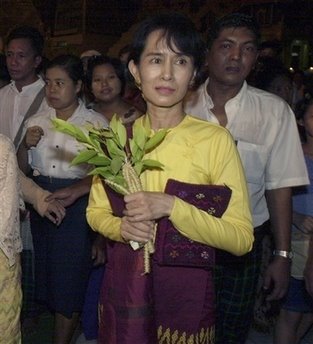


 Posts


