DECEMBER 1, 2009, 1:01 P.M. ET
A Burma Policy for India
Prime Minister Singh can support democracy and engage the regime, too.
By BENEDICT ROGERS
Indian prime minister Manmohan Singh had a largely successful summit with President Barack Obama last week. There is, however, one issue which remains cause for concern: India's Burma policy.
India has a particular historical responsibility for Burma, in part because in colonial times the two countries were ruled by the British as one. Aung San Suu Kyi, the detained leader of Burma's opposition party, went to school in New Delhi, for instance, where she became childhood friends with Jawaharlal Nehru's grandchildren. Past Indian governments have honored this link: During the 1998 prodemocracy protests, Rajiv Gandhi's government expressed support for Ms. Suu Kyi.
India's policy has shifted in recent years, thanks to concerns about the need to counterbalance China's influence and a wish to increase trade. In 2004, Burma agreed to sell India some 80% of the power generated from a dam in Sagaing Division in return for Indian construction assistance. India also sought a military alliance with the regime, including an agreement to provide arms and military training to the Burmese army, in the hopes of getting help in crushing insurgents in northeastern India.
On balance the expected benefits have not materialized. In 2006, the Burmese regime awarded China a huge natural gas contract, even though India had offered a higher bid and Burma's generals had earlier promised the deal to India. Meanwhile, Burma's assistance in fighting Indian insurgents has been minimal, and the arms India sold have instead been used to suppress Burma's own people. The energy projects resulted in land confiscation, the displacement of thousands of people, and accompanying human-rights violations including rape, torture and forced labor.
India is mistaken if it believes it can really compete with China's influence in Burma. China's annual bilateral trade with Burma is already one-and-a-half times India's, and Beijing has become one of the regime's closest friends. It is very likely that as Burma's regime starts to engage with the U.S. and continues to depend on China for protection, India will find itself squeezed out.
India has also remained silent on Burma's human-rights violations in a bid to curry favor with the regime. India joined Belarus, China, Iran, Libya, North Korea, Sudan and Zimbabwe last month in voting against a resolution on Burma's human-rights abuses at the United Nations General Assembly.
It is not too late for India to revise its position and develop its own distinctive Burma policy supportive of democracy. Mr. Singh and his government could raise concerns more robustly with the regime; support Burma resolutions at the U.N.; seek regular meetings with Ms. Suu Kyi; and press the regime to review the new constitution and engage in meaningful dialogue with all political parties ahead of next year's elections. On the military front, an immediate and complete end to the provision of arms and military training to Burma's regime would be welcome. India might also be consider permitting international humanitarian aid cross-border to victims of famine and severe poverty in western Burma, and funding Burma's civil-society groups.
A senior official in India's Ministry of External Affairs told me recently that "our hearts are still with the democracy movement in Burma, but our heads are with the generals." India needs to combine head and heart and realize that in the long-run it is in its own national interest to promote democracy in Burma.
Mr. Rogers, East Asia team leader at Christian Solidarity Worldwide in London, is author of "Than Shwe: Unmasking Burma's Tyrant," forthcoming from Silkworm Books.
------------ --------- --------- --------- -
Benedict Rogers
East Asia Team Leader
Christian Solidarity Worldwide UK
PO Box 99
New Malden
Surrey KT3 3YF
www.csw.org. uk
www.changeforburma. org
Direct dial: (+44) (0)208-329-0041
General line: (+44) (0)845 456 5464
Fax: (+44) (0) 208-942-8802
Christian Solidarity Worldwide is a human rights organisation which specialises in religious freedom, works on behalf of those persecuted for their Christian beliefs and promotes religious liberty for all.
Confidentiality: The information contained in this email and any attachments are confidential. It is intended for the named recipient(s) only. If you are not the named recipient please notify the sender immediately and do not disclose the contents to any other person other than the intended recipient.
Virus Checking: Whilst all reasonable steps have been taken to ensure that this communication is free from viruses, Christian Solidarity Worldwide accepts no liability in respect of any loss, cost, damage or expenses suffered as a result of accessing this message or any of its attachments.
__________ Information from ESET NOD32 Antivirus, version of virus signature database 4652 (20091201) __________
The message was checked by ESET NOD32 Antivirus.
http://www.eset. com
Thursday, December 3, 2009
A Burma Policy for India


Situation in Eastern Burma 'comparable to Darfur
Situation in Eastern Burma 'comparable to Darfur
'A new report shows that conditions in Eastern Burma are now comparable to the war-torn Darfur in Sudan. As a result of the systematic violations of human rights by Military Junta, there are already tens of thousands new refugees during last years.
Wednesday, 02 December 2009, by HRH Oslo, based on www.burma.no, www.uriks.no
A new report from the Thailand Burma Border Consortium (TBBC), one of the Church NCA main partners in Burma, shows that the inhumane conditions in large parts of eastern Burma has gone from bad to worse during last years.
Last years, 120 villages have been destroyed, and at least 75,000 people became refugees and more than half a million were internally displaced in eastern Burma in the past year, following increased militarisation, which strongly indicates crime against humanity comparable to the situation in Darfur.
According to the report, since 1996, over 3,500 villages, including 120 communities between August 2008 and July 2009, in Eastern Burma have been destroyed and forcibly relocated.
Food insecurity, landmines, forced labour and very limited access to life-supporting health and sanitation facilities characterize the conditions for the civilian population.
- The number of human rights violations as well as the increasing number of the displaced people is a scary prospect. The only way to realize our hope to resolve the catastrofic refugee situation in Bruma means is to introduce fundamental polotical, economic and social changes. The international community must strengthen its pressure on the military junta and its supporters," says Secretary General of Norwegian Church Aid, Atle Sommerfeldt.
HRH Oslo, based on www.burma.no, www.uriks.no
http://humanrightshouse.org/Articles/12655.html
Friday, November 27, 2009
ဂ်ပန္နိုင္ငံတြင္ က်င္းပျပီးစီးေသာ ေရႊဂုံတိုင္ေႀကျငာစာတမ္းဆိုင္ရာစင္ပိုစီယမ္ေကာက္နႈတ္ခ်က္မ်ား နွင့္သုံးသပ္တင္ျပခ်က္မ်ား
ဂ်ပန္နိုင္ငံတြင္ က်င္းပျပီးစီးေသာ ေရႊဂုံတိုင္ေႀကျငာစာတမ္းဆိုင္ရာစင္ပိုစီယမ္ေကာက္နႈတ္ခ်က္မ်ား
နွင့္သုံးသပ္တင္ျပခ်က္မ်ား
By Phone Hlaing-FWUBC
အခမ္းအနားေခါင္းစဥ္
Gateway to National Reconciliation in Union of Burma
ဆရာေေနမိုးတိုး
ဆရာေေနမိုးတိုး က ၂၀၁၀ ေရြးေကာက္ပဲြကို ပါဝင္ယွဥ္ျပိုင္ျပီး ေနာက္ မွ ၂၀၀၈ ဖဲြ ့စည္းပုံကို ျပင္ဆင္ရန္ျပဳလုပ္ပါက ပိုမေကာင္းဘူးလားဟု ေျပာႀကားသြားခဲ့ပါသည္။
(ဂ်ပန္ေရာက္ျမန္မာ့နိုင္ငံေရးအင္အားစုမ်ားအေနျဖင့္ လက္ခံနိုင္စရာမရိွပါ)
ထိုင္းလႊတ္ေတာ္အမတ္
ထိုင္လႊတ္ေတာ္အမတ္္အေနျဖင့္ မိမိတဦးတေယာက္အေနျဖင့္ ျမန္မာျပည္သူမ်ား၏ ဒုကၡကို နားလည္ေသာ္လည္း အမတ္တေယာက္အေနျဖင့္ လက္ေတြ ့လုပ္ကိုင္ရာတြင္ အခက္အခဲမ်ားရိွေႀကာင္း အေႀကာင္းျပခဲ့ျပီး ထိုင္နိုင္ငံေရာက္ျမန္မာ့ဒီမိုကေရစီေရးအင္အားစုမ်ား အထူးသျဖင့္ ထိုင္းျမန္မာနယ္စပ္ရိွ ျမန္မာမ်ားအားတတ္နိုင္သမွ် ကူညီသြားမည္ျဖစ္ေႀကာင္းကတိေပးေျပာႀကားသြားပါသည္။
ဦးခြန္ျမင့္ထြန္း
၂၀၁၀ေရြးေကာက္ပဲြေနာက္ပိုင္းတြင္လက္ရိွျပဌာန္းထားေသာ၂၀၀၈ ဖဲြ ့စည္းပုံအေျခခံဥပေဒအား ျျပန္လည္ျပဳျပင္၍ လုံးဝရေတာ့မည္မဟုတ္ပါ။ လႊတ္ေတာ္္တြင္စစ္တပ္မွ ၂၅ ရာခိုင္နႈန္းရယူထားျပီး ၇၅ ရာခိုင္နႈန္း ေက်ာ္လြန္မွသာလွ်င္ ျပင္ဆင္ နိုင္မည္ဟု ျပဌာန္းထားေသာေႀကာင့္ျဖစ္ပါသည္။
စစ္အာဏာရွင္မ်ားကဖဲြ ့စည္းပုံ အေျခခံဥပေဒ၏ အထက္တြင္ေနရာယူထားေသာေႀကာင့္
ျပည္သူလူထု၏ အသက္ေသြးေပါင္းမ်ားစြာျဖင့္ထပ္မံေပးဆပ္ႀကရဦးမည္ျဖစ္ပါသည္။ ၁၉၈၈ အေရးေတာ္ပုံႀကီးတြင္ အသက္ေသြးေပါင္းမ်ားစြာရင္းနီွးစြန့့္လႊတ္၍ ၁၉၇၄ ဖဲြ ့စည္းပုံ့အေျခခံဥပေဒအား
ျပည္သူလူထုကဖ်က္သိမ္း ခဲ့ရသည္မွာ ဥပမာျဖစ္ပါသည္။
တရားဥပေဒစိုးမိုးမႈမရီွေသာ စစ္အာဏာရွင္စနစ္ေအာက္တြင္ န်ဴကလီးယား နည္းပညာ ကို
ျငိမ္းခ်မ္းေသာနည္းလမ္းမ်ားတြင္ အသုံးျပဳမည္မဟုတ္ပါ။ ျမန္မာျပည္မွ ထြက္သည့္ ယူေရနီယံ ျဖင့္ ျပဳလုပ္ထားေသာ န်ဴကလီးယား ဒုံးက်ည္ျဖင့္ ေျမာက္ကိုးရီယား အာဏာရွင္မ်ား
နွင့္ နအဖ စစ္အာဏာရွင္မ်ားကဂ်ပန္နိုင္ငံအပါအဝင္ ေဒသတြင္းနိုင္ငံမ်ားသို ့ခ်ိန္ရြယ္ ျခိမ္းေခ်ာက္
ေတာ့မည္မွာ အေသအခ်ာ ျဖစ္ပါသည္။ ထိုသို ့ျဖစ္ခဲ့ျပီ ဆိုပါက ေဒၚေအာင္ဆန္းစုႀကည္္အပါအဝင္ ကၽြန္ေတာ္တို ့တိုင္းရင္းသား ျပည္သူတရပ္လုံးမွာ လြန္စြာ ဝမ္းနည္းေႀကကဲြရမည္ျဖစ္ပါသည္။
ဂ်ပန္နိုင္ငံအစိုးရက-
(၁) ျမန္မာနိုင္ငံတြင္ ျပည္တြင္းျငိမ္းခ်မ္းေရးရရိွရန္နွင့္ ဒီမိုကေရစီ ျပည္ေထာင္စု ထူေထာင္
နိုင္ရန္ ဦးတည္၍ လည္းေကာင္း၊၊
(၂)ဂ်ပန္နိုင္ငံအပါအဝင္ ေဒသတြင္းနိုင္ငံမ်ား၏ ျငိမ္းခ်မ္းေရးနွင့္ လုံျခံဳေရးကို
ဦးတည္၍ လည္းေကာင္း၊
နိုင္ငံေတာ္ေအးခ်မ္းသာယာေရးနွင့္ဖြံ ့ျဖိဳးေရးေေကာင္စီ(SPDC)၊ အမ်ိဳးသားဒီမိုကေရစီအဖဲြ ့ခ်ဳပ္(NLD)နွင့္
တိုင္းရင္းသားနိုင္ငံေရးပါတီ/အဖဲြ ့အစည္းမ်ား အားလုံးပါဝင္သည့္ အဓိပါၸယ္ရိွေသာသုံးပြင့္ဆိုင္ေတြ ့ဆုံေဆြးေႏြး
ပဲြမ်ား ျဖစ္ေျမာက္ရန္ ဦးေဆာင္ ေဆာင္ရြက္ေပးပါရန္ အေလးအနက္ ထပ္မံ တိုက္တြန္းအပ္ပါသည္။
အဓိကအခ်က္္မ်ား
ဤစင္ပိုစီယံမွ ေပးလို ေသာအေႀကာင္းအရာမွာ-
(၁) ၂၀၀၈ ဖဲြ ့စည္းပုံကို ဒီမိုကေရစီနည္းလမ္းက်ေသာဖဲြ ့စည္းပုံျဖစ္ေအာင္မျပင္ဆင္ဘဲနွင့္ ၂၀၁၀ေရြးေကာက္ပဲြကို ဝင္ဖို ့မျဖစ္နိုင္ေႀကာင္း
(၂) ေရႊဂုံတိုင္ေႀကျငာခ်က္ကို အေျခခံမူအျဖစ္ဆဲြကိုင္ျပီးနိုင္ငံတကာရိွ ျမန္ မာ့ဒီမိုကေရစီေရးအင္အားစု မ်ားက မိမိတို ့နွင့္သက္ဆိုင္ရာနိုင္ငံမ်ားရိွအစိုးရမ်ားကို ေရႊဂုံတိုင္မူကို နားလည္္လက္ခံလာေအာင္ေျပာ
ႀကားရန္.။
(၃)အကယ္၍ ေရႊဂုံတိုင္မူ ပါေတာင္းဆိုခ်က္မ်ားကို လစ္လ်ဴရႈျပီး ၂၀၁၀ ေရြးေကာက္ပဲြကို ျပဳလုပ္ပါက အျပည္ျပည္ဆိုင္ရာမိသားစုမွ အဆိုပါေရြးေကာက္ပဲြရလာဒ္ကို အသိအမွတ္မျပဳဘဲသပိတ္ေမွာက္ရန္
(၄) နအဖ တို ့သည္ အႀကိမ္ႀကိမ္ကတိမ်ားေပးျပီး ဘယ္ေတာ့မွ ကတိတည္ေလ့မရိိွေသာေႀကာင့္
၄င္း၊ ၂၀၀၈ ဖဲြ ့စည္းပုံကို့မျပင္ဘဲ ေရြးေကာက္ပဲြ ျပဳလုပ္ပါက အဆိုပါေရြးေကာက္ပဲြ ေနာက္ပိုင္းေပၚ
ထြန္းလာမည့္ အစိုးရသည္ အမည္ခံအစိုးရသာျဖစ္ျပီး စစ္အာဏာရွင္တို ့သည္ ဖဲြ ့စည္းပုံအေျခခံ
ဥပေဒအထက္သို ့တရားဝင္ေရာက္ရိွမည္ျဖစ္ေသာေႀကာင့္ ေျပာခ်င္ရာေျပာျပီးလုပ္ခ်င္ရာလုပ္ေန ေသာ
နအဖ တို ့သည္ ထိုင္းနိုင္ငံနွင့္ ဂ်ပန္နိုင္ငံအပါအဝင္ အိမ္နီးခ်င္းနိုင္ငံမ်ား နွင့္ အာရွ တိုက္၏ လုံျခံဳ ေရး
နွင့္တည္ျငိမ္မႈတို ့ကုိ ျခိမ္းေျခာက္လာမည္္ျဖစ္၍ ျမန္မာနိုင္ငံ၏ လက္ရိွ အေျခ အေနကို အခ်ိန္မီ
ဝိုင္းဝန္းေဆာင္ရြက္ေရးသည္ ဂ်ပန္ိုင္ငံ၏ အက်ိဳးစီးပြားနွင့္ တိုက္ရိုက္ပတ္သက္ေနေႀကာင္း
အထက္ပါအခ်က္မ်ားကို ဤစင္္ပိုစီယံမွ တင္ျပေဖာ္ထုတ္ေပးခဲ့ျပီး ဂ်ပန္္ဒုတိယနိုင္ငံျခားေးရးဝန္ႀကီး
ကိုယ္တိုင္တက္ေရာက္ခဲ့ေသာေႀကာင့္ ဂ်ပန္နိုင္ငံအစိုးရသို ့တိုက္ရိုက္အသိေပးနိုင္ခဲ့သည္ဟု ယုံႀကည္
ရပါသည္။
လက္ရိွ ဂ်ပန္နိုငံ၏ ျမန္မာျပည္ဆိုင္ရာေပၚလစီ ကိုသုံးသပ္ျခင္း
(၁) အေထြေထြအတြင္းေရးမႉးဦးေမာင္ေမာင္ ဂ်ပန္နိုင္ငံသို ့ေရာက္ရိွခဲ့စဥ္ ဒုတိယနိုင္ငံျခားေရးဝန္ႀကီးမွ လက္ခံေတြ ့ဆုံခဲ့ျခင္း
(၂) အထက္ေဖာ္ျပပါစင္ပိုစီယံသို ့ ဒုတိယနိုင္ငံျခားေရးဝန္ႀကီးအပါအဝင္ ဝန္ႀကီးနွစ္ဦးနွင့္ လႊတ္ေတာ္
အမတ္မ်ားတက္ေရာက္ခဲ့ျခင္း
(၃) အသစ္ျပန္လည္ဖဲြ ့စည္းလိုက္ေသာ ျမန္မာ့ဒီမိုကေရစီေရးကိုေထာက္ခံေသာ ဂ်ပန္လႊတ္ေတာ္္
အမတ္မ်ားသမဂၢတြင္ လက္ရိွ ဒီမိုကရက္တစ္ပါတီ၏ ဝန္ႀကီးမ်ားပါဝင္ေနျခင္း နွင့္ ယခင္ကထက္အမတ္ ဦးေရတိုးလာျခင္း
တို ့ကိုႀကည့္ျခင္းအားျဖင့္ ျမန္မာနိုင္ငံဆိုင္ရာ ဂ်ပန္အစိုးရေပၚလစီသည္ ျဖည္းျဖည္းျခင္းေျပာင္းလဲလာနိုင္
စရာရိွေႀကာင္းသုံးသပ္တင္ျပအပ္ပါသည္။
မွတ္ခ်က္။ ။
အထက္ေဖာ္ျပပါ ေကာက္ခ်က္မ်ားအျပင္ ေနာက္ထပ္ေကာက္ခ်က္တခုဆဲြ နုိင္သည္မွာ
လက္ရိွ ဒီမိုကရက္တစ္ပါတီအနိုင္ရရျခင္းမွာ ဂ်ပန္နိုင္ငံအလုပ္သမားသမဂၢမ်ားအဖဲြ ့ခ်ဳပ္
ရင္ဂို ၏ အဓိကပန္ ့ပုိးမႈမ်ားေႀကာင့္ျဖစ္ျခင္းေႀကာင့္ ရင္ဂို ၏မ်က္နွာျဖင့္ မ်က္နွာလာျပ
ျခင္းလဲျဖစ္ေကာင္းျဖစ္နိုင္ပါသည္။သို ့ေသာ္ ဂ်ပန္နိုင္ငံတြင္ ျပဳလုပ္ခဲ့ေသာ ျမန္မာနိုင္ငံ
ဆိုင္ရာ စင္ပိုစီယံ(၃) ႀကိမ္က်င္းပခဲ့ရာ ယခုအႀကိိမ္မွာ ပထမဆံုးအႀကိမ္အျဖစ္ ဂ်ပန္အစိုးရ
ဝန္ႀကီးမ်ားကိုယ္တိုင္တက္ေရာက္ခဲ့ျခင္းျဖစ္၍ အဓိက ေပၚလစီ အေျပာင္းအလဲ ျဖစ္လာနိုင္
စရာရိွသည္ဟု သုံးသပ္မည္ဆိုလွ်င္လဲသုံးသပ္၍ ရနိုင္စရာရိွပါသည္။
ေလးစားစြာျဖင့္-
ဘုန္းလိႈင္
၂၆-၁၁-၂၀၀၉
Thursday, November 12, 2009
A Victim of the Junta’s Dog-Eat-Dog World
OBITUARY
A Victim of the Junta’s Dog-Eat-Dog World
--------------------------------------------------------------------------------
By WAI MOE Thursday, November 5, 2009
--------------------------------------------------------------------------------
Win Aung, a former foreign minister and one of ex-spy chief Gen Khin Nyunt’s aides, died on Wednesday morning at 1:55 a.m. local time in Rangoon’s infamous Insein Prison. He was 65.
According to prison sources in Rangoon, Win Aung died of a cerebral hemorrhage. Burmese authorities allowed Win Aung’s family to post his obituary in Thursday’s state-run newspapers.
Late former Foreign Minister Win Aung addresses a United Nations meeting. (PHOTO: un.org)
He is survived by his wife, one daughter and two sons. His younger son, Thaung Suu Nyein, is the editor-in-chief of a leading Rangoon-based weekly, 7 Days News Journal.
Win Aung was arrested in September 2004, a month before a government crackdown on powerful Military Intelligence officers. The junta announced Win Aung and his deputy Khin Maung Win’s retirement following news that Win Aung had told senior officials at an Association of Southeast Asian Nations Ministry meeting in Jakarta in July 2004 that Burmese Prime Minister Khin Nyunt was in political trouble.
“He [Khin Nyunt] is in a dangerous position,” Win Aung was quoted as saying. “Khin Nyunt may have to flee the country. If that happens, I will have to flee with him.”
Win Aung was replaced by Maj-Gen Nyan Win, the deputy head of the military training college who was junta chief Snr-Gen Than Shwe’s choice.
After his arrest, Wing Aung was detained under house arrest for two years. In 2006, he was sentenced to a 7-year jail term on charges of misuse of authority. He was detained in Insein Prison until he died.
Win Aung served as Burma’s foreign minister under the military regime from 1998 to 2004. He had previously been Burmese ambassador to Germany and the United Kingdom before being recalled to Burma to take up the foreign minister position.
Win Aung led a Burmese delegation to the UN General Assembly in September 2003 a few months after a brutal crackdown on pro-democracy leader Aung San Suu Kyi’s convoy in Depayin had led to international criticism of the regime and economic sanctions on Burma.
At the UN, he said it was “disconcerting that some countries have chosen to turn a blind eye to the reality.”
In his earlier days, Win Aung was an officer with Military Intelligence. As a major, he was close to then spy chief Brig-Gen Tin Oo, the No 2 in the country after dictator Ne Win.
Following Tin Oo’s removal, Win Aung was reappointed as a counsel-general with several Burmese consulates in Asia in the early 1980s.
Fluent in English, Win Aung was said to be media savvy with foreign journalists. Unlike current Foreign Minister Nyan Win, he was willing to give regular interviews with foreign media, including Time Magazine.
“I am a democratic person myself,” Win Aung told Time in 1999. “I would like my children and myself to live under a real democratic situation.”
He added that this sentiment was also held by junta chief Snr-Gen Than Shwe and other members of the junta.
Before his removal from the foreign minister post, he wrote religious and political articles under the pen name of Sithu Nyein Aye.
Burma observers generally concurred that Win Aung was one of the first senior junta officials to become a victim of the dog-eat-dog world that exists in Burma’s military hierarchy.
Copyright © 2008 Irrawaddy Publishing Group | www.irrawaddy.org
တျခားေသာ အမ်ဳိးသားကို မုန္းတီးျခင္းသည္ အမ်ဳိးသားေရး မဟုတ္ဟု ေဒၚစုေျပာၾကား
တျခားေသာ အမ်ဳိးသားကို မုန္းတီးျခင္းသည္ အမ်ဳိးသားေရး မဟုတ္ဟု ေဒၚစုေျပာၾကား
ဖနိဒါ
ဗုဒၶဟူးေန႔၊ ႏုိဝင္ဘာလ 11 ရက္ 2009 ခုႏွစ္ 15 နာရီ 22 မိနစ္
မဇိၩမ (ခ်င္းမုိင္) ။ ။ တျခားေသာ အမ်ဳိးသားမ်ားကို မုန္းတီးျခင္းသည္ အမ်ဳိးသားေရး မဟုတ္ဟု အတိုက္အခံ ေခါင္းေဆာင္ ေဒၚေအာင္ဆန္းစုၾကည္က ေျပာဆိုလိုက္သည္။
”သူ (ေဒၚေအာင္ဆန္းစုၾကည္) တခုပဲ ေျပာပါတယ္။ အမ်ဳိးသားေရးဆုိတာ အင္မတန္ေကာင္းတယ္။ အမ်ဳိးသားေရးဆုိတာ ကုိယ့္အမ်ဳိးသားကို ေကာင္းစားေစခ်င္တဲ့ ေစတနာ ေမတၱာေတြ ေကာင္းတယ္။ ဒါေပမယ္လုိ႔ တျခားအမ်ဳိးသားကို ထိခိုက္ေစတဲ့ဟာ၊ တျခားအမ်ဳိးသားကုိ မုန္းတီးတာဟာ အမ်ဳိးသားေရး မဟုတ္ဘူးဆုိတာပဲ ေျပာလုိက္တယ္”ဟု အမ်ဳိးသား ဒီမိုကေရစီအဖြဲ႔ခ်ဳပ္ ေျပာေရးဆိုခြင့္ရွိသူ ဦးဥာဏ္ဝင္းက ေဒၚေအာင္ဆန္းစုၾကည္ ေျပာစကားကို ကိုးကား၍ မဇိၩမကုိ ေျပာသည္။
ေဒၚေအာင္ဆန္းစုၾကည္
ေရွ႕ေနလည္းျဖစ္ေသာ ဦးဥာဏ္ဝင္းႏွင့္ ေနအိမ္ခ်ဳပ္က်ခံေနရေသာ ပါတီေခါင္းေဆာင္တို႔ ယေန႔နံနက္တြင္ ရန္ကုန္ၿမိဳ႕ တကၠသိုလ္ရိပ္သာလမ္းရွိ သူမ၏ ေနအိမ္တြင္ ေတြ႔ဆံုခဲ့ၾကရာ ေျပာၾကားလိုက္ျခင္း ျဖစ္သည္။
ယေန႔သည္ ျမန္မာ့႐ိုးရာ ျပကၡဒိန္အားျဖင့္ တန္ေဆာင္မုန္းလျပည့္ေက်ာ္ ၁၀ ရက္ေန႔ျဖစ္ၿပီး ၈၉ ႏွစ္ေျမာက္ အမ်ဳိးသားေန႔ ျဖစ္သည္။ အဂၤလိပ္ ကိုလိုနီ အစိုးရလက္ေအာက္ ၁၉၂၀ ခုႏွစ္တြင္ ျဖစ္ပြားခဲ့ေသာ ပညာေရးအဆင့္ ျမႇင့္တင္ေစလိုေသာ ေကာလိပ္ေက်ာင္းသားမ်ား၏ သပိတ္စတင္ေသာေန႔ကို အမ်ဳိးသားေန႔ဟု သတ္မွတ္ခဲ့ၾကသည္။
စစ္အစိုးအႀကီးအကဲ ဗိုလ္ခ်ဳပ္မႉးႀကီး သန္းေရႊကလည္း အမ်ဳိးသားေန႔မိန္းခြန္း ေျပာၾကားသည္ကို ယေန႔ထုတ္ စစ္အစိုးရအာေဘာ္ ျမန္မာ့အလင္း သတင္းစာတြင္ ေဖာ္ျပထားသည္။
မ်က္ေမွာက္ကာလတြင္ ေခတ္သစ္ကိုလိုနီနယ္ခ်ဲ႕ ႏိုင္ငံႀကီးမ်ားက အျခားႏုိင္ငံမ်ား၏ ျပည္တြင္းေရးကို ဝင္ေရာက္စြက္ဖက္ၿပီး နယ္ပယ္အသီးသီး ကို လႊမ္းမိုးျခယ္လွယ္ရန္ ႀကိဳးပမ္းေဆာင္ရြက္လ်က္ ရွိသည္ဟု ဗိုလ္ခ်ဳပ္မႉးႀကီး၏ ေျပာဆုိသည့္ စကားကို ေဖာ္ျပထားသည္။
ထို႔အျပင္ ၂၀၁၀ ခုႏွစ္တြင္ ေရြးေကာက္ပြဲ က်င္းပႏုိင္ေရး ျပင္ဆင္ေနသည့္အတြက္ ျပည္သူမ်ားက ပူးေပါင္း ေဆာင္ရြက္ရန္လည္း ေတာင္းဆို လိုက္ေသးသည္။
ျမန္မာႏုိင္ငံအေပၚ အေမရိကန္၊ ဥေရာပသမဂၢအဖြဲ႔ဝင္ ႏုိင္ငံမ်ား၊ ၾသစေၾတးလ်ား အပါအဝင္ စီးပြားေရးႏွင့္ သံတမန္ေရးရာ ပိတ္ဆို႔အေရးယူမႈမ်ား ႐ုတ္သိမ္းေရးတြင္ ပါဝင္ကူညီေပးမည္ဆိုေသာ ၿငိမ္းခ်မ္းေရး ႏုိဘယ္လ္ဆုရွင္က စစ္ေခါင္းေဆာင္ထံ စာေရးသား ေပးပို႔ၿပီးေနာက္ ေနာက္ဆက္တြဲ အျဖစ္ ေဒၚေအာင္ဆန္းစုၾကည္သည္ အမ်ားျပည္သူ ျမင္ကြင္းတြင္ ျပန္လည္ေပၚထြက္လာခဲ့ကာ သူမ၏ ေျပာစကားမ်ားလည္း တဆင့္စကားအျဖစ္ ပံုမွန္ထြက္ေပၚလာေနခ့ဲသည္။
ရန္ကုန္ရွိ အန္အယ္ဒီ ႐ံုးခ်ဳပ္တြင္ က်င္းပေသာ အမ်ဳိးသားေန႔ အခမ္းအနားအတြက္ ေဒၚေအာင္ဆန္းစုၾကည္က ဦးဥာဏ္ဝင္းမွတဆင့္ ႏႈတ္ျဖင့္ သဝဏ္လႊာပါး ေက်းဇူးတင္စကား ဆိုလိုက္သည္။ ျပည္နယ္ႏွင့္ တုိင္း အသီးသီးမွ ေခါင္းေဆာင္မ်ား မအားလပ္သည့္ၾကားမွ အခမ္းအနား တက္ေရာက္ျခင္းအေပၚ ေက်းဇူးတင္သည္ဟု သူမက ေျပာၾကားသည္။
အမ်ဳိးသားဒီမိုကေရစီအဖြဲ႔ခ်ဳပ္က စစ္အစိုးရအေနျဖင့္ ေတြ႔ဆံုေဆြးေႏြးအေျဖရွာရန္ ထပ္မံေတာင္းဆိုလုိက္ျပန္ၿပီး ေဒၚေအာင္ဆန္းစုၾကည္၊ ဦးတင္ဦး၊ ရွမ္းအမ်ဳိးသားမ်ား ဒီမုိကေရစီ အဖဲြ႔ခ်ဳပ္ ဥကၠ႒ ဦးခြန္ထြန္းဦး၊ အတြင္းေရးမႉး စုိင္းညြန႔္လြင္ႏွင့္ အျခားတုိင္းရင္းသား ေခါင္းေဆာင္ မ်ားအား အျမန္ဆံုးလႊတ္ေပးရန္ လိုအပ္သည္ဟု ဆိုသည္။
ထို႔အျပင္ အဖြဲ႔ခ်ဳပ္ ႐ံုးမ်ားကုိ ကာလရွည္ၾကာ ပိတ္ထားျခင္းမွ ျပန္လည္ဖြင့္ခြင့္ျပဳရန္ႏွင့္ လြတ္လပ္စြာ စည္း႐ံုးခြင့္၊ တရားဝင္ စည္း႐ံုးခြင့္ေပးရန္၊ ၁၉၉၀ ျပည့္ႏွစ္ ပါတီစံု ေရြးေကာက္ပြဲတြင္ အႏုိင္ရၿပီးမွ ဖ်က္သိမ္းခံပါတီမ်ား အပါအဝင္ ႏုိင္ငံေရးပါတီမ်ားကို ႏုိင္ငံေရး မွတ္ပံုတင္ခြင့္ေပး၍ စည္း႐ံုးခြင့္ျပဳရန္တို႔ကုိ စစ္အစုိးရအေနျဖင့္ အျမန္ဆံုး ေဆာင္ရြက္ေပးရန္ လုိအပ္ေၾကာင္း ေၾကညာခ်က္တြင္ ေဖာ္ျပထားသည္။
အန္အယ္ဒီ ျပန္ၾကားေရးအဖြဲ႔ဝင္ ဦးအုန္းႀကိဳင္က အမ်ဳိးသားေန႔ အထိန္းအမွတ္အျဖစ္ “ဒီအမ်ဳိးသားေန႔မွာ ေဒၚေအာင္ဆန္းစုၾကည္က အခုလုိ ႏႈတ္နဲ႔ သဝဏ္လႊာပါးခြင့္ရတာဟာ ထူးျခားတယ္လုိ႔ ေျပာခ်င္ပါတယ္။ ျမန္မာ့ႏုိင္ငံအေရး ေျပလည္မႈ အလားလာ တုိးတက္လာသလားလုိ႔ ေမွ်ာ္လင့္ႏုိင္တယ္ဆုိရင္ေတာ့ အားတက္စရာ ျဖစ္တယ္လုိ႔ ေျပာခ်င္ပါတယ္” ဟု ေျပာသည္။
အခမ္းအနားသုိ႔ အမ်ဳိးသား ဒီမုိကေရစီအဖြဲ႔ခ်ဳပ္ ျပည္နယ္ႏွင့္ တုိင္းအသီးသီးမွ ကုိယ္စားလွယ္မ်ား၊ ဝါရင့္ႏုိင္ငံေရးသမားမ်ား အဖြဲ႔ဝင္မ်ား၊ ျပည္သူ႔လႊတ္ေတာ္ ကိုယ္စားျပဳေကာ္မတီ - CRPP ႏွင့္ ရခုိင္ အမ်ဳိးသား ဒီမုိကေရစီ အဖြဲ႔ခ်ဳပ္တို႔ အပါအဝင္ လူဦးေရ ၁၀၀၀ ခန္႔ တက္ေရာက္ ခဲ့သည္။
ျမန္မာ့ႏိုင္ငံေရး ျဖတ္သန္းမႈတြင္ ကာလရွည္စြာ ပါဝင္လာခဲ့သည့္ ဝါရင့္ႏုိင္ငံေရးသမားအစုကလည္း ေတြ႔ဆံုေဆြးေႏြးေရး ျပဳလုပ္ပါဟု ေျပာဆိုလိုက္သည္။
Friday, November 6, 2009
P r e s s R e l e a s e-U . S . E M B A S S Y R A N G O O N
P r e s s R e ll e a s e
U . S . E M B A S S Y R A N G O O N
1 1 0 U n i v e r s i t y A v e n u e , K a m a y u t T o w n s h i p , R a n g o o n , B u r m a
Assistant Secretary of State for East Asian and Pacific Affairs Kurt Campbell
November 4, 2009
Rangoon, Burma
We have just concluded a two-day visit to Burma. We had extensive meetings with the
government, with the democratic opposition, with the ethnic groups, and with many others.
This was an exploratory mission designed to explain to key stakeholders inside the country the
results of the U.S. policy review towards Burma and the strategic goals of our country that the
review underscored: strong support for human rights, the release of Aung San Suu Kyi and all
other political prisoners, and the pursuit of democratic reform.
At every meeting, the United States underscored its strong commitment to see Burma as a place
that respects the human rights of its people, promotes democracy, and abides by U.N. resolutions
with regards to proliferation.
Today in Rangoon, our team met with ethnic representatives and had a two-hour meeting with
Aung San Suu Kyi – during which we reaffirmed our commitment to a dialogue among the
government, the opposition, and the ethnic groups. The goal of such a dialogue would be
national reconciliation and a fully inclusive political process in Burma. Towards that end, we
urge the Burmese government to allow Aung San Suu Kyi more frequent interactions with
stakeholders, especially the Central Executive Committee of her own party.
In meetings with the government – including the Prime Minister, the Minister of Information, the
Minister of Science and Technology, and others – we stated clearly that the United States is
prepared to take steps to improve the relationship. But that process must be based on reciprocal
and concrete efforts by the Burmese government.
We underscored our support for the people of Burma and reaffirmed our continuing commitment
to assist them in recovering from the effects of Cyclone Nargis and combating the spread of
infectious disease.
We look forward to continuing to work both with the government and other stakeholders towards
tangible progress in Burma.
Thursday, November 5, 2009
Fw: [BurmaInfo] 東京新聞11月4日「ミャンマー軍政『開発』で弾圧 少数民族居住地にダム」
━━━━━━━━━━━━━━━━━━━━━━━━━━━━━━
ビルマ市民フォーラム メールマガジン 2009/11/4
People's Forum on Burma
━━━━━━━━━━━━━━━━━━━━━━━━━━━━━━
ビルマ情報ネットワーク(BurmaInfo)からのメールを転送させていただきます。
(重複の際は何卒ご容赦ください。)
PFB事務局 宮澤
http://www1.jca.apc.org/pfb/
━━━━━━━━━━━━━━━━━━━━━━━━━━━━━━
本日付の新聞記事をご紹介します。
東京新聞 2009年11月4日朝刊 こちら特報部
「ミャンマー軍政『開発』で弾圧 少数民族居住地にダム」
ビルマ(ミャンマー)軍政が、同国の少数民族居住地域で大型ダム建設計画を進めて
おり、大量の「ダム難民」が発生する可能性があることを指摘しています。
ビルマ情報ネットワーク秋元由紀のコメントも入っています。
なお、ビルマ情報ネットワークのメディア等掲載情報は以下のページにあります。ご
活用ください。
ビルマ情報ネットワーク「ニュースの中のBurmaInfo」
http://www.burmainfo.org/news/outsorce_news.php?mode=1
ビルマ情報ネットワーク (http://www.burmainfo.org)
秋元由紀
========================================
━━━━━━━━━━━━━━━━━━━━━━━━━━━━━━━━━━━━━━
配布元 ビルマ情報ネットワーク(BurmaInfo) http://www.burmainfo.org
連絡先 listmaster@burmainfo.org
バックナンバー http://groups.yahoo.co.jp/group/burmainfo/
――――――――――――――――――――――――――――――――――――――
▽転載について
・ビルマ情報ネットワーク(BurmaInfo)のメールマガジンの転載・再配布は、必ず出典を明記したうえで行ってください。
・不特定多数に配付する印刷物や、新聞、雑誌、機関紙(誌)などに掲載の際は、必ずご連絡ください。
――――――――――――――――――――――――――――――――――――――
▽メーリングリストの参加・退会・アドレス変更について
以下のURLをご覧ください。
http://www.burmainfo.org/about/mailmagazine.php
※原則として手動での変更手続は行っておりませんが、どうしても解決できない
問題があるときや、疑問点がある場合は管理者宛にご連絡ください。
━━━━━━━━━━━━━━━━━━━━━━━━━━━━━━━━━━━━━━
US envoy in landmark talks with Suu Kyi
============ ========= ========= =
US envoy in landmark talks with Suu Kyi
Agence France-Presse | 11/04/2009 8:16 PM
YANGON - A top US official held talks with Aung San Suu Kyi Wednesday after Myanmar's ruling junta gave the democracy icon a rare break from house arrest during Washington's highest-level visit here for 14 years.
Assistant Secretary of State for East Asian and Pacific Affairs Kurt Campbell also met Myanmar Prime Minister Thein Sein as part of efforts by the Obama administration to re-engage with the hardline military regime.
Nobel Laureate Suu Kyi met Campbell for two hours at a luxury hotel in Yangon -- the first time she had appeared in front of the media other than at her home or in prison since her current period of detention began in 2003.
Dressed in a pink and maroon traditional outfit, the 64-year-old smiled but did not answer questions as she headed into the talks with the US diplomat and his deputy, Scot Marciel.
"Am I beautiful when I smile?" Suu Kyi joked with the media after the talks, adding: "Hello to all of you."
Suu Kyi has spent most of the last two decades in detention and the junta gave her an extra 18 months of house arrest in August, effectively ruling her out of elections due in 2010 that critics say are a sham.
The opposition leader was sentenced after being found guilty of harbouring an American man who swam to her lakeside house earlier in the year. Journalists saw her in prison at the trial but were not allowed to take pictures.
Campbell and Marciel held talks earlier on Wednesday with Premier Thein Sein in the remote administrative capital Naypyidaw, Myanmar officials said on condition of anonymity, without giving details.
Myanmar officials said the US delegation was not expected to meet reclusive junta leader Than Shwe. State media said that when the US envoys arrived he was in southern Myanmar inspecting aid efforts after last year's Cyclone Nargis.
The US duo also met with senior members of Suu Kyi's National League for Democracy (NLD), which won Myanmar's last elections in 1990 but was prevented from taking power by the army. They were due to leave Wednesday night.
"The meeting was positive," NLD spokesman Khin Maung Swe, who attended the talks at party headquarters in Yangon, told AFP.
"We discussed the transition to democracy and focused on the dialogue between Aung San Suu Kyi and Senior General Than Shwe. From their side they didn't say much, they just listened," he said.
Campbell is the highest ranking US official to travel to Myanmar -- formerly known as Burma -- since Madeleine Albright went as US ambassador to the United Nations in 1995 during Bill Clinton's presidency.
The two-day trip is a follow-up to discussions in New York in September between US and Myanmar officials, the highest-level US contact with the regime in nearly a decade.
President Barack Obama's administration in September announced a dramatic change in US policy because isolating Myanmar had failed, but said it would not ease sanctions without progress on democracy and human rights.
US State Department spokesman Ian Kelly overnight described the visit as a "fact-finding mission" and said it was the "the second step in the beginning of a dialogue with Burma."
Asked what Campbell discussed on Tuesday in talks with the information minister and local organisations, Kelly said: "They laid out the way we see this relationship going forward, how we should structure this dialogue, but they were mainly in a listening mode."
September's talks had called for free and fair elections and the release of Suu Kyi, but also dealt with US concerns about Myanmar's possible military links with nuclear-armed North Korea.
The first major sign of a thaw came in August when Than Shwe held an unprecedented meeting with visiting US senator Jim Webb, which yielded the release of John Yettaw, the American detained for swimming to Suu Kyi's house.
Suu Kyi then said that she would be ready to help the junta get sanctions lifted and she was allowed to meet foreign diplomats in October.
as of 11/04/2009 8:16 PM http://www.abs- cbnnews.com/ world/11/ 04/09/us- envoy-landmark- talks-suu- kyi
============ ========= ========= =
Not So Great Expectations for U.S. Diplomats in Burma
Not So Great Expectations for U.S. Diplomats in Burma
By Robert Horn / Bangkok Wednesday, Nov. 04, 2009
The first high-level team of U.S. diplomats to visit Burma in 14 years met with detained opposition leader Aung San Suu Kyi in Rangoon on Wednesday in what some hope may signal the first steps towards breaking the political deadlock that has gripped Burma for more than 20 years. But Burma analysts said any positive developments from the mission would depend upon the man the Americans did not meet — Burma's reclusive military leader Gen. Than Shwe.
Instead, Assistant Secretary of State Kurt Campbell and his deputy Scot Marciel met with Prime Minister Thein Sein, who wields little actual political power, in the inland capital of Nyapyidaw on the second day of their two day visit. They later flew to Rangoon to confer with 1991 Nobel Peace Prize winner Suu Kyi, who was allowed to travel from the home where she has spent 14 of the past 20 years under arrest, to a downtown hotel where the diplomats were staying. (See pictures of Burma's slowly shifting landscape.)
"Our expectations are modest,'' says Aung Zaw, editor of The Irrawaddy, an influential Thailand-based magazine on Burma affairs. "We've seen these on-again, off-again discussions many times before with the United Nations and the European Union, among others.'' Real change, he said, could only come from Than Shwe, the supreme leader since 1992 of the military committee that rules the country and calls itself the State Peace and Development Council. Describing Burma as an oligarchy, he says that if Than Shwe had the political will, "He could solve 40 years of Burma's problems in four hours.''
The visit is the second meeting between the nations' diplomats since President Barack Obama announced in September that his administration would pursue a policy of engaging the generals who rule the country, rather than rebuffing them. The first meeting took place several weeks ago in New York City. Burma has been under military rule since 1962, and since the bloody suppression of a democracy uprising in 1988, the U.S. has incrementally reduced contacts with the regime and increased sanctions against it for its record of human rights violations and quashing democracy. Larry Dinger, thecharge d'affairs at the U.S. embassy in Rangoon, was quoted in the state-run Myanmar Times this week as saying that Washington wanted to make progress on "important issues" but would maintain sanctions "until concrete progress is made." The State Department has referred to the trip as a "fact-finding mission."
The regime blames Suu Kyi for having called for sanctions in the past. She has said she is open to rescinding the call if the regime agrees to engage in a genuine dialogue with her, her party and ethnic minorities. The junta is planning on holding elections next year for the first time since 1990, when they lost to Suu Kyi's party, the National League for Democracy, by a landslide, and then ignored the results. Suu Kyi has been barred from participating in the upcoming poll, and unless she is pardoned, will still be under house arrest when it takes place. Thein Sein recently told Southeast Asian diplomats that the terms of her could be eased if she "behaved." (See the world's top 10 contested elections.)
The Obama Administration has said it has changed its approach because sanctions alone have not worked in bringing about change in the isolated and impoverished nation. For their part, the generals are interested in improving relations because they are overly reliant on China, which has major investments in Burma, as an ally. The junta wants sanctions removed and their upcoming elections to be regarded as legitimate.
Debbie Stothard, executive director of ALTSEAN, an activist network involved in Burma issues, urged the two American diplomats to stand firm on democracy and human rights during their visit this week. "The regime won't like it, but they will respect the U.S. more for it. They will know that the U.S. can't be pushed around or fooled like the Association of Southeast Asian nations,'' she says. ASEAN, which admitted Burma as a member in 1997, has advocated a course of "constructive engagement" as a way of moderating the regime's behavior, including expanding economic and business ties. Stothard says that policy has failed, as evidenced by what she calls "an all-time high in the number of political prisoners and a spike in military aggression against the country's ethnic minorities.' '
Aung Zaw credits Campbell, who specializes in East Asian and Pacific affairs for the White House, with being well-informed on Burma issues. It was unlikely the regime could pull the wool over his eyes, as it has done with other prominent visitors, he says. "Campbell met and listened to everyone, whether they were Burman, ethnic minorities, pro-regime or anti-regime. Everyone was pleased with that."
Read more: http://www.time. com/time/ world/article/ 0,8599,1934441, 00.html?xid= rss-world# ixzz0VtVfn6Et
============ ========= ========= =
Tuesday, November 3, 2009
Suu Kyi to Meet Campbell in Rangoon Hotel
Suu Kyi to Meet Campbell in Rangoon Hotel
--------------------------------------------------------------------------------
By WAI MOE Tuesday, November 3, 2009
--------------------------------------------------------------------------------
The US delegation led by Assistant Secretary of State Kurt Campbell is scheduled to meet pro-democracy leader Aung San Suu Kyi at Rangoon’s Inya Lake Hotel on Wednesday morning.
The meeting was confirmed by an official with the US embassy in Rangoon. The official, speaking on condition of anonymity said the embassy had been responsible for arranging the meeting at the hotel.
A Burmese woman in Australia wears a badge of Aung San Suu Kyi to show her support for the release of the pro-democracy leader on October 27. (Photo: Getty Images)
Following the meeting with Suu Kyi, Campbell will hold talks with opposition and ethnic leaders, the official said.
Campbell will hold a press conference on Wednesday at Rangoon International Airport before leaving Burma, the official announced. The State Department official will also report to the press on his Tuesday talks with senior regime officials in Naypyidaw.
Journalists in Rangoon report that Burma’s Ministry of Information is allowing photographers access to the US delegation and Suu Kyi when they meet on Wednesday.
“We are permitted by the authorities to take photos of the meeting between the US officials and Daw Aung San Suu Kyi, but only a photo opportunity,” said one Rangoon journalist. “The authorities told us ‘no questions’.”
Ahead of Campbell’s trip to Burma, Suu Kyi told her lawyer last week that she is “keenly monitoring” the State Department officials’ two-day visit to Burma.
Some observers remain skeptical about the visit and its chances of success. “We are not that excited,” said a senior Rangoon correspondent, speaking on condition of anonymity. “We have seen this kind of cosmetic [by the junta] in the past.”
“The real question is whether they [the military regime] have genuine political will,” the journalist said. “People have given them the benefit of a doubt, but whatever they do we treat it with a pinch of salt.”
A week before Campbell’s visit, the junta arrested more a dozen relief workers who helped Cyclone Nargis victims, including eight journalists, according to human rights groups.
Campbell’s visit follows the launch of a new Burma policy by the Obama administration in Washington. US officials led by Campbell met with a Burmese delegation headed by U Thaung, the Minister of Science and Technology who is a former Burmese ambassador to the US, in New York on Sept. 29.
On Oct. 9, the Burmese junta acceded to a request by Suu Kyi for a meeting with diplomats from the US, Britain and Australia to talk about the effectiveness of sanctions.
The meeting prompted speculation that Suu Kyi had shifted her stance on sanctions.
“I think most outside observers are misjudging Suu Kyi’s stance,” said Bertil Lintner, a Swedish journalist who is author of many books on Burma. “She has not changed her minds about sanctions as such. Sanctions are not an end in themselves but they are there to achieve a goal.”
Lintner told The Irrawaddy on Tuesday that if the regime is not willing to compromise, then, of course, she would like to see sanctions remain in force until those goals are met.
“By making that statement, Suu Kyi has once again become an active player in the Burmese imbroglio,” he added. “Now, no one can ignore her. She has showed that she is flexible and reasonable.”
Along with the US efforts for democratization in Burma, a key issue in US-Burma relations is cooperation in the fight to defeat the drug trade.
“There are a number of areas in which we might be able improve cooperation to our mutual benefit, such as counter-narcotics, health, environmental protection, and the recovery of the remains of World War II-era missing Americans,” Campbell told the US Congress on Oct.21.
Shortly before Campbell’s arrival in Burma, Prime Minter Gen Thein Sein travelled to the Kokang town of Laogai in northeastern Burma on Saturday to attend the incineration of seized narcotic drugs and precursor chemicals.
“This is a kind of signal by the junta to the US,” said Aung Kyaw Zaw, a former communist fighter who observes the Burma situation from China’s Yunnan Province. “But an open secret here is that the ruling generals have been involved in and ignored drug trading in the country for at least two decades,”
Copyright © 2008 Irrawaddy Publishing Group | www.irrawaddy.org
Fw: [BurmaInfo] 一橋大学公開セミナー「フェアな未来を考える:フェアトレードとタイ国境で暮らすビルマの子どもたち」
━━━━━━━━━━━━━━━━━━━━━━━━━━━━━━
ビルマ市民フォーラム メールマガジン 2009/11/2
People's Forum on Burma
━━━━━━━━━━━━━━━━━━━━━━━━━━━━━━
ビルマ情報ネットワーク(BurmaInfo)からのメールを転送させていただきます。
(重複の際は何卒ご容赦ください。)
PFB事務局 宮澤
http://www1.jca.apc.org/pfb/
━━━━━━━━━━━━━━━━━━━━━━━━━━━━━━
一橋大学公開セミナー「フェアな未来を考える:フェアトレードとタイ国境で暮らす
ビルマの子どもたち」(8日、一橋大学)のお知らせです。
冒頭、ビルマ(ミャンマー)東部の紛争地域の状況に関するドキュメンタリー映像
『平和を求めて:ビルマ国内避難民の現状』(原題:"No Peace No Mercy:
Internally Displaced People in Burma"、日本語字幕付)の上映があります。また
上映後、ビルマ情報ネットワーク秋元由紀が解説をします。
ビルマ情報ネットワーク (http://www.burmainfo.org)
箱田徹
========================================
11月8日に一橋大学で公開セミナー「フェアな未来を考える:フェアトレードとタイ
国境で暮らすビルマの子どもたち」を開催します。入場無料・事前予約不要です。
日時:2009年11月8日(日)午後1時半~5時 (開場:午後1時)
会場:一橋大学佐野書院(JR中央線国立駅から徒歩12分)
http://www.fair-labor.soc.hit-u.ac.jp/events/091108.html
共催:一橋大学大学院社会学研究科「フェアレイバー研究教育センター」
一橋大学フェアトレード推進団体「ラポンテ」
多文化共生のためのpeace工房「ピースフル・ビーンズ」
現在タイには、移民労働者や政治難民として隣国ビルマ(ミャンマー)からやって
きた人たちが百数十万人も暮らしています。タイの国籍もビルマの国籍も持たないま
ま、タイで暮らすビルマ人の子どもたちの数も十万人近くになっています。
なぜこんなに多くの人たちがビルマからタイに来ているのか、そうした状況は日本
と何か関係があるのかについてまず考えたいと思います。そして、それらのビルマ人
たちはタイでどのように暮らしているのか、受け入れ国のタイはどう対応しようとし
ているのかについて、日本に住む外国籍の人たちの状況とも対比しながらお話ししま
す。
その上で、タイで暮らすビルマ人の子どもたちのために私たちが何かできることは
ないかを、コーヒーを飲んだり、チョコレートやビルマのお菓子を食べたりしながら
一緒に考えたいと思います。コーヒーを飲んだり、チョコレートを食べたりするだけ
でも、もしかしたら少しはよりフェアな社会の実現に貢献できるかもしれないという
フェアトレードという考え方やその実践例についても紹介します。肩肘はらずに気楽
に参加できる集まりです。ぜひご参加ください。
◇◇◇ 公開セミナー・プログラム(2009.11.8) ◇◇◇
開 場: 午後1時
13:30-13:35 開会の挨拶
13:35-14:20 ビルマ国内の状況に関するドキュメンタリー・フィルムの上映と解
説
『平和を求めて:ビルマ国内避難民の現状』(原題:"No Peace No Mercy:
Internally Displaced People in Burma"、日本語字幕付き)
解説:秋元由紀さん(ビルマ情報ネットワーク・ディレクター、特定非営利活動法
人「メコンウォッチ」ビルマ・プログラム・ディレクター)
まずはじめに、なぜこんなに多くの人たちがビルマからタイに来ているのか、そう
した状況は日本と何か関係があるのかについて、ビルマ国内の様子を描いたドキュメ
ンタリー映像を見ながら、ビルマ情報ネットワークのディレクターや特定非営利活動
法人メコン・ウォッチのピルマ・プログラム・ディレクターとしてビルマへの開発援
助についての調査や政策提言を行っている秋元由紀さんにお話ししていただきます。
今回上映するドキュメンタリー・フィルムは、Images Asiaというタイのチェンマイ
に拠点をおいて、東南アジアに関する社会派のドキュメンタリー映像を制作している
グループが2001年に作成した映像です。
14:20-14:45 講演:「私の忘れられない日」在日ビルマ人難民ミャピュピャさん
【ミャピュピャさんの経歴】
1972年にビルマの首都ヤンゴンに生まれる。1988年に起きた民主化要求運動に高校
生として参加。その後も民主化運動にかかわり、秘密警察からたびたび厳しい取り調
べを受けた。2003年に留学生として来日し、2008年7月に日本政府から政治難民とし
て認定された。現在は、多文化共生のためのpeace工房「ピースフル・ビーンズ」の
コーディネーターとして、タイ国内にあるビルマ人学校への支援活動を行っている。
14:45-15:00 タイで暮らすビルマ人の子どもたち:タイ国内のビルマ人学校の現
状と今後の課題
解説:浅見靖仁(一橋大学教授)
写真や映像も使って、タイ国内にあるビルマ人学校の状況について話します。
ビルマと国境を接するタイ西部の町メーソートとその周辺だけでも60を超えるビルマ
人学校があります。これらの学校に通う子どもたちやその親の多くは、タイに滞在す
るための正規のビザを持っておらず、いわゆる不法滞在の状態にあります。このた
め、少し前まではこれらの学校はタイの警察の取り締まりの対象でしたが、昨年から
タイ政府は、これらの学校の存在を正式に認め、正規のビザを持っていなくても、学
校に通っているビルマ人の子どもたちは逮捕しない方針に転換しました。これによ
り、タイで暮らすビルマ人の子どもたちが置かれている状況は以前に比べれば少し改
善されましたが、まだまださまざまな問題に直面しています。日本に住む外国籍の子
どもたちが置かれている状況とも対比しながら、タイで暮らすビルマ人の子どもたち
の問題について一緒に考えたいと思います。
15:00-15:15 多文化共生のためのpeace工房「ピースフル・ビーンズ」の活動紹
介
15:15-15:25 一橋大学フェアトレード推進団体「ラポンテ」活動紹介
15:25-15:30 「ランナー・コーヒー」紹介
15:30-15:45 コーヒー・ブレーク
一橋大学フェアトレード推進団体「ラポンテ」の学生たちが取り組んでいる
フェアトレード・チョコレート「まちチョコ」や在日ビルマ人たちが作ったビルマの
お菓子を食べながら、タイの少数民族たちが栽培したコーヒー豆から作ったフェアト
レード・コーヒー「ランナー・コーヒー」をお楽しみ下さい。
15:45-16:30 在日ビルマ人の日本での暮らしについて
難民として日本に暮らすビルマ人の方々に、日本の難民受け入れ政策や日々の暮
らしについて話していただきます。今回のセミナーには6人の在日ビルマ人の方々が
ゲストとして参加して下さることになっています。
16:30-16:50 質疑応答
【問い合わせ先】
・一橋大学大学院社会学研究科フェアレイバー研究教育センター:
e-mail: info@fair-labor.soc.hit-u.ac.jp
・多文化共生のためのpeace工房「ピースフル・ビーンズ」
e-mail: peaceful-beans@nifty.com
TEL: 050-8002-4634
========================================
━━━━━━━━━━━━━━━━━━━━━━━━━━━━━━━━━━━━━━
配布元 ビルマ情報ネットワーク(BurmaInfo) http://www.burmainfo.org
連絡先 listmaster@burmainfo.org
バックナンバー http://groups.yahoo.co.jp/group/burmainfo/
――――――――――――――――――――――――――――――――――――――
▽転載について
・ビルマ情報ネットワーク(BurmaInfo)のメールマガジンの転載・再配布は、必ず出典を明記したうえで行ってください。
・不特定多数に配付する印刷物や、新聞、雑誌、機関紙(誌)などに掲載の際は、必ずご連絡ください。
――――――――――――――――――――――――――――――――――――――
▽メーリングリストの参加・退会・アドレス変更について
以下のURLをご覧ください。
http://www.burmainfo.org/about/mailmagazine.php
※原則として手動での変更手続は行っておりませんが、どうしても解決できない
問題があるときや、疑問点がある場合は管理者宛にご連絡ください。
━━━━━━━━━━━━━━━━━━━━━━━━━━━━━━━━━━━━━━
Friday, October 30, 2009
Include NLD, Ethnic Minorities in Dialogue: US Sen
Include NLD, Ethnic Minorities in Dialogue: US Sen
By LALIT K JHA Friday, October 30, 2009
WASHINGTON — A key US senator has called for the National League for Democracy (NLD) and ethnic minority groups to be included in the US-Burma talks.
"I believe that this interaction should not be limited to talks merely with the SPDC but should also include discussions with the National League for Democracy and representatives from Burma's ethnic minorities," Sen. Mitch McConnell said on the floor of the Senate.
Sen. Mitch McConnell
He said he is "not sanguine" about the prospects for engagement with the Burmese regime, because the military junta has not shown any ability to compromise on any issues that might jeopardize its hold on power.
"According to news reports, in July of this year, just weeks before the unveiling of the new Burma policy, the state department at the highest levels offered to drop the US investment ban against Burma if the regime released Aung San Suu Kyi," he said.
"This was a major test of how the regime would respond to diplomatic engagement, providing a golden opportunity for the SPDC to demonstrate that it had indeed changed its spots. Instead of accepting this offer and freeing Suu Kyi, the regime promptly sentenced her to an additional 18 months of imprisonment. That does not augur well for diplomatic engagement," he said.
He said there are three significant tests of whether or not the junta's relationship with the US has improved to the degree that it should consider moving away from a sanction policy: first, the release of all political prisoners, including Suu Kyi; second, a free and fair 2010 elections; and third, Burma's compliance with its international obligations to end any prohibited relationships with North Korea.
"Short of tangible and concrete progress in these areas, the removal of sanctions seems to make little sense,” said Sen. McConnell. “It is after all the most significant leverage our government has over the SPDC. Sanctions make clear that the military junta has not achieved legitimacy in the eyes of the West."
He said the 2010 Burmese elections are fraught with problems. As a preliminary matter, for the elections to be meaningful, the new Constitution should be amended to provide for a truly open electoral competition and democratic governance, he said.
"As it stands now under the junta's charter, if Suu Kyi's party, the NLD, won 100 percent of the contestable parliamentary seats in next year's election, it would still not control the key government ministries: defense and home affairs. No matter what, they will remain firmly under military control. Moreover, the NLD cannot amend the Constitution to improve the charter because the military is guaranteed a quarter of the parliament's seats," he said.
"That means the junta can block any Constitutional change. Finally, Suu Kyi may not even hold a position in the government. She is excluded from office by the charter. I would say to my Senate colleagues, this is hardly a prescription for democratic governance," McConnell said.
He said there would need to be a profound change in the political environment in Burma for the 2010 election to be meaningful.
"With respect to next year's balloting, the NLD, the clear winner of the 1990 elections which the regime abrogated, faces a Hobson's choice,” he said. “It can either participate in the elections which are almost certain to be unfair and thereby legitimize the flawed Constitution or boycott the elections and be treated as a member of an unlawful organization," he said.
"Participation means casting aside its 1990 victory. Nonparticipation means becoming outlaws. I am likely to support the NLD in whatever decision the party makes in this regard though I am not blind to the profound dilemma it faces," McConnell said.
Copyright © 2008 Irrawaddy Publishing Group | www.irrawaddy. org
http://www.irrawadd y.org/article. php?art_id= 17100
Thursday, October 29, 2009
3D Fund annual review meeting held
3D Fund annual review meeting held
By Aye Aye Myo
GAINING trust and improving people’s lives – these are the accomplishments of the Three Diseases Fund (3DF) over the past year, donors heard last week.
The fund held its 2009 Annual Review Meeting at Sedona Hotel on October 14 to describe its fight against HIV/AIDS, TB and malaria.
In 2008, partner agencies provided 6804 people living with HIV with antiretroviral therapy (ART), representing 45 percent of ART treatment in the country. They successfully treated some 27,800 TB patients and around 712,600 malaria cases. HIV prevention reached some 633,500 people and behaviour change communication on TB 131,610 clients.
“The main achievement of the fund is that it proved it worked effectively and contributed to improving and saving the lives of thousands,” Mr Bengt Ekman, chair of the Fund Board and representative of Sweden in the Donor Consortium, said.
Doctors implementing the project have to solve a lot of problems such as transparency and language barriers. “When we survey peoples’ behaviour for HIV/AIDS among sex workers and young people, victims talk only to people they trust. So we have to work through people they are familiar with so that we can know true facts about risk percentage and mis-behaviour,” Dr Aye Sandar Aung from World Vision told The Myanmar Times.
According to Dr Aye Mar Lwin from Malteser International, the only difficulty is the language barrier. Patients talk to the doctors through interpreters. But surprisingly, people in remote areas do not shun clinics as they used to and attend when they feel ill. Only the ethnic minorities in hilly regions rarely come, she said, adding that the organisation is trying to extend their reach further into remote areas.
3DF describes itself as the biggest single-pooled fund in the health sector in Myanmar, with a commitment of US$114 million over the five-year period that began in October 2006 and will end in 2011. Donor contributions have amounted to $71.5 million on behalf of the European Commission, the Netherlands, Norway, Sweden and the United Kingdom.
http://www.mmtimes. com/no494/ n003.htm
'Jungle girl' gives voice to oppressed
'Jungle girl' gives voice to oppressed
Zoya Phan is the face of the Karen people
Peter Goodspeed, National Post Published: Thursday, October 29, 2009
Zoya Phan may be destined to become as famous as Burma's detained opposition leader, Aung San Suu Kyi.
The tiny, soft-spoken refugee is rapidly becoming the best known spokeswoman for the Karen people, Burma's second-largest ethnic group.
The author of a best-selling autobiography, Little Daughter, she has been a guest speaker at British political conventions and is a regular panelist on news shows, where she calls for international pressure to topple a military dictatorship that has ruled Burma since 1962.
Journalists and book reviewers describe Ms. Phan, 28, as "an icon of a suffering land" and "the voice of an enslaved nation."
This week she is touring Canada as the guest of Montrealbased Rights & Democracy.
Like Ms. Suu Kyi, the daughter of Burmese independence hero Aung San, Ms. Phan is the daughter of freedom fighters. Her father, Padoh Mahn Sha Lah Phan, was secretary general of the Karen National Union, before he was assassinated last year at his home in a refugee camp inside Thailand.
"He was my hero, my leader," she says.
"He was humble, a man of principle, committed to human rights and democracy. He was killed because they feared him and what he stood for."
Her mother, a gentle woman who constantly "adopted" needy children, was a former guerrilla who told her children she once killed and skinned a python to feed her platoon.
For most of her childhood Ms. Phan lived an idyllic life in bamboo huts by the banks of the Moei River.
"I was a jungle girl," she says.
Life was simple but harsh. The closest medical clinic was kilometres away and she foraged for food in the forest with her brothers and sister to supplement a diet of rice and fish paste.
But danger lurked in the shadows.
In her book Ms. Phan describes the day she discovered the bloated corpse of a slave labourer floating in the river. A Karen tribesman, forced to act as a porter for the Burmese Army, had been beaten till his back was shredded and thrown into the water.
When she was 14, the war that had raged between the Burmese Army and Karen nationalist guerrillas since 1947 finally caught up to her. Soldiers attacked her village, torched its houses and destroyed crops.
She ran for her life as mortar shells crashed nearby, then spent two years hiding in the jungle with thousands of other displaced people.
Ultimately, they ended up in a refugee camp inside Thailand.
"The camps are like prisons," she says. The Karen are not allowed to leave, to work or to farm. There is little education and food is rationed.
Ms. Phan won a scholarship from a foreign aid agency and went to university in Bangkok and later to the University of East Anglia in Britain.
"I am very lucky," she says. "Many of my friends in Burma and in neighbouring countries have had to work as prostitutes in the sex industries."
After her mother died, and she and her father escaped two separate assassination attempts, she fled to Britain, where she claimed political asylum.
"It was a big shock," she says. "A girl from the jungle stepped into the big city. It was a cultural shock, a language problem, a technology shock. I didn't even know how to use a kettle."
The change had benefits. Ms Phan learned more about Burma.
"Under the military dictatorship the practice was to divide and rule," she says. "The state owns and operates all the news media, and the people of Burma know very little of what is going on in their own country."
"It sounds strange, but I knew almost nothing about Aung San Suu Kyi," she says. "I had heard about her and seen her picture but I didn't know who she really was."
Now, Ms Suu Kyi is her hero. "She's a role model not just for women, but for the people of Burma," she says. "The strongest army in southeast Asia is afraid of her because she represents freedom; freedom of fear; freedom from ethnic cleansing; freedom from rape as a weapon of war ..."
While attending a Free Burma demonstration outside the Burmese embassy three years ago in London, Ms. Phan, dressed in traditional Karen costume, was plucked from the audience to give a speech.
Her eloquence endeared her to the news media and she became an overnight sensation.
She met Gordon Brown, the British Prime Minister, and addressed the British Conservative party's annual conference in 2006 and 2007.
In the absence of Ms. Suu Kyi, who has been under house arrest for 14 years, she has become the voice of Burma's opposition movement.
But she says, "I just see myself as a refugee and I just want to go home. I want to see peace in my homeland."
pgoodspeed@national post.com
BurmaInfo] RFA「ビルマの友だち」のご紹介
━━━━━━━━━━━━━━━━━━━━━━━━━━━━━━
ビルマ市民フォーラム メールマガジン 2009/10/28
People's Forum on Burma
━━━━━━━━━━━━━━━━━━━━━━━━━━━━━━
以下、転送させていただきます。
(重複の際は何卒ご容赦ください。)
PFB事務局 宮澤
http://www1.jca.apc.org/pfb/
━━━━━━━━━━━━━━━━━━━━━━━━━━━━━━
米国のビルマ国内向けラジオ放送Radio Free Asia(RFA)は、2009年6月から新
コーナー「Friends of Burma」(ビルマの友だち)をスタートしました。
このコーナーは、ビルマ民主化運動を支援する外国人をインタビューして、関わるよ
うになった経緯や、考えていることなどについて聞く短い番組です。
2009年9月14日放送分に、ビルマ情報ネットワークの秋元由紀が出演しました。
ビルマ情報ネットワークのウェブサイトに、音声ファイルを掲載しましたのでご案内
いたします。以下のページからどうぞ。なお音声はビルマ語です。ご了承ください。
「ビルマの友だち」秋元由紀(2009年9月14日放送)
http://www.burmainfo.org/article/article.php?mode=2&articleid=496
ちなみに、第一回(2009年6月29日)には、ビルマ情報ネットワークでもエッセイを
掲載している田辺寿夫さんが出演しました。
「ビルマの友だち」田辺寿夫さん(2009年6月29日放送)
http://www.burmainfo.org/article/article.php?mode=1&articleid=494
ビルマ情報ネットワーク (http://www.burmainfo.org)
箱田徹
━━━━━━━━━━━━━━━━━━━━━━━━━━━━━━━━━━━━━━
配布元 ビルマ情報ネットワーク(BurmaInfo) http://www.burmainfo.org
連絡先 listmaster@burmainfo.org
バックナンバー http://groups.yahoo.co.jp/group/burmainfo/
――――――――――――――――――――――――――――――――――――――
▽転載について
・ビルマ情報ネットワーク(BurmaInfo)のメールマガジンの転載・再配布は、必ず出典を明記したうえで行ってください。
・不特定多数に配付する印刷物や、新聞、雑誌、機関紙(誌)などに掲載の際は、必ずご連絡ください。
――――――――――――――――――――――――――――――――――――――
▽メーリングリストの参加・退会・アドレス変更について
以下のURLをご覧ください。
http://www.burmainfo.org/about/mailmagazine.php
※原則として手動での変更手続は行っておりませんが、どうしても解決できない
問題があるときや、疑問点がある場合は管理者宛にご連絡ください。
━━━━━━━━━━━━━━━━━━━━━━━━━━━━━━━━━━━━━━
Playing With Super Powers
Playing With Super Powers
By AUNG ZAW Wednesday, October 28, 2009
If ever the Burmese regime made it clear it preferred “Made in America” to “Made in China,” it would be no surprise to see relations between China and Burma suffer a severe hiccup.
China is now keenly observing Washington’s new policy toward the Burmese regime and Burma’s opposition movement. At the same time, Beijing is observing the unpredictable Naypyidaw regime’s paukphaw (kinship) commitment to China.
Burmese military officers familiar with Western standard weaponry employed this arsenal to counter Chinese-backed insurgents in the past. They have long memories of Chinese chauvinism and Beijing’s former plan to export Communism to Burma and install there a government sympathetic to Mao Zedong’s cCommunist ideology.
Those days are long gone. China became Burma’s staunchest ally after the regime brutally crushed the pro-democracy uprising in 1988. For the past 21 years, China has adopted a paukphaw policy toward Burma and played an influential role there.
Burma has always firmly supported a “One China” policy and expressed its sympathy to Beijing at the time of the Tiananmen Square massacre in 1989. Burma hastily issued a statement condemning the West when the Chinese embassy in the Serbian capital, Belgrade, was hit in a NATO air strike in 1999.
Perhaps Burmese leaders have had little choice but to embrace Beijing since 1988 in view of worsening relations with the West. However, it can be argued that the strength of ties between Burma and China is perhaps grossly overstated and may be just an anomaly.
Former dictator Gen Ne Win, who fought British and Japanese occupiers, was always fearful of imperialists. During his reign from 1962 to 1988 and throughout the Cold War, he played safe with world powers.
Ne Win and his top commanders were well aware of their country’s geopolitical importance, strategically located between China and India.
Ne Win’s neutralist balancing act didn’t prevent him, however, from seeking military aid from the US and Europe when Burma faced a serious threat from Communist China in the late 1960s.
Four years after coming to power in the 1962 military coup, Ne Win visited the US and had lunch at the White House in Washington with then President Lyndon Johnson.
A few months earlier, Ne Win had received US Senator Mike Mansfield, the first high-ranking US official or legislator to visit Burma since the coup.
Ne Win’s visit to Washington caused some apprehension in Beijing, although the Burmese dictator never gave cause for real Chinese concern. He was clever enough to appease and exploit Beijing.
At a Chinese National Day reception in Beijing, Burmese communist leader Ba Thein Tin was mentioned second only to Khmer Rouge leader Pol Pot among distinguished guests at the main table in Beijing.
In December 1977, Ne Win made a surprise visit to Phnom Penh to meet Pol Pot, the first foreign leader welcomed to Cambodia since the Khmer Rouge takeover two years previously.
The visit was intended to break the Khmer Rouge’s international isolation. It certainly paid off, as Beijing increased its economic assistance to Burma and also ordered Burmese communists to relocate their clandestine radio station to Burmese territory.
One year after the US visit, anti-Chinese riots broke out in Burma, causing Ne Win to placate Beijing and steadily repair strained relations, while still adhering to his country’s neutralist foreign policy.
Burma’s current military strongman, junta chief Snr-Gen Than Shwe, was then an army captain temporarily serving with the Light
Infantry Division 101. He was undoubtedly an interested observer of how Ne Win was handling internal and external challenges.
Than Shwe was later assigned to lead Light Infantry Division 88 in northern Burma in countering a communist threat there in the 1980s.
Like many infantry commanders, Than Shwe and his No 2, Dep Snr-Gen Maung Aye, are known to harbor no great love for China.
Beijing somehow miscalculated the eccentric, nationalistic, independent- minded and battle-hardened Burmese army leaders. China had backed the wrong horse by wooing intelligence chief Gen Khin Nyunt, only to see him abruptly removed in 2004, thus losing one of Beijing’s most valuable friends.
Than Shwe, like many Burmese nationalists, was reluctant to see Burma becoming too dependent on China, even for the armaments his regime so badly needed. When Chinese-made jet fighters began to malfunction and crash at an alarming rate, the Burmese regime went looking for reliable arms manufacturers in Russia and Eastern Europe.
The Chinese have always found the Burmese difficult to deal with.
When Chinese President Jiang Zemin visited Burma in December 2001 on a mission to strengthen economic and strategic ties Than Shwe reportedly upset the Chinese leader by not signing an agreement allowing Chinese vessels to travel to the Bay of Bengal along the Bhamao and Irrawaddy Rivers.
The Burmese regime knows full well the extent of China’s economic and strategic interest in the Indian Ocean and the Bay of Bengal.
Two years before Jiang Zemin’s visit, Than Shwe had been reinforcing ties with Russia, India and Pakistan, demonstrating to uneasy senior military officers that his regime is no puppet of China.
Despite Burma’s cautionary stand, China remains a staunch ally, ready to defend the regime whenever it finds itself in a cornerincluding at the UN Security Council. In return, the regime has agreed to sell gas to China and build oil and gas pipelines.
Depending solely on China is not an option for the regime, howeverand for that reason alone the junta may find the new US policy appealing at some level, as it could counterbalance China’s growing influence.
It is safe to say that the regime will cooperate with the US in the areas of drug control, health, environmental protection and the continuing search for the remains of US servicemen registered as missing in action in World War II.
This could provide an entry point for the US to further engage with the regime if pro-US engagement officers in the armed forces became powerful in the future.
However, it is doubtful that the current regime will deliver any substance in the political arena. It is highly unlikely that the regime will agree to Washington’s request for inclusive, free and fair elections and the release of all political prisoners including Aung San Suu Kyi.
In any case, although the new US-Burma policy outlined in Washington definitely creates a space for the repressive regime in Burma to engage more with its most vocal critic it is still uncertain whether direct engagement would yield any positive outcome.
It is interesting to note that Washington’s new Burma policy received a cautious welcome from dissidents inside and outside the country.
The policy is undoubtedly a smart one. However, Than Shwe and his junta are not only smartlike North Korea’s leaders, they are also manipulative and often skillfully employ pressure and dialogue to deceive the domestic and international communities.
Washington is well aware of Burmese deception, and Assistant Secretary of State Kurt Campbell has made it clear that the US administration will not lift sanctions unless the regime makes concrete changes.
Campbell told a Senate sub-committee on East Asia and Pacific Affairs that the US will maintain existing sanctions until it sees concrete progress in Burma and will continue to work with the international community to ensure that those sanctions are effectively coordinated.
This means that Than Shwe will not see any lifting of sanctions any time soon. The regime doesn’t share US human rights and democracy valuesand, as a result, the new US policy may not reach any meaningful stage in coming years because of the regime’s resistance to change.
However, the US gesture to the Burmese has set alarm bells ringing in Beijing. As in the past, Burmese leaders will have more room to play one super power against the other.
This article appears in the November issue of The Irrawaddy.
http://www.irrawadd y.org/opinion_ story.php? art_id=17082
NLD Elder Holds Out for Constitutional Review
NLD Elder Holds Out for Constitutional Review
Wednesday, October 28, 2009
U Win Tin is a founding member of the National League for Democracy (NLD), which was formed in 1988. He is also a well-known journalist in Burma. He was detained in 1989 and served 19 years in prison. He was released in September 2008. He spoke to The Irrawaddy on the issues of international economic sanctions, the 2010 election, the regime’s 2008 Constitution and the current position of the NLD.
Question: How much does the lifting of Western economic sanctions on Burma relate to national reconciliation?
Answer: In our politics, these two factors are related. If there is a US dialogue, the military regime is involved in the process. The sanctions now control them somewhat. Even if the sanctions can’t be said to strengthen us [the NLD], it is at least a rein on the junta. It’s something like tying down a brutal giant with many ropes so that we can survive.
I think there are three kinds of sanctions. First, there are sanctions that can affect ordinary people. For example, the US sanction [on the importation of Burmese textile products] caused unemployment in the garment factories. Second, there are sanctions that can directly affect the military generals and their cronies. Third, there are many countries that imposed arms embargos on Burma. Among these three kinds, we don’t have anything to say about the sanctions affecting the military and its generals, but we will step in to talk about easing the sanctions that affect the people.
I think if there is an ease in sanctions, it can probably lead to national reconciliation. The new US policy will be carried out while maintaining the existing sanctions. It is a drama which will include a variety of scripts, such as sadness, pleasure, and Nhit Par Thwar [a dance with a main actor and actress]. The last script of the drama, we expect, will be Zat Paung Khan [a peaceful end]. Therefore, we can’t predict now the role of sanctions in political dialogue and reconciliation. Things will unfold more before the 2010 election.
Q: What is your opinion on the announcement of the regime to hold the election as scheduled, and their preparations?
A: on March 27, Snr-Gen Than Shwe said he will not review the Constitution. Recently, he again declared that the Constitution has already been approved by the people and the elections will be held systematically. He said that political parties must respect the Constitution, and parties that work responsibly will be protected by the government. It means that if they believe some political parties are not responsible in their work, they will take action against the parties. These two facts are significant.
His words can be translated into these points: Political parties must keep quiet. All the principles have been set out for the pre-election campaigns: don’t talk about the demands from [the NLD’s] Shwegondine Declaration. I think he also warned other politicians, including from the National Unity Party (NUP) [transformed from the former ruling Burma Socialist Programme Party], who said the Constitution can be amended in the future. It looks like the parties must follow their way.
Q: What do you think the democratic forces and ethnic organizations should do in regard to the election?
A: There is still a way out. Although they denied a review of the Constitution, I still have hope for a political dialogue. If we demand it with a united stand, I think we have a way left. I think Snr-Gen Than Shwe’s words are related to the new US Burma policy. He bluntly responded to the US demands on the election and its relations with the opposition groups. But politics is an unending process no matter how decisive the general is in his words. The situation is changing. Daw Aung San Suu Kyi also asked the US to engage with both sides. Whatever Snr-Gen Than Shwe says, I expect the US policy will open a way for relations with the regime.
Q: What are your views on some politicians who want to take part in the election?
A: Regarding this election, my stand is even a bit different from the NLD. I accept the NLD’s stand on the Shwegondine Declaration. The statement demands a release of all political prisoners, a review of the Constitution and to hold a free and fair election under international supervision. What we mainly want is political dialogue.
U Thu Wai and U Khin Maung Gyi of the NUP said that the situation will change in the next 10 to 15 years. They will take part in the election. They didn’t consult with us. I don’t agree that we should take part in the election.
We must create a situation conducive to the participation of all parties. We believe that all the parties should demand a more flexible Constitution at the outset. If the Constitution is amended, we can have a democratic space to some extend and can talk and work in parliament. If we accept the current situation, no amendments can be made, and there will be no rights for democratic forces or ethnic nationalities.
Yes, the Constitution offers a parliament where we can have a political platform from which to talk. But we must understand that under this Constitution, we can’t make any decision or move forward. That’s why I say we must demand a review of the Constitution before the election.
Q: What do you want to amend in the 2008 constitution?
A: There are about a dozen things that should be amended. What I can say now is we can’t accept the sixth basic principle of the Constitution: “the national political leadership role” of the military. The fact that more than 75 percent of the parliamentary vote is needed to amend the Constitution should be amended. Regarding the rights of ethnic nationalities, the fact that the President will appoint the chairmen of the Hluttaws (Parliament) in the Regions and States should be amended. That is important for the ethnic nationalities.
Q: What are your thoughts on the debate inside the NLD over whether the party should take part in the election?
A: Our leaders have their roots in the democratic struggle. I led a Burmese media union and spent about 20 years in jail. Therefore, I have evaluated the situation in terms of the goals of our democratic struggle. I think and talk in this way.
A central issue is the results of the 1990 election [a landslide win for the NLD]. We can’t throw away the results like a piece of paper or a leaf. In the NLD, there are people who have safeguarded the party for the past 20 years. For me, I do things based on the spirit I had during the democratic struggle in 1988. Some party leaders base their thinking on rationality. There are differences in our ways of thinking and working.
Some in the party think the regime can change its attitude, but I don’t think so. We have different views in this respect. They think the regime can become flexible and take positive steps and make some compromises. But the regime is stubborn, and it tries to do all that it can to hold on to power.
The youth organizations, monks, democratic forces and ethnic nationalities outside the country are all talking about a boycott of the election. Inside the country, there are some political groups that talk about contesting the election, but they are not a strong force even though they have important leaders.
Democratic and ethnic forces inside and outside the country are decisively saying “No” to the election. On the other hand, some so-called third forces and a few cease-fire armed ethnic groups are willing to take part.
The NLD won the election in 1990, but to date the party hasn’t been allowed to carry out the election results. At this point, if we turn our back on the 1990 election results and talk about taking part in the new election, the NLD will be shamed. In the future, the political scenario will be clearer, after the NLD finally decides whether to contest the election or not.
Copyright © 2008 Irrawaddy Publishing Group | www.irrawaddy. org
http://www.irrawadd y.org/article. php?art_id= 17083
Wednesday, October 28, 2009
Statement from FWUBC concern about arriving of Burmese refugees in Japan
28-September-2010
Statement from FWUBC concern about arriving of Burmese refugees in Japan
(1) First of all, we would like to thank Japanese government and Japanese people
for accepting refugees from Burma (Myanmar) under the military junta.
(2)We welcome our brothers and sisters refugees from Burma (Myanmar).
We will help them by any means.
(3)We want to explain that without solving problems inside Burma politically,
refugee problems in Burma will not end .It is already two millions internally
displaced people inside Burma , if we cannot solve the problem immediately,
Burma will become the biggest exporter of refugee in the world in near future.
(4)We also believe that Japan is sending the message to Burma military regime
without telling any word that Japan does not believe that coming 7 November
elections is the answer to the political and ethnic problems in Burma under current
conditions by accepting Burmese refugees in this particular time.
(5)We also want to explain that coming 7 November elections based on 2008 constitution
(This is written single handedly by military junta’s cronies to form puppet civilian
government under military control) is not the answer to Burmese people’s desire for democracy, peace and equality among ethnic nationalities.
(6)Burmese military regime has been committing
(a)Human rights violations (b)War crimes (c)Genocides
systematically ,brutally and ruthlessly for a long times.
(7)So we would like to ask Japanese government
to accept more refugees form Burma,
pressure the Burmese regime more( including selected sanctions)
support to form the committee in United Nations to investigate human rights violations in Burma.
do not accept the 7 November election results.
F W U B C
Federation of Workers’ Union of Burmese Citizens(in Japan)
Contacts- Phone Hlaing-vice president-FWUBC-662-90-5318-5054
Myint Swe -General Secretary-FWUBC-662-80-4005-7098
Tuesday, October 27, 2009
Civil Society Unwelcome at Asean Summit
Civil Society Unwelcome at Asean Summit
--------------------------------------------------------------------------------
By MARWAAN MACAN-MARKAR / IPS WRITER Monday, October 19, 2009
--------------------------------------------------------------------------------
BANGKOK — A summit of regional leaders due to begin in Thailand on Oct. 23 has brought into relief a rift within the 10-member bloc about the space that should be given to civil society voices at such a gathering.
This political faultline comes at a time when the Association of Southeast Asian Nations moves ahead to reinvent itself as a rules-based, people-centered regional body by 2015. An Asean charter came into force in December last year in this effort to create a body that closely resembles the European Union (EU) in some ways.
Asean, whose members include Brunei, Burma (or Myanmar), Cambodia, Indonesia, Laos, Malaysia, Philippines, Singapore, Thailand and Vietnam, was initially established in 1967 at the height of the Cold War to serve as a bulwark against the spread of communism.
Thailand, as the host of the 15th Asean summit in Cha-am, a resort town south of Bangkok, was hoping to cement a permanent place for an encounter between government leaders and representatives of the region’s non- governmental organizations, said a diplomatic source.
For now, the summit’s agenda still says so. A meeting between the two groups is still on the cards from 11:50 a.m. to 12:20 p.m. On the opening day of the Cha-am meeting.
Yet the reality is otherwise, the diplomatic source from a Southeast Asian country revealed to IPS. "Objections have been raised by Laos, echoing the concerns already expressed by Myanmar and Cambodia," the diplomat added. "The relevance of this engagement between Asean leaders and civil society is to be downgraded."
A well-informed Thai columnist on Southeast Asian affairs has shed more light on what appears to be a move by countries that have no semblance of a democracy—or ones that come down strongly on critical voices at home—to convert this NGO-Asean leaders engagement into an informal exchange.
"Thailand’s long-standing plan to institutionalize the interface between Asean leaders and representatives of the more than 70 Asean civil society organizations (CSO) are crumbling," wrote Kavi Chongkittavorn in a commentary this week in The Nation, an English-language daily.
"Last week, at the Asean Joint Coordinating Meeting in Bangkok, a landlocked member proposed any such meeting in the future, including the forthcoming Cha-am summit, should be optional," he wrote. "Asean senior officials quickly took up Vientiane’s idea, which reflected the high anxiety held by their leaders since the historic event last February during the 14th Asean summit."
When pressed if this move did signify a "downgrading" of this meeting at future summits, a senior Thai foreign ministry official offered a diplomatic response. "We would like to see civil society participation at the Asean summit as a permanent pillar," said Vitavas Srivihok, director general of the Asean affairs department. "But we have to take a realistic approach, respecting the political development and internal process of each Asean country."
"Next year this meeting may come in the form of a seminar, a dinner or a reception," he adds, referring to the 16th summit to be hosted by Vietnam, one of the two Asean countries governed by communist parties. Laos, the region’s poorest country, is the other.
But that is not all that exposes a reluctance by Asean leaders to meet NGO representatives at the summit. A selection criteria of who speaks on behalf of civil society has been introduced, giving authority to the foreign ministry from, say, military-ruled Burma to approve who makes up the NGO delegation from its country.
"All the names of civil society representatives have to be sent through foreign ministries. Our colleagues from Myanmar, in particular, wanted this," Vitavas confirmed. "But this is not true with all countries. Thailand will give our civil society the full freedom to nominate their names."
Little wonder why NGO leaders are alarmed at this turn of events, marking a slide backwards from the benchmark that was set in February, when Thailand hosted the 14th Asean summit in Cha-am.
Using deft diplomacy, the hosts succeeded in holding for the first time in Asean’s 42-year-history a formal, face-to-face meeting between government leaders and NGO representatives that lasted 20 minutes. Strong protests by Burmese Prime Minister Gen. Thein Sein and his Cambodian counterpart, Hun Sen—both of whom threatened to walk out of that meeting—had to be accommodated, denying the presence of the Burmese and Cambodian NGO delegates at this interface.
"We were hopeful that the success of the last Asean summit would be repeated. We wanted the interface to be institutionalized," said Yuyun Wahyuningrum, the East Asia program manager of the Asia Forum for Human Rights and Development, a regional lobby group. "But we are disappointed at what we are hearing. Making this meeting optional will be downgrading its importance."
"The new selection criteria is also a problem," she said in an interview. "It is creating a climate of fear among civil society activists coming from countries like Burma and Laos."
"Why are the Asean leaders afraid of us?" she asked. "We are trying to build a dialogue. This interface is important to make civil society visible as our commitment to the people-centered Asean mentioned in the charter."
A watered-down civil society encounter with the region’s leader will expose the credibility of Asean, added Thitinan Pongsudhirak, a political scientist at Bangkok’s Chulalongkorn University, who moderated the dialogue between government leaders and NGO representative at the last summit. "It comes at a critical moment when Asean is trying to make itself an inclusive, people-friendly body, than a club for government leaders and bureaucrats."
"The Asean charter is being violated by this effort to ignore the importance of civil society," he told IPS. "It will end up bankrupt if it keeps doing more of this."
Copyright © 2008 Irrawaddy Publishing Group | www.irrawaddy.org
JAM会報、第13号(20091025)
━━━━━━━━━━━━━━━━━━━━━━━━━━━━━━━━━━━
メータオ・クリニック支援の会より JAM会報、第13号(20091025)
━━━━━━━━━━━━━━━━━━━━━━━━━━━━━━━━━━━
いつもご支援していただき誠にありがとうございます。
JAMの会報メールをお送りします。
※会報メールは、PDF形式で配信してまいります。
http://www.japanmaetao.org/mag/20091025_report-supporters-013.pdf
JAM は2008年3月に発足されたNGOです。
ビルマ/ミャンマーからタイへ貧困や戦火を逃れてきた人々の
病院、メータオ・クリニックの活動を支援する目的で設立されました。
支援者の皆様へJAM の最新の活動をできるだけ毎月
お伝えさせていただきたいと思います。
今後ともどうぞよろしくお願いいたします。
メータオ・クリニック支援の会
━━━━━━━━━━━━━━━━━━━━━━━━━━━━━━━━━━━
発行:メータオ・クリニック支援の会
WEBサイト:http://www.japanmaetao.org/
MAIL:support@japanmaetao.org
※このメールは送信専用メールアドレスから配信されております。このまま
ご返信いただいてもお答えできませんのでご注意ください。
━━━━━━━━━━━━━━━━━━━━━━━━━━━━━━━━━━━
Monday, October 26, 2009
Fw: ビルマを荒廃させる「シュエ・ガス・オイル・プロジェクト」阻止を!世界一斉アクションへの参加のお願い
━━━━━━━━━━━━━━━━━━━━━━━━━━━━━━
ビルマ市民フォーラム メールマガジン 2009/10/26
People's Forum on Burma
━━━━━━━━━━━━━━━━━━━━━━━━━━━━━━
在日ビルマ人の団体、アラカン民主連盟(亡命・日本)からのお知らせを転送
させていただきます。
(重複の際は何卒ご容赦ください。)
PFB事務局 宮澤
http://www1.jca.apc.org/pfb/
━━━━━━━━━━━━━━━━━━━━━━━━━━━━━━
GLOBAL CALL TO ACTION
"No Blood for Gas"
On October 28,2009 Join Activists from Around the World
Stop the Shwe Gas and Oil Pipeline Project in Burma
ビルマを荒廃させる「シュエ・ガス・オイル・プロジェクト」を阻止する
世界一斉アクションへの参加をお願い致します。
きたる10月28日、ミャンマー軍事政権と中国政府が手を組んで
進めている「シュエ・ガス・オイル・プロジェクト」を阻止する、
世界一斉アクションを実施致します。このプロジェクトによる
ビルマ国内への深刻な影響への皆様のご理解と、我々と共に、
中国政府へプロジェクト中止を呼びかけるアクションへの参加を
お願い致します。
「シュエ・ガス・オイル・プロジェクト」は、エネルギー不足に頭を
抱える中国政府が主導して、ビルマ南部のヤカイン州沖合の
天然ガス田から、ビルマ国内を横切って、中国まで、天然ガスと
石油を届けようとするプロジェクトです。天然ガスと石油の輸送
パイプラインの建設によって、ビルマ国内への与える影響は、
深刻かつ甚大なものが予想されております。
我々ALD(アラカン民主連盟)は、中国政府等にプロジェクトの
中止を要請するべく、世界一斉に、各国にある中国大使館前で、
抗議アクションを実施致します。
このビルマの置かれている深刻な現実に目を向けて頂けますよう、
皆様のご理解とご協力をお願い致します。
★日本における抗議活動
日時:2009年10月28日 (水)14:00~16:00
場所:中国大使館前(中華人民共和国駐日本国大使館前)
東京都港区元麻布3-4-33
(地下鉄日比谷線六本木駅・広尾駅から徒歩15分)
目的:「シュエ・ガス・オイル・プロジェクト」への
世界一斉抗議アクション
主催:アラカン民主連盟(亡命・日本)
問合先:090-2525-1966、090-1779-6028、090-6310-4461、
090-4296-3490、080-3310-4233、090-4268-4367
━━━━━━━━━━━━━━━━━━━━━━━━━━━━━━
Fw: [BurmaInfo] 今週のビルマのニュース(0939号)人権状況について国連での報告 制裁について米政府の認識は? イェタグン田さらに開発 ほか
━━━━━━━━━━━━━━━━━━━━━━━━━━━━━━
ビルマ市民フォーラム メールマガジン 2009/10/26
People's Forum on Burma
━━━━━━━━━━━━━━━━━━━━━━━━━━━━━━
ビルマ情報ネットワーク(BurmaInfo)からのメール2009年10月23日付を転送
させていただきます。
(重複の際は何卒ご容赦ください。)
PFB事務局 宮澤
http://www1.jca.apc.org/pfb/
━━━━━━━━━━━━━━━━━━━━━━━━━━━━━━
ビルマ情報ネットワークの「今週のビルマのニュース」をお送りします。
「今週のビルマのニュース」バックナンバー
http://www.burmainfo.org/news/this_week.php?mode=3
「きょうのビルマのニュース」もご利用ください。
http://www.burmainfo.org/news/today.php?mode=2
ビルマ情報ネットワーク (www.burmainfo.org)
秋元由紀
========================================
今週のビルマのニュース Eメール版
2009年10月23日【0939号】
========================================
【ビルマの人権状況について、国連の専門家が報告】
・国連のキンタナ特別報告者(ビルマの人権問題担当)は22日、
国連総会第3委員会で報告をした。ビルマの人権状況は「非常に悪く」、
「広範で組織的な人権侵害の傾向が見られる」と述べた。
人権状況に改善が見られないのは侵害行為をしても罰せられない
ためだとし、政府に対応を求めた。また、民族居住地域を中心に
国内各地で深刻な食料危機が起きていることも指摘した。
キンタナ氏は11月末までにビルマを訪問したいとのこと
(22日国連ニュース)。
【キャンベル氏「経済状態は制裁のせいではない」】
・米議会下院外交委員会は21日、米国のビルマ政策に
関するヒアリングを開き、キャンベル国務次官補やビルマ
民主化支援団体職員らが証言した。キャンベル氏は、米国の
制裁はビルマ国民ではなく軍政や政商を対象にしており、
経済成長の遅れは軍政の政策によるもので、投資環境も
制裁が科される前から悪かったと述べた。また米政府が
近くビルマに代表団を派遣し、軍政や民主化勢力、少数
民族団体と会談する予定であると述べた(ヒアリング記録)。
【軍政と対立中のカチン民族団体が新たな提案】
・軍部のあり方をめぐり軍政と対立しているカチン独立機構(KIO)
が軍政側に新たな提案を出した。少数民族に自治権を認めた
パンロン協定(1947年)を軍政が守るなら、武装解除するというもの。
打開策となるかは不明(21日カチン・ニュース)。
【背景】新憲法は国軍をビルマで唯一の武装勢力と定める。
このため軍政は十数の停戦団体に対し、軍部を国境警備隊に
改編し国軍の指揮下に入れるよう求めていた。軍政は8月、
要求に応じなかったコーカン軍を武力攻撃により制圧した。
KIOも軍政の要求を拒否しており、緊張状態が続いている。
【新日鉄がビルマ沖ガス田の追加建設工事を受注】
・新日鉄のタイ子会社が、ビルマ沖のイェタグン天然ガス田の
海洋プラットフォーム(第四フェーズ)建設工事を受注した。
2012年に完成予定(21日付アップストリーム・オンライン)。
【腐敗認識度と報道の自由度、ワースト2位と5位】
・汚職・腐敗問題に取り組む国際団体トランスペアレンシー・
インターナショナルが22日、世界の180か国の腐敗認識指数
を発表した。ビルマはソマリアに次いでワースト2位(イラクと同位)だった。
・国境なき記者団は21日、世界175か国の報道の自由度を発表した。
ビルマは171位だった。
【ビルマへの政府開発援助(ODA)約束状況など】
新たな発表はなし
【イベント情報】
・在日ビルマ人共同行動実行委員会ほか
国連事務総長に対しスーチーさんを含むすべての政治囚の
釈放と対話の促進を軍政に働きかけるよう要請するアピール行動
(国連大学前、19日~23日15~16時)
・ビルマ応援の会
「アウンサンスーチーと彼女を支えた家族の写真展」
(ギャラリー「やさしい予感」、21~26日。
25日14時から宇田有三氏の無料トークイベント。
当日整理券配布、先着40名)
・日本ビジュアル・ジャーナリスト協会
写真展2009 「世界187の顔」~生命の現場から~
(キッド・アイラック・アート・ホール、11月3日~15日11~20時。
11月5日18時半から佐藤文則と在日ビルマ人のトークイベント
「陰に追いやられる難民申請者」。予約先着順、有料>
・第1回移民映画祭 マレーシアのビルマ難民が受けた
人権侵害の証言記録『HOME』上映、
リム・デズリ監督と根本敬上智大教授との対談
(上智大学10号館講堂、11月8日上映12時10分、対談13時)
・山本宗補&野田雅「ビルマ(ミャンマー)・チベット」
写真展とスライド&トーク
(国立市公民館1階ロビー、11月17日~22日9~21時。
但し初日11時から、最終日は19時終了。
山本宗補と野田雅也によるスライド&トークは21日13時半~)
【もっと詳しい情報は】
「きょうのビルマのニュース」
http://www.burmainfo.org/news/today.php?mode=2
ビルマ情報ネットワーク
http://www.burmainfo.org/
【お問い合わせ】
ビルマ情報ネットワーク 秋元由紀
====================================
今週のビルマのニュース Eメール版
2009年10月23日【0939号】
作成: ビルマ情報ネットワーク
協力: ビルマ市民フォーラム
====================================
━━━━━━━━━━━━━━━━━━━━━━━━━━━━━━━━━━━━━━
配布元 ビルマ情報ネットワーク(BurmaInfo) http://www.burmainfo.org
連絡先 listmaster@burmainfo.org
バックナンバー http://groups.yahoo.co.jp/group/burmainfo/
――――――――――――――――――――――――――――――――――――――
▽転載について
・ビルマ情報ネットワーク(BurmaInfo)のメールマガジンの転載・再配布は、必ず出典を明記したうえで行ってください。
・不特定多数に配付する印刷物や、新聞、雑誌、機関紙(誌)などに掲載の際は、必ずご連絡ください。
――――――――――――――――――――――――――――――――――――――
▽メーリングリストの参加・退会・アドレス変更について
以下のURLをご覧ください。
http://www.burmainfo.org/about/mailmagazine.php
※原則として手動での変更手続は行っておりませんが、どうしても解決できない
問題があるときや、疑問点がある場合は管理者宛にご連絡ください。
━━━━━━━━━━━━━━━━━━━━━━━━━━━━━━━━━━━━━━
[info_ngo_hrn] HRNは「スリランカの人権状況に関する共同書簡」に賛同しました。Monday, 26 October, 2009 20:14
ヒューマンライツ・ナウ メールマガジン購読者の皆さま
このたびヒューマンライツ・ナウではスリランカの人権問題に関する
共同書簡に賛同いたしました。詳細はヒューマンライツ・ナウのウェブ
サイト< http://hrn.or.jp/activity/topic/post-44/ > よりご確認ください。
共同書簡は先週22日、岡田外務大臣および各副大臣、大臣政務官宛てに
ファックスにて送付致しました。 賛同団体は以下となります。
アクティブ・ミュージアム「女たちの戦争と平和資料館」(wam)
/事務局長 渡辺美奈
アムネスティ・インターナショナル日本
/事務局長 寺中誠
反差別国際運動日本委員会(IMADR-JC)
/理事長 武者小路公秀
反差別国際運動(IMADR)
/事務局長 原由利子
ヒューマン・ライツ・ウォッチ
/アジア局長 ブラッド・アダムズ 東京ディレクター 土井香苗
特定非営利活動法人ヒューマンライツ・ナウ
/事務局長 伊藤和子
(団体名50音順)
Wednesday, October 21, 2009
Asean appeal blocked-(BY BURMA JUNTA)
Oct 20, 2009
SINGAPORE - MYANMAR has scuttled a plan by fellow Asean members to issue a public appeal seeking amnesty for detained pro-democracy icon Aung San Suu Kyi, a diplomatic source said Tuesday.
'They rejected it two months ago. They rejected the idea,' the South-east Asian diplomat told AFP just days before the Association of Southeast Asian Nations (Asean) leaders hold their annual summit in Thailand this weekend.
The source, who asked not to be named, said that while Ms Suu Kyi's plight could not be put on the formal Asean agenda, Myanmar could still be discussed during a closed-door 'retreat' in which some of the leaders could call for her release.
They could also ask that her party be allowed to contest elections planned for next year, the diplomat added.
The diplomat said he understood that a number of other countries backed Myanmar's position that a public appeal for amnesty for Ms Suu Kyi would amount to interference in its domestic affairs. Myanmar had vetoed previous efforts to use Asean meetings to openly discuss Suu Kyi's fate.
Asean senior officials who met in Jakarta in August had agreed to work on an amnesty call for the Nobel Peace laureate convicted in August for allowing an American man stay in her lakeside home after he swam uninvited to the compound. -- AFP http://www.straitst imes.com/ Breaking% 2BNews/SE% 2BAsia/Story/ STIStory_ 444407.html
Burmese Pro-democracy Leaders Visit US Sen. Webb
Burmese Pro-democracy Leaders Visit US Sen. Webb
By LALIT K JHA Wednesday, October 21, 2009
WASHINGTON — A delegation of pro-democracy leaders met US Sen. Jim Webb to present their views on the current situation in Burma and their perspective on the way forward, in particular with regard to sanctions and restoration of democracy in Burma.
The delegation was led by Maung Maung, the general secretary of the exiled National Council of the Union of Burma, and Bo Hla Tint, the foreign minister of the exiled National Coalition Government of the Union of Burma. They were accompanied by legal advisers from the Public International Law and Policy Group.
Webb, who recently became the first US law maker to visit Burma in a decade, has emerged as a key player in the Obama administration in shaping America’s Burma policy. He met with Snr-Gen Than Shwe and the pro-democracy leader Aung San Suu Kyi during his visit.
Maung Maung said the meeting helped them to understand each other’s points of view, and they learned that they share the same goals.
“He [Webb] clarified that his stand on sanctions was not lessening sanctions. He emphasized that he was misquoted by the media,” Maung Maung told The Irrawaddy. “He is not for the lifting of sanctions right now, at the moment. This is what we learnt from him.”
Maung Maung said Webb told the delegation that he wants more economic development, peace and prosperity in Burma. “He wants to help us,” he said.
He said they advised Webb that the present US policy of not lifting sanctions but working to increase diplomatic contacts is a sound policy.
“We are in support of the present Burma policy,” he said, adding that it needs to be continued with consistent and concentrated effort on the part of the US.
The delegation gave the senator reports on the issues of national reconciliation and ethnic nationalities.
http://www.irrawadd y.org/article. php?art_id= 17033
[info_ngo_hrn] ビルマ・NHKラジオにHRNのピースローアカデミーの活動が取り上げられます。Wednesday, 21 October, 2009 23:11
ヒューマンライツ・ナウ メールマガジン購読者のみなさま
(ビルマ・ピースローアカデミー関係のご報告・お知らせとお願い)
目次
1) 講師派遣とラジオ放送のお知らせ
2 ) お願い。パソコンを学校に送りましょう!
&み らいの法律家基金
1) ピースローアカデミーへの講師派遣とラジオ放送のお知らせ
おかげさまで、HRNが運営しております、ビルマ・タイ国境の人権のための法律学校、ピースローアカデミーでの授業は順調に進んでおります。
8月の伊藤事務局長の講義につづき、9月には矢花公平会員(弁護士)、10月には渡辺彰悟会員(弁護士)、田辺寿夫氏(ジャーナリスト、元NHK国際局
チーフディレクター)がピースローアカデミーで教壇にたって国際人権法や日本の憲法、日本の人権活動の経験、難民問題などについて講義をしてきまし
た。
その様子がこのたび、ラジオ番組でとりあげられることになりました。
10月23日(金) 放送
ラジオ第二では14:00~(30分番組)
Japan and World Update
海外向けは下記のアドレスでご確認ください
http://www.nhk.or.jp/nhkworld/english/radio/program/index.html
また一週間だけですが、番組もインターネットで聴くことができます。
宜しくお願いします。
みなさま、ぜひこの機会に講義の様子や学生たちの生の声・民主化と自由を求める思いなどを
聴いていただけると幸いです。
ピースローアカデミーでの活動についてはぜひ
http://hrn.or.jp/activity/topic/post-39/
をご参照ください。
2 【お願い。パソコンを学校に送りましょう!
& み らいの法律家基金】
ピースローアカデミーでは学生たちが勉強するためのノートパソコンが不足しています。学生たちには25人のところ8台しかパソコンがなく、時間割を決
めて順番に使用していますが、勉強に不便をきたしています。HRNでは、学生にパソコンを提供したいと思います。みなさまの周囲でいらなくなった中古の
パソコンなどがありましたら、ぜひHRNに御提供ください。
これまでもHRNの会員から送られたパソコンを学校に寄贈、とても喜ばれています。
必要な性能は以下のようになります。
・出来ればwindows xpが入っていたもの。あるいはwindows meか2000が入っていたもの。
・機械的にはCPU pentium3 800MHz メモリ256MB ハードディスク15GB 以上くらいのもの。
・訪問者が手持ちで運ぶので出きれば軽量小型のもの。
・メーカーは出来ればdellのものがいいです。2000年以降のものであれば大丈夫です。
※内部の個人情報は寄贈前に削除しておいて下さい。
ただ現地でビルマの学生が使うため事前に中身を英語のソフトに入れ替えるので、もし個人情報が残っていた場合も流出の心配はありません。
11月の第四弾講師派遣にあわせて持っていきますので、ぜひご協力をお願いします。
★ご連絡・ご相談は、info@ngo-hrn.orgまたは、電話03-3835-2110までお願いします。
また、教育資金を支える、みらいの法律家基金にみなさまのご寄附をよろしくおねがいいたします。
http://hrn.or.jp/activity/area/cat2/post-34/
■「 ビルマ・みらいの法律家基金 」への寄付の方法■
お近くの郵便局よりお振込みください。(新しく専用口座を開設しました)
郵便振替口座
口座番号:00160-1-429367
口座名称(漢字):ヒューマンライツ・ナウ みらいの法律家
口座名称(カナ):ヒューマンライツ ナウ ミライノホウリツカ(スペースは不要です)
※銀行等からの振込口座はこちらになります。
銀行名:ゆうちょ銀行 金融機関コード:0099
店 名:〇一九店(ゼロイチキユウ店) 店番:019
口座番号:(当座)0429367
口座名称:ヒューマンライツ ナウ ミライノホウリツカ
◎◎ ビルマでの人権回復のために希望をともす、ピースローアカデミーのプロジェクトへ、
みなさんの御支援をよろしくお願いいたします。
ヒューマンライツ・ナウ事務局
[info_ngo_hrn] HRNは法務大臣、外務政務官に要請を行いました。Tuesday, 20 October, 2009 22:35
ヒューマンライツ・ナウ メールマガジン購読者のみなさまへ
本日は二通目のメールマガジンとなりますが、HRNの新政権への働きかけについて
ご紹介させていただきます。
ヒューマンライツ・ナウでは、新政権発足とともに、新政権の人権政策に
対する働きかけを行ってきました。
HRNでは政権発足前に、
【政策提言】日本の新政権誕生にあたり、 国内外の人権政策の推進のために要望すること
(http://hrn.or.jp/activity/topic/post-40/をご参照ください)
を発表、人権政策の転換を訴えてきました。
新政権発足後は、まず、9月30日、ヒューマンライツ・ナウとして、
西村智奈美外務政務官と一時間にわたり懇談、
を提出、また、国連人権理事会で議論が行われていた
ガザ問題に関する緊急の要請を行いました
(要請書は、http://hrn.or.jp/activity/topic/post-41/をご参照ください)。
西村政務官からは、アジア人権機構やスリランカODAなどに関する
質問のほか、自らが関わった人身売買禁止立法についての経験が披露され、
「外交における人権というのはこれから議論してつくりあげていく課題」であるとして、
今回の提案も参考にしながら議論を続けていきたいと話されました。
特に、人身売買、アジア地域に国際刑事裁判所の批准を求めていく活動に
ついては意欲的な発言をいただきました。
今回は新政権のもとでの外務省と初めての意見交換となりましたが、今後、さらに新政権の外交・
援助方針における人権の主流化について対話を重ねていく予定です。
また、10月9日には、ヒューマンライツ・ナウも所属する
「国際人権NGOネットワーク」として千葉景子法務大臣を表敬訪問、
ヒューマンライツ・ナウ、アムネスティ・インターナショナル日本、
市民外交センター、自由人権協会の代表が
千葉法務大臣となごやかに懇談しました。
ヒューマンライツ・ナウからは、法務大臣が就任以来表明してきた、
取調べの全面可視化、政府から独立した人権擁護機関の設置、
人権条約の条約機関への個人通報制度の実現、選択的夫婦別姓を
含む女性差別等を解消する民法改正、死刑制度について国民的議論をすること
について支持をし、その実現について技術的な面などでNGOとして
貢献・協力していきたい旨表明し、改革の推進にあたってNGOの
情報と提言を聞き、ぜひ活用してほしい、と述べました。
この間人権条約機関や、国連人権理事会から日本が様々な勧告を
受けているにも関わらず、長きにわたって実現していない問題が多く、
こうした国際人権スタンダードと日本の人権状況のギャップをうめる
ためのフォローアップが必要であること、そのフォローアップの
過程でもNGOとの対話が重要であることを強調しました。
ヒューマンライツ・ナウからは、2008年の国連人権理事会による
日本の人権状況審査を受けての政府への要請書
(http://hrn.or.jp/activity/product/report/200895/をご参照ください)
を改めて提出、さらに、日本の人権状況について国連などから受けている
勧告の一覧表を提出しました。
また、国際人権NGOネットワークからは、これまで外務省人権人道課との
間などで、コンサルテーションを実施してきたが、法務省がNGOとの
対話に消極的で実現してこなかったこと、今後は千葉大臣の就任を機会に、
外務省とならんで法務省もNGOとの定期的な対話・協議の機会をつくってほしい、
との要請がなされました。
千葉大臣からは、それぞれの課題について積極的に取り組んでいく旨の
積極的な発言と共に、NGOとの協議をこれからも進めていくとの姿勢を
示していただき、NGOに対する励ましの言葉もいただきました。
ヒューマンライツ・ナウは、国内の人権状況につき、国際人権基準との
ギャップを埋めるために政策提言などの活動を推進することにしており、
今後も、法務省に対しても様々な働きかけと対話を進め、国際人権の
スタンダードや各国のグッドプラクティスなどの情報提供
を行い、日本の人権状況の改善に貢献していく予定です。
千葉大臣が表明した人権課題の実現の道筋はまだ明らかにされていませんが、
市民社会が声をあげ、発信していくことが、人権課題の実現を後押しすることに
なることは間違いありません。
みなさんのこの分野でのご協力もぜひよろしくお願いいたします。
以上、ご報告とさせていただます。
ヒューマンライツ・ナウ事務局長 伊藤和子
[info_ngo_hrn] ガザ紛争:ゴールドストーン勧告の実現報告書に関する共同要請書
ヒューマンライツ・ナウメールマガジン購読者の皆さま
10月2日の時点でパレスチナ自治政府の申し出により
国連人権理事会における決議が見送られたゴールドストーン勧告ですが、
パレスチナ自治政府がすぐに立場を覆し特別勧告を招集いたしました。
10月15日、16日と特別会期が行われ、この勧告を是認する決議に至り、
賛成多数により承認されました。
投票の内訳は、25カ国が賛成、6カ国が反対、11カ国が棄権、5カ国が投票拒否です。
アメリカは反対、英仏は無投票、日本は棄権しています。
この賛成決議により、これから舞台はジュネーブからニューヨークに移り、
国連総会そして安全保障理事会で議論されることになります。
そのため、ヒューマンライツ・ナウ及び、日本国内で活動するパレスチナ関係の
NGO有志が集まり、
・日本政府の国連人権理事会決議での棄権理由の開示と
・総会、安保理でのGoldstoneレポート支持
を求める下記の要請書を本日10月20日、日本政府に提出いたしました。
詳細につきましては、本日発表いたしました以下の共同要請書をご確認ください。
ヒューマンライツ・ナウ事務局
==============
ガザ紛争:ゴールドストーン勧告の実現報告書に関する共同要請書
外務大臣
岡田 克也 殿
日本政府に対し、パレスチナ・ガザ地区における人権侵害の責任追及と
人権の回復のために、ゴールドストーン報告書を支持し、その勧告が
実現するように力を尽くすことを要請します。
2008年12月以降ガザ地区は、イスラエルによって攻撃を受け、約3週間で
1400名余の人々が犠牲になり、その多くが子どもや女性を含む民間人でした。
また、食糧、水、建設資材などに関係する非軍事施設も多数破壊されました。
これだけの民間人の犠牲が出ているにも関わらず、イスラエル及びパレスチナ
側の両者は適切な調査及び責任追及を行っておらず、深刻な人権侵害が不処罰
のまま放置されています。
国連人権理事会の委任に基づくゴールドストーン判事率いる国連独立調査団は、
イスラエルの完全非協力のもとで、現地調査を含む国際人道・人権法違反に
関する徹底した調査を行いました。同調査団は2009年9月15日、イスラエル
及びパレスチナ武装勢力双方の行為が戦争犯罪に相当する(人道に対する罪に
該当する可能性もあると指摘)と結論付ける報告書を国連人権理事会に提出しまし
た。
10月16日に行われた国連人権理事会第12回特別セッションは、同報告書を歓迎し、
報告書に記載されたすべての勧告を支持するとともに、国連機関を含む関連機関
に対して勧告をすみやかに実施するよう求める決議を賛成多数により採択しました。
日本政府はこの決議に棄権しており、私たちは、日本政府が棄権したことに対し
遺憾の意を表明します。イスラエル・パレスチナの紛争において、最も深刻な
問題である人権侵害を放置したまま、真の和平を実現することはできません。
これから行われる国連安全保障理事会及び国連総会では、日本政府は人権理事会で
採択された決議を尊重し、より国際社会と協調し、国際法に基づく平和の実現を
推し進める役割を期待されています。
同報告書は、国連安全保障理事会に対して、以下の勧告をしています。
・国連安全保障理事会が、イスラエル政府に対し、同報告書の指摘する
国際人権・人道法違反を3ヶ月以内に国際基準に則り調査し、その後
3ヶ月以内に安全保障理事会に報告するように要求する。
(報告書パラグラフ1969 (a)(i)(ii))
・国連安全保障理事会が専門家委員会を設置し、イスラエルによる調査の
進捗状況をモニターし、報告する。(報告書パラグラフ1969 (b))
・イスラエルが上記の調査を6ヶ月以内に行わない場合は、国連安全保障理事会
は、
この問題を国際刑事裁判所に付託する。(報告書パラグラフ1969 (c))
また、同報告書は国連総会に対しても、以下の勧告をしています。
・安全保障理事会が講じた同報告書の指摘する国際人権・人道法違反の責任追及
に関する対策を、国連総会に報告するように要請する。
(報告書パラグラフ1971 (a))
国連総会は、平和のための結集決議377(V)における措置を含む、
正義のために必要な追加措置を取る必要性を検討する。
(報告書パラグラフ1971 (a))
10月16日の人権理事会決議は、特に、現在行われている国連総会において、
ゴールドストーン報告について議論が行われるよう求めています。
イスラエル・パレスチナにおける国際法による正義の実現と、
それに基づく平和への道を確実なものとするためには、上記勧告の
速やかな履行が必要です。
日本は、国連総会の一員、そして安保理の非常任理事国として、
問題の解決に積極的な役割を果たしうる立場にあります。
よって、私たちは、日本政府に対し、10月16日の国連人権理事会第12回
特別セッションにおいて日本政府が同報告書に関わる決議採択にあたり
棄権した理由の開示を求めると共に、ゴールドストーン報告書とその勧告を
討議する国連安全保障理事会及び国連総会において、
上記勧告が適切に履行されるように積極的に働きかけることを要請します。
また、ゴールドストーン報告書はイスラエル政府による今回の軍事作戦以前から
続くガザ地区の封鎖を「集団的懲罰」に相当するとし、
ジュネーブ条約に違反すると結論づけています(第4条約第23条及び第33条)。
さらに、同報告書はイスラエル政府がガザ地区の封鎖を解除し、家屋の再建、
住民に必要なサービスおよび経済活動のために必要な物流を許可し、
国際人権基準に則ってガザ地区を含む被占領パレスチナ地域の移動の自由を
認めるよう勧告しています(報告書パラグラフ1972(a)(d))。
したがって私たちは、日本政府が、早急にガザ地区の封鎖を解除するよう
イスラエル政府に働きかけることを要請します。
2009年10月20日
共同要請団体
社団法人アムネスティ・インターナショナル日本
特定非営利活動法人 アーユス仏教国際協力ネットワーク
特定非営利活動法人 日本国際ボランティアセンター(JVC)
日本聖公会東京教区「エルサレム教区協働委員会」
日本YWCA
特定非営利活動法人パレスチナ子どものキャンペーン
パレスチナの子供の里親運動
ピースボート
特定非営利活動法人ヒューマンライツ・ナウ
複写送付:
鳩山由紀夫内閣総理大臣
外務省中東アフリカ局中東第一課
外務省総合外交政策局人権人道課
**********************************************
特定非営利活動法人ヒューマンライツ・ナウ
〒110-8605 東京都台東区東上野1-20-6 丸幸ビル3F
電話 03-3835-2110 Fax 03-3834-2406
連絡先 info@ngo-hrn.org
ウェブサイト http://hrn.or.jp/
**********************************************


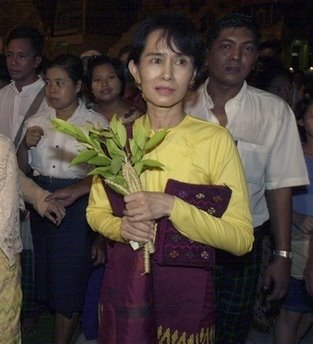


 Posts
Posts


