by Salai Pi Pi
Monday, 18 May 2009 23:13
New Delhi (Mizzima) – In the wake of the charges leveled by the Burmese military junta against the country’s pro-democracy leader Aung San Suu Kyi and a trial in Insein prison, there has been mounting international outcry condemning the regime.
But surprisingly, Burma’s neighbours China, India and the Association of Southeast Asian Nations, are conspicuous by their silence.
Nobel Peace Laureate Aung San Suu Kyi was charged for breaching her detention law after an American, John William Yettaw, allegedly swam across Rangoon’s Innya Lake and entered her house.
Regime authorities on Friday formally announced her trial and on Monday held the first hearing.
The junta’s move, however, sparked outrage among the Burmese as well as the international community ranging from intellectuals, campaigners, activists, writers, artists, human rights group, and world leaders.
The United Nations, United States and European Union (EU) lambasted Burma’s ruling junta and demanded the immediate release of Aung San Suu Kyi and other political prisoners. Asian countries including Japan, the Philippines, Indonesia, Malaysia, and Singapore also joined the call.
Foreign Ministers of EU on Monday called for review of fresh sanctions against the junta and urged China and other regional countries to pressurize the Burmese regime to release the opposition leader.
But China, the junta’s closest ally, India and the ASEAN as a group, has so far remained silent over the events unfolding in Burma.
Debbie Stothard, coordinator of Alternative ASEAN network on Burma (Altsean Burma), a group working to promote human rights and democracy in Burma, on Monday said the ASEAN, of which Burma is a member, has the responsibility to pressurize the Burmese regime over its actions as part of enforcing the group’s charter that was ratified last year.
“I am very shocked to see how quite ASEAN’s General Secretary has been, especially since they are supposed to be the main body promoting implementation of the ASEAN charter,” Stothard said.
“We don’t know where he [the Secretary General] is? We don’t hear his voice in this matter,” she added.
Debbie said ASEAN’s silence over the injustice done to Aung San Suu Kyi would encourage the Burmese regime to be more aggressive against her and commit more human rights violations in the country, which will become a threat to regional countries.
“The quieter the ASEAN remains the worse things the SPDC will commit, not just to Aung San Suu Kyi but also to the regional countries,” she said, referring to the junta by its official name – the State Peace and Development Council.
“All these are creating problems for ASEAN,” she added.
Following China is its main rival, India.
India the world’s largest democracy, which is currently busy in the aftermath of the Parliamentary elections, has officially made no statements on Aung San Suu Kyi’s trial.
Tint Swe, Information minister of the Burmese government - National Coalition Government of Union of Burma (NCGUB) in exile - said avoiding criticism of Burma’s military regime is not unusual but has been a tradition for the two regional powers - India and China.
When it comes to human rights and democracy in Burma, both China and India choose to remain silent as they look forward to maintaining a good relationship with the junta, he said.
“It is strange that the two regional powers, India and China, are silent regarding Aung San Suu Kyi but it doesn’t make any difference to us since these two countries have vested interest in Burma,” Tint Swe told Mizzima.
“It has become a tradition for these two countries to keep quite as much as they can when it comes to Burma’s issues,” he added.
Tint Swe said, the recently concluded Parliamentary elections, might be a good excuse for India to remain silent.
“We also don’t expect too much criticism from India of Burma since India has a foreign policy that doesn’t care which government rules Burma. It will try to better relations with it for its own national interest,” Tint Swe added.
India, since 1994 introduced the ‘Look East Policy’ and chose to appease Burma’s military regime rather than condemn its human rights records as it cosies up and looks forward to a warm relationship with the country.
Aung Kyaw Zaw, a Sino-Burma border based observer said, China’s reluctance to criticize the Burmese regime for their injustice against Aung San Suu Kyi could be because of its policy of non-interference in other country’s domestic affairs.
“Simply, they [China] will say Aung San Suu Kyi’s case is Burma’s internal affair,” Aung Kyaw Zaw said.
China is one of the few countries that have maintained friendly relations with Burma’s military rulers. China along with Russia had vetoed a United Nations Security Council Resolution on Burma in January 2007.
Aung Kyaw Zaw said, China’s current interest is to immediately implement the construction of the gas pipeline that will connect Burma’s Arakan state and China’s Yunnan province.
The junta’s move against Aung San Suu Kyi is possibly a kind of amusement for China as it needs a stable regime in power so it can exploit and extract mineral resources from Burma, he added.
Tuesday, May 19, 2009
China, India and ASEAN silent over Suu Kyi’s trial


Another outrage in Myanmar
EDITORIAL
It was always a safe bet that the military junta that rules Myanmar was going to come up with some way to extend the house arrest of Ms. Aung San Suu Kyi, Nobel Peace Prize laureate and leader of the prodemocracy forces in her country. The absurd charges leveled against her last week is proof yet again that the government is truly shameless. Responding effectively to this latest outrage poses a challenge - not only for countries that have preferred to turn a blind eye to the junta?s transgressions, but also for regime critics like the United States whose policies have been equally ineffectual in promoting change in Myanmar.
Myanmar, once known as Burma, has been ruled by military juntas since 1962. Their misguided, ill-conceived and paranoid policies have turned one of Asia?s potentially richest countries into an economic nightmare. In 1990, the leadership thought it enjoyed enough legitimacy to hold national elections. It was shocked to discover that the people preferred a representative government. The opposition National League of Democracy (NLD), led by Ms. Suu Kyi, won a landslide victory, but the government refused to honor the results. Instead, it imprisoned thousands of democracy activists, Ms. Suu Kyi among them. While Ms. Suu Kyi has been spared the worst abuses by being subject to house arrest rather than the horrors of Insein Prison, she has nevertheless had her movements restricted for 13 of the last 19 years, and been held virtually incommunicado.
The democracy movement refuses to die in Myanmar, however. Ms. Suu Kyi remains a focal point for human rights advocates around the world, and the NLD continues to press for reform in Myanmar. Their refusal to give up should motivate their friends and allies to maintain their own vigil and to keep pressure on the junta. Plainly, the government - known as the State Peace and Development Council - is not oblivious to international censure. While refusing to honor the election results or to HOME The Japan Times Printer Friendly Articles Another outrage in Myanmar | The Japan Times Online http://search.japantimes.co.jp/print/ed20090518a1.html 1 of 3 5/19/2009 6:31 PM
release the democracy activists, the government has developed a "road map to democracy" that is intended to
provide a veneer of legitimacy for its continued rule. Among the markers on that road map are general elections scheduled to be held next year. It has been widely speculated that the junta was looking for a way to hold elections without risking a loss and thereby perpetuate its rule: Having ignored one ballot, that option seemed hard to repeat. Instead, the actions of a U.S. citizen have given the junta the pretext it needed. Mr. John William Yettaw reportedly swam across Inya Lake in Yangon, and spent two days in Ms. Suu Kyi?s lakeside compound earlier this month. Harboring the visitor gave the government the excuse it needed to charge her with violating the terms of her detention; her trial at a special court at Insein Prison begins on May 18. She could be sentenced to up to five years in prison for the offense. Two women who work for Ms. Suu Kyi were also charged. Little is known about Mr. Yettaw. He is said to be a war veteran who lives on disability pay. He is alleged to have visited Ms. Suu Kyi last year as well, but was told to leave. This time, he reportedly swam across the lake and, complaining of diabetes and exhaustion, insisted on staying. He too has been arrested and charged with violating Myanmar?s immigration laws. Ms. Suu Kyi?s house arrest was scheduled to expire May 27. Her supporters expected the order would be extended, even though Myanmar?s law limits house arrest to five consecutive years before the accused must be freed or face trial. Extension of the detention last year - for a sixth year - triggered an appeal by Ms. Suu Kyi, but the junta denied it. This move gives the junta the pretext it needs to extend her arrest and isolation. It also violates one of the three conditions the NLD demanded for its participation in next year?s ballot - the release of Ms. Suu Kyi. An NLD decision to boycott the election would be fine with the junta, as it would ensure a junta win with a minimum of vote chicanery. The rest of the world cannot acquiesce to this farce. All parties must condemn this transparent move to rig the election and silence Ms. Suu Kyi. But condemnation is not enough. There must be actions that send an unequivocal message to Myanmar?s government that business as usual cannot continue. Especially important are the efforts of the Association of Southeast Asian Nations, which has pleaded for engagement with Myanmar - with very little result - and Another outrage in Myanmar |
China, which has hesitated to take action on the pretext of respecting the internal affairs of a neighbor. Neither policy has worked and both undercut desires by ASEAN and China to play a larger regional role. At the same time, however, it must be noted that the hardline position that calls for isolating Myanmar has not worked either. Plainly, a strategy of carrots and sticks is only effective when it is coordinated and all nations work together. The junta must learn that its indifference to accepted norms of international behavior have negative consequences. But there must also be incentives for it to move closer to the international mainstream. That strategy has yet to be developed. The time to do so is now
. The Japan Times:
Monday, May 18, 2009
(C) All rights reserved
Go back to The Japan Times Online Close window Another outrage in Myanmar | The Japan Times Online http://search.japantimes.co.jp/print/ed20090518a1.html 3 of 3 5/19/2009 6:31 PM
Monday, May 18, 2009
Burma building 13 hydropower plants - Xinhua
http://uaelp.pennnet.com/news/display_news_story.cfm?Section=WireNews&Category=HOME&NewsID=178088
May 18, 2009 (BBC Monitoring via COMTEX) -- [Xinhua "Roundup" by Feng Yingqiu: "Myanmar Works To Meet Growing Demand of Electricity"]
Yangon [Rangoon], May 18 (Xinhua) - Myanmar [Burma] has been working to meet its domestic demand of electricity, building up a total of 13 hydropower plants covering the power grids of the whole nation since 1988 when the present government took office.
Installed generating capacity of these established power plants now accounts for only 3 per cent of that of the whole country, said the editorial of Monday's official newspaper New Light of Myanmar.
On completion of other 35 ongoing hydropower projects, the editorial predicts that Myanmar will be able to fulfil domestic electricity demand in the future.
The newly-inaugurated hydropower plant, Shweli-1, on last Saturday represented one of the country's latest achievement in the aspects and the production of the plant is seen as being able to satisfy the nation's power demand to an extent.
Claimed as the biggest power plant of its kind so far, the Shweli-1, located near at Mantat Village, 27.2 km southwest of Namkham, northern part of Shan state, possesses an installed generating capacity of 600 megawatts (mw) which can produce 4.022 billion kilowatt-hour (kwh) yearly.
Shweli-1 also stands one of the three large-scale hydropower projects being implemented along the Shweli River.
Originating in China's southwestern Yunnan Province, the Shweli River winds its way around Muse and Namkham and then flows into Myanmar's Ayeyawaddy River.
The completed project reflects not only friendship between Myanmar and China but also mutual cooperation between the two countries, the editorial appraised.
In the very near future, another power plant, Yeywa, which is bigger than Shweli-1, is expected to emerge.
Up to now, all the hydropower stations across the country can generate more than 1,400 mw of electricity and the 35 ongoing projects could in the future add 32,900 mw or 79 per cent to its installed capacity.
These projects lie along the rivers of Ayeyawaddy, Chindwin, Sittoung and Thanlwin which are blessed with lots of water resources. Along the Ayeyawaddy basin are Yeywa, Shweli, Zawgyi and Mone creek projects, the editorial disclosed.
Meanwhile, experts estimated that with the country's total available water resources, up to 43,400 mw of the capacity could be produced.
Although Myanmar does not have enough electricity at present, it will in not-too-distant future, be able to fulfil its domestic demand, the editorial anticipated. With change in people's living condition and with the growing number of industries, the consumption of electricity across Myanmar has significantly increased year after year, calling for more efforts in the sector for national development and people are urged on their part to help develop the national economy by improving their business.
Source: Xinhua news agency, Beijing, in English 0412 gmt 18 May 09
EU considers tighter sanctions against Burma
http://www.mg.co.za/article/2009-05-18-eu-considers-tighter-sanctions-against-burma
AMELIE BOTTOLLIER-DEPOIS | BRUSSELS, BELGIUM - May 18 2009 14:14
European Union nations on Monday mulled tighter sanctions against Burma's government, but many saw China and India as the best hopes of applying pressure on the junta to free opposition icon Aung San Suu Kyi.
Czech Foreign Minister Jan Kohout, whose country holds the rotating EU presidency, spoke in favour of boosting EU sanctions against the regime as the Nobel peace laureate went on trial facing a further five years in detention.
"We are ready to go forward," the Czech minister said as he arrived for a meeting in Brussels with his EU counterparts.
"It's not the moment to lower the sanctions, it's the moment to increase them," echoed EU foreign policy chief Javier Solana.
However, other EU foreign ministers and EU officials were looking more for pressure from Burma's giant neighbours.
"I don't think additional sanctions will help because you have seen they have not helped," said EU External Relations Commissioner Benita Ferrero-Waldner.
"We have to reinforce dialogue with Burma's neighbours ... I think that is the way forward it should always be a subject of discussion with China, India and others," she added.
Finnish Foreign Minister Alexander Stubb said that political sanctions took decades to have an effect in apartheid South Africa and that sort of time lag meant a lot of suffering for the population.
Swedish Foreign Minister Carl Bildt said the matter could be addressed at a meeting in Hanoi next week with foreign ministers from the Association of South East Asian Nations (Asean).
Fw: [burmainfo] ウィンティン氏「総選挙強行は解決にならぬ」(17日付朝日新聞「私の視点」)
━━━━━━━━━━━━━━━━━━━━━━━━━━━━━━
ビルマ市民フォーラム メールマガジン 2009/5/18
People's Forum on Burma
━━━━━━━━━━━━━━━━━━━━━━━━━━━━━━
ビルマ情報ネットワーク(BurmaInfo)からのメールを転送させていただき
ます。
(重複の際は何卒ご容赦ください。)
PFB事務局
http://www1.jca.apc.org/pfb/
━━━━━━━━━━━━━━━━━━━━━━━━━━━━━━
政治囚として19年間獄中で過ごし昨年釈放された、国民民主連盟(NLD)
中央執行委員でジャーナリストのウィンティン氏による投稿
「総選挙強行は解決にならぬ」が、17日付の朝日新聞
「私の視点」欄に掲載されました。
以下、ご紹介いたします。なお、本記事はアウンサンスーチー氏が起訴される前の投
稿です。
ビルマ情報ネットワーク (www.burmainfo.org)
秋元由紀
========================================
2009年5月17日 朝日新聞「私の視点」
ミャンマー
総選挙強行は解決にならぬ
ウィン・ティン/国民民主連盟(NLD)中央執行委員・ジャーナリスト
「選挙が即民主主義を意味するわけではない」「恣意的拘束や汚職といった問題
も選挙で解決を図れるかは分からない」(オバマ米大統領)
選挙は民主主義を意味しない。これは、私の祖国ビルマ(ミャンマー)では全くの
真実だ。
40年以上も国民が軍事政権の弾圧に苦しみ、今は来年に予定される総選挙という
大問題に直面している。実施されれば恒常的な軍事独裁体制が法定化されてしまう。
62年までは、国民が選挙で代表を選べた。一党支配下の74年から88年にも選
挙はあったが、ネ・ウィン将軍が選んだ候補者に対抗する者はいなかった。だが、2
6年間続いたネ・ウィン体制は88年の民主化蜂起で崩壊。デモには数百万人が参加
し、多党制民主主義を求めた。
今の軍政はデモを武力で封じ込めた後、多党制の総選挙による文民への政権移譲を
約束したが、90年にアウン・サン・スー・チー氏が率いる国民民主連盟(NLD)
が8割以上の議席を得たのに結果を認めず、当選議員や党幹部らを逮捕した。
軍政は各政党に憲法制定会議(国民会議)への参加も強要。自由な議論を制限し、
軍が国政に主導的役割を持つとの新憲法の原則への賛成を求めた。NLDは会議をボ
イコットし、問題解決のため軍政に対話に応じるよう求めた。
だが、国民会議は07年に終了し、軍政任命の委員会が憲法草案を作成。08年5
月、軍政はサイクロン襲来直後の混乱の中で国民投票を強行し、憲法を承認させた。
そして10年に「自由で公正」な総選挙をするという。
AFP通信によれば、中曽根外相と国連のガンバリ事務総長特別顧問は「総選挙が
国際社会に祝福されるものとなるようミャンマー政府に働きかけていくことで一致」
した。実施を望み、NLDや民族政党にも参加してほしいようだ。
だが、スー・チー氏を含む2100人以上の政治囚を釈放し、政治プロセスに自由
に参加できるようにしなければならない。憲法も軍、NLD、民族代表の三者による
見直しが必要だ。選挙はこれらが満たされて初めて実施されるべきだ。
新憲法は軍が行政・司法・立法の三権を支配し、諸民族を多数派のビルマ民族に従
属させる内容で、基本的人権や民主主義を保障するものではない。総選挙を強行すれ
ば結果として軍政による不正義や残虐行為が続き、人々の抵抗は激化するだろう。
国際社会は総選挙を支持する前に、国民和解に向けた対話をするよう軍政に最大限
の圧力をかけてほしい。
◇
89年から19年間を政治囚として獄中で過ごした。(14日にスー・チー氏が軍政
に刑事訴追される前の寄稿)
###
Burma's jailing of Suu Kyi is a test for both Asean and Surin
http://nationmultimedia.com/2009/05/18/opinion/opinion_30102894.php
By Kavi Chongkittavorn
The Nation
Published on May 18, 2009
IN THE PAST FEW DAYS, world leaders after leaders, governments after governments, as well as Thailand, Indonesia and Singapore have expressed concern over the plight of opposition party leader, Aung San Suu Kyi. They have done that several times since the 1990's, in response to Burma's frequently used tactics. One question remains: What is the next course of action?
The Burmese junta understands well its latest scheme - adding charges against her for breaking house-arrest terms for allowing an American intruder to stay - would anger the international community and further harden their positions. That was exactly what Rangoon would like to see happening. The harder the position is outside the country, the better the regime is able to garner support from its rank and file. All members of Burma's military, the Tatmadaw, must stay united to ward off foreign threats.
Furthermore, the frustration helps highlight the prevailing hypocrisy deeply rooted in the overall approaches taken by various players on Burma. Despite strong and sustained condemnation by the international community, the UN Security Council's permanent members have not yet intervened in the Burmese situation. Thus far China and Russia have vetoed any move in that direction. The Rangoon regime continues quite effectively to hold the council hostage, playing off one power against the other.
For China more than for other council members, Burma matters the most. Its rich mineral and energy resources with unique strategic land-bridge to the Indian Ocean have placed the country on Beijing's premium list. Unlike its highly visible collaborative spirit in the North Korean nuclear crisis, Beijing has not yet shown any willingness to persuade Burma to become more resilient. One contributing factor is the absence of common threats in the case of Burma. The perceived nuclear threat brought by Pyongyang's military ambition is equally shared by all council members. That was not the case for Burma at this juncture. Any change of status quo there could bring political uncertainty and further undermine Beijing's preeminent position.
From September 2005 onward, former world leaders and Nobel laureates have repeatedly urged the council's members to intervene, arguing that the situation in Burma affects international peace and security. Somehow, it has not been recognised as such by UN members, even though similar arguments worked very well in the situations in Sierra Leone or Afghanistan or Sudan.
Asean has to take the blame for harbouring such an attitude. The grouping has suffered internal bleeding after Burma gained admission in 1997 without conditions. For the past 12 years, this pariah state has failed to contribute to the collective well-being and reputation of the Asean family. The absence of responsibility to protect its citizens and minorities has caused widespread regional problems, for instance in cross-border human trafficking and internal displacements. Rangoon's constant denials regarding the Rohingya asylum seekers are just one example.
Indifference by Asean of Burma's intransigence cannot continue forever because the Asean Charter came into force last December. Obviously, the principle of non-interference is still very much alive in framing member's behaviour and collective responses. But the charter does give room for the Asean leaders to act with discretion regarding sanctions against their own peers' non-compliance and collective irresponsibility. The question is being asked today: who will take the lead?
As the Asean chair in 2007, Singapore went extra miles to express "revulsion" against the regime's violent repression. Last week, Thailand, the current chair, called for an end of Suu Kyi's detention after the current term expires later this month. That was Bangkok's strongest position on Burma since the Thaksin government's pro-Rangoon policy set in early 2001. Both Prime Minister Abhisit Vejjajiva and Foreign Minister Kasit Piromya have expressed deep concern over Suu Kyi's situation. Thailand, as the grouping's frontline state, wanted and needed to do more. The Abhisit- government was supposed to take a fresh lead on Burma but political turmoil and the aborted Pattaya summit prematurely weakened such endeavour. In days ahead, Thailand would require extraordinary moral courage together with Abhisit's leadership to take up this challenge. Does he have what it takes to tackle Burma head-on as his predecessor, former prime minister Chuan Leekpai, did in 1997-2000? We will find out sooner than later.
Within hours after the Cyclone Nargis hit the Irrawaddy Delta last May, Asean Secretary-General Surin Pitsuwan initiated the leading role of Asean in relief and rescue missions there. He took extraordinary steps, using the grouping's and his influence and networks to assist Burma's recovery.
Now with an expanded mandate and responsibility under the Asean Charter and the Cha-am chairman's statement, will Surin be able to duplicate this effort to the current political crisis and garner Burma's cooperation? The international community has very high, perhaps unrealistic, expectations of Surin's authority and leadership to help free Suu Kyi. Can he push the envelope? Certainly, he can, but at his own peril unless he receives backing from the rest of Asean's leaders. One more time international and regional players have to face the same dilemma - which course of action to take on Burma. Last week, the Obama Administration renewed for another year the 1997 law banning US investments in Burma. Washington's review of policy on Burma would take several more weeks as appointments of key officials related to East Asia remain incomplete. The EU has continued with its current sanction regime and pledged to ease it in response to genuine progress inside Burma, such as the release of political prisoners, including Suu Kyi.
For over two decades, the Burmese people have risen to the occasion defending their democratic dream, however distant it might be today. The Saffron Revolution in September 2007 demonstrated their courage to continue fighting the dictators. In their hearts, they know the case against Suu Kyi is unjust.
The trial and subsequent decision could spark off fresh protests and disturbances once again in days ahead, especially in time of economic difficulties. High commodity and gasoline prices caused public outcries that eventually led to street demonstrations in 2007. Perhaps, as the international community ponders various options, the Burmese people could show the way.
Obama Extends Sanctions on Burma
http://www.irrawaddy.org/article.php?art_id=15654
--------------------------------------------------------------------------------
By LALIT K JHA Saturday, May 16, 2009
--------------------------------------------------------------------------------
US President Barack Obama extended economic and other sanctions on the Burmese military regime for one more year as the trial of pro-democracy leader Aung San Suu Kyi is set to begin on Monday.
Several US lawmakers had urged Obama to extend the sanctions this week, even as his administration was undertaking a policy on Burma.
The US president said that the authoritarian regime continued to be “engaging in large-scale repression of the democratic opposition.” The current sanctions, first imposed on Burma in 1997, were set to expire May 19.
In his message to Congress, Obama said the actions and policies of the junta are “hostile” to US interests and pose a continuing “unusual and extraordinary threat” to the national security and foreign policy of the United States.
The extension of sanctions against the junta was welcomed by leading activist groups.
The move bars new US investment in Burma and was first put into place by President Clinton in 1997. In 2003 and 2007, the US Congress increased the sanctions by adding and then strengthening a ban on exports from Burma to the US. While there is no ban on tourism or exports to Burma, the sanctions are believed to have denied the military regime tens of billions of dollars per year.
“Now that President Obama has continued a wise policy from the United States, it is time for him to seize the moment and take action internationally,” said Jeremy Woodrum, director of the US Campaign for Burma.
“We hope he will immediately pursue a global arms embargo at the UN Security Council, as well as an investigation into crimes against humanity and war crimes committed by Burma's military regime,” he said.
Copyright © 2008 Irrawaddy Publishing Group | www.irrawaddy.org
Two US Senators Call for ‘Reform-minded’ Junta Leaders
http://www.irrawaddy.org/article.php?art_id=15655
--------------------------------------------------------------------------------
By LALIT K JHA Saturday, May 16, 2009
--------------------------------------------------------------------------------
WASHINGTON—Two powerful US lawmakers, one from the ruling Democratic party and one from the opposition Republicans, have urged Burmese generals to challenge the current authoritarian rule of Snr-Gen Than Shwe in Burma.
In a statement issued by Sen John Kerry and his Republican counterpart Sen Richard Lugar, both leaders of the powerful foreign affairs committee, they called for “reform-minded” leaders in the military junta to step forward.
Kerry is chairman of the committee, and Lugar is its ranking member. The Senate Foreign Relations Committee plays a key role in shaping US foreign policy.
“Now is the time for reform-minded leaders within the military junta to step forward and be heard,” said the statement. “Releasing Aung San Suu Kyi and other political prisoners would signal the start of a constructive dialogue with the United States.”
Sources in Naypyidaw said that the junta’s top leaders noticed the lawmakers’ appeal, but one informed source said that any reformed-minded military leaders would need greater assurance and the full backing from the international community and the US to part ways with Than Shwe and other hardliners.
Observing that the Obama administration and Congress are reviewing America’s policy toward Burma, the two Senators said: “At this critical time, some in the junta are trying to leverage the recent alleged unauthorized entry into Aung San Suu Kyi’s compound to extend her detention.”
This action, they said: “sends precisely the wrong message to the citizens of Burma, the people of Southeast Asia, and all those in the global community who seek for the Burmese people the opportunity to live in a country where universal human rights are respected, not trampled.”
Both Kerry and Lugar are close confidants of Obama in matters of US foreign policy. Despite being a Republican, Lugar at one point was considered for the post of secretary of state in the Obama administration, the post that ultimately went to Hillary Clinton.
Obama’s rise to national fame started when Kerry, then the Democratic presidential nominee, gave him the opportunity in 2004 to address the Democratic National Convention; the speech made Obama a household name in the US overnight.
Meanwhile, US lawmakers continued to issue statements deploring the junta’s decision to charge Aung San Suu Kyi and hold her in Insein Prison in Rangoon.
“Her transfer from house arrest to prison to face criminal charges is a serious matter that deserves the strongest condemnation from the world's democracies—and from regional neighbors, including Thailand and China," said Sen Judd Gregg.
"The only thing criminal about Burmese democracy leader Aung San Suu Kyi has been the abusive injustices she and her supporters have suffered under the State Peace and Development Council,” he said.
Rep Dana Rohrabacher said, “It has long since passed when the military dictators of Burma should have stepped aside and allowed a more honest and efficient government democratically chosen by the people of Burma.”
“Nothing undermines the legitimacy of the upcoming elections more than this type of maneuver against Aung San Suu Kyi by the military junta," said the lawmaker.
Copyright © 2008 Irrawaddy Publishing Group | www.irrawaddy.org
スーチー氏起訴・拘束への抗議アクションへの参加のお願い(5月18日(月)14時~@ビルマ大使館前)
みなさま、
アウンサンスーチーさん起訴、拘束の件につき、
在日ビルマ人のみなさんが抗議アクションを行いますので
ご案内いたします。
月曜のお昼ですが、世界各地の民主化を求める人びとも
同日、抗議行動を予定しています。
日本でもぜひ多くの方にご参加いただきたく存じます。
どうぞよろしくお願いいたします。
ビルマ市民フォーラム
事務局長
弁護士 渡辺 彰悟
http://www1.jca.apc.org/pfb/
【転送・転載歓迎】
━━━━━━━━━━━━━━━━━━━━━━━━━━━
今すぐアウンサンスーチーさんの釈放を! 5/18、 14時~
-------------------------------------------------
スーチー氏起訴への抗議アクションへの参加のお願い
━━━━━━━━━━━━━━━━━━━━━━━━━━━
5月14日、ビルマ軍政が民主化指導者アウンサンスーチーさんを
インセイン刑務所に連行し、米国人男性が湖を泳ぎ渡りスーチーさん
の自宅を訪問した件が自宅軟禁の規則に反しているとして、同氏を
国家防御法違反の罪で起訴しました。
政治囚支援協会(AAPP)によると、現在、スーチーさんは
ビルマで最も悪名高いインセイン刑務所に収容されており、
来週18日(月)に再び出廷を命じられています。
軍事政権によるこの不当な起訴に対し、審理が開かれる18日(月)、
世界各国で抗議デモなどアクションが予定されています。
(東京のほか、南アフリカ、フランス、ノルウェー、スペイン、マレーシア、タイ、
フィリピン、インドネシア、香港 など)
日本でも、在日ビルマ大使館前で抗議行動を行います。
平日の昼間ではありますが、ぜひ多くの方にご参加いただきたく、
お知らせいたします。
みなさまのご支援、どうぞよろしくお願いいたします。
●日 時:2009年5月18日(月) 14時 ~16時
●場 所:在日ビルマ大使館前
アクセス:東京都品川区北品川4-8-26
JR「品川」駅 高輪口から徒歩15分、京急「北品川」駅から徒歩3分
地図:
http://maps.google.co.jp/maps?f=q&hl=ja&geocode=&time=&date=&ttype=&q=%E5%93%81%E5%B7%9D%E5%8C%BA%E5%8C%97%E5%93%81%E5%B7%9D4%E4%B8%81%E7%9B%AE8%E2%80%9026&ie=UTF8&ll=35.620727,139.735987&spn=0.007465,0.011888&t=h&z=16&iwloc=addr&om=1&pw=2
●主 催:在日ビルマ人民主化活動家のみなさん
●連絡先:ビルマ日本事務所
電話:03-5296-3010
【私たち日本のNGOも参加します】
ビルマ市民フォーラム http://www1.jca.apc.org/pfb/
ビルマ情報ネットワーク http://www.burmainfo.org/index.html
ヒューマンライツ・ナウ http://www.ngo-hrn.org/
(2009年5月16日18時現在)
━━━━━━━━━━━━━━━━━━━━━━━━━━━
【参 考】
━━━━━━━━━━━━━━━━━━━━━━━━━━━
▼政治囚支援協会(AAPP)インフォメーション・リリース(2009年5月14日)
アウンサンスーチー氏、インセイン刑務所に収容される
(ビルマ情報ネットワーク)
http://www.burmainfo.org/assk/20090514aappb.html
▼スーチー氏の拘束に関する各国政府の声明・コメント等
IRRAWADDY
Statements & Quotes on Suu Kyi's Detention
http://irrawaddy.org/suukyi.php?art_id=15641
▼アムネスティ・インターナショナル日本 声明 (2009年5月15日)
『ビルマ(ミャンマー) : アウンサンスーチー氏の即時・無条件の
釈放のために、日本政府は断固たる対応を』
http://www.amnesty.or.jp/modules/news/article.php?storyid=654
▼アムネスティ発表国際ニュース(2009年5月14日)
『ビルマ(ミャンマー) : 国連安保理はアウンサンスーチーの即時釈放を求めよ』
http://www.amnesty.or.jp/modules/news/article.php?storyid=651
▼ヒューマン・ライツ・ウォッチ(2009年5月14日)
『ビルマ:アウンサンスーチー氏を解放せよ
ASEAN、中国、インドはビルマ軍政に圧力を』
http://www.hrw.org/ja/news/2009/05/14-0
━━━━━━━━━━━━━━━━━━━━━━━━━━━
【さぁ、あなたも一緒に! Take Action Now!】
━━━━━━━━━━━━━━━━━━━━━━━━━━━
現在、アウンサンスーチー氏をはじめ全ての政治囚の釈放を求め、
世界32カ国でグローバル署名キャンペーンが行われています。
http://www.amnesty.or.jp/modules/wfsection/article.php?articleid=2349
署名のほか、賛同・参加団体を受けておりますので、ぜひご協力
いただければ幸いです。 どうぞよろしくお願いいたします。
━━━━━━━━━━━━━━━━━━━━━━━━━━━
Sunday, May 17, 2009
New Thai Policies Not Junta-Friendly
BURMA:: New Thai Policies Not Junta-Friendly
By Marwaan Macan-Markar
BANGKOK, Dec 30 (IPS) - If Burma's military regime is showing signs of worry about the change of guard that has taken place in neighbouring Thailand, there are good reasons.
Thailand's new coalition government in Thailand, headed by the Democrat Party, plans to unveil a Burma policy that is expected to be a break from what has largely prevailed since 2001 -- where Bangkok pampered the junta with diplomatic niceties and offered a protective shield against international criticism.
Kasit Piromya, the new foreign minister, spelled out what the Burmese junta could soon expect during a conference for academics and diplomats held at a university here on the eve of his appointment. ''We are a democratic society, an open society, and our foreign policy should reflect this,'' said Kasit, a veteran diplomat who has served in major capitals, including Washington D.C. and Tokyo.
''No personal business deals will shape our foreign policy. Our government will not mix business and politics,'' he added. ''When there are no business deals with the military junta, we can talk. We will not be blackmailed by economic interests.''
Kasit also asserted that Thailand will observe human rights and environmental concerns. ''We shall treat the Burmese as we do Thais. We will not do anything to jeopardise the Burmese community.''
Such language is rooted in the diplomatic policies of previous governments headed by the Democrat Party, the last of which was from 1997 till 2000. When the Democrats were last in power, their foreign policy was firm and had a clear direction aimed to be in accordance with international norms, says Kavi Chongkittavorn, a senior editor and columnist on regional affairs at 'The Nation,' an English-language daily.
The last Democrat-led coalition maintained Thailand's support for democracy in Burma, Kavi told IPS. It was also during that period that Thailand became one of the few countries that placed human rights as a pillar of its foreign policy.
In fact that government, headed by former prime minister Chuan Leekpai, did not conceal its reservations towards the Burmese junta known for its oppressive rule and human rights violations.
On one occasion, the Chuan administration refused to fall in line behind Burma's military leaders following a 1999 attack by Burmese dissidents on the country's embassy in Bangkok. The Thai government described the dissidents as students fighting for democracy, much to the rage of the Burmese generals who had condemned them as terrorists.
Another piece of symbolism was the refusal by Chuan to visit Burma during his term in office. Such coldness towards an immediate neighbour contrasted with the customary visits he made to other members of the regional, 10-member Association of South-east Asian Nations (ASEAN).
In fact, the Chuan administration took the lead in pursuing a Burma policy aimed at influencing democratic change, which, at the time, appeared more assertive than the ASEAN approach. This policy, unveiled in mid-1999, was dubbed flexible engagement.
On the other hand, ASEAN, whose members include Brunei, Cambodia, Indonesia, Laos, Malaysia, the Philippines, Singapore and Vietnam, in addition to Thailand and Burma, was more content with a policy of constructive engagement. This regional policy served to cushion Burma from international criticism and was defended in South-east Asian capitals as a more prudent way of prodding the Burmese military towards democratic reform.
But a new foreign policy chapter between Thailand and Burma, or Myanmar as the junta renamed the country, emerged in 2001. It came with the electoral triumph that year of the Thai Rak Thai (Thais Love Thai TRT) party, led by the billionaire telecommunications tycoon Thaksin Shinawatra.
Within months Thaksin, the new premier, revealed his affinity for business opportunities in Burma at the expense of pushing for democratic reforms and strengthening human rights. Bangkok's warmer ties towards its neighbour were described as forward engagement.
This shift paved the way for high-level visits between the leaders of the two countries, new business ventures in Burma with investments coming from Thailand and a more assertive defence of Burma's international critics by Bangkok. Burma, in fact, was described as Thailand's best friend by a ranking member of the Thaksin government early in this relationship.
Such ties did not fray during the over five years of the TRT administration, when, on many occasions, human rights violations by the Burmese regime were condemned by the rest of ASEAN. In 2003, the Thaksin administration was the only government in South-east Asia that came to the junta's rescue following its brutal assault and subsequent detention of pro-democracy leader Aung San Suu Kyi.
A similar defence of the junta was mounted in early 2008 by Samak Sundaravej, the prime minister who headed a coalition government led by the People Power Party, a successor to the TRT, which was dissolved due to election malpractice in 2007. When interviewed on a Thai television channel about the brutality in Burma, Samak shot back: ''Killings and suppression are normal there''.
The end of such a policy of appeasement is going down well with Burma's pro-democracy activists living in exile in Thailand. ''It would mean a lot if Thailand helps with the democratisation process in Burma after so many years,'' says Soe Aung, spokesman for the Forum for Democracy in Burma, a network of Burmese political activists living inside the military-ruled country and beyond.
''We welcome the principled stand of the new Thai government towards Burma,'' he added in an interview. ''The junta must be having nightmares after learning that the Democrat Party is now in power.'' (END/2008)
---
Saturday, May 16, 2009
Open Letter to the President of the United States of America for Free Aung San Suu Kyi
ေဒၚေအာင္ဆန္းစုႀကည္အားခုံုံးတင္စစ္ေဆးျခင္းနွင့္ စပ္လွ်င္း၍ ျပည္တြင္းျပည္ပ အဖဲြ ့အစည္းမ်ား စုေပါင္းေႀကျငာခ်က္(၃/၂၀၀၉)
Friday, May 15, 2009
Suu Kyi faces jail over uninvited guest
http://www.asianewsnet.net/news.php?id=5723&sec=1
News Desk
The Straits Times
Publication Date: 15-05-2009
Myanmar pro-democracy leader Aung San Suu Kyi was charged on Thursday with violating the terms of her house arrest in a bizarre case involving an American man who swam across a lake to sneak into her home, her lawyers said.
Suu Kyi, whose latest detention period officially ends on May 27, could face a prison term of up to five years if convicted, said lawyer Hla Myo Myint.
The trial is scheduled to start on Monday at a special court at Yangon's notorious Insein Prison, where she was charged yesterday.
Activists denounced her trial as a ploy by the country's junta to keep the 63-year-old Nobel Peace laureate sidelined ahead of an election next year.
It would be the first nationwide election since the ruling military junta swept aside the results of the 1990 election that would have brought Suu Kyi's National League for Democracy (NLD) to power.
An NLD spokesman said the opposition leader had been charged under Myanmar's Law Safeguarding the State from the Dangers of Subversive Elements, which carries a three year to five year jail term if a detainee 'violates the restrictions imposed on them'.
The American man, who has been identified as 53-year-old John William Yettaw of Missouri, was arrested last week for allegedly swimming across a lake to secretly enter Suu Kyi's home and staying there for two days.
He was charged at yesterday's hearing with illegally entering a restricted zone, which carries a maximum penalty of five years in prison, and breaking immigration laws, which is punishable by up to a year behind bars.
Kyi Win, another lawyer for Suu Kyi, said the opposition leader had not invited the man to visit her home, and that the incident was merely a breach of security in the lakeside area where the authorities normally keep a close watch on her.
"Everyone is very angry with this wretched American. He is the cause of all these problems," he told reporters.
The Myanmar authorities said they arrested Yettaw on May 6 after he swam back across the lake while returning from Suu Kyi's residence.
Yettaw was said to have swum up to the house with the help of floats made from large, empty plastic containers, then slipped past the security forces surrounding the compound.
It was apparently the second time Yettaw - described by the state media as a psychology student - had tried to meet Suu Kyi at her home.
Kyi Win said the American was told to leave after attempting to meet the opposition leader last year. This time, he refused.
"He said he was so tired and wanted to rest, but she pleaded with him. Then he slept overnight on the ground floor," the lawyer said.
Yettaw's motives are unclear. He told Suu Kyi that he was a Mormon, and he prayed extensively while he was in her house.
His stepson Paul Nedrow told the Associated Press news agency that Yettaw was "harmless and not politically motivated".
He said he was concerned over his stepfather's health as he was a diabetic, and the ailment 'could cause him to become disoriented'.
Armed police yesterday drove Suu Kyi and two women who live with her from their lakeside home to Insein Prison.
The two women, who have lived with her since she was last detained in 2003, were also charged with the same offence, lawyers said.
Suu Kyi's detention at Insein Prison will renew fears for her health after she was put on an intravenous drip last week for dehydration and low blood pressure.
The United States and human rights groups have demanded that she be allowed to see her main doctor, Dr Tin Myo Win.
However, he was also detained for questioning last week and charged yesterday with "encouraging a violation of the law".
U Nyan Win, another lawyer representing the NLD leader, said her trial could last anywhere from one week to two weeks, depending on how many witnesses are called.
UN urged to intervene Suu Kyi arrest
By The Nation
The United Nations Security Council, China, Japan and the Asean should take immediate action to intervene to release Burma' opposition leader Aung San Suu Kyi from brutal Insien prison, London-based human right dedicate group said Friday. Ads by Google
"25 Pounds in 2 Weeks"
Amazing African Weight-Loss Secret. As Seen on CNN & Dr. Oz.
www.AppliedNutritionalResearch.com
The military junta planned to try Suu Kyi after an American John Yettaw swam across Inya Lake to her resident in Rangoon where she was under detention for nearly six years.
The current term of her house arrest since May 2003 expires late this month and her lawyer planned to appeal for here release.
The opposition leader faced five years jail term, if convicted, on the charge of violating house arrest condition which barred her from meeting with outsiders.
Amnesty International (AI) is also highlighting the detention of Aung San Suu Kyi's two female companions, Khin Khin Win and her daughter, who were arrested at the same time.
All three are facing trial on May 18 in connection with an incident at the beginning of May when an American national allegedly swam across the lake in front of her house and stayed there for two days.
Suu Kyi begged Yattaw to leave her resident as learned the American might cause problem for her, according to her lawyer Kyi Win.
UN Leads Condemnation of Myanmar’s New Charges Against Suu Kyi
http://www.bloomberg.com/apps/news?pid=20601089&sid=a0J2VBNCdLE8
By Michael Heath and Ed Johnson
May 15 (Bloomberg) -- The United Nations led international condemnation of new charges brought by Myanmar’s military junta against pro-democracy leader Aung San Suu Kyi and demanded her immediate and unconditional release.
The Nobel Peace Prize winner will stand trial next week accused of breaching the conditions of her house arrest order after an American national allegedly swam across a lake last week to visit her. Two of her maids also face trial.
“I call on the government of Myanmar to release Aung San Suu Kyi and her aides unconditionally,” UN human rights envoy Tomas Ojea Quintana said in a statement yesterday. “Since her house is well guarded by security forces, the responsibility for preventing such intrusions” lies with them, he said.
Suu Kyi, 63, has spent 13 years in detention since her National League for Democracy party won 1990 elections in the country previously known as Burma, a result rejected by the military that has ruled since 1962. Secretary of State Hillary Clinton said Suu Kyi had been charged with a “baseless” crime.
“We oppose the regime’s efforts to use this incident as a pretext to place further restrictions on her, and therefore we call on the Burmese authorities to release her immediately and unconditionally,” Clinton said. She also called for the release of Suu Kyi’s doctor and more than 2,100 political prisoners.
Suu Kyi’s trial will begin May 18, nine days before her detention order is due to expire. She faces a maximum sentence of five years in prison if found guilty, Nyan Win, a spokesman for the NLD, said yesterday from the former capital, Yangon, after the hearing at Insein Prison.
The American national John Yettaw, was charged with breaching a security law, he said.
Security Breach
Yettaw was detained by police last week for entering Suu Kyi’s lakeside home and staying there for two days, according to state-run media. He arrived uninvited and Suu Kyi encouraged him to leave, Jared Genser, her U.S.-based legal counsel, said yesterday before the court hearing.
Myanmar authorities have described Yettaw as a 53-year-old former soldier from Detroit. The state-run New Light of Myanmar newspaper said he arrived in Yangon on a tourist visa on May 2 and swam to Suu Kyi’s compound the following night. He was arrested in the early hours of May 6 while swimming back across the lake.
Authorities confiscated his passport, a black haversack, torch, folding pliers, a camera, two $100 bills and some Myanmar currency, according to the newspaper. They are investigating his motives for entering Suu Kyi’s home, it said.
China, India
Human Rights Watch called on China and India, Myanmar’s closest allies, to pressure the ruling generals to free Suu Kyi. The New York-based group said the charges against her are part of an intensified campaign against pro-democracy activists that has brought increased arrests as the regime seeks to crush the opposition before elections.
The junta plans a ballot in 2010 after passing a constitution last year that it said was backed by 92 percent of voters. The NLD and other groups have denounced the charter, which bars Suu Kyi from holding office.
“China, India, Singapore, Thailand and other Southeast Asian countries should be calling for a genuine and participatory political process in Burma, which means serious public pressure for the release of political opponents,” said Elaine Pearson, deputy Asia director at Human Rights Watch.
“Suu Kyi’s latest arrest shows how their silence simply encourages more contempt for basic freedoms,” she said in a statement.
Clinton, China
Clinton told reporters in Washington yesterday the U.S. wants a statement from the Association of Southeast Asian Nations expressing concern about the treatment of Suu Kyi. Myanmar is a member of the 10-member regional bloc.
The Obama administration will also raise the matter with nations “like China, and see if we can’t, on a humanitarian basis, seek relief for Aung San Suu Kyi from this latest effort to intimidate and perhaps even incarcerate her,” Clinton said.
Suu Kyi has been detained since May 2003 under a law that allows someone deemed a threat to national security to be held without charge, according to Genser, president of the U.S.-based Freedom Now group. The junta says it can detain her under the law for six years, or until May 27, he added.
The opposition leader has suffered from dehydration, low blood pressure and a loss of appetite over the past few weeks, Nyan Win said. She underwent gynecological surgery in 2003, needed hospital treatment in 2006 and suffered low blood pressure and was unable to leave her bed in September.
To contact the reporters on this story: Michael Heath in Sydney at mheath1@bloomberg.net; Ed Johnson in Sydney at ejohnson28@bloomberg.net.
Last Updated: May 14, 2009 23:07 EDT
Remarks With Malaysian Foreign Minister Y.B. Datuk Anifah bin Haji Aman After Their Meeting by Secretary Clinton: May 2009

SECRETARY CLINTON: Good afternoon. I want to thank Foreign Minister Anifah for being here today. He has traveled a far distance from Malaysia to participate in meetings both here at the State Department and at the United States Senate. And President Obama and I look forward to working with the new Malaysian Government, and we see many opportunities for engagement between our two countries.
I am especially delighted because I think that the role that Malaysia is playing and can play, regionally and even globally, on a number of important issues is significant, and therefore we want to broaden and deepen our strategic cooperation.
Before providing a readout of our meeting, however, I wanted to speak to the case of Aung San Suu Kyi. I am deeply troubled by the Burmese Government’s decision to charge Aung San Suu Kyi for a baseless crime. It comes just before the six-year anniversary of her house arrest, and it is not in keeping with the rule of law, the ASEAN charter, or efforts to promote national reconciliation and progress in Burma.
We oppose the regime’s efforts to use this incident as a pretext to place further unjustified restrictions on her, and therefore we call on the Burmese authorities to release her immediately and unconditionally, along with her doctor and the more than 2,100 political prisoners currently being held.
I have a great admiration for Aung San Suu Kyi, for her sacrifices and her love of her country. There are certainly political differences that exist in any society. The minister and I understand that. But we all should be striving to enhance the rule of law. And the ASEAN charter, which the minister and I spoke about in our meeting, sets a very clear direction for all the countries in the region to be headed.
FOREIGN MINISTER ANIFAH:we are also very concerned as to what’s happening in Burma, in Myanmar, and we hope to use the ASEAN Forum to put forward and to – also to discuss further, and if it’s necessary, upon my arrival in Malaysia I will immediately contact the secretary general of ASEAN if it is possible to have a meeting immediately to address the issues which is also of concern to ASEAN members.
West condemns Aung San Suu Kyi charges, Asia silent
Friday, 15 May 2009, 9:09 am | 271 views
Thu, May 14, 2009
AFP
LONDON (AFP) - Western governments lined up to condemn “disturbing” new charges brought against Myanmar’s pro-democracy icon Aung San Suu Kyi on Thursday, but there was a deafening silence in Asia.
Gordon Brown, leader of the former colonial power Britain, said the junta which has kept her under house arrest for years wanted any excuse to extend her detention while the European Union said the move could not be justified.
The United States also said it was “troubled” by the development but there was no immediate response from the Association of Southeast Asian Nations (ASEAN), the regional bloc which includes the country formerly known as Burma.
“I am deeply disturbed that Aung San Suu Kyi may be charged with breaching the terms of her detention,” Brown said in a statement.
“The Burmese regime is clearly intent on finding any pretext, no matter how tenuous, to extend her unlawful detention,” he said.
“If the 2010 elections are to have any semblance of credibility, she and all political prisoners must be freed to participate.”
The 63-year-old, who was stopped by the junta from taking power after winning elections two decades ago, has been charged with breaching the terms of her house arrest after a US man swam across a lake and hid inside her home.
She will go on trial on Monday on the charges, which carry a maximum jail term of five years and would stretch her detention past its supposed expiry date this month and through elections due in 2010.
The Nobel Peace Prize laureate and her two maids appeared in court at the notorious Insein Prison near Yangon, hours after police whisked her away from the residence where she has been detained for most of the past two decades.
Piero Fassino, the European Union’s special envoy to Myanmar, said there was “no justification” for the decision to charge her.
Fassino told Italy’s Channel 5 television the international community should use “every possible means to press for the release of Aung San Suu Kyi” as well as “the 2,000 other political prisoners who are held in Burmese jails.”
French Foreign Minister Bernard Kouchner and human rights minister Rama Yade issued a joint statement condemning the arrest “in the strongest terms”.
“This decision is all the more unacceptable given the Nobel Peace laureate’s state of health which has deteriorated over the past several days,” they said.
In Norway, where Aung San Suu Kyi was awarded the Nobel prize in 1991, Foreign Minister Jonas Gahr Stoere said he was “disturbed” by the charges and demanded her immediate release.
And in the United States, the State Department said Secretary of State Hillary Clinton had asked for more information on the “troubling” developments.
“We have seen this report, which is certainly troubling if true,” spokesman Ian Kelly said.
The chorus of official condemnation in the West however was in sharp contrast to the reaction in Asia.
Calls and emails to the Jakarta secretariat of ASEAN were not immediately answered and there was no immediate official reaction from Myanmar’s eastern neighbour and ally China, nor any Asian governments.
ASEAN has long been wary of criticising Myanmar but the 10-nation club has found itself embarrassed by the regime, led by the reclusive General Than Shwe.
During an ASEAN summit in Thailand last month, Myanmar threatened to boycott a meeting with human rights advocates if a Myanmar activist was present. The activist was not allowed into the session.
At the summit, leaders urged Myanmar’s junta to move towards democracy but Aung San Suu Kyi’s name was never mentioned.
In Japan, dozens of pro-democracy campaigners rallied to demand her release.
“Free Suu Kyi!” chanted more than 60 expatriates from Myanmar in front of the country’s embassy in Tokyo, holding banners that read: “The military junta should stop oppression with its unfair trial!”
http://www.asiaone.com/print/News/Latest%2BNews/Asia/Story/A1Story20090514-141534.html
——-
From U.S. Campaign for Burma group:
This morning Nobel Peace Prize Recipient Aung San Suu Kyi was moved from her Rangoon home to Burma’s notorious Insein Prison, where she will face trial on Monday for supposedly violating the terms of her house arrest by hosting an unauthorized visitor after an American man swam uninvited to her compound and refused to leave.
Aung San Suu Kyi has been under house arrest continuously since 2003 and for a total of over 13 of the past 19 years. According to the State Protection Law, under which she has been held, she can be detained for a maximum of six years. This period was due to expire in less than two weeks, on May 27th, 2009. Now, the military junta is using trumped up charges stemming from the incident of the American swimmer to extend her detention. Suu Kyi was the victim, not the perpetrator, of this crime. For more information, please read USCB’s press release from earlier today.
The crime for which Aung San Suu Kyi is now being tried carries a minimum prison sentence of three years. This is a critical time for the military regime in Burma, which has faced great difficulty in gaining support for its plan to host elections based on a sham constitution in 2010. We must take action to ensure that the regime continues to feel pressure from the international community.
Take Action Now:
1.) Email UN Secretary General Ban Ki-moon and urge him to send his envoy to Burma and to take a stand for Aung San Suu Kyi’s security and freedom. Click here to send an email to the Secretary General.
2.) Plan a Demonstration
Burma groups around the world have called for demonstrations in support of Aung San Suu Kyi to be held at Burmese embassies on Monday, May 18th.
US Campaign for Burma has organized a demonstration in Washington, DC at 12:30pm on Monday, May 18th, in front of the Burmese military attache (2300 California St. NW, near Dupont Circle). For more information contact Mike Haack at mike@uscampaignforburma.org. If you are interested in organizing one in your home town, email Mike with the details and he will notify Burma supporters in your area.
3.) “Arrest Yourself” for Aung San Suu Kyi and Host a House Arrest Party to Educate Your Friends
Participate in Arrest Yourself 2009 and show your solidarity with Aung San Suu Kyi: uscampaignforburma.org/arrestyourself2009.
Learn More:
The world is giving more and more attention to Aung San Suu Kyi’s cause. You can learn more about the regime’s detention of Aung San Suu Kyi on the news section of our website, or by reading these articles from CNN International, BBC, Al Jazeera, Agence France Presse, and Straight Times.
Thank you for taking action for Aung San Suu Kyi and Burma,
Jeremy Woodrum
Director
U.S. Campaign for Burma
Protests In Japan As Myanmar's Aung Can Suu Kyi Charged
http://www.nasdaq.com/aspx/stock-market-news-story.aspx?storyid=200905140705dowjonesdjonline000347&title=protests-in-japan-as-myanmars-aung-can-suu-kyi-charged
TOKYO (AFP)--Dozens of Myanmar protesters rallied Thursday in Japan after the Southeast Asian country's military junta charged pro-democracy icon Aung San Suu Kyi with breaching the terms of her house arrest.
"Free Suu Kyi!" chanted more than 60 expatriates from Myanmar in front of the country's embassy in Tokyo, holding banners that read: "The military junta should stop oppression with its unfair trial!"
Myanmar's regime Thursday charged pro-democracy icon Suu Kyi with breaching the terms of her house arrest and moved her to a house at a prison after a U.S. man swam across a lake and hid inside her home, her lawyer said.
Expatriates are also lobbying Japanese lawmakers to issue a statement calling for the release of all political prisoners in the former Burma, said Min Nyo, who heads an activist exile group.
"We are also seeking truly democratic elections at home, joined by all political parties, after reconciliation among all the people," he said.
Japan, the top donor to Myanmar among the OECD's major economies, in 2003 suspended most assistance other than emergency aid and some training funds to Myanmar.
It further cut its aid after the regime cracked down on pro-democracy demonstrations in 2007.
But Japan refuses to join its Western allies in slapping punishing sanctions on Myanmar. China, which often spars with Japan for influence, is Myanmar's main political and commercial partner.
(END) Dow Jones Newswires
05-14-090705ET
Copyright (c) 2009 Dow Jones & Company, Inc.
【PFB緊急声明】アウンサンスーチー氏の訴追に抗議し早期釈放を求める
みなさま、
ビルマ情勢をうけ、本日、ビルマ市民フォーラムは以下の
緊急声明を発表いたします。
ビルマ市民フォーラム
代 表 永井 浩 (神田外語大学教授)
事務局長 渡辺 彰悟 (弁護士)
http://www1.jca.apc.org/pfb/
━━━━━━━━━━━━━━━━━━━━━━━━━━━━━━
緊 急 声 明 (2009.5.15)
-アウンサンスーチー氏の訴追に抗議し早期釈放を求める-
━━━━━━━━━━━━━━━━━━━━━━━━━━━━━━
本日,ビルマ軍事政権はアウンサンスーチー氏をインセイン刑務所に
連行し,同氏を国家防御法違反の罪で起訴したとの情報が流れている。
ビルマ市民フォーラムはかかる事態を深く憂慮し,ビルマ軍事政権の
蛮行に対して強く抗議する。
アウンサンスーチー氏は,1989年以後約20年間のうち13年以上もの
間自宅軟禁下に置かれてきた。現在は3度目の自宅軟禁であり,2003年
5月以降今日まで続いていた。この拘束期限は今月末のはずであったし,
国際社会は同氏の解放を心待ちにしていた。
このような状況下で,今月7日には同氏の脱水症状,血圧の低下,
食事をうけつけない等の体調不良が伝えられ,これに対して軍政が適切な
医療の提供を認めない等,同氏の健康や生命を危うくすることを厭わない
軍政の姿勢が露骨となっていた。
そして,今般,軍政は先日の米国人男性が湖を泳ぎ渡り自宅を訪問した件に
絡めて,これを理由として国家防御法を適用して,アウンサンスーチー氏を
インセイン刑務所に連行し,刑務所内の特別法廷において起訴したという
のである。
軍政の狙いはあまりにも明白である。今月末に解放しなければならない
アウンサンスーチー氏をどんなことがあっても自由にしない,アウンサン
スーチー氏のビルマ国内における存在意義を否定するというものである。
ビルマ軍事政権が,今の権益維持のためならどのようなことでも平然と
やってのけるということは,これまでの歴史が示しているところであるが,
今回の事態はその極め付けでもあり,ビルマの民主化を願うビルマ国民,
そして国際社会に対する重大な挑戦でもある。愚挙・蛮行としか形容の
しようがないものである。
私たちビルマ市民フォーラムは,ビルマ軍政にかかる暴挙をやめ,直ちに
アウンサンスーチー氏を解放することを求める。
日本政府は,今回の事態についてビルマ軍事政権に対し,断固たる強い
抗議をなすべきである。ビルマ軍事政権がかかる姿勢を継続する以上,
ビルマの民主化への道が閉ざされていることは明白であり,この間の憲法
国民投票や,来年に予定されている選挙そのものが,ビルマ軍政の用意した
茶番であることも,今回の事態は非常に明白な形で露呈させていることを
日本政府は認識すべきである。
以上
2009年5月15日
ビルマ市民フォーラム
代 表 永井 浩
事務局長 渡辺 彰悟
---------------------------------------------------
(追記)
ビルマ市民フォーラムは1996年12月に結成された市民団体で,
ビルマ(ミャンマー)における人権の確立と民主化の推進を目標に,
国内在住のビルマ人(難民および難民申請者を数多く含む),
ならびにこの問題に関心を有する多くの日本人と共に,さまざまな
活動を続けています。
━━━━━━━━━━━━━━━━━━━━━━━━━━━━
以上、
━━━━━━━━━━━━━━━━━━━━━━━━━━━━
◇ ビルマ市民フォーラム事務局 ◇
━━━━━━━━━━━━━━━━━━━━━━━━━━━━
〒160-0004 東京都新宿区四谷一丁目18番地6 四谷1丁目ウエストビル4階
いずみ橋法律事務所内
電話03-5312-4817(直)/ FAX:03―5312-4543
E-mail: pfb@izumibashi-law.net
ホームページ: http://www1.jca.apc.org/pfb/
အမ်ဳိးသား ဒီမုိကေရစီ အဖဲြ႔ခ်ဳပ္ေၾကညာခ်က္။ ၈/၀၅/၀၉
အမ်ဳိးသား ဒီမုိကေရစီ အဖဲြ႔ခ်ဳပ္
ေၾကညာခ်က္။ ၈/၀၅/၀၉
ရက္စြဲ - ၁၄၊ ေမ၊ ၂ဝဝ၉ ခုႏွစ္။
အမ်ဳိးသား ဒီမိုကေရစီ အဖြဲ႔ခ်ဳပ္ေခါင္းေဆာင္ အေထြေထြ အတြင္းေရးမႉး
ေဒၚေအာင္ဆန္းစုၾကည္သည္ ႏိုဘယ္လ္ ၿငိမ္းခ်မ္းေရးဆုရွင္ တဦးျဖစ္ပါသည္။
ထို႔အျပင္ အမ်ဳိးသား ျပန္လည္ သင့္ျမတ္ေရးအတြက္ မူလကနဦး
စတင္ၾကိဳးပမ္းခဲ့သူျဖစ္ၿပီး၊ ေတြ႔ဆံုေဆြးေႏြး ညိႇႏိႈင္းအေျဖရွာေရးကို
အစဥ္တစိုက္ ၾကိဳးပမ္းေနသူ ျဖစ္ပါသည္။ ႏိုင္ငံေရးအရ အေပးအယူျပဳလုပ္သည့္
ျပဳျပင္ေျပာင္းလဲႏိုင္စြမ္းရွိသူ ျဖစ္ပါသည္။
ကုလသမဂၢ အပါအဝင္ ႏိုင္ငံတကာ အဖြဲ႔အစည္းမ်ားက ျမန္မာႏိုင္ငံ
အသြင္ကူးေျပာင္းေရး လုပ္ငန္းစဥ္မ်ားတြင္ သက္ဆိုင္သူမ်ားအားလံုး
ပူးေပါင္းပါဝင္ လုပ္ေဆာင္ၾကရန္ ေတြ႔ဆံုေဆြးေႏြးေရးမွတဆင့္ အမ်ဳိးသား
ျပန္လည္သင့္ျမတ္ေရးကို တည္ေဆာက္ရန္အတြက္ တိုက္တြန္းႏႈိးေဆာ္လ်က္
ရွိပါသည္။
သို႔ပါလ်က္ အာဏာပိုင္တို႔က ေနအိမ္အတြင္း ထိန္းသိမ္းထားျခင္းမွ အၿပီးအျပတ္
လြတ္ရက္ေစ့ခါနီးေနေသာ ေဒၚေအာင္ဆန္းစုၾကည္အား မည္သည့္ျပစ္မႈကိုမွွ်
က်ဴးလြန္ရျခင္း မရွိပါဘဲ ႏိုင္ငံေတာ္အား ေႏွာင့္ယွက္ဖ်က္ဆီးလိုသူမ်ား
ေဘးအႏၲရာယ္မွ ကာကြယ္ေစာင့္ေရွာက္သည့္ ဥပေဒပုဒ္မ ၂၂ အရ ေနာက္ဆံုး
အင္းစိန္ေထာင္အတြင္းရွိ လံုးခ်င္း အိမ္တအိမ္၌ ထားရွိသည္ဟု ၾကားသိရပါသည္။
ယင္းအမႈကို ၂ဝဝ၉ ခုႏွစ္၊ ေမလ ၁၈ ရက္ေန႔တြင္ စတင္စစ္ေဆးမည္ ျဖစ္ပါသည္။
ထို႔ကဲ့သို႔ တရားစြဲဆိုျခင္းမွာ မလုပ္သင့္၊ မလုပ္ထိုက္ေသာေၾကာင့္
အမ်ဳိးသား ဒီမိုကေရစီအဖြဲ႔ခ်ဳပ္က ျပင္းထန္စြာ ကန္႔ကြက္ေၾကာင္း
ေၾကညာလိုက္သည္။
၁၄ ရက္၊ ေမလ ၂ဝဝ၉ ခုႏွစ္တြင္ က်င္းပေသာ ဗဟိုအလုပ္အမႈေဆာင္အဖြဲ႔ အစည္းအေဝး
ဆံုးျဖတ္ခ်က္အရ -
(ဗဟိုအလုပ္အမႈေဆာင္)
အမ်ဳိးသား ဒီမိုကေရစီ အဖြဲ႔ခ်ဳပ္
I went to prison for telling a lie. In Burma, people are in prison for telling the truth-Jonathan Aitken
http://www.telegrap h.co.uk/comment/ personal- view/5324040/ I-went-to- prison-for- telling-a- lie.-In-Burma- people-are- in-prison- for-telling- the-truth. html
Burma’s plight has been neglected for too long. The time has come to say enough is enough, says Jonathan Aitken.
Jonathan Aitken
Last Updated: 1:58PM BST 14 May 2009
Burma’s democracy leader Aung San Suu Kyi has suffered a further travesty of justice, on top of the 13 years of house arrest she has already endured. Later this month her current period of detention expires, but now she has been moved to the notorious Insein Prison to stand trial on new charges. Even before today, her detention - according to the United Nations - violates both international and Burmese law, and she remains the world’s only jailed Nobel Laureate. The brutal junta ruling Burma even denied her medical treatment, and arrested her personal doctor. She has committed no crime – indeed, it is the regime that is criminal.
But Aung San Suu Kyi is simply the most visible of Burma’s prisoners of conscience. At least 2,100 dissidents remain in jail, in conditions far more brutal than her house arrest. A recent report, Burma’s Prisons and Labour Camps: Silent Killing Fields, released by the Assistance Association for Political Prisoners (Burma), details systematic and horrific torture, denial of medical treatment and refusal of visits from family. Food is inedible and exercise severely restricted. At least 127 are in poor health, and 19 urgently need medical care. Since 1988, at least 139 political prisoners have died in jail.
Some of the most recent inmates have been given sentences of staggering absurdity, for simply expressing an opinion, and jailed in remote locations hundreds of miles from relatives. Elected Shan Member of Parliament Khun Tun Oo was jailed for 93 years in 2005. Leading activist Min Ko Naing, jailed for 65 years last year, is losing his eyesight. Ko Ko Gyi, serving the same sentence, has liver problems. Comedian Zarganar, serving 35 years for organising relief for the victims of Cyclone Nargis, also has liver and heart disease. A further 20 civilians who volunteered to help in the post-Cyclone disaster situation have been jailed for their efforts.
And it is not only those in jail who are prisoners. Burma’s ruling military junta has held the entire nation captive for almost fifty years. It ranks alongside North Korea, Sudan and Zimbabwe in the inhumanity stakes. The regime’s callousness was on full display a year ago, when after Cyclone Nargis, the worst natural disaster in years, it initially refused international aid and denied access to aid workers. Over 140,000 people died, with more than 2.5 million left homeless.
As if this catalogue of horrors was not enough, the regime is carrying out a campaign of ethnic cleansing against the Karen, Karenni and Shan peoples in eastern Burma. More than 3,300 villages have been destroyed and a million people driven from their homes into hiding, without food, medicine or shelter. Civilians, including women and children, are shot at point-blank range. Rape is used as a weapon of war, forced labour is widespread and the use of human minesweepers common. It has the highest number of forcibly conscripted child soldiers in the world. Burma has become Asia’s Darfur, but without the world’s cameras.
Even more forgotten still are the ethnic groups in northern and western Burma. The Muslim Rohingyas are denied citizenship despite living in Burma for generations. The Chin are a majority Christian population, and they are targeted for their faith. Christians are forced to tear down crosses and build Buddhist pagodas in their place. Forced conversion is common. The regime misuses religion as a political tool, and perverts Buddhism for its own purposes.
For too long, Burma’s plight has been neglected. The time has come to say enough is enough. It is time for the UN to invoke its much-flaunted Responsibility to Protect mechanism, to impose an arms embargo on the regime and establish a commission of inquiry to investigate crimes against humanity.
As an immediate step, the UN Secretary-General must hear the appeals of hundreds of thousands of people around the world who have signed a petition calling on him to make the release of political prisoners in Burma a top priority. The UN should send a senior envoy immediately to Burma, to secure the release of Aung San Suu Kyi and other political prisoners and access to medical care. As Aung San Suu Kyi has said, “until all of our political prisoners are free, none of us can say that Burma is now truly on the road towards democratic change.”
In 1997, I went to prison for very different reasons. I was convicted of perjury. I had committed a crime, and paid the price. Since then, I have devoted my time to two causes – prison reform and international human rights. I know that I went to prison for telling a lie. It is for that reason that I cannot stay silent when in Burma, over 2,000 people are in prison for telling the truth.
Jonathan Aitken is a former Cabinet minister, and Honorary President of the international human rights organisation Christian Solidarity Worldwide (CSW). CSW has recently launched a new online campaign, www.changeforburma. org
スーチーさん連行:ミャンマー大使館前で150人が抗議

http://mainichi.jp/select/wadai/news/20090515k0000m040067000c.html
スーチーさん連行:ミャンマー大使館前で150人が抗議
アウンサンスーチーさんの起訴に対して抗議する在日ミャンマー人たち=東京都品川区のミャンマー大使館前で2009年5月14日午後3時23分、山本晋撮影 ミャンマーの軍事政権が軟禁中の民主化運動指導者、アウンサンスーチーさん(63)を特別法廷のある刑務所に連行し、起訴した問題で、在日ミャンマー人ら約150人が14日、東京都品川区の同国大使館前で、早期釈放を求める抗議活動をした。
在日ミャンマー人らは同日昼、大使館前に集まり始め、スーチーさんの状況について説明を要求。応答がなかったため約1時間にわたり「民主化の指導者、スーチー氏を釈放しろ」とシュプレヒコールをあげた。15日も抗議を続けるという。
約20年前にスーチーさんのボディーガードをしていたという同区の会社員、フォンミントンさん(39)は「健康不安が伝えられるスーチーさんを訴追するのは暴挙。(今月末に期限が切れる)軟禁の期間を延ばすための口実作りだ」と語気を荒らげた。【前谷宏】
【関連記事】
ミャンマー:スーチーさんを訴追か 外国人の無許可宿泊で
ミャンマー:スーチーさん体調悪化
ミャンマー:スーチーさん宅に潜入か 米国籍の男逮捕
NEWS25時:ミャンマー スーチーさん体調悪化
ミャンマー:スーチーさん宅に侵入? 米国籍の男逮捕
毎日新聞 2009年5月14日 20時41分(最終更新 5月14日 22時43分)
Myanmar democracy leader facing trial after American's swim
(CNN) -- Myanmar opposition leader Aung San Suu Kyi will stand trial Monday for an incident in which an American allegedly swam across a lake and stayed for two days in her closely guarded residence, where she is under house arrest.
Officials in Myanmar say this self-portrait was found on John Yettaw's digital camera.
1 of 3 The southeast Asian country's military junta rarely allows visitors to see Suu Kyi, and foreigners are not allowed overnight stays in local households.
The government said the presence of the American, John William Yettaw, in the lakeside home violated the conditions of Suu Kyi's house arrest.
Yettaw, was charged Thursday on two criminal counts -- entering the country illegally and staying at a resident's home without government permission, according to a spokesman for Suu Kyi's political party.
Both charges carry a maximum sentence of five years in prison.
Suu Kyi on Thursday was taken to a prison compound near Yangon , where authorities set up a special room for her until the trial, said Nyan Win, spokesman for her National League for Democracy party.
The government detained her at the Insean Prison compound under Section 22 of the country's legal code, a law against subversion of government, Nyan Win said.
If convicted, Suu Kyi could face three to five years in prison.
U.S. Secretary of State Hillary Clinton called for the immediate release of Suu Kyi on Thursday.
"I am deeply troubled by the Burmese government's decision to charge Aung San Suu Kyi for a baseless crime," Clinton said at the State Department in Washington, referring to Myanmar by its former name of Burma.
"We oppose the regime's efforts to use this incident as a pretext to place further unjustified restrictions on her. We call on the Burmese authorities to release her immediately and unconditionally, along with her doctor and the more than 2,100 political prisoners currently being held."
The junta changed the nation's name, and changed the capitol's name from Rangoon to Yangon, when it seized control of the country. Political dissidents and nations including the United States have refused to acknowledge those changes and still use the old names.
Clinton was speaking at a question-and-answer session with the visiting foreign minister of Malaysia, and Clinton said she was raising the issue of Suu Kyi's arrest with Malaysia and the other members of the Association of Southeast Asian Countries. She said the United States also will raise the issue with countries like China.
The timing of her detention raised suspicion among Suu Kyi's supporters, who said the government's action Thursday is an excuse to extend her house arrest, set to expire this month.
Don't Miss
John Yettaw -- the man at the center of the case
Myanmar citizens' rage boils in film about 2007 protests
Suu Kyi: Face of Myanmar's democracy movement
In depth: Myanmar: Two days, two tragedies
"This is the cunning plan of the regime to put Daw Aung San Suu Kyi in continuous detention beyond the six years allowed by the law they used to justify the detention of her," said the U.S. Campaign for Burma, a pro-democracy group fighting for her release. "Daw" is an honorific.
Rights group Amnesty International said the junta was reacting to a decision last year by the United Nations' Working Group on Arbitrary Detention that ruled her house arrest illegal both domestically and internationally.
Suu Kyi's lawyer, U Kyi Win, blamed the Nobel Peace Prize laureate's prison detention on Yettaw.
Some initial reports out of Myanmar spelled his name differently: Yeattaw.
Local media said the 53-year-old former military serviceman from Falcon, Missouri, swam almost 2 miles across Inya Lake on May 3 and sneaked into Suu Kyi's home. Police maintain a round-the-clock presence outside the house, and swimming in the lake is forbidden.
A neighbor of Yettaw's in Falcon, Mike Assell, described him as someone who was friendly but did not actively participate in community activities. Watch Yettaw's neighbor describe him »
"I think he wasn't really afraid to talk to folks, but he really was not outgoing and went out of his way to stop and talk too much," Assell said. "He has his own -- I don't know if agenda's the right word -- he has his priorities and he is working toward those."
Public records yielded little about Yettaw, a father of seven. At one point, he owned a construction company. And he lost a 17-year-old son to a motorcycle wreck in Lebanon, Missouri, in 2007.
Yettaw appeared in court Thursday along with Suu Kyi and two of her assistants, party spokesman Nyan Win said.
A U.S. Embassy official met with Yettaw on Wednesday for three minutes, the first since his arrest. He appeared to be doing well, the embassy said.
On Thursday, Myanmar officials were expected to charge Yettaw with immigration violations. But the charges had not been announced.
Yettaw entered Suu Kyi's house once before, in 2008, the U.S. Campaign for Burma said. She refused to meet with him, and this time, she spoke to him only long enough to tell him to leave, it said.
Reports from news outlets affiliated with the military junta said Yettaw confessed to the 2008 visit and said he had stayed for a longer period then.
This time, the reports said, Yettaw met Suu Kyi's two housekeepers, a mother and daughter who are her only permitted companions.
Yettaw, a diabetic, apparently told the women he was tired and hungry after his swim. They offered him food, the newspapers said.
The housekeepers also were charged under Section 22 on Thursday.
Yettaw was arrested while swimming away from the house. Authorities said he told officials he was visiting Yangon on a tourist visa and was staying at a hotel when he swam across the lake with a 5-liter water bottle, presumably to use as a float.
Authorities found a U.S. passport, a backpack, a flashlight, a pair of folding pliers, a camera and money on him, local reports said.
The Myanmar-language Web site tharkinwe.com published two photos that officials said they found on Yettaw's digital camera.
One showed a middle-aged man posing in front of a mirror for a self-portrait. The other was a picture of a pair of feet with flippers on them.
Assell, the neighbor, said the man in the picture was Yettaw.
Suu Kyi's party said Yettaw's appearance at the house confirms security concerns the leader has voiced to the government.
"This is a political issue, not a criminal issue," said Nyan Win, the spokesman. "She has done nothing wrong."
Suu Kyi, 63, rose to global prominence during protests in the country in 1988.
She was first detained in 1989 and has been under house arrest for 13 of the past 19 years.
In 1990, her party won the general elections, which the ruling military junta did not recognize. The following year, she won the Nobel Peace Prize.
Myanmar's government has scheduled elections for next year that it says will lead the nation toward democracy. Human-rights organizations have said the vote will merely extend military rule in the nation.
CNN's Katherine Wojtechi, Kocha Olarn, Saeed Ahmed and Geraldine McBride contributed to this report.
Missouri man detained in Myanmar
http://www.columbiamissourian.com/stories/2009/05/12/report-detained-american-visited-suu-kyi/
Tuesday, May 12, 2009 | 8:31 a.m. CDT
BY GRANT PECK/The Associated Press
BANGKOK — An American accused of swimming across a lake to sneak into the home of detained Myanmar opposition leader Aung San Suu Kyi might have made another secret visit to her last year.
Last week's incident — initially thought to be the first case of someone creeping unnoticed into Suu Kyi's closely guarded compound — has raised fears that the Nobel Peace laureate might have been ensnared in activities that could put her in further legal trouble.
MoreStory
Related Articles
Southern Missouri man charged in Myanmar swim
Authorities on Tuesday tightened security in the back of Suu Kyi's lakeside home. Workers rolled barbed wire along the water's edge, where a newly erected fenceof tall wooden poles was built, according to witnesses who spoke on condition of anonymity for fear of reprisals.
A news report in a Myanmar-language Web site published two photos said to have been found in the digital camera of the visitor, identified by the U.S. Embassy as John William Yettaw. One photo shows a heavyset, middle-aged man posing for a self-portrait in front of a mirror. The report says Yettaw is from Falcon, Mo.
The Web site, tharkinwe.com, seems to be close to the country's military-ruled government and hostile to Suu Kyi's democracy movement.
Pro-democracy activists and diplomats in Yangon have voiced suspicions that the incident might have been concocted by the government. There has been no government comment beyond the original report in the state-run press.
Suu Kyi has already spent more than 13 of the last 19 years — including the past six — in detention without trial for her nonviolent promotion of democracy, despite international pressure for her release. She has recently been ill, suffering from dehydration and low blood pressure. Dr. Pyone Moe Ei was allowed to see her on Monday afternoon, and Nyan Win, a spokesman for Suu Kyi's party, said Tuesday that her medical condition had improved after the doctor administered an IV drip.
Her usual doctor, Tin Myo Win, was detained last week for questioning after the swimming incident.
Her house is a restricted zone, she has no telephone, and she cannot be contacted for comment.
Suu Kyi is not allowed visitors, aside from her doctor. On infrequent occasions, she is allowed out under tight guard to meet with fellow party leaders and visiting U.N. representatives.
Myanmar's state-run newspapers reported last week that Yettaw swam about 1¼ miles on the night of May 3 to the lakeside home of the 63-year-old Suu Kyi and left the same way on the night of May 5, before being arrested the next morning.
The reports said the man was found with an empty 1.3-gallon plastic water jug — presumably used as a flotation device — as well as a U.S. passport, a flashlight, pliers, a camera, two $100 bills and some local currency.
Aside from the number of his passport and the claim that the man arrived in Yangon on May 2 and spent two full days inside Suu Kyi's compound, no other details were given. The authorities were said to be investigating his motives.
The U.S. Embassy has requested access to the detained man, which as of Tuesday had still not been granted, embassy spokesman Richard Mei said. He confirmed that Yettaw had made a previous visit to Myanmar, and said his family had been told of his arrest.
Mei said the embassy did not know about Yettaw's activities.
The most surprising assertion on the tharkinwe.com Web site was that Yettaw had confessed to swimming to Suu Kyi's house during his earlier visit to Myanmar in late 2008 and staying there for a longer period. It cited him saying he scouted his swimming route using the Google Earth Web service.
The Web site's report also said on arrival last week at Suu Kyi's house, Yettaw first met her two female assistants — a mother and daughter who are her sole allowed companions — and told them he was tired and hungry after the swim and has diabetes. The two women, supporters of Suu Kyi's party, were said to have given him food.
One of many strict rules the junta imposes on citizens is that they must notify local officials about any overnight visitor who is not a family member. The law also states that foreigners are not allowed to spend the night at a local's home.
Some members of Suu Kyi's party, the National League for Democracy, have been jailed for about two weeks for violating that law.
"I'm not really concerned she could be penalized for this break-in because she didn't invite him in," said Nyan Win, adding that it was worrisome how easily the man accessed her home. "My main concern is her security."
Fw: <講演会の案内>上智大学アジア文化研究所「旅するアジア」-「難民キャンプの人類学:タイ・ビルマ国境カレンニー難民キャンプから」
━━━━━━━━━━━━━━━━━━━━━━━━━━━━━━
ビルマ市民フォーラム メールマガジン 2009/5/13
People's Forum on Burma
━━━━━━━━━━━━━━━━━━━━━━━━━━━━━━
以下、講演会のお知らせを転送させていただきます。
ぜひご参加ください。
(重複の際は何卒ご容赦ください。)
ビルマ市民フォーラム(PFB)事務局
http://www1.jca.apc.org/pfb/
【転送・転載歓迎】
━━━━━━━━━━━━━━━━━━━━━━━━━━━━━━
<上智大学アジア文化研究所 講演会の案内>
━━━━━━━━━━━━━━━━━━━━━━━━━━━━━━
上智大学アジア文化研究所が主催する公開講演会「旅するアジア」
(2009年度第2回:5月22日)のご案内です。
今回は神戸大学大学院(日本学術振興会特別研究員)の久保忠行氏に
「難民キャンプの人類学」という興味深い題目で、講演をしていただ
きます。下記詳細をご確認のうえ、ぜひ、ご参加ください。
事前予約不要、入場無料です。
上智大学アジア文化研究所公開講演会「旅するアジア」(2009年度第2回)
講演者:久保忠行氏(神戸大学大学院・日本学術振興会特別研究員)
題 目:「難民キャンプの人類学:タイ・ビルマ国境カレンニー難民キャンプから」
司 会: 根本 敬(上智大学アジア文化研究所、ビルマ市民フォーラム)
日 時: 5月22日(金) 18時00分~20時00分
事前予約不要・入場無料
場 所: 上智大学2号館5階 510会議室
(JR・東京メトロ四ツ谷駅から徒歩4分)
http://www.sophia.ac.jp/J/sogo.nsf/Content/campusmap_yotsuya
http://www.sophia.ac.jp/J/sogo.nsf/Content/access_yotsuya
Teamsters Call for Transparency at Chevron in Shareholder Proposal
http://sev.prnewswire.com/oil-energy/20090512/DC1548212052009-1.html
Proposal Focuses on Chevron's Role in Burma and Resulting Risks to Shareholder Value
WASHINGTON, May 12 /PRNewswire-USNewswire/ -- Representatives from the International Brotherhood of Teamsters and Simon Billenness, Co-Chair of the U.S. Campaign for Burma, gave presentations via teleconference today on the Country Selection Criteria shareholder proposal at Chevron Corporation, which goes to a vote at the company's May 27, 2009 annual meeting of shareholders.
The presentations focused on Chevron's role in Burma and the resulting risks to shareholder value, and the need for Chevron to be transparent about the standards used by the company in its assessment of high-risk countries for potential or continued investment.
Chevron, in partnership with Total of France, the Petroleum Authority of Thailand, and Myanma Oil and Gas Enterprise, holds equity in the largest investment project in Burma: the Yadana gas-field and pipeline, which is reportedly the single largest source of income for the Burmese military regime.
Chevron's investment in Burma exposes the company to staggering legal, financial, political, and reputation risks and raises serious questions about Chevron's current policies and processes for evaluating and managing in-country operational risks.
The Teamsters General Fund is the lead filer of the Country Selection Criteria proposal, which asks Chevron to disclose the criteria under which it starts and ends investments in high risk countries like Burma. If adopted, the proposal would provide shareholders with the information they need to evaluate Chevron's procedures and policies in this area and make informed choices regarding Chevron's governance.
Described by the New York Times as "a super-specialist" in human rights and shareholder advocacy, Simon Billenness has over 15 years of experience helping institutional investors address key issues concerning human and labor rights, the environment, and country risk. He is a pioneer in shareholder engagement with companies operating in countries racked by conflict and under repressive regimes. His country and regional expertise includes Latin America, Burma (Myanmar), Nigeria, Sudan/Darfur, and China.
Simon Billenness developed his professional expertise as a Senior Analyst for Trillium Asset Management, Senior Policy Advisor for Corporate Engagement at Oxfam America, and Special Advisor with the Office of Investment at the AFL-CIO.
Billenness is a member of the Board of Directors of Amnesty International USA, where he serves as liaison to the Investment Committee and the Business and Human Rights Program. He also serves on the Board of Directors of the U.S. Campaign for Burma and the Unitarian Universalist Association Committee on Socially Responsible Investment.


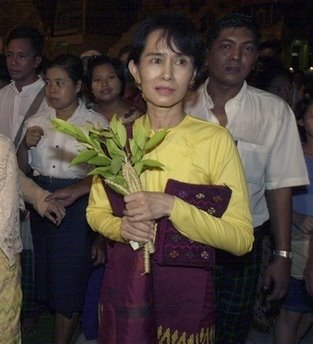


 Posts
Posts


