http://www.nytimes.com/2008/10/21/world/asia/21myanmar.html?ref=asia
A farmer passing by rice paddies in Rakhine State in western Myanmar, several hundred miles northwest of the Irrawaddy Delta. Foreign aid has flowed into the delta region, but not elsewhere.
By THE NEW YORK TIMES
Published: October 20, 2008
SITTWE, Myanmar — The cyclone that ravaged Myanmar’s Irrawaddy Delta five months ago has led to an unexpectedly robust influx of foreign money and relief workers, showering aid on a small part of Myanmar’s population but leaving other, equally desperate parts of the country to fend for themselves.
The New York Times
Deprivation persists in Sittwe and other non-delta areas.
After initial resistance by Myanmar’s junta just after the cyclone in May, dollars have cascaded into the delta on a scale that this country has perhaps never seen.
Britain, the European Union, the United States and Australia — all of which have long been considered the sworn enemies of the junta — have led donors in a fund-raising effort that has so far provided $240 million, or about $100 for every person who survived Cyclone Nargis, an amount that the United Nations hopes to double in the coming months. The donors are leading projects to rebuild roads, schools, houses and water storage tanks destroyed or damaged during the storm.
Aid workers say they hope that this intensive effort in the delta, where only a small fraction of the country’s population lives, has opened up the possibility to expanded humanitarian operations at some point. But they acknowledge that for now the generous assistance in the delta has created a stark imbalance in the country.
“There’s a serious amount of money flowing into this country, and it’s all for Nargis victims,” said Frank Smithuis, head of the aid group Doctors Without Borders in Myanmar. “That is great, but it is strange that nobody seems interested in the needs of the rest of the country.”
Outside the delta, the list of those in need of food and medical attention in Myanmar is long and distressing.
In Sittwe, a city overlooking the Bay of Bengal, a half-dozen men have as their only employment an umbrella repair business, fixing battered made-in-China models that would be tossed into the trash in neighboring countries.
A household survey carried out in June for United Nations agencies found a “worsening and alarming economic situation” in villages near the border with Bangladesh. With bad weather last year leading to crop failures, families cut back from three to two meals a day. Only 60 percent of boys and less than half of girls had normal body mass — the rest were severely malnourished. And only 12 percent of households had soap.
In northern Myanmar, erstwhile opium farmers who gave up the heroin business in recent years in exchange for promises that they would be given food aid have now returned to planting opium because they are hungry, aid officials say.
Across the country, out of a quarter of a million people infected with H.I.V., the virus that causes AIDS, 80,000 are in urgent need of retroviral drugs and only 15,000 will receive them, Dr. Smithuis said. “The others will die,” he said.
In Chin State, near the border with India, villagers are suffering what has the ring of a biblical plague. Thousands of rats, attracted to a rare blooming of bamboo flowers, have eaten through rice fields and other crops. Farmers in some villages are now living off of wild tubers in the jungle.
“The rats ate everything,” said Pyi Kyaw, a 38-year-old villager who rowed a boat loaded with bamboo and other timber for several days downstream to exchange the wood for large bags of rice. It will take nine days to row back home against the currents, he said.
For years, Western countries were reluctant to provide aid to Myanmar for fear that it would strengthen the grip of the junta and its repressive policies. But the cyclone, which struck on May 2 and 3 and left an estimated 130,000 people dead or missing, was a turning point because Western governments believed that the plight of the victims overrode concerns about ways that the junta might benefit. Today, 26 international aid organizations are operating in one district of the Irrawaddy Delta alone.
In past years Myanmar received tiny levels of aid compared with its neighbors. In 2005, the latest year for which comparable figures are available, Myanmar received $3 per person in aid compared with $9 per capita in Bangladesh, $38 in Cambodia, $49 in Laos and $22 in Vietnam.
The quandary for aid organizations is that assistance pledged for the delta must be spent in the delta, aid workers say. The World Food Program, a United Nations agency that delivers rice, beans, cooking oil and iodized salt, is fully financed through January for victims of the cyclone. But the organization will have to cut back programs in northern areas of the country because of an immediate shortfall of $11.2 million, partly caused by the increase in global food prices.
“We haven’t been able to convince donors to give us money for projects in the northern areas,” said Chris Kaye, the head of the Myanmar operations of the World Food Program.
The cyclone has also drained resources away from areas outside the delta. Trucks, aid personnel and equipment were channeled to the cyclone-hit regions from northern areas of the country. And with an important rice-growing area in the delta damaged by the storm, the government forbade the World Food Program from buying cheaper, locally produced rice, fearing food shortages. The United Nations is now forced to buy more expensive foreign rice, further straining budgets.
In perhaps the most stark example of the imbalance between the delta and the rest of the country, impoverished villagers here along the border with Bangladesh have been forced by the government to donate money for the victims of Cyclone Nargis — a philanthropic gesture, couched as patriotic duty, that they can hardly afford.
Like the more than 720,000 other Muslims who live in Rakhine State, a rain-soaked western corner of Myanmar, Kobi Ramau is stateless. His parents and grandparents were born here in British colonial times, but the military government does not recognize him as a citizen.
For Mr. Ramau, a farmer and father of four, life is an extreme example of the deprivation, hunger and general poverty that many people in this country face. Myanmar’s military government bans him from traveling outside his district without a permit. Soldiers expropriated Mr. Ramau’s land a decade ago and took his 80 buffaloes. He is now paid the equivalent of $25 a month by the military to till the land he once owned. “They took everything,” he said
He seems initially startled when asked what types of things he needs, if the aid flowing to the delta were to come to this part of the country.
“We need so many things,” he said, pausing to respond. “We have no money.”
More Articles in World » A version of this article appeared in print on October 21, 2008, on page A6 of the New York edition.
Tuesday, October 21, 2008
Post-Cyclone Aid Divides Myanmar


Pipeline will not benefit the Burmese people -MIZZIMA
http://www.mizzima.com/edop/commentary/1163-pipeline-will-not-benefit-the-burmese-people.html
by Htet Win
Tuesday, 21 October 2008 14:18
Burma should seriously and cautiously consider the building of a China-Burma oil and gas pipeline, as the project will not foster the long-term economic development of the country.
The proposed oil and gas pipeline, to pass through Burma from the coast of Arakan state to Muse on the Chinese-Burmese border, would provide little benefit for the military ruled country, while China would immensely benefit from the project.
Burma should not let the pipeline be built if it is to be managed by Chinese and dominated by fellow Chinese throughout the senior level of management.
The building of an oil and gas pipeline, as opposed to trade, is akin to permitting China to establish fixed assets in Burma.
A pipeline is not a factory, not a business. Burma will not benefit much from such an agreement, merely receiving a transit fee while being held responsible for the security of the project.
In short, Burma should be allowed to operate the section of the pipeline that runs through Burmese territory. Such an approach, in addition to the transit fee, would endow Burmese with additional job opportunities and technological advancement.
If China wants to build pipelines, they must grant financial aid, material and technological assistance, while permitting the pipeline to be operated by Burmese.
Though the National Development and Reform Commission (NDRC) of China approved the pipeline to link the deep-water port of Sittwe with Kunming in early 2007, a Rangoon-based energy expert and businessman close to senior officials at Burma's Ministry of Energy said there is so far no clear plan for the implementation of the project.
The businessman, mainly involved in engineering and offshore development, said Burma cannot significantly benefit form the project, despite some expected job creation for both skilled and unskilled labor, due to the projected high cost of construction.
Normally when a pipeline is erected, over 80 percent of the cost goes into raw materials and only 20 percent toward labor, logistics and service work.
However another businessman, who provides technical services in the energy infrastructure business, holds a different view of the project.
More opportunities for Burmese will be available as the pipeline will pass through highly forested areas and mountain ranges, the latter necessitating the completion of several tunnels.
He went on to say that over one thousand workers would be needed for the project.
Yet, unlike the Thai-Burma gas pipeline project in which Burmese gas is purchased, the China-Burma oil and gas pipeline is intended simply to transport oil and gas from Africa and the Middle East to China, thus avoiding the Strait of Malacca.
n summary, Burma's current policy of simply jumping at any chance to earn hard currency for the benefit of the ruling elite ignores the long-term best interests of the state and over 50 million Burmese people.
2008-60th Anniversary of the Universal Declaration of Human Rights
http://www.takingitglobal.org/themes/udhr60/
Universal Declaration of Human Rights: Introduction
Sixty years ago, nations of the world joined together in recognizing that all peoples, in all nations, are free and equal regardless of race, religion, economic status, age, gender or other personal characteristics. Through the signing of the Universal Declaration of Human Rights in 1948, the United Nations brought into being the first international document recognizing human rights as the foundation of peace, justice and freedom in the world.
The Universal Declaration outlines 30 basic rights essential for all human beings to achieve their full potential and to live a life free of fear and want. It was a unique approach that developed from the world saying 'never again' to the horrific events of World War Two, a war that brought a scale of atrocity never previously witnessed. The global death count is estimated to have been more than 50 million. War crimes were widespread: from the infamous Holocaust in which Nazi Germany sought to eliminate 'undesirables' such as Jews, Poles, Slavs, Roma, Sinti, the mentally and physically disabled, homosexuals and other persons, to the use of sex slaves, otherwise known as 'comfort women', by Japanese soldiers. Labour camps were used throughout the world and, disturbingly, World War Two brought the first testing of biological warfare by Japan and the use of atomic bombs in Nagasaki and Hiroshima by the United States of America.
The Declaration has become the heart of international law and has led to the development of a rich body of human rights instruments and treaties around the world, both internationally and domestically. There are more than 80 international treaties that build upon the basic principles set out in the Universal Declaration. In Canada, the Canadian Charter of Rights and Freedoms represents our country's approach to implementing the principles enshrined in the Universal Declaration.
What makes the declaration important, and continually relevant today, is that it was the first international human rights document to be developed and embraced by people from all regions of the world. Led and principally drafted by Canadian lawyer, John Peters Humphrey, this document overcomes barriers of culture and difference. It articulates a common vision of a global culture of human rights and inclusion in which each person feels a part of the community and is able to contribute fully to the development and well being of the community.
Now, more than ever, when our world is threatened by racial, economic and religious tension, the Declaration and its universal principles must be defended. This website explores themes that showcase the varying ways that the Declaration and human rights contribute to our daily lives today. Along with discussions of current human rights issues, the site shows how domestic legislation and programs reflect and defend the ideas in the Declaration within Canada, and how you can help to make human rights a reality.
Human Rights are Your Rights. Know them, promote them and defend them.
John Peters Humphrey
John Peters Humphrey, a Canadian lawyer educated at McGill, was the principal author of the Universal Declaration of Human Rights. As Director of the Human Rights Division of the United Nations Secretariat, Humphrey worked to develop the Declaration with representatives from around the world including Eleanor Roosevelt. After the ratification of the Declaration in 1948, Humphrey oversaw the implementation of 67 international conventions and the constitutions of dozens of countries.
Never mind the radiation: fear the cell phone's nickel
http://arstechnica.com/news.ars/post/20081021-never-mind-the-radiation-fear-the-cell-phones-nickel.html
As the popularity of cell phones has increased, so has the attention paid to fears that they pose unseen health risks. Attention has been focused on the electromagnetic radiation that powers their communications with cell phone towers, although there is no mechanism known by which this could trigger a dangerous biological response. Despite the focus on radiation, the British Association of Dermatologists (which proudly uses the acronym BAD) would like to remind everyone that there apparently is a health risk associated with cell phone use: contact allergies.
Although nickel is widely used, it's largely harmless in the solid forms; even soluble nickel salts are only toxic if ingested in quantities of a gram or more. But a subset of the population is apparently sensitive to extended periods of skin contact with nickel. No less a health authority than the Mayo Clinic calls nickel allergies "one of the most common causes of allergic contact dermatitis." Mostly, this causes a problem when people wear jewelry that includes nickel, but other routes of exposure have been described in the literature, including a case where an unfortunate trumpet player was exposed through his instrument.
BAD cites a recent study that appeared in the open access journal CMAJ, which described the symptoms caused by repeated cell phone use in an 18-year-old male. After a nasty reaction to a belt buckle tipped his doctors off to his nickel allergy, they suspected a cell phone might be responsible for some corresponding dermatitis on his face. Sure enough, the surface of his cell phone had small amounts of free nickel present. Tests of about 20 cell phones showed that roughly half had free nickel, in places ranging from the buttons to the decorative logos.
BAD was able to track down a number of other studies, such as one in Contact Dermatitis, that described similar reactions to nickel in cell phones.
According to the dermatologists, nickel allergies may affect as many as 30 percent of the UK's population, and incidence may be rising. Exposure to nickel from other routes, such as jewelry, can heighten the sensitivity, setting people up to react badly when they press a cell phone up to their face. BAD also warns that extreme texters might wind up seeing nasty rashes appearing on their fingertips.
Mostly, BAD seems to want doctors to be aware that this could be the cause of some of the rashes they're seeing. "It is worth doctors bearing this condition in mind if they see a patient with a rash on the cheek or ear that cannot otherwise be explained," stated BAD spokesman Dr. Graham Lowe.
I'm thinking this may be showing up in a future Apple advertising campaign. The fact that the iPhone's nearly featureless glass surface isn't likely to cause a rash is clearly a selling point that differentiates it from the pack.
CMAJ, 2008. DOI: 10.1503/cmaj.071233
Burmese Migrant Women in Thailand Targeted by Rape Gangs -IRRAWADDY
http://www.irrawaddy.org/article.php?art_id=14476
By LAWI WENG Monday, October 20, 2008
--------------------------------------------------------------------------------
Burmese migrant women working in the factories of Mahachai, in Thailand’s Samut Sakhon Province, run a high risk of being sexually abused and raped, according to Thai human rights groups.
Mahachai has the highest concentration of Burmese migrant workers in Thailand, most of them employed in the area’s seafood processing plants.
A lawyer with the Mahachai-based Raks Thai Foundation said about 30 Burmese migrant women had been raped in the area in the first eight months of 2008.
Another rights group, the Labor Rights Promotion Network, said it was working on the investigation of six cases of alleged rape.
The network’s director, Sompong Srakawe, said about two women fell victim to gang rape in the Mahachai area every month.
The Raks Thai Foundation lawyer said legal proceedings were now under way in the case of two Burmese women who complained they had been held against their will and raped by members of a human trafficking gang.
Rights groups accuse the Thai authorities of failing to take rape complaints seriously enough.
“Street gangs say ‘the Burmese women are illegal migrants and we can’t be arrested if we rape them’,” said Sompong.
According to the Raks Thai Foundation lawyer, only five percent of rape complaints are followed up by the authorities. “If you are Burmese, your case is delayed and you can’t get fair justice,” he said.
Victims are often dragged from their rooms and taken away in trucks to be gang-raped, he said.
Hong Son, a factory worker from Ye Township, in Mon State, said a 14-year-old acquaintance had been abducted by a gang, beaten up and raped.
A member of the Raks Thai Foundation said shame and the fear of deportation caused some victims to remain silent.
Around one million Burmese migrants are registered to work legally in Thailand, while about the same number are illegally employed, according to the Mahachai-based Labor Protection Department.
Myanmar: UN expert outlines steps for improving human rights

Tomas Ojea Quintana, Special rapporteur on the situation of human rights in Myanmar
http://www.un.org/apps/news/story.asp?NewsID=28483&Cr=Myanmar&Cr1=Human+Rights
8 October 2008 – Improving the situation of human rights in Myanmar is still a challenging task, according to the independent United Nations expert on the issue, who has outlined a series of measures for the South-East Asian as it proceeds with its “road map to democracy” announced earlier this year.
“Respect for international human rights standards is indispensable in paving the road to democracy,” Tomás Ojea Quintana, Special Rapporteur on the situation of human rights in Myanmar, writes in a report released today.
“Myanmar is going through a unique moment in its political history,” he says, noting that the country’s new Constitution was finalized in February and adopted through a referendum in May. “The next step in the road map for national reconciliation and democratic transition is the election in 2010.”Respect for international human rights standards is indispensable in paving the road to democracy
He stresses that if those general elections are prepared and conducted in an atmosphere in which human rights are fully respected, “the process will be credible, resulting in progressive achievement of democratic values.”
Mr. Quintana proposes four core human rights elements to be completed by the Government before the 2010 elections. The first is to review and amend those domestic laws which limit fundamental rights – such as freedom of expression, opinion, peaceful assembly and association – and contravene the new Constitution and international human rights standards.
“The right to freedom of peaceful assembly and association, as well as the right to freedom of opinion and expression, are fundamental rights to be respected in the process towards the establishment of a solid and reliable democracy,” stated the Special Rapporteur.
“However, full enjoyment of those rights remains outstanding in Myanmar, according to reliable reports on the extension of detentions and/or new arrests of political activists.”
Mr. Quintana proposes the progressive release of prisoners of conscience, of which there are more than 2,000 detained in different facilities around the country.
“Without the free participation of prisoners of conscience, the very credibility of the general elections of 2010 would be at stake,” he stressed, adding that prisoner release would also reduce tension and inspire political participation.
Last month the Myanmar authorities freed several detainees as part of an amnesty procedure, including the country’s longest-serving political prisoner, U Win Tin, and six other senior members of the National League for Democracy (NLD), whose leader Aung San Suu Kyi remains under house arrest.
Mr. Quintana had welcomed the move, saying he hoped it “would be the first in a series of releases of other prisoners of conscience.”
The transition to multi-party democratic and civil government, as planned by the new Constitution, will require “an intensive process of incorporating democratic values,” the Special Rapporteur notes.
Among the measures the Government should adopt are repealing discriminatory legislation, continuing efforts to respond to the aftermath of the deadly cyclone that struck the country in early May, and avoiding the recruitment of child soldiers.
He also suggests a number of changes for the country’s judiciary, which currently “is not independent and is under the direct control of the Government and the military.” Proposed measures include guaranteeing due process, exercising full independence and impartiality and setting up mechanisms to investigate human rights abuses.
Mr. Quintana, who took up his post in May 2007, serves in an independent and unpaid capacity and reports to the Geneva-based UN Human Rights Council, as do all Special Rapporteurs.
Enhanced dialogue among all parties vital for Myanmar’s political future – Ban
http://www.un.org/apps/news/story.asp?NewsID=28635&Cr=myanmar&Cr1=
20 October 2008 – Secretary-General Ban Ki-moon has called on Myanmar’s Government and opposition to increase dialogue as the Asian country proceeds on the path toward national reconciliation and democratization, once again stressing the need for a credible and inclusive political process.
“The political challenges of any transition to democracy require negotiated political solutions,” Secretary-General Ban Ki-moon writes in his latest report to the General Assembly on the situation of human rights in Myanmar.
“As the country reaches a delicate juncture in its political development, there is no real alternative to a peaceful process of national reconciliation and now is the time for the Government and opposition alike to find ways to talk to each other and work together in the interest of the nation,” he says.
The report highlights development in Myanmar between 23 October 2007 and 5 September 2008, as well as the activities of the Secretary-General’s Special Adviser, Ibrahim Gambari, who visited the country three times during that period.
Mr. Gambari had stated that the tangible results of his most recent visit in August “fell below our expectations,” but added that the UN “will not give up on working for national reconciliation, democracy and respect for human rights in Myanmar.”
The Secretary-General echoed Mr. Gambari’s views when he told reporters last month that Myanmar has not experienced the anticipated political progress and its Government should take real measures towards setting up a more inclusive political process that promotes human rights.
He expresses similar sentiments in his report when he writes that it remains “a source of frustration that meaningful steps have yet to be taken by the Myanmar Government in response to the concerns and expectations of the United Nations and the international community in the context of the good offices process.”
Myanmar’s authorities are in the process of preparing for general elections scheduled for 2010 – the next step in the seven-step road map for democracy outlined by the Government.
Mr. Ban underlines that the future of Myanmar ultimately rests with the Government and its people, and reiterates that the role of the UN is to ascertain the positions of all parties and facilitate their efforts to work together through dialogue towards a mutually acceptable process of national reconciliation and democratization.
Noting that there is no alternative to dialogue to ensure that all stakeholders can contribute to the future of their country, he stresses that the release of detained opposition leader Daw Aung San Suu Kyi and other political prisoners will be key for the resumption of an enhanced, all-inclusive substantive and time-bound dialogue.
The release of all political prisoners, including Ms. Suu Kyi, as well as the need for an enhanced, substantive and time-bound dialogue between her and the Government, are among the key areas of concern for Mr. Gambari as he carries out the good offices role entrusted to him by the Assembly.
“The Secretary-General and his Special Adviser have therefore consistently emphasized that only a credible and inclusive political process — based on mutual understanding and compromise by all stakeholders — can help to advance the prospects of durable peace, national reconciliation, democracy and respect for human rights in Myanmar.
“In this regard, it is unfortunate that specific suggestions of the United Nations to improve the credibility and inclusiveness of the political process have thus far not been taken up by the Government,” states the report.
Mr. Ban adds that despite the Government’s efforts in implementing its road map process and addressing the challenges facing the country, the political situation in Myanmar has become “even more complex and challenging and potentially more polarized, drawing increased attention from the international community, including the Security Council.”
The UN also remains concerned about ongoing reports of armed conflict and associated human rights abuses and humanitarian problems in ethnic minority areas, particularly in Kayin and Kayah states.
“Substantive talks leading to the sustainable cessation of hostilities between the Government and those armed ethnic groups still actively fighting need to be concluded, with a spirit of compromise on both sides,” he writes.
News Tracker: past stories on this issue
Myanmar: UN expert outlines steps for improving human rights
Myanmar's Failure to Talk With Suu Kyi Frustrates UN, Ban Says
http://www.bloomberg.com/apps/news?pid=20601087&sid=a_os9ELUfXNU&refer=home
By Michael Heath
Oct. 21 (Bloomberg) -- The failure of Myanmar's junta to hold talks with detained opposition leader Aung San Suu Kyi and move toward democracy is frustrating, United Nations Secretary- General Ban Ki-moon said.
``Meaningful steps have yet to be taken by the Myanmar authorities in response to the concerns and expectations'' of the international community, Ban said in a report on talks between the world body and the military regime during the past year.
The report covers the period from last October, when the junta faced global condemnation for its crackdown on the biggest opposition protests in almost 20 years, through to September. UN envoy Ibrahim Gambari failed to meet with Suu Kyi or win concessions from the regime when he visited Myanmar in August.
Myanmar's military, which has ruled the Southeast Asian nation since 1962, maintains it is making progress toward democracy. The junta staged a referendum on a new constitution in May, which it says was approved by 92 percent of voters, and plans to hold elections in 2010. The vote would be the first since a 1990 ballot won by Suu Kyi's National League for Democracy party, a result rejected by the military.
The U.S. and European Union condemned the May referendum as a ``sham'' and said the proposed elections lack credibility because Suu Kyi is barred from running. The 63-year-old Nobel Peace Prize winner is unable to stand for election because she was married to a U.K. national. Her husband, British scholar Michael Aris, died in 1999.
Failed to Respond
The junta in the country formerly known as Burma has failed to respond to UN proposals ``to improve the credibility and inclusiveness of the political process,'' Ban said in his report.
The UN's key proposals are for the junta to free political prisoners, including Suu Kyi, and start talks with her. Suu Kyi has spent 12 of the past 18 years under house arrest and the junta extended her current period of detention by one year on May 27.
``Expectations are high that the government of Myanmar will start taking substantive action on the proposals'' from the UN, Ban said, adding the regime must ``genuinely demonstrate its stated commitment to cooperating with the United Nations.''
Liaison Officer
Myanmar appointed a liaison officer for Suu Kyi last October and the minister met with her five times between November and January. The talks, the first since 2003, then abruptly stopped.
Suu Kyi declined to meet with Gambari during his August visit. Some NLD members said she was sending a message that she was unhappy with the UN's efforts to push the junta toward democratic change.
Gambari said in March that Myanmar's military is considering returning the nation to civilian rule under a model similar to the government of late Indonesian President Suharto, who guaranteed the army seats in parliament.
Ban called on all countries aiming for a solution in Myanmar to ``work constructively together'' in support of the UN's efforts.
The Bush administration has led international criticism of the junta since last September's protests that left at least 31 people dead. It also criticized the regime after it obstructed global relief operations to help survivors of Tropical Cyclone Nargis. The storm swept through Myanmar's southern Irrawaddy River Delta in May, leaving 138,000 people dead or missing.
To contact the reporter on this story: Michael Heath in Sydney at mheath1@bloomberg.net.
Last Updated: October 20, 2008 21:19 EDT
More aid ‘will reform Burma’
http://www.thetimes.co.za/News/Article.aspx?id=867514
AFP
Published:Oct 21, 2008
--------------------------------------------------------------------------------
An increased flow of foreign aid into Myanmar after Cyclone Nargis would help improve people’s lives and foster democratic reform in the military-run nation, a think tank said today.
Brussels-based International Crisis Group (ICG) said aid agencies should build on relations forged with the junta during the cyclone response, rather than return to the status quo in Myanmar, which is under European and US sanctions.
“Political reform remains vital, but withholding aid has done nothing to promote this,” said John Virgoe, ICG’s Southeast Asia project director.
“Aid is valuable in its own right for alleviating suffering, as well as a potential means of opening up a closed country, improving governance and empowering people to take control of their own lives."
Myanmar only received $2.9 of foreign aid per person in 2005, United Nations figures show, compared to more than $38 per person in nearby Cambodia and nearly $50 in Laos.
This is despite Myanmar having a significantly lower per capita GDP than both those nations.
Many aid agencies have also in the past pulled out of Myanmar, saying the restrictions from the junta made their work impossible.
But since Cyclone Nargis pummeled the southwest delta in early May leaving at least 138 000 people dead or missing, and up to one million in need of assistance, relations between aid agencies and the junta have improved, the ICG said in its statement.
Myanmar’s military junta initially came under fire from the United Nations for its slow response to the tragedy, although it relented after a personal visit by the UN head, and aid has since been trickling through to survivors.
ICG said that visas to Myanmar and permits for aid workers for travel within the country were being granted with greater ease, while requirements for the launch of new development projects had been eased.
“But Myanmar faces a much deeper developmental crisis, with millions of households living on the edge of survival,” the statement said.
“Donors should end aid restrictions, which have seen Myanmar receiving 20 times less assistance than similar countries, and which have weakened, not strengthened, the forces for change."
Myanmar has been ruled by the military since 1962.
Myanmar blast victim was ex-monk turned bombmaker: state media
http://asia.news.yahoo.com/081021/afp/081021073919asiapacificnews.html
Tuesday October 21, 3:39 PM
YANGON (AFP) - A man killed in a blast in Myanmar's biggest city Yangon was a former monk who accidentally blew himself up while trying to build a bomb, state media reported Tuesday.
The junta-run New Light of Myanmar newspaper published a graphic picture of the headless body of a man they said was Thet Oo Win, also a suspect in a bus stop bombing in downtown Yangon last month which injured seven people.
Thet Oo Win was killed Sunday at a house in northern Yangon, in the latest in a series of small explosions in military-run Myanmar.
"According to the items found at the scene, injuries and the way he lost his life, it is learned that the blast occurred when Thet Oo Win was improvising the bomb," the paper said.
It said authorities seized wires, batteries and detonators from the house.
The New Light of Myanmar accused Thet Oo Win of illegally fleeing across the border to Thailand after massive anti-junta protests led by monks in September 2007, and returning to Myanmar 10 days ago.
It said he had once been a Buddhist monk who "then lived as a layman and... was a drinker," but gave no other motive for his alleged actions.
Sunday's blast came after another small explosion Saturday near a football pitch in Yangon which caused minor damage but no injuries.
Myanmar also experienced four bomb blasts last month, one of which injured seven people at a bus stop near Yangon's City Hall.
The New Light of Myanmar said materials found at Thet Oo Win's house matched those used in the bus stop bombing.
Myanmar's junta has in the past blamed explosions on armed exile groups or ethnic rebels who have been battling the military rulers for decades, but the regime has also started pointing the finger at democracy activists.
State-run media in September accused two members of detained democracy leader Aung San Suu Kyi's National League for Democracy (NLD) of bombing pro-government offices in July.
The NLD won a landslide victory in 1990 elections, but the junta never allowed it to take office and Aung San Suu Kyi has been under house arrest almost constantly since.
The military has ruled Myanmar since 1962, partly justifying its grip on power by claiming the need to fend off ethnic rebellions.
Monday, October 20, 2008
Time for Europe to confront Burma's generals -MIZZIMA
http://www.mizzima.com/news/world/1158-time-for-europe-to-confront-burmas-generals.html
by Mizzima News
Monday, 20 October 2008 17:57
Amnesty International is calling on the French government, as current President of the European Union, to make the human rights situation in Burma a focal point of the upcoming Asia-Europe Meeting (ASEM).
Addressed on Friday of last week to French Foreign Minister Bernard Kouchner, the EU and French delegations of Amnesty International are urging the French mission to raise three seminal issues regarding the situation in Burma: the 2010 elections, political persecution and crimes against humanity in eastern Burma.
Regarding the proposed 2010 general election, the petitioners write, "[R]ather than attempting to introduce the rule of law and respect for human rights to Myanmar, this constitutional process seeks to perpetuate and legitimise the government's continuing human rights abuses and ensure impunity for past, present and future violations."
Additional concern is expressed for what Amnesty decries as positive remarks from members of the international community on the junta's 7-step roadmap to democracy, of which the 2010 election is to be step number five.
If elections are to take place in two years' time, the constitution, judged to be approved by authorities in May, must be "radically reformed or replaced," according to the letter.
Sighting an alarming doubling in the political prisoner population in the country since last year's Saffron Revolution, Amnesty further believes that the "ASEM summit can provide an opportunity for the French Presidency to implement the EU guidelines on HRDs (human rights defenders) and to raise concerns about the general situation for prisoners of conscience in Myanmar."
Lastly, in reference to the human rights situation in the eastern part of the country, Amnesty refers to an in-house report which detailed a two-and-a-half year offensive in that part of the country, commencing in November 2005, which it claims was the largest of the past decade and for the first time identified civilians as the primary military target of the Burmese army.
The 7th ASEM summit is to be held on the 24th and 25th of this month in Beijing, China. The grouping currently brings together 45 states, but it is expected that membership will increase by a half dozen this year, including the admission of India.
Seminar: Recovering Lost Gems of Myanmar’s Past: Collecting, Preserving, and Accessing Old Texts from Palm Leaves and Parabike Manuscripts
http://www.southeastasianarchaeology.com/2008/10/20/seminar-recovering-lost-gems-of-myanmars-past-collecting-preserving-and-accessing-old-texts-from-palm-leaves-and-parabike-manuscripts/
October 20th, 2008
Visited 39 times, 39 so far today
noelbynature Posted in Burma (Myanmar), Singapore, Talks / Presentations |
Please find registration information at the ARI website or at the end of this post.
Recovering Lost Gems of Myanmar’s Past: Collecting, Preserving, and Accessing Old Texts from Palm Leaves and Parabike Manuscripts
by Dr Thaw Kaung
Date: 23/10/2008
Time: 16:00 - 18:00
Venue: ARI Seminar Room, 469A Tower Block, Level 10, Bukit Timah Road, National University of Singapore @ BTC
Organisers: Dr Maitrii Aung-Thwin & Dr Titima Suthiwan
CHAIRPERSON
Dr Maitrii Aung-Thwin, Department of History, National University of Singapore.
ABSTRACT
This paper explores the institutions, individuals, and contexts in which the Myanmar past has been constructed through the collection and preservation of old paper manuscripts. It will survey efforts made by colonial and post-colonial officials to identify, locate, and acquire Burmese Palm Leaves while introducing new efforts to digitize these rare and disappearing sources to the Southeast Asian past.
ABOUT THE SPEAKER
Thaw Kaung is a Member of the Myanmar Historical Commission and former Chief Librarian of Universities Central Library (Yangon). He chairs several national, regional, and international library/preservation committees and he is recipient of the 2005 Fukuoka Asian Culture Prize. Dr. Thaw Kaung studied at the University of London where he earned a post-graduate diploma in Librarianship. He founded the Department of Library Studies at the University of Yangon in 1971 and established a post-graduate curriculum in Library and Information studies. Dr. Thaw Kaung has published numerous books and articles in both the Burmese and in English, influencing a generation of scholars within Myanmar and abroad. Some of his notable publications include: “Preservation and Conservation Work in the Universities Central Library” (1997), “Bibliographies Compiled in Myanmar” (1998), “Post-Colonial Society and Culture: Reflections in Myanmar Novels in the last 50 Years” (1999), and “The Ramayana Drama in Myanmar” (2002).
Man dies on bomb blast in Myanmar's main city
http://malaysia.news.yahoo.com/ap/20081020/tap-as-myanmar-blast-d3b07b8.html
AP - Monday, October 20YANGON, Myanmar - A bomb blast killed a man at his home on the outskirts of Myanmar's main city less than 24 hours after another explosion in the area, an official said Monday.
The man died at a house in a northwestern suburb of Yangon Sunday evening, the official said, speaking on condition of anonymity because he was not authorized to talk to reporters.
Another occupant in the house escaped unhurt.
The blast followed a bomb explosion on Saturday at a sports field in a northern Yangon suburb. There were no casualties. Another bomb was found nearby and defused, according to officials.
Sunday's blast was the fourth in the Yangon area in the past month.
Terrorism is rare but not unknown in Myanmar, which has been under near-continuous military rule since 1962.
Several small-scale bombings have occurred in recent months. An explosion damaged the office of a government office in July in Shwepyitha township, where Sunday's blast occurred, and two bombs damaged parked cars in downtown Yangon in April.
The government often blames the bombings on opponents of the regime, or ethnic rebel groups seeking autonomy.
Developing states to take part in finance crisis summit: Japan

U.S. President George W. Bush who has agreed to hold a G8 summit in the United States as Japan, the chair of the G8 rich nations, said Monday that developing economies would take part in the emergency meeting.
(AFP/Getty Images/Ron Sachs)
Photo Tools
http://news.yahoo.com/s/afp/20081020/bs_afp/financebankingjapang8_081020044142
TOKYO (AFP) – Japan, the chair of the Group of Eight rich nations, said Monday that developing economies would take part in an emergency summit on revamping the ailing global financial system.
"This is not a problem only for the Group of Eight countries," Chief Cabinet Secretary Takeo Kawamura, the government's spokesman, told a news conference.
He said G8 countries were debating whether the summit would include only selected emerging powers such as Brazil, China and India or whether to invite a wide range of developing countries.
On Saturday, US President George W. Bush, French President Nicolas Sarkozy and European Commission President Jose Manuel Barroso agreed to hold a first summit in the United States "soon after the US elections" on November 4.
Kawamura said that Japan hoped to play a leading role in the summit as chair of the G8.
"Only Japan has experience in overcoming a financial crisis. We have precious experience," Kawamura said, referring to the collapse of Japan's financial system in the late 1990s triggered by massive bad debts.
"It is natural for Japan as the chair of the G8 to play a leading role in jointly tackling the crisis," he said. "We can offer good suggestions and share Japan's experience with other countries."
The G8 groups Britain, Canada, France, Germany, Italy, Japan, Russia and the United States.
Japan invited leaders of 15 other nations for the last G8 summit held in July in the northern resort town of Toyako. The expanded G8 meetings included talks on African development and global warming.
But Japan, the only Asian nation in the G8, has opposed calls to permanently expand the elite club.
Japan's economy is expected to remain stagnant for some time
http://news.yahoo.com/s/afp/20081020/bs_afp/japaneconomybank_081020075107
A worker at Japan's auto giant Toyota on a vehicle production line in Miyata City. The country's economy is expected to remain stagnant for a while as a global economic slowdown weighs on exports, the country's central bank chief has said.
(AFP/File/Ken Shimizu)
TOKYO (AFP) – Japan's economy is expected to remain stagnant for some time with a global slowdown weighing on exports, the country's central bank chief said Monday.
Corporate earnings in Asia's largest economy are shrinking and companies are cutting their capital investment, Bank of Japan governor Masaaki Shirakawa told a meeting of the central bank's branch managers.
"The economy of our nation is currently stagnant due in part to slower exports stemming from the lingering effects of high energy and material prices and a slowdown in overseas economies," he said.
Business confidence remains cautious while consumption has turned softer due to inflation and sluggish wages, Shirakawa said.
"Looking ahead, it is highly probable that the economy will remain stagnant as it has become clear that overseas economies continue to slow down," he said.
Japan's economy suffered its worst contraction in seven years in the second quarter of 2008 and many analysts believe it is already in recession.
The Bank of Japan also downgraded its assessment of the country's nine regions in a quarterly report.
"Economic growth had been sluggish in general, mainly due to the effects of earlier increases in energy and materials prices and weaker growth in exports," the report said.
Corporate profits continued to decrease and business sentiment has become even more cautious, leading to cutbacks in investment. Private consumption was also soft while production was relatively weak, the report said.
But the central bank said that Japan's financial system remained in relatively sound health compared with those of the United States and Europe.
"The Bank of Japan will continue our efforts to secure the stability of financial markets," Shirakawa said.
Japanese banks have been less severely hit so far by the global financial crisis compared with many of their Western peers, taking the opportunity to buy up chunks of ailing Wall Street banks.
In Cash-Rich Japan, World's Financial Woes Inspire a Grand Plan
http://www.washingtonpost.com/wp-dyn/content/article/2008/10/18/AR2008101801688.html
By Blaine Harden
Washington Post Foreign Service
Sunday, October 19, 2008; A21
TOKYO -- Kotaro Tamura, an investment banker turned Japanese lawmaker, has an immodest proposal for healing the sick global economy, making all Japanese richer and compelling the United States to be more deferential toward Japan.
"We are in a special position because we have huge money," Tamura said, referring to about $950 billion in government foreign reserves, $1.5 trillion in public pension funds and $15 trillion in personal financial assets, about $8 trillion of which is on deposit at shockingly low interest rates in Japanese banks.
"We should send the signal that we are ready to save the world with this money," he said in an interview.
Tamura leads a group of 65 lawmakers from the ruling Liberal Democratic Party who have proposed to Prime Minister Taro Aso that Japan treat the global financial meltdown "as a huge opportunity for us."
They are urging the government to inject some of its abundant cash into troubled U.S. and European banks, in return for equity, and to purchase distressed corporate assets at fire-sale prices.
"The economy of every major power has crashed, and Japan has the least tainted market in the world," Tamura said.
So far, Aso's government has said nothing about any such investments. Asked what the prime minister thinks of the idea, Aso's spokesman declined to comment.
In recent days the government has said only that it would assist developing countries by contributing money to a rescue effort organized by the International Monetary Fund.
The chronically risk-averse habits of Japanese savers, who keep most of their trillions in accounts that pay less than 0.5 percent interest a year, suggest that Tamura's plan to save the world and make Japan richer is unlikely to generate much popular support.
"We are a bank-centered nation that avoids risk, even good risk," said Akira Kojima, chairman of the Japan Center for Economic Research.
Kojima called the idea of investing some of Japan's cash in the midst of the financial crisis a good one, if done prudently. "It could be a catalyst for changing Japanese investment management strategy," he said.
At the same time, he said, it would be all but impossible to carry out, given the conservative bent of the government and the public. "The finance system is too rigid," he said.
Even when Japan's own banks were crumbling during the country's severe financial crisis in the 1990s, there was strong popular opposition to the government's decision to save banks with public money.
Still, Japan's chronic failure to earn decent returns from its mountain of savings is a subject of constant debate in this country.
"The use of the savings in Japan has not been successful for a long period," Hidehiko Sogano, an associate finance director at the Bank of Japan, said in a recent interview. "However, at the current moment, we do not have any consensus among the public to use them in more aggressive investments."
Proposals for Japan to follow the examples of China, Singapore, Norway and other export-rich countries in creating a sovereign wealth fund for foreign investment have gone nowhere.
It is a hard local sell, concedes Tamura, 45, the member of parliament who is the country's most outspoken advocate of such investment. "Our people hate risk, so we have to make a very good case, and that is easy to do," he said.
Tamura is trying to "persuade our people" to face facts: Japan's economy and its stock market depend on the vigor of the U.S. economy, particularly the willingness of American consumers to start spending lots of money again.
"Look at the Japanese stock market," he said. "It is diving faster than the U.S. market. The recession in the United States is our problem."
The stock market in Japan has lost about half its value this year, with a quarter of that loss occurring last week.
As the world's second-largest economy, Japan has a peculiar mix of monetary muscle and financial vulnerability. Its foreign reserves are second only to China's $1.9 trillion worth. But it must service the world's most onerous public debt burden -- 182 percent of its gross domestic product, compared with about 36 percent in the United States -- while meeting the mushrooming pension and medical needs of the world's oldest population.
And Japan's export-dependent economy is closely linked to that of the United States. Japan began sliding into recession this past spring after U.S. sales of Japanese cars started to decline.
Tamura argues that the fix is deceptively simple.
"Everything is very cheap right now [in world stock markets], and 10 years from now we would make very big money," he said.
His plan calls for Japan to hire outside financial experts to manage its investments in Europe and the United States. "They should be easy to find because they are all losing their jobs," he said.
Finally, Tamura said, Japan could gain much more than mere money by coming to the aid of the United States and its many distressed companies. "If we can save the United States economy, then the U.S. government will owe us in other ways," he said.
A U.S. move that has offended many Japanese is the Bush administration's decision last weekend to take North Korea off its list of states that sponsor terrorism.
The Japanese public vehemently opposes the delisting because North Korea has refused to provide satisfactory information about the fate of eight Japanese citizens who were abducted by North Korean agents during the 1970s and '80s.
"If we make the proper moves with our money, we can gain diplomatic fruit," Tamura said. "We can insist that the United States put more pressure on North Korea. As I said, this is a huge opportunity for us."
Burma Goes Ballistic
http://webdiary.com.au/cms/?q=node/1801
by Melody Kemp
I am thankful to my friends in Thailand and Burma for the following news which comes from those inside and outside Burma. Most names cannot be given for obvious reasons.
Heavy sighs and teeth sucking have become commonplace in Washington and UN circles as diplomats and hard heads consider what to do about North Korea’s and Iran’s nuclear ambitions.
Burma, whose secretive and murderous government recently literally headed for the hills, seems to have escaped the hard laser beam of disapproval, despite its own leading role, and nuclear objectives.
Last November Dictatorwatch reported that the SPDC was mining and refining uranium, and then bartering the yellowcake to Iran and North Korea; a claim debunked by the Orwellian-named State Peace and Development Council (SPDC) under a flurry of script changes. A cargo boat being loaded with yellow cake morphed into a North Korean vessel seeking refuge in Rangoon harbour, despite no storm activity being evident in the region. Then again, they could have been merely collecting a cargo of methamphetamine, which has been seen being loaded by speed boat at the same island dock. After all, North Korean ships have been visiting Burmese ports for 5 years … must be something of interest.
Another series of insider sources, different from those who reported the first shipments, are insisting that shipments of yellow cake are indeed taking place. They suggest that the relationship with Iran appears to be mediated by another power, they postulate Russia, but the sources conclude that the deals between North Korea and Burma are direct, and include the exchange for missiles and technical assistance in order to bolster Burma’s own nuclear ambitions. China and Russia have been cited as applauding from the sidelines, while offering the odd dance lessons when needed.
It is suggested that a businessman called Tayza whose front is provided by Aeroflot, is "the principle deal maker" (Watson 2006 Dictatorwatch), for Burma’s missile and nuclear program, mediating between Burma and China, North Korea and Russia. Trainee reactor technicians were flown by Aeroflot between Mandalay and Russian training sites.
Now taking into account the frank paranoia of Burma’s ruling SPDC, whose major enemy are its own people, this should be a matter of alarm and concern. On the international level of diplomacy or media coverage, this is not evident. Even the SPDC ethnic cleansing of Karen and Shan people has received little coverage when compared to other similar systematic atrocities, such as Darfur.
Last year the US tried to gain a Security Council resolution on Burma but was rebuffed by Russia and China. They are apparently trying again this year. Ban Ki Moon, the new UN Secretary general has been very low key on Burma, and some think that his independence is compromised and his approach to Burma linked to Daewoo being one of the Burma’s major sources of foreign revenue. Daewoo is considered to be a direct sponsor of Than Shwe’s regime. The issue is made more complex and difficult to finesse by the US appeasement policy toward China. The US (and Australia) do not want to anger China but rather make sure that trade continues and China is not tempted to sell its warehouses of US Treasury bonds at which point the US economy will crumble like a soggy cake.
Uranium Mines
Until now Burma has relied on hydropower and gas to generate its power. A plan to dam the Salween river is not only a proposal to gain additional marketable electricity that can be sold to Thailand, but also to deal a belly blow to the Karen and Karenni peoples whose ancestral land surrounds and is watered by the Salween, and whose villages will be submerged. In the violently perverse world of Burma, dams are an instrument of warfare.
Increasingly Burma is looking to developing a nuclear power industry to provide additional energy to support hoped for economic growth. However as the industry is capital intensive and in need of many more technical professionals than Burma has, nuclear power is only listed as a possibility amongst others (www.energy.gov.mm)
The Ministry of Energy had listed several sources of uranium ore in Burma (below).
Site
Min %U3O8
Max % U3O8
Magway
0.00010
0.5600
taungdwingi
0.0010
0.1100
Kyaukphygon
0.0015
0.0055
Kyauksin
0.0020
0.0052
Paongpyin
0.0061
0.0068
Uranium Mining Sites and Ore Quality: Myanmar Dept Energy.
The quality of the ore varies greatly as can be seen from the above government source. One of the mines has been since taken over by the military who cancelled all its private orders. Magwe, like some of the reactor sites proposed by Indonesia, is on a significant fault line which registered a major earthquake in 2003.
In 2001 Russia assisted Burma to build a research reactor. Burmese technicians were sent to Russia and forbidden from seeing their families on return, being only able to communicate with them via mobile phone. Those who managed to escape the strict secrecy and leave Burma, reported that North Korean and Pakistani advisers were seen on site. Bertil Lintner, crime buster for the now defunct Far Eastern Economic Review, could not vouch for the Russian delivery of the reactor after all this activity, but he did say that a huge underground bunker had been built at Taudwingyi, which is one of the primary mine sites.
It is said that the SPDC has many facilities secreted in various locations where the uranium can be enriched to increase the proportion of U235. This process, requiring the addition of fluorine and the consequent melting and pressurization to produce uranium hexafluoride gas which is then filtered via gas diffusion, is said to occur at locations east of Mandalay (Maymyo) and southwest in the Setkhya mountains. Both sites are usually cloud covered, making conventional aerial surveillance difficult. One of Burma’s major Defence establishments is located in Maymyo and villagers fleeing violence have reported that there is a tunnel connecting the Chinese sponsored hydro dam on the Myit Nge River which leads to the defence complex. Some have conjectured that this to provide sufficient dedicated power to the complex for the development of enriched uranium and for weapons production.
Insiders also insist that the SPDC has enrichment facilities at the end of the South Nawin Dam which was built with forced labour and Japanese funds. This is particularly interesting, as this would enable the creation of nuclear weapons by Burma or any of its patrons. Sources can be trucked across borders into China with the same lack of detection that allows drugs to be shipped out in vast quantities.
Some informants who have been watching the situation closely, are almost sure that Burma has ballistic weapons and that technical and military cooperation with China is encouraging an arc of weaponry across the region. China’s army Chief of Staff Liang Guanglie visited the Maymyo site in October last year, and while circumstantial, evidence leads one to conclude that such a high level delegation would not be there to discuss the recipes for infantry ‘meals ready to eat’.
Russian geologist protected by Burmese security prospected for uranium in Karenni state in 2003, but the guerilla army put up a barrage of resistance and they fled.
It is alarming enough that the west has been assiduously ignoring the 60 year old war in Burma, a war like many having its roots in European, in this case British colonialism, But it is even more alarming that a nuclear build up in a state where the leaders are motivated by fear, drugs, genocide and numerology, goes without comment.
In a postscript, UN envoy Gambari who visited Burma late last year, was asked to investigate amongst other things, the murder of 50 porters reported by the Karen Information Center. Two porters who escaped the massacre gave evidence that on October 19 last year, the prison porters had been executed between the villages of Nor Soe and Gor Thay. Porters are often political prisoners; activists who dared oppose the regime or petty criminals sent to the front lines to carry weapons and do other arduous work. It is not known if Gambari did so.
RUSSIA-BURMA NUCLEAR INTELLIGENCE REPORT
RUSSIA-BURMA NUCLEAR INTELLIGENCE REPORT
By Roland Watson
June 26, 2008
We have new, disturbing, and detailed intelligence about the assistance Russia is providing Burma’s dictatorship, the State Peace and Development Council (SPDC), on its nuclear program and more generally its military modernization. This new information both confirms earlier intelligence that we have published, and expands what is known about the overall program.
Nuclear reactor and uranium mining
It has been widely reported that Russia is going to provide Burma a nuclear reactor, for so-called “research” purposes. We have received information that the SPDC has now purchased the 10 MW reactor. It is not new, but is reportedly in good condition. It is being dismantled, transported to Burma, and rebuilt. While we cannot confirm that it has arrived, our sources say that installation is due to be completed by December this year. (We have previously reported that North Korean technicians will assist with the construction.)
The reactor will be built at a site some ten kilometers from Kyauk Pa Toe (aka Kyauk Pha Htoe), in Tha Beik Kyin township, approximately one hundred kilometers north of Mandalay near the Irrawaddy River.
In return for the reactor and other services, a Russian government mining company has received concessions to mine gold, titanium and uranium. There are two gold mining sites: in Kyauk Pa Toe; and in the mountains to the right of the Thazi-Shwe Nyaung railway line from Mandalay Division to Southern Shan State in the Pyin Nyaung area.
Titanium is also being mined, or derived from the same ore, at Kyauk Pa Toe.
Uranium is being mined at three locations: in the Pegu-Yoma mountain range in Pauk Kaung Township of Prome District (aka Pyi); in the Paing Ngort area in Mo Meik Township in Shan State; and at Kyauk Pa Toe.
The reactor site has been chosen because of its proximity to the Tha Beik Kyin and Mo Meik uranium mines. It is likely that the gold mining operation at the former will be used as cover, to conceal the nuclear facilities.
We have previously reported, from different sources, that the SPDC has a yellowcake mill somewhere in the Tha Beik Kyin area. Now we know the exact location (or at least enough information to find it with satellite imagery).
The reactor has been publicized as being for research purposes, meaning research on nuclear power generation. We believe that the SPDC has no real interest in generating electricity, or at best that this is a secondary consideration, and that the primary purpose is atomic weapons development. Our sources say that the SPDC expects to have full nuclear capability within ten years.
Russia is presumably supplying the reactor fuel as well. While Burma has uranium ore, and mills to convert it to yellowcake, this must be enriched to create the fuel, typically using cascades of gas centrifuges. We have received one report that the SPDC has begun a centrifuge program, at the South Nawin Dam, but this is unconfirmed. Barring this operation, the source of the fuel therefore must be Russia.
Note: Locating the reactor at Kyauk Pa Toe really only makes sense if there are plans to build an enrichment facility there. This way you would have the full industrial cycle in close proximity: mine, mill, enrichment, and reactor.
What is perhaps most disturbing about Russia’s program with the SPDC is that it is identical to the Soviet Union’s assistance that propelled North Korea to become a nuclear power. Why, with the end of the Soviet Union and the Cold War, is Russia still helping rogue regimes proliferate? The surface answer of course is money, in this case in the form of natural resources, but the deeper question remains. Russia is considered to be a democracy. What would the people of the country think of their leaders giving such help to the likes of the SPDC and Than Shwe?
In 1965, the Soviet Union gave North Korea a 2 MW reactor, which was upgraded in 1973 to 8 MW. It also supplied fuel through at least this period. North Korea then went on to construct a much larger reactor, and in the 1980s began weapons development. This included building separation facilities to obtain plutonium, and high explosives detonation tests. (We have received reports that the SPDC has already conducted such tests, in the Setkhya Mountains, aka Sa Kyin Mountains, southeast of Mandalay.) At some point North Korea also began its own uranium enrichment program, to produce weapons grade material, and the U.S. confronted the country about this in 2002. This means that the North has two different sources of fissile material for weapons, reactor plutonium and enriched uranium.
The North detonated a small atomic weapon, with a yield of less than one kiloton, in October 2006, using some of its plutonium. It is now reportedly about to disclose its nuclear assets, and also destroy its plutonium producing reactor, but the sticking point has been the enriched uranium. The North appears unwilling to discuss this (and at this point to disclose its weapons cache), which means that even with the destruction of the reactor and the plutonium stockpile (for the latter the size of which is subject to serious dispute), the North would retain the ability to produce weapons with the uranium. At the moment the U.S. appears willing to accept partial disclosure, i.e., of only the plutonium.
In addition to Russia, North Korean technicians have been helping Burma with its nuclear ambitions (and other weapons programs), and we have received information that the SPDC has given the North refined uranium in return, which may be destined for the enrichment program.
This is all very disturbing, all the more so because of the apparent weakness of the Bush Administration, which has been unwilling to press the North, and which refuses even to mention Burma (its nuclear program). It took North Korea forty years before it detonated a weapon. It will likely take the SPDC only a fraction of this period. Once the Burmese junta has atomic weapons, its rule will be entrenched, and its neighbors, foremost Thailand, will be seriously endangered.
Precision-guided munitions
We have also previously reported that Burma has a wide variety of missile installations, including large quantities of land-based SAMs; ship-launched missiles, both surface to air and surface to surface; weapons for its MIG 29s; and even short range ballistic missiles. We have now received information that while Burma formerly bought anti-aircraft weapons from the Ukraine, in 2007 it purchased four shiploads of such weapons from Russia. We have also learned that the SPDC has multi-tube mechanized rocket launchers from North Korea. (Note: these may be for use with the ballistic missiles, and if so they confirm our earlier intelligence.)
Moreover, Burma is researching the production of guided missiles, and with Russian assistance intends to build a rocket factory in Thazi Township. This will mark the latest step in a well-recognized proliferation of Russian precision-guided munitions in the Asia Pacific region. This class of weapons includes surface to air, to attack jets, and surface to surface to attack land-based targets and also ships. Cruise missiles fall within the category. We do not know which specific PGMs the factory intends to produce, only that they will be medium range guided rockets and that production is scheduled to begin within five years.
It is clear that the SPDC is intent on developing a strong defense against an international intervention, including foreign jets, helicopters and ships. Perhaps one reason why the U.S. and the French balked at dropping relief supplies following Cyclone Nargis was the risk of missile attack on their helicopters and ships.
Military modernization
We have previously noted that the Burma Army is weapons-deficient. It is clear that the extensive procurement program underway with Russia, as well as China, North Korea and others, is intended to rectify this. During the era of Ne Win and the BSPP (Burma Socialist Program Party), the junta established six weapons production facilities. There are now twenty-two, and clearly more are planned.
Coupled with the materiel acquisitions is a major educational program. There are more than 5,000 State Scholars in Russia, all of whom passed their Defense Services Academy class, a nine-month program in the Russian language, and an entrance exam in their specialty. (This is an increase from the 3,000 we previously reported.) They are candidates for either a masters (2 years) or doctorate (4 years – we previously reported 3 years for this degree). They study in Moscow or St. Petersburg, in the former in a suburb at the Moscow Air Institute. There are additional State Scholars from Burma in China, North Korea, Pakistan and India.
One of the more recent groups of scholars, Batch Seven, included 1,100 DSA officers. Their majors are as follows:
250 Nuclear science
100 Tunneling science
200 Rockets
100 Electronics
200 Computer science
100 Aircraft construction
150 Artillery
The students also learn other military subjects, including: tanks; maintenance; anti-aircraft training; ammunition production; fighter pilot training; naval craft construction; naval craft captaincy; and anti-terrorist training.
While it is clear that the overall modernization program will improve the SPDC’s preparedness against attack, the junta still has a significant problem with soldier morale. Many of the state scholars, who are an elite in the Tatmadaw, are not motivated and would seek asylum given the chance. Their stipends barely cover their expenses. The Russian language and their training programs are difficult. They are overworked and separated from the civilian population. Their visas prohibit them from buying air, train or long-distance bus tickets. When they return to Burma, some are used as Russian language teachers or as instructors at the SPDC’s Central Research and Training Unit, but many are sent to the front lines.
As an example, in January this year one scholar fled to the border of Finland, but was arrested by Russian intelligence agents when he used his cell phone to call his contact on the other side. There is widespread dissatisfaction at all levels within the SPDC, except perhaps the very top – although there is reportedly a split there as well, between Than Shwe and Maung Aye. While the new weapons systems improve the junta’s defense against an intervention, they still need operators. The SPDC is poised to fall, through an internal coup, and it is subject to a renewed popular uprising as well.
Acquiring a nuclear weapon would alter this equation somewhat, but really only by creating a new defense against an intervention, and this is as yet some years away, unless the SPDC acquires a warhead directly from North Korea. Still, any such development has to be prevented, which raises the question, yet again: what is the U.S. doing? Under geopolitical realism, the only concerns are national interests. On a superficial level, for the U.S. and Burma, these are limited to Chevron’s investment in Burma’s natural gas production and pipelines. A secondary interest is the concern of U.S. citizens of Burmese origin, but since this group is small it can effectively be ignored. It would seem, therefore, that all the Administration bluster notwithstanding, its only real policy objective for Burma is to protect Chevron, which corporation to bolster its case also makes large campaign donations.
The real direct national interest of the United States is to deny Burma nuclear weapons. It is not only North Korea, Iran and Syria that America (and the world) must contain. Having a nuclear-armed SPDC is an unacceptable risk. This trumps the need to assist a domestic corporation. Further, since Chevron is also a major cash source for the junta, which uses money as well as the direct transfer of natural resources to pay its weapons suppliers, it demands that the company be forced to divest.
Sunday, October 19, 2008
[Ye Yint Thet Zwe] ငါ ပိုင္ဆိုင္ခ်င္တဲ့ကမၻာ
ကိုသက္လင္းဆီကေတာ့က်ြန္ေတာ္ခြင့္မေတာင္းေတာ့ဘူး
ဲ့လုပ္ေဖာ္ကို္င္ဖက္ျခင္း ယုံႀကည္ခ်က္တူသူျခင္း
မ်ွေဝခံစားခ်င္လို ့ မ်ွေဝခံစားေစခ်င္လို ့ က်ြန္ေတာ့္
ဘေလာက္မွာတင္ထားလိုက္ပါတယ္။
ယုံႀကည္ခ်က္အတြက္ က်ြန္ေတာ္တို ့နိုင္ငံရဲ့အနာဂတ္မ်ိဳးဆက္ေတြ
အတြက္ဆက္ျပီးလက္တဲြတိုက္ပဲြဝင္သြားႀကရေအာင္။
ဘုန္းလိႈင္-FWUBC
မွတ္ခ်က္-ကိုသက္လင္းဟာ အာဟာရစာေပအင္အားစုရဲ့ဦးေဆာင္အယ္ဒီတာတစ္ဦးျဖစ္ျပီး
FWUBC အဖဲြ ့ရဲ့ ဒုတိယဥကၠဌတစ္ဦးလဲျဖစ္ပါတယ္။
[Ye Yint Thet Zwe] ငါ ပိုင္ဆိုင္ခ်င္တဲ့ကမၻာ
သက္ျပင္းခ်လိုက္ရမွာလား
ငိုခ်င္းခ်လိုက္ရမွာလား
ဇာတ္သိမ္းကို မေက်ညက္ခဲ့ေတာ့
ဘ၀နဲ ့ကိုယ္နဲ ့
ဟာမိုနီ မျဖစ္ေတာ့ဘူး ၊
"ဘာမွမေပးခဲ့ပဲနဲ ့
အကုန္လိုခ်င္လို ့ရမလား"
စကားတခြန္းဟာ
ရင္ကိုရိုက္ခ်ိဳးလိုက္သလိုမ်ိဳး
ပိုးစိုးပက္စက္ အသဲေတြဟက္တက္ကြဲခဲ့ေပါ့ ၊
ငါကိုယ္တိုင္ထက္
ငါ့ကို ပိုသိသူႀကီးေရ
ငါတို ့ဘ၀ဟာ
ေရြးစရာလမ္းမရွိခဲ့ဘူးဆိုတာ
မင္းသိရက္သားနဲ ့
အခုမ်ားေတာ့
လေရာင္ေအာက္မွာ
တရားခံတေယာက္လို
ေၾကေၾကကြဲကြဲ၊
အဆံုးမသတ္လို ့ မျဖစ္ဘူး
ငါ့အတၱနဲ ့ ငါ
စီးခ်င္းထိုးဘို ့ ႀကိဳး၀ိုင္းထဲမွာ
ယံုၾကည္တာေတြစြန္ ့လႊတ္လိုက္ဘို ့
တိုက္ေဖာ္တိုက္ဖက္အေပါင္းတို ့ေရ
ႀကိဳက္သလိုသာစြဲခ်က္တင္ၾကပါေတာ့
သမီးသာ ငါ့ရဲ ့ ကမၻာျဖစ္တယ္ ။
ရဲရင့္သက္ဇြဲ
(ငါ့ ကိုယ္ႏွင့္ ငါ အစဥ္မေျပေသာေန ့ရက္မ်ားသို ့)
Third committee speakers underline links between poverty, child labour, other forms of exploitation, as debate on child rights concludes
http://www.reliefweb.int/rw/rwb.nsf/db900SID/KKAA-7KJ6GN?OpenDocument
U THAUNG TUN (Myanmar), aligning himself with the "Group of 77" and China, noted that the number of children dying before their fifth birthday fell below the 10 million mark for the first time in 2006, and that the trend continued in 2007. Myanmar had also achieved progress in that area, through the "Maternal, Newborn and Child Health" project. It was hoped that successful implementation of the Plan would enable the country to reduce the under-five mortality rate by two thirds at the 2015 Millennium Development Goals deadline. Myanmar's immunization programme, whose coverage has widened with the help of the World Health Organization (WHO) and UNICEF, and its universal salt-iodization strategy to eliminate iodine deficiency, were among the other measures taken by the Government to shore up child health.
He said, further, that Myanmar had expanded safe motherhood initiatives into a national movement, involving the provision of comprehensive obstetric care. As of December 2007, over 18,000 midwives and 30,000 auxiliary midwives were providing maternal care throughout the country. Turning to education, he said much effort had been expended to increase access to primary education and to promote the retention rate. To improve the quality of primary education, the country was training teachers, with a focus on teaching methods in line with a child-centred policy. As for HIV/AIDS, the National AIDS Committee was increasing awareness regarding mother-to-child transmission.
He expressed appreciation for the report by Radhika Coomaraswamy, Special Representative of the Secretary-General for Children and Armed Conflict, on her activities to implement her mandate. His Government was fully committed to prevent the recruitment of children under 18 years into the armed forces. In Myanmar, under-aged children found in the military and recruitment centres were discharged and sent back to their parents or guardians. The Special Representative had had substantive discussions with high-level officials in the country on the modalities of a monitoring and reporting mechanism on the protection of children's rights. The Government would also consult with the United Nations country team concerning those modalities.
Source: United Nations General Assembly
Date: 17 Oct 2008
Print E-mail Save Third committee speakers underline links between poverty, child labour, other forms of exploitation, as debate on child rights concludes
GA/SHC/3922
Culminating its discussion on child rights, in a meeting that fell on the International Day for the Eradication of Poverty, delegates to the Third Committee (Social, Humanitarian and Cultural) today underlined the links between poverty, child labour and other forms of exploitation against children, while calling for greater financial and technical support to tackle those shared concerns.
Over 1 billion children across the world suffered from at least one form of poverty, said the representative of Malaysia. Chronic poverty remained the greatest challenge to a child's development, and children growing up in such conditions were often subjected to horrific abuse. Further, as the representative of Ethiopia noted, once the cycle had begun, it often became impossible for a child to escape poverty. Other factors -- such as a lack of education and the disintegration of the family unit -- often forced children into even more vulnerable situations, such as forced labour at an early age.
Thus, speakers said, national Governments in many countries, therefore, took a comprehensive approach to the protection and promotion of the rights of children. For example, Ethiopia's representative said that child labour provisions were an integral part of the national five-year "Plan for Accelerated and Sustained Development to End Poverty", which included both basic protections on child labour and monitoring mechanisms. A similar approach had been taken in respect to Ethiopia's health and education policies, where broad-ranging development efforts had resulted in considerable improvements on specific goals for children, such as increases in primary school enrolment and reductions in child mortality rates.
Along with ratifying the Convention on the Rights of the Child, the representative of Cameroon said her Government had made significant investments in childhood education and health strategies, not only to help create a more favourable environment for childhood development, but also to provide children with the opportunity to themselves contribute to national development and poverty reduction, as they grew into adults. Echoing those remarks, the representative of Zambia called an investment in education "an investment in human capital".
However, delegates agreed that, despite national efforts and international commitments, the basic needs of too many children across the world remained unmet. The representative of Haiti said that only half of children in the country were in school, and only 20 per cent of those students reached their sixth year of schooling. In addition, children were often used as "house slaves", a practice that was part of Haitian culture and based on economic realities, where poor rural families sent their children to live in the city in return for carrying out domestic tasks. Those children were vulnerable to abuse, sometimes sexually.
At the national level, Haiti had mobilized support within the Government and from outside organizations to respond to those challenges, but those efforts had not achieved thedesirable result. To ensure the rights of children, States must renew their commitment to create a world fit for children -- by securing their right to health care, quality education and protection, while at the same time stepping up overall efforts to achieve the Millennium Development Goals, through partnerships.
Many delegates called on Member States to make good on their previously agreed-upon commitments of financial and technical support, while the representative of Nepal, noting the vital role that the United Nations played in ensuring the full and effective implementation of international commitments, called for a critical evaluation of the status of implementation, with a view to incorporating the necessary changes, documenting the lessons learned and accelerating the implementation of all commitments at the national, regional and international levels.
Also speaking today were the representatives of Australia (also on behalf of Canada and New Zealand), Morocco, Nigeria, Venezuela, Myanmar, Syria, Kazakhstan, Ukraine, El Salvador, Nicaragua, Lebanon, and the Republic of Korea. Georgia spoke in right of reply.
The observer mission for Palestine and the Sovereign Military Order of Malta also made statements.
The Committee will meet again at 10 a.m. on Monday, 20 October, to begin its discussion on indigenous issues.
Background
The Third Committee (Social, Humanitarian and Cultural) met today to conclude its discussion on the promotion and protection of the rights of children (see Press Release GA/SHC/3920).
Statements
LARA CECILE NASSAU ( Australia), also speaking on behalf of Canada and New Zealand, said the Convention on the Rights of the Child had set the standard against which all States could be measured and scrutinized. However, while recognising the work of the Committee on the Rights of the Child and the United Nations Children's Fund (UNICEF), there remained concern over the omnibus resolution on the rights of the child. New approaches were needed to ensure an open and inclusive framework existed to promote and debate children's rights. Over the previous five years, there had been considerable progress in regard to the global implementation of "A World Fit for Children". Yet, over half the children in the developing world continued to live without access to basic services, commodities and the protections necessary to survive and develop.
In addition, children were increasingly becoming the "means of choice" for many armed groups, she said. Children were vulnerable to recruitment for a range of reasons, including poverty, domestic violence and the lack of parental role models. The monitoring and reporting mechanism mandated in Security Council resolution 1612 on children and armed conflict must continue to be strengthened, as it had proven worthwhile as both a preventative tool and a deterrent. She also welcomed the adoption of Security Council resolution 1820 earlier in the year, which recognized that children in armed conflict were at risk of sexual violence. The mandate of a new Special Representative of the Secretary-General on Violence against Children should be clearly delineated from the work of the Special Representative on Children and Armed Conflict, to ensure that the work of each would strengthen the other.
CHARIF CHERKAOUI ( Morocco) addressed the issue of child soldiers, saying those engaged in child exploitation must be held responsible for their crimes, through Security Council mechanisms and through the peacebuilding framework. The reintegration of child soldiers was an important aspect of that. It was also important to study the underlying causes behind the recruitment of child soldiers, in order to draw up appropriate policy measures to combat that phenomenon. The Paris Principles had guidelines towards that end, suggesting ways to integrate the concept of sustainable development, poverty eradication, good governance, and rehabilitation of the victims of violence, into the ultimate goal of protecting children from violence. To that end, Morocco also supported all international efforts to curb the trafficking in children and their use in slavery.
Turning to Morocco's domestic achievements, he said 90 per cent of children were likely to be covered by the national immunization plan in 2010. But, that condition could only be achieved by working with relevant partners in a coordinated manner. In general, the promotion of children's rights was part of the country's development programme, leading to revisions in the labour code that raised the minimum age of employment to 15 years and banned dangerous work for those under 18 years. In addition, only people over 18 years of age could be tried for a crime.
He said Morocco was currently working to implement its plan of action to make child rights more permanent and protect the dignity of children. It had set up "centres of reference" for child victims of violence; was encouraging mutual aid for the caring of orphans work, to promote social cohesion; established units to protect unaccompanied children of migrants; and was seeking to improve domestic labour conditions for girls. The country also sought to prepare women to take up professions, in an effort to improve the country's overall standard of living and to create income-generating projects in rural areas. It was also promoting good citizenship among school children, by encouraging their involvement in "citizenship clubs". He ended by paying tribute to the work done by UNICEF to advance the cause of child rights.
NADYA RIFAAT RASHEED, observer for Palestine, said that the Israeli occupation had permeated every aspect of the lives of Palestinian children, and as a result, they had been robbed of their childhood and prematurely forced into adult roles. Palestinian children continued to be victims of disproportionate and indiscriminate violence at the hands of the occupying power. Since 2000, more than 1,000 Palestinian children had been killed by Israeli forces, and more than 100 had been killed since the beginning of the current year. The deaths of Palestinian children at the hands of Israel troops were often only given cursory investigations at best. That had led to a culture of impunity among the occupying forces, and Israeli troops now acted under an "air of moral of immunity". Further, Palestinian children had also been victims of crimes and abuses by other armed Israeli settlers. Measures should be taken to bring the perpetrators of those crimes to justice since, without such actions, the culture of impunity would continue.
Children in the occupied territories, especially in the Gaza Strip, were denied basic health-care, nutrition and education services. Palestinian children were also among those being held in Israeli jails and detention centres, many imprisoned in inhumane conditions and subject to physical and mental ill-treatment. According to a 2008 Office for the Coordination of Humanitarian Affairs report, 700 Palestinian children had been arrested by Israeli forces in 2007 and 30 of those had been detained without trial. The report also described the physical abuse and humiliating treatment of those children during arrest, and the physical and psychological abuse they suffered during interrogation. Serious and urgent efforts must, thus, be undertaken to bring an end to that dire situation, and to bring hope to the lives of innocent and defenseless children living under occupation.
RAFF BUKUN-OLU WOLE ONEMOLA ( Nigeria) said Nigeria endorsed the international and regional treaties and declarations geared towards improving the status and situation of children. At the regional level, Nigeria endorsed the African common position on children, dubbed "Africa Fit for Children", and had signed a West African treaty on child trafficking. At the domestic level, Nigeria had incorporated provisions of the Convention on the Rights of the Child into national laws, and established family courts. It had enacted federal and state laws prohibiting trafficking in persons, which was amended in 2005 to include forfeiture of gains of trafficking and the creation of victims trust funds. He said the Federal Executive Council approved a strategic plan for the implementation of the National Child Policy in May.
He said his country was active in providing paediatric anti-retroviral treatment and psycho-social support to children infected with HIV/AIDS, and had steadily increased coverage of the prevention of mother-to-child transmission programme. Since the launch of a national plan of action on orphans and vulnerable children in 2007, Nigeria had been busy generating baseline data for future programmes in that field. A report was expected to be finalized by year's end.
He went on to say that low birth registration, and high infant and maternal mortality rates, were of great concern; Nigeria continued to work with UNICEF and other international partners to find acceptable and sustainable ways of addressing those challenges. It had also resolved to adopt a health delivery strategy that began from conception, and was seeking to reverse the course of polio through intersectoral cooperation. In addition, it was conducting door-to-door immunization exercises. Ultimately, it would be necessary to strengthen the capacity of States in advancing the cause of promoting and protecting the rights of children.
MOIRA MÉNDEZ ROMERO ( Venezuela) said the rights of children and adolescents were too often undermined by global phenomena, such as poverty, inequity and social injustice. Children at risk -- those who wandered the streets, belonged to no one or were sold off by their families -- were at the centre of national efforts to protect and promote the rights of children. The aim of national social-inclusion policies, in regard to children, was to deal with the causes and consequences of poverty and exclusion. Over the previous 10 years, such efforts had resulted in improved literacy rates, greater food security and support for agrarian reform, as well as increased access to education for youth. In addition, thousands of children had been taken off the streets and placed in better living situations.
One recently launched programme, entitled "Boys and Girls of the Neighbourhood", was aimed specifically at supporting children most at risk between the ages of 6 and 17, she said. The programme included protection, prevention and reintegration strategies, and involved the participation of Government, youth and local communities. Another national plan, also launched recently, would help place children who continued to live on the streets in "refuge homes" and would rehabilitate dozens of community centres that would offer them support. Overall, these plans would touch an estimated 10,000 children in the country. Children were the future of a nation and should not be abandoned.
STANFIELD MICHELO ( Zambia), Chief Social Welfare Officer, Ministry of Community Development, who aligned himself with the statement of the Southern African Development Community (SADC), said Zambia invested much in education, child protection, health and combating HIV/AIDS. Indeed, education was an investment in human capital, and aside from campaigns to raise the level of enrolment, vulnerable children were also being given "bursary support". Further investment, however, was needed to improve the teacher-pupil ratio and to provide enough textbooks for children. The national child policy was currently being revised to incorporate a component on orphans and vulnerable children. To ensure proper socialization and development, the Government was placing special emphasis on the importance of the family. A social cash transfer scheme would give regular small cash grants to struggling households in five pilot districts, which was expected to benefit 10,500 children.
He said the problem of street children had become a huge problem in recent times. The Government was removing them from the street and placing some of them through a children empowerment programme, where, in 2006, 204 former street children were taught various skills, such as general agriculture, shoemaking, carpentry and automotive mechanics. A child protection unit manned by police was established in 2007 to provide legal protection to children at risk. To help combat child abuse, the Government had outlawed corporal punishment and had ratified a number of international instruments related to children, such as the International Labour Organization (ILO) convention to eliminate the worst forms of child labour.
In terms of health, he said Zambia had sought to improve health care provided to pregnant mothers and children under 5 years old. Zambia had made considerable progress in the area of immunization, successfully vaccinating over 90 per cent of children against diphtheria, pertussis, tetanus and polio. The percentage of children vaccinated against measles was also nearly as high. The Government was also working to reduce the number of stunted or underweight children. HIV/AIDS among children was also receiving great attention, with commendable results in preventing mother-to-child transmission and expanding access to anti-retroviral drugs.
SUDHIR BHATTARAI ( Nepal) said that the United Nations played a vital role in protecting and promoting the rights of children, especially with regard to the full and effective implementation of agreed commitments. A critical evaluation of the status of implementation should be made, with a view to incorporating the necessary changes, documenting the lessons learned, and accelerating the implementation of all commitments at the national, regional and international levels. Nationally, Nepal had made steady progress in achieving the Millennium Development Goals related to children, especially in terms of reducing child mortality and providing universal primary education. Legal provisions provided protections for the rights of children and, on education, a national plan of action had been implemented to ensure comprehensive early childhood care and education for all children, but especially the most vulnerable and disadvantaged.
His Government had also adopted a policy document that would provide sports and physical education to children within schools, he said. Overall, the environment for the protection and development of children had significantly improved in Nepal, especially after the peace process within the country had begun. As the country was now heading towards the logical conclusion of the peace process, urgent and additional financial and technical assistance was now required to improve the quality of education and health services for children, as well as other programmes for childhood development in Nepal.
U THAUNG TUN (Myanmar), aligning himself with the "Group of 77" and China, noted that the number of children dying before their fifth birthday fell below the 10 million mark for the first time in 2006, and that the trend continued in 2007. Myanmar had also achieved progress in that area, through the "Maternal, Newborn and Child Health" project. It was hoped that successful implementation of the Plan would enable the country to reduce the under-five mortality rate by two thirds at the 2015 Millennium Development Goals deadline. Myanmar's immunization programme, whose coverage has widened with the help of the World Health Organization (WHO) and UNICEF, and its universal salt-iodization strategy to eliminate iodine deficiency, were among the other measures taken by the Government to shore up child health.
He said, further, that Myanmar had expanded safe motherhood initiatives into a national movement, involving the provision of comprehensive obstetric care. As of December 2007, over 18,000 midwives and 30,000 auxiliary midwives were providing maternal care throughout the country. Turning to education, he said much effort had been expended to increase access to primary education and to promote the retention rate. To improve the quality of primary education, the country was training teachers, with a focus on teaching methods in line with a child-centred policy. As for HIV/AIDS, the National AIDS Committee was increasing awareness regarding mother-to-child transmission.
He expressed appreciation for the report by Radhika Coomaraswamy, Special Representative of the Secretary-General for Children and Armed Conflict, on her activities to implement her mandate. His Government was fully committed to prevent the recruitment of children under 18 years into the armed forces. In Myanmar, under-aged children found in the military and recruitment centres were discharged and sent back to their parents or guardians. The Special Representative had had substantive discussions with high-level officials in the country on the modalities of a monitoring and reporting mechanism on the protection of children's rights. The Government would also consult with the United Nations country team concerning those modalities.
WARIF HALABI ( Syria) said, since the children of today were the leaders of tomorrow, caring for the child now would help all societies in the future. At the national level, Syria's commitment to its children had been clear-cut, well-documented and comprehensive. A 2006 to 2010 national plan of action emphasized the priority of human development, especially children, in achieving the Millennium Development Goals and grappling with broader challenges, such as poverty. The plan called on civil society to play a greater role in all efforts. As a result, the health, education and protection for children had been improved. On health, she said both maternal and child mortality rates had been significantly reduced. That was an indication of the improvements in primary health care to all citizens.
On education, she said that over 96 per cent of children of primary school age were now attending schools. The Government had also raised the minimum working age to 15 years to enable children to stay in school and expand their scope of knowledge, in an effort to ensure that they were better prepared for the future. A national plan had also been elaborated to protect children from abuse, exploitation and violence, and efforts had been made to implement the necessary legal framework to protect all children. Touching briefly on Israeli aggressions against countries in the region, she noted that some forms of attacks disproportionately affected civilian populations, including children. Syrian children living in the Golan Heights suffered from physical and psychological trauma and were often denied proper education by the occupying power. The absence of international organizations in the region only worsened the situation, and she, therefore, called on Member States to address the problem urgently to relieve the suffering of the children in that region.
ASKAR ZHUMABAYEV ( Kazakhstan) acknowledged the progress made so far to address the rights of children, but noted that several challenges remained. One of the most appalling crimes of the modern world was the active involvement of children in armed conflict, which had psychological and physical health consequences for victims. Even after their return to "normal life", society must deal with the difficult issue of their successful reintegration. He noted the importance of education as a way of helping children overcome the "after effects" of their involvement in war, adding that "the process of education can assist these children to be involved in humanitarian activity". He paid tribute to the Special Representative on children and armed violence for her work in that area.
He said Kazakhstan had successfully integrated the various United Nations treaties concerning child rights, as well as the outcome of the General Assembly special session on children, into its national legislative framework. In the last several years, the Parliament had passed principal laws relating to childhood and motherhood. At present, the country was about to approve a bill on marriage and family, along with a code on health and the health-care system. Work on juvenile justice was in progress.
He noted that ensuring child's rights required adequate funding, particularly in the spheres of health care, nutrition and education. The Government spent between 33 to 35 per cent of its budget on such needs. A conference in Astana in September 2007, on the well-being of the family, had resulted in a declaration on family policy in countries of the former Soviet Union, that stressed the importance of adequate budget allocation to those areas. In addition, the Government of Kazakhstan and UNICEF hosted a conference on increasing the social orientation of budgets and efficiency of public expenditures at national and local levels, involving members of the Senate, various legislative and executive bodies, and other organizations. As part of the country's strategy for "Kazakhstan-2030", the Government had adopted the programme "Children of Kazakhstan for 2006-2011", with child mortality as a main focus for the year.
WOINSHET TADESSE ( Ethiopia) said that investments in children laid a long-lasting, solid foundation for sustainable development, peace and security. The international community needed to strengthen its partnerships to build on the achievements of the past and to respond to the challenges caused by the recent global food and oil crises, as well as climate change. At the national level, the Government remained fully committed to its national and international obligations towards the promotion and protection of the rights of children and, as such, had recently reformed its penal code to ensure that abduction, child trafficking and similar harmful traditional practices were "unequivocally criminalized". In addition to legislative reforms, a number of public awareness programmes at the grass-roots, national and regional levels had been launched to raise the level of understanding of the Convention on the Rights of the Child, especially within law enforcement bodies.
She said a national plan of action also addressed some overarching priority areas, namely: promoting healthy lives; providing quality education; combating HIV/AIDS; and protecting children from abuse, exploitation and violence. That plan of action had been prepared with the involvement of various stakeholders, including children themselves, and had already shown encouraging results. Measures taken by the Government to address the root causes of child labour had also been addressed. Poverty, cultural values, lack of education, the disintegration of the family unit and natural disasters were some of the factors that forced children into work at an early age. As such, the Government had devised a national strategy to counter the problem as an integral part of its long-term development plan. For example, the five-year "Plan for Accelerated and Sustained Development to End Poverty" provided a number of basic protections for working children, along with a monitoring mechanism. Despite such efforts, the lack of human and financial resources and the absence of an effective juvenile justice system continued to pose great challenges to the achievement of a world fit for children. International cooperation remained crucial to help developing countries, especially the least developed countries, achieve their goals.
OLHA KAVUN ( Ukraine) said the Ukrainian Parliament had recently adopted a bill which would secure an integrated legislative and social protection system serving the younger generation of Ukrainians. At the moment, its main concerns with regard to children were the consequences of the Chernobyl disaster on children, and managing the spread of HIV/AIDS among children. The country was also concerned by child trafficking; many children were forced into commercial sex, child prostitution and child pornography. She urged States to ensure the prosecution of offenders and the entire chain of those involved, as well as to address victims' needs in an effective manner and to address the root causes of the problem. General violence against children was also of concern, and the United Nations study on the subject was much appreciated.
She said Ukraine was convinced of the value of the Convention on the Rights of the Child as a tool for protection children's rights. She reminded delegates that 2009 would mark the twentieth anniversary of the General Assembly's adoption of that Convention, as well as the fiftieth anniversary of the Declaration of the Rights of the Child. In light of that, Ukraine proposed to convene, on 20 November 2009, a special commemorative meeting of the General Assembly to mark those events. She emphasized the full implementation of those instruments, and urged States that had not done so to ratify the Convention and its Optional Protocols, adding that Ukraine stood ready to work with the United Nations and civil society to ensure the coherence and effectiveness of international efforts to advance the cause of children's rights.
JOSÉ MARÍA MONTERREY SUAY ( El Salvador) said that a healthy youth could play a special role in building prosperity, eradicating poverty and fostering social inclusion. Thus, children had become a focal point of all national policies. The level of attention dedicated to the comprehensive development of children in El Salvador had already resulted in significant results. On education, the net enrolment rate of children had increased to 89.4 per cent and the literacy rates among young people had increased to 95 per cent. El Salvador was, therefore, well on its way to meeting education-related development goals. In addition, the gender disparity in the school systems had also been significantly reduced, and boys and girls now enjoyed the same educational opportunities. In the area of health, there had also been a great deal of progress; infant mortality rates had been reduced and vaccination rates for measles had been increased.
Local efforts to help protect children from violence were of particular note, he said. Indeed, local mayors played an integral role in protecting the rights of young people living within their communities, especially in terms of protecting them from all forms of violence. Another priority area for his Government was the fight against the trafficking in and sexual exploitation of children. A national plan of action had been implemented to address both issues and contained strategies for interventions and actions, as well as indicators for the eradication of those scourges. Phenomena such as poverty, social inequality, armed conflicts, ignorance and illiteracy, among others, affected the comprehensive development of children and youth. That was why his Government would continue to work towards the achievement of the Millennium Development Goals in an effort to improve the lives of children now and in the future.
MARIA ELENA MEDAL GARRIDO (Nicaragua), aligning herself with the Group of 77 and China and the Rio Group, said her country was committed to applying the provisions of the various treaties, agreements and declarations touching on the rights of the child. There was a need for a greater sense of urgency to ensure the attainment of the goals relating to children. In her country, previous neo-liberal Governments were most interested in justifying the salaries of their consultants. In contrast, the new Government was truly making a difference in the lives of its people, by designing strategies to improve their standard of living in line with national needs. It was inhuman to allow 10 million children below the age of 5 years to die of preventable diseases or go hungry, and to have their right to education, health and housing shunted aside. Yet, financial institutions were demanding cuts in social spending.
She went on to describe the programme "Love: rescue of the street children", which was being undertaken as part of the Government's social justice programme, in the hopes of reintegrating street children into the educational system. Special protective centres were working to return such children to their families, or place them with surrogate families, since growing up within the family was considered a right of the child. She noted that, as a result of the unequal growth model pursued by neo-liberals, parents living in poor countries were obliged to migrate to other countries to find work, in order to provide for their families. It was a pity that the free trade movement allowed for the free trade of goods but not people, which sometimes resulted in families being broken up. Children were sometimes sent back to their home country because they had not meant certain administrative requirements of the immigration authorities. But, wasn't growing up within a family a "right" of children? She invited Member States to fill any funding gaps with regard to child rights programmes.
CÉCILE MBALLA EYENGA ( Cameroon) said the goals of the "World Fit for Children" declaration were directly in line with the objectives of the Millennium Summit. Despite efforts to achieve those objectives, there remained serious gaps in implementation, especially in terms of the education and health of children. Gender, geographical location, income gaps and social status continued to hinder progress for children in terms of education, and children and adolescents were still among the first victims of HIV/AIDS. The international community should, thus, act with a greater sense of urgency to meet the numerous goals that it had set for itself.
At the national level, Cameroon was dedicated to combating poverty and creating a favourable environment for childhood development. To help build that favourable environment, Cameroon had ratified the Convention on the Rights of the Child and had implemented a number of legislative reforms to better protect children. Those reforms provided greater protections for children living with disabilities, improved gender equality and access to education, and penalized various forms of exploitation and violence against children. In terms of poverty eradication, her Government had undertaken a number of measures in line with its international development commitments. It had also adopted a national education plan and launched vaccination programmes as part of the poverty reduction strategy, since both of those measures would help children better contribute to society in the future. However, despite those national efforts, some objectives would be difficult to achieve, due to a qualitative and quantitative deficiency in resources. Therefore, while thanking development partners for the support they had offered in the past, she appealed to all bilateral and multilateral partners for continued assistance in the future.
MARIE-LAURENCE PÉAN MEVS (Haiti), aligning herself with the Group of 77 and China, the Rio Group and the Caribbean Community (CARICOM), said that, as the world evolved, increasing inequality and discrimination in society made it hard for some nations to achieve their Millennium Development Goals. Children's basic needs for food, water, health care and education were not being met, not to mention their right to protection from violence. The Convention on the Rights of the Child, which was founded on respect for human dignity, condemned all forms of physical and mental abuse, which would include corporal punishment and sexual violence. Haiti supported the idea of providing the funds necessary for the Committee on the Rights of the Child to meet in two chambers in order to complete its work. In addition, she took note of the recommendations of the Special Representative on Children and Armed Conflict to ensure better follow-up on that issue.
She said States must renew their commitment to create a world fit for children, by securing their right to health care, quality education and protection, as well as fighting against the spread of HIV/AIDS among children. Haiti's poor infrastructure meant that only half of its children were in school, and only 20 per cent of those reached their sixth year of schooling. Girls were often kept home and not sent to school. In light of those conditions, the Government had formed a working group on education and training, while the Ministry of National Education was working with other organizations to ensure that teachers and school directors paid attention to the quality of education. In the aftermath of recent hurricanes, schooling kits were distributed, so that the education system was not completely interrupted. Meanwhile, scholarships and hot meals were being provided for certain children. Some young people were taught manual trades.
She said children in Haiti were often used as "house slaves", an issue of concern to the nation. That practice was part of Haitian culture and based on economic realities, where poor rural families sent their children to live in the city in return for carrying out domestic tasks. Those children were vulnerable to abuse, sometimes sexually. Mindful that the practice of house slaves must be eliminated, the Government was creating programmes to train and create new jobs in rural areas, to improve opportunities in those regions. Private organizations were part of the efforts to reintegrate abused children into society. She noted that the various Special Representatives of the Secretary-General dealing with children had heavy responsibilities, and she gave assurances that her Government would support them. She also urged Member States to step up efforts to achieve the Millennium Development Goals through partnerships. It was one way to ensure the rights of children were maintained.
MAJDI RAMADAN ( Lebanon) said the Convention on the Rights of the Child constituted a comprehensive framework within which national efforts could be launched. Despite the high priority that Lebanon had placed on promoting and protecting the rights of the child, there remained some areas of concern. For example, though overall improvements had been made regarding children's health, the national infant mortality rate and the under-five mortality rate had not shown any signs of significant reductions since 1996. The national health system had, in the past, focused more on curative medical care, rather than preventive care, and such a focus might have contributed to the lack of progress on reduction efforts. As such, efforts were now being made to reform the health system, ensuring a more preventative response to health issues and a greater focus on previously underserved areas of the country. In terms of national legislation, he noted that no forms of discrimination existed in the legal processes of Lebanon, and legislation regarding children was in line with international norms and standards.
Legislation protecting children against acts of violence was comprehensive in its coverage, he said. Moreover, further amendments to juvenile justice laws would likely be forthcoming to, among other things, provide greater child labour legal protections. Those efforts had been combined with public awareness and advocacy efforts that were aimed at promoting human rights through Government actions, the non-governmental organization community, schools, families and the media. A threat to the right to life of children was the ultimate form of violence against children, and children living in situations of armed conflict were threatened in that way every day. Even in the absence of armed conflict, the effects of previous wars continued to pose serious threats to children. For example, unexploded ordinance in the south of Lebanon was of the greatest dangers to children in the region. It was, therefore, necessary for the international community to ensure that all efforts were made to eliminate armed conflicts and protect children from its deadly consequences.
MOHAMED EZUWAN HASSAN ( Malaysia) said that children were the future custodians of the world, and there was no task nobler than giving children a better future. The quality of their lives was the truest indicator of the strength of the communities to which they belonged. Given the new and emerging challenges brought about by climate change and the food, energy and financial crises, it might be necessary to update the World Fit for Children plan of action, adopted in 2002. Many problems children faced were closely related to underdevelopment and poverty. Globally, over 1 billion children suffered from at least one form of poverty, and over half of those children lived in developing or middle-income countries. Poverty led to the abuse and exploitation of children, and the promotion and protection of children should, therefore, be at the forefront of every country's development agenda and a central priority for the international community.
At the national level, Malaysia had implemented various measures and programmes to ensure the utmost care for the rights, welfare and social needs of children, he said. The Government had formulated a national plan of action on children, through the concerted and coordinated efforts of various public agencies, non-governmental organizations and international agencies, like UNICEF and the WHO. Among those measures were programmes to enhance child participation in decision-making processes, to improve the quality of life of children with special needs, and to instil moral, social and cultural values in youth. At the same time, to ensure the protection of children from violence, exploitation and abuse, Malaysia had developed mechanisms for the care, protection and rehabilitation of child victims through an intersectoral approach.
PARK IN-KOOK ( Republic of Korea) said ensuring full implementation of the obligation of States parties to the Convention on the Rights of the Child was one of the most effective ways to promote and protect the rights of children. An effective working mechanism of the Committee on the Rights of the Child should be further strengthened and, in that regard, he supported the proposed two-chamber arrangement.
He went on to say that, since the Millennium Development Goals were established, there had been significant improvements in the area of children's rights, especially with respect to wider access to education and the decreased mortality rate for children under 5 years. However, as reports indicate, much remained to be done regarding the situation of underprivileged children, especially when the world was being hit with a food crisis, increasing natural disasters due to climate change, as well as the continuation of armed conflict. In 1996 and 2001, the international community gathered to share their policies and build strategies that would bring about the end of sexual exploitation of children. The Republic of Korea had equipped itself with comprehensive measures to fight that tragedy, and had strengthened relevant laws and law enforcement mechanisms.
He drew special attention to the issue of children affected by armed conflict, and sexual violence in those situations, and to the benefits of the effective implementation of Security Council resolution 1612 and the expansion of the gateway to the monitoring and reporting mechanism, encompassing sexual violence as a priority issue. The Third World Congress against Sexual Exploitation of Children and Adolescents, to be held in Brazil in November, would also provide a valuable opportunity to bolster international efforts on the issue.
MARY REINER BARNES, observer for the Sovereign Military Order of Malta, said, of the fundamental rights of children, the most basic must be the right to be born in a safe environment. The Order of Malta had established a family hospital in Bethlehem that provided the local population with a place for women to receive high-quality maternity care, regardless of race, religion, culture or social conditions. Newborns also needed to be protected from the mother-to-child transmission of HIV/AIDS, and the Order had achieved great success in increasing its HIV/AIDS prevention programmes in Argentina, Mexico, Angola, South Africa and Cambodia. However, with estimates suggesting that donors had only allocated one third of the funding required, it would be necessary to scale up an international response to meet the needs of children infected or affected by the disease.
To help address the acute vulnerability of children in armed conflict, the Order of Malta sought to provide both immediate and long-term support, she said. Immediate practical support included the provision of food, shelter and clothing, while longer-term support was aimed at healing the psychological wounds of war. In the Democratic Republic of the Congo, the Order provided young victims with both psychological support and supplies to help them start their own small businesses. Turning briefly to the subject of children with physical and mental disabilities, she highlighted the work that the Order had done to assist disabled persons in developing countries that lacked the institutional capacity to do so. Such work had included efforts towards the social integration of disabled children, and education and therapy services.
Right of Reply
The representative of Georgia said, since the first day of the conflict between her country and the Russian Federation, the media and Government of the Russian Federation had blamed Georgia for provoking the war and killing innocent civilians. She stressed that the organization Human Rights Watch and the Russian organization Memorial had conducted investigations and rejected official claims, by South Ossetia, that thousands of people had been killed on the South Ossetian side, and had called for a list of the dead to be published. The deputy head of Human Rights Watch in Moscow had released a statement voicing deep concern about the situation in Georgian villages in South Ossetia, which were burned to the ground.
She said some mention had been made of international organizations that had confirmed the acts of Georgian troops against women and children, but the Russian Federation had failed to name any of those "elusive" organizations. It was clear that "lack of substantial argument" had left Russian officials no choice but to lay groundless blame on Georgia.
For information media • not an official record
With the exception of public UN sources, reproduction or redistribution of the above text, in whole, part or in any form, requires the prior consent of the original source. The opinions expressed in the documents carried by this site are those of the authors and are not necessarily shared by UN OCHA or ReliefWeb.


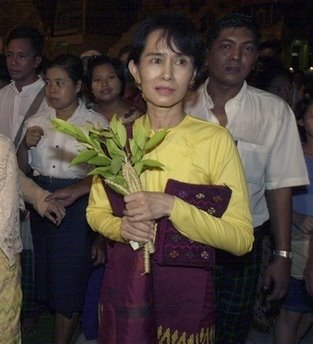


 Posts
Posts


