Tue 12 Aug 2008
Filed under: News, Opinion, Other
Twenty years ago on August 8, 1988, thousands of Burmese pro-democracy demonstrators were slaughtered by their country’s military regime in a massacre known as “8888″. Since then, Burma’s illegal junta has intensified its grip on power, and continued its crimes against humanity. In doing so, it has been assisted by the Japanese government. August 8, 2008 was also the opening ceremony of the Olympic Games in Beijing. China has been the major ally of Burma’s military regime, providing arms, investment and diplomatic cover. As Japanese people tune in to watch the Games, they should ponder the question: is it not time their government reconsidered its policy toward the Burmese regime, and put pressure on China to stop protecting these thugs?
1988年8月8日のたくさんに前に20年のビルマの民主化のデモンストレーター「8888 ″として知られていた大虐殺の国の軍の政体によって屠殺された。 それ以来、ビルマの違法会議は力のグリップを激化させ、人間性に対して罪を続けた。 その際に、それは日本の政府によって助けられた。 2008年は8月8日また北京のオリンピック大会の開会式だった。 中国は腕、投資およびずっと外交カバーを提供しているビルマの軍の政体の主要な同盟国である。 ゲームを見るために日本人が調整すると同時に質問を熟考するべきである: それ政府がビルマの政体の方に方針を再考した時間、および中国の置かれた圧力はこれらの刺客を保護することを止めるためにではないか。
Since 1988 Burma’s political and humanitarian crisis has only got worse.
Over 2,000 political prisoners are in jail, subjected to daily torture. Burma’s democracy leader, Nobel Laureate Aung San Suu Kyi, remains under
house arrest. The Burmese army has the highest proportion of forcibly
conscripted child soldiers in the world. Since 1996, over 3,200 villages in
eastern Burma have been destroyed by the military in a campaign of ethnic
cleansing that targets civilians. Rape is deployed as a weapon of war,
forced labour is widespread and people are used as human minesweepers. Over a million people are internally displaced, on the run in the jungle without food, medicine or shelter. Millions more have fled across Burma’s borders into exile.
1988年のビルマの政治および人道主義の危機以来ただより悪くなった。 2,000人の政治犯に毎日の苦悶に服従する刑務所にありなさい。 ビルマの民主主義のリーダー、ノーベル賞受賞者Aung San Suu Kyiは、残る 自宅軟禁。 ビルマの軍隊に強力にの高い比率がある 世界の徴集された子供の兵士。 3,200の村に1996年以来、 東のビルマは民族のキャンペーンの軍隊によって破壊された その清潔になることは一般市民を目標とする。 強姦は戦争の武器として配置される、 強制労働は広まって、人々は人間の掃海艇として使用される。 百万人に内部的に食糧、薬または避難所なしでジャングルの操業で、転置される。 何百万は流浪にビルマのボーダーを渡ってもっと逃げた。
In 1990, Aung San Suu Kyi’s National League for Democracy (NLD)
overwhelmingly won elections, but has never been permitted to take up its
rightful place in government. Instead, many elected representatives from the pro-democracy movement have been jailed or exiled. Last September, in a repeat of the massacre 20 years ago, Buddhist monks courageously led peaceful protests - and were once again gunned down. Japanese
photo-journalist Kenji Nagai was among those killed.
1990年に、民主主義(NLD)のためのAung San Suu Kyiの国民リーグ 圧倒的に勝たれた選挙が、しかし決してずっととることは可能になっていない 政府の合法的な場所。 その代り、民主化運動からの多くの選ばれた代表は拘留されるか、または追放された。 大虐殺の繰り返しのこの前の9月、20年前に、僧侶は勇ましく平和な抗議を-導き、もう一度撃たれた。 日本人 ながいけんじ フォトジャーナリストは殺されたそれらの中にあった。
Cyclone Nargis struck Burma in May this year and caused great destruction. Prior to the cyclone, the regime received over 40 warnings from Indian meteorologists, but failed to notify residents in the Irrawaddy Delta. As the scale of the devastation became clear, the international community rushed to offer assistance, but the regime had the audacity to refuse offers of international aid. It eventually relented, but imposed heavy
restrictions. Since then the military rulers obstructed and diverted aid for
their own purposes, and now stand accused of stealing millions of dollars
from UN aid money through foreign exchange mechanisms. Over 2.5 million people are still homeless, a million people have received no help, and the death toll exceeds 130,000. In the face of such criminal negligence, Japan has said nothing.
サイクロンNargisは5月のビルマを今年打ち、大きい破壊を引き起こした。 サイクロン前に、40回の警告にインドの気象学者から届いたが、政体Irrawaddyのデルタの居住者を知らせられない。 荒廃のスケールが明確になったと同時に援助を提供するために、国際地域社会は急いだが政体に国際的な援助の提供を断る大胆不敵があった。 それは結局寛大になったが、重い課した 制限。 それ以来軍の定規は援助をのための妨げ、転換した 自身の目的は、今何百万のドルの窃盗の訴えられて立ち 国連援助のお金から外貨のメカニズムを通した。 2.5百万人にホームレスはまだある、百万人は助けを受け取らないし、死者数は130,000を超過する。 そのような犯罪的過失に直面して、日本は何も言わなかった。
Despite the devastation caused by the cyclone, the junta went ahead with its sham referendum on a new constitution, declaring a 99% turnout and claiming that 92.4% voted for the constitution. What did Japan do? Senior Vice Minister for Foreign Affairs, Hitoshi Kimura, said that the fact that
Japanese embassy staff were able to observe the poll, albeit in just a few
polling stations, “made it a good opportunity from the point of view of
improvement of transparency.”
サイクロンによって引き起こされた荒廃にもかかわらず会議は99%の生産高を宣言し、主張する新しい憲法の偽りの国民投票と前方にことを憲法のために投票された92.4%行った。 日本は何をしたか。 外交のためのHitoshi Kimura、年長の次官はと事実それ言った 日本の大使館員はちょうど少数の投票を、とはいえ観察できた 投票所は、「それによい機会をの視点からした 透明物の改善」。
It is difficult to imagine a more absurd position. The referendum law made
it illegal to campaign against the constitution or even criticize it. Opponents were subject to a jail sentence of at least three years. Moreover, Buddhist monks and nuns, numbering 500,000, were denied the vote, as were religious leaders from other faiths. Millions in the conflict areas, 700,000 Muslim Rohingyas, and millions of refugees in exile were excluded. Further, the junta rejected international monitors. There are widespread reports of vote rigging, harassment, intimidation and bribery. Most people who voted yes did so not out of belief but from fear. Ballot papers were easily identifiable - so the regime could scrutinise how people had voted, and punish those who voted no. In some areas, the army and local officials cast votes on behalf of people. To hold a referendum days after a cyclone was not just callous, it was a blatant sign that the junta had no intention of holding a free vote. Yet still, Japan stayed silent.
より不合理な位置を想像することは困難である。 なされる国民投票の法律 憲法に対してキャンペーンに違法それはまた更にそれを批判する。 反対者は少なくとも3年の禁固刑に応じてあった。 さらに他の信頼からの宗教指導者があったように、500,000に番号を付けている僧侶および尼僧は投票を否定された。 対立区域、700,000イスラム教のRohingyas、および何百万の流浪の避難者の何百万は除かれた。 更に、会議は国際的なモニターを拒絶した。 不正選挙、悩みの種、強迫および汚職の広まったレポートがある。 投票したほとんどの人々は確信から恐れからはいないそうした。 投票用紙はひと目で分かった-従って政体は人々が吟味しいかに投票した、No.を投票した人をできるか罰。 人々に代わるある区域、軍隊およびローカル役人の鋳造物の投票。 サイクロンはちょうど堅くなかった後国民投票日を保持する、会議が自由な投票を開くことを考えていなかったというやかましい印だった。 けれどもまだ、日本は無声にとどまった。
An official in the Ministry of Foreign Affairs (MOFA) told me earlier this
year that Japan’s priority is to preserve its relations with the junta in Burma. Such a policy is not sustainable. Japan’s policy on Burma is not just a betrayal of the Burmese people, but of the liberal democratic values on which modern Japan is built.
It is time for Japan to turn up the heat on the junta and end its deafening
silence. The constitution, which enshrines military rule and lacks legitimacy, should be rejected. Japan should support efforts through the UN to impose meaningful benchmarks for progress in democratic reform and a universal arms embargo. In addition, with Tokyo being Asia’s financial center, Japan should consider introducing financial sanctions targeting the assets and transactions of the generals. Japan could also support bringing a case to the International Criminal Court, charging the generals with crimes against humanity. The Japanese people must urge their government to awaken its moral senses.
(MOFA)外務省の役人は私にこれを先に言った 日本の優先順位がビルマの会議との関係を維持することであること年。 そのような方針は支持できない。 ビルマの日本方針はビルマの人々の、現代日本が造られる寛大で民主的な価値のちょうど裏切りではないが。 それは会議の熱の上で回り、耳を聾を終える日本の時間である 沈黙。 軍事政権を安置し、合法性に欠けている憲法は拒絶されるべきである。 日本は国連を通して民主的な改良および普遍的な武器禁輸の進歩のための意味を持った基準を課すための努力を支えるべきである。 さらに、アジアの金融センターで東京が日本は大将の資産そしてトランザクションを目標とする財政の認可をもたらすことを考慮するべきである。 日本はまた人間性に対する罪と大将を満たす国際的な刑事法廷に言い分の持って来を支えることができる。 日本人は彼らの政府を道徳観念を覚醒させるようにせき立てなければならない。
Benedict Rogers is a writer and human rights activist and has made over 20 visits to Burma and its borderlands. He works for the human rights organization Christian Solidarity Worldwide, and is Deputy Chairman of the
Conservative Party Human Rights Commission in the UK. He is the author of A Land Without Evil: Stopping the Genocide of Burma’s Karen People (2004, Monarch Books) and a new report recently launched in Japanese, Carrying the Cross: The military regime’s campaign of restriction, discrimination and persecution against Christians in Burma.
ベネディクトロジャースは作家および人権の運動家、20の訪問にビルマおよび国境地方に作った。 彼は人権構成キリスト教の団結のために世界的に働き、の副議長である イギリスの保守党の人権の任務。 彼は悪なしに土地の著者である: ビルマのカレンの人々(2004年の君主本)および新しいレポートの集団虐殺を停止して最近十字を運んでいる日本語で進水した: ビルマのクリスチャンに対する制限、差別および迫害の軍の政体のキャンペーン。
Wednesday, August 13, 2008
Burmanet » Nikkan Berita (Japan): 20 Years since 1988 - Japanese Policy Betrays the Burmese People - Benedict Rogers, 1988年の-日本の方針はビルマの人々を裏切る-ベネディクトロ


China’s foreign policy towards US-appointed ‘rogue states’: interest and principles?, 結合された状態任命された無法国家の方の中国の外交政策: 興味および主義か。

Clemens Stubbe Østergaard
Associate Professor
Department of Political Science, Aarhus University
(CLEMENS@ps.au.dk)
The period of the Olympic Games will no doubt see more attempts from lobby-groups and foreign governments to pressure China in the field of foreign policy, be it Darfur and Zimbabwe (and China-Africa relations) or Burma and Taiwan (or Iran). To support these efforts, usually an oversimplified picture of the local situation is disseminated through the Western press, and also an exaggerated image of China’s possibilities to influence and change the picture - if only it would get in line with US-EU policy. Researchers in privately or government financed thinktanks do their bit.
オリンピック大会の期間は間違いなくロビーグループからのより多くの試みをおよび外国の政府Darfurおよびジンバブエ(および中国アフリカの関係)ならば外交政策の分野の中国に、圧力をかけるまたはビルマおよび台湾見る(またはイラン)。 これらの努力を支えるためには、通常ローカル状態の単純化しすぎられた映像はまた中国の可能性の西部の出版物および大げさなイメージによって-だけUS-EUの方針と一直線に得たら映像に影響を及ぼし、変えるように広められる。 個人的に研究者か政府によって融資されるシンクタンクは彼らのビットをする。
This is easy to do, partly because the issues are very complicated and it is tempting to resort to “good guy-bad guy” imagery, and partly because there is generally not much coverage of Chinese diplomatic activity and diplomacy in many multilateral contexts as well as summit meetings. As we know most of the mediaspace alotted to China is taken up by ‘wow-articles’ on the economy or ‘fie-articles’ on lack of human rights and democracy, i.e the need for regime change. This latter in a manner often resembling the 19th century European missionary activity to bring salvation to the “heathen Chinee”. Then as now, ignorance about China was an important factor. And we are still preaching.
これは多くの多角の文脈の中国の外交活動そして外交の多くの適用範囲が首脳会議と同様、一般にないので「よく人悪い人」の依頼するために心をそそるイメージである部分的に問題が非常に複雑のでし易く部分的に。 私達が知っているように中国に割り当てられる人権および民主主義の政体の変更のためのすなわち必要性の欠乏の経済または`のfie記事の`のワウ記事によってmediaspaceのほとんどはとられる。 頻繁に19世紀のヨーロッパの宣教師活動に類似しているこの後者「異教のChinee」に救助を持って来るためにある意味では。 それから今として、中国についての無知は重要な要因だった。 そして私達はまだ説教している。
Chinese arguments in relation to the issues mentioned, are usually dismissed as mere window-dressing, scantily covering narrow economic and geostrategic interests. Not so our own arguments of course. And no doubt national interests in the shape of investment, oil, trade, etc do count for a country as focused on economic development as China. However, global stability and free trade are also of the first importance for a country as dependent on world trade as China. Some of China’s arguments or ‘principles’ should perhaps be looked at more closely, from the point of view of furthering stability and the avoidance of military means and war.
述べられる通常ただの窓着服ように問題に関連する中国の議論は退去し、乏しく狭い経済的で、戦略地政治学的な興味をカバーする。 そう私達の自身の議論当然。 そして投資、オイル、貿易、等の形をした疑いの国益は中国として経済開発に焦点を合わせられるように国のために数えない。 但し、全体的な安定性および自由貿易は中国国際貿易の国の扶養家族のための最初の重要性を同様にまたもつ。 中国の議論か`の主義のいくつかは軍隊平均および戦争の安定性そして回避の促進の視点から多分よく見るべきである。
A common factor in the cases mentioned is the attempt by Western countries, led by the US, to use the UN Security Council to ‘bully’ the country in question into submission. The Chinese argue that it is not the purpose of the SC to interfere in other UN members internal affairs, at least not without the accept of the country involved. The UN Charter supports this view, and demands a threat to the peace before the SC is involved. China (and Russia) do not normally veto these attempts, but argue against them in the prolonged closed negotiations of the SC, which go on in a smaller meeting room adjacent to the offical SC chamber. Anyone who remembers Colin Powell’s speech to the Security Council, laying out ‘evidence’ against Iraq, will be skeptical of grandstanding in the SC.
述べられる`のbullyに国連安全保障理事会を使用するために米国によって導かれる西欧諸国によって場合のよくあるファクタは試み服従に疑わしい国行う。 中国人はそれが他の国連メンバーの国内事情で干渉するSCの目的ではないことを少なくともない論争する含まれる国の受諾なしで。 国連チャーターはSCが複雑である前にこの眺めを支え、平和への脅威を要求する。 中国(およびロシア)普通これらの試みを拒否しないが、役人SCの部屋に隣接してより小さい会議室で入るSCの延長された閉鎖した交渉のそれらに対して論争する。 安全保障理事会にコリン・パウエルのスピーチを覚えているだれでも、`のevidenceをイラクに対して広げて置いて、SC.のスタンドプレーの懐疑的である
The Chinese view is that it is first of all the responsibility of a troubled country’s neighbours and the regional organisations concerned that must be activated. They are directly involved and affected, understand the issues and can take the lead in finding a brokered solution. Therefore they should be given a chance, and bringing in the Security Council too early - based on Western impatience - can hurt the proceedings more than benefit them. So in Africa the OAU and other multilaterals are key to succesful settlements in Darfur and Zimbabwe, just as ASEAN or the ASEAN Regional Forum and its offspring are the key to solving the Burma issue, the 6-party talks to the North Korean problems, and perhaps the SCO for Central Asia issues. It is dysfunctional to ‘go global’ at once, the Permanent 5 members of the SC should let regional powers handle it. (Linked to this is of course a certain distrust about the effectiveness of having the US be the world policeman, a policeman with a marked preference for the gun. )
中国の眺めはそれがまず最初にかかわっている活動化させなければならないおよび悩まされていた国の隣人地方組織の責任であることである。 それらは直接、理解したり問題をそして仲介された解決を見つけることの鉛を取ってもいい含まれ、影響され。 従ってそれらはチャンスを与えられるべきで安全保障理事会を加えることは余りに早く-西部の苛立ちに基づいて-進行を傷つけるにはもっとより寄与するできる。 従ってアフリカにOAUおよび他のmultilateralsはDarfurの巧妙な解決に主であり、ASEANとしてジンバブエは、ちょうどかASEAN地方フォーラムおよび子孫ビルマ問題の解決へキーである、6党は中央アジア問題のための北朝鮮問題および多分SCOに話す。 それは`globalに正常に機能しないすぐに行く、SCのパーマ5のメンバー地方力のハンドルを許可するべきであるそれ。 (これにつながれて当然米国を持っていることの有効性についてのある特定の不信の念はである世界の警官、銃のためのマーク付きの好みの警官。 )
There is a second step, however. In the case of Sudan, China has helped pressure pres. Bashir to accept a UN security presence and has contributed its full contingent of peacekeepers. A number of important actors, like UN’s Jan Eliasson, the British Foreign Minister and the US’ Special Rapporteur on Darfur have praised China for this consistent pressure since the autumn of 2006. (China has participated in all UN Peacekeeping Operations in Africa).
しかし第2ステップが、ある。 スーダンの場合には、中国は圧力presを助けた。 国連保証存在を受け入れるバシルは調停者の完全な偶発事を貢献し。 何人かの重要な俳優、国連1月Eliassonのような、Darfurのイギリスの外相および米国の特別な報告担当者は2006年の秋以来のこの一貫した圧力のための中国を賞賛した。 (中国はアフリカのすべての国連和解操作に加わった)。
Just as China opposes what it regards as abuse of the Security Council, it also is skeptical of the utility of imposition of sanctions. I believe it sincerely regards them as ineffectual, can find very few examples of sanctions having worked, and see them as disproportionately hitting the already sick and impoverished, while profiting elites and black marketeers. Sanctions do also tend to cut off the dialogue necessary for coming up with negotiated settlements. In Sudan’s case, how would sanctions help the desperate situation in Darfur? Would they solve the severe problems related to historical hate and prejudice, climate-induced agricultural crisis and starvation, a fragmented country, lack of opportunities for young men, etc. etc.? (see the work of Alex de Waal). Sanctions will mostly contribute a “feel-good” factor in the countries imposing them, and in the Chinese view it is at best naïve to expect them to do more.
安全保障理事会の乱用とみなすものに中国は反対するように、また認可の賦課の実用性の懐疑的である。 私はエリートおよびやみ商人に利益を得ている間、それが効果がないと誠意をこめてそれらを、働く認可の少数の例を非常に見つけることができるみなす信じ不釣合いに既に病気および困窮したことを見る当ることとしてそれらを。 認可はまた上がることに必要な交渉された解決を用いるダイアログを断ち切りがちである。 スーダンの場合では、認可はいかにDarfurの絶望的な状況を助けるか。 それらは歴史的憎悪とおよび偏見、若者のための機会の気候引き起こされた農業の危機および飢餓関連していた、厳しい問題分解された国、欠乏、等等解決するか。 (アレックスde Waalの仕事を見なさい)。 認可は大抵それらを課す国の「爽快な」要因を貢献し中国の眺めにそれは精々多くをするとそれらが期待するnaïveである。
This does not mean that China is passive in this and the other contexts. It is very active diplomatically, ‘behind the scenes’, using whatever limited leverage it may have with those governments. But it does so in a covert way that allows them not to lose face from giving in to international pressure, and so furthers negotiations with the opposition (Zimbabwe, Sudan), constitutional reform (Burma), accept of UN forces (Sudan), a solution to the nuclear problem (North Korea -and hopefully Iran). This may involve strong arm-twisting, but the basic approach is to give priority to stability (in the country and the region), to economic development as the only factor which will bring real change to troubled countries, and not least to the problem-solving capacity and views of the countries and organisations of the relevant region itself. Not forgetting promoting China’s own interests too, of course - though stability and the avoidance of military means are themselves part of these.
これは中国がこれおよび他の文脈で受動であることを意味しない。 それはどんな限られたてこ比をそれらの政府と有するかもしれない外交的に非常に活発、`behind the scenes',を使用してである。 しかしそれはそれらが国際的な圧力に屈服からの表面を失わないことを可能にするそうし従って反対(ジンバブエ、スーダン)の交渉を、憲法改革(ビルマ)、受け入れる、核問題(北朝鮮-およびうまく行けばイラン)への解決促進する秘密の方法で国連軍(スーダン)の。 強い腕ねじれることを含む基本的なアプローチは安定性(国および地域で)、経済開発悩まされていた国への実質の変更を持って来る、および特に関連した地域の国そして組織自体の問題解決容量そして概観にとして優先順位をである唯一の要因与えること。 -軍の平均の安定性そして回避自身がこれらの部分であるけれども忘れていなくて中国を促進して興味を、当然余りに所有しなさい。
In their preference for stability, the Chinese sometimes end up supporting dictatorships. (This is of course not unknown for the Western side too. Still, we are much better at managing image-formation and public relations than they are. The world hardly noticed when Thailand became a military dictatorship). They also tend to take a much longer view than western governments permit themselves, dogged as those are by almost permanent election-campaigning. Finally, they go to great pains to limit further militarisation and the resort to war, because of the cost, and because of the damage it may exert on the international system itself. They have reached a point where they benefit greatly from the “status quo”, the international system and the globalisation created and still dominated by the West.
安定性のための彼らの好みでは、中国人は時々支持の独裁制を終える。 (これは当然西部の側面のためのない未知数であるも。 まだ、私達は管理のイメージ形成およびPR活動にそれらがあるより大いによりよくある。 世界はほとんどタイが軍の独裁制にいつなったか)気づかなかった。 それらはまたそれらがほとんど永久的な選挙運動をすることによって行うと同時に欧米政府が彼ら自身を、後をつけられて許可するより大いに長期的視野を取りがちである。 最後に、それらは大きい苦痛に費用のために戦争にそれ以上の軍事化およびリゾートを、限ることを行き損傷のために国際的なシステム自体で出るかもしれない。 それらは「現状」から非常に寄与するポイント、西によって作成され、まだ支配される国際的なシステムおよびグローバル化に達した。
Added to this immediate interest in preserving a system which confers advantages on it, China has -partly for historical reasons - a different emphasis from the West in a number of questions. Sovereignty is still important, as it is for most countries that have tried losing it. The United Nations and the body of international law is important, as it is for most of the world’s weaker or smaller nations. Sanctions rarely work and instead solutions must come from the people itself, as most of the countries involved in anti-colonial struggle have experienced. And finally, multilateral and diplomatic solutions to conflicts are preferable, as countries with long experience of the horrors of war also tend to feel. Add to this the marked pragmatism, which clashes with for instance the strong ideological bent of neo-conservatives and the fundamentalist Christian right, which encompasses more than 30% of Americans. The Chinese ‘model’, is that there is no model, no “one size fits all”, you look around globally and learn from what you find useful and combine it with local conditions.
利点それで相談するシステムの維持のこの目前の利害に加えられて、中国に-部分的に歴史上の理由で-西からの別の重点があるいくつかの質問で。 主権はそれを失うことを試みたほとんどの国のためであるので、まだ重要である。 世界のより弱くかより小さい国家のほとんどのためであるので、国際法の国際連合そしてボディは重要である。 認可はまれに働かないし、代りに解決は人々自体から反植民地苦闘にかかわる国のほとんどが経験したように来なければならない。 そして最終的に、対立への多角および外交解決は戦争の恐怖の長い経験の国がまた感じがちであるので、望ましい。 これに例えば新保守主義者およびアメリカ人の30%以上取囲む、根本主義者のキリスト教の権利の強いイデオロギーの曲がったのと衝突するマーク付きの実利主義を加えなさい。 中国の`model',は、「1つのサイズ合うすべてに」モデルがないことではない、有用見つけ、ローカル条件とそれを結合するものをから全体的にのまわりで見、学ぶ。
Do these differences in emphasis make it impossible to “get the Chinese on board” ? First of all, there is no choice. None of the world’s larger problems can be solved without China, be they non-traditional security threats, conflict resolution, or regulation of the international economy. Secondly, there is a certain consistency in the application of principles, which is sometimes lacking in the foreign policies of the US or EU. This makes China more predictable and also implies that the principles are not just fig-leaves applied in embarrassing situations. Predictability makes it easier to cooperate. Thirdly, China has proved receptive to diplomatic pressure, for instance from the neighbours in ASEAN which have drawn it into regional multilateralism. It has adapted to, though perhaps not yet adopted, a number of international norms, i.e. real international norms, not just those claimed to be that by individual countries. China is in a learning phase, it is a new situation for it to be a great power. While the Chinese want to be a “responsible great power”, and have shown it by revising some of their policies, this phase is also one in which it is crucial that their experience be positive. That they are treated as equal, that being bound by international norms and regimes is reciprocal, that the West accepts relinquishing some influence, in order that China may gain some. There are many ‘win-win’ situations, but there are also some zero-sum games.
重点のこれらの相違は中国語をの上で」得ることを不可能に「するか。 まず、選択がない。 世界より大きい問題のどれも中国なしで解決することができなかったり国際的な経済の従来とは違う保証脅威、紛争解決、または規則である。 2番目に、時々米国またはEUの外交政策で欠けている主義の適用にある特定の一貫性がある。 これは中国をより予想できるようにし、また主義が決まり悪い状態でちょうどイチジク去る応用にないことを意味する。 予測可能性はそれを協力することもっと簡單にする。 3番目に例えば、中国はASEANの隣人からの外交圧力にそれを引いたかどれが感受性が強い地方多角主義に、証明した。 に、けれども多分まだ、いくつかの国際的な標準を採用されなくて、すなわち実質の国際的な標準、それであることを個々の国によって主張されるちょうどそれら合わせた。 中国は学習段階、それにである強国であるそれのための新しい状態ある。 中国人が「責任がある強国」でありたいと思い彼らの方針の一部の修正によってそれを示した間、この段階はまた彼らの経験は肯定的であることは重大の1である。 それらは同輩として扱われること、西が影響を放棄することを受け入れる国際的な標準および政体によって区切られて相互があること、中国がいくつかを得るために。 多くの`勝つwin'状態にあるが、またあるゼロ和ゲームがある。
Europe has a special role in this connection. Our hands are not tied by the budgetary requirements of a very large defence industry, at least not yet, and we are much closer to China in preferring diplomatic and multilateral solutions. We don’t have geostrategic conflicts or visions of superpower rivalry with China either. Our faith in “regime change” through military intervention or state sponsoring of ‘colour revolutions’ is limited. Though we culturally are very different there is a chance, not of convergence, but of constructive cooperation based on common interests on the world scene. Alternatively, some are talking of a future Chinese-American strategic alliance, giving the two a joint global hegemony, and easing the power transition involved in integrating a China which will by then be a bigger economy than the USA. Given a freer rein, i.e. with a reduced foreign policy role for the Pentagon, skilful American diplomacy could work towards this idea.
ヨーロッパにこの関係に於いての特別な役割がある。 私達の手は非常に大きい防衛産業の予算上条件によって、少なくともまだ結ばれないし、私達は外交および多角の解決を好むことの中国に近い方の多くである。 私達は中国との超出力の競合の戦略地政治学的な対立か視野をどちらか持っていない。 `色の回転の武力干渉または州の後援による「政体変更」のの私達の信頼は限られている。 私達が文化的に非常に異なっているけれども集中性の、しかし世界場面の共通の利益に基づいて建設的な協同のチャンスが、ないある。 また、一部は未来の中国アメリカの戦略的な同盟の話し、2に共同全体的なヘゲモニーを与え、そしてそれまでに米国より大きい経済の中国の統合にかかわる力の転移を楽にすることである。 米国国防総省のための減らされた外交政策の役割の無制限な自由を、すなわち与えられて、巧みなアメリカの外交はこの考えの方に働くことができる。
Clemens Stubbe Østergaard
This entry was posted on Monday, August 11th, 2008 at 12:17 am and is filed under China, foreign policy, security policy. You can follow any responses to this entry through the RSS 2.0 feed. You can leave a response, or trackback from your own site.
Call for Action Against Military Junta in Burma,ビルマの軍の会議に対する行為のための呼出し
By Tanvi
New Delhi: The Chinese showed their firepower to the world on 8/ 8/08 at the inauguration ceremony of the Beijing Olympics. Twenty years ago on a similar date - 8/8/88 - a fire of a different kind was raging in China's neighbouring country, Burma, when its people revolted against the first military regime to overthrow the dictatorship.
著 ニューデリー: 中国人は北京のオリンピックの就任式式で8 8/08の世界に火力を示した。 20年前に同じような日付- 8/8/88 -別の種類の火は中国の近隣諸国、ビルマで独裁制を打ち倒すために人々が最初の軍の政体に対して反抗したときに、激怒していた。
On Burma (GJB), which is a part of New Yorkbased Global Justice Centre, launched a global campaign against Burma's General Than Shwe and the current military regime, junta , to start a trial against them in the International Criminal Court.a day when the entire world was spellbound by the spectacular opening event in China on Friday, an NGO, Global Justice for
ビルマ(GJB全世界が金曜日の中国の豪華な開始でき事によって魅了されたときに)、ニューヨークを基盤とする全体的な正義の中心の部分である、でビルマ大将ThanShweおよび現在の軍の政体の会議に対して世界的な推進運動を、NGOの全体的な正義のための国際的な犯罪者Court.a日のそれらに対して試験を始めるために進水させた
Justifying their demand, people associated with the movement highlighted the torture inflicted on the people of Burma by the junta in a panel discussion and talk organised by GJB and NGO Ritanjali at India Habitat Centre on Friday. From the brutal crackdown on a peaceful protest by monks last September to blockage of international aid for victims rendered homeless by Cyclone Nargis , the speakers stressed the need for an international campaign against the junta.
彼らの要求を正当化して、動きと関連付けられた人々は金曜日のインドの生息地の中心でGJBおよびNGO Ritanjaliが組織した公開討論会および話の会議によってビルマの人々で加えられた苦悶を強調した。 修道士による平和な抗議の残酷な取締りからされたCyclone Nargisによってホームレス犠牲者のための国際的な援助の妨害へのこの前の9月スピーカーは会議に対して国際的なキャンペーンのための必要性に重点を置いた。
Abby Goldberg, director of development and communications at the GJC, said: " It is becoming much more clear to the international community that it will be difficult to communicate and negotiate with the military junta which is committing genocide in Burma."
、AbbyゴールドバーグはGJCの開発そしてコミュニケーションのディレクター言った: " それはビルマの集団虐殺を託している軍の会議と伝達し合い、交渉することは困難であること国際地域社会にはるかに明確になっている。
Explaining that the international justice mechanisms were developing and there was hope for the Burmese people, she said: " We believe that no exceptions can be made to justice . Whatever has been happening will have to be accounted for."
国際的な正義のメカニズムが成長し、ビルマの人々のための希望があったことを説明する、彼女は言った: " 私達は例外が正義に作ることができないことを信じる。 起こっているものは何でもずっと説明されたfor."はあることをなる;
Providing testimony to several reports of oppression and sexual harassment of women in Burma, Cheery Zahau, a Burmese refugee who left her country in 1999 at 17, cited many such cases. Cherry, is working with the Women's League of Chinland in Mizoram, said: " I know the Indian people sympathise with us, but we also want you to write to your government to take note of our plight. India should support us in the name of democracy and freedom." Monk Ashin Aggadahja, taking forward Cheery's appeal, said: " I urge everyone to punish those who grossly violate human rights."
証明を、陽気なZahauビルマの女性の圧迫そしてセクハラの複数のレポートに提供するの17で1999年に彼女の国を去った多くのそのような場合引用されるビルマの避難者。 チェリーはWomen'を、使用している; MizoramのChinlandのsリーグは、言った: " 私はインドの人々が私達に共鳴しているが、私達の状態のノートを取るために私達がまたあなたの政府に書いてほしいことを知っている。 インドは民主主義およびfreedom."の名で私達を支えるべきである; 前方陽気な懇願を取る修道士Ashin Aggadahjaは言った: " 私は大きく人間rights."に違反する人を罰するように皆をせき立てる;
Striking a common cause with the Burmese people, Youdoun Aukatsang, one of the youngest members elected to the 14th house of the Tibet Parliament in Exile, expressed her solidarity and support for the Burmese. Focussing on the commonalities between the people of Tibet and Burma, she said, " We are neighbours, we share so many things - our religion, the repression, the torture , and even the refugee experience. It is a state-sponsored terrorism being carried out to destroy our culture, our very being."
ビルマの人々とのコモン・コーズ、Youdoun Aukatsang、ビルマ人のための彼女の団結そしてサポート表現される流浪のチベットの議会の第14家に選ばれる最も若いメンバーの1を打つ。 チベットの人々とビルマ間の共通性に焦点を合わせること、彼女は言った、" 私達は隣人、私達共有するそう多くの事-私達の宗教、抑圧、苦悶および避難者の経験--をである。 私達の文化、私達のまさにbeing."を破壊することを遂行する国家的テロである;
Snippets from documentaries based on the Burmese struggle were screened for the audience to press on the need for strong mobilisation of the international community.
ビルマの苦闘に基づいてドキュメンタリーからの断片は聴衆が国際地域社会の強い動員のための必要性で押すことができるように選別された。
GJB has also initiated a postcard campaign through which signatured postcards would be handed over to foreign minister Pranab Mukherjee. The postcards urge the Indian government to pressure the United Nations' Security Council to end impunity for General Than Shwe.
GJBはまた郵便はがきを引き渡される外相にPranab Mukherjee signatured郵便はがきのキャンペーンを始めた。 郵便はがきはインド政府を国際連合'に圧力をかけるようにせき立てる; 概要のためのThanShwe免除を終える安全保障理事会。
toireporter@timesgroup .com
(c) 2008 The Times of India. Provided by ProQuest Information and Learning. All rights Reserved.
Story Source: The Times of India
Tuesday, August 12, 2008
Japan: the land that inflation forgot
Richard Jerram | Jul 28, 2008
Inflation in Japan has two features that make it unusual. First is that the headline rate is still within the target range of the central bank, even though that range is an unnecessarily – and inefficiently – ascetic 0-2%. The underlying rate – excluding food and energy – is flat even though the economy is experiencing its longest post-war expansion.
Second, and more controversially, is the argument that higher inflation can help the economy. This has been receiving most of the attention in recent weeks, but the first point should not be ignored.
When ending its quantitative easing policy in March 2006 the BOJ produced a new framework to act as the guide for monetary policy. One of the striking features of the framework was a belief that price stability in Japan was naturally lower than in other developed economies, defined by the BOJ as an inflation rate of 0-2%. This is where the ECB started out, although it has since recognised that a more efficient inflation rate is “close to, but below 2%”.
Apart from the basis of the argument, the BOJ’s framework was undermined by its claim that there was “no significant bias” in the measurement of CPI. A few months later a base year revision took around 0.5ppt off the measured rate. This took inflation back into negative territory, which was awkward for the BOJ, as it had undertaken not to tighten policy until inflation was positive and expected to remain so.. An NBER paper by Christian Broda and David Weinstein titled “Defining Price Stability in Japan: A View from America” calculates that if the US methodology were used, then the measured inflation rate in Japan would be almost 1% lower.
The BOJ uses a Phillips Curve approach as its basic guide to policy. This is implicit in the rhetoric of officials, as well as in the bi-annual economic forecasts, which focus on the question of whether growth is above or below trend. The justification for tightening has been that excess capacity has been eliminated, growth is above trend, policy is loose and so inflation will accelerate.
Coming out of over a decade of poor economic performance due to financial system and deflation there should be even less confidence than usual in any attempt to measure trend growth or the output gap, so this forms a poor basis for policy decisions. And so it has been, with GDP growth averaging 2.1% over the past five years, but underlying inflation remaining negative.
Japan stands alone in the developed world with underlying inflation still flat and headline inflation within the central bank’s target range (it was 1.4% in the April-June quarter). Efficient fuel use means that energy is only 7% of the CPI basket, while a complex import regime means that food prices have not risen significantly. These two items accounted for 1.1ppt and 0.9ppt of the 2.0% YoY inflation rate in June.
Underlying inflation should grind higher in coming months as a result of stronger wage growth. Headline inflation probably peaks in the July-September quarter, but wage inflation should help to prevent it from slowing too sharply.
So much for griping about the policy framework. The more intriguing claim is that inflation might help Japan. This sounds like one of those “Japan is different” arguments that we sometimes hear. For example the former Economy Minister (and prime ministerial hopeful) Kaoru Yosano recently joined those pushing for an increase in interest rates to help to boost growth.
In fact the argument about the positive effects of inflation is really an argument about real interest rates. Inflation due to rising commodity prices hurts Japan in the same way that it does other commodity-poor economies, through deteriorating terms of trade.
So far that damage has been partly offset by the commodity exporters spending some of their windfall gains on manufactured goods from the developed world, with Japan fortunate to have retained a relatively large industrial sector. As a result export volumes have been growing as fast in CY08 as they did in CY07, despite the obvious difficulties with demand from the US, which takes around 20% of Japan’s exports. Unfortunately, this looks unsustainable, as inflation is leading to policy tightening in various developing economies, which is likely to cut into Japan’s export growth.
It seems unlikely that commodity prices rises will lead to front-loading of spending decisions. Japanese consumers have shown themselves to be highly sensitive to small changes in prices, for example buying cars and housing in advance of the increase in the sales tax from 3% to 5% in 1997. However, food and energy purchases do not really lend themselves to be front-loaded, especially in a country where space is at such a premium.
The unique issue – and potential positive – for Japan comes from the unusual portfolio selection of households. Over half of all financial assets (which amount to three times GDP) are in the form of cash or bank deposits. While some cite this as an example of the conservative nature of Japanese savers – with the majority of funds managed by those over the age of 60 – in part it simply reflects the impact of sustained deflation. No other country has endured a similar experience with deflation, so it is unsurprising that the resulting portfolio choices are unusual.
Over a decade of deflation and falling real estate prices meant that the returns on cash in Japan were relatively attractive. Households are not wedding to this choice, and funds trickled out of the banks in 2005-06 when real interest rates on bank deposits turned negative and other assets looked more attractive.
Real interest rates are now clearly negative, and the perception is even worse. A recent BOJ survey showed that respondents thought prices had risen 10% over the previous year, and would rise a further 7% over the coming year. This should make people nervous in having such heavy weighting of risk free assets. So far it seems that fear over the impact of global financial crisis is a stronger factor than the need to seek better nominal income, but when markets stabilise, a flow out of the bank should resume.
At the margin the flow has already begun. I estimate that there is 4-5% of GDP being held in the form of bundles of cash held for savings (non-transaction) purposes
I calculate that this money is starting to come out from the mattress and into interest earning bank deposits, presumably in response to the perception of high inflation.
The game of asking where some of this Y775tr (US$7.2tr) of cash and deposits might be heading is entertaining, but probably not particularly useful. Some will be spent. Much will head for assets that are still low risk, but offer slightly better returns. Domestic equities, foreign assets and real estate all have their champions and with such large sums involved, even a small flow could potentially have a large impact.
The discussion can turn more fanciful, with some seeing the search for yield translating into pressure on corporate management to increase payout ratios, or to manage their business more efficiently in order to increase shareholder returns.
In my experience the revulsion to the basic “inflation is good” nostrum means that people are neglecting the potential impact from negative real interest rates on portfolio choices. This could be the source of a new era of carry trade at some point in the coming year.
PrintShare
Delicious Digg Facebook reddit Technorati
Comments
Post A Comment
By posting a comment to this blog, you are agreeing to the RGE Monitor Web Logs Terms of Use below.
Burma's democratic revolution

The desire for freedom cannot be suppressed.Photo: AFP
Larry Jagan
THOUSANDS of people joined mass protests outside Burmese embassies throughout the world yesterday to commemorate the tragic events in Rangoon twenty years ago. Many international personalities, including actress Mia Farrow, joined them, all calling for the immediate release of the detained opposition leader Aung San Suu Kyi and a swift move towards democracy. Before leaving for Beijing to attend last night's opening ceremony for the Olympics, President Bush and his wife Laura added their support to the cause during their visit to Thailand.
"The spirit of 8.8.88 must never be allowed to die," said a leading spokesperson for the exiled opposition, Zin Linn, who participated in the mass pro-democracy demonstrations twenty years ago. Although there had been sporadic street protests and demonstrations for almost a year, the mass strike and rally called on August 8, 1988 marked a major turning point for the pro-democracy movement. The date was chosen because it was meant to be auspicious -- a reflection of the deep-rooted superstition that grips almost all Burmese.
Hundreds of thousands of students, civil servants and monks marched through Rangoon -- then the capital -- calling for democracy and an end to military rule. These protests grew, bringing Burma to a standstill for weeks and threatening to topple the country's one-party state. The universities had been shut several months earlier, after the initial student protests, and student leaders emerged to command the movement.
"We felt that there was no justice or freedom. So we decided we had to bring about an uprising that would end single-party rule," said one of these leaders, Aung Din -- now exiled in the US.
"We called for 'Democracy,' but none of us knew what it meant at the time," said another student activist, Aung Naing Oo -- now exiled in Thailand. "We had to look it up in the dictionary -- but we knew we wanted freedom and an end to military repression."
Six weeks after the start of the mass protests, on September 18, 1988, the army moved against the protesters, crushing the democratic movement. Thousands of students and activists died, as the military mercilessly crushed the protests. The foreign minister at the time, Ohn Gyaw, in an interview in Rangoon a few years after the events, insisted that only four people died, and that they were killed in the stampede, and not by soldiers' guns.
Most analysts suggest that some 3,000 people died in the military's mopping up operations, while many military officials openly admit -- albeit privately -- that at least 6,000 perished. In fact, a military intelligence officer close to the former intelligence chief, now under house arrest, told The Daily Star recently that General Kin Nyunt's own assessment was that more than 10,000 people were killed. "Many bodies were quietly cremated so that there was no evidence of the massacre," he said.
Since then, there seems to have been very little movement towards genuine political change. Many Burmese believed that, with twenty years of no progress, Burma is destined to remain under a military dictatorship for decades to come. "What is certain is that change will only come from within the country," said Aung Zaw, editor of the independent Burmese news website and magazine, Irrawaddy. "But more than that, I cannot predict."
Hopes of a new era were again raised last year, when the country's monks joined the street protests against the military regime, spawning a new movement dubbed the "Saffron Revolution." Again, the military's only course of action was to crush the movement with brutal force. The country's activists were jailed or forced underground.
But last year's events showed that things have changed in Burma over the last twenty years, even if much of it is intangible. For years, many local Burmese businessmen have described Burma as a social volcano ready to erupt -- all it needs is a spark, and that could come any time.
No one wants a repeat of the massive social upheaval that happened in the wake of the events of August twenty years ago. What most people don't understand is that the "people's movement" twenty years' ago came very close to toppling the military government.
"We were on the brink of giving into the protesters," the senior intelligence officer, Brigadier General Thein Swe -- now serving 197 years in prison for corruption and treason -- told a close confidante. "If the demonstrations had gone on for another two weeks, we would have been forced to give up and withdraw back to the barracks," he mused.
But the protesters gave up first -- leaving thousands dead -- and even more were forced to flee abroad. More than a quarter of a million Burmese have sought political refuge since the end of the student-led protests 20 years ago. The first batch took months to trudge through the jungles in Burma's border areas close to China, India and Thailand. They had to elude Burmese troops who would have killed them on sight, and suffered illness and disease on the way -- many were decimated by diarrhea, malaria, dengue fever and starvation.
Thousands have poignant personal stories of tragedy. Many left behind their parents and siblings; others left their own young offspring behind in the care of their grandparents, as they would not have survived the arduous journey to freedom. These young children have grown into adults without having known or seen their parents.
Although the "Saffron Revolution" cannot be compared too closely to the events twenty years ago, it did politicise a new generation of students -- all of whom are too young to remember 1988. They are likely to return to the streets as the root causes of last year's protests -- spiralling food and fuel prices have now been resolved. But one lesson of the last twenty years is that protests do not always produce political change.
"You can expect spontaneous demonstrations against the military -- but the problem is that you have to be organised," said Min Zin, a leading political activist who fled Burma more than a decade ago and is currently studying in the US. "My concern is whether it can lead to a genuine political change."
The junta now has forced the country to ratify a new constitution, which essentially institutionalises military rule, and promised a fresh election within the next two years. Burma's military rulers face a quandary, for they now have to garner the public's support as they seek to move from military to civilian government as outlined in the new constitution.
So the next two years will be uncertain as the regime prepares for these polls.
"It is in times of uncertainty that protest and change seem to happen in Burma," the independent Burmese academic at Chiang Mai University, Win Min, told The Daily Star. "The next two years are likely to be volatile -- with more protests, led by the monks and the students, are almost certain."
Larry Jagan contributes regularly to The Daily Star from Bangkok. He is a former Current Affairs Editor, Asia, BBC World Service, and covered the 1988 events in Burma.
Monday, August 11, 2008
Burma: No Rights Reform 20 Years After Massacre,ビルマ: 権利は大虐殺の後の20年を改良しない
Olympics Open on Bloody Anniversary
オリンピックは血記念日で開く
(New York, August 7, 2008) – Twenty years after the uprising in Burma, the military government continues to sharply restrict fundamental rights and violently suppress dissent, Human Rights Watch said today. The anniversary falls as the Olympic Games open in Beijing, while the Chinese government gives crucial support to Burma’s repressive regime.
On August 8, 1988, millions of Burmese took to the streets around the country to demand democracy and an end to military rule. The day was a turning point for the nationwide popular movement that had started in March 1988, because the Burmese army came out to brutally suppress the demonstrations, gunning down hundreds of protesters. An estimated 3,000 people were killed nationwide during the seven months of protests. There has been no independent investigation or prosecution of the members of Burma’s security forces involved in the violence of 1988. Many of Burma’s current leaders, such as President Than Shwe and army chief General Maung Aye, held senior positions in the military at the time.
ビルマの反乱の後の20年、軍事政権ははっきりと基本的権利を制限し、激しく意見の相違、今日言われる人権ウォッチを抑制し続ける。 記念日は中国の政府はビルマの抑圧的政権に重大なサポートを与えるがオリンピック大会が北京で開くと同時に下る。 1988年8月8日の何百万にのビルマ語要求の民主主義に国および軍事政権に端のまわりで通りに取った。 日はビルマの軍隊が残酷にデモンストレーションを抑制することを出て来たので何百もの抗議者の下で撃つ1988年3月に、始まった全国的な民衆動きのための分岐点だった。 推定3,000人は抗議の7か月の間に全国的に殺された。 1988年の暴力にかかわるビルマの保安部隊のメンバーの独立した調査または実行がずっとない。 Than ShweがおよびMaung Aye軍隊の主な大将、軍隊の上級職をその時に保持したのようなビルマの現在のリーダーの多数、大統領。
“As the world celebrates the opening of the Beijing Olympics, people should pause to remember the atrocities in Burma 20 years ago,” said Elaine Pearson, deputy Asia director at Human Rights Watch. “This anniversary is testament to the Burmese people’s enduring demand for freedom and to the world’s failure to end repressive military rule. And China, more than any other country, has enabled the survival of the brutal Burmese regime.”
世界が北京のオリンピックの開始を祝うので人権ウォッチで前にビルマの残虐行為をディレクター20年の」、イレインピアソンを言った、アジア代理覚えるために、人々は休止するべきである。 「この記念日は自由のための要求に耐えているビルマの人々と抑圧的な軍事政権を終える世界の失敗へ遺言である。 そして中国はの他のどの国もより多く、残酷なビルマの政体の存続を可能にした.
In echoes of the 1988 uprising, security forces brutally suppressed peaceful demonstrations of activists, monks and ordinary people in August and September 2007. Security forces shot and killed at least 30 protesters, and arrested thousands, many of whom were tortured and mistreated. The army continues to engage in brutal military offensives against ethnic minority populations in Burma, committing atrocities that violate international humanitarian law.
1988年の反乱のエコーでは、保安部隊は残酷に8月および2007年9月の運動家、修道士および普通の人々の平和なデモンストレーションを抑制した。 保安部隊は撃ち、少なくとも30人の抗議者を殺し、そしてたくさんを阻止した、そのほとんどは苦しみ、酷使された。 軍隊は国際人道法に違反する残虐行為を託すビルマの少数民族の人口に対して残酷な軍の抗勢で従事し続ける。
A third of Burma’s population of 54 million lives in abject poverty. Education and health services have deteriorated to among the lowest in the world. Following the devastating Cyclone Nargis, which struck southern Burma in early May 2008, the military government showed it was more concerned with national security than with the plight of its people. It initially delayed and blocked international relief efforts, and then proceeded with a constitutional referendum. Human Rights Watch’s report “Vote to Nowhere: The May 2008 Constitutional Referendum in Burma,” showed that the referendum was carried out in an environment of severe restrictions on access to information, repressive media laws, an almost total ban on freedom of expression, assembly, and association, and the continuing widespread detention of political activists. Despite obvious flaws in the process and its implementation, China hailed the referendum as progress. The ruling State Peace and Development Council (SPDC) has announced parliamentary elections for 2010.
赤貧の54,000,000生命のビルマの人口の三番目。 教育および保健業務は世界の最も低いのの中でに悪化した。 早い2008年5月の南ビルマを打った破壊的なサイクロンNargisの後で、もっと人々の状態のより国家安全保障にかかわられていたことを、軍事政権はそれを示した。 それは最初に遅らせ、国際的な救助活動を妨げ、そして次に体質性の国民投票と進んだ。 どこもへの人権ウォッチのレポートの「投票: ビルマの5月2008日の体質性の国民投票は」、国民投票が表現の自由の情報、抑圧的な媒体の法律、ほとんど完全禁止、アセンブリおよび連合へのアクセスの厳しい制限の環境で遂行された、および政治運動家の継続広まった延滞ことを示した。 プロセスおよび実施の明らかな欠陥にもかかわらず、中国は進歩として国民投票を呼んだ。 支配する州の平和および開発議会(SPDC)は2010年のための議会選挙を発表した。
Human Rights Watch said that the Olympic spotlight should be turned on Burma because of China’s role as a close ally of the SPDC. As a major source of foreign investment, trading partner, and diplomatic supporter of the SPDC, the Chinese government further entrenches military rule in Burma. China’s actions, such as blocking UN Security Council action on Burma, have frustrated efforts by the Burmese people to enlist other countries and the United Nations to press for an end to decades of political oppression.
人権ウォッチはオリンピックスポットライトが中国の役割のためにビルマでと同時にSPDCの近い同盟国回るべきであると言った。 海外投資の主要なもと、SPDCの貿易相手国および外交サポータとして、それ以上の中国の政府はビルマの軍事政権を塹壕で防備する。 ビルマの国連安全保障理事会の行為の妨害のような中国の行為は、ビルマの人々による努力を政治圧迫の十年に端のために押すために他の国および国際連合を入隊するための失望させた。
On August 8, many heads of state, including US President George W. Bush, French President Nicolas Sarkozy, Chinese President Hu Jintao, Australian Prime Minister Kevin Rudd and Burmese Prime Minister Thein Sein will be in Beijing for the opening ceremony of the Olympic Games.
8月8日に、多くの国家首脳、米国の大統領を含むジョージW.ブッシュ、Nicolas Sarkozyフランスの大統領、Hu Jintao中国の大統領、ケビンRuddオーストラリアの総理大臣およびThein Seinビルマの総理大臣はオリンピック大会の開会式のための北京にいる。
“The Chinese government and the Olympic movement should be ashamed to have a leader from this ruthless regime as an Olympic guest,” said Pearson. “At the very least, Beijing should tell the prime minister that it’s time for political reform in Burma. As a responsible power, China should put the Burmese people’s welfare first, ahead of profit from business deals and arms sales that only benefit the regime.”
中国の政府およびオリンピック動きにオリンピックゲストとしてこの無慈悲な政体からのリーダーがあるために恥じるべきである」ピアソンを言った。 「せめて、北京はそれがビルマの政治改革の時間であることを総理大臣に告げるべきである。 責任がある力として、中国は政体だけに寄与する軍備調達および商売上の取引からの利益に先んじるビルマの人々の福祉を最初に置くべきである
This week, the new UN special rapporteur for human rights in Burma, Tomás Ojea Quintana, visited Burma for the first time. The UN special advisor to the secretary-general on Burma, Ibrahim Gambari, will also visit Burma in August to consult with the SPDC on political reforms.
この週、ビルマ、Tomás Ojea Quintana、訪問されたビルマの人権のための新しい国連特別な報告担当者はじめて。 ビルマの事務総長へのイブラヒムGambari、国連顧問はまた政治改革のSPDCと相談するために8月以内にビルマを訪問する。
Human Rights Watch calls on the international community, particularly China, India, and the members of the Association of Southeast Asian Nations (ASEAN) to pressure the Burmese government to cooperate fully with both envoys and to make basic reforms to improve the human rights situation, including to:
人権ウォッチは国際地域社会、特に中国、インドおよび東南アジアの国家(ASEAN)の連合のメンバーで両方の公使に十分に協力し、含んでいる人権の状態を改善するために基本的な改良をするようにビルマの政府に圧力をかけるために呼ぶ:
* Cooperate fully with the United Nations and international relief agencies to respond to cyclone-affected areas, to provide aid with full transparency, accountability, and community participation;
* Immediately and unconditionally release an estimated 2,000 political prisoners, including Nobel Peace Prize winner Aung San Suu Kyi, and permit them free and unfettered participation in political activities;
* Cease restrictions on the rights to freedom of expression, assembly, and association; and
* Cease military attacks against ethnic minority populations, and hold accountable all members of the security forces responsible for war crimes.
*サイクロン影響を受けた区域に、援助答えるために、国際連合および国際的な救助機関に責任能力およびコミュニティ参加に完全な透明物を与えるために十分に協力しなさい;
*すぐにそして無条件で推定2,000人の政治犯を、ノーベル平和賞勝者Aung San Suu Kyiを含む解放し、そして政治活動の自由な参加を自由に許可しなさい;
*、アセンブリおよび連合表現の自由に権利の制限を終えなさい; そして
*軍の攻撃を少数民族の人口に対して終え、責任がある戦争犯罪に責任がある保安部隊のすべてのメンバーを握りなさい。
“Burma’s rulers have used China’s support as a license to commit atrocities,” Pearson said. “Concerned governments should focus sustained criticism and targeted sanctions on the military regime so that the people of Burma do not endure another 20 years of brutal oppression.”
「ビルマ定規残虐行為を託す免許証として中国サポートを使用したと」はピアソンは言った。 「ビルマの人々が20年間もうの残酷な圧迫」。耐えないように政府に軍の政体に支えられた批評および目標とされた認可を焦点を合わせるべきであるかかわった
http://www.pinoypress.net/2008/08/10/burma-no-rights-reform-20-years-after-massacre/
Sunday, August 10, 2008
FT.com / Home UK / UK - Beijing holds key to change in Burma
By Amy Kazmin in Delhi
Published: August 8 2008 03:00 | Last updated: August 8 2008 03:00
As the Chinese exult in the opening of an Olympic Games aimed at showing off their nation's ascent under Communist rule, the population of neighbouring Burma is marking a more sombre occasion: the 20th anniversary of a failed pro-democracy uprising.
On August 8 1988 angry Burmese fed up with severe economic hardships and national stagnation after 26 years of socialist-oriented military dictatorship took to the streets en masse to demand democracy. While the dramatic uprising shook the nation and raised hopes of a better life, the military brutally suppressed the protests, killing at least 3,000 people and sending a generation of young Burmese fleeing for the border to struggle in exile.
Twenty years on, Burma remains firmly under the military's boot, with most people struggling to get by in a crippled economy and fearful that any public expression of discontent will result in their imprisonment and the persecution of their family.
"So many people have sacrificed and so many of them are still in jail today, but I don't see any progress or hope of change," said Win Min, who was a medical student in 1988 and fled to Thailand, from where he monitors developments. "The new generation is suffering as we suffered in the past."
President George W. Bush and his wife Laura sought to put the spotlight on the plight of Burma's 52m people yesterday. The US president had lunch in Bangkok with prominent Burmese exiles and Mrs Bush travelled to the Thai-Burma border to meet refugees.
"The American people care deeply about the people of Burma and dream for the day the people will be free," Mr Bush told dissidents and former political prisoners at an hour-long lunch.
But for all Washington's high-profile support for the Burmese democracy movement, including financial aid to exiles seeking to foment another popular uprising, several exiles urged Mr Bush to bring China into the push for change and to co-ordinate policy towards Burma with it.
The ruling Burmese junta receives substantial financial support and political cover from China, which sees its impoverished and badly governed neighbour as a valuable source of natural resources, including wood, gemstones and natural gas, necessary for its own buoyant economy.
"China holds the key," said Aung Zaw, founding editor of a Chiang Mai-based magazine, The Irrawaddy, and one of the dissidents who met Mr Bush. "This is the country that continues to protect and defend this appalling military government."
Mr Bush told the dissidents he would raise the issue of Burma with Hu Jintao, the Chinese president, during his Olympic visit to Beijing, but said forging a common position was difficult given the two countries' widely differing interests in Burma, according to several of those who attended the lunch. While the US was interested in human rights, China was interested in commerce, he told the group.
Some pro-democracy campaign groups hoped to use the coincidence of the Olympics opening ceremony and the start of the 1988 uprising to highlight China's support of the military regime, just as campaigners have successfully drawn attention to Chinese policy in Tibet.
But Aung Zaw said some Burmese activists "think it would be a strategic blunder to provoke China when there is a possibility of opening communication" with Beijing. In the past few years Chinese authorities have opened low-level contacts with some exiled pro-democracy activists and broadened their contacts inside Burma, but such dialogue has remained at a low level and does not appear to have resulted in any shift in -policy.
Still, Mark Farmaner, the head of Burma Campaign UK, said democracy activists felt it better to try to "charm and woo" Chinese officials in order to convince them that the democracy movement represents a genuine positive alternative to the generals, rather than to simply embarrass China on the eve of the Olympics.
"We might have been able to make a splash and get headlines but would it make a policy impact in China? We think not," Mr Farmaner said. "China has been starting to move, very gently, in the right direction. If we piss them off, they will just retreat into their shell again."
Few expect the Burmese people to commemorate the uprising's anniversary with a fresh outpouring against their rulers.
Security is extremely tight in Rangoon and most prominent dissidents and many of the Buddhist monks who led protests last September remain in prison. Authorities yesterday charged Zarganar, the country's most popular comedian, with five political offences. He had given interviews to foreign media criticising the regime's slow response to cyclone Nargis, which left 133,000 people dead or missing in May this year.
But Win Min remains confident that eventually the military will be forced to relax its grip. "Even if change will not come at the moment, there must be some combination of people's power movement, international pressure and moderate officers coming to the top that will bring change."
Brittle euphoria, Page 9
Copyright The Financial Times Limited 2008
Saturday, August 9, 2008
No moving backwards for Myanmar,ミャンマーのための後退無し

Myanmar's prisoners - Aung San Suu Kyi, Zaw Htet Ko Ko, U Win Tin, U Khun Htun Oo
© Private
8 August 2008 ,2008年8月8日
By Benjamin Zawacki, Amnesty International's Researcher on Myanmar
ベンジャーミンZawacki著、ミャンマーのアムネスティ・インターナショナルの研究者
"We must move forward, forward in Myanmar. There is no backwards for us." These words were spoken to me by a participant in the "8888" uprising in Myanmar who was forced to flee his country. Twenty years after the brief flowering of people power in Myanmar, however, little has improved for the millions of people still suffering under repressive rule.
" 私達はミャンマーで前方進まなければならない。 us."のために後方にない; これらの単語は"の関係者によって私に話されていた; 8888" 彼の国を逃げさせるミャンマーの反乱。 しかしミャンマーの人々力の報告書の開花の後の20年少しはまだ抑圧的な規則の下で苦しんでいる何百万の人々のために改良した。
If the future is to be better, the UN Security Council and Myanmar’s Asian neighbours must cease turning a blind eye to human rights violations in Myanmar and begin to take bold and effective measures toward stopping them.
On 8 August 1988, students took to the streets in Yangon (then still Rangoon) to demand democracy and human rights from their government. Over the next six weeks, the demonstrations grew in number and popular support and spread across the country, before the security forces moved in and violently suppressed the uprising. They killed more than 3,000 people and caused the enforced disappearance of an unknown number of others.
The massacre so shocked the world that many people both inside and outside the country believed that it marked "the end" in Myanmar; human rights violations on such an egregious scale would no longer be tolerated by the international community. Sadly for the people of Myanmar, however, they were wrong.
Daw Aung San Suu Kyi, leader of the main opposition party, Nobel Peace laureate, and icon of the Burmese human rights movement, has been under some form of detention for nearly 13 of the last 19 years. U Win Tin, a senior member of her party and 78 years-old, has been imprisoned for all of those 19 years, the longest-serving prisoner of conscience in Myanmar. Thousands of other political prisoners have been detained since 1988; 137 have died in custody, some from torture or lack of medical attention.
More than 2,000 people are now behind bars, more than a third of whom the government detained during its violent crackdown on the monk-led demonstrations last fall — the third major demonstration since 8888 through which the Burmese have tried, against ruthless and heart-rending odds, to demand their rights. Just days after the crackdown, monks and dissidents on the Thai-Myanmar border told me harrowing accounts of the recent violence and their narrow escape from the country.
Outside of the cities — and the international spotlight — the Myanmar army has continued to wage war over the past twenty years against the country’s ethnic minorities as well, among them the Karen. Campaigns against the Karen National Liberation Army (KNLA) have been relentless since the early 1990s. Three years ago the army commenced another major offensive against the Karen, which continues to this day, though this time the army is actively avoiding the KNLA and instead targeting defenseless villagers.
On a widespread and systematic basis, the army is perpetrating a catalogue of serious human rights violations against the Karen, including extrajudicial killings, torture, enforced disappearances, arbitrary arrests, forced labour, crop destruction and confiscation, restrictions on movement, arbitrary levies and fines and anti-personnel land mines.
Another effect of both the 8888 uprising and the ethnic persecution is that hundreds of thousands of people in the past two decades have been forced to flee their homes to seek shelter elsewhere in Myanmar or in neighbouring countries. No fewer than half a million people in a nation of approximately 51 million are internally displaced within Myanmar. As I have witnessed myself, most live in deplorable conditions and constant fear, wondering if the world even knows about them.
Just under half that number are officially recognized as refugees in the surrounding countries, though several times more are not officially recognized and thus have even fewer rights. Many refugees have become some of the world’s most committed and courageous human rights activists — members of Myanmar’s "88 Generation" — as another entire generation of children has been born in exile.
Three months ago, the government wilfully neglected its people when Cyclone Nargis struck Myanmar. Relief workers, diplomats, journalists, and Burmese survivors told me again and again with horror and disbelief how the government violated its own citizens’ human rights to food, shelter, health, and to life itself on a massive scale.
The government refused to deploy its own much-touted army of 400,000 soldiers to the affected areas and rejected international assistance. Instead, the authorities saw fit to frog-march traumatized, bereaved, and hungry people to "vote" for a new constitution that both fails to protect human rights and codifies impunity for officials who violate them.
The exodus of refugees from Myanmar and the government’s response to the cyclone have generated the kind of human suffering that the UN system was designed to address. The UN has sent numerous official and unofficial missions to Myanmar since 1988 — with two more taking place this month — and has a large humanitarian presence there now, but with little or no impact on human rights.
But the one UN body with real power, the Security Council, has been unable or unwilling to take effective action. It has neither visited Myanmar to obtain first-hand information on the situation on the ground nor imposed a comprehensive mandatory arms embargo on the country. The only resolution condemning Myanmar’s human rights record was vetoed in January 2007 by permanent members China and Russia, while Indonesia, a non-permanent member at the time, abstained.
Since then, the Council has managed only two Presidential Statements on Myanmar, one in October 2007 that "strongly deplored" last fall’s crackdown, and another in May 2008 that "underlin[ed] the need" for Myanmar to ensure inclusiveness and credibility in its constitutional referendum later that month. Stronger language was objected to by, among others, China, Indonesia, and Vietnam.
While ASEAN’s statements critical of the crackdown last fall and the continued detention of Daw Aung San Suu Kyi have been welcome, the organization—and its member countries—have been inexcusably forgiving of Myanmar’s human rights record over the past twenty years. India, a powerful neighbouring state and the world’s largest democracy, has also been disturbingly compliant.
Just as with the 8888 uprising, many people hope that the government’s response to Cyclone Nargis signals the "the end" of such enormous human rights violations in Myanmar. Whether it really does this time, however, depends not only on the Burmese — whose "88 Generation" continues to courageously lead the way — but on the political will of the UN Security Council and Myanmar’s Asian neighbours as well. Twenty years is a long time, but it is not too late.
This article originally appeared in the Bangkok Post in Thailand on 8 August 2008.
Suu Kyi's party hails 1988 uprising as 'turning point' in Myanmar
Suu Kyi's party hails 1988 uprising as 'turning point' in Myanmar: "Suu Kyi's party hails 1988 uprising as 'turning point' in MyanmarSuu Kyi's party hails 1988 uprising as 'turning point' in Myanmar"
Burma quiet on rally anniversary-BBC
"Most of the people are more concerned about their lives and their businesses as the economy is going down. Still, I think the Burmese are hoping the situation in the country will get better one day," he added.
" 人々のほとんどは彼らの生命およびビジネスについてもっと経済がダウン状態になっていると同時に心配する。 まだ、私は国の状態がよりよく1日、"を得ることをビルマ人が望んでいることを考える; 彼は加えた。
Burmese must be supported, ビルマ語は支えられなければならない

Aung San Suu Kyi, leader of the democratic movement in Burma, has been placed under house arrest by the military regime since 1989
Aung San Suu Kyiのビルマの民主的な動きのリーダーは1989年以来の軍の政体によって自宅軟禁の下に、置かれた
© 2008 The Irish Times,2008アイルランドの時
The Government will continue to help the Burmese people in their struggle for democracy, writes MICHEÁL MARTIN
政府は書くMICHEÁLマーティンを民主主義のための苦闘のビルマの人々を助け続ける
TWENTY YEARS ago, in a remarkable display of "people power", hundreds of thousands of Burmese citizens took to the streets of their country in peaceful demonstrations to demand democracy, justice and economic security in their troubled land, a struggle that they have been engaged in ever since.
"の驚くべき表示の20年前に、; 人々のpower" 、数十万人のビルマの市民は彼らの悩まされていた土地の要求の民主主義、正義および経済保障、苦闘に平和なデモンストレーションの彼らの国の通りにその後従事していたこと取った。
It was in these post-8-8-88 (August 8th, 1988) weeks that a small, quiet, middle-aged woman emerged on to the national stage. The daughter of the hero of Burma's struggle for independence, Gen Aung San, who had been assassinated when she was two, and of a mother who was a distinguished Burmese ambassador, Aung San Suu Kyi had spent much of her life outside her native land but she had returned to Burma in March 1988 to nurse her terminally-ill mother.
これらのはに国民の段階に小さく、静かな、中年の女性によってが現れたポスト8 8 88 (1988年8月8日)週だった。 Burma'の英雄のある娘; 独立のためのsの苦闘は彼女の末期症状の母を看護するために、暗殺されたGEN昂山彼女が顕著なビルマの大使だった母、Aung San Suu Kyiの2才、彼女の故国の外の彼女の生命の多くを過ごしが、である彼女は1988年3月のビルマに戻った前に。
Known little beyond being the daughter of her hero father and with no track record as a practising politician, Aung San Suu Kyi became involved almost immediately on her return in the pro-democracy wave sweeping the country. Exactly one week after the Burmese people took to the streets on August 8th, Aung San Suu Kyi issued an open letter to the regime, proposing the appointment of an independent People's Consultative Committee to lead the country into multi-party elections, and also stressing to the people of Burma the vital importance of discipline and non-violence in their search for justice and change.
彼女の英雄の父のそして実績練習の政治家として知られていて、Aung San Suu Kyi無しの娘であることを越えて少し民主化の波で彼女のリターンで含まれるようにほとんどすぐに国を掃除することはなった。 ビルマの人々が8月8日の通りに取った1週後丁度、Aung San Suu Kyiは複数政党制の選挙に国を提案し、ビルマの人々にまた導くために独立した人々の諮問委員会の任命を正義および変更の調査の訓練そして非暴力の死活的重要性に重点を置く政体に公開書簡を出した。
On August 26th, Aung San Suu Kyi made the first major public appearance of her career at a political rally in Rangoon, addressing a rapturous crowd of around half a million, and presenting a political programme based on human rights, democracy and non-violence.
8月26日で、Aung San Suu Kyiはラングーンの政治再結集で彼女のキャリアの最初の専攻学生におよそ五十万の熱狂的な群集に演説し、人権、民主主義および非暴力に基づいて政治計画を示す登場をした。
But on September 18th, the 8-8-88 popular and peaceful uprising and the weeks of hope and elation that followed were brought to a rapid end when the army chief-of-staff staged a military coup to regain control of the government. Martial law was immediately imposed and control of the country was transferred to a State Law and Order Restoration Council. Along with this, the army launched a merciless counteroffensive against the demonstrators, unleashing the full might of the military on unarmed civilians - men, women and children. At a minimum, 3,000 died or disappeared without trace, but some would claim that the number could have been as high as 10,000.
しかし9月18日で、政府の制御を取り戻すために軍隊の主席補佐官が軍不意の一撃を上演した場合の続かれる急速な端に持って来られたこと希望および大得意の8-8-88の普及した、平和な反乱および週。 戒厳令はすぐに課され、国の制御は州の法と秩序の復帰議会に移った。 これと共に、軍隊は非武装の一般市民-人の軍隊の完全な力、女性および子供を自由にするデモンストレーターに対して無慈悲な反攻を進水させた。 少くとも、3,000は跡なしで死ぬか、がまたは消えた、数が10,000高かったかもしれないことを一部は主張する。
Undeterred by the crackdown, Aung San Suu Kyi and other members of the opposition founded a political party on September 24th - the National League for Democracy, or NLD, and she became its general secretary. By then, Aung San Suu Kyi, in defiance of bans on public meetings and in the face of serious threats to her personal safety, had already begun to organise a series of more than a hundred political rallies around the country, attended by growing crowds of supporters.
、Aung San Suu Kyiおよび他のメンバー反対の取締りによって引き止められない9月24日の政党を創設した-民主主義のための国民リーグ、かNLD、および彼女は書記長になった。 それまでに、市民集会の禁止を無視してそして彼女の個人的な安全への深刻な脅威に直面するAung San Suu Kyiは、既にサポータの群集の成長によって出席された国中で一連百政治再結集より多くを組織し始めてしまった。
In April 1989 while campaigning in the Irrawaddy Delta, Aung San Suu Kyi - in one of the most iconic scenes of her career - marched calmly through an army unit with rifles trained on her. However, in July, increasingly alarmed by her growing influence and popularity, the regime placed Aung San Suu Kyi under house arrest in Rangoon where she has remained for most of the years since then.
4月1989日Irrawaddyのデルタで運動をしている間、ライフルが付いている陸軍部隊を通して穏やかに行進されたAung San Suu Kyiが-彼女のキャリアの最も画像的な場面の1つで-彼女で訓練した。 但し、ますます彼女の成長する影響および人気によって驚かされた7月に、政体は彼女が年のほとんどのためにそれ以来残ってしまったラングーンに自宅軟禁の下にAung San Suu Kyiを置いた。
But despite her house arrest and heavy restrictions on her, Aung San Suu Kyi and the NLD scored a resounding victory in elections in May 1990, with her party securing 82 per cent of the seats. The military junta refuses to recognise the results of the election and have continued to rule the country ever since, changing its name to Myanmar. It is a ruthless military regime that has distinguished itself primarily for its brutal repression of the people of Burma, military campaigns against ethnic minorities and the generation of vast numbers of refugees and internally-displaced people. It is the same regime that last September brutally crushed the peaceful protests of unarmed monks and civilians demonstrating peacefully.
しかし彼女の彼女の自宅軟禁および重い制限にもかかわらず、Aung San Suu KyiおよびNLDは座席の82%しっかり止めていて彼女の党が1990年5月の選挙の顕著な勝利を、記録した。 軍の会議はミャンマーに名前を変える選挙の結果を確認し、国を以来支配し続けることを断る。 少数民族に対してビルマの人々、軍事行動および避難者および内部転置された人々の膨大な数の生成の残酷な抑圧のためのそれ自身を主に区別したのは無慈悲な軍の政体である。 それはこの前の9月が残酷に平和に示している非武装の修道士および一般市民の平和な抗議を押しつぶしたこと同じ政体である。
It is a regime which, in the wake of the tragedy engendered by Cyclone Nargis in May, proceeded with an already flawed and discredited referendum and did virtually nothing to help the survivors, until forced into action by the international community.
5月のCyclone Nargisが発生させた悲劇の結果として、既に傷が付いた、疑われた国民投票と進んでおよび国際地域社会によって行為に強制までの生存者を、助けることを事実上何もしなかったのは政体である。
Unfortunately the international response to the situation in Burma has been inadequate, though to their credit the European Union, the United States and some other countries have imposed political and economic sanctions on the regime in the wake of their rejection of the results of the 1990 election; these were tightened further following the events of last September. Although sanctions have not resulted in any change of heart on the part of the regime, they serve as an important symbol of our rejection of that brutal regime and all that it stands for.
残念ながらビルマの状態への国際的な応答は信用に不十分、しかしずっと欧州連合である、米国および他の一部の国は1990年の選挙の結果の拒絶の結果として政体に政治および経済制裁を課した; これらはこの前の9月のでき事の後で更にきつく締められた。 認可が政体の方のあらゆる方向転換で起因しなかったが、意味するその残酷な政体およびすべての私達の拒絶の重要な記号として役立つ。
The Burmese generals have also resisted any effective role by the UN and international human rights bodies, though the personal intervention of the UN secretary general in the post-cyclone situation and visits by other key UN representatives provide some grounds for optimism for a more proactive UN role. I would, of course, very much welcome this.
ビルマ大将はまた国連によって有効な役割に抵抗し、国際的な人権ボディは順向国連役割の楽天主義に、しかしポストサイクロンの状態の国連事務総長の個人的な介在および他のキー国連代表による訪問ある地面を提供する。 私は、当然、非常にこれを歓迎する。
Ireland, along with our EU partners, has long worked hard to maintain the issue of Burma high on the international agenda. The Government works closely with like-minded international partners seeking ways to generate more effective global action in support of the Burmese people. We hope that their role in the post-Nargis relief and reconstruction effort can be developed into more proactive political engagement.
私達のEUと共にアイルランドは、長く懸命に働いた国際的な議題のビルマの最高の問題を維持するために組む。 政府はビルマの人々を助けてより有効で全体的な行為を発生させる方法を追求している同じ考えの国際的なパートナーと密接に働く。 私達はポストNargisの救助および復元の努力に於いての彼らの役割が順向の政治約束に開発することができることを望む。
Over the years, the Government and the Irish people have provided assistance to the Burmese people and their acknowledged representatives, including responding quickly and generously to the recent humanitarian crisis. Likewise, we work closely with the Burmese community and friends of Burma in Ireland, including supporting the excellent work of Burma Action Ireland. We also maintain close working relations with the National Coalition Government of the Union of Burma - Burma's government in exile(NCGUB).
年かけて、政府およびアイルランドの人々は最近の人道主義の危機にすぐにそして寛大に返答を含むビルマの人々そして彼らの認められた代表に援助を、提供した。 同様に、私達はビルマの行為アイルランドの優秀な仕事の支持を含むアイルランドのビルマのビルマのコミュニティそして友人と、密接に働く。 私達はまたビルマ-ビルマの連合の国民の連合の政府の近い仕事上の関係を維持する流浪(NCGUB)の政府。
Today, we remember the heroic actions of the people of Burma in 1988. We recognise in particular that, despite all that they have suffered, the spirit of 8-8-88 lives on in the hearts and minds of the people of Burma, at home and in exile. In paying tribute today to those brave men and women, and especially to their leader, Aung San Suu Kyi, the Government will continue to do all that is possible in support of their unwavering desire for freedom, justice and democracy.
今日、私達は1988年にビルマの人々の英雄的な行為を覚えている。 私達は家庭でそして流浪で、彼らが苦しんだすべてにもかかわらず、8-8-88の精神はビルマの人々の中心そして心に住んでいることを、特に確認する。 それらの勇敢な人および女性と特にリーダーへの捧げ物を今日支払うことで、Aung San Suu Kyiは、政府自由、正義および民主主義のための動揺しない欲求を助けて可能であるすべてをし続ける。
• Micheál Martin is Minister for Foreign Affairs
• Micheálマーティンは外交のための大臣である
© 2008 The Irish Times
This article appears in the print edition of the Irish Times
この記事はアイルランドの時の印刷物の版で出る
Friday, August 8, 2008
Thursday, August 7, 2008
MY COLLECTIONS OF 8888 MEMORIES FOR 20 YEARS ANNIVERSARY OF 8888 MASS UPRISING, 8888多くの反乱の記念日20年の間8888の記憶の私のコレクション
8888 MEMORIES
8888 BURMA
BOGYOKE AUNG SAN
DAW AUNG SAN SUU KYI
ALAY PYU-BOW DOWN-DAW MAR MAR AYE
DHAMMA PUZAR TO SANGHA-DAW MAR MAR AYE
Wednesday, August 6, 2008
Buzz Asia » Blog Archive » A Roadmap for Democracy in Burma, ビルマの民主主義のための道路地図

A Roadmap for Democracy in Burma
ビルマの民主主義のための道路地図
Posted under Politics |
In an appearance at the annual Asean summit, U.S. Secretary of State Condoleezza Rice described the Burmese junta’s plan for the gradual restoration of democracy to Burma as a “mockery which is going nowhere.” While this condemnation may have grated on some of the participants as not sufficiently diplomatic, it is the cold, hard, indisputable truth. Lest anyone forget, it has been 18 long years since Burma’s 1990 elections when the National League for Democracy and its allies won 82% of the parliamentary seats, and were never allowed to take office.
年次ASEAN頂上の出現では、Condoleezza Rice米国の国務長官は」。どこも行っている「嘲笑としてビルマに民主主義の漸進的な復帰のためのビルマの会議の計画を記述した この非難は十分に外交ように関係者の何人かで火格子を付けるかもしれない間、冷たく、堅く、明白な真実である。 だれでも忘れている、民主主義のための国民リーグおよび同盟国が国会の議席の82%に勝ったでなく、決してオフィスを取ることを割り当てなかったときにビルマの1990年の選挙以来の18の長い年。
The most powerful symbol of the Burmese people’s resilience has been the revolving-door house arrest of the world’s only imprisoned Nobel Peace Prize laureate, NLD leader Aung San Suu Kyi. Flouting its own law, the Burmese junta recently extended her most recent stint in her dilapidated home to a sixth straight year. Over the course of some 12 years of detention over the last 18, the United Nations Working Group on Arbitrary Detention has ruled four times that her detention is illegal, and is in clear violation of international law. A fifth petition before this body is pending. And yet the junta continues to detain her, and ignore the popular will of its own people.
ビルマの人々の弾性の最も強力な記号は世界の投獄されたノーベル平和賞受賞者だけ、NLDのリーダーずっとAung San Suu Kyiの回転ドアの自宅軟禁である。 自身の法律を軽視して、ビルマの会議は第6まっすぐな年に最近彼女の荒廃させた家の彼女の最新の出し惜しみを拡張した。 最後の18上の延滞の約12年の間に、任意延滞の国際連合のワークグループは彼女の延滞が違法である支配し、国際法の明確な違反にある4回を。 このボディの前の第5嘆願書は未決である。 今までのところでは会議は彼女を引き留め続け自身の人々の普及した意志を無視する。
While the U.N. Secretary-General, the Burmese regime, and allies of the junta have urged that the question of humanitarian aid in the wake of Cyclone Nargis not be “politicized,” the regime itself has taken every advantage of the cyclone to make permanent its grip on power to the exclusion of helping its own people. As is often the case, distraction and delay in discussing the fundamental issues in Burma only serve the interests of the regime.
グリップを作るためにサイクロンNargisの結果として人道的援助の質問は「政治化されないために」、政体自体サイクロンのあらゆる利点を自身の人々の助力の排除に力で永久的取るように会議のU.Nの事務総長、ビルマの政体および同盟国がせき立てる間。 場合が頻繁にあるように、ビルマで基本的な問題を論議することの気晴らしそして遅れは政体の興味だけを機能する。
The junta itself insists that it is on a seven-step roadmap to democracy. In the days following the cyclone — which left more than 140,000 dead or missing and millions without the most basic levels of subsistence — the regime focused on conducting its sham constitutional referendum, designed to cement its hold on power and then claimed victory by implausible margins.
民主主義にseven-step道路地図にあることを会議自体は主張する。 以上140,000および何百万生存の基本的なレベルなしで死亡または行方不明に去ったサイクロンの後で- -政体は偽りの体質性の国民投票を行なうことに焦点を合わせ、力の把握をセメントで接合するように設計し、そして次に信じ難い差益によって勝利を要求した。
The junta has also brazenly used the cyclone to its further advantage. The United Nations recently reported that aid groups have lost some 20% of the money they have brought in to Burma because of arbitrary foreign exchange rules imposed by the junta. Not only does the junta retain these funds as its own “tax” on relief operations, but this also reduces the aid provided to those most in need.
会議はまたそれ以上の利点に厚かましくサイクロンを使用した。 国際連合は最近援助グループが会議が課す任意外貨の規則のためにビルマに持って来たお金の20%を失ったことを報告した。 しか会議は専有物としてこれらの資金を救援活動の「税」保たないが、これはまたそれらに提供される援助を必要性のほとんど減らす。
So what can really be done with such a seemingly intractable conflict?
従って非常に表面上は扱いにくい対立と何が実際にすることができるか。
During last fall’s Saffron Revolution, the U.N. Security Council unanimously agreed on a statement outlining a practical roadmap for a restoration of democracy to Burma. While that roadmap had been shelved after the cyclone, it is time for it to be dusted off and put into practice. In particular, the statement made clear that the solution to the problems of Burma required the following key features: (1) personal engagement by the UN Secretary-General; (2) early release of all political prisoners; (3) the Burmese junta entering into an inclusive process of national reconciliation with Aung San Suu Kyi and ethnic groups; (4) the need for commitments to be followed by action; and (5) ongoing engagement by the international community.
去年の秋のサフランの回転の間に、U.Nの安全保障理事会はビルマに民主主義の復帰のための実用的な道路地図の輪郭を描く声明に満場一致で同意した。 その道路地図はサイクロンの後で棚に置かれる間、塵を払われ、練習に入るそれの時間である。 特に、声明はビルマの問題への解決が次の主要特点を要求したこと明らかに作った: (1)国連事務総長による個人的な約束; (2)すべての政治犯の以前のリリース; (3) Aung San Suu Kyiおよび民族グループとの国民の和解の含んだプロセスを始めているビルマの会議; (4)行為に先行させている責任のための必要性; そして(5)国際地域社会による進行中の約束。
Currently, U.N. Special Envoy Ibrahim Gambari is scheduled to return to Burma in August to pave the way for a return visit of Secretary-General Ban Ki-moon later this year. The time has come for the United Nations to measure success by outcomes alone, not merely by the engagement in process. Were success to be measured by engagement alone, it would have already been achieved. Special envoys and rapporteurs have made literally dozens of trip to Burma over the years, with minimal effect.
現在、U.Nの特使イブラヒムGambariは事務総長のBan Ki-moon帰りの訪問のための道を今年末頃に開くために8月のビルマに戻ることになっている。 時間は国際連合がプロセスの約束によって単独で結果によって成功を、ただ測定することができるように来た。 単独で約束が測定される成功はそれ既に達成されようあった。 特使および報告担当者は旅行を、最低の効果のビルマにたくさん長年かけて文字通り作った。
Unless tangible and specific outcomes are actually achieved from this visit — including the release of Aung San Suu Kyi and other political prisoners, which is a prerequisite for any meaningful dialogue — then it is time for the Security Council to take further action. Specifically, it should escalate the pressure on the junta by adopting a binding resolution to transform its recommendations from its presidential statement into demands. Pressure has been increasing from numerous Asean countries, which now view Burma as holding back the development of the bloc. And pressure has been sustained by the United States, United Kingdom and France. But all members of the Security Council — including China, Russia, and South Africa, which had opposed prior action on Burma — must be reminded of their subsequent agreement with this roadmap.
有形および特定の結果がこの訪問から実際に-あらゆる意味を持ったダイアログのための前提条件である他の政治犯、およびAung San Suu Kyiの解放を含んで-それからそれならそれ以上の処置をとる安全保障理事会の時間達成されなければ。 具体的には、それは要求に大統領声明からの推薦を変形させる結合の決断の採用によって会議の圧力を増やすべきである。 圧力はブロックの開発を抑えることとして今ビルマを見るずっと多数のASEAN諸国から増加している。 そして圧力は米国、イギリスおよびフランスによって支えられた。 しかし安全保障理事会のすべてのメンバーはこの道路地図との彼らのそれに続く一致を-中国、ビルマの前の行為に反対したロシアおよび南アフリカ共和国を含んで、-思い出さなければならない。
There have never been any easy answers to the problems in Burma. And that continues to be the case. In the meantime, the Burmese people draw strength from the grace, dignity, and spirit of Aung San Suu Kyi and the perseverance of their fellow citizens. And they hope and pray that we will use, as she has said, our freedom to promote theirs.
容易な答えはビルマの問題へいままで決してなかった。 そしてそれは事実であり続ける。 その間、ビルマの人々はAung San Suu Kyiの優美、威厳および精神および彼らの同国の市民の忍耐から強さを引く。 そして彼らは彼女が言ったように私達が、彼等の物を促進する私達の自由使用すると期待する。
by Jared Genser
Posted July 25, 2008
http://www.post.12buzz.com/a-roadmap-for-democracy-in-burma.htm
Monday, August 4, 2008
APOLOGY TO MISS LAURA YANOMA
From:
To:
Cc:
RE: [jacjapan] American Pride Monday, 4 August, 2008 22:16
"phone hlaing"
"laurayanoma"
"JACJAPAN"
.
Dear Laura,
I apologise on behalf of Mr. Hla Aye Mg for sending this mail. Sometimes
some people do the mistake unintentionally. I believe that Mr. Hla Aye Mg
make this mistake unintentionally.
We are very grateful to American citizens like you and US Government
for strong commitments and strong support to our struggle for democracy
and freedom.
With great respect.
Phone Hlaing
FWUBC-JAPAN
From: laura yanoma
Subject: RE: [jacjapan] American Pride
To: jacjapan@yahoogroup s.com
Date: Monday, 4 August, 2008, 3:44 AM
In response to the "American Pride" video on youtube:
This kind of glorification of war is deeply perverse. It is true there are
many Americans who feel that our national pride is linked to our military,
but there are also many good people who believe military should be for
defense and aid, not the pursuit of oil and wealth. Hopefully the latter group
will decide the upcoming election.
Laura Yanoma
USA and Japan
To: jacjapan@yahoogroup s.com
From: danya_thurein@ yahoo.com
Date: Sat, 2 Aug 2008 10:28:20 -0700
Subject: [jacjapan] American Pride
Please watch , just click below the link.
http://www.youtube. com/watch? v=EqXfm_3AWwA&feature=related
Send instant messages to your online friends
http://uk.messenger .yahoo.com
__._,_.___
Reply (via web post) | Start a new topic
RE: [jacjapan] American Pride - Yahoo! Mail 2/2 ページ
http://aa.mc571.mail.yahoo.com/mc/showMessage?fid=Inbox&sort=date&order=down&sta... 8/4/2008
Common ground
Five days and counting until 8.08pm on the eighth day of the eighth month of the eighth year of the century.
Whatever its outcome, the Beijing Olympics are destined to be as memorable as the starting time for their minutely choreographed opening. Even the least sporty couch potato must be relishing the spectacle.
Given the mammoth investment China has made in its elite athletes, it will be a surprise if this nation of 1.3 billion fails to top the medals table, beating the United States into second place for the first time. But that is not how China's success will be measured. The Olympic spirit has always been about more than a four-yearly pageant of athletic skill and competitive spirit.
The run-up to the games has witnessed as many controversies as the interlocking Olympic rings. Far from advertising China's arrival as a modern state, the protests over Tibet during the torch relay, China's refusal to intervene to halt atrocities in Burma, Sudan and most recently Zimbabwe and the sudden removal from Beijing of would-be protesters, have all brought negative publicity. This was crowned last week by Amnesty International's report saying human rights had deteriorated since China was awarded the 2008 Olympics in 2001. Journalists promised free access to internet websites arrived to find restrictions still in place. Promises to tackle the dreadful pall of pollution hanging over Beijing are belatedly being met only by centrally imposed restrictions on factories and drivers, reminding the outside world of the conditions endured under normal circumstances. Hopes that technology would deter drugs cheats have been disappointed with the elimination of 17 competitors before the start, including the US relay team. Rumours persist about China's use of gene therapy and the level of corruption.
However, while those such as LibDem leader Nick Clegg and film producer Steven Spielberg are justified in seeking to use the Olympics to raise their objections to these issues, ultimately we have more to gain than lose by engaging with the Chinese than by shunning them. Despite widespread human rights abuses, China has come a long way since dissidents were met with a bullet in the head. Today, against the odds, the skies over Beijing are blue and officials have lifted some restrictions placed on journalists. The ancient Olympics were marked first and foremost by a truce. For the 17 days of the games, that should apply also to anti-China sniping. Instead, it should be an opportunity for China and the rest of the world to start understanding each other better.
12:12am today
Copyright © 2008 Newsquest (Herald & Times) Limited. All Rights Reserved
Sitemap :: Circulation :: Syndication :: Advertising :: About Us :: Terms of Use
Philippine Star - Articles - -Envoy expected to meet Myanmar democracy activists
Philippine Star - Articles - -: "YANGON (AP) -Leaders of Aung San Suu Kyi's National League for Democracy party hope to meet a UN human rights investigator who was in Myanmar on Monday, days before the 20th anniversary of a failed uprising against the country's military rulers.
Human Rights Council investigator for Myanmar Tomas Ojea Quintana has asked to meet government officials, representatives of ethnic groups and political parties, a U.N. statement said.
There was no mention of a meeting with opposition leader Suu Kyi, who is under house arrest.
Quintana wishes 'to engage in a constructive dialogue with the authorities to improve (the) human rights situation of people of Myanmar,' the statement said.
Quintana arrived in Myanmar on Sunday and will stay until Thursday, a day before the 20th anniversary of the 1988 uprising against the military junta. The government has already strengthened security ahead of the anniversary, fearing it could be used by pro-democracy activists to launch further protests against the junta.
Nyan Win, a spokesman for Suu Kyi, said members of her National League for Democracy party have not been told whether they will be able to see Quintana but said they hope to press him about her access to a doctor.
'One of our concerns is to seek regular visits to Suu Kyi's personal physician,' Nyan Win said Sunday, adding that she has not seen her physician, Dr. Tin Myo Win, since early May.
Myanmar has been under military rule since 1962. The current junta came to power in 1988 after crushing a pro-democracy movement, killing as many as 3,000 people. It called elections in 1990 but refused to honor the results when Suu Kyi's party won overwhelmingly"
Bankrupt Singapore politician stopped from leaving | World | Reuters
Bankrupt Singapore politician stopped from leaving | World | Reuters: "SINGAPORE (Reuters) - A Singapore opposition politician has been stopped from leaving the country to attend a university programme in the United States because she had failed to pay costs linked to a court case, a newspaper reported on Saturday.
Chee Siok Chin, a committee member of the Singapore Democratic Party and sister of party chief Chee Soon Juan, was stopped by the Official Assignee's office, which must give permission before a bankrupt can leave the country, the pro-government Straits Times newspaper reported.
The newspaper said the Official Assignee's office deemed the programme was of no benefit to her creditors.
Chee had enrolled for the summer programme at Stanford University's Center on Democracy, Development, and Rule of Law, the newspaper said.
She was declared a bankrupt last year after failing to pay legal costs linked to a 2005 court case.
Chee had challenged a move by the Singapore police to disperse a peaceful protest in August 2005. The protest, by Chee Siok Chin and three others, took place outside a public building in Singapore and called for greater transparency in state institutions.
The case was thrown out and three of the four were ordered to pay costs of about S$23,700 ($17,290), the newspaper said.
Protests in Singapore are rare and an assembly of five or more people requires a permit from the police. Singapore says it needs tough laws on assembly for the maintenance of peace and stability."
George Bush’s Iran-Contra and Thaksin’s Dodgy Export-Import Bank Loan to Burma
US twist to Thaksin court case By Peter J BrownAsian Times — The Thai Ex-Im Bank loan case, however, is notable for its international dimension, including a US government role in financing Shin Satellite’s business activities. During Thaksin’s five-year tenure, his family-owned Shin Satellite, now known as Thaicom and majority-owned by Singapore’s Temasek Holdings, developed and in 2005 launched a US$350 million satellite known as iPStar, which now beams satellite broadband services throughout Southeast Asia, China and Australia.
Myanmar’s government allowed the company to run trials of IPStar’s ground stations in 2003, providing the company a live but closed environment to test the technology without heavy market scrutiny. A portion of the 2004 Thai Ex-Im Bank loan to Myanmar was allegedly used to purchase those same Shin Satellite iPStar satellite terminals and other services. Although the upcoming criminal case is expected to examine the terms of the loan and how it was allegedly devised to provide maximum benefits to Thaksin’s family-owned Shin Corp, the US State Department as well as the US Export-Import Bank will be nervously watching the proceedings. That’s because American taxpayers effectively helped to finance iPStar’s construction by a US company, Space Systems/Loral, through roughly $190 million in US Ex-Im Bank loan guarantees. (The French government, which has also recently been a strong critic of Myanmar’s regime, also provided loan guarantees for the launch services for the satellite.) At the same time the Thai Ex-Im Bank approved its controversial loan to Myanmar in 2004, the actual satellite was still sitting on the ground in the US awaiting delivery by Loral to a launch facility in South America. Because of the Myanmar government’s abysmal human rights record, US companies are legally forbidden by US government trade and investment sanctions from doing with the country any business that was not established before 1997. Here is the Iran-Contra component. I’m not going to recap what happened during the Iran-Contra scandal during the 80’s, but there was one component of the scandal where Ronald Reagan and his underlings were selling/giving arms to Iran, which is and was at that time a rogue terrorist state and an enemy of the US, and there were trade and investment sanctions against Iran.This policy contradicted Reagan’s “no negotiations with terrorists” policy and it broke the law regarding trading arms with Iran. Questionable US role In this particular case, and for unknown reasons, the US State Department and the US Ex-Im Bank stood by silently as the controversial iPStar transaction with Myanmar unfolded. This is much more than an awkward omission: the iPStar project was a high-profile affair from the start. Among other things the head of the US Ex-Im Bank traveled to London in 2003 to accept an award related to the project, which Shin Satellite executives at the time promised would revolutionize the global satellite business through greater transmission efficiency. The writer should have been more clear on this. Now I am going to have to look up what happened. Powerful members of the US Congress had a heated exchange with the US Ex-IM Bank in 2002 over how the satellite project was taking shape, although not over the possibility that its mission would benefit Myanmar’s junta.Why were members upset over this? Probably has to do with money. Though it seems that Loral is a bigger contributor to the Democratic Party than the Republican Party.As the court case against Thaksin unfolds, the US Congress and even the White House, which in recent years has been strongly critical of Myanmar’s military regime, including President George W Bush’s own reference to the country as an “outpost of tyranny”, will be left to answer how this transaction apparently slipped under their radar screens. He won’t answer for his hypocrisy, because the US media won’t call him on it. Days before the Thai Supreme Court announced its decision to hear the case, the US House of Representatives voted to freeze certain junta members’ assets and ban the importation of all Myanmar-sourced jade and rubies to the US. American gem dealers had previously avoided trade sanctions by importing Myanmar gems from second countries which processed or in other ways added value to the raw stones. I have to point out that the Republicans controlled Congress back in 2002 and the Democrats control Congress now. So it isn’t surprising that there is a tougher sanctions policy. However, like I said, Loral, the manufacture of Ipstar, supports the Democrats over the Republicans. The new measures are the latest of a wide range of trade and investment sanctions imposed by the US government against Myanmar. In 2007, Bush extended for another year the trade sanctions that were first signed by president Bill Clinton in 1997. Add to that list the Burmese Freedom and Democracy Act of 2003, and another executive order on new investments in Myanmar signed by Bush that same year. The Bush administration’s tough message to Myanmar’s generals has been clear, while the gap dividing the US’s and Thailand’s policy towards the regime has grown ever larger. Bush has been tough against Burma. No wonder that the junta is paranoid. However, it looks like Bush has egg on his face, just like Reagan, for financing a brutal authoritarian regime, despite the rhetoric and policy. Indeed Shin Satellite and its iPStar satellite continue to make steady inroads into Myanmar. In early 2008, Myanmar Posts and Telecommunications announced that Thaicom had expanded its business ties through the signing of a pair of new capacity contracts. Thailand’s new Thaksin-aligned government, led by prime minister Samak Sundaravej, announced earlier this year that the remaining portion of the 2004 Thai Ex-Im Bank loan would be handed over to Myanmar’s generals, despite the political controversy surrounding the loan. This is one area that Thaksin, Samak and the Thai military agree on. Keep supporting the Burmese junta with money, weapons and technology. Of course, the Thai media is weak in holding the government and military accountable for these policies. The bottom line however is that Thaksin and his family are not the only ones feeling the legal heat. While the US State Department looked on, the US Ex-Im Bank wrote checks that effectively extended badly needed satellite services into Myanmar - and in apparent violation of the sanctions Washington has long imposed against the military regime. This is a serious crime. This is actually more serious than the CTX and the Bangkok Film Festival scandals. Now Myanmar’s junta is likely using US-funded wireless broadband technology to perpetuate its repressive policies and harassment of pro-democracy groups. Not only does the oversight represent a shameful stain on US government accountability, it also sets back the broader cause of promoting human rights and democracy in military-run Myanmar. I wonder if the Thai press or the US press corps traveling with Bush will ask him about this.Of course not.I found this case to be highly disturbing, considering Bush’s strong stance against the Burmese regime. It won’t be getting the attention it deserves in the mainstream US press.Loral, the manufacturer of the Ipstar system, was actually investigated and fined for sharing its technology with China.—Concerning the US Export-Import Bank Component from a scathing article in the New York Times:A Guardian of Jobs or a ‘Reverse Robin Hood’?By LESLIE WAYNEPublished: September 1, 2002 IT is hard to imagine why Thaksin Shinawatra, a billionaire who is Thailand’s prime minister, would need a helping hand from the United States government for his family business, an Asian telecommunications giant called the Shin Corporation.The Shin business empire, which Mr. Shinawatra founded and is still majority owned by his family, spreads from India to Indochina. It is Thailand’s largest telecommunications company. But last May, to the consternation of competitors, Shin Satellite, a subsidiary, won a $160 million loan guarantee from the Export-Import Bank of the United States to buy a new telecommunications satellite and strengthen its grip in Southeast Asia.For the bank, a Depression-era agency founded to promote exports, the rationale was simple. Loral Space and Communications, an American manufacturer run by Bernard L. Schwartz, a longtime Democratic Party donor, was Shin’s supplier, and commercial banks, according to the bank, would not finance the deal without the loan guarantee.Crying foul, Shin Satellite’s competitors tried to block the deal in Congress. ”How is it that billionaires like Shinawatra and Bernie Schwartz can get the U.S. taxpayers to subsidize their deals?” asked Franklin G. Polk, a lobbyist for New Skies Satellites, a rival based in the Netherlands that, like other companies, was able to get private financing, but not at the rates as low as Shin’s government-backed loans.How indeed? Basically Thaksin borrowed money from the US government to finance his satellite empire, then used Thai taxpayer money to give to Burma to buy Shin Satellite services.The Thai Export-Import Bank scam will be one of the cases that will probably put Thaksin in jail.George Bush must feel comforted knowing that the US government financed Burma’s use of American technology to hunt down and kill Burmese dissidents.
Tags: Loan Mortgage Calculator
This entry was posted on 星期六, 08月 2nd, 2008 at 17:22 and is filed under Calculator. You can follow any responses to this entry through the RSS 2.0 feed. Responses are currently closed, but you can trackback from your own site.
Comments are closed.
--------------------------------------------------------------------------------


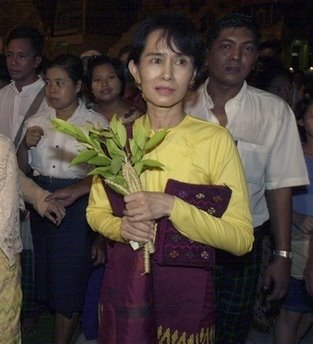


 Posts
Posts


