News & Articles on Burma
Thursday, 14 October, 2010
....................................................
'It's All Up to Us'
KNLA Expects Offensive After Election
Zarganar in Good Health, Says Rangoon Journal
Mon Party Confident of Election Victory
The General Versus The Teenage Prisoner
Suu Kyi fights law with law
Letter to Australian Foreign Minister Stephen Smith on a Burma Policy Review
Myanmar democracy fight polls apart
Concern greets new Security Council arrivals
Suu Kyi: I won't vote in coming Myanmar election
ASEAN Secretary-General Hopes Burma's Elections Mark New Stage
Mr. Surin Pitsuwan’s dream of Burma will not come true
Burmese Tycoon Buys the Kandawgyi Palace Hotel
-----------------------------------------------------------
'It's All Up to Us'
Thursday, October 14, 2010
The Rangoon-based Democratic Party (Myanmar) was formed in September 2009 by former political prisoner Thu Wai and three of Burma's former prime ministers' daughters: Than Than Nu (the daughter of U Nu); Cho Cho Kyaw Nyein (the daughter of Kyaw Nyein); and Nay Yee Ba Swe (the daughter of Ba Swe). It is contesting 47 seats in next month's election.
The Irrawaddy reporter Khin Oo Thar recently interviewed Democratic Party (Myanmar) Chairman Thu Wai who will contest the People's Assembly seat in Rangoon's Mingalar Taung Nyunt constituency.
He spoke to The Irrawaddy about electoral alliances, his party's strengths and weaknesses, and his expectations for a post-election Burma.
Question: With less than a month to the election, how is your party doing?
Answer: We don't have much time left, but our party candidates have been campaigning in their respective constituencies. I myself have made four campaign tours in my constituency, which is Mingalar Taung Nyunt Township. I have also been to other townships whenever possible. It has been encouraging. People were a bit intimidated in the beginning, but later I saw their open support for our party.
The day before yesterday, while I was campaigning in the street, Minister Aung Kyi, who is my opponent in this constituency, was also campaigning on another street. That is what competition is about: so that people can see the differences between us. According to reports from other townships, things are going well.
Q: What are the strengths of your main opponents, the Union Solidarity and Development Party?
A: They have power and money. For instance, my opponent Minister Aung Kyi has visited all the community centers in the area. The USDP are building roads and schools now. He also visited mosques because there are a number of Muslim residents in the area. He offered them opportunities so that they would vote for him. Still, there are people who do not support him.
Q: Several democratic parties and ethnic parties formed alliances over a week ago, but your party did not join an alliance. Why not?
A: All six members of the alliance are our allies. We have all agreed to work together. The main reason that we did not join the alliance is because of the National Democratic Front (NDF). We have to compete against each other in some constituencies. Therefore, voters may get confused seeing two allied parties competing against each other. After the election, we will be in consultation with each other. They are all our friends.
Q: The National League for Democracy (NLD) and its allies have boycotted the election. How are you going to proceed, given the different stances among opposition camps?
A: We are close friends with the NLD too. I have always attended their events. Regarding participation in the election, that is their own decision. No one is right or wrong. We respect their decision and they respect ours. We always meet at events if we are unable to meet in private. We have a mutual understanding.
Q: The regime-backed USDP is stronger and its leadership is mostly made up of former generals. The military will automatically take 25 percent of the seats. Is it fair to say that the post-election government will be dominated by the military?
A: Basically, the military will have an automatic 25 percent quota of the legislative bodies. They will also take the positions of Defense Minister and Border Affairs. The National Security Council can stage a coup any time they like. In effect, they have got so much authority.
However, in reality, you only win if you have the support of the public. Many people dislike the USDP. If the public do not vote for them, we will win this election. They will win only in constituencies where pro-democracy groups are not competing.
Q: You once said that the military was 'systematically withdrawing from politics.' Do you think your judgment was wrong based on current developments?
A: No. Since they have decided to hold an election, the military is withdrawing. Everything depends upon the people and the political parties that are truly working for the people. Even if the military has a 25 percent privilege, the political parties must still try hard. If the people really support us, we will gain the remaining 75 percent of the parliaments. It is all up to usif we advance, they must withdraw, and vice-versa.
http://www.irrawaddy.org/article.php?art_id=19732&page=2
---------------------------------------------------------------
KNLA Expects Offensive After Election
By SAW YAN NAING Thursday, October 14, 2010
PAPUN DISTRICT, Karen State—The commander of the Karen National Liberation Army (KNLA) Brigade 5 has told all soldiers in his command along the bank of the River Salween to be prepared as the Burmese regime plans to clean up the border areas after the Nov. 7 election, said KNLA sources who spoke to The Irrawaddy in a KNLA base on the Salween in northern Karen State.
“They [the government army] won't leave KNLA forces sitting undisturbed on the border after the election—they plan to clear us out,” said Ka Nyaw Poe, a KNLA soldier. “The coming offensive is a major concern for all of us.”
KNLA Brigade 5 troops prepare to resist the Burmese government and DKBA offensive. (PHOTO: Saw Yan Naing/ The Irrawaddy)
The Burmese regime is expected to order the troops of the Democratic Karen Buddhist Army (DKBA) that became a border guard force under Burmese army control to attack KNLA bases located on the lower part of the Salween River and on the bank of Moei River in southern Karen State.
Burmese government troops will, in the meantime, clean up KNLA Brigade 5 bases located between the Moei River and along the upper Salween throughout northern Karen State.
The government forces are expected to start their offensive in southern Karen State where KNLA Brigades 6 and 7 are based and continue through to northern Karen State where Brigades 5, 3, 2 and 1 operate, according to KNLA and DKBA sources on the border.
“We heard they [Burmese regime troops] will bombard our bases with mortar fire before launching ground attacks,” said a KNLA soldier called Pah Baw.
With a contingent estimated at more than 1000 strong, Dae Pu Noh, the headquarters of KNLA Brigade 5, is one of the strongest bases and a prime target. It is a medical and military training base with more than 20 buildings including offices, schools, clinics and training facilities.
Despite repeated attempts to overrun Dae Pu Noh in the past, Burmese government troops have failed to take the base.
Karen sources said that if the offensive succeeds, thousands of people will flee into the jungle in northern Karen State, becoming internally displaced persons (IDPs) in northern Karen State. More than 3,000 Karen refugees in Ei Tu Hta, a temporary camp on the Salween, will be forced to cross the river onto Thai soil.
Thai military sources and some observers are worried that a major military offensive against all ethnic armed groups representing the Mon, Karen, Karenni, Shan, Wa and Kachin from southern to northern Burma will be launched by the Burmese regime after the election.
In a secret meeting in Chiang Mai in September, ethnic armed groups reportedly agreed to provide military assistance to each other if they are attacked. The ethnic leaders also exchanged military information and tactics at the meeting.
http://www.irrawaddy.org/article.php?art_id=19728
---------------------------------------------------------------
Zarganar in Good Health, Says Rangoon Journal
By THE IRRAWADDY Thursday, October 14, 2010
Photographs of jailed comedian Zarganar and activist Dee Nyein Lin appeared on the website of Rangoon journal Eleven Media Group on Thursday with a prison official quoted as saying that the two are in good health.
Critics of the military government, however, said the article was a charade aimed at promoting a better image of the regime ahead of the Nov. 7 general election. They pointed out that there are currently about 100 political prisoners suffering poor health in Burmese prisons who are constantly denied proper health care.
This photograph of jailed Burmese comedian Zarganar was published on the Eleven Media Group website on Oct. 14.
According to Thailand-based Assistance Association for Political Prisoners (Burma), 128 political prisoners are recorded as suffering from poor health in prison and no less than 143 political prisoners have died in detention since 1988.
The website said that Zarganar, a well-known Burmese comedian who was active in helping cyclone victims in 2008, was granted an eye test in Myitkyina Prison in Kachin State on July 1. Dee Nyein Lin, a leading member of the All Burma Federation of Student Unions, received an eye test on July 22 in Monywa Prison in Sagaing Division. There was no mention of other specific medical treatment.
Zarganar was sentenced for 35 years for his involvement in the humanitarian relief effort in the Irrawaddy Delta after Cyclone Nargis devastated Burma in May 2008. Dee Nyein Lin was sentenced for six and half years for his involvement in an anti-government demonstration.
According to the report in Eleven Media Group, a prison officer said that more than 100 medical staff work at each prison in Burma, including 32 doctors and 27 nurses. He reportedly said that medical treatment in prison is satisfactory and that medical specialists from outside are invited into the prisons to check the health of all prisoners.
As the general election nears, the UN-led international community has called for the Burmese regime to release all political prisoners, including opposition leader Aung San Suu Kyi. There are more than 2,100 political prisoners in Burma, according to rights groups.
It was reported that the Burmese authorities plan to release 3,000 prisoners before the election date, but few, if any, political prisoners are expected to be among the released, said observers.
According to a Reuters report quoting a prison official, the released prisoners will be allowed to vote in the election.
http://www.irrawaddy.org/article.php?art_id=19731
---------------------------------------------------------------
Mon Party Confident of Election Victory
By LAWI WENG Thursday, October 14, 2010
The chairman of the newly formed All Mon Regions Democratic Party (AMRDP), Nai Ngwe Thein, has predicted that the ethnic Mon party will win a majority of votes in Mon State in the Nov. 7 general election.
He added that as a former assistant director from the Ministry of Education in Mon State, he has many students in Mon State who support him and who will encourage others to vote for his party.
According to an AMRDP member who wished to remain anonymous, the party is becoming more prominent and is receiving more widespread support from people in Mon State.
Speaking to The Irrawaddy on Tuesday, he said the platform of support includes many Buddhist monks, youths and human rights/ democracy activists. “They support the AMRDP because they believe that the Mon people should have a political party representing them in next month's election,” he said.
The head of the underground Mon Young Monks Organization in Moulmein said, “It doesn't matter whether or not a Mon party can achieve rights for our people through the election, it is our duty to help our ethnic party win more votes.”
Traditionally in Mon State, Buddhist monks play a powerful role in shaping politics and influencing the public. Mon politicians frequently seek approval from the sangha [Buddhist monkhood] before they announce their candidacy or form a political party.
“Whenever I go to a village on an election campaign, I first pay respects to the monks at a local monastery,” said Nai Ngwe Thein. “They are influential and can advise people who to vote for. Sometimes they even offer our party members food, because we are running our election campaign on our own funds.”
The AMRDP is registered to run 34 candidates to contest seven Mon townships in the general election. The party leaders have said that they face many difficulties in organizing their supporters during this election campaign because Burmese special branch police routinely follow their members to their homes and question them. They say that only the junta-backed Union Solidarity and Development Party (USDP) is given free rein to campaign.
The USDP and the National Unity Party (NUP) will contest every constituency in all 10 townships of Mon State. The Democratic Party (Myanmar) and the National Democratic Force are registered to contest a handful of seats.
Meanwhile, four well-known Mon singers, including Pamo Ka Chan and Jan Yit, have composed songs for the AMRDP to aid its election campaign. The songs are due to be released on Oct. 15.
“They have been working in a studio in Rangoon and have produced CDs for distribution,” said Nai Ngwe Thein.
Several sources have told The Irrawaddy that opinion is divided among the Mon population on whether to participate in or boycott the election. Convention wisdom dictates that a majority of Mon inside Burma are inclined to vote, whereas overseas and exiled Mon are encouraging a boycott of the election.
The Mon Affairs Union—an umbrella group of Mon organizations both inside and outside Burma, including the New Mon State Party—released a statement last month urging a boycott, claiming that the election will not be free and fair, and saying that it will not bring about a political voice for the people of Mon State after the election.
In August, the Mon National Council, which is based in Australia, sent an open letter to the party leaders of AMRDP, saying that Nai Ngwe Thein's political agenda is “creating confusion” among the Mon people ahead of the election.
However, Min Nwe Soe, the secretary of AMRDP, said, “We know there are many restrictions in the electoral laws, but we are facing up to them. Our belief is that Mon people need to be represented by a political party. It is important to bring up the Mon issue at parliament. If there are no Mon parliamentarians, no one will speak up for us.”
http://www.irrawaddy.org/article.php?art_id=19727
---------------------------------------------------------
The General Versus The Teenage Prisoner
By WAI MOE Thursday, October 14, 2010
Rangoon Mayor, Ex Brig-Gen Aung Thein Lin, 58, a leading member of the junta-backed Union Solidarity and Development Party (USDP), is facing a challenge from independent candidate Kaung Myint Htut, 35, who was one of the youngest political prisoners in Burma.
Both candidates are running for a seat in the lower house in Rangoon's South Okkalapa Township constituency in the Nov. 7 election.
“Frankly speaking, I don't believe the elections can bring the changes we would like to see,” Kaung Myint Htut said. “But I think people should be given an alternative to candidates from the USDP or the former military rulers in the National Unity Party.”
Kaung Myint Htut, an entertainment producer, attempted to form the Myanmar Democracy Congress Party with some colleagues when the Union Election Commission (UEC) called for registration of political parties in March, but the attempt failed because of financial difficulties and obstacles to membership imposed by the UEC regulations.
Kaung Myint Htut was 13-years-old when he was arrested following his involvement in the 1988 democracy uprising. He was arrested three times between 1988 and 1990 before he was sentenced to six years imprisonment in 1991.
He said he hoped his fellow student activists of the 1988 Generation who are in prison understand his involvement in the elections.
Coming from the ruling military hierarchy, however, Aung Thein Lin background is very different. He was a major in the military in 1988 and later became the commander of Light Infantry Division 101 and then deputy minister of Industry-2 as well as an executive of the junta’s mass organization, the Union Solidarity and Development Association (USDA), which was transformed into the USDP in April. He became mayor of Rangoon in 2003.
Aung Thein Lin’s association with the junta and the USDA may not help him win votes since the USDA under its modern guise as the USDP achieved infamy in the eyes of the general public in the past 17 years.
Political observers in Rangoon suggest that if the USDP does not cheat in the polls, even Aung Thein Lin might find it difficult to compete with Kaung Myint Htut, his main rival.
“Major U Aung Thein Lin’s political background as a general and member of the USDA stands in direct contrast with that of Kaung Myint Htut, who was a teenage political prisoner because of his principled stand for human rights against the military's injustice,” said a businessman in South Okkalapa who spoke on condition of anonymity.
“The National Democratic Force (NDF) candidate [running in the same constituency] is also young, but when I read her campaign statements, I saw she has no political background, so I think Kaung Myint Htut will be a much stronger candidate,” he said.
But Aung Thein Lin has a much greater advantage than other candidates in his constituency since he can use his government position, state property and projects and the state media to support his campaign.
As the election approaches, state-run-newspapers have frequently published pictures of Aung Thein Lin and other USDP leaders inspecting and opening state construction projects in the country, describing them as government officials rather than USDP leaders.
Aung Thein Lin's picture was published in October when he attended opening ceremonies of construction projects in his constituency along with the commander of the Rangoon Regional Military Command, Brig-Gen Tun Than.
“I expect that I will definitely win my seat at this year's election,” Aung Thein Lin said in a report in The Myanmar Times weekly published by USDP candidate Tin Tun Oo. “If I win in South Okkalapa I will focus on speeding up development in my constituency. I believe that other elected representatives will try to do the same.”
However, Kaung Myint Htut told The Irrawaddy he is optimistic even though Aung Thein Lin is a heavyweight.
“Since the USDP candidates are government ministers and officials, they have more opportunities to promote their campaigns than other candidates,” he said. “But what the Burmese people are really looking for is someone who will stand before them and advocate for basic rights that are free and fair.”
“So I believe they will vote for me and the other candidates rather than U Aung Thein Lin and the USDP,” he said. http://www.irrawaddy.org/highlight.php?art_id=19734
------------------------------------------------------
Suu Kyi fights law with law
By KHIN HNIN HTET
Published: 14 October 2010
Burma’s detained opposition leader Aung San Suu Kyi has said that under Burmese law it will be illegal for her to vote in upcoming elections, despite the ruling junta granting her participation rights.
The 65-year-old this week rejected the opportunity to vote, following an announcement by an official in late September that Suu Kyi and her two live-in maids “will get the right to vote. But they will not get permission to go outside on election day.”
Her dissolved National League for Democracy (NLD) party has boycotted Burma’s first elections in 20 years, due on 7 November, citing laws that ban Suu Kyi from running for office and which had appeared to prohibit any participation at all.
Nyan Win, lawyer for Suu Kyi, told DVB yesterday that she had asked him to explain to police “that there is no reason for her to vote as she understood that the election law states that those who are serving prison terms are prohibited from voting”.
A letter destined for the police’s Special Branch has been drafted and is waiting to be signed by Suu Kyi, who has spent 15 of the past 20 years under house arrest. The NLD won the 1990 elections in a landslide victory, but the military generals refused to transfer power.
The NLD has meanwhile taken to the streets to advocate a boycott of the polls. A group of the party’s Central Executive Committee (CEC) yesterday met with party members in Mandalay division, before heading to Kachin state later this week.
“We told our members that people should not vote if they are scared because if they vote, they will continue to be scared,” said CEC member Ohn Kyaing. “So they should boycott the election by not voting if they want to stop being scared. Our members understood what we said and they liked it.”
http://www.dvb.no/elections/suu-kyi-fights-law-with-law/12216
----------------------------------------------------
Letter to Australian Foreign Minister Stephen Smith on a Burma Policy Review
Source: Human Rights Watch (HRW)
Date: 09 Oct 2009
The Hon Stephen Smith, MP
Minister for Foreign Affairs
Department of Foreign Affairs and Trade
R.G. Casey Building
John McEwen Crescent
Barton, ACT, 0221
Australia
Re: Australia's policy toward Burma
Dear Mr. Smith:
We write to you about the human rights and political situation in Burma and possible changes to Australia's policy. As the United States government concludes its review of Burma policy, we believe it is an opportune moment for other key states such as Australia to also take stock of their approach to Burma and recalibrate policies accordingly. While your immediate focus should be on the Burmese government's continued arbitrary detention of opposition leader Aung San Suu Kyi and thousands more political prisoners, we believe it is still important for the Australian government to have a clearly articulated and comprehensive policy on Burma. We also believe that as intractable as the situation in Burma may seem, Australia does have options that could have a positive impact on the human rights and political situation there.
As you know, Burma remains one of the most repressive countries in the world. There are strict limits on basic freedoms of expression, association, and assembly. The intelligence and security services are omnipresent. Censorship is draconian. More than 2,100 political prisoners suffer in Burma's squalid prisons. These prisoners include many members of the political opposition, courageous protestors who peacefully took to the streets in August and September 2007, and individuals who criticized the government for its poor response to Cyclone Nargis in May 2008. All have been sentenced after unfair trials, summary hearings that often take place in the prisons themselves. The recent conviction of Aung San Suu Kyi on trumped-up charges reminded the world of the despotic nature of the military government that has been in power since 1962.
At the same time, military abuses connected to armed conflicts in ethnic minority areas continue. Human Rights Watch has for many years documented the recruitment and deployment of child soldiers, the use of forced labor, and summary killings, rape, and other abuses against minority populations, including the Rohingya, Chin, Shan, and Karen. Recent attacks against Shan and Karen communities have once again led to large-scale displacement of ethnic communities and needless death and hardship. Fighting between the Burmese army and ethnic armed groups has also driven thousands of civilians from northern Shan state into China.
In addition to rampant violations of civil and political rights, corruption and mismanagement have meant that under military rule Burma has become one of the poorest countries in Asia. The government seems to care little for the basic welfare of its people; to give but one example, while the Burmese government received an estimated US$150 million per month in gas export revenue in 2008, its last announced annual budget to address its AIDS crisis in 2007 was a mere US$172,000. While most Burmese struggle to subsist, the country's leaders have the comfort of "5 star" lives of luxury generated through corruption from the plunder of the country's natural resources.
There is no mystery in the military's long-term intentions, as the ruling junta, the State Peace and Development Council (SPDC), has been totally open about its plans to stage-manage an electoral process that will ensure continued military rule with a civilian face. Burma's generals have learned from their resounding defeat by Aung San Suu Kyi's National League for Democracy in 1990 and periodic protest movements that it cannot risk staging a credible election (indeed, last year the government announced a 98 percent turnout and a 92 percent vote in favor of a new constitution, just months after the 2007 street protests that rocked the country). They doubtlessly hope that this will mollify Australia, the United States, European governments, and other countries that oppose military rule, end the pressure from ASEAN states to make progress on political reform and national reconciliation, and encourage large-scale international aid flows.
Based on the experience of the 2008 referendum, the harsh prison sentences handed down to activists, the lack of serious dialogue with the political opposition and Burma's many ethnic groups, the stonewalling of United Nations and ASEAN efforts to discuss political and human rights issues, the lack of any reform measures, and the continued detention of Aung San Suu Kyi, it is clear that there will be no meaningful change in the political direction of the country before or after the 2010 elections unless concerned governments and international bodies take steps to change the SPDC's calculations.
We recognize the scale of this challenge. The military government has close relations with its neighbors China, India, and Thailand, and has large revenue streams from these countries from the sale of gas, timber, gems, and other natural resources. For their own narrow reasons, China, Russia, and even South Africa have decided to protect the government from united action at the United Nations Security Council. Speculation of closer defense links between Burma and North Korea are also cause for grave concern to regional security in Asia.
In short, while much of the world sees Burma's rulers as isolated, ruthless, and despised, from the SPDC's perspective it has influential friends in the region that provide massive resources through the purchase of energy and other commodities, and shield Burma from concerted action at the UN, ASEAN, and other international fora on subjects like effective arms embargoes or targeted sanctions.
We welcome frequent official statements from Australia in support of a free and democratic Burma. Following the reprehensible verdict against Aung San Suu Kyi, you committed Australia to a stronger approach to Burma when you said on August 11: "Australia will now consult closely with the international community-including the United Nations and Australia's ASEAN partners-on the need to put even more pressure on the Burmese regime to move down the path of democracy. Australia maintains financial sanctions against the Burmese regime. The Government will now move to update these and keep them focused for maximum impact."
We suggest that Australian policy should, therefore, aim at making more effective all three prongs of Australia's engagement approach-diplomacy, sanctions and humanitarian aid-and not placing one ahead of the others.
© Copyright, Human Rights Watch 350 Fifth Avenue, 34th Floor New York, NY 10118-3299 USA http://www.reliefweb.int/rw/rwb.nsf/db900sid/MMAH-8A85P3?OpenDocument
---------------------------------------------------
ASIA TIMES:Oct 15, 2010
Myanmar democracy fight polls apart
By Clifford McCoy
SINGAPORE - Myanmar's first elections in 20 years are less than a month away, and the country's main pro-democracy party, the National League for Democracy (NLD), will not participate despite winning a landslide at the annulled 1990 polls.
The party, led by the detained former Nobel Peace Prize laureate Aung San Suu Kyi, was officially banned this year after it declined to register for the polls. Instead of challenging the ruling military junta on what it perceives an unequal electoral playing field, the NLD will immerse itself in "people-politics" to maintain a voice in the transition from military to civilian rule.
NLD vice chairman U Tin Oo recently spoke to Asia Times Online in Singapore about the NLD's future. "Everything is purposely
[done] to marginalize the NLD," said the 83-year-old, a former military general and defense minister.
"The military junta wishes to marginalize Aung San Suu Kyi from the election." Even before the NLD refused to participate, Suu Kyi was legally banned from contesting the polls because she was married to a foreign national. (Her husband, Oxford University academic Michael Aris, died in 1999.)
The NLD was the runaway winner of the 1990 elections, receiving nearly 59% of the vote. The junta's National Union Party (NUP) garnered a mere 21%. The polls were judged by international observers as free and fair, but facing defeat, the military declared the elections were not for seats in parliament but rather a national convention to design a new constitution.
Soon thereafter, the military launched a campaign of harassment against the NLD, including jailing its members and shuttering its headquarters. The harassment took a violent turn in 2003 when Tin Oo and Suu Kyi, freshly released from a period of house arrest, traveled the country to regalvanize the party's base.
Their caravan was attacked by pro-government thugs who killed an estimated 100 NLD supporters in an orgy of violence. Both Suu Kyi and Tin Oo were arrested in the assault's aftermath. Tin Oo was released from detention in February this year and resumed immediately his role as the NLD's vice chairman.
Meanwhile, the junta's long-awaited new charter was finally passed in a May 2008 national referendum - many believe in a pre-ordained result.
The ruling State Peace and Development Council (SPDC) has since moved to the next step in its so-called "roadmap to democracy" by calling for parliamentary elections on November 7. Many believe the polls will be similarly skewed in favor of junta-linked parties and candidates. The new parliament by law reserves 25% of its seats for military members.
The run-up to the polls has already been criticized by several foreign governments and organizations, including the United States and even United Nations
Secretary General Ban Ki-moon. Parties connected to the regime, especially the Union Solidarity and Development Party, an offshoot of the junta's mass organization the Union Solidarity and Development Association, and the NUP, have received advantages through support from the government and state agencies.
Widespread criticism has also focused on the regime-appointed Election Commission, which has barred several parties, especially those deriving support from ethnic ceasefire organizations, from participating in the polls. Election rules have also made it almost impossible for parties to contest the elections at all levels nationwide.
The NLD voted in March against registering for the elections, a move that resulted in its official disbandment in September. According to Tin Oo, the party's decision to boycott was taken after two proposals put forward to the military regime were rejected.
The first proposal demanded that the junta free all political prisoners ahead of the polls and for the regime to honor the 1990 election results. The second called for a tripartite dialogue between the junta, the democratic opposition and ethnic groups as part of the transition towards democracy.
"If the State Peace and Development Council agreed, the NLD would endorse the process and carry on with the elections," said Tin Oo.
Instead, the regime said that for the NLD to join the election process, it must endorse the 2008 constitution, reject the 1990 election result and dismiss Aung San Suu Kyi from the party. The junta also refused to release nearly 2,200 political prisoners. "How can we agree?" asked Tin Oo.
People-power politics
Most NLD members voted not to participate in the elections during a meeting of 100 central committee and other key members. Several members, however, broke off to form the National Democratic Force led by former NLD member and veteran politician Khin Maung Swe; it will contest the polls.
For Tin Oo and other NLD stalwarts, the party will continue its activities despite its official disbandment. "We will carry on like the NLD is still in existence," said Tin Oo. "The NLD will continue to do politics." Rather than function as a political party with elected members in parliament, the NLD will take its actions directly to the people, he said.
"The members will move into the masses, stay with them. They will carry out acts under the existence of law. Even if there is no flag, no sign, no office, it doesn't matter. We will do people-politics, not party politics. We will survive in the people."
The NLD's grassroots campaign is already up and running. One of its programs looks after the families of political prisoners. Another tends to HIV/AIDS sufferers, whose numbers have recently swelled in an absence of adequate public-health facilities. A third tends to the welfare of workers and farmers, including reporting on government use of forced labor, recruitment of children into the armed forces and official land-grabbing.
"These are the things we can carry on," said Tin Oo, who was first jailed in 1977 by then-dictator Ne Win on suspicions he withheld information of a plot to assassinate the leader and stage a coup. "They seem like social matters, but they are our politics. They are the ideas and the thoughts for the time after Aung San Suu Kyi's release."
Suu Kyi is scheduled for release from house arrest, where she had been held 14 of the past 20 years, in November after the polls have been held. The NLD clearly hopes to maintain a high profile through its social outreach programs, despite its lack of political status or representation in the new parliament. Tin Oo also hints at post-election accommodation.
"We want political stability, that is the main thing. The junta maintains stability with armed repression. We believe in creating trust. We want to trust the army and the army to trust us," said Tin Oo. "After the elections, there is still a need for talks. Talks between the government and the military need to be inclusive, all parties including the ethnic groups. Aung San Suu Kyi has expressed her openness to help the regime."
At the same time, the NLD has endorsed a United Nations Commission of Inquiry to investigate war crimes and crimes against humanity by the military regime, as recommended by UN special rapporteur on the situation of human rights in Myanmar, Tomas Ojea Quintana.
"I signed for the commission," Tin Oo said. "The report [from Quintana] was strong enough. The junta has never complied with previous advice [from UN rapporteurs]. It is the kind of language the junta will understand."
Tin Oo also makes a point of placing Myanmar's future politics within a geostrategic context, with the NLD favoring ties with democratic over authoritarian nations. "For [Myanmar], China is a big tiger, India is a big tiger. India and China compete and this will affect us. This is why we must make friends with democratic countries," he said.
"We realize the danger ahead. The government gives concessions to India and China, but they don't take into account the long-term danger. We need peaceful coexistence. We need a friend. We don't know the future [in regards to what competition between India and China might bring]. We see the US as a democratic country."
"I am very sorry about China. I met Mao Zedong two or three times when I headed the [Myanmar government] party to China. We were received well, with a red carpet. Mao said, 'The oppressed people of China have stood up. The oppressed people of Burma [Myanmar] will stand up.' It was very nice to hear that. [Now] China must see what is true and right, who is the oppressed and the oppressor."
Clifford McCoy is a freelance journalist. http://www.atimes.com/atimes/Southeast_Asia/LJ15Ae01.html
-----------------------------------------------------
Concern greets new Security Council arrivals
By FRANCIS WADE
Published: 14 October 2010
India and South Africa will take up a two-year membership of the UN Security Council next year but their appointment to the powerful grouping has concerned Burma observers.
They are among five UN member states, including Colombia, Portugal and Germany, recently appointed to the Council’s temporary seats. According to analysts, however, they have little leverage over the permanent members – China, Russia, Britain, US and France.
South Africa’s last stint as a Council member came under fire from rights groups after it voted against a resolution in 2007 condemning rights abuses by the junta in Burma. It did the same to prevent the Council from criticising the Zimbabwean government, and in both cases Russia and China had led the defence.
It is in the Security Council that some of the fieriest international debates over Burma have played out, with the chamber pitting two of the junta’s strongest critics, the US and UK, against its key economic and security allies, Russia and China. But while China has used its power of veto only six times, it is the US that leads the way with 82.
This conflict of interest could scupper any progress towards indicting junta chief Than Shwe at the International Criminal Court (ICC), an issue that has grown in prominence in recent months and which has received backing from key Security Council players, including the US and France.
India’s admittance will raise further concerns about the Council’s power to take any action on Burma. Delhi’s once-vocal condemnation of the junta changed in the mid-1990s to a policy of engagement, primarily to secure economic interests, and it has shifted its position to one of caution in criticising the generals.
“The fact that India and South Africa are on board probably means that the ICC issue is now further away than before,” said political analyst Aung Naing Oo, who claimed that the chances of indictment were slim in the first place.
“India is very close to the Burmese military, and they have a bigger fish to fry. They also have to look at the bigger picture: geopolitically, there are issues [other than Burma] that are imperative to India, and if it ever comes to a vote [on the ICC], I’m not sure that India will vote yes: they may abstain.”
South Africa has however been critical of the ruling junt, with comparisons made between its 1983 constitution, which looked to legitimise apartheid rule through only token participation of ethnic groups, with Burma’s controversial 2008 constitution.
South Africa’s Deputy Foreign Minister Ebrahim Ebrahim told DVB that the transition to democracy that the junta promises after the 7 November elections cannot happen unless certain conditions are met.
“The [Burmese] government needs to create conditions for free dialogue, as well as releasing all political prisoners and lifting the ban on political parties and activists. Importantly, like South Africa, it should allow all exile to come back and participate in the dialogue.
http://www.dvb.no/news/concern-greets-new-security-council-arrivals/12222
-----------------------------------------------
Suu Kyi: I won't vote in coming Myanmar election
From Kocha Olarn, CNN
October 14, 2010 2:42 a.m. EDT
(CNN) -- Democracy activist Aung San Suu Kyi has rejected voting in Myanmar's coming election, the country's first in two decades, her lawyer said.
"Since NLD (National League for Democracy) is not participating in this coming election, she doesn't want to vote," her lawyer Nyan Win said Thursday.
The National League for Democracy, Suu Kyi's party, announced in March that it would not participate in the November 7 election. The party had refused to register under the country's new constitution, which automatically made the NLD illegal.
The constitution requires more than 100 military nominees in parliament, which critics say is aimed at tightening the regime's grip on Myanmar.
The country, also is known as Burma, has been under military rule since 1962. Critics say the coming election aims to create a facade of democracy.
Myanmar's military regime informed Suu Kyi that she has the right to vote, her lawyer said.
Her party won a landslide election victory in 1990, but the military junta rejected the results.
The regime recently passed a law that made Suu Kyi ineligible to stand in the November 7 election because of her court conviction. The Nobel laureate has called the law unjust.
Suu Kyi won the Nobel Peace Prize in 1991. She has spent most of the past 20 years under house arrest.
An estimated 2,000 political prisoners remain behind bars in Myanmar.
http://www.cnn.com/2010/WORLD/asiapcf/10/14/myanmar.suu.kyi.vote/index.html
----------------------------------------------------
ASEAN Secretary-General Hopes Burma's Elections Mark New Stage
Ron Corben | Bangkok 13 October 2010
ASEAN Secretary-General Surin Pitsuwan, 13 Oct 2010
The secretary-general of the Association of Southeast Asian Nations has called on Burma's government to ensure the coming elections help lead to national reconciliation. Surin Pitsuwan hopes Burma's conflicts with the international community over its human rights record may also be resolved after the vote.
When Burma - also known as Myanmar - became a member of the Association of Southeast Asian nations in 1997, many countries criticized ASEAN leaders because of Burma's questionable human rights record.
Burma has even created divisions within ASEAN, because some members, such as the Philippines, Malaysia and Singapore, have pressed the military government for political reforms. Other members, particularly Laos and Cambodia, disagreed.
After years of prodding, Burma is holding parliamentary elections on November 7th, the first in 20 years.
ASEAN Secretary-General Surin Pitsuwan Wednesday said he hopes the elections will offer a chance for national reconciliation and help end Burma's international isolation.
"Myanmar has been a major issue for ASEAN in its cooperation, interaction with the global community," he said. "We would like to see this issue behind us. And the only way that that can be done is to make sure that this election is going to be a relatively effective mechanism for national reconciliation."
In a news conference in Bangkok, Surin also said the elections need to be accepted as legitimate by a majority of Burmese.
Human rights groups and several Western countries call the vote a sham aimed at ensuring continued military rule. The armed forces are guaranteed a quarter of the seats in the new parliament.
Strict election laws meant that several political parties, including the leading opposition group, the National League for Democracy, could not take part in the vote. The laws required parties to expel members under detention, including the NLD's leader, Aung San Suu Kyi, who is under house arrest. The NLD refused to do so, and the government ordered it disbanded.
The government also will not set up polling stations in several border regions that are under the control of ethnic militias.
Surin says the aim should be that the elections produce a government acceptable to the international community.
"Now the date is set everybody is anticipating - with a sense of relief - that it is coming, real, definite," he said. "We hope that it will be accepted and it will function effectively, and after that recognition. All these things are in anticipation is just have to wait for the real result coming but all of us hope that Myanmar will cease to be an issue of irritation between ASEAN and the rest of the international community."
Several countries, including the United States have imposed economic sanctions on Burma's government because of its poor human rights record. The U.S., the European Union and several nations have long called on ASEAN to push Burma to make reforms. But there have been few changes. Rights groups say Burma holds more than 2,000 political prisoners and continues to repress free speech and use forced labor to keep the population in line.
http://www.voanews.com/english/news/asia/ASEAN-Secretary-General-Hopes-Burmas-Elections-Mark-New-Stage--104854479.html
----------------------------------------------------------------
Asian Correspondents
Mr. Surin Pitsuwan’s dream of Burma will not come true
Oct. 14 2010 - 08:01 pm
Zin Linn
The secretary-general of the Association of Southeast Asian Nations has called on Burma's government to ensure the coming elections help lead to national reconciliation. Surin Pitsuwan hopes Burma's conflicts with the international community over its human rights record may also be resolved after the vote, according to VOA’s Ron Corben from Bangkok.
When Burma - also known as Myanmar - became a member of the Association of Southeast Asian nations in 1997, many countries criticized ASEAN leaders because of Burma's questionable human rights record.
Burma has suffered under military boots since 1962. The regime has earned a reputation as one of the world's worst human rights violators. It brutally suppressed pro-democracy movements in 1988, during the Depayin conspiracy on May 30, 2003, and the Saffron Revolution in September 2007, as well as many other sporadic crackdowns.
The junta has arrested over 2,200 political dissidents including Nobel laureate Aung San Suu Kyi, who has been confined to her residence for 15 of the last 21 years.
ASEAN Secretary-General Surin Pitsuwan said on 13 October he hopes the elections will offer a chance for national reconciliation and help end Burma's international isolation.
However, in last July, Burma's ethnic Karen communities and rights groups said Burma's armed forces stepped up attacks on villages in eastern Karen state, including the torching of several homes forcing hundreds to escape into the jungles. Rights groups fear the attacks may be the start of a campaign ahead of upcoming elections this year.
The military forces later torched the villages forcing more than 900 people to flee into the nearby jungles. Zipporah Sein, general-secretary of the Karen National Union, fears the attacks are part of a new campaign of intimidation by the military ahead of national elections scheduled for later this year, as reported by VOA last July.
Surin Pitsuwan hopes Burma's conflicts with the international community over its human rights record may also be resolved after the vote, according to VOA’s Ron Corben from Bangkok.
When Burma became a member of the Association of Southeast Asian nations in 1997, many countries criticized ASEAN leaders because of Burma's questionable human rights record.
Burma has suffered under military boots since 1962. The regime has earned a reputation as one of the world's worst human rights violators. It harshly suppressed pro-democracy movements in 1988, during the assassination attack on Aung San Suu Kyi at Depayin on May 30, 2003, and the Saffron Revolution in September 2007, as well as many other sporadic crackdowns.
The junta has arrested over 2,200 political dissidents including Suu Kyi, who has been confined to her residence for 15 of the last 21 years. The secretary-general of the Association of Southeast Asian Nations has called on Burma's junta to guarantee the coming polls help lead to national reconciliation. However, dreaming of reconciliation without releasing political prisoners is building castles in the air.
Burma has even created disagreement within ASEAN, because some members, such as the Philippines, Malaysia and Singapore, have hard-pressed the military regime for political change. Other members, particularly Laos and Cambodia, are different.
After pressing on for several years, Burma is holding elections on 7 November, the first in 20 years.
"Myanmar has been a major issue for ASEAN in its cooperation, interaction with the global community," Surin said. "We would like to see this issue behind us. And the only way that that can be done is to make sure that this election is going to be a relatively effective mechanism for national reconciliation."
However, many critics are skeptical, saying the regime has made promises of reconciliation in the past without honoring them. Kraisak Choonhavan, president of the ASEAN Inter-Parliamentary Myanmar Caucus (AIPMC), said the junta has often stated that it would respect democratic values, but has constantly refused to let its opponents participate freely in the political process.
Analysts say the 2008 Constitution and the junta's unyielding adherence to its seven-step roadmap in the direction of the 2010 elections will create a highly unstable political climate. Without an agreement on national reconciliation, the elections will only lead to further political mayhem.
The Burmese generals’ intentions are clearly visible. Their practices are rooted in disrespect for human rights. Political prisoners, who stand on principle, including Aung San Suu Kyi, are not likely to be released before November polls.
Although, Mr. Surin Pitsuwan likes to see national reconciliation in Burma after November elections, the ground situation will not allow fulfilling his hope. http://asiancorrespondent.com/uzinlinn/mr.-surin-pitsuwan%E2%80%99s-dream-of-burma-will-not-come-true
----------------------------------------------------------
Burmese Tycoon Buys the Kandawgyi Palace Hotel
By HSET NAING Thursday, October 14, 2010
The Htoo Trading Company, owned by Tay Za, a Burmese businessman with close ties to Burma's military regime, has bought the Kandawgyi Palace Hotel in Mingalar Taung Nyunt Township in Rangoon for US $29 million, according to sources.
Owned by a Burmese-born American, Robert Thein Pe, who controls the Baiyoke Group of Hotels, the Kandawgyi Palace Hotel has operated under a 30-year contract with the government and has 13 years left on the contract, sources said.
“The hotel was sold to the Htoo company for $29 million and representatives from Htoo will join the hotel directors' meeting on Oct. 14,” a member of the hotel's board of directors told The Irrawaddy.
The hotel staff will be retained, he said, and their salaries will be increased by 10 percent. Whether the name of the hotel will be changed is not known, he said.
A shop owner in the hotel's gems and jewelery sale center said that because of the change in ownership all shops in the center will close by November.
“We were told on Oct. 8 that we would have to move out by November at the latest,” said the shop owner.
An official from the hotel said the gems and jewelery center, which has a total of 60 shops, has been open for about nine months.
A training school and a seafood restaurant owned by the hotel will be transferred to Htoo company, the official said.
“The training school will host training in the future as usual. A large-scale renovation of training venues will be carried out,” said an instructor with the school.
Observers say that there is speculation that Htoo Trading Company will also acquire the Traders Hotel, owned by the Shangri-La Group, and the well-known Strand Hotel, which is known internationally and is more than 100 years old. The rumors could not be confirmed by The Irrawaddy.
Two years ago, the Htoo company bought a hotel in Rangoon owned by a Japanese company and changed the name to the Chatrium Hotel.
Apart from hotels, the Htoo Trading Company has investments in enterprises such as airlines, communication, logging, mining and electricity.
http://www.irrawaddy.org/article.php?art_id=19733
Sunday, November 14, 2010
News & Articles on Burma-Thursday, 14 October, 2010


Myanmar democracy leader Aung San Suu Kyi released
Myanmar democracy leader Aung San Suu Kyi released

Buzz up!205 votes ShareretweetEmailPrint Play Video Reuters – Suu Kyi released from house arrest
Slideshow:Myanmar's Aung San Suu Kyi Freed AP – Myanmar's pro-democracy leader Aung San Suu Kyi talks to the supporters as she stands at the gate of … – 25 mins ago
YANGON, Myanmar – Pro-democracy hero Aung San Suu Kyi walked free Saturday after more than seven years under house arrest, welcomed by thousands of cheering supporters outside the decaying lakefront villa that has been her prison.
Her guards effectively announced the end of her detention, pulling back the barbed-wire barriers that sealed off her potholed street and suddenly allowing thousands of expectant supporters to surge toward the house. Many chanted her name as they ran. Some wept.
A few minutes later, with the soldiers and police having evaporated into the Yangon twilight, she climbed atop a stepladder behind the gate as the crowd began singing the national anthem.
"I haven't seen you for a long time," the 65-year-old Nobel Peace Prize Laureate said to laughter, smiling deeply as she held the metal spikes that top the gate. When a supporter handed up a bouquet, she pulled out a flower and wove it into her hair.
Speaking briefly in Burmese, she told the crowd, which quickly swelled to as many as 5,000 people: "If we work in unity, we will achieve our goal."
"We have a lot of things to do," said Suu Kyi, the charismatic and relentlessly outspoken woman who has come to symbolize the struggle for democracy in the isolated and secretive nation once known as Burma. The country has been ruled by the military since 1962.
But while her release thrilled her supporters — and also clearly thrilled her — it came just days after an election that was swept by the ruling junta's proxy political party and decried by Western nations as a sham designed to perpetuate authoritarian control.
Many observers have questioned whether it was timed by the junta to distract the world's attention from the election. It is also unlikely the ruling generals will allow Suu Kyi, who drew huge crowds of supporters during her few periods of freedom, to actively and publicly pursue her goal of bringing democracy to Myanmar.
While welcoming the release, European Commissioner Jose Manuel Barroso urged that no restrictions be placed on her.
"It is now crucial that Aung San Suu Kyi has unrestricted freedom of movement and speech and can participate fully in her country's political process," he said.
Click image to see photos of Aung San Suu Kyi's release
REUTERS/Soe Zeya Tun
Other international leaders also welcomed the end to her detention.
President Barack Obama called Suu Kyi "a hero of mine."
"Whether Aung San Suu Kyi is living in the prison of her house, or the prison of her country, does not change the fact that she, and the political opposition she represents, has been systematically silenced, incarcerated, and deprived of any opportunity to engage in political processes," he said in a statement.
While the government had not announced the date of the release, Suu Kyi's lawyer had said the detention would end Saturday. Her supporters began to gather near the house starting Friday.
Their reactions reflected Suu Kyi's widespread popularity.
"She's our country's hero," said Tin Tin Yu, a 20-year-old university student, standing near the house later Saturday night. "Our election was a sham. Everyone knows it, but they have guns so what can we do? She's the only one who can make our country a democracy. I strongly believe it."
Critics say the Nov. 7 elections were manipulated to give the pro-military party a sweeping victory. Results have been released piecemeal and already have given the junta-backed Union Solidarity and Development Party a majority in both houses of Parliament.
The new government is unlikely to win the international legitimacy that it craves simply by releasing Suu Kyi because the recent elections were so obviously skewed, according Trevor Wilson, former Australian ambassador to Myanmar.
What happens next will depend on what kind of restrictions the regime puts on Suu Kyi — and what she says if she is allowed to speak, said Wilson.
"We will have to wait and see. It could be a little bit of a cat-and-mouse game," Wilson said. "The regime may wait for her to make a tactical error and crack down on her again."
Suu Kyi — who was barred from running in the elections — has said she would help probe allegations of voting fraud, according to Nyan Win, who is a spokesman for her party, which was officially disbanded for refusing to register for the polls.
Such actions pose the sort of challenge the military has reacted to in the past by detaining Suu Kyi.
Myanmar's last elections in 1990 were won overwhelmingly by her National League for Democracy, but the military refused to hand over power and instead clamped down on opponents.
Suu Kyi's release gives the junta some ammunition against critics of the election and the government's human rights record, which includes the continued detention of some 2,200 political prisoners and brutal military campaigns against ethnic minorities.
Despite that, it was hard not to see some hope in her release.
"There is no formal opposition (in Myanmar) so her release is going to represent an opportunity to re-energize and reorganize this opposition," said Maung Zarni, an exiled dissident and Myanmar research fellow at the London School of Economics.
But he also said the release was "a tactical move by the regime. It is not out of compassion or as an act of adherence to any legal norms."
The Thailand-based Assistance Association for Political Prisoners, which tracks political detainees in Myanmar, drew attention to continuing abuses.
"In the absence of rule of law, with the lack of an impartial judiciary and with laws that criminalize basic civil and political rights, Daw Aung San Suu Kyi will continue to face the threat of re-arrest," said the group's Joint Secretary, Bo Kyi. "Daw" is a Burmese term of respect for an older woman.
Suu Kyi was convicted last year of violating the terms of her previous detention by briefly sheltering an American man who swam uninvited to her lakeside home, extending a period of continuous detention that began in 2003 after her motorcade was ambushed in northern Myanmar by a government-backed mob.
Suu Kyi, something of an accidental political leader, took up the democracy struggle in 1988.
Having spent much of her life abroad, she returned home to take care of her ailing mother just as mass demonstrations were breaking out against 25 years of military rule. She was quickly thrust into a leadership role, mainly because she was the daughter of Aung San, who led Myanmar to independence from Britain before his assassination by political rivals.
She rode out the military's bloody suppression of street demonstrations to help found the NLD. Her defiance gained her fame and honor, most notably the 1991 Nobel Peace Prize.
Her popularity threatened the country's new military rulers. In 1989, she was detained on trumped-up national security charges and put under house arrest. She was not released until 1995. Out of the last 21 years, she has been jailed or under house arrest for more than 15.
Suu Kyi's freedom had been a key demand of Western nations and groups critical of the military regime's poor human rights record. The military government, seeking to burnish its international image, had responded previously by offering to talk with her, only to later shy away from serious negotiations.
Awaiting her release in neighboring Thailand was the younger of her two sons, Kim Aris, who is seeking the chance to see his mother for the first time in 10 years. Aris lives in Britain and has been repeatedly denied visas.
Her late husband, the British scholar Michael Aris, raised their sons in England. Their eldest son, Alexander Aris, accepted the Nobel Peace Prize on his mother's behalf in 1991 and reportedly lives in the United States.
Michael Aris died of cancer in 1999 at age 53 after having been denied visas to see his wife for the three years before his death. Suu Kyi could have left Myanmar to see her family but decided not to, fearing the junta would not allow her to return.
___
Associated Press writers Kay Johnson and Grant Peck in Bangkok contributed to this report.
Tuesday, November 9, 2010
20,000 Myanmar refugees start heading home
20,000 Myanmar refugees start heading home
Buzz up!1 vote ShareretweetEmailPrint AP – Young Myanmar Buddhist monks wait for food at a Thai border police base where Myanmar refugees have taken …
Slideshow:Myanmar refugees flee post-election fighting Play Video Video:Myanmar refugees start heading home AP Play Video Video:Thousands flee Myanmar seeking refuge in Thailand AFP – 1 hr 51 mins ago
YANGON, Myanmar – About 20,000 refugees from Myanmar headed home Tuesday after fleeing to Thailand because of violence in the wake of a general election that is certain to keep Myanmar's military and its allies in power.
The incident underlined Myanmar's vulnerability to unrest following the country's first election in two decades on Sunday, which was billed by the ruling junta as a key stage in its self-proclaimed road to democracy.
Its political opponents and Western nations have decried the vote as unfair and repressive.
Thai authorities said Tuesday that Myanmar officials assured them the situation had stabilized in Myawaddy, a border town that came under attack by ethnic Karen guerrillas Sunday. The refugees who fled to Mae Sot, in Thailand's Tak province, were all expected to be sent home by late Tuesday, said provincial governor Samard Loyfar.
However, fighting continued at Three Pagoda Pass, another Myanmar border town 100 miles (160 kilometers) south of Myawaddy, said Thai officials.
"The heavy shooting in Myanmar stopped a few hours ago but sporadic gunshots still can be heard," said Chamras Kungnoi, a district chief on the Thai side.
About 3,000 refugees were still in Thailand. "We want them to return at some point, but if the fighting continues, they might have to stay here another night," Chamras said.
A 9-year-old girl from Myanmar died of shrapnel wounds, Chamras said. Five people were wounded by stray gunfire in Mae Sot on Monday, and another five were hurt in Myawaddy.
Myanmar has been ruled by the military near-continuously since 1962, and rebellions by its ethnic minorities predate its independence from Britain in 1948. Ethnic guerrilla armies chafe at the prospect of further tightening of control by the army.
Anti-government parties claim the polls were blatantly rigged. Khin Maung Swe, chief of the anti-government National Democratic Force, accused the junta's proxy party, the Union Solidarity and Development Party, of using every possible method to steal the vote, and said it was "sure to win 90 percent if they continue to cheat in such manner."
Though most election results had not yet been released, there was little doubt the junta-backed USDP would emerge with an enormous share of the seats, despite widespread popular opposition to 48 years of military rule. It fielded 1,112 candidates for the 1,159 seats in the two-house national parliament and 14 regional parliaments. The largest anti-government party, the NDF, contested just 164 spots.
A coalition of dozens of Myanmar media and human rights organizations that set up a poll-monitoring website said the vote was rigged.
"The reports that we have gathered demonstrate that these elections are deeply flawed, and are fundamentally illegitimate ... unfair and undemocratic," the groups said.
President Barack Obama said Monday it was unacceptable for Myanmar's government to "steal an election" and hold the people's aspirations hostage to the regime's greed and paranoia. U.N. Secretary-General Ban Kimono said the voting was not inclusive enough and lacked transparency.
The West and the U.N. have long been critical of Myanmar's military regime, especially for its poor human rights record.
But not everyone was so critical of the election.
"This is a critical step for Myanmar in implementing the seven step roadmap to transitioning to an elected government and thus is welcome and affirmed," Chinese Foreign Ministry spokesman Hong Lei said Tuesday. Beijing is the junta's staunchest ally.
The Association of Southeast Asian Nations, of which Myanmar belongs, welcomed the vote as a "significant step forward," Vietnamese Foreign Minister Ham Gina Khi said in a statement as the group's chair.
Sunday's election was the first in Myanmar, also known as Burma, since a 1990 vote won by pro-democracy leader Aung San Suu Kyi's party, which was barred from taking power and boycotted the new polls.
Suu Kyi's term of house arrest is supposed to expire Saturday, though the junta has kept silent over whether it will grant her freedom.
Several human rights groups warned of possible civil war as ethnic groups are pressured by the government to accept a new constitution that offers them little autonomy. Several groups that field potent guerrilla armies refused to take part in the election.
"If the dictatorship goes ahead with plans to attack all armed groups refusing to surrender, today's fighting will be the equivalent of a first small skirmish," the group Burma Campaign UK said Monday in a statement.
The U.N. and human rights groups have detailed killings, rape, torture, forced labor and burning of villages in Myanmar as the regime campaigns to deny the rebels support from the civilian population. Thailand already shelters a quarter-million ethnic minority refugees from brutal campaigns by the Myanmar army.
Myanmar army-backed party sweeps election(by vote rigging)
Myanmar army-backed party sweeps election
Buzz up!2 votes ShareretweetEmailPrint Play Video AP – Rebels clash with Myanmar troops after election
Play Video Video:Clashes on Thai-Myanmar border Reuters Play Video Video:Asia protests Myanmar election Reuters Reuters – Election officials work at a vote counting centre in Yangon November 7, 2010. Myanmar's main pro-democracy … By Aung Hla Tun Aung Hla Tun – 2 hrs 48 mins ago
YANGON (Reuters) – Myanmar's biggest military-backed party won the country's first election in 20 years by a landslide on Tuesday after a carefully choreographed vote denounced by pro-democracy parties as rigged to preserve authoritarian rule.
Opposition parties conceded defeat but accused the military junta of fraud and said many state workers had been forced to support the army-backed Union Solidarity and Development Party (USDP) in advance balloting ahead of Sunday's vote.
A day after U.S. President Barack Obama dismissed it as stolen, China's Ministry of Foreign Affairs lauded the election as "peaceful and successful," illustrating strengthening ties between energy-hungry China and its resource-rich neighbor.
As the votes were counted, government soldiers cleared ethnic minority rebels from an eastern border town after two days of sporadic clashes that killed at least 10 people and sent about 17,000 civilians fleeing into neighboring Thailand.
By afternoon, many refugees had returned to Myanmar as the military pushed back the ethnic minority Karen rebels who have passed their war against the government down the generations since what was then Burma won independence in 1948 from Britain.
The fighters say the election and the military's continued dominance threaten any chance of achieving a degree of autonomy.
Stacked with recently retired generals and closely aligned with 77-year-old paramount leader Senior General Than Shwe, the USDP took as many as 80 percent of the available seats for parliament, a senior USDP official told Reuters.
But Khin Maung Swe, leader of the National Democratic Force, the largest opposition party, told Reuters: "We took the lead at the beginning but the USDP later came up with so-called advance votes and that changed the results completely, so we lost."
The second-largest pro-democracy party, the Democratic Party (Myanmar), also conceded defeat.
"I admit defeat but it was not fair play. It was full of malpractice and fraud and we will try to expose them and tell the people," said Democratic Party leader Thu Wai.
At least six parties have lodged complaints with the election commission, accusing the USDP of fraud -- a charge that is unlikely to gain traction in a country where more than 2,100 political activists are behind bars.
FOCUS ON SUU KYI
The vote was held with Nobel laureate and pro-democracy leader Aung San Suu Kyi in detention and her party disbanded for refusing to take part in an election it said was unfair. She had urged supporters to boycott the poll.
With the election over, the spotlight will return to Suu Kyi, who has spent 15 of the past 21 years in detention but is due to be freed when her latest house arrest term expires on Saturday.
The United States, Britain, the European Union and Japan repeated calls this week to free the 65-year-old pro-democracy leader whose National League for Democracy beat an army-backed party by a landslide in 1990, a result ignored by the junta.
Myanmar's neighbors and partners in ASEAN have been hoping the election would end Myanmar's isolation and remove hurdles it poses to greater cooperation with the West.
China has built up close political and business links with Myanmar while the West has for years shunned its leaders and imposed sanctions over the suppression of democracy and a poor human rights record.
Russia also welcomed the vote.
"We see the elections as a step in the democratization of Myanmar society in accordance with the political reforms taken by the country's leadership," Russia's Ministry of Foreign Affairs said in a statement.
(Additional reporting by Vorasit Satienlerk, Panarat Thepgumpanant and Sonjit Rungjumratrussamee; Writing by Robert Birsel and Jason Szep; Editing by Alan Raybould)
15,000 refugees flee Myanmar post-vote fighting
15,000 refugees flee Myanmar post-vote fighting
Reuters – A group of Myanmar refugees, who crossed over from Myanmar to Thailand when a battle erupted between …
YANGON, Myanmar – Mothers carrying babies and grown men hoisting elders on their backs fled Myanmar with 15,000 countrymen Monday as ethnic rebels clashed with government troops a day after an election widely considered a sham to cement military power.
Fighting raged at key points on the Thai border, wounding at least 10 people on both sides of the frontier as stray shots fell into Thai territory.The clashes underlined Myanmar's vulnerability to unrest even as it passes through a key stage of the ruling junta's self-proclaimed "road map to democracy." The country has been ruled by the military near-continuously since 1962, and rebellions by its ethnic minorities predate its independence from Britain in 1948.
In the heaviest clashes, Karen rebels reportedly seized a police station and post office Sunday in the Myanmar border town of Myawaddy. Sporadic gun and mortar fire continued into Monday afternoon. More fighting broke out further south for one hour Monday at the Three Pagodas Pass, said local Thai official Chamras Jungnoi, but there was no word on any casualties.
Thai officials said late Monday that fighting had quieted and government troops had regained control of Myawaddy.
Groups representing ethnic minorities who make up some 40 percent of Myanmar's population had warned in recent days that civil war could erupt if the military tried to impose its highly centralized constitution and deprive them of rights.
Refugee camps in Thailand already house tens of thousands of ethnic Karen who have fled decades of fighting in the border regions, but Monday marked the biggest one-day tide of refugees to flee into Thailand in recent years.
Refugees marched, shepherded by Thai security personnel, through the streets of the Thai town of Mae Sot, which is just across a river from Myawaddy. Those few carrying belongings toted them on top of their heads, while several lucky ones got rides on pickup trucks.
"At least 15,000 refugees have crossed from eastern Myanmar into northern Thailand since this morning," said Andrej Mahecic, spokesman for the U.N.'s refugee agency, which was providing tents and other materials to shelter the refugees. Non-governmental groups also were offering aid, he said from the agency's headquarters in Geneva.
Refugees continued to arrive into the evening, and some independent estimates put their number closer to 20,000.
They were being sheltered near the Mae Sot airport at a location that was becoming overcrowded, Mahecic said.
Col. Wannatip Wongwai, commander of Thailand's Third Army Region responsible for security in the area, said Myanmar government troops appeared to have retaken control of Myawaddy, and the Karen rebels held just a few positions on the town's outskirts.
"As soon as the situation is under control, we will start sending the refugees back to Myawaddy," he told The Associated Press.
The fighting threatened to overshadow electoral developments, which include mounting chagrin on the part of anti-government parties over what they charge was blatant cheating on behalf of the military's chosen candidates.
Visiting New Delhi, President Barack Obama said it was unacceptable for Myanmar's government to "steal an election" and hold its people's aspirations hostage to the regime's greed and paranoia.
Obama says leaders in countries like the U.S. and India have a responsibility to condemn such gross violations of human rights. He was speaking before India's parliament.
U.N. Secretary-General Ban Ki-moon said "the voting was held in conditions that were insufficiently inclusive, participatory and transparent," and expressed concern about the reports of fighting, urging all sides to refrain from actions that could raise tensions further, U.N. spokesman Martin Nesirky said Monday from the United Nations.
State media and the Election Commission reported Monday that 40 junta-backed candidates won their races, but a day after the polls closed, virtually no other official results — even on voter turnout — were available, and there was no timetable for releasing them. The junta-backed Union Solidarity and Development Party was certain to win an overwhelming number of seats. It fielded 1,112 candidates for the 1,159 seats in the two-house national parliament and 14 regional parliaments. The largest anti-government party, the National Democratic Force, contested just 164 spots.
And the constitution sets aside 25 percent of parliamentary seats for military appointees.
The NDF said provisional returns it had collected showed it winning 15 seats.
NDF chief Khin Maung Swe accused the USDP of using every possible method to steal the vote, and said it was "sure to win 90 percent if they continue to cheat in such manner."
He described a case in the central city of Mandalay, where one NDF candidate ran against Health Minister Kyaw Myint, the USDP candidate. An initial count at polling booths Sunday evening showed the NDF candidate in front, but later that night, a bag of 3,376 ballots from advance voting arrived, which included 2,500 in favor of the USDP, enough to make it the winner.
Khin Maung Swe said there were many cases where lagging USDP candidates received a boost from the arrival of such ballots. Exile Myanmar media had reported that people casting advance ballots were often pressured to vote for the pro-government party.
The NDF is led by breakaway members of the former National League for Democracy of detained Nobel Peace Prize laureate Aung San Suu Kyi, whose party won a landslide victory in the last elections in 1990 but was barred from taking office. It was disbanded this year after declining to register.
Suu Kyi's term of house arrest is supposed to expire Saturday, and her lawyer Nyan Win said Monday he was certain she would be released. "We are making plans for a welcoming ceremony," he said.
Ban's statement from U.N. headquarters repeated a call for lifting restrictions on Suu Kyi, who has been locked up in her Yangon villa on and off since 1989 and is one of some 2,200 political prisoners in Myanmar.
One of her two sons, 33-year-old Kim Aris, applied for a visa Monday in Bangkok in hopes of seeing his mother for the first time in 10 years. He lives in Britain and repeatedly has been denied visas to enter Myanmar.
Asked if he was optimistic, Aris told reporters he had "not too much hope. But there's always a little bit of hope. We'll see." He called the elections "a load of rubbish."
Associated Press photographer Apichart Weerawong in Mae Sot, Thailand, and writers Thanyarat Doksone in Bangkok, Edith M. Lederer at the United Nations and Frank Jordans in Geneva contributed to this report.
Sunday, November 7, 2010
Saturday, November 6, 2010
(JTUC-RENGO)နွင့္ ျမန္မာ့ဒီမိုကေရစီေရး အင္အားစုမ်ား ဂ်ပန္နိုင္ငံ ဒုတိယနိုင္ငံျခားေရးဝန္ႀကီး နွင့္ေတြ ့ဆုံေဆြးေႏြး
Friday, November 5, 2010
(JTUC-RENGO)နွင့္ ျမန္မာ့ဒီမိုကေရစီေရး အင္အားစုမ်ား ဂ်ပန္နိုင္ငံ ဒုတိယနိုင္ငံျခားေရးဝန္ႀကီး နွင့္ေတြ ့ဆုံေဆြးေႏြး

၂၀၁၀ ခုႏွစ္ ႏို၀င္ဘာလ(၅)ရက္ေန႔ ညေန (၅)နာရီ (၁၅)မိနစ္တြင္ တိုက်ိဳျမိဳ ့ ဂ်ပန္နိုင္ငံ နိုင္ငံျခားေရး ဝန္ႀကီးဌာန ဒုတိယ နိုင္ငံျခားေရးဝန္ႀကီး မစၥတာ ယုတက ဘန္နို နွင့္ JTUC-RENGO ကိုယ္စားလွယ္မ်ား ဂ်ပန္နိုင္ငံအေျခစိုက္ ျမန္မာ့ဒီမိုကေရစီေရး အင္းအားစုမ်ား အႀကား လာမည့္(၀၇-၁၁-၂၀၁၀)ေန ့တြင္ ျမန္မာ စစ္အုပ္စုမွ ျမန္မာနိုင္ငံ၌ က်င္းပျပဳလုပ္မည့္ ေရြးေကာက္ပဲြနွင့္ ပတ္သက္၍ ေဆြးေႏြးပဲြကို က်င္းပျပဳလုပ္ ခဲ့ပါသည္။

အထက္ပါ ေဆြးေႏြးပဲြကို မႀကာခင္ကာလက ေဟာ္လန္နိုင္ငံ ဘရတ္ဆယ္ျမိဳ႔တြင္ က်င္းပ ျပီးစီးခဲ့ေသာ အျပည္ျပည္ဆိုင္ရာ လြတ္လပ္ေသာ အလုပ္သမား သမဂၢမ်ားအဖဲြ ့ခ်ဳပ္ (ITUC)၏ ဆုံးျဖတ္ခ်က္ နွင့္အညီ ျပဳလုပ္ခဲ့ျခင္း ျဖစ္ၿပီး ျမန္မာနိုင္ငံသား အလုပ္သမား သမဂၢမ်ားအဖဲြ႔ခ်ဳပ္(FTUB)၏တင္ျပ အကူအညီ ေတာင္းခံခ်က္အရ တကမၻာလုံးရိွ ITUC မွမိမိတို႔ သက္ဆိုင္ရာ နိုင္ငံအလုိက္ နအဖ၏ ၂၀၁၀ ေရြးေကာက္ပဲြ ကိုဆန္႔က်င္ ကန္႔ကြက္ျခင္းျဖစ္သည္။ ဂ်ပန္နိုင္ငံ အလုပ္သမား သမဂၢမ်ားအဖဲြ႔ခ်ဳပ္ (JTUC-RENGO)၊ျမန္မာ့ေရးရာရုံး-ဂ်ပန္ ႏွင့္ ၂၀၁၀ေရြးေကာက္ပဲြ ဆန္႔က်င္ေရးေကာ္မတီ (EBC-JAPAN)တို႔နွင့္ ညိွနိႈင္း၍ ဤေဆြးေႏြးပဲြကို က်င္းပျပဳလုပ္ခဲ့ျခင္ ျဖစ္ပါသည္။

အဆိုပါေဆြးေႏြးပဲြသို ့ ဂ်ပန္နိုင္ငံအစုိးရဘက္မွ ဒုတိယနိုင္ငံျခားေရးဝန္ႀကီး မစၥတာ ယုတခ ဘန္နို နွင့္ ဂ်ပန္နိုင္ငံျခားေရး ဝန္ႀကီးဌာနတာဝန္ခံမ်ား တက္ေရာက္ခဲ့ျပီး JTUC-RENGO ကိုယ္စား အေထြေထြအတြင္းေရးမႉး မစၥတာ ဟီရိုယုခိ နဂမို နွင့္ နိုင္ငံျခားေရးရာ ညႊန္ႀကားေရးမႉး မစၥတာ မာစယုခိ ရီွယိုတာ တို ့ကဦးေဆာင္၍ ျမန္မာ့ေရးရာရုံး ဒါရိုက္တာ ေဒါက္တာမင္းညို၊ ေဒၚခင္ေဆြေအး (FTUB JAPAN REP.) ၊ ဦးထင္ေက်ာ္(ဒု-ဥကၠဌ-NLD-LA-JAPAN)၊ ဦးမိုင္ေက်ာ္ဦး (NDF-Japan/AUN)၊ ဦးျမင့္ေမာင္(အေထြေထြအတြင္းေရးမႉး-LDB)၊ ဦးမင္းမ်ိဳးခ်စ္(ဥကၠဌ-PMNS-Japan/AUN)တို႔ တက္ေရာက္ ခဲ့ႀကျပီး ၂၀၁၀ ေရြးေကာက္ပဲြဆန္ ့က်င္ေရးေကာ္မတီ(EBC-JAPAN)ကိုယ္စား ဦးျမတ္သူ(DPNS-JAPAN) နွင့္ ဦးဘုန္းလိႈင္(ဒု-ဥကၠဌ-FWUBC) တို႔ တက္ေရာက္ခဲ့ႀကသည္။
ေဆြးေႏြးပဲြမွာ JTUC-RENGO အေထြေထြအတြင္းေရးမႉးမွ ျမန္မာ့အေရး ေဆြးေႏြးရန္ လာေရာက္ျခင္း ျဖစ္ေႀကာင္း မိတ္ဆက္ျပီး ျမန္မာ့ေရးရာရုံး ဒါရိုက္တာ ေဒါက္တာမင္းညိုမွ နအဖ က်င္းပျပဳလုပ္မည့္ ေရြးေကာက္ပဲြသည္ စစ္အာဏာရွင္စနစ္ကို တရားဝင္ေအာင္ျပဳလုပ္မည့္ ၂၀၀၈ အေျခခံ ဥပေဒ အေပၚအေျခခံသည္ ့ေရြးေကာက္ပဲြျဖစ္၍ မိမိတို႔ အေနနွင့္ ဆန္႔က်င္ေႀကာင္း နွင့္လက္မခံနိုင္ေႀကာင္း ေျပာႀကားခဲ့သည္။ ဖိအားမေပးပါက နအဖ အေနျဖင့္ ေတြ႔ ဆုံေဆြးေႏြးပဲြ ျပဳလုပ္ရန္ စိတ္ဝင္စားမည္ မထင္ေႀကာင္း လုံေလာက္ေသာ ဖိအားေပးမွသာ စစ္မွန္ေသာေတြ႔ ဆုံေဆြးေႏြးပဲြ ျဖစ္ေျမာက္ရန္အတြက္ ဖိအား မ်ားမ်ားေပးေစလိုေႀကာင္း-ဥပမာ-Selected Sanction – အကန္႔ အသတ္နွင့္ စီးပြားေရးပိတ္ဆို ့မႈျပဳလုပ္ျခင္းမ်ိဳးကို ျပဳလုပ္ေစလိုေႀကာင္း ဥပမာေပး ေျပာႀကားသြားသည္။
NDF-JAPAN ကိုယ္စားလွယ္ ဦးမိုင္ေက်ာ္ဦးမွ- မႀကာမီ က်င္းပမည့္ ေရြးေကာက္ပဲြကို တိုင္းရင္းသားမ်ား အေနျဖင့္လည္း လက္မခံနိုင္ေႀကာင္း အဆိုပါ ေရြးေကာက္ပဲြအျပီးတြင္ ဆက္လက္က်င့္သုံးမည့္ ၂၀၀၈ အေျခခံ ဥပေဒသည္ တိုင္းရင္းသားမ်ား၏ အခြင့္အေရးမ်ားကို အာမခံ ထားျခင္းမရိွေႀကာင္းနွင့္ အဆိုပါ ေရြးေကာက္ပဲြ အျပီးတြင္ တိုင္းရင္းသား လက္နက္ကိုင္ အဖဲြ႔အစည္းမ်ာတို႔ကို နအဖ စစ္တပ္မွ စစ္ေရးျဖစ္ ေျဖရွင္းနိုင္သည့္ အလားအလာ အလြန္မ်ားေႀကာင္း နအဖ တို႔က လက္နက္ႀကီးမ်ားကို တိုင္းရင္းသား လက္နက္ကိုင္ အဖဲြ႔အစည္းမ်ား၏ တပ္စခန္းမ်ား အနီးသို႔ ေရႊ႔ေျပာင္း ေနရာခ်ထား လွ်က္ရိွေႀကာင္း နွင့္ အဆိုပါစစ္ပဲြ မျဖစ္ပြားေစရန္ ဂ်ပန္နိုင္ငံအစိုးရမွ အကူအညီ ေပးပါရန္ ေမတၱာရပ္ခံခဲ့သည္။
၂၀၁၀ ေရြးေကာက္ပဲြဆန္႔က်င္ေရး ေကာ္မတီကိုယ္စား ဦးျမတ္သူမွ ေျပာႀကားရာတြင္ ေဒၚေအာင္ဆန္းစုႀကည္နွင့္ ဗိုလ္ခ်ဳပ္သန္းေရႊ တို႔အႀကားေဆြးေႏြးပဲြ ျဖစ္ေျမာက္ရန္ ေရြးေကာက္ပဲြ မတိုင္ခင္ေရာ ေနာက္ပိုင္းတြင္ ပါ ဂ်ပန္နိုင္ငံအစိုးရမွ နအဖ အားဖိအား အဆက္မျပတ္ ေပးေစ ခ်င္ေႀကာင္းနွင့္ ေရြးေကာက္ပဲြဆန္႔ က်င္ေရးကာလာမွ ျပီးဆုံးသြားျပီဟု မိမိအေနျဖင့္ ယူဆေႀကာင္း နွင့္ ေရြးေကာက္ပဲြ ကာလ ေနာက္ပိုင္းတြင္ ျမန္မာနိုင္္ငံအတြင္း မတရားဖမ္းဆီး အေရးယူ ေထာင္ခ်မႈမ်ား ညွင္းပမ္း နိွပ္စက္မႈမ်ား ပိုမိုတိုးပြားလာမည့္ အလားအလာမ်ား အလြန္မ်ားလွ်က္ ရိွေသာေႀကာင့္ ထိုသို႔ မျဖစ္လာေစရန္ ဂ်ပန္နိုင္ငံ အစိုးရအေနျဖင့္ နအဖ အား ဖိအားေပးရန္ ျမန္မာနိုင္ငံ အတြင္းမွ ေမတၱာရပ္ခံ လာပါေႀကာင္း ေျပာႀကားသြားပါသည္။
ဂ်ပန္ ဒုတိယနိုင္ငံျခားေရးဝန္ႀကီးမွ ျပန္လည္ ေဆြးေႏြးရာတြင္ မိမိအေနျဖင့္ ယခု လႊတ္ေတာ္ အစည္းအေဝး က်င္းပေနခ်ိန္ အတြင္းလာေရာက္ ေတြ႔ဆုံျခင္းျဖစ္ျပီး မိမိအားတကူးတက ေစာင့္ ေပးသည့္အတြက္ ေက်းဇူး အထူးတင္ပါေႀကာင္ ေျပာႀကားျပီး ျမန္မာနိုင္ငံနွင့္ ဂ်ပန္နိုင္ငံတို႔သည္ အာရွ တိုက္တြင္ အလြန္ရင္းနီွးေသာ နိုင္ငံမ်ားျဖစ္ေႀကာင္း ယေန႔ ႀကြေရာက္လာေသာ ေခါင္းေဆာင္မ်ား အေနျဖင့္ ေရွ႔မတိုး ေနာက္မဆုတ္နိုင္ ျဖစ္ေနေသာ ျမန္မာနိုင္ငံ အေျခအေနအတြက္ အလြန္စိုးရိမ္ ပူပန္လွ်က္ရိွသည္ကို မိမိအေနျဖင့္ သေဘာေပါက္ပါေႀကာင္း ျမန္မာနိုင္ငံအေရးကို ဝန္ႀကီးခ်ဳပ္ ခန္ နွင့္ နိုင္ငံျခားေရးဝန္ႀကီး မိုင္းဟာရ တို႔နွင့္ တိုင္ပင္၍ ေဆာင္ရြက္လွ်က္ ရိွပါေႀကာင္း ျပီးခဲ့ေသာ (၃၀-၁၀-၂၀၁၀) ေအပက္ ညီလာခံတြင္ ျမန္မာနိုင္ငံျခားေရး ဝန္ႀကီးနွင့္ ေတြ ့ဆုံျပီး ဂ်ပန္နိုင္ငံ၏ သေဘာထားကို ေျပာႀကားခဲ့ျပီး ျဖစ္ေႀကာင္း ေဒၚေအာင္ဆန္းစုႀကည္အား အျမန္ဆုံး ျပန္လႊတ္ေပးရန္လည္း ဖိအားေပး ေနပါေႀကာင္း ကုလသမဂၢတြင္ မစၥတာကင္တားနားမွ တင္ျပထားေသာ ျမန္မာျပည္ဆိုင္ရာ လူ ့အခြင့္အေရး စုံစမ္းစစ္ေဆးေရးေကာ္မရွင္ ဖဲြ႔ရန္ကိစၥကို အေလးထား ေဆြးေႏြးေနပါေႀကာင္း အခုအခ်ိန္အထိ တံခါးဖြင့္ထားဆဲ ျဖစ္ပါေႀကာင္း မိမိအေနျဖင့္ ျမန္မာနိုင္ငံသားမ်ားနွင့္ ထပ္တူထပ္မွ် ခံစားခ်က္ရိွပါေႀကာင္း ကိုယ္ခ်င္းစာပါေႀကာင္း ေျပာႀကားသြားပါသည္။
သတင္းမွတ္တမ္း ။ ဘုန္းလိႈိင္-FWUBC
Fw: [BurmaInfo] 今週のビルマのニュース(1041号)選挙直前の現地からの報告 外相会談 内戦再開の可能性 サイクロンで20万人被災 ほか
みなさま、
以下、「今週のビルマのニュース」を転送させていただきます。
(重複の際はご容赦ください。)
PFB事務局
http://www1.jca.apc.org/pfb/
*****************************************************
ビルマ情報ネットワークの「今週のビルマのニュース」をお送りします。
ビルマ情報ネットワーク
秋元由紀
ビルマ情報ネットワーク
ウェブサイト http://www.burmainfo.org
ツイッター http://twitter.com/BurmaInfoJapan
========================================
今週のビルマのニュース Eメール版
2010年11月5日【1041号】
========================================
【少数民族武装勢力が同盟 国軍による攻撃を懸念】
・カレン民族解放軍(KNLA)やカチン独立軍(KIA)など、
国境警備隊への編入を拒否した6つの少数民族武装勢力が
10月末に軍事相互協定を結んだ。選挙後にいずれかの勢力
がビルマ国軍から攻撃を受けた場合には互いに支援する
(4日DVB)。
【サイクロンで20万人が被災、7万人が住居なし】
・先月アラカン州を直撃したサイクロン「ギリ」により
20万人が被災し、約7万人が今も住むところがない
(2日、国連人道問題調整事務所)。
【前原外相「総選挙は十分開かれたものではない」】
・10月30日に行われた日緬外相会談で前原外相は、
総選挙が十分開かれていないとし、アウンサンスーチー氏
を含む政治囚の釈放や民主化勢力との対話を希望すると
述べた。北朝鮮に関する一連の国連安保理決議を遵守する
ことの重要性にも言及。軍政のニャンウィン外相は、
核兵器開発を行う意思はなく、安保理決議を遵守すると
述べた(外務省発表概要)。
【「選挙は受け入れられない」と在日ビルマ人】
・在日ビルマ人民主化活動30団体及び連合は4日、
アウンサンスーチー氏等2,100人以上の政治囚が解放
されず、憲法や選挙関連法が軍事政権の権力維持を図る
ものでしかないため、選挙を受け入れることはできない
との統一見解を発表した。5日には伴野外務副大臣と面会し、
政府に選挙結果を受け入れないよう要請。またビルマでの
国連事実調査団設置を支持するよう訴えた
(5日ビルマ市民フォーラム)。
【タイ建設最大手、ダウェーでの大型開発事業を受注】
・タイの建設最大手イタリアンタイ・デベロップメントは2日、
ビルマのダウェーでの深海港・工業団地の建設事業を軍政側から
受注した。受注額は約86億ドル(約7,000億円)で、
事業には発電所や石油・ガスパイプライン、鉄道・高速道路等
の建設が含まれる。新日本製鉄も事業への投資を検討している
とのこと(3日DPA、5日ブルームバーグほか)。
【注目のアイテム】
・選挙直前、現地で取材中のフォトジャーナリスト宇田有三氏
「どうなる20年ぶりの総選挙 ビルマ現地からの報告」
(Yahoo!で連載中)
http://headlines.yahoo.co.jp/hl?a=20101105-00000001-asiap-int
・新首都ネピドーにある議会議事堂(BBC、動画)
http://news.bbc.co.uk/2/hi/programmes/newsnight/9160020.stm
・ビルマ駐在英国大使による選挙前ブログ
http://www.guardian.co.uk/profile/andrew-heyn
【イベント情報】
・非民主的なビルマ総選挙に対する抗議行動
ビルマ人2010年総選挙ボイコット委員会
(在日ビルマ大使館前、6日14~16時、7日10~16時)
*時間変更がありました。
・仏教国ビルマ アウンサンスーチーと彼女を支えた家族の写真展
ビルマ応援の会主催
(京都市・西本願寺 聞法会館1階ロビー、6~14日、
9~20時。最終日は17時まで)
・ドキュメンタリー『ピュア ビルマ難民キャンプの子どもたち』上映・
ココラット氏(ビルマ民主化支援会)講演会
アムネスティ静岡グループ主催
(静岡市女性会館アイセル21、7日13時半~)
・ビルマ市民フォーラム例会
『ビルマ総選挙はいかに?現地最新情勢と解説(仮)』
根本敬(上智大学教授)・ティンウィン(在日ビルマ市民労働組合代表)
(南大塚地域文化創造館、13日18時~)
・ドキュメンタリー『ピュア ビルマ難民キャンプの子供たち』上映と講演
『ビルマの未来、ミャンマーの未来』ココラット氏(ビルマ民主化支援会)、
『日本の難民受け入れの現状』竹間優美子氏 (立命館大学・関西外国語大学講師)
主催:メラウーキャンプ教育支援の会・竹間優美子・SCDB
共催:アムネスティ京都グループ・ピースムービーメント実行委員会
(キャンパスプラザ京都 第一講義室、13日18時40分~)
・『ビルマVJ 消された革命』上映&トーク
主催:浦安ドキュメンタリーオフィス
(浦安市民プラザWAVE101 小ホール、
11月23日①10:30~②13:00~③15:15~)
①②の回終了後、特別ゲストによる作品解説&トークあり
① 秋元由紀(ビルマ情報ネットワーク)・工藤年博(日本貿易振興機構アジア経済
研究所)
② 工藤年博 等
http://urayasu-doc.com/
【もっと詳しい情報は】
☆Twitter公式アカウントはこちらです
http://twitter.com/BurmaInfoJapan
「きょうのビルマのニュース」
http://www.burmainfo.org/news/today.php?mode=2
ビルマ情報ネットワーク
http://www.burmainfo.org/
【お問い合わせ】
ビルマ情報ネットワーク 秋元由紀
====================================
今週のビルマのニュース Eメール版
2010年11月5日【1041号】
作成: ビルマ情報ネットワーク
協力: ビルマ市民フォーラム
====================================
━━━━━━━━━━━━━━━━━━━━━━━━━━━━━━━━━━━━━━
配布元 ビルマ情報ネットワーク(BurmaInfo) http://www.burmainfo.org
連絡先 listmaster@burmainfo.org
バックナンバー http://groups.yahoo.co.jp/group/burmainfo/
Twitter http://twitter.com/BurmaInfoJapan
RSSフィード
・新着情報 http://www.burmainfo.org/news_rss.php
・日刊ニュース http://www.burmainfo.org/news/today.php
・週刊ニュース http://www.burmainfo.org/news/this_week.php
――――――――――――――――――――――――――――――――――――――
▽転載について
・ビルマ情報ネットワーク(BurmaInfo)のメールマガジンの転載・再配布は、必ず出典を明記したうえで行ってください。
・不特定多数に配付する印刷物や、新聞、雑誌、機関紙(誌)などに掲載の際は、必ずご連絡ください。
――――――――――――――――――――――――――――――――――――――
▽メーリングリストの参加・退会・アドレス変更については以下をご覧ください。
http://www.burmainfo.org/about/mailmagazine.php
※手動での変更手続は行っておりませんが、どうしても解決できない問題が
あるときや、疑問点がある場合は管理者宛にご連絡ください。
━━━━━━━━━━━━━━━━━━━━━━━━━━━━━━━━━━━━━━
Friday, November 5, 2010
Myanmar: Government attacks on freedoms compromises elections
From
杉山透子 Toko Sugiyama(AI-JAPAN)
The Myanmar government’s attacks on the freedoms of expression, peaceful
assembly, and association compromises the country’s first elections in
20 years, Amnesty International said today.
The Myanmar authorities have introduced several new laws and directives
in the run up to the 7 November elections, restricting free speech and
criticism of the government, prohibiting political parties from
boycotting the elections, and cracking down on internal calls for the
release of the estimated 2,200 political prisoners in the country.
“These elections presented an opportunity for Myanmar to make meaningful
human rights changes on its own term-and with the world watching,” said
Salil Shetty, Amnesty International’s Secretary General. “Instead,
throughout the run up to the polls, the government has attacked the
rights necessary for holding meaningful elections.”
Since March this year, when the government enacted restrictive and
repressive Electoral Laws, it has routinely violated the freedoms of
expression, peaceful assembly, and association. Recent violations include:
・On 14 September, the Election Commission issued a notice outlining
strict restrictions on campaign speeches to be broadcast on state media,
including vaguely worded provisions that effectively ban criticism of
the government or any mention of the country’s problems, particularly
ethnic issues.
・On 18 September, the government warned Daw Aung San Suu Kyi and her
National League for Democracy party-winners of the 1990 elections-of
penalties for encouraging an election boycott.
・On 27 September, authorities sentenced Ashin Okkanta, an ethnic Mon
monk, to 15 years’ imprisonment for possessing leaflets calling for the
release all political prisoners in Myanmar.
・In the final two weeks of September, the authorities arrested 11
students, at least nine of whom remain in detention, in Yangon for
handing out leaflets urging people not to vote.
“That Myanmar continues to hold more than 2,200 political prisoners
exposes the government’s contempt for human rights in these elections,”
said Salil Shetty. “Their self-described ‘Roadmap to Democracy’, of
which these elections are meant to be a significant part, seems to lead
only to continuing political repression.”
The Myanmar government maintains that it is not holding any political
prisoners, despite the highly critical report of the UN Special
Rapporteur on the situation of human rights in Myanmar released on 15
September 2010.
Daw Aung San Suu Kyi, whose National League for Democracy party won
Myanmar’s last polls in 1990 has spent nearly 15 of the past 21 years in
detention.
The Myanmar government has also recently denied allegations of serious
human rights violations in the country’s ethnic minority regions in the
run-up to the polls, including attacks targeting civilians in the army’s
ongoing counter-insurgency efforts. In 2008 Amnesty International found
that such attacks amounted to crimes against humanity. Amnesty
International has called on the UN to establish a Commission of Inquiry
into the serious human rights violations in Myanmar.
“Myanmar’s record of human rights violations has threatened the
stability of the country and the region, and it’s time for the UN, as
well as Myanmar’s neighbours in the Association of Southeast Asian
Nations (ASEAN), to say enough is enough,” said Salil Shetty. “The sham
nature of these elections should convince even China and India-which
have been supportive of Myanmar’s military government-to side with the
people of the country instead.”
The elections are being held against a backdrop of political repression
and systematic violence that has continued since tens of thousands of
protesters-led by Buddhist monk-took to the streets in August and
September 2007, demanding economic and political reforms. The peaceful
country-wide demonstrations were violently put down by the authorities,
resulting in at least 31 (and possibly more than a hundred) people
killed and many more injured, and at least 74 people disappeared and
thousands detained.
“Denying the existence of political prisoners and the occurrence of
serious international crimes will not make them disappear,” said Salil
Shetty. “Only by releasing the prisoners and holding perpetrators of
such crimes accountable can the government begin to adequately address
these persistent human rights challenges. Holding elections is not enough.”
Regardless of the election results, Amnesty International calls on
ASEAN, and Myanmar’s other Asian neighbours, to demand the release of
political prisoners and to make a Commission of Inquiry a reality in
Myanmar.
--
+---------------------------------------------+
杉山透子 Toko Sugiyama
社団法人アムネスティ・インターナショナル日本(個人会員/ビルマチーム)
Amnesty International Japan(Burma Team)
http://www.amnesty.or.jp/
NGO共同声明 : 国連での調査委員会設立を求めるNGO共同要請
http://www.amnesty.or.jp/modules/news/article.php?storyid=850
日本支部声明: 死刑執行に抗議する
http://www.amnesty.or.jp/modules/news/article.php?storyid=824
日本 : 「立川テント村事件」の最高裁判決を懸念
http://www.amnesty.or.jp/modules/news/article.php?storyid=467
ဂ်ပန္ေရာက္ ျမန္မာ့ဒီမိုကေရစီ အင္အားစုမ်ားမွ ၂၀၁၀ ေရြးေကာက္ပြဲအေပၚ သေဘာထား သတင္းစာရွင္းလင္းပြဲ
၂၀၁၀ ခုႏွစ္ ႏို၀င္ဘာလ (၄)ရက္။
ဂ်ပန္ေရာက္ ျမန္မာ့ဒီမိုကေရစီ အင္အားစုမ်ားမွ ၂ဝ၁ဝ ေရြးေကာက္ပြဲ ႏွင့္ပတ္သက္၍ သေဘာထား တင္ျပသည့္ သတင္းစာ ရွင္းလင္းပြဲ အခမ္းအနားကို ဂ်ပန္အလုပ္သမား သမဂၢအဖြဲ႔ခ်ုဳပ္မ်ား ဌာနခ်ဳပ္ (JTUC-RENGO)ႏွင့္ ျမန္မာ့ေရးရာရုံး BOJ တို႔မွ ဦးစီး၍ တိုက်ိဳၿမိဳ႔ရွိ ဂ်ပန္ အလုပ္သမား သမဂၢအဖြဲ႔ခ်ုဳပ္မ်ား ဌာနခ်ဳပ္ (RENGO)ရုံးတြင္ ၃း၀၀ နာရီ မွ ၄း၃၀ အထိ က်င္းပျပဳလုပ္ခဲ့ပါသည္။
၂ဝ၁ဝ ေရြးေကာက္ပြဲ ဆန္႔က်င္ေရး ေကာ္မတီ(ဂ်ပန္)၏ ရပ္တည္ခ်က္ သေဘာထားကို မိုင္ေက်ာ္ဦးႏွင့္ ဦးလွေအးေမာင္တို႔မွ ရွင္းလင္း တင္ျပသြားၿပီး NLD ရပ္တည္ခ်က္ သေဘာထားကို ဦးလွဟန္မွ တင္ျပသြားပါသည္။ဦးေက်ာ္ေက်ာ္စိုးမွ ႏိုင္ငံတကာ စံႏႈန္းမ်ားႏွင့္ ကိုက္ညီျခင္းမရွိေသာ ၂၀၁၀ ေရြးေကာက္ပြဲ ကိစၥရပ္မ်ားတို႔ကို ရွင္းလင္းတင္ျပသြားၿပီး Dr.မင္းညိွမွ ျပည္တြင္း အေျခအေနမ်ားႏွင့္ တိုင္းရင္းသားေဒသ အေျခအေနမ်ားကို ရွင္းလင္းတင္ျပသြားပါသည္။
၂၀၁၀ေရြးေကာက္ပြဲသည္ စစ္အာဏာရွင္စနစ္ကို ပိုမိုသက္စိုးရွည္ေစၿပီး တရား၀င္ အတည္ျပဳမည့္ ေရြးေကာက္ပြဲ ျဖစ္သည့္အတြက္ လုံ၀ဆန္႔က်င္ ကန္႔ကြက္ေၾကာင္း ႏွင့္ လက္မခံနိုင္ေႀကာင္း ဂ်ပန္နိုင္ငံေရာက္ ဒီမိုကေရစီေရး အင္အားစုမ်ားက တညီတညြတ္တည္း အတည္ျပဳ ရွင္းျပသြားႀကသည္။ ထိုသို႔ရွင္းျပရာတြင္ အဓိကျပႆနာမွာ ၂၀၀၈ဖဲြ ့စည္းပုံ အေျခခံဥပေဒ ျဖစ္ျပီး အဆိုပါ ၂၀၀၈ ဖဲြ ့စည္းပုံ အေျခခံဥပေဒကို လက္ရိွအေျခအေနအတိုင္း လက္မခံနိုင္ေႀကာင္း ၊ အဆိုပါ ၂၀၀၈ အေျခခံဥပေဒပါ
(၁)စစ္တပ္အား တရားဝင္ အာဏာသိမ္းခြင့္ေပးထားျခင္း
(၂)စစ္တပ္မွ ျမန္မာ့နိုင္ငံေရးတြင္ ဦးေဆာင္ ပါဝင္မည္ျဖစ္ေႀကာင္း ေဖာ္ျပထားျခင္း မ်ားကို မည္သို႔မွ် လက္မခံနိုင္ေႀကာင္း နွင့္ အဆိုပါဖဲြ ့စည္းပုံအေျခခံဥပေဒကို လူထုကိုယ္စားျပဳ နိုင္ငံေရး အဖဲြ႔အစည္းမ်ားနွင့္ ေတြ႔ဆုံ ညိွနိႈင္း၍ ျပန္လည္ျပင္ဆင္ျပီး ေနာက္ပိုင္းတြင္ ျပဳလုပ္ေသာ လြတ္လပ္၍ တရားမွ်တသည့္ ေရြးေကာက္ပဲြကို ပါဝင္ေထာက္ခံသြားမည္ျဖစ္ေႀကာင္း အမ်ိဳးသားဒီမိုကေရစီအဖဲြ႔ခ်ဳပ္ အပါအဝင္ ျပည္တြင္းျပည္ပ ျမန္မာ့နိုင္္ငံေရး အင္အားစုမ်ား အားလုံးက ေႀကျငာထား ျပီးျဖစ္ေႀကာင္း ရွင္းလင္း ေျပာႀကားသြားခဲ့သည္။
ယေန ့ျပဳလုပ္ေသာသတင္းစာရွင္းလင္းပဲြကို
NHK ၊ TBS ၊ DVB သတင္းဌာနမ်ားမွ လာေရာက္၍ဗီြဒီယိုမွတ္တမ္းတင္ခဲ့ျပီး အျခားေသာဂ်ပန္သတင္းဌာန (၅)ခုမွလည္းလာေရာက္သတင္းယူသြားခဲ့ေႀကာင္း သိရိွရပါသည္။
သတင္းမွတ္တမ္း။ Mai Kyaw Oo (PNS-Japan)
http://news.tbs.co.jp/newseye/tbs_newseye4568503.html
今月7日、20年ぶりにミャンマー軍事政権が行う総選挙について、日本に滞在するミャンマー人の民主活動家の団体などが4日、共同で会見し、「選挙は不公正」だと改めて強調しました。
ミャンマー総選挙への統一見解を発表したのは、在日ミャンマー人の民主活動家らの30団体で、選挙は「不公正で非民主的だ」とあらためて主張しました。
今回の選挙には、自宅軟禁中の民主化運動指導者アウン・サン・スー・チーさんをはじめ、2100人の政治犯が排除されているほか、多くの少数民族政党が除外されています。また、軍政が治安の悪さを理由に、ミャンマーにある村の全体のおよそ24パーセント、3000以上の村で投票中止を決めているとして、選挙に対する抗議活動を続けています。
「(選挙が実施されれば)ミャンマーで内戦が起きる可能性が高いということを日本政府に理解してもらいたい」(国民民主連盟解放地域 日本支部 ラー・ハン氏)
また、主にタイや中国の国境沿いに住む少数民族には選挙への不満が高まっていて、軍政側との武力衝突に発展する可能性もあると話しました。会見に集まった団体では、日本政府に対し、選挙結果を受け入れず、軍事政権に圧力をかけるよう求めています。(04日22:08)
Tuesday, November 2, 2010
Clinton warns of 'dependency' (ON CHINA)

Clinton warns of 'dependency'
US Secretary of State Hillary Clinton urged Cambodians not to become 'too dependent' on China. -- PHOTO: AFP
PHNOM PENH - US SECRETARY of State Hillary Clinton urged Cambodians on Monday not to become 'too dependent' on China, during a visit to the capital in which she was expected to call for respect for human rights.
'You look for balance. You don't want to get too dependent on any one country,' Mrs Clinton told young Cambodians when asked about China's growing influence in the impoverished southeast Asian nation.
China - a former patron of the Khmer Rouge regime, which oversaw the deaths of up to two million people in the 1970s - is the country's top donor, according to Cambodia.
Nearly 400 Chinese companies have invested billions of dollars in Cambodia, including key infrastructure projects such as hydropower dams and coal power plants.
'China is a great country and China has a very exciting future,' Mrs Clinton said at the town hall-style meeting in Phnom Penh. 'There are certainly many reasons for Cambodia to have good relationships with China.
'I think there are also important issues that Cambodia must raise with China,' she added. -- AFP
Junta could stay

Junta could stay
Pedestrians walk past a campaign billboard of Myanmar's military government backed Union and Solidarity Development party in Yangon, Myanmar. -- PHOTO: AP
YANGON - MYANMAR'S military rulers threatened on Monday to cling to power if the public abstained from voting in Sunday's long-awaited election and blamed foreign media for trying to derail the poll.
The military, which has run the country since a 1962 coup, said 13 foreign news organisations had colluded with opposition movements to discourage people from voting and create 'great troubles' for the country.
'If the election is aborted (by voters) there will not be a government that's elected by vote of the people,' all state-controlled newspapers, which serve as mouthpieces for the reclusive regime, said in a commentary.
'The ruling government would have no choice but to remain in charge of state security until it holds another election. If so, this will take a long time,' it said, adding that Myanmar's plan to become a democracy took more than a decade to draft.
It was the first time the junta has made such a threat, or mentioned the possibility of a no-vote campaign ahead of the election, which critics say is a sham to cement the military's iron-fisted grip on power.
In the absence of any real opposition to two big parties backed by the military, activists and analysts say a significant boycott by voters would be the only means of expressing public opposition to the election. -- REUTERS
Monday, November 1, 2010
၂ဝ၁ဝ ေရြးေကာက္ပြဲ ဆိုင္ရာႏိုင္ငံေရး ေဆြးေႏြးပြဲ - (တိုက်ဳိ၊ ဂ်ပန္)-၂၀၁၀ ခုႏွစ္ ေအာက္တိုဘာလ(၃၁)ရက္။


၂ဝ၁ဝ ေရြးေကာက္ပြဲ ဆိုင္ရာႏိုင္ငံေရး ေဆြးေႏြးပြဲ - (တိုက်ဳိ၊ ဂ်ပန္)
၂၀၁၀ ခုႏွစ္ ေအာက္တိုဘာလ(၃၁)ရက္။
ဂ်ပန္ႏိုင္ငံေရာက္ ျမန္မာ့ဒီမိုကေရစီ အင္အားစုမ်ား၏ ၂ဝ၁ဝ ေရြးေကာက္ပြဲ ဆန္႔က်င္ေရးေကာ္မတီ (ဂ်ပန္)မွ ဦးစီး က်င္းပျပဳလုပ္သည့္ တရားမွ်တမူမရွိသည့္ အတုအေယာင္ ၂ဝ၁ဝ ေရြးေကာက္ပြဲ ဆန္႔က်င္ေရး၊ ျမန္မာ့ႏိုင္ငံေရး ေဆြးေႏြးပြဲကို တိုက်ဳိ Takadanobaba, Recycle Center 4 F, မွာ နံနက္ ၉ နာရီ ၃ဝ မိနစ္မွ မြန္းတည့္ ၁၂ နာရီအထိ က်င္းပ ျပဳလုပ္ခဲ့ပါသည္။
နအဖ စစ္အုပ္စုမွ က်င္းပမည္ဆိုေသာ၂ဝ၁ဝ ေရြးေကာက္ပြဲအား ဘာေၾကာင့္ လက္မခံ ဆန႔္က်င္ ကန္႔ကြက္ရသည့္အေၾကာင္းကို၂ဝ၁ဝ ေရြးေကာက္ပြဲ ဆန္႔က်င္ေရး ေကာ္မတီ (ဂ်ပန္)၀င္ ကိုယ္စားလွယ္ မ်ားႏွင့္အတူ ဂ်ပန္ႏိုင္ငံေရာက္ ၂၀၀၇ ေရႊ၀ါေရာင္ ေတာ္လွန္ေရး ဦးေဆာင္ ဆရာေတာ္ အရွင္ထာ၀ရ မွလည္းပါ၀င္ တက္ေရာက္ ေဆြးေႏြးခဲ့ေၾကာင္းသိရွိရပါသည္။
ယေန႔ ေဆြးေႏြးပြဲမွာ တိုင္းျပည္နဲ႔ လူမ်ိဳးကို ထာ၀ရစစ္ကြ်န္ျပဳမည့္ စစ္အာဏာရွင္ စနစ္ကို တရား၀င္ အုပ္ခ်ဳပ္ပိုင္ခြင့္ ေပးရေတာ့မည့္ အတုအေယာင္ ေရြးေကာက္ပြဲကို ဆန္႔က်င္ရန္ လူတိုင္းမွာ တာ၀န္ရွိပါတယ္ မဲ႐ုံသုိ႔ မသြားဖို႔ မဲမေပးဖို႔ စည္းရုံးလုပ္ေဆာင္သြားမွာ ျဖစ္ၿပီး မဲမေပးျခင္းဟာလည္း မိမိတို႔ရဲ႔ အခြင့္အေရးကို အသုံးခ်ၿပီး ဒီမုိကေရစီေရးႏွင့္ အမ်ဳိးသားေရး တာ၀န္ကုိ ထမ္းေဆာင္ၾကဖို႔ အခ်ိန္က်ေရာက္ၿပီ ျဖစ္တယ္ ၊အေၾကာင္း အမ်ိဳးမ်ိဳးေၾကာင့္ အေနအထားအရ မဲမေပးပဲ ေနလို႔မရတဲ့ လူေတြအတြက္ေတာ့ ပယ္မဲျဖစ္ေအာင္ ျပဳလုပ္ၾကဖို႔ကို ေဆြးေႏြးသြားခဲ့ၾကပါသည္။ ေရြးေကာက္ပြဲ အလြန္မွာ ႏိုင္ငံေရးေမွ်ာ္မွန္းခ်က္ျဖစ္တဲ့ ကေလးၿမိဳ႔ ေၾကျငာစာတမ္း ဒုတိယ ပင္လုံေခၚယူဖို႔ ႀကိဳးပမ္းခ်က္ေတြမွာ ျပည္ပမွာရွိတဲ့ ဒီမိုကေရစီ အင္အားစုေတြ ၀ိုင္း၀န္း ပူးေပါင္း ပါ၀င္ၾကရန္ တိုက္တြန္းသြား မည္ျဖစ္ပါသည္။ ေဆြးေႏြးပံု အေသးစိတ္ကို ဗီဒီယိုျဖင့္ မွတ္တမ္းတင္ကာ YouTube, Internet TV အစရွိသည့္ ဆက္သြယ္ေရး နည္းလမ္းမ်ားျဖင့္ ျမန္မာႏိုင္ငံ ျပည္တြင္းသို႔၎၊ အျခားႏိုင္ငံ အရပ္ရပ္သို႔၎ ျဖန္႔ခ်ိၿပီး ေဆာင္ရြက္သြားမည္ ျဖစ္ေၾကာင္း သိရွိရပါသည္။
သတင္းမွတ္တမ္း ။ Mai Kyaw Oo (PNS-Japan)
မွတ္တမ္းဓါတ္ပုံ ။ Lian Khan Sum (CNC-Japan)
Friday, October 29, 2010
ビルマ(ミャンマー)総選挙への抗議 400名がデモ行進
みなさま、
昨日10月27日、PFBは在日ビルマ人のみなさんとビルマの
民主化を支援する各団体のみなさん約400人とともに、
非民主的なビルマ総選挙に対する抗議集会およびデモ行進を行い、
共同アピールを発表いたしました。
▼アピール文・写真
http://pfbkatsudo.blogspot.com/2010/10/4001027.html
ご参加くださったみなさま、遠くから応援してくださった皆様に
心より感謝申し上げます。
PFB事務局 宮澤
ツイッター:https://twitter.com/home
ホームページ:http://www1.jca.apc.org/pfb/
****************************************************
非民主的なビルマ総選挙に対する抗議集会のアピール
ビルマ(ミャンマー)の軍事政権は、今年11月7日に、
一方的で不当な総選挙を実施し、「民主化へのロードマップ」を
進める、と国際社会に対してアピールしています。
しかし、こうした見せかけの「民主化プロセス」の一方で、
国内には表現、結社、報道の自由など基本的人権がほとんど
存在せず、アウンサンス-チーさんを含む2,100名以上の
政治囚は未だ囚われの身となっています。少数民族居住
地域では、国軍による凄惨な人権侵害が続発し、これは
「人道に対する罪」であると指摘されています。
在日ビルマ人2010年総選挙ボイコット委員会(EBC)を
はじめとする在日ビルマ人たちは、①今回の選挙の根拠と
なる2008年憲法や選挙関連法があまりにも非民主的な
内容であること、②表現、結社、報道など基本的な人権が
守られていないこと、③多数の政治囚が釈放されていないこと、
④アウンサンスーチーさんを含む民主化勢力、少数民族代表、
軍政間の実質的対話が全くなされていないことなどの理由から、
この選挙のボイコットを決意し、呼び掛けています。
私たち、ビルマの人権状況の改善や民主化を願う日本の
各団体は、こうした在日ビルマ人たちの呼びかけを深く理解しつつ、
在日ビルマ人団体と連帯して、非民主的なビルマ総選挙に
対して抗議すると共に、日本政府に対して、以下の三点を
強く要請します。
(1)一連の選挙プロセスが、不当で、国際基準に合致しない
ものであり、日本政府としてこの選挙結果をそのまま受け
入れることはできない旨をビルマ軍事政権に確実に伝えること。
(2)2,100名以上にも及ぶ政治囚を即時・無条件に釈放するよう、
重ねて軍事政権に求めること。
(3)「人道に対する罪」に該当する、といわれる少数民族
居住地域での過酷な人権侵害を調査する国連調査団派遣への
支持を国際社会に対してただちに表明すること。
私たちは、重ねて強く訴えます。11月7日の総選挙を通じた
「見せかけの民主化プロセス」を、あたかも真の民主化で
あるかのように受け入れ、これを歓迎するかのようなメッセージを
日本政府が発することは、逆にビルマの民主化をさらに
遠のかせるに違いありません。
2010年10月27日
ビルマ人2010年総選挙ボイコット委員会 ビルマ日本事務所
連合
ビルマ市民フォーラム
社団法人アムネスティ・インターナショナル日本
ヒューマン・ライツ・ウォッチ
ビルマ情報ネットワーク
(特活)ヒューマンライツ・ナウ
Thursday, October 28, 2010
Saturday, October 16, 2010
Myanmar's collision course with human rights
Myanmar is about to hold its first elections in more than 20 years, but more than 2,100 political prisoners are behind bars and any threat of opposition is repressed.
Don't let Myanmar silence political dissent around elections!
Dear Phone ,
The last time an election took place in Myanmar (also known as Burma), the results were ignored and the winner, Aung San Suu Kyi, was locked up.
Twenty years later – on November 7 – the country will hold another much-anticipated and highly controversial election. However Aung San Suu Kyi, whose party won the elections 20 years ago by a landslide, will likely not be released from prison until after the election has concluded – if she is released at all.
Aung San Suu Kyi is one of more than 2,100 political prisoners detained in Myanmar today.
Silencing opposition voices violates three fundamental freedoms that all member countries of ASEAN, the Association of Southeast Asian Nations – including Myanmar – must adhere to: freedom of expression, peaceful assembly and association.
Demand that ASEAN call for the immediate and unconditional release of all prisoners of conscience in Myanmar.
When the countries forming ASEAN speak with one voice, then even repressive and guarded countries like Myanmar are hard-pressed not to respond.
We've seen it before when Myanmar's security forces violently beat back peaceful protestors during the 2007 Saffron Revolution. ASEAN certainly didn’t sit quietly then1. And as Myanmar sets itself on another collision course with human rights and basic freedoms, ASEAN can't afford to sit quietly now.
Over the past few months, the foreign ministers of Indonesia, Malaysia, the Philippines and Thailand – all ASEAN member countries – have gone on the record, stressing the need for credible elections.
But without the full weight of ASEAN backing this message, these words will not be transformed into action.
The pressure's already been building around the world. Fellow Amnesty International activists have rallied to send an overwhelming 50,000 messages to the foreign ministers of ASEAN nations. Now it's our turn!
Call on ASEAN to reign in its member state Myanmar before the election in November.
Don't allow political dissent in Myanmar to be silenced for another 20 years.
In Solidarity,
Michael O'Reilly
Senior Director, Campaign for Individuals at Risk
Amnesty International USA
P.S. Thanks to the 1,675 supporters who already 'Stand with Suu Kyi'! Help us reach our goal of gathering 2,100 images on behalf of the political prisoners in Myanmar by adding your picture to the 'Stand with Suu Kyi' photo action. We'll share the photos with key officials and other likely advocates to help build support for human rights in Myanmar.
၂ဝ၁ဝ ေရြးေကာက္ပြဲ ဆန္႔က်င္ေရးျမန္မာ့ႏိုင္ငံေရး ေဆြးေႏြးပြဲ - (တိုက်ဳိ၊ ဂ်ပန္)
၂ဝ၁ဝ ေရြးေကာက္ပြဲ ဆန္႔က်င္ေရး
ျမန္မာ့ႏိုင္ငံေရး ေဆြးေႏြးပြဲ - (တိုက်ဳိ၊ ဂ်ပန္)
ျမန္မာျပည္သူတို႔၏ အနာဂတ္ကံၾကမၼာကို အဆံုးအျဖတ္ေပးမည့္ ေရြးေကာက္ပဲကြ ို စစ္အာဏာရွင္
အာဏာရူးတို႔က လာမည့္ ႏိုဝင္ဘာလ (၇)ရက္ တနဂၤေႏြေန႔တြင္ က်င္းပပါေတာ့မည္။ ဤေရြးေကာက္ပြဲမွာ
စစ္အာဏာရွင္တို႔က မျဖစ္မေန က်င္းပရေသာ ေရြးေကာက္ပြဲ မဟုတ္ပဲ ၎တို႔ စိတ္ႀကိဳက္အေနအထားရ၍
တရားမဝင္ အာဏာသိမ္း အုပ္စုမွ တရားဝင္ အစိုးရျဖစ္လာေအာင္ မတရားမႈေပါင္းစံုျဖင့္ က်င္းပမည့္
ေရြးေကာက္ပြဲ ျဖစ္သည္။
ဤသို႔ေသာ ႏိုင္ငံေရးအခင္းအက်င္းတြင္ ဒီမိုကေရစီ လိုလားေသာ ျပည္သူတို႔အေနျဖင့္ လံုးဝဥႆံု
လည္စင္းခံ အေလွ်ာ့ေပး၍ မျဖစ္ပါ။ ၂ဝ၁ဝ ေရြးေကာက္ပြဲကို လံုးဝ ဆန္႔က်င္ရပါမည္။ ဒီမိုကေရစီ
ဘက္ျခမ္းတြင္ ျပတ္ျပတ္သားသား ရပ္တည္၍ အာဏာရွင္တို႔၏ မတရားေသာ ေရြးေကာက္ပြဲကို ဆန္႔က်င္
တိုက္ဖ်က္ရပါမည္။
၂ဝ၁ဝ ေရြးေကာက္ပြဲ ဆန္႔က်င္တိုက္ဖ်က္ေရးကို ဂ်ပန္ႏိုင္ငံေရာက္ ျမန္မာ့ဒီမိုကေရစီ အင္အားစုမ်ား၏
၂ဝ၁ဝ ေရြးေကာက္ပြဲ ဆန္႔က်င္ေရးေကာ္မတီ (ဂ်ပန္)မွ ျဖစ္ႏိုင္သမွ် နည္းလမ္းမ်ားစြာျဖင့္ အားတက္သေရာ
ႀကိဳးပမ္းလ်က္ရွိပါသည္။
ဆန္႔က်င္တိုက္ဖ်က္ရာတြင္ စည္းစနစ္က်နစြာျဖင့္ ထိထိေရာက္ေရာက္ အက်ဳိးျဖစ္ထြန္းေစရန္ ရည္ရြယ္လ်က္
၂ဝ၁ဝ ေရြးေကာက္ပြဲ ဆန္႔က်င္ေရးႏွင့္ ပတ္သက္၍ ျမန္မာ့ႏိုင္ငံေရး ေဆြးေႏြးပြဲတရပ္ကို က်င္းပမည္ျဖစ္ၿပီး
ေဆြးေႏြးပံု အေသးစိတ္ကို ဗီဒီယိုျဖင့္ မွတ္တမ္းတင္ကာ YouTube, Internet TV အစရွိသည့္
ဆက္သြယ္ေရး နည္းလမ္းမ်ားျဖင့္ ျမန္မာႏိုင္ငံ ျပည္တြင္းသို႔၎၊ အျခားႏိုင္ငံအရပ္ရပ္သို႔၎ ျဖန္႔ခ်ိၿပီး
လူထုႏိႈးၾကားမႈကို အားျဖည့္ေဆာင္ရြက္ပါမည္။
သို႔ျဖစ္ပါ၍ ေအာက္ပါအစီအစဥ္အတိုင္း က်င္းပမည့္ ျမန္မာ့ႏိုင္ငံေရး ေဆြးေႏြးပြဲသို႔ မည္သူမဆို တက္ေရာက္
ေဆြးေႏြးၾကပါရန္ ေလးစားစြာ ဖိတ္ေခၚအပ္ပါသည္။
ေန႔ရက္ --- ၁၇-၁ဝ-၂ဝ၁ဝ (တနဂၤေႏြေန႔)
အခ်ိန္ --- နံနက္ ၉ နာရီ ၃ဝ မိနစ္မွ မြန္းတည့္ ၁၂ နာရီအထိ
ေနရာ --- Recycle Center 4 F, Takadanobaba, Shinjuku, Tokyo
ျပန္ၾကားေရး
၂ဝ၁ဝ ေရြးေကာက္ပြဲ ဆန္႔က်င္ေရးေကာ္မတီ (ဂ်ပန္)
ေန႔စြဲ - ၁၄-၁ဝ-၂ဝ၁ဝ
[BurmaInfo] 今週のビルマのニュース(1038号)スーチー氏は投票を拒否 軍政「選挙支援は不要」 国連事務総長の報告 ほか
みなさま、
以下、「今週のビルマのニュース」を転送させていただきます。
(重複の際はご容赦ください。)
PFB事務局
http://www1.jca.apc.org/pfb/
*****************************************************
ビルマ情報ネットワークの「今週のビルマのニュース」をお送りします。
ビルマ情報ネットワーク
秋元由紀
ビルマ情報ネットワーク
ウェブサイト http://www.burmainfo.org
ツイッター http://twitter.com/BurmaInfoJapan
========================================
今週のビルマのニュース Eメール版
2010年10月15日【1038号】
========================================
【アウンサンスーチー氏、投票を拒否】
・民主化運動指導者アウンサンスーチー氏と12日に
面会した弁護人によれば、氏は総選挙で投票するつもりはない。
軍政が発表した選挙関連法の下では禁固刑に服している人に
投票権はないが、氏に関しては軍政が投票を認めていた
(12日共同ほか)。
【タイ首相がビルマを訪問 選挙支援の申し出を断られる】
・タイのアピシット首相が11日にビルマを訪問し、軍政トップ・
タンシュエ上級大将やテインセイン首相と会談した。会談では
ビルマ南部ダウェーでの港湾建設を共同で推進することなどで一致。
またアピシット首相は総選挙実施の支援を申し出たが、
軍政側はこれを断ったとのこと(12日AP、日経)。
【「第三国定住」第二弾の難民9人が来日】
・「第三国定住制度」により、タイのメーラ難民キャンプ
から日本が受け入れるカレン民族難民27人のうち、
出発を延期していた9人が13日、日本に到着した
(13日時事ほか)。
【アムネスティが前原外相宛の署名を提出】
・アムネスティ・インターナショナル日本は13日、
山花郁夫外務大臣政務官と面談し、前原外相宛の署名
(2308筆)を提出した。署名は、総選挙実施にあたり
基本的人権の保障や全政治囚の釈放等を軍政が行うよう、
より一層の外交努力を政府に求めるもの。
山花政務官は、現状のままでの選挙の実施は遺憾であり、
政治囚の釈放などの主張を継続する、人道に対する罪に
関する国連調査委員会設置については慎重に検討したい
などと述べた(15日アムネスティ)。
【国連事務総長「軍政は約束を果たしていない」】
・国連の潘基文事務総長が国連総会に提出するビルマの
人権状況についての報告書の内容が明らかになった。
報告書で事務総長は、人権状況等が改善していないことを
遺憾とし、全政治囚を遅滞なく解放するよう軍政に求めた。
また基本的人権が保障されない中で選挙を実施すれば
選挙の信用性が著しく傷つけられる可能性があると述べた
(報告書A/65/367)。
【注目の記事】
ウー・シュエバ(田辺寿夫さん)の最新エッセイ「雨季は明けたか?」
http://www.burmainfo.org/column/column.php?mode=0&columnid=67
【ビルマへの政府開発援助(ODA)約束状況など】
新たな発表はなし
【イベント情報】
・国際シンポジウム「日本における難民保護の課題」
青山学院大学大学院国際政治経済学研究科GLEP主催
パネリストに在日ミャンマー(ビルマ)難民が参加
「日本で難民として暮らすということ」
(青山学院大学青山キャンパス14号館総研ビル12階、
17日10時~16時半)★要申込
・日本ビルマ救援センター月例ビルマ問題学習会
「ビルマ、ラカイン(アラカン)州からの所見」
講師:リチャード・ハンフリーズ氏
(大阪ボランティアセンター、20日19時~)
・ビルマ僧アシンターワラ師の対話集会in名古屋
主催:日本ビルマ問題を考える会 大隅良務
(名古屋市女性会館、23日18時~)
・アムネスティ創立40&50周年記念キャンドルキャラバンin水戸
ドキュメンタリー『ピュア ビルマ難民キャンプの子どもたち』上映・
ココラット氏講演会
アムネスティ水戸グループ主催
(水戸市あむねすみと2Fハングルアカデミー、24日13時)
・『声なき難民の声をきく連続セミナー:
日本社会をみつめる難民-今秋スタートする「第三国定住」を問う』
アムネスティ・インターナショナル日本主催
第1回「第三国定住の功と罪-ビルマ難民の現況」
講師:中尾恵子氏(日本ビルマ救援センター)、
マ・テンテンウー氏(ビルマ難民)
(31日14時~、専修大神田キャンパス7号館731教室)★要申込
【もっと詳しい情報は】
☆Twitter公式アカウントはこちらです
http://twitter.com/BurmaInfoJapan
「きょうのビルマのニュース」
http://www.burmainfo.org/news/today.php?mode=2
ビルマ情報ネットワーク
http://www.burmainfo.org/
【お問い合わせ】
ビルマ情報ネットワーク 秋元由紀
====================================
今週のビルマのニュース Eメール版
2010年10月15日【1038号】
作成: ビルマ情報ネットワーク
協力: ビルマ市民フォーラム
====================================
━━━━━━━━━━━━━━━━━━━━━━━━━━━━━━━━━━━━━━
配布元 ビルマ情報ネットワーク(BurmaInfo) http://www.burmainfo.org
連絡先 listmaster@burmainfo.org
バックナンバー http://groups.yahoo.co.jp/group/burmainfo/
Twitter http://twitter.com/BurmaInfoJapan
RSSフィード
・新着情報 http://www.burmainfo.org/news_rss.php
・日刊ニュース http://www.burmainfo.org/news/today.php
・週刊ニュース http://www.burmainfo.org/news/this_week.php
――――――――――――――――――――――――――――――――――――――
▽転載について
・ビルマ情報ネットワーク(BurmaInfo)のメールマガジンの転載・再配布は、必ず出典を明記したうえで行ってください。
・不特定多数に配付する印刷物や、新聞、雑誌、機関紙(誌)などに掲載の際は、必ずご連絡ください。
――――――――――――――――――――――――――――――――――――――
▽メーリングリストの参加・退会・アドレス変更については以下をご覧ください。
http://www.burmainfo.org/about/mailmagazine.php
※手動での変更手続は行っておりませんが、どうしても解決できない問題が
あるときや、疑問点がある場合は管理者宛にご連絡ください。
━━━━━━━━━━━━━━━━━━━━━━━━━━━━━━━━━━━━━━
Friday, October 15, 2010
[BurmaInfo] 【エッセイ】シュエバ(田辺寿夫さん)「雨季は明けたか?」
みなさま、
以下、転送させていただきます。
(重複の際はご容赦ください)
PFB事務局
http://www1.jca.apc.org/pfb/
━━━━━━━━━━━━━━━━━━━━━━━━━━━━━━━━━━━━━━
ビルマ(ミャンマー)に関する著作・訳書も多数あるウー・シュエバ(田辺寿夫さ
ん)の最新エッセイを、ビルマ情報ネットワークのウェブサイトに掲載しました。ど
うぞご覧ください。
シュエバ「雨季は明けたか?」
http://www.burmainfo.org/column/column.php?mode=0&columnid=67
ビルマ情報ネットワーク
秋元由紀
ビルマ情報ネットワーク
ウェブサイト http://www.burmainfo.org
ツイッター http://twitter.com/BurmaInfoJapan
==========================================
シュエバ「雨季は明けたか?」
http://www.burmainfo.org/column/column.php?mode=0&columnid=67
ダディンジュッ
2010年9月26日、秋晴れの日曜日、日比谷公園にビルマの伝統音楽が響きわたり、
ビルマ語が飛び交った。この日、国民民主連盟・解放地域(NLD.LA=National League
for Democracy [Liberated Area])日本支部が主催するダディンジュッ
(Thadingyut)祭りがにぎにぎしく開催された。日ごろからビルマの人たちに日本語
を教えるなど親しいつきあいのある岩田国恵さんが一年も前から会場をおさえてくだ
さり、日本では11回目となるダディンジュッ祭りの開催が実現した。ダディンジュッ
祭りとはビルマ暦ダディンジュッ月の満月の日(今年は10月23日。会場の都合で約
一ヶ月早まった)に行われる「灯祭り」あるいは「燈明祭り」とも呼ばれる上座部
(テラワダ=Theravada)仏教の重要な伝統行事のひとつである。
午前十一時、小音楽堂の舞台にNLD.LA日本支部の女性たちが登場した。開会セレモ
ニーが始まる。最初にダディンジュッの由来と意義を女性のひとりが読み上げる。舞
台へ呼ばれた私は、日本人の参加者もいるからといきなり通訳する羽目になった。…
…
☆続きはウェブサイトでどうぞ!
http://www.burmainfo.org/column/column.php?mode=0&columnid=67
==========================================
━━━━━━━━━━━━━━━━━━━━━━━━━━━━━━━━━━━━━━
配布元 ビルマ情報ネットワーク(BurmaInfo) http://www.burmainfo.org
連絡先 listmaster@burmainfo.org
バックナンバー http://groups.yahoo.co.jp/group/burmainfo/
Twitter http://twitter.com/BurmaInfoJapan
RSSフィード
・新着情報 http://www.burmainfo.org/news_rss.php
・日刊ニュース http://www.burmainfo.org/news/today.php
・週刊ニュース http://www.burmainfo.org/news/this_week.php
――――――――――――――――――――――――――――――――――――――
▽転載について
・ビルマ情報ネットワーク(BurmaInfo)のメールマガジンの転載・再配布は、必ず出典を明記したうえで行ってください。
・不特定多数に配付する印刷物や、新聞、雑誌、機関紙(誌)などに掲載の際は、必ずご連絡ください。
――――――――――――――――――――――――――――――――――――――
▽メーリングリストの参加・退会・アドレス変更については以下をご覧ください。
http://www.burmainfo.org/about/mailmagazine.php
※手動での変更手続は行っておりませんが、どうしても解決できない問題が
あるときや、疑問点がある場合は管理者宛にご連絡ください。
━━━━━━━━━━━━━━━━━━━━━━━━━━━━━━━━━━━━━━
Tuesday, October 12, 2010
Liu dedicates Nobel prize to Tiananmen victims

Chinese Nobel Peace laureate Liu Xiaobo has tearfully dedicated his award to victims of the 1989 Tiananmen Square crackdown, activists said, as his wife was held under house arrest on Monday.
Liu dedicates Nobel prize to Tiananmen victims
"This award is for the lost souls of June Fourth," the US-based group Human Rights in China quoted Liu Xiaobo as telling his wife Liu Xia, referring to the bloody June 4, 1989 crackdown on democracy protests at the vast Beijing square.
The 54-year-old writer, who was jailed for 11 years in December after authoring a bold petition calling for democratic reforms, was awarded the prize by the Oslo-based committee Friday, sparking a furious reaction from Beijing.
Leaders around the world including US President Barack Obama -- last year's Nobel Peace Prize winner -- lauded the 2010 winner and called on the Chinese government to release him immediately.
Tibet's exiled spiritual leader the Dalai Lama, who won the Nobel Peace Prize in 1989, also on Monday criticised China's irate response.
The Dalai Lama told Kyodo News during a stopover at Tokyo's Narita airport that the Chinese government does "not appreciate different opinions at all".
He also said building an open and transparent society is "the only way to save all people of China" but that some "hardliners" inside the leadership were stuck in an "old way of thinking."
Four UN human rights experts hailed Liu as a "courageous human rights defender" and urged China to release him immediately.
Via her Twitter account, Liu Xia said she had been placed under house arrest at her Beijing home both before and after travelling to the prison in northeastern China where her husband is being held to inform him of his prize.
"Brothers, I have returned home. On the eighth (of October) they placed me under house arrest. I don't know when I will be able to see anyone," said the Sunday night Twitter posting.
"My mobile phone has been broken and I cannot call or receive calls. I saw Xiaobo and told him on the ninth at the prison that he won the prize. I will let you know more later. Everyone, please help me (re)tweet. Thanks," she said.
Liu Xiaobo's wife was taken to the prison under police guard, his lawyers said at the weekend.
At least two dozen police, plainclothes officers and other security personnel were seen at the compound where Liu Xia lives on Monday, interrogating returning residents and preventing journalists from entering.
Calls to her mobile phone were met with a recording saying it was out of service.
Liu Xiaobo is the first Chinese citizen to win the Peace Prize issued by the Oslo-based Nobel committee and China immediately lashed out at the award, calling it "blasphemy", and labelling Liu a "criminal".
Profile: Liu Xiaobo
China has warned Oslo the award would damage relations and on Monday cancelled a scheduled Wednesday meeting between a Norwegian fisheries minister and a Chinese vice minister.
China's censors have mounted an effort to prevent news of the award circulating on the Internet in China and searches on the subject remained blocked Monday.
Liu, a former university professor, helped negotiate the safe exit from Tiananmen Square of thousands of student demonstrators before military tanks crushed the six weeks of peaceful protests in the heart of Beijing.
He has spent much of the intervening period in jail, under house arrest or other restrictions but has continued to seek the release of those jailed due to the protests.
He was last jailed following the publication of Charter 08, a manifesto calling for democracy and human rights that was signed by hundreds of Chinese activists and then thousands more after it was circulated online.
Reax: Top authors urge China to free Nobel peace laureate
Liu dedicated his award to Tiananmen victims to honour their "non-violent spirit in giving their lives for peace, freedom, and democracy", Liu Xia was quoted as saying by Human Rights in China.
She said her husband was moved to tears as he discussed the subject, according to the group.
During the one-hour meeting, Liu asked his wife to represent him at the Nobel awards ceremony in December, the Hong Kong-based Information Centre for Human Rights and Democracy said in a statement.
It was not immediately clear if Chinese authorities would allow her to attend.
Liu also told his wife he was suffering from a severe gastric ulcer while in prison, the statement said, citing a Monday telephone conversation between Liu Xia and the information centre.
After Liu was awarded the prize, authorities arranged to take Liu Xia to the prison in Liaoning province where he is serving his sentence, rights activists said. They said she went to the prison on Saturday and returned on Sunday.
Liu is one of three people to have been awarded the prize while being jailed by their own government. The other two are Myanmar's Aung Sang Suu Kyi in 1991 and German pacifist Carl von Ossietzky in 1935.
EU Weighs In On Vote In Myanmar
--------------------------------------------------------------------------------
EU Weighs In On Vote In Myanmar
Published on October 11, 2010 Comments (Be the first)
by NewsDesk - iWireNews ™
(iWireNews ™ and OfficialWire)
BRUSSELS, BELGIUM
The ruling military junta in Myanmar is gearing up for "fake elections," a human rights group told members of the European Parliament on Monday.
Myanmar has a general election next month that military authorities said moves the country along the path toward civilian leadership. The military junta was criticized, however, for a decision last month to disband 10 political parties, including Nobel Peace Prize laureate Aung San Suu Kyi's National League for Democracy.
Zoya Phan, a member of the British advocacy group Burma Campaign, told members of the European Parliament the military junta is seeking legal cover through sham elections.
"The regime is now going ahead with its own fake elections that will bring in a constitution that will legalize military rule," she said in a statement.
European lawmaker Heidi Hautala, who leads a subcommittee on human rights, said every dictatorship must eventually be held accountable to its people.
"It would be a mistake to put too much faith into the elections," she said.
Authorities in Myanmar said they would release Suu Kyi from custody before the vote, though the international community raised doubts over the claim.
Critics complain the election is controlled by the military junta, which gets a guaranteed a 20 percent of the seats in parliament.
Contact
iWireNews ™
NewsDesk - iWireNews ™
news@iwirenews.com
Tel: +44 (0) 144-340-8125 begin_of_the_skype_highlighting +44 (0) 144-340-8125 end_of_the_skype_highlighting
CONTACT OWNER
http://www.officialwire.com/main.php?action=posted_news&rid=235836&catid=855
Posted 10/11/2010 1:53 PM


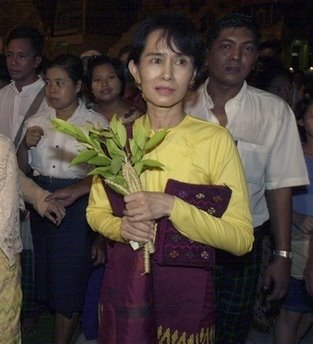


 Posts
Posts


