Foreign investment in Myanmar tumbles
Foreign investment in Myanmar down last year as China's figure falls, sanctions continue
On Wednesday July 14, 2010, 6:06 am EDT
YANGON, Myanmar (AP) -- Foreign investment in Myanmar, one of the world's poorest and most authoritarian countries, dropped more than two thirds last fiscal year as Chinese investment tailed off and
economic sanctions on the military-ruled nation continued, according to government figures.
A statistical report from the country's Ministry of National Planning and Development that was seen Wednesday said foreign investment in the 12 months through March 2010 fell 68 percent to $315 million from $985 million the previous year.
The main reason for the drastic drop was because of China's unprecedented investment in Myanmar in 2008-2009. It spent $855.9 million in the mining sector, accounting for 87 percent of total foreign investment. China signed an agreement with resource-rich Myanmar for nickel-production in 2008.
Up-to-date information on Myanmar's economy is difficult to come by and the few official figures that become available are often regarded as unreliable. Though a substantial gas exporter, the revenues barely register in the government's accounts, suggesting the cash is diverted into projects favored by its ruling generals, according to Burma Economic Watch, a group based at Australia's Macquarie University that studies Myanmar's economy.
Myanmar, also known as Burma, saw seven new foreign investments during 12 months, four of which were in its oil and gas sector. These resource extraction investments -- three from Malaysia and one from the United Arab Emirates -- were worth $278.6 million and accounted for more than 88 percent of the total investment during the fiscal year.
Thailand spent $15.25 million in the hotel and tourism sector, China put $15 million into the mining sector and Hong Kong added $6 million to the manufacturing sector during 2009-2010, the government report said.
The United States and the European Union have imposed economic sanctions against Myanmar to pressure the military government to improve human rights and release detained pro-democracy leader Aung San Suu Kyi. Sanctions, including banning U.S. companies from investing in Myanmar and banning Myanmar exports to the United States, were first imposed in 1997.
Since Myanmar liberalized its investment code in 1988, it has attracted large investments in hydroelectric power, oil and gas and mining -- mainly from neighboring countries such as Thailand.
Meanwhile, Myanmar's exports rose 12 percent to $7.6 billion in year through March from $6.78 billion the previous year, according to the report. Imports dropped 8 percent to $4.18 billion from $4.54 billion.
The government report said that natural gas exports, which accounted for about 38 percent of all export revenue, increased 9 percent to $2.56 billion from $2.35 billion. Myanmar gas exports go to neighboring Thailand.
Myanmar is believed to have a large amount of unmeasured trade, mostly goods smuggled across its land borders, especially with eastern neighbor Thailand and northeastern neighbor China.
Thursday, July 15, 2010
Foreign investment in Myanmar tumbles


ဆရာႀကီးနန္းညႊန္ ့ေဆြအတြက္ဝမ္းနဲျခင္း
မိတ္ေဆြအေပါင္းတို ့..
..ယေန ့ ၁၄.၇.၂၀၁၀ ရက္ေန ့(ဗုဒၵဟူးေန ့)ညေန (၅း၀၀)နာရီမွာ..ကြ်န္ေတာ္တို ့ရဲ ့ရဲေဖာ္ရဲဖက္၊သူငယ္ခ်င္း ဇာဂနာ ရဲ ့ဖခင္ဦးေအာင္သိန္း(ေခၚ)
ကဗ်ာဆရာၾကီး နန္းညြန့္ေဆြ (အသက္-၈၇ နွစ္)ကြယ္လြန္သြားရွာျပီဗ်ာ....
.......။
ေလးစားဦးညြတ္လ်က္....ေက်ာ္သူ
(မနက္ျဖန္...၁၅.၇.၂၀၁၀ရက္ေန ့နံနက္၁၁း၀၀နာရီမွာေရေ၀းသုသ၁န္မွာသျဂိဳလ္ရန္စီစဥ္ေနပါေၾကာင္း....။)
Tuesday, July 13, 2010
US sceptical on Myanmar -Jul 13, 2010
Jul 13, 2010
US sceptical on Myanmar
WASHINGTON - THE United States said on Monday it was deeply worried Myanmar's upcoming election would be unfair, dismissing the junta's move to allow former members of the main opposition party to run.
The military regime in Myanmar, also known as Burma, disbanded democracy icon Aung San Suu Kyi's National League for Democracy (NLD) but last week gave permission to some of its former members to run under a new name.
'It doesn't change our concern about the electoral process. We think that this is a flawed electoral process,' State Department spokesman Philip Crowley told reporters.
'We respect decisions that former NLD members have made,' he said. 'We certainly do not have any expectation that what proceeds in Burma here will be anything that remotely resembles a free, fair or legitimate result.' The NLD plans to boycott the elections this year, believing they are an attempt for the junta to legitimise its rule.
The polls will be the first since 1990, when the NLD triumphed but was never allowed to take power. Aung San Suu Kyi, a Nobel laureate, has spent most of the past two decades under house arrest.
Some activists believe the junta allowed the registration of the new National Democratic Force in part to splinter the opposition, weakening the influence of the NLD and of Suu Kyi. -- AFP
Monday, July 12, 2010
Burma’s Nuclear Ambitions: Are natural gas sales funding Burma’s secret nuclear program?
http://www.earthrights.org/campaigns/burma-s-nuclear-ambitions-are-natural-gas-sales-funding-burma-s-secret-nuclear-program
Burma’s Nuclear Ambitions: Are natural gas sales funding Burma’s secret nuclear program?
Thu, 06/24/2010 - 17:27Campaigns
On Tuesday June 22, Paul Donowitz from EarthRights International and Robert Kelley, former Director for the International Atomic Energy Agency (IAEA) spoke at the National Endowment for Democracy on recent revelations that Burma may be pursuing a clandestine nuclear weapons program.
Co-author of the recent exposé with the Democratic Voice of Burma, aired on Aljazeera, Mr. Kelley presented photographic evidence and other top-secret material smuggled out of Burma by defecting army Major Sai Thein Win, a former deputy commander of a top-secret military factory at a town called Myaing. Before escaping Burma, Sai Thein Win collected thousands of files detailing a secret program by Burma’s ruling generals to build nuclear weapons which were then analyzed by Mr. Kelley in his report.
Kelley explained that Burma’s nuclear program appears both rudimentary and nascent, with scientists apparently experimenting with laser isotope separation and gas centrifuge technology for uranium enrichment. Kelley concluded that, while very serious and grounds for international concern, Burma’s nuclear weapons program is still years from being capable of producing a weapon.
In his remarks, Paul Donowitz, ERI’s Campaign Director, examined how Burma, one of the poorest countries in Asia, has been able to finance their alleged nuclear program through natural gas sales from the Yadana and Yetagun projects to Thailand. Donowitz examined recent reports from ERI that billions in gas sales to the Burmese junta never enters Burma, instead remaining in off-shore accounts in Singapore, Dubai and possibly elsewhere. These foreign exchange reserves provide the military junta with much needed US dollars allowing them to purchase nuclear technology, along with other unneeded and harmful purchases, including the recent acquisition of new MiG-29 fighter planes from Russia purchased in December 2009 for approximately $US570 million, a new capital city, Naypyidaw, offensive weapons from China used against their own people.
Donowitz went on to discuss recent efforts to persuade foreign oil companies operating in Burma, including Chevron (US), Total (France), and PTTEP (Thailand), to disclose their payments to the Burmese junta, and the companies refusal to disclose this information.
Thursday, July 8, 2010
Big Oil Firms Accused of Human-Rights Abuses in Burma
Big Oil Firms Accused of Human-Rights Abuses in Burma
Time
July 06, 2010
Vivienne Walt
To the list of Big Oil companies with p.r. problems add two more: Chevron and French energy giant Total. In a report published on Monday, the NGO EarthRights International accuses the firms of being implicated in human-rights violations in Burma, claiming that soldiers guarding Chevron and Total's natural-gas pipeline in the country have murdered locals and forced others to do backbreaking, unpaid labor in order to keep the gas exports flowing smoothly. The report also holds that the revenues from the operation have been propping up the country's oppressive military government for more than a decade, thus fostering harmful political outcomes that affect the entire country.
EarthRights' complaints against Total and Chevron are not new. Last year, the NGO, which is based in Washington and Chiang Mai, Thailand, published interviews with locals describing how soldiers protecting the pipeline had dragooned them into unpaid manual labor. The pipeline, which crosses more than 40 miles of Burmese territory, is a joint venture among Chevron, Total, a Thai energy company and the Burmese state oil and gas authority. Activists say it is a short section of the pipeline that travels overland through a remote part of the country that has led to ongoing conflicts between residents and the Burmese army's Battalion 282, the soldiers charged with protecting the pipeline. Until the pipeline was built in the mid-1990s, the area saw little military action. But according to the EarthRights report, in February some soldiers of the battalion murdered two residents in the pipeline area after suspecting them of being linked to an armed militia group. (See pictures of the Gulf oil spill.)
The report goes on to say that Total and Chevron's operation - which for more than a decade has been exporting gas to Thailand from Burma's Yadana field - is keeping the country's military government afloat. Last October, Total took the rare step of revealing how much it pays Burma's government for its share of the gas revenues, saying that the previous year, Total's portion of the Yadana project had earned the Burmese government about $254 million. In all, EarthRights says, the operation generated about $9 billion in revenues for Burma and the oil companies between 1998 and the end of 2009, with $4.6 billion of that paid directly to Burmese officials.
But should Total and Chevron be held responsible for the actions of Burma's government? For years, energy companies have argued that they operate in scores of countries across the world - many of them authoritarian - and cannot be accountable for the behavior of each of those governments, especially since their contracts can last up to 25 years, often longer than the governments themselves. Total and Chevron reject EarthRights' claims that their operations in Burma led to human-rights violations, and both companies have invested in community programs, such as health clinics and schools, in the country. (See pictures of the world's most polluted places.)
Total spokesman Jean-FranÇois Lassalle told TIME on Monday that the company is "deeply shocked" by the accusations in the report, adding that they "rest on a biased interpretation and a vision that is totally disconnected from the Burmese reality. We work daily for the respect of human rights in our operations and beyond our operations for better governance," he said. After EarthRights made similar accusations last year, Total published an interview with Lassalle on its website in which he said, "Total has never used forced labor, either directly or indirectly through contractors. We always insured that forced labor was not used in the area in which we operated." He also said that when the company learned of forced-labor cases involving the Burmese pipeline, "we paid compensation immediately, on humanitarian grounds."
EarthRights says in its report that Chevron and Total could be liable for major legal challenges if Burmese residents choose to sue the companies in their home territories, the U.S. and France, respectively. For Chevron, that would be familiar territory. In 2005, the now defunct Unocal oil company, which Chevron bought that year, paid an undisclosed sum of money to Burmese plaintiffs after fighting a nine-year legal battle in a California court over human-rights abuses around the pipeline. (See pictures of Burma.)
EarthRights consultant Matthew Smith says Total and Chevron have refused to meet with the group to discuss the situation in the pipeline area and that the Burmese government seems increasingly jittery about the revelations of human-rights abuses by those protecting the gas exports. "There's much more of a concerted effort by security forces to identify people who are documenting what's going on," says Smith, who authored this week's report. Villagers are ordered to report any unusual visitors to the pipeline area. Most of all, perhaps, those writing international reports.
Wednesday, June 23, 2010
Armada of U.S. and Israeli Warships Head for Iran
Armada of U.S. and Israeli Warships Head for Iran
Kurt Nimmo
Infowars.com
June 19, 2010
More than twelve U.S. and Israeli warships, including an aircraft carrier, passed through the Suez Canal on Friday and are headed for the Red Sea. “According to eyewitnesses, the U.S. battleships were the largest to have crossed the Canal in many years,” reported the London-based newspaper al-Quds al-Arabi on Saturday.
Egyptians report the armada includes a U.S. aircraft carrier.
The Israeli newspaper Haaretz reported Egyptian opposition members criticized the government for cooperating with the U.S. and Israeli forces and allowing the passage of the ships through Egyptian territorial waters. The Red Sea is the most direct route to the Persian Gulf from the Mediterranean.
Retired Egyptian General Amin Radi, chairman of the national security affairs committee, told the paper that “the decision to declare war on Iran is not easy, and Israel, due to its wild nature, may start a war just to remain the sole nuclear power in the region,” according to Yedioth Internet, an Israeli news site.
The passage of a warship armada through the Suez Canal and headed for the Persian Gulf and Iran is apparently not deemed important enough to be reported by the corporate media in the United States.
Egypt recently rejected an Israeli request to prevent Gaza aid ships from passing through the Suez Canal. According to a report by al-Jazeera, Israel appealed to Egyptians asking them to prevent the passage of Iranian ships through the Suez Canal. The Egyptians responded that due to international agreements on movement through the Suez Canal, Egypt cannot prevent ships from passing through the canal unless a ship belongs to a state that is at war with Egypt. Iran and Egypt are not at war.
The United States and Israel, the sole nuclear-armed power in the Middle East, have not ruled out a military strike to destroy Iran’s nuclear program.
A number of Israeli politicians and scholars have admitted Israel has used its nuclear weapons for “compellent purposes,” in short forcing others to accept Israeli political demands.
Israel’s threats to use nuclear weapons have increased significantly since it was discovered in 2002 that Iran was building uranium enrichment facilities. Israel’s former Prime Minister Ariel Sharon “called on the international community to target Iran as soon as the imminent conflict with Iraq is complete,” the Sunday Times reported on November 5, 2002. The United States invaded Iraq on March 20, 2003.
A d v e r t i s e m e n t
Earlier this month Israel leaked to the press that they had permission from Saudi Arabia to use their air space to attack Iran. “In the week that the UN Security Council imposed a new round of sanctions on Tehran, defence sources in the Gulf say that Riyadh has agreed to allow Israel to use a narrow corridor of its airspace in the north of the country to shorten the distance for a bombing run on Iran,” the Sunday Times reported on June 12. On June 14, the ambassador of Saudi Arabia to UK Prince Mohammed bin Nawaf issued a categorical denial of the report.
On June 17, Iran’s parliament warned it will respond in kind to inspection of its ships under a fourth round of sanctions imposed on the country by the UN Security Council. “Even if one Iranian ship is stopped for security-check, we will act likewise and thoroughly inspect any (western) ship passing through the Persian Gulf and the Strait of Hormuz,” member of the Iranian parliament’s National Security and Foreign Policy Commission Hossein Ebrahimi said.
Also on Saturday, Iran accused the United States of “deception” and insisted its missile program is for self-defense after a top U.S. official claimed that Iran had the capacity to attack Europe. “The Islamic Republic’s missile capability has been designed and implemented to defend against any military aggression and it does not threaten any nation,” Defense Minister Ahmad Vahidi said in a statement carried by state media.
Vahidi announced on April 10 that Iran will use all available options to defend itself if the country comes under a military attack. “Americans have said they will use all options against Iran, we announce that we will use all options to defend ourselves,” Vahidi told the Tehran Times.
ေဒၚေအာင္ဆန္းစုၾကည္ရဲ႕ (၆၅) ႏွစ္ေျမာက္ေမြးေန႔ အထိမ္းအမွတ္ ဘာသာေပါင္းစုံ ဆုေတာင္းပြဲ အခမ္းအနား(တိုက်ိဳ)
၂၀၁၀ ခုႏွစ္ ဇြန္လ (၁၉) ရက္ေန႔ ဒီမိုကေရစီေခါင္းေဆာင္ ေဒၚေအာင္ဆန္းစုၾကည္ရဲ႕ (၆၅) ႏွစ္ေျမာက္ေမြးေန႔ အထိမ္းအမွတ္ ဘာသာေပါင္းစုံ ဆုေတာင္းပြဲ အခမ္းအနားကို တိုက်ိဳၿမိဳ ့ ရွီဘူယ အရပ္ရွိ ကုလသမဂၢ အေဆာက္အဦးေရွ႕၌ ဂ်ပန္္ႏိူင္ငံေရာက္ ျမန္မာႏိူင္ငံသားမ်ား၏ ပူးေပါင္း ေဆာင္ရြက္ေရး ေကာ္မတီ (JAC)မွ ဦးစီး၍ ညေန ၅း၀၀ နာရီ မွာ စတင္က်င္းပျပဳလုပ္ ခဲ့ပါသည္။
မတရားအဖမ္းဆီး အက်ဥ္းက်ခံေနရေသာ ဒီမိုကေရစီေခါင္းေဆာင္ ေဒၚေအာင္ဆန္းစုၾကည္ အျမန္္ဆုံး လြတ္ေျမာက္ေစရန္ အတြက္ ရည္ရြယ္ၿပီး ယခုလို ဘာသာေပါင္းစုံ ဆုေတာင္းပြဲ က်င္းပျပဳလုပ္ရျခင္း ျဖစ္ပါသည္။ အခမ္းအနား အစီအစဥ္မွာ ဗုဒၶဘာသာဘုန္းေတာ္ႀကီး ၊ ခရစ္ယာန္ဘာသာဆရာ ႏွင့္ အစၥလာမ္ဘာသာ၀င္တို႔မွ မိမိတို႔ ဘာသာအလိုက္ ဆုေတာင္း ေမတၱာပို႔သေပးခဲ့ၾကပါသည္။
တက္ေရာက္လာၾကသည့္ အဖြဲ႔အစည္းအသီးသီးမွ တာ၀န္ရွိသူမ်ားက ဂုဏ္ျပဳအမွာစကား အသီးသီး ေျပာၾကားသြားခဲ့ၾကၿပီးသည့္ေနာက္ တိုင္းျပည္ႏွင့္ လူမ်ိဳးအတြက္ ကုိယ္က်ဳိးစြန္႔လႊတ္အနစ္နာခံသည့္ ဒီမိုကေရစီေခါင္းေဆာင္ ေဒၚေအာင္ဆန္းစုၾကည္၏ ေမြးေန႔ကို ဂုဏ္ျပဳေသာအားျဖစ္ ကဗ်ာရြတ္ဆိုျခင္းမ်ား ၊ ေဒၚေအာင္ဆန္းစုၾကည္၏ မိန္႔ခြန္းေကာက္ႏႈတ္ခ်က္မ်ားကို ဖတ္ၾကားျခင္း ျပဳလုပ္ၿပီးေနာက္ ေဒၚေအာင္ဆန္းစုၾကည္ အျမန္ဆုံး လြတ္ေျမာက္ပါေစ၊ ေဒၚေအာင္ဆန္းစုၾကည္ က်မၼာပါေစ စသည့္ေၾကြးေၾကာ္သံမ်ားျဖင့္ အခမ္းအနားကို ညေန ၆း၅၀ နာရီတြင္ ရုတ္သိမ္းခဲ့ပါသည္။ အခမ္းအနားတြင္ ဂ်ပန္ေရာက္ ျမန္မာႏိုင္ငံသားမ်ား (၂၅၀) ေက်ာ္တက္ေရာက္ခဲ့ၾကပါသည္။
ယေန႔ မနက္ပိုင္းတြင္လည္း ေဒၚေအာင္ဆန္းစုၾကည္ေမြးေန႔အထိမ္းအမွတ္အျဖစ္ မိုးေသာက္ၾကယ္စာၾကည့္တိုက္အဖဲြ႔သားမ်ားမွ ဇီ၀ိတဒါနငါးလႊတ္ျခင္း ၊ ေသြးလွဴဒန္းျခင္း အစီအစဥ္မ်ား ျပဳလုပ္ခဲ့ေၾကာင္း သိရွိရပါသည္။ လႈပ္ရွားမူ မွတ္တမ္းဓါတ္ပုံမ်ားကို http://www.moethaukkye.co.cc/ မွ သြားေရာက္ၾကည့္ရႈႏိုင္ပါသည္။
သတင္းမွတ္တမ္း ။ Mai Kyaw Oo
မွတ္တမ္းဓါတ္ပုံ ။ Lian Khan Sum(CNC-Japan)
* ビルマ女性国際法廷 開催! *
みなさまへ
以下の企画、いよいよ今週末に迫ってまいりましたので、
是非ご参加・ご協力いただけると幸いです。
是非私たちとしてもメディアで取り上げてもらいたい、と思っていますので、
お知り合いのメディア関係者の方々にもご案内いただけると嬉しいです。
26日の関連企画、アクティビスタも、ビルマ女性たち(27日にお話しいただかない活動家)の
お話になりますので、是非こちらもあわせてご参加いただけると嬉しいです。
では、よろしくお願いいたします。
ヒューマンライツ・ナウ 伊藤和子
━◆◇━━━━━━━━━━━━━━━━━━━━━━━━━━━━━━━
* ビルマ女性国際法廷 開催! *
International Tribunal on Crimes against women of Burma
2010.06.27
━━━━━━━━━━━━━━━━━━━━━━━━━━━━━━◆◇━━
軍事政権が続くビルマ(ミャンマー)。
ここに生きる女性たちは暴力にさらされ、彼女たちの生活と自由は脅かされています。
軍事政権は、少数民族の女性たちに性的な暴力を繰り返し、3,300以上の村を破壊し
人々を殺害、拷問し、女性や少女を厳しい強制労働に駆り立てています。
また民主化運動のリーダー、アウンサンスーチーさんは自宅に軟禁され、
2,100人以上の政治犯たちが投獄され、自由を奪われています。
軍事政権は、国連などから何度批判をされても人権侵害をやめることなく
犯罪の責任を問われません。
私たちビルマの女性は何十年もの長い残虐な圧制に耐えてきましたが
いま、勇気をもって立ちあがります。
2010年3月2日、ニューヨークにて、
ビルマ女性連盟とノーベル平和賞を受賞した女性たちのイニシアティブで
初めてのビルマ女性国際法廷が開催され、
軍事政権が人道に対する罪を犯したことが認定されました。
今度はビルマから軍政の抑圧を受けてきた女性たちが来日して証言、
この日本でアジア初のビルマ国際女性法廷を開催します。
━━━━━━━━━━━━━━━━━━━━━━━━━━━━━━━━
●日時 2010年6月27日(日) 13: 00~17:00
●場所 青山学院大学 6号館模擬法廷
http://www.aoyama. ac.jp/other/ access/aoyama. html
JR山手線・東急線・京王井の頭線「渋谷駅」宮益坂方面出口より徒歩10分
地下鉄「表参道駅」B1出口より徒歩5分
●参加費 500円 (申込不要)
━━━━━━━━━━━━━━━━━━━━━━━━━━━━━━━━
【主催】 ビルマ女性連盟(Women's League of Burma) 【共催】 特定非営利活動法人ヒューマンライツ・ナウ
【協賛】 アジア女性資料センター、社団法人アムネスティ・インターナショナル日本、在日ビルマ民主化グループ
全日本フェミニスト議員連盟、ビルマ市民フォーラム、ビルマ情報ネットワーク、ヒューマン・ライツ・ウォッチ
【助成】 株式会社ラッシュジャパン
━━━━━━━━━━━━━━━━━━━━━━━━━━━━━━━━
≪裁判官≫
濱田邦夫(弁護士/元最高裁判事)
久保利英明(弁護士/元日弁連副会長)
後藤弘子(千葉大学教授/内閣府男女共同参画局女性に対する暴力調査会委員)
新倉修(青山学院大学教授/国際民主法律家協会事務局長)
敷田みほ(会社経営/市民の裁判員制度・つくろう会元事務局長)
≪検察官≫
雪田樹理(弁護士/ヒューマンライツ・ナウ女性プロジェクト)
渡邉彰悟(弁護士/ビルマ市民フォーラム事務局長)
石田真美(弁護士/ヒューマンライツ・ナウビルマプロジェクト)
弘川欣絵(弁護士) 小田川綾音(弁護士) 三輪咲絵(弁護士)
≪弁護人≫
矢花公平(弁護士) 原田いづみ(弁護士) 鈴木多恵子(弁護士)
≪証人≫
軍政の人権侵害の被害にあい、また人権侵害を目撃した三人のビルマ女性たち
& 土井香苗氏(ヒューマンライツ・ウォッチ)
詳細は
http://hrn.or. jp/activity/ event/627/
をご確認ください。
━━━━━━━━━━━━━━━━━━━━━━━━━━━━━━━━
*予約・問合せ先*
━━━━━━━━━━━━━━━━━━━━━━━━━━━━━━━━
特定活動非営利法人 ヒューマンライツ・ナウ
〒110-0015 東京都台東区東上野1-20-6 丸幸ビル3F
Tel:03-3835-2110 Fax:03-3834-2406 Email:info@ngo-hrn. org
━━━━━━━━━━━━━━━━━━━━━━━━━━━━━━━━
* Asian Activist-α2010! * 世界を変えようとする女性たち
~ビルマ・女性に対する暴力への挑戦~
2010.06.26
━━━━━━━━━━━━━━━━━━━━━━━━━━━━━━◆◇━━
いま、アジアに生きる女性たちの多くが、人権を否定されています。
理不尽な暴力、踏みにじられる心、自由に生きることへの恐怖。
その事実に正面から光りをあて、問題克服を目指し
世界を変えようとするActivist-αたち。
今回は、軍事政権の支配が続くビルマ(ミャンマー)で、軍によるレイプ、
強制労働、投獄などの人権侵害にたちむかって
果敢に活動するActivist-αたちが来日。
ビルマの女性たちの深刻な現実とこれからの課題を語り合います。
彼女たちの活動と現実に耳を傾け、日本と世界の現状を変えるために
私たちができることを考えてみませんか?
━━━━━━━━━━━━━━━━━━━━━━━━━━━━━━━━
●日時 2010年6月26日(土) 13: 30~16:30
●場所 青山学院大学 総研ビル11階 19会議室
http://www.aoyama. ac.jp/other/ access/aoyama. html
JR山手線・東急線・京王井の頭線「渋谷駅」宮益坂方面出口より徒歩10分
地下鉄「表参道駅」B1出口より徒歩5分
●参加費 500円
人数把握の為、なるべく事前のご予約をお願い致します。
(ヒューマンライツ・ナウ事務局
Email:info@ngo-hrn. org / Fax:03-3834- 2406)
━━━━━━━━━━━━━━━━━━━━━━━━━━━━━━━━
【主催】 特定非営利活動法人ヒューマンライツ・ナウ
【助成】 株式会社ラッシュジャパン
━━━━━━━━━━━━━━━━━━━━━━━━━━━━━━━━
◆プログラム
━━━━━━━━━━━━━━━━━━━━━━━━━━━━━━━━
挨拶 目黒依子(国連女性の地位委員会日本代表)
【第一部】記念講演
『ビルマ・女性に対する暴力への挑戦』
*ティンティンアウン氏 (ビルマ女性連盟理事)
【第二部】シンポジウム
*ティンティンアウン氏 (ビルマ女性連盟理事)
*雪田樹理氏 (弁護士/ヒューマンライツ・ナウ)
*渡辺彰悟氏 (弁護士/ビルマ市民フォーラム事務局長)
コーディネーター
*伊藤和子氏 (弁護士/ヒューマンライツ・ナウ事務局長)
━━━━━━━━━━━━━━━━━━━━━━━━━━━━━━━━
◆スピーカー紹介
━━━━━━━━━━━━━━━━━━━━━━━━━━━━━━━━
*ティンティンアウン氏
1988年ビルマの民主化運動に参加し、軍のクーデターの後
ビルマからインドに亡命。
ビルマ・インド国境の難民キャンプで2年間を過ごしたのち、
インドのニューデリーにて難民認定申請。
以後20年にわたり、インドにおいてビルマ民主化や女性の人権、
エンパワーメントのために活動を続けている。
2010年3月、ノーベル平和賞を受賞した女性の団体
「ノーベル女性イニシアティブ」がニューヨークで開催した
ビルマ女性に対する犯罪についての国際民衆法廷に参加し、
ビルマ軍政によるレイプや拷問、強制労働などの被害を訴えた。
*雪田樹理氏
1990年、弁護士登録(大阪弁護士会)。ヒューマンライツ・ナウ関西事務局長。
1995年から2年間イギリスに留学し、
女性や子どもの権利に関する問題を調査、研究。
現在は、女性に対する暴力、とりわけ性暴力、セクシュアルハラスメント、
ドメスティックバオレンスの事件や女性労働者に対する差別、
婚外子差別、難民問題を扱っている。
2007年には、ヒューマンライツ・ナウの「女性に対する暴力」プロジェクトの
メンバーとして、インドの現地調査に参加。
*渡辺彰悟氏
1990年弁護士登録(第一東京弁護士会)。日本弁護士連合会人権擁護委員、
第一東京弁護士会人権擁護委員、年民問題調査研究委員会委員長等を歴任し、
現在、全国難民弁護団連絡会議事務局長、在日ビルマ人難民申請弁護団事務局長、
ビルマ市民フォーラム事務局長を務める。
医療事件、外国人事件、難民事件を専門的に手がけてきた。
ヒューマンライツ・ナウのビルマ・みらいの法律家プロジェクトの講師として、
2009年秋、タイ・ビルマ国境のメイソットにあるピースローアカデミーを訪問し
学生に講義を行った。
━━━━━━━━━━━━━━━━━━━━━━━━━━━━━━━━
◆呼びかけ人
━━━━━━━━━━━━━━━━━━━━━━━━━━━━━━━━
◆大崎麻子(開発政策、ジェンダー専門家)
◆久保利英明(弁護士、元日弁連副会長)
◆郡司真弓(WE21ジャパン)
◆佐藤安信(東京大学教授)
◆園部逸夫(弁護士、元最高裁判所判事)
◆林陽子(弁護士、国連「女性差別撤廃委員会」委員)
◆目黒依子(上智大学名誉教授、国連婦人の地位委員会日本代表)
◆山下泰子(国際女性の地位協会会長・文京学院大学名誉教授)
━━━━━━━━━━━━━━━━━━━━━━━━━━━━━━━━
◆Asian Activist-αとは?
━━━━━━━━━━━━━━━━━━━━━━━━━━━━━━━━
人々のかけがえのない人権が守られるように積極的に活動し、
世界を変えようとする女性アクティビストたち。
ヒューマンライツ・ナウは、アジアで女性の権利のために活動し、
未来のリーダーとなる女性アクティビストを
「Asian Activist-α」と呼び、その活動をサポートしています。
━━━━━━━━━━━━━━━━━━━━━━━━━━━━━━━━
●ヒューマンライツ・ナウ(Human Rights Now)
http://hrn.or. jp/
国境を越えて世界の人権に取り組む日本発の国際人権NGO。
アジアを中心に 各国の人権侵害に光を当て告発し、状況を変えていく活動を展開。
「女性に対する暴力廃絶プロジェクト」はアジア各国のNGOとともに暴力根絶のための政策提言を行い、
アジアにおける女性の人権のウォッチドッグの役割を果たそうとしています。
「ビルマプロジェクト」は軍事政権の抑圧の続くビルマの人権監視、告発、国連や各国政府への働きかけを行っています。
━━━━━━━━━━━━━━━━━━━━━━━━━━━━━━━━
*問合せ先*
━━━━━━━━━━━━━━━━━━━━━━━━━━━━━━━━
特定活動非営利法人 ヒューマンライツ・ナウ
〒110-0015 東京都台東区東上野1-20-6 丸幸ビル3F
Tel:03-3835-2110 Fax:03-3834-2406 Email:info@ngo-hrn. org
____________ _________ _________ _________ _________ _________ ________
Friday, June 18, 2010
CSW RENEWS CALLS FOR UN INQUIRY INTO BURMA’S CRIMES AGAINST HUMANITY ON AUNG SAN SUU KYI’S 65th BIRTHDAY
17 June 2010
CSW RENEWS CALLS FOR UN INQUIRY INTO BURMA’S CRIMES AGAINST HUMANITY ON AUNG SAN SUU KYI’S 65th BIRTHDAY
Christian Solidarity Worldwide (CSW) is marking the 65th birthday of Burma’s democracy leader Aung San Suu Kyi by renewing its call for the establishment of a United Nations Commission of Inquiry, to investigate crimes against humanity and war crimes in Burma. CSW is also calling for a universal arms embargo on the regime.
In March, the United Nations Special Rapporteur on Human Rights in Burma, Tomás Ojea Quintana, recommended a Commission of Inquiry. The recommendation followed his report to the UN Human Rights Council which concluded that the human rights violations perpetrated by the military regime against Burma's ethnic nationalities may amount to war crimes and crimes against humanity. The United Kingdom, the Czech Republic, Australia and Slovakia have expressed support for the initiative. CSW urges other countries to publicly support the idea.
Aung San Suu Kyi, a Nobel Peace Prize recipient who will celebrate her birthday on 19 June, has been held under house arrest for almost 15 years. The latest judgment by the UN Working Group on Arbitrary Detention is that her ongoing detention is in violation of international law. Her party, the National League for Democracy (NLD), won 82% of the parliamentary seats in the election in 1990, but the regime rejected the results, imprisoned the victors and intensified its grip on power with a campaign of violence. The NLD is boycotting the regime’s upcoming elections, planned for later this year, following the introduction of new electoral laws.
CSW’s East Asia Team Leader, Benedict Rogers, author of Than Shwe: Unmasking Burma’s Tyrant, said: “CSW calls for the immediate release of all political prisoners, including Aung San Suu Kyi, an end to military offensives against civilians, and an end to violations of religious freedom. In addition to a commission of inquiry, CSW urges the UN Security Council to introduce a universal arms embargo on the regime. CSW calls on the international community to reject the regime's sham elections, and to increase pressure on the regime to engage in a meaningful tripartite dialogue with Aung San Suu Kyi, the democracy movement and the ethnic nationalities.”
For further information or to arrange interviews please contact Kiri Kankhwende, Press Officer at Christian Solidarity Worldwide, email kiri@csw.org. uk or visit www.csw.org. uk.
CSW is a human rights organisation which specialises in religious freedom, works on behalf of those persecuted for their Christian beliefs and promotes religious liberty for all.
Notes to Editors:
New election laws introduced in Burma by the regime this year effectively barred Aung San Suu Kyi and other prisoners from taking part in the elections, and as a result her party, the National League for Democracy (NLD), refused to register as a political party and thus became a banned organization. The law, based on a constitution imposed after a sham referendum in 2008, introduced conditions that left the NLD little alternative but to boycott the elections.
The human rights situation in Burma is among the worst in the world. Over 2100 political prisoners remain in jail subjected to torture, denial of medical treatment, and dire living conditions. In eastern Burma, over 3,500 villages have been destroyed and at least half a million people internally displaced. Civilians in Karen, Karenni and Shan states are sometimes killed at point-blank range. Forced labour and rape as a weapon of war are widespread and systematic, and the use of child soldiers and human minesweepers is common. In western and northern Burma, the predominantly Christian Chin and Kachin peoples, and the Muslim Rohingyas, are subjected to severe religious discrimination and persecution. Christians and Muslims in urban areas also face serious restrictions and discrimination. Buddhist monks who led peaceful pro-democracy demonstrations in 2007 have been beaten, tortured and sentenced to long prison terms.
CSW’s Change For Burma! Campaign, with Partners Relief and Development, is calling for a UN Commission of Inquiry into Burma’s crimes against humanity. Further details can be found on http://www.changefo rburma.org
Benedict Rogers has written the first ever biography of Burma’s dictator, Senior General Than Shwe, titled Than Shwe: Unmasking Burma’s Tyrant, and published in 2010 by Silkworm Books. The book will be launched on 1July at the Foreign Correspondents Club of Thailand, and on 14 July at the House of Commons in London.
Tuesday, June 8, 2010
IAEA ‘assessing’ Burma nuclear claims
IAEA ‘assessing’ Burma nuclear claims
Amano may seek clarification from Burma (Reuters)
By FRANCIS WADE
Published: 8 June 2010
The world’s leading nuclear energy watchdog has said it is investigating reports that Burma is looking to develop nuclear weaponry and may look for clarification from the military government.
“We have seen the related articles in the media and we are now assessing the information,” the director of the International Atomic Energy Agency (IAEA), Yukiya Amano, said on Monday. “And, if necessary, we will seek clarification from Myanmar [Burma].”
A five-year investigation by DVB has unearthed evidence that Burma is mining uranium and developing equipment for a nuclear weapon. A collection of photographs and intelligence documents handed to DVB by a Burmese defector was analysed by a former director in the IAEA, Robert Kelley, who also examined evidence of a network of some 800 military bunkers being built beneath Burma.
Burma became party to the Nuclear Non-Proliferation Treaty (NPT) in 2002, but Kelley believes that the evidence proves the ruling regime is exploring nuclear technology that is only “useful only for weapons”.
When contacted by DVB, the IAEA refused to elaborate on what plan of action it would be taking, nor whether they were hopeful that the Burmese government would respond to requests for clarification.
The agency may however have its hands tied with the announcement today that it will begin looking into the nuclear capabilities of Israel, which has steadfastly remained ambiguous about its nuclear means but which, along with India and Pakistan, is one of only three countries never to have signed the NPT.
Amnesty International claims that Israel is one of the six major suppliers of arms to Burma, although there is no evidence that nuclear-related material has passed between the two countries.
It has also been closely monitoring developments in North Korea since Pyongyang carried out its first nuclear test in October 2006, three years after it withdrew from the NPT.
Despite a UN arms embargo on North Korea, DVB’s investigation found that the two pariahs had traded in material used to develop intermediate- range ballistic missiles, although Kelley believes that North Korea’s role in Burma’s nuclear programme was only “anecdotal”.
Yet the concerns about a relationship between Southeast Asia two ‘rogue’ states were substantial enough to cause US senator Jim Webb to cancel a high-profile visit to Burma last week. He said that a visit would be “unwise and potentially counterproductive” in light of the evidence.
Author: FRANCIS WADE Category: News, Politics http://www.dvb. no/news/iaea- %E2%80%98assessi ng%E2%80% 99-burma- nuclear-claims/ 10119
------------ --------- --------- --------- --------- --------- --------
(၉၉)ႀကိမ္ေျမာက္ILOညီလာခံ စံနႈန္းစံထားေကာ္မတီ၊ အထူးႀကားနာခ်က္မွ ခ်မွတ္ေသာဆုံျဖတ္ခ်က္အေပၚ ျမန္မာနိုင္ငံအလုပ္သမားသမဂၢမ်ားအဖဲြ ့ခ်ဳပ္၏ ထုတ္ျပန္ေႀကာျငာခ်က္
Monday, June 7, 2010
၂၀၀၈ ဖြဲ႕႔စည္းပံု အေျခခံဥပေဒႏွင့္ အနာဂတ္-ဘီဘီစီ-ဇြန္ ၅၊ ၂၀၁၀
5th June 2010 - MoeMaKa Daily
၂၀၀၈ ဖြဲ႕႔စည္းပံု အေျခခံဥပေဒႏွင့္ အနာဂတ္
ဘီဘီစီ
ဇြန္ ၅၊ ၂၀၁၀
“ဟုတ္ကဲ့ … က်မတို႔ အဲဒါေတြ နားမလည္ဘူး။ ဖြဲ႔စည္းအုပ္ခ်ဳပ္မႈဆိုတာကို မသိဘူး။ အင္း … အေရးေတာ့ ပါတာေပါ့၊ ဘယ္လိုမ်ဳိး အေရးပါလဲဆိုေတာ့ အဲလိုက်ေတာ့ ဘယ္လိုေျပာရမွန္းကို မသိဘူး၊ နားမလည္ဘူး”
“စိတ္မဝင္စားၾကဘူး၊ လူေတာ္ေတာ္မ်ားမ်ားက အဲဒါကို၊ အဲဒါက်ေတာ့ မသိဘူးဗ်၊ အခုမွ မဖတ္ၾကတာ မဟုတ္ဘူး။ ေတာ္႐ံုတန္႐ံု ဘယ္သူမွ သတင္းစာကို ဖတ္ကို မဖတ္ၾကည့္ေတာ့တာ”
“အဲ … ဆႏၵခံယူပြဲအတြက္ ဟိုဟာလုပ္ထားတာေတြ က်မတို႔ဘာမွ နားမလည္ေသးဘူး လို႔”
“မသိဘူးဗ်၊ စာေတြလည္း သိပ္မဖတ္ရေတာ့က် မသိဘူး”
“သိသလားဆိုေတာ့ မသိကိုမသိတာ။ ဖတ္လည္း မဖတ္ဘူး၊ သြားလည္း မသြားဘူး၊ လူတိုင္း ခံယူခ်က္ေပါ့ေနာ္”
ဖြဲ႔စည္းပံုအေျခခံဥပေဒဆိုတာဘာလဲလို႔ လက္လွမ္းမီသေလာက္ ေမးၾကည့္ခဲ့တဲ့ ျမန္မာႏိုင္ငံထဲက လူႀကီးလူငယ္ အိမ္ရွင္မေတြရဲ႕အေျဖကို ၾကားခဲ့ၾကရတာ ျဖစ္ပါတယ္။ ဖြဲ႔စည္းပံုအေျခခံဥပေဒဆိုတာကို ဘယ္လိုအဓိပၸာယ္ ဖြဲ႔ဆိုႏိုင္ပါသလဲ။ BLC လို႔ေခၚတဲ့ ျပည္ပအေျခစိုက္ ျမန္မာႏိုင္ငံေရွ႕ေနမ်ားေကာင္စီရဲ႕ အေထြေထြအတြင္းေရးမွဴး ဥပေဒပညာရွင္ ဦးေအာင္ထူးက အခုလို အဓိပၸာယ္ဖြင့္ဆိုပါတယ္။
“ဖြဲ႔စည္းပံုအေျခခံဥပေဒဆိုတာ ႏိုင္ငံသားေတြရဲ႕ အေျခခံအခြင့္အေရးေတြကို အားေကာင္းေကာင္းနဲ႔ အာမခံ ျပ႒ာန္းထားတာျဖစ္ပါတယ္၊ ေနာက္တခ်က္ကေတာ့ ဖြဲ႔စည္းပံုအေျခခံဥပေဒဆိုတာ တိုင္းျပည္ရဲ႕ပင္မဥပေဒ ျဖစ္တယ္၊ အဲဒီ ဥပေဒကေနၿပီးေတာ့ ဥပေဒစိုးမိုးေရးအျခခံကို တည္ေဆာက္ႏိုင္ဖို႔ တန္းတူညီမွ်မႈကို အာမခံရပါတယ္။
အဲေတာ့ ဖြဲ႔စည္းပံု အေျခခံဥပေဒဆိုတာက ႏိုင္ငံသားေတြရဲ႕အခြင့္အေရးကို ျပ႒ာန္း႐ံုနဲ႔မရဘဲနဲ႔ အဲဒီအခြင့္အေရးကို ကာကြယ္ႏိုင္ဖို႔အတြက္ ယႏၱယားေတြ တပ္ဆင္ထားေပးရတယ္။ အနည္းဆံုးအားျဖင့္ေတာ့ ႏိုင္ငံသားေတြရဲ႕ အခြင့္အေရးကို ထိပါးလာရင္ ကာကြယ္ေစာင့္ေရွာက္ႏိုင္မယ့္ လြတ္လပ္တဲ့ တရားစီရင္ေရးလိုဟာမ်ဳိးေတြကို အားေကာင္းေကာင္းနဲ႔ ျပ႒ာန္းေပးထားတယ္၊ ဒီလို အေျခခံမ်ဳိးနဲ႔ ျပင္ဆင္ျပ႒ာန္းေပးထားတဲ့ အရာမ်ဳိးကိုမွသာလွ်င္ ဖြဲ႔စည္းပံုအေျခခံဥပေဒလို႔ ေခၚပါတယ္”
ဖြဲ႔စည္းပံုဆိုင္ရာ အေျခခံဥပေဒကိုၾကည့္ရင္ ၂ မ်ဳိး ၂ စားေတြ႔ရတယ္လို႔ ဂ်ပန္ႏိုင္ငံ ကန္ဒ တကၠသိုလ္က သမိုင္းပညာရွင္ ေဒါက္တာေအးခ်မ္းက အခုလို သမိုင္းေနာက္ခံနဲ႔ ေျပာျပပါတယ္။
“Constitutionalism လို႔ ေခၚတဲ့ စည္းမ်ဥ္းခံအုပ္ခ်ဳပ္ေရးစနစ္ရဲ႕သမိုင္းကို ျပန္ၾကည့္ရင္ေပါ့ေလ၊ ဖြဲ႔စည္းအုပ္ခ်ဳပ္ပံု အေျခခံဥပေဒဆိုတာ ၂ မ်ဳိး ၂ စား ေတြ႔ရပါလိမ့္မယ္။ တမ်ဳိးကေတာ့ အုပ္ခ်ဳပ္ခံျပည္သူေပါ့၊ ေအာက္ေျခထုက အထက္လႊာ သက္ဦးဆံပိုင္ အာဏာရွင္ေတြ (သို႔တည္းမဟုတ္) ႏိုင္ငံတခုကိုထူေထာင္ဖို႔အတြက္ ႀကိဳးစားေနတဲ့သူေတြကို ေအာက္ကေန တင္ျပၿပီးေတာ့ အတည္ျဖစ္လာတဲ့ ေအာက္ကေန အထက္ကိုဆန္တဲ့ ပံုစံေပါ့၊
ဒီပံုစံကို အဂၤလန္တို႔၊ အေမရိကားတို႔၊ ျပင္သစ္တို႔ စတဲ့ႏိုင္ငံေတြမွာ ေတြ႔ရပါလိမ့္မယ္။ ေနာက္တမ်ဳိးကေတာ့ အေပၚကအုပ္ခ်ဳပ္တဲ့ အာဏာပိုင္ေတြက ေအာက္က အုပ္ခ်ဳပ္ခံျပည္သူေတြကို ခ်ျပတဲ့ပံုစံပါ။ ဒီဟာကို သေဘာတူသလား၊ မတူသလား ဆိုၿပီးေတာ့ ခ်ျပတဲ့ပံုစံေပါ့ေလ။ ဒါကေတာ့ အေပၚက ေအာက္ကို စုန္တဲ့ပံုလို႔ ေခၚႏိုင္တာေပါ့။ ဒါကို အာဏာရွင္ တိုင္းျပည္ေတြမွာ အမ်ားဆံုး ေတြ႔ရပါတယ္။ အခု ဗမာျပည္မွာ အမ်ဳိးသားညီလာခံက ေရးဆြဲလိုက္တဲ့ အေျခခံဥပေဒဟာ ဒုတိယပံုစံသေဘာ သက္ဝင္ေနတယ္ခင္ဗ်”
ဒီလို ဖြဲ႔စည္းပံုအေျခခံဥပေဒပံုစံ ၂ မ်ဳိးရွိတဲ့အနက္ ေအာင္ျမင္တိုးတက္တဲ့ႏိုင္ငံေတြမွာ ေအာက္ေျခကေန အထက္ အုပ္ခ်ဳပ္သူေတြကိုတင္ျပၿပီး အျပန္အလွန္ ေဆြးေႏြးေရးဆြဲထားတဲ့ ဖြဲ႔စည္းပံုအေျခခံဥပေဒမ်ဳိး က်င့္သံုးၾကတာ ေတြ႔ရတယ္လို႔ ေဒါက္တာ ေအးခ်မ္းက ေျပာပါတယ္။
“ေအာက္ကေန အေပၚကိုဆန္တဲ့ ဖြဲ႔စည္းအုပ္ခ်ဳပ္ပံု အေျခခံဥပေဒဆိုတာဟာ ျပည္သူအမ်ားစုရဲ႕ဆႏၵကို ထင္ဟပ္ေပၚလြင္ ေစတဲ့အတြက္ ဒီႏိုင္ငံေတြဟာ တိုးတက္တာပါပဲ။ လက္ေတြ႔ၾကည့္လိုက္ပါ။ အဂၤလန္၊ အေမရိကန္ျပည္ေထာင္စု၊ ျပင္သစ္ ဒီႏိုင္ငံေတြပါပဲ။ ဂ်ာမဏီ။ တကယ္ေတာ့ အေပၚကေနခ်လိုက္တဲ့ ဖြဲ႔စည္းပံုအေျခခံဥပေဒဟာ ဒုတိယကမၻာစစ္ ႐ႈံးသြားတဲ့ အခ်ိန္မွာ ပ်က္စီးသြားပါတယ္။ အခုက ေအာက္ကေန အေပၚကိုဆန္တဲ့ ဖြဲ႔စည္းအုပ္ခ်ဳပ္ပံုအေျခခံဥပေဒ ျဖစ္လာတဲ့အခါမွာ တိုးတက္လာတာပါပဲ။ ဒါဟာ ဘယ္လိုမွ ျငင္းလို႔မရတဲ့အခ်က္ပါ”
တခါ အထက္ကေန ေအာက္ကိုခ်ျပတဲ့ ဖြဲ႔စည္းပံုမ်ဳိးက်င့္သံုးတဲ့ ႏိုင္ငံေတြမွာ ဘယ္လိုျဖစ္ရပ္ေတြနဲ႔ ေတြ႔ဆံုရတယ္ဆိုတာကို ေဒါက္တာေအးခ်မ္းက အခုလိုေျပာပါတယ္။
“ဘယ္လိုေတြ႔ရမလဲဆိုလို႔ရွိရင္ေတာ့ ရွင္းရွင္ေလးပဲေလ။ ၁၉၇၄ ျမန္မာႏိုင္ငံ ဖြဲ႔စည္းအုပ္ခ်ဳပ္ပံုအေျခခံဥပေဒကို ၾကည့္လိုက္ရင္ပဲ သိတာေပါ့။ ၁၄ ႏွစ္ပဲ ခံတာပဲ။ ၁၉၈၈ မွာ ျပည္သူက အံုႂကြတာပဲ။ ဒီအုပ္ခ်ဳပ္ေရးစနစ္ကို မႀကိဳက္ဘူးဆိုတာကို ျပတာပဲ။ ဒီလိုပဲ ဆိုဗီယက္ျပည္ေထာင္စုရဲ႕ ဖြဲ႔စည္းအုပ္ခ်ဳပ္ပံုအေျခခံဥပေဒကလည္း ဒီအတိုင္းပဲေလ။ ျပည္သူေတြက အံုႂကြေတာ္လွန္တာပဲ။ ဒီေန႔ တ႐ုတ္ျပည္သူ႔သမတႏိုင္ငံမွာ လူထုႀကီးတခုလံုးက အံုႂကြမႈမရွိေသာ္လည္းပဲ ဒီဟာကို သေဘာမတူဘူးဆိုတာ ဆန္႔က်င္တဲ့ အယူအဆေတြကို ေဖာ္ထုတ္ တင္ျပေနၾကတာပဲ။ ဒါကို ေတြ႔ရမွာပဲ။ က်ေနာ္ ဒီလိုပဲ ျမင္ပါတယ္”
အဲဒီလိုအေျခခံေတြနဲ႔ ေရးဆြဲခဲ့ၾကတဲ့ ဖြဲ႔စည္းပံုအေျခခံဥပေဒဟာ ႏိုင္ငံတႏိုင္ငံနဲ႔ အဲဒီႏိုင္ငံေန ျပည္သူလူထုအတြက္ ဘယ္ေလာက္ထိေအာင္ အေရးပါတယ္ဆိုတာကိုေတာ့ ျမန္မာႏိုင္ငံေရွ႕ေနမ်ားေကာင္စီ အေထြေထြအတြင္းေရးမွဴး ဥပေဒပညာရွင္ ဦးေအာင္ထူးကပဲ ဆက္ၿပီးေတာ့ ရွင္းျပပါတယ္။
“စစ္မွန္တဲ့ ဖြဲ႔စည္းပံုအေျခခံတရပ္ ေပၚလာၿပီဆိုရင္ တိုင္းျပည္မွာ လက္ရွိတည္ဆဲဥပေဒေတြ ရွိတယ္။ အဲဒီ တည္ဆဲဥပေဒေတြဟာ ဖြဲ႔စည္းပံုအေျခခံဥပေဒမွာ ထည့္သြင္းျပ႒ာန္းထားတဲ့ ႏိုင္ငံသားေတြရဲ႕အခြင့္အေရးကို ဆန္႔က်င္တဲ့ဥပေဒဆိုရင္ ဖြဲ႔စည္းပံုအေျခခံဥပေဒ ေပၚလာတဲ့အခ်ိန္မွာ အဲဒီ ဥပေဒေတြအားလံုးကို ရပ္ဆိုင္း ဖ်က္သိမ္းပစ္လို႔ ရတယ္၊ ပယ္ဖ်က္ပစ္ရတာ ျဖစ္တယ္။
တခ်ိန္တည္းမွာ ေနာက္ထပ္ဥပေဒသစ္ေတြ ျပ႒ာန္းေတာ့မယ္ဆိုရင္လည္းပဲ ဒီ ဖြဲ႔စည္းပံု အေျခခံဥပေဒနဲ႔အညီ အာမခံျပ႒ာန္းေပးထားတဲ့ ႏိုင္ငံသားေတြရဲ႕အခြင့္အေရးကို ေဖာ္ေဆာင္တဲ့ဥပေဒမ်ဳိးကိုသာလွ်င္ ဆက္လက္ ျပ႒ာန္းေပးထားတာ ျဖစ္တယ္။ ဒါေၾကာင့္ ဖြဲ႔စည္းပံုအေျခခံဥပေဒဟာ ဥပေဒအားလံုးရဲ႕ ပင္မအသက္ေသြးေၾကာ အျဖစ္နဲ႔ ႏိုင္ငံသားေတြရဲ႕အေျခခံအခြင့္အေရးေတြကို ေတာက္ေလ်ာက္ ေနာက္ထပ္ေပၚလာတဲ့ဥပေဒေတြက ကာကြယ္ ေစာင့္ေရွာက္ေပးေရး အေျခခံကေနၿပီးေတာ့ အင္မတန္ကို အေရးႀကီးတာျဖစ္ပါတယ္”
ဒီေတာ့ကာ ဖြဲ႔စည္းပံုအေျခခံဥပေဒဆိုတာ ကိုယ့္ကိုယ္ဘယ္သူေတြက ဘယ္လိုပံုစံမ်ဳိးနဲ႔ အုပ္ခ်ဳပ္မယ္၊ ကိုယ့္ႏိုင္ငံရဲ႕ အနာဂတ္ ကိုယ္ကိုယ္တိုင္နဲ႔ ကိုယ့္ရဲ႕ သားစဥ္ေျမးဆက္အနာဂတ္ကို ပံုေဖာ္မယ့္ စည္းမ်ဥ္းစည္းကမ္းနဲ႔ လုပ္ငန္းစဥ္ေတြကို ေဖာ္ျပေရးဆြဲထားတာျဖစ္တာမို႔ အထူးပဲ အေရးႀကီးလွပါတယ္။ ဒီေတာ့ကာ ျမန္မာျပည္သူလူထုအေနနဲ႔ ကိုယ့္ရဲ႕ ဆႏၵသေဘာထားေတြ မေဖာ္ထုတ္ခင္ ဒီအေျခခံဖြဲ႔စည္းပံု ဥပေဒမွာ ဘယ္လိုေရးဆြဲထားတယ္။ ဘာေတြပါတယ္ဆိုတာကို အေသအခ်ာ ေလ့လာသင့္ပါေၾကာင္း တင္ျပလိုက္ရပါတယ္ ခင္ဗ်ာ။
ဦးဘေမာ္ စုစည္းတင္ျပခ်က္ကို ေကာက္ႏုတ္ေဖာ္ျပပါတယ္။
ဆက္လက္ေဖာ္ျပပါမည္။
ビルマ市民フォーラム メールマガジン- People's Forum on Burma 2010/6/7
━━━━━━━━━━━━━━━━━━━━━━━━━━━━━━━━
ビルマ市民フォーラム メールマガジン
People's Forum on Burma 2010/6/7
━━━━━━━━━━━━━━━━━━━━━━━━━━━━━━━━
以下、「今週のビルマのニュース」(2010年6月4日【1021号】)を転送させて
いただきます。
(重複の際はご容赦ください。)
PFB事務局
http://www1.jca.apc.org/pfb/
━━━━━━━━━━━━━━━━━━━━━━━━━━━━━━━━
ビルマ情報ネットワークの「今週のビルマのニュース」をお送りします。
「今週のビルマのニュース」バックナンバー
http://www.burmainfo.org/news/this_week.php?mode=3
「きょうのビルマのニュース」もご利用ください。
http://www.burmainfo.org/news/today.php?mode=2
ビルマ情報ネットワーク (http://www.burmainfo.org)
秋元由紀
========================================
今週のビルマのニュース Eメール版
2010年6月4日【1021号】
========================================
【温家宝首相がビルマを訪問】
・中国の温家宝首相がビルマを訪問し、3日には軍政トップ・
タンシュエ上級大将と会談した。テインセイン首相とも会談し、
天然ガスパイプライン建設や水力発電事業などの協定に署名した。
新華社によれば温首相は「[テインセイン首相に]両国間の友好を
深め協力を拡大する用意があると伝えた。国境地域の平和と
安定について幅広い共通理解に達した」と述べた(3日ロイター)。
【ウェッブ議員が「核開発疑惑」理由に訪問を中止】
・ 3日からビルマを訪問予定だったウェッブ米上院議員
(上院外交委員会アジア・太平洋小委員会委員長)は、
軍政が「核開発のため北朝鮮と共同している可能性を示す
報道があった」ことを理由に訪問を中止した。事実関係が
明らかになるまでは訪問しないのが賢明だと判断したとのこと
(3日プレスリリース)。議員は昨年8月にビルマを訪問、
米要人として初めてタンシュエ上級大将と会談したほか、
民主化運動指導者アウンサンスーチー氏とも会った。
【元IAEA査察官が核開発の可能性を分析】
・ビルマ民主の声(DVB)は、軍政による核開発疑惑に
ついての分析報告書を発表した。報告書はDVBの委託を
受けて元IAEA査察官のロバート・ケリー氏が作成したもので、
軍政が核兵器の開発を試みようとしている可能性が高いと
指摘し、国際社会に注意を呼びかけている
(3日DVB。4日ワシントン・ポストにも記事あり。「注目の報告・番組」参照)。
【日本海洋掘削がビルマ沖での掘削契約】
・日本海洋掘削株式会社は3日、シットウェ沖での掘削工事
契約を約38億円で韓国の大宇インターナショナルと結ぶと
発表した。作業は2011年1月15日から3月1日まで
(同社プレスリリース)。
シットウェ沖にあるシュエ田からは、天然ガスがパイプライン
経由で中国に輸出されることが決まっている。
【注目の報告・番組】
軍政による核開発疑惑についての分析報告書全文(DVB)
(施設や器具の写真や図入り)
http://www.dvb.no/burmas-nuclear-ambitions/burmas-nuclear-ambitions-nuclear/
expert-analysis/9297
関連テレビ番組「ミャンマーの軍事的野心」
(アルジャジーラ、4日~10日まで)
http://english.aljazeera.net/programmes/general/2010/05/201053110470990951.h
tml
【ビルマへの政府開発援助(ODA)約束状況など】
新たな発表はなし
【イベント情報】
☆アカデミー賞長編ドキュメンタリー部門候補作品
「ビルマVJ 消された革命」公開中
☆いとうせいこう氏とヤン・クログスガード氏の対談
「『ビルマVJ』が問いかける、ジャーナリズムの力
(6月6日発売「すばる」7月号)
・ビルマ軍事政権のすすめる2010年総選挙に反対・
国連事務総長に対しアウンサンスーチー氏とすべての政治囚の
釈放と対話の促進を軍政に働きかけるよう要請するアピール行動
在日ビルマ人共同行動実行委員会
(国連大学前31~4日15~16時)
・『ビルマVJ 消された革命』トークショー
宇田有三(フォトジャーナリスト)×箱田徹(ビルマ情報ネットワーク)
(大阪 第七藝術劇場、5日14:40からの上映終了後)
・『ビルマVJ 消された革命』公開記念トークイベント
「日本在住のビルマ人について」熊澤新(アムネスティ・インターナショナル日本)
(渋谷 シアター・イメージフォーラム、6日15:05の上映後)
・ドキュメンタリー上映会『ピュア ビルマ難民キャンプの子どもたち』
ビルマ民主化支援会主催
(伏見ライフプラザ12F第一研修室、12日18:30~)
・『ビルマVJ 消された革命』公開記念トークイベント
「ビルマの2,100人の政治囚」ポーンミントゥン(元政治囚)
(渋谷 シアター・イメージフォーラム、12日15:05~の上映後)
・『ビルマVJ 消された革命』公開記念トークイベント
「”閉ざされた国”ビルマを知る」秋元由紀(ビルマ情報ネットワーク)
(渋谷 シアター・イメージフォーラム、13日15:05~の上映後)
【もっと詳しい情報は】
☆Twitter公式アカウントはこちらです
http://twitter.com/BurmaInfoJapan
「きょうのビルマのニュース」
http://www.burmainfo.org/news/today.php?mode=2
ビルマ情報ネットワーク
http://www.burmainfo.org/
【お問い合わせ】
ビルマ情報ネットワーク 秋元由紀
====================================
今週のビルマのニュース Eメール版
2010年6月4日【1021号】
作成: ビルマ情報ネットワーク
協力: ビルマ市民フォーラム
====================================
━━━━━━━━━━━━━━━━━━━━━━━━━━━━━━━━━━━━━━
配布元 ビルマ情報ネットワーク(BurmaInfo) http://www.burmainfo.org
連絡先 listmaster@burmainfo.org
バックナンバー http://groups.yahoo.co.jp/group/burmainfo/
Twitter http://twitter.com/BurmaInfoJapan
RSSフィード
・新着情報 http://www.burmainfo.org/news_rss.php
・日刊ニュース http://www.burmainfo.org/news/today.php
・週刊ニュース http://www.burmainfo.org/news/this_week.php
――――――――――――――――――――――――――――――――――――――
▽転載について
・ビルマ情報ネットワーク(BurmaInfo)のメールマガジンの転載・再配布は、必ず出典を明記したうえで行ってください。
・不特定多数に配付する印刷物や、新聞、雑誌、機関紙(誌)などに掲載の際は、必ずご連絡ください。
――――――――――――――――――――――――――――――――――――――
▽メーリングリストの参加・退会・アドレス変更については以下をご覧ください。
http://www.burmainfo.org/about/mailmagazine.php
※手動での変更手続は行っておりませんが、どうしても解決できない問題が
あるときや、疑問点がある場合は管理者宛にご連絡ください。
━━━━━━━━━━━━━━━━━━━━━━━━━━━━━━━━━━━━━━
Monday, May 31, 2010
ASEAN'S NEW DILEMMA: Burma's nuclear ambitions
http://www.nationmultimedia.com/home/2010/05/31/opinion/ASEANS-NEW-DILEMMA-Burmas-nuclear-ambitions-30130505.html
By Kavi Chongkittavorn
The Nation
Published on May 31, 2010
THE US ACTION was swift following confirmation of a North Korean ship with suspicious arms cargoes docking in Burma last month in violation of the UN Security Council Resolution 1874. A few days later, in the third week of April, the US State Department dispatched an urgent message to the Asean capitals recommending the scheduled Asean-US Economic Ministers' roadshow in Seattle and Washington DC, from May 3-5, proceed without the Burmese representation at "all levels." The drastic move surprised the Asean leaders.
The American ultimatum was not a bluff but a genuine show of frustration. This time Washington wanted to send a strong signal to Burma and the rest of Asean that unless something was done about Burma's compliance with the relevant UN resolutions on North Korean sanctions, there would be dire consequences. Political issues aside, Burma's nuclear ambition can further dampen Asean-US relations in the future. Already, there was the first casualty when the US downgraded the high-powered economic roadshow which was meticulously planned months ahead between the Office of US Trade Representatives and Asean economic ministers through the US-Asean Business Council.
Since nearly all Asean countries, except Singapore, decided to dispatch their trade or industry ministers to join the campaign, they agreed the roadshow should continue without the Burmese delegation as requested by the US. After some bargaining, the US softened its position agreeing to accept a representation at the charge d'affaires level from the Burmese Embassy in Washington DC. But Rangoon chose to opt out as it wanted diplomats directly dispatched from Rangoon. Without a consensus in Asean, a new name - absurd as it seemed - was in place, as the Southeast Asia Economic Community Road Show. It would be a one-time only designation.
When Kurt Campbell, Assistant State Secretary for East Asian and Pacific Affairs returned to Burma for the second time recently, he was blunt telling the junta leaders to abide and fully comply with the UN Security Council Resolution 1874. That has been Washington's serious concern due to the growing link between North Korea and Burma and their existing transfer of nuclear-related technology. Last June, a North Korean ship, Kang Nam, was diverted from going to Burma after being trailed by the US navy.
Since 2000, Western intelligence sources have been gathering evidence of North Korea providing assistance to Burma to build a nuclear reactor that can produce graded plutonium used in assembling future weapons of mass destruction. Last year, reports were released using data collected from two defecting Burmese military officers, intercepted calls and messages as well as human intelligence along Thai-Burmese border, all finger-pointing to Burma's nuclear ambitions.
When they came out last fall, scepticism was high among military experts and strategists on the junta's nuclear intentions. Most said there was insufficient evidence. Some viewed them as attempts to further discredit the regime's international standing. As additional interviews were conducted, especially with a former major in the Burmese Army, Sai Thein Win, who was directly involved with the recent secret nuclear programme, it has become clearer that Burma is investigating nuclear technology. This week, a special report on a huge new body of information, with expert comment from a former official working for the International Atomic Energy Agency, will be released.
As such, it will have far-reaching implications on Asean and its members, who signed the 1995 Southeast Asian Nuclear Weapons Free Zone (SEANWFZ) and Non-proliferation Treaty. Asean is currently working hard to persuade all major nuclear powers to sign the protocol to the SEANWFZ. The grouping has even delayed China's eagerness to accede to the protocol.
Further complicating the issue, Asean has not reached a consensus on how its members would move forward with a common approach on nuclear energy and security. In general, Asean backs nuclear disarmament, which the Philippines has played a leading role as chair of the just concluded Review Conference of State Parties to the Treaty on the Non-Proliferation on Nuclear Weapons. Asean also backs the ongoing efforts of US and Russia over non-proliferation.
One sticky problem is that Thailand, Brunei Darussalam, Burma, and Indonesia have yet to ratify the Comprehensive Test Ban Treaty. In the case of Indonesia, it is on the Annex 2 list of the treaty which, to enter into force, must be reatified by all 44 states on this list. At the upcoming Asean summit in Hanoi (October), Asean leaders will study a matrix of common positions that have been or could be taken up by Asean. It remains to be seen how Asean would approach some of the sensitive issues such as the South China Sea, climate change and issues related to nuclear technology.
At the recent Nuclear Summit in Washington DC, leaders from Vietnam, Indonesia, Malaysia and Thailand were invited by US President Barack Obama to share their views on non-proliferation and peaceful use of nuclear energy. They supported the summit's plan of action to prevent nuclear terrorism. All these Asean members have long-term plans to build nuclear power plants for peaceful use as energy sources. Vietnam has long decided on building two, while Thailand is planning one in the next ten years. Indonesia has serious parliamentary support to explore a nuclear option. Even the Singapore Economic Strategies Committee has recommended nuclear energy should be considered as a possible long-term solution to the island's energy security. Obama will certainly raise the issue again when he visits Indonesia in the second week of this month.
What is most intriguing has been the lack of serious attention from the Thai security apparatus regarding the nuclearisation of Burma. Apart from the two informal meetings convened by the Defence Council at the end of last year, the topic has been discussed only among a handful of military intelligence officials who have worked closely with their Australian counterparts. The National Security Council still does not believe Burma has that kind of ambition, not to mention the overall nuclear capacity to embark on the controversial programme. Concerned officials argued that domestic problems still have precedence.
Armed ethnic groups put junta's election in doubt
http://www.bangkokpost.com/news/politics/37986/armed-ethnic-groups-put-junta-election-in-doubt
Armed ethnic groups put junta's election in doubt
Plans by the military to hold elections and take control of border areas have been derailed
Published: 30/05/2010 at 12:00 AM
Newspaper section: Spectrum
The Burmese military's grand plan to hold an election later this year has been thrown into doubt as armed ethnic groups along the Thai border threaten to form an alliance and fight the junta's army, which is trying to take control of their areas.
DETERMINED: Brig Gen Hsar Gay, the KNU’s deputy minister for foreign affairs and a central committee member.
PHOTO: PORNPROM SARTTARBHAYA
If armed conflict breaks out in Burma, the alliance of ethnic groups, both ceasefire and non-ceasefire groups, would pose a significant threat to the Burmese military. The combines strength of the ethnic groups to fight the Burmese army would be about 65,000 soldiers if they joined together.
The Burmese military has been trying to bring the armed ethnic groups along Burma's borders under their control by forcing them to join the Border Guard Force (BGF), a body the junta is desperate to set up so it can gain control of the lucrative trade along the borders.
But the ethnic groups are not keen on the idea and fear losing their independence, along with the all the trade and business they do along the borders.
David Tharckabaw, vice-president and head of the Foreign Affairs Department for the Karen National Union (KNU), and Brig Gen Hsar Gay, the KNU's deputy minister for foreign affairs and a central committee member, recently spoke to Spectrum about the latest developments in Burma and their group, which was formed in 1949.
"If fighting erupts and all the opposition ethnic and ceasefire groups join together, we would control about 25% of the whole country. About 57% of the land in Burma is ethnic areas," said Brig Gen Hsar Gay.
"We could match the Burmese military. Of course, they have artillery - something we don't have - but we could match them by employing mobile warfare tactics. This includes the use of booby traps and claymore mines - we call it above the ground warfare behind the lines."
With the majority of the armed ethnic groups trained for guerrilla warfare, they would be a match for the much better equipped Burmese military, which is estimated to have a maximum of 180,000 men, including the army, navy and air force.
Claims by the Burmese that their armed forces number about 400,000 is an exaggeration designed to scare their enemy, the senior KNU officials say.
When the military regime started trying to form its border guard with the ethnic groups, it sent shock waves through the border areas, and groups that had fought with each other in the past started talking and formed and alliance.
"We get intelligence information about movements of the Burmese soldiers from our sources and also from the non-ceasefire armed groups allied with us. We share information," said Brig Gen Hsar Gay.
"As for ceasefire groups, we also share some intelligence about movements etc, but not with all those groups.
"There were several deadlines set by the military for the ethnic ceasefire groups to join the BGF, with the last one expiring on April 28.
"The Burmese, instead of giving a new deadline, asked the KIO [Kachin Independence Organistaton] and Wa [United Wa State Army] to submit a counter-proposal or suggestions about the BGF plan.
"The Burmese military are desperate to stage an election some time later this year to legitimise a civilian government, but the election, the constitution and the BGF have all been dismissed by many of the ethnic groups."
"Other ethnic groups in opposition think along the same lines as the KNU about the parliamentary elections. They want a nation-wide ceasefire and the release of all political prisoners first.
"They can't accept either the constitution which, first of all, is illegal, and secondly, has not enough provisions for the ethnic nationalities," said the KNU's David Tharckabaw.
"The KNU is completely against the election. We don't participate because firstly, we haven't had any national ceasefire agreement yet. Secondly, we want the right of association and lastly, we cannot accept the election under the present constitution.
"Actually, we are in the line with the National League for Democracy (NLD) which also refused to take part for other reasons. We think that there are not enough provisions for ethnic nationalities to set up a genuine federal union.
"If the Kachin, Wa, Karen and Karenni states don't give support, and with the NLD out, then the elections will be meaningless."
"The SPDC will try to save face and postpone it by making some excuse. However, if the elections are held - maybe in September or October - the opposition will continue its political struggle and there will also be military resistance," said Brig Gen Hsar Gay.
However, he offered an olive branch to the ruling Burmese State Peace and Development Council (SPDC).
"We are always looking for a peaceful resolution to the conflict from the very beginning," he said. "All the Burmese regimes in power always said that the KNU started the fighting. Actually, this is not true. It was started by General Ne Win in 1948 when he was Vice-Chief of Staff of the Burmese armed forces.
"An armed struggle is essentially self defence. But we always look for a peaceful resolution to the conflict.
"To achieve that we met five times with various Burmese governments, but every time they didn't talk about the problems of the Karen or our grievances. They only wanted us to give up our arms and talk later. How can we do that? We would have no more bargaining chips."
If negotiations and talks fail and fighting does break out between the military and the ethnic groups, the biggest armed ethnic group, the KNU, is ready for full scale war.
"Our fighters have been using mobile warfare techniques for many years, making a lot of weapons to be used in ambushes like claymore mines, which is very important, one of our main weapons. Claymore mines and booby traps are weapons that we are using regularly, but the claymore is only one of our resources," said Brig Gen Hsar Gay.
"The mines have also been introduced to all opposition ethnic groups. The mine was extensively used by the Americans during the Vietnam war, but we modify it and we have the technology to produce it. Also, we use some Burmese and American claymore from old times.
"Claymore mines have steel balls inside that will disperse in one designated direction after it explodes. It is similar to a road-side bomb. This ambush weapon can be planted along the road or in places where we think the enemy will come. It is an ambush weapon, designed not to confront the person but ambush them while they are walking or travelling in a vehicle.
"We can use one at a time or three or four or up to 10 or 20, depending on how many enemy will come.
"It can be operated by one or two persons and it causes a lot of damage to the enemy. Three or four men can detonate 10 claymore at one time and wipe out an enemy company of 30-40 men in one second."
The KNU leaders say they don't want a war with the Burmese military, and would prefer talks and a meaningful dialogue.
"The peace talks must be meaningful. They must talk about our suffering, our grievances, why we go on resisting, why we don't want to come under their control, etc.
"They have to talk about that first. They might talk about their problems and their understanding. Maybe they are also suffering. Then it is a meaningful dialogue," said David Tharckabaw.
"We are not saying that everyone in the SPDC is bad. They are changing. Because of the elections there will be more changes. The majority of the SPDC - at least the lower ranking officers - also want democracy.
"They want to see a real democratic government in power. Now is the right time for a change of thinking by the SPDC.
"If we cannot settle the problem before the election, maybe we can do it peacefully after that. This is our hope. We are peaceful. We don't say the SPDC is peaceful, but we want to find a reasonable peaceful solution.
"We have been fighting different regimes for the past 61 years, making us the world's longest resistance movement.
"However, there are three equally important tasks that the KNU must follow: The armed struggle, the internal political front and the international diplomatic offensive. Only a political settlement will bring peace and stability to the region.
"Among the non-ceasefire armies, we are the largest military force outside the ceasefire groups followed by the Shan State Army-South [SSA-S]. We also control the second largest liberated territory after the SSA-S."
Sunday, May 30, 2010
ေမ(၃၀)ဒီပဲယင္း ႏိူင္ငံေတာ္ လုပ္ႀကံမႈႀကီး (၇)ႏွစ္ျပည့္ ၀မ္းနည္းျခင္း အထိမ္းအမွတ္ အခမ္းအနား(တိုက်ိဳ)။
၂၀၁၀ ခုႏွစ္ ေမလ(၃၀)ရက္။
ေမ(၃၀)ဒီပဲယင္း ႏိူင္ငံေတာ္ လုပ္ႀကံမႈႀကီး (၇)ႏွစ္ျပည့္ ၀မ္းနည္းျခင္း အထိမ္းအမွတ္ႏွင့္ ဘာသာေပါင္းစုံ ဆုေတာင္းပြဲ အခမ္းအနားကို တိုက်ိဳၿမိဳ ့ ရွီနာဂါ၀ါ အရပ္ရွိ ျမန္မာစစ္အခြန္ရုံး(သံရုံး)ေရွ ့တြင္ ေန ့လည္ ၃း၀၀ နာရီမွ ၄း၄၀ရီ အထိ ဂ်ပန္ႏိူင္ငံေရာက္ ျမန္မာ့ဒီမိုကေရစီ အင္အားစုမ်ားတို႕မွ ပူးေပါင္း က်င္းပျပဳလုပ္ခဲ့ပါသည္။
အခမ္းအနားမွဴးအျဖစ္ အမ်ိဳးသားဒီမိုကေရစီအဖြဲ႔ခ်ဳပ္(လြတ္ေျမာက္နယ္ေျမ) ဂ်ပန္႒ာနခြဲ႕ အေထြေထြ အတြင္းေရးမွဴး ဦးေဇာ္မင္းထြန္း မွ တာ၀န္ယူေဆာင္ရြက္ၿပီး ဒီပဲယင္းလုပ္ႀကံမႈႏွင့္ ပတ္သက္၍ ရွင္းလင္းေျပာၾကားရာမွာ လူထုေခါင္းေဆာင္ ေဒၚေအာင္ဆန္းစုၾကည္ႏွင့္ သူရဦးတင္ဦးတို႔၏ ျမန္မာျပည္ အထက္ပိုင္း စည္းရုံးေရးခရီးစဥ္တေလွ်ာက္တြင္ လူထုေထာက္ခံအားေပးမႈ အထူးရရွိခဲ့သည့္အတြက္ နအဖ စစ္အုပ္စုမွ အလြန္စိုးရိမ္လာသည္အတြက္ ဒီပဲယင္းၿမိဳ႕နယ္ က်ည္ရြာအနီးတြင္ စနစ္တက် ခ်ဳံခိုတိုက္ခိုက္သည့္ ႏိုင္ငံေတာ္ လုပ္ႀကံမႈႀကီးကို က်ဳးလြန္ခဲ့ၾကပါသည္။
လူထုေခါင္းေဆာင္ ေဒၚေအာင္ဆန္းစုၾကည္ႏွင့္ သူရဦးတင္ဦးတို႔၏ အသက္ကို ကာကြယ္ရင္း အသက္ေပး စြန္႔လႈခဲ့ၾကသည့္ သူမ်ားအတြက္ ၀မ္းနည္းျခင္းအထိမ္းအမွတ္အျဖစ္ ဘာသာေပါင္းစုံ ဆုေတာင္းပြဲ အစီအစဥ္ က်င္းပျပဳလုပ္ရျခင္းျဖစ္ေၾကာင္း ေျပာၾကားသြားပါသည္။ တက္ေရာက္လာၾကသည့္ အဖြဲ႔အစည္းအသီးသီးမွ တာ၀န္ရွိသူမ်ား ေျပာၾကားသြာရာမွာ ေမ(၃၀)ဒီပဲယင္း လုပ္ႀကံမႈတြင္ ပါ၀င္ခဲ့ၾကသည့္ သူမ်ားကိုလည္း ယေန႔အထိ တစုံတရာ အေရးယူ ေျဖရွင္းေျပးသည္ကိုလည္း မေတြ႔ရသည့္အတြက္ အေရးယူ ေျဖရွင္းေပးရန္တိုက္တြန္း ေတာင္းဆိုသြားခဲ့ၾကပါသည္။
ဆုေတာင္းပြဲ အစီအစဥ္မွာ ဗုဒၶဘာသာ ဆရာေတာ္ ဦးဓမၼေဇာတိ မွလည္ေကာင္း၊ ခရစ္ယာန္ဘာသာဆရာ ဆရာက်ဲဆန္းကုန္း ႏွင့္ အစၥလာမ္ဘာသာ၀င္ ဦးသက္လင္းတို႔မွ မိမိတို႔ ဘာသာအလိုက္ ဆုေတာင္း ေမတၱာပို႔သေပးခဲ့ၾကၿပီးသည္ေနာက္ လြတ္သူ ့ပန္းေခြခ်ျခင္း အစီအစဥ္ျပဳလုပ္ကာ အခမ္းအနားကို ၿပီးဆုံးခဲ့ပါသည္။
ယေန ့အခမ္းအနားတြင္ ဂ်ပန္ႏိူင္ငံေရာက္ ျမန္မာ့ဒီမိုကေရစီ တက္ၾကြစြာ လႈပ္ရွားခဲ့ၾကသည့္ ျမန္မာႏိူင္ငံသားမ်ား စုစုေပါင္း (၅၀၀) ခန္႔ တက္ေရာက္ပူးေပါင္း ပါ၀င္ခဲ့ၾကပါသည္။
သတင္းမွတ္တမ္း။ Mai Kyaw Oo
Saturday, May 29, 2010
Message from the Prime Minister-"Security of Japan and East Asia"
===================================================================
Hatoyama Cabinet E-mail Magazine No. 32 (May 28, 2010)
===================================================================
Yukio Hatoyama's "Yu-Ai"
-- Message from the Prime Minister (provisional translation of the
Japanese version, which is delivered on Thursdays)
"Security of Japan and East Asia"
Regarding the sinking of the ROK Naval patrol vessel "Cheonan,"
I express my heartfelt condolences and sympathies to the 46 victims
of the incident, the members of their bereaved families, and the
people of the Republic of Korea (ROK). On May 20, as a result of
the joint investigation with experts from the United States, United
Kingdom, Sweden, and Australia, the ROK government announced that
it had concluded that the incident had been caused by a torpedo
fired by North Korea.
On May 24, President Lee Myung-bak of the ROK gave an extremely
passionate and powerful speech toward the people of the ROK saying,
"I will continue to take stern measures to hold the North
accountable," and announced the ROK's intent to refer this matter
to the United Nations (UN) Security Council, among other measures.
I immediately spoke with President Lee by telephone, expressing my
respect for the resolute and calm manner in which the ROK
government has responded to the incident. I also reaffirmed Japan's
position to strongly support the ROK.
In the afternoon of May 24, I convened a Security Council meeting.
North Korea's action cannot be condoned by any means, and Japan
strongly condemns it together with the international community. As
a non-permanent member of the UN Security Council, Japan firmly
supports the ROK, and will strengthen coordination with the
international community, especially with the ROK and the United
States, both bilaterally and trilaterally, including response by
the UN Security Council. We will urgently consider anew our own
measures against North Korea and make the utmost effort for the
early enactment of the bill to establish a special measures law for
cargo inspections. Moreover, given this unpredictable situation, we
will enhance intelligence gathering and take all possible measures
to secure the safety and sense of security of the people of Japan.
This weekend, on Jeju Island in the ROK, a Japan-China-ROK
Trilateral Summit Meeting will be held. I would like to strongly
emphasize the need for Japan, China, and the ROK to coordinate and
cooperate even more closely for the peace and stability of East
Asia.
The government will make concerted efforts to further consolidate
the security of Japan and East Asia.
Friday, May 28, 2010
UN experts say NKorea is exporting nuke technology
By EDITH M. LEDERER, Associated Press Writer Edith M. Lederer, Associated Press Writer – Fri May 28, 2:38 am ET
UNITED NATIONS – North Korea is exporting nuclear and ballistic missile technology and using multiple intermediaries, shell companies and overseas criminal networks to circumvent U.N. sanctions, U.N. experts said in a report obtained by The Associated Press.
The seven-member panel monitoring the implementation of sanctions against North Korea said its research indicates that Pyongyang is involved in banned nuclear and ballistic activities in Iran, Syria and Myanmar. It called for further study of these suspected activities and urged all countries to try to prevent them.
The 47-page report, obtained late Thursday by AP, and a lengthy annex document sanctions violations reported by U.N. member states, including four cases involving arms exports and two seizures of luxury goods by Italy — two yachts and high-end recording and video equipment. The report also details the broad range of techniques that North Korea is using to try to evade sanctions imposed by the U.N. Security Council after its two nuclear tests in 2006 and 2009.
Council diplomats discussed the report by the experts from Britain, Japan, the United States, France, South Korea, Russia and China at a closed-door meeting on Thursday.
Its release happened to coincide with heightened tensions between North Korea and South Korea over the March sinking of a South Korean navy ship which killed 46 sailors. The council is waiting for South Korea to decide what action it wants the U.N.'s most powerful body to take in response to the sinking, which a multinational investigation determined was caused by a North Korean torpedo.
The panel of experts said there is general agreement that the U.N. embargoes on nuclear and ballistic missile related items and technology, on arms exports and imports except light weapons, and on luxury goods, are having an impact.
But it said the list of eight entities and five individuals currently subject to an asset freeze and travel ban seriously understates those known to be engaged in banned activities and called for additional names to be added. It noted that North Korea moved quickly to have other companies take over activities of the eight banned entities.
The experts said an analysis of the four North Korean attempts to illegally export arms revealed that Pyongyang used "a number of masking techniques" to avoid sanctions. They include providing false descriptions and mislabeling of the contents of shipping containers, falsifying the manifest and information about the origin and destination of the goods, "and use of multiple layers of intermediaries, shell companies, and financial institutions," the panel said.
It noted that a chartered jet intercepted in Thailand in December carrying 35 tons of conventional weapons including surface-to-air missiles from North Korea was owned by a company in the United Arab Emirates, registered in Georgia, leased to a shell company registered in New Zealand and then chartered to another shell company registered in Hong Kong — which may have been an attempt to mask its destination.
North Korea is also concealing arms exports by shipping components in kits for assembly overseas, the experts said.
As one example, the panel said it learned after North Korean military equipment was seized at Durban harbor in South Africa that scores of technicians from the North had gone to the Republic of Congo, where the equipment was to have been assembled.
The experts called for "extra vigilance" at the first overseas port handling North Korean cargo and close monitoring of airplanes flying from the North, saying Pyongyang is believed to use air cargo "to handle high valued and sensitive arms exports."
While North Korea maintains a wide network of trade offices which do legitimate business as well as most of the country's illicit trade and covert acquisitions, the panel said Pyongyang "has also established links with overseas criminal networks to carry out these activities, including the transportation and distribution of illicit and smuggled cargoes."
This may also include goods related to weapons of mass destruction and arms, it added.
Under council resolutions, all countries are required to submit reports on what they are doing to implement sanctions but as of April 30 the panel said it had still not heard from 112 of the 192 U.N. member states — including 51 in Africa, 28 in Asia, and 25 in Latin America and the Caribbean.
While no country reported on nuclear or ballistic missile-related imports or exports from North Korea since the second sanctions resolution was adopted last June, the panel said it reviewed several U.S. and French government assessments, reports from the International Atomic Energy Agency, research papers and media reports indicating Pyongyang's continuing involvement in such activities.
These reports indicate North Korea "has continued to provide missiles, components, and technology to certain countries including Iran and Syria ... (and) has provided assistance for a nuclear program in Syria, including the design and construction of a thermal reactor at Dair Alzour," the panel said.
Syria denied the allegations in a letter to the IAEA, but the U.N. nuclear agency is still trying to obtain reports on the site and its activities, the panel said.
The experts said they are also looking into "suspicious activity in Myanmar," including activities of Namchongang Trading, one of the companies subject to U.N. sanctions, and reports that Japan in June 2009 arrested three individuals for attempting to illegally export a magnetometer — which measures magnetic fields — to Myanmar via Malaysia allegedly under the direction of a company known to be associated with illicit procurement for North Korea's nuclear and military programs. The company was not identified.
Wednesday, May 26, 2010
The 20th Anniversary of 1990 Election Commemoration
The 20th Anniversary of 1990 Election Commemoration
Special Formal Message
Date: 24-05-10
(1) On the occasion of the 20th anniversary of 1990 election, we would like to send
good wishes to the people of Burma for the sake of both their physical and mental
health and wealth to free from all calamities and dangers.
(2) As the representatives of the people parliament, we left for Thai-Burma border
and overseas for the implementation of duties, given mandate by the people via
election and we tried our best as possible as we could, by joining hands with the
ethnic forces and democracy forces, by all ways and means in the previous twenty
years.
(3) We are sorry for the lack of fulfillment of people wishes, revealed by the 1990
election until twenty years and we also apologize people for our unsatisfactory
performances, given mandate by our people.
(4) However, we never forget the democracy duties, given mandate by the people
via 1990 election. Until we achieve the genuine democracy with equal rights and
self-determination of the ethnic nationalities, we would continue to endeavour utmost
people wishes keeping always at top of our head.
(5) Today, Burmese politic is forwarding to the turning point alternatively and so
uncertain future and challenges are opportune. This is the time of military regime,
striving systematically to resurrect their life by one-sided drawn 2008 spurious
constitution and sham 2010 election for their eternal governance of military
dictatorship.
(6) We decisively oppose and eradicate the spurious 2008 constitution and sham
2010 election and its results of SPDC military dictatorship by all possible ways and
means.
(7) We attentively honour and recommend the decision of no-party registration and
no-competition in the 2010 election as well and we believe that Burmese political
problems would be only solved by mean of attitudes arising from Shwegonetine
declarations.
(8) Today, at current period, to achieve the same vision upon anti-military
dictatorship is very much important. We should value the stand and prize of today
political parties by accepting or not accepting the 2008 constitution which would
resurrect the vicious life circle of military dictatorship. At that moment, we clearly
regard that there are two types of political parties, one is supporting for long-live
military dictatorship and second one is bluntly and totally against and eradicating the
military dictatorship.
(9) We firmly adopt that 1990 election result is still legal up to now. These 1990
election results would not be nullified by only describing in the unfair election laws of
military regime.
(10) MPU has more responsibilities for the maintenance and defense of 1990
election result and continuing to raise the winning 1990 election flag till 1990 election
result is recognized by anyway and implemented.
(11) In this current occasion, we urge specially to the international governments not
to recognize the 2010 election results that may exist the long-term military
dictatorship.
(12) In conclusion, we send this special formal message, describing that inside and
outside Burmese democracy forces and ethnic forces join hands by hands unitedly,
would make great effort persistently to implement the wishes, revealed by 1990.
Standing Committee
MPU, Burma
To contact: U Maung Maung Aye ( 61 431 482 326 )
Daw San San ( 66 848 217 486 )
US Sanctions on Burma Extended
US Sanctions on Burma Extended
By Nehginpao Kipgen
Epoch Times Staff
Created: May 17, 2010 Last Updated: May 18, 2010
The U.S. foreign policy toward the State Peace and Development Council of Burma is closely watched by both the Burmese people and the international community, in case any positive developments might emerge.
Despite the U.S. government’s ongoing high-level engagement, President Barack Obama, on May 14, extended the national emergency with its accompanying sanctions in executive order beyond the original expiration date of May 20, 2010.
In a message sent to the U.S. congress, Obama said, “These actions and policies are hostile to U.S. interests and pose a continuing unusual and extraordinary threat to the national security and foreign policy of the United States.”
The initial declaration was a consequence of actions and policies of the Burmese junta, including repression of the democratic opposition.
The order, first declared on May 20, 1997, has been modified and extended with additional steps in executive order 13310 of July 28, 2003, executive order 13448 of October 18, 2007, and executive order 13464 of April 30, 2008.
The sanctions prohibit American firms from investing in Burma and ban Burma’s exports to the United States. It also targets individuals associated with the military junta.
A two-day visit to Nay Pyi Taw and Rangoon from May 9 to 10 by Kurt Campbell, assistant secretary of state for East Asian and Pacific Affairs, was an indication of the Obama administration’s continued efforts to create a political environment where the military rulers and the opposition groups can participate.
Not only the Burmese people themselves are frustrated with the continued political imbroglio, but we could also sense the disappointment of the U.S. government. At the end of his two-day visit to the country, Campbell said, “The key objective of my trip to Burma was to underscore the purposes and principles of our engagement, and to lay out the reasons for our profound disappointment in what we have witnessed to date.”
Given the intransigent nature of the junta, it is highly unlikely that the military leaders will be deterred by words of disappointment and pressure. The U.S. sanctions are no match for the generals to swap with the absolute powers and privileges they currently enjoy.
The U.S. sanctions are ineffective largely because of the investments and economic cooperation from countries such as China, India, and members of the Association of Southeast Asian Nations (ASEAN).
It is vital to build a coordinated international approach. It is recommended that the Obama administration consider the model of the North Korean six-party talk. The six-party negotiations should involve the United States, the European Union, ASEAN, China, India, and Burma.
The White House is not likely to succeed in Burma by acting alone. The military junta will heed pressures: (1) if the United States unilaterally decides to use military force if negotiations fail; (2) if the United States can convince the U.N. Security Council members to intervene by passing a binding resolution under chapter VII of the U.N. Charter; (3) if the Burmese military generals can be tried at the International Criminal Court.
However, the chances of success for any of these options are very slim, at least in the foreseeable future.
Though any concrete positive outcome is yet to be seen, the U.S. policy of engagement is welcome. The policy is largely supported by the peoples of Burma—both the military junta and the democratic opposition representing different ethnic nationalities.
Faced with criticism and pressure for years, the military junta is planning to hold the upcoming general election in an attempt to garner legitimacy, if not endorsement, from the international community.
With a lesson learned in the 1990 general election, the military is prepared not to make history repeat itself. To ensure that its power remains intact, the junta drafted a constitution that has reserved 25 percent of the parliament seats for the military.
The junta passed election laws that effectively bar Aung San Suu Kyi and other political prisoners, and therefore, resulted in the dissolution of a number of political parties, including the National League for Democracy and the Shan Nationalities League for Democracy, which respectively won the first and second largest seats in the 1990 general election.
As these democratic parties will no longer contest in the upcoming election, the military junta is equally pleased and nervous as well. The absence of these parties mean that the election is a win-win plan for the military.
If the United States, together with its international partners such as the European Union, decides not to recognize the election results if held under the existing restrictive laws, the military will lack the international legitimacy it yearns for.
It is encouraging that the U.S. engagement is focused on the diverse ethnic nationalities, and not only the junta. It must be noted that the decades-old problems of Burma are ethno-political in nature, and therefore, without addressing ethnic minority problems, the problems will not be solved.
Nehginpao Kipgen is a researcher on the rise of political conflicts in modern Burma (1947-2004) and general secretary of the U.S.-based Kuki International Forum (www.kukiforum.com).
Monday, May 17, 2010
Sunday, May 16, 2010-ဂ်ပန္နိုင္ငံရိွ ျမန္မာ့ဒီမိုကေရစီေရး လႈပ္ရွားေသာအဖဲြ ့အစည္းမ်ားအၾကား ထိေရာက္စြာပူးေပါင္းဆာင္ရြက္ႏိူင္သြားရန္ ညိုႏိႈင္းစည္းေ၀း။
ယေန ့(၁၆-၀၅-၂၀၁၀)ေန ့တြင္ ဂ်ပန္နိုင္ငံတိုက်ိဳျမိဳ ့ရိွ ညီညြတ္ေသာ တိုင္းရင္းသားမ်ားအဖဲြ ့အစည္း(AUN-Japan)ရုံးခန္းတြင္ ဂ်ပန္နိုင္ငံရိွ ျမန္မာ့ဒီမိုကေရစီေရးကို ေဆာင္ရြက္ေနေသာအဖဲြ ့အစည္းမ်ားအႀကား ပူးေပါင္းေဆာင္ရြက္ရန္ အထူးအစည္းအေဝး တစ္ခုကို က်င္းပခဲ့ရာ ေအာက္ပါ အခမ္းအနား(၂)ခုကို အားလုံးလက္တဲြ က်င္းပသြားရန္ သေဘာတူ ဆုံးျဖတ္ခဲ့ပါသည္။
(၁) (၇)နွစ္ေျမာက္ ဒီပဲယင္းနွစ္ပတ္လည္အခမ္းအနား။
(၂)၂၀၁၀ ေရြးေကာက္ပဲြနွင့္ ပတ္သက္၍ ဂ်ပန္ေရာက္ျမန္မာနိုင္ငံသားမ်ား၏ ဆႏၵေဖာ္ထုတ္ပဲြ။
(၁) (၇)နွစ္ေျမာက္ ဒီပဲယင္းနွစ္ပတ္လည္ အခမ္းအနားကို လာမည့္(၃၀-၀၅-၂၀၁၀)ေန ့တြင္ ဂ်ပန္နိုင္ငံ တိုက်ိဳျမိဳ ့ရိွ နအဖ အခြန္ရုံးေရွ ့တြင္ ညေန(၃)နာရီမွ (၅)နာရီ အထိအဖဲြ ့အစည္းအားလုံးပူးေပါင္း ေဆာင္ရြက္က်င္းပသြားရန္ သေဘာတူညီခဲ့ျပီး အမ်ိဳးသားဒီမိုကေရစီအဖဲြ ့ခ်ဳပ္လြတ္ေျမာက္နယ္ေျမ(ဂ်ပန္ဌာနခဲြ) NLD-LA-JAPAN မွအခမ္းအနားမႉးတာဝန္ကို တာဝန္ယူရန္အမ်ား သေဘာတူ ဆုံးျဖတ္ခဲ့သည္။
(၂) ၂၀၁၀ ေရြးေကာက္ပဲြ နွင့္ ပတ္သက္၍ ဂ်ပန္ေရာက္ ျမန္မာနိုင္ငံသားမ်ား၏ ဆႏၵေဖာ္ထုတ္ပဲြ အဆိုပါ အခမ္းအနားကို BURMA PARTNERSHIP ၏ GLOBAL CAMPAIGN အေနျဖင့္ ဂ်ပန္နိုင္ငံရိွ ျမန္မာ့နိုင္ငံေရးအဖဲြ ့အစည္းအားလုံး ပူးေပါင္းေဆာင္ရြက္ျခင္း ျဖစ္ျပီး ၊ ယခင္ကတည္းက ဂ်ပန္နိုင္ငံတြင္ ျပဳလုပ္သြားရန္ ဂ်ပန္နိုင္ငံရိွ နိုင္ငံေရး အဖဲြ ့အစည္းမ်ားက စီစဥ္ေနခဲ့ေသာ အစီအစဥ္ျဖစ္သည္။ အခမ္းအနားကို
အိခဲဘုခုရို ု ရိွ ခင္းခိုးပလာဇာ(7-F)တြင္ လာမည့္(၁၃-၀၆-၂၀၁၀)ေန ့၌ မြန္းလဲြ (၁) နာရီမွ (၅)နာရီအထိ ျပဳလုပ္မည္ျဖစ္ျပီး အခမ္းအနားမႉးတာဝန္ကို ျမန္မာ့ဒီမိုကေရစီေရး ပူးေပါင္းေဆာင္ရြက္မႈေကာ္မတီ(JAC) မွတာဝန္ယူရန္ အမ်ားသေဘာတူ ဆုံးျဖတ္ခဲ့ႀကသည္။
သတင္းမွတ္တမ္း။ ကိုဘုန္းလိႈင္
မွတ္တမ္းဓါတ္ပုံ။ Lian Khan Sum(CNC-Japan)
Friday, May 14, 2010
ေဒၚေအာင္ဆန္းစုၾကည္ႏွင့္ မစၥတာကမ့္ပ္ဘဲလ္တို႔ ေတြ႕ဆံု -VOA
10 May 2010
ေဒၚေအာင္ဆန္းစုၾကည္ႏွင့္ အေမရိကန္ လက္ေထာက္ ႏုိင္ငံျခားေရး၀န္ႀကီး မစၥတာ ကာ့တ္ကမ့္ပ္ဘဲလ္(ယာ) တို႔ ေတြ႕ဆုံေနစဥ္။
ေမ ၁၀၊ ၂၀၁၀။ (ဓာတ္ပုံ-ေအပီ)
အမ်ဳိးသား ဒီမုိကေရစီ အဖြဲ႕ခ်ဳပ္ အပါအ၀င္ ျမန္မာျပည္သူေတြကို ဆက္ၿပီး ေထာက္ခံသြားမယ္လို႔ မစၥတာ ကာ့တ္ ကမ့္ပ္ဘဲလ္ (Mr. Kurt Campbell) က သူ႔ရဲ႕ ခရီးစဥ္ အဆုံးမသတ္ခင္ ရန္ကုန္မွာ ေၾကညာခ်က္ထုတ္ျပန္ ေျပာၾကားလိုက္ပါတယ္။ ျမန္မာႏုိင္ငံကို တရက္ၾကာ သြားၿပီး အစုိးရ တာ၀န္ရွိသူေတြ၊ NLD ေခါင္းေဆာင္ေတြ အျပင္ ေရြးေကာက္ပြဲ ၀င္ၾကဖုိ႔ ျပင္ဆင္ေနၾကတဲ့ အဖြဲ႕ေတြနဲ႔ ေတြ႕ဆုံခဲ့တဲ့ ခရီးစဥ္ အေၾကာင္းနဲ႔ ရန္ကုန္မွာ ထုတ္ျပန္ခဲ့တဲ့ ခရီးစဥ္ဆုိင္ရာ ေၾကညာခ်က္ အေၾကာင္းေတြကို ဦးေရာ္နီညိမ္းက စုစည္းတင္ျပေပးထားပါတယ္။
ဒီႏွစ္ကုန္ေလာက္မွာ ျပဳလုပ္မယ္လုိ႔ ယူဆရတဲ့ ႏွစ္ေပါင္း ၂၀ အတြင္း ျမန္မာႏုိင္ငံရဲ႕ ပထမဆုံးေသာ ေရြးေကာက္ပြဲကိစၥကုိ အဓိကထားၿပီး ေဒၚေအာင္ဆန္းစုၾကည္နဲ႔ အေမရိကန္ လက္ေထာက္ ႏုိင္ငံျခားေရး၀န္ႀကီး ကာ့တ္ ကမ့္ပ္ဘဲလ္တုိ႔ ဒီေန႔ ေတြ႕ဆုံေဆြးေႏြးခဲ့ၾကတာ ျဖစ္ပါတယ္။
မတ္လ ၈ ရက္ေန႔က ထုတ္ျပန္ခဲ့တဲ့ စစ္အစိုးရရဲ႕ ေရြးေကာက္ပြဲ ဥပေဒအရ တရား၀င္ မွတ္ပုံတင္ျခင္း မျပဳလုပ္ဖို႔ ဆုံးျဖတ္ခဲ့တဲ့ အမ်ဳိးသား ဒီမုိကေရစီ အဖြဲ႕ခ်ဳပ္ရဲ႕ ႏုိင္ငံေရး လုပ္ငန္းေတြကုိ ရပ္ဆုိင္းမယ္လို႔ ေၾကညာၿပီး ရက္အနည္းငယ္ အၾကာမွာပဲ အခုလို ျမန္မာႏုိင္ငံကို ေရာက္ရွိလာတဲ့ မစၥတာ ကမ့္ပ္ဘဲလ္နဲ႔ ေဒၚေအာင္ဆန္းစုၾကည္တုိ႔ ေဆြးေႏြးခဲ့ၾကတာ ျဖစ္ပါတယ္။
ရန္ကုန္ၿမိဳ႕ အေမရိကန္သံ႐ုံးက ထုတ္ျပန္လုိက္တဲ့ မစၥတာ ကမ့္ပ္ဘဲလ္ ကုိယ္တိုင္ ဖတ္ျပသြားတဲ့ ေၾကညာခ်က္ထဲမွာ စစ္အစုိးရ ေခါင္းေဆာင္ေတြ၊ ေဒၚေအာင္ဆန္းစုၾကည္ အပါအ၀င္ အမ်ဳိးသား ဒီမုိကေရစီ အဖြဲ႕ခ်ဳပ္ ေခါင္းေဆာင္ေတြ၊ တျခား ႏုိင္ငံေရး အဖြဲ႕အစည္းနဲ႔ တိုင္းရင္းသား အဖြဲ႕အစည္းေတြရဲ႕ ေခါင္းေဆာင္ေတြ၊ သံတမန္ေတြ၊ NGO ေတြနဲ႔ သူ႕ရဲ႕ ေတြ႕ဆုံေဆြးေႏြးခဲ့မႈေတြကုိ မစၥတာ ကမ့္ပ္ဘဲလ္က အေသးစိတ္ ထုတ္ေဖာ္ ေျပာၾကားျခင္း မရွိေပမဲ့ ျမန္မာစစ္အစိုးရနဲ႔ ပတ္သက္ၿပီးေတာ့ အခုလို ေျပာဆုိသြားခဲ့ပါတယ္။
“ျမန္မာစစ္အစိုးရ ေခါင္းေဆာင္ေတြနဲ႔ ေဆြးေႏြးမႈ အမ်ဳိးမ်ဳိးေတြ အတြင္း က်ေနာ္တုိ႔ဘက္က ကမ္းလွမ္းခဲ့တာ တခုကေတာ့ စစ္အစုိးရ အေနနဲ႔ ျမန္မာ့ႏုိင္ငံေရးမွာ အဘက္ဘက္က အေရးပါသူေတြ အားလုံး ပါ၀င္ခြင့္ ျပဳထားတဲ့ ဂုဏ္သိကၡာရွိရွိ ေတြ႕ဆုံေဆြးေႏြးမႈေတြ လုပ္သြားဖုိ႔ပါပဲ။ ဒီႏွစ္ထဲလုပ္မယ့္ ေရြးေကာက္ပြဲေတြကုိ ကံမေကာင္း အေၾကာင္းမလွစြာနဲ႔ဘဲ စစ္အစိုးရကေတာ့ အေရးပါသူေတြနဲ႔ ေဆြးေႏြးတုိင္ပင္ျခင္း မရွိဘဲ တဖက္သတ္ လုပ္ေဆာင္ဖို႔ ေရြးခ်ယ္သြားခဲ့ပါၿပီ။
“မသြယ္မ၀ုိက္ဘဲ ေျပာရမယ္ဆုိရင္ အဲဒီေရြးေကာက္ပြဲေတြဟာ ႏုိင္ငံတကာရဲ႕ တရား၀င္ အသိအမွတ္ျပဳမႈ ရမွာ မဟုတ္ဘူးလုိ႔ ယုံၾကည္စရာ အေၾကာင္းအခ်က္ေတြ က်ေနာ္တို႔ ေတြ႕ျမင္ထားခဲ့ပါတယ္။ ေရြးေကာက္ပြဲေတြ မလုပ္ခင္ က်န္ေနေသးတဲ့ အခ်ိန္မွာ ေရြးေကာက္ပြဲမွာ အားလုံး ပါ၀င္ႏုိင္တဲ့ လုပ္ငန္းစဥ္ကုိ ခ်မွတ္တဲ့ လုပ္ရပ္ေတြ ခ်က္ခ်င္းလုပ္ပါလို႔ စစ္အစိုးရကို က်ေနာ္တုိ႔ တုိက္တြန္းပါတယ္။”
ျမန္မာႏုိင္ငံက ႏုိင္ငံေရးပါတီေတြဟာ တခ်ဳိ႕က ေရြးေကာက္ပြဲ၀င္ဖို႔၊ တခ်ဳိ႕က ေရြးေကာက္ပြဲ မ၀င္ဖုိ႔ အခက္အခဲေတြ အမ်ဳိးမ်ဳိးၾကားက ဆုံးျဖတ္ခ်က္ ခ်ခဲ့ၾကတာကုိ အေမရိကန္ ျပည္ေထာင္စုက နားလည္ၿပီး သူတုိ႔ရဲ႕ ဆုံးျဖတ္ခ်က္ေတြကို ေလးစားပါတယ္လို႔ မစၥတာ ကမ့္ပ္ဘဲလ္က ေျပာဆုိခဲ့ပါတယ္။
အမ်ဳိးသား ဒီမုိကေရစီ အဖြဲ႕ခ်ဳပ္နဲ႔ ပတ္သက္ၿပီး သူေျပာတာကေတာ့…
“ျမန္မာျပည္သူလူထုေတြရဲ႕ ဘ၀ကို ျမႇင့္တင္ေပးဖို႔ ႏွစ္ေပါင္း ၂၀ ေက်ာ္ ႐ုန္းကန္ လႈပ္ရွားခဲ့တဲ့ ႏုိင္ငံေရးပါတီ အမ်ဳိးသား ဒီမုိကေရစီ အဖြဲ႕ခ်ဳပ္ရဲ႕ ေခါင္းေဆာင္ေတြ၊ က်ေနာ္နဲ႔ အခ်ိန္ၾကာၾကာ ေတြ႕ဆုံ ေဆြးေႏြးခဲ့ရတဲ့ ဒီေခါင္းေဆာင္ေတြကို က်ေနာ္ ဒီအခ်ိန္မွာ ခ်ီးက်ဴး ဂုဏ္ျပဳပါရေစ။ စစ္အစိုးရရဲ႕ အျပစ္ အနာအဆာေတြနဲ႔ အုပ္ခ်ဳပ္ေရး စည္းမ်ဥ္း စည္းကမ္းေတြထဲမွာ တရား၀င္ ၀င္ေရာက္ပါ၀င္ လုပ္ေဆာင္မယ့္ အစိတ္အပုိင္းတခု ျဖစ္ေရး ပယ္ခ်ခံရေပမဲ့လည္း ဒီ NLD ေခါင္းေဆာင္ေတြဟာ ျမန္မာျပည္သူ လူထုအတြက္ လူထုကို ကုိယ္စားျပဳၿပီး ဆက္လက္လုပ္ကိုင္ ေဆာင္ရြက္သြားၾကဖို႔ အခုိင္အမာ ဆုံးျဖတ္ထားၾကသူေတြပါ။
“NLD ဟာ အနာဂတ္မွာ ဘယ္လိုပုံစံမ်ဳိးနဲ႔ပဲ ရပ္တည္သြားသည္ ျဖစ္ေစ၊ NLD အပါအ၀င္ ျမန္မာျပည္သူလူထုကို ေထာက္ခံသူေတြရဲ႕ ေနာက္မွာ အေမရိကန္ ျပည္ေထာင္စုက ဆက္ၿပီး ရပ္တည္သြားမွာပါ။”
ဒါ့အျပင္ မစၥတာ ကမ့္ပ္ဘဲလ္က ျမန္မာ့ဒီမုိကေရစီ ေခါင္းေဆာင္ ေဒၚေအာင္ဆန္းစုၾကည္နဲ႔ ပတ္သက္လို႔လည္း သူ႔ရဲ႕ ႐ႈျမင္သုံးသပ္ခ်က္ကုိ ေၾကညာခ်က္ရဲ႕ နိဂုံးပိုင္းမွာ အခုလို ဖတ္ၾကားသြားပါတယ္။
“ေနာက္ဆုံးအေနနဲ႔ ေျပာခ်င္တာကေတာ့ အဆက္မျပတ္ ဂုဏ္သိကၡာမဲ့တဲ့ လုပ္ရပ္ေတြနဲ႔ သူ႔ကို ဖမ္းဆီး ထိန္းသိမ္းထားသူေတြ အေပၚမွာ စိတ္ရွည္သည္းခံၿပီး ေမတၱာတရား ထားေနတာကို ေဒၚေအာင္ဆန္းစုၾကည္က ျပသေနတယ္ ဆုိတာပါ။ ပုိၿပီး သာယာ၀ေျပာတဲ့ ျမန္မာႏုိင္ငံရဲ႕ အနာဂတ္အတြက္ ၿငိမ္းခ်မ္းစြာ ေျဖရွင္းမႈတရပ္ ရွာေဖြေရး အတူတကြ အလုပ္လုပ္သြားၾကဖို႔ မေရမတြက္ႏုိင္တဲ့ အႀကိမ္ေပါင္းမ်ားစြာ သူ႔ရဲ႕ ေမတၱာရပ္ခံမႈေတြကို အေလးဂ႐ုမျပဳတဲ့ ျမန္မာစစ္ဗုိလ္ခ်ဳပ္ႀကီးေတြရဲ႕ လုပ္ရပ္ကေတာ့ အင္မတန္ ၀မ္းနည္းစရာ ေကာင္းလွပါတယ္။”
မစၥတာ ကာ့တ္ ကမ့္ပ္ဘဲလ္က အေမရိကန္ ျပည္ေထာင္စု အေနနဲ႔ ျမန္မာစစ္အစိုးရ အေပၚ ပိတ္ဆုိ႔ ဒဏ္ခတ္ထားမႈကို ႐ုပ္သိမ္းမွာ မဟုတ္သလုိ တဘက္မွာလည္း စိတ္ပ်က္စရာေကာင္းတဲ့ အေျခအေနေတြကို ေတြ႕ႀကဳံေနရေပမဲ့လည္း ျမန္မာစစ္အစုိးရနဲ႔ ဆက္ၿပီးေတာ့ ထိေတြ႕ ဆက္ဆံသြားမယ့္ မူ၀ါဒကို က်င့္သုံးသြားမယ္၊ ေလာေလာဆယ္မွာလည္း အႀကိမ္ေပါင္းမ်ားစြာ ျမန္မာစစ္အစုိးရ ေခါင္းေဆာင္ေတြနဲ႔ အေမရိကန္ အစုိးရ အဆင့္ျမင့္ ပုဂၢိဳလ္ေတြရဲ႕ ေဆြးေႏြးပြဲေတြ ျပဳလုပ္ခဲ့ၿပီး ျဖစ္တယ္လို႔ ေျပာၾကားသြားခဲ့ပါတယ္။
Wednesday, May 5, 2010
BURMA - Democracy and ethnic rights activists welcome economic sanctions on military regime
BURMA - Democracy and ethnic rights activists welcome economic sanctions on military regime
The Ten Alliances of Burma's democracy and ethnic rights movement expressed support for the European Union's renewal of its Common Position on Burma for another year, which also extended economic sanctions on the military regime. "With their planned sham elections, the regime is hoping that the EU and other countries will fall for the thinly veiled attempt to legitimize continued military rule.
By maintaining sanctions, the EU is sending a strong signal that the regime must change course for these elections to have any legitimacy whatsoever," said U Maung Maung, General Secretary of the National Council of the Union of Burma.
In reference to Burma's planned elections for later this year, the EU Council expressed "serious concerns" that new election laws "do not provide for free and fair elections," and called on the military regime to take further steps.
The EU statement adopted in Luxembourg on 26 April also called for the release of political prisoners, an end to human rights violations, and political dialogue between all stakeholders. These points reaffirm the key benchmarks long advocated by the Ten Alliances of Burma's movement for democracy and ethnic rights.
The alliances insist that the regime must meet these benchmarks to ensure truly democratic progress in Burma, and that without them elections will not be a step towards genuine democracy. They include:
1. The unconditional release of all political prisoners, including Daw Aung San Suu Kyi;
2. Cessation of hostilities against ethnic groups and pro-democracy forces; and,
3. Inclusive dialogue with key stakeholders from democracy groups and ethnic nationalities, including a review of the 2008 Constitution.
"Burma is becoming increasingly unstable under the military regime. Tensions in northeastern Burma are rising as the junta continues to press armed ethnic groups into joining their Border Guard Force.
The National League for Democracy and other opposition groups will also come under increased pressure from the junta after the political party registration deadline. The EU and international community must increase pressure on the junta to stop these hostilities immediately," said Mai Phone Kyaw, General Secretary of the National Democratic Front.
"In terms of the upcoming EU delegation to Burma, we ask EU Envoy Fassino to reiterate the EU's support of these minimum benchmarks, and focus his efforts on facilitating dialogue between all stakeholders before the elections," said U Moe Zaw Oo, Joint General Secretary of the National League for Democracy - Liberated Area (NLD-LA), in reference to the "exploratory mission" mentioned in the EU's statement yesterday.
The Ten Alliances also emphasized that any delegation to Burma should insist on meeting with representatives of opposition groups, including Daw Aung San Suu Kyi, the NLD, and ethnic leaders
Friday, April 30, 2010
Wednesday, April 28, 2010
EU sanctions on Burma extended
http://www.dvb.no/news/eu-sanctions-on-burma-extended/8756
EU sanctions on Burma extended
Comments (0)
Activists have long called for tougher EU sanctions on Burma (Reuters)
By FRANCIS WADE
Published: 27 April 2010
The European Union announced yesterday that it had extended its sanctions on Burma following the ruling junta’s refusal to meet demands for democratic reform.
The sanctions have been extended for one year, according to a statement released following a Foreign Affairs Council meeting in Luxembourg that has been hailed by pro-democracy groups.
“The Council deems it necessary to extend the restrictive measures provided for in the current EU Decision by another year. The Council underlines its readiness to revise, amend or reinforce the measures it has already adopted in light of developments on the ground,” it said, adding that it would “respond positively to genuine progress in Burma/Myanmar”.
The exact criteria for “genuine progress” has not been clarified, although EU ministers have repeatedly call for elections this year to be free and fair, and to be accompanied by the release of Burma’s 2,100-plus political prisoners.
Rights groups have however criticized apparently “soft” EU sanctions on Burma that have failed to stop French oil giant Total from operating Burma’s lucrative Yadana gas pipeline. EarthRights International (ERI) believe that Total, along with its partner in the project, US-based Chevron, have netted the junta around $US7.2 billion.
In May last year the French foreign minister Bernard Kouchner told parliament that ramping up sanctions on Burma risked hurting Total and in turn gas supplies to Burmese people.
Continued foreign investment in Burma, notably from China, has dampened the impact of sanctions, with the US and EU unable to rein in Burma’s regional neighbours whose ongoing trade has provided a crutch for the regime in the face of Western isolation.
Burma Campaign UK said yesterday however that relaxing sanctions would “give a green light to the generals to increase human rights abuses, help finance increased abuses, and give up potential leverage against the regime”.
“The problem with EU sanctions is that most are not effectively targeted, have not been used as part of coordinated diplomatic efforts, and those sanctions which could be effective are being broken, as there is no monitoring or implementation.”
It added that the EU statement made no mention of any attempts by EU ministers to correct this.
Tags: eu, sanctions, total
Author: FRANCIS WADE Category: Economics, News
Tuesday, April 27, 2010
Nuclear Free Burma ေဖၚေဆာင္ေရး Signature Campaign လႈပ္ရွားမူကို ကုလသမဂၢ အေထြေထြအတြင္းေရးမ်ဴးခ်ဳပ္ထံေပးပို ့ရန္ျပင္ဆင္။
သတင္းမွတ္တမ္း ။ PNS-Japan
၂၀၁၀ ခုႏွစ္ ဧၿပီလ (၂၆)ရက္။
ႏ်ဴကလီးယားကင္းစင္ေသာ ျမန္မာႏိူင္ငံ Nuclear Free Burma ေဖၚေဆာင္ေရး Signature Campaign လႈပ္ရွားမူ ကို ၂၀၁၀ ခုႏွစ္ ေဖေဖၚ၀ါရီလမွစတင္၍ FTUB ဂ်ပန္ ေကာ္မတီမွ ဦးစီးေကာက္ခံလာခဲ့ရာ ဧၿပီလ ၂၆ ရက္ေန ့တြင္ ေကာက္ခံထားသည့္ လက္မွတ္မ်ားကို စုစီးၿပီး FTUB နာယက Dr.မင္းညို ထံ လႊဲအပ္သည့္ အစီအစဥ္ကို ျပဳလုပ္ခဲ့ပါသည္။
FTUB(Japan) ကိုယ္စားလွယ္ ေဒၚခင္ေဆြေအးမွ Signature Campaign လႈပ္ရွားမူႏွင့္ပတ္သက္၍ ရွင္းျပရာမွာ ျမန္မာႏိူင္ငံသည္ သဘာ၀သယံဇာတ အရင္းအျမစ္မ်ား ပိုင္ဆိုင္သည့္ ႏိူင္ငံမ်ားအနက္ နံပါတ္(၉)အဆင့္တြင္ ရွိၿပီး Hydro power ေရအားလွ်ပ္စစ္ျဖင့္ စီမ္းအင္မဂၢါ၀ပ္ အေျမာက္အမ်ားထုတ္လုပ္ႏိူင္ေသာ ႏိူင္ငံျဖစ္သည္။ ႏွစ္စဥ္ ေရအား လွ်ပ္စစ္စြမ္းအင္ ႏွင့္ သဘာ၀ဓါတ္ေငြ ့မ်ားမွ ေရာင္းခ်ရေငြသည္လည္း ျမန္မာႏိူင္ငံ၏ ႏွစ္စဥ္ ၀င္ေငြ၏ ၅၀% ေက်ာ္ရရွိလ်က္ရွိသည္။
ထိုေၾကာင့္ နအဖ မွ စြမ္းအင္လုံေလာက္မႈ မရွိဟုေသာ အေၾကာင္းျပခ်က္ျဖင့္ ႏ်ဴကလီးယား စြမ္းအင္ကို ထုတ္လုပ္ရန္ ႀကိဳးပမ္းမႈမွာ လကၡံ ယုံၾကည္ႏိူင္ဘြယ္ရာ မရွိသည့္အျပင္ ႏ်ဴကလီယား စြမ္းအင္မွတဆင့္ ႏ်ဴကလီယား လက္နက္ပိုင္ဆိုင္ေသာ ႏိူင္ငံျဖစ္ရန္ လုပ္ေဆာင္ေနျခင္း၊ စစ္အာဏာရွင္စနစ္ သက္ဆိုးရွည္ေစရန္ လုပ္ေဆာင္ေနသည့္အတြက္ အခုလို Signature Campaign လႈပ္ရွားမူကို လုပ္ေဆာင္ရေၾကာင္း ရွင္းလင္းေျပာၾကားသြားပါသည္။ ဂ်ပန္ႏိူင္ငံတြင္ Sign Campaign ျပဳလုပ္ရျခင္း ရည္ရြယ္ခ်က္မွာ အႏ်ဴျမဴ၏ ဆိုးက်ိဳးကို ဂ်ပန္လူမ်ိဳးတို ့ ကိုယ္တိုင္ ခံစားခဲ့ၾကရၿပီး ကမာၻတစ္၀န္း ႏ်ဴကလီးယား လက္နက္ေလ်ာ့ခ်ရန္ ႏ်ဴကလီယားအဆိပ္ အေတာက္ ကင္းရွင္းရန္ ႀကိဳးစားေနေသာ ႏိူင္ငံျဖစ္သည့္အတြက္ ဂ်ပန္ႏိူင္ငံတြင္ လႈပ္ရွားမႈကို စတင္ျပဳလုပ္ရျခင္းျဖစ္သည္။
ႏိူင္ငံေတာ္ဘတ္ဂ်က္ ေဒၚလာသန္းေပါင္းေထာင္ခ်ီ အကုန္က်ခံေနျခင္းသည္ ႏ်ဴကလီးယားစြမ္းအင္မွ ရရွိလာမည့္ အက်ိဳးကို ျပည္သူမ်ား စံစားႏိူင္မည္မဟုတ္၊ ႏ်ဴကလီးယားႏွင့္ပတ္သက္သည့္ ေခတ္မွီနည္းစနစ္ျဖစ္ ထိမ္းသိမ္း ေဆာက္ေရွာက္မႈ ၊ ေဘ းထြက္စြန္ ့ပစ္ ပစၥည္းမ်ားေၾကာင့္ ပတ္၀န္းက်င္ ျဖစ္ေပၚလာမည့္ အႏၱရာယ္ အလြန္စိုးရိမ္ရေၾကာင္းႏွင့္ ႏ်ဴကလီယား စြမ္းအင္ကို ကန္ ့ကြက္ေနသည္မဟုတ္ နအဖမွ ႏ်ဴကလီယား လက္နက္ပိုင္ဆိုင္ရန္ ႀကိဳးပမ္းေနျခင္းကို ကန္ ့ကြက္ရေၾကာင္းကို FWUBC ဒု ဥကၠ႒ ကိုဘုန္းလိႈင္မွ ေထာက္ျပ ေျပာဆိုသြားပါသည္။
ဂ်ပန္ႏိူင္ငံေရာက္ ျမန္မာႏိူင္ငံသားမ်ား၊ ဂ်ပန္ျပည္သူမ်ား ႏွင့္ ဂ်ပန္အလုပ္သမားသမဂၢမ်ားထံမွ စုစုေပါင္းလက္မွတ္ (တစ္ေသါင္း)ေက်ာ္ ေကာက္ခံရရွိထားေၾကာင္း သိရွိရပါသည္။ လာမည့္ ၂၉ ရက္ေန ့ဂ်ပန္အလုပ္သမားေန ့(ေမေဒး)ေန ့ ေနာက္ဆုံးထား ေကာက္ခံသြားမည္ျဖစ္ၿပီး ေကာက္ခံရရွိထားသည့္ လက္မွတ္မ်ားကို ကုလသမဂၢ အေထြေထြအတြင္းေရးမ်ဴးခ်ဳပ္ႏွင့္ လုံၿခဳံေရးေကာင္စီ ႏိူင္ငံမ်ားသို ့ ေပးပို ့သြားမည္ျဖစ္ပါသည္။ ဂ်ပန္အစိုးရကို တိုက္တြန္း တင္ျပသြားႏိူင္ရန္အတြက္ FTUB ဗဟိုႏွင့္ ေဆြးေႏြးတိုင္ပင္ၿပီး ဂ်ပန္ေရာက္ အင္အားစုမ်ားႏွင့္ ပူးေပါင္းပါ၀င္ၿပီး ပိုမိုက်ယ္ျပန္ ့သည့္ လႈပ္ရွားမူကို ဆက္လက္ေဖၚေဆာင္ သြားမည္ျဖစ္ေၾကာင္း သိရွိရပါသည္။
သတင္းမွတ္တမ္း ။ PNS-Japan


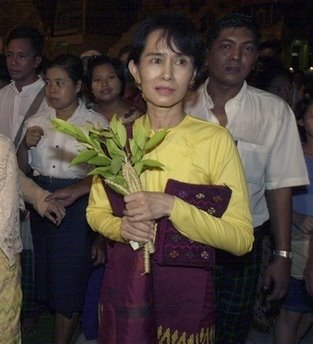


 Posts
Posts


