၂၀၀၈ ဖဲြ ့စည္းပုံကို မျပင္ဘဲနဲ ့ ၂၀၁၀ ေရြးေကာက္ပဲြ ဝင္ရင္ ဘာမွအဓိပါၸယ္မရိွဘူးဆိုတာ လူအမ်ားနားလည္ထားျပီးသား
ထင္ပါတယ္ စစ္အာဏာရွင္ေတြကို တရားဝင္ အသိအမွတ္ျပဳ ျပီး တရားဝင္နိုင္ငံေရးစင္ျမင့္ေပၚတင္ျပီး ခင္ဗ်ားတို ့ထင္တာ
လုပ္ႀကပါေတာ့ ကၽြန္ေတာ္တို ့ ဘာမဆိုလက္ခံပါတယ္ လို ့ေျပာတာတဲ့အတူတူပါဘဲ ဘယ္လို ဘဲျဖစ္ျဖစ္ ျပည္တြင္းက
လတ္တေလာ နိုင္ငံေရးျဖစ္စဥ္ေတြ ကို သိရိွရေအာင္ ဒီေဆာင္းပါးကို ကူးယူေဖာ္ျပေပးလိုက္ပါတယ္။
ေလးစားစြာျဖင့္-
ဘုန္းလိႈင္
PEACEFUL BURMA
FROM
http://kabarmakyay.blogspot.com/
(၁၄-၉-၀၉)ႏိုင္ငံေရးသမားေခါင္းေဆာင္မ်ားမွ၊ ျပည္သူသို႔ ေျပာၾကားလိုေသာ သတင္းစကားႏွင့္ မည္သို႔ ေသာ ေခါင္းေဆာင္မ်ိဳးျဖစ္ေၾကာင္း၊ ျပည္သူတို႔ ေလ့လာသံုးသပ္ႏိုင္ရန္ ေပါင္းကူးေပးမည့္ ေက်ာင္းသား လူငယ္အဖြဲ႕၏ ဖိတ္ၾကားခ်က္အရ၊ ဒီမိုကရက္တစ္ပါတီဥကၠဌ ဦးသုေ၀ ေျပာၾကားေသာမိန္႔ခြန္း။
ဧ၀ံ ေမ သုတံ
စစ္အစိုးရက ၂၀၁၀ ခုႏွစ္တြင္ ေရြးေကာက္ပြဲ က်င္းပမည္ဟု ေၾကညာထားေသာ္လည္း ပါတီဖြဲ႔စည္းေရး၊ ေရြးေကာက္ပြဲ ေကာ္မရွင္ဆိုင္ရာ ဥပေဒ လုပ္ထံုးလုပ္နည္းမ်ား မေၾကညာေသးပါ။
၂၀၁၀ ခုႏွစ္တြင္ ေရြးေကာက္ပြဲ အမွန္တကယ္ က်င္းပျဖစ္မည္ မျဖစ္မည္ကိုလဲ မည္သူကမွ် ကံေသ ကံမ မေျပာႏိုင္ပါ။ အရာအားလံုးသည္ အရွက္ သိကၡာ ကင္းမဲ့ေသာ အတၱ႐ူး လူ႕တိရစာၦန္အာဏာရွင္တဦးထံ ၌သာ ရွိေနေသးသည္ကို မျငင္းႏိုင္ပါ။ စစ္ဖက္၀န္ထမ္းမ်ား အရပ္ဖက္၀န္ထမ္းမ်ားအပါအ၀င္ ရဟန္းရွင္လူ ျပည္သူအေပါင္းမွာလည္း “ဂုတ္ေပၚ ဒါးမိုး ”အေျခအေနမွာ ရွိေနပါသည္။
ျမန္မာျပည္ ဒီမိုကေရစီေရးအတြက္ ေပါင္းစည္း ညီညြတ္ေအာင္ ႀကိဳးစားရင္း ဒီမိုကေရစီ အရင္ရေအာင္ လုပ္ၿပီးမွ ညီညြတ္ေအာင္လုပ္တာက ပိုသင့္မယ္ထင္တယ္ဟု ၀ါရင့္ဘေလါ့ဂါတေယာက္ တေလာက ညီးသြားသလို က်ေနာ္တို႕ရဲ႕ညီညြတ္ေရးကလဲ အသိေခါက္ခက္ အ၀င္နက္ေနဆဲျဖစ္ပါသည္။
အတၱ႐ူး လူ႕တိရစာၦန္ အာဏာရွင္ႏွင့္ အာဏာရွင္အရိုက္အရာခြဲတန္းအလွည့္ေမ်ာ္ စစ္မလႈိင္တစုက ဥပေဒျပဳေရးအာဏာ တရားစီရင္ေရးအာဏာ အုပ္ခ်ဳပ္ေရးအာဏာတို႕ကို ထင္သလိုသံုးၿပီး ႏိုင္ငံေတာ္အၾကမ္းဖက္ ၀ါဒႏွင့္ ရမ္းကားေနသည့္အျပင္ ႏိုင္ငံတကာအသိုင္းအ၀ိုင္းကို နားလွည့္ ပါးရိုက္လုပ္ကာသူတို႕ ပိုမိုအခိုင္အမာျဖစ္ေစမည့္ အေျခခံဥပေဒကို ဇြတ္အတင္း အတည္ျပဳ ခဲ့ၿပီးျဖစ္သည္။ဆက္လက္ ၍ ၂၀၁၀ ေရြးေကာက္ပြဲႏွင့္သရဖူေဆာင္းမည့္ေျခလွမ္းကိုလည္း အထင္း သားျမင္သာေနပါသည္။သူတို႕စိတ္ႀကိဳက္ ေရးဆြဲထားၿပီးျဖစ္သည့္ ၂၀၀၈ အေျခခံ ဥပေဒအရ က်င္းပမည့္၂၀၁၀ ေရြးေကာက္ပြဲဆိုသည္မွာ တရားမွ်တေစရန္ သူတို႕စစ္တပ္ႀကီးတခုလံုးေဘးထြက္ထိုင္ေပးကာ ကုလသမဂၢအမႉးျပဳေသာနိုင္ငံတကာႀကီးၾကပ္ေရးလက္သို႕ထိုးအပ္ကာ က်င္းပေစသည့္တိုင္ ျမန္မာျပည္သူတို႕အတြက္မည္သို႕မွထူးလာမည္မဟုတ္။၂၀၀၈ အေျခခံ ဥပေဒကိုျပန္လည္သံုးသပ္ျပင္ဆင္ရန္ ေတာင္းဆိုမႈဆိုသည္မွာလည္းကၽြဲပါးေစာင္းတီးသည္ကမွ ရြံ႕လူးခိုက္ႏွင့္ႀကံဳလွ်င္ စည္း၀ါး လိုက္သေယာင္ရွိဦးမည္။
သူကေတာ ့လူထု ဆႏၵခံယူပြဲႏွင့္ အတည္ျပဳခဲ့သည့္ အေျခခံ ဥပေဒကို ဖ်က္လုိဖ်က္ဆီး မလုပ္ၾကရန္(၆၄) ႏွစ္ျပည့္ တပ္မေတာ္ေန႔ အခမ္းအနားတြင္ေျပာၾကားခဲ့ေသးသည္။
ထို႕ေၾကာင့္ ထိုစစ္အာဏာရွင္တို႕အားဖယ္ရွားျပစ္ေရးသာက်ေနာ္တို႕အတြက္ တခုတည္းေသာ အဓိက နည္းလမ္း ျဖစ္သည္။ အရင္းမွလွန္ အျမစ္မွတူးကာ ဖယ္ရွားႏိုင္မည္လား တစျခင္းတလြာျခင္းခြာ၍ ဖယ္ရွားႏိုင္မည္လား ဆိုသည္က အေျခအေနအေပၚတည္ပါမည္။
မည္သို႕ပင္ျဖစ္ေစအျခင္းျခင္းညီညြတ္မႈ နားလည္မႈ အေပးအယူမွ်ဖို႕ အေရးအလြန္ႀကီးသည္ကို က်ေနာ္တို႕အားလံုး ႏွစ္ႏွစ္ကာကာ သေဘာေပါက္ဖို႕လိုက္နာက်င့္ႀကံဖို႕ နည္းလမ္းရွာေဆာင္ရြက္ဖို႕ ေနာက္ဆံုအေျခအေနကိုလည္းေရာက္ေနပါၿပီ။
ထိုစစ္အာဏာရွင္တို႕အားဖယ္ရွားျပစ္ေရးအတြက္ ၂၀၁၀ေရြးေကာက္ပြဲကို ဆန္႕က်င္တားဆီးရမည္မွာ မလြဲမေသြ ျပဳလုပ္ရမည့္တိုက္ပြဲတရပ္ျဖစ္သည္။ခုအခ်ိန္မွာ၂၀၁၀ ေရြးေကာက္ပြဲကုိ ဝင္ေရာက္ယွဥ္ၿပိဳင္ဖုိ႔ တရားဝင္ ေၾကညာ ျပင္ဆင္လုပ္ကုိင္ေနတဲ့ ပါတီမ်ားနဲ႔ ႏုိင္ငံေရးသမားမ်ားလည္းရွိေနပါသည္။(နအဖ၏ လံရွဴးမ်ားစကားထဲထည့္မေျပာပါ)ဒါေၾကာင့္ က်ေနာ္တို႕ထဲမွာဘဲ ဆန္႕က်င္ဖက္ ျဖစ္ေနတယ္ဆိုတဲ့ ျပႆနာတရပ္ကိုလည္းအက်ယ္ႀကီးကို ၾကားေနရပါတယ္။
က်ေနာ့အျမင္ကို ေျပာရရင္ေတာ့ဒါဟာဆန္႔က်င္ဖက္လမ္းႏွစ္ခုမဟုတ္ပါ။
ထိပ္တိုက္ျပႆနာတရပ္လည္းမဟုတ္ပါ။
လမ္းေၾကာင္းတခုထဲေပၚက ေရွ႕ဆင့္ေနာက္ဆင့္အလုပ္ေတြသာ ျဖစ္ပါတယ္။က်ေနာ္တို႕၂၀၁၀ေရြးေကာက္ပြဲကို တားဆီးဆန္႕က်င္တိုက္ပြဲ၀င္မႈ ေအာင္ျမင္တဲ႕အခါ ေရြးေကာက္ပြဲ၀င္ေရးဆိုတာ မရွိႏိုင္ေတာ့ပါ။ ဒါ့အတြက္ဘာ့ေၾကာင့္က်ေနာ္တို႕ျခင္း အင္အားအပ်က္ခံျငင္းခံုဆန္႕က်င္ တြန္းတိုက္ ေနၾကမွာလဲ။တဆက္ထဲမွာဘဲ သေဘာသဘာ၀အရ တိုက္ပြဲဆိုတာ အႏိုင္အရံႈးရွိၿမဲျဖစ္ပါတယ္။ ၂၀၀၈ ဖြဲ႕စည္းပံုဥပေဒကို က်ေနာ္တို႕ တခဲနက္ဆန္႕က်င္ခဲ႕ပါတယ္။ အရွိန္အဟုန္နဲ႕ “ဗုတ္ႏိုး” ခဲ့ပါတယ္။ နအဖက ေျဗာင္လိမ္ၿပီး ေျဗာင္ဘဲစားသြားပါတယ္။ ဒါေၾကာင့္ ဒီတိုက္ပြဲမွာ က်ေနာ္တို႕ အေမ်ာ္အျမင္ႀကီးႀကီး အေပးအယူ အခ်ိတ္အဆက္ ရွိရွိနဲ႕ စစ္အာဏာရွင္ဖယ္ရွားျပစ္ေရးအဓိကရည္မွန္းခ်က္ကို မ်က္ေျချပတ္မခံဘဲ ခိုင္မာျပည့္စံုစြာတိုက္ပြဲ၀င္ဖို႕သာ ျပင္ဆင္သင့္ပါတယ္။တနည္းအားျဖင့္ အျမစ္လွန္ေျခမႈန္းၾကပါမယ္။ တစစီခြါတလြာစီလွီးျဖတ္မဲ႕သူမ်ား အရံအသင့္ရွိေနပါေစ။ေႏြးေထြးစြာႀကိဳဆိုရန္ မသင့္ပါ(သ)လား။
အ႐ွည္တည္တန္႔မယ့္ဒီမို ကေရစီ အတြက္လိုအပ္တဲ့ ေခါင္းေဆာင္မႈအရည္ အေသြးေတြကို႐ိုးသားမႈ႐ွိ႐ွိ ပြင့္လင္းျမင္သာမႈ႐ွိ႐ွိ တာ၀န္ခံမႈ႐ွိ႐ွိ လုပ္ကိုင္ႏိုင္ဖို႔ျပင္ဆင္ထားရပါမယ္။ က်ေနာ္တို႕ဟာ အမ်ား စံုညီသေဘာထားက်ေအာင္ စည္း႐ံုးႏိုင္စြမ္း ႐ွိသူေတြ၊ သေဘာထားအျမင္ က်ယ္ျပန္႔ မွ်တ သူေတြျဖစ္ဖို႕လိုပါတယ္။ တရားမွ်တေရးကို ဦးထိပ္ပန္ၿပီးအမ်ား ျပည္သူအက်ဳိးစီးပြားကို ဦးစား ေပးလံုးပမ္းသူေတြ ျဖစ္ရပါမယ္။ ဒါ့အျပင္ မတူညီတဲ့ ရပ္တည္ခ်က္ေတြကိုလည္း သေဘာထား ႀကီးႀကီး သည္းခံ ႏိုင္သူေတြျဖစ္ဖို႕ အျခားသူေတြရဲ႕ အယူအဆ ေျပာစကားေတြကို နာၾကားနားေထာင္ႏိုင္ဖို႕လည္းလိုပါမယ္။
ဒါေၾကာင့္ ခုရက္ပိုင္းအတြင္း သတင္းပရိတ္သတ္ေတြ သတင္းဌာနေတြနဲ႕ ႏိုင္ငံေရး အသားေပး ဘေလာ့ဂါမ်ား အၾကား ေရပန္းစားခဲ႕တဲ့ “ဒီမုိကရက္တစ္ပါတီ” အမည္ျဖင့္ ပါတီတရပ္ ဖြဲ႕စည္းၿပီး လာမည့္ ၂၀၁၀ ေရြးေကာက္ ပြဲတြင္ ပါ၀င္ယွဥ္ၿပဳိင္မည့္သတင္းမ်ားကို နားေထာင္ ဖတ္ရႈ (ဂ်ီေတာ့လ္ခ္စသည္က)ေမးျမန္း ၾကားသိ ရသည္မ်ားမွ က်ေနာ္ သတိထားမိတဲ့ ကြဲလြဲမႈေလးတခ်ိဳ႕နဲ႕ ထြက္ၿပီးသတင္းမ်ားမွာ က်ယ္က်ယ္ျပန္ျပန္႕ မပါ ေသးတဲ့ အခ်က္အလက္အခ်ိဳ႕ကို က်ေနာ္ၾကားသလို မွ်ေ၀လိုက္ပါတယ္။
ကြဲလြဲမႈေလးတခ်ိဳ႕ကေတာ့ (ဗီြအုိေအ ျမန္မာသတင္း16 September 2009) ႏုိင္ငံေရးသမားႀကီး ဦးသုေဝကုိ ဦးေက်ာ္ဇံသာ က ဆက္သြယ္ေမးျမန္း ေဆြးေႏြးတင္ျပထားရာမွာ ညီၫြတ္ေသာ ဒီမုိကရက္တစ္ပါတီ - ျမန္မာျပည္ (United Democratic Party of Myanmar) နဲ႔ UDP ပါတီလို႕ ေျပာသြားတာၾကားလိုက္ရပီး တကယ္ပါတီရဲ႕အမည္မွန္က ဒီမုိကရက္တစ္ပါတီ လို႕ ၾကားသိရပါတယ္။
ေနာက္တခုက သတင္းေတြထဲမွာ ၀ါရင့္ႏိုင္ငံေရးသမား ႏွစ္ဦး၏ သတင္းစာရွင္းလင္းပြဲလို႕ ၾကားသိရၿပီး အမွန္က ဒီပြဲကုိ ေက်ာင္းသား လူငယ္အဖြဲ႕ဆိုတာက စီစဥ္ၿပီး ဖိတ္ၾကားလို႕ ဦးသုေ၀ ဦး၀င္းႏိုင္တို႕ တက္ေရာက္ေျပာၾကားတာ လို႕ ၾကားသိရပါတယ္။( ဒါေပမဲ့ သတင္းစာရွင္းလင္းပြဲႏွင့္ ပတ္သက္ၿပီး ၿမိဳ႕နယ္ အာဏာပိုင္ထံမွ ခြင့္ျပဳခ်က္ မယူခဲ့သျဖင့္ ဥပေဒခ်ဳိးေဖာက္သည္ဟုဆုိကာ သတိေပး လက္မွတ္ေရးထုိးခိုင္းျခင္းခံရရာမွာေတာ့ အဲဒီေက်ာင္းသားလူငယ္အဖြဲ႕ရဲ႕ တာ၀န္ရွိသူေတြ ပါမပါမသိရပါ။) ေနာက္အနည္းငယ္ကြဲလြဲမႈကေတာ့ သတင္းမ်ားမွာ တက္ေရာက္သူ လူ၂၀ခန္႕လို႕ ဆိုေပမဲ့ တကယ္တက္ေရာက္သူ ၆၀ ေက်ာ္ရွိလို႕ ထိုင္စရာမေပးႏိုင္လို႕ နဲနဲအဆင္မေခ်ာျဖစ္သြားတာေတြ႕ရတယ္လို႕ ၾကားရပါတယ္။
ဆက္လက္ပီး အဲဒီပြဲမွာ ဦးသုေ၀ေျပာၾကားခဲ့တဲ့ မိန္႕ခြန္းအျပည့္အစံုကို တင္ေပးလိုက္ပါတယ္။
(၁၄-၉-၀၉)ႏိုင္ငံေရးသမားေခါင္းေဆာင္မ်ားမွ၊ ျပည္သူသို႔ ေျပာၾကားလိုေသာ သတင္းစကားႏွင့္ မည္သို႔ ေသာ ေခါင္းေဆာင္မ်ိဳးျဖစ္ေၾကာင္း၊ ျပည္သူတို႔ ေလ့လာသံုးသပ္ႏိုင္ရန္ ေပါင္းကူးေပးမည့္ ေက်ာင္းသား လူငယ္အဖြဲ႕၏ ဖိတ္ၾကားခ်က္အရ၊ ဒီမိုကရက္တစ္ပါတီဥကၠဌ ဦးသုေ၀ ေျပာၾကားေသာမိန္႔ခြန္း။
မဂၤလာပါခင္ဗ်ား၊ ဒါေလာက္မ်ားတဲ့ သတင္းဌာနပုဂၢိဳလ္မ်ားကို ေတြ႕ရလိမ့္မယ္လို႔ က်ေနာ္ မေမွ်ာ္လင့္ခဲ့ပါ ဘူး။ အခုလို ေတြ႕ရတာ အလြန္၀မ္းသာပါတယ္။ က်ေနာ့္ကို လူငယ္ေက်ာင္းသားမ်ားက (၂၀၁၀) ေရြးေကာက္ပြဲနဲ႔ ပတ္သတ္ၿပီး က်ေနာ့္သေဘာထားကို ျပည္သူသို႔ ေျပာျပေပးပါလုိ႔ ဖိတ္တဲ့အတြက္ က်ေနာ္ ေရာက္ရွိလာျခင္း ျဖစ္ပါ တယ္။ က်ေနာ္တို႔ ႏိုင္ငံရဲ႕ စစ္အစိုးရဟာ အင္ဒိုနီးရွားကို အတုယူတာပါလုိ႔ တခ်ိဳ႕ကေျပာတယ္။ တခ်ိဳ႕ကလဲ ေတာင္အာဖရိကကို အတုယူ၊ လက္တင္အေမရိက၊ တ႐ုတ္ကို တုတာလုိ႔ ေျပာသံၾကားရပါတယ္။ က်ေနာ္ နားလည္ သေလာက္ေတာ့၊ ဘယ္ႏိုင္ငံ၊ ဘယ္သူ႕ကိုမွအတုမခိုးပါဘူး။ သူတို႔ အေတြးအေခၚ၊ သူတို႔ ယံုၾကည္ခ်က္နဲ႔ လုပ္တာပါ။ မဆလမွ ဆင္းသက္လာတာျဖစ္လို႔၊ မဆလ နည္းဟန္ရွိတယ္လို႔ေတာ့ ေျပာႏိုင္ပါတယ္။ မတူတာက စီးပြားေရး စနစ္ေလာက္ပါပဲ။ ဒီေခတ္စီးပြားေရးဟာ တစ္ပါတီအာဏာရွင္ပဲျဖစ္ျဖစ္၊ ကြန္ျမဴနစ္အာဏာရွင္ပဲျဖစ္ျဖစ္၊ အာဏာရွင္ ေတြအားလံုးလိုလို၊ ေစ်းကြက္စီးပြားေရးစနစ္ကို ေျပာင္းလဲက်င့္သံုးၾကတယ္။ မေျပာင္းရင္ ေခတ္ေနာက္က်မွာ က်န္ရစ္ခဲ့မွာပါ။ ဒါေၾကာင့္ က်ေနာ္တို႔ ျမန္မာႏိုင္ငံလဲ ေျပာင္းကိုေျပာင္းရပါတယ္။ ေျပာင္းတဲ့ အတြက္လဲ အားလံုး စီးပြားေရးတိုးတက္လာၾကပါတယ္။ စနစ္တက် လိမ္လိမ္မာမာ လုပ္တတ္သူေတြက ပိုတိုးတက္တာေပါ့။ တစ္ကမၻာလံုး ဂလိုဘယ္လိုင္ေဇးရွင္းဆိုေတာ့၊ တစ္ကမၻာလံုးဆက္သြယ္ၿပီး
ရင္းႏွီးႁမွဳပ္ႏွံၾကတယ္။ ေရာင္းတယ္၊ ၀ယ္တယ္ စုေပါင္း လုပ္ၾကေတာ့၊ အနည္းဆံုး အထိုက္အေလ်ာက္ စီးပြားျဖစ္ၾကတာဘဲ။ အဲဒီ အာဏာရွင္ေတြက အုပ္ခ်ဳပ္ေရးအာဏာ ကိုသာ လက္မလႊတ္ၾကေသးတာပါ။ ဘာပဲေျပာေျပာ၊ ဒီမိုကေရစီမဟုတ္တဲ့ အဓမၼ၀ါဒီအစိုးရေတြဟာ၊ ျပည္သူေတြကို ဖိႏွိပ္ခ်ဳပ္ခ်ယ္တဲ့ေနရာမွာ တူၾကေတာ့၊ သူ႔ႏုိင္ငံကို ငါအတုယူသလုိလို၊ ငါ့ႏိုင္ငံကို သူအတုယူသလုိလို ထင္ၾကတာျဖစ္ပါတယ္။
ႏုိင္ငံသမိုင္းအျဖစ္အပ်က္ေတြမွာ၊ က်ေနာ္တို႔ႏိုင္ငံနဲ႔ ခပ္မ်ားမ်ားတူတဲ့ အင္ဒိုနီးရွားႏုိင္ငံအေၾကာင္းကို က်ေနာ္ေျပာပါမယ္။ က်ေနာ္တို႔ ျမန္မာႏုိင္ငံဟာ ၿဗိတိသွ်ကိုလိုနီအျဖစ္၊ ႏွစ္(၁၀၀)ေက်ာ္ေနခဲ့ရသလို၊ အင္ဒိုနီးရွား ႏိုင္ငံလဲ၊ ဒတ္ခ်္တိုိ႔ရဲ႕ ကိုလိုနီအျဖစ္ အႏွစ္(၃၀၀)ေက်ာ္ေနခဲ့ရပါတယ္။ ျမန္မာ့လြတ္လပ္ေရးရည္ရြယ္ၿပီး ဗိုလ္ခ်ဳပ္ ေအာင္ဆန္းတို႔၊ ၿဗိတိသွ်အစိုးရကို အံတုဆန္႔က်င္ခဲ့သလို၊ တခ်ိန္တည္းမွာဘဲ၊ အင္ဒိုနီးရွားမွာ အသက္(၂၆)ႏွစ္ရြယ္ ဆိုကာႏိုက၊ အင္ဒိုနီးရွားအမ်ိဳးသားေရးပါတီကို ေထာင္ၿပီး၊ ဒတ္ခ်္အစိုးရကို အံတုပါတယ္။ အဖမ္းခံရတယ္။ သူ႔ေၾကြး ေၾကာ္သံက ဒို႔ႏိုင္ငံ၊ ဒို႔လူမ်ိဳး၊ ဒို႔ဘာသာစကား။ ဒုတိယကမၻာစစ္ႀကီးျဖစ္ေတာ့၊ ျမန္မာႏိုင္ငံကို ဂ်ပန္ေတြ၀င္ေရာက္သိမ္းပိုက္သလို၊ အင္ဒိုနီးရွားကိုလဲ ဂ်ပန္ ေတြ သိမ္းပိုက္လုိက္ပါတယ္။ အင္ဒုိနီးရွင္း ေထာင္ေပါင္းမ်ားစြာကို စစ္တပ္ထဲအတင္းသြင္းၿပီး အေရွ႕ေတာင္ အာရွ စစ္ပြဲေတြအတြက္ ေခၚသြားတာ ရာေထာင္ခ်ီၿပီး ေသေၾကေပ်ာက္ဆံုးကုန္တယ္။ ဂ်ပန္ကို အင္ဒိုိနီးရွားလူထုအခြန္ ေတာ္ေတြေပးရတယ္။ အင္ဒိုနီးရွားအလံလဲ မေထာင္ရဘူး။ ႏိုင္ငံေတာ္သီခ်င္းလဲ ဆိုခြင့္မေပးဘူး။ (၁၉၄၅)ခုႏွစ္ ဂ်ပန္လက္နက္ခ်ေတာ့၊ ဆိုကာႏိုနဲ႔ ဟာတာတုိ႔က အင္ဒိုနီးရွားလြတ္လပ္ေရးကို ေၾကညာ လိုက္တယ္။ သို႔ေသာ္ ကိုလိုနီအရွင္ေဟာင္း၊ ဒတ္ခ်္ေရာက္လာၿပီး အုပ္ခ်ဳပ္တယ္။ ဒတ္ခ်္အစိုးရကို ဆက္ေတာ္လွန္ ေတာ့၊ (၁၉၄၉)ခုႏွစ္မွာ လြတ္လပ္ေရးရတယ္။ အဲဒီအခ်ိန္ကစၿပီး၊ ပါလီမန္ဒီမုိကေရစီစနစ္နဲ႔ အုပ္ခ်ဳပ္ခဲ့တာ (၁၉၅၉)ႏွစ္ထိ (၁၀)ႏွစ္ၾကာတယ္။ ပါလီမန္ဒီမိုကေရစီစနစ္ကို အသံုးျပဳရာမွာ အေတြ႕အၾကံဳ ရင့္က်က္ျခင္းမရွိေသး တဲ့ ႏိုင္ငံေရးသမားေတြ ေခါင္းေဆာင္တဲ့အတြက္ ေအာင္ျမင္သင့္သေလာက္ မေအာင္ျမင္ဘူး။ ဆိုကာႏိုရဲ႕ ၀ါဒက အေနာက္ႏိုင္ငံနယ္ခ်ဲ႕ကို တိုက္ခဲ့သူပီပီ၊ အေနာက္ဆန္႔က်င္ေရး၀ါဒျဖစ္ေနတယ္။ သူ႔မိန္႔ခြန္းတစ္ခုမွာ အေမရိကန္ကို ရည္ရြယ္ၿပီး ါသ အသ ့ငူူ တငအ့ ပသကမ ေငိ…လို႔ေျပာခဲ့တယ္။ ျမန္မာ့တပ္မေတာ္ဟာ ေတာ္လွန္ေရးမွေပါက္ဖြားလာခဲ့သလုိဘဲ၊ အင္ဒိုနီးရွားတပ္မေတာ္လဲ ေတာ္လွန္ေရးမွ ေပါက္ဖြားတာျဖစ္တယ္။ ေတာ္လွန္ေရးၿပီးေတာ့ ႏုိင္ငံေရးေခါင္းေဆာင္ေတြက ႏိုင္ငံအုပ္ခ်ဳပ္ေရးအစိုးရအဖြဲ႕ေတြမွာ ပါၾကတယ္။ စစ္ေခါင္းေဆာင္ေတြက တပ္မေတာ္မွာ ဆက္လက္ ဦးေဆာင္ၾကတယ္။ ဒါေၾကာင့္ အုပ္ခ်ဳပ္ေရး၊ စစ္ေရးေခါင္းေဆာင္ေတြဟာ လုပ္ေဖာ္လုပ္ဖက္ေတြ ျဖစ္ၾကတယ္။ ပါလီမန္ဒီမိုကေရစီစနစ္အရ၊ တပ္ဟာ အေရး မပါတဲ့ေနရာ ေရာက္ေနတယ္။ ကာကြယ္ေရး၀န္ႀကီးဟာ အရပ္သားျဖစ္လို႔၊ တပ္အေရာင္ေမွးမွိန္ေနတဲ့အတြက္ ဗိုလ္ခ်ဳပ္ေတြက မေက်နပ္ဖူးေပါ့။ အင္ဒိုနီးရွားအစိုးရအုပ္ခ်ဳပ္ေရးဟာ လြတ္လပ္ေရးရၿပီး (၁၀)ႏွစ္ၾကာတဲ့အခါ၊ ထိထိေရာက္ေရာက္မေအာင္ ျမင္ေတာ့ ဆုိကာႏိုက ပÍၥသီလဆိုတဲ့ ါကငိနိ ိနာသခမေခပ စနစ္ကို ခ်မွတ္ပါတယ္။ ႏိုင္ငံေရး၊ စီးပြားေရးေတြအားလံုး အစိုးရၾသဇာေအာက္မွာ ထားလိုက္တာေပါ့။ စစ္တပ္ကလဲ ပူးတြဲအုပ္ခ်ဳပ္ေရးဆိုၿပီး လႊတ္ေတာ္မွာ ၁^၃ ပုံ၊ အုပ္ခ်ဳပ္ ေရးမွာ ၁^၅ ပံု၊ အထက္ဆံုးအဖြဲ႕မွ ေအာက္ေက်းရြာအထိ၀င္ပါတယ္။ အဲဟိုတုန္းက ဆိုကာႏိုရဲ႕အားဟာ စစ္တပ္၊ ကြန္ျမဴနစ္ပါတီ၊ မူဆလင္ဘာသာေရးအဖြဲ႕ေတြနဲ႔၊ ႏိုင္ငံသား တ႐ုတ္စီးပြားေရးသမားေတြျဖစ္တယ္။ ဆိုကာႏိုဆိုတာက အင္ဒိုနီးရွားႏုိင္ငံရဲ႕သူရဲေကာင္း၊ လြတ္လပ္ေရး ဖခင္ႀကီး၊ အမ်ိဳးသားေခါင္းေဆာင္ႀကီးဆိုၿပီး ၾကည္ၫိုေလးစားျခင္းခံရတယ္။ ၿပီးေတာ့ ဆုိကာႏိုဟာ အေျပာအေဟာေကာင္းတဲ့ ေနရာမွာ ကမၻာ့ထိပ္တန္းေခါင္းေဆာင္စာရင္း၀င္ျဖစ္တယ္။ သို႔ေသာ္လဲ ေလာကမွာ အေျခအေနတြက အၿမဲေျပာင္းေနပါတယ္။ ကံဇာတာက်လာၿပီဆုိရင္ မေကာင္း က်ိဳးေတြ ျဖစ္လာေတာ့တာဘဲ။ ဆိုကာႏိုရဲ႕ အားတစ္ခုျဖစ္တဲ့ မူဆလင္ဘာသာေရးအဖြဲ႕ေတြက အင္ဒိုနီးရွားကို အစၥလာမ္ႏိုင္ငံအျဖစ္ ေၾကညာဖို႔လုပ္တယ္။ အဲဒါကို စစ္တပ္နဲ႔ကြန္ျမဴနစ္ပါတီက လက္မခံဘူး။ တစ္ခါ စီးပြားေရးသမားမွာ ဘယ္လုိျဖစ္သလဲဆိုေတာ့ အစိုးရက စီးပြားေရးကို လက္၀ါးႀကီးအုပ္ထားတယ္။ စစ္ဗိုလ္ခ်ဳပ္ေတြနဲ႔ ရင္းႏွီးတဲ့ တ႐ုတ္စီးပြားေရးသမားေတြကို စီးပြားေရးလုပ္ငန္းအားလုံုးခ်ေပးၿပီး ေ၀စားၾကတယ္။ ဆိုကာႏိုရဲ႕ အနီးကပ္ဗိုလ္ခ်ဳပ္ႀကီး(၂)ေယာက္ဆုိရင္ စီးပြားေရးဗိုလ္ခ်ဳပ္ႀကီးေတြလို႔ ထင္ရွားတယ္။ ႏိုင္ငံျခားရင္းႏွီး ႁမွဳပ္ႏွံမႈဆိုပါေတာ့ အရင္းအႏွီးက (၁၀၀)ပို႔လို႔ရတယ္။ ဒါေပမယ့္ ဗိုလ္ခ်ဳပ္ေတြ၊ တ႐ုတ္ကုန္သည္ႀကီးေတြနဲ႔ ဆက္သြယ္လုပ္ရမွာဆိုေတာ့ ရွယ္ရာထည့္ေပးထားရတယ္။ အဲဒါနဲ႔ စစ္ဗိုလ္ခ်ဳပ္ေတြေရာ၊ တ႐ုတ္ကုန္သည္ႀကီးေတြပါ အလြန္ခ်မ္းသာကုန္တယ္။ လူထုႀကီးကေတာ့ စားရမယ့္၊ ေသာက္ရမယ့္၊ ဒုကၡေတြနဲ႔ ရင္ဆိုင္ေနရေတာ့ မေက် မနပ္ျဖစ္ၿပီး တ႐ုတ္နဲ႔အင္ဒိုနီးရွင္းလူမ်ိဳးေရး ပဋိပကၡျဖစ္ၾကပါတယ္။ ဘန္ဒြန္းမွာ တ႐ုတ္ဆုိင္နဲ႔ အိမ္ေတြ (၁၅၀၀) ေလာက္ ပ်က္စီးသြားေအာင္ဖ်က္ဆီးခံရပါတယ္။ တစ္ခါ စစ္တပ္ထဲမွာ ဗိုလ္ခ်ဳပ္ႀကီးေတြက အက်င့္ပ်က္ၿပီး ခ်မ္းသာေနေတာ့ တပ္နာမည္ပ်က္တယ္။ ႏုိင္ငံ တိုးတက္မႈ ေႏွာင့္ေႏွးေစတယ္ဆိုၿပီး စစ္ဗိုလ္ငယ္ေတြက ေတာ္လွန္ၾကတယ္။ သူပုန္အစိုးရလို႔ ေၾကညာၿပီး၊ စစ္ဗိုလ္ခ်ဳပ္ႀကီးေတြကို ျပန္ေပးဆြဲတယ္။ သတ္ပစ္ၾကတယ္။ စစ္ဗုိလ္ခ်ဳပ္ေတြ အမ်ားအသတ္ခံရတယ္။ ေနာက္ဆံုး စစ္ဦးစီးခ်ဳပ္ကိုပါ ျပန္ေပးဆြဲသြားတယ္။ က်န္တဲ့ စစ္ဗိုလ္ခ်ဳပ္ေတြက ေ႐ွ႕တန္းမထြက္ရဲၾကေတာ့ဘူး။ အဲဒီအခ်ိန္မွာ အထူးတပ္ရဲ႕ဗ်ဴဟာမွဴးေလး ဗိုလ္မွဴးခ်ဳပ္ ဆိုဟာတို ေရွ႕တန္းထြက္ၿပီး တပ္ကို စည္း႐ုံုးတယ္။ ေရတပ္၊ ရဲတပ္ တို႔ကိုလဲ သူ႔လက္ေအာက္မွာ ထားလိုက္တယ္။ ဆိုကာႏုိရဲ႕ ါကငိနိ ိနာသခမေခပ နဲ႔ ပူးတြဲ အုပ္ခ်ဳပ္ေရးတို႔ကို အခြင့္အေရး ယူၿပီး အရပ္သားေတြေနရာမွာ တပ္နဲ႔အစားထုိး တိုးခ်ဲ႕ ဖြဲ႕စည္းလိုက္တယ္။ ဒီလို အေျခအေနေတြ ႐ုတ္႐ုတ္သဲသဲ ျဖစ္ေနတဲ့အခ်ိန္မွာ ကြန္ျမဴနစ္ပါတီက အာဏာသိမ္းဖို႕ ႀကံတယ္။ အင္ဒိုနီးရွားကြန္ျမဴနစ္ပါတီဟာ ႐ုရွား-တ႐ုတ္ၿပီးရင္ ကမၻာမွာ အင္အားအႀကီးဆံုးပါ။ ေကဒါ (၃)သိန္းနဲ႔ ပါတီ၀င္ (၂)သန္းေက်ာ္ရွိတယ္။ အာဏာသိမ္းဖို႔ ႀကံတယ္ဆိုတဲ့ ကြန္ျမဴနစ္ပါတီကို ဆိုဟာတုိရဲ႕ စစ္တပ္ရယ္၊ ျပည္သူ႔စစ္လို႔ ေခၚရမလားမသိ၊ အရပ္သားလက္နက္ကိုင္ေတြက ရက္ရက္စက္စက္ အစုအၿပံဳလိုက္ သတ္ပစ္လုိက္တာ (၁)သန္း ေက်ာ္ေသတယ္ လို႔ဆုိတယ္။ ဆိုဟာတိုက ဆိုကာႏိုိနဲ႔ သြားေတြ႕ၿပီး ကြန္ျမဴနစ္ပါတီကို ႏိုင္ငံေရးနယ္ပယ္မွ ဖယ္ရွား ပစ္ေၾကာင္း ေၾကညာခုိင္းတယ္။ ဆိုကာႏိုဟာ ႏုိင္ငံေတာ္ရဲ႕ဖခင္၊ အမ်ိဳးသားေခါင္းေဆာင္ႀကီးဆိုေတာ့ မာနရွိမွာေပါ့။ သူ႔ကို ေထာက္ခံတဲ့ ပါတီလဲျဖစ္ေနျပန္ေတာ့ ဘယ္ေၾကညာမွာလဲ။ ဒါနဲ႔ ဆိုကာႏိုကုိ ဖမ္းဆီးလုိက္ ပါတယ္။ အရင္က လွ်မ္းလွ်မ္းေတာက္ခဲ့တဲ့ ေခါင္းေဆာင္ႀကီးဟာ ေသတဲ့အထိ မထင္မရွားနဲ႔ ေနသြားရရွာတယ္။ ဆုိဟာတိုက (၁၉၆၅)ခုႏွစ္မွာ သမၼတအာဏာယူၿပီး အာဏာကို ခုိင္မာေအာင္ ႀကိဳးစားတယ္။ တစ္မိန္႔ တစ္အာဏာစနစ္ကို ထူေထာင္တယ္။ တပ္ထဲမွာ သစၥာရွိတဲ့လူေတြကိုသာထားၿပီး သူ႔အမိန္႔ မတည္တဲ့ စစ္ဗိုလ္ေတြ ကို သံအမတ္ခန္႔တဲ့လူ ခန္႔တယ္။ ရာထူးခ်တယ္၊ ေရႊ႕တယ္။ ျဖဳတ္တဲ့လူ ျဖဳတ္တယ္။ တပ္နဲ႔ ေ၀းေအာင္ ထားတယ္။ စီးပြားေရးကိုလဲ သူ႔လူေတြနဲ႔၊ သားသမီးအမ်ိဳးေတြလက္ထဲမွာ ထားတယ္။ ဂုိကာ ပါတီမွာလဲ သူ႔လူေတြပဲ ခန္႔တယ္။ လႊတ္ေတာ္မွာ အတိုက္အခံမရွိရဘူး။ ဆိုဟာတိုရဲ႕ လမ္းစဥ္ကို နားလည္ေအာင္ဆိုၿပီး တပ္မေတာ္သားေတြ၊ ၀န္ထမ္းေတြ၊ ဆရာေတြ၊ ဆရာ၀န္ေတြ အားလံုးမြမ္းမံသင္တန္းတက္ၾကရတယ္။ ေရြးေကာက္ပြဲကို (၅)ႏွစ္တစ္ႀကိမ္ က်င္းပေပးပါရဲ႕။ လူထုေထာက္ခံတဲ့ ႏိုင္ငံေရးပါတီကို အမ်ိဳးမ်ဳိး ကန္႔သတ္ ခ်ဳပ္ခ်ယ္္တယ္။ ႏိုင္ငံေရးပါတီ(၁၇)ခု မိမိပါတီ၀င္ေတြကိုယ္တိုင္က ဖ်က္သိမ္းပစ္ေအာင္ ဖိအားေတြေပးတယ္။ ႏိုင္ငံေရးဆိုတာကိုေတာင္ မေကာင္းတဲ့ အဓိပၸါယ္ျဖစ္ေအာင္ လုပ္ပစ္တယ္။ အားလံုးကိုလဲ သူသံသယရိွတယ္။ ဘယ္သူ႔ကိုမွ မယံုဘူး။ ဘယ္လိုပဲ ပိုင္ေအာင္လုပ္လုပ္၊ ကံတတ္တဲ့အခ်ိန္ ကံက်တဲ့အခ်ိန္ရွိတယ္။ ျပႆနာေပၚခ်င္ေတာ့ စီးပြားေရး ကလဲ က်တယ္။ ဆန္အထြက္ကလဲ ေလ်ာ့သြားတယ္။ ကုန္ေစ်းႏႈန္းကလဲ တက္တယ္။ သတင္းစာ(၁၂)ေစာင္ကိုလဲ ပိတ္ပစ္လိုက္တယ္။ ျပည္သူရာေပါင္းမ်ားစြာကိုလဲ ဖမ္းလိုက္တယ္။ (၁၉၉၈) တကၠသိုလ္မွာ ေက်ာင္းသား (၄)ေယာက္ကို ပစ္သတ္လိုက္တယ္။ အဲဒါေၾကာင့္ ေက်ာင္းသားေတြအံု ၾကၿြပီး ဆႏၵျပၾကတယ္။ စစ္တပ္ကို ႏွိမ္ခုိင္း ေပမယ့္ တပ္ကေက်ာင္းသားေတြကို စာနာၿပီး ေရွာင္သြားတယ္။ ဆိုကာႏိုကို ဆန္႔က်င္ခဲ့စဥ္က ဆိုဟာတို အသံုးျပဳခဲ့ တဲ့ ဗိုလ္ခ်ဳပ္ေတြကပဲ ေက်ာင္းသားေတြကို အားေပးအားေႁမွာက္ျပဳေနတယ္။ ဆိုဟာတို က်ခ်ိန္ေရာက္လာၿပီျဖစ္လို႔၊ စစ္တပ္အပါအ၀င္ လူတန္းစားအသီးသီးက ဆန္႔က်င္ၾကတယ္။ ဆိုဟာတိုက ႏိုင္ငံျပဳျပင္ေရးေတြ လုပ္ေပးပါမယ္။ ေရြးေကာက္ပြဲအသစ္လဲ က်င္းပေပးပါမယ္။ အဲဒီေရြးေကာက္ပြဲမွာ သူလဲ အေရြးမခံေတာ့ဘူးလို႔ ေၾကညာပါရဲ႕။ ဒါေပမယ့္ သူ႔ကို ဘယ္သူမွ မယံုေတာ့ဘူး။ ဒါနဲ႔ ဆိုဟာတိုက အစိုးရအဖြဲ႕သစ္ကို ဖြဲ႕တယ္။ သူခန္႔လိုက္တဲ့ ၀န္ႀကီးေတြ၊ စစ္ဗိုလ္ေတြက အစ၊ ဘယ္သူမွ လက္မခံၾကဘူး။ ႏႈတ္ထြက္လိုက္ၾကတယ္။ ကက္ဘိနက္ မွာ ဆိုဟာတိုတစ္ေယာက္ပဲ က်န္တယ္။ အရင္တုန္းက ဆိုဟာတိုနားမွာ ၀ိုင္း၀ိုင္းလည္ေနတဲ့ လူေတြ၊ ဆိုဟာတိုေကြၽးေမြးထူေထာင္ေပးခဲ့တဲ့ လူေတြအားလံုး၊ ဆိုဟာတို အနားက ဖယ္ခြာသြားကုန္ၾကပါတယ္။ စိတ္ဓါတ္အႀကီးအက်ယ္က်သြားတဲ့ ဆိုဟာတိုဟာ ေခါင္းငိုက္စိုက္နဲ႔ သမၼတ ရာထူးမွ ႏႈတ္ထြက္လိုက္ပါေတာ့တယ္။ ဒုသမၼတ ဟာဘီဘီက သမၼတရာထူးတက္ယူၿပီးတဲ့အခ်ိန္မွာေတာ့ ႏိုင္ငံေရး အက်ဥ္းသားေတြအားလံုးလႊတ္လိုက္ပါတယ္။ သတင္းလြတ္လပ္ခြင့္ေတြရလာတယ္။ ႏိုင္ငံေရးပါတီေတြလဲ အသီးသီး ေပၚလာၾကတယ္။ ဒီမိုကေရစီလမ္းေပၚျပန္ေရာက္တယ္ဆိုုပါေတာ့။ သို႔ေသာ္ ဒီမိုကေရစီအသီးအပြင့္ေတြ သီးပြင့္ လာၿပီး ျပည္သူေတြစားသံုးႏိုင္ဖို႔က ျပည္သူေတြကိုယ္တိုင္ႀကိဳးစားယူရအံုးမွာ ျဖစ္ပါတယ္။ အာဏာရွင္စနစ္မွ ဒီမိုကေရစီစနစ္သို႔ အေျပာင္းအလဲဟာ၊ ေရွာေရွာ႐ႈ႐ႈ၊ လြယ္လြယ္ကူကူမဟုတ္ပါဘူး။ အေ႐ွ႕ဥေရာပ၊ လက္တင္အေမရိက၊ အင္ဒိုနီးရွား အပါအ၀င္ အေတြ႕အႀကံဳမ်ားအရ ျပည္သူေတြလိုခ်င္တဲ့ ဒီမိုကေရစီ ခ်က္ခ်င္းရဖို႔ေတာ့ ခက္ပါတယ္ဗ်ာ။ ကဲ..က်ေနာ္တို႔ တိုင္းျပည္အေၾကာင္းကို က်ေနာ္ဆက္ေျပာပါမယ္။ စစ္အစိုးရအုပ္ခ်ဳပ္ေနတာ အႏွစ္(၂၀) ရွိသြားပါၿပီ။ ျပည္သူကၿငီးေငြ႕ေနပါၿပီ။ အစိုးရေပၚလစီကလဲ မိမိအာဏာတည္ၿမဲေရး ေပၚလစီ ျဖစ္ေနတယ္။ ႏိုင္ငံေတာ္ဖြံ႕ၿဖိဳးတိုးတက္ေရးအတြက္ ျပည္သူေတြ တကယ္ႀကိဳးစားႏိုင္တဲ့ အခြင့္အလမ္းေတြမရွိ။ တကယ္ အကူအညီ ရႏုိင္တဲ့ ႏုိင္ငံေတြနဲ႔ ခ်စ္ၾကည္မႈကမရွိ၊ အကူအညီကမရ။ ရန္ျဖစ္တဲ့ ေပၚလစီျဖစ္ေနတယ္။ ျပည္သူေတြ အလုပ္ အကိုင္ရရွိဖို႔၊ စား၀တ္ေနေရးေၾကာင့္ၾကမႈကင္းဖို႔၊ ပညာေရး၊ က်န္းမာေရးေစာင့္ေရွာက္မႈေတြ ျပည့္စံုဖို႔၊ ျပည္သူေတြက ေမွ်ာ္လင့္ေနၾကပါၿပီ။ ဒါေၾကာင့္ အေျပာင္းအလဲကို တကယ္လိုခ်င္ေနၾကတာ ျဖစ္ပါတယ္။ ဒီလုိ အေျပာင္းအလဲကို ေတာင့္တေနခ်ိန္မွာ အစိုးရက (၂၀၁၀) ေရြးေကာက္ပြဲ က်င္းပေပးမယ္လို႔ ေၾကညာတယ္။ ဒီေရြးေကာက္ပြဲနည္းအားျဖင့္၊ ႏုိင္ငံနဲ႔ျပည္သူတို႔အတြက္ က်ေနာ္တို႔ တစ္စံုတစ္ခု အက်ိဳးျပဳႏုိင္လိမ့္ မယ္လို႔ ယူဆၿပီး၊ ေရြးေကာက္ပြဲမွာ ပါ၀င္ႏိုင္ဖို႔ ဒီမိုကရက္တစ္ပါတီကို ဖြဲ႕စည္းလိုက္ၾကပါတယ္။ ေရြးေကာက္ပြဲ ၀င္ေရးရည္ရြယ္ခ်က္က အဓိက(၂)ခ်က္ပဲ က်ေနာ္တင္ျပခ်င္ပါတယ္။ ပထမအခ်က္က တိုင္းျပည္မွာ ယိုယြင္းပ်က္စီး ေနတာဟူသမွ်ကိို ထိထိေရာက္ေရာက္ျပင္ဆင္ႏိုင္ဖို႔။ ျပည္သူလူထုရဲ႕ အသံက်ယ္က်ယ္ေလာင္ေလာင္ ၾကားႏိုင္ဖို႔ ျဖစ္ပါတယ္။ ဒါကို က်ေနာ္နည္းနည္းခ်ဲ႕ၿပီး ေျပာပါမယ္။ ႏိုင္ငံရဲ႕ ျပႆနာေတြအေပၚ ႏိုင္ငံေရးသမားေတြကခ်ည့္ သေဘာထားေတြထုတ္ထုတ္ၿပီး ေျပာေနၾကတယ္။ ျပည္သူေတြ ေျပာမယ့္အသံကိုလဲ က်ေနာ္တို႔ အေလးထားရမယ္။ ကိုယ္ကသာေျပာၿပီး ျပည္သူကို ခ်န္ထားရင္ အဲဒါ ဒီမိုကေရစီမဟုတ္ဘူးေလ။ ဒီမိုကေရစီလို႔ တစာစာေအာ္ေနေပမယ့္ လက္ေတြ႕အလုပ္က ဒီမိုကေရစီဆန္ရမယ္။ အေျပာတစ္မ်ဳိး၊ အလုပ္တစ္မ်ိဳး၊ ကိုယ့္အက်ိဳးခ်ည့္ပဲၾကည့္ၿပီး ျပည္သူ႔အက်ိဳးဘက္ကစဥ္းစားမေပးရင္ မမွန္ဘူး။ ျပည္သူ႔ဆႏၵထုတ္ေဖာ္ဖို႔ အေကာင္းဆံုးနည္းလမ္းဟာ ေရြးေကာက္ပြဲဘဲ။ က်ေနာ္ ရွင္းျပပါမယ္။ (၁၉၉၀)ခုႏွစ္ ေရြးေကာက္ပြဲတုန္းက မဲဆႏၵေပးခဲ့တဲ့သူေတြရယ္၊ အဲဒီေရြးေကာက္ပြဲ တုန္းက အသက္မျပည့္လို႔ မဲမေပးလိုက္ရသူေတြဆိုၿပီး ၂ မ်ိဳးရွိပါတယ္။ ကိုးဆယ္ခုႏွစ္မဲေပးစဥ္ အသက္ ၃၀-၄၀ ရွိတဲ႔ ပုဂၢိဳလ္ေတြ အခု (၂၀၁၀)မွာ အသက္ ၅၀-၆၀ျဖစ္ေနၿပီ။ သူတို႔ မဲေပးခဲ့ၿပီးတဲ့ေနာက္ ဒီအႏွစ္(၂၀)အတြင္းမွာ သူတို႔ေတြ႕ႀကံဳခံစားရတဲ့ အေျခအေနေပၚမွာ သူတို႔သေဘာထားေတြ ေျပာဖို႔လုိတယ္။ ေျပာခြင့္ေပးရမယ္။ အမွန္ ကေတာ့ (၄)ႏွစ္တစ္ႀကိမ္ သူတို႔သေဘာထားေတြ ထုတ္ေဖာ္ခြင့္ေပးရမွာပါ။ သူတို႔သေဘာထားေတြဟာ အေျခအေန ေျပာင္းသလို၊ ေျပာင္းႏိုင္ပါတယ္။ ဒါေၾကာင့္ သူတို႔လက္ရွိ သေဘာထားေျပာခြင့္ေပးရမယ္။ ဟိုအႏွစ္ (၂၀)တုန္းက သေဘာထားကို တသမတ္တည္း၊ ေလွနံဒါးထစ္ မွတ္လို႔မရဘူး။ တစ္ခါ (၁၉၉၀)ခုႏွစ္ ေရြးေကာက္ပဲြတုန္းက အသက္မျပည့္လို႔ မဲမေပးႏိုင္ခဲ့သူေတြ၊ ဥပမာ-အသက္(၁၆-၁၇)ႏွစ္ လူငယ္ေတြဟာ အခု(၄၀)နားေရာက္ကုန္ၿပီ။ ၿပီးေတာ့ သူတို႔လို အင္မတန္တက္ၾကြတဲ့ သက္တန္းအရြယ္ ေတြဟာ ျမန္မာႏုိင္ငံလူဦးေရရဲ႕ ထက္၀က္ေလာက္ရွိတယ္။ လူဦးေရ (၅၆)သန္းဆိုရင္ သူတို႔(၂၈)သန္းရွိတာေပါ့။ အဲဒီ(၂၈)သန္းေသာတက္ၾကြတဲ့ အရြယ္လူငယ္ေတြရဲ႕ ဆႏၵထုတ္ေဖာ္ခြင့္ ေပးရမယ္။ အဲဒီ လူငယ္လူရြယ္ေတြကို ေျပာခြင့္မေပးဘဲ ငါပဲေျပာမယ္၊ ငါ့ပါတီပဲေျပာမယ္ လုပ္ေနရင္ ဒီမိုကေရစီစနစ္နဲ႔ မအပ္စပ္ပါဘူး။ အဲဒါေၾကာင့္ ေရြးေကာက္ပြဲဆိုတဲ့ တံခါးေပါက္က မဲေပးခြင့္ရွိတဲ့ ျပည္သူေတြအားလံုး ၀င္ၾကပါေစ။ ၀င္ႏိုင္ ေအာင္ ေရြးေကာက္ပဲြကို က်ေနာ္တို႔ႀကိဳဆိုရမယ္။ ေရြးေကာက္ပြဲ တရားမွ်တမႈရွိတာ မရွိတာ ေနာက္တစ္ပိုင္း။ အဲဒါကို ႏိုင္ငံေရးပါတီကခ်ည္း စဥ္းစားရမွာ မဟုတ္ဘူး။ ျပည္သူကလဲ စဥ္းစားရမယ္။ ဆံုးျဖတ္ရမယ္။ ေရြးေကာက္ပဲြဟာ ျပည္သူတစ္ရပ္လံုးနဲ႔ ဆုိင္တာ မဟုတ္ဘူးလား။ တရားမွ်တေအာင္ ျပည္သူေတြကလဲ အမ်ားႀကီးပံ့ပိုးႏိုင္တယ္။ မတရားတာေတြ၊ မသမာတာေတြကို ေတြ႕ေအာင္ရွာၿပီး ကန္႔ကြက္ရမယ္။ တားဆီးရမယ္။ အဟန္႔အတားမလုပ္ရင္ မတရားလုပ္မယ့္ သူေတြက လုပ္သြား မွာေပါ့။ ဒါေၾကာင့္ ဒီမိုကေရစီဆိုတာ ကိုယ္တိုင္ပါ၀င္ၿပီးလုပ္ရပါမယ္။ သူမ်ားလုပ္ေပးလိမ့္မယ္ဆိုၿပီး ႏို႔သက္ခံယူဖို႔ ေစာင့္မေနပါနဲ႔။ က်ေနာ္တို႔ ဒီမိုကရက္တစ္ပါတီက ေရြးေကာက္ပြဲ၀င္မယ္ဆိုတာ၊ ဒီမိုကေရစီထြန္းကားေရးအတြက္ ကိုယ္တိုင္ လုပ္ဖို႔ ၀င္တာပါ။ ဒါေပမယ့္ က်ေနာ္တို႔ခ်ည္းလုပ္ရင္ က်ေနာ္တို႔ လုပ္သေလာက္ပဲရမွာေပါ့။ ျပည္သူေတြ ကိုယ္တိုင္ ပါ၀င္လုပ္မွ ဒီမိုကေရစီ ျပည့္ျပည့္ၿဖိဳးၿဖိဳးႀကီးကို ရမွာ။ ဒါေၾကာင့္ က်ေနာ္ထပ္ေျပာပါမယ္။ ဒီကာလမွာ ျပည္သူေတြ ေတြေ၀မေနပါနဲ႔ေတာ့။ ေရြးေကာက္ပြဲမွာ ကိုယ္တိုင္တက္တက္ၾကြၾကြ မဲေပးမယ္လို႔ ဆံုးျဖတ္ပါ။ ဒီမိုကေရစီလိုခ်င္ရင္ေတာ့ ဒီမုိကရက္တစ္ပါတီကို မဲေပးပါ။ အဲဒါ တိုက္႐ိုက္အက်ဆံုးေျပာတာပါ။
ေက်းဇူးတင္ပါတယ္။
ၾသဂုတ္လ(၃၀) ရက္ ငါးႀကိမ္ေျမာက္အစီးအေ၀း
ဥကၠဌ ဦးသုေ၀(အလယ္) အလုပ္အမႈေဆာင္ ဒုဥကၠဌ ဦးရဲထြန္း(၀ဲ) ဒုဥကၠဌ ဦးဘတင့္ေဆြ(ယာ)
(မ်က္မွန္ႏွင့္ ပု၀ါခ်ထားသူ)ေဒၚသန္းသန္းႏု ႏွင့္၀ဲဖက္ကပ္လ်က္ထိုင္ေနသူမွာ ဦးၿငိမ္းျဖစ္သည္။
ေဒၚေနရီဗေဆြ (ဓါတ္ပံု၏ယာစြန္ )
အမွတ္(၆) ဦး၀ိဇၹာလမ္း၊ ေရေက်ာ္ရပ္ ပုဇြန္ေတာင္ၿမိဳနယ္ရွိ စုရပ္အိမ္တြင္ စက္တင္ဘာလ (၁၆)ရက္ေန႕က
ျပဳလုပ္သည့္ဆြမ္းကပ္အလွဴ။
ကိုေနမ်ိဳးေ၀ စုေဆာင္းေပးထားေသာ ေရြးေကာက္ပြဲ ၀င္မည္ ဆိုသူတို႔၏ ဆက္သြယ္ရန္ ဖုန္းနံပတ္မ်ား
1. ဦးကိုကို 064-50410 / 09-2165036
2. ဦးကိုကိုႏိုင္ 01-580480
3. ဦးေက်ာ္စိုးလင္း 01-244924
4. ဦးခင္ေမာင္ေထြး တဆင့္ 064-24751
5. ဦးစိုးၾကြယ္ တဆင့္ 01-629463
6. ဦးညိဳမင္းလြင္ 01-578503
7. ဦးညြန္႔ေမာင္ 01-244924
8. ဦးေဌး၀င္း တဆင့္ 01-710553
9. ဦးတင္ေမာင္ေအး 01-243633 / 09-503452
10. ဦးတင္လွ တဆင့္ 01-593259
11. ဦးတင္ဟန္ တဆင့္ 064-24751
12. ေဒၚနန္းေရႊႀကာ တဆင့္ 02-57618 / 02-57109
13. ဦးေနမ်ိဳးေ၀ 09-8610719
14. ဦးမ်ိဳးခိုင္ တဆင့္ 01-611272 / 01-610083
15. ဦးၿမင့္ေအာင္ 01-645001
16. ဦးရဲမင္း တဆင့္ 02-57618 / 02-57109
17. ဦးလွၿမင့္ 068-21398
18. ဦး၀င္းေဇာ္ 064-24259 / 09-2201141
19. ဦးသန္းမင္းစိုး တဆင့္ 01-291375
20. ဦးသန္းေအး တဆင့္ 09-8590990
21. ဦးသိန္းတင္ေအာင္ 01-682581
22. ဦးအုန္းလြင္ 01-296693 / 09-5197648
23. ဦးေအာင္ဘြား 01-296693 / 09-5197648
24. ဦးေအာင္မ်ိဳးဥိး 01-500610
25. ဦးေအာင္သန္းတင့္ တဆင့္ 063-50642
26. ဦးေက်ာ္ၿမင့္ 09-5333193
27. ဦးသုေ၀ 09-5084963
28. ဦးႀကည္၀င္း 01-637076
29. ဦးရဲထြန္း ( အငယ္ ) 01-556554
30. ဦးသိန္းႀကည္ 063-50641
31. ဦးထြန္းေအာင္ေက်ာ္ 01-504882 / 01-505307
32. ဦးလွသိန္း 01-504882
33. ဦးၿငိမ္းေမာင္ 01-504882
34. ဦးရဲထြန္း ( အႀကီး ) 09-5185511 / 01-538669
35. ဦးတင္ထြန္းေမာင္ 01-540987
36. ဦးေဌး 09-8534539
37. ဦးေရႊအံုး 01-510541 /01-510764
38. ဦးတင္အံုး တဆင့္ 01-662461
39. ဦးတင္၀င္း 045-48321
40. ဦးဘိုေမာင္း တဆင့္ 01-553869
41. ဦးမ်ိဳးသန္႔ တဆင့္ 09-6570445
42. ေဒၚခ်ိဳခ်ိဳေက်ာ္ၿငိမ္း 09-5161173
43. ဦးတင္စိုး 01-504882
Wednesday, September 23, 2009
ဧ၀ံ ေမ သုတံ -(ဖတ္ရႈျပီးကိုယ္တိုင္ဆုံးျဖတ္ႀကပါခင္ဗ်ား)


Tuesday, September 22, 2009
AQ Khan nails Pakistan's nuke lies
Pakistan's Dr. Strangelove tells all: Nuke mastermind A.Q. Khan says the government ordered him to pass on nuke secrets to China, Iran, North Korea, LibyaBreaking News:
AQ Khan nails Pakistan's nuke lies
CHIDANAND RAJGHATTA, TNN 21 September 2009, 12:00am IST
WASHINGTON: An angry, humiliated, and wounded A.Q.Khan has finally made public and official what has long been suspected: his nuclear proliferation activities that included exchanging and passing blue-prints and equipment to China, Iran, North Korea, and Libya was done at the behest of the Pakistani government and military, and he was forced to take the rap for it. ( Watch Video )
''The bastards first used us and are now playing dirty games with us,'' Khan writes about the Pakistani leadership in a December 2003 letter to his wife Henny that has finally been made public by an interlocutor. ''Darling, if the government plays any mischief with me take a tough stand,'' he tells his wife, adding, ''They might try to get rid of me to cover up all the things they got done by me.''
But Henny was unable to play hardball because Khan had also sent copies of that letter to his daughter Dina in London, and to his niece Kausar Khan in Amsterdam through his brother, a Pakistan Airlines executive. Pakistani intelligence agencies got wind of it and threatened the well-being of the family, forcing him to recant and publicly take the blame for the proliferation activities in a humiliating television spectacle engineered by then military ruler Pervez Musharraf.
However, a copy of the four-page letter reached Khan窶冱 long-time journalistic contact Simon Henderson in 2007. In fact, in the letter, Khan tells his wife, ''Get in touch with Simon Henderson and give him all the details.'' Henderson says when he acquired the copy of the letter, he was shocked. His acquaintance with Khan goes back to the late 1970s, but it was never intimate, and consisted of an occasional interviews and conversations, and seasonal greetings.
Describing the four-page letter as ''extraordinary,'' Henderson says in numbered paragraphs, it outlines Pakistan窶冱 nuclear co-operation with China, Iran and North Korea, and also mentions Libya. Some of the disclosures are stunning , and in one para that is bound to embarrass Beijing, besides implicating it, Khan writes about how Pakistan helped China in enrichment technology in return for bomb blueprints.
''We put up a centrifuge plant at Hanzhong (250km southwest of Xian),窶・Khan writes. 窶弋he Chinese gave us drawings of the nuclear weapon, gave us 50kg of enriched uranium, gave us 10 tons of UF6 (natural) and 5 tons of UF6 (3%).'' UF6 is uranium hexafluoride, the gaseous feedstock for an enrichment plan.
On Iran, the letter says: ''Probably with the blessings of BB [Benazir Bhutto]...General Imtiaz [Benazir窶冱 defence adviser, now dead] asked me to give a set of drawings and some components to the Iranians. The names and addresses of suppliers were also given to the Iranians.''
On North Korea: ''[A now-retired general] took $3million through me from the N. Koreans and asked me to give some drawings and machines.''
Henderson does not explain why he waited nearly two years since he got hold of the letter to make it public. But he writes sympathetically about Khan窶冱 travails in Pakistan, where he is held largely incommunicado under house arrest. The Pakistani government and the military have repeatedly rejected and challenged court orders to free him, and an episode last month, where Khan was freed just for a day on court orders before Islamabad locked him up again under pressure from Washington, appears to have precipitated the leak of the explosive letter.
Henderson窶冱 Sunday Times expose also implicates the U.S and other western powers, who he says, basically shoved Islamabad窶冱 rampant proliferation (while blaming it solely on Khan) under the carpet in order to get Pakistan窶冱 cooperation in the war on terror. The move also saved Washington from huge embarrassment since it was basically asleep on the watch when Pakistan began its nuclear proliferation and then winked at it when it was discovered, all the while lavishing billions in military supplies on its unstable client state.
PAK GOVT RESCUED BROKE A.Q.KHAN WITH $ 2500 PER MONTH PENSION
Henderson also implicitly defends Khan from charges that he profited from proliferation activities, as alleged by deposed military ruler Pervez Musharraf. Khan, he says, is adamant that he never sold nuclear secrets for personal gain. So what about the millions of dollars he reportedly made?
''Nothing was confiscated from him and no reported investigation turned up hidden accounts. Having planted rumours about Khan窶冱 greed, Pakistani officials were curiously indifferent to following them through,'' Henderson writes.
According to Henderson, much was made of a ''hotel'', named after Khan窶冱 wife, Henny, built by a local tour guide with the help of money from Khan and a group of friends in Timbuktu. But it is a modest structure at best, more of a guesthouse, he says. A weekend home at Bani Gala, outside Islamabad, where Khan went to relax, is hardly the palace that some reports have made it.
In fact, says Henderson, Khan was close to being broke by the summer 2007, when he was finding it difficult to make ends meet on his pension of 12,200 (Pakistani) rupees per month. After pleading with General Khalid Kidwai, the officer supervising both Pakistan窶冱 nuclear weapons and Khan, the pension was increased to $2,500 per month and there was a one-off lump-sum payment of the equivalent of $50,000. Hendersen says he has copies of the agreement and cheques.
Henderson窶冱 3000-word expose also reveals a couple of intriguing tid-bits that should interest the world窶冱 strategic community, including New Delhi. Besides details of the Pakistan-China nexus, he says Pakistan tested only two devices in its 1998 tit-for-tat nuclear tests that followed India.
While Pakistan claims it conducted six tests to be one-up on India窶冱 five tests, Western experts and seismologists have long said they recorded only two signals for devices that measured between two and four kilotons. Khan also states clearly that China gave Pakistan designs for the nuclear bombs.
In fact, in one colorful passage in his article, Henderson describes how Khan was warned by a Chinese counterpart about the Pakistani Army. On a visit to Kahuta, Li Chew, the senior minister who ran China窶冱 nuclear-weapons programme, tells Khan, ''As long as they need the bomb, they will lick your balls. As soon as you have delivered the bomb, they will kick your balls.''
Henderson himself seems deeply conscious of any perception that he is close to Khan or that he is a cat窶冱 paw for any country. ''Any relationship with a source is fraught with potential difficulties. One doesn窶冲 want to be blind to the chance of being used. Government officials and politicians in any country are seldom interested in the simple truth. They all have their particular story to tell. In this context, I am frankly amazed that Khan has chosen me to be his interlocutor with the world,'' he writes.
But Pakistani authorities were clearly aware that he and Khan had been in touch and Khan may have managed to smuggle a copy of the letter implicating Islamabad to him. Henderson says in a court document that Khan was asked to sign when he was promised freedom, there is a line that read 窶弋hat in case Mr Simon Henderson or anyone else proceeds with the publication of any information or material anywhere in the world, I affirm that it would not be based on any input from me and I disown it.窶・ That line was eventually deleted and replaced with a more general prohibition about unnamed ''specific media personnel.''
In other words, stand by for a flurry of denials.
US embassy official meets detained citizen in Burma
US embassy official meets detained citizen in Burma
by Mungpi
Monday, 21 September 2009 15:24
New Delhi (Mizzima) – The US embassy in Rangoon has received consular access to detained citizen, Kyaw Zaw Lwin, on Sunday, weeks after he was arrested.
“The U.S. embassy received consular access to detained American citizen Kyaw Zaw Lwin on Sunday, September 20, 2009,” Drake Weisert, Assistant Public Affairs Officer, at the US embassy in Rangoon told Mizzima.
Weisert on Monday confirmed that Burmese authorities arrested and detained Kyaw Zaw Lwin, when he arrived in Rangoon’s Mingaladon airport on September 3.
“At Mr. Lwin’s request, we have notified his family about his arrest,” said Weisert, but did not mention where the Burmese-born-American is being detained.
Kyaw Zaw Lwin, who has a valid Burmese visa and US passport, flew into Rangoon on a TG flight from Bangkok.
He was a student activist during Burma’s 1988 popular uprising and fled to Thailand to escape the military crackdown on protesters. Later he was resettled in the US and has been living in Washington DC, where he was naturalized as a US citizen.
His sister and mother are serving a jail term for their role in the ‘Saffron Revolution’, where monks led thousands of protesters on the streets of Rangoon in September 2007.
Kyaw Zaw Lwin’s sister, Thet Thet Aung (35), was sentenced to 65 years in prison, while his mother is serving a five-year prison term.
Sunday, September 20, 2009
Book: Challenges ahead on Burma’s Road to ICC

On Sat, Sep 19, 2009 at 9:15 PM, tayzathuria
Challenges ahead on Burma's Road to ICC
Universal Jurisdiction versus National Sovereignty & other issues
Recently, human rights activists inside and outside of Burma are calling the International Criminal Court to investigate human right crimes being committed, and have been committed, by Burma's brutal rulers on the long suffering people of Burma.
But, as Burma is not a signatory of Rome statute of ICC, Burma's dictators may just ignore any indictment by the ICC. To make matters worse, the ICC itself is neither perfect nor powerful. It has its own problems_ the ICC has been criticised by many statesmen and academics on quite a number of issues. And big democracies like the USA and India are refusing to sign the Rome Statute of ICC, making it look like a lame-duck.
This book tries to be of use in human rights activists' quest to take Burma's case to the International Criminal Court by looking at the debates and controversies surrounding the ICC from a positive point of view and arguing that the ICC is a welcoming development for the Rule of Law in the whole world including Burma.
This book is written in a way to give basic knowledge about the ICC to an ordinary casual reader while at the same time raising some important debate starting points for more serious readers, learners and activists.
ဂ်ပန္ေရာက္ျမန္မာမ်ားသို႔ ဆရာေတာ္ဦးထာဝရ သဝဏ္လႊာ။
ဂ်ပန္ေရာက္ျမန္မာမ်ားသို႔ ဆရာေတာ္ဦးထာဝရ သဝဏ္လႊာ။
http://demowaiyen.blogspot.com/2009/09/blog-post_8099.html


Saturday, September 19, 2009
Myanmar Doubles Political Arrests; Elections a Sham, Group Says
Myanmar Doubles Political Arrests; Elections a Sham, Group Says
By Ed Johnson
Sept. 17 (Bloomberg) -- Myanmar’s military regime has doubled the number of political prisoners in the past two years and elections next year will have no credibility unless they are freed, Human Rights Watch said in a report.
Buddhist monks, journalists and artists are among more than 2,200 people held at more than 40 prisons or forced to perform hard labor at about 50 camps in the country formerly known as Burma, the New York-based group said.
The elections “will be a sham” if political opponents remain in jail, Tom Malinowski, the group’s advocacy director in Washington, said yesterday. The U.S., China, India and Southeast Asian countries “should make the release of all political prisoners a central goal of their engagement with Burma.”
The junta, the latest in a line of generals to rule Myanmar since 1962, triggered international condemnation last month when it extended opposition leader Aung San Suu Kyi’s house arrest order for 18 months. The Nobel Peace Prize winner has spent more than 13 years in custody since her National League for Democracy won elections in 1990, a result rejected by the regime.
Repression increased in the country after an uprising led by Buddhist monks two years ago was crushed by the government, Human Rights Watch said.
More than 300 political and labor activists, monks, artists, comedians, journalists and Internet bloggers have been sentenced to jail after trials in closed courts, the group said. Some prison terms have been for more than 100 years.
More than 20 activists, including the country’s most-famous comedian, Zargana, were arrested for speaking out about obstacles to humanitarian relief following Cyclone Nargis, which struck Myanmar in May 2008 leaving at least 138,000 people dead or missing, according to the report.
BURMESE rally urges tougher line from new Japan govt
Agence France Presse: Myanmar rally urges tougher line from new Japan govt
Fri 18 Sep 2009
Filed under: International
Myanmar activists Friday called on Japan’s new government to take a tougher stance on the military junta as they rallied in Tokyo on the 21st anniversary of the coup that brought the regime to power.
Some 100 demonstrators rallied outside the Myanmar Embassy demanding the release of pro-democracy leader Aung San Suu Kyi and other political prisoners being held in the country formerly known as Burma.
“We want the new government to apply pressure on the military regime through harsher sanctions and to push for the release of Suu Kyi,” said one of the protestors, Win Myint.
Many carried pictures of Suu Kyi, a Nobel laureate who has spent most of the past two decades under house arrest since her party won the last elections.
Japan’s new centre-left Prime Minister Yukio Hatoyama, who took power on Wednesday, is known for his interest in human rights and has in the past led a group of parliamentarians that support Suu Kyi.
Japan’s previous conservative government of the Liberal Democratic Party (LDP) “did not show a clear stance toward the military junta and therefore did not apply sufficient pressure,” said another protester, Haw Thar.
The LDP, which ruled Japan almost without break since 1955, promoted trade and dialogue with Myanmar, fearing a hard line would push the junta further into the clasps of China, its main political and economic partner.
New-York based Human Rights Watch called on Japan to undertake an urgent policy review on Myanmar and to consider supporting targeted sanctions.
“Now is the time for Japan to revise its foreign policy and make promotion of human rights a central pillar,” wrote director Kenneth Roth in a letter to new Foreign Minister Katsuya Okada. “Burma is a very good place to start.”
Opposition-backed Constitutional Amendments will be Difficult
Opposition-backed Constitutional Amendments will be Difficult
--------------------------------------------------------------------------------
By KAY LATT Monday, September 14, 2009
--------------------------------------------------------------------------------
"If a girl is short, she just needs to wear high heels." Those are the well-known words of Kyi Maung, the late leader of the National League for Democracy (NLD) in a press conference just after the elections in 1990 responding the needs of constitution for transfer of power proclaimed by the military junta.
The NLD prepared a temporary constitution to be used during the transitory period to take over power from the ruling military government, but the military government then led by Snr-Gen Saw Maung did not accept the temporary constitution.
In the absence of pro-democracy leader Aung San Suu Kyi, Kyi Maung, a de facto NLD leader, said that the constitution could be amended in response to the military leaders' claim for the necessity of a new constitution before the transfer of power.
Any efforts to amending the constitution would be a challenge since ethnic nationalities wanted to change the form of the Union to that of a federation.
The late dictator Ne Win made a coup d'état in March 1962 while contending that he was saving the Union from disintegrating, when ethnic nationalities, various political parties and U Nu, then the prime minister, agreed to amend the 1947 Constitution.
In the 1947 constitution, any provision could be amended, whether by way of variation, addition or repeal. After an amendment bill had been passed by each of the chambers of Parliament, the bill had to be considered by both chambers in joint sessions. And then the bill could be passed by both chambers in joint sittings with votes in favor of not less than two-thirds required by members of both chambers.
Therefore, the constitutional problems of the 1947 constitution could be solved within the framework of negotiations among stakeholders.
In the 1974 constitution, some provisions could be amended with the prior approval of 75 percent of all the members of the Pyithu Hluttaw (People’s Parliament) in a nation-wide referendum with a majority vote of more than half of eligible voters. The rest of the provisions could be amended only with a majority vote of 75 percent of all the members of the Pyithu Hluttaw. No major amendment had been made to the 1974 constitution.
Before Kyi Maung made his quip, Thomas Jefferson, one of the founding fathers of the United States, said in a letter to Samuel Kercheval, written in July, 1816, "I am not an advocate for frequent changes in laws and constitutions, but laws and institutions must go hand in hand with the progress of the human mind."
He continued, "We might as well require a man to wear still the coat which fitted him when a boy as civilized society to remain ever under the regimen of their barbarous ancestors," clearly reflecting the need to interpret a constitution in light of changing circumstances.
Constitutions can generally be classified as “rigid” or “flexible.” A rigid constitution provides difficult procedures to modify at least some part of the constitution. A flexible constitution allows simple procedures to amend its provisions.
The US constitution is rigid. It requires a supermajority in the amendment process. The most common method of amendment is for a bill to pass both houses of the legislature by a two-thirds majority in each body followed by ratification by three-fourth of the states.
This is the method used for all current amendments. Nevertheless, 27 amendments have been made to the U.S constitution over a 200-year period. An interesting point is that the president has no role in the formal amendment process.
In Switzerland, it requires a majority vote in a national referendum to approve an amendment of the federal constitution proposed by the legislature or by a petition of 100,000 citizens. Then it requires ratification by a majority of voters in each of a majority of the cantons. The Swiss constitution has been amended significantly over the years.
The United Kingdom’s constitution is flexible. Its constitutional institutions and rules can be modified by an act of Parliament.
The great majority of countries have rigid constitutions. Nevertheless, a rigid constitution does not by itself guarantee the stability and continuity of a country’s constitutional law.
The constitution of South Africa is also flexible and can be amended by an act of Parliament by introducing a bill amending the constitution in the National Assembly. Most amendments must be passed by an absolute two-thirds supermajority in the National Assembly. However, amendments of some important provisions must be passed by the National Council of Province with a supermajority of at least six of the nine provinces.
Although the amending process in the United States is difficult, it is easier than the process in other countries with rigid constitutions. Provisions of a rigid constitution are over time subject to interpretation by the courts or by the legislature or the executive.
Pro-election groups in Burma are advocating a process of embracing the constitutional system and proposing gradual change by amendments to unfavorable provisions in the constitution.
“The military presumably wants to use the elections to ensure its continued dominance, but this is the most wide-ranging shake-up in a generation,” said Jim Della-Giacoma, Southeast Asia project director of the International Crisis. “The government, opposition, neighboring countries and the wider international community must all prepare for the possibility of change they may not be able to control.”
The 2008 constitution requires careful study of the process of amendment to assess whether it is rigid or flexible, and whether there are any loopholes in the constitution that could result in positive or negative consequences.
According to constitution, it requires 20 percent of the members of the Pyidaungsu Hluttaw, (Union Parliament or the two houses combined) to submit a bill of amendment with approval requiring a vote of more than 75 percent in favor.
For important provisions such as basic principles, state structure, qualifications for the presidential and vice presidential candidates and the National Defense and Security Council and a state of emergency, it further requires a nationwide referendum with more than half of eligible voters in favor.
It is clear that the 2008 constitution is rigid requiring difficult procedures to amend its provisions.
In the present constitution of Indonesia, the country which the Burmese military once looked to as a model for the dominance of the military, it requires only a simple majority for any proposed amendment in the People's Consultative Assembly with two-thirds of its members in support.
Suharto, who officially became president in 1968, did not allow any changes to the constitution. Under the rule of Suharto, it required a nationwide referendum with a 90 per cent turnout and approval of 90 percent of the voters to change the constitution.
With the fall of Suharto and the New Order regime in 1998, the amendment process was simplified in order to make it more democratic. The People's Consultative Assembly made constitutional amendments a flexible procedure and as a result, only 11 percent of the original articles remain unchanged from the earlier constitution.
In the 2008 Burmese constitution, the military is given 25 percent of the seats in every state legislature and both national assemblies. The constitution requires more than 75 percent of all the representatives of Union Parliament to amend the constitution important provisions.
To amend the constitution would require the support of all civilian representatives plus the support of at least one military representative in the Pyidaungsu Hluttaw.
Because of the rigidity of the constitution, there appears to be little chance for opposition members of parliament to look to the amendment process as a way to influence the future course of government. As a result, a theory of gradual change through the constitution also appears unrealistic.
Kay Latt can be reached at kaylatt@gmail.com
Copyright © 2008 Irrawaddy Publishing Group | www.irrawaddy.org
Myanmar official media stresses existence of single armed forces in country
Myanmar official media stresses existence of single armed forces in country
www.chinaview. cn 2009-09-18 11:43:14
YANGON, Sept. 18 (Xinhua) -- Myanmar official media stressed on Friday that there shall be a single Tatmadaw (armed forces) in the country to stand in accordance with the new state constitution approved in May last year.
The 2008 new state constitution prescribes that all the armed forces in the union shall be under the command of the Defense Services.
"If standing in rivalry that is against the constitution, doing illegal livelihood, poppy farming, production of narcotic drugs and illegal import and export of goods are rife, that will greatly harm the interest of the whole country and the people," said a Friday's report on the New Light of Myanmar newspaper.
"The Tatmadaw government is pursuing its strategies with the sharp determination that the nation's economy must be strong by the time when it hands over power to the civilian government to be formed under the constitution, " said the report.
It said "when these strategies are all realized, the Union of Myanmar will become a land bridge country where not only local people but also a large number of people from the neighboring countries engage trade activities."
It also urged the people to do their bit in the process of building the "land bridge" to make sure that all the pillars of the bridge are strong.
Noting that Myanmar is home to over 100 ethnic minorities, the report said "it gives first priority to consolidated unity among national brethren in the national interest according to the geopolitics, " adding that the government focuses on equitable improvement of the socio-economic life of all the national brethren.
The government has initiated a program for ethnic armed groups, which have cease fired and returned to the legal fold, to be formed into frontier forces under the control of the Commander-in- chief of the Defense Services.
However, the report said although many ethnic peace groups have returned to the legal fold, they have not surrendered their arms due to various reasons.
The leaders of the peace groups are urged to form political parties and stand for 2010 election.
After the present government took over the power of state on Sept. 18, 1988, 17 anti-government ethnic armed groups and over 20small ones returned to the legal fold one after another.
Of the 17 peace groups which cease fired with the government, some were allowed to retain arms, conditionally enjoying self-administration with special regions designated for them since then.
Under the government's fifth step of its seven-step roadmap announced in 2003, a multi-party democracy general election is to be held in 2010 in accordance with the 2008 new state constitution to produce parliament representatives and form a new civilian government to which the state power is to be handed over.
Japan Times: Birkin seeks Myanmar sanctions – Natsuko Fukue
Japan Times: Birkin seeks Myanmar sanctions – Natsuko Fukue
Wed 16 Sep 2009
Filed under: International
British singer and actress Jane Birkin held a news conference Tuesday in Tokyo to urge the incoming government to pressure Myanmar’s military junta to promote democracy.
Birkin, 62, who wrote a song called “Aung San Suu Kyi” and has participated in demonstrations against the junta, is in Tokyo for a concert this week.
She said sanctions should be placed on Myanmar, which has been under military rule for nearly 50 years, but they must be effective because they could also harm ordinary people.
“You’re lucky because you’ve got a new government” and it is a good opportunity for Japanese people to make new demands for supporting Myanmar citizens, Birkin added.
She said ordinary people can help Myanmar by writing a letter to their government or boycotting companies doing business with the junta.
Yuki Akimoto of the Burma Information Network based in Tokyo stressed the importance of supporting local citizens. Japan should focus on helping the people of Myanmar, such as by offering humanitarian support for refugees or assisting in the prevention of
Burmese citizens Forums Newsletters 2009/9/18
BurmaInfo] Burma News of the week (No. 0935) or policy changes - another appeal to the Burmese parliamentarians said in the past the Prime Minister Hatoyama Jane Birkin
━ ━ ━ ━ ━ ━ ━ ━ ━ ━ ━ ━ ━ ━ ━ ━ ━ ━ ━ ━ ━ ━ ━ ━ ━ ━ ━ ━ ━ ━
Burmese citizens Forums Newsletters 2009/9/18
People's Forum on Burma
━ ━ ━ ━ ━ ━ ━ ━ ━ ━ ━ ━ ━ ━ ━ ━ ━ ━ ━ ━ ━ ━ ━ ━ ━ ━ ━ ━ ━ ━
Burma Information Network (BurmaInfo) Thank you for your mail, it is transferred from
Masu.
(Please forgive me when何卒duplicate.)
Bureau PFB Miyazawa
http://www1.jca.apc.org/pfb/
━ ━ ━ ━ ━ ━ ━ ━ ━ ━ ━ ━ ━ ━ ━ ━ ━ ━ ━ ━ ━ ━ ━ ━ ━ ━ ━ ━ ━ ━
Burma Information Network, "News of the week in Burma," is sent.
"Burma News of the Week" Archives
http://www.burmainfo.org/news/this_week.php?mode=3
"News of Burma today," Please also available.
http://www.burmainfo.org/news/today.php?mode=2
Burma Information Network (http://www.burmainfo.org)
Akimoto Yuki
========================================
Burma News of the Week E-mail Edition
September 18, 2009 [0935 issue]
========================================
[Lawmakers appeal to the singer Jane Birkin]
Mr. Singer, actress Jane Birkin in Japan 15,
"Burma (Myanmar) consider the situation of human rights round table"
(Sponsored by Amnesty議連) attended. Gas exports
Pointed out that it has not been a huge reduction in the national income, the SPDC
Stated the need for sanctions, called on the government to put pressure on Japan.
The memories of 10 when he met with Aung San Suu Kyi in Rangoon years ago.
, The meeting was held on the eve of the new administration entered the cabinet the next day
Tiba Keiko's Democratic Party (Justice) Social Democratic Party leader Mizuho Fukushima said, and (consumers
Minister responsible for fewer children), as well as the House of Councilors President Satsuki Eda, the LDP
Was attended by many members of former Secretary General Hidenao Nakagawa said. Burma Information
Akimoto Yuki also participated as a lecturer in the network, "in Burma
Standing to the side, to Japan to work with the international community "is entitled, the new Burmese
New government made recommendations to policy.
Japan's Burma policy is [Prime Minister Hatoyama said in the past would change]
• The new administration, whether Japan's Burma policy change
Has attracted international attention. Japanese Prime Minister Hatoyama is a journalist
Security forces was shot dead shortly after Mr. Kenji Nagai in Burma in 2007
In October, Prime Minister Yasuo Fukuda (then) to "what the Japanese government, the top of the international community
Standing, seeking to restrain the military strictly Now is the beginning of Suu Kyi
All persons are detained will be released as the people of Myanmar
We should make every effort to achieve democratization. Is prepared for
I happen to to confer with "the問Itadashi and (minutes from the National Assembly).
* Full transcript is here:
http://kokkai.ndl.go.jp/SENTAKU/syugiin/168/0001/16810030001004a.html
On the other hand, the Nikkei business officials and middle-management agencies, trade in Burma
Investment workshops, and are planning to visit the industrial park.
If the easing U.S. sanctions on Burma and the next scheduled general election machine
Preparation of building a network of contacts you consider the possibility of trade and investment with Burma
With the intention that the (joint 12 days).
[NLD executives contributed to the dailies, "sham elections" and]
, National League for Democracy (NLD) in the Executive and hold until the end of last year as a political prisoner
Win Tin who had been (80) contributed to the Washington Post.
"Some international observers, the election has been scheduled for next year
Some people considered as opportunities. But Army was pushing the Constitution made
Under conditions that are not only those bogus elections, "he said
Check the movement of some of the international community to support the implementation of the general election (9 newspaper days).
* Full contribution is here:
http://www.burmainfo.org/article/article.php?mode=0&articleid=493
[Aung San Suu Kyi's appeal, ruling in January to 10]
5, is a violation of state laws that protect American man put home a month,
8-democracy leader Aung San Suu Kyi was convicted in January
The appellate court 18th district court held in Yangon. His attendance was not allowed.
October 2 is decided, and that day (18th AP, etc.).
[About the 7100 military government announced an amnesty to people, even political prisoners]
October 17, military, announced that approximately 7100 to grant amnesty to people. Released 18 days
Was also in at least 19 political prisoners who were included
(October 18 AFP, Association for political prisoners).
[Official development assistance to Burma (ODA) commitments and conditions]
No new announcements
Trade Events:
In addition, the Joint Action Committee for the Burmese people in Japan
September 18, 1988 - from a military coup 21 years: the SPDC
Protest, and the release of Aung San Suu Kyi and all political prisoners
Pro-democracy protests seeking
(Before the Burmese Embassy in Japan, 18 14:00 to 16:00)
Burmese Relief Center-Japan, "Technical Report 2009 summer visit to the border"
(Creo Higashioosaka Training Room 2F, 20 am to 18)
International NGO Human Rights Watch, Panerudisukashon
"Burma's Saffron Revolution 2007 years - now the monks stood up"
(Foreign Correspondents Club of Japan, 25 15 half-time ~) ★ application necessary.
Fourth Tokyo, UNHCR Refugee Film Festival "Burma VJ"
(House of Italy 10 Mar 18 - half-time,
German Cultural Center - October 6 17:00)
[More info]
"Burma News Today"
http://www.burmainfo.org/news/today.php?mode=2
Burma Information Network
http://www.burmainfo.org/
[Contact Us]
Burma Information Network Akimoto Yuki
====================================
Burma News of the Week E-mail Edition
September 18, 2009 [0935 issue]
Created: Burma Information Network
Cooperation: Burmese People's Forum
====================================
━ ━ ━ ━ ━ ━ ━ ━ ━ ━ ━ ━ ━ ━ ━ ━ ━ ━ ━ ━ ━ ━ ━ ━ ━ ━ ━ ━ ━ ━ ━ ━ ━ ━ ━ ━ ━ ━
Burma Information Network distributor (BurmaInfo) http://www.burmainfo.org
Contact listmaster@burmainfo.org
Back http://groups.yahoo.co.jp/group/burmainfo/
--------------------------------------
For reprint ▽
Burma Information Network, (BurmaInfo) reprint of the magazine redistribution mail, please specify the Source must be done in the Ue.
Print and distribute, unspecified, newspapers, magazines, newspaper organizations (Journal) and when published, please always contact us.
--------------------------------------
Join the mailing address changes ▽ unsubscribe
Please see the following URL.
http://www.burmainfo.org/about/mailmagazine.php
※ Procedures manual changes, but we do not as a rule, can not resolve
If you have problems or if you have questions, please contact us via the administrator.
━ ━ ━ ━ ━
Information of 9 / 20 (Sun) 18:10 ~ NHK総合Terebi "International Network" What in Myanmar
━ ━ ━ ━ ━ ━ ━ ━ ━ ━ ━ ━ ━ ━ ━ ━ ━ ━ ━ ━ ━ ━ ━ ━ ━ ━ ━ ━ ━ ━
Burmese citizens Forums Newsletters 2009/9/18
People's Forum on Burma
━ ━ ━ ━ ━ ━ ━ ━ ━ ━ ━ ━ ━ ━ ━ ━ ━ ━ ━ ━ ━ ━ ━ ━ ━ ━ ━ ━ ━ ━
Mutual Bank
September 20 at 6:00 pm 10 minutes NHK General "international network" in,
The situation in Burma, the refugee problem, and each relationship between North Korea and Burma, the air
Are planned.
Zehi please.
Burma People's Forum
Miyazawa Secretariat
http://www1.jca.apc.org/pfb/
━ ━ ━ ━ ━ ━ ━ ━ ━ ━ ━ ━ ━ ━ ━ ━ ━ ━ ━ ━ ━ ━ ━ ━ ━ ━ ━ ━ ━ ━
NHK総合Terebi "International Network"
http://www.nhk.or.jp/worldnet/
Sun aired: September 20, 2009 (Sun) 18:10 ~
What in Myanmar
Virtually accepted by the foreign press coverage, Myanmar has laid a strict control of information.
Military regime, recently the home of Aung San Suu Kyi's democracy movement leader
The extended one-half years under house. In addition, as also to strengthen the attack on the ethnic minorities,
Neighboring Thailand, Bangladesh, the refugee influx into China. Now in Myanmar
What is happening, from the local reports.
━ ━ ━ ━ ━ ━ ━ ━ ━ ━ ━ ━ ━ ━ ━ ━ ━ ━ ━ ━ ━ ━ ━ ━ ━ ━ ━ ━ ━ ━
Thursday, September 17, 2009
5 Ways to Kick-Start a Healthy Day user
5 Ways to Kick-Start a Healthy Day user
by FitSugar, on Thu Sep 10, 2009 11:50am PDT 8 Comments Post a Comment Read More from This Author »
Start your day off on the right foot by making the most of your morning.
Here are five healthy habits you can easily fit in between the alarm clock ringing and walking into the office. These simple actions can help set you up for a great day.
Stretch in Bed -Rather than start your day by hitting the snooze button, begin by stretching in bed. Get your blood flowing by wiggling your toes and circling your ankles. I like to start my day by doing cat and cow to warm up my spine.
Drink Water Before Breakfast - After sleeping for seven to eight hours your body needs water as well as food — being slightly dehydrated can actually slow down your metabolism. Before downing your latte, green tea, or juice, have a glass of water because according to the journal Obesity, well-hydrated cells not only work better, but they help you flush out fat.
Eat Breakfast, Eat Protein -Breakfast truly is the most important meal of the day. Eating breakfast ensures that you will eat fewer calories throughout your day, and a simple morning meal helps you think better too. Make the most out of your breakfast by including protein in the meal. These Mini Veggie Frittatas certainly fit that bill.
Get Your Blood Moving - Exercising in the a.m. is like drinking a cup of physical caffeine. I find that firing up my metabolism with an early morning workout, helps to keep the daily stress at bay. Plus, working out in the morning is a great way to ensure you fit your workout in before your day becomes too hectic. If you can't fit in a full fledged workout, doing 10 minutes of exercise will certainly get your blood flowing.
Say No to a Second Cup of Joe - After a long weekend, it's tempting to partake of a second cup of coffee, to rev up for your first day back in the office after thee days of play. But it is best to just say no to that second cup of joe. The extra caffeine will most likely make you anxious and increase your heart rate. Sip on a cup of green tea or herbal tea instead.
Tuesday, September 15, 2009
Are women more effective lawmakers than men?
Study: Women lawmakers best men
Erika Lovley Erika Lovley
Tue Sep 15, 5:46 am ET
Are women more effective lawmakers than men?
That’s the preliminary conclusion of a study conducted by researchers at Stanford University and the University of Chicago, who say that on average, women in Congress introduce more bills, attract more co-sponsors and bring home more money for their districts than their male counterparts do.
The study, which examined the performance of House members between 1984 and 2004, found that women delivered roughly 9 percent more discretionary spending for their districts than men.
For instance, during Rep. Judy Biggert’s first two-year term, Illinois’s 13th District received $382 million in federal funds, $70 million more than it received during the final term of her predecessor, Rep. Harris Fawell.
Rep. Zoe Lofgren delivered around $859 million to her district, compared with $541 million brought in by her predecessor, Rep. Don Edwards, during his final term, the researchers said.
And during then-Rep. Connie Morella’s first term, Maryland’s 8th District received $780 million, $183 million more than predecessor Rep. Michael Barnes brought in during his final term, they said.
While there are obviously variables beyond gender — seniority, party affiliation, majority/minority status and the differing priorities of a freshman and a veteran lawmaker — the researchers say they’ve accounted for those in making their male-to-female comparisons.
“You could easily make the argument that a politician who is on his way out, or someone who is sitting on a really powerful committee, is in a different position than someone just coming into office,” said Stanford researcher Sarah Anzia. “Not every example will cover every alternative explanation, but we control for all of those factors in the study.”
The researchers also found that women introduced more legislation than men who served in their same districts, often hitting the ground running in their first terms.
“We find that, on average, women sponsor about three bills more per Congress per term than their male counterparts,” said Anzia. “They co-sponsor more bills than other members, and they also obtain more co-sponsors for their own bills.”
Since 1789, women have constituted just 2 percent of the total congressional population. The ratio of female to male representatives has increased in recent years, but the pace is still fairly glacial: Nearly 17 percent of House members are women today, compared with about 3 percent in 1979.
Researchers say the small number of female members may have something to do with their effectiveness. Women who run and win are likely the most politically ambitious and talented of their pool, having potentially overcome hurdles including voter bias and self-doubt about their ability to win. Female candidates also tend to attract more challengers. Politically eligible women tend to doubt their ability to get elected and raise money more than men do, multiple studies have indicated. Large majorities of both men and women in candidate feeder pools, such as law offices and political organizations, believe there is a bias against women in elections, according to Lawless and Fox studies in 2005 and 2004.
Once women get to Capitol Hill, those hurdles may drive them to perform better, on average, than male counterparts who have faced a less contentious road.
“Research shows that even though women have similar success rates in primaries and elections as men, they are likely to face more challengers,” said Hartwick College political science department chairwoman Laurel Elder. “The results might be the same, but they might have to work harder to get those same results.”
“People ask, ‘Are you going to be strong enough? Are you going to be a fighter for us?’” said Rep. Judy Biggert, who beat five men in the initial Illinois Republican primary in 1998. “That’s always the way I’ve been treated.”
Biggert said she was told during her early days in law school at Northwestern University that she was a student by mistake — a man should have been in her seat.
“That has always given me the drive to work two, three times harder than men,” Biggert said.
Rep. Cathy McMorris Rodgers, a rising GOP star and female-candidate recruiter for the National Republican Congressional Committee, said it took several “taps on the shoulder” before she decided to run for office.
“Women seem to wait for someone who plants the idea and gives them confidence,” McMorris Rodgers said. “I had individuals who shared their confidence in me, and it helped erase some of the self-doubt.”
“Running for Congress is no walk in the park,” said Rep. Zoe Lofgren, who has served in the House since 1995. “It’s a tough business, and people who do it successfully stand trial by fire.”
Lofgren entered the 1994 Democratic primary in California as the ultimate underdog against a favored male candidate, San Jose Mayor Tom McEnery. On primary night, television crews and reporters crowded her opponent’s headquarters, awaiting the presumed winner’s victory speech, while a lone photographer sat at Lofgren’s offices, waiting to snap a photo of the loser. But in an upset, Lofgren won the primary and then the election. Despite her victory, she faced additional hurdles on Capitol Hill that have continued to drive her daily work efforts. Her initial committee requests were ignored, she said, and she struggled to break through some of the old boys’ networks.
“There were some older male members who had a tough time accepting that there were women members,” said Lofgren, an immigration lawyer who now serves on the powerful House Judiciary and Homeland Security committees.
However, political science professor Jyl Josephson, director of the Rutgers Women’s Studies Program, cautions not to make too much of gender differences on the Hill — particularly among members who’ve been there for a while.
“We spend a lot time measuring gender differences rather than similarities,” Josephson said. “But there are many studies that show similarities, and they don’t get discussed nearly as much.”
Read More Stories from POLITICO
Revolving door for health care aides
Moran: Obama called Kanye a 'jackass'
Politics trumps policy in health debate
The Huddle: Culture wars
Dems to vote on Wilson sanction
Copyright © 2009 Yahoo! Inc. All rights reserved.Questions or CommentsPrivacy PolicyTerms of ServiceCopyright/IP Policy
ビルマ市民フォーラム メールマガジン 2009/9/15
━━━━━━━━━━━━━━━━━━━━━━━━━━━━━━
ビルマ市民フォーラム メールマガジン 2009/9/15
People's Forum on Burma
━━━━━━━━━━━━━━━━━━━━━━━━━━━━━━
9月13日付、ビルマ情報ネットワーク(BurmaInfo)からのメールを転送させていただき
ます。
(重複の際は何卒ご容赦ください。)
PFB事務局 宮澤
http://www1.jca.apc.org/pfb/
━━━━━━━━━━━━━━━━━━━━━━━━━━━━━━
国民民主連盟(NLD)中央執行委員のウィンティン氏(80)による、米ワシント
ン・ポスト紙への寄稿を紹介します。
来年予定の総選挙に関するNLDの最新の立場表明です。
この中でウィンティン氏は「(ビルマを訪問した米上院議員の)ウェッブ氏は私た
ち(NLD)に対し、長期的な政治戦略の一環としてこの『選挙』への参加を検討する
よう望んでいる。しかし軍事政権が予定する見せかけの選挙とは、わが国の国民が求
める自由を完全に押し潰すものであり、軍事独裁政権の恒久化を実現するものだ」と
し、参加の可能性をはっきり否定しています。
掲載から数日後の12日に、ウィンティン氏は数時間、当局に拘束されました(12日
AFP)。
日本語訳をビルマ情報ネットワークのウェブサイトに掲載しました。ご覧くださ
い。
ビルマ国民に不要な「選挙」
http://www.burmainfo.org/article/article.php?mode=0&articleid=493
原文(英語)
http://www.washingtonpost.com/wp-dyn/content/article/2009/09/08/AR2009090802
959.html
ビルマ情報ネットワーク(http://www.burmainfo.org)
秋元由紀
========================================
ビルマ国民に不要な「選挙」
ウィンティン
ワシントン・ポスト(寄稿)
2009年9月9日
ジェームズ・ウェッブ米上院議員が私の母国を最近訪問し、タンシュエ上級大将
と会談したこと、そしてノーベル平和賞受賞者アウンサンスーチー氏が投獄されたこ
とに多大な関心が寄せられている。個人的には、ビルマの現政権との実質的な対話を
求めるウェッブ氏の強い思いは理解できる。だが残念なことに、ウェッブ氏の努力
は、私たちの民主化運動に悪影響を及ぼしており、誤った問題に焦点を当てている。
その問題とは「選挙」の可能性のことだ。ウェッブ氏は私たちに対し、長期的な政治
戦略の一環としてこの「選挙」への参加を検討するよう望んでいる。しかし軍事政権
が予定する見せかけの選挙とは、わが国の国民が求める自由を完全に押し潰すもので
あり、軍事独裁政権の恒久化を実現するものだ。
わが国で最後に行われた(訳注:1990年の)自由選挙では、ビルマ国民は国軍の
支配を拒絶し、私たちの政党・国民民主連盟(NLD)に対して、8割以上の議席を割り
当てる圧倒的な勝利をもたらした。にもかかわらず国軍はNLDの政権樹立をいまだ拒
んでいる。選挙からこれまでの19年間、ビルマの民主化活動家は投獄や脅迫、拷問、
そして死に直面してきた。正義、個々や民族の権利、ビルマ全国民を代表する民主政
権を平和的に訴えたことがその理由だ。
私たちNLDは民主化運動を断固として継続する一方で、現政権と話し合いのチャネ
ルを開き、対話を開始する可能性を絶えず探ってきた。平和と相互信頼に基づき、ビ
ルマの抱える政治問題と同時に社会問題を対処するための対話を目指してきた。誤解
のないようにしておかなければならないが、この二つの問題はつながっているのだ。
ビルマはかつてアジアの米所だった。だが今日では、軍政が国軍支配の維持を目的と
して破壊的な経済政策と弾圧を実施してきたために、ビルマは壊滅的なダメージを受
け、貧困が蔓延する国になってしまった。
軍政は見せかけの「選挙」を行うことで薄っぺらい合法性を纏おうとし、「規律
ある民主主義」が来年には制度化されると喧伝している。だが2008年5月には、巨大
サイクロンがビルマに未曽有の被害を与え、10万人以上の命を奪った直後であるにも
かかわらず、政府は実にばかげたプロセスを実施し、投票者の93%が憲法を承認した
と発表した。この憲法は国軍支配を恒久化するほか、定義のない「外国との関係」を
持つ人物が公職に就くことを禁じている。これはスーチー氏と民主化活動家が公職に
就くことを妨害するために設けられたご都合主義的な条項だ。
国際的な観測筋の一部には、来年に予定されているこの選挙をチャンスと捉える
向きもある。だが国軍製の憲法が押しつけられている状況下では、選挙はいんちきな
ものにしかならない。わが国に自由をもたらす一縷の望みもないプロセスに参加する
ために、数百万のビルマ国民がデモに参加し、逮捕され、拷問され、命を落として求
めてきた民主主義に関する諸原則をあっさり捨て去ることなど、私たちにはありえな
い。
NLDの諸要求には筋が通っている。この4月に、私たちは国軍との話し合いの実現
に向けて新たな宣言を発表し、全政治囚の釈放、憲法の全面的な見直し、すべての
NLD支部の再開、結社の自由を求めた。軍政はこれに対し、スーチー氏ら2,000人の活
動家を引き続き投獄し、民族集団に対する軍事的攻勢を強化し、民主主義を封じ込め
る規則を適用することで応えた。
国際社会はどのようにして実質的な役割を果たすことができるだろうか。まず
ウェッブ氏のような当局者は中国脅威論を唱えるのを止めるべきだ。ウェッブ氏は中
国の封じ込めと、それに対してビルマ軍政の協力を求めることを主張しているが、こ
れは時代遅れで非現実的な見解に基づいている。スーチー氏はウェッブ氏に対して次
のように述べ、こうした考え方を退けている。「私たちは相手がどこであれ、恐怖や
不安を抱えて接することはありません。私たちはどの国とも、中国であれ米国であれ
インドであれ、平等かつ友好的に接します。近隣国を選ぶことはできないのですか
ら、中国とよい関係を持つ必要があることは認識しています。」第二に、NLDは他国
や国際機関に対して、ビルマ軍政指導部と接触し、私たちNLDと同時にビルマの民族
集団と話し合いを行うよう説得することを求めている。米国など多くの国々がビルマ
に制裁措置を実施している。これは各国の独自の判断によるものであり、私たち皆が
心から大切にしている民主的な価値観に対し各国が示す正当な連帯とも調和してい
る。現政権がNLDと民族集団の代表者とまともに向き合い、政治囚を釈放し、少数民
族への攻撃を停止し、真の民主国家建設に向けた追加的な処置をとるならば、これら
の制裁は適切な時に解除されるだろう。
それまでは、私たちの決意が揺らがないことをはっきりさせておきたい。NLDは、
ビルマ社会の反映だ。私たちは、私たちの闘争の目標である自由をビルマ国民から
奪ってしまう、致命的な欠陥のある政治プロセスに、脅迫や強制によって参加するこ
とはない。私たちにはいつでも話し合いに応じる用意がある。だが私たちには、あれ
ほど多くの人々が自らの命と自由を犠牲にし、獲得しようとしてきた民主的な価値観
を求める闘争を継続するという固い決意があるのだ。
*ウィンティン氏はビルマの国民民主連盟(NLD)中央執行委員で創設者の一人。
1989年から2008年まで政治囚として投獄されていた。
出典:U Win Tin, “An 'Election' Burma's People Don't Need,” Washington
Post (op-ed), September 9, 2009.
日本語訳 ビルマ情報ネットワーク(翻訳・掲載許可取得済)
========================================
━━━━━━━━━━━━━━━━━━━━━━━━━━━━━━━━━━━━━━
配布元 ビルマ情報ネットワーク(BurmaInfo) http://www.burmainfo.org
連絡先 listmaster@burmainfo.org
バックナンバー http://groups.yahoo.co.jp/group/burmainfo/
――――――――――――――――――――――――――――――――――――――
▽転載について
・ビルマ情報ネットワーク(BurmaInfo)のメールマガジンの転載・再配布は、必ず出典を明記したうえで行ってください。
・不特定多数に配付する印刷物や、新聞、雑誌、機関紙(誌)などに掲載の際は、必ずご連絡ください。
――――――――――――――――――――――――――――――――――――――
▽メーリングリストの参加・退会・アドレス変更について
以下のURLをご覧ください。
http://www.burmainfo.org/about/mailmagazine.php
※原則として手動での変更手続は行っておりませんが、どうしても解決できない
問題があるときや、疑問点がある場合は管理者宛にご連絡ください。
━━━━━━━━━━━━━━━━━━━━━━━━━━━━━━━━━━━━━━
Three Daughters Form Democratic Party
Three Daughters Form Democratic Party
--------------------------------------------------------------------------------
Tuesday, September 15, 2009
--------------------------------------------------------------------------------
The formation of a new political party—the Democratic Party—to contend the 2010 Burmese elections was announced at a press conference in Rangoon on Monday. The party will be headed by the daughter of late Prime Minister U Nu, along with two other daughters of former political leaders.
The Democratic Party Chairman Thu Wai announced that the new party will be headed by: Mya Than Than Nu, the daughter of U Nu; Nay Yee Ba Swe, the daughter of late Prime Minister Ba Swe; and Cho Cho Kyaw Nyein, the daughter of late Deputy Prime Minister Kyaw Nyein.
He said the three would act as secretaries of the party and that it is prepared to participate in the upcoming election.
Veteran politician and former political prisoner Thu Wai made the announcement after a seminar titled “Analytic Discussion of the State of the Union 2010,” which was held on Monday at the Dolphin restaurant on Nat Mauk Street, Bahan Township, in Rangoon.
He said the Democratic Party has been formed in order to pursue democracy and to participate in the 2010 elections, which will transform Burma from decades-long authoritarian rule into a new system and toward a new era. He said the party will abandon all personal grudges, and defuse conflicts relating to politics, party, religion, race and the factionalism of Burma past.
He said the party will pursue democracy through the means of the parliament. If the Democratic Party were in power, it would seek to release all political prisoners and to fulfill the peoples' desires, he added.
The seminar at the Dolphin restaurant was chaired by Thu Wai and well-known politician [Amyotheryei ] Win Naing. Another 30 participants attended, including officers from the Police Special Branch and journalists.
Win Naing said that the 2010 elections offer few prospects for the pro-democracy forces in Burma, since the pro-democracy groups are divided on whether to run in the elections or not.
According to the 2008 constitution, the military will officially and permanently control 25 percent of both the Upper House and Lower House seats in parliament with the defense services personnel nominated by the Commander-in-Chief.
Win Naing suggested that the ruling junta would also form some political parties in order to nominate representatives in various constituencies. More importantly, the junta's candidates will “apply various means to win” the election, he said.
One of the options for resolving Burma's crisis is "the sharing of administrative power" between politicians and the armed forces, Win Naing said.
"We can share administrative power. In the post-election government, the military could take 60 percent of the positions of power while politicians occupy 40 percent,” he said. “Then in the next term, the power ratio between the military and the politicians would be 50-50. Then, after a third term of elections, the ratio could be 40 percent military and 60 percent for the politicians. This would mean a gradual decrease in military involvement in national politics and the open the door to a peaceful transition.”
Win Naing warned, however, that a "power-sharing proposal" could be unacceptable for the National League for Democracy (NLD), which won the 1990 elections by a landslide.
Thu Wai said he wanted to convince others to first achieve power through the ballot box to fill the remaining 75 percent of parliamentary seats. He said he considered this a priority for all pro-democracy groups.
"If we were in power after the elections, we would propose rewriting the laws and regulations that are contradictory to democracy,” he said. “But the most important thing is: first we must be in power.”
However, a journalist from Rangoon told The Irrawaddy that he believed Thu Wai's policies were impractical and difficult to implement.
"To revise the constitution, the proposed amendment needs at least 75 percent support from the representatives of the Pyidaungsu Hluttaw (Upper House), and thereafter with the votes of more than half of eligible voters at a nationwide referendum. But first and foremost, the pro-democracy camp could hardly expect to win 75 percent of representatives’ votes,” he said.
The newly formed Democratic Party announced it would have 17 central executive members and 10 central committee members. It said it would be recruiting in the cities and some other regions.
Well-known businessman Ye Tun, the son of post-independence architect U Chan Tun, will serve as vice-chairman of the party.
Responding to rumors that his party would run as a proxy of Kyaw Myint of the Canada-based United Democratic Party (UDP), Thu Wai said the Democratic Party has no connection with the UDP and is receiving no funding from the exiled group.
At the seminar, both leading panelists stayed away from making comments about the 1990 general elections.
Copyright © 2008 Irrawaddy Publishing Group | www.irrawaddy.org
Chinese Blood on Burmese Soil
Chinese Blood on Burmese Soil
--------------------------------------------------------------------------------
Monday, September 14, 2009
--------------------------------------------------------------------------------
Peng Jiasheng is the Kokang leader whose residence was raided by government troops on August 8, setting off a regime offensive and leading to the loss of the Kokang region to junta troops. He was interviewed by The Irrawaddy on the reasons for the offensive, the role of China, the allegations of illegal drug trafficking, the borders guard force and the future of ethnic minorities in Burma.
Question: How would you describe the current situation in the Kokang region?
Answer: The incident on August 8 was the junta’s excuse. It wanted to do away with the local ethnic minority army a long time ago. A larger nationality wants to eliminate a smaller one. This is typical nationalistic chauvinism. This was a massacre.
Peng Jiasheng (Photo: Tom Kramer)
In order to avoid further harm to the Kokang people, the Myanmar National Democratic Alliance Army (MNDAA) retreated. This is not what we wanted and also it is not what the people in the international community who support our people would like to see.
Now the situation in Kokang is even more complicated. Currently, the situation is very bad. The government troops took over the Kokang area for about 10 days, but there were many reported cases where their soldiers committed robbery, rape and killed civilians. Many people are still afraid to go back home. Most of the shops owned by Chinese businessmen were either destroyed or robbed. This is a calamity. The prosperous environment of Kokang of only a few months ago no longer exists. People are living in deep distress.
This conflict has brought great trauma to the Kokang people. The war will be long. It will be impossible to end soon.
Q: The ceasefire agreement you signed with the regime in 1989 has collapsed. What do you believe was the motive behind the offensive and the regime’s attempt to arrest you?
A: In March 1989, the Kokang people agreed to peace and development. In the same year, 17 other local ethnic armed forces also started peace talks with the junta. This brought to an end the large scale of armed conflict in the country.
The alliance army is also one of the legal ethnic armed forces that were recognized by the military government. Over the past 20 years of peace and development, the Kokang was the first group in the country to promise the international community that we would stop drug production. We enforced the ban on poppy cultivation in 2002 in our area. The anti-drug production effort and success were recognized by the UN and the international communities. With help from the World Food Programme, the Chinese government and other international aid agencies, we implemented a lot of poppy substitution projects, mainly to grow sugar crane, tea, walnuts and other crops. We achieved very good progress in the poppy substitution.
Step by step, the people in our area began to work their way up from poverty. This can be seen by everybody. However, as the military government wants to achieve their goal of controlling the whole country, it felt it needed to take action against the peace and the ceasefire groups.
Q: Soon after the government troops captured Laogai, the state-run-media repeatedly accused you of involvement in illegal arms factories and drugs. How do you respond to those allegations?
A: Burma is still a country without a real government. The army cannot represent the government. After the election in 1990, the junta usurped power in the country. Ever since then, there has been no proper government in our country. The international community has never officially acknowledged them as the government. Burma is currently a country managed by a temporary council that was set up by the junta. It was called the State Law and Order Restoration Council and was later changed to the State Peace and Development Council. The government army is also an ethnic armed force, so it can not represent this country.
In 1989, for the sake of the peace and welfare of the country, the Kokang people took the initiative to approach the junta-controlled council. This was to protect peace in the country, and to let the people live in peace. Over the past 20 years, we trusted the junta and have been respectful of them. Our political proposition is always the same: support the central government, take the road to peace and development, maintain nationality unification, guard national unity and strive for the autonomous rights of the Kokang people. We never wanted to separate from the country; we only wanted a recognized position for the Kokang people among all of Burma’s nationalities.
Q: How many people were killed in the latest conflict?
A: In this conflict, the Kokang people suffered great loss. We had 14 alliance army soldiers killed in battle, but what we do not know is the number of civilians killed. For example, some na?ve young people joined with the traitor Bai Suocheng and his army. In the battles, they were to be used by the government troops to fight against us. These young people refused because they were Kokang and could not kill their own people. The government troops took their weapons away and shot them with machine guns. On Aug. 27, 27 Kokang youth were killed together.
Q: Why did the junta decide to single out your group? Was there any reason other than the regime’s allegation of your involvement in opium and illegal drugs?
A: A lot of things happened over the past month that we never thought could happen. The Kokang alliance army is one of the legal armed forces in the country. All our weapons are old and the ammunition is left over from the days of the Burmese Communist Party. Many of these weapons are in need of repair. It is reasonable to have a factory to repair weapons. This factory is well known by all the SPDC officials in Kokang. They have visited it before. But now they used it as an excuse to take action against us.
The motivation behind this is obvious. They want to eliminate the Kokang and other ethnic armed forces and achieve their goal of a junta-managed “unified” country. It goes without saying that the junta will not stop with the Kokang. They will take the war to other groups with all kinds of excuses. If you want to condemn something, you can always find a charge. The government army is the strongest in the country. It can crack down on whichever ethnic groups it wishes. It can accuse any ceasefire group of drugs, or weapons…anything. The current situation on drugs, for example, in the four special regions in Shan State is that there is no poppy cultivation, according to investigations by the international agencies. However, in SPDC-controlled areas, there is more than 250,000 mu [Chinese land unit: 667 square meters] of poppy cultivation. This is the work of the junta, and this is how it behaves.
Q: Several ethnic ceasefire groups including the MNDAA rejected the junta's proposal for a Border Guard Force (BGF). Why did you reject the BGF plan?
A: We are not really against the idea of transferring the army to a BGF, but the terms and conditions were too rigorous. For example, all the officers above 50 would be forced to retire and find their own livelihood. The key leaders of the local government and the commanders of the army would also be appointed by the junta. These proposals are not acceptable to any of the ceasefire groups. It is also not acceptable to the local people. Our requirements were simple: we want to have a high level of national autonomy to protect the interests of the Kokang people.
Q: The Kokang and other ethnic groups are unhappy with the 2008 constitution. What do you see as its faults?
A: Regarding the constitution proposed by the junta in 2008, it is all about the power and interest of the junta. We do not believe that any rights and interests of the minorities are ensured in the constitution. How can we accept such a constitution that does not represent the people of the country? on the approval of this constitution, there are things that happened that few people know about. For example, in some of the Kokang villages, the junta sent people to vote in the referendum. The local people did not want to participate, so the junta officials themselves wrote [out] all the votes. There were villages where about 100 people voted No, but on their ballots it was reported that more than 3,000 people voted Yes. This is how it was approved.
Q: You merged with the CPB in the past and led the successful mutiny in 1989. You went to Beijing and you were closely associated with Chinese officials in the past. Today, China is the closest ally of the regime as well as a good friend of ethnic groups along the Sino-Burmese border. What was China's role in the recent conflict in the Kokang region?
A: During the Aug. 8 incident planned by the junta and the armed conflict afterwards, the Chinese government did not give us assistance. We could not talk to the Chinese government about protection and asylum. However, as the Kokang are in fact Chinese, when the refugees fled to China the local authorities took very good care of them. That we really appreciate.
Q: What is your message to Chinese leaders who plan to build a gas pipeline through the Kokang region?
A: What I want to say here is no matter what happens in Burma, we are ethnic Chinese and our roots are in China. This we will never forget. For the sake of the rights and position of the Chinese in Burma, we will continue our struggle.
Q: How do you see the future of Burma and the ethnic minorities?
A: Regarding the future of the ethnic minorities in Burma, this is a complicated issue. If Burma does not set up a democratic government that is elected by the people and therefore really represents the people, the future of the minorities in Burma will get worse.
Q: Did you receive any political backing or military support from other ethnic groups along the border? Are they united in their goals?
A: All the minority ceasefire groups along the China-Burma border areas have good relations with each other and have supported each other over a long period of time. Our fate and experiences are the same. But due to certain difficulties, our alliance is not as strong as it should be. Therefore the junta had its opportunity, and now the Kokang area is under junta control.
Q: Are you worried about losing your personal property and your businesses in Burma and China?
A: Currently, all my personal property has been confiscated by the junta. My property in China was also taken away by the relevant department of the Chinese government. This is a problem that I can not solve by worrying about it.
Q: Please describe the refugee situation. There were reports of government officials and soldiers attacking Chinese nationals? Was the recent attack designed to demonstrate that the government is not a puppet of China?
A: I think the reason why the junta attacked the Kokang is because of the following:
First, the junta wanted to develop better relationships with America, India and some Western authorities, in particular with America. In order to improve the relationship with America, the junta is eager to prove that the junta is not a puppet government supported by the Chinese government. That is why the junta chose the Kokang to fight against.
They also wanted to test the response of the Chinese government. The Kokang and the Chinese have a blood relationship. The Kokang people are basically Chinese; they are part of the Chinese family. The Chinese in Burma were not officially recognized by the Burmese and therefore for centuries they lived in a very low economic and social position. Only after the meeting in Ninakan in 1947, after the national government’s recognition, were the Chinese living in these areas called Kokang. But as a matter of fact, the Kokang people are Chinese. We are the descendants of the Yellow emperor. The anti-Chinese movement in 1967 in Burma feels like yesterday.
Even today, many Chinese living in Burma still do not dare to declare that they are Chinese. In 1989, when the Kokang Alliance Army was established, all the Chinese in Burma looked at the Chinese armed forces as the “lighthouse.” Now the ‘”lighthouse” has gone off.
The second reason I think is that the SPDC forces were already in Kokang for more than 10 years, and they understood the situation in Kokang, including the relationships among the Kokang leaders.
They therefore bought off the traitors Bai Suocheng and Wei Chaoren. This resulted in an internal split in Kokang before the war broke out. Bai Suocheng and Wei Chaoren betrayed their people and surrendered to the junta.
Now the junta has taken over the Kokang area, and it is clear about the response of the Chinese government. So their next step will be to reinforce the policy of cracking down on other minority groups along the border. The junta will act recklessly and become more unbridled.
Q: Where are you living now?
A: For many years, I worked in Kokang. I never had a chance to travel to the big cities in Burma. Now that I have more time, I am travelling in the big cities in Burma. I really feel that my country is beautiful, and it deserves a government that can represent the people by building and developing the country. I currently have no plans to go back to Kokang.
Copyright © 2008 Irrawaddy Publishing Group | www.irrawaddy.org
Beijing’s Influence on Junta ‘Overstated’: ICG
Beijing’s Influence on Junta ‘Overstated’: ICG
--------------------------------------------------------------------------------
By WAI MOE Monday, September 14, 2009
--------------------------------------------------------------------------------
A leading political think tank, the International Crisis Group (ICG), said on Monday that although many believe China is the key to pushing the Burmese junta toward political reform, its influence is overstated.
In a new report covering Sino-Burmese relations, the Brussels-based NGO said that Beijing’s influence on the Burmese junta is clearly limited, a fact highlighted by the Burmese government forces’ invasion of the Kokang region, an act that caused some 37,000 refugees to flee to China.
Chinese Vice President Xi Jinping, left, holds a welcoming ceremony in honor of Gen Maung Aye, right, vice-chairman of Burma’s ruling junta at the Great Hall of the People in Beijing on June 16, 2009. (Photo: www.english.cpc.people.com.cn)
Titled “China’s Myanmar Dilemma,” the ICG report was written by ICG staffers in Beijing, Jakarta and Brussels.
“Simply calling on Beijing to apply more pressure is unlikely to result in change,” the ICG report said. “The insular and nationalistic leaders in the military government do not take orders from anyone, including Beijing.”
It said that “after two decades of failed international approaches to Myanmar [Burma], Western countries and China must find better ways to work together to push for change in the military-ruled nation.”
The Kokang conflict highlighted the complexity of China’s relationship with Burma, and that Beijing was unable to dissuade the Burmese generals from launching their bloody campaign, said the report.
It also noted that the relation between Beijing and Naypyidaw is “best characterized as a marriage of convenience rather than a love match.”
ICG, which is frequently contracted to advise world bodies such as the UN, the EU and the World Bank, said that while China sees major problems with the status quo [in Burma], particularly with regard to economic policy and ethnic issues, Beijing’s preferred solution is a gradual adjustment of policy by a strong central government, not federalism or liberal democracy, and certainly not regime change.
The ICG noted in its report that unstable Burmese factors on the Chinese border, such insurgency, drugs and diseases, affect China’s interests in the country.
It said that Beijing’s interest in Burma was mainly economic.
However, to highlight the close ties, the report said that from 2003 to June 2009, leaders of the Chinese government and the Burmese junta met 30 times, 15 of which were after the Burmese regime’s brutal crackdown on peaceful demonstrators in September 2007.
ICG has published two reports regarding Burma within the last two months. A report titled, “Myanmar: Towards the Elections” was released on August 20. It said the 2010 elections are likely to create opportunities for generational and institutional changes despite major shortcomings.
However, it questioned whether the elections could solve the conflict in Burma, including the clashes at the Sino-Burmese border.
Sunday, September 13, 2009
က်မနဲ ့စကားအေျခအတင္ နွင့္ နိုင္ငံေရးစစ္ေရးပညာရွင္မ်ား--ဟူသည္
ကၽြန္ေတာ္ ဒီေဆာင္းပါးကို ေလးစားစြာနဲ ့ကူးယူေဖာ္ျပလိုက္ပါတယ္။
ဘုန္းလိႈင္
က်မနဲ ့စကားအေျခအတင္ နွင့္ နိုင္ငံေရးစစ္ေရးပညာရွင္မ်ား--ဟူသည္
Friday, August 28, 2009
က်မ လြန္ခဲ့တဲ့နွစ္ရက္ေလာက္က အေမရိကန္ က က်မတို ့ရဲ့ရဲေဘာ္တစ္ဦးနဲ ့စကားအေျခအတင္ေျပာ ျဖစ္ခဲ့ႀက ပါတယ္။သူနဲ့က်မလူျခင္းခုမွေတြ ့ဖူးေပမဲ့ က်မတို့တေတြကလူရင္း ေတြပဲေပါ့ နင္ဘာလုပ္ခဲ့လဲငါဘာလုပ္ခဲ့လဲလို့ ေမးခြန္းနွစ္ခုႀကားမွာပဲ လူရင္းေတြျဖစ္သြားပါတယ္ ၈-၈-၈၈ထဲက ခင္လာခဲ့တဲ့သူေတြပမာေပါ့ ဒါဟာဒီမိုကေရစီ အေရးပံုကာလမွာ တိုက္ပြဲ၀င္ရဲေဘာ္အားလံုးရဲ့ ေသြးကစကားေတြ လို ့ေျပာလို ့ရပါတယ္။
ဒါေပမဲ့ ျဖတ္သန္းခဲ့တဲ့ပံုစံျခင္းျခားနားတဲ့အေပၚမွာက်မကို အဲဒီ့ရဲေဘာ္က ေစတနာေစာဒက ေတြနဲ ့နင္နိင္ငံျခား
ကိုသြား ///သြားသင့္တယ္ လို ့စတင္တိုက္တြန္းေတာ့တာပါပဲ ။ သူကိုယ္တိုင္က ျမန္မာျပည္မွာ ဦးေဆာင္ခဲ့တဲ့
ေက်ာင္းသားေခါင္းေဆာင္ေတြထဲကတစ္ဦးအပါအ၀င္ျဖစ္သလို ေတာထဲေတာင္ထဲမွာလည္းေသနတ္ဆြဲျပီးငတ္
ခဲ့သူေပပဲဆိုေတာ့ သူ ့ေစတနာစကား က်မလက္ခံနားႀကားနိုင္ပါေသးတယ္။ဒီေနရာမွာ အာပလာလို ့က်မေျပာ
ေလ့ရွိတဲ့ နိုင္ငံေရးအတုအေယာင္ ၊ခိုလံုခြင့္အတြက္နိုင္ငံေရးဟန္ျပ၊ဘ၀ရပ္တည္ေရးအတြက္ နိုင္ငံေရးလို ့ေႀကြး ေက်ာ္သူကမ်ား လာေျပာရင္ ျဖင့္ က်မ ပါးစပ္ေပါက္ နဲ ့ ေတြ ့ဦးမွာ --ေတြ ့ကို ေတြ ့ဦးမွာ --ေပါ့
အေႀကအလည္ ေဆြးေႏြးခဲ့ရပံုမ်ားကျဖင့္ သူေျပာတာ'' ငါတို ့ေတြ နိုင္ငံျခားမထြက္ခင္က ငါတို ့ကိုယ္င့တို ့သိတ္
ဟုတ္လွခ်ည္ ထင္ခဲ့တာဟ ဟိုလည္းေရာက္ေရာ ငါ တို ့သိထားတက္ထားတာေတြ ဘာမွမဟုတ္မွန္း သိေတာ့
တယ္။ နင္တို ့လည္း ကိုယ္ထင္ထားတဲ့ ကိုယ္ျမင္တဲ့ ျခံဳပုတ္ေလးေလာက္ ကိုႀကီးတယ္ထင္မေနနဲ ့ သြား နိုင္ငံ
ျခား တိုင္ျပည္တခုခု သူတို ့ဘာသာစကားေတြ မသင္ရတဲ့ အေမရိကန္ ကေနဒါ လို မ်ိဳး နိုင္ငံေတြ သြားစမ္းပါ
နင့္သမီးေတြ ခုခ်ိန္ ထက္ထက္ျမတ္ျမတ္နဲ ့ပညာ သင္ေနရမဲ့အရြယ္ ''--- တဲ့
"က်မ ျပန္ေျပာျဖစ္ပါတယ္ နိုင္ငံျခား ဆိုတာက်မလည္းမက္ပါတယ္ တိုးတက္မယ္ ေခတ္မွီမယ္ က်မမွာ မရွိတဲ့
ပညာရပ္ေတြလည္းရမယ္ က်မသမီးေလးေတြလည္း ဖြံ ့ ျဖိဳးတိုးတက္မွဳပိုမယ္ ဆိုတာကိုေပါ . ဒါေပမဲ့ က်မငယ္
စဥ္ကတည္း က ဒီ ဒီမိုကေရစီဆိုတဲ့ လမ္း ကိုေလ်ာက္ခဲ့တယ္ နိုင္ငံေရးဆိုတာသိျခင္း နားလည္ျခင္းမရွိပဲကိုယ့္
ေရွ့လူေတြ အတံုးအရံုးေသတာေတြ ေတြ ့ ျပီး မခံခ်င္စိတ္ျဖစ္ခဲ့ရာက ခု ထိက်မမွာမျပီးေသးတဲ့တာ၀န ္ေတြအ
လားခံစားေနရတုန္းပဲ -က်မ လိုပဲ ရဲေဘာ္အသီးသီးကဖြံ ့ျဖိဳးတိုးတက္ဖို ့နိုင္ငံျခားသြားသူေတြ ႀကည့္ပဲ ဆိုရင္?''
အဲဒီ့မွာ သူက ထပ္ေျပာပါတယ္ ''ညီမတို ့မွာ CAPACITY & EDUCATION အမ်ားႀကီးလိုေသးတယ္ အကို
တို ့တိုင္းျပည္အတြက္ ဒါေတြ အေရးႀကီးတာ သူမ်ားနိုင္ငံေတြ ႀကည့္အကိုတို ့ေတြ သိတ္ကိုေနာက္က်ေနတာ''
ဆိုျပီး က်မ ကို တိုးတက္ေစ့ခ်င္တဲ့ေစတနာ ထပ္ေျပာျပန္ပါတယ္
က်မ ကေနာက္ထပ္ ထပ္ျပီးအေႀကာင္းျပခ်က္ေပးပါတယ္ "က်မတို ့ရဲ့ရည္ရြယ္ခ်က္ဟာဒီမိုကေရစီရဖို ့ရည္ရြယ္ခဲ့တာပါ ပညာရွင္ႀကီးျဖစ္ရမယ္ ငါတို ့ဘ၀ေတြ တိုးတက္ျမင့္မားရမယ္ ဆိုတဲ့ရည္ရြယ္ခ်က္နဲ ့
ဒီလမ္းကိုေလ်ာက္ခဲ့တာမဟုတ္ပါဘူး" က်မသမီးေတြ ပညာေရး သူတို ့ဖာသာႀကိဳးစားရပါလိမ့္မယ္ အႀကီး
ကိုလည္းက်မအသိေတြေပးထားတယ္ အငယ္ ကို လည္း ဒီနိုင္ငံမွာပဲျပဳစုပ်ိဳးေထာင္ပါမယ္ အလင္းမ၀င္ လက္
နက္မခ်ရတဲ့နည္း နဲ ့ ျပန္၀င္ရမယ္ ဆို ျမန္မာျပည္ပဲျပန္မွာပါ ။ ၂၀၁၀ ကို မဆိုလိုပါဘူး က်မတို ့ျပန္ရမဲ့ေန ့ရွိ
လာဦးမွာပါလို ့ က်မ ယံုႀကည္ပါတယ္ ဘာ့ေႀကာင့္လဲ ဆိုရင္ ျမန္မာျပည္ က ကိုယ္ျပည္ ကိုး ဒါ့အျပင္တဆက္
တည္ း စကားကြ်ံျခင္းမျဖစ္ရေအာင္ ေနလို ့ရသေရြ ့ အႀကပ္အတည္းမႀကီးမားသေရြ့ က်မ ေနေနဦးမွာပါ လို ့
ေျပာျဖစ္ခဲ့ပါတယ္ ။အဲဒီ့လို့ေျပာတဲ့ အခါ သူလက္ေလ်ာ့ သြားတယ္ထင္ပါတယ္ က်မ ကအယူအဆ နဲ့ေျပာေန
တာ မဟုတ္ပါဘူ း ယံုႀကည္ခ်က္နဲ ့ေျပာေနတာပါ ။
ဒါကေတာ့က်မယံုႀကည္ခ်က္ထဲက ျပည္ပနိုင္ငံတစ္ခု ကိုထြက္သြားျပီး က်မကိုယ္ကိုယ္ျဖည့္ဖို ့ထက္ေတာ္လွန္
ေရးအျပီးသတ္ဖို ့သာ ပို လို အပ္တယ္ဆိုတဲ့ တစ္ခ်က္ေပါ့ ။ေနမရလို ့ရပ္တည္ဖို ့မေျပလည္လို ့နိုင္ငံျခားထြက္
ရသူေတြ ကို စာနာနားလည္ေပးနိုင္ေပမဲ့ ငါတို ့ေတာ္လွန္ေရးေ၀းေသးပါတယ္ကြာ မျပီးနိုင္ေသးပါဘူး ဒီေတာ့
တို ့ပညာေရးနဲ့ ဘ၀ျမင့္ေရးအဓိက လို ့ ေျပာလာမဲ့ / တဲ့ သူေတြ အတြက္ေတာ့ အားေတာ့နာပါတယ္ --
တိုင္းျပည္ကိုျပန္မလာတာအေကာင္းဆံုးပါပဲ ။ အဲဒီ့ရဲေဘာ္တစ္ဦး နဲ့ေဆြးေႏြးခန္း ကေတာ့ ဒီမွာပဲျပီးပါတယ္ ။။
သူလည္းက်မ ရဲ့ပြင့္လင္းမွဳကိုေလးစားသလို သူ ့ရဲ့ ရပ္တည္ခ်က္နဲ့ ယေန ့တာ၀န္ယူမွဳတခ်ိဳ ့ကိုလည္းသိထား
တဲ့အတြက္ ေလးစားျပီးသားပါ။
က်မဆက္ျပီးတင္ျပခ်င္တာက ဒီကိစၥ နဲ့ ဆက္ -ဆက္ ေနတဲ ့ ပညာရွင္မ်ားရဲ့ အေတြးအေခၚပိုင္း ဆိုင္ရာပါ ။။
က်မတို ့တိုင္းျပည္ဟာ ပညာမတက္သူေတြ အုပ္စိုး လို ့ ခြ်တ္ျခံဳက်တယ္ပညာတက္ေတြ နဲ့ပဲ ေခတ္မွီ တဲ့နိုင္ငံ
ေတာ္သစ္တည္ေဆာက္ရ မယ္ ဆိုတာ ျငင္းမရတဲ့ ၀ိေသသ ပါ အဲ --ျငင္းလို ့ရတဲ့ အရာကေတာ့ ေတာ္လွန္
ေရးတစ္ခုေအာင္ျမင္ဖို ့ဒီဘ၀မွာပညာရွင္ ျဖစ္ကာမွရမယ္ဆိုတဲ့ အယူအဆကေတာ့က်မျပတ္ျပတ္ သားသား
ျငင္းျပလိုက္ခ်င္တာပါပဲ ။ ပညာတက္ဆိုရာမွာ ခု ေတာ္လွန္ေရးအင္အားစုမ်ား ေျပာေနတဲ့ PHD ဘြဲ ့မ်ား ကို
ဆိုလိုတာပါ ျမန္မာျပည္က ရိုက္သတ္လို ့မကုန္တဲ့ သာမာန္ အတန္းရ ဘြဲ ့ရ ေတြ ကိုမဆိုလိုပါဘူး။ ပညာဆို
တာ လူခိုးလို ့မရတာေႀကာင့္ ကိုယ့္ဆီမွာခိုင္မာတယ္ ပညာေရႊအိုးလူမခိုးလို ့ေရွးကစာဆိုရွင္မ်ား မိန့္ခဲ့တာပါ။
က်မလည္းပညာတက္ ဘြဲ ့ရ ပညာရွင္ႀကီးျဖစ္ခ်င္တာေပါ့ ဘယ္သူမျဖစ္ခ်င္ပဲရွိပါ့မလဲ ဒါေပမဲ့ ေတာ္လွန္ေရး
တခုမွာေတာ့ ကိုယ့္ကိုယ္ကိုယ္တည္ေဆာက္မယ္ဆိုတဲ့ အတၱသတ္သတ္ႀကည့္နဲ့ေတာ့ ပညာရွင္ ေတြဖက္ခုန္
မကူးသြားႀကပါနဲ ့။ ေတြးေခၚေမ်ာ္ျမင္မွဳ နဲ့ နိုင္ငံတကာစံနွဳန္းေတြ ဟာေလ့လာက်တ္မွတ္ရင္ရနိုင္ပါတယ္ ။
ဒါကို အစြန္းေရာက္ျပီး ေတာ္လွန္ေရး ကိုေက်ာခိုင္းသြားမယ္ ဆို ဘယ္လို ပညာရွင္ႀကီးေတြ ျဖစ္သြားပါေစ
ေတာ္လွန္ေရး ရဲ့ ဒဏ္ခတ္တာေတာ့ခံရပါလိမ္ ့မယ္ ။
က်မႀကားေနသိေနရပါတယ္ အေရးေတာ္ပံုႀကီး မွာဘယ္တုန္းကမွာဘယ္ေနရာမွာမွ မေတြ ့ဘူး မႀကားဖူးတဲ့
သူေတြ က တစ္ခါတစ္ရံ အမ်ိဳးသားဒီမိုကေရစီအဖြဲ ့ခ်ဳပ္ကိုမ်ားေ၀ဖန္လိုက္ရင္ျဖင့္ စာထဲကသင္ရိုး ညြန္းတန္းေတြအတိုင္းပါပဲ ဘာတဲ့ နိုင္ငံေရးသိပၸံ ဆိုသည္ကမ်ား က်မ ကတစ္ခါတစ္ရံ ဟား တိုက္
မိပါတယ္ စစ္ေရးကြ်မ္းက်င္သူ နိုင္ငံေရး ကြ်မ္းက်င္သူ ဘယ့္နွယ့္ သူ ့တို ့ေနာက္က ဘြဲ ့တက္လည္း
တက္နိုင္ရိုးရဲ့ သူတို ့သာတကယ္က်ြမ္းရင္ ျမန္မာျပည္ဒီမိုကေရစီရတာႀကာပါပေကာ --
ေတာ္လွန္ေရးမွာ ေနာက္မွပဲပါပါ ေရွ့ကပဲပါပါ ေတာ္လွန္ေရးမွာ ပါ၀င္လာျပီဆိုကတည္းကတိုင္းျပည္အတြက္
ေပးဆပ္မဲ့ တိုင္းျပည္အက်ိဳးကို ေဆာင္ရြက္မဲ့ ပုဂိုလ္ႀကည့္ ပါပဲ သတိထားရမွာက အေတြ ့အႀကံဳနဲ့ ေက်ာ္ျဖတ္
မွဳအားေကာင္းသူသာလွ်င္ ေတာ္လွန္ေရးရဲ့ အားနည္းခ်က္ အားသာခ်က္ကို ပံုေဖာ္ သံုးသပ္ နိုင္တာပါ ။ပညာ
ရွင္ေတြ ကေတာ့ စာအုပ္ထဲကအတိုင္း အျခားနိုင္ငံေတြ ရဲ့ျဖစ္စဥ္ေတြ အတိုင္းသံုးသပ္မယ္ဆိုရင္ အဲဒီ့သူေတြ
မွာရွိတဲ့ပညာရပ္ေတြ ကို ပိုက္ထားျပီး အေတြ ့အႀကံုေတြ ကို ေက်ာ္ျဖတ္ ဖို ့လို ့အပ္ပါတယ္ ။ ဒါ့ေႀကာင့္ တိုင္း
ျပည္ျပန္လည္တည္ေဆာက္ေရးမွာ နည္းနာေကာင္းတဲ့ နိုင္ငံႀကီးေတြ ၇ဲ့ စံနမူနာကိုယူျပီး ပညာရွင္ေတြ နဲ့ေပါင္း
ျပီး တိုငး္ျပည္တည္ေဆာက္ရမွာ ျဖစ္ေပမဲ့ ေတာ္လွန္ေရးကာလ မွာေတာ့ သတၱိရွိရွိ ျပတ္ျပတ္သားသား တိုက္
ရဲတဲ့ ေစတနာမွန္တဲ့ ေတာ္လွန္ေရးသမား ေတြ မ်ားမ်ားရွိေနဖို ့ သာအဓိက က်တယ္ ဆိုတဲ ့ က်မအယူအဆ
ကို တင္ျပလိုက္ပါတယ္ ။
Posted by ေမအိခင္ (လယ္ေ၀း) at 10:37 AM


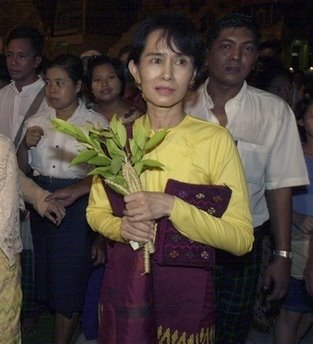


 Posts
Posts


