http://www.upiasia.com/Human_Rights/2008/10/23/who_isnt_bombing_rangoon/4672/
By Awzar Thi
Column: Rule of LordsPublished: October 23, 2008TOOLBAR
Hong Kong, China — When news spread that in the early hours of Oct. 13 a passenger vehicle had exploded in suburban Rangoon killing seven, the first response of some people was that it must have been another in the latest series of bombings to rock the former Burmese capital.
It turned out that the blast was the result of a natural gas cylinder crammed between the driver and tray in the manner of most fuel-converted trucks and vans in Burma, to the dismay of those squeezed in alongside.
But it was not long before the bombs started again. On Saturday, a small one went off at a football ground in Yankin, causing minor damage. On Sunday, another in Shwepyithar killed a man who, according to the state media, was building the device.
These followed a number of other incidents in September that left at least seven persons wounded. Bombs also earlier exploded at the main railway station, and near the high-class Traders Hotel and the town hall.
There is a lot of talk going around about who might be behind this new campaign. Some exiled opponents of the regime suggest, as in previous years, that it could be elements of the security forces. Others suspect renegade activists who have lost patience with both nonviolent resistance and the jungle-based insurgencies of old.
One person who wasn’t involved is U Myint Aye. That’s because he’s in jail accused of planting a bomb at the branch office of a government organizing body in July. It’s an odd turn of events for the 57-year-old chairman of Burma’s only out-and-out domestic rights group, Human Rights Defenders and Promoters.
Myint Aye is used to being detained, questioned and attacked. There’s no other way for someone openly wearing a human rights label in Burma. This March, an unidentified man hit him on the street while he was campaigning for a “No vote” in the referendum on a new Constitution. Last year he was held for a while after the monk-led protests.
So when police came for Myint Aye on Aug. 8, it was nothing unusual. His family expected them to interrogate him about the relief work he had done since Cyclone Nargis struck in May, and the interviews he had given with overseas media, like those that had got comedian and fellow humanist Zarganar into trouble.
Although the officers behaved politely and gave reassurances that he’d be back soon, a month later the government held its first press conference of the year to denounce Myint Aye as a saboteur. According to the police chief, he had been acting as a conduit for money and explosives from abroad and had “committed terrorist acts in the name of human rights.”
Up to now the chief’s men haven’t produced any evidence in court to support these dramatic claims. None of the stuff collected from Myint Aye’s house strengthens the case, and all that’s been proven so far is how, as usual, the judicial system in Burma has been skewed to deny defendants their basic rights, and its police force bent to coerce and harass well-meaning people.
Nor is Myint Aye the only one of his group who is currently in prison on concocted charges. In the delta, six of his people were imprisoned in 2007 under the catch-all offence of upsetting public tranquility. Another in Pegu is doing time for illegal tuition. And there are still more who have been inside since the rallies of a year back. Any charge will do, although in the chairman’s case it seems that the more outlandish it is, the better.
While supposed bombers are locked up, bombs keep going off. Irrespective of who’s behind them, the inability and unwillingness of the police to hunt for the real perpetrators is indicative of how the government of Burma promotes insecurity for its millions, rather than, as it never tires of claiming, protecting them.
For years the authorities have responded to bombings not through credible inquiries or arrests of genuine suspects but through the same sort of finger pointing and jailing of troublemakers as in recent months, perhaps according to some plan, perhaps just opportunistically.
The blasts in January were blamed on an insurgent army, one bomber again supposedly dying while planting a device. The year before, another rebel group was accused of posting a series of letter bombs.
Three big explosions in supermarkets in May 2005 killed dozens and injured hundreds. Although the police then offered rewards and asked for witnesses, the case remains unsolved. Not even the true number of casualties has been confirmed. At least one suspect died in custody. The official line ended up, as usual, with the blame going to a Thailand-based political group.
The arrest and charging of U Myint Aye only reveals yet again who isn’t bombing Rangoon. Whoever it is continues to enjoy a license to blast away, free from the concerns of being hunted down that are shared by bombers in countries with working police forces and truly professional investigators. As for the uninformed and rightfully distrustful public, they can only wonder when and where the next bombs will blast.
--
(Awzar Thi is the pen name of a member of the Asian Human Rights Commission with over 15 years of experience as an advocate of human rights and the rule of law in Thailand and Burma. His Rule of Lords blog can be read at http://ratchasima.net)
Thursday, October 23, 2008
Who isn’t bombing Rangoon


Democracies losing battle for press freedom abroad -MIZZIMA
http://www.mizzima.com/news/world/1183-democracies-losing-battle-for-press-freedom-abroad.html
by Mizzima News
Thursday, 23 October 2008 14:35
Authoritarian governments are successfully able to suppress domestic media in the face of a fractured and ineffective campaign by the international community to combat the denial of press freedom abroad, according to the 2008 Press Freedom Index.
Reporters Without Borders (RSF), in their annual report released yesterday, signaled growing corruption within democracies in conjunction with ineffective patterns of dialogue and an increasingly irrelevant United Nations as leading causes for the international community's inability to reign in the world's worst violators of press freedom.
"Destabilised and on the defensive, the leading democracies are gradually eroding the space for freedoms," says RSF. "The economically most powerful dictatorships arrogantly proclaim their authoritarianism, exploiting the international community's divisions."
The reports authors maintain that the current disjointed response by democratic countries has proven insufficient to pressure the leaders of closed societies to rescind diktats suppressing press freedom.
"The world's closed countries, governed by the worst press freedom predators, continue to muzzle their media at will, with complete impunity, while organisations such as the UN lose all authority over their members," argues RSF.
For 2008, Burma ranks 170th out of the 173 countries in the study, placing it just behind China, Vietnam and Cuba in the rankings and just ahead of bottom feeders Turkmenistan, North Korea and Eritrea.
RSF describes Burma as a country "run by a xenophobic and inflexible junta" in which "journalists and intellectuals, even foreign ones, have for years been viewed as enemies by the regime, and they pay the price."
During the period of the study, from September 2007 to September 2008, numerous journalists were detained by Burma's military regime, notes the report.
Similar to prevalent analyses to date of the impact of the U.N.'s attempts to kick-start a substantive dialogue between Burma's ruling generals and opposition parties, RSF proceeds to conclude: "[D]ialogue has clearly had little success and even the most authoritarian governments are still able to ignore remonstrations without risking any repercussions other than the inconsequential displeasure of the occasional diplomat."
A wider look at the table also reveals that Burma is situated in a region of the world in which press freedom is not typically honored.
Including every neighbor of Burma and all members of ASEAN (with the exclusion of Brunei due to its not being ranked), the country earning the highest score from RSF for press freedom is Indonesia, occupying the 111th slot in the table. Indonesia, further, is the only member of the above to avoid the bottom 33 percentile of all countries with respect to press freedom.
This year's top honors go to the European triumvirate of Iceland, Luxembourg and Norway. In last year's report, Burma placed 164th out of 169 countries surveyed.
Myanmar-Chinese artists donate for cyclone-hit region
http://news.xinhuanet.com/english/2008-10/22/content_10235081.htm
2008-10-22 20:08:01 Print
YANGON, Oct. 22 (Xinhua) -- Myanmar-Chinese artists from the local music circle in Yangon donated 18 million kyats (15,000 U.S. dollars) in cash to the Myanmar education authorities Wednesday to help rebuild education infrastructure in a cyclone-hard-hit area in the country's southwestern Ayeyawaddy delta.
Obtained from a recent fund-raising charity live music show, sponsored by the amateur Myanmar-Guangdong Music Band and involving eight other music groups, the fund is to be used for building a primary school in Dedaye Township's Thegonelay village.
The donation ceremony held at the State Basic Education Department-1. And over a dozen representatives of the Myanmar-Chinese artists involved in the performance attended it.
The charity music show was the first ever of its kind held in the Myanmar-Chinese community in Yangon to extend loving kindness and compassion to storm victims.
The music show, performed by over a hundred artists including musicians, vocalists and dancers and attended by the community dignatries, drew nearly 1,000 audiences, winning a huge wave of applause.
Not long after cyclone Nargis struck Myanmar, several overseas Chinese associations, big and small, had made respective donationsto the cyclone-hit areas through the Ministry of Social Welfare, Relief and Resettlement.
These organizations include Overseas Chinese Charity Association, Overseas Chinese Chamber of Commerce, Fujian Native Association, and Guangdong Native Association as well as Mutai Temple and Qingfu Temple.
Meanwhile, popular Myanmar musicians and vocalists have also been holding a series of live shows in the country, mainly in Yangon and Mandalay, in the post-Nargis period to help raise relief funds for cyclone survivors and for reconstruction of the storm-ravaged regions.
Deadly cyclone Nargis, which occurred over the Bay of Bengal, hit five divisions and states -- Ayeyawaddy, Yangon, Bago, Mon andKayin on last May 2 and 3, of which Ayeyawaddy and Yangon inflicted the heaviest casualties and massive infrastructure damage.
Official death toll showed the storm has killed 84,537 people and left 53,836 missing and 19,359 injured.
Basic education schools, destroyed in the Ayeyawaddy delta's seven townships, amounted to 1,785 in number, of which 550 have been repaired, according to the education authorities.
Editor: Zheng E
Situation deteriorating inside Burma
http://www.radioaustralia.net.au/programguide/stories/200810/s2399134.htm
Burma's military has again been accused of human rights abuses, this time, by stepping up its militarisation of the country's eastern states forcing tens of thousands of civilians to flee over the past year.
The accusation was contained in a report by the Bangkok-based Burma refugee aid organization Thailand Burma Border Consortium.
Presenter: Ron Corben
Speaker: Sally Thompson from the aid organisation Thailand Burma Border Consortium
Listen: Windows Media
THOMPSON: We have to say it's an ongoing deterioration in Burma and what the report highlights is that violations of humanitarian and human rights law in the conflict affected areas of eastern Burma are as systematic as ever and on-going. This means that over the past year we've seen a further 66,000 people displaced - partly in the conflict affected areas of Northern Karen state Eastern Pegu division - but also in other areas of Eastern Burma because of forced coercion from such things as forced labour, portering, taxation, land confiscation, agricultural quotas -such that the people had to move out of the areas.
CORBEN: And has this been taking place because of intensified military operations?
THOMPSON: I think what's happening now with military operations is that they are sustained throughout the year. Whereas traditionally the rainy season came the military would retreat. Now the army's they have made sufficient inroads into these areas to guarantee their supply lines that it's a sustained operation throughout the year. Actual military attacks have decreased but harassment of villages is still on the increase as we still see this ongoing effective militarization of Eastern Burma.
CORBEN: What sorts of things are happening to the villages? What is the report talking about?
THOMPSON: If we look at it aside from the conflict areas where the army is specifically going in trying to move any support for the remaining resistance movements - in other areas the human rights abuses are linked to more development projects. So you've got the hydro-electric projects in Shan State - we're seeing increased mining in Shan and Karen states and therefore villages are being expected to work for the military to set up - help them set up their bases - provide labour for the different development projects going on in the area. If people are suspected of having any relationship with the resistance movement with the insurgents then they are often brought in for questioning, they're interrogated and it's not known when they are released ...and if they are suspected of having a relationship it can go as far as torture leading to death in detention.
CORBEN: As a result of this campaign how has it affected the numbers of people coming across the border?
THOMPSON: We are still seeing new arrivals coming into Thailand coming into Thailand -for both reasons coming from conflict affected areas and coming because of displacement. The rate of people crossing into Thailand certainly suggests that the situation inside Burma is not getting any better - if anything it's getting harder for people.
CORBEN: The report comes as the United Nations Secretary General Ban Ki Moon, who was expected to travel to Burma in December, this week expressed frustration over the military's failure to move forward on efforts towards political reform. He also warned he may drop plans to travel to Burma unless he was confident the visit, focused on political reform, led to tangible results. I asked Ms Thompson what she hoped Mr. Ban's visit may achieve.
THOMPSON: What we have to hope for is that they pursue the dialogue form some kind of political reform its not at the expense of humanitarian protection so that these ongoing violations that we're seeing are not forgotten that they are actually brought into the discussion.
Wednesday, October 22, 2008
【報告】長井健司さん殺害の真相究明を求める署名(賛同署名2707名提出)
━━━━━━━━━━━━━━━━━━━━━━━━━━━━━━
ビルマ市民フォーラム メールマガジン 2008/10/22
People's Forum on Burma
━━━━━━━━━━━━━━━━━━━━━━━━━━━━━━
【報告】長井健司さん殺害の真相究明を求める署名(賛同署名2707名提出)
http://pfbkatsudo.blogspot.com/2008/10/blog-post_22.html
10月21日午後、在日ビルマ人のみなさんと共に外務省を訪問し、
下記、「要請書」とともに『長井健司さん殺害の真相究明を求める署名』
第二次集約分(1,826名)を提出いたしましたので、ご報告いたします。
2008年9月17日から10月19日までの活動期間で、合計2,707名の
皆さまから署名をいただきました。
ご協力くださった皆様に、心よりお礼申し上げます。
どうもありがとうございました。
今後も、一日も早い事態の改善を求め続けたいと思います。
署名提出に加え、在日ビルマ人のみなさんは外務省担当者に対し、
今般、日本が国連安安全保障理事会の非常任理事国に選出されたことを受け、
日本はこれまで以上に、ビルマの民主化の進展に向けた積極的な行動をとる
責任があるとし、対ビルマ政策の転換を要請しました。
PFB事務局 宮澤
━━━━━━━━━━━━━━━━━━━━━━━━━━━━━━
要 請 書
日本人ジャーナリスト長井健司さん殺害の真相究明と全遺品の返還を求めて
━━━━━━━━━━━━━━━━━━━━━━━━━━━━━━
外務大臣 中曽根 弘文 殿
2008年10月21日
在日ビルマ人共同行動実行委員会(JAC)
ビルマ市民フォーラム(PFB)
私たち、在日ビルマ人共同実行委員会とビルマ市民フォーラムは、
昨年9月にビルマで起きた僧侶・市民への武力弾圧の際、命を
おとした日本人ジャーナリスト長井健司さんの殺害の真相究明と
遺品の返還が、1年経った今も、未だ実現していないことをうけ、
2008年9月17日から10月19日までの間、都内各所(池袋、
新宿、渋谷等)で『日本人ジャーナリスト長井健司さん殺害の
真相究明を求める署名活動』を行い、多くの方々から賛同署名を
いただきました。
第一次集約分として2008年9月26日に881名(739名直筆、
142名メール)の署名を外務省に提出しておりますが、本日、
再び集めました署名1,826名分をここに提出いたします。
(2008年10月21日現在、署名の総計:2,707名)。
私たちは、日本政府に対して、下記の点を速やかに実現される
よう強く要請いたします。
1.長井健司さん殺害の真相究明をビルマ軍事政権へ強く要請すること。
2.長井健司さんのビデオカメラ、テープなどの全遺品の早期返還を
これまで以上に強く軍事政権へ要請し、これら遺品を確実に取り戻すこと。
また、今後、ビルマ国内で、昨年9月のような流血事件が決して
再び起きないよう、平和的に行動し民主化の早期実現を心から希望
しているビルマ国民の声を真摯に受け止め、民主国家として、国際
社会と共に協力し、行動していただきたく存じます。
どうぞ宜しくお願いいたします。
以上
━━━━━━━━━━━━━━━━━━━━━━━━━━━━━━
サイクロン被災者救援チャリティコンサート報告・その①-忘れない、あき
━━━━━━━━━━━━━━━━━━━━━━━━━━━━━━
ビルマ市民フォーラム メールマガジン 2008/10/22
People's Forum on Burma
━━━━━━━━━━━━━━━━━━━━━━━━━━━━━━
10月17日、『ビルマ(ミャンマー)サイクロン被災者救援
チャリティ・コンサート』にご来場くださった皆さま、遠く
から応援してくださった皆さま、本当にどうもありがとう
ございました!
http://pfbkatsudo.blogspot.com/
会場の皆さん、出演者、スタッフ一同、皆のビルマへの思い、
サイクロン被災者への思いがひとつになったすばらしい時間
でした。たくさんの支援金もいただき、心より感謝申し上げます。
軍政を経由せず、確実な形で被災者支援活動にあてられるよう、
皆さんからのあたたかいお気持ちと共に、届けます。
会場では沢知恵さんの歌声、いとうせいこうさんとダブマスターXさんの
ポエトリーリーディングに、涙を流すビルマ人の姿も見られました。
お二人に共通したビルマへの思いが今回初めての共演となったわけですが、
歌と詩にのせたメッセージが会場のみなさんの心深くにしっかりと届いた
だけでなく、日本で暮らすビルマのみなさん、そして国内のビルマ人にも
力強い励ましになったことと思います。
本当にどうもありがとうございました。
以下、当日会場のみなさんから頂いたご感想の一部を、紹介させていただきます。
事務局 宮澤
━━━━━━━━━━━━━━━━━━━━━━━━━━━━━━
★いとうせいこうさんブログ http://ameblo.jp/seikoito/
★沢知恵さんウェブサイト http://www.comoesta.co.jp/
━━━━━━━━━━━━━━━━━━━━━━━━━━━━━━
▼ 『JANJAN 』で当日の様子が報道されました!(10月19日付)
ぜひ、ご一読ください。
「いとうせいこう、沢知恵がビルマの軍事政権にNOをつきつける」(姜咲知子)
http://www.news.janjan.jp/world/0810/0810180673/1.php
━━━━━━━━━━━━━━━━━━━━━━━━━━━━━━
▼会場のみなさんから頂いたご感想の一部をご紹介いたします▼
●来るかどうか当日まで悩んでいましたが、来て本当によかったです。
沢さんの歌もすばらしかったですし、いとうせいこうさんの
ポエトリーリーディングは心を打つものがありました。特に、
いとうさんの表現行為、その勇気、迫力に圧倒されました。
ミキシングもあいまって、すごく迫ってくるものがありました。
講演も非常にわかりやすかったです。私たちが一体どうすべき
なのかを考えました。いつも思いますが、私はたまたま今の時代の
日本に生まれただけで、衣食住足りた生活をおくることができて
いますが、自分がビルマをはじめとする困難な環境に生まれ
おちてもおかしくなく、他人事とは思えません。どうにかしたいです。
(20代、女性)
●いとうせいこうさんのポエトリーリーディング、シビレマシタ。
(50代、男性)
●ビルマが軍事政権であること、それがひどいということ、
「ビルマの竪琴」のイメージぐらいしかありませんでした…。
私1人にできることは小さいですが、私の中の「善の衝動」を
無駄にしないようにします。
(20代、女性)
●ビルマの軍事政権については普段テレビのニュースで“たまたま”
拝見するのみでした。漠然とあった知識が今夜、ほんの少しでも
より深まったように思います。大好きなアーティストである沢さんの
唄で、このようなすばらしい出逢いがあることは嬉しいです。唄も
より響きましたし、ビルマの軍事政権について今後もっと知って
みたいと強く感じたし、まず私にできる事はそこからなんだと考えます。
ありがとう。
(30代、女性)
●歌、音響もすばらしく、感動しました。ビルマまで届くでしょう(男性)
●沢さんのコンサート、約10年ぶりですが、以前より重くずっしりと
心に響きました。忘れないこと、あきらめない、関心を寄せ続けることが
大事なんだと思いました。忘れっぽい私ですが、どんどん誰かに話して
行きます。
(40代、女性)
●ビルマのこと、あまりよく知らないんですけど、ビルマの人に
出会うことがあったら話してみたいです。
(30代、女性)
━━━━━━━━━━━━━━━━━━━━━━━━━━━━━━
မဟာဗ်ဴဟာရႈေထာင့္လား အေၾကာက္တရား အဂတိလား-MoeMaKa Online Newsletter - 22nd Oct 2008


မဟာဗ်ဴဟာရႈေထာင့္လား အေၾကာက္တရား အဂတိလား
သန္းစိုးလိႈင္
ေအာက္တုိဘာ ၂၁၊ ၂၀၀၈
မၾကာမီ လပိုင္းအတြင္းက ေမာ္ဒန္ဂ်ာနယ္မွာ ေမာင္စူးစမ္းက လာမည့္ ၂၀၁၀ ခုႏွစ္ ေရြးေကာက္ပြဲသည္ “မွတပါး အျခားေရြးစရာလမ္းမရွိသည့္ ႏိုင္ငံေရးလမ္းေၾကာင္း” အျဖစ္လည္းေကာင္း၊ လက္ေတြ႕က်သည့္ႏိုင္ငံေရး လမ္းေၾကာင္းတခုျဖစ္သည္ ဟုလည္းေကာင္း ေရးသားခဲ့သည္။
ေတြ႕ဆံုေဆြးေႏြးေရးဟူသည္ စကားလံုးသာ လွပၿပီး လက္ေတြ႕မက် ဟူသည့္ သေဘာ ေရးသားခဲ့သျဖင့္ ျပည္တြင္းႏွင့္ ျပည္ပမွ ႏိုင္ငံေရးသမားမ်ားအၾကား တုံ႔ျပန္ ေ၀ဖန္ ေျပာဆိုစရာ ျဖစ္ခဲ့သည္။ ႏိုင္ငံေရးရာဇ၀င္လွန္ၿပီး ေရးသားမႈမ်ားလည္း ႏိုင္ငံျပင္ပတြင္ ေပၚထြက္ခဲ့သည္ကို သိရသည္။
ေမာင္စူးစမ္းသည္ ယခုတဖန္ “ေခတ္ၿပိဳင္ျမန္မာ့ ႏိုင္ငံေရးကို အေျခခံ မဟာဗ်ဴဟာ ရႈေထာင့္မ်ားျဖင့္ စဥ္းစားျခင္း” ဟူသည့္ ေခါင္းစဥ္ျဖင့္ ေဆာင္းပါးတစ္ေစာင္ ေအာက္တုိဘာ ၂၂ ရက္ေန႔ထုတ္ Weekly Eleven ဂ်ာနယ္မွာ ေရးသားျပန္သည္။
ေမာင္စူးစမ္း၏ အေျခခံႏိုင္ငံေရး မဟာဗ်ဴဟာ ဆိုသည္မွာ မည္သည့္ ၀ါဒျဖစ္သည္၊ မည္သည့္ စီးပြားေရး ေပၚလစီကို အေျခခံသည္၊ မည္သည့္ႏိုင္ငံေရး အယူအဆကို အေျခခံသည့္ မဟာဗ်ဴဟာမ်ား ျဖစ္သည္ကိုလည္း သဲသဲကြဲကြဲ ရွင္းလင္းဖြင့္ဆိုျခင္းမရွိေပ။
ေမာင္စူးစမ္းေဆာင္းပါး မ်ား၏ ပင္ကိုယ္ သဘာ၀
ေမာင္စူးစမ္း၏ ေဆာင္းပါးမ်ားသဘာ၀အတိုင္း အေၾကာင္းအရာတရပ္ကို ေ၀ွ႕ကာရွပ္ကာ ေျပာသြားမည္။ စာဖတ္သူနားလည္ေအာင္ ရွင္းလင္းေရးသားျခင္းမွာ တခါတရံမွသာ ေတြ႕ရတတ္သည္။ ျမန္မာဘာသာျပန္ဆိုထားၿပီးသား အဂၤလိပ္စကားလံုးမ်ားကိုပင္ ျမန္မာေ၀ါဟာရျဖင့္မေရးဘဲ အဂၤလိပ္ အသံထြက္အတိုင္း ျပန္ဆိုေရးသားေလ့ရွိသည္။ အဆိုပါ အေၾကာင္းအရာ ႏွင့္ ဆက္စပ္သည္တို႔ကိုလည္း ေနာက္ မည္သည့္ အခါမွ် စာဖတ္သူထံသို႔ ေရာက္ေအာင္ ထပ္မံ ေရးသားေလ့မရွိေပ။ ဥပမာေပးရလ်င္ စာဖတ္သူအား တခါတရံ ၀ကၤပါထဲ သို႔ေခၚသြားၿပီး ထားခဲ့သည့္သေဘာျဖစ္သည္။ စာဖတ္သူက ဖတ္ေသာ္လည္း ျပည့္ျပည့္စံုစံု နားမလည္ဘဲ အေတြးသံသယျဖင့္ က်န္ခဲ့ေလ့ရွိသည္။
ေမာင္စူးစမ္းသည့္ လြန္ခဲ့သည့္ ၁၀စုႏွစ္ တခုေက်ာ္ အတြင္း အမ်ိဳးသားဒီမိုကေရစီ အဖြဲ႕ခ်ဳပ္ႏွင့္ ကင္းကင္းေနခဲ့ၿပီး သူ၏ႏိုင္ငံေရးအယူအဆကို လက္၀ဲလည္း မဟုတ္ လက်ၤာလည္း မဟုတ္ဘဲ "လက္ေတြ႕သမား" သာျဖစ္ေၾကာင္း နီးစပ္သည့္ သူမ်ားကို ေျပာဆိုေလ့ရွိသည္။ လက္ေတြ႔က်ျခင္းမွာ ေကာင္းမြန္သည့္ ေတြးေခၚနည္း တရပ္ျဖစ္သျဖင့္ ႀကိဳဆိုရမည္ ျဖစ္သည္။ သို႔ေသာ္ လက္ေတြ႕က်သည္ ဟု ေျပာဆိုေသာ္လည္း အျဖစ္အပ်က္တခုလံုးကို မွ်မွ်တတ နည္းလမ္းက်က် မရႈျမင္ဘဲ ေလွ်ာ့ေပးေနသည့္ ဘက္တဘက္ထဲကိုသာ ထပ္မံၿပီး ေလွ်ာ့ခိုင္းျခင္းမ်ဳိး၊ အျပစ္တင္ျခင္းမ်ဳိးမွာ လူထုအတြက္ေရာ ေမာင္စူးစမ္းအတြက္ပါ အက်ဳိးမမ်ားဟု ရႈျမင္မိသည္။
ေျပာလို႔ရတဲ့သူကိုသာ ေျပာရတာ
လြန္ခဲ့သည့္ ႏွစ္က The Voice ဂ်ာနယ္တြင္ ေဒါက္တာေန၀င္းေမာင္က ျမန္မာျပည္သူေတြ အခြန္ေပးေဆာင္သည့္ အေလ့အထ နည္းပါးေနေသးၿပီး တုိင္းျပည္တိုးတက္ ႀကီးပြားလိုလွ်င္ လူထုအေနျဖင့္ အခြန္ေပး ပိုမိုေပးေဆာင္သင့္သည့္ သေဘာကို ကေလာင္အမည္တခုျဖင့္ ေရးသားခဲ့ဖူးသည္။ ထိုသို႔ ေရးသား ေဖၚျပၿပီးေနာက္ ေ၀ဖန္သံမ်ား ဆူညံစြာ ထြက္ေပၚလာသျဖင့္ သူ႔အေနျဖင့္ ေျပာလို႔ရသည့္ ဘက္ကိုသာ ေျပာရျခင္းျဖစ္ေၾကာင္း၊ တဘက္ကုိ (စစ္အစိုးရကုိ) သူ႔အေနျဖင့္ေျပာဆို၍ မရသျဖင့္ လူထုကိုသာ ေျပာဆိုေနရျခင္းျဖစ္သည္ဟု ျပန္ေျဖ ေရးသားခဲ့သည္။
အဆိုပါ ကိစၥတြင္ အစိုးရကို ေျပာ၍ မရသျဖင့္ ျပည္သူကိုသာေျပာေနရသည္ ဆိုသည့္ ဆင္ေျခမွာ မွ်တျခင္းမရွိေပ။
ျပည္သူလုထုက တိုင္းျပည္၏ေပၚလစီကို ခ်မွတ္ ထိန္းေက်ာင္းေနျခင္းမဟုတ္ဘဲ အစိုးရက တိုင္းျပည္၏ ေပၚလစီကို ခ်မွတ္ေနျခင္း ျဖစ္သျဖင့္ ေပၚလစီခ်ေနသူကို သဘာ၀က်သည့္ အခြန္ဥပေဒ ဟုတ္မဟုတ္ ေ၀ဘန္ ေျပာဆိုရန္ မ၀့ံရဲ သျဖင့္အခြန္ေပးေဆာင္ရန္ ပ်က္ကြက္သည္ဟု လူထုကိုသာ တဘက္သတ္ အျပစ္တင္ေနျခင္းသည္ ဘယ္လိုမွ တရားနည္းလမ္းက်သည္ဟု မဆိုႏိုင္ေခ်။
ဒီေဆာင္းပါးထဲမွာ ဘာအခ်က္လက္သစ္ေတြ ပါသလဲ
ေဆာင္းပါး အစတြင္ ျမန္မာျပည္ႏိုင္ငံေရးသည္ အျခားႏိုင္ငံေရးမ်ားႏွင့္ မတူ၊ ႏိႈင္းယွဥ္၍ မရဟု ဆိုထားသည္။ တသမတ္တည္း မဟုတ္ဆိုသည့္ အဓိပၸာယ္ကို အဂၤလိပ္ စကားလံုး non linear ဆိုၿပီး ေျပာဆိုထားသည္။ ျမန္မာျပည္ႏိုင္ငံေရး၏ ထူးျခားသည့္ လကၡဏာ (၄)ခ်က္ကို ထုတ္ႏႈတ္ျပသည္။
၁။ လြတ္လပ္ေရးရၿပီးေခတ္မွ စၿပီး ျမန္မာႏိုင္ငံကို အုပ္ခ်ဳပ္ခဲ့သည့္ သမၼတ ၀န္ႀကီးခ်ဳပ္မ်ား အနက္ ေဒါက္တာဘဦးမွ လြဲ၍ ႏိုင္ငံေရး ဇာတ္ခံုေပၚမွာ ေကာင္းေကာင္းဆင္းရသည္ မရွိခဲ့။
၂။ လြတ္လပ္ေရး ရၿပီးေနာက္ ေစ်းကြက္စီးပြားေရးစနစ္ႏွင့္ ဒီမိုကေရစီ ဒြန္တြဲခဲ့ရာမွ ၁၉၆၂ ခုႏွစ္တြင္ ဇီ၀ိန္ ခ်ဳပ္ခဲ့ၿပီး ယခုတဖန္ ေစ်းကြက္စီးပြားေရး စနစ္ကို မိတ္ဆက္ေနရသည္။
၃။ ၉၀ ခုႏွစ္ေရြးေကာက္ပြဲတြင္ အႏိုင္ရသည့္ ပါတီသည္ အုပ္ခ်ဳပ္ခြင့္ရသည့္ပါတီ မျဖစ္ခဲ့။
၄။ အေျခခံဥပေဒကို ေခတ္သစ္မွာ ျဖစ္သည့္အတိုင္း စစ္တပ္စပြန္ဆာ အျဖစ္ ေပၚေပါက္လာရသည္။
အထက္္ပါ အခ်က္ ၄ခ်က္ေၾကာင့္ ျမန္မာျပည္ႏိုင္ငံေရးသည္ အျခားေသာ ႏိုင္ငံမ်ားႏွင့္ ႏိႈင္းယွဥ္၍မရဟု ေမာင္စူးစမ္းက ေျပာလိုသည္။ ထိုအခ်က္ ၄ခ်က္သည္ ျမန္မာ့ႏိုင္ငံေရးတြင္ ဘာအတြက္ေၾကာင့္ အဓိကက်သည္ကိုလည္း ရွင္းမျပေပ။ ေခတ္သစ္တြင္ ျဖစ္ေပၚသည့္အတိုင္းဟု ရည္ညႊန္းသည့္ အေျခခံဥပေဒကို စစ္တပ္စပြန္ဆာျဖင့္ ေပၚေပါက္ရသည္ဆိုျခင္းမွာ စပြန္ဆာ ဆိုသည့္ စကားလံုးထက္ စစ္တပ္၏ အတင္းအၾကပ္ေစခိုင္းမႈေအာက္၊ ၿခိမ္းေျခာက္မႈေအာက္မွာ အတည္ျပဳခဲ့ျခင္းျဖစ္သည္။ လူထုအမ်ားစုက အဆိုပါ အေျခခံဥပေဒကို လက္ခံလို၍ လက္ခံျခင္းမဟုတ္ေပ။ အထက္ေဖၚျပပါ အခ်က္ ၄ခ်က္သည္ ျမန္မာ့ႏိုင္ငံေရး သီးျခားသေဘာေဆာင္မႈ၊ ထူးျခားမႈ၊ အလြန္အဓိကက်သည့္ အခ်က္မ်ားဟု အေထာက္အထား ျပည့္ျပည့္စံုျဖင့္ ရွင္းလင္းေရးသားထားျခင္းလည္း မေတြ႕ရေပ။
မဟာဗ်ဴဟာ ရႈေထာင့္ဟုဆိုေသာ္လည္း
ေမာင္စူးစမ္းက မဟာဗ်ဴဟာ ရႈေထာင့္မွ ၾကည့္ရမည္။ ေရတို လူႀကိဳက္မ်ားသည့္ ေပၚျပဴလာ ေပၚလစီျဖင့္ ၾကည့္ရႈ သံုးသပ္၍မရ ဟုဆိုသည္။ ေရတိုေရရွည္၊ မဟာဗ်ဴဟာ ရႈေထာင့္ဟုပင္ ဆိုဆို လူအမ်ားစု၏ အက်ိဳးကို ေရွးရႈသလား၊ ဆန္႔က်င္သလား ဆိုသည္မွာ အဓိကပိုက်သည္ ဟုျမင္သည္။
စစ္အစိုးရ၏ အေျခခံဥပေဒကို တခြန္းတပါဒမွ် ေကာင္းသည္ ဆိုးသည္ ေ၀ဖန္ေထာက္ျပျခင္း မရွိဘဲ ေရးထားသည့္အတိုင္း လက္ခံကာ လာမည့္ ၂၀၁၀ ေရြးေကာက္ပြဲမွတပါး အျခားေရြးစရာလမ္း မရွိဟု ဆိုျခင္းမွာ မဟာဗ်ဴဟာလည္း က်သည္ဟု မဆိုႏိုင္ေပ။
မဟာဗ်ဴဟာ ရႈေထာင့္မွ ၾကည့္လွ်င္ စစ္အစိုးရက အတည္ျပဳလိုက္သည့္ အေျခခံဥပေဒသည္ ျမန္မာျပည္သူမ်ားအတြက္ မည္သို႔ အက်ိဳးရွိမည္ကိုလည္း ေမာင္စူးစမ္း အေနျဖင့္ သံုးသပ္ျပဖို႔ လိုေပမည္။
ေမာင္စူးစမ္းကို စစ္အစိုးရထံမွ အက်ိဳးအျမတ္ လက္ခံရရွိေနသျဖင့္ စစ္အစိုးရသေဘာက်ေအာင္ ေရးသားသည္ဟူ၍ မဆိုလိုပါ။ သို႔ေသာ္ အေၾကာက္တရားႏွင့္ အစိုးရၿငိဳျငင္မည္ စိုးရိမ္သျဖင့္ ယခုလို ေရးသားျခင္းသည္ ႏိုင္ငံေရးအျမင္မ်ား ေ၀၀ါးရႈပ္ေထြးေစၿပီး စစ္အစိုးရသာ ေက်နပ္ သေဘာက်ေပလိမ့္မည္။
မဟာဗ်ဴဟာဟု စကားလံုး ႀကီးႀကီးမားမား ဆိုေသာ္လည္း ကမၻာေပၚရွိ ႏိုင္ငံေရး ျပႆနာမ်ား၊ အေတြ႔အႀကံဳမ်ား၊ သီအိုရီမ်ားႏွင့္ နမူနာေပးကာ ေ၀ဘန္သံုးသပ္ျပသည့္ ေဆာင္းပါး တေစာင္လည္း မဟုတ္သည္ကို ေတြ႕ရသည္။
မည္သည့္ ႏိုင္ငံႏွင့္မွ် ႏိႈင္းယွဥ္၍ မရဟု ပလႅင္ခံထား သျဖင့္ ဥပမာေပးစရာ ႏိႈင္းယွဥ္စရာလည္း မလိုေတာ့ေပ။
ထို႔ေၾကာင့္ ျပည္သူမ်ားႏွင့္ ႏိုင္ငံေရးလုပ္ကိုင္ေနသူမ်ားအၾကား အယူအဆ ေ၀၀ါးေစရန္မွတပါး အျခားအက်ိဳးရွိသည့္ အျမင္အယူအဆမ်ား မပါဟုသာ သံုးသပ္ရေပလိမ့္မည္။ ။
Myanmar's failed non-violent opposition-EXILES
http://www.atimes.com/atimes/Southeast_Asia/JJ23Ae01.html
Page 1 of 2
COMMENT
Myanmar's failed non-violent opposition
By Norman Robespierre
YANGON - The one-year anniversary of Myanmar's military crackdown on non-violent protests in Yangon and several other cities calling for political change came and went without incident.
While the Buddhist monk-led demonstrations briefly raised global awareness of the Burmese people's plight, it also highlighted the failure of the opposition's long-held non-violence strategy as the best means to bring change to the ruling State Peace and Development Council (SPDC) regime that views the failure to use violence as a sign of weakness.
While outwardly a spontaneous gesture in reaction to economic woes, the demonstrations were the culmination of years of planning by opposition forces inside and abroad for non-violent action to confront the regime. Opposition to the ruling regime is figuratively headed by Aung San Suu Kyi, the daughter of General Aung San, the founding father of Burmese independence. Her commitment to non-violent struggle for political change has earned her the Nobel Peace Prize and global admiration, but two decades since soldiers opened fire on unarmed pro-democracy demonstrators, there is little else to show for her two decades of non-violent struggle.
The resounding victory of Suu Kyi's National League for Democracy (NLD) party in the 1990 elections was the political high-water mark for the opposition. While the regime refused to honor the poll's results, the election provided political legitimacy to the NLD and a handful of opposition activists. Many of those elected still cling to demands that the election's results be honored, but with each passing year those claims to legitimacy become less germane. Close to 40% of the elected members of parliament have been dismissed or resigned and a full 20% have died.
The opposition defined broadly is comprised of a plethora of political organizations. Among the best known are the National Coalition Government for the Union of Burma, headed by Dr Sein Win, Suu Kyi's cousin, the All-Burma Student's Democratic Front (ABSDF), Democratic Alliance for Burma, National League for Democracy-(Liberated Areas).
Additionally, there are several umbrella organizations such as the democratic Alliance for Burma (DAB) and the National Council of the Union of Burma (NCUB), which count membership from various political groups and ethnic insurgent armies. These organizations receive substantial backing from Western organizations, such as the Open Society Institute and National Endowment for Democracy.
The vast majority of the opposition follows Suu Kyi's guidance that political change can and should be achieved through non-violence. That doctrine was further promulgated by the Albert Einstein Institute of Geneva and New York. In 1994, it sponsored a consultation on political defiance for Burmese democracy leaders. Included in the audience were representatives of ABSDF, NLD-LA, DAB, and the NCGUB, represented by Dr Sein Win. A key speaker at the pivotal event was the institute's founder, Gene Sharp.
Sharp's involvement with the Burmese opposition was specifically mentioned in a June 1997 press conference condemning foreign support to terrorists by then Secretary-1of the SPDC, Lieutenant General Khin Nyunt. In hindsight, rather than condemnation, Khin Nyunt should have heaped laurels on Sharp for promoting non-violence.
The opposition's adherence to non-violence has given the regime a monopoly on fear that allowed it to solidify its position, condemning generations of Burmese to life (and in some cases, death) under the military regime. Additionally, limiting the prospect of violent consequences removed one aspect which may have motivated the regime to negotiate change.
Further, the promotion of non-violence undermined the united opposition against the regime. Under the tutelage of Khin Nyunt, the regime succeeded in enticing numerous armed ethnic opposition groups to surrender their arms and "enter the light" - or at least accept a ceasefire. Khin Nyunt used a variety of incentives to the groups and particularly their leaders to gain their cooperation. The elevated principle of non-violence made it easier for group leaders to accept the bribery.
The success of the regime's effort to pursue ceasefire deals continues to haunt the opposition with fragmentation and conflicting interests. Ethnic armies whose cooperation could have tilted the "Saffron" revolution to effect real change, sat and watched, perhaps out of concern that armed rebellion would jeopardize their lucrative mining or other concessions. As a result, the regime was able to focus its military might on the unarmed protesters and monks.
Incentives and self-interest affect not only limited ceasefires and peace groups, but also some ethnic armies that continue to put forces in the field against the Myanmar military, or Tatmadaw. According to a senior Thai military officer, the SPDC is able to continue to benefit from the vulnerable Yadana-Yetagun gas pipelines because the Mon insurgents in the area are receiving payoffs from both the regime and the Thai authorities. Construction of a third foreign exchange earning pipeline in the same area is reportedly slated for this dry season.
A valuable experience
The Einstein Institute's website comments that while the non-violent struggles in Myanmar, China and Tibet "have not brought an end to the ruling dictatorships or occupations, they have exposed the brutal nature of those repressive regimes to the world community and have provided the populations with valuable experience with this form of struggle".
How 20 years of mostly ineffectual resistance can be summed up as a "valuable experience" is a mystery. One wonders to what valuable experience those sitting comfortably in their ideological ivory towers refer: languishing in a Myanmar prison, being knocked senseless by a police truncheon, having family members disappear, torture, death? How much longer before the Burmese people realize the opposition's strategy of non-violence is ineffective against those who have the means and determination to kill to maintain control and decide to pursue a different, more assertive course?
Opposition optimists say that the regime was weakened by last year's crackdown, arguing that the violence police and soldiers perpetrated against Buddhist monks irked the populace and many military officers, the majority of them Buddhist. Further, they cite perennial rumors of infighting among the generals and lower ranks that could lead to fractures in the leadership and eventually a democracy-promoting mutiny.
However, earlier leadership struggles in which top generals fell from grace - including Tun Kyi, Saw Maung, Ne Win and Khin Nyunt - only brought changes in military personalities, not a transformation of the military-dominated system. Indeed, the system is highly resilient and endures with a new crop of military officers entering the top ranks of the Tatmadaw each year. Although many of the officers are not enthusiastic that monks were beaten, most believe that the majority of the protesters were recent novices who had donned monk's robes expressly to carry out illegal political demonstrations.
The optimists also claim that the regime's inadequate response to Cyclone Nargis, which killed over 80,000 people and adversely affected the livelihoods of over 2 million, also weakened the SPDC. As evidence, they mention that many military personnel and government workers had relatives in the worst-hit Ayeyawady Division and were upset at the delayed response. The actual intensity of disenchantment caused by the slow reaction to the killer storm, of course, is hard to quantify without public opinion polls.
However, the fact that Burmese people are used to being self-sufficient and not in the habit of relying on the government for anything likely means the fallout from such a callous official response was less severe than it would have been in other countries. Whatever disenchantment the government's limp response to Nargis and the September 2007 crackdown may have sown, to date it has not been exploited to cause the Tatmadaw to split or the military government to fall.
From another perspective, it could just as easily be argued that Cyclone Nargis made the regime stronger by opening up a new tap of foreign aid. Millions of dollars of humanitarian aid poured into the economy as foreign nations rallied to assist the storm's survivors. The regime's multi-tiered foreign exchange system allowed them to extract an estimated 20% to 25% from all foreign exchange certificates converted into the local kyat currency.
The diversion of United Nations (UN) funds alone resulted in at least US$1.5 million (some estimates are as high as $10 million) of humanitarian aid being delivered straight into the regime's coffers. The tilted exchange system also affected non-UN aid agencies for an undetermined amount of donations. Hard currency intended to relieve the suffering of cyclone survivors instead directly benefited the regime.
Nargis also brought a recent call from the International Crisis Group (ICG) to repeal sanctions and provide more aid than beyond what is necessary to recover from Nargis to develop the impoverished country. While few share the ICG's sentiment, which in the past was criticized by the Open Society Institute for its unscholarly approach with respect to Myanmar, its call would allow the regime to reap even more foreign money to consolidate its position.
Nargis brought not only financial benefit, but also is believed to have increased the regime's confidence. Certainly, the regime's confidence soared when French and US warships withdrew from waters off Myanmar's coast in the aftermath of the killer storm. While the vessels were sent to deliver humanitarian aid, antagonistic rhetoric about the humanitarian "right to protect" Myanmar's citizens by Western diplomats preceded the vessels' arrivals, raising the regime's suspicions about their mission.
Rather than appear to submit to Western threats, and fearful of a possible uprising by opposition activists should foreign forces land on Myanmar soil, the regime barred the aid from being delivered by other than their own naval personnel. Eventually the vessels withdrew without a shot being fired and much of the aid went undelivered. The regime's ability to diplomatically ward off the perceived threat posed by French and American warships is believed to have boosted the regime's confidence in its ability to stand up to neo-colonialist adversaries.
Confidence in the regime's decision-making, often portrayed as daft or worse in the international media, has recently reportedly grown among the rank and file. In particular, the decision to move the political capital to Naypyitaw from Yangon is - after the cyclone which hit the old capital - viewed in a favorable new light. Prior to Nargis, the abrupt move in late 2005 was widely criticized for its exorbitant expense and ridiculed for its reliance on astrology. It is now looked at by many Burmese as cosmic confirmation of the wisdom and even prescience of the senior leadership - or at least that of their astrologers.
More important is the regime's growing confidence in the reliability of government forces to deploy as instruments of control. The ability to successfully extinguish the pro-democracy protests in September 2007, without notable dissension within the ranks of the police and military, left the Tatmadaw stronger and the regime more self-assured. According to several foreign diplomats based in Yangon, the regime is now reportedly more confident in the loyalty of its forces and its ability to control unrest.
On the other hand, the position of the political opposition is decidedly weaker. More opposition members are in prison than before, while countless others have fled the country due to very real concerns for their personal security. An untold number have perished. Despite the overwhelming support of the populace, the opposition was unable to capitalize on social discontent in 2007, when the junta removed fuel price subsidies and fuel costs shot up 500% overnight. Nor have they been able to leverage the chaos and suffering brought on by the junta's inept handling of the cyclone disaster this year into a renewed call for political change.
Instead of maintaining offensive pressure and preparing adequate defensive measures to protect their supporters, they have blindly clung to the gospel of non-violence in the hope that international pressure would eventually lead to democratic change. As many Saffron Revolution demonstrators can attest, hope is a weak defensive shield against a police baton, a charging truck, or the ammunition of soldiers trained to kill.
Continued 1 2
Page 2 of 2
COMMENT
Myanmar's failed non-violent opposition
By Norman Robespierre
Asymmetric violence
While pursuing a moral high ground of non-violence, the opposition has ceded the battlefield to its military enemy. Unlike themselves, the ruling SPDC junta is more than willing to use violence to achieve its goals. One means at the regime's disposal are Swan-ar-Shin thugs, whose actions undoubtedly are directed by elements of the military regime, most likely the Sa Ya Pha , or military intelligence. Swan-ar-Shin often intimidate and cower the populace with the threat of violence and physical assault and many were captured on film beating unarmed demonstrators after they had been arrested.
The regime's asymmetric use of violence breeds fear in the populace, forcefully enabling the regime to squash even the
faintest hint of opposition to its rule. Viewed through that lens, the Swan-ar-Shin has been an unqualified success for the regime and instrumental in its staying power. Their ability to use violence with impunity and intimidate those holding dissenting political views has muzzled open expression of support for political change.
As the Einstein Institute's Sharp points out in his writings, it is the fear of violent sanctions, rather than the violence itself, that creates the climate of fear which causes the populace to yield. In the absence of a functioning legal system, the opposition would be wise to pursue extra-legal action against the regime's violent henchmen. For instance, makeshift justice squads of the people could be formed to mete out street punishment to the Swan-ar-Shin members known to be guilty of the most heinous abuses.
These Swan-ar-Shin agents are well known to their neighbors and a few instances of vigilante justice would no doubt cause others to consider the consequences of their unjust actions and embolden those who oppose them. While opposition-led vigilante squads may not totally remove the climate of fear, at least fear would be more equally distributed to both sides of the political aisle.
In February, the Democratic Voice of Burma reported on a rare example of focused direct action against the junta's henchmen. According to the report, a regime-linked United Solidarity and Development Association (USDA) member from Hlaing Tharyar township with a local reputation for abuse was found beheaded. The circumstances of his death caused other USDA members to fear a similar fate and their harassment of people noticeably reduced, according to the report. Were this fear of retribution more widespread, the regime would have fewer resources to strangle dissent and added incentive to negotiate with the opposition.
Instead, the exiled opposition blindly adheres to non-violence and is now mounting a major effort to petition the UN to revoke Myanmar's diplomatic credentials. There is nothing original in petitioning the UN: a similar initiative met with no success in 1996 and there is no reason to think the current initiative has any better chance of succeeding. Numerous other countries in the UN General Assembly are also far from being democracies and they would be reluctant to support such punitive measures out of fear that some day a similar procedure might be launched against them.
China and Russia certainly are no proponents of democracy and without their support inside the UN Security Council the latest effort will also fail. Even were the effort successfully staged and Myanmar lost its seat at the UN, the domestic impact on the regime would be marginal. While the UN initiative helps maintain global awareness, the opposition's international efforts might be better deployed in targeting the regime's primary enabler, Singapore, which is particularly vulnerable because of its global commercial interests, including the recent stakes it took in big Western banks.
Singapore has successfully deflected criticism for its role by pointing the finger at China or other neighboring countries as principal supporters of the regime. But it is Singaporean support that is the regime's lifeblood. Many of the regime's leaders and their family members are known to have Singaporean bank accounts. The regime's tyrants frequently travel to Singapore for state-of the-art medical treatment and receive cordial official welcomes. Burmese democracy activists in Singapore, on the other hand, risk arrest or revocation of their visas should they protest their regular arrivals.
Singapore also allows numerous Myanmar businesses with direct links to the regime to incorporate in Singapore. Singapore's willingness to sacrifice ethics for money gives the Myanmar regime a cloak of international legitimacy to do business and enables it in many cases to circumvent financial sanctions imposed by Western countries. One example of Myanmar's Singaporean commercial fronts is Silver Wave Energy, reported in the media as a Singaporean company that brokered oil and gas deals between the regime and Indian and Russian companies. However, research into the firm indicates its phone numbers and offices are in Yangon at the Trader's Hotel.
Meanwhile, the expatriate opposition leadership continues to be led by the same inept strategists that espouse non-violence as the sole implement to effect political change in Myanmar. Nearly two decades have passed without a democratic election and the opposition's leadership has grown stale, devoid of new ideas and lacking a coherent strategy. Indeed, they continue down the path of failed tactics that has degraded the opposition into its present sad, ineffectual state.
Perhaps the opposition finds itself in this position because it relies so heavily on Western financial aid, which is explicitly tied to non-violent action. Accepting such financial aid should not preclude coordinating a unified offense that complements non-violent action, nor should it divert resources from potentially successful operations targeting the regime and its enablers with violent and non-violent methods to those historically proven to be without merit.
Expatriate opposition leaders are known to travel in business class on democracy grants and other donations recycling old ideas that simply don't work in Myanmar's military-run context. They are neither up for re-election, nor beholden to an electorate - apart from their Western government patrons. Many, it seems through conversations, expect to retain their exile status and cushy positions for life. They suffer no adverse consequences for their failed policies, although those actually inside Myanmar often bear a heavy burden for their bravado.
Opposition leaders inside the country, including Suu Kyi, have likewise failed on numerous fronts. They failed to capitalize on the regime's temporary weaknesses in 2004 when it disbanded its military intelligence network amid an intra-junta power struggle. They failed to coordinate offensive actions of the various ethnic armies to support the broader movement for political change. Meanwhile, the opposition as a whole continues to fail to adequately target Singapore, China and other key international enablers of the regime. In sum, they have failed to seize the initiative. And they still fail to realize that they will fail again if they use the same tactics under the same conditions.
Brothers in arms
Perhaps the opposition's biggest failure has been its lack of a concerted effort to split the armed forces. This should be their most critical strategic objective if they are ever to liberate their country from the SPDC's oppressive rule. Although the Tatmadaw itself generally follows collective responsibility and duty, outsiders placing collective guilt upon all members of the army serves to unite the armed forces rather than divide them.
As an example, an opposition supporter authored a list entitled "Enemies of the Revolution" that anonymously circulated on the Internet. The list, while notable for its implicit threat of violence, was unfocused and included the director of medical services for the military. Presumably, he was placed on the list for the crime of wearing a uniform. However, the simplistic, carte blanche approach of painting the entire Myanmar military as evil is self-defeating and undermines the strategy needed to weaken the strongest pillar of the regime.
Unfortunately, this has been the general approach used by the opposition as well as many Western diplomats. The opposition needs at least some military officers to support them in order to fracture the regime's main power base. Despite this, rarely will an opposition leader talk of any positive accomplishments of the armed forces. Rather the military is universally equated with the regime rather than being seen for what it is: an implement of national power, as necessary for the opposition should it assume control as it is for the current regime.
Opposition leaders would be well advised to cultivate junior military officers by openly recognizing the national importance of the military and outlining how military service and the abysmal conditions soldiers currently endure would be better under a more democratic government. Last year's crackdown clearly demonstrates the opposition has failed to undermine government forces' reliability to impose violent sanctions on behalf of the regime.
The opposition has had two decades to infiltrate the military with those who would willingly carry the banner of democracy to leapfrog their own promotions. It has had 20 years to tempt military officers to abandon the carrot of self-interest that supporting the military government holds for them. The opposition should have sought to reassure the army and police that they would have a key role in any new government and that a system of compensation and benefits will be maintained and in places improved. It has made little headway in that direction and there is scant evidence to suggest they even really endeavored to do so. Had they swayed even a faction of military or police officials that political change offered a better future for them and their families, last September's "Saffron" revolution could have had a decidedly different finale.
The failures of the past two decades may in large part be attributed to the movement binding itself too tightly to Suu Kyi's personality cult and the philosophy of non-violence. Her reported intolerance of any type of violent dissent and willingness to dismiss members who seek alternate solutions to problems may be why the NLD and other opposition groups have failed to groom a new generation of leadership. In any case, the "Saffron" revolution may have succeeded where Suu Kyi has failed. A number of her supporters now recognize that non-violent dissent alone will not change the status quo and her increasing marginalization from years of house arrest may yet serve as impetus for more confrontational tactics.
Violence alone, of course, is not a solution. But tougher tactics coupled with constructive engagement or inducements for the regime to change its behavior would mark a welcome departure from the current dogmatic adherence to non-violence. The opposition now suffers from 20 years of pushing for change without a logical and realistic strategy.
To be sure, its leadership has suffered immensely from arrests and crackdowns. But unless the opposition soon infuses a dose of realism into its strategic mix and uses all available tactics at its disposal, including efforts to undermine support within the military for the SPDC leadership, its efforts are unlikely to result in democratic political change. Meanwhile, the next generation of emboldened soldiers will come of age and take up positions of power in defense of the oppressive status quo.
Norman Robespierre, a pseudonym, is a political scientist and freelance journalist specializing in Southeast Asian affairs. He may be reached at normanrobespierre@gmail.com.
(Copyright 2008 Asia Times Online (Holdings) Ltd. All rights reserved. Please contact us about sales, syndication and
The NLD Youth Reforming Committee held first time at NLD Headquarters-BDD
http://burmadd.blogspot.com/
BDD
The NLD Youth Reforming Committee held the youth meeting at NLD HQs, today report said. More than 100 youth members from twenty eight townships attended the meeting after one hundred and nine youth members delivered their resignation letters to the NLD HQs few days ago. Some people close to the NLD said this matter would be discussed at the CEC meeting and the matter is being compromised.
During the meeting, most of the youth members discussed the future framework of the youth reforming that Daw Aung San Suu Kyi's wishes. Among the youths, many tended to see the reconciliation between NLD seniors and former youth members and leaders, sources said.
Many political frameworks have been agreed by the rest of the youth members as follows;
1) Equality between the youth members for leadership and members
2) Youth agreed to respect one another no matter how different they are in views
3) Welcome any youth and students without discrimination who want to contribute to democracy and human rights
4) Youths do focus on human rights, democracy and support to the cause of NLD's political struggle
5) Youth decided to keep up high morality to sacrifice for the people
6) To support the NLD's 3 objectives and 6 action plans
7) Youth unanimously follow Daw Aung San Suu Kyi's and CEC's political guidelines
Posted by BURMA DEMOCRACY & DEVELOPMENT at 10/22/2008
Burmese increasingly forced to seek greener pastures abroad -MIZZIMA
http://www.mizzima.com/news/regional/1173-burmese-increasingly-forced-to-seek-greener-pastures-abroad.html
by Mizzima News
Wednesday, 22 October 2008 17:00
Chiang Mai - The outflow of Burma's workforce to regional countries is expected to increase over the coming years, adding to the three million Burmese who are already estimated to have left in recent decades, according to the International Organization for Migration (IOM).
Despite a dearth of reliable data for statistics related to migration patterns in Southeast Asia, the IOM, in a report released Monday, stated that economic hardship will continue to "push" Burmese citizens to seek a better livelihood across international borders.
"The country's current lack of adequate infrastructure and its low skilled workforce are a hindrance to further economic development," explain the reports' authors. "Limited employment prospects in Myanmar [Burma] encourage many to look for opportunities in other countries."
The only out-migration country in the regional study where economic growth is expected to be slower in the coming years than in destination countries, '"Push factors" are expected to remain particularly strong in Myanmar [Burma], where slower growth is expected to widen further the income disparity with Thailand."
Thailand, with a per capita income six times greater than that of Burma, remains the principle destination of those leaving Burma. However, in contrast to earlier trends, IOM estimates prospective migrant workers now vastly outpace asylum seekers, while the migration of Burmese women across borders may now be higher than that of men. Official statistics show 46 percent of Burmese migrants to the Royal Kingdom are now female.
Regionally said to represent one the largest migrant populations, Burmese in Thailand are estimated to number some two million, a majority of whom lack any formal authorization, being forced to exist with either irregular or no status.
IOM warns that the lack of official recognition and rights extended to migrant populations exposes members of the migrant community to abuse and exploitation, creating a living environment fraught with dangers such as an increased rate of exposure to infectious diseases.
Further, due to the incomplete implementation of a 2003 Memorandum of Understanding between Thai and Burmese authorities, migrants are said to commonly be go without basic societal services, including insufficient health care and educational opportunities.
Of the estimated two million Burmese in Thailand, 485,925 had work permits as of mid-2007 – accounting for a staggering 91 percent of all work permit applications received by the host country; with most migrants listed as being employed in fishery processing, agribusiness, construction and in private households.
In additional testimony to the perceived lack of future economic opportunities in Burma, applications for 77,000 Burmese children have now been completed as per the requirements of the initial stage of the 2004 migrant application process for children in Thailand.
Statistics cited from the Asian Migrant Centre estimate Burma's migrant population in selected countries throughout the region to be: Malaysia – 25,000; Bangladesh – 290,000; India – 70,000.
If the risks to which migrant workers are exposed are to be minimized, IOM recommends improved oversight of the recruitment industry, as well as full implementation of bilateral agreements ensuring the rights of immigrant populations, making certain to address gender sensitive issues.
Migrant Burmese, residing regionally, are listed during the course of 2006 as having sent 117 million dollars in remittances to family and friends remaining behind in Burma.
Meanwhile, official remittances from migrants throughout the region are said to have risen from 4.2 billion dollars in 1990 to 50 billion dollars as of 2006.
Make Burma 'ungovernable'-MIZZIMA
http://www.mizzima.com/edop/commentary/1174-make-burma-ungovernable-.html
by Salai Za Ceu Lian
Wednesday, 22 October 2008 17:17
The prospect of Burma transforming into a democratic state from totalitarian rule seems to be diminishing, as the junta gears up to implement their own seven-step roadmap to so-called 'disciplined democracy'.
The fact that the regime is hell-bent on its own roadmap is clearly indicative of the considerable weakness of the democratic opposition of Burma as a whole. For the last 18 years, since Burma's 1990 general election, the military junta has shown no real sign of flexibility and willingness to find a negotiated settlement to the country's long crisis concerning the democratic opposition. As long as the junta sees no potential threat to their power from the opposition, no one should be under any illusion that the military regime will actually hand over power or make a concerted effort to compromise.
It should be understood that the junta's leadership will try to cling to power at all costs. This is a given. While safeguarding against opposition forces, the regime will neither initiate nor support a genuine democratic reform effort unless their power is threatened. Only if there is enormous and irresistible pressure, will the repressive regime be open to negotiating with the democratic opposition. The sad truth is that a transition to democracy for an authoritarian country does not come without enormous cost and sacrifice.
Drawing lessons from countries having gone through such transitions, the first step towards democracy often begins with a crisis caused by the authoritarian regime, which degenerates into a peoples' uprising, followed by mass riots and a nationwide protest against the ruling government which eventually forces dictators in power to relinquish their rule. We have had more than our fair share of such crises and uprisings in Burma, yet the regime continuously consolidates its power. It's become clear that without concerted and persistent efforts to resist and discredit the military junta - especially from the inside - the people's demand of democratic reform seems impossible.
Take the case of South Africa, where the xenophobic National Party governed the country from 1948 to 1994. Despite the apartheid regime's oppression of the opposition, the democratic movement relentlessly tried to create a crisis with the goal of making the country 'ungovernable'.
In time, the democratic movement propelled the government to negotiate with the opposition. Even after the main opposition force - the African National Congress - was banned, the opposition managed to organize a dramatic series of events, including the student uprising in 1976; an anti-apartheid campaign that ground down the South African economy; and most importantly, the continued efforts of the United Democratic Front (UDF) in destabilizing the country in order to achieve their goal of making South Africa 'ungovernable'. Meanwhile, the apartheid regime's heavy-handed military strategy failed, only fueling the opposition movement.
Having seen the failure of oppressive military strategy in trying to contain and eliminate the opposition's campaign, South African President F.W de Klerk had no choice but to install a legitimate government by sharing power with opposition leaders when he assumed office in 1989. Through this power-sharing negotiation, the eventual success of the democratic movement was realized in 1994.
In retrospect, the success of the democratic movement in South Africa could not have been possible without the persistent and courageous efforts of the United Democratic Front, the front that led South African peoples from all walks of life to join their movement against the oppressive apartheid regime. Crucially, the UDF nation-wide movement was initiated and led by prominent leaders of the UDF such as Archbishop Desmond Tutu and Reverend Alan Boesak, while African National Congress leader Nelson Mandela remained imprisoned.
The South African example demonstrates that democratic forces can be effective despite the fact that an authoritarian regime will do whatever it can to stay in power even to the extent that it will employ military force to suppress the opposition. In the case of South Africa, democratic forces from not only within the country but also in exile contributed toward the movement's eventual success. Both locals and expatriates employed a variety of means to discredit the apartheid regime. In 1994, their efforts forced an end to four-decades of apartheid rule.
When this lesson is applied to Burma, no one would dispute the fact that Burmese citizens from all walks of life have done their part to protest repressive military rule. Yes, thousands of peaceful demonstrators have already died in cold blood. Sadly, despite all the sacrifices they have made for our country, the just cause for which they have fought has not been realized. Again and again, sporadic and occasional uprisings against the Burmese military junta have proven that genuine democratic reform is unachievable without the persistent and coordinated efforts of a nationwide people's movement
While Daw Aung San Suu Kyi remains crippled in a similar way to that of Nelson Mandela on Robben Island, it is unfortunate that other main opposition leaders in Burma today cannot provide overall strategic and organizational leadership. For the last 18 years, the main opposition leaders inside Burma – including most MPs elected in 1990 – have done nothing more effective than issuing statements. One can't help but wonder, is that what they were elected for?
When the people of Burma gave them a mandate to govern in 1990, they did so in full belief that those elected representatives would responsibly and courageously stand up to serve the national interest of the country and protect them against the authoritarian rules of the military dictatorship. It is unfortunate that none of their expectations have been met. Given that the opposition leadership has been thrown into total disarray at this point in our history, it is unimaginable that Burma will have competent and dedicated opposition leadership equivalent to that of the UDF. That said, we must now strive to 'make Burma ungovernable' until the junta is forced to cede to the demands of the people and reinstall civilian rule.
The task is ours for the taking. While Daw Suu and some political figures are under house arrest and in jail, it is paramount that those who have been elected in 1990 take charge of leading the movement, particularly a 'people's power movement'. They must do so by relentlessly organizing a persistent nationwide movement through the instigation of civil disobedience against the military regime. As a grand strategy, when leading the opposition movement, they should be offensive rather than defensive and proactive rather than reactive in discrediting Burma's illegitimate rulers. More important than ever before, it is necessary that the democratic opposition should devote resources, both human and material, towards strengthening the movement inside Burma. The fight for democracy in Burma must be vigorously carried on, not just because it is possible, but because it is necessary.
ပန္းခ်ီ ၀သုန္ ကြယ္လြန္

နာမည္ေက်ာ္ ပန္းခ်ီဆရာ ဝသုန္ အသက္ (၆၁) ႏွစ္သည္ ယေန႔ နံနက္က အဆုတ္တီဘီေရာဂါျဖင့္ ကြယ္လြန္သြားျပီ ျဖစ္သည္။
တလခန္႔ၾကာ ဖ်ားနာေနခဲ့ျပီးေနာက္ လြန္ခဲ့သည့္ တနဂၤေႏြေန႔က ေရႊဂံုတိုင္အထူးကုေဆး႐ုံ SSC သို႔ တက္ေရာက္ ကုသခဲ့သည္။ သကၤန္းကြ်န္းရွိ ေနအိမ္သို႔ အဂၤါေန႔က ျပန္လည္ ေရာက္ရွိလာျပီးေနာက္ နံနက္ ၇ နာရီ ၁၅ မိနစ္တြင္ ကြယ္လြန္သြားခဲ့ျခင္း ျဖစ္သည္။
ပန္းခ်ီ ဝသုန္၏ အမည္ရင္းမွာ ဦးခင္လွျဖစ္ျပီး ရန္ကုန္ျမိဳ႔ ကန္ေတာ္ေလးတြင္ ၁၉၄၇ ခုႏွစ္တြင္ ဦးလွေမာင္ႏွင့္ ေဒၚသန္းတို႔မွ ဖြားျမင္ခဲ့သည္။ ၁၉၆၄ ခုႏွစ္မွ စတင္ကာ မဂၢဇင္းမ်ားတြင္ သ႐ုပ္ေဖာ္ ပန္းခ်ီမ်ား စတင္ ေရးဆြဲခဲ့သူ ျဖစ္သည္။
သူ၏ လက္ရာမ်ားအနက္ "လကၤာဒီပခ်စ္သူ" ႐ုပ္ျပကာတြန္း သ႐ုပ္ေဖာ္သည္လည္း ေက်ာ္ၾကားသည္။
၁၉၇၀ မွ စတင္ကာ သူ၏ ပန္းခ်ီျပပြဲမ်ား စတင္ျပသခဲ့ျပီး ေရေဆး၊ ဆီေဆး ႏွစ္မ်ဳိးလံုးျဖင့္ ေရးဆြဲေလ့ရွိကာ ေရေဆးျဖင့္ ေရးဆြဲျခင္းကို ပိုမို အားသန္သူ ျဖစ္သည္။
ရန္ကုန္ျမိဳ႔ရွိ ဦးဘေဆြထံတြင္ ပါတိတ္ဆင္ ရိုက္နည္းပညာကို သင္ၾကားခဲ့ျပီး ၁၉၈၈ ခုႏွစ္အတြင္း ကိုရီးယားႏိုင္ငံၿမိဳ႕ေတာ္ ဆိုးလ္ၿမိဳ႕ေတာ္ႏွင့္ ၁၉၉၃ ခုႏွစ္အတြင္း အေမရိကန္ႏိုင္ငံ ဖီလဒယ္လ္ဖီးယား တြင္ ပန္းခ်ီျပပြဲမ်ား က်င္းပခဲ့သည္။
သူ၏ အေၾကာင္းကို ရိုက္ကူးထားေသာ မွတ္တမ္းတင္ ဗီဒီယိုတခုသည္ ႏိုင္ငံတကာဆုတခု ရရွိဖူးသည္။
အေမရိကန္ ျပည္ေထာင္စု၊ ဝါရွင္တန္ဒီစီ အေျခစုိက္ National Geo-graphic အဖြဲ႔မွ ဦးစီး က်င္းပခဲ့ေသာ (၅) ၾကိမ္ေျမာက္ ႐ုပ္ရွင္ပဲြေတာ္၌ ဒါရိုက္တာ ၾကည္ျဖဴသွ်င္ ရိုက္ကူးေသာ A Sketch of Wathone သည္ ဆုရရွိခဲ့သည္။
ဆရာ ၀သုန္၏ ႐ုပ္ကလပ္ကုိ လက္ရွိတြင္ သကၤန္းကြ်န္ျမိဳ႕နယ္ရွိ ေနအိမ္တြင္ ထားရွိျပီး ၾကာသာမေတးေန႔ ညေန ၃နာရီတြင္ ေရေ၀း သုႆန္တြင္ သျဂိဳဟ္မည္ ျဖစ္သည္။
ကြယ္လြန္ခ်ိန္တြင္ ဇနီး ေဒၚစန္းေအးႏွင့္ သား ၂ဦး သမီး ၂ဦး က်န္ခဲ့သည္။
EU looks forward to taming Asian giants at ASEM Beijing Summit
http://www.neurope.eu/articles/90247.php
A "Free Tibet" protester holds up a banner inside the Guildhall in the City of London, April 1, 1998 as the Chinese Premier Zhu Rongji was about to speak. Zhu was in London for the 1998 ASEM summit. No such chances will be available this year in Beijing
EPA PHOTO/WPA POOL Alastair Grant
Author: Tejinder Singh
20 October 2008 - Issue : 804
French President Nicolas Sarkozy, the current holder of rotating EU Presidency on Tuesday (October 21) announced his intentions to bring China and India to the international negotiating table slated for next month to streamline global financial reforms aimed at international financial institutions including International Monetary Fund (IMF).
Addressing the Plenary Session of the European Parliament at its Strasbourg seat, Sarkozy said, “With (European Commission) President (Jose Manuel) Barroso, we are going to visit China, the aim being also to convince China and India to take part in this summit.”
Reiterating, “This is a global crisis so the response can only be global,’’ the EU Council President asked, “Who will take part in this summit?”
“There are a lot of different schools. I believe the most straightforward thing would be the G8, obviously with Russia. We need to add the G5 to that, obviously with China and India,’’ Sarkozy said answering his own question.
Beijing is hosting the 7th ASEM (Asia-Europe Meeting) on October 24-25 and with the formal acceptance of six new members, Bulgaria, India, Mongolia, Pakistan, Romania and the ASEAN (Association of the Southeast Asian Nations) Secretariat, the gathering is set to swell the membership to 45.
According to political pundits, with the presence of Asian economic heavy weights China and India along with arch-rivals Pakistan and India, the Summit will be more a testing ground for the new arrivals with agenda being overshadowed by ongoing global financial events.
Yeo Lay Hwee, senior research fellow at the Singapore Institute of International Relations and Associate Director of the EU Centre in Singapore warned, “we must not expect too much or we will be disappointed,” as ASEM is “not a venue for negotiations,” but “an ideal platform for testing new and evolving ideas.”
Addressing a select gathering of diplomats, academics and journalists at an event titled, “Injecting new momentum into ASEM, an uphill struggle?” organised by Brussels based think-tank “European Policy Centre,” (EPC) on Monday (October 20), Lay Hwee pointed that there was no doubt that China will deliver “a superbly organised and executed meeting.”
Quoting the theme of the Summit, “Vision and Action --Towards a Win-Win Solution,” she said, “Taking ASEM for what it is, an informal dialogue form, one should be realistic and not expect anything beyond a talk fest, the outcome of which will be more declarations noting the challenges ahead and stating common positions on some of the issues.”
Going down the memory lane, Lay Hwee said, “Ten years ago, the EU agreed to help (Asian) member states affected by the Asian financial crisis and today we have another financial crisis.” Citing, “crisis brings opportunity,” she added, “ASEM, not to look irrelevant, must make an impact.”
“We expect to consolidate progress made at the Helsinki (Summit) in 2006,” hoped Geoffrey Barret, senior advisor for Asia at the European Commission. Addressing the audience Barret said, “ASEM is based entirely on political will,” and outlined four building blocks of the ASEM platform:
Climate negotiations, Development co-operation on Millienuium Development Goals, Labour employment and social cohesion, Human rights.
BURMA IN, NO NORTH KOREA
On the question of Burma, Lay Hwee said, “the EU changed attitude saying better to engage than to leave them alone.”
Professor Xing Hua, senior researcher and director, Centre for EU studies, CIIS, added, “If we are patient and skillful, we can help Burma to seek solutions to their internal problems.”
No speaker on the panel responded to the question of participation of North Korea in ASEM as China, the mentor of North Korea was holding the Summit.
FINANCIAL PERSPECTIVE
Moreover, Barret said he expected another declaration on international financial development adding that ASEM 7 will be the largest event ever hosted by the Chinese after the Olympic games representing 60 percent of the world population and 60 percent of global trade.
Founded in 1996, with 27 members, ASEM is going to be 45 members strong at Beijing and is looked at as the main multilateral channel for communication between Asia and Europe and six summits have taken place till date.
According to figures released on Monday (October 20) by the European Union’s statistics bureau Eurostat, the EU exports between 2000 and 2007, to the 16 Asian countries in ASEM rose from 146 billion Euro to 228 billion, while imports increased from 285 billion to 459 billion Euro.
The Asian countries accounted for more than a quarter of the EU's total external trade in goods in 2007. However, their trade with EU showed very different patterns between 2000 and 2007.
Among the 16 Asian countries, China was not only the leading destination for EU exports in 2007, accounting for 31 percent of the total, but also the leading source of EU imports, according to Eurostat.
KNU Appoints Karen Woman General-Secretary
http://kaytu.burmabloggers.net/?p=834
10.21.2008 | Author: admin | Posted in Daily New
An ethnic Karen woman, Zipporah Sein, was elected general-secretary of the Karen National Union on Friday, according to Karen sources in Mae Sot, Thailand.
Zipporah Sein was named the first woman leader to serve as general-secretary at the 14th KNU Congress held in Karen State in eastern Burma.
She assumes the position of the late KNU General-Secretary Mahn Sha who was assassinated on February 14, 2008, by two gunmen hired by Karen breakaway rebel groups.
Zipporah Sein also serves as general-secretary of the Karen Women’s Organization (KWO). One of the KWO missions is to collect data on human rights abuses committed by the junta against ethnic Karen.
In June 2007, she received the Perdita Huston Human Rights Award for her work to aid women’s struggle for freedom, democracy and equality in Burma. She was nominated by an international women’s organization for the Nobel Peace Prize in 2006.
Nang Yain, the general-secretary of the Women’s League of Burma, welcomed the appointment. “It is the acknowledgement that the KNU recognizes the role of women in the political movement,” she said.
At the congress meeting, the KNU elected 11 executive committee members. Gen Tamla Baw was named chairman while David Takapaw was named vice-chairman, according to KNU sources who attended the meeting.
Former Vice-Chairman Gen Tamla Baw served as former head of the KNU’s military wing, the Karen National Liberation Army. He was a close colleague of the late Gen Bo Mya.
Maj Hla Ngwe was appointed joint secretary (1) and Saw Daw Lay Mu was appointed joint secretary (2). Other executive committee members are David Htaw, Roger Khin, Mutu Say Poe, Arr Toe, Lah Say and Kay Hser.
The KNU, one of the oldest surviving rebel groups in Southeast Asia, has been struggling for autonomy since 1949. The KNU has never signed a ceasefire agreement with the Burmese government.
In 1995, the Democratic Karen Buddhist Army split from the KNU and reached a ceasefire agreement with the Burmese military government.
In early 2007, another splinter group known as the KNU/ KNLA Peace Council led by former KNLA Brigade 7 leader Maj-Gen Htain Maung also signed a ceasefire agreement with the Burmese regime.
Since the KNU/ KNLA Peace Council split from the KNU, assassinations between the KNU and its breakaway groups have frequently occurred.
In 2004, former KNU chairman Gen Bo Mya visited Rangoon for peace talks with former Burm’s Premier Khin Nyunt. The result was the so-called “gentlemen’s agreement.”
However, in early 2006, Burmese troops launched major military offensives against Karen civilians in northern Karen State and forced an estimated 30,000 Karen villagers to flee into the countryside as well as to cross the Thai-Burmese border.
In February 2007, the KNU broke off all contact with the Burmese regime when Maj-Gen Htain Maung and some 300 KNU soldiers defected to the Burmese
Singapore's shame: ordeal of Chee Soon Juan

Posted: October 21, 2008, 8:00 AM by Diane Francis
Litigation, China, Human Rights Abuse, dysfunction, india, economy
Singapore's Shame
Singapore represents itself as a democracy with the rule of law and a good place to live and do business.
But Singapore is a bully and its strong-arm tactics against critics, domestic or foreign, is unrecognized by the rest of the world, thanks to its carefully crafted public relations strategy designed to show the city-state as a model of government, democracy, economic development and the rule of law.
“The frustrating thing is that people continue to see Singapore as a rules-based society. I want the international community to realize the abuses,” said opposition leader Dr. Chee Soon Juan in an exclusive telephone interview yesterday from his home in Singapore with the National Post. “Fortunately, International organizations are getting involved like Lawyers Rights Watch, the International Bar Association, the International Commission of Jurists. All have criticize Singapore.”
Dr. Chee should know. His saga since 1992 reads like the Book of Job and shows that the reality is the city-state of five million people is an autocracy whose leaders use dafamation lawsuits and other court techniques to harass Chee or any other democratic activists, the media or corporate entities which fall out of favor.
This Thursday, Dr. Chee, secretary-general of the Singapore Democratic Party, will be on trial for the eighth time in a handful of years. This time he is accused of the “crime” of holding a meeting with more than five persons without a permit. The Singapore constitution guarantees freedom of opinion, expression and assembly.
“Every time we applied for a permit we have been turned down and the minister said that he would never grant a permit,” said Dr. Chee.
His ordeal began after he joined the opposition party and criticized the cronyism and secrecy of the Singaporean government. Since then, lawsuits have bankrupted him personally, are about to bankrupt his political party, have sent him to jail because he is unable to pay fines anymore, have cost him his university position as a lecturer and denied him basic legal rights such as legal representation or the right to cross-examine or present a defense.
And every time he criticizes such unjust treatment he is sued for defamation, then fined huge amounts or sent to jail.
Singapore also muzzles the press. Local media is government-owned and foreigners have been harassed.
“International newspapers, the Dow Jones, Wall Street Journal, Far Eastern Economic Review, Time, the Economist, International Herald Tribune, Bloomberg have all been sued and/or prosecuted for making statements about these matters,” said Dr. Chee.
International effort underway
Fortunately, a team of lawyers, led by Canadian law firm Amsterdam & Peroff in Toronto, has been set up in order to help Dr. Chee defend himself in court and to embarrass Singapore before the world for its failure to uphold the rule of law. The team is headed by Bob Amsterdam (who defended Mikhail Khodorovsky and other high-profile Russians against the oppressive Putin regime), UK defamation expert Anthony Julius (who represented Lady Di) and American law professor William Burke-White.
"The Singaporean authorities are using the law to repress political rivals and as punishment,” said Amsterdam in a phone interview from his headquarters in London. "It's a myth that Singapore is a democracy, a complete myth.”
The team is going to help Dr. Chee represent himself in court and also intends to bring the injustice to the attention of the United Nations and others. They also intend to register the Singapore Democratic Party in their jurisdictions so that it may continue its work as an exiled entity.
The next ordeal
On Thursday, Dr. Chee will have to represent himself, with help from this team. The Singapore court will not give standing to a foreign lawyer and local lawyers have been frightened away from his case. There is no Legal Aid representation provided either. He knows he probably faces jail because he cannot pay any more fines.
“I survive financially by selling books. I peddle them on the street. I was trained in academia but after I joined the opposition in 1992 I was sacked and since then nobody will want to work with me. They are frightened of guilt by association,” he said.
He was fired by a person who was a Member of Parliament with the ruling party.
“When I said my sacking was politically motivated, he sued me for defamation. I went to court, lost and the court awarded damages of US$350,000. My wife and I sold our house, car and everything to pay this fine,” he said.
Another two defamation lawsuits resulted in US$400,000 in fines after Dr. Chee raised questions about Singapore’s secret financial support for the corrupt Suharto regime in Indonesia.
“The significance of those cases was we didn’t even go to trial. It was a summary judgment, decided by the judge in chambers without any right to cross examine,” he said.
“A third case in 2006 was a defamation lawsuit by former Prime Minister Lee Kuan Yew and his son, the current Prime Minister, over an article written in our party’s newspaper. Fines were huge [US$610,000] and the judgment was delivered in the judge’s chambers again.”
When Dr. Chee criticized this, the judge said this constituted contempt of court and jailed him this June for 12 days. And his failure to pay fines will also result in more contempt convictions and imprisonment.
Dr. Chee's motivation
“I’ve been convicted on seven occasions already and have another nine charges outstanding. I can’t afford to pay any fines so I will have to go to prison. The only way out is to leave, but if I leave the government wins and if the government wins the people lose. Singapore is my home and lack of transparency and accountability will simply result in huge problems down the road for my country and for my children.”
“I hope to see democracies like Canada, the U.S. and others in the world pay attention to these matters before it’s too late. Ultimately, their interests are going to be affected as well.”
The interview in full
Q. Do you have a family and are you frightened of violence?
A. “I’ve got three kids, 9, 6 and 4 and a wonderful wife. I do not feel in danger in that way."
Q. How do you survive financially?
A. "I sell books, peddle them on the street. I was trained in academia but after I joined the opposition in 1992 I was sacked and since then I haven’t been nobody will want to work with me. It's guilt by association. I can't a lawyer to represent me for that reason too."
Q. What international organizations are you contacting for help?
A. "Lawyers Rights Watch, the International Bar Association, International Commission to jurists all have criticized and that helps because I want the international community to realize the abuses."
Q. Is the business/financial community also at risk by such court activities in terms of contracts and litigation?
A. “Ironically, there was a case here involving a Canadian co. Enernorth which signed with a Singapore company. There was a dispute over commercial matters, the matter settled in Singapore courts. Enernorth was frustrated and appealed in Canada's courts, saying that Singapore's courts were not impartial. But the Canadian court was not convinced unfortunately. It's diffiult to get other jurisdictions to look into this matter.”
"I want to alert the international business community there are problems with the rule of law. The Singapore government lavishes these companies. They operate tax free, can repatriate all profits and Singapore keeps wages very low. There is suppression of wages because there are no independent labor unions. So companies love Singapore and wouldn’t say anything to jeopardize their situation."
Q. If Singapore drives your party into bankruptcy is there any opposition parties left?
A. "The only opposition party that’s called for a reform of the system is ours. This is an offense against reforms."
Q. What is their strategy against you?
A. Keep levying fines and lawsuits that I cannot pay and put me in jail for contempt.
Q. What about the Singapore Strait Times and local press dissent?
A. "It's all biased. the media is owned by the government. The person in charge of publications is the former deputy Prime Minister himself. The internet is all we've got."
Q. How many people live in Singapore and how would you describe their form of governance?
A. "There are about five million, one-quarter are non-Singaporeans or guest workers. It is a dictatorship. In the last 10 years half the workforce has not gotten an increase in real wages. There are significant layoffs and many homeless living on beaches, on the streets, in government housing blocks. They don’t have a voice. There are free food lines at temples and they are getting very long. This is contrasted with the ministers of the government which are the highest paid politicians in the world. The Prime Minister makes six times' more than the President of the United States. And yet when we bring up these matters -- no transparency which breeds corruption -- we get sued."
Q. Why should the world care?
A. "Singapore is too small to register concern but look at China and Russia. They are emulating and admiring Singapore as a model of an autocracy that doesn't live by the rule of law. The world's democracies should pay attention to the situation because it is catching on in Vietnam, Burma, Latin America, Ukraine, India. Singapore is proposing itself as an alternative to the democratic way of life."
Q. Are NGOs helping?
A. “Now and then. We are really hoping to at least be able to come up with a sustained campaign whereby more information can get out to the international community, try to get a network among the international community. We have had some help from Canadian teachers unions and the Canadian branch of Amnesty International.”
Q. What happened on June 2008 at the trial involving Lee Kuan Yew, former Prime Minister?
A. "We cross examined Lee Kwan Yew at that trial. He kept hiding behind his counsel, the judge kept ruling all our questions irrelevant. In the end, we were charged with contempt of court. It got so egregious at one point that Lee brought in all his body guards, eight of them. They barged into the courtroom, right in the middle of the hearing when his son was on the stand. The door flung open. Justice should be blind to the status of all litigants but here was the leader of Singapore. He insisted that his testimony last through lunch and for only two hours because he was busy. Then he left and the judge was fine with that."
“We said that was unforgiveable and then were convicted of contempt of court. The judge came up with a ruling ordering us to pay both Lees (father and son, past and current Prime Ministers) US$610,000. There is no way I can personally or the other executives of the party but they named the party as a defendant so they can move against the party and push it into bankruptcy."
Q. How many members in your party?
A. "About 40 or 50 people dare to walk with us in public."
Q. Is autocracy a cultural matter?
A. "We were very democratic when we first became independent from the British in the 1950s, but since the first prime minister came into power he’s usurped the constitution and clamped down on everything for the better part of the last half a century we’ve been this way. There is no civil society, no opposition, no fundamental freedoms of speech, assembly or media."
(Photos: Chee Soon Juan, Bob Amsterdam and Lee Kwan Yu)
Bill would toughen knife, gun law(JAPAN)

To the point: Possessing a double-edged knife with a blade 5.5 cm or longer would be banned under a revised weapons control law. KYODO PHOTO
Wednesday, Oct. 22, 2008
Kyodo News
The government approved a bill Tuesday that would ban possession of certain types of double-edged knives and tighten the criteria for who can own guns.
The revised Firearm and Sword Control Law would ban possession of daggers and other double-edged knives with blades 5.5 cm or longer. Currently, swords, and knives and spears with blades 15 cm or longer, are banned.
The bill would expand the ban on gun ownership to include people with criminal records of stalking and domestic violence as well as people who are bankrupt or deemed suicidal.
The government will submit the bill during the current Diet session. The regulations on swords, knives and spears would enter into force a month after promulgation and those on gun ownership six months to one year after promulgation.
It would be the first revision in 46 years to the definition of knives under the law, and the first in 28 years for gun ownership qualifications.
The National Police Agency had worked to revise the law in the wake of a series of violent crimes in the past year, including a shooting rampage last December in Sasebo, Nagasaki Prefecture, that left two people dead and six others wounded, and a stabbing spree in June in the Akihabara district of Tokyo that left seven dead and 10 injured.
The Sasebo shooter, a licensed gun owner, shot and killed himself after his attack.
In the Akihabara rampage, a 25-year-old man used a 13-cm dagger, which is not banned under the current law.
There would be a six-month grace period after the new rules on double-edged knives take effect. During that period, those who possess such knives would have to turn them over to police or ship them abroad.
'Bento' bandit
A man with a box-cutter attempted to rob a convenience store in Tokyo early Tuesday but managed only to make off with two "bento" boxed meals, police said.
Described as being in his 50s or 60s, the suspect threatened an employee at a Seven-Eleven in Adachi Ward with the box-cutter and said, "Give me the money," according to the police.
The suspect ran away after the employee scampered into the back office and called police. When officers and the employee checked the cash register and store shelves, all they found missing were two bento worth a total of ¥1,000, the police said. The incident occurred around 2:45 a.m.
LDP OKs maglev line selections-(JAPAN)-MAGNETIC RAIL WAY

Wednesday, Oct. 22, 2008
LDP OKs maglev line selections
Kyodo News
A Liberal Democratic Party panel approved a report Tuesday submitted by Central Japan Railway Co. (JR Tokai) that says all three routes proposed for a magnetically levitated train system between Tokyo and Nagoya are feasible from a topographic and geological perspective.
It is JR Tokai's first formal report about specific maglev route proposals.
One of the three routes would run through the southern Alps and link the Tokyo area with the Chubu region centering on Nagoya in almost a straight line.
JR Tokai prefers this route because it is the shortest and would be the least expensive to construct.
The other two routes require the line to divert northward through cities in Nagano Prefecture, including Chino, Ina and Iida.
Nagano Prefecture wants the maglev to swing north so it can glean economic benefits from the route.
Now that JR Tokai has said all three routes are feasible, the focus will shift to deciding the specific route and location of stations — a point JR Tokai and local governments have yet to agree on.
A maglev train floats slightly above the guideway on a magnetic field. It is expected to travel at around 500 kph, much faster than the current bullet trains.
JR Tokai, which operates the Tokaido Shinkansen Line between Tokyo and Osaka, hopes to have the maglev line between Tokyo and Nagoya operational by 2025, linking the two cities in 40 to 50 minutes.
Last December, JR Tokai unveiled an estimate that constructing a Tokyo-Nagoya maglev system would cost around ¥5.1 trillion, assuming the most direct route through the mountains is selected.
JR Tokai hopes to later extend the maglev line from Nagoya to Osaka to offer roughly one-hour Tokyo-Osaka service.
The railway's report is expected to be submitted Wednesday to the Land, Infrastructure, Transport and Tourism Ministry.
Russia Joins the World Economic Slump

October 21, 2008 3:15 PM
by Anne Szustek
Despite the bullish outlook propagated by the Kremlin, a weakening ruble, tumbling stock market and sluggish oil prices reveal a downtrodden Russian economy. Email This
Send Feedback
ShareAddthisDel.icio.usDiggDiigoFacebookNewsvineStumbleUponBuzz up!
The Great Bear’s Economy is Bearish
This spring, Russia seemed to be hitting its economic stride. High oil and gas prices kept government reserve funds—the third-largest in the world—flush with cash. The ruble was doing so well against the U.S. dollar that the Kremlin was considering making the local currency a regional reserve currency, putting it in a class closer to hard currencies such as the dollar and the euro.
According to the Associated Press, the Kremlin’s “official line” is that the “Russian economy remains healthy, vibrant and largely insulated from the impact of any global recession.”
Russia’s numbers, however, tell a different story. Since May, Russia’s stock markets have lost some 60 percent in value. On Oct. 15, the Kremlin suspended trading on the RTS and MICEX markets in light of massive losses. Russian national banking council member Pavel Medvedev was quoted by McClatchy newspapers as saying that, “Many banks lost their capital on the market. The government and the central bank were afraid of panic and … tried to find buyers.”
A day earlier, Russian market regulatory authorities instituted a rule that market trading be suspended for one hour if the technical indexes on the MICEX or RTS go up by more than 10 percent or drop by more than 5 percent. Should either market rise by more than 20 percent or fall by 10 percent, markets are to be closed until the end of the next day of trading.
Non-governmental market consultancy MSCI Barra created the MSCI Russia ADR/GDR Index to measure the performance of Russian stocks traded abroad on days that Moscow trading is halted.
The Kremlin has tapped into the country’s monetary reserves to dole out more than $200 billion to help sustain domestic stock markets and banks.
And the Russian ruble has lost some 10 to 12 percent in value against the dollar since Aug. 7, the first day of the country’s five-day war with Georgia. Anton Struchenevsky, an economist at Russian investment bank Troika Dialog, told the Associated Press on Monday that the country’s Central Bank has allocated $20 billion in less than two months to buy rubles in order to shore up the currency’s exchange rate. Despite the fact that Russia has more than half a trillion dollars in foreign exchange reserves, Struchenevsky told the Associated Press that the constant spending of these reserves “cannot last forever.”
Without the intervention of the Russian Central Bank to keep the ruble afloat, the currency could drop too quickly and spark alarm among the country’s consumers. “There is a nervous mood in the air, but if the ruble loses state support, there will be panic,” Nataliya Orlova, chief economist at Russia’s Alfa Bank, told the AP. “People would be withdrawing rubles from their deposits and converting them into dollars.”
Among the hardest-hit are Russia’s moguls who have colored gossip pages at home and financial pages abroad. The total wealth of the top 25 members of the Forbes Russia list has dropped nearly $240 billion over the past five months, prompting job losses and pay cuts among their employees and dropped projects.


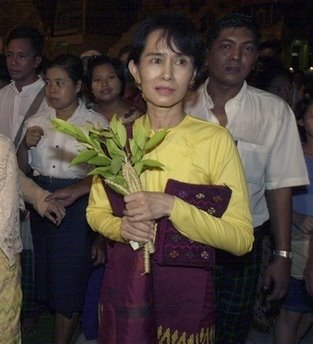


 Posts
Posts


