━━━━━━━━━━━━━━━━━━━━━━━━━━━━━━
ビルマ市民フォーラム メールマガジン 2010/1/25
People's Forum on Burma
━━━━━━━━━━━━━━━━━━━━━━━━━━━━━━
ビルマ情報ネットワーク(BurmaInfo)からのメール(1/22付)を転送させて
いただき
ます。
(重複の際は何卒ご容赦ください。)
PFB事務局 宮澤
http://www1.jca.apc.org/pfb/
━━━━━━━━━━━━━━━━━━━━━━━━━━━━━━
ビルマ情報ネットワークの「今週のビルマのニュース」をお送りします。
「今週のビルマのニュース」バックナンバー
http://www.burmainfo.org/news/this_week.php?mode=3
「きょうのビルマのニュース」もご利用ください。
http://www.burmainfo.org/news/today.php?mode=2
ビルマ情報ネットワーク (http://www.burmainfo.org)
秋元由紀
========================================
今週のビルマのニュース Eメール版
2010年1月22日【1003号】
========================================
【アウンサンスーチー氏の上告審が結審】
・ビルマの最高裁判所で18日、民主化運動指導者
アウンサンスーチー氏の上告審の最終弁論が行われた。
弁護人によれば判決は1か月以内に出る可能性がある。
上告は、昨年5月に、湖を泳いで渡ってきた米国人男性を
自宅に入れたことを理由に氏が有罪判決を受けたことに
対するもの。控訴審では有罪判決が支持された(20日AFP)。
【キャンベル米国務次官補「辛抱にも限界がある」】
・キャンベル米国務次官補は、日米安保条約改定署名から
50周年の19日に国務省で記者会見を行った。ビルマについて、
昨年11月に同国を訪問して以来どのような進展があったかとの
質問に対し、「その後ビルマ当局と直接接触したし、近い将来、
改めて会談することを検討すると思う。ビルマ側では進展も見ら
れたが、アメリカ人がビルマで拘束されていることを含めて未解決の
問題もある。(ビルマの民主化改革を促すため、制裁措置を続けると
同時に軍政と直接対話を始めるという)新しい方針の下で行動する
にあたり、辛抱強くなければならないことはわかっていたが、
辛抱に限界があることも事実だ。ビルマ軍政にはしかるべき時に
(民主化や人権保護に向けた)はっきりとした道筋を示してもらいたい」
と述べた(19日国務省記録)。
【日緬外相会談 総選挙次第で経済協力拡大も】
・岡田外相は17日、FEALAC外相会議出席のため来日したビルマの
ニャンウイン外相と会談し、総選挙までにアウンサンスーチー氏を含む
全政治囚を解放すること、総選挙をすべての関係者が含まれる形で
自由・公正に行うことを強く期待すると述べた。また昨年11月の日緬
首脳会談以降、アウンサンスーチー氏が軍政の連絡担当相と4回
会い、国民民主連盟(NLD)幹部と面会したことを「前向きな動き」と
して評価した。これに対しニャンウイン外相は「間もなく制定予定の
選挙関連法の規定に則り、どの政党もどの個人も選挙に参加
できるようにする。NLDが選挙に参加することを期待する」と述べた
(外務省発表概要)。
・同じ会談で、ビルマへの経済協力について岡田外相は「総選挙
のあり方次第では一層大きな協力が出来る。総選挙が国際社会
との関係において成功するよう期待する」と述べた。昨年11月の
日緬首脳会談で鳩山総理は、総選挙が「我々の期待する方向で
行われれば…様々な支援を強めていくことができるようになる」と
述べている(同)。
【ビルマへの政府開発援助(ODA)約束状況など】
草の根無償資金協力
・マンダレー管区 盲学校建設、約9万7,000米ドル(15日)
・ヤンゴン 僧院学校建設、約9万米ドル(13日)
【イベント情報】
・在日ビルマ人共同行動実行委員会
国連事務総長に対しスーチーさんを含むすべての政治囚の
釈放と対話の促進を軍政に働きかけるよう要請するアピール行動
(国連大学前、18~22日15~16時)
・公開セミナー「検証:ODAを問う~メコン開発から見た環境と人権への影響」
主催:メコン・ウォッチほか。
内容は「ビルマ(ミャンマー)~日本の援助が軍政ではなく国民を支えるためには」
等
(人権教育啓発推進センター、23日13時半~)要申込
・第59回ビルマ市民フォーラム例会
詳細後日
(池袋・ECOとしま8階、2月6日18時~)
【新刊など】
・宇田有三『閉ざされた国ビルマ』
カレン民族闘争と民主化闘争の現場をあるく
(高文研)発売中
・発売中のカタログハウス「通販生活」2010年春号、
ジェーン・バーキンさんといとうせいこうさんがビルマ
民主化について対談。根本敬・上智大学教授による解説記事も。
【もっと詳しい情報は】
☆Twitter公式アカウントはこちらです
http://twitter.com/BurmaInfoJapan
「きょうのビルマのニュース」
http://www.burmainfo.org/news/today.php?mode=2
ビルマ情報ネットワーク
http://www.burmainfo.org/
【お問い合わせ】
ビルマ情報ネットワーク 秋元由紀
====================================
今週のビルマのニュース Eメール版
2010年1月22日【1003号】
作成: ビルマ情報ネットワーク
協力: ビルマ市民フォーラム
====================================
━━━━━━━━━━━━━━━━━━━━━━━━━━━━━━━━━━━━━━
配布元 ビルマ情報ネットワーク(BurmaInfo) http://www.burmainfo.org
連絡先 listmaster@burmainfo.org
バックナンバー http://groups.yahoo.co.jp/group/burmainfo/
Twitter http://twitter.com/BurmaInfoJapan
RSSフィード
・新着情報 http://www.burmainfo.org/news_rss.php
・日刊ニュース http://www.burmainfo.org/news/today.php
・週刊ニュース http://www.burmainfo.org/news/this_week.php
――――――――――――――――――――――――――――――――――――――
▽転載について
・ビルマ情報ネットワーク(BurmaInfo)のメールマガジンの転載・再配布は、必ず出典を明記したうえで行ってください。
・不特定多数に配付する印刷物や、新聞、雑誌、機関紙(誌)などに掲載の際は、必ずご連絡ください。
――――――――――――――――――――――――――――――――――――――
▽メーリングリストの参加・退会・アドレス変更については以下をご覧ください。
http://www.burmainfo.org/about/mailmagazine.php
※手動での変更手続は行っておりませんが、どうしても解決できない問題が
あるときや、疑問点がある場合は管理者宛にご連絡ください。
━━━━━━━━━━━━━━━━━━━━━━━━━━━━━━━━━━━━━━
Tuesday, January 26, 2010
Flag this messageFw: [BurmaInfo] 今週のビルマのニュース(1003号) スーチー氏の上告審が結審 キャンベル国務次官補「辛抱にも限界がある」 草の根ODA ほか


Myanmar says Suu Kyi to be freed in November
Myanmar says Suu Kyi to be freed in
November: witnesses
By Aung Hla Tun
2 hrs 47 mins ago
YANGON (Reuters) – Myanmar pro-democracy leader Aung San Suu Kyi will be freed when her house arrest
ends in November, according to a government minister quoted by witnesses on Monday, but critics said that
may be too late for this year's elections.
Home Minister Major General Maung Oo told a January 21 meeting of local officials the 64-year-old Nobel
Peace Prize winner would be released in November, a month after many observers expect the country to hold
its first parliamentary elections in two decades.
The information could not be verified independently but three people who attended the meeting said the
comment was made to an audience of several hundred people in Kyaukpadaung, a town about 565 km (350
miles) north of the former capital, Yangon.
The three witnesses requested anonymity.
Suu Kyi, detained for 14 of the past 20 years, was sentenced to a further 18 months of detention last August
for harboring an American who swam uninvited to her lakeside home, raising questions over whether the
election will be a sham.
That incident took place in May 2009, just before an earlier period of house arrest was due to end. Taking
into account the three months she spent in a prison guesthouse after the incident, her 18-month sentence
would end in November.
The planned election would be the first since 1990, when Suu Kyi's National League for Democracy (NLD)
party scored a landslide victory that the country's junta refused to recognize.
Maung Oo also said detained NLD vice-chairman Tin Oo would be released on February 13, and that the
government would pursue an international-style market economy after holding "free and fair" elections,
including loosening restrictions on car imports.
Tin Oo, 82, a former defense minister and retired general, has been in prison or under house arrest for more
than a decade.
ELECTION TIMING NOT YET SET
Senior NLD official Khin Maung Swe said it was crucial Suu Kyi and Tin Oo were released before the
election.
2010/01/25 Print Story: Myanmar says Suu Kyi to be f…
…yahoo.com/…/print;_ylt=AirTGf6gqKlPx… 1/2
"The most important thing is they must be freed in good time so that they can work for national reconciliation,"
he said.
The military junta has not set a date for the election but has promised U.S. President Barack Obama and
Southeast Asian leaders the vote would be free, fair and inclusive.
In recent months Suu Kyi has been allowed to meet the junta's liaison officer and foreign diplomats.
The NLD has not yet said whether it would take part in the elections, portrayed by the generals as a move to a
multi-party democracy but derided by opponents as a sham designed to let the army retain real power.
The United States and others are reviewing policy toward the former Burma after years of sanctions and
trade embargoes failed to get the junta to improve its human rights record or relax its grip on power.
Obama has offered Myanmar the prospect of better ties with Washington if it pursued democratic reform and
freed political prisoners, including Suu Kyi.
(Writing by Jason Szep; Editing by Alan Raybould and Paul Tait)
Copyright © 2010 Yahoo! Inc. All rights reserved. Questions or Comments Privacy Policy About Our Ads Terms of
Service Copyright/IP Policy
2010/01/25 Print Story: Myanmar says Suu Kyi to be f…
…
Saturday, January 23, 2010
အာရွ ႏ်ဴကလီယား လုံၿခဳံေရး ေဆြးေႏြးပြဲ တက္ေရာက္သည့္ စစ္အုပ္စုကိုယ္စားလွယ္အား ဆႏၵျပပြဲ(တိုကိ်ဳ)။
၂၀၁၀ ခုႏွစ္ ဇႏၷ၀ါရီလ (၂၂)ရက္။
ဂ်ပန္ႏိူင္ငံ ႏိူင္ငံျခားေရး၀န္ႀကီးဌာန ႏွင့္ (IAEA) ပူးတြဲက်င္းပသည့္ ႏိူင္ငံေပါင္း(၃၀)တက္ေရာက္ သည့္ အာရွ ႏ်ဴကလီယား လုံၿခဳံေရး ေဆြးေႏြးပြဲ အခမ္းအနားကို ဇႏၷ၀ါရီလ(၂၁-၂၂ )ရက္ေန ့အထိ တိုက်ိဳၿမိဳ ့ New OTANI Hotel တြင္ က်င္းပျပဳလုပ္ ခဲ့ၾကပါသည္။ ထိုေဆြးေႏြးပြဲ အခမ္းအနားတြင္ နအဖ စစ္အုပ္စုကိုယ္စားလွယ္ ပါ၀င္တက္ေရာက္ သည့္အတြက္ ဂ်ပန္ႏိူင္ငံေရာက္ ပူးေပါင္းေဆာင္ရြက္ေရးေကာ္မတီ(JAC) မွ ဦးေဆာင္၍ နအဖ စစ္အုပ္စု ကိုယ္စားလွယ္အား ေဆြးေႏြးပြဲ ့က်င္းပသည့့္ New OTANI Hotel ေရွ ့တြင္ သြားေရာက္ ဆႏၵျပခဲ့ၾကပါသည္။
ယူကလီယား လုံၿခဳံေရး ေဆြးေႏြးပြဲတြင္ ႏိူင္ငံအသီးသီးမွ ကိုယ္စားျပဳ ကိုယ္စားလွယ္မ်ား ယူကလီယား ကြ်မ္းက်င္ ပညာရွင္မ်ား တက္ေရာက္ေဆြးေႏြးခဲ့ၾကၿပီး ယူကလီယား ပိုင္ဆိုင္ၾကသည့္ ႏိူင္ငံမ်ားတို ့မွ အာရွ လုံၿခဳံေရးအတြက္ စနစ္တက် ထိမ္းသိမ္းသြားၾကရန္ ႏွင့္ လူသားအႀကိဳးျပဳ လုပ္ငန္းေတြမွာ စနစ္တက် အသုံးျပဳ သြားၾကရန္အတြက္ ပါေဆြးေႏြးခဲ့ၾကသည္ဟုုသိခဲ့ရပါသည္။
နအဖ စစ္အုပ္စုသည္ ယူကလီယားကို ပိုင္ဆိုင္လိုျခင္းမွာ ျပည္သူအက်ိဳးျပဳ လုပ္ငန္းထက္ စစ္အာဏာ သက္ဆိုးရွည္ဖို ့ တိုင္းရင္းသား ျပည္သူတရပ္လုံးတို ့ကို စစ္ကြ်န္ျပဳဖိုအေရး အတြက္သာ ျဖစ္သည္။ လြန္ခဲ့သည့္ ႏွစ္မ်ားက ယူကလီယားလက္နက္ ပိုင္ဆိုင္လိုသည့္အတြက္ ေျမာက္ကိုရီးယား ႏိူင္ငံ ႏွင့္ ဆက္သြယ္သြယ္ေဆာင္ရြက္မူကိုလည္း လႈိ၀ွက္အစီရင္ခံစာမ်ား သတင္းမီဒီယာတြင္ အက်ယ္တ၀င့္ ေဖၚျပထားသည္ ကိုေတြ ့ရွိရပါသည္။ဂ်ပန္ႏိူင္ငံေရက္ ဒီမိုကေရစီအင္အားစု ၅၀ ေက်ာ္သြားေရက္ဆႏၵျပခဲ့ ၾကပါသည္။
သတင္းမွတ္တမ္း PNS-Japan
ဓါတ္ပုံ ။ မင္းညိဳ၀မ္း
Sunday, January 17, 2010
Fw: [BurmaInfo] 今週のビルマのニュース(1001号) NLDが中央執行委員会を拡大 米NGO「ビルマの自由度は最悪中の最悪」 草の根ODA5件 ほか
━━━━━━━━━━━━━━━━━━━━━━━━━━━━━━
ビルマ市民フォーラム メールマガジン 2010/1/15
People's Forum on Burma
━━━━━━━━━━━━━━━━━━━━━━━━━━━━━━
ビルマ情報ネットワーク(BurmaInfo)からのメールを転送させていただき
ます。
(重複の際は何卒ご容赦ください。)
PFB事務局 宮澤
http://www1.jca.apc.org/pfb/
━━━━━━━━━━━━━━━━━━━━━━━━━━━━━━
ビルマ情報ネットワークの「今週のビルマのニュース」をお送りします。
「今週のビルマのニュース」バックナンバー
http://www.burmainfo.org/news/this_week.php?mode=3
「きょうのビルマのニュース」もご利用ください。
http://www.burmainfo.org/news/today.php?mode=2
ビルマ情報ネットワーク (http://www.burmainfo.org)
秋元由紀
========================================
今週のビルマのニュース Eメール版
2010年1月15日【1002号】
========================================
【国民民主連盟(NLD)、中央執行委員会を拡大】
・アウンサンスーチー氏の政党、国民民主連盟(NLD)が11日、
中央執行委員会に新たに9人を加え、同委委員は合計20人に
なった。9人の正式発表はまだだが、全員が1990年の選挙での
当選者で60~70代とのこと。スーチー氏が先月、委員の多くが
高齢であることなどを理由に同委の改革を提案していた
(13日イラワディほか)。
NLDは現在のところ、総選挙には参加しないとの立場を取っている。
【ビルマの民主党、総選挙参加を見直す可能性】
・ビルマの民主党が、総選挙への参加を見直す可能性があることが
わかった。トゥウェイ議長は、(現在未公表の)選挙関連法が公表
される時期によっては、選挙に向けた十分な準備ができないため、
選挙への参加を見直す、と述べた(12日イラワディ)。
民主党は軍政とも民主化勢力とも提携していない「第三勢力」に
属しており、軍政が今年計画している総選挙に参加するため、
昨年9月に設立された。ウヌー初代首相の娘も幹部の一人。
・イラワディ誌によれば、アラカン民主連盟のターバン議長代行や、
ゾミ民族評議会のプーチンシャンタン氏など、1990年の総選挙で
当選した民族指導者らが、全政治囚の解放や2008年憲法の見直し
がなければ総選挙に参加しないことを改めて表明した(14日イラワディ)。
【ビルマの自由度は「最悪中の最悪」 米NGO】
・米国の市民団体フリーダム・ハウスが12日、世界194カ国・14地域で
の政治的自由度などを評価した「世界の自由度2010」を発表し、
世界全体では四年連続で自由度が下がったとした。またビルマは
北朝鮮やチベットなどと共に「最悪中の最悪」と認定された
(12日フリーダム・ハウス)。
【日米外相、ビルマ問題について「緊密に連携する」】
・岡田外相は12日、クリントン米国務長官との会談で、ビルマ軍政が
予定している総選挙が「透明で開かれた、国際社会にも受け入れ
可能なものとしていくことが必要」と述べた上で、米国のビルマ民主化
問題への取り組みを評価した。これに対しクリントン長官は「本件に
ついて日本は特に重要なプレーヤーだ」と述べ、両大臣は日米で
緊密に連携していくことで一致した(13日外務省発表会談概要)。
【ビルマへの政府開発援助(ODA)約束状況など】
2009年12月に草の根無償資金協力5件(詳細以下)
・イラワジ管区 学校21校の再建、約98万米ドル(11日)
・ザガイン管区 病院の設備拡充、約9万7,000米ドル(18日)
・カレン州 全天候型道路建設、約7万8,000米ドル(18日)
・ヤンゴン管区 食品分析所の設備提供、約9万7,000米ドル(22日)
・シャン州 学校3校建設、約9万7,000米ドル(23日)
【イベント情報】
・在日ビルマ人共同行動実行委員会
国連事務総長に対しスーチーさんを含むすべての政治囚の
釈放と対話の促進を軍政に働きかけるよう要請するアピール行動
(国連大学前、12~15日15~16時)
・公開セミナー「検証:ODAを問う~メコン開発から見た環境と人権への影響」
主催:メコン・ウォッチほか。
内容は「ビルマ(ミャンマー)~日本の援助が軍政ではなく国民を支えるためには」
等
(人権教育啓発推進センター、23日13時半~)要申込
・第59回ビルマ市民フォーラム例会
詳細後日
(池袋・ECOとしま8階、2月6日18時~)
【新刊など】
・宇田有三『閉ざされた国ビルマ』
カレン民族闘争と民主化闘争の現場をあるく
(高文研)発売中
・カタログハウス「通販生活」2010年春号、
ジェーン・バーキンさんといとうせいこうさんがビルマ民主化について対談。
根本敬・上智大学教授による解説記事も。書店発売は15日から。
【もっと詳しい情報は】
☆Twitter公式アカウントはこちらです
http://twitter.com/BurmaInfoJapan
「きょうのビルマのニュース」
http://www.burmainfo.org/news/today.php?mode=2
ビルマ情報ネットワーク
http://www.burmainfo.org/
【お問い合わせ】
ビルマ情報ネットワーク 秋元由紀
====================================
今週のビルマのニュース Eメール版
2010年1月15日【1002号】
作成: ビルマ情報ネットワーク
協力: ビルマ市民フォーラム
====================================
━━━━━━━━━━━━━━━━━━━━━━━━━━━━━━━━━━━━━━
配布元 ビルマ情報ネットワーク(BurmaInfo) http://www.burmainfo.org
連絡先 listmaster@burmainfo.org
バックナンバー http://groups.yahoo.co.jp/group/burmainfo/
Twitter http://twitter.com/BurmaInfoJapan
RSSフィード
・新着情報 http://www.burmainfo.org/news_rss.php
・日刊ニュース http://www.burmainfo.org/news/today.php
・週刊ニュース http://www.burmainfo.org/news/this_week.php
――――――――――――――――――――――――――――――――――――――
▽転載について
・ビルマ情報ネットワーク(BurmaInfo)のメールマガジンの転載・再配布は、必ず出典を明記したうえで行ってください。
・不特定多数に配付する印刷物や、新聞、雑誌、機関紙(誌)などに掲載の際は、必ずご連絡ください。
――――――――――――――――――――――――――――――――――――――
▽メーリングリストの参加・退会・アドレス変更については以下をご覧ください。
http://www.burmainfo.org/about/mailmagazine.php
※手動での変更手続は行っておりませんが、どうしても解決できない問題が
あるときや、疑問点がある場合は管理者宛にご連絡ください。
━━━━━━━━━━━━━━━━━━━━━━━━━━━━━━━━━━━━━━
Friday, January 15, 2010
ဗဟိုအလုပ္အမႈေဆာင္သစ္ (၉) ဦး၏အမည္ အန္အယ္လ္ဒီ ေၾကညာ
ဗဟိုအလုပ္အမႈေဆာင္သစ္ (၉) ဦး၏အမည္ အန္အယ္လ္ဒီ ေၾကညာ
NEJ/ ၁၄ ဇန္န၀ါရီ ၂၀၁၀
အမ်ဳိးသားဒီမိုကေရစီအဖြဲ႔ခ်ဳပ္ (အန္အယ္လ္ဒီ) က ဗဟိုအလုပ္အမႈေဆာင္အဖြဲ႔ကို အဖြဲ႔၀င္သစ္ (၉) ဦးတို႔ျဖင့္ တိုးခ်ဲ႕ တာ၀န္ေပးအပ္လိုက္သည္။
ဗဟိုအလုပ္အမႈေဆာင္မ်ားအျဖစ္ တာ၀န္ေပးျခင္းခံရသူမ်ားမွာ (၁) ေဒါက္တာ သန္းၿငိမ္း၊ (၂) ဦးအုန္းႀကိဳင္၊ (၃) ဦး၀င္းျမင့္၊ (၄) ဦးထြန္းထြန္းဟိန္၊ (၅) ေဒါက္တာ၀င္းႏိုင္၊ (၆) ဦးဉာဏ္၀င္း၊ (၇) ဦးဟံသာျမင့္၊ (၈) ဦးသိန္းၫြန္႔၊ (၉) ေဒါက္တာေမ၀င္းျမင့္တို႔ ျဖစ္ၾကၿပီး ဇန္န၀ါရီ (၁၄) ရက္ ယေန႔ရက္စြဲျဖင့္ ေၾကညာခ်က္ထုတ္ျပန္လိုက္ျခင္းျဖစ္သည္။
ဗဟိုအလုပ္အမႈေဆာင္တဦးအျဖစ္ တာ၀န္ေပးအပ္ျခင္းခံရသည့္ ဦးဉာဏ္၀င္းက “အခုလို တိုးခ်ဲ႕တာကေတာ့ အင္အားျဖည့္တင္း တာပါပဲ။ နဂိုရိွၿပီးသားအဖြဲ႔ကို အင္အားျဖည့္ႏိုင္ဖို႔၊ အဓိကကေတာ့ ေဒၚေအာင္ဆန္းစုၾကည္လည္းမရိွဘူး၊ ဦးတင္ဦးမရွိဘူး၊ ဦးေအာင္ေရႊ၊ ဦးလြင္ ႐ုံးမတက္ႏိုင္ဘူး။ ဒီလုိအေျခအေနမွာ အင္အားျဖည့္တာကို လိုတယ္လို႔ယူဆလို႔ ျဖည့္တာပါ” ဟု ေျပာသည္။
ပါတီလုပ္ငန္းစဥ္မ်ား တိုးခ်ဲ႕သြားရန္ရိွၿပီး ေနာက္ျပဳလုပ္မည့္ အစည္းအေ၀းမ်ားတြင္ ဆက္လက္ေဆြးေႏြးသြားရန္ ရိွသည္ဟုလည္း ဦးဉာဏ္၀င္းက ေျပာသည္။
ယခုကဲ့သို႔ ဗဟိုအလုပ္အမႈေဆာင္အဖြဲ႔၀င္မ်ားကို တိုးခ်ဲ႕လုိက္ျခင္းအားျဖင့္ အန္အယ္လ္ဒီအတြင္း အားသစ္မ်ား၊ တာ၀န္သစ္မ်ား လုပ္ငန္းသစ္မ်ား ထြက္ေပၚလာႏုိင္မည္ဟု အလုပ္အမႈေဆာင္အဖြဲ႔၀င္တဦးျဖစ္သည့္ ဦး၀င္းတင္က ေျပာသည္။
အန္အယ္လ္ဒီဥကၠ႒၊ ဒု-ဥကၠ႒ အပါအ၀င္ ယခင္ ဗဟိုအလုပ္အမႈေဆာင္အဖြဲ႔၀င္ (၁၁) ဦးရွိရာမွ ယခု (၉) ဦး ထပ္မံတိုးခ်ဲ႕လိုက္ သျဖင့္ စုစုေပါင္း ဗဟိုအလုပ္အမႈေဆာင္အဖြဲ႔၀င္ (၂၀) ဦး ရိွၿပီျဖစ္သည္။
ယခင္ ဗဟိုအလုပ္အမႈေဆာင္အဖြဲ႔၀င္မ်ားမွာ ဦးေအာင္ေရႊ (ဥကၠ႒)၊ ဦးတင္ဦး (ဒု- ဥကၠ႒)၊ ေဒၚေအာင္ဆန္းစုၾကည္ (အေထြေထြ အတြင္းေရးမႉး)၊ ဦးလြင္ (အတြင္းေရးမႉး)ႏွင့္ အဖြဲ႔၀င္မ်ားမွာ ဦး၀င္းတင္၊ ဦးသန္းထြန္း၊ ဦးစိုးျမင့္၊ ဦးလွေဖ၊ ဦးလြန္းတင္၊ ဦးၫြန္႔ေ၀၊ ဦးခင္ေမာင္ေဆြတုိ႔ျဖစ္သည္။
အန္အယ္လ္ဒီပါတီမွ သက္ႀကီးပုိင္း ေခါင္းေဆာင္မ်ားျဖစ္ၾကသည့္ ဥကၠ႒ ဦးေအာင္ေရႊ၊ အတြင္းေရးမႉး ဦးလြင္၊ ဗဟုိအလုပ္အမႈေဆာင္အဖဲြ႔၀င္ ဦးလြန္းတင္တို႔အား စိမ္းလဲ့ကန္သာဧည့္ရိပ္သာ၌ ၿပီးခဲ့သည့္ဒီဇင္ဘာ (၁၆) ရက္တြင္ ေဒၚေအာင္ဆန္းစုၾကည္က ေတြ႔ဆုံဂါရ၀ျပဳခြင့္ ရရိွခဲ့ၿပီးသည့္ေနာက္ ယခုကဲ့သို႔ အန္အယ္လ္ဒီ ေခါင္းေဆာင္ပိုင္း ျပန္လည္ဖြဲ႔စည္းေရး ထြက္ေပၚလာျခင္းျဖစ္သည္။
ပါတီတခုလုံးကို ေထာင္က်တဲ့ အေနအထားမ်ဳိး ေရာက္လာမယ္ဆိုရင္
http://shwenanda. blogspot. com/
ပါတီတခုလုံးကို ေထာင္က်တဲ့ အေနအထားမ်ဳိး ေရာက္လာမယ္ဆိုရင္
က်ေနာ္တို႔ရဲ႕တုံ႔ျပန္မႈေတြဟာ ပိုၿပီးေတာ့ ျပင္းထန္တင္းမာလာမယ္
NEJ / ၁၄ ဇန္န၀ါရီ၂၀၁၀
နအဖစစ္အစိုးရ ေခါင္းေဆာင္ ဗိုလ္ခ်ဳပ္မႉးႀကီးသန္းေရႊက ယခုႏွစ္တြင္ ေရြးေကာက္ပြဲ ျပဳလုပ္မည္ဟု လြတ္လပ္ေရးေန႔ သ၀ဏ္လႊာတြင္ အတည္ျပဳေျပာၾကားခဲ့သည္။ ထို႔ေၾကာင့္ ၁၉၉၀ ျပည့္ႏွစ္ ေရြးေကာက္ပြဲ အႏိုင္ရ အန္အယ္လ္ဒီပါတီအေနျဖင့္ ယခုႏွစ္ က်င္းပမည့္ ေရြးေကာက္ပြဲႏွင့္ ပတ္သက္၍ မည္ကဲ့သုိ႔ စဥ္းစားဆုံးျဖတ္မည္ဆိုသည္ကို အမ်ဳိးသား ဒီမုိကေရစီအဖြဲ႔ခ်ဳပ္ (အန္အယ္လ္ဒီ) ဗဟိုအလုပ္အမႈေဆာင္အဖြဲ႔၀င္တဦး ျဖစ္သူ ဦး၀င္းတင္ႏွင့္ ေခတ္ၿပိဳင္ ဆက္သြယ္ေမးျမန္းခ်က္။
ေမး။ ။ အန္အယ္လ္ဒီအေနနဲ႔ ေရႊဂုံတိုင္ေၾကညာစာတမ္းပါ အဓိကေတာင္းဆိုခ်က္ေတြ မရရင္ ေရြးေကာက္ပြဲနဲ႔ပတ္သက္ၿပီး ဘယ္လိုစဥ္းစားမယ္ဆိုတာ သိပါရေစ။
ေျဖ။ ။ ဒါကေတာ့ ျဖစ္မလာခင္အေျခအေနေပၚမွာ က်ေနာ္တို႔ ဘယ္လုိ လုပ္မယ္ကိုင္မယ္ဆိုတာ ေျပာရဆိုရ နည္းနည္းေတာ့ ခက္ပါတယ္။ က်ေနာ္တို႔က အဖြဲ႔အစည္းျဖစ္ေတာ့ အဖြဲ႔အစည္းထဲမွာရိွတဲ့ ေခါင္းေဆာင္ပိုင္းပုဂၢိဳလ္မ်ား ညိႇ႐ုံနဲ႔တင္မကဘူး ေအာက္ေျခပိုင္း အေနအထားေတြပါ ရိွလာတယ္။ ဘာလို႔လဲဆိုေတာ့ ဒါက အသစ္ျဖစ္မယ့္သေဘာကိုး။ သာမန္အားျဖင့္ဆိုရင္ က်ေနာ္တို႔ ရပ္တည္ေနတဲ့ အေနအထားက တရား၀င္ႏိုင္ငံေရးအဖြဲ႔အစည္းတရပ္အေနနဲ႔၊ တရား၀င္ ေတာင္းဆိုခ်က္ေတြနဲ႔ ရပ္တည္ေနတာကိုး။ အဲဒါေတြ မျဖစ္ေတာ့ဘူးဆိုရင္ အေျခအေနသစ္တခု ျဖစ္သြားမယ္၊ အဲဒီအေျခအေနသစ္ကို က်ေနာ္တို႔ ေက်ာ္ျဖတ္ရမယ့္ အေနအထားသစ္ေတြကလည္း ေပၚလာေတာ့မယ္ေပါ့။ အခုဟာက အေျခအေနသစ္ကလည္း မေပၚေသးတဲ့ အခါက်ေတာ့ က်ေနာ္တို႔ေက်ာ္ျဖတ္ရမယ့္ ပုံသဏၭာန္ဆိုတာ သာမန္အားျဖင့္ေတာ့ ေျပာရခက္ပါတယ္။ ဒါမ်ဳိးဆိုတာ ညိႇႏိႈင္းၿပီးမွ ေပၚထြက္လာမယ့္ ကိစၥျဖစ္တာကိုး။
ေမး။ ။ ဆရာေျပာတဲ့ ေပၚေပါက္လာမယ့္အေျခအေနသစ္ဆိုတာ ဘာကိုဆိုလိုတာပါလဲ။
ေျဖ။ ။ ေပၚေပါက္လာမယ့္အေျခအေနကို က်ေနာ္တို႔ မွန္းၾကည့္တဲ့အခါၾကေတာ့ သာမန္အားျဖင့္ အခု ကမာၻကလည္း ေျပာေနတယ္၊ အေမရိကန္အစိုးရတို႔၊ ဂ်ပန္အစိုးရတို႔၊ ကုလသမဂၢတို႔၊ အီးယူတို႔ဆိုတာေတြက ေျပာေနတဲ့အေနအထားက ဘာလဲဆိုေတာ့ က်ေနာ္တို႔ေရြးေကာက္ပြဲဟာ အန္အယ္လ္ဒီတို႔ တုိင္းရင္းသားအဖြဲ႔အစည္းတို႔ဆိုတဲ့ ဗမာျပည္ႏိုင္ငံေရးမွာ အထင္ကရျဖစ္တဲ့ သုိ႔မဟုတ္လည္း အင္အားႀကီးမားတဲ့ ပါတီအဖြဲ႔အစည္းေတြ မပါဘဲနဲ႔ ေရြးေကာက္ပြဲကို က်င္းပေပးမယ္ဆိုရင္ အားလုံးပါ၀င္ပတ္သက္မႈအေျခအေန (all inclusive) ဟာ ဘယ္လိုမွ ျဖစ္ထြန္းလာမယ့္ အေနအထားမရိွဘူး။ ဘယ္လိုမွလည္း ေပၚေပါက္လာႏိုင္မယ့္ အေနအထားမရိွဘူးဆိုရင္ ဒီေရြးေကာက္ပြဲဟာ က်ေနာ္တို႔ရဲ႕ဆႏၵသေဘာထား၊ တကမာၻလုံးရဲ႕ ဆႏၵသေဘာထား၊ ဒါတင္မက စစ္အစိုးရကိုယ္တုိင္က လက္ခံပါတယ္ဆိုတဲ့ သေဘာထားနဲ႔လည္း အကုန္လုံးဆန္႔က်င္ သြားေတာ့မယ္။ ပ်က္ျပားသြားေတာ့မယ္။ ေနာက္တခုက ဘာလဲဆိုေတာ့ ဒီေရြးေကာက္ပြဲ က်င္းပတဲ့အခါမွာလည္း အခုလုပ္ေနတဲ့ပုံသဏၭာန္အရ ပါတီမွတ္ပုံတင္ဥပေဒတို႔၊ ေရြးေကာက္ပြဲဥပေဒတို႔ဆိုတာ ဘာမွကို ထြက္လာျခင္းမရိွတာ အပါအ၀င္ ေနာက္ပိုင္း ေရြးေကာက္ပြဲက်င္းပတဲ့အခါမွာလည္း ျပည္သူမ်ား ပါ၀င္ပတ္သက္မႈ၊ မဲေပးမႈ၊ မဲလိမ္မဲခိုးမႈေတြ စတဲ့ကိစၥေတြ ေပၚလာလို႔ရိွရင္ ကမာၻက ေတာင္းဆိုေနတဲ့ ျမင္သာထင္သာရိွျခင္း၊ အမ်ားယုံၾကည္ စိတ္ခ်ရျခင္း ဆိုတဲ့ အေနအထားမ်ဳိးကလည္း ဘယ္လိုမွ ေပၚလာမွာမဟုတ္ဘူး။ အဲဒါေၾကာင့္ ဒီအေနအထားႏွစ္ခု မရိွဘူးဆိုရင္ ဒီေရြးေကာက္ပြဲကို ကမာၻကလည္း ဆန္႔က်င္႐ႈတ္ခ် ျပစ္တင္လာမယ္၊ ကမာၻက အသိအမွတ္မျပဳျခင္းအပါအ၀င္ အမ်ားႀကီးတုံ႔ျပန္မႈေတြ ေပၚလာမယ္။
အဲလိုအေျခအေနမ်ဳိးမွာ အားလုံးပါ၀င္မႈကို ပစ္ပယ္ထားတဲ့အတြက္ က်ေနာ္တို႔ကလည္း ေဘးေရာက္ေနမယ္။ ေနာက္တခါ ယုံၾကည္စိတ္ခ်ရမႈ အေနအထားကလည္း လုံး၀မရိွဘူးဆိုတဲ့အခါက်ေတာ့ က်ေနာ္တို႔အေနနဲ႔ကလည္း ေရြးေကာက္ပြဲမွာ အနည္းဆုံး ကိုယ္တုိင္မပါ၀င္ေတာင္မွ ဒီမိုကေရစီအင္အားစုေတြကို ပါ၀င္ႏိုင္ေအာင္၊ ပါ၀င္ေနတဲ့ ဒီမိုကေရစီအင္အားစုလို႔ ယူဆရတဲ့ အဖြဲ႔အစည္းေတြကိုေတာင္မွ က်ေနာ္တို႔ ၀ိုင္း၀န္းပံ့ပိုးႏိုင္တဲ့အေနအထားမ်ဳိး မရိွဘူးဆိုရင္ အန္အယ္လ္ဒီရဲ႕ အေနအထားက လုံး၀ကို ပါတီတခုလုံး ေထာင္သြင္းအက်ဥ္းခံရတဲ့ အေနအထားမ်ဳိးကို ေရာက္သြားမယ့္ အေျခအေနမ်ဳိးကို ဆိုက္ေရာက္သြားမယ္လုိ႔ က်ေနာ္တို႔ ေျပာလို႔ရတယ္ေပါ့ဗ်ာ။
အဲလိုအခါမ်ဳိးဆိုရင္ေတာ့ အန္အယ္လ္ဒီဟာ တနည္းတဖုံအားျဖင့္ေတာ့ လႈပ္ရွားမႈေတြ၊ စီမံေဆာင္ရြက္မႈေတြ၊ ႐ုန္းကန္မႈေတြ၊ သေဘာထားေဖာ္ထုတ္မႈေတြဟာ ဒီေန႔လိုကာလမ်ဳိးနဲ႔ေတာ့ အမ်ားႀကီးကြဲလြဲသြားမယ္လို႔ေတာ့ က်ေနာ္တို႔ ေျပာလို႔ရပါတယ္။ က်ေနာ္တို႔ရဲ႕အေနအထားေတြဟာ ပိုၿပီးေတာ့ တင္းမာတဲ့ အေနအထားမ်ဳိး သို႔မဟုတ္လည္း ပိုၿပီးေတာ့ ျပတ္သားတဲ့ အေနအထားမ်ဳိးကို ေရာက္လာမယ္လို႔ အဲေလာက္ေတာ့ ေျပာလို႔ရမယ္။ ဘာပဲေျပာေျပာ အန္အယ္လ္ဒီဟာ တရား၀င္ပါတီေတာ့ ျဖစ္ေနမယ္လို႔ မွန္းဆတယ္။ တရား၀င္ပါတီတခုဟာ ပါတီတခုလုံးကို ေထာင္က်တဲ့ အေနအထားမ်ဳိး ေရာက္လာမယ္ဆိုရင္ က်ေနာ္တို႔ရဲ႕တုံ႔ျပန္မႈေတြဟာ ပိုၿပီးေတာ့ ျပင္းထန္တင္းမာလာမယ္လို႔ က်ေနာ္တုိ႔ အဲလိုယူဆပါတယ္။
ေမး။ ။ ဒါဆို အခုျပဳလုပ္မယ့္ ေရြးေကာက္ပြဲဟာ ႏိုင္ငံေရးျပႆနာေတြကို ေျပလည္ေစမယ့္ ေရြးေကာက္ပြဲမဟုတ္ဘူးလို႔ ဆရာ ဆိုလိုခ်င္တာပါလား။
ေျဖ။ ။ ဟုတ္ပါတယ္။ မယူဆတဲ့အေၾကာင္းကလည္း ခုဏေျပာသလိုေပါ့။ အဓိကအခ်က္ကေတာ့ ဒီေရြးေကာက္ပြဲဟာ ၂၀၀၈ အေျခခံဥပေဒအရ က်င္းပမယ့္ေရြးေကာက္ပြဲ။ တခါ အဲဒီေရြးေကာက္ပြဲက ေပၚေပါက္လာမယ့္ ရလဒ္ေတြျဖစ္တဲ့ လႊတ္ေတာ္တုိ႔၊ အစိုးရအဖြဲ႔တို႔ဆုိတာလည္း ၂၀၀၈ အေျခခံဥပေဒကို အေကာင္အထည္ေဖာ္မယ့္ ယႏၲရားေတြျဖစ္တယ္လို႔ က်ေနာ္တို႔က သတ္မွတ္တယ္။
ဒီအေျခခံဥပေဒဟာ လက္ရိွရိွေနတဲ့ စစ္အစိုးရရဲ႕ အာဏာရွင္ပုံစံနဲ႔ အုပ္စိုးျခင္းေပါ့ဗ်ာ။ ျပည္သူကို ဖိႏွိပ္ျခင္းတို႔ ခ်ဳပ္ခ်ယ္ျခင္းတုိ႔ ႏိုင္ထက္စီးနင္းျပဳျခင္းတို႔၊ ေနာက္ တုိင္းျပည္မွာ ဆင္းရဲမြဲေတ ငတ္ျပတ္မႈေတြကို လ်စ္လ်ဴ႐ႈၿပီးေတာ့ သူတုိ႔ရဲ႕စစ္အာဏာ တည္ၿမဲေရးကိုသာ လုပ္ေနတဲ့လုပ္ငန္းမ်ားကိုသာ သက္ဆုိးရွည္ေစမယ့္ အေျခခံဥပေဒျဖစ္တယ္။ ဒီအေျခခံဥပေဒကိုေတာ့ က်ေနာ္တို႔က လက္မခံႏိုင္ဘူး။ ဒါေၾကာင့္ ဒီအေျခခံဥပေဒနဲ႔က်င္းပမယ့္ ေရြးေကာက္ပြဲကိုလည္း ဒီအေျခခံဥပေဒကိုသာ မျပင္ဘူး ဆိုရင္ေတာ့ လက္မခံႏိုင္ဘူးလို႔ ေျပာေနျခင္းျဖစ္ပါတယ္။
ေမး။ ။ ဒီ ၂၀၀၈ ခုႏွစ္ ဖြဲစည္းပုံအေျခခံဥပေဒကို ျပင္ႏိုင္မယ့္ အလားအလာေရာ ဆရာျမင္ပါသလား။
ေျဖ။ ။ ဒီလိုရိွပါတယ္။ ျပင္တယ္ဆိုတာမ်ဳိးက ႏွစ္မ်ဳိးရိွတယ္။ စစ္အစိုးရကေနၿပီးေတာ့ ဒါဟာ အမ်ားျပည္သူကလည္း လက္မခံဘူး၊ အတိုက္အခံ ႏိုင္ငံေရးအင္အားစုေတြကလည္း လက္မခံဘူး၊ ကမာၻကလည္း လက္မခံတဲ့သေဘာေတြ ျပလာၿပီဆိုရင္ သူတုိ႔က လိုအပ္တဲ့အေနအထားမ်ဳိးကို ျပင္မယ္ဆိုလို႔ရိွရင္ သူတုိ႔ျပင္ႏုိင္တာေပါ့။ သူတုိ႔က စစ္အာဏာပိုင္ အဖြဲ႔အစည္းပဲ၊ ေနာက္ျပည္သူမ်ားက ဆႏၵေပးထားတယ္ဆိုတာကလည္း ရွင္းရွင္းေျပာရရင္ သူတို႔ရဲ႕ဖန္တီးလုပ္ေဆာင္ခ်က္ေတြ ျဖစ္တဲ့အခါက်ေတာ့ သူတုိ႔ျပင္မယ္ဆိုလည္း ျပင္လို႔ရတာေပါ့။ သုိ႔ေသာ္ အေကာင္းဆုံးပုံသဏၭာန္ကေတာ့ အဲဒီအေျခခံဥပေဒကို လိုအပ္သလို ပိုၿပီးေတာ့ ေကာင္းမြန္ေအာင္ အမ်ားျပည္သူဆႏၵနဲ႔လည္း ကိုက္ညီေအာင္၊ သုိ႔မဟုတ္လည္း အေျခအေနနဲ႔ ကိုက္ညီေအာင္ေပါ့ဗ်ာ။ သူတုိ႔အဆိုအရေတာ့ အမ်ားျပည္သူက (၉၂) ရာခိုင္ႏႈန္း ဆႏၵမဲေပးထားတယ္ဆိုေတာ့ အမ်ားျပည္သူဆႏၵနဲ႔ ကိုက္ညီၿပီးသားျဖစ္တယ္လို႔ သူတို႔ကေတာ့ ေျပာေတာ့မွာေပါ့ဗ်ာ။ ဒါေပမယ့္ အဲဒီလို အမ်ားျပည္သူဆႏၵနဲ႔ ကိုက္ညီတယ္ဆိုေသာ္လည္း အဲဒါက ၂၀၀၈ ခုႏွစ္ သို႔မဟုတ္ ၂၀၀၈ အႀကိဳကာလေတြက ကိုက္ညီျခင္းျဖစ္ေသာ္လည္း လက္ရိွ ေျပာင္းလဲလာတဲ့ အေျခအေနေတြအရ သိပ္မေကာင္းဘူးဆိုရင္ သူတုိ႔ျပင္ဖို႔လမ္းက ဘာလဲဆိုေတာ့ ေတြ႔ဆုံေဆြးေႏြးပြဲ စားပြဲေပၚမွာ ႏွစ္ဘက္စလုံးကေန အဆုံးအျဖတ္ေပးႏိုင္ေသာ ပုဂၢိဳလ္မ်ား သို႔မဟုတ္ ဒိုင္ယာေလာ့စားပြဲေပၚမွာ ဒီကိစၥကို က်ေနာ္တို႔ စဥ္းစားလို႔ရပါတယ္။ တိုင္းျပည္ရဲ႕အဆုံးအျဖတ္ေပးႏိုင္တဲ့ ေခါင္းေဆာင္ပုဂၢိဳလ္မ်ားကေနၿပီးေတာ့ ဆုံးျဖတ္လိုက္ရင္ အဲဒီအစည္းအေ၀းလိုေနရာမ်ဳိးကေန စီးဆင္းလာတဲ့ ႏိုင္ငံေရးသေဘာထားဟာ အကုန္လုံးကို ေျပာင္းလဲလို႔ရပါတယ္။ ဥပမာ ပင္လုံေတြ႔ဆုံေဆြးေႏြးပြဲကေန စီးဆင္းလာတဲ့ အာဏာသေဘာဟာ ျပည္ေထာင္စုဖြဲ႔စည္းေရးလိုဟာမ်ဳိးကို ျဖစ္ေပၚေစႏိုင္ပါတယ္။ ဒါေၾကာင့္ တိုင္းျပည္မွာ အဆုံးအျဖတ္ေပးႏုိင္တဲ့ ထိပ္သီးပုဂၢိဳလ္မ်ား ေဆြးေႏြးၾကမယ္ဆိုရင္ အဲဒီက စီးဆင္းလာတဲ့အာဏာ၊ သေဘာထားဟာ အကုန္လုံးကို ျပဳျပင္ေျပာင္းလဲလို႔ ရပါတယ္လို႔ က်ေနာ္တို႔ယူဆတယ္။
ေမး။ ။ ဘယ္လုိ ျပဳျပင္ေျပာင္းလဲလို႔ ရမွာလဲဆိုတာ သိပါရေစ။
ေျဖ။ ။ အခုေရြးေကာက္ပြဲက ဒီအေျခခံဥပေဒအတိုင္းသြားမွာျဖစ္တဲ့အတြက္ ႏိုင္ငံေရးအေျဖမဟုတ္ဘူး၊ ႏိုင္ငံေရးျပႆနာ ေတြကို ရွင္းလည္းရွင္းႏိုင္မွာမဟုတ္ဘူး။ ႏိုင္ငံေရးျပႆနာေတြကို ဒီေန႔ေရြးေကာက္ပြဲအႀကိဳကာလမွာ ရွင္းခ်င္လို႔ပဲျဖစ္ျဖစ္၊ ေရြးေကာက္ပြဲ ကာလမွာ ရွင္းခ်င္လို႔ပဲျဖစ္ျဖစ္၊ ေရြးေကာက္ပြဲအလြန္ကာလမွာ ရွင္းခ်င္လို႔ပဲျဖစ္ျဖစ္ အဲလိုသေဘာထားမ်ဳိး က်ေနာ္တို႔မွာ ရိွတယ္ဆိုရင္ အမ်ဳိးသားျပန္လည္သင့္ျမတ္ေရးေဆြးေႏြးပြဲကေနၿပီး ၂၀၀၈ အေျခခံဥပေဒထဲကေနၿပီး ျပင္ဖို႔လိုအပ္တဲ့အခ်က္ မ်ားကို ျပဳျပင္ေျပာင္းလဲႏိုင္မယ္ဆိုရင္ အဲဒီက ေပၚထြက္လာမယ့္ဆုံးျဖတ္ခ်က္ သေဘာထား အာဏာမ်ားဟာ ဒီအေျခခံဥပေဒကို ျပင္ႏိုင္ပါတယ္။ ဒီအေျခခံဥပေဒကိုသာ ျပင္လိုက္ရင္ ျပႆနာေပါင္းစုံ ရွင္းသြားမွာ ျဖစ္ပါတယ္။ ျပႆနာေပါင္းစုံဆိုတာ တိုင္းရင္းသားေတြမွာရိွတဲ့ သေဘာထားေတြကို ေျပာင္းလဲသြားေစႏိုင္မယ္၊ တိုင္းရင္းသားေတြနဲ႔ စစ္အစိုးရဆက္ဆံေရးဟာလည္း ေျပာင္းလဲသြားႏိုင္တယ္။ အလားတူပဲ အန္အယ္လ္ဒီလို ဒီမိုကေရစီ အင္အားစုေတြနဲ႔ အစိုးရဆက္ဆံေရးျဖစ္တဲ့ ေရြးေကာက္ပြဲမွာ ပါ၀င္ေရးဆိုတဲ့ အခ်က္ေတြကိုလည္း က်ေနာ္တို႔ ေျပာင္းလဲသြားေစႏိုင္မယ္။ အလားတူပဲ ကမာၻနဲ႔ဆက္ဆံေရးပါ ေျပာင္းလဲသြားမယ္လို႔ က်ေနာ္က ယူဆတယ္။ ဒါေၾကာင့္ က်ေနာ္က ဒီေန႔ကာလဟာ ေရြးေကာက္ပြဲဟာ အေျဖမဟုတ္ပါဘူး၊ အေျဖဟာ ေတြ႔ဆုံေဆြးေႏြးပြဲသာ ျဖစ္ပါတယ္လို႔ ေျပာေနတာပါ။ က်ေနာ္တို႔အဖို႔ကေတာ့ သို႔မဟုတ္လည္း က်ေနာ္တို႔နဲ႔အတူ လက္တြဲၿပီးေဆာင္ရြက္ေနတဲ့ တိုင္းရင္းသား အဖြဲ႔အစည္းမ်ားအဖို႔၊ က်ေနာ္တို႔ကို ေထာက္ခံအားေပးေနတဲ့ ကမာၻနဲ႔တကြ ကုလသမဂၢတို႔အဖို႔ကေတာ့ ဒီေတြ႔ဆုံေဆြးေႏြးပြဲ ျဖစ္လိုက္ရင္ အေကာင္းဆုံးအေျခအေနမ်ား ေပၚထြန္းလာဖို႔အတြက္ အလားအလာေတြ အမ်ားႀကီးရိွတယ္လို႔ က်ေနာ္က အဲလိုပဲ ယူဆတယ္။
ေမး။ ။ အမ်ဳိးသားစည္းလုံးညီၫြတ္ေရး ကိစၥေရာ ေျပလည္ႏိုင္ပါ့မလားဆရာ။
ေျဖ။ ။ ေျပလည္ႏုိင္တာေပါ့ခင္ဗ်ာ။ ဘာလို႔လဲဆိုေတာ့ ဒီေတြ႔ဆုံေဆြးေႏြးပြဲဟာ ႏိုင္ငံေရးအားျဖင့္ အဓိကက်တယ္လို႔ တဖက္က ေျပာေနေပမယ့္လို႔ တုိင္းျပည္ႀကီးတခုလုံး သုိ႔မဟုတ္ ျပည္ေထာင္စုႀကီးတခုလုံးရဲ႕ အနာဂတ္အေနနဲ႔ဆိုရင္လည္း အမ်ဳိးသားျပည္လည္သင့္ျမတ္ေရးလို႔ က်ေနာ္တို႔ေျပာေနတာကေနတဆင့္ အမ်ဳိးသားညီၫြတ္ေရးဆိုတာ ေပၚထြက္လာႏိုင္တဲ့ အေနအထားရိွပါတယ္။ ဒီေတြ႔ဆုံေဆြးေႏြးပြဲကသာလွ်င္ ခ်က္ခ်င္းလက္ငင္း အေျဖမေပၚထြက္လာေသာ္ျငားလည္း အေျခခံသေဘာထားေတြ ေပၚလို႔ရိွရင္ က်ေနာ္တို႔ဆက္လက္ ညိႇႏႈိင္းသြားဖုိ႔ပဲ ရိွပါတယ္။ ေဒၚေအာင္ဆန္းစုၾကည္နဲ႔ ဗိုလ္ခ်ဳပ္မႉးႀကီးသန္းေရႊတို႔ ေတြ႔လိုက္ရင္ အဲဒီကေနခ်မွတ္တဲ့ သေဘာထားေတြအေပၚ ဆက္လက္ၿပီး အဆင့္ဆင့္ေသာ ေဆြးေႏြးပြဲမ်ား က်င္းပသြားျခင္းအားျဖင့္ ေရြးေကာက္ပြဲအေျခခံဥပေဒ ျပင္ဆင္ေရးကိစၥကေန အမ်ဳိးသားညီၫြတ္ေရးကိစၥအထိ အက်ဳိးဆက္မ်ား ဆက္တိုက္ေပၚသြားႏိုင္ပါတယ္။ ဒီေဆြးေႏြးပြဲကေန အစြန္းတဖက္မွာ အေျခခံဥပေဒျပင္ဆင္ေရး ကိစၥေတြရိွသလို ေနာက္အစြန္းတဖက္မွာလည္း အမ်ဳိးသားညီၫြတ္ေရးအထိ ရည္မွန္းခ်က္ေတြ ရိွတဲ့အတြက္ ဒီလိုက်င္းပျခင္းဟာ ဒီေန႔ကာလတိုင္းျပည္ရဲ႕ ထြက္ေပါက္ အေျဖပဲျဖစ္ပါတယ္။
ေမး။ ။ တကယ္လို႔ အန္အယ္လ္ဒီဟာ ၂၀၁၀ ေရြးေကာက္ပြဲ၀င္လိုက္မယ္ဆိုရင္ ၁၉၉၀ ေရြးေကာက္ပြဲရလဒ္ဟာ အတိတ္မွာက်န္ခဲ့မယ္လို႔ ေျပာဆုိသံေတြ ထြက္ေပၚေနပါတယ္။ အဲဒါနဲ႔ ပတ္သက္ၿပီး ဆရာဘယ္လို ေျပာခ်င္ပါသလဲ။
ေျဖ။ ။ ေရြးေကာက္ပြဲလိုဟာမ်ဳိးကို က်ေနာ္တို႔က ေခါင္းလွ်ိဳၿပီးေတာ့၀င္သြားရင္ ၁၉၉၀ ေရြးေကာက္ပြဲဟာ အတိတ္မွာ က်န္ခဲ့တယ္ ဆိုတဲ့ဟာမ်ဳိးထက္ အျဖစ္မွန္က ဘာလဲဆိုေတာ့ က်ေနာ္တို႔ဟာ ျပည္သူလူထုကေန အပ္ႏွင္းထားတဲ့ မန္းဒိတ္ကို အစိုးရကိုယ္တိုင္ ကလည္း မဖ်က္ေသးဘူးဗ်။ ေရြးေကာက္ပြဲေကာ္မရွင္ကေန ဒါကို တရားမ၀င္ေတာ့ဘူးလို႔ ေျပာဆိုျခင္းမရိွဘဲနဲ႔ စစ္အစိုးရ လုပ္ေနတဲ့ပုံသဏၭာန္ဟာ ေရြးေကာက္ပြဲတခုကို ေနာက္ေရြးေကာက္ပြဲတခုနဲ႔ ေက်ာ္လႊားဖို႔လုပ္ေနတာ။ အဲဒါကို က်ေနာ္တို႔ လက္မခံႏိုင္ဘူး။ က်ေနာ္ကေတာ့ အတိတ္မွာက်န္ခဲ့တယ္လို႔ မေျပာခ်င္ဘူး။ က်ေနာ္တို႔ဟာ ေရြးေကာက္ပြဲအသစ္ကို ၀င္လိုက္တယ္ဆိုရင္ ေရြးေကာက္ပြဲ အေဟာင္းတုန္းက အေကာင္အထည္လည္း ရလဒ္တစုံတရာမေပၚခဲ့ဘူး၊ ျပည္သူလူထုက အပ္ႏွင္းတဲ့အာဏာကိုလည္း က်ေနာ္တို႔က ဘာမွအေကာင္အထည္ေဖာ္ေပးႏိုင္ျခင္း မရိွဘူး၊ ေနာက္တခါ အဲဒီေရြးေကာက္ပြဲရဲ႕ ရလဒ္ႀကီးတခုလုံးကိုလည္း တာ၀န္ရိွတဲ့ စစ္အစိုးရကေနၿပီးေတာ့ ဖ်က္သိမ္းျခင္းတို႔ ဘာတို႔လည္း ေၾကညာျခင္းမရိွဘဲနဲ႔ ဒီတိုင္းခ်န္ခဲ့လို႔မရဘူး။ အဲဒါနဲ႔ပတ္သက္လို႔ က်ေနာ္တို႔ရဲ႕သေဘာထားက ၁၉၉၀ ျပည့္ႏွစ္ ေရြးေကာက္ပြဲရလဒ္ကို တနည္းနည္းနဲ႔ အသိအမွတ္ျပဳမယ္ဆိုရင္ ေဒၚေအာင္ဆန္းစုၾကည္က ေျပာတဲ့စကားဗ်။ တနည္းနည္းနဲ႔ဆိုတာ က်ေနာ္တို႔ အနိမ့္ဆုံးပုံစံနဲ႔လည္း ျဖစ္ႏိုင္ပါတယ္။ အျမင့္ဆုံးပုံသဏၭာန္နဲ႔လည္း ျဖစ္ႏိုင္ပါတယ္။
အျမင့္ဆုံးပုံသဏၭာန္ဆိုတာက အာဏာလႊဲေျပာင္းေပးဖို႔ေပါ့။ အနိမ့္ဆုံး ပုံသဏၭာန္ဆိုတာကလည္း ေတြ႔ဆုံေဆြးေႏြးပြဲကေန သေဘာတူညီခ်က္ရရင္ အဲဒါေတြကို အေျခခံၿပီးေတာ့ လႊတ္ေတာ္ေခၚလိုက္။ တေန႔တည္းပဲေခၚေခၚ ဒီလႊတ္ေတာ္ကေန သေဘာတူညီခ်က္မ်ားကို အတည္ျပဳလိုက္ၿပီဆိုတဲ့ဟာမ်ဳိးနဲ႔ ၿပီးရင္ ဒီလႊတ္ေတာ္ကို ဖ်က္သိမ္းၿပီးေတာ့ ေနာက္ထပ္ေရြးေကာက္ပြဲ အသစ္ လုပ္မယ္ဆိုတာမ်ဳိးပါ။ အဲလိုလုပ္လို႔ရပါတယ္။ ဒါက က်ေနာ္ရဲ႕ ကိုယ္ပိုင္အေတြးအေခၚပါ။ တနည္းနည္းနဲ႔ဆိုတဲ့ ေဒၚေအာင္ဆန္းစုၾကည္စကားဟာ အနိမ့္ဆုံးလည္းလုပ္လို႔ရပါတယ္။ အျမင့္ဆုံးလည္းလုပ္လို႔ရပါတယ္။ ဒါေပမယ့္လို႔ ဒီလိုတနည္းနည္းနဲ႔ အသိအမွတ္ျပဳျခင္းကေတာ့ လုပ္ဖို႔ေကာင္းတယ္။ အဲလိုလုပ္တာမဟုတ္ဘဲနဲ႔ ေရြးေကာက္ပြဲတခုကို ေနာက္ေရြးေကာက္ပြဲတခုနဲ႔ နင္းႀကိတ္ေခ်သလိုလုပ္ရင္ေတာ့ ဒါေတြဟာ သမိုင္းမွာလည္း မလွမပျဖစ္မယ္။ ေရွ႕ဆက္ၿပီး အျငင္းပြားစရာေတြကလည္း ရိွမယ္။ အေၾကာင္းေၾကာင္းေၾကာင့္ ဒီေရြးေကာက္ပြဲကိုပဲ ဆုပ္ကိုင္ၿပီးထားၿပီးေတာ့ ေနာက္ေရြးေကာက္ပြဲကို ေက်ာခုိင္းတဲ့ပုံသဏၭာန္မ်ဳိးလုပ္ရင္လည္း ဗမာျပည္ရဲ႕ ႏိုင္ငံေရးျပႆနာေတြဟာ ရွင္းစရာ ေျပလည္စရာ ဘာမွ ရိွမွာမဟုတ္ဘူးလို႔ က်ေနာ္က ယူဆပါတယ္။
Saturday, January 9, 2010
Hatoyama Cabinet E-mail Magazine No. 13 (January 8, 2010)
Yukio Hatoyama's "Yu-Ai"
-- Message from the Prime Minister (Provisional Translation)
Minister of Finance Hirohisa Fujii has offered his resignation
citing ill health and I have accepted his resignation. It is truly
unfortunate as I had hoped that he would nurture his child, the
fiscal 2010 budget, which he fathered. I wish from my heart that he
will take care of himself to return to health as soon as possible
and help us again in various ways.
I have just asked Deputy Prime Minister Naoto Kan to succeed him as
Minister of Finance.
The entire Cabinet will put forth all its efforts into implementing
the fiscal 2010 budget and tax system reforms in the most
expeditious manner possible.
*******************************************************************
"A crucial year"
Happy New Year to all readers of the e-mail magazine.
As we greet the new year, I would like to convey to you my
resolutions and determination for this year.
The people's strong desire to change politics led to the change of
government last year, allowing us to finally come to the starting
line of a politics in which you, the people, will play the main
roles.
It has only been a short period, just over 100 days, since the
launch of the new government and there may be many ways in which we
are still lacking. However, I am sure that you already feel that
politics is changing through our actions such as abolishing
permanent vice ministers' meetings, a tradition symbolic of the
bureaucrat-led politics that had continued since the Meiji era, and
eliminating waste in the government's budget with the review of
government programs, which was conducted openly.
Now, we are at the real starting line. I have renewed my resolve
that as Prime Minister, I will return to my roots to create a new
kind of politics together with the people, a politics for the
people. This year will be the crucial year for this.
At the end of last year, we formulated the first principal budget
of the Hatoyama Cabinet, the fiscal 2010 budget, naming it
"a budget to protect people's daily lives." We did our utmost to
secure resources for protecting human life, such as for the child
allowance and free education at public high schools, as well as
employment, medical care and the environment.
We also made a Cabinet decision on the framework for a new growth
strategy. Up until now, policies have leaned toward companies (the
supply side). With the new growth strategy, however, we will change
this mindset to one that centers on the daily lives of the people
(the demand side), to shift toward an economy for people.
We will break from measures relying on public projects and public
finance, and policies based on market fundamentalism. Instead,
we will face the issues of the people's daily lives head-on and
resolve them, thereby creating new demand and employment.
The most important thing in doing so is to take advantage of
Japan's strengths.
First, we must advance technological innovation in the field of
environmental energy (green innovation) by utilizing Japan's
technology that we boast about to the world, with the aim to be the
number one environmental and energy technology power. Our goal is
to expand the environment-related market by over 50 trillion yen
and create jobs for 1.4 million people by 2020.
We will take the advance of the aging of society not as a risk, but
rather an opportunity to bring about a society of good health and
longevity. Through innovation in the field of medicine and nursing
care (life innovation), we will make medical, nursing care, and
health-related industries into growth industries, creating
a 45 trillion yen market and jobs for 2.8 million people.
We will build up the foundation of Japan's future by implementing
these policies that care for people, and changing Japan's politics.
This will indeed be a year in which politics will be tested on its
power to deliver.
Another major challenge is to make politics closer to the people.
I will firmly convey the Cabinet's policies and the philosophies
behind them in this e-mail magazine as I have in the past year. In
addition, I have started using Twitter and my blog this year as
means to communicate my daily activities and thoughts. Some of you
may already know about these, but I would be happy if you would
read them as well.
Politics does not belong to specific politicians. The people's
voices and opinions are the guiding principles of politics. We will
continue to actively provide information, even more so than before,
and for your part, I hope you will use every opportunity to voice
your opinions and be the driving force to change politics.
General Editor : Prime Minister Yukio Hatoyama
Chief Editor : Deputy Chief Cabinet Secretary Yorihisa Matsuno
Publication : Cabinet Public Relations Office
1-6-1 Nagata-cho, Chiyoda-ku, Tokyo 100-8968, Japan
Friday, January 8, 2010
ミャンマー総選挙、10月10日軸に調整 軍政筋明かす2010年1月7日9時8分
ミャンマー総選挙、10月10日軸に調整 軍政筋明かす2010年1月7日9時8分
印刷
ブログに利用する
>> 利用規約 >> 使い方はこちら
【バンコク=山本大輔】ミャンマー(ビルマ)の軍事政権が独自の「民政移管プロセス」の一環として今年中の実施を表明している総選挙について、軍政筋は6日、10月10日の投票を軸に調整が進んでいると明らかにした。現職閣僚の多くが4月までに辞任して立候補する予定で、投票時期については「選挙活動に半年ほどが必要」との判断が働いているという。
軍政筋によると、選挙は人民代表院(下院=定数440)と民族代表院(上院=同224)で同時に実施され、4月前後に選挙法や政党法などが公表される見通し。軍政は閣僚を辞任する高位軍人らに加え、翼賛組織「連邦団結発展協会(USDA)」のメンバーらに2~3の翼賛政党を設立させるとみられている。
2008年5月に成立した新憲法では、上下両院の議席の4分の1は軍が指名することになっており、選挙で決まるのは残りの議席。ここに軍の影響下にある議員を大量に送り込み、選挙後も実質支配を続ける体制を作り上げるのが軍政側の狙いだ。
選挙を見据えた動きも出始めた。軍政は、数十万人の公務員の給与を今月末の支給分から一律2万チャット(実勢レートで1840円)増とする方針を決めたが、政府職員の票の取り込みを狙った措置とみられている。
外交筋によると、民主化運動指導者アウン・サン・スー・チーさんが率いる国民民主連盟(NLD)など、反軍政勢力にも選挙への参加を認める可能性が高い。民主的な選挙を装い、選挙後の新政権の承認を国際社会から引き出す狙いだ。
ただ、軍政の弾圧でNLDは組織の弱体化が進んでいるとされ、スー・チーさんの軟禁解除も「軍政は容易には応じない」(外交筋)との見方が強い。スー・チーさんが自由に活動できなければ、選挙に参加しても厳しい戦いを強いられるのは必至で、NLDは参加の是非を慎重に検討しているとみられる。
http://www.asahi.com/international/update/0107/TKY201001060449.html
Thursday, January 7, 2010
セミナー:わたしたちの社会の在り方を考える ~在日ビルマ難民とともに~/デモ行進のお知らせ
みなさま、
セミナーとデモ行進のお知らせをいただきました。
転送させていただきます。
PFB事務局 宮澤
http://www1.jca.apc.org/pfb/
━━━━━━━━━━━━━━━━━━━━━━━━━━━━━━
【セミナー】わたしたちの社会の在り方を考える ~在日ビルマ難民とともに~
-----------------------------------------------------
主催:成蹊大学 サークル 人権学(ヒューマンライツスタディーズ)
協力:ビルマ市民フォーラム・在日ビルマ難民たすけあいの会
━━━━━━━━━━━━━━━━━━━━━━━━━━━━━━
政治的、宗教的、人種的な違いなどの理由で、本人に
責任がないのにかかわらず、自国において迫害を受ける
ために、他国に逃れた人々を「難民」と呼びます。
日本にもビルマ(ミャンマー)から多くの難民が逃れて
きています。
しかし、昨年のビルマ人難民申請者979人のうち、
認定者は、わずか38人にとどまっています。わたしたちの
社会が、日本人だけの社会ではなく、もっと多くの人に
開かれた社会としてあることは出来ないのでしょうか。
皆様と一緒に考えてみたいと思います。
■日時: 2010年1月9日(土)18時30分~20時30分(18時10分開場)
■場所: 成蹊大学 8号館301教室 吉祥寺駅北口より徒歩約15分
吉祥寺駅北口バスのりば1・2番より 関東バスで約5分/成蹊学園前下車
http://www.seikei.ac.jp/gakuen/access.html
■講師: 田辺寿夫 フリージャーナリスト
大瀧妙子 在日ビルマ難民たすけあいの会 会長
オーマー トゥイン ビルマ人
■内容: 田辺寿夫 ビルマの歴史、現状、日本の難民政策、日本とビルマのかかわり
大瀧妙子 難民の日本での生活、入国管理局に収容されている難民の生活
オーマー トゥイン ビルマでの生活、日本の生活、入国管理局での収容の経験
■主催: 成蹊大学 サークル 人権学(ヒューマンライツスタディーズ)
■協力: ビルマ市民フォーラム
在日ビルマ難民たすけあいの会(BRSA)
*入場無料 申し込み不要 どなたでも参加できます。
問い合わせ:
大町 剛 成蹊大学 文学部 国際文化学科
mobile: 090-3549-5890 090-3549-5890 e-mail: t.oomachi@jcom.home.ne.jp
━━━━━━━━━━━━━━━━━━━━━━━━━━━━━━
アウンサンスーチーさんと全ての政治囚の釈放を求めるデモ行進のお知らせ
-------------------------------------------------------
在日ビルマ民主化勢力
━━━━━━━━━━━━━━━━━━━━━━━━━━━━━━
■日時:2009年1月11日(月・祝)
■集合場所: 恵比寿公園
集 会 14時~14時半
デモ出発 14時半→明治公園にて解散
■主催:全ビルマ学生連盟(外交委員会)
問合せ:
090-6040-8282 090-6040-8282 国民民主連盟(解放地域)日本支部
090-4221-1988 090-4221-1988 全ビルマ学生連盟(外交委員会)
080-1128-3500 080-1128-3500 ビルマ民主化同盟
080-3424-2759 080-3424-2759 新社会民主党(日本支部)
━━━━━━━━━━━━━━━━━━━━━━━━━━━━━━
No Indications of Restoration of Democracy: US
No Indications of Restoration of Democracy: US
--------------------------------------------------------------------------------
By LALIT K JHA / WASHINGTON Tuesday, January 5, 2010
--------------------------------------------------------------------------------
The US State Department said on Monday that it has not seen any move from Burma's military government to restore democracy in the country.
“So far, we have not seen any meaningful steps by the regime to indicate it is putting in place measures that would lead to credible elections,” the State Department spokesman, Ian Kelly, said in response to a question on the latest statement from the Burmese leader.
Members of the National League for Democracy Party sets a dove free at the Rangoon's headquarters to mark the 62th anniversary of Independence Day on Jan. 4. (Photo: AP)
Sen-Gen Than Shwe promised that an election would be held this year in a message on the occasion of the 62nd anniversary of the country’s independence.
“Burmese authorities have said they will hold elections in 2010, but have not yet announced an
election date or promulgated an election law,” Kelly said.
The Obama administration, Kelly said, will continue to take a measured approach to the 2010 elections until the US can assess the electoral conditions and determine whether opposition and ethnic groups will participate.
“Much of the opposition's leadership remains in prison, there is no space for political dissent or debate and no freedom of the press. We continue to urge the Burmese government to address these issues and to engage Aung San Suu Kyi and the democratic opposition, ethnic leaders and other stakeholders in a comprehensive dialogue on democratic reform,” Kelly said, adding that these would be first steps towards inclusive elections and a return to democracy.
Meanwhile, Sen. Jim Webb said: “As chairman of the Foreign Relations subcommittee on East Asian and Pacific Affairs, this year, I will support all appropriate efforts to ensure that the election process is credible and transparent.”
Webb, who visited Burma last year, said: “I have expressed my view to the Burmese leadership that the United Nations or other international organizations could provide valuable election assistance, and thus enhance the integrity of the process.”
Webb is the only US leader ever to have met with Than Shwe and one of only a few people to have met with both Than Shwe and Nobel Laureate Suu Kyi.
Copyright © 2008 Irrawaddy Publishing Group | www.irrawaddy.org
Two Receive Death Sentence for Information Leak
Two Receive Death Sentence for Information Leak
--------------------------------------------------------------------------------
Thursday, January 7, 2010
--------------------------------------------------------------------------------
A former military officer and a foreign affairs official were sentenced to death and another foreign affairs official was sentenced to long-term imprisonment on Thursday in a special court of the Rangoon Northern District held in Insein Prison, according to Insein prison sources.
Win Naing Kyaw, a former personal staff officer assigned to the State Peace and Development Council’s Secretary-2, the late Lt-Gen Tin Oo, was sentenced to death under the State Emergency Act III for leaking military secrets to the exiled media.
Win Naing Kyaw.
Win Naing Kyaw also received a 20-year sentence for violation of the Electronic Act and holding illegal foreign currency. The Electronic Act prohibits sending information, photos or video damaging to the regime abroad via the Internet.
Thura Kyaw, aka Aung Aung, of the ministry of foreign affairs office was also sentenced to death under the state emergency act.
Pyan Sein of the Ministry of Foreign Affairs received a 15-year sentence for violation of the Electronic Act.
The three were arrested after information and photos about Gen Shwe Mann's trip to North Korea were leaked to exiled news media last year. The trip involved procuring military arms, tunnel building and other matters.
Dozens of officials in the Ministry of Defense and Ministry of Foreign Affairs, including Col Kyaw Kyaw Win, who was director general of the State Peace and Development Council, were also arrested, military sources said. The status of their cases is not known.
After the information leak, the junta made a significant reshuffle at the Ministry of Foreign Affairs that affected more than 70 positions, including two directors, four deputy directors and eight assistant directors. It is not known if the reshuffle was directly a result of the information leak.
Yin Yin Oo, a sister of former deputy minister Kyaw Thu, who was the director of the ministry's influential political department, was transferred to Saudi Arabia to a counselor post.
Copyright © 2008 Irrawaddy Publishing Group | www.irrawaddy.org
Friday, January 1, 2010
US renews hand to Myanmar-は、ミャンマーに手を一新します
US renews hand to Myanmar Wed Dec 30, 4:00 pm ET
WASHINGTON (AFP) ?
The United States on Wednesday renewed its offer of better ties with Myanmar if it makes progress on democracy as the military-ruled nation prepares to mark independence from Britain next week.
In a statement ahead of the 62nd anniversary on Monday, the US State Department offered its "warmest wishes" to the people of Myanmar and its "unwavering support" for the nation's independence.
"The United States stands ready to take steps to improve bilateral relations based on reciprocal and meaningful efforts by the Burmese government to fulfill the Burmese peoples' democratic aspirations, " it said, using Myanmar's former name of Burma.
"We support the peaceful efforts of people everywhere to exercise freely their universal human rights, and we look forward to the day when Burma's citizens will be able to do so.
We hope that day will come soon," it said.
US renews hand to Myanmar Wed Dec 30, 4:00 pm ET
WASHINGTON (AFP) ?
The United States on Wednesday renewed its offer of better ties with Myanmar if it makes progress on democracy as the military-ruled nation prepares to mark independence from Britain next week.
In a statement ahead of the 62nd anniversary on Monday, the US State Department offered its "warmest wishes" to the people of Myanmar and its "unwavering support" for the nation's independence.
"The United States stands ready to take steps to improve bilateral relations based on reciprocal and meaningful efforts by the Burmese government to fulfill the Burmese peoples' democratic aspirations, " it said, using Myanmar's former name of Burma.
"We support the peaceful efforts of people everywhere to exercise freely their universal human rights, and we look forward to the day when Burma's citizens will be able to do so.
We hope that day will come soon," it said.
Myanmar has detained democracy icon Aung San Suu Kyi for most of the past two decades and has long been a US pariah.
The junta routinely uses Independence Day to denounce "neo-colonialists" interfering in its affairs.
But the United States has opened high-level dialogue with the junta, part of President Barack Obama's policy of reaching out to US adversaries.
The junta plans to hold elections next year which the opposition fears will be a sham.
Aung San Suu Kyi's National League for Democracy swept the last elections in 1990 but was never allowed to take power.
ワシントン(AFP)?
軍隊を支配された国が来週英国からの独立をマークする準備をしてそれが民主主義上で前進するならば、アメリカ合衆国は水曜日にミャンマーとのより良い関係のその申し込みを再開しました。
月曜日に62回目の記念日前に声明において、米国国務省は、国の独立のためにミャンマーとその「しっかりした支持」の人々に、その「最も暖かい願望」を提供しました。
「ビルマの民族の民主主義の抱負を成し遂げるビルマ政府による互恵的で意味がある努力に基づく相互関係を利用するために処置をとる準備ができている米国の姿勢」と、それがビルマのミャンマーの旧姓を使用して言いました。
「我々は至る所で、自由に彼らの一般的な人権を行使する人々の平和的な努力を支持します、そして、我々はビルマの市民がそうすることができる日を楽しみにします。
我々は、日がすぐに来ることを望みます」と、それが言いました。
ミャンマーは大部分の過去20年の間民主主義アイコン・アウン・サン・スー・チーを拘留して、長く米国ののけ者でした。
軍事政権は、その問題に干渉している「新植民地主義者」を非難するために、通常独立記念日を使います。
しかし、アメリカ合衆国は軍事政権(米国の敵に接触しようとするBarack小浜大統領の方針の一部)との高水準対話を開始しました。
軍事政権は、来年反対が偽りであるのを恐れる選挙を開く予定です。
アウン・サン・スー・チーの国民民主連盟は1990年に最後の選挙に圧勝したが、決して就任してもよくありませんでした。
Thursday, December 31, 2009
BURMA' NUCLEAR TUNNELS
swf?pbwurl=http://w140.photobucket.com/albums/r19/theonlinecitizen/Pictures Posted on TOC/Burma/Burma Nuclear Tunnels/173d9bce.pbw" height="360" width="480">
Tuesday, December 22, 2009
Myanmar's Suu Kyi party needs new blood: analysts
Myanmar's Suu Kyi party needs new blood: analysts
by Rachel O'Brien – Sun Dec 20, 1:30 am ET
BANGKOK (AFP) – Myanmar's opposition leader Aung San Suu Kyi faces an urgent challenge to shake up her party's ranks, analysts say, after a rare meeting with her colleagues exposed a weak and ageing leadership team.
Faced with national polls next year and their leader still in detention, members of the National League for Democracy (NLD) also need to resolve ideological differences within the party, they said.
The military junta, which has ruled Myanmar with an iron fist since 1962, allowed the democracy icon to leave her prison home Wednesday to pay respects to three ailing senior members of her political party, and she used the opportunity to ask their permission to ring in changes.
Party chairman Aung Shwe, 92, secretary Lwin, 85, and central executive committee (CEC) member Lun Tin, 89, approved Suu Kyi's unprecedented request to "reorganise" the CEC, Lwin said.
At 64, Suu Kyi is the youngest of the 11-member committee, while nine are in their 80s and 90s and most of them are said to be in bad health. Related article: China's vice president in Myanmar for talks
The old guard have disagreed with younger members over party policies, including whether or not to contest polls scheduled for 2010, with many of the new generation favouring a more pragmatic approach.
"It's a make or break point for the NLD," said a Bangkok-based European diplomat on condition of anonymity. "There are obviously many hardliners in the committee who are perhaps looking to the past more than the future."
The party is yet to decide if it will take part in the elections, which critics fear are a sham designed to legitimise the junta's grip on power.
But the diplomat said the latest development showed Suu Kyi "has given her signal that she wants them to reorganise and she wants the party to get ready".
"At the moment there's an amazing lack of vision and knowledge when it comes to the economic situation, the ethnic issue -- all the key Burma challenges," the diplomat said, using Myanmar's former name and referring to tensions with minority groups.
Suu Kyi has spent most of the last 20 years in detention and calls for changes have been coming ever since her first period of freedom 14 years ago, said Derek Tonkin, chairman of the UK-based Network Myanmar.
"Since then a lot of people say she ought to have applied herself to the reorganisation of the party more than political campaigns," he said.
But Win Min, an activist and scholar in the northern Thai city of Chiang Mai, said new membership had been stifled by fear of the authorities.
"It may be difficult to recruit new blood at the grassroots level because of the restrictions and intimidation by the military," he said.
In August, following a prison trial, Suu Kyi was ordered to spend another 18 months in detention.
The sentence sparked an international furore as it effectively keeps her off the stage for the 2010 elections, which will be Myanmar's first since 1990, when the junta refused to recognise the NLD's landslide win.
Following moves in recent months by the United States and European Union towards a policy of engagement with Myanmar, Suu Kyi has pursued greater dialogue with the government.
She has written twice to junta chief Than Shwe, once offering her help in getting sanctions lifted and later seeking a meeting with him, while she has been allowed three meetings with the government liaison officer since October.
But her plea for talks with the other CEC members, which would be necessary to implement changes to the party, has not yet been granted.
One member, 68-year-old Khin Maung Swe, told AFP a place would be kept for loyal senior colleagues.
"It is certain that we will reorganise the committee, but we cannot say the time-frame.. .. We cannot neglect our senior CEC members if they want to serve," he said.
Although the NLD's fate largely remains in the hands of the junta, the Bangkok-based diplomat said the party members are partly to blame for their "incapacity to rejuvenate themselves".
"If they don't get this right they will be remembered for being full of good intentions but all their sacrifices will be in vain, and I think Aung San Suu Kyi had grasped that," he said.
US Message to Burma: 'Engagement' Must Bring Results
US Message to Burma: 'Engagement' Must Bring Results
--------------------------------------------------------------------------------
By WAI MOE Tuesday, December 22, 2009
--------------------------------------------------------------------------------
The Burmese junta could face tougher US financial sanctions if Washington's new policy of direct engagement with the regime fails to produce results.
That's the message contained in recent remarks by legislators in Washington and US diplomats in Asia. It was also highlighted in a report by an Associated Press correspondent, who said: “The Obama administration has already a powerful economic weapon if talks with Myanmar [Burma] fail to achieve democratic reform: pressuring banks to avoid doing business [with the Burmese regime.]”
The agency report said the US Congress had already approved powers enabling the Administration to act against banks doing business with Burma.
The Administration's new policy on Burma links sanctions with direct engagement. The Burmese regime has, in effect, been served notice that sanctions will continue as long as no progress is scored in the contacts now taking place between US and junta officials.
This “carrot and stick” policy is the subject of wide discussion among US diplomats in Southeast Asia. Some senior US diplomats in the region told The Irrawaddy recently that if the junta generals believe engagement with Washington is giving them legitimacy they are totally wrong.
One diplomat said if the engagement policy produces no results within one year, further US actions are possible.
Some critics of the new policy point out that a similar approach followed by the US toward North Korea for more than 15 years had failed to prevent Pyongyang’s nuclear program.
The US diplomat said, however: “The Burma issue is quite different from North Korea. All in Washington know the US cannot engage with the junta without result.”
The US announced the conclusion of its Burma policy review on September 28. On the following day, Kurt Campbell, US assistant secretary of state for East Asian affairs, met with a Burmese delegation led by U Thaung, a former Burmese ambassador to Washington who is currently the minister of national planning.
In early November, Campbell paid a landmark visit to Burma, where he met Burmese Prime Minister Gen Thein Sein and pro-democracy leader Aung San Suu Kyi, as well as opposition and ethnic leaders.
While directly engaging with the junta, the US continues to monitor business contacts closely. On Dec. 16, the US Treasury Department announced it was fining the Swiss banking giant Credit Suisse AG US $536 million for working with countries on the US sanctions list, including Burma. The fine is the biggest in the history of the department’s office of foreign assets control.
“The great majority of the transactions involved Iran, although there were also transactions that appear to have violated US sanctions on Sudan, Libya, Burma, Cuba, and the former Liberian regime of Charles Taylor,” the US Treasury Department announced.
In September, the US-based watchdog Earthrights International accused two Singapore-based banks, the Overseas Chinese Banking Corporation (OCBC) and DBS Group (previously known as the Development Bank of Singapore) as “offshore repositories” for the Burmese junta’s revenues from the Yadana gas project. The junta has earned at least $5 billion so far from the project.
Burma observers suspect that the Burmese generals and their cronies have lodged many millions of dollars in financial institutions in Singapore, Shanghai, Hong Kong and Dubai.
Copyright © 2008 Irrawaddy Publishing Group | www.irrawaddy.org
Obama has powerful tool to pressure Myanmar
http://www.thedaily star.net/ newDesign/ latest_news. php?nid=21238
Obama has powerful tool to pressure Myanmar
FILE - In this Nov. 15, 2009 file photo, from left, Myanmar's Prime Minister Gen. Thein Sein, Singaporean Prime Minister Lee Hsien Loong and US President Barack Obama, prepare to take their seats for a multilateral meeting with ASEAN-10 members in SingapoAP, Washington
If talks with Myanmar over democratic reforms fail, the Obama administration could tie up large amounts of money that the country's ruling generals stash in international banks from the sale of natural gas.
So far the administration has been hesitant to go that route.
But pressuring banks to avoid doing business with Myanmar's leaders could be a powerful economic weapon — one that already is being used elsewhere. It's an approach, for example, that has been used to try to push North Korea to give up its nuclear weapons ambitions.
Congress already has provided the power for the administration to go after the banks and some rights groups want President Barack Obama to use it right away, or at least if direct talks fail.
US officials have just started face-to-face negotiations and want to give them more time to show results. Imposing the banking sanctions would be expensive and time-consuming, and Myanmar isn't a top priority on a crowded foreign policy agenda that includes Afghanistan and Iran.
Still, the administration has warned of tougher action if engagement breaks down with Myanmar, also known as Burma. And the mere threat could add force to the US negotiating position.
"We will reserve the option of tightening sanctions on the regime and its supporters to respond to events in Burma," Obama's top diplomat for East Asia, Kurt Campbell, told lawmakers in September.
Myanmar has one of the most repressive governments in the world and has been controlled by the military since 1962. For years, the United States has used punishing sanctions to try to force change on the country, with little success. Former President George W. Bush's administration favored shunning Myanmar, and Bush's wife, Laura, and many in Congress were strong advocates of the nascent democracy movement there.
Now, the Obama administration has reversed the isolation policy in favor of engagement, which it hopes will persuade the generals to grant greater freedoms to opposition parties and minorities and to free political prisoners.
Myanmar has since made a few symbolic gestures of good will, letting detained democracy leader Aung San Suu Kyi meet with Campbell, for instance, and releasing some political prisoners. At the same time, it has continued to persecute ethnic minorities, journalists and student activists.
Obama himself spoke of a possibly stronger position on Myanmar in his Nobel Peace Prize acceptance speech. There will be engagement and diplomacy with Myanmar, he said, "but there must be consequences when those things fail."
Activists say financial measures that hinder Myanmar's ruling generals' ability to access the international banking system might do what broader economic sanctions have failed to do.
"What the Burmese government values is not its commerce with the outside world but the financial proceeds of that commerce," said Tom Malinowski of Human Rights Watch. "Once the Burmese government deposits the checks in its bank accounts, there's a lot the United States government can do to prevent that money from being used in the international banking system."
Treasury officials have targeted 40 people and 44 entities since the Myanmar junta killed and arrested protesters during demonstrations in 2007. Being added to the sanctions list prevents people from making transactions in the banking system of the United States.
But a 2008 law grants the Treasury Department authority to impose conditions on banking relationships, meaning sanctions could affect activities of international banks.
Myanmar has lucrative natural gas deals with its neighbors and with some European and US companies, with revenues going into foreign banks. Under its new authority, the US can let these banks know it has concerns about their association with Myanmar that could hurt these banks' ability to work with US financial institutions, said Jennifer Quigley, advocacy director for the US Campaign for Burma.
Supporters of the banking sanctions often raise North Korea, saying that the United States effectively froze the North out of the international banking system in 2005, hurting leader Kim Jong Il.
For the moment, the Obama administration is urging patience as it pursues talks.
Next year's elections in Myanmar will provide a good look at the junta's intentions. A big question will be whether high-level US-Myanmar talks lead to true participation by minorities and opposition groups or merely let the generals consolidate power.
Saturday, December 19, 2009
US Congressmen Urge Release of Activist
--------------------------------------------------------------------------------
By LALIT K JHA Saturday, December 19, 2009
--------------------------------------------------------------------------------
WASHINGTON — In a unprecedented move, 53 US congressmen have written a letter to Burmese junta leader Snr-Gen Than Shwe urging the release of Kyaw Zaw Lwin (aka Nyi Nyi Aung), a Burma-born US citizen who has been on a hunger strike in a Burmese prison since Dec. 4.
“We urge you in the strongest possible terms to immediately and unconditionally release Mr. Aung and allow him to return to the United States,” the congressmen said in a letter to Than Shwe. The letter was sent to the military strongman through the Burmese embassy in Washington.
“Based on information relayed by the US embassy in Rangoon, it appears that Mr. Aung’s detention and trial is inconsistent with both Burmese and international law,” said the congressmen led by Howard Berman, chairman of the powerful House Committee on Foreign Affairs.
The letter, dated Dec. 17, was signed by congressmen from both the Democratic and Republican parties.
Among the signatories to the letter are Congressman Frank Wolf, co-chair of the Tom Lantos Human Right Commission; House Majority Leader Steny Hoyer; Assistant to the Speaker Chris Van Hollen; and Dan Rohrabacher, ranking member on the House Foreign Affairs Subcommittee on International Organizations, Human Rights and Oversight.
Kyaw Zaw Lwin, a democracy activist, was arrested by the Burmese authorities on Sept. 3 at Rangoon's international airport. Washington-based Freedom Now said he was attempting to visit his mother, an imprisoned democracy activist who has cancer. He was accused of using a forged Burmese identity card and illegally importing currencies into the country, Freedom Now said in a statement.
Referring to the charges against Kyaw Zaw Lwin that have appeared in the state-run newspaper, The New Light of Myanmar, the congressmen said: “We can only conclude that the new charges are pretextual and are in fact a direct result of Mr. Aung’s longstanding non-violent activities in support of freedom and democracy in Burma.”
The congressmen also said that the Burmese authorities denied him consular access for 17 days, in violation of the Vienna Convention on Consular Relations, to which Burma is a party.
The letter also accused the government authorities of torturing Kyaw Zaw Lwin, saying he was deprived of food and sleep for more than a week, beaten and denied medical treatment. He was also denied his right under Burmese law to regular access to counsel and a public trial, the letter said.
State Department Deputy Spokesman Robert Wood said the US embassy in Rangoon has not been able to get consular access since Dec. 4, when Kyaw Zaw Lwin went on a hunger strike.
“On Friday, Dec. 11, we heard the distressing news that Mr. Aung’s trial was canceled due to unexplained 'health reasons,' and that the US embassy has been denied access to see him. As you know, Mr. Aung has been on a hunger strike to protest the conditions of political prisoners in Burma since Dec. 4, and there are reports that his health is seriously deteriorating,” the letter said.
“The detention of an American citizen under these circumstances has caused alarm among many members of the United States Congress, and raises serious doubts about your government’s willingness to improve relations with the United States,” the congressmen said.
The US lawmakers said they believe that the way to move forward was to release all political prisoners, including Aung San Suu Kyi, and begin a process of genuine political reconciliation before next year’s election.
Welcoming the letter, Freedom Now President Jared Genser said he hopes this important intervention “will make clear to the Burmese junta that the United States will first look to the treatment of one of its own citizens in assessing the junta’s willingness to engage in dialogue.”
COMMENTS (0)
Please read our policy before you post comments. Click here
Name:
E-mail: (Your e-mail will not be published.)
Comment:
You have characters left.
Word Verification: Type the characters you see in the picture.
Thailand Hotels
Bangkok Hotels
China Hotels
India Hotels
More Articles in This Section
NLD Reforming Women's Groups
'Happy Birthday' in a Prison Cell
DKBA 'Involved in Human Trafficking'
Xi Tipped to Succeed Hu
Indian Diplomat to Succeed Gambari
US Tip Led to Seizure of Arms from North Korea
'Constructive Engagement' Policy Has Not Worked: US
Junta Accuses KNU of Bomb Blast
Than Shwe to Meet Chinese Vice President
Call to Reorganize NLD Garners Support, Questions
--------------------------------------------------------------------------------
Home |News |Regional |Business |Opinion |Multimedia |Special Feature |Interview |Magazine |Archives |Research
Copyright © 2008 Irrawaddy Publishing Group. All Rights Reserved.
Burma: Where Impunity Reigns
Burma: Where Impunity Reigns
Friday, 18 December 2009
The world needs to be reminded, again and again, that the military regime in Burma (Myanmar) continues to perpetrate every conceivable human rights violation.
Below is an article published by the New York Times:
Any Burmese showing any dissent is brutally suppressed, as the world witnessed two years ago when peaceful Buddhist monks demonstrated. Many monks were killed or have disappeared; several hundred remain in prison.
Beyond that, more than 2,000 political activists are in Burmese prisons today, subjected to torture, denial of medical treatment and ludicrous sentences.
Student leader Bo Min Yu Ko is serving a 104-year prison term; Shan ethnic leader Hkun Htun Oo has been imprisoned for 93 years; democracy activist Min Ko Naing for 65 years. The most famous human rights activist, Aung San Suu Kyi, has been under house arrest for almost 14 years, and the term was extended for a further 18 months after a sham trial.
Many of these activists are in prisons thousands of miles from their families, and several are critically ill.
One category of victims of the military dictatorship that gets far less attention is Burma’s ethnic minorities.
In eastern Burma, the regime has been conducting a brutal military campaign against people of the Karen, Karenni and Shan groups. Since 1996, more than 3,300 villages have been destroyed and more than a million people internally displaced. A Karenni friend of mine has described it as “Pol Pot in slow motion.”
The catalogue of terror includes the widespread, systematic use of rape as a weapon, forced labor, the use of human minesweepers and the forcible conscription of child soldiers.
In northern and western Burma, the predominantly Christian Chin and Kachin peoples also face systematic religious persecution.
The Muslim Rohingyas, targeted for their faith and ethnicity, are denied citizenship, despite living in Burma for generations. Thousands have escaped to miserable conditions in Bangladesh.
I have travelled more than 30 times to Burma and its borderlands. I have met former child soldiers, women who have been gang-raped, and many people who have been forced to flee from their burned villages.
Earlier this year, I met a man who had lost both his legs following an attack on his village.
When the Burmese Army came, he fled, but after the troops had moved on, he returned to his smoldering village to see if he could salvage any remaining belongings. Where his house had stood, he found nothing except ashes — hidden in which was a landmine laid by the troops. He stepped on the mine, and lost both legs.
He was carried for an entire day for basic medical treatment and then, a few weeks later, he walked on crutches through the jungle for two days to escape. He fled to a camp for internally displaced people near the Thai border. Four months later, that camp was attacked and he had to flee again.
An eyewitness once told me that in a prison camp in Chin State, prisoners who tried to escape were repeatedly stabbed, forced into a tub of salt water, and then roasted over a fire. A woman in Karen State described to me how her husband was hung upside down from a tree, his eyes gouged out, and then drowned.
The United Nations has documented these atrocities. For years, General Assembly resolutions have condemned the abuses. Previous special rapporteurs have described the violations as “the result of policy at the highest level, entailing political and legal responsibility.” A recent General Assembly resolution urged the regime to “put an end to violations of international human rights and humanitarian law.”
The U.N. has placed Burma on a monitoring list for genocide, the Genocide Risk Indices lists Burma as one of the two top “red alert” countries for genocide, along with Sudan, while the Minority Rights Group ranks Burma as one of the top five countries where ethnic minorities are under threat. Freedom House describes Burma as “the worst of the worst.”
This year, the United States reviewed its Burma policy and adopted a new approach of engagement while maintaining existing sanctions.
While this is the right approach in principle, and one advocated by the democracy movement, the danger is that the message has been misinterpreted, both by the regime and countries in the region.
Even though President Obama and senior U.S. officials have consistently emphasized that sanctions will not be lifted until there is substantial and irreversible progress in Burma, including the release of Aung San Suu Kyi and all political prisoners and a meaningful dialogue between the regime, the democracy movement and the ethnic nationalities, the impression created in the region is that the U.S. is going soft.
This is unfortunate, as it has let Burma’s neighbors off the hook just when they were showing tentative signs of toughening up their approach. Trying to talk to the generals is right, but it needs to be accompanied by strong and unambiguous pressure.
In short, little action has been taken by the international community. Countries continue to sell the regime arms, impunity prevails.
The violations perpetrated by the regime amount to war crimes and crimes against humanity. The Harvard Law School’s report, “Crimes in Burma,” commissioned by five of the world’s leading jurists, concludes that there is “a prima facie case of international criminal law violations occurring that demands U.N. Security Council action to establish a Commission of Inquiry to investigate these grave breaches.”
Last week marked the 61st anniversary of the Universal Declaration of Human Rights. If that is to mean anything in Burma, the time has come for the U.N. to impose a universal arms embargo on the regime, to invoke the much-flaunted “Responsibility to Protect” mechanism, and to investigate the regime’s crimes. The time to end the system of impunity in Burma is long overdue.
Benedict Rogers is East Asia Team Leader with the human rights organization Christian Solidarity Worldwide, and author of several books on Burma, including “Than Shwe: Unmasking Burma’s Tyrant.”
--------------------------------------------------------------------------------
--------------------------------------------------------------------------------
--------------------------------------------------------------------------------
--------------------------------------------------------------------------------
--------------------------------------------------------------------------------
Burma: Suu Kyi Allowed to Meet Ailing Party Elders
Burma: World’s Fifth Worst Jailer of Freelance Journalists
Burma: Suu Kyi Meets With Junta Officials
Burma: Academic urges Netherlands to Engage Burma
Burma: Dutch FM Speaks with Thant Myint-U
Read more...
European Parliament Adopts Resolution on Human Rights in Burma/Myanmar
Statement by the 6th Conference of the National Council of the Union of Burma (Myanmar)
Read more...
Webdesign by Zietuwel.nl
Japan, U.S. vow cash to gain climate deal
The Japan Times Printer Friendly Articles
Japan, U.S. vow cash to gain climate deal
America set to join $100 billion aid fund: Clinton
By ERIC JOHNSTON and SETSUKO KAMIYA
Staff writers
COPENHAGEN — In a last-minute attempt to achieve a breakthrough at the U.N. climate summit in Copenhagen, Japan and the United States announced Wednesday and Thursday short- and long-term financial pledges for developing countries to mitigate the effects of climate change over the next three years and to adapt to the future effects of global warming by 2020.
The announcement of new aid packages came on the ninth and final day of formal negotiations on a deal for new emissions reduction targets for the post-2012 period, following the expiration of the first period of commitments under the Kyoto Protocol.
On Wednesday evening, Japan pledged ¥1.75 trillion ($15 billion) in public and private funding to help developing countries adjust to climate change between 2010-2012. The U.S. announced Thursday morning it would work to help provide developing countries with up to $100 billion annually through yet-to-be-determined financial mechanisms and incentives by 2020 for adaptation to future climate change.
"We're announcing this pledge in the hope that it will become a driving force for the negotiations to move forward and come to a meaningful agreement," Environment Minister Sakihito Ozawa said Wednesday, at Japan's first open press briefing of the COP15 conference.
Of the total, public finance comprises about ¥1.3 trillion ($11 billion) and the rest will be collected from the private sector by creating a new plan involving the Japan Bank for International Cooperation, said Vice Foreign Minister Tetsuro Fukuyama. Details of that plan were still being discussed and will require a change in the law, he added.
Ozawa's announcement now means short-term financing pledges for developing countries, which the United Nations said should be around $30 billion by 2012, have nearly been met. The European Union announced last week that about $10.8 billion in total would be available for the remaining period and the U.S. and other countries were expected to contribute as well.
But the long-term financing of the deal has been the more controversial issue. Economists and nongovernmental organizations have said that anywhere between $140 billion and $200 billion or more would be needed by 2020 to assist developing countries facing desertification, increased floods, crop failures and potential climate refugees displaced by severe weather patterns due to global warming.
"Today, I would like to announce that in the context of a strong accord, in which all major economies stand behind meaningful mitigation actions and provide full transparency as to their implementation, the U.S. is prepared to work with other countries toward a goal of jointly mobilizing $100 billion a year by 2020 to address the climate change needs of developing countries," U.S. Secretary of State Hillary Rodham Clinton said.
"We expect that this funding will come from a wide variety of sources, public and private, bilateral and multilateral, including alternative sources of finance," she said.
But while both Japan and the U.S. offered developing nations a carrot, the pledges also came with a big stick, as Ozawa and Clinton said developing nations must commit to legally binding emissions cuts.
"If those conditions are not met, we'll have to withdraw this pledge," Ozawa said.
In a warning directed toward China — which insists that its reduction target of 40 percent to 45 percent per unit of gross domestic product by 2020 compared with 2005 levels is a domestic, voluntary measure and should not be codified in an international treaty — both Ozawa and Clinton said there were conditions attached to their pledges, which included participation in a new deal, and emissions-reduction actions that were transparent.
"I've often quoted a Chinese proverb which says that when we are in a common boat, you have to cross the river peacefully together. Well, we are in a common boat," Clinton said.
"All of the major economies have an obligation to commit to a meaningful mitigation action and stand behind them in a transparent way."
It remained to be seen whether the new pledges by the U.S. and Japan would be the game-breaker negotiators had been looking for to move the negotiations forward.
Fundamental differences over the amount by which countries should reduce their emissions remain.
The Japan Times: Friday, Dec. 18, 2009
(C) All rights reserved
Go back to The Japan Times Online Close window
Irrawaddy: Call to reorganize NLD garners support, questions – Arkar Moe
Irrawaddy: Call to reorganize NLD garners support, questions – Arkar Moe
Thu 17 Dec 2009
Filed under: Inside Burma
NLD leaders embrace Aung San Suu Kyi’s call to reorganize Burma’s most prestigious opposition party, while raising questions about timing and and other matters.However, the party now faces difficult questions of how quickly and extensively the leadership structure can be reorganized, replacing long-serving leaders now in their 80s and 90s and how will such changes affect its decision on whether or not to take part in the 2010 national election?
Among the issues within the NLD have been differences of views between younger and more senior party members in terms of aggrersive promotion of the party’s interest throughout the country and its participation in the upcoming election. In recent years, the regime closed NLD offices throughout the country, threatening its survival as a viable opposition group, and arrested and jailed many party members.
On Wednesday, Suu Kyi called for a reorganization of the central executive committee (CEC) after meeting with three elderly and ailing senior leaders.
NLD spokesman Khin Maung Swe confirmed to The Irrawaddy on Thursday that most NLD offices outside of Rangoon are closed. “There are many difficulties in holding a nationwide meeting,” he said.
He said the central executive committe can be reorganized more effectively.
The NLD has not held a nationwide party gathering for at least a decade because of harassment by the authorities and other setbacks. Although younger party members recently called for party meetings across the country, the CEC did not authorize the move, sources said.
Political observers inside Burma have said the NLD must strengthen its presence in the countryside to maintain its popularity and influence, particular ahead of the 2010 general election.
Myat Hla,74, the NLD chairperson in Pegu and an elected representative of the people’s parliament, told The Irrawaddy on Thursday, “I welcome Daw Aung San Suu Kyi’s calls. Most NLD CEC members are not functioning effectively now. If the NLD does not reorganize, it will lose its leadership role.”
Senior party leader Win Tin told The Irrawaddy, “I agree that the NLD needs to reorganize, but, it won’t be easy to carry out all in short time.”
Moe Zaw Oo, secretary 2 of the Foreign Affairs Department of the National League for Democracy—Liberated Area (NLD-LA), told The Irrawaddy on Thursday: “It’s high time to reform, and I welcome Suu Kyi‘s call. It’s natural that there are different views between older members and youths. But finally we must all be united in the best interests of the NLD.”
The NLD should hold a nationwide meeting, he said, but the military government would probably not allow it.
In November 2009, NLD members from Pegu and Mandalay divisions sent a joint letter calling for a national conference to debate the issue of the NLD’s role in next year’s election.
The letter also called for the resignation of two elderly NLD leaders.
Recently, members of the youth wing of the party voiced ideological differences publically, saying the main objective of forming the NLD in 1988 was to bring about democracy and positive change in the country. They said that instead the party had drifted into a “survival” mode.
Responding to the criticism, some members said the party reversed its so-called “survival” policy, noting that in 2008, it rejected the junta’s call to withdraw NLD statements that criticized the constitutional referendum.
The NLD wrote to the Election Commission on Nov. 16 saying that under the election law it had the authority to reorganize its party.
Thursday, December 17, 2009
က်န္စစ္သား … ငါ့ကို ခိုးၿပီ
၁။
ေန ့ေတြ ညေတြ
ေနေတြ လေတြ
တေရြ ့ေရြ ့တိုက္စား
လိႈက္စားလာတဲ့ ေ၀ဒနာမွာ
ဘာကို ယံုလို ့
ဘာေတြ ပံုအပ္ရမွာတဲ့လဲ ။
၂။
ဘယ္လိုေခတ္ဆိုးႀကီးပါလိမ့္
ေဟာဒီ အေမွာင္ထုထဲမွာပဲ
အေၾကာက္တရားနဲ ့ေခ်ာက္ခ်ားေနၾကေတာ့မွာလား
အေၾကာက္တရားနဲ ့ ေဖာက္ျပားသြားေတာ့မွာလား ။
ဇာတ္တူသားစားတဲ ့ လူတန္းစားတရပ္
အျမစ္ျဖတ္ဖို ့လိုၿပီ ။
မာယာမ်ားတဲ့ ကစားပြဲထဲ
ကံစမ္းမဲမ်ား ပါေလမလား
အေရာင္ေျပာင္းလြယ္တဲ့
ဦးေဆြးဆံေျမ ့ အမႈထမ္းလိုသူမ်ားရဲ ့
အလိုရမၼက္ဟာ
ၿပိဳကြဲပ်က္စီးျခင္းနဲ ့ အဆံုးသတ္ရလိမ့္မယ္ ။
၃။
ကံကိုယံုၿပီး ဆူးပံုမနင္းနဲ ့
ဆူးစူးတာပဲ ခံရမယ္ ။
အသက္ကို ဉာဏ္ေစာင့္တယ္
ေအာင္ပြဲနဲ ့အနာဂတ္ကို အမွန္တရားေစာင့္တယ္
အဲဒီၾကားက မင္းေစာလူးရဲ ့
က်န္စစ္သား ငါ ့ကို ခိုးၿပီ ဆိုစကား
မင္းတို ့ႏႈတ္ဖ်ားက ထြက္က်လာရင္
မင္းတို ့ထိုက္နဲ ့ မင္းတို ့ကံ
ေခြးေသ ၀က္ေသ က်န္ခဲ့ေပေတာ့
အဖန္ဖန္အခါခါ ကၽြန္ျပဳ ခံၾကေပေတာ့ ။
၄။
အယုတ္ အလတ္ အျမတ္ မေရြး
သမိုင္းေပးတာ၀န္အေရးကို
ကိုယ့္အေရးလိုေတြး
ႏွစ္ေထာင့္ရွစ္ ဖြဲ ့စည္းပံုအေျခခံဥပေဒကို
ဖ်က္သိမ္းေပး
ႏွစ္ေထာင့္တဆယ္ ေရြးေကာက္ပြဲကို
ဖ်က္သိမ္းေပး
ဇ်က္သိမ္းေပး ဖ်က္သိမ္းေပး အရာမ်ားစြာ
ေရႊဂံုတိုင္ ေၾကညာစာတမ္းသာ
တတိုင္းျပည္လံုးရဲ ့ အသက္ျဖစ္တယ္။
ရဲရင့္သက္ဇြဲ
၂၀၀၉ ဒီဇင္ဘာ ၁၄
Myanmar lets dissident meet with her party

Myanmar lets dissident meet with her party
Move comes as Obama seeks to engage junta
By Mark McDonald, New York Times News | December 17, 2009
HONG KONG - The military junta in Myanmar allowed the opposition leader Aung San Suu Kyi to meet with senior members of her party yesterday, the latest in a recent series of signals that suggest the junta might be responding to diplomatic overtures from the West.
A Western diplomat in the main city of Yangon, who spoke on the condition of anonymity, said Suu Kyi was permitted to leave her home under military guard to meet with three elderly leaders of her National League for Democracy. She has been under house arrest for 14 of the past 20 years.
The meeting took place at a state guest house in Yangon, the former Rangoon. She had not been permitted to confer with her party colleagues in nearly a year.
Suu Kyi, the 1991 Nobel Peace laureate, had requested the meeting in a letter to the leader of the junta, Senior General Than Shwe. She also requested a meeting with the general himself.
Despite her continuing detention, Suu Kyi has been able to meet in recent months with a number of visiting diplomats, including a high-level delegation from the United States that was led by Kurt M. Campbell, an assistant secretary of state, and his deputy, Scot Marciel.
Earlier this year, the Obama administration undertook a review of American policy toward Myanmar, formerly known as Burma, and decided to seek a new approach, including direct talks with the junta.
But Campbell said a wide array of sanctions against Myanmar would not be immediately relaxed, and improved bilateral relations depended on the regime making “real progress on democracy and human rights,’’ a demand reiterated by President Obama at a regional summit meeting last month in Singapore.
While in Singapore, Obama sat in a meeting near the prime minister of Myanmar, General Thein Sein - the first time an American president had met with a member of the junta.
Suu Kyi met for 45 minutes yesterday with the National League for Democracy chairman, Aung Shwe, 92; the party secretary, U Lwin, 87; and another senior official, Lun Tin.
The elderly leaders of the party are known collectively in diplomatic circles in Yangon as “the uncles.’’
Their meeting, which U Lwin discussed with reporters afterward, took place less than a week before the highest court in Myanmar is scheduled to begin considering an appeal of the 18-month extension of Suu Kyi’s house arrest.
That extension, which was handed down in August, came after an American man swam to her lakeside home in May, evaded military guards and briefly stayed there - a breach of the terms of her detention.
One of her lawyers, Kyi Win, said this month that the hearing would likely be a procedural affair. But a successful appeal and a lifting of her detention could allow Suu Kyi to play a role in national elections that the junta has vowed to hold next year.
Analysts and diplomats say the country’s new Constitution virtually ensures the continuing dominance of the military in the political life of the country, despite the election. Suu Kyi would likely be barred from running for office because her husband, who died in 1999, was a foreigner.
Her party won a landslide victory in national elections in 1990, and she was elected prime minister. The results of the election were annulled by the junta, which has continued to rule ever since.
© Copyright 2009 The New York Times Company
Friday, December 11, 2009
Thailand Burma Border Consortium (TBBC) Press Release, 29 October 2009, Rising Instability in Eastern Burma
PRESS RELEASE, 29 OCTOBER 2009
RISING INSTABILITY IN EASTERN BURMA
Bangkok - During this sixtieth anniversary year of the Geneva Conventions, Israel’s military assault on Gaza
and Sri Lanka’s refusal to distinguish between Tamil combatants and civilians have been high profile
challenges to the relevance of international humanitarian law. Out of the media spotlight, the Burmese Army
similarly persists in breaking the rules of war by indiscriminately attacking civilians and causing massive
displacement. Indeed, aid agencies report that threats to human security in eastern Burma are increasing.
“After 25 years of responding to the consequences of conflict in eastern Burma, it is tragic to see the causes
remain unaddressed and the situation is likely to further deteriorate during the next twelve months. A recent
influx of refugees into Thailand and monitoring reports from internally displaced communities indicate that
violence and abuse in eastern Burma are increasing”, said Jack Dunford, Executive Director of the Thailand
Burma Border Consortium (TBBC).
TBBC is an alliance of twelve aid agencies from ten countries working to provide food, shelter, non-food
items and capacity building support to Burmese refugees and displaced persons. The humanitarian agency
has just released findings from field surveys about conflict and displacement conducted with over 3,100
households during the past 5 years in rural areas of eastern Burma.
The main threats to human security in eastern Burma are related to militarisation. Military patrols and
landmines are the most significant and fastest growing threat to civilian safety and security, while forced
labour and restrictions on movement are the most pervasive threats to livelihoods. Trend analysis suggests
that the threats to both security and livelihoods have increased during the past five years.
Over 3,500 villages and hiding sites in eastern Burma have been destroyed or forcibly relocated since 1996,
including 120 communities between August 2008 and July 2009. The scale of displaced villages is
comparable to the situation in Darfur and has been recognised as the strongest single indicator of crimes
against humanity in eastern Burma. At least 75,000 people were forced to leave their homes during this past
year, and more than half a million people remain internally displaced.
The highest rates of recent displacement were reported in northern Karen areas and southern Shan State.
Almost 60,000 Karen villagers are hiding in the mountains of Kyaukgyi, Thandaung and Papun Townships,
and a third of these civilians fled from artillery attacks or the threat of Burmese Army patrols during the past
year. Similarly, nearly 20,000 civilians from 30 Shan villages were forcibly relocated by the Burmese Army in
retaliation for Shan State Army-South (SSA-S) operations in Laikha, Mong Kung and Keh Si Townships.
Thailand’s National Security Council recently acknowledged it was preparing for another mass influx of
refugees due to conflict in Burma’s border areas leading up to the proposed elections in 2010. Conflict has
already intensified in Karen State with over 4,000 Karen refugees fleeing into Thailand during June. The
increased instability is related to demands that ethnic ceasefire groups transform into Border Guard Forces
under Burmese Army command. Such pressure has already resulted in the resumption of hostilities in the
Kokang region which caused 37,000 civilians to flee into China.
“The breakdown of 20 year old ceasefire agreements reflects how the Burmese junta’s ‘road map to
democracy’ offers no political settlement for the ethnic minority groups. Whether next year’s elections
provide a small window of opportunity or merely entrench military rule, there is an urgent need to address
ethnic grievances in order to promote national reconciliation and solutions for displaced persons”, said Mr
Dunford.
ENDS
Enquiries (in Thailand) : Sally Thompson (+66) 022385027, or (+66) 0898508457
“Protracted Displacement and Militarisation in Eastern Burma” is available from
www.tbbc.org/resources/resources.htm
http://www.tbbc.org/announcements/2009-10-29-media-release.pdf
Hatoyama Cabinet E-mail Magazine No. 10 (December 11, 2009)
===================================================================
Hatoyama Cabinet E-mail Magazine No. 10 (December 11, 2009)
===================================================================
Yukio Hatoyama's "Yu-Ai"
-- Message from the Prime Minister (Provisional Translation)
"Emergency Economic Countermeasures for Future Growth and Security"
I am sure that many of you in Japan have been turning a skeptical
eye toward news reports that claim, "Economic recovery is underway,"
saying to yourselves, "Really? It does not feel that way."
The government feels exactly the same way. To be sure, the numbers
appear to show that the worst of the economic downturn is behind us,
but that is only because of the external demand generated by
economic growth in China and other Asian nations. In fact, the
nominal growth rate, which better reflects our sense of reality,
has been negative for some time; there is far too much supply
chasing too little demand.
In addition to this deflationary -- albeit mild -- environment, the
yen's recent rise in the currency markets is also worrisome. This
is why the government has put together the Emergency Economic
Countermeasures for Future Growth and Security as the first
economic package of the new regime.
First and foremost, we need to reinforce employment countermeasures.
At the top of the list comes easing conditions for the employment
adjustment subsidies. Under the employment adjustment subsidies
system, the government provides a firm with subsidies to make up
for the deficiency in wages when it only has enough work, for
example, for three days a week instead of the normal five for its
employees. The firm will thus be able to keep them on the payroll
and will not have to conduct lay offs. We have decided to ease
requirements so that a firm operating at a loss will be able to
receive the subsidies regardless of the size of the firm if its
production volume is down 10 percent or more from the year before
the previous year.
Next, we will strengthen support for students graduating next
spring who have not yet been able to line up a job. We will deploy
job-search advisors in universities and colleges, and increase the
number of high school and college graduate vocational supporters.
We will also identify firms that are eager to take on new hires,
support internships in small- and medium-sized enterprises (SMEs),
and request business associations to increase job offers.
We will do our utmost to secure financing, including offering more
flexible repayment extensions, so that SMEs in severe business
conditions can tide over the year's end safely. We will remodel the
emergency credit guarantee system as a counter-recessionary
emergency credit guarantee system, making it more accessible so
that SMEs in all industrial sectors in principle can use it.
Moreover, we will raise the guarantee limit by six trillion yen and
extend the deadline to March 2011. Safety-net lending will also be
expanded by four trillion yen and its deadline similarly extended.
We will also seek to simultaneously achieve global-warming
countermeasures and economic recovery. First, as the three pillars
of eco-consumption, the home appliances eco-point system will be
extended until the end of December 2010 with improvements that lead
to increased use of LED light bulbs; the eco-car subsidy will also
be extended to the end of September 2010; and an eco-point system
for housing shall be newly created, giving eco-points for
eco-housing construction and retrofitting.
With this new set of countermeasures, in addition to emergency
responses, we take laying the foundations of a growth strategy into
account for the middle and long term. For example, in the
environmental field, we will encourage the regeneration of Japanese
forests and forestry, and aggressively promote green innovation --
the accelerated development of revolutionary environmental/energy
technology such as the development of materials indispensible to
the realization of a low-carbon society.
We will swiftly move forward with the formation of the
supplementary budget so that we will be able to implement these
measures quickly. In addition, the entire government will be
devoted to the formation of the budget for the next fiscal year and
tax reforms. In our determination not to allow a double dip to
occur, we will devote ourselves to managing the Japanese economy so
that the lives of the people of Japan are put first and foremost,
by maintaining the economy and employment and, at the same time,
laying the foundations of our future growth strategy.
General Editor : Prime Minister Yukio Hatoyama
Chief Editor : Deputy Chief Cabinet Secretary Yorihisa Matsuno
Publication : Cabinet Public Relations Office
1-6-1 Nagata-cho, Chiyoda-ku, Tokyo 100-8968, Japan
Thursday, December 10, 2009
လူမုံလာဥ၊ လူၾကက္ဥနဲ႔ လူလက္ဖက္ေျခာက္
မွတ္ခ်က္။ ။
ညီမေလးဟခ်ိမိစုကပို ့ေပးလိုက္လို ့တင္လိုက္ပါတယ္။
လူမုံလာဥ၊ လူၾကက္ဥနဲ႔ လူလက္ဖက္ေျခာက္
ဒီေလာကဓံပုံျပင္စာတမ္းေလးနဲ႔ပဲ ဒီေနရမွာ ႏႈတ္ဆက္ခဲ႔ပါတယ္။ ျမန္မာျပည္မွာ အေျခအေနေပးလုိ႔၊ ဘေလာ႔လည္းဖြင္႔ရလုိ႔ အခြင္႔ၾကဳံရင္ေတာ႔ ေရးရအုန္းမွာေပါ႔ေလ။ လူတုိင္းဟာ ဘ၀ရဲ႕ ေလာကဓံနဲ႔ မကင္းနိဳင္ပါဘူးေနာ္.။ အဲဒီေတာ႔ ဒီေလာကဓံ ပုံျပင္ေလးကုိ ဖတ္ျပီး...စာဖတ္သူ သူငယ္ခ်င္းးမ်ား ဘ၀ရဲ႕ ေလာကဓံအေထြေထြကုိ အျပံဳမပ်က္ ရင္ဆုိင္ ေက်ာ္လြားနိဳင္ၾကပါေစလုိ႔ ဆုမြန္ေကာင္းေတာင္းရင္း
လူမုံလာဥ၊ လူၾကက္ဥနဲ႔ လူလက္ဖက္ေျခာက္
တစ္ခါက ဤေလာကရဲ႕ တစ္ေနရာမွာ သားအဖႏွစ္ေယာက္ ရွိေလသတဲ႔။
တစ္ေန႔မွာ သမီးလုပ္တဲ႔သူက ဖေအကုိ တုိင္တည္တယ္။ သူ႔ဘ၀မွာ အဆင္မေျပတာေတြက မ်ားေနတယ္ေပါ႔။ ဘာလုပ္လုပ္ အဆင္မေျပတာေတြခ်ည္းမုိ႔ အားကပ်က္ေနျပီး အရာရာကုိ လက္ေလွ်ာ႔လုိက္ခ်င္စိတ္က ေပါက္ေနျပီ ေဖေဖရယ္။ တုိက္ရခုိက္ရတာ၊ ရုန္းရကန္ရတာလည္း သမီးမွာ ေမာလွပါျပီ။ ပန္းလွပါျပီရွင္။ ျပႆနာတစ္ခု ေျပလည္သြားလုိ႔မွ မနားရေသးဘူး၊ ေနာက္ထပ္ ျပႆနာတစ္ခုက ထပ္တက္လာနဲ႔၊ ဘ၀ဆုိတာ ဒုကၡတြင္းၾကီးထဲ ေစာက္ထုိးဆင္းေနရသလုိပါပဲ ေဖေဖရယ္။ သမီးေတာ႔ စိတ္ညစ္တယ္။ လူေတာင္ဆက္မလုပ္ခ်င္ေတာ႔ဘူး ဘာညာစသျဖင္႔ ဖေအကုိ တုိင္တည္ရင္း ညည္းရွာတယ္။
ဖေအလုပ္တဲ႔သူက စားဖုိမွဴးၾကီးပါ။
သမီးကလည္း အဲသလုိ ညည္းညဴတုိင္တည္လာေရာ ဖေအက ဘာမေျပာညာမေျပာနဲ႔ သမီးကုိ လက္ဆြဲျပီး မီးဖုိေခ်ာင္းထဲ ေခၚသြားတယ္တဲ႔။ ျပီးေတာ႔ အုိးသုံးလုံးထဲကုိ ေရေတြျဖည့္ျပီး မီးျပင္းျပင္းနဲ႔ ဖုိသုံးဖုိေပၚမွာ တည္လုိက္တယ္။ မၾကာပါဘူး၊ မီးေတြကျပင္းေတာ႔ သုံးအုိးစလုံးထဲက ေရေတြ ပြက္ပြက္ဆူလာေတာ႔တာေပါ႔။
ေရေႏြးလည္းဆူေရာ ဖေအလုပ္တဲ႔သူက တစ္အုိးထဲကုိ မုံလာဥေတြထည့္၊ ေနာက္တစ္အုိးထဲကုိ ၾကက္ဥေတြထည့္၊ ေနာက္တစ္အုိးထဲကုိက်ေတာ႔ လက္ဖက္ေျခာက္ေတြ ထည့္လုိက္ပါတယ္။
ျပီးေတာ႔ အုိးေတြကုိ သည္အတုိင္း ဆက္တည္ထားလုိက္တယ္။ စကားေတာ႔ တစ္လုံးမွာမေျပာဘူး။
သမီးလုပ္တဲ႔သူက ေဖေဖ႔ႏွယ္ ဘာေတြမ်ားလုပ္ေနျပန္တာလဲလုိ႔ေတြးရင္း စိတ္ကတယ္မရွည္ခ်င္ဘူး။ ဒါေပမယ္႔ ဘာကုိမဆုိအေၾကာင္းမဲ႔ မလုပ္တတ္တဲ႔ ဖေအ႔အေၾကာင္းကုိ သိထားေတာ႔ အံကေလးတင္းရင္း စိတ္မရွည္စြာနဲ႔ပဲ ေစာင္႔ေနရပါေတာ႔တယ္။
ဆယ္မိနစ္ေလာက္ၾကာေတာ႔ ဖေအလုပ္တဲ႔သူက မီးသုံးဖုိစလုံးကုိ သတ္လုိက္ျကီး ပထမအုိးထဲက မုံလာဥေတြကုိဆယ္၊ ပန္းကန္တစ္ခ်ပ္ထဲထည့္တယ္၊ ေနာက္တစ္အုိးထဲက ၾကက္ဥေတြကုိလည္း ဆယ္ျပီး တစ္ျခားပန္းကန္တစ္လုံးထဲထည့္တယ္။ ေနာက္ဆုံးအုိးထဲက လက္ဖက္ရည္ၾကမ္းေတြကုိလည္း ပန္းကန္တစ္လုံးထဲထည့္တယ္။ ျပီးေတာ႔မွ သမီးဘက္ လွည့္တဲ႔ျပီး ေမးလုိက္တယ္။
“ကဲ…သမီးေလးေရ၊ ဒါေတြက ဘာေတြလဲ…”
“မုံလာဥျပဳတ္ရယ္၊ ၾကက္ဥျပဳတ္ရယ္၊ ေရေႏြးၾကမ္းရယ္ပါ ေဖေဖ”
သမီးက အဲလုိေျဖလုိက္ေတာ႔ ဖေအက သမီးကုိ သူ႔နားလာခုိင္းျပီး မုံလာဥေတြကုိ စမ္းခုိင္းတယ္၊ သမီးက ဖေအခုိင္းတဲ႔အတုိင္း မုံလာဥျပဳတ္ေတြကုိ ဇြန္းနဲ႔ ထုိးၾကည့္လုိက္ျပီးတဲ႔ေနာက္ “ေဖေဖ႔ မုံလာဥေတြကလည္း ေပ်ာ႔ျပဲေနျပီ…”လုိ႔ေျပာလုိက္ပါတယ္။
ဖေအက သမီးစကားကုိ အမႈမထားဘဲ ၾကက္ဥျပဳတ္တစ္လုံးကုိ ယူျပီး သမီးကုိ ခြဲခုိင္းျပန္တယ္၊ အေပၚက အကာကုိခြါလုိက္တဲ႔အခါမွာေတာ႔ ေကာင္းေကာင္းၾကီးက်က္ေနျပီးျဖစ္တဲ႔ ၾကက္ဥျပဳတ္ေပါ႔။
ေနာက္ဆုံးမွာေတာ႔ ေရေႏြးၾကမ္းကုိ ျမည္းၾကည့္ဖုိ႔ ဖေအက ခုိင္းလုိက္ျပန္တယ္။ သမီးလုပ္တဲ႔သူက ျပံဳးလုိက္ရင္းကေန ဖေအခုိင္းတဲ႔အတုိင္း အေငြ႕တေထာင္းေထာင္းထေနတဲ႔ ေရေႏြးၾကမ္းပူပူကုိ တဖူးဖူးမႈတ္လုိ႔ ျမည္းလုိက္ရပါတယ္။ အင္မတန္ေမႊးပ်ံ႕ျပီး အရသာရွိတဲ႔ လက္ဖက္ရည္ၾကမ္းျဖစ္ေနတာကုိလည္း သတိထားလုိက္မိတယ္။
“ေဖေဖ ဘာကုိ ေျပာခ်င္တာလဲဟင္….”
လက္ဖက္ရည္ၾကမ္းကုိ အရသာခံရင္ သမီး မေအာင္႔နိဳင္ေတာ႔ဘဲ ေမးလုိက္မိပါေတာ႔တယ္။
ဖေအက ရွင္းျပတယ္။
“မုံလာဥရယ္၊ ၾကက္ဥရယ္၊ လက္ဖက္ေျခာက္ရယ္ဆုိတဲ႔ မတူတဲ႔ အရာသုံးမ်ိဳးဟာ တူညီတဲ႔ ဒုကၡျဖစ္တဲ႔ ေရေႏြးပူပူထဲမွာ တစ္ျပိဳင္းတည္း၊ တစ္ညီတည္း ထည့္အျပဳတ္ခံခဲ႔ရတာခ်င္းအတူတူ တုံ႕ျပန္ပုံခ်င္းက်ေတာ႔ မတူဘူးေလ သမီးရဲ႕။
“မုံလာဥဟာ ေရေႏြးပူထဲ မေရာက္ခင္တုန္းကေတာ႔ သန္သန္မာမာ၊ ေတာင္႔ေတာင္႔တင္းတင္းၾကီးရယ္၊ အဲ…ဒါေပမယ္႔ ေရေႏြးနဲ႔လည္း အျပဳတ္ခံလုိက္ရေရာ တစ္ခါတည္းကုိ ေပ်ာ႔ဖတ္ျပီး ခ်ိနဲ႔သြားေတာ႔တာပဲ…”
“ၾကက္ဥကက်ေတာ႔ ေရေႏြးထဲမေရာက္ခ်င္က အထိမခံဘူး။ ထိလုိက္တာနဲ႔ ဖတ္ခနဲကြဲမွာ အေသအခ်ာေနာ္။ အေပၚခြံပါးပါးေလးက အထဲက အရည္ၾကည္ေပ်ာ႔ဖတ္ဖတ္ေလးေတြကုိ ကာရံထားရတဲ႔ အေနအထားေပါ႔။ ဒါေပမယ္႔ ေရေႏြးဆူဆူထဲမွာလည္း ၾကာၾကာေလး ေနလုိက္ရေရာ အဲသည္ေပ်ာ႔အိအိအတြင္းသားေတြအားလုံး မာကုန္တာပဲ မဟုတ္လား သမီးရဲ႕…”
“ေအး…လက္ဖက္ေျခာက္ကေတာ႔ တစ္ဘာသာပဲ။ ေရေႏြးပြက္ပြက္ထဲလည္း ေရာက္သြားေရာ အဲသည္ပြက္ပြက္ဆူေနတဲ႔ ေရကုိပါ လက္ဖက္ရည္အျဖစ္ ေျပာင္းလဲ ပစ္လုိက္တယ္…”
“ကဲ..အေဖ့ သမီးကေရာ ဘာလဲ၊ မုံလာဥလား၊ ၾကက္ဥလား၊ လက္ဖက္ေျခာက္လား၊ ေလာကဓံဆုိတာေတာ႔ လူတုိင္းရင္ဆုိင္ၾကရတာပဲ သမီး။ အဲသည္ ေလာကဓံနဲ႔ နဖူးေတြ႕၊ ဒူးေတြ႕ ရင္ဆုိင္ရတဲ႔အခါမွာ သမီးက ဘယ္လုိတုံ႕ျပန္လုိက္ခ်င္သလဲ။ မုံလာဥလုိ တုံ႔ျပန္မလား၊ ၾကက္ဥလုိ တုံ႕ျပန္မလား၊ လက္ဖက္ေျခာက္လုိ တုံ႕ျပန္မလား သမီးဘာသာစဥ္းစား ေပေတာ႔ကြယ္…”
ပုံျပင္ေလးကေတာ႔ ဒါပါပဲ။
စာဖတ္သူ သူငယ္ခ်င္းကေရာ ဘယ္လုိပါလဲ။
အျပင္ပန္းအျမင္မွာေတာ႔ မုံလာဥလုိ မာမာေက်ာေက်ာ ေတာင္႔ေတာင္႔ တင္းတင္းၾကီးနဲ႔၊ ေလာကဓံနဲ႔ တကယ္တမ္းရင္ဆုိင္ရတဲ႔ အခါက်ရင္ေတာ႔ ေပ်ာ႔ေခြႏြမ္းရိျပီး အားကုန္သြားမယ္႔ လူစားမ်ိဳးပါလား။
ဒါမွမဟုတ္ ၾကက္ဥလုိ လူစားလား၊ အစတုန္းကေတာ႔ ထိလြယ္ ရွလြယ္တယ္၊ စိတ္ကလည္း ေပ်ာ႔တယ္၊ ဒါေပမယ္႔ ေသျခင္းတရားလုိ၊ ရွင္ကြဲ ကြဲတာလုိ၊ စီးပြားေရးစသည္ ခၽြတ္ျခံဳက်တာလုိ ၾကမၼာဆုိးတစ္ခုခုကုိ အျပင္းအထန္ ခံစားရျပီးတဲ႔ ေနာက္မွာေတာ႔ နင္လားဟဲ႔….ေလာကလဓံဆုိတဲ႔ စိတ္ဓာတ္၊ ထီမထင္တဲ႔ စိတ္ဓာတ္နဲ႔ မာေက်ာေက်ာ၊ ေတာင္႔တင္းတင္းၾကီး ျဖစ္သြားမယ္႔ လူစားမ်ိဳးလား၊ မျပဳတ္ခင္ ၾကက္ဥနဲ႔ ျပဳတ္ျပီးသား ၾကက္ဥလုိပဲ၊ အျပင္ပန္းအျမင္မွာ သိပ္မကြာလွေပမယ္႔ အတြင္းမွာ ခါးသီးမာေက်ာေနတဲ႔ ႏွလုံးသားနဲ႔ လူစားမ်ိဳး ျဖစ္ေနမွာလား။
ဒါမွမဟုတ္ စာဖတ္သူ သူငယ္ခ်င္းဟာ လက္ဖက္ေျခာက္လုိ လူမ်ိဳးလား။ ေရပူကုိေပမယ္႔ အသြင္ေျပာင္းေပးနိဳင္တာမ်ိဳးေလ၊ လက္ဖက္ေျခာက္ဆုိတာက ေရေႏြးဆူေလေလ၊ ပြတ္ေလေလ လက္ဖက္ရည္ အရသာေကာင္းေလေလေပါ႔။ လက္ဖက္ေျခာက္လို လူဆုိတာကလည္း ဒုကၡသုကၡေတြ အရွိန္တက္ေလေလ အရည္အခ်င္းေတြ ပုိရွိလာေလျဖစ္ျပီး ကုိယ္႔ပတ္၀န္းက်င္အတြက္ ပုိေကာင္းတဲ႔အေျခေနကုိ ဖန္းတီးေပးနိဳင္သူ ျဖစ္ေနပါလိမ္႔မယ္။
ကဲ….ဒီစာဖတ္သူ သူငယ္ခ်င္း ေလာကဓံကုိ ဘယ္လုိရင္ဆုိင္မယ္ စိတ္ကူးပါသလဲ။
ကုိယ္႔ဘာသာ ဆင္ျခင္ပုိင္းျဖတ္လုိက္ၾကရုံပါပဲ။
Best Regards


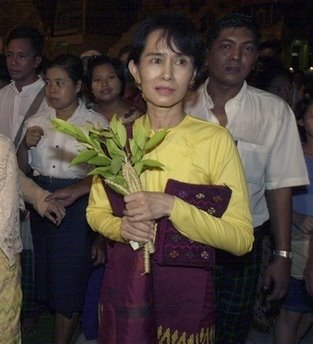


 Posts
Posts


