GLOBAL CAMPAIGN AGAINST THE 2010 MILITARY ELECTIONS IN BURMA
APPEAL
To the Minister of Foreign Affairs, Hon. Franco Frattini
To the Chairs of the Foreign Affairs Committees of the Italian Chamber of Deputies and Senate
To the EU Special Envoy for Burma, Hon. Piero Fassino
I strongly condemn the Burmese military junta, the sham Constitution and the unacceptable election laws which prevent the Burmese heroine, Aung San Suu Kyi, and the other over 2,100 political prisoners to stand in and cast their ballot at the upcoming elections, while the political parties – in order to continue to exist – must expel Aung San Suu Kyi and the other political prisoners and swear to protect and respect the “sham Constitution”.
These laws are the tragic confirmation of the total non-credibility of the elections and reveal the absolute lack of will, by the junta, to undertake a fast and effective transition to democracy.
These laws follow the imposition of a sham Constitution that will perpetuate the power of the military junta and which prevents freedom of political and trade union organisation, provides for the possibility of continuing to exploit forced labour and the continued violation of the fundamental human rights and guarantees the impunity of the members of the military who are responsible for war crimes and crimes against humanity.
Alongside the Burmese FTUB trade union and democratic organisations, I denounce these elections as a further attempt by the military junta to keep a firm hold on power, albeit in civilian clothing, in an authoritarian and repressive manner, while the rule of law will remain a fiction used by those governments that are set on continuing to deplete the country of its natural, social and human resources.
I denounce the dramatic increase in repression of the people’s fundamental human rights, in murders, rapes, arbitrary arrest, forced labour, the use of child soldiers, and the tremendous worsening of the living and working conditions of people that has sparked large-scale strikes in the industrial areas of Rangoon, forcing thousands of workers to risk their freedom.
I support the requests of the clandestine trade union movement and all of the Burmese democratic organisations calling on the international community to subject the recognition of the upcoming elections to the following conditions:
1. the immediate and unconditional release of Aung San Suu Kyi and all the other political prisoners, and the protection of their right to take part and stand in the elections;
2. the ceasing of all attacks against the ethnic communities and democratic activists;
3. the immediate launching of a genuine and inclusive dialogue between the junta, the democratic organisations and ethnic nationalities, including a reform of the Constitution.
I call on:
• the Italian Government, Parliament and the EU Special Envoy for Burma to support the three conditions detailed above and to subject the recognition of the elections to their application, launching urgent consultations with the Burmese trade unions and democratic organisations;
• the Italian Government to commit itself to ensuring that the EU decides to further strengthen the targeted economic sanctions by including the financial and insurance sectors as well, with the prohibition to make new investments and implementing certain and effective control procedures. The sanctions should be applied flexibly, according to the positive or negative developments in the political process;
• the EU to promote these legitimate requests in its negotiations with the other Asian countries;
• the EU to actively call on the UN Security Council to approve a total arms embargo on Burma;
• the EU to support the recommendations by the UN Special Rapporteur on the Situation of Human Rights in Burma to set up a UN Commission of Inquiry on the war crimes and crimes against humanity perpetrated by the junta.
Italy must no longer remain silent.
Tuesday, April 20, 2010
GLOBAL CAMPAIGN AGAINST THE 2010 MILITARY ELECTIONS IN BURMA


PRESS RELEASE-BONANNI: first signatory of the CISL Appeal for Burma
PRESS RELEASE
BONANNI: first signatory of the CISL Appeal for Burma
Appeal for a commitment against the upcoming sham elections in Burma, which are set to perpetuate the military dictatorship in civilian clothing, the violation of human rights, forced labour and the prohibition against political and trade union freedom, ensuring the impunity of the military junta for its crimes against humanity.
The CISL launches an urgent appeal to the Italian Government and to the European Union to respond to the call made by the Burmese trade unions and democratic organisations to the international community for subjecting the recognition of the upcoming elections to the following conditions:
1. the immediate and unconditional release of Aung San Suu Kyi and of all the other political prisoners, and the protection of their right to take part and stand in the elections;
2. the ceasing of all attacks against the ethnic communities and democratic activists;
3. the immediate launching of a genuine and inclusive dialogue between the junta, the democratic organisations and the ethnic nationalities, including the reform of the Constitution.
Through this appeal, CISL strongly condemns the Burmese military junta and the unacceptable election laws recently introduced, which prevent the country’s heroine, Aung San Suu Kyi, and the other over 2,100 political prisoners to stand in and cast their ballot at the upcoming elections. These laws are the tragic confirmation of the total non-credibility of the elections and reveal the absolute lack of will by the junta to undertake a fast and effective transition to democracy.
CISL invites you to sign this appeal calling on:
• the Italian Government, Parliament and the EU Special Envoy for Burma to support the three conditions detailed above and subject the recognition of the elections to their implementation, launching urgent consultations with the Burmese trade unions and democratic organisations;
• the Italian Government to commit itself to ensuring that the EU decides to further strengthen the targeted economic sanctions by including the financial and insurance sectors as well, with the prohibition to make new investments and implementing certain and effective monitoring procedures. The sanctions should be applied flexibly, according to the positive or negative developments in the political process;
• the EU to promote these legitimate requests in its negotiations particularly with the Asian countries;
• the EU to actively call on the UN Security Council to approve a total arms embargo on Burma;
• the EU to support the recommendation by the UN Special Rapporteur on the Situation of Human Rights in Burma to set up a UN Commission of Inquiry on the war crimes and crimes against humanity perpetrated by the junta.
Italy must no longer remain silent.
Sign our appeal online at the CISL website www.cisl.it or at www.birmaniademocratica.org.
Tuesday, March 30, 2010
NLD Says 'No' to Election
NLD Says 'No' to Election
By TaunggyNLD Says 'No' to Election
By Taunggyi Time သတင္း
--------------------------------------------------------------------------------
By THE IRRAWADDY Monday, March 29, 2010
Burma's main opposition party, the National League for Democracy (NLD), on Monday decided against registering for the general election this year, a party spokesman told The Irrawaddy.
“Without any objections, all the party leaders reached a consensus not to register the party and join the election because the junta's election laws are unjust,” said senior party official Khin Maung Swe who attended the meeting at the party's Rangoon headquarters. “We also agreed to call for the release of Aung San Suu Kyi and all other political prisoners.”
Members of the detained pro-democracy leader Aung San Suu Kyi's National League for Democracy gather at Rangoon's headquarters before its central committee meeting on March 29. (Photo: AP)
Party officials said that the lawyer of detained leader Suu Kyi read out a message from Suu Kyi to the party leaders at the meeting and said that “Daw Suu could not accept the party registering under the unjust laws, but she said that neither she nor anyone else owns the party. Therefore, the party members have to make the decision by themselves democratically.”
The party's 92-year-old party chairman, Aung Shwe, who recently voiced support for the party registering and taking part in the election, did not join in the meeting, but instead sent a letter stating that he would follow Suu Kyi's decision, according to the party spokesman.
Nearly 160 party representatives from across the country gathered at the party's headquarters to take part in the meeting. The discussion mainly heard the views of the party's central committee members. Reportedly, only one of them voiced the opinion that a political party “cannot be involved in politics without existing.”
“U Tin Wai from Kachin State expressed his opinion on party registration, but accepted the majority decision,” said Ohn Kyaing, a party official. The election laws prohibit parties from having members who are currently in detention, so a decision to register would have forced Suu Kyi out of the party.
About 50 party members wearing white T-shirts bearing a slogan saying “No” gathered in front of the party compound. Female party members were also reportedly holding a large green gourd presented to them by Suu Kyi last Tuesday through her lawyer. The word “No” is said to have been written on the gourd.
Although security was heightened with four riot police trucks deployed near the party headquarters, there were no reports of harassment of NLD leaders by the authorities.
Before the meeting, several township representatives and party youth leaders declared that they will stand by Suu Kyi's stance against registration, claiming that they can still struggle for democratic rights without a political party.
The party decision would appear to ensure that the NLD will cease to exist as a legal entity as of the May 7 deadline for party registration, according to the election law.
Many observers are currently speculating what will become of the party after it ceases to be a valid political entity, and what kind of action the regime will take against the NLD's leadership and its party members.
A political analyst in Rangoon, said that what the NLD does after May 7 would depend on the wit and wisdom of the party leaders at the local level.
Reuters correspondent Martin Perry said, “The boycott, however, could backfire and marginalize the NLD, possibly leading to its dissolution. Its credibility as a pro-democracy force will be questioned now it has spurned the chance to be part of a political transition that the junta itself says will be lengthy and challenging.”
Perry said that the decision of the NLD “came as a disappointment to the international community, which has long painted Suu Kyi and the NLD as the people's choice and the best hope for a democratic Myanmar [Burma].”
In Suu Kyi's statement, she said that the party will not come to an end, and she also relayed a message to the Burmese people saying that she will continue her efforts for democracy.
Last week, Suu Kyi reportedly told her lawyers that if the imprisoned former student leader Min Ko Naing could fight for democracy in Burma without a political “signpost,” she could do the same.
Charismatic Min Ko Naing and several student activists of the 88 Generation Students group were arrested in 2007 and sentenced to lengthy prison terms.
The election laws bar more than 2,000 political prisoners from taking part in the election which junta chief Snr-Gen Than Shwe described as “the very beginning of the process of fostering democracy” in his speech on Armed Forces Day in Naypyidaw on Saturday.
No date has been announced for the upcoming election, which critics have called a sham designed to keep the military in power through the facade of an elected government.
The NLD won a landslide victory in Burma's last election in 1990, but the results were never honored by the regime. Party leader Suu Kyi is currently serving an 18-month term of house arrest. With her sentence due to expire in November, Suu Kyi would not be released before the polls expected in October.
http://www.irrawadd y.org/highlight. php?art_id= 18143&page=2i Time သတင္း
--------------------------------------------------------------------------------
By THE IRRAWADDY Monday, March 29, 2010
Burma's main opposition party, the National League for Democracy (NLD), on Monday decided against registering for the general election this year, a party spokesman told The Irrawaddy.
“Without any objections, all the party leaders reached a consensus not to register the party and join the election because the junta's election laws are unjust,” said senior party official Khin Maung Swe who attended the meeting at the party's Rangoon headquarters. “We also agreed to call for the release of Aung San Suu Kyi and all other political prisoners.”
Members of the detained pro-democracy leader Aung San Suu Kyi's National League for Democracy gather at Rangoon's headquarters before its central committee meeting on March 29. (Photo: AP)
Party officials said that the lawyer of detained leader Suu Kyi read out a message from Suu Kyi to the party leaders at the meeting and said that “Daw Suu could not accept the party registering under the unjust laws, but she said that neither she nor anyone else owns the party. Therefore, the party members have to make the decision by themselves democratically.”
The party's 92-year-old party chairman, Aung Shwe, who recently voiced support for the party registering and taking part in the election, did not join in the meeting, but instead sent a letter stating that he would follow Suu Kyi's decision, according to the party spokesman.
Nearly 160 party representatives from across the country gathered at the party's headquarters to take part in the meeting. The discussion mainly heard the views of the party's central committee members. Reportedly, only one of them voiced the opinion that a political party “cannot be involved in politics without existing.”
“U Tin Wai from Kachin State expressed his opinion on party registration, but accepted the majority decision,” said Ohn Kyaing, a party official. The election laws prohibit parties from having members who are currently in detention, so a decision to register would have forced Suu Kyi out of the party.
About 50 party members wearing white T-shirts bearing a slogan saying “No” gathered in front of the party compound. Female party members were also reportedly holding a large green gourd presented to them by Suu Kyi last Tuesday through her lawyer. The word “No” is said to have been written on the gourd.
Although security was heightened with four riot police trucks deployed near the party headquarters, there were no reports of harassment of NLD leaders by the authorities.
Before the meeting, several township representatives and party youth leaders declared that they will stand by Suu Kyi's stance against registration, claiming that they can still struggle for democratic rights without a political party.
The party decision would appear to ensure that the NLD will cease to exist as a legal entity as of the May 7 deadline for party registration, according to the election law.
Many observers are currently speculating what will become of the party after it ceases to be a valid political entity, and what kind of action the regime will take against the NLD's leadership and its party members.
A political analyst in Rangoon, said that what the NLD does after May 7 would depend on the wit and wisdom of the party leaders at the local level.
Reuters correspondent Martin Perry said, “The boycott, however, could backfire and marginalize the NLD, possibly leading to its dissolution. Its credibility as a pro-democracy force will be questioned now it has spurned the chance to be part of a political transition that the junta itself says will be lengthy and challenging.”
Perry said that the decision of the NLD “came as a disappointment to the international community, which has long painted Suu Kyi and the NLD as the people's choice and the best hope for a democratic Myanmar [Burma].”
In Suu Kyi's statement, she said that the party will not come to an end, and she also relayed a message to the Burmese people saying that she will continue her efforts for democracy.
Last week, Suu Kyi reportedly told her lawyers that if the imprisoned former student leader Min Ko Naing could fight for democracy in Burma without a political “signpost,” she could do the same.
Charismatic Min Ko Naing and several student activists of the 88 Generation Students group were arrested in 2007 and sentenced to lengthy prison terms.
The election laws bar more than 2,000 political prisoners from taking part in the election which junta chief Snr-Gen Than Shwe described as “the very beginning of the process of fostering democracy” in his speech on Armed Forces Day in Naypyidaw on Saturday.
No date has been announced for the upcoming election, which critics have called a sham designed to keep the military in power through the facade of an elected government.
The NLD won a landslide victory in Burma's last election in 1990, but the results were never honored by the regime. Party leader Suu Kyi is currently serving an 18-month term of house arrest. With her sentence due to expire in November, Suu Kyi would not be released before the polls expected in October.
http://www.irrawadd y.org/highlight. php?art_id= 18143&page=2
Friday, March 12, 2010
ビルマ・アウンサンスーチー氏 ,総選挙に向け、解放しない軍政の思惑
ビルマ・アウンサンスーチー氏
総選挙に向け、解放しない軍政の思惑
自宅軟禁が続いているビルマ(ミャンマー)の民主化運動指導者アウンサンスーチー氏が、自らの拘束を不当として上告していた件で、ビルマ最高裁は二月二六日、スーチー氏側の訴えを棄却した。スーチー氏は昨年、突然訪れた米国人を自宅に入れたことが国家防御法違反とされ、禁固三年の有罪判決を宣告されていた。
最高裁の判決後、欧米諸国の政府を中心に棄却を遺憾とする談話が一通り発表されたが、棄却に驚いた声はなかった。そもそもビルマに司法の独立はなく、軍政の目的は、もっともらしい理由をつけてアウンサンスーチー氏の拘束を続けることが明らかだからだ。背景には、軍政が今年、新憲法に基づいた総選挙を実施しようとしていることがある。
国際社会の関心は総選挙が自由・公正に行なわれるかに集まりがちだが、軍政は選挙を自由・公正に行なおうとは端から考えていない。民主化改革の一環として総選挙を行なうというのはプロパガンダで、実際には軍政、特に事実上の独裁者であるタンシュエ上級大将が身体的・経済的に安全に現政権から身を引くための出口戦略という性質の方が強い。これは、選挙の根拠となる新憲法が軍政により一方的に起案されたことからも明白だ。新憲法では、議会議席の二五%を軍関係者が占めることや、アウンサンスーチー氏や現在政治囚として収容されている民主化活動家が政府に入れないことが定められるなど、様々な規定で軍支配の継続を保障しており、現軍政関係者の訴追免除規定まである。また一方で軍政は、国営・国有企業の売却を進めるなど民営化に向けた動きを活発化させている。
一九九〇年に自由・公正に行なった総選挙では、アウンサンスーチー氏率いる国民民主連盟(NLD)が大勝利を収め、軍政は大敗した。以来二〇年間、軍政は「非合法な政府」であることを理由に、国際社会からの経済制裁を受け続けてきた。また、二〇〇七年九月に起こったデモが、僧侶たちを中心に一〇万人規模まで膨れあがったことからもわかる通り、国内の軍政への不満は非常に大きい。総選挙を自由・公正に行なうことは、軍政にとってリスクが大きすぎるのである。選挙を「無事に」運営し、信頼できる勢力に議席の多数を占めさせることに、軍政は日々力を注いでいる。欧米や国連が、拘束力を持たない声明等で「選挙を自由・公正に行なえ」と言ったところで、軍政には届かない。
軍政がアウンサンスーチー氏を拘束しておきたい理由は、二つある。第一に、アウンサンスーチー氏が現在もビルマ国民に人気が高く、彼女が自由に政治活動を行なえる状態では、総選挙を軍政にとって有利に運ぶ妨げとなる。第二に軍政にとって「アウンサンスーチー解放」という交渉カードの重要性だ。氏の解放は、経済制裁の解除や欧米政府との関係改善に直接つながっている。昨年八月、米国政府内で経済制裁解除を推進していることで知られるウェッブ米上院議員がビルマを訪問した際には、欧米の要人とはめったに会おうとしないタンシュエ上級大将が自ら応対し、いつもは米国について否定的な論調の国営紙も、訪問を「米国との関係改善に向けた第一歩」と評価した。軍政がどんなに制裁解除とそれに伴う投資増や開発援助等の再開を望んでいるかは、明らかであろう。ここぞというタイミングでアウンサンスーチー氏を解放し、最大限の利益を導くためにも、スーチー氏の拘束を続けておく必要があるのだ。国際社会が「スーチー氏の参加なしでは選挙の信頼性が失われる」といくら言っても効果はない。
自由・公正であるか否かを問わず、選挙を通じて新政権が生まれてしまえば国際社会もその状態を受け入れるだろうという軍政の判断を国際社会が拒むこと。また、「(スーチー氏が参加せず)選挙の信頼性が欠ける」と軍政にとってどのような悪い結果につながるのかを国際社会が軍政に明確に示さない限り、軍政は行動パターンを変えないだろう。
秋元由紀・ビルマ情報ネットワーク
http://www.kinyobi.co.jp/backnum/antenna/antenna_kiji.php?no=1029
http://www.burmainfo.org/
Thursday, March 11, 2010
US won't accept legitimacy of Myanmar's elections
Washington - The United States will not recognize the outcome of Myanmar's elections scheduled for later this year because of new laws that ban political prisoners and the country's leading democratic activist from participating, the US State Department said Wednesday. The military junta that runs Myanmar, published a law on Wednesday that stated 2,000 imprisoned dissidents cannot participate, effectively sidelining jailed activist Aung San Suu Kyi, the leader of the National League for Democracy.
"We made clear that, given the tenor of the election laws that they have put forward, there's no hope that this election will be credible," State Department spokesman PJ Crowley said, adding the laws make the election a "mockery of the democratic process."
The regime has yet to announce a date for the election, the last of which took place 20 years ago before the military junta seized power and began rounding up democratic activists. Suu Kyi has been in prison or under house arrest for years.
The United States has applied sanctions to Myanmar to keep pressure on the regime for democratic reforms, and the Obama administration had reached out to Myanmar hoping to encourage change. But those efforts do not appear to be working.
"Our engagement with Burma will have to continue until we can make clear that the results thus far are not what we had expected and that they are going to have to do better," Crowley said.
Copyright DPA
Read more: http://www.earthtimes.org/articles/show/313477,us-wont-accept-legitimacy-of-myanmars-elections.html#ixzz0hsW9mRk4
Myanmar: Secretary-General voices concern at new electoral laws
New electoral laws unveiled by authorities in Myanmar do not meet United Nations expectations of what is required for an inclusive political process in the Asian country, Secretary-General Ban Ki-moon warned today.
Thursday, March 11, 2010By UN News
Aung San Suu Kyi
New electoral laws unveiled by authorities in Myanmar do not meet United Nations expectations of what is required for an inclusive political process in the Asian country, Secretary-General Ban Ki-moon warned today.
The UN is carefully studying the laws as they are being published by the Government in preparation for planned national elections later this year, Mr. Ban said in a statement issued by his spokesperson.
According to media reports, the new laws relate to the registration of political parties and prohibit anyone with a criminal conviction from being a member of an official party.
"The indications available so far suggest that they do not measure up to our expectations of what is needed for an inclusive political process," Mr. Ban said.
"The Secretary-General reiterates his call for the Myanmar authorities to ensure such an inclusive political process leading to fair, transparent and credible elections in which all citizens of Myanmar, including Daw Aung San Suu Kyi, can freely participate."
Ms. Suu Kyi, a Nobel Peace Prize laureate and leader of the National League for Democracy (NLD), a prominent opposition leader, has been under house arrest for much of the past two decades. In August last year she was sentenced to an additional 18 months of detention after being convicted of violating State security laws.
Last month Mr. Ban expressed disappointment that Ms. Suu Kyi"s appeal against her house arrest was rejected and reiterated his call for her release.
Myanmar is slated to later this year conduct its first elections in over 20 years as part of a Government-designed timetable towards greater democratization.
Source: UN News
Monday, March 8, 2010
Myanmar enacts election laws, paving way for polls
http://www.thestate.com/2010/03/08/1191661/myanmar-enacts-election-laws-but.html
The Associated Press
tool goes here YANGON, Myanmar -- Myanmar announced the enactment of long awaited laws on Monday that set the stage for the country's first election in 20 years to be held sometime this year.
State radio and television said the new laws would be published in state newspapers beginning Tuesday; it gave no details about them. The laws will set out the mechanisms and rules for the election and campaigning, and the conditions under which parties may participate.
Myanmar's military government announced in early 2008 that the election would take place in 2010, but has not yet set any date for it. A 1990 election was won by the National League for Democracy party of Nobel laureate Aung San Suu Kyi, but the military refused to hand over power.
The party of Suu Kyi, who is under house arrest until November, has not yet committed itself to taking part in the polls because it claims the new constitution of 2008 is unfair. It has clauses that would ensure that the military retains a controlling say in government and bars Suu Kyi from holding office.
The party has said the election laws will help it determine whether it will participate.
A spokesman for the National League for Democracy said Monday that he could not yet comment on the laws.
"We don't know what's in the laws. I can at least say that if elections are held this year, it won't be fair because political parties are not given enough time," said Nyan Win.
"Political parties need sufficient time for registration and for campaigning. Now that the laws have been enacted, it is more urgent for the party leaders to have a meeting as Daw Aung San Suu Kyi has requested in her letter in November," Nyan Win said, referring to a letter from Suu Kyi to junta chief senior Gen. Than Shwe.
Suu Kyi has consistently called for a dialogue between the government and the opposition but has received no commitment from the military regime.
The brief announcement on state television said the five laws cover an Election Commission; the polls for the Pyithu Hluttaw, or House of Representatives; the polls for the Amyotha Hluttaw, or House of Nationalities, the other house of parliament; the polls for Region and State parliaments; and the Political Parties Registration Law.
The national and regional legislatures will all include military personnel nominated by their commander in chief.
The 440-member House of Representatives will have 330 elected civilians and 110 military representatives; while the 224-member House of Nationalities will seat 168 elected candidates and 56 nominated by the military chief.
Suu Kyi has been detained for 14 of the past 20 years. The Supreme Court last month dismissed her latest appeal for freedom. She was convicted last August of violating the terms of her previous detention by briefly sheltering an American who swam uninvited to her lakeside home, and sentenced to a term of house arrest to end this November.
The sentence was seen as a ploy to effectively keep Suu Kyi locked up during any election campaign.
U.N. Secretary-General Ban Ki-moon expressed disappointment that Suu Kyi's appeal was rejected.
"The secretary-general reiterates his call for the release of all political prisoners and their free participation in the political process," U.N. spokesman Martin Nesirky said at U.N. headquarters in New York after the court ruling.
Get The State newspaper delivered to your home. Click here to subscribe.
Sunday, March 7, 2010
ေရြးေကာက္ပြဲ ဝင္ေရး မဝင္ေရး၊ အထ အထုိင္
http://www.irrawaddy.org/bur/index.php/articles/2-articles/2712-2010-03-04-07-42-11
ေရြးေကာက္ပြဲ ဝင္ေရး မဝင္ေရး၊ အထ အထုိင္
Thursday, 04 March 2010 14:40 ခက္ထန္
ယခုႏွစ္တြင္ ျဖစ္ေပၚလာမည္ဟု ဆုိသည့္ ေရြးေကာက္ပြဲ အတြက္ အနည္းဆံုး ရွိသင့္ ရွိသင့္ထိုက္ေသာ ျပင္ဆင္ခြင့္ ျပဳရမည့္ အခ်ိန္မွာ အနည္း ငယ္သာ က်န္ေတာ့သည္။ ထိုအခ်က္ကပင္ ေရြးေကာက္ပြဲ၏ ျဖစ္လာလတၱံ႔ေသာ သရုပ္သကန္ကို ေဖာ္ျပေနသေယာင္ ရွိသည္။ သို႔ေသာ္ ဤအေျခအေနမွာပင္ ကြဲျပားျခားနားေသာ အထိုင္ေပၚမွေန၍ ေရြးေကာက္ပြဲသို႔ ဝင္ေရး၊ မဝင္ေရး ဘက္ႏွစ္ဘက္မွာလည္း အေၾကာင္းျပခ်က္ ကိုယ္စီျဖင့္ ျပင္ဆင္ေနၾကသည္။ အျပန္အလွန္ ေဝဖန္ ေစာေၾကာေနၾကသည္။ မည္သို႔ေသာ အေျခခံ ကြဲျပားခ်က္ေပၚမွ ျပင္ဆင္ၾကသနည္းဟု သံုးသပ္ၾကည့္ရန္ ရွိသည္။
ထိုင္းႏိုင္ငံ၊ ခ်င္းမုိင္ၿမိဳ႕တြင္ ယခင္တပတ္က ၇ ႀကိမ္ေျမာက္ ျမန္မာ သတင္းသမဂၢ ညီလာခံ က်င္းပရာ ၂၀၁၀ ေရြးေကာက္ပြဲ ဝင္ေရး မဝင္ေရးႏွင့္ ပတ္သက္သည့္ ေဆြးေႏြးပြဲ တခု ပါဝင္ခဲ့ျပီး အၾကိတ္ အနယ္ ရွိခဲ့သည္။ ဝင္ေရး ဘက္တြင္ မၾကာေသးမီက ေပၚေပါက္ လာသည့္ ဒီမိုရက္တစ္ ပါတီမွ ဦးသုေဝႏွင့္ ျမန္မာႏိုင္ငံရွိ NGO တခုမွ ေဒါက္တာ ခင္ေဇာ္ဝင္းတို႔က ရပ္တည္ ေျပာဆိုခဲ့ ၾကၿပီး မဝင္ေရး ဘက္တြင္ ျပည္ပ အေျခစုိက္ ျပည္ေထာင္စု ျမန္မာႏိုင္ငံ အမ်ိဳးသား ေကာင္စီ (NCUB) မွ ဦးေမာင္ေမာင္က ေျပာဆိုသည္။ ယင္းသို႔ ဝင္ေရး မဝင္ေရး ဘက္ ႏွစ္ဘက္ အျပင္ နယ္ပယ္ မ်ိဳးစံုမွ လာေသာ ပရိသတ္မ်ား၏ ေမးခြန္းမ်ား၊ ေဝဖန္မႈမ်ား၊ စကားစစ္ထိုး မႈမ်ားသည္ အနည္းႏွင့္ အမ်ားဆိုသလို ျမန္မာ့ႏိုင္ငံေရး ဝန္းက်င္၏ စရိုက္ လကၡဏာကို ေရာင္ျပန္ဟပ္ ေဖာ္ျပေန သေယာင္ ရွိသည္။
ေရြးေကာက္ပြဲ ဝင္ေရး၊ အထ
ေရြးေကာက္ပြဲဝင္ေရးဆိုရာ၌ ျပည္တြင္းႏိုင္ငံေရးအင္အားစုတခ်ိဳ႕၏ ေျခလွမ္းကို ဆိုလိုပါသည္။ အစဥ္အလာ ရွိခဲ့သည့္ ဝါရင့္ ႏိုင္ငံေရးသမား တခ်ိဳ႕၊ ယင္းတို႔၏ ပါတီမ်ား၊ ေရြးေကာက္ပြဲကို ထြက္ေပါက္ဟု သေဘာထား ေပၚလြင္စြာ ေဖာ္ျပလာေသာ ျပည္တြင္း မီဒီယာမ်ားဟု ထည့္သြင္း ေရတြက္ႏိုင္သည္။ သူတို႔အဖို႔ ကာလရွည္ၾကာစြာ မလူးမလြန္႔သာသည့္ အေနအထားမွ ေရြ႕လ်ား လိုလာေသာ သေဘာကို ထင္ဟပ္သည္။ လႈပ္ရွားစရာ 'ခြင္' မရွိသည့္ အခ်ိန္တြင္ ေရြးေကာက္ပြဲကို ေကာက္ရိုးတမွ်င္ အျဖစ္ ယူဆလာသည္။ လႊတ္ေတာ္တြင္ အလုိအေလ်ာက္ ေနရာရမည့္ တပ္မေတာ္သား ကုိယ္စားလွယ္ ၂၅ ရာခိုင္ႏႈန္း ဟူေသာ ျပဌာန္းခ်က္ျဖင့္ ခ်ည္တုပ္ထားသည့္တိုင္ လတ္တေလာတြင္ ေဘာင္အတြင္းမွ လႈပ္ၾကည့္ၾကမည့္၊ လႊတ္ေတာ္ကိုလည္း 'စင္' တခု အျဖစ္ ျမင္ေယာင္ၾကည့္ေနၾကသည့္ သေဘာကို ေတြ႔ရသည္။
ဝင္ေရးဘက္မွ ရပ္တည္ ေျပာဆိုရန္ ညီလာခံ တက္ေရာက္လာသည့္ွ ဦးသုေဝႏွင့္ ေဒါက္တာခင္ေဇာ္ဝင္းတို႔က အထက္ပါ အတိုင္းပင္ ရည္ညႊန္း ေျပာဆိုခဲ့ၾကသည္။ စစ္တပ္သည္ ၂၀၀၈ ဖဲြ႔စည္းအုပ္ခ်ဳပ္ပုံ အေျခခံ ဥပေဒကို အကာအကြယ္ယူ၍ တပ္ဆုတ္သည္ဟု ဦးသုေဝက ယူဆသလို၊ ႏုိင္ငံေရးသမားမ်ား မလႈပ္ဘဲေနၾကလွ်င္ ျမန္မာျပည္ အေျခအေန ပိုဆိုးသြားမည္ ဟုလည္း ေဒါက္တာခင္ေဇာ္ဝင္းက ေထာက္ျပသည္။ သူတို႔က ေရြ႕လ်ားမရသည့္ အေနအထားတြင္ စစ္အစုိးရ ဖြင့္ေပးလာသည့္ ကန္႔သတ္ခ်က္ လမ္းေၾကာင္းအတြင္းမွ ေမွ်ာလိုက္ၾကည့္ၾကမည္ဟု သေဘာရသည္။
ဤ ဝင္ေရးဘက္ကို သံုးသပ္ၾကည့္လွ်င္ အေလွ်ာ့အတင္းႏွင့္ ကစားေနရသည့္ အျဖစ္ကို ျမင္ရသည္။ ရသည့္ ေအာက္ေျခကို တဆင့္ တိုးၾကည့္မည္၊ 'ထ' ၾကည့္မည္။ သူတို႔အတြက္ လႊတ္ေတာ္ႏွင့္ လႊတ္ေတာ္ေရာက္မွ မီးစင္ၾကည့္ကေရးသည္ ဒုတိယ အစီအစဥ္ ျဖစ္ေနသည္။ ေအာက္မွ အထက္သို႔ ေမွ်ာ္ၾကည့္သည့္ စနစ္ဟု ျမင္ရသည္။ သို႔ေသာ္ ထိုင္ေနအေကာင္းသား ထသြားမွ က်ိဳးမွန္းသိ ျဖစ္မည္လား၊ လႈပ္ၾကည့္မွ ျမဳပ္မည္လား ဆိုသည္က ေစာင့္ၾကည့္ရန္သာ ရွိသည္။
ေရြးေကာက္ပြဲ မဝင္ေရး၊ အထိုင္
မဝင္ေရး အထိုင္တြင္ ျပည္ပေရာက္ ႏိုင္ငံေရး အင္အားစုမ်ား၊ တိုင္းရင္းသား အင္အားစုမ်ား၊ ျပည္ပ မီဒီယာတခ်ိဳ႕တို႔ ပါဝင္သည္။ အမ်ဳိးသား ဒီမုိကေရစီ အဖဲြ႔ခ်ဳပ္ကမူ ဝင္ေရး မဝင္ေရးကို ေရႊဂံုတုိင္ေၾကညာခ်က္ျဖင့္ စည္းသတ္ထားသည္။ လိုက္ေလ်ာလွ်င္ ေရြးေကာက္ပြဲဝင္မည္၊ မလိုက္ေလ်ာလွ်င္ မဝင္ဟု လမ္းေၾကာင္းေပးထားျပီး ျဖစ္သည္။ ေရြးေကာက္ပြဲ မဝင္ေရး ရပ္တည္သူမ်ား အေနျဖင့္ ၉၀ ျပည့္ႏွစ္ ေရြးေကာက္ပြဲရလဒ္ကို ဆုပ္ကိုင္သည္။ ၂၀၀၈ အေျခခံဥပေဒ ျပင္ဆင္ေရးကို ေတာင္းဆိုသူက ေတာင္းဆုိသည္။ ေရႊဂံုတိုင္ ေၾကညာစာတမ္းကို ေထာက္ခံေဆာ္ၾသသူက ေဆာ္ၾသသည္။ ၉၀ ေရြးေကာက္ပြဲ ရလဒ္မွ အစခ်ီ၍ စစ္အာဏာပိုင္မ်ား၏ ကတိကဝတ္၊ လုပ္ထံုး လုပ္နည္းမ်ားကို လံုးဝမယံုၾကည္ဟု ျငင္းဆိုသည္။ ေရြးေကာက္ပြဲကို လက္မခံေၾကာင္း၊ စစ္အစုိးရက ေရြးေကာက္ပြဲကို ဆက္လုပ္လွ်င္ တုိက္ပြဲ ဆက္ဝင္မည္ဟု ဦးေမာင္ေမာင္က ဦးသုေဝ၊ ေဒါက္တာခင္ေဇာ္ဝင္းတို႔ ေရွ႕ေမွာက္မွာပင္ ေျပာခဲ့သည္။
မဝင္ေရးဘက္မွ သံုးသပ္ရမည္ဆိုလွ်င္ ေလွ်ာ့ရန္လည္း မရွိသလို၊ အေခ်ာ့လည္း မခံဟူေသာ ခံယူခ်က္ကို ထင္ဟပ္ျပသည္။ ဝင္ေရး 'အထ' အဖြဲ႔ႏွင့္ မတူဘဲ အထက္ပိုင္း ေပၚလစီျဖစ္ေသာ ၂၀၀၈ အေျခခံဥပေဒပိုင္းမွ စတင္ ကိုင္တြယ္ ျပင္ဆင္လိုျပီး က်န္ကိစၥက ဒုတိယ အစီအစဥ္ျဖစ္သည္။ အထက္မွ ေအာက္သို႔ တဆင့္ခ်င္း သြားရန္ စဥ္းစားသည့္ စနစ္ ျဖစ္သည္။ ကမာၻ႔မိသားစု အဖြဲ႔အစည္းမ်ားကုိ ဆြယ္တရားေဟာမည္ျဖစ္သည္။ အထိုင္အေနႏွင့္ 'ယိုင္' ဖို႔ မရွိဟု သံုးသပ္ရသည္။
အဓိကအားျဖင့္ ႏွစ္ဘက္စလံုး၏ ဦးတည္ရာ လမ္းေၾကာင္းတုိ႔မွာ ရသေလာက္ စၿပီး ေပၚလစီကို တက္ျပင္ေရး၊ ေပၚလစီ အေပၚပိုင္း ျပင္ျပီးမွ အေသးစိတ္ ဆက္သြားေရး ဟူ၍ ေျပာင္းျပန္ ျဖစ္ေနၾကသည္။ အတြင္းက 'ေဘာင္'ကို ကန္႔သတ္ခ်က္ အေနႏွင့္ လက္ခံျပီး ကစားသည္၊ အျပင္က 'ေဘာင္'ကို ဖ်က္သိမ္းပစ္ေရး အရင္ ေတာင္းဆိုသည္။ တနည္းအားျဖင့္ ဝင္ေရး အပိုင္းက အေပ်ာ့ထည္ သံုးျပီး မဝင္ေရးက အမာထည္ကို ကိုင္စြဲသည္။
တဖက္တြင္ စစ္အစုိးရက ေတြ႔ဆံု ေဆြးေႏြးေရးကို မသိက်ိဳးကြ်ံ ျပဳလ်က္ ေဒၚေအာင္ဆန္းစုၾကည္ အပါအဝင္ ႏိုင္ငံေရး အက်ဥ္းသားမ်ားကို ဆက္လက္ ထိန္းသိမ္းထားျခင္းျဖင့္ ျပည္တြင္း အတိုက္အခံ အင္အားစုကို ခ်ည့္နဲ႔ေအာင္ လုပ္ထားဆဲ ျဖစ္သည္။ ခါးပိုက္ေဆာင္ျဖစ္ေသာ ျပည္ေထာင္စု ၾကံ့ခိုင္ေရးႏွင့္ ဖြံ႕ျဖိဳးေရး အသင္း ေျခလွမ္း သြက္လာျခင္း၊ စစ္ဝတ္စံု ခြ်တ္ရန္ ျပင္ဆင္ျခင္း၊ ပုဂၢလိကပိုင္ ေခါင္းစဥ္ေအာက္မွ စီးပြားေရး လုပ္ငန္းမ်ားကို လႊဲေျပာင္းယူလာျခင္း စသည့္ မူမမွန္ေသာ ေျခလွမ္းမ်ားကို ေတြ႔ေနရသည္။
အာဏာပုိင္တုိ႔က ေရြးေကာက္ပြဲအတြက္ လံုေလာက္သည့္ ျပင္ဆင္ခြင့္ မေပးေသးျခင္း၊ ပြင့္လင္းျမင္သာမႈ မရွိျခင္းတို႔မွာ ေရြးေကာက္ပြဲကို လက္ခံလိုသူ၊ ဝင္လိုသူမ်ားအတြက္ပင္ ထိခိုက္ေစေသာ အခ်က္မ်ားျဖစ္သည္။ ယင္းအခ်က္သည္ပင္ ေရြးေကာက္ပြဲကို ဆန္႔က်င္သူမ်ား အဖို႔ ခိုင္မာေသာ အေၾကာင္းျပခ်က္လည္း ျဖစ္လာေစသည္။ ဝင္ခ်င္သူမ်ားအဖို႔ ေသခ်င္သည့္က်ား ေတာေျပာင္း ျဖစ္မည္ေလာ၊ အစဥ္တစိုက္ ဆန္႔က်င္သူမ်ားအဖို႔ေရာ မည္မွ် အထိုင္ ေညာင္းဦးမည္လဲ ဆိုသည္မွာ မၾကာမီ ထြက္ရွိလာမည္ဟုေမွ်ာ္လင့္ရေသာ ေရြးေကာက္ပြဲဥပေဒအျပင္ ေရွ႕တလွမ္းတိုးသြားမည့္ ေရြးေကာက္ပြဲ ရလဒ္အေပၚ မူတည္ေပသည္။ ။
ITUC Burma Conference 2010 in Tokyo held on 11-12 Feb.
(Tentative)
Statement by the International Trade Union Confederation Conference “Building
Solidarity with Burmese workers, Tokyo”,11-12 February 2010
The 5th international trade union conference on Burma hosted in Tokyo by the
JTUC-RENGO was held in order to prepare for the ITUC’s upcoming Congress in
Vancouver in June 2010, where the future strategy of the international trade union
movement with regards to Burma will be decided.
The Conference was a working session on all the strategic options available to the
international trade union movement ahead of the announced elections in Burma in
2010. The possibility that certain governments may shift their policy towards Burma in
the wake of the elections and the international trade union movement’s policy response
were discussed. In the absence of constitutional change and dialogue, the Conference
affirmed that the elections could not be considered legitimate, It expressed its firm
opposition to the 2008 constitution adopted by the regime, and called for meaningful
dialogue before elections are held.
The Conference reaffirmed the conclusions and the solidarity expressed in 2007 during
the 4th Burma Conference held in Kathmandu and called for a strengthening of the
commitment undertaken in 2007 for the restoration of democracy and to combat the use
of forced labour in Burma. The Conference welcomed the efforts undertaken by
affiliates in the region and globally to raise awareness with their governments about
workers’ rights and democratization in Burma.
Forced labour is still prevalent in Burma despite the ILO Commission of Inquiry in
1998 and people reporting cases of forced labour continue to be persecuted. Even after
the conclusion of the Supplementary Understanding in 2007, giving immunity to
victims and complainants, people have been arrested and too many remain in prison.
The Conference expressed outrage at the continued reprisals against complainants and
against the fact that the present number of detainees were as high as 23.
The Conference welcomed the holding of the first congress of the FTUB in March 2009
and the subsequent affiliation of the Burmese trade union to the ITUC and the
ITUC-AP in 2009. The Conference expressed the urgent need to address more
aggressively the situation with regards to freedom of association in Burma. The
Conference stressed that while it was important to maintain the pressure on the issue
of forced labour it should be considered, how the issue of freedom of association could be
given greater attention, especially within the framework of the ILO. It therefore
proposed tabling a complaint leading to the establishment of an ILO Commission of
Inquiry on freedom of association in Burma.
The discussion happened against the backdrop of an increasing number of strikes in
Burma by discontented workers and growing divisions within the military. In the course
of the Conference, the FTUB received information about a strike by 12000 workers
inside Burma.
The overall strategy within the ILO was discussed in depth, both with regards to forced
labour and freedom of association. The Conference reaffirmed its strong support for the
decisions of the ILO Governing Body and the Conclusions of the 2006 ILC Selection
Committee to pursue a referral to the International Court of Justice.
The strategy with regards to investment in Burma was the subject of serious
discussions. The Conference reaffirmed the commitment towards divestment and to
maintain pressure on all companies operating in Burma as their operations directly or
indirectly serve to prop the illegitimate regime. It was proposed that the different
database and information sources on pension funds and companies investing and/or
operating in Burma be better coordinated to bring more aggressively targeted pressure
to bear.
The Conference concluded that there was a need to aggressively follow-up on the call by
the ILO to Governments, Workers and Employers to take all “appropriate measures to
ensure that the said member cannot take advantage of such relations to perpetuate or
extend the system of forced or compulsory labour referred to by the Commission of
Inquiry… and report back in due course and at appropriate intervals to the Governing
Body” within the framework of its Resolution adopted in 2000.
The Conference reiterated the resolve of the international trade union movement to
support the struggles of our Sisters and Brothers in Burma and their capacity through
the FTUB to carry out their just fight for democracy and workers’ rights. The
Conference agreed a plan of action to strengthen the capacity of the FTUB by providing
support for a reinforcement of its structures. It finally committed to mobilizing support
amongst ITUC affiliates for the funding of an expansion of FTUB’s activities and
training programs.
Tuesday, March 2, 2010
Fw: [BurmaInfo] 今週のビルマのニュース(1008号)スーチー氏の上告、棄却 ビルマ軍がカレン避難民の学校を攻撃 昨年の日本の難民認定数 ほかTuesday, 2 March, 2010, 12:44 PM
━━━━━━━━━━━━━━━━━━━━━━━━━━━━━━
ビルマ市民フォーラム メールマガジン 2010/3/2
People's Forum on Burma
━━━━━━━━━━━━━━━━━━━━━━━━━━━━━━
ビルマ情報ネットワーク(BurmaInfo)からのメール(2/26付)を転送させていただき
ます。
(重複の際は何卒ご容赦ください。)
PFB事務局 宮澤
http://www1.jca.apc.org/pfb/
━━━━━━━━━━━━━━━━━━━━━━━━━━━━━━
ビルマ情報ネットワークの「今週のビルマのニュース」をお送りします。
「今週のビルマのニュース」バックナンバー
http://www.burmainfo.org/news/this_week.php?mode=3
「きょうのビルマのニュース」もご利用ください。
http://www.burmainfo.org/news/today.php?mode=2
ビルマ情報ネットワーク (http://www.burmainfo.org)
秋元由紀
========================================
今週のビルマのニュース Eメール版
2010年2月26日【1008号】
========================================
【アウンサンスーチー氏の上告、棄却される】
・ビルマ最高裁は26日、民主化運動指導者アウンサンスーチー氏が
国家防御法違反罪で有罪判決を受けた件に関し、氏の上告を棄却
した(「背景」参照)。氏は、判決の見直しを求める予定(26日共同ほか)。
【背景】アウンサンスーチー氏は現在、自宅軟禁されている。
昨年8月に禁固3年の有罪判決を宣告された直後、次の減刑措置を
受けた。刑期(3年)の半分を免除、残り半分を執行猶予とする。
執行猶予期間(1年半)は自宅に居住し、規則を守り品行方正なら
期間満了時に刑を免除する。
・アウンサンスーチー氏が率いる国民民主連盟(NLD)のスポークス
マンは「判決により、(軍政が予定している)総選挙が自由・公正と
はとても言えないものになることが示された。党首が拘束された状態
では、NLDは総選挙について引き続き苦しい立場に立たされる」と
述べた(26日イラワディ)。
【国連特別報告者、ビルマ訪問を終える】
・国連人権理事会でビルマを担当するキンタナ特別報告者が
15日から19日までビルマを訪れた。滞在中、キンタナ氏はニャンウィン外相ら
軍政高官と会談したほか、複数の刑務所で政治囚と面会し、自宅軟禁
解除直後のティンウー国民民主連盟(NLD)副議長とも会談した。
アウンサンスーチー氏との面会も希望したが認められず、「非常に残念」
だと述べた(19日AFPほか)。
【ビルマ軍がカレン避難民の学校を攻撃、少年が死亡】
・カレン州内からの情報によれば、同州北部パプン地区で19日朝、
ビルマ軍が国内避難民の集落にある学校を砲撃した。15歳の少年が
重傷を負い、診療所に運ばれたが死亡、ほかに子ども数人がけがをした。
カレン人権グループ(KHRG)は、最近現地周辺でカレン民族解放軍
(KNLA)が活動していなかったことから、ビルマ軍の攻撃は民間人の
住む集落を故意に狙ったものだと分析している。この事態を受け
英国ビルマ・キャンペーンは、ビルマ東部で起きている「人道に
対する罪」を調査する委員会の設置が必要だと改めて呼びかけた
(24日KHRGほか)。
【在日ビルマ人の難民認定者数、前年より減少】
・法務省は、2009年の難民認定申請者数は1388人(うちビルマ人568人)、
難民認定者数は30人(同18人)だったと発表した。難民として認められな
かったが人道配慮で在留が許可されたのは501人で、難民認定者と
合わせた実質的な庇護数は531人(うちビルマ人478人)だった。
前年に比べ、ビルマ人の難民認定者数は20人減少した(26日法務省)。
【ビルマへの政府開発援助(ODA)約束状況など】
新たな発表はなし
【注目レポート】
・カレン女性機構(KWO)
「ビルマ東部紛争地域のカレン民族女性村長たち」
(25日発表、英語)
http://www.karenwomen.org
ビルマ国軍に殺害される可能性が男性よりも低いという理由で
村長にされたカレン民族女性が直面する殺人、レイプ、拷問等の
人権侵害に関する報告書。KWOは国連安保理に対し、ビルマで
の人道に対する罪についての調査委員会の設置を求める。
【イベント情報】
・在日ビルマ人共同行動実行委員会
国連事務総長に対しスーチーさんを含むすべての政治囚の
釈放と対話の促進を軍政に働きかけるよう要請するアピール行動
(国連大学前、22~26日15~16時)
・ビルマの歴史学習会
講師:根本敬(上智大学教授、PFB運営委員)
主催:ビルマの歴史を学ぶ会
(東京都千代田区ふれあい会館、28日13時半~)
・ロヒンギャ民族集団訴訟(難民不認定処分取消等請求)
最終口頭弁論
(東京地裁、3月17日10時半~)
【もっと詳しい情報は】
☆Twitter公式アカウントはこちらです
http://twitter.com/BurmaInfoJapan
「きょうのビルマのニュース」
http://www.burmainfo.org/news/today.php?mode=2
ビルマ情報ネットワーク
http://www.burmainfo.org/
【お問い合わせ】
ビルマ情報ネットワーク 秋元由紀
====================================
今週のビルマのニュース Eメール版
2010年2月26日【1008号】
作成: ビルマ情報ネットワーク
協力: ビルマ市民フォーラム
====================================
━━━━━━━━━━━━━━━━━━━━━━━━━━━━━━━━━━━━━━
配布元 ビルマ情報ネットワーク(BurmaInfo) http://www.burmainfo.org
連絡先 listmaster@burmainfo.org
バックナンバー http://groups.yahoo.co.jp/group/burmainfo/
Twitter http://twitter.com/BurmaInfoJapan
RSSフィード
・新着情報 http://www.burmainfo.org/news_rss.php
・日刊ニュース http://www.burmainfo.org/news/today.php
・週刊ニュース http://www.burmainfo.org/news/this_week.php
――――――――――――――――――――――――――――――――――――――
▽転載について
・ビルマ情報ネットワーク(BurmaInfo)のメールマガジンの転載・再配布は、必ず出典を明記したうえで行ってください。
・不特定多数に配付する印刷物や、新聞、雑誌、機関紙(誌)などに掲載の際は、必ずご連絡ください。
――――――――――――――――――――――――――――――――――――――
▽メーリングリストの参加・退会・アドレス変更については以下をご覧ください。
http://www.burmainfo.org/about/mailmagazine.php
※手動での変更手続は行っておりませんが、どうしても解決できない問題が
あるときや、疑問点がある場合は管理者宛にご連絡ください。
━━━━━━━━━━━━━━━━━━━━━━━━━━━━━━━━━━━━━━
Saturday, February 27, 2010
Privatization? What Privatization? -BY IRRAWADDY
COMMENTARY
Privatization? What Privatization?
--------------------------------------------------------------------------------
By YENI Saturday, February 27, 2010
--------------------------------------------------------------------------------
Residents of Mogok, the center of Burma's gems industry, have been in a panic recently. Since last week, earth-movers and other heavy equipment have begun appearing in the town's residential neighborhoods.
This follows an earlier survey of the area carried out by local officials, the Ministry of Mines and two private companies—Htoo Trading Co, Ltd, owned by junta crony Tay Za, and Ruby Dragon Jade & Gems Co, Ltd, which counts a number of high-ranking generals among its shareholders.
“We are very worried now that our houses and land will be confiscated,” said one man living in Mogok, located some 200 km northeast of Mandalay in the “Valley of Rubies”—a land famous since ancient times for its gemstones, especially its rare pigeon's blood rubies and blue sapphires.
This is “privatization,” Burmese-stye, in action. And it is going on all over the country these days, as the ruling junta counts down to the election that will, at least nominally, end their total control of one of the world's most resource-rich yet woefully underdeveloped economies.
What is happening in Mogok—where the generals and their close associates are laying claim to anything worth owning—is also taking place everywhere else. From gas stations to hydropower plants, cinemas to telecommunications companies, factories and warehouses to airlines—everything is up for grabs.
This would be welcome news if it were a sign that the regime is finally getting around to the economic reforms it has been promising for the past two decades. Unfortunately, however, that isn't the case. What we are actually witnessing is the formal transfer of the nation's wealth into the hands of an entrenched elite who, until now, have been able to simply take whatever they want without having to worry about rival claims.
After the election, things won't be quite that simple. Although the ruling generals and their “business partners” will continue to hold a commanding position in the economy, when the new Constitution comes into effect, it will mean that, at least in theory, others will also have the right to possess property. That is why they are preemptively buying up everything in sight, before they find themselves actually having to pay a fair price for properties and concessions that they can now get virtually for nothing.
In its recent round of sell-offs, the regime has not invited public tendering or released information about the proceeds from the sales or how non-state ownership will work. Whereas privatization that takes place under more transparent circumstances usually benefits the public, resulting in lower prices, improved quality, more choices, less corruption, less red tape and quicker delivery, in the case of Burma, the country's people will once again be the biggest losers.
Since 1989, the ruling junta has periodically sold off state-owned properties as part of its so-called “open-door” economic policy. But instead of undoing the damage done by former dictator Ne Win's “Burmese way of socialism,” the regime has merely replaced it with crony capitalism.
Of course, Burma is not alone in practicing this particularly pernicious approach to economic development; nor are well-connected Burmese tycoons the only ones bargain hunting in the country.
While Surin Pitsuwan, the secretary-general of the the Association of Southeast Asian Nations and former foreign minister of Thailand, was defending the 10-member regional bloc's position on Burma's upcoming election on BBC's Hardtalk recently, a group of Thailand-based investors were visiting the country. A few weeks earlier, a similar delegation from Vietnam was also looking at investment opportunities in Burma.
But even if the Burmese regime's disregard for economic transparency and accountability is hardly unique, there's no denying that the country's standards are among the worst in the world.
According to the “2010 Index of Economic Freedom,” a report prepared by the Heritage Foundation and The Wall Street Journal, Burma ranks 174th out of 179 countries in the world in terms of economic freedom.
The report identifies a number of factors contributing to Burma's low ranking, including government interference in economic activities; structural problems such as fiscal deficits; continuing losses by state-owned enterprises; and underdeveloped legal and regulatory frameworks and poor government service. On property rights in Burma, the report states succinctly: “Private real property and intellectual property are not protected.”
What Burma needs now is not self-serving “reforms” by the country's current rulers, but a return to the rule of law under a democratically elected government. But since the coming election is not likely to deliver real change, the people of Mogok—like the rest of the country's population—can do no more than stand back and watch as the generals take away what little they have left.
Yeni is news editor of the Irrawaddy magazine. He can be reached at yeni@irrawaddy.org.
Copyright © 2008 Irrawaddy Publishing Group | www.irrawaddy.org
Anger greets Suu Kyi conviction

Supporters of Aung San Suu Kyi reacted angrily to her conviction
World leaders have reacted with anger and disappointment to the conviction of Burmese pro-democracy leader Aung San Suu Kyi for violating security laws.
The UN called for her immediate release after she was sentenced to a further 18 months of house arrest - where she has spent 14 of the past 20 years.
The US, the European Union, Britain and France were among those who condemned the verdict.
But trading partners China and India have made no public comment.
The UN Security Council adjourned an emergency session without agreeing a response to the sentencing, and will resume deliberations on Wednesday.
Keeping Aung San Suu Kyi under arrest... does not serve the proclaimed national interest
Ton van Lierop
EU spokesman
Profile: Aung San Suu Kyi
Burmese reaction
International sanctions
Putting pressure on Burma
Britain's ambassador to the UN, John Sawers, who is head of the Security Council this month, said some countries, including China and Russia, had asked for more time to consider a draft statement condemning the verdict.
Ms Suu Kyi was on trial for allowing a US national, John Yettaw, into her lakeside home after he swam there uninvited. Mr Yettaw was jailed for seven years, including four years of hard labour.
Critics of Burma's military regime say the verdict is designed to prevent Ms Suu Kyi from taking part in elections scheduled for 2010.
'Sham trial'
UN Secretary General Ban Ki-moon has said he "strongly deplores" the verdict and called for Ms Suu Kyi to be freed.
"Unless she and all other political prisoners in Myanmar [Burma] are released and allowed to participate in free and fair elections, the credibility of the political process will remain in doubt," he said.
The UN special envoy to Burma, Ibrahim Gambari, said Ms Suu Kyi was "absolutely indispensable to the resumption of a political process that can lead to national reconciliation".
US President Barack Obama called for her "immediate unconditional release", describing the extension of house arrest as unjust.
ANALYSIS
Tin Htar Swe, BBC Burmese Service editor
This verdict was unexpected. Aung San Suu Kyi herself was expecting a more severe sentence when she recently told visiting diplomats that her punishment "was obviously going to be painful".
It seems that the ruling party's real intention is to make sure she cannot influence the forthcoming elections in any way.
No one will have access to her without the authorities' approval.
A spokesman for the European Union, Ton van Lierop, said the further detention of the 64-year-old was unacceptable.
"Keeping Aung San Suu Kyi under arrest under fabricated reasons violates her fundamental freedoms, and does not serve the proclaimed national interest either," he told the BBC.
UK Prime Minister Gordon Brown said he was "saddened and angry" by the verdict in what he called a "sham" trial.
In a strongly-worded statement, he condemned the "purely political sentence".
A statement from the office of Nicolas Sarkozy said the French president was calling on the European Union to impose new sanctions on Burma.
Asian response
Human rights organisations and political parties have been swift to criticise the sentence
Ms Suu Kyi's previous period of house arrest expired on 27 May. This new term will mean she is still in detention during the polls, which are expected to take place in about May 2010.
Her party, the National League for Democracy, won the last elections in 1990 but was never allowed to take power.
In Asia, the governments of Indonesia and the Philippines have been outspoken in condemning the sentence.
But, says the BBC's Jill McGivering, it is notable that two of Burma's biggest trading partners and allies - India and China - have avoided public comment on the trial.
India and China, with Thailand, have been accused by critics of propping up the military government, especially in recent years as growing economic sanctions have strangled its trade relationship with the West.
Thursday, February 25, 2010
Tuesday, February 23, 2010
Monday, February 15, 2010
ေနအိမ္ အက်ယ္ခ်ဳပ္မွ လြတ္ေျမာက္လာသူ ဦးတင္ဦးက ေဒၚေအာင္ဆန္းစုၾကည္၏ လမ္းညႊန္ခ်က္အတိုင္း ဒီမိုကေရစီေရး ဆက္လက္ေဆာင္ရြက္ သြားမည္ဟုေျပာ
http://saffrontoward.blogspot.com/2010/02/blog-post_13.html
ရန္ကုန္ ၊ ေဖေဖၚဝါရီ ၁၃။
ျမန္မာ့တပ္မေတာ္၏ ဗိုလ္ခ်ဳပ္ႀကီးေဟာင္းႏွင့္ NLD ၏ ဒုဥကၠဌ ျဖစ္သူ ဦးတင္ဦးသည္ ယေန႔ ညေနပိုင္းက ေနအိမ္ အက်ယ္ခ်ဳပ္ က်ခံေနရရာမွ ျပန္လည္ လြတ္ေျမာက္လာခဲ့ၿပီးေနာက္ သတင္းေထာက္မ်ား၏ ေမးျမန္း ခ်က္မ်ားကို ေျဖၾကားရာတြင္ ဒီမိုကေရစီအေရးအတြက္ ဆက္လက္ ေဆာင္ရြက္သြားမည္ဟု ေျပာၾကားခဲ့ေၾကာင္း သိရပါသည္။
ေနအိမ္အက်ယ္ခ်ဳပ္ႏွင့္ အက်ဥ္းေထာင္တို႔တြင္ ခုႏွစ္နီးပါးခန္႔ ေနခဲ့ရသူ ယခု အသက္ ၈၃ႏွစ္ ရွိၿပီ ျဖစ္သူ ဗိုလ္ခ်ဳပ္ႀကီးေဟာင္းႏွင့္ NLD ၏ ဒုဥကၠဌ ျဖစ္သူ သူရ ဦးတင္ဦးသည္ ယေန႔ည ၈နာရီ ၃၀ က ေနအိမ္ အက်ယ္ ခ်ဳပ္မွ ျပန္လည္ လြတ္ေျမာက္လာၿပီ ျဖစ္ပါသည္။
၁၉၆၄ခုႏွစ္မွ ၁၉၆၆ ခုႏွစ္အထိ တပ္မေတာ္၏ ကာကြယ္ေရး ဦးစီးခ်ဳပ္အျဖစ္ တာဝန္ ထမ္းေဆာင္ခဲ့ဘူးသူ ဗိုလ္ခ်ဳပ္ႀကီးေဟာင္း သူရ ဦးတင္ဦးက လြတ္ေျမာက္လာၿပီးသည့္ေနာက္ NLD ၏ ဒုဥကၠဌ တာဝန္ကို ဆက္လက္ ထမ္းေဆာင္သြားမည္ဟု ေျပာဆိုခဲ့သလို လက္ရွိေနအိမ္ အက်ယ္ခ်ဳပ္ က်ခံေနရဆဲျဖစ္ေသာ ျမန္မာ့ အတိုက္အခံ ဒီမိုကေရစီ ေခါင္းေဆာင္ ေဒၚေအာင္ဆန္းစုၾကည္၏ ဦးေဆာင္မႈ အတိုင္း ဆက္လက္ေဆာင္ရြက္ သြားမည္ဟု ထုတ္ေဖၚေျပာၾကားခဲ့ပါသည္။
၂၀၁၀ ခုႏွစ္အတြင္း က်င္းပမည္ဟု နအဖက ေၾကျငာထားခဲ့ေသာ ေရြးေကာက္ပြဲႏွင့္ ပါတ္သက္ေသာ သေဘာ ထားကို သတင္းေထာက္မ်ား၏ ေမးျမန္းခ်က္ကို ေျဖၾကားခဲ့ရာတြင္ ဦးတင္ဦးက NLD ပါတီေခါင္းေဆာင္ ေဒၚေအာင္ဆန္းစုၾကည္ႏွင့္ NLD ပါတီ ၏ အဆံုးအျဖတ္အတိုင္း ဆက္လက္ ေဆာင္ရြက္သြားမည္ဟု ေျပာၾကား သြား ခဲ့ပါသည္။
ဦးတင္ဦးသည္ ၂၀၀၃ ခုႏွစ္ ေမလ၃၀ရက္ေန႔က က စစ္ကိုင္းတိုင္း ဒီပဲယင္းတြင္ ျဖစ္ပြားခဲ့ေသာ လုပ္ႀကံခံရမႈတြင္ ေဒၚေအာင္ဆန္းစုၾကည္ႏွင့္ အတူ ပါဝင္ခဲ့ၿပီး ေနာက္ပိုင္းတြင္ ကေလးေထာင္တြင္ ဖမ္းဆီး ခ်ဳပ္ေႏွာင္ျခင္း ခံခဲ့ ရပါသည္။
၂၀၀၄ခုႏွစ္ ေဖေဖၚဝါရီလ ၁၄ ရက္ေန႔တြင္ ဦးတင္ဦးအား စစ္အုပ္ခ်ဳပ္သူမ်ားက ရန္ကုန္သို႔ ေလယာဥ္ျဖင့္ ျပန္ပို႔ ခဲ့ၿပီး ႏိုင္ငံေတာ္ကို အႏၱရယ္ျပဳမည့္ သူမ်ားေဘးရန္မွ ကာကြယ္ေစာင့္ေရွာက္ေရး ဥပေဒျဖင့္ ေနအိမ္ အက်ယ္ ခ်ဳပ္က်ခံျခင္း ခံခဲ့ရသည္မွာ လြတ္ေျမာက္လာေသာ ယေန႔ အထိ ျဖစ္ပါသည္။
ဦးတင္ဦးသည္ ကေလးေထာင္တြင္ ၈ႏွစ္ႏွင့္ ၁၆ရက္ ေနခဲ့ရသည္သည့္ အျပင္ အထက္ပါ ဥပေဒအရ ေနအိမ္ အက်ယ္ခ်ဳပ္ ျဖင့္ ၆ႏွစ္နီးပါးခန္႔ ေနထိုင္ခဲ့ရပါသည္။
ဦးတင္ဦးက သတင္းေထာက္မ်ားကို ဆက္လက္ ေျပာဆိုရာတြင္ ျမန္မာႏိုင္ငံ ဒီမိုကေရစီ ျပဳျပင္ေျပာင္းလဲေရး အတြက္ ေဒၚေအာင္ဆန္းစုၾကည္၏ ဦးေဆာင္မႈ အတိုင္း ဆက္လက္ ေဆာင္ရြက္သြားမည္ဟု ေျပာျပသြားခဲ့ပါ သည္။
ျပည္တြင္း သတင္းေထာက္(ေရႊဝါေရာင္ သတင္းလႊာ)
Thursday, February 11, 2010
Sunday, February 7, 2010
မိန္းမသားေပမယ့္ ႏုိင္ငံေရးမွာ အားမငယ္
http://laminkhinkhin.blogspot.com/2010/02/blog-post_04.html
မအိေရႊစင္ညႊန္ ့ဘေလာက္က ကူးယူ တင္ျပပါသည္။
ေလးစားစြာျဖင့္-
ဘုန္းလိႈင္
မိန္းမသားေပမယ့္ ႏုိင္ငံေရးမွာ အားမငယ္
Thursday, February 4, 2010
နန္းခင္ေထြးျမင့္
အန္တီ နန္းခင္ေထြးျမင့္ ရဲ့ပံု နဲ ့သူ ့သေဘာတရားေတြ ေရးထားတာကို ကိုမိုးသီးဘေလာ့မွာ
ဒီေန ့ေတြ ့လိုက္ရေတာ့ က်မတို ့ေခါင္းေဆာင္ေဒၚေအာင္ဆန္းစုႀကည္ အာရွေတာ္၀င္ေဆးရံုတက္စဥ္က သူမ
ရန္ကုန္ကိုအေျပးေရာက္လာျပီးအာရွေတာ္၀င္ေဆးရံုရဲ့အ၀င္အထြက္ေလွခါးထစ္ေလးမွာအမ်ိဳးသားဒီမိုကေရ
စီအဖြဲ ့ခ်ဳပ္၀င္ေတြနဲ ့အတူအန္တီ့က်မ္းမာေရးကို လာေရာက္ပူပင္ေစာင့္ႀကည့္ေနခဲံတာေလးက်မသတိရမိတယ္
တကယ္ပါပဲ အန္တီနန္းခင္ေထြးျမင့္ဟာ သူ့ရပ္တည္ခ်က္ကိုခုထိခိုင္ခိုင္မာမာျပတ္ျပတ္သားသားရပ္တည္ေန
သလို အမ်ိဳးသမီးနိုင္ငံေရးသမားမ်ားအားလံုးအတုယူေလာက္တဲ ့သတၱိနဲ ့ေပးဆပ္ေနမွဳေတြသူ့မွာအျပည့္ရွိေန
ဆဲပါ။ က်မအထင္ႀကီးေလးစားတဲ့အမ်ိဳးသမီးေတြထဲမွာေဒၚနန္းခင္ေထြးျမင့္လည္းအ၀င္အပါမို ့အခ်ိန္အခါန့ဲ ့ကိုက္ညီစြာ ခြန္အားေပးတဲ့ သူမရဲ့စာသားေလးေတြ ကို ထပ္ဆင့္ေဖၚျပလိုက္ပါတယ္ ။။
ေမအိခင္(လယ္ေ၀း) ္
က်မတုိ႔ရဲ႕ အမ်ဳိးသား ဒီမုိကေရစီ အဖဲြ႔ခ်ဳပ္ (NLD) မွာ အမ်ဳိးသမီးေတြ အင္နဲ႔အားနဲ႔ ပူးေပါင္းခ့ဲၾကတာ ေဒၚေအာင္ဆန္းစုၾကည္ ေၾကာင့္ပဲ။ အမ်ဳိးသမီး အဖဲြ႔၀င္ေတြကုိ သူက လမ္းဖြင့္ေပး၊ ျပဳစု ပ်ဳိးေထာင္ ေပးတ့ဲအတြက္ အျမင္က်ယ္လာ ၾကတယ္။ သူ႔ရဲ႕ေခါင္း ေဆာင္မႈ ေနာက္ကုိ ယုံၾကည္မႈအျပည့္နဲ႔ လုိက္ၾကတယ္။
က်မတုိ႔က အမ်ဳိးသား ေခါင္းေဆာင္ ေတြကုိလည္း ေလးစား ၾကပါတယ္။ ဒါေပမယ့္ ေဒၚေအာင္ဆန္း စုၾကည္ကုိေတာ့ ေလးစားမႈအျပင္ အားက်ၾကတာကုိ ေတြ႔ရတယ္။
က်မ ပါ၀င္လႈပ္ရွားေနတ့ဲ NLD က တရား၀င္ ႏုိင္ငံေရး အဖဲြ႔ပဲ။ ဒါေပမယ့္ ရုံးေတြ ပိတ္ထားရတယ္။ ဟုိတုန္းက ရုံးေတြ မပိတ္ရ ေသးခင္ကလည္း အာဏာပုိင္ေတြက တခ်ိန္လုံး ေစာင့္ၾကည့္ေနတယ္ ဆုိေတာ့ က်မတုိ႔က ေျမေအာက္ လႈပ္ရွားမႈထဲမွာ ပါ၀င္ ေနရသလုိပဲ ပုန္းလွ်ဳိး ကြယ္လွ်ဳိး လုပ္ေနရတယ္။
တခ်ဳိ႕လည္း တက္ၾကြေပမယ့္ ၿငိမ္ေနရတယ္။ ဥပမာ က်မတုိ႔ ကရင္ျပည္နယ္မွာ ထုိင္းႏုိင္ငံဘက္ကုိ သြားၿပီး အလုပ္လုပ္တ့ဲသူေတြ အမ်ားႀကီး ရိွတယ္။ ကုိယ့္မိသားစုထဲက တေယာက္ ေယာက္က ထုိင္းႏုိင္ငံမွာ သြားၿပီး အလုပ္ လုပ္ေနတယ္ ဆုိတာ ဒီေဒသမွာ အဆန္းမဟုတ္ေတာ့ဘူး။ ဒါဟာ ဥပေဒနဲ႔ မကင္းဘူး၊ တရားမ၀င္ နယ္စပ္ျဖတ္ေက်ာ္မႈ ျဖစ္တယ္၊ ဖမ္းလုိ႔ရတယ္ ဆုိၿပီး ၿခိမ္းေျခာက္တယ္။ တျခားနည္းနဲ႔ ေျခာက္လွန္႔ ထားတာေတြလည္း ရိွတယ္။ ဒါေၾကာင့္ ၿငိမ္ေနရတယ္။ တျခား ေဒသေတြမွာဆုိရင္လည္း အေၾကာင္းအမ်ဳိးမ်ဳိးေၾကာင့္ ဥပမာ စား၀တ္ေနေရးေၾကာင့္ ဒီမုိကေရစီေရး လႈပ္ရွားမႈနဲ႔ ကင္းကြာေနသူေတြ ရိွတယ္။
က်မကုိ လာၿပီး စည္းရုံးတာ ရိွပါတယ္။ ႏုိင္ငံေရးလႈပ္ရွားမႈကေန ကင္းကင္းေနဖုိ႔၊ စီးပြားေရးကုိပဲ လုပ္ဖုိ႔ စည္းရုံးတယ္။ က်မက စား၀တ္ေနေရး အခက္အခဲ မရိွေတာ့ ဖိအားေတြကုိ တင္းခံႏုိင္တယ္။ ဒါေပမယ့္ လူတုိင္းက ကုိယ္နဲ႔ အေျခအေန မတူဘူး။ သားသမီးေတြ မ်ားမယ္၊ စား၀တ္ေနေရး ခက္ခဲမယ္ဆုိရင္ သူတုိ႔က တက္ၾကြေပမယ့္လည္း စိတ္ေလွ်ာ့လုိက္ရတာေတြ ရိွတယ္။
ဘယ္သူကမွ ကုိယ့္သားသမီးကုိ၊ ကုိယ့္မိသားစုကုိ၊ ကုိယ့္မိဘကုိ အငတ္မထားခ်င္ဘူး။ ဒီလုိ မိသားစု စား၀တ္ေနေရးအတြက္ ရုန္းကန္ေနရတာေၾကာင့္ လႈပ္ရွားမႈနဲ႔ ကင္းကြာသြားၾကတယ္။ နင္တုိ႔က မလုပ္ႏုိင္ဘူးလားဆုိၿပီး ဒီလုိ သြားေျပာလုိ႔လည္း မသင့္ေတာ္ဘူး။ ဒီမုိကေရစီေရး လႈပ္ရွားမႈက ၂၁ ႏွစ္ေက်ာ္လာၿပီ ဆုိေတာ့ စား၀တ္ေနေရး ပူပင္စရာမလုိတ့ဲသူ၊ တင္းခံႏုိင္တ့ဲသူ ေတြပဲ ဆက္ၿပီး လႈပ္ရွားေနတာ ေတြ႔ရတယ္။
၂၁ ႏွစ္အတြင္း လႈပ္ရွားမႈမွာ ေငြေၾကး၊ အခြင့္အေရး စသျဖင့္ ဘာအက်ဳိးအျမတ္မွ မရိွဘဲ လုပ္ခ့ဲၾက လုပ္ေနၾကတ့ဲသူေတြ အင္မတန္ ေလးစားဖုိ႔ ေကာင္းပါတယ္။ ဒီလုိ လႈပ္ရွားတ့ဲေနရာမွာ ေဆးကုသခြင့္ လုိင္စင္၊ ေရွ႕ေနလုိက္ခြင့္ လုိင္စင္ အသိမ္းခံရတ့ဲ သူေတြ ရိွတယ္။ လုပ္ငန္းေတြ သိမ္းတယ္။ ဥပမာဆုိရင္ မႏၱေလးတုိင္းက ေဒၚ၀င္းျမျမ ဆုိရင္ လုပ္ငန္းေတြ အမ်ားႀကီး အသိမ္းခံရ တယ္။ သိမ္းရုံတင္ မဟုတ္ဘူး၊ ေထာင္ထဲပါ ထည့္ပစ္တယ္။ ေထာင္ထဲေရာက္ေနတ့ဲသူေတြကုိလည္း က်မတုိ႔ ေမ့ထားလုိ႔ မရဘူး။ သူတုိ႔လည္း ဒီ၂၁ ႏွစ္တာ လႈပ္ရွားမႈအတြင္းမွာ နည္းမ်ဳိးစုံနဲ႔ အဆက္မျပတ္ ဟန္႔တားတာကုိ ရင္ဆုိင္ၿပီး အနစ္နာခံ လုပ္ေနသူ ေတြပါပဲ။
၂၁ ႏွစ္ေက်ာ္ေတာင္ လုပ္ခ့ဲၿပီးၿပီ မေအာင္ျမင္ေသးဘူး။ ဒါကုိေတာင္ စိတ္ဓာတ္မက်ေသးဘူးလား၊ ဆက္လုပ္ဦးမွာလား ဆုိၿပီး ေမးလာရင္ေတာ့ မက်ဘူးလုိ႔ ေျဖရမယ္။ က်မတုိ႔ ၂၁ ႏွစ္ ရုန္းကန္ခ့ဲရတာ အလဟႆ မဟုတ္ဘူး။ ၂၁ ႏွစ္ ကုန္ခ့ဲတာဟာ ဒီမုိကေရစီရဖုိ႔ ၂၁ ႏွစ္ နီးလာတာေပါ့။
ေသခ်ာ စဥ္းစားၾကည့္ရင္ ဒီမုိကေရစီေရး လႈပ္ရွားမႈမွာ ပါမွ မဟုတ္ပါဘူး၊ ကင္းကြာေနရင္လည္း က်မတုိ႔ဟာ လုံၿခဳံစိတ္ခ်ၿပီလုိ႔ ဘယ္သူမွ အာမ မခံႏုိင္ပါဘူး၊ ၿမိဳ႕ထဲမွာ၊ ရပ္ကြက္ထဲမွာ၊ ရုပ္ရွင္ရုံေတြမွာ ဖမ္းတယ္ ဆုိတာေတြသတင္းေတြမွာ ၾကားမွာေပါ့ ။ အဖမ္းခံရသူေတြဟာ ဘာျပစ္မႈမွက်ဴးလြန္တ့ဲသူေတြမဟုတ္ဘူး။ လူေကာင္းေတြ။ ကရင္ျပည္နယ္မွာ ေပၚတာဆဲြတာကအရင္တုန္း ကေတာ့ အမ်ဳိးသားေတြကုိပဲ ဆဲြတယ္။ အမ်ဳိးသားေတြကုိမေတြ႔ရင္ အမ်ဳိးသမီးေတြကုိလည္း ဆဲြတယ္။ အခုေနာက္ပုိင္း အမ်ဳိးသမီး ေတြကုိ ေပၚတာဆဲြတာကုိ အာဏာပုိင္ေတြ ပုိၿပီးစိတ္၀င္စားလာပုံရတယ္။ အၿမဲေတြ႔ေနရတာကေတာ့ လုပ္အားေပးခုိင္းတာပဲ။
ဒီ ၂၁ ႏွစ္အတြင္း အားရစရာ၊ အေကာင္းျမင္စရာ ဘာရိွသလဲ ဆုိရင္ တခုပဲ ရိွတယ္၊ အဲဒါကေတာ့ လူေတြဟာ ဒီဒုကၡေတြကုိ ခါးစည္းခံႏုိင္တယ္ ဆုိတာပဲ။ ဘယ္ေလာက္ပဲ ေသေသ၊ ဘယ္ေလာက္ပဲ ေပၚတာေတြ ေခၚေခၚ၊ လုပ္အားေပး ဘယ္ေတာ့ပဲ ေခၚေခၚ သြားရတာပဲ။ အလုပ္ပ်က္ အကုိင္ပ်က္ သြားရတာပဲ။ အာဏာပုိင္ေတြ ရာဘာစုိက္တယ္၊ စပါးစုိက္တယ္ ဆုိရင္လည္း ရြာကလူေတြ သြားစုိက္ေပးရတယ္၊ သူတုိ႔စီမံကိန္းေတြမွာ အစစ အရာရာ သြားလုပ္ေပးရတယ္။ ရြာကလူေတြဟာ ၿမိဳ႕ကလူေတြထက္ ပုိၿပီး အႏုိင္က်င့္ခံရတယ္။ သိပ္သနားစရာေကာင္းတယ္။
ျမန္မာျပည္မွာ အက်ဥ္းေထာင္ထဲက ျဖစ္ရပ္ေတြကေန တုိင္းရင္းသား အေရးအထိ အနာဂတ္ကာလမွာ အခ်ိန္အမ်ားႀကီး ယူၿပီး ေျဖရွင္းရမွာပါ။ တခ်ိန္ခ်ိန္ အေျခအေန ေပးလာတ့ဲအခါ အေရးတႀကီး ျပဳျပင္ရမယ့္အထဲမွာ ပညာေရးက႑ဟာ ထိပ္ဆုံးမွာ ရိွပါလိမ့္မယ္။ ေလာေလာဆယ္ေတာ့ ျပဳျပင္ဖုိ႔ ေနေနသာသာ ဒီမုိကေရစီက ဘယ္နားေနမွန္း မသိေသးဘူး။
၁၉၉၀ ေရြးေကာက္ပဲြမွာ အေရြးေကာက္ခံရတ့ဲ လူထုကုိယ္စားလွယ္ ၄၀၀ ေက်ာ္မွာ အမ်ဳိးသမီးအေရအတြက္က ၁၅ ေယာက္ပဲ ပါတယ္ ဆုိေပမယ့္ နည္းတယ္ဆုိၿပီး ေျပာလုိ႔မရဘူး။ အဲဒီကာလတုန္းက ေရြးေကာက္ပဲြ ဆုိတ့ဲ စကားလုံးကုိ သိတာ မဟုတ္ဘူး။ က်မက အဲဒီတုန္းက အသက္ ၃၀ ေက်ာ္ပဲ ရိွေသးတယ္ ဆုိေပမယ့္ မိသားစုကလည္း ႏုိင္ငံေရး အသုိင္းအဝုိင္းက ျဖစ္တ့ဲအတြက္ ေရြးေကာက္ပဲြ ဆုိတ့ဲ စကားလုံးကုိ ၾကားဖူးနားဝ ရိွတယ္။ ဒါေပမယ့္ ေရြးေကာက္ပဲြ ဆုိတာကုိ လူတုိင္းက သိတာ မဟုတ္ဘူး။ ဘာေၾကာင့္လဲ ဆုိေတာ့ အႏွစ္ ၃၀ နီးပါး တပါတီ စနစ္နဲ႔ ႀကီးျပင္းလာရတာေလ။
ဒီႏွစ္ထဲမွာ ေရြးေကာက္ပဲြလုပ္မယ္၊ ဒီမုိကေရစီအလင္းေရာင္ ေတြ႔ေနရၿပီလုိ႔ ေျပာတာေတြေတာ့ ၾကားရမွာေပါ့။ ၿပီးေတာ့ ၂၀၁၀ ေရြးေကာက္ပဲြဟာ ျမန္မာႏုိင္ငံ အတြက္ေရာ၊ ႏုိင္ငံသားေတြအတြက္ပါ ေကာင္းက်ဳိး ေပးမယ္လုိ႔ မစားရ ၀ခမန္း ေျပာတာေတြ ၾကားရမွာေပါ့။ အေျခခံ ဥပေဒလည္း ေပၚလာၿပီလုိ႔ ေျပာၾကတယ္။ တကယ္ေတာ့ ေရွ႕မွာ ဘာမွ မရိွဘူး။ အေမွာင္ႀကီးပဲ။ ဒါေပမယ့္ ဘယ္ေလာက္ပဲ ေမွာင္ေနပါေစ က်မတုိ႔က ယုံၾကည္ခ်က္ ျပင္းထန္လုိ႔ လုပ္ေနၾကတာပဲ။
က်မတေယာက္တည္းရဲ႕ သေဘာ ေျပာရရင္ လာမယ့္ ေရြးေကာက္ပဲြမွာ NLD ကုိ မဝင္ေစခ်င္ဘူး။ အာဏာပုိင္ေတြ ေရးဆဲြထားတ့ဲ အေျခခံ ဥပေဒက တဖက္သတ္ ဆန္လြန္းတယ္။ ဒီအေျခခံဥပေဒကုိ ျပန္သုံးသပ္၊ ျပင္ဆင္ၿပီးမွပဲ၂၀၁၀ ေရြးေကာက္ပဲြ၀င္ေရး မ၀င္ေရးကုိ စဥ္းစားသင့္ပါတယ္။
၂၀၁၀ မွာေတာ့ ေရြးေကာက္ပဲြကုိ စိတ္၀င္စားတ့ဲ အမ်ဳိးသမီးအေရအတြက္ ပုိမ်ားလိမ့္မယ္၊ အမ်ဳိးသမီးေတြရဲ႕ ႏုိင္ငံေရးအသိ ပုိၿပီး ႏုိးၾကားလာမယ္၊ တက္ၾကြလာမယ္။ ဒါေပမယ့္ အမ်ဳိးသမီးေတြအတြက္ အခြင့္အေရးကေတာ့ ၁၉၉၀ ေရြးေကာက္ပဲြထက္ ပုိၿပီး နည္းလိမ့္မယ္။
ဘာျဖစ္လုိ႔လဲ ဆုိေတာ့ ၂၀၀၈ ခုႏွစ္မွာအာဏာပုိင္တုိ႔ ျပဌာန္းလုိက္တ့ဲ ဖဲြ႔စည္းအုပ္ခ်ဳပ္ပုံ အေျခခံ ဥပေဒအရဆုိရင္ တပ္မေတာ္သား ကုိယ္စားလွယ္ေတြက ၀င္မၿပိဳင္ဘဲနဲ႔ လႊတ္ေတာ္မွာ ကုိယ္စားလွယ္၂၅ ရာခုိင္ႏႈန္း အလုိအေလ်ာက္ ရရိွပါလိမ့္မယ္။ ဒီလုိရသြား ေအာင္ စီစဥ္ထား၊ ျပဌာန္းထားတာပါ။ ဒါေၾကာင့္ က်န္တ့ဲ ကုိယ္စားလွယ္ ၇၅ ရာခုိင္ႏႈန္းအတြက္ပဲ အမ်ဳိးသမီးေတြ က ပါ၀င္ အေရြးခ်ယ္ခံႏုိင္တယ္ ဆုိေတာ့ အခြင့္အလမ္း အမ်ားႀကီး နည္းသြားၿပီ။
အမ်ဳိးသမီးေတြအတြက္ ထိခုိက္ နစ္နာေစတ့ဲ အခ်က္တခုကလည္း ဒီ အေျခခံ ဥပေဒမွာ သတ္မွတ္ထားေသးတယ္။ အဲဒါက ႏုိင္ငံေတာ္သမၼတ ဆုိတ့ဲ အခန္းမွာပါ။ ႏုိင္ငံေတာ္ သမၼတဟာ အမ်ဳိးသမီးမျဖစ္ရဘူးလုိ႔ မျပဌာန္းထားပါဘူး။ အဲဒီလုိ မျပဌာန္း ထားေပမယ့္ သမၼတဟာ စစ္ေရးအေတြ႔အႀကဳံရိွရမယ္လုိ႔ ဆုိထားတယ္။ ဒီေတာ့ ရွင္းေနတာပဲ၊ အေျခခံဥပေဒအရ အမ်ဳိးသမီးေတြ ဟာ သမၼတ မျဖစ္ႏုိင္ေတာ့ဘူး။
၁၉၉၀ အေျခအေနနဲ႔ ၂၀၁၀ အေျခအေနနဲ႔က ဘာမွ မဆုိင္ဘူး။ ၁၉၉၀ ျပည့္ႏွစ္ ေရြးေကာက္ပဲြက လြတ္လပ္တယ္၊ တရားမွ်တ တယ္လုိ႔ ဆုိႏုိင္တယ္။ လူထုကလည္း လုိလုိလားလား မဲေပးၾကတယ္။ ၿခိမ္းေျခာက္ၿပီး မဲထည့္ခုိင္းတာမ်ဳိး မရိွခ့ဲဘူး။
အခုက အေျခအေနက ဘာမွ လြတ္လပ္မႈ မရိွဘူး။ ၂၀၁၀ ေရြးေကာက္ပဲြဟာ လြတ္လပ္မယ္လုိ႔လည္း ဘယ္သူကမွ အာမ မခံဘူး။ ၀င္ၿပိဳင္မယ့္သူကလည္း ယုံၾကည္မႈ အျပည့္အ၀ ရိွမွာ မဟုတ္ဘူး။
က်မတုိ႔ရဲ႕ အဆုံးအစြန္ေသာ ရည္ရြယ္ခ်က္ကလည္း ဒီမုိကေရစီ ရရိွဖုိ႔ပဲ။ က်မတုိ႔ရဲ႕ ရည္ရြယ္ခ်က္က ေရြးေကာက္ပဲြ တခု ေပၚေပါက္ေရး မဟုတ္ဘူး။ ေရြးေကာက္ပဲြဆုိတာ ဒီလမ္းမွာ ရိွတ့ဲ ေလွခါးထစ္တခုပဲ ဆုိတာ မွန္ပါတယ္။ ဒါေပမယ့္ ေလာေလာ ဆယ္ စီစဥ္ေနတယ္ ဆုိတ့ဲ ဒီေရြးေကာက္ပဲြက ဒီမုိကေရစီစနစ္ဆီ သြားဖုိ႔ အေထာက္အကူျပဳသလား၊ မျပဳသလား ဆုိတာကေတာ့ အမ်ားႀကီး ေမးစရာ ရိွတယ္။
နန္းခင္ေထြးျမင့္သည္ အမ်ဳိးသား ဒီမုိကေရစီ အဖဲြ႔ခ်ဳပ္ အဖဲြ႔၀င္တဦး ျဖစ္သည္။ ၁၉၉၀ ျပည့္ႏွစ္ ေရြးေကာက္ပဲြတြင္ ဘားအံၿမိဳ႕နယ္ မဲဆႏၵနယ္ အမွတ္ ၃ မွ ေရြးေကာက္ခံရသည့္ ျပည္သူ႔လႊတ္ေတာ္ကုိယ္စားလွယ္ျဖစ္သည္။
http://laminkhinkhin.blogspot.com/2010/02/blog-post_04.html
Wednesday, February 3, 2010
Bangkok Post - EDITORIAL:Junta thumbs nose at world
Bangkok Post - EDITORIAL:Junta thumbs nose at world
Published: 1/02/2010 at 12:00 AM
Newspaper section: News
Burma has responded clearly to an attempt at engagement by the United States, a hopeful statement from Asean partners and a pass from any sort of criticism for a year by Europe. The response is not just a dismissal of neighbours and others, but another violent, more horrendous crackdown on its people. In recent weeks, Burmese authorities have made things worse than ever inside the country and, by extension, shrugged off world opinion with a dismissive wave of the hand. It is clear now that there is no real chance that a scheduled election this year will improve the nation or move it towards democracy.
The first sign that Burma intended to stay undemocratic came at a trial in early January. An army major and a foreign ministry official were sentenced to death for revealing so-called ''state secrets''. They had allegedly passed photos and information to Burmese in exile about relations with North Korea, including a tunnel network being constructed with the help of Pyongyang. Whether the secrets were really secrets is questionable, since photos of the tunnels were published on the internet. Clearly, the trial of Major Win Naing Kyaw and bureaucrat Thura Kyaw had two purposes. The first was to intimidate all Burmese into avoiding contact with foreigners or Burmese dissidents. The second was to make it clear the military junta will not be questioned, and will never be accountable.
The case of Kyaw Zaw Lwin was yet another sign of the regime's iron fist. He was one of the organisers of the 1988 pro-democracy uprising. He was forced into exile in the US,where he became a citizen. He received a visa late last year in order to visit his ailing mother _ who is serving a prison sentence for political crimes. When he arrived at Rangoon airport, he was immediately arrested on charges of possessing a forged Burmese ID card, and for failure to declare foreign currency. He has reportedly been tortured, and confirmed to have been confined in a dog pen.
His treatment recalls the cruelty of the Burmese regime in the case of Aung San Suu Kyi, the winner of the last election in Burma, 20 years ago. When her husband was dying, the regime refused to allow her to visit him on his deathbed. The requests of her own children to visit her have repeatedly been turned down. She has constantly been tarred and humiliated for having a foreign husband at all.
And, of course, in its latest campaign to show its power, the regime chose to pick on Mrs Suu Kyi. Through sheer determination ''The Lady'' has become a world symbol of peaceful insistence that people must be free and governments must be accountable. To punish her for these ideals, the regime has locked her up for most of the past 20 years. Last week, the government mocked even its own thin veneer of justice.
With a Supreme Court verdict due on the legality of her house arrest, Home Minister Maj Gen Maung Oo said in effect it really didn't matter. Mrs Suu Kyi will likely be freed in November, as the ruling generals _ including Maj Gen Maung Oo _ have already decided.
Conveniently, this decision means that the country's leading proponent of democracy and its only prominent opposition leader will be confined and silenced for the new election.
The timing of that vote, by the way, is still a state secret. But whenever it is, probably late this year, Mrs Suu Kyi will be locked down throughout the campaign and the vote. With this decision, Burma has forfeited all right to claim its election is legitimate, let alone democratic.
************ ********* ********* ********* ********* ********* ***
The Global Post - Proposed dam to flood Burma, while powering China
The Global Post - Proposed dam to flood Burma, while powering China
A large dam being planned in Kachin state will flood an area the size of New York City and displace thousands of local people.
By Ryan Libre — Special to GlobalPost
Published: January 31, 2010 09:18 ET
MYITKYINA, Burma — On the first morning of each New Year, hundreds of people come to pray on the banks of the Irrawaddy River in northern Burma.
This year, they prayed that their villages, farms and churches would not be drowned.
A large dam will flood an area the size of New York City and displace thousands of local people over the next two to three years. The Myitsone dam, constructed by the Burmese military government and the China Power Investment Co., calls for a 500-foot-wide by 500-foot-high dam face, and is projected to produce between 3,600 to 6,000 megawatts of electricity by 2017.
The dam will inundate 300 square miles in Kachin state, flooding 47 villages, including the Mother of Peace shrine where the traditional New Year's prayers are held.
But the capital of Kachin state, Myitkyina, already has affordable power 24 hours a day. So, why displace thousands of people in Burma when they already have power?
Because when the Myitsone dam is complete, the hydroelectric power will go to Yunnan, China. In addition, the water reserves will irrigate a mega-plantation inside the protected Hukawng Valley in Burma, now home to the world's largest tiger reserve, furthering the displacement of people and destruction of the environment.
The dam will generate an estimated $500 million in gross annual revenue for the Burmese government, which has long been criticized for its gross human rights abuses — including but not limited to the recent trial, conviction and sentencing of pro-democracy leader Aung San Suu Kyi, and the brutal crackdown of Buddhist monks in September 2007.
Kachin is extremely rich in natural resources. Jade, gold, teakwood and silicone are exported in large quantities, and the mountainous, fertile terrain offers many hydropower sites. But because the Burmese government tightly controls resources and politics, the Kachin people have little say in their land and little benefit from its exploitation.
Construction jobs are earmarked for Chinese migrants, not the local people of Kachin. The opening ceremony for the Myitsone dam was held with high-powered officials from both the Burmese and Chinese government. The few local villagers who were present had been
instructed to attend. Chinese work camps already have been built near the Mother of Prayer shrine, and the first truckloads of workers are gearing up for construction.
Caravans of Burmese soldiers have arrived to secure both the dam site and the Chinese labor camps. The signs pointing the way to the dam site are up, not in the local language, Jinghpaw, but in Chinese.
Burmese gold miners and loggers from the south also have come north with help from military contacts to start extraction, industrial and commercial enterprises. Like many Kachins, the local villagers facing displacement are poor and pious.
The Burmese government and China are also collaborating on a pipeline to bring oil from the Bay of Bengal through lowland Burma and the Shan state to Yunan, bypassing the long maritime route through the bottle-necked Strait of Malacca, according to the China Daily.
Bilateral investment, trade and arms deals with China bankroll the Burmese military government, despite sanctions by many of the world's largest economies, according to the BBC.
Lacking the basic rights to express their opposition, people in Burma have been unable to protest the dam and pipeline projects. The Burmese military is bankrolled by the vast
Burmese resources it extracts and sells, and it maintains power despite widespread popular opposition and international condemnation, according to the Burma River’s Network, which represents communities in Burma affected by dam projects.
Twenty-five large dams are planned or are under construction in Burma, the Burma River Network said, and Kachin locals say they worry about the dams' safety. In 2006, two dams in Kachin state broke under stress after heavy rains. One of these dams failed and destroyed hundreds of patty fields and farms. The other, the 2.5 megawatt Chying Hkrang dam, relatively small in comparison to the 3600-megawatt Myitsone dam, collapsed killing five people.
Kachin people have voiced worries about the Myitsone dam's planned location 24 miles above the state capital and 62 miles from Burma’s earthquake prone Sagaing fault line.
"If I have to move, I will not move downstream to the capital," said a local pastor. "I could never get a good night sleep because I think this dam will also break."
The Mother of Peace shrine sits on an island where the Mali and Mai rivers converge to create the great Irrawaddy River. The New Year's prayer ceremony is deeply religious and apolitical. Villagers ask for forgiveness for their sins, and they pray for health, safety and peace.
"I will pray silently and directly to God for a miracle, to stop the dam project," said one villager. "I will not voice this prayer out of concern for my safety. I have no illusions that the government cares what I think."
Foreign Policy Magazine - Rumble in the Junta
JUST FOR THE INFORMATION
(I do not agree everything with this article)
Phone Hlaing
Foreign Policy Magazine - Rumble in the Junta
This year's elections in Myanmar won't be free and fair -- but they will be more significant than you think.
BY DREW THOMPSON | JANUARY 28, 2010
Walking through the streets of Yangon this January, I saw the futility of U.S. sanctions on every corner. Commerce thrives on steamy streets and markets, and billboards advertising Japanese, South Korean, and European brands are everywhere. Meanwhile, junta leaders targeted by sanctions that prevent their families' travel have contented themselves with retirement in splendid homes, while their grandchildren, denied visas to visit the United States, simply go to college in Europe and Australia. Sanctions have only served to isolate the United States. This is especially unfortunate at a time when the United States should be carefully watching, and even influencing, what might be the most important political year in Myanmar's recent history.
The date is not set, but the tiny handful of generals who have a monopoly on political power have declared elections will take place in 2010, and no one doubts they will happen before the year's end. Most Burmese citizens are nonplussed, and no one can blame them for assuming that the military junta that runs the country from the isolated capital of Naypyidaw has rigged the process.
But the truth is that the elections will bring change: perhaps not a sudden end to the military junta, but important and underappreciated change nonetheless. And the United States should be fully engaged.
This year's elections will be hotly contested by opposition politicians eager to gain a parliamentary seat. Although far from being a free and fair process, they might represent the start of a long and possibly tortuous road toward a relatively more democratic system. A new government is certain to emerge in Myanmar once the voting is over, one that is expected to include directly elected politicians representing a broader cross section of society than ever before. Rather than dismissing these elections out of hand and calling them a sham, the United States should carefully consider its options and assess this potentially historic opportunity to shape Myanmar's future.
The reason elections are expected soon is the ill health of the detested general known as "Number One," Than Shwe. A leader of the 1988 coup, Than Shwe became the chairman of the State Law and Order Restoration Council (SLORC) in 1992 (in 1997, the SLORC changed its name to the State Peace and Development Council) and has maintained a firm grip on power to this day. He and his family have amassed a fortune, and at nearly age 77 his health is failing and he is ready to retire. Like many dictators before him, however, he realizes that retiring in safety can be more complicated than maintaining an iron grip on power. As the saying goes, "Riding a tiger is easy; getting off is more difficult."
To ensure that he and his family do not face trial or a firing squad once he relinquishes power, Than Shwe has crafted an elaborate retirement plan that replaces his junta with a new government, made up of military personnel and civilians, that will not be powerful enough to exact retribution from him, his family, or his cronies. The only outcome that preserves his wealth and freedom is a relatively weak, inclusive civil-military government that self-balances and checks the power of any one faction or branch.
Establishing a durable civil-military government requires elections that confer enough legitimacy to sustain it and bolster the authority of civilians vis-à-vis the more powerful military. Learning from the experiences of many other military dictators, Than Shwe fears an authoritarian successor might bend to populist sentiment and obliterate him.
This plan was expedited following the 1990 elections, in which Nobel laureate Aung San Suu Kyi and her National League for Democracy (NLD) won in a landslide victory, prompting the army to ignore the elections' results and throw her in jail. Than Shwe has since then clawed his way back to the top, eliminating rivals and successors alike, all the while plotting to enact a "road map" to democracy that has been broadly dismissed by all but his closest followers.
At the center of Than Shwe's plan is the 2008 Constitution. Superficially, Myanmar's Constitution is broadly based on the U.S. Constitution, with three branches of government forming a system of checks and balances. But the Constitution is flawed, just as the parliamentary elections and selection of the next head of state will be. The military is guaranteed 25 percent of seats in the legislature, and the president will be selected from three candidates picked by the government, with the two other candidates becoming vice presidents.
Although this might sound bleak, the optimist would recognize that 75 percent of the parliamentary seats will be chosen by popular vote, and it is quite likely that many of those seats will be won by opposition candidates. The government is already working hard to recruit candidates who are well regarded in their communities and not antagonistic to the military -- such as teachers and successful farmers -- ensuring that parliament includes independent MPs who are respected by the population. With the military guaranteed 25 percent of seats and the rest shared between pro-government, independent, and opposition parliamentarians, it is unlikely that an outright majority will control the legislature, necessitating the need for compromise and coalition-forming.
However, there are two things that might stand in the way of this grand plan -- the next generation of military leaders and "the lady." There is no guarantee that the next generation of officers will be willing to share power with civilians, especially elected ones. They might not respect the limits on power as they have been set out on flimsy paper.
Aung San Suu Kyi presents the other potential problem for the generals. Should she be released from detention and allowed to campaign freely for her NLD candidates, they would easily win a majority of seats, just as they did in the 1990 elections when they won 392 of 485 seats, even with Aung San Suu Kyi under house arrest. An overwhelming NLD victory in 2010 will be almost certainly unacceptable to the retiring generals who do not want to find themselves at the mercy of the long-persecuted and exiled NLD. Another coup would likely result, ending any hope for representational government in Myanmar emerging for decades to come.
To prevent this, the generals will likely seek to prevent Aung San Suu Kyi from campaigning, keeping her under house arrest until the elections are concluded. Although the election law and polling dates have not been announced yet, some analysts are guessing that the election law will be issued in early spring and the elections possibly held on the numerologically auspicious October 10 (10-10-10). However, Aung San Suu Kyi has indicated that she is pragmatic, expressing to the government that she is willing to compromise and discuss anything, though up to now she has not committed the NLD to either participate or boycott the process. There is a pervasive air of uncertainty. But should an accommodation be reached between the generals and Aung San Suu Kyi and elections held, it potentially represents the first step in Myanmar's evolution from a military dictatorship to a form of representational government familiar to many of Myanmar's Asian neighbors.
Consider one historical precedent. South Korea's presidential and National Assembly elections in the 1970s and particularly in 1987 and 1988, though hardly considered free and fair, gave opposition parties and candidates, including Nobel laureate and future president Kim Dae-jung (who ran for president three times before being elected in 1997), a legitimate platform from which to develop their voices, attract supporters, learn the political process, and oppose the ruling party. Few might have predicted it at the time of South Korea's first elections, but today the country has an entrenched and mature democratic process, with conservative and liberal parties exchanging power peacefully.
Despite the stacked deck, some political candidates in Myanmar are optimistic about the prospects for this year's elections. One opposition leader who has spent years in jail said the government had encouraged him to field candidates to contest the elections. Admitting that they were a small step, he said, "One thing I like about the Constitution is that we can get elected to parliament; I can speak freely in parliament and not on the side of the road on a soapbox. Why don't we as a people take this opportunity to help [Than Shwe] make a graceful exit and gain democracy in the process?"
In addition to enthusiastic political candidates, civil society is growing and provides a tenuous base to support democracy. Grassroots organizations pepper the countryside, and Yangon-based NGOs look increasingly like their counterparts in Bangkok and Seoul implementing social and environmental programs supported by international funding, particularly in the aftermath of Cyclone Nargis. The official media is still a ham-fisted propaganda arm of the government, but small publications are emerging and the Internet is an increasingly important source of balanced information. The Voice of America's Burmese service's three hours of daily shortwave broadcasts will be particularly important during election campaigning as one of the few nongovernment- controlled sources of information available nationwide.
Of course, the government still has many tools at its disposal to fight the opposition, such as the election law and outright intimidation. For instance, officials and their families will be told who to vote for, while watchful cadres will likely maintain a highly visible presence at polling stations. The election law will also possibly exclude particular candidates -- such as former political prisoners or members of ethnic groups that remain in armed opposition to the government -- in addition to giving very little time for opposition candidates to raise support, publish materials, and campaign. In addition to ballot box-stuffing, the government is also reportedly planning elaborate dirty tricks, such as creating new political parties that sound like the opposition parties in an effort to confuse voters.
Nonetheless, opposition leaders are optimistic that this year's elections will give them a foot in the political door, a few seats in parliament, and a platform from which to gain valuable experience and contest the next elections in 2015. That year, the president will likely start a second term, setting the stage for a really experienced cadre of politicians to campaign their hearts out in 2020.
As part of its new engagement formula, the United States should consider supporting a peaceful political process in Myanmar that provides an opportunity for the opposition to participate in government. Continued support for human rights is essential, as is relentless pressure on the Burmese government to release political prisoners and reach a peaceful détente with the opposition and ethnic groups. Although it might seem like a choice of pragmatism over human rights policy, engaging in the Burmese elections is actually a decision that benefits both.
************ ********* ********* ********* ********* ********* ***
Tuesday, February 2, 2010
BURMA: Ethnic Women Expose Opium Fields in Junta Strongholds
http://www.ipsnews.net/news.asp?idnews=50170
BURMA: Ethnic Women Expose Opium Fields in Junta Strongholds
By Marwaan Macan-Markar
BANGKOK, Jan 31, 2010 (IPS) - A report exposing the spreading opium fields in the north-eastern corner of the military-ruled Burma has brought to light an equally revealing story. It was produced by a team of ethnic women who risked their lives to document the heroin-filled world they inhabit.
"One of the most damning points of this new report is to show the extent of opium being grown in areas under the control of the Burmese military regime," said Debbie Stothard, coordinator of ALTSEAN, a regional human rights group monitoring rights violations in Burma.
"The regime has tried to give the impression that poppy cultivation continues in areas only under the control of ethnic rebel groups," she told IPS. "But these women have seriously undermined that picture."
"What these women have done must come as a rude shock to the regime," Stothard revealed. "They were able to do so because women have been largely under the radar in how information and intelligence is gathered in the field."
Yet Stothard admitted that the women involved in the report, ‘Poisoned Hills’, released on Jan. 26, had embarked on a dangerous mission to complete their task. "They took great risks in gathering this information for they know what it means to be seen as an enemy by the junta."
Some 30 women from the Palaung ethnic community, who live close to the border that Burma shares with China, were involved in the report that took two years to produce, said Lway Aye Nang, co-author of the groundbreaking report. "They were all above 25 years. Some had basic education – middle school, high school; some had gone to university."
The Palaung are one of some 130 ethnic communities who live in Burma, also known as Myanmar. These include the Shan, the Karen and the Kachin. The majority of the South-east Asian country’s estimated 56 million people are Burmans.
There is little mystery why the Palaung women were drawn to serve as grassroots researchers for the report produced by the Palaung Women’s Organisation (PWO), based in Mae Sot, a town along the Thai-Burma border. "They were directly affected by the consequence of opium cultivation in their communities," Lway Aye Nang remarked in an IPS interview.
"We have been motivated in this research by the suffering of women in our communities whose lives are continuing to be devastated by the addiction of their husbands, sons and fathers," the report declares in its introduction.
Most disturbing, according to PWO, is the litany of abuse wives face from their heroin-addicted husbands. These women, who make a barely livable income working in the tea cultivations in that hilly terrain, are verbally and physically abused when their husbands, who are reportedly unemployed, need money for a heroin fix.
"The women have suffered more because of this," said Lway Aye Nang. "The men use violence to get money from their wives. They sometimes steal things the women own or things from the house to sell to buy drugs."
Besides domestic violence, the Palaung women endure other trials. They range from being infected with HIV by their husbands to the inability to educate their children as the household incomes are drained to pay for the male heroin addiction.
The PWO’s report goes beyond shredding the Burmese regime’s picture of the opium fields in the northern stretches of Shan state, part of the infamous drug-producing and -trafficking area spread across Thailand and Laos and dubbed the ‘Golden Triangle’. The 55-page ‘Poisoned Hills’ also questions the findings of the United Nations Office on Drugs and Crime (UNODC).
"Between 2007 and 2009, PWO conducted field surveys in Namkham and Mantong townships, and found that the total area of opium cultivated increased almost fivefold over three years from 963 hectares in the 2006-7 season to 4,545 hectares in the 2008-9 season," states the report.
"The amounts are far higher than reported in the annual opium surveys of the (UNODC), and are flourishing not in ‘insurgent and ceasefire areas,’ as claimed by the U.N., but in areas controlled by Burma’s military government," adds the report.
"Namkham and Mantong are both fully under the control of the (Burmese regime). The areas have an extensive security infrastructure, including Burmese army battalions, police and pro-government village militia."
The U.N. drug agency’s findings, although more conservative, indicated that opium production was on the rise in north-eastern Burma, an area more extensive than the two townships surveyed for the PWO report.
The area under opium cultivation had expanded by 11 percent since 2008 and by "almost 50 percent since 2006, reaching a total of 31,700 hectares in 2009," the U.N. agency revealed in mid-December in a survey, ‘Opium Poppy Cultivation in South-East Asia’. "More than one million people are now involved in opium poppy cultivation in Myanmar, most of them in Shan State, where 95 percent of Myanmar’s poppy is grown."
But the current area of opium cultivation is still well below what it was in the 1990s, when the land area covered by opium fields was nearly five times the current number and earned Burma the notoriety of being the world’s leading opium producer.
Burma gave way to Afghanistan as the world’s largest supplier of heroin after the junta declared publicly in 2000 that it was committed to eradicating opium fields in the country by 2014. Some eradication efforts saw the number of opium fields dwindle till 2005, for which the Burmese regime won much needed praise and support from the UNODC and the international community.
Yet such praise by the UNODC of the junta’s efforts to end heroin production blinds it to the actual picture on the ground, said Khuensai Jaiyen, editor of the ‘Shan Herald Agency for News’, a web publication based in Thailand’s northern city of Chiang Mai. "This is what the report by the PWO also confirms."
"They (UNODC) rely too much on official information the junta gives them," said Khuensai, who has written extensively about Burma’s narcotics trade. "They need to work with the local ethnic groups to get a better picture."
The courageous women of Palaung have provided that picture.
(END)


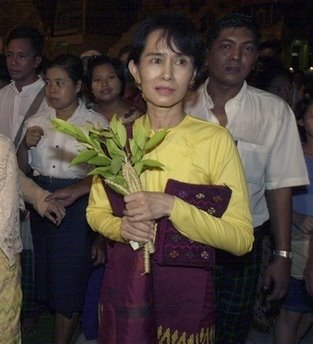


 Posts
Posts


