http://www.rfa.org/english/news/burma/poisoning-03312009112749.html
2009-03-31
U.S. health officials have found lead and arsenic in traditional Burmese medications used by refugee families. Are children back in Burma also affected?
AFP
Four-year-old Yah Min, a victim of lead poisoning, sits with her father in their apartment in Fort Wayne, Indiana, Feb. 13, 2009.
BANGKOK—Burmese children in the United States who took two commonly used household medications from Burma were found to have high levels of lead and arsenic in their blood, a U.S.-based health organization said.
The poisoning was discovered in 32 Burmese refugee children who were resettled in Fort Wayne, Indiana, in the United States from refugee camps in Thailand.
“All refugees are tested when they come into the country for several things," said Loraine Hagerty, special projects manager of the St. Joseph Community Health Foundation, which has been helping the Fort Wayne refugees.
I don’t think these medicines are what we have on the market today."
U Tin Nyunt, director general of Burma's department of indigenous medicines
"It was found that there were a number of Burmese refugee children who had tested positive for lead poisoning," said Hagerty, whose organization works closely with the U.S. Centers for Disease Control and Prevention (CDC) to run the tests.
"And when additional tests were conducted on their arrival in Indiana, we found more instances of lead poisoning amongst the Burmese refugee children," she added.
Indiana-based Burmese doctor Khin Mar Oo said follow-up tests were currently under way on the affected children.
Homes surveyed
"When tests were conducted by the schools, they found that the lead levels in the Burmese refugee children were quite high," Khin Mar Oo, who runs an organization helping Burmese refugees in Fort Wayne, said.
"At first it was thought that these lead levels were brought about during their stay on the Thai-Burma border," she said.
"But then they found that ... not only were the lead levels high in the Burmese refugee children who had come from Thailand, but also in some of the refugee children born in the U.S."
People living in rural areas, especially the parents of children, are still using these medicines."
Rangoon housewife
Health-care workers and medical experts from the CDC visited the homes of the affected children in early February to look for clues in their environment, diet, and medications.
Tests on building materials and drinking water yielded no evidence of lead or arsenic, so experts began questioning the children about their daily routines, Hagerty said.
"We actually went from door to door and asked them a lot of questions about the products that they use in their homes, habits that their children have, what they drink and eat and what kinds of medication they took, taking samples of their medication and testing them at the laboratories," she said.
Children's medicine pinpointed
The source of the lead and arsenic was finally narrowed down to two types of Burmese medicine called “Daw Tway" and "Daw Kyin” medicines, specifically aimed at children. The two medicines are commonly used in rural households all over Burma.
An official who answered the phone in the national food and drug administration of Burma's health ministry said he was unaware of the problem.
"[We] did not pass those medicines," he said. "Maybe it went through the department of indigenous medicines."
U Tin Nyunt, director general of Burma's department of indigenous medicines, said the remedies could have come out before 2007.
“I don’t think these medicines are what we have on the market today," he said.
"They are most likely to be medicines from earlier times ... We have machines that can test heavy metals in medicines, and if they are found in medicines we will revoke the production license of the producer," he said.
'No announcements' heard
But he said he had been unable to crack down on substandard medications produced before he took office.
"Since I took over responsibility here we have absolutely not permitted this at all," he said. "We are doing all of this within the policies and regulations."
The packaging on the two medicines found among the Burmese refugees in Indiana was marked September 2007.
A housewife based in the former capital, Rangoon, said she had seen no media reports concerning these medicines.
"People living in rural areas, especially the parents of children, are still using these medicines," she said. "They are still selling these medicines."
Cheap alternative
"There have been no announcements with regard to these medicines. When I heard this, I was quite alarmed because the children depend on these medicines," she said.
These traditional remedies, at about 50 kyat (a few U.S. cents), were far cheaper than a visit to a clinic or hospital, which could run into thousands of kyat, she said.
A total of 12,000 children have been diagnosed with lead poisoning among refugee communities in the U.S. states of Indiana, Illinois, Kentucky, Ohio, Michigan, and Missouri, according to health sources.
The CDC is expected to release a detailed report next month on the reasons for the lead poisoning among U.S. refugee families.
Common problem
Issues such as this are not uncommon among refugees, said Steve Weil, co-founder of the Virginia-based nonprofit Coalition for Environmentally Safe Communities.
"There are any number of these products," said Weil, whose organization is working with Denver-based Mercy Housing to conduct workshops, funded by the U.S. Health and Human Services department, aimed at educating U.S. health and refugee workers about lead poisoning.
The last of three workshops is scheduled for April 2 in Indianapolis, he said.
Remedies originating abroad are often inconsistent in their lead content, with one batch containing toxic lead levels and another with little or none, Weil said.
Original reporting by Nyi Nyi and Kyaw Min Htun for RFA's Burmese service. Translated by Soe Thinn. Burmese service director: Nancy Shwe. Executive producer: Susan Lavery. Written and produced in English by Luisetta Mudie and Sarah Jackson-Han.
Thursday, April 2, 2009
Lead, Arsenic in Burmese Medicines


Myanmar gets China's help for hydropower project
http://news.alibaba.com/article/detail/energy/100077635-1-myanmar-gets-china%2527s-help-hydropower.html
YANGON, March 30 - China is to help Myanmar build a big hydropower plant on the River Irawaddy in the north of the country, adding to a string of joint hydropower projects, and a huge gas pipeline to China is also planned, officials in Myanmar said.
The latest hydropower project, under a deal reached with a Chinese delegation last week, involves a plant in northern Kachin State, at the confluence of the Malikha and Maykha rivers on the upper reaches of the Irawaddy.
Located about 20 miles (32 km) north of Myitkyina, Kachin's state capital, and about 50 miles (80 km) from the Chinese border, officials say the plant will generate electricity to be used domestically and for export.
Sources in the region have said that feasibility studies for the project were carried out last year around the confluence, raising concern about the possible relocation of nearby villages and the ecological impact.
To cope with growing demand, Myanmar has pushed ahead with dozens of hydropower projects across the country, mostly with the assistance of China, one of the few allies of the army-ruled Southeast Asian country.
At present 15 major hydropower projects are still being implemented.
On completion of these projects, total installed electricity generation capacity will be 10,400 megawatts. According to official data, total capacity in the whole country has been 1,690 megawatts since fiscal 2005-2006 (April/March).
PIPELINE
China said last week it had signed a contract with Myanmar to build cross-border oil and gas pipelines. [ID:nPEK68191]
A senior Chinese energy official said one project involved a gas and oil pipeline running more than 2,000 km (1,240 miles) through Ruili and Kunming in Yunnan province to Chongqing municipality in southwestern China.
It would help China cut out a long detour through the congested Strait of Malacca and strengthen China's access to rich energy reserves in Myanmar itself.
Officials in Myanmar said the pipeline would start from its western deep-sea port in Kyaukphyu Township in Rakhine State.
A senior Energy Ministry official told Reuters last year the consortium that had developed two major offshore gas blocks off Rakhine had already agreed to sell gas from the block to China through a pipeline.
Construction of the pipeline is scheduled to start in the first half of 2009, they said.
Located in the A-1 block off Rakhine, the Shwe gas field has proven reserves of 4 to 6 trillion cubic feet (TCF).
Myanmar has at least 90 TCF of gas reserves and 3.2 billion barrels of recoverable crude oil reserves in 19 onshore and three major offshore fields.
According to official data, Myanmar exported gas worth $2.53 billion, mainly to neighbouring Thailand, in fiscal 2007/2008 (April/March), up from $2.03 billion in 2006-2007.
Myanmar's gas exports in the first nine months of the current fiscal year totalled $1.78 billion.
Dear Mr President, I want to buy a foreign policy-SOUTH AFRICA
http://www.politicsweb.co.za/politicsweb/view/politicsweb/en/page71639?oid=123510&sn=Detail
Howard Sackstein
31 March 2009
Howard Sackstein writes to Kgalema Motlanthe asking what's on offer, and how much it will be
Dear Mr President,
Please forgive me. I was both inexcusably wrong and hopelessly naive. I mistakenly used to believe that South African foreign policy should somehow reflect the moral lessons that we, as a nation, learned during the lengthy period of our dark ages. But Mr President, I now realise that I was utterly puerile and hopelessly callow.
Why should our facade to the world reflect those lofty and wishy-washy ideals contained in our constitution? I have now belatedly realised that, like so many other state assets, we have merely privatised our country's foreign policy - and why not, I ask?
So what, if we have sold our foreign policy on the occupation of Tibet and the oppression of the people of Burma to China. I am sure we have received good value for this - and those trendy knock-off shoes sown by those industrious little 6 year olds and the thousands of prisoners on death row will no doubt be shipped to us even cheaper. And let's face it, during these tough economic times who can afford a pair of real Prada shoes when fake ones come at one hundredth of the price.
I now understand that Deputy Minister Hajaig's racist anti-semitic outburst was probably sponsored by Iran, as was out refusal to co-sponsor the General Assembly resolution on Holocaust denial and our mysterious absence to vote in its favour. I hope we got proper money from those Iranians, I hear they have a glut of Persian carpets, also handily made by entrepreneurial tweens, and they are good hagglers so, I hope we bargained well for the best deal.
I presume our entire Middle East policy has been purchased by Arab petro dollars - I hope they didn't pay us in oil - you know what's happened to the price of crude these days. Don't do anything for Hamas or Hizbollah without pre-payment - I hear from other countries that they are not good payers.
Rumour has it that we bartered our Zimbabwe foreign policy to Bob for some farms. I hope the rumour's not true that the farms went to politicians rather than to the treasury - foreign policy is a state asset and we all need to benefit from its sale. Did we give him back Captain Morgan because he didn't pay us in full?
I can't for the life of me understand what President Lt-Gen Omar el-Bashir of Sudan gave us in return for the protection we have afforded him for his genocide in Darfur - I don't think those Sudanese have much? But then again I hear that the Chinese are generally willing to underwrite el-Bashir's debts, maybe we gave his protection as part of a bigger package deal, like one of those Fifa 2010 packages you can buy on the internet. Make sure you get a guarantee from a Chinese Bank. Let's face it, when its time to collect, the last place you want a guarantee from is Citi Bank or Barclays.
It's quite evident to me that our participation in the much maligned UN Human Rights Council must be a very lucrative enterprise for us. It's almost like a spot on the International Olympic Committee. I bet Pakistan and the Organisation of Islamic Congress coughed up lots of cash for our vote against freedom of expression on religion and to not support the General Assembly declaration on gay rights - how did those things get into our Constitution anyway?
Trevor Manual must be loving it! Who needs taxes when your entire Budget can be funded by foreign countries and organizations buying your foreign policy. No wonder he came out in support of our decision to deny a visa to the Dalai Lama. From what I understand His Holiness, the saffron clad monk, earns very little salary and could probably not even have afforded the Visa fees even if we had granted it to him. The Pope, on the other hand, has an entire empire and art works worth billions - when he wants a Visa let's put the price up - he can afford it. It's a similar system that the British seem to be using against us when we want to go watch their Queen in concert at Buckingham Palace.
You may have to share a little of the bounty with Minister Hogan - those random outburst of rational principle are enough to frighten away any purchaser.
So now Mr President, this brings me to the real point of my letter. It's my mother's birthday in April and I was really not sure what to buy her as a gift - and then I thought, why not buy her one of our country's foreign policies.
I don't have that much money, so I doubt I could afford a really important foreign policy like condemning Russia for its invasion of Georgia or its gross human rights violations in Chechnya or for that matter condemning the abuse of women in Arab countries or their lack of democracy and I am convinced I couldn't afford a policy to criticise Hamas for firing nearly 10 000 rockets at Israel over the last few years. I am sure that would cost a lot because I would have to pay the government, ANC and Cosatu.
I was thinking more on the lines of doing something to an obscure un-important nation. So, how much would it cost to impose sanctions on Micronesia? Or what is the price to lobby to elect the King of Bhutan as Secretary General of the United Nations?
I was also thinking of an international campaign against the banking secrecy or tax evasion status of Belize or the Cayman Islands, but if any of our politicians have stashed their cash there, it may be a little too rich for my budget to buy that particular foreign policy.
I am sure I have not exhausted all the options on the menu so, I kindly ask you or your foreign minister to e-mail me a price list for all of our foreign policy options and I am sure I will be able to find one that will make my mother really happy on her special day, and that I can afford.
I live in hope that one day, the people of this great tapestry which is our nation, will be able to once again look upon our government with respect and pride.
Warm Regards,
Howard
Bangladesh to Develop Nuclear Power
http://democracyforburma.wordpress.com/2009/03/31/bangladesh-to-develop-nuclear-power/
2009 March 31
tags: Human Rights, world focus on Burma, Junta, Burmaby peacerunningDhaka: Bangladesh is keen to set up a nuclear power plant in the next decade with a 1,000 MW capacity with potential help from Russia, in order fulfill the demand for power in the country.
According to official sources, the power plant will be set up at Rooppur, which was previously set up by the then East Pakistan government for the same purposes.
Bangladesh recently received three initial proposals to set up the nuclear power plant from three countries - China, Russia, and South Korea - but Russia is at the top of the list and is eager to move ahead with the project under a bilateral agreement.
A Russian technical expert team arrived on Sunday in Bangladesh on a three-day visit to discuss the proposed power plant project with Bangladesh authorities.
Prior to the team’s visit, the Russian ambassador met with Bangladesh’s state minister for science and ICT, Mr. Yeafesh Osman, to discuss issues related to the project.
However, Bangladesh may face big challenges in mobilizing funds for the project due to the current global financial crisis. The project is likely to cost US $1.2 to $1.5 billion and take up to ten years to complete.
The nuclear power plant project was initiated in Bangladesh during the previous BNP government and the caretaker government that followed expedited the process to obtain a clearance certificate from the International Atomic Energy Agency.
According to sources, the Bangladesh caretaker government received technical and financial support from the IAEA to develop a site suitable for the plant, with the IAEA providing $366,000 for the site in Rooppur.
Bangladesh has also requested the IAEA to provide technical support to create a trained and skilled workforce for the project, the government source said.
Narinjara news
Fishermen find killed Briton's body
http://www.google.com/hostednews/ukpress/article/ALeqM5jY_D37owGdGzacsiLjTxllExwNiA
The body of a British yachtsman allegedly murdered by three pirates has been found, the Foreign and Commonwealth Office (FCO) said.
Three Burmese migrants have been accused of slitting the throat of 64-year-old Malcolm Robertson and throwing his body overboard when they raided his yacht as he sailed with wife Linda off the Andaman sea coast off Thailand last week.
A spokeswoman for the FCO confirmed a body found on Monday has been confirmed as that of businessman Mr Robertson, from Hastings, East Sussex.
Reports in Thailand said his body was recovered by fishermen about 10 nautical miles north of Satun's Lipeh Island.
A Foreign Office spokeswoman said: "A body recovered by the Thai authorities on Monday has been identified as Mr Robertson. Our thoughts are with Mrs Robertson and her family at this difficult time. The embassy team with them is providing consular support."
The discovery ends a week of anxiety for Mr Robertson's family, who had to endure several false reports of his body being found.
Three migrant workers from neighbouring Burma who were arrested on a raft about half a mile from the couple's 44ft yacht were charged with kidnap, assault and theft.
But Thai authorities said they could not bring a murder charge until they found Mr Robertson's body.
He owned a chain of coffee shops in and around his home town of Hastings and St Leonards but passed the running of the business to his children in recent years and was semi-retired.
He was fulfilling a lifelong dream by spending the winter months sailing around warmer climes in his yacht, named Mr Bean, with his wife. They were both qualified yacht masters who had sailed round the world.
How the G-20 Can Pay for a Global Climate Deal
http://laborstrategies.blogs.com/global_labor_strategies/2009/03/how-the-g20-can-pay-for-a-global-climate-deal.html
The G-20 summit convening in London on April 2 is preparing to create a quarter trillion dollars of brand new stimulus money to help poor countries battle the global recession.
World leaders plan to use a little-known form of global currency to pay the freight, a currency known technically as "Special Drawing Rights" (SDRs) but often referred to as "paper gold." It’s a currency that can be issued by the International Monetary Fund (IMF), and the Telegraph has reported that the U.S. government is keen on the idea.
Senior figures in the U.S. Treasury have been encouraging the Fund to issue hundreds of billions of dollars worth [of SDRs] to prevent the recession from turning into a global depression.
If leaders at the G-20 summit can create "paper gold" to jump-start the global economy, they can also turn it in a green direction to jump-start protection of the global climate.
They should put much of paper gold stimulus under discussion into an international fund, to help developing countries pay for climate protection. Such an action would remove the greatest stumbling block in the way of international climate action -- the lack of financing to pay for energy conservation, technology transfer, adaptation, forest conservation, clean energy, and research and development. It would allow negotiators to arrive in Copenhagen for climate talks at the end of the year with the finances in place to negotiate and sign a global deal.
Without the financing, the chances of success in Copenhagen are slim. Yves De Boer, the UN's climate chief, left no doubt about that in comments he made this week criticizing EU finance ministers for putting conditions on financial help for developing countries, contrary to promises made in Bali in 2007:
I think without clarity on finance from industrialized countries there will be no commitment from developing countries.
"Paper gold" offers a way out of this stalemate -- a way to mobilize resources without either taxing or borrowing. That’s why G-20 leaders are proposing to issue a quarter trillion dollars worth of new SDRs – and why paper gold can play a crucial role in protecting the climate, too.
Measures that would fight both global warming and global economic meltdown simultaneously are being called a "Green New Deal." At the climate talks in Poznan last December, UN Secretary-General Ban Ki-moon called a "Global Green New Deal" the best chance for securing a climate agreement in Copenhagen in late 2009. And in a February op-ed in the Financial Times, Ban together with Al Gore wrote,
What we need is both stimulus and long-term investments that accomplish two objectives simultaneously with one global economic policy response -- a policy that addresses our urgent and immediate economic and social needs and that launches a new green global economy.
World leaders convening at the G-20 have the opportunity to do just that.
The SDR Backstory
Countries normally set aside reserves, most often in gold and U.S. Treasury bills, as insurance to protect their currencies against speculation, runs, and other forms of economic adversity. If a country’s currency starts to plummet in value, the government can use the reserves to buy back its own currency and stabilize it.
The mountains of U.S. Treasury bills hoarded by China and Japan, for example, were purchased in order to protect their currencies against the kind of runs that devastated national currencies during the so-called Asian financial crisis of the late 1990s. Global currency reserves amount to trillions of dollars, and they currently sit idle in national treasuries.
In 1969, after a string of liquidity crises, the world’s major governments agreed to create SDRs to increase global liquidity. Nobel laureate and former World Bank chief economist Joseph Stiglitz explains that SDRs as "a kind of global money ... which countries agree to accept and exchange for dollars or other hard currencies." If countries are provided SDRs to add to the gold and foreign currency in their national reserves, money can be put to use for other purposes instead of sitting idle -- for things like combating global warming.
Several years ago, Stiglitz proposed that SDRs or a new "global greenback" along similar lines be used to supplement other reserve currencies. They would be issued for investment in developing countries and for "global public goods" like environmental projects, health initiatives, and humanitarian assistance. They would have the added benefit of checking global deflation and would help countries with trade deficits avoid ruinous devaluations and runs on their currencies.
Until the current economic crisis, such ideas received little public attention -- indeed, few except international economists even knew SDRs existed. But since the beginning of 2009, discussion of paper gold has exploded. George Soros has called for "trillions of dollars" in SDRs to be issued. And now British Prime Minister Gordon Brown has campaigned for countries to agree to a new allocation of SDRs at the G-20 meeting that starts on April 2, and the U.S. seems to be warming to the idea.
These world leaders are well aware of the threat of global warming and the cost of fighting it -- roughly half a trillion dollars a year, according to the British government’s Stern Review on the Economics of Climate Change. That amounts to about 1 percent of global GDP for the next three to four decades. So far, however, none of these leaders has publicly discussed using paper gold to help pay for climate protection.
Green Paper Gold Can Finance Climate Protection
In the same way that economic stimulus measures around the world have pumped new funds into the green measures, global leaders can deploy "paper gold" to finance climate protection. It would surely qualify as a "global public good," as Stiglitz put it, and at the same time provide a needed economic stimulus.
The creation of paper gold is the international equivalent of increasing a nation’s money supply. It is what economists call "quantitative easing," and paper gold does it on an international scale. Former IMF chief economist Simon Johnson explains the current G-20 proposal:
The principle behind it is that everyone would get bonus dollars. The objective is to create a windfall of cash.
As in a stimulus measure applied to a national economy (for example, America’s Recovery and Reinvestment Act of 2009), if the windfall of cash is used to generate economic activity, then the value created by the new activity is what pays for the initial spending over time. The global recession has put millions of people and productive resources out of service. If they could be mobilized effectively, these vast unused productive capacities might well be sufficient by themselves to rebuild the global economy on a low-carbon basis before it is too late.
Some experts warn that paper gold will cause inflation, but we are in the midst of a historic crisis of deflation, in which the IMF, the U.S., and the great majority of economists are calling for economic stimulus to counter deflation. Issuing paper gold is precisely such an economic stimulus, providing at the global level what national stimulus plans provide at the level of an individual country.
The IMF is calling for a global stimulus of 2 percent of the world’s total product to sustain global demand in the current economic downturn -- about $1.2 trillion. Less than half of that would cover the projected annual cost of protecting the world’s climate and also provide a stimulus at the same time.
Further, if paper gold is used to stimulate work and production through green public works using material and human resources that would otherwise lie idle, they will create new value at least a great as their own value, forestalling any inflationary effect. Even if there were an inflationary effect, it would affect all countries approximately equally, so that one of the main downsides of inflation – exchange rate volatility -- would not occur.
It is easy to agree in theory that all countries should coordinate their economies to provide their fair share of the needed global economic stimulus, but in practice, they often pursue their own national interests -- or those of their most politically powerful constituencies. That's why national stimulus spending carries a risk. The stimulus will create new spending at home -- but it may primarily benefit the economies of other nations that supply cheap exports and do not stimulate their own economies -- something called a "free rider" problem. Paper gold, however, overcomes this because it stimulates the global economy as a whole, and therefore benefits the global economy as a whole.
As Tom Vosa, head of economic research at nabCapital in London explains, "If one or two countries do fiscal packages, that’s simply going to boost the export market for countries which haven’t." There’s widespread agreement among the world’s biggest countries that the current global financial and economic crises require global solutions, and that's why paper gold is being looked at as a powerful new tool for concerted international action.
How It Can Work
There is one serious problem with using SDRs for climate protection: many believe the IMF has a poor record of environmental stewardship and concern for the poor, and environmental and social justice advocates cringe at the notion of expanding the IMF’s reach into climate territory.
There are two possible solutions. Countries can agree to create an entirely new form of paper gold, such as the "global greenback" proposed by Stiglitz, that does not involve the IMF, but such a reinvention of the wheel is likely to be slow, contentious and impractical. That is why in our current economic and climate emergency, an alternative built on existing mechanisms is necessary, one that would require the IMF to issue SDRs to a global climate protection trust fund overseen by another institution -- such as the United Nations Environmental Program (UNEP).
The UNEP’s authoritative scientific committee, the Intergovernmental Panel on Climate Change (IPCC), could play a major role in setting criteria and evaluating the results. Countries would apply to the trust fund for green paper gold and be allowed to use it solely to implement their national plans to reduce greenhouse gas emissions and honor international climate commitments.
Complete transparency in allocating and contracting would be an ironclad condition for receiving green paper gold. The funds would be allocated based on countries’ need in paying for their own climate protection costs and the importance of their efforts to global climate protection targets. The funds could also be allocated, as Stiglitz has suggested, by competition among countries for the most worthwhile projects.
International climate protection efforts have been stymied by conflict between developed and developing countries over who should bear the cost of mitigation and adaptation, but green paper gold can provide the basis for a "grand bargain" in which climate protection would be an environmental and economic win-win, with poor countries least able to pay at the front of the queue.
If the Copenhagen climate negotiations are to succeed, they must find a way to finance climate protection efforts. If world leaders are serious about protecting the global economy and global climate, they should commit to a green paper gold bargain at the April 2 conference in London and consummate the deal at Copenhagen.
[Originally published at SolveClimate.com]
The sky is not blue in Burma
http://www.onlineopinion.com.au/view.asp?article=8731&page=0
The recent decision by the Burmese military to release 6,313 prisoners indicates that the rulers are well-versed in undertaking public relations exercises ahead of proposed multi-party elections in 2010.
Some parties see this as a positive first step in the seven-stage roadmap to democracy; a sign that the junta may be ready to enter the international community after years of isolation. But Burma has been at war for more than six decades. The military uses armed conflict, rape, torture and displacement of civilians. Of the inmates that have been released, 24 are deemed political prisoners.
According to the Burma Campaign UK, there are more than 2,100 political prisoners still behind bars. As for a people’s power movement, an anonymous Burmese blogger on the BBC website remarked that the junta’s way of dealing with such a concept is to “simply shoot everybody”.
The military authorities are grinning because they have tossed a bone to the outside world with the promise of an election next year, and in doing so, have driven a wedge in the international community who are divided over what to make of this announcement.
The United Nations and the Japanese government adopt a policy of dialogue and diplomacy with the junta, and see this as a breakthrough. However, history has shown us that military authorities in power are unlikely to give up authority so easily. The Burmese army’s condition is the insistence that will play a powerful role in the parliamentary make-up and retain 25 per cent of seats in parliament.
Naturally, the most famous political prisoner in Burma and around the world, leader of the National League for Democracy, Daw Aung San Suu Kyi, continues to remain under house arrest. Her party’s deputy leader, 82-year-old Tin Oo, also remains confined to his home in detention. The United Nations Secretary-General, Ban Ki-moon, has repeatedly called for the unconditional and immediate release of Aung San Suu Kyi. Yet the UN’s Special Envoy for Burma, Ibrahim Gambari, has failed to win any concessions. It is little wonder that Aung San Suu Kyi is tired of appearing for the media when it is clear that the Burmese leadership will not change their hardline stance.
The Burmese military are the only party interested in seeing Gambari on a regular basis because they know it serves as a distraction from their failure to assist the victims of Cyclone Nargis and for the endless and well-documented abuses against its own people, especially ethnic minorities.
In a response to the Asian edition of the Wall Street Journal’s editorial criticising the value of Gambari’s visits published on August 28, 2008, the Consulate-General of Burma (Myanmar) to Hong Kong defended Gambari by praising the mutual respect shown between the junta and the Special Envoy for Burma. At the same time, the unnamed official has accused critics of failing to listen to the Burmese government’s side of the story, saying that if “such people wear dark glasses, you cannot see the truth”.
When the 2007 Saffron Revolution commenced, the junta stopped the flow of information to the outside world by blocking 85 per cent of e-mails and blocked foreign news agencies from reporting within Burma's borders, thus restricting live streaming of events.
One courageous individual, Nay Phone Latt, who streamed a rare glimpse into the actions of the armed forces was arrested and tried without legal representation. He was found guilty of breaching both the Electronics Act and the Video Act and sentenced to 20 years in jail. One year later, Burmese publications in exile such as The Irrawaddy and Democratic Voice for Burma were shut down by the junta.
Too many nations have forgotten that the Burmese military brutally crushed unarmed monks and civilians showing their support, resulting in the death of hundreds of protestors and detention of thousands more.
The events of 2007 must now seem distant with international media attention shifting to cover the global financial crisis. Each country is implementing measures to protect their economies. United States President Barack Obama will obviously review policy towards Burma, but his priorities are stopping the war in Afghanistan, and improving diplomatic relations with Iran, North Korea, and Russia. Now is the time for the rest of the world to go beyond the stages of talking tough.
The United Kingdom, the European Union, Canada, the members of ASEAN and Australia need to take a more proactive role. Burma's allies, notably China and India, need to stop insisting that private diplomacy will work in convincing the regime to step down and change their ways. The proposed elections in Burma will allow the military to commit more crimes against its own population and give General Than Shwe a chance to make an honourable exit.
Under the present climate, no polls will be free or fair. The National League for Democracy will be barred from fielding candidates, and restrictions on voting will be implemented to prevent an overwhelming protest vote against the junta’s candidates by the rural population who have suffered the most.
The Burmese government also has the option of cancelling the election if they suspect a perceived or genuine threat to their power is possible by citing security concerns in the country’s best interests. This ploy will be undoubtedly described as “despicable” and “unacceptable”, but for all of the colourful adjectives that world leaders and the United Nations are capable of using, the military junta will not listen nor care.
The Burmese government’s ignorance for the plight of its own people is best demonstrated in the closing line of a letter defending Ibrahim Gambari’s visits: “The sky is always blue in the Union of Myanmar.”
Their version of reality cannot be any further from the truth. For far too long now, the military dictatorship of Burma has held a gun to the heads of their own people and left bloodstains and bullets as calling cards. The innocent people of Burma cannot afford to be left vulnerable in the dark anymore.
Asian pharmaceutical products dominate Myanmar market
http://www.hindu.com/thehindu/holnus/006200903301021.htm
YANGON (Xinhua): Pharmaceutical products from Asian countries are dominating Myanmar's consumers market with India standing as the country's largest pharmaceutical products importing country, the local weekly Flower News reported Monday.
Accounting for 40 percent of Myanmar's pharmaceuticals import, India is followed by Bangladesh, China, Thailand, Indonesia, Pakistan and Vietnam.
According to the statistics of the Ministry of Commerce, Myanmar imported over 5,000 categories of pharmaceutical products annually.
In the fiscal year 2007-08, Myanmar imported pharmaceutical products worth of 115.56 million U.S. dollars, an increase of 15.5 percent from 2006-07, earlier statistics shows.
Meanwhile, Myanmar's largest and most modern pharmaceutical factory in the northern city of Pyin Oo Lwin was established in December 2007 producing 162 kinds of medicines.
With the aim of reducing import-substitute medicines, the Pyin Oo Lwin Pharmaceutical Factory under the Ministry of Industry-1, produce high-quality modern medicines such as tablet, capsule, intramuscular, intravenous, lotion and powder.
There has been some five other pharmaceutical factories in Myanmar, including two special ones, respectively located in Yangon, Sagaing and Inyaung.
These factories are producing medicines that supply 40 percent of the domestic market.
Moreover, a famous Myanmar private pharmaceutical company, FAME, will produce seasonal medicines for Japan and South Korea as proposed by the two countries.
FAME is known as the first private pharmaceutical factory in Myanmar whose products meet the stringent Good Manufacturing Practices (GMP) standards set by the World Health Organization ( WHO).
The company produces 45 different kinds of Myanmar traditional herbal medicines and its products were exported to countries or regions such as Malaysia, Singapore, Thailand, Taiwan, South Korea , Germany and Japan.
--------------------------------------------------------------------------------
Business
Tea leaves from Myanmar recalled
http://www.channelnewsasia.com/stories/southeastasia/view/418752/1/.html
Posted: 30 March 2009 1112 hrs
Singapore: A range of pickled tea leaves imported from Myanmar has been found to be unsafe for consumption.
The Agri-Food and Veterinary Authority (AVA) - which has issued a product recall - said it has detected the presence of Auramine O, which is a yellow dye used as an industrial colouring agent for coloring silk, cotton, paper and leather.
The dye is not permitted for use in food, and all products containing the dye have been recalled and will be destroyed.
The move follows a ban by the Myanmar Health Ministry on 43 brands of pickled tea leaves which were found to contain the chemical dye instead of edible dye, which is said to cost 20 times higher than Auramine O.
Pickled tea leaves, mixed with edible oil and nuts often called "tea salad" or "la phet thote" is a popular traditional side dish.
The pickled tea leaves found to contain the chemical dye include several popular brands sold in Myanmar and abroad.
In Singapore, 20 types of pickled tea leaves imported from Myanmar have so far been found to contain Auramine O dye, including those under the brands of Ah Yee Taung, M&N, Shwe Toak, Soe Win, U Ka Kar, Yuzana and Zayan.
The AVA said in a statement that all consignments of tea leaves from Myanmar will be held for testing and will be released for sale only if test results show that they are free from Auramine O.
Consumers who have bought such products are advised not to consume them but to discard the products. Those with queries can call AVA's hotline at 6325-7625.
Details of the recalled products:
1: Ah Yee Taung Pickled Tea Leaves
2: Ah Yee Taung Pickled Tea Leaves (Normal)
3: Ah Yee Taung Pickled Tea Leaves (Red)
4: Ah Yee Taung Pickled Tea Leaves (Sour & Spicy)
5: M&N Pickled Tea Leaves (Extra Spicy)
6: M&N Pickled Tea Leaves (Spicy)
7: M&N Than Lwin Fwn Food Products Lon May Pickled Tea Leaves
8: M&N Than Lwin Fwn Food Products Pickled Tea Leaves
9: Shwe Toak Pickled Tea Leaves with Mixed Nut
10: Soe Win Gold Label Tea Leaves, 70 g (Best before date Jul-09)
11: U Ka Kar Green Tea Leaves
12: Yuzana Pickled Tea Leaves (Blue) - "Girl"
13: Yuzana Pickled Tea Leaves (Red) - "Boy"
14: Yuzana Pickled Tea Leaves (White) - "Girl"
15: Yuzana Pickled Tea Leaves with Mixed Peas
16: Yuzana Pickled Tea Leaves
17: Yuzana Pickled Tea Leaves (Sour & Spicy)
18: Yuzana Pickled Tea Leaves with Peas
19: Yuzana Plantation Pickled Tea Leaves
20: Zayan Pickled Tea Leaves (Hot & Spicy)
Wednesday, April 1, 2009
Fw: [burmainfo] 今週のビルマのニュース(0912号) 民主化実現に300年? 米国務省高官がビルマを訪問 ほか
━━━━━━━━━━━━━━━━━━━━━━━━━━━━━━
ビルマ市民フォーラム メールマガジン 2009/3/30
People's Forum on Burma
━━━━━━━━━━━━━━━━━━━━━━━━━━━━━━
ビルマ情報ネットワーク(BurmaInfo)からのメールを転送させていただき
ます(2009年3月27日【0912号】)。
(重複の際は何卒ご容赦ください。)
PFB事務局
http://www1.jca.apc.org/pfb/
━━━━━━━━━━━━━━━━━━━━━━━━━━━━━━
ビルマ情報ネットワークの「今週のビルマのニュース」をお送りします。
「今週のビルマのニュース」バックナンバー
http://www.burmainfo.org/weekly.html
ビルマ情報ネットワーク (www.burmainfo.org)
秋元由紀
========================================
今週のビルマのニュース Eメール版
2009年3月27日【0912号】
========================================
【今週の主なニュース】
「民主化実現には200~300年必要」とタンシュエ将軍、ほか
・「国軍の日」の27日、ビルマ軍政は首都ネピドーで軍事
パレードを行った。軍政トップ・タンシュエ将軍は演説で、
「成熟した民主主義は1日で実現できず、200年から300年
はかかる」と述べた(27日付日経)。アウンサンスーチー氏
が書記長を務める国民民主連盟(NLD)も同日、党本部で
式典を開き、軍政に対し、政治囚の釈放と民主化勢力との
対話の再開を改めて呼びかけた(27日付イラワディ)。
・「国軍の日」前日の26日、最大都市ヤンゴンで爆弾が爆発し、
1人が死亡した(26日付AFP)。19日にはシャン州ラショーでも
爆弾が爆発したがけが人はなかった
(27日付シャン・ヘラルド・ニュース)。
・インセイン刑務所の裁判所で、新たに13人に禁固刑判決が
宣告された。サイクロン被災者救援活動を行ったり、アウンサン
スーチー氏の解放を求めたことが理由とされた(24日付イラワディ)。
・国民民主連盟(NLD)の中央執行委員会は19日付けで
軍政に書簡を出し、軍政が2010年に計画している総選挙
にどう対応するか党内部で協議するため、自宅軟禁中の
アウンサンスーチー氏(NLD書記長)やティンウー氏
(同副議長)と会うための許可を求めた。軍政からの
返事はまだない(24日付ミジマ)。
【その他】
米国務省高官がビルマを訪問、ほか
・中国共産党中央政治局の李長春常務委員がビルマを
訪れ、26日には軍政のテインセイン首相と会談した。
委員は、中国がアラカン州沖から雲南省まで石油とガス
を運ぶパイプライン(通称シュエ・パイプライン)の敷設や、
水力発電所の建設など4つの項目についてビルマ軍政と
協力するという合意に調印した。全長2,000キロメートルの
シュエ・パイプライン敷設費用は12億ドルに上ると推定
されており、中国が全額を負担するものと見られる
(27日付日経およびロイター)。
・米国国務省のブレーク東南アジア部長がビルマを訪れ、
25日に首都ネピドーで軍政の外相と会談したほか、国民
民主連盟(NLD)や少数民族団体とも会談した。国務省は、
氏の訪問は米国のビルマに対する政策や方針の変更を
反映するものではない、とした(25日付国務省、26日付
ワシントン・ポスト)。
訪問を受け軍政情報相のチョーサン准将は「米国と話し
合う用意がある」と述べた(27日付ロイター)。
・国連人権理事会は27日、ビルマについての決議を採択
した。決議はビルマで組織的な人権侵害が起きていることを
批判し、2,100人以上いるとされる政治囚を釈放するよう軍政
に呼びかけた。また、ビルマの人権状況に関する特別報告者
の任期も1年延長した(27日付ロイター)。
【ビルマへの政府開発援助(ODA)約束状況など】
新たな発表はなし
【イベントなど】
・政治囚の釈放を求める署名活動
ビルマ政治囚支援協会・国民民主連盟(解放地域)日本支部ら
(JR新宿駅西口三井住友銀行前、28日~29日13時~)
・在日ビルマ人共同行動実行委員会アクション-
ビルマ軍事政権に対しスーチーさんを含むすべての
政治囚の釈放と対話の促進を要請するアピール行動
(在日ビルマ大使館前、27日15時~)
・ビルマ市民フォーラム例会「政治囚の早期釈放を!(仮題)」
ビルマ政治囚支援協会(AAPP) ボーチー氏
(池袋・ECOとしま8階、4月11日18時~)
・ビルマのお正月「ダジャン水かけ祭」
ビルマ民主化同盟主催
(井の頭恩賜公園、4月12日10時半~)
・ミニアルバム「ミャンマー軍事政権に抗議する
ポエトリー・リーディングQUIET」
(いとうせいこう×沢 知恵×ダブマスターX)
4月22日発売
・ロヒンギャ民族集団訴訟(難民不認定処分の取消、
退去強制令発付の取消/無効確認を求める)
原告本人尋問
(東京地裁709号法廷、4月22日13時半~)
☆春秋社より新刊のお知らせ~
アラン・クレメンツ著「ダルマ・ライフ-日々の生活に"自由"を見つける方法」。
著者はビルマで得度して僧になった初めての米国人。
国際的な注目を集めるビルマの状況に対して、
新たな角度から光をあてる一冊。
四六判/372頁/定価(本体2500円+税)
★ジェーン・バーキン最新アルバム『冬の子供たち』が
発売中。アウンサンスーチー氏に捧げる楽曲「アウンサンスーチー」を収録。
【もっと詳しい情報は】
きょうのビルマのニュース(平日毎日更新)
http://d.hatena.ne.jp/burmainfo/
ビルマ情報ネットワーク
http://www.burmainfo.org/
【お問い合わせ】
ビルマ情報ネットワーク 秋元由紀
====================================
今週のビルマのニュース Eメール版
2009年3月27日【0912号】
作成: ビルマ情報ネットワーク
協力: ビルマ市民フォーラム
====================================
Isolated heroine still haunts Burma
http://www.nationalpost.com/news/world/story.html?id=1428500
Isolated heroine still haunts Burma
Aung San Suu Kyi
Peter Goodspeed, National Post
Published: Thursday, March 26, 2009
A Burmese national living in Thailand yells "free Burma" while holding a portrait of pro-democracy icon Aung San Suu Kyi outside the Burmese embassy in Bangkok last year.
Despite years in detention and forced isolation, pro-democracy leader Aung San Suu Kyi still has the power to encourage her followers and enrage Burma's military rulers.
The charismatic daughter of independence hero, Aung San, and winner of the 1991 Nobel Peace Prize for her struggle to bring democracy to her country, she has been confined to her home without any contact with the outside world since September, 2000.
Known fondly to the residents of Rangoon simply as "The Lady," she has lived in virtual solitary confinement for 13 of the last 19 years in a heavily guarded, whitewashed villa on the south shore of Inya Lake.
Surrounded by soldiers and coils of barbed wire, the sickly 63-year-old widow is allowed to see only her doctor -- every two months -- a live-in maid and her jailers.
Not since Nelson Mandela became the personification of South Africa's struggle against apartheid, despite spending 27 years in jail, has anyone else approached the same level of political heroism in the face of repression.
Now, the United Nations has declared, for the fifth time in 18 years, Ms. Suu Kyi's detention is arbitrary and a violation of the Universal Declaration of Human Rights. But this time, the UN Working Group on Arbitrary Detention added a twist to its ruling by declaring it also violates Burma's own constitution.
The working group, an arm of the UN Human Rights Council, said Ms. Suu Kyi is being held under Burma's 1975 State Protection Law, which provides for the detention of anyone deemed a threat to the "security of the state or public peace and tranquility" for up to five years.
Under this law, the detention order must be renewed every year and the law says it is renewable for a maximum of only five years.
In Ms. Suu Kyi's case, that five-year period ended at the end of May, 2008.
The UN group called for her immediate release.
"I am under no illusion the junta will listen to the United Nations," says Jared Genser, her family's Washington lawyer. "There is no quick and easy answer to the problem of Burma, so we have to take it one step forward at a time."
A breakthrough appears unlikely since Burma is undergoing yet another political crackdown before parliamentary elections scheduled for early next year.
This month, five members of Ms. Suu Kyi's National League for Democracy (NLD) were arrested, joining about 2,100 political prisoners in Burma's jails. That is almost double the number of political prisoners held in the country at the same time last year.
The Burmese junta has unveiled a "road-map to democracy," which calls for a national election next year to transfer power from uniformed officers to a civilian dictatorship.
But the new constitution, approved by 94.5% of voters in an apparently rigged referendum last year, guarantees a quarter of all legislative seats to the armed forces and bars opposition leaders, such as Ms, Suu Kyi, from ever holding office.
However, her continued imprisonment is proof of her political clout. Though silent and ailing, she remains dangerous as the only person who can unite a broad array of forces against the generals.
pgoodspeed@nationalpost.com---------
National PostTIMELINE OF DETENTION
1988: Aung San Suu Kyi, who has spent most of her life in Britain, returns to Burma as pro-democracy protests sweep country. Uprising crushed. 1989: Placed under house arrest.
1990: As head of the opposition movement and NLD leader, wins national elections by a landslide. Generals nullify elections.
1991: Awarded the Nobel Peace Prize for "one of the most extraordinary examples of civil courage in Asia in recent decades"
1995: Released and tens of thousands rally to her cause. 2000: Again placed under house arrest. Awarded U. S. Presidential Medal of Freedom, U. S.'s highest civilian honour.
Close
Presented by
Officers fear a coup on road to vote
http://www.thenational.ae/article/20090329/FOREIGN/106071163/-1/NEWS
Larry Jagan, Foreign Correspondent
Last Updated: March 29. 2009 8:30AM UAE / March 29. 2009 4:30AM GMT BANGKOK // Myanmar’s leader has warned political parties planning to contest elections scheduled for next year that they must shun foreign ideologies.
“Democracy in Myanmar today is at a fledgling stage and still requires patient care and attention,” Gen Than Shwe said in an address to troops assembled in Naypitdaw, the capital, to celebrate Armed Forces Day.
“We have to ensure that the progress of democracy in the country does not affect non-disintegration of the union and non-disintegration of national solidarity.”
Gen Than rarely speaks in public except at the annual Armed Forces Day, which marks the day in 1945 when the army of Myanmar, also known as Burma, launched its resistance fight against the Japanese occupation forces. But this year’s celebration is different, as it may be the last before the country is ruled by a civilian government – which would be the first since 1962.
Beneath the pomp and ceremony, and the show of strength and harmony, there are signs of splits and dissension within the ranks over the army’s future role in the country as well as over the country’s political future and the road map to democracy.
The last three stages of the seven-stage road map to democracy, announced in Aug 2003, could dramatically change the role of the army as it involves free and fair elections and the convening of the national and provincial parliaments, followed by the establishment of a developed and democratic nation under the new parliament and constitution.
A battle is emerging between those who control most of Myanmar’s assets and those who see themselves as the country’s guardians.
On one side are the ministers and members of the ruling State Peace and Development Council, who have major business interests and are associated with Gen Than’s brainchild, the mass community-based organisation, the Union Solidarity and Development Association (USDA). They have been running the government for nearly a decade and have accumulated massive wealth.
On the other side are the middle- and top-ranking generals, who graduated from the Defence Services Academy, as did their mentor, second-in-command Maung Aye. They see their main role as the protector of the people, and are anxious to see the military machine transformed into a professional army and withdraw from politics and the economy. They have become dismayed at the excessive corruption within government and understand that it is undermining the army’s future role in the country.
As the conflict between these two groups escalates, Gen Than’s deteriorating health and increasing reclusiveness have effectively left the country without a real leader. The result is inertia in government administration.
“Everyone is trying to second guess the big boss, and all critical decisions are being deferred until they are sure he has actually given them the go-ahead,” said a European businessman who was recently in Naypitdaw.
There is also fear that one of the contesting factions may launch a “soft coup” in the near future, according to military sources in Myanmar. But the real army, as these officers see themselves as, is going to have to act quickly if it is to remain a force to be reckoned with.
In the new political environment, the USDA will play a crucial role: either as the key pro-military party or an intermediary between the army and whatever political party emerges. All this will significantly increase its power and control over the country’s new political process.
Senior members of the army are increasingly resentful of the growing dominance of Gen Than’s USDA and the likely curtailment of the army’s authority in the months leading up to the election.
“When the new parliament is elected, it will bring an abrupt end to the army’s absolute power,” said a Myanmar government official.
These ministers and top USDA officials have all amassed huge personal fortunes from smuggling and kickbacks. “These fellows are out of control and raking in the money from bribery and fraud; no one can touch them,” a military source in Myanmar said. “They are building enormous war chests while they can. Some will use it for the elections, but there are others who are reluctant to squander their ill-gotten wealth on the election campaign.”
Many in the army are concerned that this group is planning a grab for power using the USDA as a front.
There is also resentment and frustration among junior officers in the ministry of defence, many of them divisional commanders.
“They are watching their unscrupulous colleagues hiding behind the uniform, building up massive fortunes from corruption in government, and they are worried that this is tarnishing the image of the army as a result,” a source in Naypitdaw said.
Although the grumbling and resentment have increased, there are still no signs of a coup.
“There is no doubt that many in the army are extremely unhappy with the way things are going, and are concerned about what will happen to them after the elections,” said Byo Nein, the son of a former government minister and a Thailand-based writer who follows Myanmar’s military affairs.
“But they are army officers and will continue to obey their orders unquestioningly.”
So far there is little to suggest that they are planning a purge of their opponents in the same way that the former prime minister, Khin Nyunt, and his intelligence apparatus were crushed five years ago.
“Nothing can be ruled out at this stage as resentment and anger is growing among the junior officers and the rank-and-file soldiers,” said Win Min, an independent analyst based at Chiang Mai University in northern Thailand.
ljagan@thenational.ae
Toshiba Said to Buy Majority Stake in Nuclear Fuel Company
http://asianenergy.blogspot.com/
Tuesday, March 31, 2009
By Megumi Yamanaka
March 30 (Bloomberg) -- Toshiba Corp., Japan’s largest supplier of reactors, plans to buy a controlling stake in a nuclear fuel supplier to help compete with global rivals for new atomic power plants, officials said.
Toshiba’s Westinghouse Electric Co. seeks to buy more than 50 percent ofNuclear Fuel Industries Ltd. from Sumitomo Electric Industries Ltd. andFurukawa Electric Co., said two officials close to the negotiations who declined to be named before an announcement. Yuichiro Horiba, a spokesman at Osaka- based Sumitomo Electric confirmed the talks and said the companies have yet to reach a decision.
Better access to fuel may help Toshiba win orders as competition with France’sAreva SA and an alliance between Hitachi Ltd. and General Electric Co.intensifies. Nuclear power generation is set to increase as developing countries led by China and India build more reactors to meet demand and cut carbon emissions blamed for global warming.
“It’s more profitable to package reactors with the fuel,” Fujii Tomoyuki, an analyst at Okasan Securities Co., said by phone from Tokyo today. “Customers don’t want to take risks associated with the nuclear fuel business, and offering them together will help win orders.”
Toshiba spokeswoman Hiroko Mochida and Furukawa spokesman Toshinori Kimura declined to comment.
The two officials didn’t say how much Toshiba may pay for the proposed stake. The Yomiuri newspaper reported yesterday that Toshiba will buy all of Nuclear Fuel Industries at a cost of more than 20 billion yen ($205 million).
Hitachi Venture
Toshiba wants to buy a stake in Nuclear Fuel Industries partly because of concern that the company may be pushed out of another fuel venture with General Electric and Hitachi, one of the officials said.
Toshiba and Hitachi each own 24.5 percent of Global Nuclear Fuel Japan Co. while General Electric holds 51 percent. General Electric and Hitachi merged their nuclear energy business in July 2007, a year after Toshiba bought Westinghouse.
Toshiba, which is forecasting its first net loss in seven years, is focusing on nuclear energy as the global recession cuts profit from semiconductors, its main business. The company aims to win orders to build 39 reactors by 2015, it said in the mid-term business plan unveiled in January.
Shares in the company have tumbled 42 percent in the last six months,outpacing the 27 percent decline in the benchmark Topix index. The stock fell 8 percent to close at 263 yen at in Tokyo.
Nuclear Fuel Industries was formed in 1972 and sells atomic fuel rods to companies including Tokyo Electric Power Co. and Kansai Electric Power Co., the country’s biggest utilities. The company operates one plant at Ibaraki, north of Tokyo, and another in Osaka.
The world needs 32 new nuclear power plants a year to meet a goal of halving emissions by 2050, International Energy Agency Executive Director Nobuo Tanaka said in June.
India plans to add 40,000 megawatts of nuclear capacity by 2020, while China has increased its goal to 75,000 megawatts from a previous target of 40,000 megawatts, the Shanghai Securities News said today.
To contact the reporter on this story: Megumi Yamanaka in Tokyo
Engage With Burma
http://www.washingtonpost.com/wp-dyn/content/article/2009/03/27/AR2009032702855.html
Saturday, March 28, 2009; Page A12
The March 15 editorial "Burma's Bullies" called for caution in negotiating with the authoritarian regime in Burma, a country for which even the name (it's also known as Myanmar) is in dispute in the United States. Caution is required, but the Obama administration's interest in a dialogue is the most welcome U.S. approach toward that country in 18 years. Secretary of State Hillary Rodham Clinton's comment that neither isolation nor engagement has worked was partly accurate. The United States has tried isolation, and the Association of Southeast Asian Nations (ASEAN) tried constructive engagement (a euphemism for economic advantage), but this country has not tried engagement.
All of us want to see all political prisoners released, human rights honored, media censorship lifted, the independence of a now-subservient judiciary restored, and the economic conditions of desperately poor people improved. But to describe, as The Post did, the brave Nobel laureate Aung San Suu Kyi as the country's "rightful ruler" is both inaccurate and an approach that ensures that dialogue will fail.
The opposition victory in the May 1990 elections was indeed complete, but those elections, tragically denied by the state, were not (contrary to popular belief) for a new government, but for a constitutional convention.
The Post editorial stipulated that "U.S. engagement must be conditional." That is a recipe for failure; it implies subservience to which the Burmese will not agree. Engagement should be unconditional, but agreement on improving relations should indeed be conditional.
DAVID STEINBERG
Burma blames dissident groups for bomb blast
http://www.brisbanetimes.com.au/world/burma-blames-dissident-groups-for-bomb-blast-20090328-9evn.html
March 29, 2009
Burma's junta has accused two dissident groups in exile of plotting a bomb attack in the country's economic hub Rangoon that killed a man two days ago, state media says.
The New Light of Myanmar (Burma), a mouthpiece for the military government, said the explosion at a city guesthouse on the eve of an annual military parade had killed the bomber himself, a man thought to be in his twenties.
Two women were also injured, it said.
"On examination of the explosives and accessories found in the room and on the dead body, it was found that the blast occurred while the man was setting up a timed bomb," the newspaper said.
They said the All Burmese Student Democratic Front (ABSDF) and Whole Burma United Revolutionary Front (WBURF) were responsible -- two rebel groups based on Thailand's border, formed in the wake of a failed student uprising in 1988.
"After investigating it was found the blast was linked to the ABSDF insurgent group and WBURF insurgent group," the paper said, adding that authorities seized dynamite, a detonator and other bomb-making materials from the scene.
Military-ruled Burma has been rocked by a series of small bomb blasts in and around Rangoon in recent months, usually blamed on armed exile groups or ethnic rebels.
"Destructive elements and insurgents have been plotting to plant bombs in an attempt to undermine community peace and stability and to cause panic among the people," the paper said.
The military has ruled Burma since 1962, partly justifying its grip on power by claiming the need to fend off ethnic rebellions which have plagued its remote border areas for decades.
Democracy activists have also been accused of violence with state-run media accusing two members of detained democracy leader Aung San Suu Kyi's National League for Democracy (NLD) of bombing pro-government offices in July 2008.
The NLD won a landslide victory in 1990 elections, but the junta never allowed it to take office. Aung San Suu Kyi has been under house arrest almost constantly since.
AFP
Source: smh.com.au
China, Burma to build cross border gas pipeline
http://www.mizzima.com/news/inside-burma/1906-china-burma-to-build-cross-border-gas-pipeline.html
by Mungpi
Friday, 27 March 2009 21:09
New Delhi (Mizzima) - China and Burma on Thursday signed four contracts, which included the construction of a cross border oil and gas pipeline, Burma’s state-run media said.
The New Light of Myanmar, Burma’s official newspaper on Friday reported that the Burmese Energy Minister Brig-Gen Lun Thi and Head of China’s National Energy Administration, Mr. Zhang Guobao signed a cooperation agreement on the Sino-Burma Oil and Gas pipeline.
The other contracts include a framework agreement on Development of Hydropower Resources in Burma by China, a Memorandum of Understanding on Buyer’s Credit for Construction Projects between the Export-Import Bank of China and the Ministry of Finance and Revenue of Burma. Both China and Burma also agreed on Economic and Technical Cooperation between the two countries.
The contracts were signed between Burmese and Chinese officials, who accompanied Li Changchung, member of the politburo of the central committee of Communist Party of China (CPC), during his visit to military-ruled Burma.
According to the Chinese central government website, the Sino-Burma cross border gas pipeline is designed to link a port city in Burma with Kunming, capital of southwest China's Yunnan Province.
According to a Reuters report, Yunnan is to start construction of the pipeline in the first half as part of its 72 billion Yuan (S$15.9 billion) worth of energy projects this year.
The pipeline, according to a Sino-Burmese analyst Aung Kyaw Zaw, is strategically important for China as it could cut down on the detour of oil cargoes through the congested Malacca Strait and also strengthen China's access to Burma’s rich energy reserves.
Burma in December awarded China the right to buy oil from its offshore block–A gas field in the Bay of Bengal for a period of 30 years.
Aung Kyaw Zaw said Li’s visit to Burma, which is part of a four-nation tour, could also be to push Burma to implement the agreement.
“China is worried that Burma is delaying work on the gas pipeline construction,” said Aung Kyaw Zaw.
Li, during his visit to Burma, met several officials including the junta supremo Snr. Gen Than Shwe, and exchanged views on developing good-neighbourly and friendly ties between China and Burma, according to the Burmese state-run paper.
Western nations particularly the United States and the European Union have imposed stringent economic sanctions on Burma, restricting its companies from investing in the country.
But China, which has raised its voice against western sanctions on Burma, has been investing in Burma and has signed several contracts for business deals.
Suu Kyi News on Chinese TV
http://www.irrawaddy.org/article.php?art_id=15384
--------------------------------------------------------------------------------
By THE IRRAWADDY Friday, March 27, 2009
--------------------------------------------------------------------------------
A state-run Chinese TV station in Yunnan Province broadcast news on Wednesday concerning detained democracy leader Aung San Suu Kyi.
According to sources in Ruili on the Sino-Burmese border, the news program stated that the Geneva-based UN Working Group on Arbitrary Detention had declared that the ongoing house arrest of the Nobel Prize laureate was illegal and contrary to the domestic law of Burma.
It is rare to see Suu Kyi’s picture or hear mention of her name in the Chinese media as Beijing has long been a strong supporter of the Burmese junta.
Burma observers have suggested that the apparent recognition of the Burmese opposition leader by a Chinese network could signal a cooling in Beijing’s support for the Burmese junta.
The broadcast came just days after the visit of a high-level US diplomat to Burma. Observers said that amid signs of a shifting US approach toward the military rulers, China might be worried that the US will influence the Burmese regime and may be looking to intimidate the junta by winning favor with the opposition.
During his four-day visit to Burma, Stephen Blake, director of the State Department's Mainland Southeast Asia Office, held talks with senior members of the opposition National League for Democracy, which is led by Suu Kyi.
Suu Kyi is being held under the terms of Burma’s State Protection Act of 1975, which provides for detention for up to five years to persons judged to pose a threat to the sovereignty and security of the state and the peace of the people. Suu Kyi already served that sentence, but it was extended for a further 12 months. Her current detention is due to expire on May 24.
China and Myanmar seal gas export deal
http://news.asiaone.com/News/Latest%2BNews/Asia/Story/A1Story20090327-131496.html
Fri, Mar 27, 2009
Reuters
BEIJING - A Myanmar gas consortium led by South Korea's Daewoo International has signed an agreement to sell natural gas to China, China's Xinhua news agency said on Thursday.
China and Myanmar plan to build oil and gas pipelines through Myanmar and into China's southwestern Yunnan province, bypassing the long journey around the Malacca Strait for oil cargoes and solving the problem of getting the gas to market, Chinese media have reported.
Few western companies will invest in the former Burma because of its poor human rights record and continued detention of Nobel Peace Prize laureate Aung San Suu Kyi, which has led to a broad range of U.S. and European sanctions.
China, typically wary of supporting or imposing sanctions and one of Myanmar's few diplomatic allies, has shown no qualms about investing in its neighbour, eager for its natural gas, oil, minerals and timber to feed a booming economy.
Daewoo said last year it had picked China as a preferred bidder for natural gas from a project in Myanmar, putting it at the front of a queue that also includes India and Thailand.
Top Chinese officials have said that Beijing will encourage its energy companies to make more forays abroad to ensure the country's energy security, an even more important strategy than exploration at home.
Beijing also offered incentives such as cheap loans and tax breaks to energy firms to fund their foreign exploration. --REUTERS
Myanmar: Junta Chief Sets Guidelines For 2010 Polls
http://www.mysinchew.com/node/22637
NAYPYITAW, MYANMAR: Myanmar's junta chief set some ground rules Friday (27 March) for historic elections scheduled for 2010, calling on political parties to avoid smear campaigns and to remember it will take awhile to establish a "mature" democracy.
Senior Gen. Than Shwe rarely says anything in public except at the annual Armed Forces Day, a holiday celebrated Friday to mark the military's might with a customary ostentatious display of troops and military equipment.
As a traditional practice, the public was not allowed to attend the tightly guarded event at a massive parade ground in Naypyitaw, the remote administrative capital the junta moved its government offices to in 2005.
After reviewing more than 13,000 troops from inside a moving convertible, Than Shwe gave a 17-minute speech that focused on elections scheduled for 2010 _ which will be the first polls in almost two decades.
The elections are the last stage of the junta's so-called "roadmap to democracy," a process critics have called a sham designed to cement the military's four-decade grip on power.
The 76-year-old Than Shwe said political parties that contest the elections should "refrain from inciting unrest, avoid personal attacks and smear campaigns against other parties."
Parties that carry out "mature party organizing work will receive the blessing of the government," he said, but added the country should not expect a "well-established democracy" overnight.
"Democracy in Myanmar today is at a fledgling stage and still requires patient care and attention," Than Shwe told the invited guests, which included military leaders, government ministers and reporters. Foreign media were denied visas to cover the event.
"As a Myanmar proverb puts it, 'a recently dug well cannot be expected to produce clear water immediately' _ understanding the process of gradual maturity is crucial," he said.
A precise election date has not been set and it is not yet known who will contest the polls. Before a political party can participate it must meet the standards of a "political parties registration law," which has not yet been announced by the government.
Myanmar has been under military rule since 1962.
The current junta took power in 1988 after violently crushing a pro-democracy uprising. Two years later it refused to hand over power when Aung San Suu Kyi's political party won a landslide election victory.
Suu Kyi, a Nobel Peace Prize laureate, has been under house arrest for 13 of the last 19 years.
As part of its roadmap, the junta drafted a new constitution that enshrines the military's leading role in politics. One of the provisions of the constitution effectively bars Suu Kyi from holding any kind of political office in Myanmar, also known as Burma.
Suu Kyi's National League for Democracy did not participate in the drafting process and says last year's constitutional referendum _ which adopted the charter by 92% _ was engineered by the junta. It has called for a review process that includes pro-democracy groups and ethnic representatives.
In his speech, Than Shwe clearly indicated there will be no review, saying the "constitution (was) adopted by the people."
Armed Forces Day is held every 27 March to commemorate the day in 1945 when the Myanmar army rose up against Japanese occupation forces.
Initially called Resistance Day, the name was dropped in 1974 to avoid offending Japan, Myanmar's top aid donor in the 1970s. In recent years, commemoration speeches have refrained from mentioning the fight against the Japanese. (AP)
MySinchew 2009.03.27
UN rights body condemns systematic abuses in Myanmar
http://in.reuters.com/article/domesticNews/idINLR72918320090327
Fri Mar 27, 2009 6:18pm IST
By Stephanie Nebehay
GENEVA, March 27 (Reuters) - The United Nations on Friday condemned what it called systematic human rights violations in Myanmar and urged the ruling military junta to release all its political prisoners, believed to number 2,100.
The Western-sponsored resolution was criticised by most Asian countries and Russia who said the non-binding resolution was counter-productive.
"Condemnation and exerting pressure are not helpful to fundamentally solving the problem," China's envoy said. The resolution called on Myanmar's military rulers to halt "politically motivated arrests" and immediately release without conditions all political prisoners held in "harsh conditions, in unknown locations or without charge."
They included opposition leader Aung San Suu Kyi, the Nobel laureate whose latest house arrest began in 2003.
The Human Rights Council also called on Myanmar authorities to review the "harsh sentences" handed down against critics since November at closed-door trials and to end impunity for human rights abusers.
The council also extended for one year the mandate of its special investigator on Myanmar, Tomas Ojea Quintana, saying the situation in the country needed careful monitoring.
Quintana, in a report to the Council earlier this month, said about 400 political prisoners had been given sentences ranging from 24 to 65 years in recent months.
The Argentinean lawyer called for the release of more than 2,100 political prisoners -- including activists, journalists and people arrested for lodging complaints about forced labour -- to allow them to take part in an election set for 2010.
Quintana, who has visited Myanmar twice in the past six months, has urged the country to halt its use of civilians in forced labour -- including as "human minesweepers."
Wunna Maung Win, Myanmar's ambassador to the U.N. in Geneva, rejected the resolution as "lopsided and highly intrusive." "We believe country-specific, politically motivated resolutions have no place in the work of the Council," he said. "Nevertheless, as a member of the United Nations we shall continue cooperation with the Human Rights Council."
Yangon's envoy recently told the Council the country holds no political prisoners, only individuals serving prison terms for breaking domestic laws.
Myanmar's military, which has ruled in various guises since 1962, has promised an election in 2010 as part of what it calls a "roadmap to democracy." Western governments have criticised the poll as a sham aimed at entrenching military rule.
The country's information minister said on Friday his country would open talks with the United States after a rare visit by a top U.S. diplomat amid a review of Washington's policy towards the regime.
The United States, which is not a Council member, was among co-sponsors of the EU text, along with Australia and Canada.
The Geneva forum ends its four-week session on Friday. (Editing by Matthew Jones)
© Thomson Reuters 2009. All rights reserved. Users may download and print extracts of content from this website for their own personal and non-commercial use only. Republication or redistribution of Thomson Reuters content, including by framing or similar means, is expressly prohibited without the prior written consent of Thomson Reuters. Thomson Reuters and its logo are registered trademarks or trademarks of the Thomson Reuters group of companies around the world.
Thomson Reuters journalists are subject to an Editorial Handbook which requires fair presentation and disclosure of relevant interests.
UN reappoints Myanmar investigator, slams junta
http://www.etaiwannews.com/etn/news_content.php?id=904866&lang=eng_news
Associated Press
2009-03-27 08:18 PM Fonts Size:
The U.N. Human Rights Council has reappointed an investigator to provide detailed human rights reports in Myanmar for another year.
The 47-nation body passed a resolution Friday condemning violations in the country also known as Burma. It urged the government to release all political prisoners.
Myanmar's military junta had sought to end the work of U.N. investigator Tomas Ojea Quintana, saying life has improved in the southeast Asian country.
Myanmar says the resolution aims to embarrass the government. China, Russia, India and some other Asian countries did not back the Europe-proposed resolution, saying it was condemnatory and unhelpful.
TATA Motors to make trucks in Burma
http://www.mizzima.com/news/inside-burma/1902-tata-motors-to-make-trucks-in-burma.html
by Salai Pi Pi
Friday, 27 March 2009 17:52
New Delhi (Mizzima) – India’s leading automaker TATA Motors on Thursday met Burmese Minister of Energy (2) Vice-Admiral Soe Thein, and held parleys on setting up a truck manufacturing unit in Burma, the state-run media said.
The New Light of Myanmar, Burma’s official newspaper, on Friday reported that Mr. Manas Kumar Mishra of TATA Motors Ltd. on Thursday met Soe Thein in Naypyitaw, Burma’s new jungle capital and discussed setting up a truck manufacturing unit in Burma.
“Both sides discussed the speedy implementation of a heavy turbo truck assembly and component parts production factory project and starting manufacturing operations from December 2009,” the paper said.
A document of India’s Ministry of External Affairs (MEA), which is in Mizzima’s possession said the project is part of India’s “Look East Policy”, which includes setting up several bilateral development projects such as construction of roads, power projects, oil refinery units, transmission lines, telecommunications, and Information technology services in Burma, by India.
The MEA said India has sanctioned a USD20 million Line of Credit (LoC) for setting up a truck manufacturing unit to be taken up by TATA Motors.
Since the formal launch of the “Look East Policy” in 1994, India has engaged Burma in areas of trade and development and has maintained regular exchange of high-level officials visits.
India’s Vice-President M. Hamid Ansari last month, paid a four-day visit to Burma, during which the two countries signed a Memorandum of Understanding (MoU) on setting up a Industrial Training Centre and a Centre for English Language Training (CELT).
According to the MEA, bilateral trade between India and Burma for the fiscal year 2007-08 stood at USD 901.3 million. For the same fiscal year, Burma’s export to India was USD 7272.85 million, while India’s export was USD 173.46 million.
TATA Motors Ltd is the world’s fourth largest truck manufacturer and second largest bus manufacturer.
Edited by Mungpi
World's inaction in Burma a crime
http://www.independent.ie/opinion/letters/worlds-inaction-in-burma-a-crime-1688594.html
Friday March 27 2009
A recent report into the humanitarian effort following last May's Cyclone Nargis, which killed 140,000 people and left many hundreds of thousands homeless, accuses the Burmese government of blocking aid to the victims.
While we should not be surprised that the Burmese authorities, notoriously one of the most repressive regimes in the world, abused their position, what's truly shocking is that the international community allowed it to happen.
This is yet another example of the utter inability of the UN Security Council in its current guise to serve the needs of those who need them most.
The UN has a responsibility to protect those who are being mistreated by their government, yet not one single UN soldier set foot on Burmese soil to ensure that the aid reached those who needed it.
The report calls for the Burmese to be brought before the International Criminal Court for their actions.
But what is truly criminal is the international community's inaction -- sitting on its hands while the world's most vulnerable were left to fend for themselves as their government so cruelly ignored their suffering.
John O'Shea
Goal, PO Box 19 Dun Laoghaire
Myanmar junta chief urges political parties to behave - Summary
http://www.earthtimes.org/articles/show/261759,myanmar-junta-chief-urges-political-parties-to-behave--summary.html
Posted : Fri, 27 Mar 2009 06:41:58 GMT
Author : DPA
Naypyitaw, Myanmar - Myanmar's military supremo on Friday urged political parties to abide by the constitution his junta pushed through last year and avoid "inciting unrest" prior to a general election planned in 2010. Senior General Than Shwe, 76, who heads the State Peace and Development Council, as the ruling junta styles itself, vowed to hold the election "systematically."
"I would like to request those who will be involved in organizing work for parties to refrain from inciting unrest, to avoid personal attacks and smear campaigns against other parties and to find unity in diversity by practising tolerance, forgiveness and understanding toward one another," Than Shwe said in a speech marking the 64th anniversary of Armed Forces Day.
Than Shwe appeared in good health as he stood in the hot sun for more than an hour to review 13,000 troops marching at the parade grounds in Naypyitaw, the military's new capital, in the annual ceremony marking the birth of the Myanmar Army, which has dominated the country's politics since a coup in 1962 toppled elected prime minister U Nu.
In his 10-minute speech, Than Shwe focused on the need for political parties to abide by the pro-military constitution and preserve the unity of the nation at a time then the country is gearing up for the election, whose date the junta has yet to set.
The last election, held in 1990, was won by the National League for Democracy (NLD), led by Aung San Suu Kyi, daughter of Myanmar independence hero General Aung San, who is deemed the founding father of the armed forces.
It was still uncertain whether the NLD would contest the upcoming polls. The party's electoral win in 1990 was ignored by the military, which has kept Suu Kyi under house arrest for the 13 of the past 19 years.
Than Shwe warned that democracy in Myanmar is not yet "mature" and the military "has to safeguard the constitution and assure whoever is doing organizing work for political parties does it maturely."
In May, the junta pushed through a nationwide referendum on a new constitution that would essentially cement military control over any elected government in the future.
The referendum was highly criticized abroad because not only was it neither free nor fair but it was also pushed through on May 10 despite the devastation wrought by Cyclone Nargis, which hit central Myanmar on May 2-3, leaving 140,000 dead or missing.
Although the junta drew criticism for slowing down an international relief operation for the victims of Nargis, apparently to assure the referendum was carried out, Than Shwe used Armed Forced Day to brag of the relief effort.
"Another clear instance of the united strength of the government, the people and the armed forces can be seen in the expeditious and effective relief, resettlement and rehabilitation in the aftermath of the disaster brought about by the cyclone in 2008," he said, neglecting to mention the contributions made by the international aid community.
The constitution, which took 14 years to draft, was a crucial part of Myanmar's seven-step so-called road map to democracy, which is to end with next year's election.
Myanmar's military hierarchy is seeking to establish a "discipline-flourishing democracy," in which the armed forces play a guiding and disciplining role.
Meanwhile, in Yangon, authorities acknowledged that one man died and two other people were injured when a bomb exploded Thursday night in the North Okalapa district.
It was believed that the man who died had planted the bomb, allegedly as a sign of protest before Armed Forces Day.
Copyright, respective author or news agency
စန္းရွင္း (Sanction) လိုအပ္ေသးေၾကာင္း ထပ္မံျငင္းခံုျခင္း
http://burmadd.blogspot.com/2009/03/sanction_20.html
စန္းရွင္း (Sanction) လိုအပ္ေသးေၾကာင္း ထပ္မံျငင္းခံုျခင္း
ျမန္မာျပည္ကို အေနာက္ႏုိင္ငံအစိုးရမ်ားမွ စန္းရွင္းလို႔ေခၚတဲ့ စီးပြားေရးအရ ပိတ္ဆို႔အေရးယူထားတာ ဆယ္စုႏွစ္ တခု ေက်ာ္ခဲ့ ပါၿပီ။ ဒီဆယ္ႏွစ္ေက်ာ္ ကာလေနာက္ပုိင္းမွာ အျငင္းပြားေနၾကတာေတြလဲ ေနရာအႏွံ႔မွာ ရႈ႔ေထာင့္မ်ဳိးစံုနဲ႔ ရိွေနပါတယ္။ စစ္ အစိုးရကို အခုလို စီးပြားေရးအရ ပိတ္ဆို႔တာနဲ႔ ပတ္သက္ၿပီး ေထာက္ခံသူေတြရိွသလို ကန္႔ကြက္ သူေတြလည္း ရိွေနပါတယ္။
Ko Zaw Min
အသစ္တက္လာတဲ့ အမရိကန္ႏုိင္ငံျခားေရးဝန္ႀကီး မစၥကလင္တန္က အေမရိကန္အစိုးရအေနနဲ႔ ျမန္မာႏုိင္ငံအေပၚ ထားရိွတဲ့ သူတို႔ရဲ့ ေပၚလစီမ်ားကို ျပန္လည္ေလ့ေလာသံုးသပ္မယ္လို႔ တေလာတံုးက ေျပာခဲ့ပါတယ္။ သူတို႔ အေမရိကန္ ေတြရဲ့ ေပၚလစီ ေတြဟာ ျမန္မာ့ဒီမိုကေရစီ အေရးအတြက္ အမွန္တကယ္ လက္ေတြ႔က်မက် ဆုိတာကို ျပန္လည္သံုးသပ္ မယ္လို႔ ဆိုလုိက္တာ လည္း ျဖစ္ပါတယ္။ သို႔ေသာ္ မစၥကလင္တန္က အေမရိကန္ေတြ အေနနဲ႔ စစ္အစိုးရအေပၚ စီးပြားေရးအရပိတ္ဆို႔အေရးယူတဲ့ သူတို႔ရဲ့ ေပၚလစီကို ေျပာင္းမယ္လို႔ေတာ့ အတိအလင္း မေျပာေသးပါဘူး။ အဲသလို အသံမ်ားထြက္လာတာနဲ႔ တၿပိဳင္တည္း ဆိုသလို စီးပြားေရးပိတ္ဆို႔ အေရးယူမႈဟာ ျမန္မာျပည္အတြက္ အလုပ္မျဖစ္ဘူး ဆိုတဲ့ လူပုဂၢိဳလ္မ်ားက အေမရိကန္ေတြေတာ့ ျမန္မာႏုိင္ငံနဲ႔ပတ္သက္လို႔ သူတို႔ ေပၚလစီကို ေျပာင္းေတာ့မယ္လို႔ ဝမ္းသာ အားရျဖစ္ၾကပါတယ္။
တကယ္တန္း ေျပာရရင္ အေမရိကန္က ျမန္မာစစ္အစိုးရကို စီးပြားေရးအရ ပိတ္ဆို႔အေရးယူတဲ့ ေပၚလစီကို ခ်မွတ္ခဲ့ေပမဲ့ ဒီလို ပိတ္ဆို႔အေရးယူျခင္းဟာ ၿပီးျပည့္စံုတဲ့ ပိတ္ဆို႔မႈ မဟုတ္ခဲ့ပါဘူး။ အေျခခံအားျဖင့္ ဆိုရရင္ ေနာက္ထပ္ ရင္းႏွီးျမဳတ္ႏွံမႈ အသစ္ မလုပ္ဖို႔ဆိုတဲ့ ျဖစ္စဥ္ေအာက္မွပဲ သြားခဲ့တာျဖစ္ပါတယ္။ ရိွထားၿပီးသား ရင္းႏွီးျမဳတ္ႏွံမႈေတြ အတြက္ အၾကံဳးမဝင္ပါ။
တရုတ္တို႔၊ အိႏိၵတို႔၊ ထုိင္းႏုိင္ငံတို႔၊ မေလးရွားတို႔၊ စကၤာပူတို႔နဲ႔ စီးပြားေရးအရ အခ်ိတ္အဆက္ေတြ ရိွေနတဲ့အတြက္ ျမန္မာ စစ္ အစိုးရက ဒီပိတ္ဆို႔မႈကို မမႈပါဘူးလို႔ ဆိုသူေတြလည္း ရိွပါတယ္။ ဒါေပမဲ့ တဖက္မွာ ျပန္တြက္ၾကည့္ျပန္ ေတာ့လည္း ျမန္မာ စစ္အစိုးရအတြက္ေတာ့ ဒီလို စီးပြါေးရးအရ ပိတ္ဆို႔ခံရျခင္းဟာ အထိနာတာေတာ့ အမွန္ပါဘဲ။ ဒါေၾကာင့္ ကုလ အထူး ကိုယ္စားလွယ္ မစၥတာဂမ္ဘာရီ ျမန္မာႏုိင္ငံကို ေနာက္ဆုံးတေခါက္ လာေတာ့ ျမန္မာဗိုလ္ခ်ဳပ္မ်ားက သူတို႔အေပၚ စီးပြားေရး အရ ပိတ္ဆို႔ထားတာေတြ ျပန္ရုပ္သိမ္းဖို႔ အေနာက္ႏုိင္ငံေတြကို တိုက္တြန္းေပးပါလို႔ ေျပာခဲ့ပါတယ္။ ဒါဟာ ဘာကိုျပသလဲ ဆိုရင္ အေမရိကန္ အပါအဝင္ ဥေရာပႏုိင္ငံမ်ားရဲ့ ပိတ္ဆို႔မႈဟာ စစ္ဗိုလ္ခ်ဳပ္မ်ားအဖို႔ အထိနာတယ္ဆိုတာကို ျပဆိုေနတဲ့ အေထာက္အထားပါ။
ကေန႔ အေရွ႔ေတာင္အာရွမွာ ျမန္မာႏိုင္ငံထက္ အလြန္႔အလြန္သာလြန္ၿပီး စီးပြားေရးေကာင္းေနတဲ့ ႏုိင္ငံမ်ား၊ အေရွ႔အာရွမွာ တရုတ္အပါအဝင္ စီးပြားေရး သိပ္တိုးတက္ သိပ္ေကာင္းေနတဲ့ႏုိင္ငံမ်ား ရိွေနၾကပါတယ္။ အဆိုပါ ႏုိင္ငံမ်ားဟာ အိမ္နီးျခင္း ကုန္သြယ္ေရးေလာက္နဲ႔ အခုလို တိုးတက္လာေနတာ မဟုတ္ပါ။ တကမၻာလံုးနဲ႔ ကုန္သြယ္ ေနလို႔သာျဖစ္ပါတယ္။ အထူး သျဖင့္ အေမရိကန္ေစ်းကြက္နဲ႔ ဥေရာပႏုိင္ငံမ်ားေစ်းကြက္မ်ားမွာ မျဖစ္မေန ကူးသန္းၿပီး ေရာင္းဝယ္ ေဖာက္ကားေနရပါ တယ္။
ဆိုလိုျခင္တာကေတာ့ ရိုးရိုးပါဘဲ။ နဂိုထက္ပိုၿပီး ခ်မ္းသာတိုးတက္ျခင္ရင္ ကိုယ့္ထက္ခ်မ္းသာတဲ့ သူမ်ားနဲ႔ ဆက္ဆံ ေရာင္း ဝယ္ ေဖာက္ကားဖို႔လိုပါတယ္။ ႏုတ္ခမ္းပဲ့ျခင္း မီးမႈတ္ေနလို႔ကေတာ့ ဒံုရင္းပဲ ရိွမွာပါ။ ႀကိဳက္သည္ျဖစ္ေစ မႀကိဳက္သည္ ျဖစ္ေစ ေျပာဖို႔ တခုရိွပါတယ္။ ခ်မ္းသာျခင္ရင္ မိမိထက္ ခ်မ္းသာတိုးတက္ၿပီးသား မိမိထက္ အေျခခုိင္တဲ့ အရင္းရွင္ ႏုိင္ငံမ်ားနဲ႔ အဆင္ ေျပဖို႔လိုပါတယ္။ တရုတ္အစိုးရ သည္ပင္လွ်င္ အထက္က ေျပာခဲ့တဲ့ ေစ်းကြက္မ်ားနဲ႔ ကင္းႏုိင္ျခင္း မရိွပါဘူး။ ျပန္ေကာက္ရမယ္ ဆိုရင္ ျမန္မာစစ္အစိုးရရယ္၊ စစ္အစိုးရနဲ႔ အလြမ္းသင့္တဲ့ လူေတြရယ္ ေျပာေနသလို အိမ္နီး ျခင္းႏုိင္ငံမ်ားနဲ႔ စီးပြားေရးအရ ကုန္သြယ္ျခင္းျဖင့္ အေမရိကန္အပါအဝင္ အေနာက္ႏုိင္ငံအစိုးမ်ားကို ဂရုစုိက္စရာ မလိုဘူး ဆိုတာ တကယ္ေတာ့ မဟုတ္ပါ။ ႏုိင္ငံေရးအရ ကစားတဲ့ေနရာမွာ (သို႔) ႏုိင္ငံတကာ အစည္းအေဝးမ်ားနဲ႔ ကြန္ဖရင့္ေတြမွာ ႏုိင္ငံေရးလက္နက္ တခုအေနနဲ႔ ထည့္သြင္း အသံုးခ်ျခင္းထက္ မပုိပါ။
ေကာင္းပါၿပီ။ အေမရိကန္နဲ႔ ဥေရာပႏုိင္ငံေတြက စီးပြားေရးအရ ပိတ္ဆို႔တာကို ရုတ္သိမ္းလုိက္ၿပီ ဆိုပါစို႔။ အဲသည့္အတြက္ ျမန္မာျပည္မွာ ႏုိင္ငံျခား ကုမၸဏီေတြလိမ့္ဝင္လာၿပီ ဆိုပါစို႔။ ျမန္မာျပည္သူ ျပည္သားေတြ ထီေပါက္သလုိ အဆင္ေျပလာ မယ္လို႔ ဘယ္သူေတြက အာမခံမွာလဲ။ ႏုိင္ငံျခားကုမၸဏီေတြ အမ်ားအျပား ေရာက္လာၾကလို႔ ႏွစ္အနည္းငယ္အတြင္း စီးပြား ေရးဦးေမာ့လာမယ္လို႔ ဘယ္လိုေျပာႏုိင္မလဲ။
ႏုိင္ငံျခားရင္းႏွီးျမဳတ္ႏွံမႈမ်ား ပိုမ်ားလာလို႔ ပိုၿပီးစီးပြားေရးေကာင္းလာမွာထက္ လက္ရိွတည္ရိွေနတဲ့ ျမန္မာျပည္ရဲ့ ႏုိင္ငံေရး၊ အုပ္ခ်ဳပ္ေရး၊ ဥပေဒေရး ယဥ္ေက်းမႈေတြအေပၚကေန တြက္ထုတ္လုိက္ရင္ ပိုေတာင္ဆိုးလာဦးမယ္လို႔ ရဲရဲႀကီး ေျပာလုိက္ ပါ့မယ္။
ရွင္းပါအံ့။ ျမန္မာျပည္မွာ အုပ္ခ်ဳပ္ေရးအဆင့္အတန္း အလြန္နိမ့္ပါတယ္။ စစ္တပ္ကပဲ ေနရာတုိင္းမွာ အုပ္ခ်ဳပ္ ေနပါတယ္။ ဒါေၾကာင့္ ဘာလုပ္လုပ္ အုပ္ခ်ဳပ္သူလူတုိင္းကို ေၾကာက္ေနရသလို လာဘ္ေပးလာဘ္ယူ မ်ားကလည္း ေၾကာက္ခမန္းလိလိ ႀကီးမားလြန္းပါတယ္။ ဥပေဒေရးရာကို ၾကည့္ျပန္ေတာ့လည္း ဥပေဒစိုးမိုးမႈ လံုးလံုးမရိွပါ။ ကိုယ္နဲ႔ မတဲ့သူမွန္သမွ် ၿပိဳင္ဖက္ မွန္သမွ်ကို အျပဳတ္တုိက္ဖို႔ ဥပေဒလက္လြတ္ ၿဖိဳခြင္းတဲ့နည္းကို သံုးပါတယ္။ ေဒၚဝင္းဝင္းႏုရဲ့ မႏၱေလးဘီယာစက္ရံုကို စစ္တပ္နဲ႔ ဝင္သိမ္းခဲ့တာကို ျပန္ၾကည့္ႏုိင္ပါတယ္။ ကိုယ္ရဲ့စီးပြားဖက္မ်ားၾကေတာ့ လိုသလို အခြင့္ထူးေတြကို ေပးထားၿပီး ႀကိဳက္တဲ့ စီးပြား ေရးကို ႀကိဳက္သလို လုပ္ခြင့္ေပးပါတယ္။ ေနာက္အေရးႀကီးတဲ့ အခ်က္တခုကေတာ့ ႏုိင္ငံတခုမွာ မရိွ မျဖစ္လိုအပ္တဲ့ ႏုိင္ငံ တကာ အဆင့္မီွ အေပၚထပ္အေဆာက္အဦ (လမ္း၊ တံတား၊ ေလဆိပ္၊ ေရဆိပ္၊ လွ်ပ္စစ္စြမ္းအင္ အစရိွျဖင့္) မရိွပါဘူး။ ေနာက္အဆိုးဆံုး အခ်က္ကေတာ့ တည္ၿငိမ္တဲ့ ေငြေၾကးစနစ္မရွိတဲ့ ကိစၥပါ။ အခုအထိ အေမရိကန္ (၁) ေဒၚလာရဲ့ ေပါက္ေစ်း ဟာ ေျခာက္က်ပ္ဝန္းက်င္မွာဘဲ ရိွေနပါေသးတယ္။
အခုလက္ရိွ အေျခအေနမွာ အုပ္ခ်ဳပ္ေရးႏွင့္ ဥပေဒေရးတို႔ ျဖစ္ျခင္သလို ျဖစ္ေနေတာ့ ဗိုလ္ခ်ဳပ္မ်ားနဲ႔ အလြမ္းသင့္တဲ့ စီးပြားေရး ကုမၸဏီေတြက လုပ္ျခင္သလို လုပ္ပါတယ္။ အရွည္ကိုမၾကည့္ပါ။ ဥပမာတခုအေနနဲ႔ တင္ျပရရင္ ေတဇရဲ့ သစ္ကုမၸဏီကို ရွမ္း ျပည္အတြင္း သစ္တန္တသိန္း ခုတ္ခြင့္ေပးလုိက္ျခင္းပါဘဲ။ သဘာဝအရင္းအျမစ္ေတြကို စနစ္တက် ဘယ္လို ထုတ္ယူသံုးစြဲ ရမလဲဆိုတာကို ဂရုစုိက္ျခင္းမရိွပါ။ မိမိနဲ႔ အဆင္ေျပတဲ့ ဗိုလ္ခ်ဳပ္မ်ား အုပ္ခ်ဳပ္ေနစဥ္၊ အာဏာ ရိွေနစဥ္မွာ ရသေလာက္ ညွစ္ယူထားဖို႔က စီးပြားေရးသမားမ်ားရဲ့ အျမင္ပါ။ သူတို႔ဖက္က ၾကည့္ရင္လည္း ဗိုလ္ခ်ဳပ္ေတြ အခ်င္းခ်င္း အာဏာလုလို႔ သူတို႔ဖက္ကဗိုလ္ခ်ဳပ္ေတြ ရံႈးနိမ့္ခဲ့ရင္ အရင္လက္ထက္ မွာတံုးက ရထားတဲ့ အခြင့္အေရးေတြ ပိတ္သြားႏုိင္ပါတယ္။ အဲသည္ ေတာ့ မိုးရြာတံုးေရခံၾကေဟ့ ဆိုတဲ့မူကို လက္ကုိင္ထားၿပီး စီးပြားေရးသမားမ်ားကလည္း လုပ္ၾကပါတယ္။
အဲသည္ေတာ့ အခုလိုအခ်ိန္မွာ အေမရိကန္နဲ႔ အေနာက္ႏုိင္ငံေတြက သူတို႔ရဲ့ စီးပြားေရးပိတ္ဆို႔မႈ ေပၚလစီေတြကို ျပန္လည္ရုပ္ သိမ္းၿပီး သူတို႔ရဲ့ကုမၸဏီမ်ား ျမန္မာျပည္ကို သြားေစလုပ္ေစဆိုၿပီး ခြင့္ျပဳလုိက္တယ္ဆိုပါစို႔။
အရင္ဆံုး အျမတ္မရဘဲ ႏွစ္နာမွာက ျမန္မာျပည္သားေတြသာ ျဖစ္ပါတယ္။ လာသမွ် ႏုိင္ငံျခားကုမၸဏီေတြ အရည္ ညႇစ္သြား တာကို တုိင္းျပည္ကခံရမွာပါ။ ဒါဟာ အုပ္ခ်ဳပ္ေရးႏွင့္ ဥပေဒေရးတို႔ ျဖစ္ျခင္သလိုျဖစ္ေနတဲ့ အေျခအေနေၾကာင့္ပါ။ စနစ္ ပ်က္ေနတဲ့ တုိင္းျပည္မွာ ဘယ္လိုႏုိင္ငံျခား ရင္းႏွီးျမဳတ္ႏွံ႔မႈေတြ လာလာ လူတစုကလြဲလို႔ တိုင္းသူျပည္သားမ်ား အက်ဳိးခံစား ရမွာ မဟုတ္ပါ။ ေျပာရရင္ ေလးငါးႏွစ္ေလာက္အတြင္းမွာ ျမန္မာျပည္ရဲ့ သဘာဝရင္းျမစ္ေတြ ကုန္ခမ္း သြား ပါလိမ့္မယ္။ ရတုန္းယူထားတဲ့ဆို႔ ေခတ္ႀကီးမွာ လုပ္ရတဲ့ စီးပြားေရးမို႔ ဘယ္စီးပြားေရး သမားကမွ သဘာဝအရင္းအျမစ္ ေတြကို ထိန္း သိမ္း ၿပီး စနစ္တက်လုပ္မယ္လို႔ မထင္လုိက္ပါနဲ႔။ စီးပြားေရးသမား ဆိုတာ ဗမာျဖစ္ျဖစ္ ႏုိင္ငံျခားသားျဖစ္ျဖစ္ အတူတူပါဘဲ။ လူတစုအတြက္ ေကာင္းေပမဲ့ လူမ်ားစုအဖို႔ အက်ဳိးထိခုိက္ပါတယ္။
ဒီေနရာမွာ ေျပာလိုတာက ႏုိင္ငံေရးမဟုတ္ပါ။ အတုိက္ခံဒီမိုကေရစီ အုပ္စုမ်ားကို ေထာက္ခံလို႔ သူတို႔ေပၚလစီကို ႀကိဳက္လို႔ စီးပြားေရးပိတ္ဆို႔ျခင္းကို ေထာက္ခံေနျခင္း မဟုတ္ပါ။ ကိုယ့္ျပည္သူေတြအတြက္ ဘယ္ေလာက္ အက်ဳိးရိွမလဲ။ အေကာင္း ထက္ အပ်က္ကပိုမ်ားလာႏုိင္သလား (သို႔) အပ်က္ထက္ အေကာင္းေတြဘဲ ေပၚလာ မလားဆိုတာကို ႀကိဳတင္တြက္ခ်က္ဖို႔ လိုတာမို႔ တင္ျပျခင္းသာ ျဖစ္ပါတယ္။
ထပ္မံျဖည့္စြက္လိုတဲ့ အျခားအခ်က္မ်ားလည္း ရိွပါေသးတယ္။ ဒါကေတာ့ ဥပမာအားျဖင့္ ေတဇကုမၸဏီဟာ ျမန္မာ ကုမၸဏီ ျဖစ္ပါတယ္။ ျမန္မာကုမၸဏီတခုက ရွမ္းျပည္အတြင္းက ရွမ္းလူထုေတြ ႏွစ္အတီအေတ ကတည္းက ပုိင္ဆုိင္လာတဲ့ သစ္ေတာ ေတြကို ဝင္ၿပီးခုတ္ျခင္သလို ခုတ္သြားတာ မတရားပါဘူး။ ကိုယ္က်င့္သိကၡာအရ မွားယြင္းပါတယ္။ ရွမ္းလူထုရဲ့ သဘာဝအရင္း အျမစ္ကို ရွမ္းလူထုကသာ အဆံုးအျဖတ္ ေပးရမွာျဖစ္ပါတယ္။ သို႔ေသာ္လည္း အုပ္ခ်ဳပ္ေရးနဲ႔ ဥပေဒေရး ေတြ ျဖစ္ခ်င္သလို ျဖစ္ေနတဲ့ အခ်ိန္မွာ ရွမ္းလူထုဟာ လက္မိႈင္ျခၿပီး ထုိင္ၾကည့္ ေနရတာကလဲြလို႔ ဘာမ်ားတတ္ႏုိင္ပါ့မလဲ။ ဥပမာ တခုအေနနဲ႔ ရွမ္းကုမၸဏီတခုက ႏုိင္ငံျခားမွာ ေရာင္းရင္ ဝင္ေငြေကာင္းလို႔ဆိုၿပီး ျမန္မာျပည္အလယ္ပုိင္းက ကုကၠိဳပင္ ေတြကို အလံုးအရင္းနဲ႔ ခုတ္ခ်င္သလို လာခုတ္မယ္ဆိုရင္ ျမန္မာေတြ ဘယ္လိုခံစားရမလဲ။ ကုိယ္ခ်င္းစာတတ္ဖို႔လိုပါတယ္။ အဲသလိုပါပဲ က်န္ေနတဲ့ တုိင္းရင္းသား ျပည္နယ္မ်ားက အရင္းအျမစ္ေတြကို ထုတ္ယူ၊ သံုးစြဲ၊ ေရာင္းျခမယ္ဆိုရင္ အဆိုပါ တုိင္းရင္းသားလူထုရဲ့ အဆံုး အျဖတ္နဲ႔သာ ျပဳလုပ္ျခင္းက ေရရွည္အနာဂတ္ ျပည္ေထာင္စုအတြက္ ပိုေကာင္းပါလိမ့္မယ္။
ေနာက္တခ်က္ကေတာ့ စြမ္းအင္ကိစၥပါ။ အခုရေနတဲ့ သဘာဝဓာတ္ေငြ႔ကို ႏုိင္ငံျခားအကုန္ထုတ္ၿပီး ေရာင္းတာထက္ ႏုိင္ငံ သားေတြ အလုပ္လုပ္ဖို႔ ကုန္ထုတ္လုပ္ဖို႔ သံုးစြဲခြင့္ေပးဖို႔လိုပါတယ္။ ဥပမာအားျဖင့္ ငါးလုပ္ငန္းက ႏုိင္ငံျခားကို ငါးေတြတင္ပို႔ မယ္ ဆိုပါစို႔။ မတင္ပို႔ခင္စပ္ၾကား ငါးေတြပုတ္မကုန္ေအာင္ အေအးခန္းႀကီးေတြနဲ႔ ထားရပါတယ္။ သို႔ေသာ္ ျမန္မာႏုိင္ငံမွာ လွ်ပ္စစ္စြမ္းအင္ကို လံုေလာက္ေအာင္ မစီမံေပးႏုိင္လို႔ ဒီဇယ္အင္ဂ်င္ႀကီးမ်ားနဲ႔ အဲသည့္ အေအးခန္းမ်ားကို လည္ပတ္ရပါ တယ္။ ဒီဇယ္ဖိုး ထပ္ကုန္တဲ့အတြက္ ထိုငါးမ်ားပုဇြန္မ်ားကို ႏုိင္ငံျခားပို႔တဲ့အခါမွာ ျမတ္သင့္သေလာက္ အျမတ္ မက်န္ ေတာ့ပါ။ ဒီၾကားထဲမွာလည္း အုပ္ခ်ဳပ္စီမံခန္႔ခြဲေရး ပ်က္စီးယိုယြင္း ေနတဲ့အတြက္ ငါးေတြ ႏုိင္ငံျခား မပို႔ခင္မွာ ဟိုေပး သည္ကမ္း လုပ္ရတဲ့အတြက္ ကုန္ၾကစရိတ္ ထပ္တက္လာပါတယ္။
အခုေနအခါမွာ စီးပြားေရးပိတ္ဆို႔မႈေတြ မရိွေတာ့ဘူး ဆိုပါစို႔။ ႏုိင္ငံျခားရင္းႏွီး ျမဳတ္ႏွံမႈေတြလည္း တျပံဳႀကီးဝင္လာ ၾကၿပီ ဆိုပါစို႔။ သူတို႔အရင္လုပ္မွာက ဘယ္လိုစီးပြားေရးလုပ္ငန္းမ်ဳိး ျဖစ္မယ္ထင္ပါသလဲ။ ေခတ္မီွစက္ရံုေတြ ေထာင္ၿပီးလုပ္မယ္ လို႔ ထင္ပါသလား။ မထင္ပါခင္ဗ်ားလို႔သာ ျပန္ေျပာရမွာပါ။ ျမန္မာျပည္ဟာ ဘာမွအဆင္သင့္ မျဖစ္ေသးတဲ့ ႏုိင္ငံျဖစ္တာမို႔ စက္မႈလုပ္ငန္းေထြထက္ သဘာဝ အရင္းအျမစ္ေတြကို တုိက္ရိုက္ ထုတ္ယူ ေရာင္းစားလိုတဲ့ ကုမၸဏီေတြကသာ အမ်ားစု ျဖစ္ပါလိမ့္မယ္။ အဲတာက အရင္းနည္းၿပီး အခိ်န္တိုတိုအတြင္းမွာ အျမတ္မ်ားလို႔ဘဲ ျဖစ္ပါတယ္။ သဘာဝ အရင္းအျမစ္ေတြ ျဖစ္တဲ့ သစ္ေတာမ်ားကို ခုတ္ယူျခင္း ေရာင္းျချခင္း၊ ေရနံနဲ႔ သဘာဝ ဓာတ္ေငြ႔မ်ားကို ထုတ္ယူျခင္း၊ ငါးမ်ားအလြန္ အကၽြံ ဖမ္းျခင္း၊ ပတ္ဝန္းက်င္ကို ညွစ္ညမ္းေစတဲ့ သတၳဳမုိင္း လုပ္ငန္းမ်ား တုိင္းျပည္အႏွံ႔ေပၚလာျခင္း၊ ျမစ္ေတြကိုပိတ္ၿပီး ဆည္ ေဆာက္ျခင္း၊ သစ္ေတာမ်ားကို ဧကေပါင္း သိန္းနဲ႔ခ်ီၿပီး ခုတ္ထြင္၍ ေငြအျဖစ္ျမန္တဲ့ ေရာ္ဘာလို ဆီအုန္းလို အပင္မ်ား စုိက္ပ်ဳိးျခင္း စတာေတြအျပင္ ေျမာက္မ်ားလွတဲ့ ေငြရလြယ္တဲ့ လုပ္ငန္းမ်ားကိုသာ လုပ္ၾကမွာပါ။
စက္မႈလုပ္ငန္းမွာ လာေရာက္ျမဳတ္ႏွံမယ့္ ႏုိင္ငံျခားကုမၸဏီေတြလည္း အနည္းအက်ဥ္း ရိွေကာင္းရိွပါလိမ့္မယ္။ သို႔ေသာ္ ဘယ္လုိစက္မႈ လုပ္ငန္းမ်ားကို ထူေထာင္မွာလည္းဆိုတာ ဒီေနရာမွာ ေမးစရာရိွပါတယ္။ ဥပမာ အားျဖင့္ ၁၉၉ဝ ခုႏွစ္မ်ား တံုးက ဘဂၤလားဒက္ရွ္ ႏုိင္ငံမွာ ႏုိင္ငံျခား အထည္ခ်ဳပ္စက္ရံုေတြ မိႈလိုေပါက္ခဲ့ပါတယ္။ အက်ဳိးဆက္ အားျဖင့္လည္း ဘဂၤလား ေအာက္ေျခ ျပည္သူေတြ အလုပ္မ်ားရခဲ့ပါတယ္။
သို႔ေသာ္ ၁၉၉၄ ေနာက္ပုိင္းမွာ ကမၻာ႔အထည္ေစ်းကြက္ အေျပာင္းအလဲမ်ားလိႈင္းမ်ားက ႏုိင္ငံတကာ အထည္ခ်ဳပ္လုပ္ငန္း ကို ေကာင္းေကာင္းႀကီး ဒုကၡေပးပါတယ္။ ဘဂၤလားဒက္ရွ္ႏုိင္ငံကိုလည္း ခ်န္မထားခဲ့ပါဘူး။ (ဘဂၤလားဒက္ရွ္ အတုိက္ခံမ်ား ေၾကာင့္ မဟုတ္ပါ) ဘဂၤလားဒက္ရွမွာလည္း အထည္ခ်ဳပ္စက္ရံုေတြ တရံုၿပီးတရံု ပိတ္ကုန္ပါတယ္။ အဲသည္ေတာ့ အလုပ္လက္မဲ့ေတြ ၿမိဳ႔ေပၚမွာ ေသာင္တင္ခဲ့ၾကပါတယ္။ အဆိုးဆံုးကေတာ့ အထည္ခ်ဳပ္စက္ရံု ရင္းႏွီးျမဳတ္ႏွံမႈက ဘဂၤလား ဒက္ရွ္ ႏုိင္ငံအတြက္ ဘာနည္းပညာမွ ခ်န္မထားခဲ့ႏုိင္ပါဘူး။ သူလည္းထြက္ ကိုယ္လည္း လက္မဲ့က်န္ ဆိုတာမ်ဳိးဆိုသလို ျဖစ္ခဲ့ပါတယ္။ ေနာက္ တခ်က္ သတိထားဖို႔ကလည္း အထည္ခ်ဳပ္လုပ္ငန္းဆိုတာ ဆင္းရဲတဲ့ႏုိင္ငံမ်ားမွာ ခ်မ္းသာတဲ့ ႏုိင္ငံ ေတြက လာေထာင္စားတဲ့ လုပ္ငန္းျဖစ္ပါတယ္။ အလုပ္ရွင္ေငြရွင္ ျပန္ထြက္သြားတဲ့အခါမွာ ဆင္းရဲသားဟာ လက္ခ်ည္းပဲ က်န္ရစ္ပါတယ္။ အနည္းဆံုး တူတူတန္တန္ နည္းပညာ ေလးေလာက္ေတာ့ က်န္ရစ္ခဲ့သင့္တာေပါ့။ အဝတ္အထည္ပဲ ခ်ဳပ္တတ္တဲ့ နည္းပညာေလာက္သာ က်န္ရစ္ခဲ့တာေတာ့ ရင္နာစရာပါ။ အခုလည္း တရုပ္ျပည္မွာ အထည္ခ်ဳပ္လုပ္ငန္း ေတြ၊ အရုပ္စက္ရံုေတြ ပိတ္ရေတာ့ တရုတ္ လုပ္သား သန္းေပါင္းမ်ားစြာ အလုပ္လက္မဲ့ ျဖစ္တာကို ရင္ဆုိင္ေနရပါတယ္။
လက္ရိွ စီးပြြါးေရးပိတ္ဆို႔ခံထားရတဲ့ အေျခအေနမွာေတာင္ သဘာဝအရင္းအျမစ္ေတြကို လုပ္ျခင္သလို လုပ္ေနၾကတာ စီးပြား ေရး ပိတ္ဆို႔မႈ မရိွလို႔ကေတာ့ အခ်ိန္တုိတိုအတြင္း ကုန္ပါေပါ့လားဆိုတဲ့ ဘဝကိုရင္ဆုိင္ရမွာပါ။ နိဂံုးခ်ဳပ္ရရင္ေတာ့ ႏုိင္ငံေရး၊ အုပ္ခ်ဳပ္ေရး၊ ဥပေဒေရး ပ်က္ျပားေနတဲ့ ျမန္မာႏုိင္ငံ၊ တနည္းဆိုရရင္ ေျခာက္လံုးပူး ေသနတ္ကို ခါးထိုးၿပီး အရက္မူးေနတဲ့ ေကာင္းဘြိဳင္ေတြ ဗိုလ္က်အုပ္ခ်ဳပ္ေနတဲ့ ျမန္မာႏုိင္ငံကို အခုေနအခါ အေနာက္ ႏုိင္ငံမ်ားက စီးပြားေရး ပိတ္ဆို႔တာကို ျပန္ဖြင့္ လုိက္ရင္ ေကာင္းက်ဳိးထက္ ဆုိးက်ဳိးသာ ပိုမိုမ်ားျပား လာလိမ့္ဆိုတာ အတပ္ေျပာရဲပါတယ္။
ေဇာ္မင္း (လူ႔ေဘာင္သစ္)
၁၈ ရက္ မတ္လ ၂ဝဝ၉ ခုႏွစ္
Cruise Specialists Hosts Name Top Five Cruise Ports Around the World
http://www.foxbusiness.com/story/cruise-specialists-hosts-cruise-ports-world/
LaGraff and Atkins recently revealed their top five spots to visit onboard a cruise:
1. Islands of Tahiti: Water, Water, Water! "If you love to swim, these
are the best waters in the world for a dip," explained Atkins.
"The islanders spend hours in the warm, blue waters. Every day you
can see families playing on the beach and gracefully bodysurfing the
waves." The duo recommends snorkeling while drifting with the
current down the beachfront, watching the hundreds of colorful fishes.
2. Saigon: "The streets are utter chaos with noisy scooters, cars,
hawkers and street vendors, but Saigon is a fun place to visit,"
said LaGraff. "You can visit the American War museum, check out the
fascinating Cu Chi tunnels, shop at the colorful local markets in
Chinatown, or pamper yourself with reasonably priced spa
treatments."
3. Burma: "We added Burma to our list because of its past and
hopefully its future," declared LaGraff. "Before the military
takeover, the Burmese people were some of the most artistic and
enlightened in the world. We find their everyday street scenes
fascinating, as well as the hundreds of breathtaking Buddhist pagodas
that dot the landscape."
4. Sydney: "We love entering Sydney by ship as the entrance is through
a narrow pass called the heads," described Atkins. "Slowly the
great city unfolds like a movie, culminating in the magnificent opera
house." They travel everywhere around Sydney on the fast and
efficient ferry system. One of their favorite activities is climbing the
famed harbor bridge Sydneysiders call "the hangar" to get a
good workout and enjoy super views of the city.
5. Shanghai: "We hereby declare Shanghai our favorite shopping city in
the world, surpassing our old number one -- Hong Kong," exclaimed
Atkins. "There are bargains galore, and street stalls are loaded
with all sorts of clothes and collectibles. Tailors are good and cheap,
as are the fabrics, especially silk. One of the couple's favorite
places to visit in Shanghai is the Bund, a lively people watching
pedestrian walkway along the Pudong River that boasts excellent views of
Shanghai.


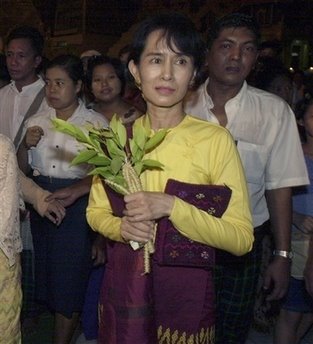


 Posts


