***********************************************************
BURMA RELATED NEWS - JANUARY 28, 2011
***********************************************************
AP - Suu Kyi asks investors at Davos to help Myanmar
AP - Thai PM: I'll do what's best regarding Cambodia
AP - Myanmar court rejects bid to restore Suu Kyi party
Reuters - Suu Kyi seeks support for democracy in Myanmar
RTT news - All Legal Avenues Closed To Myanmar's Main Opposition Party Seeking Legitimacy
BBC News - Davos 2011: Aung San Suu Kyi calls for investment
VOA News - US Envoy to UN Rights Council Criticizes Burma's Record
IRIN - MYANMAR: Rural healthcare "in crisis"
IRIN - MYANMAR: Conflict heightens landmine risk
Epoch Times - Burma’s Landmine Epidemic
Bernama - Myanmar Woman Charged With Killing Newborn Baby
New Kerala - Seven Myanmarese poachers arrested
New Kerala - More funds required for Myanmar cyclone response: UN
EarthTimes - ANALYSIS: Myanmar parliaments to usher in new era of military rule
People's Daily Online - Myanmar promulgates special economic zone law
People's Daily Online - Myanmar, China sign agreements on bank loans
Aliran Online - Burma garment workers’ miserable wages
Bangkok Post - Burmese worker rejects Ukrainian's claims
Straits Times - Myanmar approves investment law
The Irrawaddy - Junta Will Tighten Grip on NLD
The Irrawaddy - Opposition Legislators Receive a Shabby Welcome in Naypyidaw
The Irrawaddy - Rights Groups Respond to Geneva Comments
Mizzima News - Coverage of Parliament by journalists in doubt
Mizzima News - Win Tin, environmentalists alarmed by Myitsone Dam
DVB News - Media laws obscuring parliament
DVB News - Burma to create SEZ, spur growth
***********************************************************
Suu Kyi asks investors at Davos to help Myanmar
Nobel laureate Suu Kyi asks investors at Davos for help bringing her country out of isolation
Angela Charlton, Associated Press, On Friday January 28, 2011, 12:15 pm
DAVOS, Switzerland (AP) -- Myanmar pro-democracy leader Aung San Suu Kyi reached out Friday to the world's business elite to invest in her isolated, impoverished country -- but carefully.
"We yearn to be a part of the global community," the Nobel Peace Prize laureate said in an audio message to the World Economic Forum, where leading world executives and government officials are gathered in this Swiss Alpine resort.
"We have already missed so many opportunities because of political conflicts in our country over the last 50 years," she said.
Defense spending in military-run Myanmar, one of the poorest nations in Southeast Asia, overwhelms spending on education and health, to the detriment of its 55 million people, she said.
She described following the global economic crisis by listening to radio broadcasts from house arrest, where she was held for seven years until her release in November. She is now struggling to get her National League for Democracy party legalized and back in politics.
Without national reconciliation and political stability, she warned, "social and economic development will remain mere pipe dreams."
She urged investment in technology and infrastructure, and micro-lending programs, but said investors "should pay close attention to the costs and collateral damage of our development, whether environmental or social."
She appealed to "those who have invested or who are thinking of investing in Burma to put a premium on respect for the law, on environmental and social factors, on the rights of workers, on job creation and on the promotion of technological skills."
Some activists worry that tourism dollars and investment in Myanmar help fund a government that still holds some 2,000 political prisoners. But Suu Kyi's release appears to be easing those concerns.
Suu Kyi's party won the country's last election, in 1990, but the army would not let it take power and refused to convene parliament. The first parliamentary session since 1988 is to convene Monday, dominated by a military-sponsored party.
Suu Kyi spoke to the Davos participants hours after Myanmar's highest court declined Friday to hear a case she filed seeking to overturn the government's dissolution of her party.
***********************************************************
Thai PM: I'll do what's best regarding Cambodia
By MATT MOORE, Associated Press – 19 mins ago
DAVOS, Switzerland – Thailand's prime minister told The Associated Press on Friday that protesters demanding it revoke its pact with Cambodia over a border dispute have a right to make they're demands, but he will do what is best for the country.
Speaking Friday at the World Economic Forum, Abhisit Vejjajiva said that since both nations are part of ASEAN any resolution must be done in a peaceful manner yet protect Thai interests, too.
"You know, they can make their demands. They have the right to do so. We have to do what is the best for the country," he told AP. "We feel that the way we approach the border problems, and the problems — as far as the relationship with Cambodia is concerned — is best for the country, which is that we try to resolve whatever issues come up in a peaceful manner."
Earlier this week, a rally by the People's Alliance for Democracy — also known as the Yellow Shirts — and an associated fringe group, raised tensions in a country still recovering from political violence last year that turned parts of the capital into a war zone. Police on Monday arrested five men accused of plotting to bomb the protest.
The demonstrators set up a stage along a major street near the U.N.'s Asian headquarters and Government House, the prime minister's office that the Yellows occupied for three months in 2008.
The protesters want the government to revoke a pact with Cambodia on settling border disputes; withdraw from the U.N. Education Scientific and Culture Organization World Heritage Committee, which approved Cambodia's application for landmark status for a temple on the border; and force Cambodian residents off land the group claims should belong to Thailand.
"So that we preserve good relations — we are both part of ASEAN — and at the same time we make sure that we protect Thai interests," he said. "So all we can do is to explain to them (that) we feel that this is the best approach and I am confident that majority of Thai people support" it.
The Cambodian issue has its origins in a dispute between Cambodia and Thailand over land near a landmark temple on their border, but has evolved into a Thai domestic political issue.
The International Court of Justice ruled in 1962 that the 11th-century Preah Vihear temple belongs to Cambodia, but the decision rankled Thailand, which still claims land around the temple.
As for neighboring Myanmar, he said while its recent elections "may not be perfect," they were "an important first step and what we want to do now is to see the gradual opening up and making sure that political process becomes more inclusive, and we hope that the rest of the world will try to make sure that we can support Myanmar to do that."
He pointed to the release earlier this year of Nobel Peace laureate Aung San Suu Kyi in November after seven years under house arrest as a "positive step" in that process.
Afterward, she gave a recorded address to the Forum, urging investment in technology and infrastructure, and micro-lending programs in her country, but said investors "should pay close attention to the costs and collateral damage of our development, whether environmental or social."
Suu Kyi's party won the country's last election, in 1990, but the army would not let it take power and refused to convene parliament. The first parliamentary session since 1988 is to convene Monday, dominated by a military-sponsored party.
Suu Kyi spoke to the Davos participants hours after Myanmar's highest court declined Friday to hear a case she filed seeking to overturn the government's dissolution of her party.
***********************************************************
Myanmar court rejects bid to restore Suu Kyi party
Fri Jan 28, 3:15 am ET
YANGON, Myanmar (AP) – Myanmar's highest court has declined to hear a case filed by pro-democracy leader Aung San Suu Kyi, who was seeking to overturn the government's dissolution of her political party.
Her lawyer Nyan Win says the Supreme Court rejected hearing the party's appeal Friday. He says the court ruled there was no legal basis for it.
Suu Kyi's National League for Democracy party lost its legal status last year after it failed to reregister in order to take part in general elections, complaining conditions set by the junta were unfair and undemocratic.
Suu Kyi's lawyers claimed the move was unlawful because the new Election Commission has no right to dissolve parties that were registered under a different Election Commission in 1990.
***********************************************************
Suu Kyi seeks support for democracy in Myanmar
1 hr 6 mins ago
DAVOS, Switzerland (Reuters) – Myanmar pro-democracy leader Aung San Suu Kyi called on world leaders and top executives meeting in the Swiss resort of Davos on Friday to promote democracy and economic growth in her country.
"I would like to appeal to all those present ... to promote national reconciliation, genuine democratisation, human development and economic growth in Burma," the Nobel laureate said in a pre-recorded address to the World Economic Forum.
Earlier on Friday, a special appeals court rejected a move by Suu Kyi, whose 1990 election victory was ignored by the military junta, to have her political party reinstated after it was dissolved for boycotting last year's election.
Suu Kyi, who was released in November after seven years of detention, said Myanmar's 55 million people had been left behind as globalisation had proceeded apace and yearned to be part of the world community.
"Despite an abundance of natural resources, Burma's development has lagged far behind its neighbours," she said, adding the government spent 40 percent of output on the military compared to just 2 percent on health and education combined.
"As necessary steps towards integration within the global community Burma must achieve national reconciliation, political stability, and economic growth grounded in human resources development," she said.
Her National League for Democracy (NLD) shunned the election because of what it said were "unfair and unjust" rules that prohibited hundreds of its detained members from running for seats in a parliament due to hold its first session on Monday.
Many experts believe the NLD might serve as some kind of social organisation but warn any moves against a new government due to be formed in the next few weeks could result in the re-arrest of many of its members, including Suu Kyi.
Suu Kyi urged companies investing in Myanmar to put a premium on respect for the law, the environment, workers' rights and job creation "so our people may in turn be able make their own contribution towards a safer, happier world".
***********************************************************
All Legal Avenues Closed To Myanmar's Main Opposition Party Seeking Legitimacy
6 hours ago
(RTTNews) - Myanmar's Special Appeals Court has rejected freed democracy icon Aung San Suu Kyi's petition to restore legitimacy to the country's disbanded main Opposition party.
A few days after the release of the Nobel Peace Laureate from seven years' house detention on November 13, National League for Democracy (NLD) spokesman Nyan Win filed a suit in the Supreme Court seeking legal intervention for restoring its status as a political party. But it rejected the case.
They then approached the Special Appellant Court in capital Naypyitaw, which also turned down their appeal for recognition by the State Electoral Authority.
Reuters quoted Nyan Win, who is also the lawyer of the now-disbanded party, as saying on Friday that the Special Court ruled that NLD will remain an "unlawful association" for its failure to register for the general election held on November 7.
"Since it was the last legal avenue, the right to appeal has finished here," he said.
Suu Kyi was freed within hours of the Union Solidarity and Development Party (USDP), the political arm of the junta, ensuring victory in the election in which both she and her party were denied participation.
NLD had decided in March not to register for the country's first polls in two decades because of "unjust" electoral laws. Registering for election would have forced it to expel Suu Kyi and recognize the junta's Constitution.
NLD was denied power despite winning a landslide victory in the 1990 general elections, as the junta refused to recognize the results.
A process to give a democratic facelift to the military-controlled government in Myanmar will begin on Monday when the newly-elected chambers of Parliament convene for the first time since the elections to 'nominate' a new President.
Senior General Than Shwe, leader of the junta, is expected to adorn the top post, as the Constitution stipulates that the President must be familiar with military affairs, even if he is not an elected member of Parliament.
Burma, which later changed its name to Myanmar, has been under military rule since 1962, and 77-year-old Than Shwe has been heading the junta since 1992.
Western countries condemned the conduct of the election, The U.S. has extended sanctions on the Myanmar junta and renewed ban on all imports from that South East Asian country.
The European Union, Australia, and New Zealand are among those implemented punitive actions against the military administration.
***********************************************************
28 January 2011 Last updated at 12:57 ET
BBC News - Davos 2011: Aung San Suu Kyi calls for investment
Burma's pro-democracy leader Aung San Suu Kyi has called for investment in her country, which she says has been "left behind".
In an audio address to the World Economic Forum, Ms Suu Kyi said the 55 million people in Burma yearned to be a part of the global community.
Burma had "already missed so many opportunities because of political conflicts", she said.
But she said potential investors should "put a premium on respect for the law".
Ms Suu Kyi, who was under house arrest for seven years until November, said that despite her isolation, she had followed the global response to the economic crisis by listening to radio broadcasts.
She said the response had been "strong and swift" but that "much still remains to be done".
"Economic policies linked to human development and capacity building are the best path to the achievement of stability in a democratic transition," the Nobel laureate said.
"I would like to appeal to all those present... to promote national reconciliation, genuine democratisation, human development and economic growth in Burma."
Earlier on Friday, Burma's highest court rejected a move by My Suu Kyi, whose 1990 election victory was ignored by the military junta, to have her NLD party reinstated after it was dissolved for boycotting last year's election.
The Supreme Court ruled that the NLD's case had no legal basis.
Ms Suu Kyi's lawyer, Nyan Win, told the BBC that only the chief justice could now change the ruling and that there was nothing else the NLD could do.
But he said: "Our existence and our legality does not change because of this court decision. Our party still exists. As Aung San Suu Kyi said, what really matters is the support of the people."
***********************************************************
US Envoy to UN Rights Council Criticizes Burma's Record
VOA News January 27, 2011
Ambassador says US remains "deeply concerned" about Burma's human rights record, citing "systematic violations of... fundamental freedoms" in the military-run Southeast Asian nation.
The U.S. ambassador to the United Nations' Human Rights Council says the United States remains "deeply concerned" about Burma's human rights record, citing "systematic violations of... fundamental freedoms" in the military-run Southeast Asian nation.
Eileen Donahoe, speaking Thursday in Geneva, said Washington strongly condemns the widely reported abuses, including the continued detention of more than 2,100 political prisoners.
Her condemnation came at a council debate on human rights, a review procedure the 47-member council began on all its member-states in 2006.
Donahoe told the Burmese delegation that Washington has "independent" reports of hundreds of cases of torture of Burmese political prisoners. She also repeated U.S. criticism of the rare parliamentary election staged by the Burmese military in November, calling the vote "neither free nor fair."
For its part, Burma says the new parliament set to convene next week is part of its transition to democracy.
International rights groups described Thursday's debate as an opportunity for council members to pressure Burma's military rulers to address its widely perceived human rights violations.
Last week, a U.S.-based group, Physicians for Human Rights, accused the Burmese junta of committing crimes against humanity in a minority-dominated region, and urged the United Nations to open an investigation into the issue.
The group said volunteers interviewed hundreds of families in northwestern Burma's Chin state and heard that many of them reported relatives being killed, raped or forced into slave labor by Burmese authorities.
***********************************************************
MYANMAR: Rural healthcare "in crisis"
YANGON, 28 January 2011 (IRIN) - Myanmar is one of 57 countries worldwide facing a critical shortage of medical staff, defined as fewer than 23 health workers per 10,000 people, the minimum needed to provide 80 percent coverage for births and measles immunizations, according to the UN World Health Organization (WHO).
At the agency's second forum on human resources for health in Bangkok from 25-29 January, experts are again asking how to attract and retain health workers in remote underserved areas.
Half the world's population live in rural areas, but fewer than 38 percent of nurses and 25 percent of doctors work there, according to the world health body.
For example, in rural Myanmar - where 70 percent of the country's 58 million people live - most villages lack basic healthcare. Patients travel hours - in some hilly regions nearly an entire day - to reach hospitals or clinics located only in towns.
Nationwide, there are 1,504 rural health centres covering more than 65,000 villages, according to a 2010 Health Ministry report.
"Due to [the] remoteness between their villages and towns, patients come to the hospital only when they cannot stand their deteriorating health conditions. While some arrive [at the hospital] in time, some arrive [too] late," said a local doctor working in the country's second-largest city, Mandalay, who gave only his last name, Htway.
"Due to a lack of healthcare services, there are normally just two options for many rural people: rely on local traditional remedies or seek treatments from untrained [health workers]," he added.
"Some people rely on quack doctors, though they know that is not a good choice. It's because they need not pay medical fees immediately; they can pay later after they reap their harvest or crops."
In an effort to fill the gap, a dozen health international NGOs are providing free medical care, but the demand far outstrips their capacity, according to one NGO.
Myanmar had an estimated 13 doctors and nurses/midwives per 10,000 residents, according to a WHO 2010 calculation. As of 2010, there were about 26,000 doctors, 23,800 nurses and 19,000 midwives nationwide, according to the government.
Learning gap
In Myanmar, medical students tend to come from wealthy urban families and are unwilling to "serve in poor... rural areas", said a local health worker.
There are 14 public (but no private universities) offering medical courses in Myanmar, which enrolled 3,780 students, split between medicine (2,400), dental, pharmacy and medical technology (300 each) and community health (180), according to a 2009 government survey.
"In rural areas, communication is unreliable, while transportation is uncomfortable. There is no medical journal or internet access for us to learn [the] latest medical science there," said another government health worker posted four hours south of Yangon in the Ayeyarwady region.
Health workers told IRIN that rural pay for doctors was not "respectable" and "discouraging".
Most health workers prefer working in cities where private hospitals and clinics pay higher salaries; others emigrate.
"While the government needs to give incentives to the health workers so they want to go and work in the poor rural areas, at the same time, the government needs to spend more [on the overall] health sector," said Htway.
The government spent 1.9 percent of its gross domestic product (GDP) on health in 2007, the lowest rate among countries for which WHO had data.
Participants at the human resources for health conference are reviewing a draft outcome statement that calls for "better financial management and monitoring mechanisms" to "foster accountability, and improve equity and efficiency".
In 2010, WHO published 16 recommendations to boost the odds of rural residents accessing lifesaving care, including recruiting medical students from rural areas, compulsory rural health service, improving living conditions and offering financial incentives to rural health workers.
***********************************************************
MYANMAR: Conflict heightens landmine risk
BANGKOK, 28 January 2011 (IRIN) - Recent fighting between government forces and armed ethnic groups in eastern Myanmar has increased the risk of civilian landmine injuries, experts warn.
"With the increase in fighting, mine use will go up, and more actors will be involved," Katherine Kramer, programme director for Geneva Call, a Swiss-based humanitarian organization campaigning for the ban on landmines, told IRIN in Bangkok.
There are landmines in 10 out of 14 states and divisions along the Burmese border, primarily in Karenni, Karen, and Chin states, and more than 10 percent of all townships in Myanmar are contaminated, a report released by the group on 26 January said.
Since the 7 November elections - the country's first in 20 years - hostilities between armed ethnic groups and government forces have intensified; the former have refused to be incorporated into the country's Border Guard Forces (BGF), a unified umbrella army for the Burmese government.
Thousands of people remain displaced as a result.
At the same time, inter-factional conflict between ethnic groups in 2010, especially in Karen state, "led to both more mine use and more known casualties", Yeshua Moser-Puangsuwan, research coordinator for the International Campaign to Ban Landmines (ICBL), a global organization that promotes the 1997 Mine Ban Treaty, added.
Mines are used in ambushes, agricultural areas, near villages, in military installations, and alongside paths that may be used by the opposition, he said.
"Most armed groups are reluctant to give up using mines because they don't know how to manage without them," Kramer added.
Casualties
According to ICBL, mine casualty rates in Myanmar are among the highest in the world, surpassed only by Afghanistan and Colombia.
The actual number, however, is unknown due to difficulties accessing mine-affected conflict zones and the absence of national statistics.
It estimated 2,325 casualties between 1999 and 2008, and 721 in 2008 alone, a figure largely expected to remain the same today.
The International Committee of the Red Cross (ICRC) estimates the total number of amputees in the country at 12,000, of whom the majority are probably mine victims.
Fifty percent of victims are civilians, including children, according to Geneva Call.
"This is something that all parties should be accountable to," said David Scott Matheison, a senior researcher at Human Rights Watch.
The lack of demining activities coupled with increased conflict and use means that "more casualties are assured", Moser-Puangsuwan said.
Six out of the 29 armed groups operating in Myanmar have signed Geneva Call's Deed of Commitment, agreeing to abandon mine use and carry out mine risk education, mapping, advocacy and victim assistance.
However, in such an unstable environment, "it is unlikely it will take place in the near future. But there are opportunities to work with local organizations to mitigate the consequences," Kramer said.
***********************************************************
Burma’s Landmine Epidemic
One in ten Burmese townships is affected by landmines says a new report
By James Burke
Epoch Times Staff Created: Jan 27, 2011 Last Updated: Jan 27, 2011
BANGKOK—After decades of conflict, Burma (offically called Myanmar) suffers one of the worst landmine problems in the world with more than 10 percent of the country’s townships being contaminated with landmines, says a Swiss-based humanitarian group.
The townships are mainly located in areas dominated by ethnic minorities, on the other side of the border from Thailand, says a report launched in Bangkok this week by Geneva Call.
“The geographic scope of the problem is that 34 of the country’s 324 townships are affected,” said Katherine Krammer, the Asian program directory with Geneva Call.
The report estimates that approximately 5 million people live in the affected townships, and that thousands of civilians have been injured or killed by landmines.
However due to difficulties in accessing the affected regions Geneva Call says there is little known about the true extent of the problem and the impact of the mines on affected populations.
Krammer said that there are significant challenges in addressing the landmine crisis in Burma. The key hurdle, she said, is that the ruling military junta refuses to acknowledge there is an issue.
“Since 2004 the government has refused to authorize activities specifically directed toward addressing the landmine problem,” she said.
Based on research performed between June and September of last year, the report says that the junta has banned almost all forms of landmine action with the exception of a limited amount of prosthetic assistance to people with amputated limbs.
The size of the landmine problem has been an exacerbated by decades of conflict in the eastern regions, said Krammer. Since Burma gained independence from Britain in 1948, various ethnic groups have sought greater autonomy, resulting in cases of armed rebellions.
Currently, a number of armed groups, such as the Karen National Liberation Army and the Shan Army-South, continue to oppose the military junta that has ruled the ethnically diverse country with a strong hand since 1962.
“Right now the situation is such that it is not a very stable environment for any demining so it is unlikely that demining can take place in the near future,” said Krammer.
However, locally based organizations are quite keen to work on the issue, she said while adding that several were already conducting some type of landmine action such as survey work and victim assistance.
According to research conducted by Canadian organization Landmine and Cluster Munition Monitor, Burma’s junta is the only country where the government is laying antipersonnel mines.
The Geneva Call report, however, acknowledges that it is not just military or the ethnic armies deploying landmines. Villagers have used them to protect their communities against attack or theft, and they are also used as so-called “business-mines” by drug production and trafficking interests.
“The mines that have been used have been both commercially manufactured, both from the government’s plants as well as from other countries like China,” said Krammer while adding that homemade landmines are also in use. The report also said that Russia is supplying landmines to the Burmese military.
The report ranks Burma as having the third highest number of landmine accidents in the world. Afghanistan has the highest, followed by Columbia.
***********************************************************
January 28, 2011 20:51 PM
Myanmar Woman Charged With Killing Newborn Baby
SHAH ALAM, Jan 28 (Bernama) -- A Myanmar woman was charged in the Magistrate's Court here with killing her newborn baby.
Nuraishah Abdullah, 23, who holds a United Nations High Commissioner for Refugee, was charged with committing the offence at No 4, Lot 9902, Mile 4, Kampung Jawa here at about 9am on Tuesday.
The woman, who is unrepresented, was charged under Section 302 of the Penal Code which carries the mandatory death sentence upon conviction.
Nuraishah, who looked weak, nodded when the charge was read by a court interpreter.
No plea was recorded.
Deputy Public Prosecutor Zara Aina Mohd Zawawi applied to the court for the accused to undergo a mental examination.
Magistrate Zilfinaz Abbas allowed the application and ordered her to be examined for a month at a mental hospital and fixed Feb 28 for mention.
***********************************************************
New Kerala - Seven Myanmarese poachers arrested
Port Blair, Jan 27 : Seven Myanmarese intruders from North Andaman region in Andaman and Nicobar Islands have been arrested for illegally poaching in the sea.
Superintendent of Police of North and Middle Andaman Dr P Karunakaran today said a patrolling party traced the sound of a dinghy and noticed two dinghies cruising towards Budha Gope of North Andaman region on January 25.
''The boats used the strategy of sailing in opposite directions to flummox us. Therefore, the police had to fire warning shots in the air. Eventually one of the dinghies was captured and all the seven poachers, who were Myanmarese nationals, were arrested . The other dinghy managed to escape,'' Mr Karunakaran added.
The arrested were brought to Outpost Kishori Nagar yesterday and they were kept in custody for further legal action.
***********************************************************
New Kerala - More funds required for Myanmar cyclone response: UN
New York, Jan 28 : Three months after Cyclone Giri struck Myanmar, key challenges such as inadequate shelter, food insecurity and lack of livelihoods remain, United Nations humanitarian agencies and their partners said on Thursday, calling for additional assistance to support early recovery efforts.
The category 4 cyclone killed at least 45 people and affected 260,000 others when it hit the country's Rakhine state in late Oct. According to Government estimates, at least 20,000 houses were completely destroyed, leaving over 100,000 people homeless, and 56 per cent of schools have collapsed or been damaged. Some 17,500 acres of agricultural lands and nearly 50,000 acres of agricultural ponds were also destroyed.
Emergency relief was distributed in the period following the disaster, covering basic needs such as food, health services, and temporary shelter, according to a news release issued by the Office of the UN Resident/Humanitarian Coordinator in Myanmar.
However, a joint assessment carried out recently by the UN and its partners revealed that, as of January, an estimated 104,000 people are still living with host families in the four worst-affected townships -- Myebon, Pauktaw, Minbya and Kyaukpyu. The shelter support delivered so far has consisted primarily of tarpaulins and plastic sheeting, which are not adequate in the longer term.
It is estimated that without additional external support, nearly 60 per cent of affected houses will not be repaired or rebuilt before the next rainy season, increasing the risk of another humanitarian crisis.
Food insecurity is another major issue, given the severe damage to embankments, crops, boats and fishing gears, the news release noted. Around 60 per cent of the rice production from 2010 has been lost, and over 90 per cent of all rice fields have been damaged in Myebon alone.
Aid agencies are warning that the "significant" gap in funding threatens to hamper early and medium-term recovery activities in the affected areas. So far only USD 22 million of the USD 57 million needed for post-Cyclone Giri relief and early recovery has been provided by donors.
"Humanitarian partners operating in Myanmar have been able to reach the affected areas and are providing crucial support directly to the people, in coordination with the Myanmar authorities," noted UN Resident/Humanitarian Coordinator Bishow Parajuli.
"But funding constraints mean that many communities are left vulnerable. If shelters and embankments are not rebuilt before the monsoon season and farmers are unable to plant their crops this year, the people in these townships may face a prolonged crisis," he added.
The slowing-down of support provided after Giri echoes that of the response after Cyclone Nargis, which left some 140,000 dead and affected the lives of an estimated 2.4 million people in May 2008, the UN pointed out.
Only one-third of the approximately USD 690 million needed for the Post-Nargis Recovery and Preparedness Plan, covering up to the end of 2011, has been forthcoming, and funding for recovery activities in the Ayeyarwady Delta has nearly come to a halt.
***********************************************************
EarthTimes - ANALYSIS: Myanmar parliaments to usher in new era of military rule
Posted : Fri, 28 Jan 2011 08:16:43 GMT
Yangon/Bangkok - Military-ruled Myanmar is to convene its first parliament session in two decades on Monday, tasked with ushering in a new era of military-led parliamentary rule.
When the upper and lower houses' elected members and 166 appointed military members meet in the capital Naypyitaw, the first item on the agenda will be the selection of a new president.
There is widespread speculation that the next head of state will be Senior General Than Shwe, 78, who has ruled Myanmar since 1992.
"I think Senior General Than Shwe will be president because he doesn't want to abandon absolute power that easily," one Myanmar businessman said.
There are alternative scenarios.
"Shwe Mann (number 3 in the junta) is the most likely figure to become president," a government official said. "But Than Shwe will still be controlling the president from behind the curtain."
There are good reasons for Than Shwe to want to stay in power, including avoiding the fate of his predecessor.
General Ne Win, military strongman from 1962 to 1988, died in disgrace and obscurity in 2002 under house arrest, where he had been placed by Than Shwe.
The system could yet play in the current ruler's favour.
Under Myanmar's new constitution, three groups nominate the next president - elected members of the upper and lower house as well as the appointed military lawmakers, who account for 25 per cent of both houses.
Even if the military men do not nominate Than Shwe, the elected parliamentarians are likely to.
Both chambers are dominated by the pro-junta Union Solidarity and Development Party (USDP), which won about 77 per cent of the seats in the November 7 elections. The vote was criticized for restricting access for opposition candidates.
The USDP is packed with former military men and government officials, most of whom owe their careers to Than Shwe.
The president is empowered to appoint the next cabinet and heads of bodies such as the attorney general and chief justice. He will also become the chairman of the National Defence and Security Council, a new entity.
The council is responsible for appointing - or dismissing - the next commander-in-chief of the armed forces.
It will consist of 11 members including the president, two vice presidents, the military and deputy commanders-in-chief, speakers of the two houses, the defence minister, home minister, foreign minister and border affairs minister.
The council will effectively control the military, which has been Myanmar's only real source of power for the past five decades. "It's the same as the politburo in Beijing," said Maung Zarni, a London-based academic and activist. "If a handful of pseudo-communist paternalists in Beijing can control 1.3 billion Chinese, the national security council can easily control 400,000 or fewer men in uniform through incentives, coercions and exemplary severe punishment."
These are all good reasons to assume that Than Shwe will go after the presidency, or at least make sure that whoever gets it is securely in his pocket.
But analysts see some elements of change.
"Now you are going to run a country under two institutions - the military and the government - so there could be frictions," said Aung Din, executive director for the US Campaign for Burma. "There are more chances to make some changes."
The National League for Democracy (NLD), the opposition party of Nobel laureate Aung San Suu Kyi, sees more chances for changes through the emergence of civil society.
There are hopes that a draft law allowing the establishment of labour unions will provide a new avenue for political activism.
Less is expected from the elected parliament and the next cabinet.
"I don't think there will be an opportunity for civilians to have a role in the next government," said senior NLD member Nyan Win. "There will only be a role for those so-called civilians who took off their military uniforms."
***********************************************************
People's Daily Online - Myanmar promulgates special economic zone law
09:12, January 28, 2011
The Myanmar State Peace and Development Council Thursday promulgated the Special Economic Zone Law, aimed at attracting more foreign investment to boost the country's economy, the state-run radio and television reported.
The law comprises 12 chapters covering that related to the central administration board, special privileges, investment, use of land, financial matters and insurance as well as prevention against disease.
The enactment of the new special economic zone law came 23 years after Myanmar promulgated its first foreign investment law in late 1988.
The country's foreign investment has hit 31.957 billion U.S. dollars as of October 2010 since the country opened to such investment in that year.
The investment was up sharply during the period from May to October in 2010-11 when billions of dollars were injected sectorwise.
Of the investment, oil and gas was leading with 13.447 billion U.S. dollars, electric power 11.341 billion U.S. dollars, mining 2. 395 billion U.S. dollars, manufacturing 1.663 billion U.S. dollars, hotels and tourism 1.064 billion U.S. dollars and agriculture 96. 351 million U.S. dollars.
The foreign investment coming from 430 enterprises of 31 countries and region were respectively injected into 12 economic sectors which are oil and gas, electric power, manufacturing, real estate, hotels and tourism, mining, transport and communications, livestock breeding and fisheries, industry, construction, agriculture and services sector.
Meanwhile, Myanmar also designated 24 development zones in the country, carrying out major projects.
In the industrial sector, it has set up 18 industrial zones across the country to encourage private sector to run industrial enterprises for the development of the sector. So far, a total of 9,574 private industrial enterprises are in operation there.
The 18 local industrial zones are Hlaingthaya, Shwepyitha, Shwelinpan, Shwepaukkan, North Okkalapa, South Okkalapa, Dagon Seikkan, East Dagon, South Dagon, North Dagon, Thakata, Mingaladong, Yangon, Wartayar, Pyin Mapyin, Thatukan, Thit Ahchaykan and Myaungdakar.
Myanmar's industrial sector contributes about 20 percent to the gross domestic product and private sector's contribution to the industrial sector stands 92.36 percent, statistics show.
According to the Myanmar Investment Commission, Myanmar national private companies made most investment in the sector of industry.
***********************************************************
People's Daily Online - Myanmar, China sign agreements on bank loans
09:03, January 28, 2011
The Ministry of Finance and Revenue of Myanmar and the Export-Import Bank (Eximbank) of China Thursday signed some agreements on bank loans, the state radio and television reported in a night broadcast.
The agreements were signed by Myanmar Deputy Minister of Finance and Revenue U Hla Thein Swe and Vice President of the China Exim Bank Zhu Xinqing, and was witnessed by First Secretary of the State peace and Development Council Thiha Thura U Tin Aung Myint Oo and Chinese Ambassador Li Junhua.
The agreements include the one on renminbi loan for mutually beneficial cooperation and a main agreement between the Myanmar Foreign Trade Bank and the Chinese bank on the loan.
The other agreement is the purchaser's loan agreement concerning the construction project-2 of Nay Pyi Taw international Airport.Carrefour China stores busted for overcharging, refusing to hike wages
***********************************************************
Aliran Online - Burma garment workers’ miserable wages
By admin, on 27 January 2011
[Translate] Translated and edited by Myint Win Thein and MYA.
Source: eversion.news-eleven.com
Burma’s poorly paid garment workers are anticipating a pay hike this year, report Thida Win and Yadana Oo. But this has to be put in perspective: 1,000 Kyat is equivalent to about US$1, so the pay rise is only about $10.
To the delight of underpaid workers in Yangon, some of the local garment factories there are increasing the wages as of January 2011, according to employees in the garment industry.
Although most of the factories are to raise the wages by K10,000, some factories still do not have the same plans. Basic salaries of workers at local garment factories established with foreign investment are very low.
“It is said that our factory is going to raise our salaries by K10,000 (US$10) as of January. This was not officially announced. It is learnt that the arrangements are being made. This is exactly what should be done. Our basic salary is just K9,298 ($10). Overtime allowance is K30 per hour. I worked 84.25 hours of overtime last month and got K8,396. I got production bonus K10,000 per month. So I earned K9,400 last month before deducting K972 for income tax and K283 for social security premium,” said a worker from a Korean garment factory on No. 3 Highway in Mingaladon township.
Working hours in garment factories are from 7.30am to 6.30pm including lunch break of 30 minutes. Although working hours are set thus, the workers have to work overtime, including night shifts in some months, depending on garment orders. Overtime wages vary from K30 per hour to K50 per hour.
“There are about 3,000 workers of ages between 16 and 35 in our factory, which is established by businessmen from China. We are not paid monthly salaries but daily wages. Workers are grouped into Grade A, Grade B and Grade C. Those in Grade A group earn daily wages of about K650, while Grade B workers earn about K450 a day.
“Those in Grade C group earn only about K300 per day. As work starts at 7.30am, we have to go to work at 6.00am. Although work finishes at 6.20pm, we mostly have to work overtime until 9.00pm. When they have a lot of orders, we have to work all night. We do not have holidays every week. Usually, we do not have day off even on Sundays. At the end of a month of hard work, those in Grade A group earn about K60,000 and those in Grade B group get about K50,000. Grade C workers get from K35,000 to K45,000. Despite the news of pay rise in other factories, we have not heard anything about our wages in our factory,” said a worker from a Chinese garment factory in Pale Myothit in Mingaladon township.
There are many garment factories set up by foreign businessmen in Yangon Region, mostly from China, Korea and Japan, employing hundreds to thousands of local people as low-income earners depending on the size of the factories.
Basic level workers in garment factories set up by foreigners rarely have the opportunities to see the employers and have to work under the supervision of local foremen. There were some incidents in which the workers were exploited financially and treated rudely by these local foremen.
“I work in a Korean garment factory in Shwepaukkan. We get higher salaries than those from other factories. Although we are paid higher, we have to work harder than workers from other factories. They set a standard to finish 50 garments an hour. If we cannot finish the set standard, we are verbally abused. It is said that that we will get a pay rise in January but we are not sure,” said a worker in a Korean garment factory in Shwepaukkan.
“Low paid workers like us do not have a chance to meet with the boss. We have to deal with Myanmar foremen. The problem is that we cannot fully enjoy the benefits allowed by the boss. Once, a local foreman paid us lower than our real wages and forced to work more. Our wages were cut through various ways. Later, the foreman was fired when the boss found out what he was doing” said a garment factory worker in Mingaladon Industrial Zone.
In November 2010, some local garment factories increased wages by K20,000, it was learnt.
***********************************************************
WHITE SLAVERY
Bangkok Post - Burmese worker rejects Ukrainian's claims
Published: 28/01/2011 at 12:00 AM
Newspaper section: News
The Department of Special Investigation has located the Burmese worker who helped a Ukrainian engineer to escape the clutches of an oxygen factory where he claimed he had been held captive for 14 years.
DSI officials said the Burmese worker's information was inconsistent with that of the Ukrainian's.
DSI director-general Tharit Pengdit said investigators had questioned the Burmese who got involved in the case when he notified Anatoliy Vdovychenko's family of his plight.
The man rejected a claim by Mr Vdovychenko that he had been confined to the Navanakorn Gas (2005) Co factory and forced to work for 14 years without pay.
Mr Tharit said the Burmese, who lives in Samut Prakan, told investigators Mr Vdovychenko was not intimidated, threatened or confined while working at the factory.
The man's work permit, however, had expired, which might have led to a pay dispute with the factory management, he was quoted as saying.
The DSI chief said more witnesses would have to be questioned to determine whether human trafficking charges apply in the case.
He said even though there was no evidence of detention as claimed by the Ukrainian, the factory did take away his passport.
He said the DSI had not yet accepted the dispute as a special case. It would hand its findings to local police if there was no further progress in the investigation.
Pathum Thani's Khlong Luang district police station has already filed charges against the factory's owner for illegally hiring a foreign worker and not paying him full wages.
***********************************************************
Jan 28, 2011
Straits Times - Myanmar approves investment law
YANGON (REUTERS) - MYANMAR'S military government has enacted a law on foreign investment in a move to attract much-needed foreign capital to an economy held back by decades of sanctions and mismanagement.
A 'Special Economic Zone Law' was passed on Thursday by the junta, four days before a new parliament convenes for the first time, outlining privileges for investors and regulations regarding banking and insurance firms.
State-controlled media carried vague details about the new law on Friday and said full information would be published at a later date.
The country is on a drive to attract investment, promoting tourism, timber, gemstones and its vast oil and gas reserves, which are already being tapped by China and Thailand, its neighbours and biggest trade partners.
Regional foreign ministers and some small political parties plan to petition Western governments to lift sanctions, and the party of Nobel Peace laureate Aung San Suu Kyi, who was released from seven years' house arrest on Nov 13, is expected to complete a review of the issue soon.
The new investment law follows a series of reforms undertaken over the past year, including the privatisation of hundreds of state assets, and plans to expand banking, telecommunications, shipping and agricultural sectors.
***********************************************************
The Irrawaddy - Junta Will Tighten Grip on NLD
By WAI MOE Friday, January 28, 2011
Despite the NLD having no presence in the Parliament and being effectively excluded from the political process, the Burmese junta never miss a chance to attack the movement led by pro-democracy icon Aung San Suu Kyi.
What will the Burmese junta’s plan be to control Suu Kyi’s National League for Democracy in the coming months?
Ahead of the opening session of Parliament, which will be dominated by the junta’s proxy Union Solidarity and Development Party (USDP) and military officials, on January 31, the junta, headed by Snr-Gen Than Shwe, moved to deactivate the NLD.
On Friday, Burma’s supreme court in Naypyidaw rejected the appeal of the NLD for legal status.
After the court verdict, Kyaw Hoe, a lawyer of the NLD told The Irrawaddy from Naypyidaw that the NLD legal team will appeal to the Chief Justice office for the party legal existence under the election commission law in1989.
“The court verdict for today's appeal was as imperfect as the Supreme Court's. Just read the verdict of the rest of the world.”
However, the supreme court’s rejection is only one of the junta’s plans to control the NLD’s activities since Suu Kyi’s release on Nov. 13.
NLD sources said Burmese authorities recently put more pressure and threatened leaders at the party's headquarters in Rangoon, saying assembly of the party in the building was against the law as the party lost its legal status since it did not register for the election.
If the NLD has to move their headquarters from its current HQ, one option is that the party moves its operations to Suu Kyi’s lakeside house on University Avenue.
However, the NLD is likely to face more challenges in the coming months as reports from Naypyidaw suggest hardliners within the ruling junta and the USDP reportedly requested Than Shwe to tighten controls on the opposition, including one plan to put Suu Kyi under arrest again.
A possible approach by the ruling generals is that the NLD may have to register again with the Union Election Commission under the coming government. Or, if they just want to be involved in social work, they must register with the Ministry of Home Affairs, said observers.
But Thakin Chan Tun, a veteran politician in Rangoon, said that the NLD leaders including Suu Kyi think all possible options for the main opposition movement remain alive.
“Even if the court rejected the NLD’s appeal, the pro-democracy movement will move on,” he said. “There are many different ways to carry the movement. Let's wait and see the junta's next move in this cat and mouse game.”
***********************************************************
The Irrawaddy - Opposition Legislators Receive a Shabby Welcome in Naypyidaw
By BA KAUNG Friday, January 28, 2011
“When I opened the tap, the water that came out was the color of rust, so I haven't taken a shower since I got here,” said Ba Shin, an ethnic Arakanese politician who recently arrived in the Burmese capital of Naypyidaw to prepare for the country's first session of Parliament in more than two decades.
Speaking to The Irrawaddy by phone on Friday, Ba Shin said that dirty water in the pipes of his shower wasn't the only problem he has had to face at the municipally run guesthouse where he and other opposition parliamentarians are staying.
“Last night while I was eating my dinner, the lights suddenly went out, so I had to use a flashlight to finish my meal,” said Ba Shin, a representative of the Rakhine Nationalities Development Party who will be one of 664 lawmakers sitting in the country's Parliament when it convenes next Monday.
The guesthouse, located about 16 km from the Parliament building, is offered as free accommodation to MPs from parties that won a handful of seats in last November's election, as well as some low-ranking members of the Union Solidarity and Development Party (USDP), the junta proxy that claimed 388 of the seats in the bicameral Parliament in Naypyidaw. Another 166 seats, or 25 percent of the total, will be occupied by military appointees.
While the newly arrived opposition MPs are trying to make themselves comfortable, some retired military generals and businessmen representing the USDP's upper echelons are finding that task much easier, as they check in at Naypyidaw's most luxurious hotels.
On Monday, the lawmakers will be sworn in at the capital's newly constructed Parliament building, where they will also elect the heads and deputy heads of the two-chamber legislature and nominate vice-presidents.
However, many representing ethnic minority parties and Rangoon-based opposition parties said they remain in the dark as to how long the first session of Parliament will last and what sort of procedures they will be undergoing.
“I don't know how long this will take. Some say it will take around a week, while others say it could go on for nearly a month,” said Soe Win, one of 12 members of the National Democratic Force (NDF) who were elected in November.
“We won't know how it will go until we enter the Parliament building,” he said. “But as far as our party is concerned, we have already prepared our own agenda, including some bills we intend to submit.”
Among them, he said, are calls for economic liberalization in the country and the release of more than 2,000 political prisoners.
Soe Win said that most of the others staying at the guesthouse, including a mixture of low-level USDP MPs, representatives of the pro-regime National Unity Party and members of the opposition parties, have mingled with each other, but few have touched on serious political issues.
“We've only had small chats. No one is talking about serious topics,” said Soe Win, who was elected as a member of Parliament for the National League for Democracy in 1990 but never allowed to sit because the regime refused to recognize the results.
While Monday will mark the first time that Parliament has convened in Burma since the collapse of the Ne Win regime in 1988, the event is not attracting much attention inside the country, where most see it as little more than a continuation of Ne Win's style of military rule in parliamentary guise.
“Although there will be several parties this time, parliamentary regulations mean that there will be no more debate now than there was in Ne Win's one-party socialist parliament. That's why the general public has no interest in what's going on here in Naypyidaw,” said a political dissident in Rangoon.
The regulations forbid MPs to bring any communication device with them into the Parliament building, and also bar media access.
According to a high-ranking official in the Ministry of Information, when Information Minister Kyaw Hsan asked junta chief Snr-Gen Than Shwe if the media should be allowed to attend sessions of Parliament, the top general replied that it would be easy to allow the media, but difficult to control it.
The official added that the ministry even vetted reporters from the state-run media before authorizing them to cover sessions of Parliament.
“Since even MPs are not allowed to carry any kind of electronic devices, we don't expect the media to have a chance at all of directly covering Parliament,” said a Rangoon journalist.
For now, the MPs in Naypyidaw are busy receiving ID cards to enter the Parliament building and money to cover their travel and living costs.
“I received 300,000 kyat [US $360],” said Min Myo Tint Lwin, a representative of the All Mon Regions Democracy Party.
Like many of the other MPs now arriving in Naypydiaw, he has yet to see the new Parliament building, although he did get a glimpse of it today while going around the capital.
“It looks like a real palace, at least from a distance,” he said, adding he has no complaints about Naypyidaw so far—except for the red water in his guesthouse shower.
***********************************************************
The Irrawaddy - Rights Groups Respond to Geneva Comments
By SAW YAN NAING Friday, January 28, 2011
While a Burmese delegation in Geneva maintains that there are no human rights abuses in Burma, civilians in conflict zones, most notably in Karen State, are fleeing torture, rape, murder and other violations committed by Burmese government forces, say rights activists and witnesses.
Poe Shan, the director of Thailand-based Karen Human Rights Group, said, “The regime just says these things to defend their image. However, human rights violations remain a big problem in Burma.
“International rights groups should come and closely monitor the human rights abuses in Burma. They should continue to raise the topic [at forums],” he said.
Some 13 porters who were forced to work for the Burmese army recently escaped to an area controlled by the rebel Karen National Liberation Army.
Those interviewed said they witnessed their fellow porters brutally killed—execution-style—by regime troops when they tired or requested a rest.
Aung Kyaw Moe, one of the escaped porters, said that the troops killed his fellow porters in front of them to show the rest of the porters what they could expect if they weakened on the job.
“They [the regime troops] stabbed a porter, Sa Paw, twice in his chest with a knife on Jan 15. They said it was an example for all of us,” he said.
The regime troops also cut the necks of another two porters, Chit Ko Ko, 18, and Aung Thu Win, 17, said Joseph, another witness.
According to the KHRG, the majority of human rights abuses in armed conflict zones such as Karen State are carried out by Burmese government forces.
Civilians are targeted by government forces who accuse the villagers of supporting the Karen rebels, according to several rights groups. An endemic policy of rape and shoot-on-sight is also enacted against the ethnic civilian population.
There are currently 150,000 Burmese refugees, mostly ethnic Karen, at camps along the Thai-Burmese border. Thousands more are displaced in the jungle hiding from Burmese army patrols.
According to a recent report issued by the US-based Physicians for Human Rights, in collaboration with the Center for Public Health and Human Rights at the Johns Hopkins Bloomberg School of Public Health, nearly 92 percent of ethnic Chin people in the remote northwestern corner of Burma suffer from forced labor, rape or other serious abuses at the hands of Burmese soldiers.
Dr. Voravit Suwanvanichkij of the Johns Hopkins Bloomberg School of Public Health, who is also a researcher for the report, said that the statement made by the Burmese delegation in Geneva is inconsistent.
“Almost the entire population in Chin State has experienced human rights abuses,” he said, adding that the abuses continue and are widespread even in the wake of the Burmese election.
Jackie Pollock, the director of the Chiang Mai-based Migrant Assistance Program Foundation, said that many Burmese migrant workers come to Thailand to seek jobs due to the social and economic problems in their homeland.
Pollock said there are two million Burmese migrant workers in Thailand, many of whom have no legal travel documents.
Recently, hundreds of ethnic Rohingyas from Burma were also arrested in Thailand for illegal entry.
At the UN Human Rights Council forum in Geneva, the Burmese delegation was pressured by the international community to speed up genuine democratic reform in Burma.
Western countries including Britain, France and the US called on the military regime to free the more than 2,000 political prisoners, end impunity for abuses, and halt forced labor, arbitrary arrests and the torture of critics.
At the summit, Burma's delegation, headed by Dr. Tun Shin, the country's Deputy Attorney General, said that Burma enjoys a free press, has committed no human rights violations, and has cooperated with UN Human Rights Special Envoy to Burma, Tomás Ojea Quintana.
***********************************************************
Coverage of Parliament by journalists in doubt
Friday, 28 January 2011 20:26 Ko Pauk
New Delhi (Mizzima) – With only three days remaining before the opening of the People’s Parliament and National Parliament, no one is certain if foreign and local journalists will be allowed to cover the proceedings of the assemblies.
The first parliamentary sessions will be held in Naypyidaw on Monday.
Aye Aye Win, a writer for The Associated Press in Rangoon, told Mizzima that journalists were waiting for a yes or no from the military regime, and the longer the wait, the more doubts they have.
A journal editor in Rangoon said, ‘We haven’t received an invitation letter. I’m not sure whether they will invite us or not’.
One journal editor told Mizzima that local journalists were not welcomed when the National Convention met and this could be a similar situation, because of the nature of the discussions and debate that could occur in Parliament.
He said, ‘That means they don’t want the journalists to know about parliamentary events because the journalists will inform the people about the events’.
In the National Convention, which began in 1993 and was completed in 2007, the Ministry of Information invited some resident correspondents of foreign news organizations and some foreign correspondents attend the sessions.
Many new members of Parliament are now in the capital, lodged in special guesthouses located downtown. A room costs 1,500 kyat (about US$ 1.50), including two meals.
The Foreign Correspondents’ Club of Myanmar (FCCM) held a meeting in Rangoon on January 18 and decided to apply to the Ministry of Information for access to parliamentary sessions to cover the events.
“We applied via the Press Scrutiny and Registration Division. But, we haven’t got any reply. We are still waiting’, a Rangoon-based correspondent from a foreign news agency told Mizzima.
However, during an opening ceremony for a library in Thaketa Township in Rangoon on January 17, Information Minister Kyaw Hsan told resident correspondents from a foreign news agency that the Ministry of Information would invite journalists from foreign news agencies to cover parliamentary sessions.
Section 52 of new Parliamentary laws says anyone (except lawmakers) who enters the parliament building without permission of the Parliamentary chairman could be sentenced to a minimum of one year in prison or fined kyat 100,000 (about US$ 100) or both.
***********************************************************
Win Tin, environmentalists alarmed by Myitsone Dam
Friday, 28 January 2011 14:54 Thomas Maung Shwe
Chiang Mai (Mizzima) - Win Tin, the co-founder of the National League for Democracy, says he and his colleagues are “deeply concerned” by the potentially devastating impact of the 152-meter high Myitsone Dam now under construction on the upper Irrawaddy River in northern Kachin State.
Win Tin told Mizzima that he is worried the project will cause increased ethnic tensions because of the widespread displacement of villagers and the impact on the environment.
The project’s critics also fear that restricting the flow of the river on the upper Irrawaddy will have devastating consequences farther downstream, depleting fish stocks and severely impacting agricultural production in the Irrawaddy delta where 60 percent of Burma’s rice is produced.
Construction and financing on the project is headed by the China Power Investment Corporation (CPI), a state-owned giant electrical company that has partnered with Burma’s state power utility Myanma Electric Power Enterprise (MEPE) and the Burmese conglomerate Asia World, which is controlled by Stephen Law and his family. Law’s father, Lo Sit Han, the chairman of Asia World, has been labeled a ‘narco warlord’ and linked to money laundering by the US government.
The Myitsone Dam will be built at the confluence of the Mali Hka and Nmai Hka rivers and, according to Burmese state media, will generate 6,000MW. Last September in a report on Sino Burmese relations the Brussels-based think tank, the International Crisis Group, citing Chinese state media, concluded that when completed the Myitsone dam “is expected to send most of the power generated to China.”
Environmental activists with the Burma Rivers Network, a coalition comprised of organizations representing various dam-affected communities in Burma and one of its members, the Kachin Development Networking Group, said that the creation of the dam’s reservoir will flood an area larger than Singapore and will displace scores of villages with an estimated population of around 15,000 people while also destroying ecologically sensitive areas, something Win Tin said is unacceptable.
‘The relocation of thousands of Kachin villagers is a great problem,’ Win Tin said. The veteran politician, who served a lengthy jail sentence as a political prisoner, noted that when the project started a few years ago ‘there was no consultation with the people’.
He called the dam’s development the latest act of ‘land grabbing’ by the Burmese regime, which has routinely confiscated land throughout the country without giving compensation to pursue massive development projects.
Win Tin also said he feared that the Kachin people affected by the project ‘may not be able to discern that this is a project imposed on them by the SPDC and does not represent the will of the majority of Burma’s people’. He added that he feared ramifications of the project would lead to increased ethnic tension in a country wracked by decades of civil war and ethnic conflict.
Win Tin is not alone. Sai Sai, the coordinator of the Burma Rivers Network, said the Myitsone dam will ‘have a major disruptive impact on people living downstream from the project’.
Sai Sai and his fellow activists are particularly concerned that because of the dam, water on Burma’s most important river ‘will be stored and released depending on the electricity needs of the Chinese, leading to unpredictable water shortages and surges’.
Ah Nan, a researcher with the Burma Rivers Network, told Mizzima that several hundred villagers were forced to move already last year and the new living areas the Burmese regime provided are totally inadequate.
Ah Nan said, ‘Most of these villagers are subsistence farmers who have worked the land for generations, but at little notice the Burmese regime orders them to move and making matters worse, they aren’t even allowed to bring their livestock with them.
These people who were self reliant before, will be left with nothing and driven into poverty, this is a major disaster in the making.’
The Myitsone dam will be the first of seven cascading dams on the upper Irrawaddy in Kachin state. An article in the industry journal Power in Asia last September said the massive project will generate a combined capacity of 16,500 MW, slightly less than the present 18,200 MW generating capacity of China’s huge Three Gorges Dam, the world’s largest dam.
As the Burma Rivers Network has pointed out, the seven dams on the Irrawaddy’s headwaters will produce five times the total current power production capacity of Burma.
The other six dams, like the Myitsone, will be built and operated by CPI in partnership with MEPE and Asia World. In July of last year, the Burmese regime’s Union of Myanmar Government Gazette reported that in December 2009 the three entities had established the Irrawaddy Myitsone-Myintnya-MyintWan Hydropower Company Limited to build and operate the dams.
‘As we’ve seen with other dam projects of this kind in Burma, the regime’s priority is to enrich itself and make money for the foreign investors while the needs of the people of Burma are ignored’, Sai Sai added.
Power in Asia also revealed that official Chinese figures put the estimated total cost of the 15-year, seven-dam mega project at US $30 billion (200 billion yuan).
According to reports, the Chinese firms will bring in their own work force to build the dams thus creating fewer local jobs, a common practice by Chinese firms operating overseas.
Bomb attacks on dam site
Last year, a series of at least 10 separate bombs exploded on April 17, 2010 at the Myitsone Dam construction site, injuring a Chinese worker and destroying several temporary buildings belonging to Asia World and vehicles owned by the firm.
Within days of the explosions, the Burmese regime detained more than 70 local people, mostly youth affiliated with the Education and Economic Development for Youth, the youth wing of Burma’s second largest cease-fire group, the Kachin Independence Organisation (KIO).
The KIO, which has publicly opposed the dam, denied any responsibility for the explosions and eventually most of the people arrested were released. According to the KIO, its concerns about the dam have been ignored by the regime, which has pressed ahead on the project.
In an interview with Mizzima last November, Lana Gumhpan, a senior figure in the de facto government that administers the territory controlled by the Kachin Independence Organisation, said that the Burmese regime’s reckless pursuit of the dam project was more evidence that the junta was quite willing to ‘ignore the concerns of Burma’s ethnic minorities’.
***********************************************************
DVB News - Media laws obscuring parliament
By AHUNT PHONE MYAT
Published: 28 January 2011
Domestic and foreign news outlets are yet to receive any response on whether they can attend the first session of parliament next week where strict rules block possession of all electronic equipment in the building.
The 1000-plus MPs due for Monday’s sitting have been warned that no cameras, bags or mobile phones can pass through security at the Union Parliament building in the capital, Naypyidaw.
Burmese and international journalists say they have so far not been given any word on whether they can attend the session, despite Burma’s information minister, Kyaw Hsan, saying on 17 January that they would be able to cover the event.
A number had applied for passes to cover the session. One foreign correspondent told DVB on condition of anonymity that when he had contacted the ministry, they drew a blank.
“They said they didn’t know yet [whether permission would be granted]. Some journalists have booked rooms at hotels in Naypyidaw and they’ll have to cancel their stay if they don’t get permission.”
He added that their last resort would be to simply wait in front of the parliament building and speak to MPs as they exited.
Burma has some of the world’s strictest media laws, and bans filming of so-called sensitive material that would include parliamentary debates unless expressly permitted to do so. Under the Electronics Act, journalists caught filming without permission face a 10-year prison sentence.
Analysts have sought to dampen expectations about the first parliamentary session since elections in November last year. Both chambers are dominated by the pro-junta Union Solidarity and Development Party (USDP), which won 80 percent of the vote, while a quarter of seats have already been reserved for pre-appointed military officials who effectively carry power of veto.
A senior member of the Committee for Professional Conduct (CPC), set up recently by the government’s censor board with the professed aim of protecting the interests of journalists and issuing guidelines for media practice, said the group has lobbied the government to allow reporters inside the building but was also yet to receive a response.
Parliamentary law states that only MPs and representatives are allowed to join sessions unless given special approval by the parliamentary chairman. Those who cheat this law, perhaps by entering under the guise of somebody else, will be fined 100,000 kyat ($US100) or face one year in prison.
Article 53(f) prohibits the passing of photographs and information to foreign news outlets unless given express permission. Anyone deemed guilty of this faces a two-year sentence.
***********************************************************
DVB News - Burma to create SEZ, spur growth
By JOSEPH ALLCHIN
Published: 28 January 2011
New laws have been agreed that would allow the creation of Special Economic Zones (SEZ) in Burma as the country looks to encourage a business-friendly environment after decades of economic stagnation.
State-run press today announced the “promulgation” of the law, which comprises 12 chapters, in a bid to boost growth. It comes as fresh loans were announced from China, with one for an airport in the capital, Naypyidaw, and another between the Myanmar Economic Bank and the Chinese import-export bank.
The loan deals were signed by Burma’s deputy finance minister, Hla Thein Swe, and the Vice-President of the China Exim Bank Zhu Xinqing, with the Burmese government’s first secretary, Tin Aung Myint Oo, and Chinese Ambassador Li Junhua also in attendance.
The SEZ law will likely be developed in tandem with the $US8 billion Tavoy port project and associated facilities around the site in southern Burma, which is led by Thai company Italian-Thai.
SEZ’s have been used in regional economic giants like India and China, as well as Thailand, as a way to stimulate business in specific areas without having to alter overall legislation, and have met with varying degrees of success and controversy.
In Thailand they are often seen as a way of circumventing labour laws in order to exploit cheap, migrant workers from countries like Burma and Cambodia. And in India the creation of an SEZ in the state of West Bengal near Nandigram caused considerable violence between locals, whose land was being seized, and the local government who met protests with armed militias, resulting in dozens of deaths.
The junta may then look more towards China’s success with its original SEZ in Shenzhen, which was visited last year by Senior General Than Shwe. Shenzen has been the centre of China’s export-led rise following the government’s decision to allow foreign investment and deregulated laws over private enterprise, which were able to exploit the dollar and China’s hungry labour force.
Such labour-intensive industry is heavily needed in Burma, where agriculture’s share of GDP has changed little since 1938. Then it accounted for 47.9 percent of overall GDP, whilst today it accounts for just over 43 percent. This compares with regional nations such as Bangladesh, where its contribution of agriculture to GDP dropped from roughly 40 percent in 1980 to 18.9 percent in 2007.
Shenzhen has witnessed a dramatic rise as industry has shifted to more hi-tech value-added industries. But it will remain to be seen whether the Tavoy SEZ in Burma can develop in the same manner, or whether it will perpetually be a source of cheap labour for foreign companies and a home for dirty industries that other countries no longer permit or desire.
***********************************************************
Sunday, January 30, 2011
BURMA RELATED NEWS - JANUARY 28, 2011


ပန္းဆိုးတန္းသို ့ ျဖတ္သန္းျခင္း
အလြမ္းေတြနဲ ့ မိႈင္းမိႈင္းေ၀ေနတဲ ့
ညေနခင္းကို
လြယ္အိတ္ထဲက ထုတ္ခင္းလိုက္တယ္ ….
စာငတ္ေနတဲ့ စိတ္က
ပန္းဆိုးတန္း စာအုပ္အေဟာင္းတန္းမွာ
ထမင္းတနပ္နဲ ့ခ်ိန္ဆ
ဒိြဟျဖစ္ေနတယ္ ….
ေအမီ ေဒစီ ေကသီ
ေ၀ရီရီ အေမွာင္ရိပ္မွာ
စိုးရိမ္စိတ္နဲ ့ ေစ်းဦးမွေပါက္ပါ့မလား
အရင္အတိုင္းပဲ အၿပံဳးမ်ား ႏြမ္းလ်
အိမ္ျပန္ခက္တဲ့ ညေတြႀကံဳဦးမယ္ ….
သစ္ရြက္အေသမ်ားေပၚက
ရက္စက္ေသာဂီတ
လိုခ်င္တပ္မက္မႈက
ငါ့ ရင္ကို ေခ်မြေနတယ္
ခပ္လွမ္းလွမ္းက
ခေလးငယ္ရဲ ့ေတာင္းရမ္းသံမွာ
အိပ္ကပ္ထဲက အသျပာ
ေခါင္းေထာင္ထလာတယ္ …..
ငါ မျမင္ဘူးေသာ မ်က္ႏွာစိမ္းမ်ား
အေကာင္းစားကားမ်ား
ကဗ်ာတစ သတိရတယ္
သူခိုးဖမ္းပါ
လမ္းၾကားမွာလား
ပန္ကာေအာက္မွာ ထိုင္ေနသည္ …..
ပန္းဆိုးတန္းပလက္ေဖာင္းတေလွ်ာက္
တလွမ္းခ်င္းေလွ်ာက္အလာ
အေဟာင္းဆိုင္ကေလးရဲ ့ စာအုပ္ပံုၾကား
ဖူးခ်စ္ရဲ ့ ႀကိဳးစင္ေပၚက မွတ္စု
ငါ့ ႏွလံုးသားကို တူနဲ ့ထုေလတယ္ ….
စာအုပ္အေဟာင္းတန္းကို ေက်ာခိုင္း
ျမင္ေနၾက ႏြမ္းလ်လ်မ်က္ႏွာမ်ား
ေသာကစြန္းထင္း ေပက်ံေနေသာ မ်က္၀န္းမ်ားကို
ခပ္ယဲ့ယဲ့ ၿပံဳးျပ ႏႈတ္ဆက္ထြက္ခြါ
ေမာင္ေလးေအာင္ရဲ ့ကဗ်ာ
ဖူးခ်စ္က သင္တို ့ကို ခ်စ္ခဲ့သည္
ငါ့ အာရံုမွာ ၿငိတြယ္လိုက္ပါ …..
ငါ ျမင္ဘူးတဲ့ သူေတြနဲ ့
ငါ စီးးဘူးတဲ့ ဒုတိယကမၻာစစ္လက္က်န္ကားမ်ား
တိုးေေ၀ွ ့ ျဖတ္သန္း
ငါ့ ၀ိညာဥ္ဟာ အခိုးအေငြ ့အျဖစ္
နာက်င္စြာ ပ်ံသန္းသြားခဲ့…….။
ရဲရင့္သက္ဇြဲ
၂၆ ၀၁ ၂၀၁၁
Saturday, January 29, 2011
Oyster - the world's largest working hydro-electric wave energy device
The world’s largest working hydro-electric wave energy device has been officially launched in Scotland. Known as Oyster, the device, stationed at the European Marine Energy Center (EMEC) Billia Croo site near Stromness, was installed this year and is, at present, the world’s only hydro-electric wave energy device which is producing power.
Oyster produces power by pumping high pressure water to its onshore hydro-electric turbine which feeds into the national grid to power homes in nearby Orkney and beyond.
The device is wave energy company Aquamarine Power’s first demonstration-scale wave energy device. The company believes that a farm of 20 Oysters would provide enough energy to power 9,000 three bedroom family homes.
Oyster is designed to capture the energy found in near-shore waves in water depths between 10-16m (33-54ft). There are minimal moving parts and all electrical components are onshore, making it robust enough to withstand the rigors of Scotland’s harsh seas.
Speaking at the launch, Scotland’s First Minister Alex Salmond MP, MSP, who was given the honor of switching on Oyster, said: “I’m delighted to see first-hand the full-scale Oyster now installed and operating offshore. This is a key milestone for Aquamarine Power and for Scotland’s marine renewables sector.
“Scotland's potential renewables capacity is estimated to be around 60GW. Our waters hold around ten percent of Europe’s wave power potential and as much as a quarter of its tidal power potential. The EMEC provides world-leading test facilities for Aquamarine and other companies to develop the technology needed to harness this huge untapped potential.
“I am delighted to confirm further R&D funding of almost £1m (US$1.66 million approx.) to Aquamarine Power for the development of Oyster 2, which could be installed within two years.”
Minister Salmond added that the Scottish Government was working to ensure it capitalized on its rich natural resources that would help it meets its ambitious climate change targets and would create more high-skilled green jobs. The marine energy industry could provide as many as 12,500 jobs, contributing £2.5 billion (US$4.1 billion) to the UK economy by 2020. Marine energy such as that produced by Oyster has the potential to meet up to 20 per cent of the UK's energy demands.
Chief Executive Officer of Aquamarine Power, Martin McAdam, said: “This is a fantastic day for the wave energy industry and for Aquamarine Power. We have proved what we always believed – that wave energy can produce sustainable zero-emission electricity to power our homes. The UK has one of the best wave resources in the world. Now it also has the best technology.
He said that with the additional funding, Aquamarine Power would press ahead with the development of next-generation commercial-scale Oyster.
“This is exactly the kind of support the industry needs. With continued support of this nature we can help decarbonise our electricity supply and build a major, world-beating industry here in the UK.”
Managing Director of EMEC, Neil Kermode, said EMEC was delighted to see Oyster up and running.
“I look forward to Oyster being joined by many more machines in the coming years,” he said.
Its performance will now be monitored and the results from the testing will provide a basis for the design of the next-generation commercial-scale Oyster.
Watch a short video of Oyster in situ here or see an outline of how it works below:
World’s Largest Tidal Turbine will generate enough power for 1,000 homes
The oil and gas fields of the North Sea have been meeting the power needs of the UK population for a number of years but such things have a finite lifespan and there are different ways to get power from the sea. The world's largest and most powerful tidal power turbine has just been unveiled by Atlantis Resources Corporation ahead of installation at a special berth at the European Marine Energy Center (EMEC) in Orkney, Scotland. The AK1000 will shortly be secured to the seabed off the choppy waters of Orkney and connected to the grid at EMEC. The company claims that the turbine is capable of generating enough electricity for 1,000 homes and is the first of a series of turbines to be deployed.
Atlantis Resources Corporation unveiled the AK1000 turbine at Isleburn Engineering in Invergordon, Scotland, where the system assembly took place. It will be transported from there to EMEC in Orkney later in the summer. Designed to withstand harsh weather and rough open ocean environments such as those found off the Scottish coast, the company says that the turbine will produce 1MW of predictable power at a water velocity of 2.65m/s – enough to satisfy the electricity needs of over 1,000 homes. The horizontal axis turbine weighs some 1,300 tonnes, stands over 73 feet (22m) high and has a rotor diameter of just over 59 feet (18m).
It's expected that it will have little or no impact on the environment due to the low rotation speed during operation and the unique twin rotor set with fixed pitch blades should eliminate the need for sub-sea nacelle rotation and so improve operational reliability.
Atlantis CEO Timothy Cornelius said that the turbine, "represents the culmination of 10 years of hard work, dedication and belief from all our partners, staff, directors and shareholders. The AK1000 is capable of unlocking the economic potential of the marine energy industry in Scotland and will greatly boost Scotland's renewable generation capacity in the years to come."
The unveiling of the AK1000 was shortly followed by an announcement by Scottish Power that it has plans to install hundreds of tidal turbines in the coming years. Equipment manufacturer, Burntisland Fabrications has just been awarded a contract to build a full-scale tidal turbine prototype for Scottish Power which will pave the way for a 10MW tidal energy project off the west coast of Scotland.
Deforestation driving CO2 buildup
Genghis Khan and his Mongol hordes had an impact on the global carbon cycle as big as today's annual demand for gasoline. The Black Death, on the other hand, came and went too quickly for it to cause much of a blip in the global carbon budget. Dwarfing both of these events, however, has been the historical trend towards increasing deforestation, which over centuries has released vast amounts of carbon dioxide into the atmosphere, as crop and pasture lands expanded to feed growing human populations. Even Genghis Kahn couldn't stop it for long.
"It's a common misconception that the human impact on climate began with the large-scale burning of coal and oil in the industrial era," says Julia Pongratz of the Carnegie Institution's Department of Global Ecology, lead author of a new study on the impact of historical events on global climate published in the January 20, 2011, online issue of The Holocene. "Actually, humans started to influence the environment thousands of years ago by changing the vegetation cover of the Earth's landscapes when we cleared forests for agriculture."
Clearing forests releases carbon dioxide into the atmosphere when the trees and other vegetation are burned or when they decay. The rise in atmospheric carbon dioxide resulting from deforestation is recognizable in ice cores from Greenland and Antarctica before the fossil-fuel era.
But human history has had its ups and downs. During high-mortality events, such as wars and plagues, large areas of croplands and pastures have been abandoned and forests have re-grown, absorbing carbon dioxide from the atmosphere.
Pongratz decided to see how much effect these events could have had on the overall trend of rising carbon dioxide levels. Working with colleagues at the Max Planck Institute for Meteorology in Germany and with global ecologist Ken Caldeira at Carnegie, she compiled a detailed reconstruction of global land cover over the time period from 800 AD to present and used a global climate-carbon cycle model to track the impact of land use changes on global climate. Pongratz was particularly interested in four major events in which large regions were depopulated: the Mongol invasions in Asia (1200-1380), the Black Death in Europe (1347-1400), the conquest of the Americas (1519-1700), and the Fall of the Ming Dynasty in China (1600-1650).
"We found that during the short events such as the Black Death and the Ming Dynasty collapse, the forest re-growth wasn't enough to overcome the emissions from decaying material in the soil," says Pongratz. "But during the longer-lasting ones like the Mongol invasion and the conquest of the Americas there was enough time for the forests to re-grow and absorb significant amounts of carbon."
The global impact of forest re-growth in even the long-lasting events was diminished by the continued clearing of forests elsewhere in the world. But in the case of the Mongol invasions, which had the biggest impact of the four events studied, re-growth on depopulated lands stockpiled nearly 700 million tons of carbon absorbed from the atmosphere. This is equivalent to the world's total annual demand for gasoline today.
Pongratz points out the relevance of the study to current climate issues. "Today about a quarter of the net primary production on the Earth's land surface is used by humans in some way, mostly through agriculture," she says. "So there is a large potential for our land-use choices to alter the global carbon cycle. In the past we have had a substantial impact on global climate and the carbon cycle, but it was all unintentional. Based on the knowledge we have gained from the past, we are now in a position to make land-use decisions that will diminish our impact on climate and the carbon cycle. We cannot ignore the knowledge we have gained."
Ambitious project to green the desert to begin in Jordan
An ambitious project that aims to turn arid desert land into a green oasis took a step closer to becoming reality last week when an agreement was signed on the rights to develop a pilot system in Jordan. The Sahara Forest Project’s (SFP) first facility will be located on a 2,000,000 square meter (21,527,821 sq. ft.) plot of land in Aqaba, a coastal town in the south of Jordan where it will be a test bed for the use of a combination of technologies designed to enable the production of fresh water, food and renewable energy in hot, arid regions.
The partners behind the Sahara Forest Project are Bill Watts of Max Fordham Consulting Engineers, Seawater Greenhouse, Exploration Architecture and the Bellona Foundation, an international environmental NGO based in Norway, who have been working on the idea since 2009.
In 2009, after first studies showed that the concept was feasible and economically viable, the project was presented internationally at the December 2009 UN Climate Conference in Copenhagen, Denmark, where it was well received. In June, 2010, Jordan’s King Abdullah II saw a project presentation during a visit to Norway and was impressed enough to say he was ready to facilitate its implementation in Jordan.
The main pillars of the project are saltwater greenhouses, concentrated solar energy, and cultivation of traditional crops along with energy crops such as algae, which all come together in one location to solve a whole range of environmental problems.
The SFP would use saltwater greenhouses to grow crops throughout the year in desert locations without any supply of freshwater. Seawater is evaporated from grilles at the front of the greenhouse to create cool humid conditions inside. A proportion of the evaporated seawater is then condensed as freshwater that is used to irrigate the crops, re-vegetate surrounding dry areas and provide water to the concentrated solar power plant.
The solar power plant is in turn used to generate electricity to power the pumps to transport the seawater from the Red Sea to the saltwater greenhouse and the fans to circulate the humid air within the greenhouse. The greenhouse will also be used to cultivate algae to absorb CO2 and provide biomass to be used for energy and food production.
The project partners say that, in essence, when these different technologies are put to use in a combined approach, the processes will start “feeding” each other and provide not only environmental, but also commercial benefits.
The project envisions three separate stages of development. In depth studies will be carried out throughout 2011, construction of a Demonstration Center is slated to start in 2012, and commercial-scale development is set to start in 2015.
Via Treehugger
Watermakers - www.hpwatermaker.it
Full automatic Watermakers From 35lt/h to 3000lt/h
Ads by Google
Share
inShare14
Low-cost touchscreens made with carbon nanotubes
Over the past decade, touchscreens have risen to dominate mobile phone and other mobile consumer electronic device interfaces – and their popularity shows no sign of waning. Capacitive touchscreens, the type most commonly used in consumer electronics, usually use a conductor made of indium tin oxide (ITO). This material is well suited to this purpose due to its excellent conductivity and its transparency in thin layers. Unfortunately there are few deposits of indium in the world, which has prompted a search for alternatives. One such new alternative are touchscreens containing carbon nanotubes, which researchers claim offer comparable performance to ITO, but are much cheaper.
The main components of the new electrode material developed by researchers at Fraunhofer are carbon nanotubes and low-cost polymers. The electrode foil is composed of two layers. One is a foil made of inexpensive polyethylenterephthalate (PET) like that used to make plastic bottles. The second is thin film that is formed when a mixture of carbon nanotubes and electrically conducting polymers that is applied to the PET as a solution dries.
These combinations of plastics have not been particularly durable in comparison to ITO because humidity, pressure or UV light put a strain on the polymers causing the layers to become brittle and break down. The carbon nanotubes solve this problem by hardening on the PET to create a network that firmly anchors the electrically conducting polymers and provide much improved durability.
Ivica Kolaric, project manager from Fraunhofer Institute for Manufacturing Engineering and Automation IPA, concedes that "the electrical resistance of our layer is somewhat greater than that of the ITO, but it’s easily enough for an application in electrical systems,” and its advantages over ITO far outweigh its drawbacks.
In addition to indium’s limited supply, ITO layers are also fragile, lack flexibility, and the process to deposit them onto a surface requires a vacuum and is costly. In contrast, the researchers say carbon is renewable, low-cost and available all over the world from organic matter such as wood and the thin foil is flexible, making it suitable for applications other than touchscreens.
“We could even make photovoltaic foils out of it to line corrugated roofs or other uneven structures,” says Kolaric, who has already set up a pilot production where the foil can be enhanced for a wide range of applications.
Haptic Touch Screens - www.pacinian.com
Innovative surface actuation for thin, low power, and high fidelity


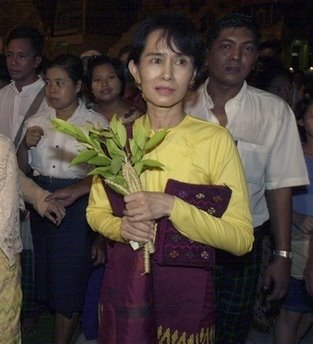


 Posts
Posts


