News & Articles on Burma Wednesday, 22 February 2010 ----------------------------------------------- Talk of a Power Struggle in Naypyidaw KNU Calls for Govt Troops in Ethnic Areas to Withdraw First priority cease-fire, then dialogue: KNPP Myanmar's parliament chief rebukes "sluggish" govt China-Burma Pipeline Makes Significant Progress Burma Ready to Begin Preparing for 2014 ASEAN Chairmanship Tantalized but Cautious, Filmmakers Capture Myanmar Drug use unstoppable in Shan State North Burmese narco-battalion fights KIA in Shan State Burma 'needs more funds to fight Aids'By Jonah Fisher Report: 85,000 people in Myanmar desperately need HIV treatment Festival Returns to Burma's Shwedagon Pagoda Dissidents' New Fear in Myanmar: Irrelevance ------------------------------------------------ Talk of a Power Struggle in Naypyidaw By BA KAUNG / THE IRRAWADDY Wednesday, February 22, 2012 Assumptions have arisen over the past few months about the existence of reformers and hardliners in nominally democratic Burma. Now another scenario is unfoldingthis time in the form of a power struggle between the Parliament and the government, though both are dominated by former army generals. And it is no other than Thura Shwe Mann himself, the former top army general and now the speaker of the Lower House of Parliament, who confirmed the existence of such an internal conflict. Shwe Mann answered yes when he was asked by reporters in Naypyidaw on Monday if there exists any sort of power struggle between the country's parliament and the government. The question mainly stemmed from a current parliamentary debate over Shwe Mann's proposal on Feb. 7 that the country should increase the salaries of state employees in an effort to tackle corruption and to implement the new government's slogans of clean government and good governance. Though his proposal was unanimously approved in Parliament on that day, three government ministers led by Minister of Finance Hla Tun later dismissed it in a parliamentary briefing on the grounds that the move would worsen the country's currency inflation and budget deficit which the government announced stands at more than US $2 billion. The bicameral Parliament is dominated by former military generals such as Shwe Mann who represent the ruling Union Solidarity and Development Party (USDP), and by military representatives who are appointed into a quarter of the seats. On Tuesday, Shwe Mann pressed again in the Parliament for the minimum monthly wage for state employees to be increased to no less than 100,000 kyat ($120), pointing at the fact that even a manual construction laborer in Naypyidaw now earns the same salary every month. Shwe Mann also suggested that to implement his proposal, the government should suspend or cancel state-funded industrial projects including the construction development project for Naypyidaw and other unnecessary state projects. The parliament is responsible for having to check on state projects that can be costly and less beneficial to the public, Shwe Mann said, urging MPs to be responsible for their legislative duties by ensuring that the executive branch does not waste state funds. As if to emphasize the point, Shwe Mann, the former third-ranking army general in the previous military regime, called a press briefing in Rangoon on Wednesday morning and proclaimed that he would continue to make unflinching efforts to bring about a salary increase for state employees. He added that those who want to share their views on this issue can bring suggestions to him. Shwe Mann urged the public to fearlessly air their views over his salary increase proposal, saying that the country is moving toward a democratic state. But he denied he was merely campaigning for the April elections, insisting that he was just working for the welfare for the general public. At the press conference, Shwe Mann stated that his important parliamentary speech on Feb. 7 calling for a reduction in state bureaucracy was censored by all organs of the state-media. Asked by the local press if this means the Executive Branch is infringing on the constitutional rights of the citizens, Shwe Mann cryptically replied that the answer is easily understandable to our rational and experienced media. Parliamentary MPs said that Shwe Mann's second effort to push through the proposalwhich he read out in a letter to the Speaker of the Union Parliament on Tuesdayessentially meant that the government has no choice but to raise state employees' salaries. The deal is done because the constitutional mandate states that the executive branch must implement the proposals occasionally made by the Parliament, said opposition MP Thein Nyunt who pointed out that Parliament is equally important as the government because it has passed important bills such as the amnesty for political prisoners, supporting freedom of assembly and the formation of labor unions. It was in this context that Shwe Mann admitted a power tussle between the Parliament and the government led by reformer President Thein Sein, explained Khaing Maung Yi, an opposition MP from the National Democratic Force. Debates in Burma's parliamentary sessions are mostly mundane affairs with a majority of the MPs from the ruling USDP reported to be less than enthusiastic about the political and economic reforms much touted by the nominally civilian government that took office last year. But could it be that the current debate suggests the emergence of a check-and-balance system between the parliament and the government? Or is it just merely a manipulated attempt to project that image in the eyes of the Burmese public and the international community because the two structures are no different from each other, both being dominated by former army generals like Thein Sein and Shwe Mann? Some observers view Shwe Mann's move as having something to do with the coming parliamentary by-elections in which Suu Kyi's National League for Democracy (NLD) is contesting 48 vacant seats with the USDP running as its main rival. Last month, Shwe Mann, the vice-chairman of the USDP, told party members at a recent conference that the by-elections are a major test between the USDP and the NLD, and that the USDP must make an all-out effort to beat Aung San Suu Kyi's party. But opposition MPs in the parliament said that they see no hidden agenda behind the moves of Shwe Mann, because, they said, he is a genuine reformist leader who they can rub shoulders with and share different views. "I don't think Thura Shwe Mann is playing any sort of PR game to project the image of checks and balances between the parliament and the government," said opposition MP Khaing Maung Yi, a former political prisoner who spent seven years in jail. Khaing Maung Yi said that while many USDP MPs show no strong desire to push for reforms in the country, and they generally keep aloof in the Parliament from opposition MPs like him. He said that Shwe Mann, on the other hand, makes friends with everyone in the Parliament and is always open to different views. "There is a sort of tension between Parliament and the government," he said. "But in my view, both President Thein Sein and U Shwe Mann are genuine reformists, even though there are many who may not like them." http://www.irrawaddy.org/article.php?art_id=23081 ----------------------------------------- KNU Calls for Govt Troops in Ethnic Areas to Withdraw By SAW YAN NAING / THE IRRAWADDY Wednesday, February 22, 2012 Burma's oldest ethnic army, the Karen National Union (KNU), has called for the immediate withdrawal of government troops from ethnic areas and a lasting ceasefire through a four-stage peace roadmap. The rebel group made the statement during a press conference in a KNU-controled area of Pa-an District, in Karen State, on Wednesday. The KNU called on the Burmese government to immediately reduce troop numbers and cease sending re-enforcements and supplies to ethnic areas, as well as releasing all remaining Karen political prisoners and ceasing military operations in all active war zones, including Kachin areas. And then the four-stage roadmap laid out essential stages to achieve genuine and sustainable peace in Burma, including an end to hostilities in war-torn Kachin State in Burma's northeast. The plan comprises a preliminary and then durable ceasefire stage, initial political dialogue, resolution of underlying political problems with national reconciliation, and finally political participation. After a Naypyidaw peace delegation agreed a ceasefire with KNU representatives in Karen capital Pa-an on Jan. 12, rebel-affiliated sources said that government troops have been allowed to receive supplies and rations in Karen State. This lead some grassroots and relief groups in Karen State to worry that Burmese troops will launch a series of attacks to wipe out Karen National Liberation Army (KNLA) bases once they stock up on rations, supplies and manpower. In the past, Karen guerrillas have been largely successful in cutting government supply lines in their own territory. Saw Hla Ngwe, Joint General Secretary-1 of the KNU, said in the statement, "The Burmese government must acknowledge the Karen people's right to effective participation in decisions that affect them. "This is fundamental and essential for the realization of their right to self-determination and the development of an inclusive and just society," he added. The KNU said it strongly believes politics will be key to enduring peace. Such peace will be achieved only through genuine dialogue between the United Nationalities Federal Council---which includes representatives of 11 different ethnic groups---and the Burmese government, according to the KNU statement. http://www.irrawaddy.org/article.php?art_id=23081 ------------------------------------ First priority cease-fire, then dialogue: KNPP Wednesday, 22 February 2012 16:39 Kyaw Kha . Chiang Mai (Mizzima) During the first week in March, the Karenni Nationalities Progressive Party (KNPP) will meet with the government peacemaking team to talk about a cease-fire. If successful, a political dialogue will follow. KNPP Secretary 1 Khu Oo Reh said the government and KNPP peace delegations would meet again at Loikaw in Karenni State to talk about defining the control areas, liaison offices and the basic needs of Karenni troops. As a first step, both sides will exchange information about their troops, Khu Oo Reh said. Especially, we will talk about our troop locations and control areas. In early February, a peace delegation led by Rail Transportation Minister Aung Min and KNPP leaders met in Chiang Mai in northern Thailand and agreed to meet again in the first week of March. On February 16, Minister Aung Min told Reuters news agency that the KNPP would sign a deal on March 1. Aung Min said that, but we think that he trumped it up because the [Burmese] government wants international countries and organizations to think their efforts are fruitful. Hes just trying to get credit. In our first meeting with them, they did not fix a date. He told them that without informing us, Khu Oo Reh said. The KNPP will also discuss future business deals and development projects in Karenni State and the plight of up to 150,000 Karenni war refugees who want to return to their homes and find productive work. Karenni refugees began leaving the state in the 1990s. Many found refuge at two camps in Mae Hong Son Province in Thailand. Khu Oo Reh said that since February 20, KNPP leaders have provided refugees with counseling related to returning to Burma. We gave refugees advice, including not to return home until there are reliable guarantees. The leaders explained that they dont know if peace talk would be fruitful or not. And there are still landmines planted by both sides in the area, he said. In the meeting held at Chiang Mai, the KNPP urged the government to stop confiscating farmland in Karenni State and to suspend dam building without residents consent as conditions before a political dialogue can begin. The KNPP was formed in 1957 as the political wing of the Karenni Army. It is the only armed Karenni group that still fights against the Burmese government. Many of its Karenni fellow groups including the Karenni Nationalities Peoples Liberation Front and the Karenni National Defence Army have become members of the governments Border Guard Force, and are now under government control. When Burma gained independence from Britain in 1948, Karenni State was included in Burmas territory, but the armed groups rejected the inclusion. On August 9, 1948, during the government of Prime Minister U Nu, troops attacked the main office of the Karenni National Organization, which triggered the Karenni revolution. http://www.mizzima.com/news/inside-burma/6633-first-priority-cease-fire-then-dialogue-knpp.html ------------------------------------------ Myanmar's parliament chief rebukes "sluggish" govt By Aung Hla Tun YANGON | Wed Feb 22, 2012 3:51pm IST YANGON (Reuters) - A senior figure in Myanmar's parliament on Wednesday described recent reforms in the country as "sluggish and unsatisfactory" and urged the civilian government to act faster to push through legislation for the benefit of the public. Thura Shwe Mann, the lower house speaker and former third-in-command of the junta that ceded power last March, criticised President Thein Sein's administration for not accepting a bill to raise civil service salaries and suggested further reforms might take time. "If those who have to move do not move, those who have to push will have to push," Shwe Mann told a forum of businessmen and economists attended by journalists. "At this rate, matters to review and amend existing laws and enact new ones will not be accomplished during the five-year term of the present parliament." The comments by Shwe Mann, a former four-star general regarded by the West as a key reformer in Myanmar's new political system, were the first public rebuke of the government by a top official in a country where criticism of those in power was for decades brutally suppressed. Despite his position as a parliament speaker, Shwe Mann is seen by analysts and diplomats as having a pivotal role as the new administration tries to prove its democratic credentials in a bid to gain international acceptance and have Western sanctions lifted. The criticism by Shwe Mann comes a week after members of a European Union delegation urged him to ensure parliament not only debated legislation but scrutinised the government. "ACT WITH COURAGE" Shwe Mann, 65, said members of parliament should be brave enough to openly criticise those in power. "Instead of blaming for past mistakes, we need to learn lessons from them and act accordingly with courage," he said. "It is important that laws that will be conducive to and will also protect the interests of the people and the country must emerge as soon as possible." Myanmar's cabinet, led by Thein Sein, who was less senior than Shwe Mann in the old regime, has embarked on a wave of reforms since coming to office on March 30 last year. Among the surprising changes have been the release of more than 600 political prisoners, an easing of media censorship, laws allowing protests and trade unions and ceasefire deals with ethnic minority rebel groups that government negotiators say could be concluded within three months. All those changes have been demanded by the West in order for sanctions to be lifted, which would allow Myanmar to normalise trade relations with the European Union and United States and could lead to a flood of Western investment in the resource-rich country. Another requirement that would strengthen the case for easing embargoes is fair by-elections in April for 48 legislative seats, polls being contested by Nobel laureate Aung San Suu Kyi and her National League for Democracy party after two decades in the political abyss. "I have promised to foreign dignitaries including (U.S. Secretary of State) Hillary Clinton that the by-elections will be free and fair," Shwe Mann said. "And it is up to the responsible people to make it free and fair." However, some of those attending the briefing were sceptical about Shwe Mann's comments, given his ties with Thein Sein and his position as deputy chairman of the powerful Union Solidarity and Development Party (USDP), which was formed by the junta and controls 76 percent of the legislature. "In my eyes, all of them are the same even though they are representing different organs of power," said one businessman, who asked not to be identified. "I wonder how they talk about these things at party meetings. Frankly, I just cannot understand what is happening." (Writing by Martin Petty; Editing by Alan Raybould and Robert Birsel) http://in.reuters.com/article/2012/02/22/myanmar-politics-idINDEE81L0AU20120222 ------------------------------------------ February 21st, 2012 8:56pm Posted In: Pipelines, Natural Gas, News By Country, China China-Burma Pipeline Makes Significant Progress China National Petroleum Corporation (CNPC) has said that Irrawaddy river directional drilling crossing project, the key project of China-Burma oil and gas pipeline, had been completed successfully. The company said successful completion of the Irrawaddy River project has paved way for the smooth completion of the China-Burma oil and gas pipeline. The China-Burma oil and gas pipeline is a key part of China's four energy strategic channels, which are China-Russia crude oil pipeline, China-Kazakh crude oil and China-Central Asia natural gas pipeline, China-Burma oil and gas pipeline and offshore channel. http://www.naturalgasasia.com/china-burma-pipeline-makes-progress-4688 -------------------------------------------- Burma Ready to Begin Preparing for 2014 ASEAN Chairmanship VOA: Posted Wednesday, February 22nd, 2012 at 1:45 am Burma says it is eager to begin planning to assume the chair of the Association of Southeast Asian Nations in 2014. The regional bloc says Burmese Foreign Minster Maung Lwin described the preparations as a major task for his country during a meeting Wednesday with ASEAN Secretary-General Surin Pitsuwan in the capital of Naypyitaw. Maung Lwin told Surin he will dispatch surrogates to the ASEAN Secretariat and send teams to study this year's meeting in Cambodia as part of Burma's preparations. ASEAN leaders awarded Burma the 2014 chair during their annual summit in Bali, Indonesia, last November. Surin told Maung Lwin that Burma's year in the rotating position will be a critical landmark in ASEAN's history, as it transitions to the ASEAN Community the next year. Burma was forced to relinquish its turn as ASEAN's rotating chairman in 2006 after strong criticism of its human rights record. But ASEAN leaders acknowledged Burma's steps towards democratic reforms under the new military-backed civilian government that took power last year from the decades-long military junta. Burmese President Thein Sein told Surin Tuesday his country will seriously consider allowing an ASEAN team into the country to observe by-elections scheduled for April 1. http://blogs.voanews.com/breaking-news/2012/02/22/burma-ready-to-begin-preparing-for-2014-asean-chairmanship/ ------------------------------------------------ Tantalized but Cautious, Filmmakers Capture Myanmar By STEVEN LEE MYERS Published: February 21, 2012 Robert H. Lieberman arrived in Myanmar, formerly known as Burma, for the first time in December 2008. It was another dark period after the crushing of popular protests by monks the year before in the countrys long history of repression and isolation. He could have no idea how serendipitous his timing would turn out to be. A novelist, filmmaker and physics lecturer at Cornell University, he went to the capital, Yangon, to teach film and make public-service ads as part of the Fulbright Specialist Program, one of the few American aid efforts in a country on which the United States has imposed heavy sanctions. Early on he was admonished not to film. It was, he said, a proverbial red flag for a filmmaker. And so he filmed, not quite clandestinely, but cautiously enough to avoid mostly attention in a place where photographing government buildings, military bases, bridges and even certain streets is grounds for arrest. During that trip, and three more over the next two years, he recorded 120 hours of video documenting life in a beautiful but oppressed and impoverished country, just as the stirrings of political change were beginning to appear. The result, edited to 88 minutes, is They Call It Myanmar: Lifting the Curtain, a documentary produced by Deborah C. Hoard and edited by David Kossack that will be seen in New York at the Landmark Sunshine Cinema on Monday and Tuesday (with Mr. Lieberman on hand to answer questions) as part of a gradual release nationwide; it will also have a screening at Lincoln Center in April. Mr. Lieberman completed the film last year, just as Myanmars new government elected in a vote universally denounced as undemocratic began to open up, making it a timely exposition of a little-known country now in the headlines. In December, Hillary Rodham Clinton became the first American secretary of state to visit since 1955, and last month the United States moved to restore full diplomatic relations for the first time since 1990. My ultimate goal was to bring Burma into the Western consciousness, Mr. Lieberman, 71, said in one of several telephone interviews from his home, on a farm near Ithaca, N.Y. I wanted to put a human face on the country. He added, Up until Hillarys visit, it was really one of the most isolated countries on the planet. Myanmar is also getting a lot of attention from filmmakers drawn by its mystery and the heroic struggle of its democratic movement, led for the last quarter-century by Daw Aung San Suu Kyi, a winner of the Nobel Peace Prize. Luc Besson, the French director, has completed The Lady, a biopic about Ms. Aung San Suu Kyi, who is by far the countrys best-known figure. The Lady, starring Michelle Yeoh, which had an Oscar-qualifying run in Los Angeles, will be released in major American markets on April 11. (Mrs. Clinton watched an advance copy on her flight to Myanmar, where she met Ms. Aung San Suu Kyi for the first time.) Theres definitely a fascination about Burma, Derek Mitchell, the special American envoy to Myanmar, said in an interview at the State Department. What is important is for people to understand the full breadth and complexity of the place. The Lady was filmed mostly in Thailand, given the restrictions inside Myanmar, and Mr. Besson and the screenwriter Rebecca Frayn recreated Ms. Aung San Suu Kyis life without having the opportunity to meet her. She was released from house arrest in November 2010, shortly after Mr. Lieberman thought he was finished. He returned to Myanmar in February 2011 for the fourth time and arranged to interview her. No personal questions, Mr. Lieberman recalled her telling him at the outset, a stipulation that complicated the interview, which unfolded awkwardly and yet revealingly. In the film she reflects on the country, its colonial history and her father, Aung San, the revered revolutionary general who led it to independence from Britain, only to be assassinated by rivals in 1947, when she was just 2. Only an exceptional 2-year-old could have remembered a father lost at that age, she says, poignantly revealing that her father was, for her, as mythical a figure as he has been for her fellow citizens. Hers is the most famous voice, but only one among dozens of people Mr. Lieberman interviewed some shown with their faces obscured, almost all left unidentified on screen. I think a firm, strong, authoritarian hand cannot create unity, she says in the film, explaining the mind-set of the military rulers up to the election of the new, apparently reform-minded president, U Thein Sein. It can only give the appearance of unity. The film, made with a Sony camcorder (all the better to tuck away when necessary), unfolds as an episodic travelogue, interspersed with historic footage and explanatory narration (on subjects like why the country is known both as Myanmar and the old colonial name, Burma). Some scenes shot from Mr. Liebermans commercial flight from Thailand or from the window of a moving car reflect the limitations of trying to film in a police state. With Mr. Lieberman as the garrulous narrator, it includes clips that would not be out of place in a homemade vacation video, but also interviews that show, indirectly at times, the social and economic conditions of a country that closed itself off from the world for decades. Some of those interviewed speak openly, even candidly. Thinking is not an option, one woman says, describing the Orwellian nature of the place; she is not shown on screen. In an extended section on education, Mr. Lieberman shows boys at a village school singing a nationalistic song. The lack of enthusiasm on their faces is palpable as they intone this agitprop about fighting the fascist threats to the country. I tried to make a movie that was not political, said Mr. Lieberman, whose previous films include Last Stop, Kew Gardens, about Jewish ?migr?s in Queens, but of course, that was impossible in the end. Over the course of his visits he sensed the political changes under Mr. Thein Sein, but except for the presence of Ms. Aung San Suu Kyi, the film does not delve into the possibility of democratization or potential political and economic motives for it. Most Burmese remain skeptical and still afraid, Mr. Lieberman explained, adding, One of my friends said, Theyre moving like a snail. http://www.nytimes.com/2012/02/22/movies/in-aung-san-suu-kyis-myanmar-two-new-films.html?_r=1 ------------------------------------------- Drug use unstoppable in Shan State North Wednesday, 22 February 2012 14:25 S.H.A.N. Residents of the town of Mong Yaw, 25 miles northeast of Lashio and its 17 surrounding villages, are finding it hard to prevent their youth from using drugs, according to concerned parents there. "They are even selling yaba at school," said a mother. "Now we can't keep anything of value at home unless we lock it up where they can't easily take it away and sell to buy drugs." Yaba, high quality, is 4,000 kyat ($ 5) per pill and yaba, low quality, is 1,700 kyat ($ 2.13) per pill in Mong Yaw. Among the users are women too. The town has Ma Htu Naw's KDA (Kachin Defense Army, ceasefire army turned-militia) in the north and Bo Mon's Manpang People's Militia Force (PMF) in the south, both known for their heavy involvement in drug production and trade. It also has a police station and a Burma Army unit, usually Lashio-based Infantry Battalion (IB) # 41 or 68. "The police do nothing," said a townsman, "and the army is satisfied if there are a civilian truck and villagers taking turns each day to work at the command post." One of the counter measures generally used by the populace is to send their children away to Thailand where it is more difficult to buy drugs. The travel fare from Mong Yaw to Thailand (a distance of about 714 km) is around 300,000 kyat ($ 375). At the same time, a large number of migrant workers from the kingdom are returning to Burma for the seasonal opium harvest which ends this month. The KDA and Manpang-controlled areas are known to be major opium producers. According to Shan Drug Watch report 2011, only 12 out of 55 townships are considered opium free, 8 of which are townships under the control of ceasefire armies. Others, most of them under the control of the Burma Army and its PMFs and BGFs (Border Guard Forces) had increased production during the last season. SHAN is working to publish the Shan Drug Watch report 2012 in June. http://www.english.panglong.org/index.php?option=com_content&view=article&id=4436:drug-use-unstoppable-in-shan-state-north&catid=89:drugs&Itemid=286 ------------------------------------------------- Burmese narco-battalion fights KIA in Shan State Category: News Created on Wednesday, 22 February 2012 14:18 Published Date Written by KNG KIA soldiers who are resisting against Burma government troops in Northern Shan State. MONGKOE, Burma --- Kutkai Township in Northern Shan state saw heavy fighting Tuesday between the Kachin Independence Army and troops from a Burmese army battalion know for its involvement in the narcotics trade. Villagers from Pang Huk told the Kachin News Group that throughout the day Tuesday a group of about 60 soldiers from Infantry Battalion No. 239 fought with troops from the KIA's Battalion 38 based in Munggu (or Mongkoe). The fighting began at about 5 AM when a column of Burmese troops accompanied by members of the pro-government Mong Hawm and Kutkai militia groups was attacked near Pang Huk. According to a local opium farmer the Burmese convoy was carrying 160 Kg of opium which had just been collected as a tax from farmers in the Pang Huk area. Soldiers from the Infantry Battalion No. 239 responded to the attack by killings a number of pigs owned by Pang Huk villagers, according eye witnesses. Most of the residents of the predominately ethnic Chinese village fled during the fighting leaving their livestock open for the taking. Last November troops from Infantry Battalion No. 239 were sent to the Munggu area taking positions near KIA bases. The Battalion also has bases at Narli and Laogai in the Kokang area. According to local area residents the battalion regularly receives a percentage of the region's opium harvest as a form of tax. The battalion works closely with the Mung Hawm and Kutkai militia groups who are also well known for their involvement in northern Shan State's narcotics trade. In addition to opium production these militias are said to be heavily involved in the manufacturing and distribution of methamphetamine tablets also known as Yaba. In an apparent effort to counter reports that elected representative in both Burma's federal parliament and the Shan state legislature from the ruling military backed Union Solidarity and Development Party (USDP) are heavily involved in Shan State's drug trade, President Thein Sein's government with the assistance of the United Nations Office of Drugs and Crime (UNODC) recently staged an "anti narcotics" tour for visiting journalists from the Reuters news agency. UNODC's activities in Burma have been heavily criticized by observers including respected Burma expert author Bertil Lintner, as deliberately ignoring the role of the army and other state backed groups in the country's profitable narcotics trade. Date for future KIO government talks still not set Officials at the Kachin Independence Organization's (KIO) Laiza headquarters say that a new date for the recently postponed peace talks has yet to be set. A meeting between the two sides was supposed to be held last week however this meeting was canceled after the Burmese negotiating team refused to travel to China. http://www.kachinnews.com/news/2241-burmese-narco-battalion-fights-kia-in-shan-state.html ---------------------------------------------- 22 February 2012 Last updated at 09:28 GMT Burma 'needs more funds to fight Aids'By Jonah Fisher BBC News, Bangkok Medical charity Medecins Sans Frontieres (MSF) has called on international donors to make more money available to treat HIV/Aids in Burma. Peter Paul de Groote, MSF head in Burma, told the BBC that the current situation was dire. He said more than 15,000 Burmese die of HIV/Aids every year because they do not have access to anti-retroviral drugs. The prevalence rate of the disease is at 0.67% - relatively low by international standards. However, years of international isolation and sanctions have left Burma with a threadbare healthcare system. At the launch of a new report called Lives in the Balance, MSF said that only a quarter of the estimated 120,000 people living with HIV and Aids were receiving treatment, and that it was turning people away from its clinics. "It's an unacceptable decision that our doctors have to make on a day to day basis," Mr de Groote said. "We have to prioritise those who are sickest and will die soon to save their lives. Other people we have to turn away and say come back when you are sicker." Curtailed plans Last year, plans were made for a massive scaling up in the provision of anti-retroviral drugs in Burma, with MSF and its partners hoping to reach 100,000 people. But those proposals were shelved after the Global Fund, a public-private initiative that provides the bulk of money to fight Aids worldwide, said a drop in donations meant it no longer had the resources to support new projects. Burma spends a quarter of its budget on the military and only a fraction of that on health, but Mr de Groote said his organisation had not asked the army-backed authorities to reassess their priorities. "We are not politicians, but we do hope the health sector will receive more money over time, and there are some indications that this will happen," he said. MSF's new report comes amid continuing signs of political reform in Burma. Hundreds of political prisoners have been freed and Nobel laureate Aung San Suu Kyi's political party, the National League for Democracy, will contest in April its first elections since 1990. If that vote is seen as being free and fair, then Western sanctions could be loosened or lifted and developmental assistance stepped up. http://www.bbc.co.uk/news/world-asia-17123212 -------------------------------------------- Report: 85,000 people in Myanmar desperately need HIV treatment; funding cuts increase need By Associated Press, BANGKOK Some 85,000 HIV-infected people in Myanmar are not getting treatment due to a lack of funding, despite renewed international engagement with the government amid a wave of political reform, according to a report released Wednesday. The humanitarian group Doctors Without Borders warned that the situation in Myanmar could worsen after the Global Fund to Fight AIDS, Tuberculosis and Malaria was forced to cut worldwide funding due for release this year because of a shortfall in contributions pledged by donors. .The money was expected to provide HIV drugs for 46,500 people in Myanmar, along with treatment for another 10,000 people sicken by drug-resistant tuberculosis in the country, it said. Tuberculosis cases in Myanmar a major killer of HIV patients are nearly triple the global rate, as difficult to treat forms of the disease that do not respond to common treatment continue to surge. In 2009, the U.N. estimated 240,000 people were infected with HIV and about 18,000 were dying from it annually in Myanmar, which has one of the worlds worst health systems. Doctors Without Borders provides anti-retrovirus therapy drugs to about 23,000 people at 23 clinics nationwide, funding more than half of all HIV treatment being provided to nearly 40,000 patients, said Peter Paul de Groote, who heads the organizations Myanmar operation. The country receives a fraction of the international assistance provided elsewhere, largely because many nations did not support the former reclusive military government that ruled for nearly half a century. But last year, a nominally civilian government took office and launched unexpected sweeping reforms that have been applauded by the international community. Regardless of what is happening in the country, the people that are in need of treatment, need treatment, de Groote said. Of course, we all hope that the developments as they seem to be going in that direction will lead to more money into the country, but, in general, I think this money should be coming in regardless of what the situation is. Copyright 2012 The Associated Press. All rights reserved. This material may not be published, broadcast, rewritten or redistributed. http://www.washingtonpost.com/world/asia-pacific/new-report-says-85000-in-myanmar-desperate-for-hiv-treatment-funding-cuts-increase-need/2012/02/22/gIQAvj3hSR_story.html ------------------------------------------------ Festival Returns to Burma's Shwedagon Pagoda February 22, 2012 Buddhist devotees prepare to cerebrate the 2,600 anniversary of Burma Buddhist devotees prepare to cerebrate the 2,600 anniversary of Burma's land mark Shwedagon Pagoda's establishment in Yangon, Burma on Tuesday. Vast crowds were gathering on Wednesday at Burma's most sacred Buddhist shrine to celebrate a festival banned for more than 20 years under the former military government. (AP Photo/Khin Maung Win) Yangon, Burma. Gongs chimed as thousands of people in ceremonial costumes walked barefoot on Wednesday through the marble walkways of Burma's most sacred Buddhist shrine in an annual festival that was banned for more than 20 years under the former military government. The celebrations at the gold-plated, diamond-studded Shwedagon Pagoda in Yangon mark the 2,600-year anniversary of the Buddha's enlightenment. The fact that authorities are allowing it to be held at all this year is the latest sign of new freedoms trickling into this long-repressed country. Shwedagon has been used before as a rallying point for anti-government protesters, and the former junta feared large groups gathering in the streets, even when they were not demonstrating. "There is a hunger for the Shwedagon Pagoda festival. This was banned for 20 years and it's starting again now," said Khin Maung Aye, a Buddhist scholar and an organizer of the event. He expects a massive tide of pilgrims. "I have dreamed of this for many years, but I dared not think it would be so big." Perched on a hilltop, the Shwedagon Pagoda dominates the Yangon skyline, and is especially prominent at night when floodlights make the golden temple glow brightly. According to legend, it was built more than 2,500 years ago and houses eight strands of the Buddha's hair and other holy relics. It was against the backdrop of Shwedagon's towering golden spires that Aung San Suu Kyi electrified a crowd of half a million people in 1988 with a speech that launched her career as opposition leader and Burma's icon of democracy. After that, the ruling junta halted big pagoda festivals for what they called "security reasons," said Khin Maung Aye. Among the regime's many rules was a ban on gatherings of more than five people. "My son is 22. He was born in 1989, and he has never witnessed the real Shwedagon Pagoda festival," he said. The festival at the sprawling temple compound opened with saffron-robed monks beginning a 15-day chant and a visit by government officials. Entertainment will include Burmese puppet shows and traditional dancers. Smaller pagoda ceremonies that focused on religious rituals were allowed by the defunct military regime, but larger festivals, particularly at Shwedagon, were seen as holding potential for trouble in this devoutly Buddhist country, where religion and politics have often mixed. Yangon's two most significant Buddhist shrines --- Sule Pagoda and Shwedagon --- were central gathering points for the monk-led pro-democracy uprising in 2007 that army quashed with deadly force. For nearly half a century, the country was ruled by a reclusive, xenophobic military regime that cracked down on any perceived dissent. The junta ceded power last year to a nominally civilian government that has surprised critics with an unexpected wave of reforms --- allowing Suu Kyi to run for parliament in April, freeing political prisoners and relaxing strict media censorship. Associated Press http://www.thejakartaglobe.com/international/festival-returns-to-burmas-shwedagon-pagoda/499701 ---------------------------------------- The New York Times Dissidents' New Fear in Myanmar: Irrelevance By THOMAS FULLER Published: February 21, 2012 MAE SOT, THAILAND --- Pity the Burmese dissident in exile. For more than two decades they were symbols of defiance against Myanmar's military dictatorship, campaigning tirelessly in foreign countries for regime change. Now that the Myanmar government is earning plaudits for its program of reforms, hundreds of dissidents living abroad may need career counseling. "It's becoming difficult to find things to complain about," said Aung Naing Oo, deputy director of the Vahu Development Institute, a Thailand-based organization formed by Burmese student activists who fled Myanmar in the late 1980s. Such exiles, as they are known, watched from afar in recent months as Myanmar released hundreds of political prisoners, media censorship was relaxed, and the icon of Burmese democracy, Daw Aung San Suu Kyi, began campaigning for elected office. "Things are moving on the inside," said Mr. Aung Naing Oo, who traveled back to Myanmar in early February. "Everyone is basically hoping that they can go back." During the years of military rule and diplomatic isolation, Burmese exiles were key liaisons between Myanmar and the outside world. They successfully lobbied Western governments to punish Myanmar's government with sanctions. A range of exile publications supplied opinionated but often valuable news and intelligence from sources inside the country. A diplomatic cable written by a U.S. diplomat in Bangkok in 2008 estimated that there were 200 Burmese exile organizations in Thailand alone. But the global Burmese-dissident business may soon be out of business. Funding for seminars is drying up, and foreign diplomats would rather fly into Myanmar than have lunch with exiled dissidents, as former President George W. Bush did during a visit to Thailand in 2008. If the changes in Myanmar have surprised many observers of the country, they have been particularly bewildering and disorienting for exile groups, many of which are based here in Mae Sot, a Thai city on the Myanmar border that became a sort of headquarters for Burmese dissidents living abroad. "I've spent half of my life with the revolution," said Myat Thu, a former student activist who came to Thailand more than two decades ago. He lit a cigarette and recounted his escape through the jungles of eastern Myanmar after the military quashed a popular uprising in 1988. He and his Thai wife, Khemitsara Ekkanasingha, run a cafe adorned with "Free Burma" stickers and pictures of Ms. Aung San Suu Kyi. Last year, before many of the reforms in Myanmar were announced, Ms. Khemitsara introduced a campaign for the release of female political prisoners in Myanmar, printing postcards and organizing marches and vigils. Of the 200 women she campaigned for, all have been released. Ms. Khemitsara said she was now considering championing other causes, mentioning the inequalities of the global market economy. "We are going to put up a new banner," she said, pointing to the wall. "Stop the dictatorship of capitalism!" Other dissidents here say they want to continue working on Myanmar-related issues --- many have a lingering mistrust of the government --- but they are not sure how long they can stay in exile. Naing Aung, a former student activist, helps run the Forum for Democracy in Burma, a group partly funded by the U.S. government that in recent years had held seminars on democracy and human rights. Now long-term funding for such meetings looks uncertain, he said. "Donors are saying, 'If you are just doing seminars in Thailand and printing publications, we won't finance you,"' he said. Life is comfortable for many dissidents living in Thailand, Mr. Naing Aung said, and it's hard to imagine leaving. "People have children and mortgages," he said. The Burmese diaspora spans the globe. In addition to Mae Sot, the northern city of Chiang Mai is home to many dissident organizations. Other prominent dissident groups are based in London, Washington and New Delhi. The Democratic Voice of Burma, an organization that was instrumental in illicitly gathering and broadcasting images of the 2007 military crackdown in Myanmar, is headquartered in Norway. Some journalists working undercover for the group inside Myanmar were imprisoned (and have since been released). Now, Aye Chan Naing, the organization's executive director and chief editor, says he is negotiating with the government about opening an official branch office inside the country. "I think within one or two years, if things keep moving in this direction, a lot of dissidents will move back, and the funding will dry up," he said. "Some groups have been warned that this is their last year of funding." The government of President Thein Sein has been trying to lure exiles back. Aung Min, a government minister, traveled to Thailand earlier this month to woo dissidents, according to Mr. Aye Chan Naing, who met with him. "Ultimately if you're an activist, you want to be where the action is," said Mr. Aung Naing Oo of the Vahu Development Institute, which is based in Chiang Mai. "If that action is not where you are, you have to move." But a number of dissidents say they are unconvinced by the changes and are not considering returning home. "I don't believe," said U Bo Kyi, the co-founder of an association based in Mae Sot that keeps a database of political prisoners. Mr. Bo Kyi, who fled Myanmar 13 years ago, says he is waiting for Myanmar's leaders --- many of whom were top generals during the days of military rule --- to acknowledge and make amends for imprisonments, torture and many other abuses. "We do not want revenge," he said. "But we need recognition and reparations by the government." He is, above all, looking for an apology. "Confession is very important for national reconciliation," he said. http://www.nytimes.com/2012/02/22/world/asia/dissidents-new-fear-in-myanmar-irrelevance.html?_r=1&emc=tnt&tntemail1=y
Thursday, February 23, 2012


Wednesday, February 22, 2012
News &Articles on Burma-Tuesday, 21 February 2010
News &Articles on Burma Tuesday, 21 February 2010 ----------------------------------------------- BA-SSA stand-off in Tachilek The Lady to tour Shan State in March: NLD candidate Burma to "seriously consider" poll monitors Myanmar poised to host ASEAN in 2014, Myanmar: prelate describes Kachin humanitarian crisis Burma to consider poll monitors: ASEAN Burma will upgrade two airports to international status Burma to consider ASEAN poll monitors Myanmar to consider allowing neighbors to observe elections Suu Kyi's party says Burma poll restrictions lifted Philippines and Myanmar schedule trade meeting in Manila Burma Aims to be Role Model for Media, Says Govt Official Government's factional 'business deals' adds tensions to ethnic peace plans -------------------------------------- BA-SSA stand-off in Tachilek Tuesday, 21 February 2012 17:28 S.H.A.N. The Shan State Army (SSA) South that had signed the ceasefire agreement on 2December and the Burma Army are in a state of deadlock in Monghai, northwest of Tachilek, opposite Maesai, since last week, according to Lt-Col Gawn Zeun, Commander of the SSA's Shan State East military region. Both sides have been reinforcing and already 4 clashes have taken place since 6 February. The last one took place today. "The Burma Army wants to push all our forces to the Thai-Burma border," he said. "This is our land of birth. We cannot allow them to treat us this way." The SSA claims that according to the agreement reached with Naypyitaw's negotiator U Aung Min, it will operate outside the main motorroads and major towns, where Burma Army units are based. The Burma Army however argues, according to the signed agreements, the SSA is entitled to operate freely only in the Homong-Mong Hta area, opposite Maehongson and Chiangmai provinces. According to the 16 January agreement, Homong and Monghta subtownships are designated as seats of the SSA headquarters. Meeting Sao Yawdserk, SSA leader, in Chiangmai on 5 February, U Aung Min said he knew the Homong-Monghta area was not big enough to accommodate both the SSA and the thousands of civilians taking refuge near its bases. Accordingly he was looking for a suitable location. The SSA had requested that the resettlement area should be in Mongyawng township, as most of the areas along the Thai border have been occupied by the Wa people during the 1999-2001 forced relocations. "Unless something's done, the stand-off can escalate into a pitched battle," concluded Gawn Zeun. The SSA and Naypyitaw had earlier agreed to hold a third formal meeting but neither the date nor venue has been set. Loi Taileng, the SSA HQ, meanwhile, has lodged a formal complaint to Naypyitaw, said Yawdserk. It also included the killing of one SSA officer and his wife on 17 February while they were shopping at a village market in the Kyaukme-Hsipaw area. http://www.english.panglong.org/index.php?option=com_content&view=article&id=4435:ba-ssa-stand-off-in-tachilek&catid=86:war&Itemid=284 --------------------------------------- The Lady to tour Shan State in March: NLD candidate Monday, 20 February 2012 15:02 S.H.A.N. National League for Democracy (NLD) leader Aung San Suu Kyi will be in Shan State North capital Lashio next month to support his campaign for a seat in the National Assembly, according to Sai Myint Maung, elected representative in the 1990 elections. "Her visit will be timely," he said. "Because my campaign will begin on 27 February." Asked why it took him so long to kick-start his campaign, he replied it was because he had to apply for permission from the Elections Commission first. He believes he stands a good chance of being re-elected, if fair play is ensured. "Of course, I have received reports of People's Militia Forces (PMFs) threatening villagers to vote only for the lions (the military proxy Union Solidarity and Development Party's emblem). But since I have no evidence to present to the authorities, there is as yet no plan to lodge a formal complaint." During the last elections in 2010, Lashio Elections Commission (EC) had demanded evidences such as photos, video tapes, audio tapes and witnesses or face libel action. Sai Myint Maung's competitors include Dr Nang Keng Phawng Tip (USDP), Sai Sam Min (Shan Nationalities Democratic Party), Luo Xingguang (Kokang Democracy and Unity Party) and another from Lahu National Democratic Party (LNDP). The last two are regarded as spoilers planted by the USDP, according to local sources. Sai Sam Min meanwhile says he expects less votes in Lashio, but more in the 4 outlying townships: Hsenwi, Kunlong, Tangyan and Mongyai. The seat was vacated by Dr Sai Mawk Kham who was later appointed as Vice President #2 in the Thein Sein administration. He had reportedly accepted defeat by his SNDP opponent Sai Thant Zin after the ballots were counted on 7 November. However he was declared as the winner the next day, after adding the advance votes which arrived later in the evening. Sai Myint Maung, a lawyer by profession, was a co-founder of the Shan State Democratic Party (SSDP) in 1988. After the party failed to obtain approval by the State Law and Order Restoration Council (SLORC), then the ruling military setup, he joined the NLD and was elected by the Lashio constituency. http://www.english.panglong.org/index.php?option=com_content&view=article&id=4426:the-lady-to-tour-shan-state-in-march-nld-candidate&catid=85:politics&Itemid=266 -------------------------------------- Burma to "seriously consider" poll monitors By AFP Published: 21 February 2012 President Thein Sein attends the ASEAN leaders Meeting with ASEAN Business Advisory Council in Nusa Dua, Bali (Reuters) Burma has promised to "seriously consider" allowing election observers for April 1 by-elections in which Aung San Suu Kyi is standing, the Association of Southeast Asian Nations said today. It said Burma President Thein Sein made the pledge to visiting ASEAN Secretary-General Surin Pitsuwan during talks in the capital Naypyidaw. "We will seriously consider having observers from ASEAN ... during the April elections," Thein Sein was quoted as saying. The polls, which will see Suu Kyi run for a seat in parliament for the first time, are viewed as a key test of the authorities' commitment to budding reforms. A 2010 election which swept the army's political allies to power was marred by widespread complaints of cheating and intimidation. The opposition cannot threaten the ruling party's majority even if it takes all 48 available seats in the by-elections, but a Suu Kyi win would lend legitimacy to the fledgling parliament. Her National League for Democracy (NLD) party won a landslide victory in an election in 1990, but the then-ruling junta never allowed the party to take power. Suu Kyi was under house arrest at the time. She was released from her latest stint in detention a few days after the 2010 vote. The upcoming polls are being held to fill places vacated by those who have since become government and deputy ministers. http://www.dvb.no/news/burma-to-seriously-consider-poll-monitors/20348 --------------------------------------- Information to Empower Filipinos Myanmar poised to host ASEAN in 2014, plans and capacity building underway Tuesday 21st of February 2012 TweetFacebookYahooEmailShareThisMANILA, Feb. 21 - Myanmar will seriously consider allowing observers from ASEAN and the ASEAN Secretariat during the April by-elections, said Myanmar President Thein Sein. In a release sent to PIA, it said that, We will seriously consider having observers from ASEAN, and the ASEASN Secretariat during the April elections, he told visiting ASEAN Secretary-General, Dr Surin Pitsuwan. The two leaders agreed that such a move will boost transparency, which will add to the international goodwill that Myanmar had attracted so far. In a relaxed meeting which lasted more than an hourwell beyond the half an hour originally scheduledthe President spoke confidently of the countrys vision. Job creation is our top priority. We want to create as many jobs as we can, so Myanmar workers can work in the country, and ease the burden on our neighbouring countries like Thailand and Malaysia, he said, adding that plans for a deep sea port, as well as special industrial zones, are already in the pipeline to meet the objective of job creation. The President also concurred with Dr Surins suggestion that the Irrawaddy Delta area be developed as the next Rice Bowl of the world. Our population stands at 60 million now, and it is projected to hit 100 million in 20 years. We are certainly looking to develop the rice production capacity of the Delta area, as that will contribute realty to food security now only for our country, but also the world, the President continued. Echoing similar upbeat sentiment, Myanmars Minister for Information and Culture Kyaw Hsan said: We are not going back. We are going forward. Minister Kyaw Hsan added that plans and preparations are underway to make sure Myanmar is ready for the 2013 Southeast Asia Games, as well as chairing the ASEAN Meetings in 2014. He agreed with Dr Surin that Myanmar can tap the experience of the ASEAN family and the ASEAN Secretariat in hosting major events and meetings. The sense of confidence and determination is also captured in Dr Surins meeting with Mr Tin Naing Thein, Myanmars Minister for National Planning and Economic Development. Nothing that reforms had been smooth in the country, the Minister said political change in Myanmar is on track, and is ready to take off fully. One area which Myanmar has promised full cooperation, is the provision of economic data to what Dr Surin described as to fill in the blank in ASEANs economic report. The countrys Foreign Minister, Mr Wunna Maung Lwin, also gave his assurance that Myanmar is ready and willing to cooperate with the rest of the ASEAN family, in meeting its commitment to the region. But he also reminded some nations that the lifting of sanctions will help matters a lot more. Myanmar is keen to create employment and jobs to help its people. Many countries also said they are keen to help us. Statements and pronouncements have been made, but actual changes are needed now, he urged. Dr Surin Pitsuwan is leading a delegation from the ASEAN Secretariat on a four-day visit to Myanmar. The trip is to hold discussions with senior Myanmar officials, to find ways for Myanmar and the ASEAN Secretariat to explore cooperation, attachments, internships and workshops to help Myanmar prepare for the major events. Across the board officials that Dr Surin met are excited and determined that Myanmar will successfully host its regional, as well as international partners and media. All ASEAN activities are fully open to Myanmar now. Myanmars determination, and the assistance of ASEAN and our dialogue partners, will ultimately determine the pace and intensity of Myanmars integration into ASEAN and the world, said Dr Surin, summing up the meetings on the first day.(ASEAN/DFA) http://www.pia.gov.ph/news/index.php?article=1781329822190 ------------------------------------- Myanmar: prelate describes Kachin humanitarian crisis RSS Facebook February 21, 2012 From Our Store: Witness of Suffering (eBook) A bishop in Myanmar (Burma) has described the humanitarian crisis in his diocese amid fighting between Myanmar's army and Kachin rebels. "Now there are over 57,000 displaced people," says Bishop Raymond Sumlut Gam of Banmaw. "The diocese is strongly influenced by the civil war and the people have fled to the cities and border areas." "Currently our Caritas takes care of 13,500 IDPs [internally displaced persons] in different camps," he added. We offer schooling, clothes, food, medicine, education, support, pastoral care and spiritual assistance. But the displaced people in remote and border areas live in poor conditions ... Respiratory diseases among children have broken out, but also dysentery, malaria, and tuberculosis, with a high risk of mortality." "Agricultural land around villages is scattered with landmines," he continued. "A [Christian], crossing his field of sugarcane, due to the explosion of a mine, lost his leg and right arm. Therefore the refugees are afraid to resume a normal life, and their future is precarious." 1.2% of the nation's 54.0 million people are Catholic, according to Vatican statistics. http://www.catholicculture.org/news/headlines/index.cfm?storyid=13405&utm_source=feedburner&utm_medium=feed&utm_campaign=Feed%3A+CatholicWorldNewsFeatureStories+%28Catholic+World+News+%28on+CatholicCulture.org%29%29 -------------------------------------- Burma to consider poll monitors: ASEAN 21 February 2012 | 05:13:39 PM| Source: AFP Burma has promised to "seriously consider" allowing Southeast Asian observers for by-elections marking the opposition's return to mainstream politics, the ASEAN regional bloc said. The April 1 polls, which will see Nobel laureate Aung San Suu Kyi stand for a seat in parliament for the first time, are viewed as a key test of the military-backed government's commitment to budding reforms. The Association of Southeast Asian Nations (ASEAN) said in a statement that Burma President Thein Sein made the pledge to its visiting Secretary-General Surin Pitsuwan during talks in the capital Naypyidaw. "We will seriously consider having observers from ASEAN ... during the April elections," Thein Sein was quoted as saying. A 2010 election which swept the army's political allies to power was marred by widespread complaints of cheating and intimidation. Foreign election observers and international media were not allowed into the country for that vote, which was denounced by Suu Kyi's opposition party and Western powers as lacking legitimacy. Suu Kyi's National League for Democracy (NLD) party held a news conference on Monday to warn that the fairness of the April vote was also under threat because it was being denied the use of suitable venues for campaign rallies. But just hours later the NLD said the authorities had eased the restrictions in a turnaround it described as "very significant." The opposition cannot threaten the ruling party's majority even if it takes all 48 available seats in the by-elections, but a Suu Kyi win would lend legitimacy to the fledgling parliament. The NLD won a landslide victory in an election in 1990, but the then-ruling junta never allowed the party to take power. Suu Kyi was under house arrest at the time. She was released from her latest stint in detention a few days after the 2010 vote. Suu Kyi's decision to stand for a seat in parliament is the latest sign of dramatic change taking place in the country formerly known as Burma after the end last year of nearly half a century of outright military rule. The regime has surprised observers with reforms including welcoming the NLD back into the political mainstream, signing ceasefire deals with ethnic minority rebels and releasing hundreds of political prisoners. The upcoming polls are being held to fill places vacated by those who have since become government and deputy ministers. The new military-backed government, which is dominated by former generals, assured visiting top EU officials last week that the vote would be democratic. Western nations are now considering further easing sanctions, adding to hopes of an end to decades of isolation, but controversy surrounding the 2010 vote means the upcoming by-elections will be heavily scrutinised. http://www.sbs.com.au/news/article/1628339/Burma-to- ---------------------------------------- Burma will upgrade two airports to international status Tuesday, 21 February 2012 15:03 Mizzima News (Mizzima) -- Burma is planning to create two more international airports, one in Bago to serve central Burma, and one at the Dawei deep-sea port project in the south, according to Civil Aviation Department officials. Both airports, which already exist, will be upgraded to international standards. The Dawei Airport in southern Burma will be upgraded to international status. Photo: en.wikipedia.org The Dawei Airport in southern Burma will be upgraded to international status. Photo: en.wikipedia.org Foreign investment is invited, most probably from Japan and Singapore, Xinhua news agency reported on Sunday. The two planned airport upgrades will become the Hanthawaddy International Airport in central Bago region, about 80 kilometres from Rangoon, and the Dawei International Airport at the Dawei deep-sea port in southern Tanintharyi Region. The existing Dawei domestic airport will be upgraded to international status within three years at a cost of about US$ 4 million, officials at the Civil Aviation Department were quoted as saying. The Italian-Thai Development Public Company is now expanding the Dawei airport runway and expansion of other facilities will follow, said the news agency. At present, Burma has three international airports, and 29 regional airports; international airports are located in Rangoon, Naypyitaw and Mandalay. Construction of the Dawei deep-sea port and industrial zone with road and rail links to Thailand is now underway. The project, which is estimated to cost $13 billion, is projected to be completed in 10 years in three phases. http://www.mizzima.com/business/6622-burma-will-upgrade-two-airports-to-international-status.html ------------------------------------- Burma to consider ASEAN poll monitors Created: Tue, 21 Feb 2012 20:12:43 GMT+0700 Burma has promised to seriously consider allowing election observers to monitor by-elections in April. The Association of South East Asian Nations (ASEAN) said in a statement that Burma's president Thein Sein had made the pledge to its visiting Secretary-General Surin Pitsuwan. "We will seriously consider having observers from ASEAN ... during the April elections," Thein Sein was quoted as saying. The polls will see pro democracy leader Aung San Suu Kyi stand for a seat in parliament for the first time. It is also being seen as a key test of the military-backed government's commitment to reform. Fairness threat A 2010 election which swept the army's political allies to power was marred by widespread complaints of cheating and intimidation. Foreign election observers and international media were not allowed into the country for that vote, which was denounced by Suu Kyi's opposition party and Western powers as lacking legitimacy. Suu Kyi's National League for Democracy (NLD) party held a news conference on Monday to warn that the fairness of the April vote was also under threat because it was being denied the use of suitable venues for campaign rallies. But just hours later the NLD said the authorities had eased the restrictions in a turnaround it described as "very significant." The opposition cannot threaten the ruling party's majority even if it takes all 48 available seats in the by-elections, but a Suu Kyi win would lend legitimacy to the fledgling parliament. The NLD won a landslide victory in an election in 1990, but the then-ruling junta never allowed the party to take power. Suu Kyi was under house arrest at the time. She was released from her latest stint in detention a few days after the 2010 vote. The regime has surprised observers with reforms including welcoming the NLD back into the political mainstream, signing ceasefire deals with ethnic minority rebels and releasing hundreds of political prisoners. The upcoming polls are being held to fill places vacated by those who have since become government and deputy ministers. The new military-backed government, which is dominated by former generals, assured visiting top EU officials last week that the vote would be democratic. Western nations are now considering further easing sanctions, adding to hopes of an end to decades of isolation, but controversy surrounding the 2010 vote means the upcoming by-elections will be heavily scrutinised. http://www.radioaustralianews.net.au/stories/201202/3436230.htm?desktop -------------------------------------------- Myanmar to consider allowing neighbors to observe elections By the CNN Wire Staff February 21, 2012 -- Updated 0906 GMT (1706 HKT) (CNN) -- The Myanmar government will "seriously consider" accepting observers from neighboring countries to monitor elections taking place in April, a regional organization said Tuesday. In a meeting Tuesday with the Association of Southeast Asian Nations, President Thein Sein said Myanmar would consider allowing observers from the association to watch the elections. "The two leaders agreed that such a move will boost transparency, which will add to the international goodwill that Myanmar had attracted so far," the association said in a statement. Thein Sein met with ASEAN's Secretary-General Surin Pitsuwan in Naypyidaw, the capital of Myanmar. Look inside Myanmar's young 'democracy' The 10-member association is comprised of Brunei, Cambodia, Indonesia, Laos, Malaysia, Myanmar, the Philippines, Singapore, Thailand and Vietnam. Its goal is to promote economic growth and regional stability. The international community has applauded recent political reforms in Myanmar, long secluded from the rest of the world after a military junta grabbed power in 1962. The generals have begun loosening their grip after international sanctions and criticism over their regime's human rights record. After boycotting elections in 2010, the pro-democracy leader Aung San Suu Kyi and her party will participate in the April by-elections. Suu Kyi registered last month to run for a parliamentary seat in Kawhmu after the regime agreed to negotiate with an ethnic rebel group and pardoned hundreds of political prisoners. Her party, the National League for Democracy, is putting up candidates for all 48 parliamentary seats that are being contested. Suu Kyi and her supporters, as well as international political leaders, have urged Thein Sein's government to ensure that the elections are carried out in a free and fair manner. Representatives from ASEAN allowed into Myanmar in 2010 did not carry out thorough monitoring of the elections that year, said Aung Saw, editor of the Myanamar exile magazine Irrawaddy, which is based in Thailand. "They were just taken to a few polling stations, that's it," he said. Western governments have made a number of gestures in recognition of Myanmar's recent political changes -- the United States announced in January that it would exchange ambassadors with the country for the first time since 1988. But the April by-elections are seen as a key gauge of the government's commitment to reform. The international attention trained on the elections may prompt the Myanmar government to allow more rigorous monitoring this time around, Aung Saw said. He noted that the Thailand-based Asian Network for Free Elections, which aims to promote and support democratization, is an example of a regional body that could provide independent election monitoring. http://edition.cnn.com/2012/02/21/world/asia/myanmar-elections/index.html ------------------------------------ Suu Kyi's party says Burma poll restrictions lifted AFP/NEWSCORE Last Updated: 10:40 AM, February 20, 2012 RANGOON, Burma -- Burmese pro-democracy leader Aung San Suu Kyi's party said Monday that the authorities lifted campaign restrictions ahead of closely-watched elections, just hours after it made a complaint. "They withdrew the restrictions. We can campaign freely," according to Nyan Win, a spokesman for the Nobel Peace Prize winner's National League for Democracy (NLD) party. "It's a very significant change. We are still hoping for fair play." Earlier Monday, the NLD had called a news conference to complain that it was being denied the use of sports facilities to hold rallies ahead of the April 1 polls, warning that the fairness of the vote was under threat. Suu Kyi, whose party boycotted a 2010 election because it thought the rules were unfair, is standing for a seat in parliament for the first time. The 2010 vote, which swept the army's political allies to power, was marred by widespread complaints of cheating and intimidation. The democracy icon has drawn crowds of tens of thousands of cheering supporters on the campaign trail, posing a security headache for her party. Earlier this month, she postponed a trip to the central city of Mandalay because her party said the venue offered by the authorities was too small. The NLD announced at the news conference that it also had been denied permission to use a venue in northern Kachin State for a planned speech by Suu Kyi later this week. But just hours later, the party said it received the green light from the election authorities. "They said that they can take care of Aung San Suu Kyi's security in the cities ... but they cannot reach the remote areas easily," Nyan Win said. Suu Kyi's decision to stand for a seat in parliament is the latest sign of dramatic change taking place in the country, referred to as Myanmar by the regime, after the end last year of nearly half a century of outright military rule. The regime has surprised observers with reforms, including welcoming the NLD back into the political mainstream, signing cease-fire deals with ethnic-minority rebels and releasing hundreds of political prisoners. The new military-backed government, which is dominated by former generals, assured visiting EU officials last week that the vote would be democratic. Western nations are considering further easing sanctions, adding to hopes of an end to decades of isolation, but controversy surrounding the 2010 vote means the upcoming elections will be heavily scrutinized. http://www.nypost.com/p/news/international/suu_kyi_party_complains_of_burma_WwqzDsplrRDz3jfEv29SbJ ----------------------------------------- Philippines and Myanmar schedule trade meeting in Manila The meeting "will provide the roadmap" to move Philippine-Myanmar relations further By Barbara Mae Dacanay, Bureau Chief Published: 16:06 February 21, 2012 Manila: The Philippines and Myanmar, members of the Association of Southeast Asian Nations (Asean), scheduled a trade meeting in June to strengthen trade ties. In a meeting between Philippine Foreign Affairs Secretary Albert del Rosario and Myanmar's Foreign Secretary U Wunna Maung Lwin in Myanmar in early February, they agreed that the Joint Commission for Bilateral Cooperation (JCBC) will meet from June 5 to 6 in Manila, del Rosario said in a statement. JCBC is a mechanism for the Philippines and Myanmar to discuss bilateral issues, including trade and investment, air services, education, technical cooperation and other regional and international issues. The meeting "will provide the roadmap to move relations further," said del Rosario. Myanmar President Thein Sein also invited Philippine-based businessmen to invest in its oil and gas, agriculture, mining, forestry and timber products, development of deep sea ports and infrastructure, said del Rosario. The two countries agreed to strengthen cooperation on tourism and anti-drug trafficking prevention. Thein Sein thanked del Rosario for the Philippines' support to lift economic sanctions against Myanmar. The Philippine foreign affairs secretary said his official visit to Nay Pyi Taw, Myanmar, on February 8 and 9 happened when Myanmar was "at its crossroads of history". Before 2010, the Philippines was openly critical of Myanmar's military junta. Thein Sein, a former junta general was appointed president to head a civilian government after the 2010 elections. He ordered the release of political prisoners, including democracy icon Suu Kyi in 2010. The Nobel Peace laureate was under house arrest for 15 years. Myanmar also established its Human Rights Commission, and passed a new labour law, and began peace process with various ethnic groups. In response, the US announced plans to restore diplomatic ties with Myanmar. After promising to fast track reforms, the Asean approved Myanmar's chairmanship of the Asean leaders' summit in 2014. Asean members also include Brunei, Cambodia, Indonesia, Laos, Malaysia, Singapore, Thailand, and Vietnam. Asean's dialogue partners in its yearly meetings include Australia, China, European Union, India, Japan, Korea, New Zealand, Russia, US, Since the 1990s, Europe and the United States imposed tough financial and economic sanctions against Myanmar due to alleged gross human rights violations and failure to institute democratic reforms. http://gulfnews.com/news/world/philippines/philippines-and-myanmar-schedule-trade-meeting-in-manila-1.984133 --------------------------------------------------- Burma Aims to be Role Model for Media, Says Govt Official By SAW YAN NAING / THE IRRAWADDY Tuesday, February 21, 2012 Burmas media will serve as a role model for the Southeast Asian region as the long-isolated country opens up, said Ye Htut, a senior official from the Ministry of Information. In an interview with The Irrawaddy editor Aung Zaw in Burmas capital Naypyidaw, Ye Htut, the director general of the Information and Public Relations Department in the Ministry of Information, said that Burmese media freedom can now be said to be better when compared to nations such as Singapore, Malaysia and Laos. In Singapore, publications cannot publish news about the opposition on their front pages. Malaysia is the same. We are now better than Singapore, Malaysia and Laos. I hope our media will become a role model within Asean [Association of Southeast Asian Nations], he said. Ye Htut also said that government servants in the past were afraid to talk to the media as they were restricted, and feared for their careers. It was not because they were afraid to talk to the press. It was because they had to be very careful about what they said. There were no guidelines or public relations training to instruct them on how to address the media, he said. Ye Htun added that spokespersons for all respective government departments will deal with the media. We also plan to host public relations training for civil servants from all government departments, said Ye Htut. Asked his opinion about exile Burmese media, Ye Htut said that in the past there were misunderstandings between the government and exile media organizations. While the government misunderstood and accused exile media, the exile media also thought that the government didnt want change and only wanted to hold on to power. Now I think we have met in the middle. If you [exile media] write something wrong, we will inform you. And you can now ask us if you want to know something, said Ye Htut. He said that international technicians may come to Burma to help build an infrastructure for Internet and communications. Presently, we only have one door. They should come and open more doors for us or teach us how to open these doors by ourselves, he said. The official said that Naypyidaw is currently discussing a media law which will probably be in place by late 2012. The Press Scrutiny and Registration Division will be phased out after that new law comes into effect, he said. However, he said that the censorship board will remain as a watchdog for media groups. It will monitor the press, solve problems and oversee violations of copyright, he said, adding that he had personally worked on drafting this media law since 2008 when he went to Europe to observe foreign media laws. We went overseas to learn about media law starting in 2008. We took as a model the Press Complaints Commission in England. This group consults, monitors and solves disputes when plaintiffs wish to sue publications, said Ye Htut. We think we will call this board the Media Freedom and Ethnic Promotion Committee. It will include journalists, well-known lawmakers, and representatives from the Press Complaints Commission, he added. Ye Htut said that Burma started to allow for media freedom in 2008 and has since permitted constructive criticism against the government. In the past, the censors even controlled the news about celebrities, he said. For example, the censorship board rejected news about celebrities who had died from drugs overdoses. Although Rangoon-based journals still have to pass through state censors, the government announced in June last year that publications and articles focusing on sports, technology, entertainment, health and childrens issues no longer had to be submitted. With the approval of Parliament, the media law will not be biased in determining who can apply to start up publications, said Ye Htut. The media law will be submitted to the Attorney Generals office where it may be amended. Then it will be sent to the Pyidaungsu Hluttaw [combined Houses of Parliament] for approval. Journalists and publishers will also be invited to offer ideas, he said. http://www.irrawaddy.org/article.php?art_id=23071 ------------------------------------------- Government's factional 'business deals' adds tensions to ethnic peace plans February 20 | Author: By Ehna A Karen leader warns that the Burma government's offers of 'business opportunities' to the various Karen and other ethnic armed factions in territory controlled by the Karen National Union will create conflict and fuel tension. A government newspaper, *Kyaymon*, reported that a breakaway group known as the KNU/KNLA Peace Council signed an initial seven-point agreement on 6thFebruary in the country's capital Naypyidaw. The agreement included the setup of various leisure businesses in the Karen towns of Pa-an, Myawaddy, Three Pagoda Pass, Kawkareik, Maw Taung, and Kawthaung. Maw Taung is a Thai-Burma border trading post in Southern Burma, the area that is still largely control by the KNU's 4th Brigade in the Mergui-Tavoy District. Saw Beeler, joint secretary of the KNU Mergui-Tavoy District told *Karen News*. "The agreement reached between the KNU/KNLA Peace Council and the resulting security issues are now the responsibility of the government. For us, [the KNU] we can't offer or guarantee security for the KNU/KNLA Peace Council businesses." The KNU/KNLA Peace Council and the Burma government agreed to continue and maintain the agreed peace deal and that the KNU/KNLA Peace Council can keep their arms. Referring to the Maw Taung businesses and other new investment opportunities in the south, Pastor Timothy Laklem, KNU/KNLA Peace Council Foreign Minister explained to *Karen News*. "The KNU/KNLA Peace Council plans to open businesses and take back Karen lands as much as we can. We don't bring our soldiers into the area as it already has Karen National Union troops based there. We will not have any conflict with the KNU as the area is large and the KNU themselves should also plan to retake their Karen land." Pastor Timothy said. "The KNU/KNLA Peace Council is also interested in investing in business such as fisheries and tourism." The KNU/KNLA Peace Council is led by Brigadier General Htein Maung and split from the KNU in February 2007 and immediately reached a ceasefire agreement with Burma's military regime at the time, forming it's headquarters in Hto Kaw Koo in Karen State. The KNU/KNLA Peace Council delegation was led by its chairman Brigadier Gen. Htein Maung, and included central committee members -- Pastor Timothy Laklem, Saw Ray Nu, Dr. Naw Ka Paw Htoo, Saw Eh Kaw Htoo, Saw Joseph, Dr. Saw Aung Than, Naw Karen Na -- the government delegation was led by U Aung Thaung and U Thein Zaw. The two delegations met and reached a peace agreement and business deal on February 6th. In 2010 the KNU/KNLA Peace Council refused to become a Border Guard Force under the control of the Burma Army. Military sources allege that the potential for future sources of conflict between ethnic ceasefire groups could be the New Mon State Party's (NMSP) proposal to the Burma government to grant them Ah Mla village for Mon new settlement. Ah Mla village was Karen village until villagers were forced to flee from it during a 1997 Burma Army offensive -- Ah Mla is in the heart of the KNU controlled Mergui-Tavoy District. The area has already seen trouble between the KNU Mergui-Tavoy District and NMSP. The KNU claims the NMSP is taking advantage of their previous ceasefire arrangement with the Burma government and taking lands of Karen villagers to expand their settlements in Karen State.http://karennews.org/2012/02/governments-factional-business-deals-adds-tensions-to-ethnic-peace-plans.html/ __._,_._
Sunday, February 19, 2012
News &Articles on Burma-Saturday, 18 February 2010-uzl
News &Articles on Burma Saturday, 18 February 2010 ----------------------------------------------- Will Burma create a fair press law and a free press council? Burmas 1 April by-elections must be credible and transparent Aung San Suu Kyi's campaign trail begins in Pyapon township Thai opposition leader meets with Aung San Suu Kyi Burma soldier dies in Shan state battle with KIA Kuwait''s first resident ambassador to Myanmar takes office EU lifts admission restrictions on Myanmar president, others China arrests 12 drug trafficking suspects -------------------------------------------------- Will Burma create a fair press law and a free press council? By Zin Linn Feb 18, 2012 11:24PM UTC The people's parliament session of Myanmar (Burma) continued for the fifth day at People's Parliament Hall in Parliamentary Building in Nay Pyi Taw Friday, attended by Speaker of the People's Parliament (Lower House) Thura Shwe Mann and 346 Pyithu Hluttaw representatives, the state-owned media said today. At Friday's session, 11 questions were asked and answered, one proposal was discussed and one proposal submitted, according to the New Light of Myanmar newspaper. MP Tin Maung Oo of Shwe-pyi-tha Constituency made questions on "How to deal with the disappearance of one-side features of media houses which is the country's fourth estate, emergence of journals that can actually reflect the people's wishes and desires, getting rid of self-interested people for the publication of journals with affordable investments and measures to protect young reporters for promoting their skills and qualifications." The Deputy Minister for Information Soe Win replied that since the new government takes office, Ministry of Information has controlled the media sector through press scrutiny policies in order to disappear biased-writings in the country's fourth estate. He said that journalists on their parts are to do their works with the sense of liberty and accountability, rationality. When the press law comes out, media works have to obey the law and biased articles and news might disappear from media section if journalists and public do not accept it, the Deputy Minister said. Soe Win also said that there should be 'freedom and accountability' and 'freedom and rationality' in fourth estate publishing unbiased periodicals conveying the people's wishes with self-respect. Based on national interest, journalists must present an issue from various angles for public information. The Deputy Minister also explained that government has laid down five policies to ensure unity in democracy in the literary world. In the future, a 'Press Council' will be formed in harmony with the press law and it will supervise the journalistic work. When the new publishing law comes into force, people will have to be in charge of the literary sphere within its framework, he said. In addition, Deputy Minister Soe Win said that the Ministry of Information and Myanmar Writers and Journalist Association (MWJA) are in cooperation conducting basic journalism course, and special journalism course. International scholars as well as internal experienced journalists have been invited to give lectures. According to the deputy minister, three basic journalism courses have produced about 150 young journalists. Two basic writers' courses have also produced about 100 new writers. In the future, 'Press Council' and 'MWJA' will carry out journalism courses, workshops, seminars. Moreover, publishers and printing houses will also contribute to improve criterions of journalists. Journalists themselves will have to try hard with confidence for emergence of a proper fourth estate and professional journalists, the Deputy Minister Soe Win answered the respective questions. Although Soe Win said about the press law and the press council, he did not make clear of the procedure relating to the law and the council. In actual fact, there is no journalists' association in the country so as to promote and protect the rights of members of the media field. And the future press council should not be a government appointed club similar to the Myanmar Human Rights Commission. In January, the new media law, drafted by the Ministry of Information's Press Scrutiny and Registration Department (PSRD) was introduced at a two-day media workshop jointly organized by Myanmar Writers and Journalists Association and Singapore-based Asia Media Information and Communication Centre (AMIC). Tint Swe, the deputy director general of the PSRD presented some hints of the draft law but not the subject matter of the press law. However, a source close to PSRD said that the draft law itself was adapted from the Printers and Publishers Registration Act enacted after the military coup by Ne Win in 1962. If the government has a plan to draw a press law, it should let the participation of experienced journalists, editors, producers and publishers from the respective media fields. Furthermore, the government should invite media law experts, journalism consultants, human rights defenders and members of media watchdog groups from the international circle in order to create a standardized press law and press council to honor the freedom of the press. Unless the government guarantees human rights including the freedom of expression and freedom of association, the international human rights watchdog groups will not believe that Burma is on the correct path of a democratic reform. http://asiancorrespondent.com/76322/will-burma-create-a-fair-press-law-and-a-free-press-council/ ------------------------------------------ Burmas 1 April by-elections must be credible and transparent By Zin Linn Feb 18, 2012 4:59PM UTC The Special Adviser to the UN Secretary-General for Myanmar (Burma), Mr Vijay Nambiar, concluded a five-day visit (from 12 to 17 February 2012) at the invitation of the Government of Myanmar, according to a press statement on Friday by the United Nations Information Center, Yangon. In Naypyitaw, Mr. Vijay Nambiar was received by President Thein Sein, Speaker Shwe Mann, Foreign Minister Wunna Maung Lwin, and the Ministers of Labour and Social Welfare, Border Affairs, Industry, Railways, and Immigration, as well as the Union Peace Committee and Union Election Commission. The Special Adviser Mr. Vijay Nambiar, together with Vice-President Sai Mauk Kham, inaugurated the Conference on Development Options for Myanmar organized by the United Nations and the Government of Myanmar (Burma). Mr. Vijay Nambiar also met with the General Secretary of the USDP. He also met with the respective Chief Ministers and members of the State government and legislature and local ethnic representatives in Mon and Karen States. He also visited a field project of the United Nations High Commission for Refugees (UNHCR), and met with local civil society partners. The Special Adviser met again with NLD Chair Daw Aung San Suu Kyi In Yangon. He also held separate meetings with civil society, ethnic and business representatives. During his meetings the Special Adviser underscored three main concerns that describes domestic and international perceptions of the pace of reform which government has to carry out, according to a press release issued by United Nations Information Center Yangon. Three priorities along the lines of the reforms are mentioned as follow in the press statement. The first priority should be to ensure that both the process leading to, and the conduct of, by-elections on 1 April 2012 are credible and transparent to everybody. This includes ensuring conditions for a level playing field for all parties to compete openly and addressing complaints swiftly and transparently. The by-elections will be a critical test of the Governments commitment to broaden and enhance the credibility of the democratic process in the country, the Special Adviser says in his statement. The second priority is peace and national reconciliation which are essential to nations overall stability and development. It is closer than ever to a historic achievement after recent efforts to reach ceasefires and peace agreements by all parties. Progress is now needed with regard to the situation in Kachin State, including the needs of the displaced population. Overcoming decades of strife and mistrust through inclusive political dialogue remains an important prerequisite to building a durable peace, which the country requires in order to move forward as one, the press release says. The third priority in the Special Advisers statement says, It is urgent that the Government delivers on the socio-economic needs of the people so that they start benefitting in real terms from the reforms so far. Health, education and job creation remain key responsibilities for both central and local authorities in order to empower people to participate fully and equitably in the countrys development and growth. It also said that only through the implementation of good economic policies, the current transformation can be accelerated in the interest of the whole population of the nation. The press release points out that neither peace nor development can be sustained without respect for human rights and the rule of law. Mr. Vijay Nambiar has praised the Governments recognition of the importance of partnership with the UN helping Burma to meet the challenges and opportunities before it. According to him, the good offices of the United Nations are ready to work with all stakeholders in this important task. The Special Adviser said that he consider the international community must take action more forcefully to assist the people of Burma, especially to lift current restrictions on the UNs to-do list. The statement emphasized that it is the time to boost support and to adjust existing policies in order to help put together conditions for sustaining the reform and for the improvement of peoples of Burma. http://asiancorrespondent.com/76312/burma%e2%80%99s-1-april-by-elections-must-be-credible-and-transparent/ ---------------------------------- Aung San Suu Kyi's campaign trail begins in Pyapon township Published on Feb 18, 2012 Myanmar pro-democracy icon Aung San Suu Kyi, (centre), receives flowers from supporters during her campaign trip in Pyapon township on Friday, Feb 17, 2012. -- PHOTO: APSmiling as she arrived at Hledon jetty, Myanmar's pro-democracy leader and Nobel laureate Aung San Suu Kyi was greeted by throngs of supporters as she kicked off her campaign trail to Pyapon township in Ayeyarwady division on Feb 17. Flanked by Thein Swe, she was bestowed with a floral wreath and a bouquet of flowers as a welcoming gesture from her supporters. As she made her way through the swarming mass of thousands of cheering and tooting supporters, she received a kiss from a child. It was evident from the crowd's reaction that Ms Suu Kyi represents hope for her people in becoming a lawmaker in her country's parliament. Some supporters even went as far as to wait in a small boat to greet Ms Suu Kyi, who would be travelling on another to Pyapon township. http://www.straitstimes.com/BreakingNews/SEAsia/Story/STIStory_768153.html ------------------------------------------------ MCOT online news: 18 February 2012 Thai opposition leader meets with Aung San Suu Kyi BANGKOK, Feb 18 - Thailand's Opposition and Democrat Party leader Abhisit Vejjajiva on Saturday flew to Myanmar to meet with pro-democracy icon Aung San Suu Kyi. Mr Abhisit said before leaving for the neighbouring country that the meeting was arranged since his term as prime minister of Thailand. The meeting is aimed at boosting national reconciliation and democracy development in Myanmar, said the Democrat leader, adding that he will exchange ideas with the Nobel Peace Prize laureate over the directions of change within Myanmar. Mr Abhisit noted that Thailand's neighbour has changed rapidly and the phenomenon had an impact on the entire Southeast Asian region. The ex-premier added that he planned to follow up the development of democratic process in Myanmar, as well as help forge cooperation between the two countries and further strengthen the Association of Southeast Asian Nations (ASEAN) in which Thailand and Myanmar are fellow member countries. The visit of the opposition leader came after Thai Prime Minister Yingluck Shinawatra met with the National League for Democracy (NLD) party leader Aung San Suu Kyi last December, saying she supported the neighbouring countrys democratic process. Ms Yingluck praised Ms Suu Kyis spirit and strong determination to boost democratic development in Myanmar constructively. She said Thailand was an ally and a close friend of Myanmar and wanted to see its neighbour continue development in every field. (MCOT online news) http://www.mcot.net/cfcustom/cache_page/332503.html ---------------------------------------------------- Burma soldier dies in Shan state battle with KIA Created on Saturday, 18 February 2012 10:20 Published Date Written by KNG KIA soldiers who are resisting against offensive of Burma government troops in Northern Shan State. MUSE, Burma--- A Burmese soldier died on Thursday morning following a battle between the Kachin Independence Army's (KIA) new battalion near Mong Mit in northern Shan State. The soldier's body and his gun were retrieved by KIA troops following the end of a four hour firefight between government forces and KIA Battalion 34, according to local residents who witnessed the clash. Reached for comment officials from the KIA's 4th Brigade confirmed the clash and the involvement of Battalion 34, which was formed early last month. Yesterday also saw a similar skirmish break out between KIA Battalion 8 troops and government forces further south in the Namlet Bum area in Namtu Township, according to sources in the battalion. It is not yet clear if either side lost men during this fighting. Despite a strong push by the Burmese army to remove Battalion 8 from Namtu, Kutkai, Mandong, Namhkam and Muse townships the KIA has been able to regain some lost territory recently, according to a Battalion 8 officer on the ground in the area. The Shwe gas project's twin oil and gas pipelines are slated to be built in a lengthy stretch of Kachin Independence Organization territory in northern Shan state from Namtu to Muse. When completed the pipeline project will deliver fuel from Burma's Arakan coast to China's Yunnan province and provide millions in revenue for Burma's government. Although representatives of President Thein Sein had previously agreed to meet with their counterparts from the KIO for talks this week, this meeting is yet occur due to an apparent dispute over location. According to the KIO, the Burmese delegation refuses to meet again in China, site of two previous rounds of talks. http://www.kachinnews.com/news/2239-burma-soldier-dies-in-shan-state-battle-with-kia.html ----------------------------------------------- Kuwait''s first resident ambassador to Myanmar takes office 2/18/2012 1:32:00 PM | Kuwait News KUALA LUMPUR, Feb 18 (KUNA) -- Issa Youssef Al-Shimali presented his credentials to President of the Republic of the Union of Myanmar Thein Sein, as Kuwait's first resident ambassador to the South Asian country. Al-Shimali conveyed the regards of His Highness the Amir Sheikh Sabah Al-Ahmad Al-Jaber Al-Sabah to President Sein, a statement by the embassy in Myanmar said, adding that bilateral relations at all levels were also discussed during the encounter. On his part, President Sein congratulated Al-Shimali on being designated as the first resident envoy in Myanmar, the statement noted. (end) sf.hb KUNA 181332 Feb 12NNNN http://www.kuna.net.kw/ArticleDetails.aspx?id=2222163&language=en ------------------------------------------ EU lifts admission restrictions on Myanmar president, others BRUSSELS (Kyodo) -- The European Union on Friday suspended admission restrictions on 87 high-ranking government officials of Myanmar, including President Thein Sein, in response to developments in political reform in the Southeast Asian country. "We have seen historic changes in Burma/Myanmar and we strongly encourage the authorities to continue this process," Catherine Ashton, high representative for foreign affairs and security policy, said in a statement. The EU is reviewing all restrictive measures on Myanmar, due to expire on April 30. Ashton said she will visit Myanmar shortly after the parliamentary by-elections slated for April 1. By then "I hope we will have had the chance to complete the review and to have made decisions at an EU level to respond to what I hope will be continued progress," she said. In January, the EU decided at its Foreign Affairs Council meeting that it will continue to ease its restrictive measures on Myanmar. The admission restrictions affect the president, the vice presidents, cabinet members and the speakers of the two houses of parliament and their family members, the EU said. The EU has slapped economic sanctions against Myanmar since the 1990s. Attention will shift to what the EU would do concerning its arms embargo and freeze on assets of key government officials and government-affiliated enterprises, in response to developments in Myanmar. (Mainichi Japan) February 18, 2012 http://mdn.mainichi.jp/mdnnews/business/news/20120218p2g00m0bu030000c.html ------------------------------------------------ China arrests 12 drug trafficking suspects Last Updated(Beijing Time):2012-02-17 21:27 Chinese police have in the past week cracked two major drug trafficking cases in southwestern Yunnan Province and seized a total of 12 suspects, including two Myanmar nationals, local authorities said Friday. Six suspects were caught on Feb. 10 handling 27 kg of methamphetamine in the county of Fengqing, local police said, adding that a pistol and seven rounds of ammunition were also confiscated. In another case, also on Feb. 10, six suspects were apprehended with 20 kg of heroin. Five of them were detained in Yunnan's Dali city and another in Lanzhou of northwestern China's Gansu Province, police said. Both cases are under further investigation. China has always taken a zero-tolerance approach to drug trafficking, relentlessly cracking down on the crime. According to Chinese criminal law, those who smuggle, sell, transport or manufacture opium of more than 1 kg, or heroin or methamphetamine of more than 50 grams can be sentenced to 15 years in jail, life imprisonment or even death. Source:Xinhua http://en.ce.cn/National/Local/201202/18/t20120218_23083610.shtml __._,_.___ Reply to sender | Reply to group | Reply via web post | Start a New Topic Messages in this topic (10)


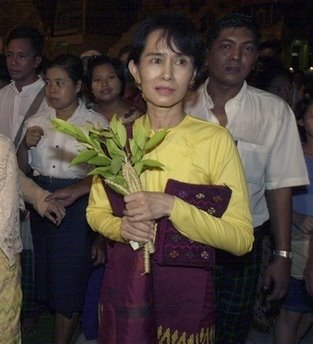


 Posts
Posts


