News & Articles on Burma Monday, 02 January 2012 ---------------------------------------- No political amnesty as Burma cuts prison terms Clemency in Myanmar falls short of expectations Burma announces a false Amnesty for the third time Myanmar reduces sentences for many prisoners, stops short of amnesty Energy prices hike as a New Year gift in Burma Gas prices rise 30 per cent in Myanmar for new year Myanmar, the US, China: Shifting sands Gosforth teen visits Aung San Suu Kyi in Burma Wa, Mongla agree to cooperate with Naypyitaw's defense forces ------------------------------------------ No political amnesty as Burma cuts prison terms RANGOON, BURMA - Jan 02 2012 14:26 Burma's President Thein Sein has commuted death sentences to life in prison and cut the terms to be served by other prisoners in a gesture to mark Independence Day, state media said on Monday, but it appeared no political prisoners would be freed. The nominally civilian government that took office in Burma last March has begun to implement gradual political and economic reforms. In October, it released around 230 political prisoners jailed by the former junta. Several hundred are still thought to be behind bars and some observers had suggested there could be an amnesty early in the New Year. Independence Day falls on January 4, marking the day when the country gained independence from British colonial rule in 1948. Western governments that are keen to nurture the changes in Burma want to see political prisoners released before they will fully lift economic sanctions imposed during the period of military rule. State-owned MRTV-4 said the president had signed an order to commute death sentences and reduce prison terms. For example, prisoners with more than 30 years to serve would now have to serve "up to 30 years" and those facing 20 to 30 years would now have up to 20 years in jail. Many political prisoners, including Min Ko Naing, a prominent leader of a 1988 pro-democracy uprising, and colleagues have sentences with far longer than 30 years to run. "We didn't see the announcement ourselves but so far as we have heard from friends, we don't think he will be freed under this," said Min Ko Naing's father. A senior prison official, who asked not to be identified because he was not authorised to speak to the media, said: "So far as I understand from the announcement, those sentenced to over 60 years cannot be expected to be freed under this amnesty." http://mg.co.za/article/2012-01-02-no-political-amnesty-as-burma-cuts-prison-terms/ ---------------------------------------- Clemency in Myanmar falls short of expectations Associated Press Jan 3, 2012 YANGON // Myanmar plans to reduce the sentences of many prisoners, the government said, in a clemency that fell short of the general amnesty many people were expecting. State television and radio said the president, Thein Sein, signed a clemency order to mark the country's 64th anniversary of independence. They said death sentences will be commuted to life imprisonment and some prisoners serving more than 30 years will have their sentences cut to 30 years. Prisoners sentenced to 20 to 30 years will have their terms reduced to 20 years, while those serving less than 20 years will have their sentences cut by a quarter. It was not immediately clear how many prisoners would be affected or whether the order would apply to all political detainees. Some former student activists serving 65-year terms were included in the clemency. Last week, state-run media reported that the government-appointed National Human Rights Commission had appealed to Thein Sein to issue a general amnesty. The president has pushed forward reforms since taking office last March, following decades of repression under previous military regimes. His government is still dominated by a military proxy party, but changes have been made in areas such as media, the internet and political participation. More than 6,000 prisoners, including about 200 political detainees, received an amnesty last October. http://www.thenational.ae/news/world/asia-pacific/clemency-in-myanmar-falls-short-of-expectations --------------------------------------- Burma announces a false Amnesty for the third time By Zin Linn Jan 02, 2012 10:04PM UTC Burma's President Thein Sein Government has announced it has cut back on the sentences of some prisoners who got grave punishments such as death sentence, life sentence and more than 20 to 30 years imprisonments. Those inmates will be released beginning on 3 January on humanitarian grounds. State-owned televisions and radios said Monday that President Thein Sein has already signed a leniency decree in order to mark the country's 64th anniversary of independence. According to the Eleven Media Group (EMG), the decree says that death sentences will be commuted to life term, while some prisoners serving above 30 years will have their punishments reduce to 30 years. The inmates serving between 20 to 30 years must be cut back equal to 20 years. Those serving less than 20 years will have their sentences cut by one-fourth. For instance, 20 years sentence will have to enjoy 5 years cutback. According to an official from prison department, those inmates corresponding to the presidential decree will be freed starting tomorrow. It was not clearly mentioned whether the authorities would take account of political prisoners. It seems the president's clemency order has been carefully implemented to keep in custody several prominent student activists who had been sentenced 65-year prison terms since September 2007. According to this so-called amnesty the political prisoners such as Min Ko Naing, Ko Ko Gyi, Jimmy, Htay Kywe, Pyone Cho, Khun Htun Oo and many more will have to spend 30 years behind bars. If current government were to say that they are the new civilian government, it has to free all political prisoners who were jailed by the previous junta. If the government thinks itself as a democratic one, then it must not allowed keeping political prisoners in prison. On 15 May 2011, President Thein Sein had signed a "general amnesty" order No. 28/2011 commuting death sentences to life imprisonment and cutting one year from prisoners' jail terms. Although over 14,600 inmates were released at that time, there were only a few political prisoners who had already served their jail-terms. Again on 11 October 2011, President Thein Sein government announced releasing 6,359 prisoners under an amnesty for elderly, ailing and obedient prisoners. As of 12 October, the several prisoners were released under general pardon. But, at the end of the day only about 200 political prisoners were freed. Even though prominent political prisoners Gen. Hso Ten, Zarganar and Su Su Nway were released, many other prominent student leaders such as Min Ko Naing, Ko Ko Gyi, Min Zeya, Htay Kywe and ethnic leader Khun Tun Oo have been languishing in tarnished jails in Burma. On that occasion, Ojea Quintana, the United Nations special rapporteur on human rights in Myanmar (Burma), said some of the most significant dissidents had not been released and more than 1,000 prisoners of conscience remained behind bars. The UN rights investigator for the isolated country wants many more freed without delay. There are 42 prisons and 109 hard-labor camp under the prison department of Burma. However, until now, President Thein Sein government continues to reject the existence of political prisoners in Burma. http://asiancorrespondent.com/73060/burma-announces-a-false-amnesty-for-the-third-time/ ------------------------------------------- Myanmar reduces sentences for many prisoners, stops short of amnesty By: Aye Aye Win, The Associated Press 2/01/2012 7:34 AM | Comments: 0 YANGON, Myanmar - Myanmar's government announced Monday that it is reducing the sentences of many prisoners, but stopped short of declaring an amnesty that had been expected by many people. State television and radio said President Thein Sein signed a clemency order to mark the country's 64th anniversary of independence on Wednesday. They said death sentences will be commuted to life imprisonment and prisoners serving more than 30 years will have their sentences cut to 30 years. Prisoners serving 20-30 years will have their terms reduced to 20 years, while those with less than 20 years will have their sentences cut by one-fourth. It was not immediately clear how many prisoners would be affected or whether the order would apply to all political detainees. Some former student activists serving 65-year terms were included in the clemency. Last week, state-run media reported that the government-appointed National Human Rights Commission had appealed to Thein Sein to issue a general amnesty. "This order cannot be called an amnesty. The limited nature ... indicates that the government has no intention to free the prisoners of conscience," activist lawyer Aung Thein told The Associated Press. A spokesman for pro-democracy leader Aung San Suu Kyi's National League for Democracy party said the move fell short. "Many political prisoners will remain in detention," party spokesman Han Thar Myint said. "It is not satisfactory." Thein Sein has pushed forward reforms since taking office last March, following decades of repression under previous military regimes. His government is still dominated by a military proxy party, but changes have been made in areas such as media, the Internet and political participation. An amnesty in October freed 6,359 prisoners, including about 200 political prisoners, but many prominent detainees remained behind bars. Suu Kyi said in November that there were still about 600 political prisoners, but some human rights groups put the number at about 1,500. Most political prisoners, both from the pro-democracy movement and from out-of-favour government factions, are serving long prison terms that will keep them locked up for many more years. The detainees include prominent former student activists Min Ko Naing and Ko Ko Gyi, who have been serving 65-year sentences, and ethnic Shan leader Hkun Htun Oo, who was given a 93-year term. The release of political prisoners has been seen as a crucial step in the country's reforms, and a failure to free a substantial number is likely to be considered inadequate by the United States, the European Union and other nations. http://www.brandonsun.com/world/breaking-news/myanmars-government-reduces-sentences-for-some-prisoners-136522613.html?viewAllComments=y ---------------------------------------- Energy prices hike as a New Year gift in Burma By Zin Linn Jan 02, 2012 1:55PM UTC Burma's President Thein Sein government has offered its people an extraordinary New Year present. The government has increased the gas prices from 2,500 kyat ($3.12) to 3,350 kyat ($ 4.18) per Imperial gallon (4.2 liters) without prior notice as of New Year occasion. It means fuel prices suddenly goes up more than 30 per cent for the New Year in depressed country and fears of inflation spread among the public as commodities prices starts rising as well. Bus and taxi drivers learnt about the new price at the fuel-pumps on Sunday when prices increased from 2,500 kyat to 3,350 kyat for every gallon. The government made no announcement. But with the fuel price hike, and a new 40 per cent electricity cost increase announced late last December, people are concerned about inflation of consumer goods, too. In fact, Burmese government's power production is not sufficient to meet domestic demand since most vehicles have to follow the authorities' quota system for per day consumption. At the same time, government has made an announcement that electricity prices will increase fifty percent in 2012. It will charge per unit for business use soar from 50 kyat ($ 0.06) to 75 kyat ($ 09), and 25 kyat ($ 0.03) to 35 kyat ($ 0.04) for domestic use. Those soaring charges will certainly hurt many small-scale home-industries in the country. Therefore the move will cause basic goods scarcity due to expensive electrical energy. The situation has caused upset among small business-owners and poor families who oppose the government's policy of seeking profit by exploiting the country's grassroots. Looking back into 2007, the then Burma's ruling junta raised a surprise hundred percent hike on fuel at state-owned fuel-pumps on 15 August. The junta did not give any reason for the increase. The action was followed by increases in bus fares and commodity prices. On August 19, an estimated hundred people, including prominent student-leaders of the '88 Generation student movement, gathered for a march in Rangoon to protest the fuel price increases. The march began with about 100 people swelled to more than 500 marchers as bystanders joined in and then all dispersed after walking about 9 kilometers or 5 miles. The protesters did not shout slogans or hold up placards. The regime countered on August 21 by arresting the leadership of the movement, including Min Ko Naing, Ko Ko Gyi, Min Zeya, Ko Jimmy, Ko Pyone Cho, Arnt Bwe Kyaw, Mya Aye, Mie Mie, Nilar Thein and Nobel Aye who were former '88 Generation students group. Most of them were sentenced to 65 years imprisonment each by a summary court in prison for their involvement in Saffron Revolution led by the Buddhist monks. The protesters demanded for lower fuel prices and lower commodity prices during the protest. To halt the protests, the junta arrested the activists on a daily basis. By end of August, more than 100 people had been detained, including several members of the NLD, On September 5, hundreds of Buddhist monks joined in the movement and marched down the streets of Pakokku, a religious center city in Mandalay division. The monks denounced the price hikes and chanted the Mitta Sutra walking around the town. Monks cheered by thousands of residents lining along the streets. The 2007 boycott began as small rallies in opposition to rising fuel and living costs but scaled up into massive anti-government protests led by gatherings of monks, whose remarkable apparel saw their movement dubbed the "Saffron Revolution". At least 31 people were killed by security police during cracked down on the demonstrators, while hundreds of protesters were apprehended. The brutal crackdown provoked international condemnation, including an extraordinary form of repulsion and demands for change from the UN Security Council, the UN Human Rights Council and the Association of South East Asian Nations (ASEAN). Hence, government of Burma should review its economic policies that directly link with political stability to reduce the hyper-inflation in the country which declares starting of a democratic nation-building with genuine open-market. The government should also take lesson from the saffron revolution whenever it thinks about increasing of fuel and electrical energy. http://asiancorrespondent.com/73039/energy-prices-hike-as-a-new-year-gift-in-burma/ --------------------------------------- Gas prices rise 30 per cent in Myanmar for new year Published on Jan 2, 2012 YANGON, Myanmar (AP) - Gas prices unexpectedly rose more than 30 per cent for the new year in Myanmar and sparked fears of other goods costing more as well. Motorists learnt of the increase at the pump on Sunday when prices increased from 2,500 kyat (S$4.08) to 3,350 kyat per Imperial gallon (4.2 litres). The government made no announcement. But with the fuel price hike, and a new 40 per cent electricity cost increase announced late last year, people are concerned about inflation of consumer goods, too. Myanmar's energy production is not enough to meet domestic demand, and it imports petrol and other fuels. The government subsidizes gas prices and rations it to two Imperial gallons a day. -------------------------------- Myanmar, the US, China: Shifting sands Last updated on: January 02, 2012 16:18 IST Will Myanmar's journey forward be a slow crawl out of the Chinese umbrella, or in quick step, asks Brigadier S K Chatterji (retd). Amongst all the Southeast Asian countries, 2011 has witnessed one of the greatest changes in Myanmar. A military dictatorial regime in power for decades made way for an elected government; albeit not as per democracy's definition by the book, but, at least a transition towards a freer nation. The evening of 2011 also found US Secretary of State Hillary Clinton [ Images ] logging a historic visit to Myanmar that has also apparently been a success story for the new Myanmar regime. Interestingly, her visit was followed by the meeting of the Chinese ambassador to Myanmar with the enigmatic Myanmarese leader Aung San Suu Kyi [ Images ] within a week. Immediately thereafter, the Chinese councillor also visited Myanmar, to attend the Mekong river countries meet. He also met the Myanmarese leadership. Clinton's visit certainly catalysed a packed itinerary in December 2011 in Myanmar. Clinton's visit was widely reported upon globally. However, many an issue of import that would have actually been the greater priorities for the Americans were perhaps not given the same emphasis either at the media briefings or statements released during her visit. The Chinese councillor's visit hardly received any attention. Clinton focused on issues like a more democratic culture, an inclusive society, reforms in the political system, equation with North Korea -- not very different from what the Chinese councillor would have discussed in his meetings. However, the response both would have sought from the Myanmarese leadership would have been quite different in many cases. Delving deeper into the contrasts and confluences makes an interesting study, just as Myanmar's predicaments under the circumstances, do. Myanmar's calling off the Chinese-funded Myitsone dam and hydel power project just before Clinton's visit was a sound projection of the country adopting a more independent foreign policy. While it did serve as good preparation for Clinton's visit, it was also a blow to the Chinese. Notably, post her departure and before the Chinese councillor's visit for the Mekong meet, Naypaidaw had already stated that it was ready to reconsider the Myitsone project. Among Clinton's priorities were certainly Myanmar's nuclear programme and its relationship with North Korea. In fact, she stated unambiguously that the Americans would rather that Myanmar severs all military ties with North Korea. However, Myanmarese Prime Minister Thein Sein could embarrass the Chinese if he were to do so. The arterial economic linkages that Myanmar has developed over the years with China, also serve as hurdles for the former. The Chinese, on the other hand, would want the China-Myanmar-North Korea axis to remain a vibrant equation, especially now that North Korea could be in a state of flux with Kim Jong Il's death. With 25 percent members of all elected houses being from the armed forces, Myanmar's parliamentary structures at the national and regional levels are definitely not laudable edifices for nascent democracies to build upon. Will the current system continue till the next elections; be the format for the next; or be constitutionally amended earlier than both and re-elections held for the seats usurped by the armed forces is the moot question! The Chinese with their huge investment in Myanmar would rather prioritise stability in their mutual relationship over democracy in Myanmar. Clinton, in her talks with Thein Sein, would have favoured hastening the transformation. Clinton also met Aung San Suu Kyi and would have been keen about how she would assimilate the diverse militant ethnic groups into the nation-State should she head a democratic Myanmar. The Chinese also face resistance in their projects from these groups. Further, there is an influx from the Myanmar side, every time the Myanmar army launches a major offensive against groups inhabiting the Myanmar-Chinese border. There is scope of common ground between the Americans and the Chinese, on the issue. Suu Kyi's commitment to US and the West would have been Clinton's priority during the meeting. Having stood by her and helped all along, the West expects Suu Kyi to steer the country out of China's orbit. Within a week of Clinton's visit, the Chinese ambassador met Suu Kyi, at her request. What transpired between the two is not known. However, the ambassador would have certainly looked for Suu Kyi's support to the two nations continuing their close relationship. As of now, Suu Kyi will compete for elections to Myanmar's parliament, with her party having been granted recognition by the government. Whether she will be able to influence affairs of her nation in a decisive way will have to wait for the time being. Clinton would have wanted nothing better than to shift Myanmar's foreign policy's prime anchoring from being rooted in Beijing [ Images ] to a Westward shift. Her success can only be gauged over a period of time. Will Myanmar's journey forward be a slow crawl out of the Chinese umbrella, or in quick step; a strategic shift or a balancing act will take time to crystallise. What can definitely be visualised now is Myanmar being firmly on both US and Chinese radars, through 2012. http://www.rediff.com/news/column/myanmar-us-china-and-the-shifting-sands/20120102.htm ---------------------------------------------- Gosforth teen visits Aung San Suu Kyi in Burma by Chris Styles, Evening Chronicle Jan 2 2012 TEENAGER Declan Stokle travelled to Burma to honour a resistance leader with the Freedom of Newcastle. The 18-year-old, from Gosforth, Newcastle, met Nobel Peace Prize winner Aung San Suu Kyi as he travelled along the Thai border during a six-month tour helping orphans and refugees. While he stayed in Burma's capital Rangoon, the 18-year-old arranged a meeting with the 66-year-old leader of the country's National League for Democracy. Declan -- who is in Burma with his parents Tony, 51, a teacher, and Anne, 50, a nurse, to coach football and give English lessons -- presented her with a scroll marking her being awarded the Freedom of Newcastle earlier this year. Mrs Stokle said: "I explained what the certificate meant -- that it was the highest honour the City of Newcastle could give her and that she was now entitled to graze her cows on the Town Moor. "She said she didn't have cows but asked if it would it be possible to walk her dog there? It was an incredible experience to meet her. She was so normal, showing that it is ordinary people filled with great courage that can change the world." Suu Kyi became a figurehead for the democratic movement after studying at Oxford University and returning to Burma where she was placed under house arrest in July 1989. For the majority of the last 20 years she has spent her time in some form of detention because of her efforts to bring democracy to military-ruled Burma before being released last year. Her fight inspired Declan to highlight the plight of those living in Burma when he first visited the country as an eight-year-old. Since then he has visited the Burma-Thailand border eight times and has helped run the charity Burmalink, which raises money for the oppressed population. He also spoke on stage with the Pope during the Papal visit to the UK last year and was asked to make a recording of his speech for the BBC World Service. Speaking of the familys meeting with Suu Kyi, Mrs Stokle said: Aung San Suu Kyi wanted more people to get involved more good people and more young people looking to Declan to inspire young Burmese people. She thanked Declan for speaking out in London last year on the occasion of the visit of the Pope. She added: She was very normal after such a long time under house arrest. She talked about her two sons, Kim and Alexander, and her dog and family life in general. She was very focused and not distracted at all. She asked what the people of Newcastle are called and on hearing Geordies, she said: The Geordies are a very strong people. We were so proud. However, when asked about football we found out she was a Chelsea supporter, having lived near the ground when she was in London. Earlier this year, Declan left St Marys Catholic Comprehensive School in Longbenton, North Tyneside, with three As at A-level. He will take up a place on a medicine course at Newcastle University in 2012. During his six months on the border, Declan will take part in football coaching, English speaking lessons and travel to projects the family has supported. Suu Kyi joins Nelson Mandela, Bob Geldof and Andrei Sakharov in receiving the Newcastles highest honour. Read More http://www.chroniclelive.co.uk/north-east-news/evening-chronicle-news/2012/01/02/gosforth-teen-visits-aung-san-suu-kyi-in-burma-72703-30047075/2/#ixzz1iJjpxGYN ----------------------------------------- Wa, Mongla agree to cooperate with Naypyitaw's defense forces Monday, 02 January 2012 14:11 S.H.A.N. The United Wa State Army (UWSA) and National Democratic Alliance Army (NDAA) had signed 6-point agreements with Naypyitaw's delegation led by U Aung Thaung and U Thein Zaw on 26 and 27 December, according to Sino-Burma border sources. Wa and Mongla, as the NDAA is commonly known, have met the Burmese delegation 3 times since September. Each meeting resulted in a new set of agreement. According to the latest one, both Wa and Mongla will discuss further on participation in the state and lower house legislatures. Each had also agreed to cooperate "with one mind and one stomach" with the national defense forces for national security and defense. Other points include: Implementation of the agreements signed in October Cooperation for the promotion of living standard and economic development of their respective territories Naypyitaw agrees to uplift the educational standards of both Wa and Mongla Naypyitaw agrees to boost the health standard of the people in both Wa and Mongla areas Wa continues to be dubbed Special Region #2 and Mongla Special Region #4 by Naypyitaw. Concerning the participation in the newly set up legislatures, a Mongla official said although its claim to Hsaleu in Mongyang township and Nampan in Mongyawng township continues to be ignored by Naypyitaw, "it seems we will be allowed to prove ourselves by contesting the parliamentary seats in Hsaleu and Nampan." Wa, apart from Hopang, Markmang, Pangwai, Mongmai, Panhsang and Napharn, is also claiming Mongpawk, a sub-township in Mongyang township. The township seat is under the control of the Burma Army. Shan State Army (SSA) South, meanwhile, has sent two delegates to Taunggyi for another pre-meeting before the actual meeting to be held some time this month. The group is the 4th armed movements that have signed a ceasefire pact with Naypyitaw, following the UWSA, NDAA and Democratic Karen Buddhist Army (DKBA). http://shanland.org/index.php?option=com_content&view=article&id=4313:wa-mongla-agree-to-cooperate-with-naypyitaws-defense-forces&catid=85:politics&Itemid=266
Tuesday, January 3, 2012


Monday, January 2, 2012
News & Articles on Burma-Sunday, 01 January 2012-uzl
News & Articles on Burma Sunday, 01 January 2012 -------------------------------------- NLD General Secretary Comforts Fire Victims Myanmar motorists see 34-per-cent petrol price hike Nay Win Maung dies of heart attack Myanmar's Art Of Freedom Film Festival: Myanmar may free more prisoners next week: Official Myanmar artists test recent freedoms through film festival --------------------------------------- NLD General Secretary Comforts Fire Victims Sunday, 01 January 2012 09:47 Written by Info.NLD NLD vice chairman U Tin Oo, General Secretary Daw Aung San Suu Kyi and the team visited the temporary refuge of fire victims in Mingalartaungnyut Township, Rangoon and comforted them. Daw Aung San Suu Kyi met with venerable Sayarday U Pyinnyanda who accepted victims at his monastery and explained the NLD's plan to assist victims of fire. And the team greeted and encouraged victims in the temporary camp. There are about 1160 victims in the camp. http://www.nldburma.org/social-activity/emergency-help/463-nld-general-secretary-comforted-fire-victims.html ------------------------------------- Myanmar motorists see 34-per-cent petrol price hike Jan 1, 2012, 6:32 GMT Yangon - Myanmar's state-run petrol prices rose 34 per cent on New Year's day, officials announced Sunday. Petrol stations in Yangon increased the price per gallon (4.5 litres) from 2,500 kyat (3.12 dollars) to 3,350 kyat. Prices of compressed natural gas (CNG) and diesel were unchanged. Fuel price hikes have proven politically explosive in the past. Increased rates for petrol, CNG and diesel in August 2007 sparked street protests that were joined by Buddhist monks, prompting a military crackdown that left dozens dead or missing. http://www.monstersandcritics.com/news/business/news/article_1683453.php/Myanmar-motorists-see-34-per-cent-petrol-price-hike --------------------------------------- Nay Win Maung dies of heart attack By PETER AUNG Published: 1 January 2012 Pivotal Burmese civil society leader Nay Win Maung has died of a heart attack, aged 50. A close friend of the founder of the prominent Myanmar Egress group, Kyaw Linn Oo, told DVB that he was submitted to Rangoon General Hospital around 11pm last night. "He suffered from vascular occlusion which led to a heart attack," he said. "He was driving back home when the chest pain kicked in so he drove to hospital instead -- his family followed him there after they learnt about it." Born in 1962, he graduated from Rangoon Medical University-1 in 1998, and went on to win a political science fellowship at Yale University in the US in 2004. He became CEO of the Living Colour Media Group, which publishes The Voice Weekly news journal, as well as forming Myanmar Egress. "His death is such a great loss," said Zeya Thu, coordinator at The Voice Weekly. "There are so many things left for him to do for our country. "He knew that he was ill but he couldn't find the time to attend to it. Now the heart disease has taken his life and he is such an irreplaceable loss to us. If we really love and respect him, we will have to keep striving to achieve his goals." Nay Win Maung became something of a controversial figure in his role at Egress, which critics see as closely aligned with the Burmese government. His relationship with President Thein Sein has come under scrutiny, with rumours circulating that Nay Win Maung scripted at least of Thein Sein's key speeches after coming to power. His admirers however see Egress as an increasingly influential force in Burma's emerging civil society sector. Until his death, he had attempted to broker peace talks between the government and ethnic armed groups. Maung Zarni a Burmese analyst and former acquaintance of Nay Win Maung, said: "While our political views came to diverge radically -- and I had criticised him publicly -- at the personal level I have always considered him a deeply patriotic man trying to do the impossible in spite of severe attacks on him, including from people like me." Dr Nay Win Maung is survived by his wife, Win Kalyar Swe, and four daughters. His funeral was held on 1 January at Yayway Cemetery in Rangoon. http://www.dvb.no/news/nay-win-maung-dies-of-heart-attack/19436 -------------------------------------- Myanmar's Art Of Freedom Film Festival: Country Screens Its First Ever Uncensored Films YANGON, Myanmar --- Artists in Myanmar are testing new freedoms through films shown at a festival that for the first time in the country's recent history were not censored. "The Art of Freedom Film Festival" began screening films on Saturday that were not approved by the strict Film Censorship Board. Myanmar's new nominally civilian government has relaxed some draconian security measures, although films are still supposed to pass the censorship board. The event was organized by comedian Zarganar, film director Min Htin Ko Ko Gyi and Nobel Peace Prize laureate Aung San Suu Kyi. Zarganar, who uses one name, was recently released from three years in prison. He described the festival as freedom of expression through film.http://www.huffingtonpost.com/2011/12/31/myanmar-art-of-freedom-film-festival_n_1177698.html ----------------------------------- Myanmar may free more prisoners next week: Official Sunday, 01 January 2012 01:18 NAYPYIDAW: Myanmar's army-backed regime may free more political prisoners on the upcoming national holidays of January 4 and February 12, an official from the lower house of parliament said Thursday. "More prisoners of conscience will be released very soon for sure," Aung Ko, chairman of the judicial and legal affairs committee of the lower house, told reporters in Naypyidaw. Aung Ko did not specify how many political detainees might walk free. He said that Myanmar's Railways Minister Aung Min, who is also the government's envoy for high-profile peace talks with ethnic minority groups, recently said prisoner amnesties could happen on January four, when the country celebrates Independence Day, and on Union day on February twelve. Hopes for change in Myanmar have grown recently following a series of reformist gestures as the country appears keen to end its international isolation, but pressure remains for it to release all political detainees. The new nominally civilian government, which in March replaced a long-ruling military junta, pardoned more than 6,300 prisoners -- including about two hundred political detainees -- in a much-anticipated amnesty in October. But the government disappointed observers and the opposition National League for Democracy party by leaving many top dissidents behind bars. A key demand of the opposition and foreign governments has long been the freeing of Myanmar's political prisoners, estimated by activists to number anywhere from 500 to more than 1,500. US Secretary of State Hillary Clinton insisted on the release of all of Myanmar's prisoners of conscience during a historic visit to the country earlier this month. AFP http://www.thepeninsulaqatar.com/s.-asia/philippines/177833-myanmar-may-free-more-prisoners-next-week-official.html ---------------------------------------- The Canadian Press - ONLINE EDITION Myanmar artists test recent freedoms through film festival By: The Associated Press 31/12/2011 8:11 AM | Comments: 0 YANGON, Myanmar - Artists in Myanmar are testing new freedoms through films shown at a festival that for the first time in the country's recent history were not censored. "The Art of Freedom Film Festival" began screening films on Saturday that were not approved by the strict Film Censorship Board. Myanmar's new nominally civilian government has relaxed some draconian security measures, although films are still supposed to pass the censorship board. The event was organized by comedian Zarganar, film director Min Htin Ko Ko Gyi and Nobel Peace Prize laureate Aung San Suu Kyi. Zarganar, who uses one name, was recently released from three years in prison. He described the festival as freedom of expression through film. http://www.brandonsun.com/world/breaking-news/myanmar-artists-test-recent-freedoms-through-film-festival-136473503.html?viewAllComments=y
Saturday, December 31, 2011
News & Articles on Burma-Friday, 30 December 2011-UZL
News & Articles on Burma Friday, 30 December 2011 ----------------------------------------- Myanmar sets by-election date: Government official Myanmar chooses April 1 for by-elections date Myanmar's Suu Kyi to meet George Soros Rights group urges Burma amnesty The Lady and the General Burma Comes In From the Cold War and Peace in Eastern Burma War Erupts in Northern Burma At Long Last---Reform George Soros to spread his wealth in Burma? George Soros Heads to Myanmar Suu Kyi visits hundreds left homeless by Myanmar blast Myanmar ethnic armed troop of United Wa State Army UWSA Yangon explosions killed 17 people and injured 123 people -------------------------------------- Myanmar sets by-election date: Government official Published on Dec 30, 2011 Myanmar is to hold by-elections on April 1, a government official said on Friday, which could propel democracy icon Aung San Suu Kyi into the army-dominated parliament. YANGON (AFP) - Myanmar is to hold by-elections on April 1, a government official said on Friday, which could propel democracy icon Aung San Suu Kyi into the army-dominated parliament. 'The by-election will be held on April 1,' a Myanmar government official who asked not to be named told AFP. Ms Suu Kyi, who officially registered her opposition party a week ago, has already said she intends to stand in the polls. Her National League for Democracy (NLD) was given the green light by authorities to rejoin mainstream politics earlier this month, but is waiting for official approval of its application. http://www.straitstimes.com/BreakingNews/SEAsia/Story/STIStory_750224.html -------------------------------------- Myanmar chooses April 1 for by-elections date Agence France Presse December 30, 2011 9:15pm YANGON - Myanmar is to hold by-elections on April 1, a government official said Friday, which could propel democracy icon Aung San Suu Kyi into the army-dominated parliament. "The by-election will be held on April 1," a Myanmar government official who asked not to be named told AFP. Suu Kyi, who officially registered her opposition party earlier this month, has already said she intends to stand in the polls. --- Agence France Presse http://www.gmanetwork.com/news/story/243129/news/world/myanmar-chooses-april-1-for-by-elections-date -------------------------------------------- Myanmar's Suu Kyi to meet George Soros Published on Dec 30, 2011 YANGON (AFP) - United States (US) billionaire investor and philanthropist George Soros will meet Aung San Suu Kyi in Yangon next week, a spokesman for the democracy campaigner said on Friday. The financier - one of the world's richest men who funds pro-democracy initiatives in Myanmar - will visit Ms Suu Kyi at her home on Monday, her party spokesman Nyan Win told AFP, without giving details of the topics to be discussed. 'It's not just investors from the US - top local businessmen have also met Daw Suu recently,' he said. Daw is a term of respect in Myanmar. Mr Soros, who made a huge fortune from speculating, has given away billions of dollars to philanthropic causes in recent years. His Open Society Foundations have funded a number of projects in Myanmar. http://www.straitstimes.com/BreakingNews/SEAsia/Story/STIStory_750226.html +++++++++++++ Suu Kyi to meet George Soros Friday, 30 December 2011 17:39 YANGON: US billionaire investor and philanthropist George Soros will meet Aung San Suu Kyi in Yangon next week, a spokesman for the democracy campaigner said on Friday. The financier one of the world's richest men who funds pro-democracy initiatives in Myanmar will visit Suu Kyi at her home on Monday, her party spokesman Nyan Win told AFP, without giving details of the topics to be discussed. "It's not just investors from the US top local businessmen have also met Daw Suu recently," he said. Daw is a term of respect in Myanmar. Soros, who made a huge fortune from speculating, has given away billions of dollars to philanthropic causes in recent years. His Open Society Foundations have funded a number of projects in Myanmar. The country, which remains subject to tough Western sanctions, was left impoverished and isolated by nearly half a century of military rule. A nominally civilian government, dominated by ex-generals, took power in March following controversial elections and has recently indicated a will to boost engagement with the outside world. Suu Kyi has received a steady stream of visitors in recent months, including United States Secretary of State Hillary Clinton in December, amid thawing relations with the regime. Suu Kyi has even met Myanmar tycoon Tay Za, who owns a string of luxury hotels and Myanmar airline Air Bagan and is a top target of US financial sanctions. http://www.brecorder.com/world/south-asia/40712-suu-kyi-to-meet-george-soros.html ----------------------------------------------- EVENING ECHO NEWS Rights group urges Burma amnesty 12/30/2011 - 8:46:07 AM A government-appointed human rights body has appealed to the president to release prisoners who are not a threat to stability, Burmese state media reported. Burma's three state-owned newspapers today ran the appeal by National Human Rights Commission chairman Win Mra calling on President Thein Sein to issue a general amnesty. Publication of the appeal is significant because the newspapers closely reflect government positions. However, previous such calls for a general amnesty have not resulted in a full release of inmates who are considered political prisoners. Kyi Kyi Nyunt said she will believe rumours of a general amnesty only once her brother, former student leader Min Ko Naing, comes home. He is serving a 65-year prison term. http://www.eecho.ie/news/world/rights-group-urges-burma-amnesty-533995.html ------------------------------------ The Lady and the General By THE IRRAWADDY Friday, December 30, 2011 Pro-democracy leader Aung San Suu Kyi has long called for a political dialogue with the country's rulers. Although she previously met with former dictator Snr-Gen Than Shwe, the talks did not bear anything close to fruit. So it was extraordinarily significant that she described as "satisfactory" her first meeting on Aug. 19 with President Thein Sein. The one-hour meeting in a presidential hall was carefully choreographed---a photograph of long-shunned national hero, Gen Aung San, who was Suu Kyi's father, hung from a wall in the background during the post-meeting photo-op. Little has been publicly declared by either side into the details of the meetings, but by describing Thein Sein "as open, honest and straightforward," Suu Kyi made it clear that there is room for her to work with his government. The NLD subsequently made the decision to re-enter the political process. For now, there appears no possibility of Suu Kyi pushing through amendments to the military-drafted Constitution, because such a proposal would require more than 75 percent of parliamentary votes, a non-starter in a parliament dominated by the Union Solidarity and Development Party and the military. But all eyes will be on Suu Kyi in 2012, and what will happen if and when she takes a seat in Parliament. Story links: "Suu Kyi, Thein Sein Hold First Talks" "UN and US, EU Lawmakers Welcome Suu Kyi-Thein Sein Talks" "Suu Kyi 'Satisfied' with Thein Sein Talks" http://www.irrawaddy.org/article.php?art_id=22755 ------------------------------------ Burma Comes In From the Cold By THE IRRAWADDY Friday, December 30, 2011 Whatever baby steps Naypyidaw took toward political reform, it was clearly sufficient for its foreign critics; and the former pariah state suddenly found itself the most popular kid on the block. The visit to Burma in December by United States Secretary of State Hillary Clinton was perhaps the highest profile of all diplomatic missions, and the first by a US foreign minister in 56 years. The US entourage met with President Thein Sein and his ministers in Naypyidaw, before an overjoyed and beaming Clinton embraced Suu Kyi a day later in Rangoon. Clinton's historic trip was described by observers as the opening of a diplomatic window, and a demonstration of Burma's success in playing off the West against its traditional allies China and India. But it could also signal the beginning of the end to the economic sanctions that has weighed on Burma for so long. Indonesia's Foreign Minister Marty Natalegawa visited Burma twice in 2001, his trip acting as a prelude to the announcement that Naypyidaw would be granted the opportunity to chair Asean in 2014. Though the world unanimously continued to call for further political reforms in Burma, it was clear to all that the isolation that had wracked the country for so long was over. Story links: "Clinton Concludes Landmark Burma Trip" "Burma UN Special Envoy Meets Suu Kyi, NLD Executives" "Burma's Asean Chair Possible with Further Reform" http://www.irrawaddy.org/article.php?art_id=22757 ---------------------------------------- War and Peace in Eastern Burma By THE IRRAWADDY Friday, December 30, 2011 It was a year of ups and downs for Burmese government delegations when it came to dealing with ethnic militias. While war flared with Karen and Kachin rebels, a Union-level Peace Discussion Group led by MP Aung Thaung was dispatched to reach ceasefire terms with the defiant Shan State Army--South (SSA-South) and the renegade Brigade 5 of the Democratic Karen Buddhist Army. Pens were put to paper: the SSA-South signed a truce on Dec. 2, while Brigade 5's Brig-Gen Saw Lah Pwe agreed a ceasefire with government representatives on Dec. 11 in Karen State capital Pa-an. In late December, after several meetings, the government delegation also managed to reach an formal de'tente with Burma's largest and fiercest ethnic armed group, the 30,000-strong United Wa State Army and its ally the National Democratic Alliance Army. Government negotiators also met twice with representatives of the Karen National Union (KNU), a group with no more than 5,000 troops but one which has fought the central government for autonomy for nearly 64 years. The KNU says it will meet again with government representatives early in 2012. Story link: "Naypyidaw Signs Peace Agreement with SSA-South" "Karen Faction Sign Peace Deal with Burma Govt" "Govt Agrees Ceasefire Talks With Karen Rebels" http://www.irrawaddy.org/article.php?art_id=22759 ------------------------------------------- War Erupts in Northern Burma By THE IRRAWADDY Friday, December 30, 2011 Seventeen years after signing a ceasefire, hostilities broke out between the Burmese army and the Kachin Independence Organization (KIO) in June. The KIO is widely perceived as moderate in its politically dealings with the government, but its leadership finally lost patience with Naypyidaw and its armed units after a series of incidents raised tensions in the northern province. With an estimated force of 10,000 armed fighters, the Kachin rebels were never in danger of collapsing under the government's repeated assaults. Hand-to-hand fighting sparked across the northern region with the Burmese mostly suffering heavy casualties, at least according to KIO sources. Some 45,000 villagers caught in the crossfire were displaced from their homes in Kachin State and parts of northern Shan State, and are now sheltering at refugee camps or in the Kachin town of Laiza near the Sino-Burmese border. A government rights body, the Myanmar National Human Rights Commission, reported that children in these war-torn zones were suffering from psychological trauma while adults were experiencing a sense of insecurity and diminished confidence. It estimated that 59 temporary camps had been set up in 11 townships to shelter the displaced, while 51 schools, accounting for a student population of 7,872 children, had been closed. President Thein Sein ordered his troops to end hostilities against the KIA in December, but skirmishes and hand-to-hand combat was reported up to the end of the year. Peace talks have been held several times, but to date no agreement has been reached. http://www.irrawaddy.org/article.php?art_id=22758 ---------------------------------------- At Long Last---Reform By THE IRRAWADDY Friday, December 30, 2011 Sworn into office on March 30, the new government has since announced a series of political and economic reforms. Some of the most notable include: increasing the pensions of civil servants; dismantling trade cartels; redrafting banking and foreign investment laws; revising the foreign exchange rate policy; and attempting to cooperate with the International Monetary Fund throughout these efforts. Perhaps more remarkable was President's Thein Sein's decision to sit down to a private meeting with Suu Kyi, and the subsequent changes to the elections laws that pave the way for her National League for Democracy party to rejoin the political landscape. The government has also shown an unusual tolerance of public political events in Rangoon and ordered the peaceful handling of three minor anti-government protests held respectively by activists, farmers and Buddhist monks. Also extraordinary is the government's marked relaxation of censorship control on the local media and lifting Internet restrictions. The parliament also approved bills allowing the establishing of labor unions and the right to public strikes, but these rights are still on the paper and it is unclear when they can take into effect. Although just a few hundred political prisoners were released as part of a general amnesty, observers are hopeful that all remaining dissidents are released from prison in the near future. http://www.irrawaddy.org/article.php?art_id=22760 ---------------------------------- George Soros to spread his wealth in Burma? Billionaire philanthropist now touring oppressed nation, soon to meet Aung San Suu Kyi Patrick WinnDecember 30, 2011 02:01 George Soros, the 81-year-old billionaire philanthropist, is currently in Burma. Soros is known for pouring his wealth towards pet causes and projects. There are more than a few struggling Burmese organizations that would like to become one of them. According to the Burmese-run Mizzima outlet, Soros has traveled to northern Shan State, a region armed separatists have struggled to control for decades. In coming days, the Wall Street Journal reports, he'll sit down with Aung San Suu Kyi, a democracy hero who acts as America's de factor policy advisor. Soros already devotes about $2 million a year to the pro-democracy cause in Burma, officially known as Myanmar, a nation ravaged by military oppression and civil war. His camp may very well announce even bigger donations as Burma's authoritarianism eases and the U.S. condones more international aid to the pariah state. http://www.globalpost.com/dispatches/globalpost-blogs/the-rice-bowl/george-soros-spread-cash-burma ------------------------------------------- The Wall Street Journal December 30, 2011, 1:36 PM SGT. George Soros Heads to Myanmar Billionaire hedge fund manager and philanthropist George Soros is scheduled to become the next big international name to meet with Myanmars pro-democracy leader Aung San Suu Kyi on Monday in a fresh sign that the country is continuing to open up to the outside world. Nyan Win, spokesman for Ms. Suu Kyis National League for Democracy said Friday that the two are scheduled to meet in Yangon on Jan. 2 and that they will likely discuss the ongoing work of Mr. Soross charitable foundation in the country. The U.S.-based financiers Open Society Foundation donates around $2 million a year to projects in the country, often supporting educational programs and scholarships, and he is believed to be touring some of those projects this week with members of his family. Mr. Soros, 81 years old, couldnt immediately be reached for comment. His visit follows the early December visit of Hillary of Clinton, who became the first U.S. Secretary of State to visit the country in over 50 years. That trip helped further warm the blossoming relations between the two countries since Myanmars military rulers handed power to a new, nominally civilian government in March. Since then, the country has made tentative steps towards implementing a broader democracy, including freeing hundreds of political prisoners, engaging with long-persecuted ethnic minorities and allowing Ms. Suu Kyis political group to contest elections after she was detained for years under house arrest. Government advisers have described the reforms irreversible and the U.S. has responded by lifting a block on development assistance to the country, effectively freeing up specialists from the International Monetary Fund and World Bank to help Myanmar officials liberalize their ossified economy. The Indonesian and Japanese foreign ministers also have visited Myanmar in the past week. William Hague, Britains foreign secretary, is scheduled to visit the country next week. U.S. and European Union, though, continue to impose strict sanctions on the country and are pressing Myanmars government to release all of the some 2,000 political prisoners still believed to be held in detention. That prevents Mr. Soros from investing in the country, if he wanted to do so. Local media reports, meanwhile, say that Mr. Soros will also take in sights at popular tourist destinations such as Inle Lake and Bagan. http://blogs.wsj.com/searealtime/2011/12/30/george-soros-heads-to-myanmar/?mod=google_news_blog ----------------------------------------- Suu Kyi visits hundreds left homeless by Myanmar blast By the CNN Wire Staff December 30, 2011 -- Updated 1029 GMT (1829 HKT) (CNN) -- The pro-democracy leader Aung San Suu Kyi on Friday visited a monastery in Yangon, Myanmar, that is providing shelter to more than 1,000 people left homeless by a deadly explosion that struck a warehouse compound in a residential neighborhood of the city a day earlier. The authorities have not given an explanation for the blast, which took place early Thursday, but members of the emergency services have said that it does not appear to have been caused by a bomb. The explosion killed 20 people and injured more than 95, Myanmar's state-run television MR TV reported Thursday. Updated figures on the dead and injured were not available Friday morning. The initial blast set off a fire that spread to nearby wooden houses, burning them to the ground. Hundreds of local residents have lost their homes and been forced to take temporary shelter in a nearby Buddhist monastery. Suu Kyi, who was released from house arrest last year, met with the head of the monastery Friday before talking with several of the people sheltering there. She also donated food and money. Clinton visits global icon in Myanmar Government representatives and private citizens have also gone to the monastery to provide money, food and clothes. A police official said Thursday he didn't know the exact cause of the explosion but didn't think it was likely to have been the result of a man-made bomb. He declined to be identified because he was not authorized to speak to the media. The authorities are investigating the explosion, he said. A fire official said Thursday that the series of explosions may have come from large quantities of sulfur, ammonia and sulfur trioxide, which becomes sulfurous acid when mixed with water, stored at the compound. The government had been renting the warehouses out to private businesses. Yangon is the former capital of Myanmar, which is also known as Burma. http://edition.cnn.com/2011/12/30/world/asia/myanmar-explosion-aftermath/index.html ----------------------------------- Ceasefire agreement strengthen between UWSA and government December 30, 2011 | Filed under: News,Politics | Posted by: Between News Myanmar ethnic armed troop of United Wa State Army UWSA United Wa State Army (UWSA). @mongloi Wa ethnic armed group who are based in Wa Special Region-2 in northeastern Shan State has come up with an ceasefire agreement to further strengthen their cooperation with Myanmar's central government. The central government's peace representatives spearheaded by U Aung Thaung and the chairman of Wa group U Pauk Yu Chang had their second peace talk agreement which was held in Pansan, Shan State last Monday, Xinhua, the Chinese News Agency reported. It was agreed upon that it will continue to talk about the involvement of Wa groups in parliamentary affairs under six terms and conditions which will be signed after their meeting, according to Xinhua reports. In the agreement it also compromises both the central government and the Wa group to help support in the maintenance of security and defense. Another agreement is that the government will extend and exhaust all possible services whether long and short term aid in Wa region in terms of their socio-economic development, human resources development as well as their health and education, the report said. The first peace talks by both sides were held in Lashio, the northern Shan State last October. Their agreements which was signed include the reopening the office of health and communication and education. Others indicated the cooperation on eliminating the use of illegal drugs, to encourage the development of border areas and to render basic economic necessities, it said. Shan State (North) Special Region-2 is the place where the United Wa State Army (UWSA), under U Pauk Yu Chang was housed after it returned to government in May 1989. Wa group is one of the five peace groups that did not agree on the call of the government to transform border guard forces which is under its control. With the government's attempt to promote peace in the entire region, Wa leader made remarkable pronouncement on all anti -government ethnic groups who are armed to join for peace talks and to put an end to all violence and hostility and to promote and encourage peace pact in the country. http://www.betweenonline.com/2011/12/30/ceasefire-agreement-strengthen-between-uwsa-and-government/ ---------------------------------------- The people injured toll rises to 123 in Yangon explosion December 29, 2011 | Filed under: News | Posted by: Between News Yangon explosions killed 17 people and injured 123 people Fire and blasts in Yangon. @enghengyang People who have been injured in Yangon explosion caused by fire have raised from 108 to 123 people and 17 people have confirmed dead, the Chinese News Agency Xinhua reported, citing an official source from Myanmar government-owned media radio and television. Among the injured people in the deadly incident are 46 firefighters and 89 local residents, the report said. The fire began at an electrical goods stored warehouse at around 2:00am local time and a medicines stored warehouse nearby caught fire afterward then continue more warehouses at nearby, it said. As a result of deadly explosion and fire a total of 10 warehouses and 90 houses near the explosion were destroyed. The privatized Myitarmon warehouse in Katoeseik ward in Mingalataungnyunt township was the blast that took place with the remarkably loud explosion, making local resident frighten, the report said. According to the Myanmar authorities, a temporarily rescued camps and accommodations have been set up in the monasteries and schools for the affected people in the local area and a total of 1000 people from 150 households were left homeless, Xinhua reported. Yangon residents said, the explosions noise went as far as 10 kilometers from the explosion scene and making the Yangon's whole resident in the city frighten as the residents did not know what exactly the explosions were. Some victims who dead in the blasts, their heads were blown off by the explosions, said the firefighters who witness in the scene, Xinhua reported, citing from The Voice Weekly report on its website. It is unclear what the exact cause of the explosion was and the Myanmar authorities are investigating. But it was not caused by a normal explosion and fire, Xinhua reported, citing the official source from police authorities. http://www.betweenonline.com/2011/12/29/the-people-injured-toll-rises-to-123-in-yangon-explosion/
Wednesday, December 28, 2011
News & Articles on Burma-Tuesday, 27 December 2011-uzl
News & Articles on Burma Tuesday, 27 December 2011 --------------------------------------- Suu Kyi Urges Japan to Promote Democracy in Burma Japan seeking improved Myanmar relations Emerging Freedoms in Myanmar Burma ready to sign petroleum concession : Surapong Thai banks ready to fund expected boom in Burma Japan urges Burma to continue with reforms Japan prods Burma to continue with reforms: report Burma's Peace Envoy prepares meeting with ethnic rebels' alliance Burma Cuts Interest Rates Banks ready to fund expected boom in Burma Ending ethnic strife needs a new roadmap USDP Accused of Unlawful Election Campaigning Italian-Thai Seeks Japanese Loans for Myanmar Deepsea Port ------------------------------------------ Suu Kyi Urges Japan to Promote Democracy in Burma By WAI MOE Tuesday, December 27, 2011 Pro-democracy leader Aung San Suu Kyi has urged Japan to strengthen Burmas democratic institutions as Tokyo launches a fresh engagement initiative with Naypyidaw that promises more investment for economic and social development. If democratic institutions are strengthened in the country, economic development will be stronger too, Suu Kyi told reporters at a press briefing after she met Japanese Foreign Minister Kocihiro Gemba at her lakeside house in Rangoon on Monday evening. Therefore, I hope Japan will consider strengthening democratic institutions in the country while it aids humanitarian works as well as social and economic development, she added. Japanese Foreign Minister Koichiro Gemba, left, at a press briefing in Rangoon with pro-democracy leader Aung San Suu Kyi. (Photo: AP) The Nobel Laureate also emphasized the importance of national reconciliation, resolving civil wars and maintaining peace for the development of democracy in the country. And she added that humanitarian aid and development should reach all ethnic minority areas equally. Gemba held a meeting with President ex-Gen Thein Sein in Naypyidaw and Suu Kyi in Rangoon, indicating that the East Asian superpower is looking for investment opportunities in Burma. He said that Japan wants to help Burma fight poverty and that the two nations agreed to discuss a treaty to protect Japanese investments in the country. Apart from investment and help combating poverty, Japan will also provide aid for Burmas health, education and agriculture sectors, claimed Gemba. Gemba also met his Burmese counterpart Wunna Maung Lwin in Naypyidaw on Monday before flying to Rangoon. This visit will be a big turning point for Japan-Burma relations, Gemba was quoted by Kyodo News Agency as telling Wunna Maung Lwin. On the meetings between Thein Sein and Gemba, state-run newspaper The New Light of Myanmar reported: They cordially discussed matters related to bilateral multi-faceted cooperation, including strengthening of bilateral friendly ties, bilateral economic cooperation, seeking of ways and means to render assistance by Japan, encouragement and assistance for Myanmars democratization, national reconciliation and bilateral culture exchanges. Gemda is the first Japanese foreign minister to visit Burma since 2002. His visit came after a Japanese delegation, led by Kimihiro Ishikane, deputy director-general of the Japan Foreign Ministrys Southeast & Southwest Affairs on Official Development Assistance (ODA), last month. Both sides talked about the new Naypyidaw government's development policies and Japans assistance programs through ODA for sustainable economic development in Burma, according to the Japanese Ministry of Foreign Affairs. Although Japan is keen to invest in Burma and cooperate with the Burmese government to achieve development, Burmas tentative moves towards democratization and protecting human rights have also been significant in Tokyo's policy of providing assistance. Japan believes that it is important for Myanmar, having just recently shifted to civilian rule, to become a democratic nation based on a market economy and social stability, said a statement from Japans Ministry of Foreign Affairs on Nov. 28. Therefore, Japan intends to implement economic cooperation while watching for improvements in democratization and human rights situations. Burma is one of the areas in which Japan has used ODA diplomacy effectively. From 1960 to 1988, Japan was the main contributor of development aid to the Southeast Asian nationa value totaling US $2.1 billion including compensation for the Japanese occupation during World War II. However, Japan stopped ODA to Burma in 1988 in reaction to the military junta's coup and brutal crackdown on the democracy uprising. But Japan still assisted Burma in less direct methodssuch as loans for Rangoon International Airport and the Baluchaung Hydropower project in Karenni State. From 1991 to 2003, Japanese aid to Burma totaled over 900 billion yen and was closely aligned to democratic reforms. Tokyo decided to approve the airport loan following Suu Kyi's release from her first house arrest in 1995, and the hydropower project aid was offered after her subsequent release from house arrest in 2002. Japan once again suspended ODA to Burma in July 2003 after Suu Kyi and her convoy were brutally ambushed by pro-junta thugs in Dapayin, Sagaing Division, in northern Burma. But using ODA diplomacy to engage with the Burmese regime was perhaps also a counterbalancing act against Chinas influence in the country. Japans ODA to Burma was 876 million yen in 2004, 1.2 billion yen in 2005, 640 million yen in 2006 ad 468 million yen in 2007. Following the killing by security forces of Japanese journalist Kenji Nagai in Rangoon while he was covering the monk-led mass democracy protests in September 2007, Tokyo also temporarily suspended aid to Burma. http://www.irrawaddy.org/article.php?art_id=22735&page=1 --------------------------------------- Japan seeking improved Myanmar relations December 27, 2011, 3:31pm YANGON, Myanmar (AP, AFP) Myanmar and its one-time biggest benefactor, Japan, agreed to talks on a bilateral investment treaty and took other steps toward better relations as the Japanese foreign minister visited Monday. Kocihiro Gemba said afterward Japan wants to help Myanmar fight poverty that grips the country and was pleased they agreed to talks on a treaty to protect Japanese investments. The first Japanese foreign minister to visit Myanmar in nine years, Gemba met President Thein Sein and other government officials in Naypyitaw then later talked to pro-democracy advocate Aung San Suu Kyi in Yangon. A separate AFP report said Gemba on Monday urged Myanmar to push forward its reform process. "This visit will be a big turning point for Japan-Myanmar relations," Gemba told his counterpart, Wunna Maung Lwin, as they sat down for talks. Suu Kyi stressed the importance of Japan's aid reaching ethnic minority areas where it is most needed. Suu Kyi said she also asked Japan to consider strengthening Myanmar's democratic institutions. Japan was Myanmar's largest aid donor until it cut most funds in 2003 after pro-junta thugs attacked Suu Kyi's motorcade on a political organizing trip in northwestern Myanmar. The military government then placed her under house arrest, which ended in November last year. "Japan will continue to do what it can do for Myanmar's national reconciliation to take hold," Kyodo quoted Gemba as saying after a meeting with pro-democracy figure Aung San Suu Kyi at her home in Yangon and extended an offer that she visit Japan in the near future, Kyodo said. Japan has continued small amounts of humanitarian grass-roots aid for the health and education sectors and has also maintained some trade ties with Myanmar since then. The aid was allotted without violating Western sanctions against Myanmar, and Japan did not impose sanctions on its own. But Gemba's visit is considered a reopening of better ties between the countries with a long history. In his meeting with government officials, Japan also offered increased economic help for the education and agriculture sectors. His visit follows several nations that have sent officials to Myanmar after its new, nominally civilian government made political reforms this year. US Secretary of State Hillary Rodham Clinton and Thai Prime Minister Yingluck Shinawatra visited earlier this month. Yingluck, after meeting with President Thein Sein, became the first prime minister from the Southeast Asia region to meet Suu Kyi. Last week, Suu Kyi formally registered her party for any upcoming elections, returning the Nobel laureate to the political arena and winning plaudits from her political rivals in Myanmar's military-dominated parliament. Suu Kyi decided last month to formally rejoin politics after recent government reforms. With National League for Democracy leader Tin Oo and other party members she registered the party at the Union Election Commission in the capital, Naypyitaw. The party boycotted last year's general elections because of restrictive rules that among other things prevented Suu Kyi from being a candidate. The government has since lifted many of those restrictions. http://www.mb.com.ph/articles/346203/japan-seeking-improved-myanmar-relations ------------------------------------------- THE NEW YORK TIMES December 27, 2011, 5:00 am Emerging Freedoms in Myanmar By JAMES ESTRIN Paula Bronstein has been traveling to Myanmar to take photographs for almost 20 years, so she's accustomed to the feeling that she was being followed everywhere. Mind you, it's not paranoia when you're actually being followed . But this trip was very different. "There was always a feeling of paranoia working here but not on this trip," Ms. Bronstein said from Yangon this month." I have been able to do whatever i wanted to do. Previously I was always trying to work under the radar." The military regime that ruled Myanmar for more than 40 years, imprisoned political opponents and monitored journalists seems to be relinquishing some of its power as the country undergoes rapid change. The opposition leader Daw Aung San Suu Kyi has been released from house arrest and Secretary of State Hillary Rodham Clinton visited Myanmar this month to encourage democratic change. Elections are scheduled. Ms. Bronstein arrived in Myanmar to cover Mrs. Clinton but stayed after most of the press corps had departed. She photographed schools, a monastery and even the remote, bizarre, capital of Naypyidaw, a place she had been banned from visiting before. Openly carrying two cameras, she wandered the wide streets that were spotless, well-lighted and almost free of traffic. While there was a big police presence in the capital, Ms. Bronstein was not bothered by the authorities. Several times she photographed the enormous Parliamentary Complex that has more than 30 buildings, the largest of which has better than 100 rooms. Ms. Bronstein is a Bangkok-based senior staff photographer for Getty Images whose photos from Mongolia were featured in Lens last year. She had previously photographed Ms. Aung San Suu Kyi in her home while the opposition leader was under house arrest. On this trip, she covered her public visit to a Buddhist monastery. Even more striking, after almost two decades of confinement and forced isolation, there were now posters of the pro-democracy activist displayed publicly. The changes are happening so rapidly, it is impossible to know how long they might last or how far they will go. For decades, Myanmar has been a poor, isolated county with a badly managed economy. "I think these changes bring more happiness to the people even though they don't yet have more money," Ms. Bronstein said. "The people have suffered under a repressive regime, but now there's a sense of optimism." http://lens.blogs.nytimes.com/2011/12/27/emerging-freedoms-in-myanmar/ --------------------------------------------- Thai-Burma Relations Burma ready to sign petroleum concession : Surapong Supalak Ganjanakhundee December 27, 2011 1:33 pm New Delhi - Good relations with Burma and recognition of mutual benefits have yielded fast results as Naypyidaw has agreed to sign the petroleum concession with PTTEP shortly after New Year, Foreign Minister Surapong Tovichakchaikul said on Tuesday. He denied that former prime minister Thaksin Shinawatra had been in any way involved. Surapong and energy minister Pichai Naripthaphan discussed the matter with Burma's energy minister Than Htay in Naypyidaw when they accompanied Prime Minister Yingluck Shinawatra to the 4th summit of Greater Mekong Sub-region last week. The Burmese energy authority informed Thailand by phone over the weekend that it was ready and that the PTT Exploration and Production Co should go to sign the concession contract on natural gas in block M3 by January 5-6, Surapong said. Surapong said he did not know the details of the concession contract that the Thai company would sign. Energy minister Pichai would witness the signing ceremony. Block M3, is located in the Gulf of Martaban south of Rangoon, contains good quality natural gas, the by-product of which could be used in the petrochemical industry, he said. Opposition Democrat Party alleged that former Prime Minister Thaksin, who was in Burma shortly before Yingluck's visit, helped in paving the way for the signing of concession contract. Thaksin has a personal interest in the gas deal, the party said. Surapong said Thaksin has nothing to do with the negotiations and that it was his government who had been able to convince the Burmese counterpart to reach agreement. Thailand could help Burma to develop its petrochemical industry by using by-products of the natural gas from block M3, he said. The government would invite representatives from Burma to study the petrochemical industry in Thailand, he said. In fact, the PTTEP has been dealing with Burma on the gas concession for a long time but no progress had been made during the previous government's term due to cold relations between the two countries, Surapong said. "Former Prime Minister Thaksin has no stake in the deal. If the Democrats can prove he has any interests in the concession, I would ask him to hand over the stakes to them," Surapong said. "Otherwise, they should stop such allegations, which hurt the national interest." http://www.nationmultimedia.com/national/Burma-ready-to-sign-petroleum-concession-Surapong-30172728.html ------------------------------------- Thai banks ready to fund expected boom in Burma Sucheera Pinijparakarm The Nation Publication Date : 27-12-2011 Thai banks are optimistic on the growing investment opportunities in Burma and are ready to support Thai firms planning to expand their businesses there. Apisak Tantivorawong, president of Krung Thai Bank (KTB), said recently that Burma was one of the markets in Asean showing high potential for rapid growth, and that all areas of business, including banking, were eyeing greater involvement in the country. Many Thai firms have invested in Burma, including construction giant Italian-Thai Development (ITD), which has been granted a 75-year concession on 160,000 rai (25,600 hectares) in Dawei by the Burmese government. Apisak said the Dawei project was regarded as the largest in Burma in terms of investment value. Many parties plan to join with ITD on projects in the port town, including KTB, which is in talks with investors to provide financing. "We believe all parties want to cash in on the Dawei project. But its large size means all parties can join together to win on this project," he said. Foreign investors are also interested in Burma. This will also benefit Thailand, because of its proximity to the country. When the Asean Economic Community is implemented in 2015, Thai companies will have an advantage if they want to set up plants in Burma to send products back to Thailand because of the Kingdom's position as a logistics centre. Kannikar Chalitaporn, president of Siam Commercial Bank (SCB), said Burma offered many opportunities for investors, but cautioned that investors should expect to look for long-term opportunities. SCB is waiting for approval from the Bank of Thailand to set up a representative office in Burma. Burma's central bank will not allow foreign banks to set up branches yet. Kannikar said that when the central bank in Burma gives licences to foreign banks to open branches, SCB would be ready to jump in. SCB prefers to expand its financial services to Laos and Burma rather than Malaysia and Indonesia. "SCB can handle many overseas deals from Thailand. Therefore, the bank believes it can service all financial services even it has no branches overseas," she said. Banthoon Lamsam, chief executive officer and president of Kasikornbank, said Burma was a potential market for investors. However, it was not an appropriate arena for all businesses, the banker said, pointing out that the initial wave of investors in Burma were involved in infrastructure. http://www.asianewsnet.net/home/news.php?id=25499&sec=2 ------------------------------------------- Radio Australia News Japan urges Burma to continue with reforms 27/12/2011 Opening doors. US Secretary of State Hillary Clinton and Burma democracy leader , Aung San Suu Kyi hold talks in Rangoon this year. [AFP] Last Updated: 18 hours 8 minutes ago Japan's Foreign Minister Koichiro Gemba is urging Burma to push forward with its reform process. Mr Gemba made the call in Burma during talks to launch a bilateral investment accord. During meetings with President Thein Sein and his counterpart Wunna Maung Lwin, Mr Gemba also expressed Japan's readiness to assist Burma to transform itself into a democratic country and to reduce poverty, especially in rural areas. Mr Gemba also pressed Burmese officials to break off military ties and suspected nuclear links with Pyongyang. http://www.radioaustralianews.net.au/stories/201112/3398271.htm ------------------------------------- Japan prods Burma to continue with reforms: report Published: 27/12/2011 at 11:32 AM Online news: Asia Japanese Foreign Minister Koichiro Gemba on Monday urged Burma to push forward its reform process, as the two nations agreed to launch talks on a bilateral investment accord, a report said. Myanmar democracy icon Aung San Suu Kyi (L) speaks next to Japanese Foreign Minister Koichiro Gemba after their meeting at her house in Yangon. Gemba on Monday urged Myanmar to push forward its reform process, as the two nations agreed to launch talks on a bilateral investment accord, a report said. Gemba, the first Japanese foreign minister to visit Burma since 2002, met President Thein Sein and his counterpart Wunna Maung Lwin in Burma's remote capital of Naypyidaw, Japan's Kyodo News reported. During the meeting, Gemba expressed Japan's readiness to assist Burma in transforming itself into a democratic country and reducing poverty, especially in rural areas, Kyodo said. "This visit will be a big turning point for Japan-Burma relations," Gemba told Wunna Maung Lwin, according to Kyodo, as they sat down for talks in the capital. Gemba urged more progress on reforms, which have so far seen the new nominally civilian government release some political prisoners and ease restrictions on the media and business, Kyodo said. The Burma foreign minister vowed to free some of those being held, it said. Gemba also asked that Japan and Burma begin negotiations on an investment treaty, which would create an easier environment for Japanese companies to do business in the country, Kyodo said. Unlike major Western nations, Japan has maintained trade ties and dialogue with Burma, warning a hardline approach could push Burma closer to neighbouring China, its main political supporter and commercial partner. A week after the abrupt announcement of North Korean leader Kim Jong Il's death, Gemba pressed Burma officials to break off military and suspected nuclear links with Pyongyang, Kyodo said. Gemba later met iconic pro-democracy figure Aung San Suu Kyi at her home in Rangoon and extended an offer that she visit Japan in the near future, Kyodo said. "Japan will continue to do what it can do for Burma's national reconciliation to take hold," Kyodo quoted Gemba as saying after their meeting. Japan has continued to provide humanitarian and emergency aid to the country, but halted regular economic assistance in 2003 following the arrest and subsequent detention of Suu Kyi. Burma's government has rolled out a series of reformist measures since it took office as the former generals who dominate it have sought to reach out to political opponents and the West. Suu Kyi was freed in November 2010 from seven years of house arrest, and has re-registered her previously banned opposition National League for Democracy (NLD) as a political party, clearing the way for her to take part in elections. Hillary Clinton visited Burma earlier this month in the first trip there by a US Secretary of State in more than 50 years. http://www.bangkokpost.com/news/asia/272634/japan-prods-burma-to-continue-with-reforms-report ----------------------------------------- Burma's Peace Envoy prepares meeting with ethnic rebels' alliance By Zin Linn Dec 27, 2011 12:41AM UTC On 23 December, President Thein Sein's cabinet member and peacemaking team leader Aung Min revealed he was ready to meet the United Nationalities Federal Council (UNFC), the alliance of 11 armed groups. He announced this during a meeting with Hkun Okker, PaO National Liberation Organization (PNLO) president, in Bangkok, Shan Herald Agency for News (S.H.A.N.) reported today. "This is a major departure from its initial 'group-wise' approach," said the 65-year-old PaO leader, whose PNLO is a member of the UNFC. "The policy has apparently proved a waste of time and resources with most of the groups that he had met." Burma's 11 ethnic groups made a historical accord in a conference at an undisclosed venue along the Thai-Burma border in mid-February. They reached an agreement unanimously forming an umbrella alliance called the United Nationalities Federal Council (UNFC). The President's special peace envoy, Aung Min, has triumphed only one truce with the Restoration Council of Shan State / Shan State Army (RCSS/SSA) led by Lt-Gen Yawdserk, whose delegation signed a ceasefire accord with the Shan State Government on 2 December. Aung Min, who is also Minister of Railway Transport, met the Karen National Union (KNU) in Maesot on 21 December and the New Mon State Party (NMSP) in Sangklaburi the following day. Nyo Ohn Myint, an executive of the National League for Democracy-Liberated Area (NLD-LA), acted as moderator during the meetings with KNU and NMSP. At that time Aung Min was still apparently sticking to the group-wise approach stance. "He said the government would hold talks with dialogue only at the third stage of the three-stage peace process," said a Karen source. The three stages are Ceasefire, Development and what is known as "Panglong-like Conference". The UNFC, formed in February, is made up of Kachin Independence Organization (KIO), Karenni National Progressive Party (KNPP), Chin National Front (CNF), Lahu Democratic Union (LDU), Palaung State Liberation Front (PSLF), Wa National Organization (WNO), National Unity Party of Arakan (NUPA), and Shan State Progress Party / Shan State Army (SSPP/SSA), KNU, NMSP and PNLO. The ethnic alliance has yet to meet and make a decision on its imminent remarkable meeting with the government's special envoy Aung Min. The UNFC has selected six Central Executive Committee members and 10 Central Committee members. Gen Mutu Saypo of the Karen National Union (KNU) becomes Chairman and Lt Gen Gauri Zau Seng of the Kachin Independence Organization (KIO) Vice Chairman-1, Maj Gen Abel Tweed of the Karenni National Progressive Party (KNPP) Vice Chairman-2, and Nai Hongsa of the New Mon State Party (NMSP) General Secretary) respectively. In a statement issued on 17 February, the UNFC said part of its basic principles and aims were to work for a better recognition of the ethnic armed groups, for ethnic equality, rights and self-determination, and for a genuine democratic federal union of Burma. At the same time, the government's envoy Aung Min also had a 30-minute meeting with former leader of All Burma Students' Democratic Front (ABSDF) Dr. Naing Aung on 21 December. During the meeting, Dr. Naing Aung proposed a four-point agenda for ceasefire talks, in keeping with a statement issued by him, according to sources in Mae Sot. The four points are to implement an all-inclusive rebuilding programme, to bring to end human rights violations, not to hurt civilians in fighting, and to release all political prisoners including rebels who are regarded as special prisoners. Political analysts are watching the peace activities of Aung Min in great expectation of good results. http://asiancorrespondent.com/72768/burma%E2%80%99s-peace-envoy-prepares-meeting-with-ethnic-rebels%E2%80%99-alliance/ -------------------------------------------- Burma Cuts Interest Rates By NAW KA PAW Monday, December 26, 2011 RANGOON---Burma's Minister for Finance and Revenue Hla Tun announced on Dec. 23 that the Central Bank of Myanmar will cut interest rates from 12 to 10 percent starting on Jan. 1, a move several bankers in Rangoon say will allow many businesses to be more cost effective. It is hoped a cut in interest rates will accelerate the national economy, encourage investment, and create higher performance through competition among banks. The growth of the national economy has been relatively slow lately, with obersvers saying that any monthly increases at Burmese banks were due to a growth in savings. It was this factor, they say, that prompted the Ministry of Finance and Revenue to reduce interest rates once more. Under the new interest rates, deposits are to be met with returns of not less than 8 percent, while borrowers are not to be charged more than 13 percent. Financial observers predict a mixed bag of positive and negative impacts. A retired senior officer from the budget department under the Ministry of Finance and Revenue said, "The positive is that a borrower who is involved in business can get a loan at a low rate of interest. It is good for him, but not for investors." Deputy Chairman of Kanbawza Bank Than Lwin said, "It has more positive impacts than negative. When the bank rate decreases, prices decrease. A decrease in prices can quicken the economy. Low interest rates, on the other hand, are not good for either the investor or the borrower." A global economic crisis, usually causes interest rates to lower, he added. Burma currently has the highest interest rates in the region. In Singapore, banks pay out less than one percent on deposits. A spokesperson from Asia Green Development Bank said, "Decreasing interest rates is good for business. It reduces prices. Burmese businesses cannot compete with those in Thailand, Singapore and Malaysia because of the high costs. A reduction in interest rates would welcome in new busines investors and increase the country's GDP. From that, the government will take in increased taxes and revenue." A retired professor from Yangon Institute of Economics pointed out that a reduction in interest rates would lead to businesspeople borrowing money from the banks, and would subsequently mean higher foreign exchange rates. Another economist warned that if interests rate are decreased, investors will withdraw their money from the banks, and few will make deposits. "The other thing, is inflation," he said. "The interest rate should always outweigh the rate of inflation." Interest rates were stable at 10 percent from April 1, 2000 until April 1, 2006, when they were upped to 12 percent. As part of a series of political and economic reforms initiated by Burma's new quasi-civilian goverment led by ex-army general President Thein Sein, Naypyidaw announced on Friday that it will exempt its citizens working abroad from paying income tax starting Jan. 1 next year. http://www.irrawaddy.org/article.php?art_id=22724 -------------------------------------- Banks ready to fund expected boom in Burma SUCHEERA PINIJPARAKARM THE NATION December 27, 2011 1:00 am Thai banks are optimistic on the growing investment opportunities in Burma and are ready to support Thai firms planning to expand their businesses there. Apisak Tantivorawong, president of Krung Thai Bank (KTB), said recently that Burma was one of the markets in Asean showing high potential for rapid growth, and that all areas of business, including banking, were eyeing greater involvement in the country. Many Thai firms have invested in Burma, including construction giant Italian-Thai Development (ITD), which has been granted a 75-year concession on 160,000 rai (25,600 hectares) in Dawei by the Burmese government. Apisak said the Dawei project was regarded as the largest in Burma in terms of investment value. Many parties plan to join with ITD on projects in the port town, including KTB, which is in talks with investors to provide financing. "We believe all parties want to cash in on the Dawei project. But its large size means all parties can join together to win on this project," he said. Foreign investors are also interested in Burma. This will also benefit Thailand, because of its proximity to the country. When the Asean Economic Community is implemented in 2015, Thai companies will have an advantage if they want to set up plants in Burma to send products back to Thailand because of the Kingdom's position as a logistics centre. Kannikar Chalitaporn, president of Siam Commercial Bank (SCB), said Burma offered many opportunities for investors, but cautioned that investors should expect to look for long-term opportunities. SCB is waiting for approval from the Bank of Thailand to set up a representative office in Burma. Burma's central bank will not allow foreign banks to set up branches yet. Kannikar said that when the central bank in Burma gives licences to foreign banks to open branches, SCB would be ready to jump in. SCB prefers to expand its financial services to Laos and Burma rather than Malaysia and Indonesia. "SCB can handle many overseas deals from Thailand. Therefore, the bank believes it can service all financial services even it has no branches overseas," she said. Banthoon Lamsam, chief executive officer and president of Kasikornbank, said Burma was a potential market for investors. However, it was not an appropriate arena for all businesses, the banker said, pointing out that the initial wave of investors in Burma were involved in infrastructure. http://www.nationmultimedia.com/business/Banks-ready-to-fund-expected-boom-in-Burma-30172691.html ------------------------------------------- Ending ethnic strife needs a new roadmap Published: 27/12/2011 at 12:00 AM Newspaper section: News Earlier this year, Burma rightfully claimed to have completed the Seven-point Roadmap for democracy by successfully installing a new civilian government. Since then, the world has seen an unusual wind of change in Burma, one that the country had not experienced in half a century. However, there was at least one point of the roadmap that was never completely finished and was somewhat pushed aside in order to pave the way for quick changes. This missing link was the establishment of peace with dozens of armed ethnic groups that have fought for autonomy from the central government for several decades. It is high time to revisit this important point of the roadmap, as these incomplete tasks could not only undermine the positive changes in the country but could also derail the whole future of the transition. In that regard, the new campaign of peace overtures embarked upon by the government of Thein Sein is a very welcoming initiative. On one side, his government has demonstrated new resolve to achieve peace in a few years. On the side of the ethnic armed groups, they have seen a glimmer of hope to end hostilities. As such, for the first time in 60 odd years, elusive peace in Burma seems to be possible to achieve. The Burmese government has consolidated its efforts by forming a negotiating team comprised of union-level ministers and prominent parliamentarians. Importantly, as many of them are new to the government, they bring different perspectives and personal resolve to the table as they work to end the conflict. Crucial to this process, the governments of the ethnic states have been authorised to engage in peace talks with rebels in each respective state. Over the past few months, the Burmese government itself has held several rounds of negotiations with all armed ethnic groups. These initiatives have already achieved significant results, further reinforcing the credible commitment of the government to build promising peace. Led by a new team of government negotiators, the talks produced several ceasefire agreements, including the ones recently with the Shan State Army-South and the Democratic Karen Buddhist Army in December 2011. An important understanding was also reached with the United Wa State Army as well as the Karen National Union, two major ethnic forces with ample military capabilities. However, there are also worrying trends in Kachin State. Negotiations with the Kachin Independence Organisation have broken down and serious fighting has continued. With rising tensions in Kachin State, peace in Burma may unfortunately remain elusive in the foreseeable future. Negotiations seem to be going around in circles, despite efforts from both sides to give peace a chance. Ethnic conflicts in general are extremely complex. Burma is no exception with multiple players in multifarious groupings pulling and pushing in all directions. Additionally, Burma's neighbours have also been involved in the conflict in one form or another, from the explicit support of the rebels, to benefiting from the illegal sales of minerals, and the smuggling of weapons, the proceeds of which go directly to finance the conflict on all sides. But legacies of protracted military rule are at play here also. Due to years of abuses and repeated broken promises, ethnic groups do not trust the government. They still see the current government as a civilianised extension of the military's rule. And within the government also, there are many ex-army officers who have fought against the ethnic insurgency at one time or another. Some of them still see ethnic conflict from a security point of view and armed groups as separatists wreaking havoc on the nation's progress and potential. For both sides, trust remains the crux of the problem. But all protagonists must get past the positional bargaining in order to achieve peace once and for all. To achieve all these, the new Burmese government cannot afford to treat this simply as tying up loose ends from the previous roadmap. In fact, a new comprehensive roadmap should be adopted to end ethnic conflict. Such a grand overture would certainly be well received by various stakeholders. This kind of initiative would engender immediate collaboration and support from the people. Such a roadmap should include first and foremost a ceasefire to stop the killing. All ceasefires are temporary security arrangements and ideally they should lead to political dialogue and a permanent peace in Burma. The roadmap must include a timeframe for further negotiations, a focus on step-by-step plans for DDR (Disarmament, Demobilisation and Reintegration) peace initiatives, and identification of issues over which to negotiate. Other essential components of the roadmap will need to include political dialogue, political and social reintegration, regional development and economic recovery. It is not possible to undo the destructive effects of a long-standing civil war overnight. Instead, the roadmap should focus on gradually resolving the thorny issues over a period of 5 to 10 years, while trust is built on collaboration between the government and ethnic groups to move the process forward. During this period, perhaps until the time ethnic groups feel confident about the peace process, they may be allowed to retain their weapons. Sometimes, political agreements between elites from both sides of the conflict forget the most important groups that face the war on a daily basis: civilians in conflict zones and the rank and file of rebel armies. It is therefore most crucial that the roadmap pay attention to their long-term welfare and rehabilitation. Equally crucial is the inclusion of emerging democratic institutions and civil society in Burma which should play supporting roles in the implementation of the roadmap. The democratic opening in Burma has afforded a window of opportunity for all to end the armed conflict. They must seize the moment and look at peace from a broader perspective. Aung Naing Oo is the Deputy Director of Vahu Development Institute and former Foreign Affairs Secretary of the All Burma Students Democratic Front. http://www.bangkokpost.com/opinion/opinion/272556/ending-ethnic-strife-needs-a-new-roadmap ------------------------------------------ USDP Accused of Unlawful Election Campaigning By THE IRRAWADDY Monday, December 26, 2011 Burma's military-backed Union Solidarity and Development Party (USDP) which dominates the national Parliament has been accused of unlawful campaigning for the looming parliamentary by-elections in a major Rangoon township. Residents of Mayangone Township told The Irrawaddy that last week USDP campaigners urged them to submit land registration applications to the party. In Burma, the state remains in control of all land with citizens having few rights. People must obtain official documents proving temporary property ownership, but in reality many cannot negotiate the country's unwieldy bureaucracy and fail to receive these. "To get these official land certificates many people in several quarters of the township have been asked to go and submit applications and relevant documents to the USDP office," said a local store owner in the town. "The USDP party organizers said they will give this service to us free of charge." Under the country's election laws, political parties can be disbanded if they are found to be using state properties and funds. The activity last week was carried out under the direct instruction of USDP Secretary General Htay Oo, claimed a party organizer in Mayangone Township. A local politician told The Irrawaddy that this activity by the USDP is unlawful and aimed at garnering votes for the upcoming by-election. The opposition National League for Democracy (NLD), led by pro-democracy icon Aung San Suu Kyi, will compete for 48 vacant parliamentary seats during the ballot. "This is a misappropriation of state power. I will be happy if the public gets official land and housing certificates, but if this is just false promises made for the sake of getting votes I will complain that the USDP is rigging the elections," said the politician. The USDP is led by former Burmese generals and was transformed into a political party from a military-sponsored civic organization, the Union Solidarity and Development Association, in June 2010. The party won a large majority in the Union Parliament through last year's election which was widely criticized for heavy vote rigging. But in a recent press conference, the country's Election Commission chief vowed that the looming by-elections will be free and fair. http://www.irrawaddy.org/article.php?art_id=22725 -------------------------------------------- Bloomberg Italian-Thai Seeks Japanese Loans for Myanmar Deepsea Port December 26, 2011, 9:29 PM EST By Suttinee Yuvejwattana and Daniel Ten Kate (Adds chairman's comments in third paragraph.) Dec. 26 (Bloomberg) -- Italian-Thai Development Pcl expects to sign loan agreements next year valued at $12.5 billion to develop a deepsea port, industrial complex and power plants in Myanmar, Chairman Premchai Karnasuta said. Japan Bank for International Cooperation will likely provide most of the funding for the port, road and railway links in Dawei, less than 300 kilometers (186 miles) west of Bangkok, Premchai told reporters. Officials at the Tokyo-based JBIC office were not immediately available to comment, said a spokeswoman who declined to give her name. "We expect to get partners and funding for the project next year," Premchai said in Bangkok today. "It will help reduce logistics costs and relieve congestion in the Malacca Straits." Thailand's government has backed the project in Dawei to provide an alternative route for exporters, including Japanese companies that use the country as a manufacturing base, to ship goods to Europe and the Middle East. Italian-Thai, the nation's biggest construction company which won a contract from Myanmar to develop the port last year, has emphasized the port's potential to connect land routes throughout the region. Italian-Thai expects to win construction contracts valued at 400 billion baht next year, not including the Myanmar projects, up from 170 billion baht this year, Premchai said. The company's shares gained 0.5 percent to 3.72 baht today. The stock has declined 20 percent this year, compared with a 0.02 percent drop in the benchmark SET Index. Land Sales Italian-Thai plans to complete a 132-kilometer road from Dawei to the Thai border within three years, Premchai said. The company expects to gain income from selling 50,000 rai (80 square kilometers) of land, an area equivalent to about a 10th of Singapore, and serving as the main contractor on infrastructure projects, he added. Of the loans Italian-Thai plans to secure next year, $3.5 billion will be for the port and roads, $2 billion for a railway and $7 billion for two power plants, he said. Japan would seek to help finance the project provided it can reach a deal on Myanmar's "huge" outstanding debt, Kimihiro Ishikane, a deputy director of Asian affairs at Japan's foreign ministry, told reporters in Bali on Nov. 16. South Korea's SK Engineering & Construction Co. has shown interest in oil and gas projects in Dawei, Somchet Thinaphong, managing director of Dawei Development Co., an Italian-Thai unit, told reporters at the same event. Steel Mill Italian-Thai is still seeking partners and financing for an integrated steel mill, an oil, gas and petrochemical complex, and fertilizer plants, Premchai said. It signed an initial agreement last month with Ratchaburi Electricity Generating Holding Pcl to develop coal-fired power plants in Myanmar with a combined capacity of 4,000 megawatts. Italian-Thai was founded in 1958 through a partnership of business executives from Italy and Thailand. It oversaw the construction of Bangkok's main international airport and elevated train line and operates in about a dozen countries around Asia. --With assistance from Jae Hur in Tokyo. Editor: Tony Jordan To contact the reporters on this story: Suttinee Yuvejwattana in Bangkok at suttinee1@bloomberg.net; Daniel Ten Kate in Bangkok at dtenkate@bloomberg.net To contact the editor responsible for this story: Tony Jordan at tjordan3@bloomberg.net http://www.businessweek.com/news/2011-12-26/italian-thai-seeks-japanese-loans-for-myanmar-deepsea-port.html __._,_.__


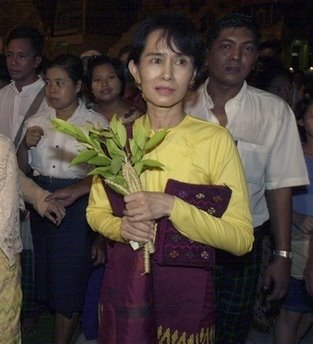


 Posts
Posts


