News & Articles on Burma
Thursday, 18 November, 2010
..............................................................
Suu Kyi Release a Junta Strategy for Sanctions Removal?
USDP Wins 76.5 Percent of Vote
Aung San Suu Kyi: Champion for freedom
Suu Kyi urges ‘strong spirit’ in HIV sufferers
Suu Kyi has support in Burmese Army: Report
Suu Kyi has support in Burmese Army: BBC
Myanmar democracy icon calls her detention illegal
Suu Kyi release sparks sanctions debate
Ministers to discuss situation in Myanmar
Burma urges Thailand to help refugees
'We Must Help the Most Needy'
Myanmar election commission publishes election final results
Junta Putting Pressure on Buddhist Clergy: Clinton
Foreign companies work in dozens of gas blocks in Myanmar
----------------------------------------------
Suu Kyi Release a Junta Strategy for Sanctions Removal?
By SAW YAN NAING Thursday, November 18, 2010
Burma's military regime may have released pro-democracy leader Aung San Suu Kyi in order to convince countries that have imposed sanctions on the junta to ease or lift the restrictions and to strengthen economic ties with its trading partners, according to some Burma analysts.
The analysts said that the regime may now see Suu Kyi as a card they can play in order to get sanctions lifted. This would include getting Suu Kyi, who is trusted by and influential among western democracies, to speak on behalf of sanctions removal.
Thakin Chan Tun, a veteran Rangoon politician, said that sanctions were put in place because Suu Kyi was taken as a political prisoner. Therefore, granting her freedom is likely part of a Burmese government strategy to ease sanctions, he said.
Burma watcher Jeff Kingston, the director of Asian Studies at Temple University's Japan campus, said that because Suu Kyi's opinion plays a crucial role in shaping western governments’ engagement [with Burma], cooperating with Aung San Suu Kyi and embarking on substantive, time-bound reforms remains the Burmese government’s key to rejoining the international community and opening the spigots of development assistance.
“What the military does not seem to realize is that Ms. Suu Kyi is its trump card if it seeks to ease sanctions and tap into all the benefits that rejoining the international community can provide,” said Kingston.
If the junta does in fact now realize that Suu Kyi is their trump card, as certain analysts believe, there is some evidence that the junta's strategy is working, at least at in its initial stages.
When released on Nov. 13, Suu Kyi did not criticize China. Last year, she also said that she was willing to work with the Burmese generals for the removal of sanctions if evidence was provided that lifting sanctions would benefit the Burmese people.
Burma economic specialist Sean Turnell of Macquarie University in Australia, however, said he thinks that Suu Kyi will not allow herself to be used by the regime to get sanctions lifted without concessions on the regime's part.
“Indeed, if she is able to engage in a genuine exchange with them [the junta], she may just be able to use sanctions as leverage to push for economic reform,” said Turnell.
Kingston worries that if Suu Kyi gains momentum in trying to strengthen the rule of law and expose unfairness and corruption in the recent election, the junta will put her back in jail. If this happens, he said, it will demonstrate that the new government is just like the old, ensure that sanctions remain in place and send the entire process back to square one.
Aung Naing Oo, a Burmese analyst in Chiang Mai, said that sanctions should be removed as they prevent reconciliation and impact only the welfare of the people rather than the Burmese generals and their cronies.
Along with other observers, Aung Naing Oo believes that sanctions are a political tool that do not affect the regime. Even though the West imposed sanctions on Burma, the generals and their cronies can deal with Hong Kong, Singapore, Thailand and China, he said.
“Aung San Suu Kyi should use the sanctions as a tool to start the process of national reconciliation with the military,” Aung Naing Oo said.
“If Suu kyi is talking about sanctions or asking the international community to remove sanctions, it will be a step closer toward reconciliation,” he said.
Some observers said that, in addition to helping remove sanctions, Suu Kyi’s release may decrease the stigma of doing business with the junta.
For example, Italian-Thai Development, a construction company based in Thailand, early this month entered into a contract worth US $8 billion with Myanmar Port Authority for an infrastructure project in Tavoy, Tenasserim Division.
Opposition activists, however, worry that international trade with Burma will only benefit the military regime, not ordinary people.
http://www.irrawaddy.org/article.php?art_id=20120
--------------------------------------------------
USDP Wins 76.5 Percent of Vote
By THE IRRAWADDY Thursday, November 18, 2010
Burma's Union Election Commission (EC) on Wednesday announced the final results for the Nov. 7 general election, with the regime-backed Union Solidarity and Development Party (USDP) winning 883 of the 1,154 parliamentary seats, or 76.5 percent, according to a Chinese newspaper.
The People's Daily, a daily newspaper that is an organ of the Central Committee of the Communist Party of China, reported on Thursday that Burma's EC had declared the USDP, led by Prime Minister Thein Sein, the winner of 259 out of 325 seats in the House of Representatives, or 79.6 percent; 129 out of 168 seats (76.7 percent) in the House of Nationalities; and 495 of 661 seats (74.8 percent) in regional and state parliaments.
The report also said that the National Unity Party (NUP) had come in second with a total of 63 seats. The Shan Nationalities Democratic Party (SNDP) took 57 seats and the Rakhine Nationalities Development Party 35 seats. The National Democratic Force (NDF) and the All Mon Region Democracy Party ( AMRDP) each won 16 constituencies.
No official results have been announced to date in Burma's state-run media.
Several opposition parties that participated in the elections have filed complaints alleging vote fraud, voter intimidation and vote-fixing by the USDP assisting by local authorities.
On Tuesday, the EC warned political parties against “making allegations” that their candidates were not elected at the polls “through foreign radio stations and print media,” saying that such allegations “go against Article 64 of the respective Election Law.”
According to government website “mrtv.net.mm”, Article 64 reads: “Whoever is found guilty of dishonestly and fraudulently lodging any criminal proceedings against any person regarding offences relating to election shall, on conviction, be punishable with imprisonment for a term not exceeding three years or with a fine not exceeding 300,000 kyat (US $300) or with both.”
The EC said that any complaint must follow “in accordance with the rules and regulations.”
The warning appeared just days after Burmese pro-democracy leader Aung San Suu Kyi was released from more than seven continuous years of house arrest.
Suu Kyi has already announced her intention to join party colleagues in an investigation of alleged electoral fraud. She told reporters, however, that while her party plans to issue a report, it has no plans to protest the results of the election as it didn't take part.
Meanwhile, Suu Kyi's National League for Democracy has struggled to demand official recognition at Naypyidaw's Supreme Court.
Several politicians told The Irrawaddy that they are unsatisfied with the EC procedures during the election.
The chairman of the All Mon Regions Democracy Party (AMDP), Nai Ngwe Thein, said that many of his party candidates, including himself, lost seats after the Township Election Commission fixed the voting results by adding illegal advance votes. He said his party sent a letter of complaint to the EC in Mon State requesting an investigation into the alleged irregularities.
The Mon State's EC, however, took no action, he said. “Later, I confirmed that our letter had been received by the commander of Military Regional Southeast Command based in Moulmein, the capital of Mon State,” he added.
Thu Wai, the chairman of the Democratic Party (Myanmar), said his party had filed a string of complaints against the USDP alleging campaign violations. However, he said it appeared that the EC has never responded to any complaint.
He said that he and the “Three Princesses”—the daughters of former prime ministers—each ran as candidates for the Democratic Party (Myanmar) and each suffered defeat in Sunday's polls.
“We don't want to file another complaint,” said Thu Wai. “If we do, we have to pay one million kyat (US $1,000) for each submission. Also, I don't think it will change the result.”
Observers have speculated that the winning election candidates will be summoned soon to gather and form national and regional governments in Naypyidaw.
The current ruling regime will continue to rule the country after the elections for up to three months, until the formal transfer of power takes place.
“Under the constitution, this be convened, at which a temporary chairperson for the house will be chosen. This will mark the formal start of the five-year legislative term, most likely in December 2010 or early January 2011,” the Amsterdam-based Burma Centrum Nederland reported in October.
http://www.irrawaddy.org/article.php?art_id=20118
----------------------------------------------------
Aung San Suu Kyi: Champion for freedom
Published: Thursday, November 18, 2010, 5:00 AM
The Post-Standard Editorial Board
Just days after Myanmar’s military government released pro-democracy leader Aung San Suu Kyi editorial from house arrest, both sides were behaving perfectly in character.
Suu Kyi Tuesday filed a request to have her political party, the National League for Democracy, reinstated. The government warned against filing complaints over the Nov. 7 election, which human rights groups and much of the Western world believe was rigged in the junta’s favor.
Suu Kyi, the Nobel Peace Prize winner who has been under house arrest for 15 of the last 21 years, is showing her characteristic courage and commitment to human rights and democracy. The government is again showing its intolerance. It’s the same government that barred Suu Kyi’s party from taking power in 1990, and has subjected party members to repression.
The political opposition in Myanmar, formerly Burma, has “been systematically silenced, incarcerated and deprived of any opportunity to engage in political processes that could change Burma,” President Barack Obama said Sunday.
Myanmar no doubt wants to remind Suu Kyi of the consequences of speaking out. If she remains true to her splendid form, she will continue to play her role as champion for freedom, challenging those who would prefer she lose her script.
http://blog.syracuse.com/opinion/2010/11/aung_san_suu_kyi_champion_for.html
------------------------------------------------------
Suu Kyi urges ‘strong spirit’ in HIV sufferers
By AGENCE FRANCE-PRESSE
Published: 18 November 2010
Burma’s newly freed democracy leader Aung San Suu Kyi visited a group of HIV sufferers on Wednesday and offered them the flowers she was given to celebrate her release from years of house arrest.
The Nobel Peace Laureate told a 500-strong gathering in eastern Rangoon, including about 100 patients, that they should keep a “strong spirit”, as she called for greater financial support to tackle the virus.
“What we can do now is try to get as much medicine as we can for the patients here,” said Suu Kyi, the popular 65-year-old opposition leader who was released from more than seven years of detention on Saturday.
“All patients here should keep a strong spirit. Your spirit is the main thing. There are many people to take care of you. Keep in your mind that there are many people who value you,” she told the crowd.
Aung San Suu Kyi seen talking to HIV sufferers at a gathering in Rangoon (DVB)
Suu Kyi, who had been locked up for 15 of the past 21 years, was released less than a week after a widely criticised poll that consolidated the military regime’s decades-long grip on power, but was dismissed by many as a sham.
HIV/AIDS is one of the leading health issues afflicting Burma, where the junta spends just 0.5 percent of gross domestic product on health, according to a United Nations report earlier this year.
And despite being one of the least developed countries, overseas development aid trickling into Burma is among the lowest in the world.
“We need a lot of money to get antiretroviral drugs,” Suu Kyi told reporters at the gathering. “We need money for food. We need money for more housing.”
The comments followed her first political speech in years on Sunday, in which she appealed to a sea of jubilant supporters for unity, and she has since begun the daunting task of rebuilding the weakened opposition movement. http://www.dvb.no/news/suu-kyi-urges-%E2%80%98strong-spirit%E2%80%99-in-hiv-sufferers/12935?
--------------------------------------------------
The Economic Times: 18 NOV, 2010, 02.32PM IST,PTI
Suu Kyi has support in Burmese Army: Report
Read more on »suu kyi release|suu kyi|support|burmese army
LONDON: Burmese pro-democracy icon Aung San Suu Kyi, who was released last week after more than seven years under house arrest, has wide support within the lower ranks of the country's military, the BBC has claimed.
According to the BBC Burmese service, infantrymen from two Burmese Army divisions confirmed reports that several hundred soldiers travelled to capital Rangoon on Saturday to witness release of the 65-year-old Nobel Peace Prize laureate.
Suu Kyi was freed a week after a military-backed political party won Burma's first election in nearly 20 years.
And, the soldiers from battalions in Rangoon and Bago divisions, who went to Suu Kyi's house, said they hoped that the leader of the fight against the military dictatorship in Burma, could talk to their superiors about supply shortages.
"We went there to greet her because we believe the hardships the lower rank and file are facing can be solved if Ms Suu Kyi and the military commanders work together. We have high hopes for Ms Suu Kyi," a soldier was quoted as saying.
However, the extent of support for her in the army is not clear, the BBC said.
In September, soldiers in many areas reportedly refused to carry out routine tasks in protest at short rations and lack of access to their pay.
In a series of interviews, soldiers in garrison towns said their rations had been cut for several weeks. They said their commanders had barred access to money they had saved, which is kept in a central fund.
The Burmese authorities have denied any disquiet in the military. http://economictimes.indiatimes.com/news/politics/nation/Suu-Kyi-has-support-in-Burmese-Army-Report/articleshow/6947039.cms?
-----------------------------------------------
Suu Kyi has support in Burmese Army: BBC
Press Trust of India / London November 18, 2010, 14:39 IST
Burmese pro-democracy icon Aung San Suu Kyi, who was released last week after more than seven years under house arrest, has wide support within the lower ranks of the country's military, the BBC has claimed.
According to the BBC Burmese service, infantrymen from two Burmese army divisions confirmed reports that several hundred soldiers travelled to capital Rangoon on Saturday to witness release of the 65-year-old Nobel Peace Prize laureate.
Suu Kyi was freed a week after a military-backed political party won Burma's first election in nearly 20 years.
And, the soldiers from battalions in Rangoon and Bago divisions, who went to Suu Kyi's house, said they hoped that the leader of the fight against the military dictatorship in Burma, could talk to their superiors about supply shortages.
"We went there to greet her because we believe the hardships the lower rank and file are facing can be solved if Ms Suu Kyi and the military commanders work together. We have high hopes for Ms Suu Kyi," a soldier was quoted as saying.
However, the extent of support for her in the army is not clear, the BBC said.
In September, soldiers in many areas reportedly refused to carry out routine tasks in protest at short rations and lack of access to their pay.
In a series of interviews, soldiers in garrison towns said their rations had been cut for several weeks. They said their commanders had barred access to money they had saved, which is kept in a central fund.
The Burmese authorities have denied any disquiet in the military. http://www.business-standard.com/india/news/suu-kyi-has-support-in-burmese-army-bbc/116394/on
-------------------------------------------------
Thursday, Nov. 18, 2010 Comments
Myanmar democracy icon calls her detention illegal
The Associated Press
YANGON, Myanmar -- Myanmar's democracy icon Aung San Suu Kyi said Thursday that her recent release from seven years of detention did not signal a softening in the military's harsh, decades-long rule of the Southeast Asian nation.
In an interview with The Associated Press, Suu Kyi called her detention "illegal" and said she was released simply because the decreed period of her house arrest had ended.
"I don't think there were any other reasons," she said in an interview in her small, Spartan office, decorated with little beyond a vase of flowers and a black and white photograph of her late father, Aung San, who helped lead colonial Burma to independence from Britain.
"My detention had come to an end and there were no immediate means of extending it," she said.
The 65-year-old Nobel Peace Prize laureate, set free from her lakeside residence Saturday, has made it clear she plans to pursue her goal of a democratic Myanmar but has been careful not to verbally challenge the junta or call for its overthrow.
Since Saturday, though, the generals and their longtime archrival have had no contact.
"I haven't seen any sign of the junta at all since I came out. They haven't made any move to let us know what they feel about the situation," she said.
She added, though, that her goals would not change: "I had better go on living until I see a democratic Burma," she said, laughing.
She has called for face-to-face talks with junta leader Gen. Than Shwe to reach national reconciliation.
Suu Kyi has been detained for 15 of the past 21 years but has remained the dominant figure of Myanmar's battered pro-democracy movement. More than 2,200 political prisoners remain behind bars.
A week before her release, a military-backed political party swept the first elections in 20 years amid widespread accusations that the balloting was rigged. Final results have yet to be announced, but some military candidates grabbed 90 percent and more of the votes in their constituencies.
Read more: http://www.kentucky.com/2010/11/18/1530177/myanmar-democracy-icon-calls-her.html?#ixzz15coWUZDh
-----------------------------------------------
Please use the link to reference this article. Do not copy & paste articles which is a breach of FT.com's Ts&Cs ( www.ft.com/servicestools/help/terms) and is copyright infringement. Send a link for free or email ftsales.support@ft.com to purchase rights. http://www.ft.com/cms/s/0/214f34fe-f0ad-11df-8cc5-00144feab49a.html?ftcamp=rss#ixzz15cq6oucX
Suu Kyi release sparks sanctions debate
By Tim Johnston in Bangkok
Published: November 18 2010 08:48 | Last updated: November 18 2010 08:48
The release of Aung San Suu Kyi, the Burmese opposition leader, has revived the prospect that the sanctions which have locked western energy, engineering and tourism companies out of one of the last untapped economies of Asia may be lifted.
For the past two decades, western companies have been kept out of Burma by a combination of sanctions, reputational risk and economic mismanagement by the ruling junta.
Ms Suu Kyi has been a staunch supporter of the sanctions, which were imposed after the ruling military annuled the result of elections in 1990 that produced a resounding victory for her National League for Democracy.
But she appears to have revisited that position during her recent seven-year stint under house arrest.
“If people really want sanctions to be lifted, I will consider this,” Ms Suu Kyi said during her first days of freedom.
With the prospect that sanctions could be lifted, Sean Turnell, a Burma expert at Australia’s Macquarie University, says “a lot of ears are pricking up in a lot of boardrooms”.
Western investors have had to sit on the sidelines while companies from China, India, South Korea and Thailand have been investing heavily, particularly in energy and natural resources such as timber, rubber and gems.
According to the government, Burma has 90,000bn cubic feet of gas and 3.3bn barrels of recoverable oil reserves. It has already signed exploration and production deals with Cnooc and Kogas, the South Korean state gas company, and also with Thailand’s PTT Exploration and Production and Malaysia’s Petronas.
Chevron and Total have remained in Burma as the sanctions did not apply to companies that already had operations in the country.
Mr Turnell believes that even if sanctions are lifted, the energy sector will still be dominated by regional players who are willing to pay a premium for energy security and have more flexible accounting rules.
“The politics in the oil and gas sector is not going to go away,” Mr Turnell says of a country which ranks second from bottom in Transparency International’s corruption perceptions index.
For western investors, the prize is likely to be in infrastructure. Ital-Thai, Thailand’s largest construction company, is already looking for co-developers for the $8bn first stage of a port and industrial park at Tavoy on Burma’s Andaman coast. The rest of the country’s decaying roads, railways and ports also need heavy investment.
But that too will take some time. Much of the funding for any large-scale infrastructure programmes would likely come from the multi-lateral lending agencies such as the World Bank and the Asian Development Bank, which have effectively suspended lending since 1988 when hundreds of students were killed in pro-democracy demonstrations.
The first barrier to go is likely to be the unofficial boycott on tourism. Ms Suu Kyi has always been vague on whether she supported a blanket tourism ban, but until recently she had never corrected the perception that she was against tourists coming to the country. Win Tin, one of her closest advisors, recently said that tourists should come to the country so they could see the reality on the ground.
The US and Canada have broad ranging measures that bar almost all trade with the country, and the European Union has so-called targeted sanctions which are designed to isolate individual members of the regime and its supporters, many of whom have profited from their control of the economy.
Even though most western politicians agree that sanctions have failed to produce any progress, there has been reluctance to lift them in case the generals assume their intransigence is being rewarded.
In all likelihood, western governments will defer to Mrs Suu Kyi when considering any change of policy.
“She clearly enjoys a huge amount of international support and a decisive influence over western policy, in particular on sanctions,” said Thant Myint-U, a Burma analyst.
“It’s hard to think of any other country in the world, let alone a country of 60m, where western policy is made on the basis of a single person, however worthy,” he said.
While Ms Suu Kyi appears to have softened her resistance, she is unlikely to call for the wholesale repeal of sanctions immediately. Her control over the process is her most important lever in getting the generals to negotiate.
General Than Shwe, the country’s leader, said in 2007 that if Ms Suu Kyi abandoned her support for sanctions he would be willing to meet her, a move that would have been seen as a significant concession by the military.
Ms Suu Kyi is therefore likely to demand something more substantial than a meeting before she gives up her trump card. Although she has the ability to get the restrictions lifted, she probably does not have enough power to re-impose them if the government reneges on its promises.
Hopes of change must be tempered by past experience, however. The generals who run Burma have released Ms Suu Kyi before, and little changed. Although the military is keen to encourage economic development, it is unlikely to sacrifice their hold on power to achieve it. And, if sanctions are lifted at all, it will be done in a piecemeal fashion.
Copyright The Financial Times Limited 2010. You may share using our article tools. Please don't cut articles from FT.com and redistribute by email or post to the web.
http://www.ft.com/cms/s/0/214f34fe-f0ad-11df-8cc5-00144feab49a.html?ftcamp=rss#axzz15cpy5yIK
----------------------------------------------
Ministers to discuss situation in Myanmar
By Toby Vogel
18.11.2010 / 05:14 CET
Policy to be reviewed in wake of release of Aung San Suu Kyi.
The EU's foreign ministers will next week review the Union's policy on Myanmar (Burma) following the release of Aung San Suu Kyi, the leader of the country's opposition, on Saturday (13 November).
Ministers are not expected to change the sanctions policy, which has been in place since 1996, when they meet on Monday (22 November). The review will, however, help determine the preconditions for a change of course.
As yet, it is unclear what stance Suu Kyi will take on the continuation of sanctions and what prospects there are of the military loosening its grip on the country.
The sanctions include measures targeted at members of the country's military leadership, such as an asset freeze and travel restrictions. Other sanctions are broader, restricting trade in the natural resources of Myanmar, one of the world's poorest countries.
Political prisoners
The ministers will also have to decide next year whether the EU's special envoy for Myanmar, currently Piero Fassino, should be integrated into the EU's new diplomatic service.
Catherine Ashton, the EU's foreign policy chief, has called on Myanmar's rulers to free all remaining political prisoners. “This would allow for a truly inclusive dialogue and for the beginning of a credible transition to democracy,” she said.
? At Monday's meeting, the ministers will prepare for EU summits with Africa (29-30 November), Russia (7 December) and India (10 December). They will also discuss the situation in Sudan, ahead of a referendum in January on independence for the south. http://www.europeanvoice.com/article/imported/ministers-to-discuss-situation-in-myanmar-/69435.aspx?
----------------------------------------------
Burma urges Thailand to help refugees
By Marisa Chimprabha
The Nation
Phnom Penh
Published on November 18, 2010
Burma has asked Thailand to help people fleeing clashes between Burmese troops and ethnic rebels, because they believe the conflict will continue for some time yet.
Abhisit, Thein Sein and leaders of Laos, Cambodia and Vietnam were in Phnom Penh for the Ayeyawady-Chao Phraya-Mekong Economic Cooperation Strategy (Acmecs) summit.
At a press conference, Abhisit said he had raised the subject of the conflict with Thein Sein on the sidelines of the summit, because the clashes were affecting Thailand as people fled across the border to safety and the conflict spilled over into Thai soil.
“The Burmese premier told me the fighting would continue for quite a while. He also asked me to help provide humanitarian assistance to the Burmese refugees,” the premier said.
“I informed the Burmese PM we were willing to help the people. Most of the thousands who had earlier escaped to Thailand have already returned home.”
Abhisit also told Thein Sein it was clear the conflict spilling over into Thai soil was unintentional. When asked about his thoughts on the recent release of Burmese opposition leader Aung San Suu Kyi, Abhisit said the matter had been mentioned in the summit.
“Burma said Aung San Suu Kyi had been released as per the law once her detention period expired,” he said.
Suu Kyi was released on November 13, shortly after the junta held its first general election in two decades. Results of the election, which the West branded as a sham, saw most of the parliamentary seats being won by the military-controlled party.
Commenting on his earlier statement that Suu Kyi’s release would help ease tension with the West, Abhisit said western nations had not clarified their stance on the release. However, he admitted, the decision to free Suu Kyi could be considered a response to the call by international communities to release her. http://www.nationmultimedia.com/2010/11/18/national/Burma-urges-Thailand-to-help-refugees-30142522.html?
-------------------------------------------------
'We Must Help the Most Needy'
By HSAT LIN Thursday, November 18, 2010
RANGOON — A crowd of several thousand people waited in front of a house for HIV/AIDS patients in Ward 18 of South Dagon Township in Rangoon on Wednesday afternoon. Aung San Suu Kyi was scheduled to arrive soon, to visit the 120 patients, in one of her first stops after her release from house arrest.
HIV/AIDS activist Phyu Phyu Thin, who coordinates the HIV/AIDS house as a National League for Democracy project, told the people that Suu Kyi would speak to the people on the street. A ripple of comments ran through the crowd—people in trees, on roof tops and even on perched on lampposts.
The HIV/AIDS patients in the house were waiting anxiously. Shortly after 2 p.m., the crowd began to stir and people started shouting, “Be well, Aung San Suu Kyi!”
A white sedan had stopped, and she was getting out of the car. She wore a traditional Burmese dress— a white blouse and a red sarong, with a spray of white roses in her hair. She was jostled among security guards as the crowd pressed in to see her, but she never stopped smiling.
“Stop it! Or she will fall down,” warned a concerned voice in the crowd. “The reporters are out of control too,” said an NLD youth member, referring to 40 to 50 domestic reporters who vied for her attention.
Inside the house, HIV/AIDS patients presented flowers to Suu Kyi and her close, senior colleagues Tin Oo and Win Tin. It looked like some of the patients seemed to forget about their suffering while looking at Suu Kyi, who talked with and encouraged each patient individually.
She asked about the conditions in the house. At one point, she went over to talk to patients who were too sick to stand or sit up.
As she passed out flowers, Suu Kyi said they were the flowers given to her upon her release.
After visiting with the patients, she went outside and launched into a speech to thousands of people waiting for her words.
She talked about exchanging flowers with the patients inside and pointed out how everyone should help each other.
“When I was freed, people gave me flowers,” she said. “I received many more flowers than what I have given out today. I thought that today I could get much in turn by giving back. Try to give others a little but not with any expectation for a return! Try to give with empathy! You may not get anything back, but you will gain much satisfaction.”
Speaking about giving, she said, “I want you to help others who are poorer than you. Many people only focus on self-interest. But I want you to have the desire to help and work for others. Such desire has to be built up. This is called altruism. I want you to build it up.”
Suu Kyi talked about how she will work to provide more food and medicine donations for the HIV/AIDS patients living in the house.
“First, we will try our best to get as much medicine as we can for the patients here,” she said. “Everybody should give a hand as much as possible.”
A woman next to me said, “She is very smart. She didn't say a word about politics. She only talked about love and altruism. I was about to cry while listening to her.”
Talking directly to the patients, Suu Kyi looked at them and said, “You should be mentally strong. Morale matters. There are many people who want to take care of you. You have to bear in mind that there are many people who value you.”
“Human beings have basic dignity and values. Those are recognized by the United Nations' Universal Declaration of Human Rights. So, don't loose heart! Remember that everybody has value,” said Suu Kyi.
A man in his 30s said, “I have never heard a Suu Kyi speech in my life. It's so good to hear her. We now know what we should be doing.”
Suu Kyi concluded by telling the people why she had come to visit the HIV/AIDS patients on one of her first stops after her release.
“Because they are the people needing the most help,” she said. “We must help the most needy people first. It doesn't mean that I have forgotten others or I don't value them. Those who need more help should be given more. This is a moral value everybody should keep.” http://www.irrawaddy.org/highlight.php?art_id=20119
----------------------------------------------------
Myanmar election commission publishes election final results
08:30, November 18, 2010
The Myanmar Union Election Commission Wednesday announced the last series of election results with the Union Solidarity and Development Party (USDA) winning the majority of 883 parliamentary seats or 76.5 percent out of the final total of 1,154 at three levels.
The USDA, led by Prime Minister U Thein Sein, occupies 259 seats or 79.6 percent out of 325 with the house of representatives, 129 seats or 76.7 percent out of 168 with the house of nationalities and 495 seats or 74.8 percent out of 661 with the seats of region or state parliament.
The USDP is followed by the National Unity Party (NUP) with 63 seats, in which 12 with the house of representatives, 5 with the house of nationalities and 46 with the region or state parliament.
The Shan Nationalities Democratic Party (SNDP) took 57 seats, in which the party shares 18 with the house of representatives, 3 with the house of nationalities and 36 with the region or state parliament.
The Rakhine Nationalities Development Party held 35 seats with 9 in the house of representatives, 7 in the house of nationalities and 19 in region or state parliament, while the National Democratic Force (NDF) and the All Mon Region Democracy Party ( AMRDP) each with 16 at three levels of parliament.
Some minor number of seats were won by other parties which fielded a lesser number of candidates for the election.
http://english.people.com.cn/90001/90777/90851/7202920.html
-----------------------------------------------------
Junta Putting Pressure on Buddhist Clergy: Clinton
By LALIT K JHA Thursday, November 18, 2010
WASHINGTON—The Burmese military junta continues its tight control over the activities of Buddhist monks and discriminates against religious minorities, US Secretary of State Hillary Clinton said on Wednesday.
“In Burma, the government continues its tight control of the activities of Buddhist clergy and discriminates against minority religious communities,” Clinton said in remarks on the release of the annual State Department report on religious freedom.
“The release last Sunday of Aung San Suu Kyi is a positive step. However, there are more than 2,100 political prisoners in Burma, including many monks and other religious figures,” Clinton said.
The report identifies Burma as one of the eight countries that have been designated as countries of particular concern.
“Those eight countries are Burma, China, Eritrea, Iran, North Korea, Saudi Arabia, Sudan, and Uzbekistan,” said Michael Posner, the assistant secretary of state for Democracy, Human Rights and Labor.
“We are now reviewing that process separate from this report. This report states the facts. Now, we’re going to have an internal process where we evaluate these, and in the next couple of months, we will designate countries going forward that are on this list,” she said.
The International Religious Freedom Report 2010 by the State Department said the Burmese government imposed restrictions on certain religious activities and limited freedom of religion, although generally permitted adherents of government-registered religious groups to worship as they chose.
Noting that there was no change in the government's limited degree of respect for religious freedom during the reporting period, the report said religious activities and organizations were subject to restrictions on freedom of expression, association and assembly.
“The government continued to monitor meetings and activities of virtually all organizations, including religious organizations and required religious groups to seek permission from authorities before holding any large public event,” the report said.
The Burmese military rulers continued to systematically restrict Buddhist clergy efforts to promote human rights and political freedom, it said, adding that many of the Buddhist monks arrested in the violent crackdown that followed pro-democracy demonstrations in September 2007, including prominent activist monk U Gambira, remained in prison serving long sentences.
According to the report, the Burmese government also actively promotes Theravada Buddhism over other religions, particularly among ethnic minorities.
“Christian and Islamic groups continued to struggle to obtain permission to repair places of worship or build new ones. The regime continued to closely monitor Muslim activities. Restrictions on worship for other non-Buddhist minority groups also continued,” it said.
Although there were no new reports of forced conversions of non-Buddhists, authorities in some cases influenced placement of orphans and homeless youth, preferring Buddhist monasteries to Christian orphanages in an apparent effort to prevent Christian groups’ or missionaries’ influence, it said.
Adherence or conversion to Buddhism was an unwritten prerequisite for promotion to senior government and military ranks. All senior level officers of the ruling State Peace and Development Council (SPDC) and the armed forces are Buddhists, it said.
The report said during the reporting period, social tensions continued between the Buddhist majority and the Christian and Muslim minorities.
“Widespread prejudice existed against citizens of South Asian origin, many of whom are Muslims. The government continued to refuse to recognize the Muslim Rohingya ethnic minority as citizens and imposed restrictions on their movement and marriage,” it said.
Meanwhile, senior US Sen. Mitch McConnell, on Wednesday urged the Burmese rulers to ensure that the release of Aung San Suu Kyi is permanent.
“Make no mistake, the release of Suu Kyi is a positive step forward in Burma. Yet it is only the first—and by no means the final—step that must take place in that beleaguered country,” he said in a statement.
“While fellow advocates of democracy in Burma rightly rejoice in her being freed, our feelings of joy and relief are tempered by several sobering concerns,” he said.
“First, there is the matter of her safety. We all remember the brutal attack against her in 2003. That must not be permitted to happen again. Second, we know Suu Kyi has been released in the past only to be later detained on trumped-up charges. We want her release to be permanent, not temporary. Third, although she was granted unconditional release, it remains to be seen whether the regime will tolerate her active participation in public affairs,” McConnell said.
“And that is essential for Burma to undertake any meaningful progress toward democracy. Finally, while Suu Kyi has been released from detention, more than 2,000 other prisoners of conscience remain imprisoned in Burma. Only when all are unconditionally freed can the people of Burma truly begin the process of democratic reform and reconciliation,” he said.
http://www.irrawaddy.org/article.php?art_id=20114#
------------------------------------------------
Home>>ChinaBiz >> World Business >> Asia/Oceania
Foreign companies work in dozens of gas blocks in Myanmar
13:37, November 18, 2010
Foreign companies are working in 42 gas exploration blocks in Myanmar's oil and gas fields under respective contracts, the Biweekly Eleven News reported Thursday.
The 42 blocks include 12 in the inland and 30 in the offshore areas. The 30 offshore blocks further include 10 deep-sea blocks.
There are 31 inland and 5 offshore oil and gas fields in Myanmar.
Starting 1998, Myanmar has been able to export gas to Thailand and in the next few years, the export will be expanded to China, the biweekly said.
Oil and gas stands the sector with most foreign investment.
In 2009-10, Myanmar produced nearly 7 million barrels of crude oil and 400 billion cubic-feet (11.32 billion cubic-meters) of gas, according to official statistics.
Meanwhile, to boost oil and gas output from the inland blocks, Myanmar imported four huge seep-soil drilling machines from China for use in newly-explored Thagyitaung, Kyaukhwet, Maubin and Pyay oil and gas fields, the report added.
According to the geological condition, Myanmar has 14 geological valleys in the onshore regions, among which the state- run Myanmar Oil and Gas Enterprise has conducted surveys in the central region, Pay and Delta regions.
It was reported that there remains many more promising regions for exploitation of oil and gas in the country.
In the latest development, oil and natural gas are also being exploited at new blocks such as MD-4 in the west of Dawei, Tanintharyi division, MD-5 in the west of Palaw and MD-6 on the west of Myeik which were found in Mottama offshore deep sea region.
Although annual foreign investment in the oil and gas sector stood only 278.6 million U.S. dollars in 2009-10, it was raised sharply to 9.81 billion dollars merely in the first five months (April-August) of 2010-11, a latest statistics show.
Source:Xinhua http://english.people.com.cn/90001/90778/90858/90863/7203640.html?
__._,_.___
Thursday, November 18, 2010
News & Articles on Burma-Thursday, 18 November, 2010


Let's not miss this Mandela moment ,NOW Aung San Suu Kyi is free, world leaders must fight for real democracy.
The Austrailan – November 17, 2010
Let's not miss this Mandela moment
NOW Aung San Suu Kyi is free, world leaders must fight for real democracy.
FOR years, the international community and human rights activists have campaigned for the freedom of Aung San Suu Kyi, Burma's democracy leader and Nobel laureate. Watching her leave her house after 15 years and 20 days in detention was as momentous as the scenes of Nelson Mandela leaving a South African prison 20 years ago.
၁၅ႏွစ္နဲ႕ ရက္ ၂၀ အၾကာ ေနအိမ္မွာ ထိန္းသိမ္းခံရာကေန ျပန္လြတ္လာတဲ့ျမင္ကြင္းကိုၾကည့္ရတာဟာ လြန္ခဲ့တဲ့ ႏွစ္ ၂၀ က နဲလ္ဆင္မန္ဒဲလား ေတာင္အာဖရိကအက်ဥ္းေထာင္ကေန ျပန္လြတ္လာတဲ့ျမင္ကြင္းလို အမွတ္ရထင္က်န္ရစ္ပါတယ္။
There is one key difference. Mandela was freed because South Africa's apartheid regime was crumbling. Not so in Burma. The dictatorial regime of Than Shwe has released Suu Kyi not as a step towards political liberalisation but as a ploy to get the international community off its back. The world's democratic leaders must send the regime a strong and unambiguous message: real change will come only if all political prisoners, numbering more than 2100, are freed, and the military ends its offensives against ethnic civilians. Rape, forced labour, torture, the forcible recruitment of child soldiers and the destruction of villages must stop.
အဲဒါနဲ႕မတူတဲ့ အဓိကျခားနားခ်က္တခုရွိပါတယ္။ နဲလ္ဆင္မန္ဒဲလားလြတ္လာတာက ေတာင္အာဖရိကရဲ႕ အသားအေရာင္ ခြဲျခားေရးအစိုးရ ယိမ္းယိုင္ၿပိဳလဲေနတဲ့အတြက္ျဖစ္ပါတယ္။ ျမန္မာျပည္မွာ ဒါမ်ဳိးမဟုတ္ပါဘူး။ သန္းေ႐ႊရဲ႕အာဏာရွင္အစိုးရ က စုၾကည္ကို လႊတ္ေပးလိုက္တာဟာ ႏိုင္ငံေရးအရလြတ္လပ္မႈေတြကိုဦးတည္တဲ့ေျခတလွမ္းအျဖစ္နဲ႕မဟုတ္ပါဘူး၊ ႏိုင္ငံ တကာအသိုင္းအ၀ိုင္းက စိတ္သက္သာရာရေစဖို႕(ဖိအားေတြေလ်ာ့က်ေစဖို႕) အစီအစဥ္အကြက္ခ်လုပ္ေဆာင္ခ်က္တခုပဲ ျဖစ္ပါတယ္။ ကမာၻ့ဒီမိုကေရစီေခါင္းေဆာင္ေတြအေနနဲ႕ အားေကာင္းၿပီးရွင္းလင္းျပတ္သားတဲ့စကားေတြကို စစ္အစိုးရဆီ ပို႕ရပါမယ္။ အဲဒါကေတာ့ စစ္မွန္တဲ့အေျပာင္းအလဲဆိုတာဟာ ၂၁၀၀ ေက်ာ္ရွိတဲ့ ႏိုင္ငံေရးအက်ဥ္းသားအားလံုးလႊတ္ေပးမွ၊ တိုင္းရင္းသားလူမ်ဳိးစုအရပ္သားေတြကို စစ္တပ္က ထိုးစစ္ဆင္တိုက္ခိုက္ေနတာေတြရပ္တန္႕မွျဖစ္ပါမယ္။ မုဒိမ္းက်င့္တာေတြ၊ အတင္းအက်ပ္အလုပ္ေစခိုင္းတာေတြ၊ ညွဥ္းပမ္းႏွိပ္စက္တာေတြ၊ ကေလးစစ္သားအျဖစ္ အတင္း အက်ပ္သြတ္သြင္းတာေတြ၊ ေက်းရြာေတြကိုဖ်က္ဆီးေနတာေတြကို ရပ္တန္႕ပစ္ရပါမယ္။
Suu Kyi's National League for Democracy, which won 82 per cent of the seats in 1990 but was banned from government, remains an outlawed political party. A dialogue between the regime, the democracy movement and the ethnic nationalities must begin.
UN Secretary-General Ban Ki-moon must discover a measure of courage and creativity. His response to the regime's sham election held earlier this month -- "insufficiently inclusive"-- was anaemic.
ကုလသမဂၢအေထြေထြအတြင္းေရးမွဴးခ်ဳပ္ ဘန္ကီမြန္းဟာ ရဲရင့္ေျပာင္ေျမာက္ၿပီး ထိေရာက္မယ့္အေရးယူေဆာင္ရြက္ခ်က္ နည္းလမ္းကို ရွာေဖြရပါမယ္၊ စစ္အစိုးရရဲ႕ေရြးေကာက္ပြဲနဲ႕ပတ္သက္ၿပီး အခုလေစာေစာပိုင္းက သူ႕ရဲ႕တံု႔ျပန္ခ်က္ဟာ ပါသင့္တာေတြမပါတဲ့အတြက္ အားမရွိပါဘူး။
An election that barred Suu Kyi and the NLD from participating, guaranteed 25 per cent of the assembly seats to the military before the voting began, disenfranchised at least 1.5 million people living in ethnic areas where voting was not held, and was marked by rigging and intimidation was a cynical charade and a national scandal.
This is the same paranoid regime that prevented international aid workers entering the country following the devastation of Cyclone Nargis in 2008. It took pressure from the Secretary-General, China, members of the Association of Southeast Asian Nations -- as well as the presence of French, British and American naval ships loaded with aid off Burma's coast -- to get Than Shwe to ease some restrictions. Even then, access was limited and much of the international aid was stolen or diverted.
What next? Dialogue is the one policy that unites everyone. The UN Security Council, General Assembly, Human Rights Council and Secretary-General, the European Union, the US, ASEAN and even China have called for dialogue. Suu Kyi and the ethnic nationalities have made dialogue and national reconciliation pillars of their platform. Only the regime so far has refused, but it is clear now that the alternative to dialogue is more ethnic conflict and political instability.
Ban should initiate high-level diplomatic engagement, coupled with targeted pressure. For years, Burma has been handled by low-level UN envoys who have been snubbed and mocked by the generals. The Secretary-General must show leadership and deploy all resources available to kick-start a UN-led dialogue.
ဘန္အေနနဲ႕ ပစ္မွတ္ထားဖိအားေပးမႈ ပါတဲ့ အဆင့္ျမင့္သံတမန္ေရးဆက္သြယ္မႈကို လုပ္ရပါမယ္။ ျမန္မာ့အေရးနဲ႕ပတ္ သက္ၿပီး ကုလသမဂၢရဲ႕ အဆင့္နိမ့္တဲ့ကိုယ္စားလွယ္ေတြကပဲ ကိုင္တြယ္ေနခဲ့ပါတယ္။ ဒီေတာ့ စစ္ဗိုလ္ခ်ဳပ္ႀကီးေတြက အေရးမစိုက္တာတို႕ ျငင္းပယ္တာတို႕ကို လုပ္ေနခဲ့ပါတယ္။ အေထြေထြအတြင္းေရးမွဴးခ်ဳပ္ဟာ ဦးေဆာင္မႈျပသၿပီး ကုလသမဂၢဦးေဆာင္တဲ့ ေတြ႕ဆံုေဆြးေႏြးမႈတခုကို ရႏိုင္သမွ်နည္းလမ္းအေျခအေနအကုန္သံုးၿပီး စတင္လုပ္ေဆာင္ရ ပါမယ္။
The time for timidity has passed. Ban should dispatch his chief of staff to the region immediately and begin the process of challenging the regime to enter into dialogue. At the same time, the UN should establish a commission of inquiry to investigate crimes against humanity. Suu Kyi's release could provide an opportunity for real change in Burma, but only if the international community, led by Ban, finally takes the action required.
ဘန္ဟာ သူ႕ရဲ႕ လက္ေထာက္ဦးစီးအရာရွိခ်ဳပ္ကို အေရွ႕ေတာင္အာရွေဒသတြင္းကို အျမန္ဆံုးေစလႊတ္ၿပီး စစ္အစိုးရကို ေတြ႕ဆံုေဆြးေႏြးမႈေတြလုပ္လာဖို႕အတြက္ လုပ္ငန္းစဥ္ေတြကို စတင္အေကာင္အထည္ေဖာ္လုပ္ေဆာင္ရပါမယ္။ တခ်ိန္တည္းမွာပဲ ကုလသမဂၢအေနနဲ႕ လူမဆန္စြာျပဳက်င့္မႈေတြအတြက္ စံုစမ္းစစ္ေဆးေရးေကာ္မရွင္တရပ္ကို ထူေထာင္ သင့္ပါတယ္။ စုၾကည္ျပန္လြတ္လာတာဟာ ျမန္မာႏိုင္ငံမွာ စစ္မွန္တဲ့အေျပာင္းအလဲေတြအတြက္ အခြင့္အလမ္းတရပ္ပါပဲ။ ဒါေပမ့ဲလည္း ဘန္ကီမြန္းဦးေဆာင္တဲ့ ႏိုင္ငံတကာအသိုင္းအ၀ိုင္းက အေရးယူေဆာင္႐ြက္ခ်က္ေတြလုပ္ေဆာင္မွပဲ စစ္မွန္ တဲ့အေျပာင္းအလဲျဖစ္လာမွာပါ။
Benedict Rogers is a London-based human rights activist working with Christian Solidarity Worldwide. He has made more than 30 visits to Burma. Joseph Loconte is a lecturer in politics at the King's College, New York
Penan Sayardaw Advice
လုပ္ေဖာ္ကိုင္ဘက္ေရာင္းရင္းမ်ားခင္ဗ်ာ
က်ေနာ္ ဟီ႐ိုရွီးမားကေန ျပန္ေရာက္လာခဲ့ၿပီးတဲ့ေနာက္ ပီနန္ဆရာေတာ္ႀကီးက ေတြ႕ခ်င္တယ္ လာဦးလို႕ မႏြဲ႕ကေန တဆင့္ေခၚတဲ့အတြက္ ႏို၀င္ဘာ ၁၅ ရက္ေန႕က သြားခဲ့ပါတယ္။ ဟီ႐ိုရွီးမားမွာ ႏိုဘဲလ္ဆုရွင္ေတြ က ေဒၚေအာင္ဆန္းစုၾကည္နဲ႕ပတ္သက္ၿပီး ဘာေတြေျပာသလဲ၊ ဘာေတြလုပ္သလဲဆိုတာကိုေမးပါတယ္။ က်ေနာ္က ဟီ႐ိုရွီးမားအစည္းအေ၀းတက္တဲ့ေန႕မွာ ေဒၚစုပံုပါတဲ့ Free Aung San Suu Kyi, Free Burma ရင္ထိုးကိုတပ္ၿပီး အစည္းအေ၀းခန္းထဲအသြားမွာ လမ္းမွာေတြ႕တဲ့သတင္းေထာက္ေတြက ေဒၚစုကို္ယ္စား လွယ္မဟုတ္လား လို႕ေမးတယ္၊ က်ေနာ္က ေဒၚစုကိုေထာက္ခံတဲ့ ဂ်ပန္ေရာက္ျမန္မာေတြရဲ႕ကိုယ္စား လွယ္၊ ေဒၚစုရဲ႕ကုိယ္စား လာတက္တာျဖစ္ပါတယ္လို႕ေျဖခဲ့တဲ့အေၾကာင္းကို ေျပာျပပါတယ္။
အစည္းအေ၀းခန္းအ၀လည္းေရာက္ေရာ က်ေနာ့္ရင္ပတ္က ရင္ထိုးကိုေတြ႕တဲ့သူတိုင္းက က်ေနာ့္ကို ၀မ္းသာအားရနဲ႕ႏုတ္ဆက္ၾကတဲ့အေၾကာင္း၊ က်ေနာ့္အတြက္သတ္မွတ္ေပးထားတဲ့ ကိုယ္စားလွယ္ Delegate ေတြေနရာမွာ တာ၀န္ရွိသူေတြကေနရာခ်ထားေပးတဲ့အေၾကာင္းေျပာပါတယ္။ ဘုန္းေတာ္ႀကီး ဒလိုင္လားမားအစည္းအေ၀းခန္းထဲ၀င္လာတဲ့အခ်ိန္ လူေတြအံုးအံုးၾကြက္ၾကြက္ျဖစ္လာတဲ့အေၾကာင္း က်ေနာ့္ေဘးကျဖတ္သြားတဲ့အခ်ိန္မွာ က်ေနာ္က ဒလိုင္လားမားလက္ကို ဆြဲကိုင္ၿပီး က်ေနာ္ ျမန္မာျဖစ္ ေၾကာင္း၊ ေဒၚေအာင္ဆန္းစုၾကည္ရဲ႕ကိုယ္စားလာေရာက္တာျဖစ္ေၾကာင္းကို ေျပာလိုက္ေတာ့ ဘုန္းေတာ္ ႀကီးဒလိုင္လားမား မ်က္ႏွာလည္း ၀င္းသြားၿပီး ေက်နပ္အားရတဲ့အသံနဲ႕ Oh…Good လို႕ ျပန္ေျပာ တဲ့အေၾကာင္းကို ဆရာေတာ္ထံရွင္းျပခဲ့ပါတယ္။
ေဒၚစုပံု ရင္ထိုးတံဆိပ္ေၾကာင့္ က်ေနာ့္ကို လူေတြက တရင္းတႏွီး တေလးတစားနဲ႕မိတ္ဖြဲ႕စကားလာေျပာ ၾကတာျဖစ္ေၾကာင္းကိုလည္း ေျပာျပခဲ့ပါတယ္။ ဒီလူေတြဟာ ေဒၚစုနဲ႕ သိခ်င္မွသိပါလိမ့္မယ္။ ေဒၚစုကို လူ ကိုယ္တိုင္ ေတြ႕ဘူးခ်င္မွ ေတြ႕ဘူးပါလိမ့္မယ္။ ဒါေပမဲ့ ေဒၚစု ေျပာတဲ့စကားနဲ႕ သူ႕အေၾကာင္းေတြကို သိရွိ ထားလို႕ ေလးစားတဲ့စိတ္နဲ႕ က်ေနာ့္ကို လာေရာက္စကားေျပာၾကတာျဖစ္ပါတယ္။ အဲဒီလူေတြ ေဒၚစုနဲ႕ လူကိုယ္တိုင္ေတြ႕ရ စကားေျပာရမယ္ဆိုရင္ဘယ္လိုေနမလဲဆိုတာကို စဥ္းစားမိတယ္ဆိုတဲ့အေၾကာင္း ကိုလည္း ဆရာေတာ္ႀကီးကို ေျပာျပခဲ့ပါတယ္။
အဲဒီေနာက္ ႏိုဘဲလ္ၿငိမ္းခ်မ္းေရးဆုရွင္ေတြ ေျပာဆိုေဆြးေႏြးၾကတဲ့အေၾကာင္းအရာေတြ၊ သူတို႕တေတြက က်ေနာ္တို႕တေတြမျမင္မိတဲ့ မေတြးမိတဲ့အေၾကာင္းအျဖစ္အပ်က္အေနအထားေတြကို ေျပာဆိုေဆြးေႏြး သြားတာေတြဟာ က်ေနာ့္အတြက္ အင္မတန္ဗဟုသုတရတယ္ဆိုတာနဲ႕ ဒီလူေတြဘာေၾကာင့္ ကမာၻေက်ာ္ ရသလဲဆိုတာကို ေကာင္းေကာင္းနားလည္ခဲ့တယ္ဆိုတာနဲ႕ က်ေနာ္တို႕ရဲ႕ေခါင္းေဆာင္ဟာလည္း သူတို႕ တေတြလိုပဲ ကမာၻေက်ာ္ျဖစ္တယ္ဆိုတာကိုလည္း ဂုဏ္ယူေလးစားမိတဲ့အေၾကာင္း ေျပာခဲ့ပါတယ္။
ဆရာေတာ္ႀကီးက ေအး ေအး ေကာင္းတယ္ ေကာင္းတယ္ လို႕ က်ေနာ့္ကို ေျပာပါတယ္။ ၿပီးေတာ့ ေဒၚေအာင္ဆန္းစုၾကည္လြတ္လာတဲ့အတြက္ သူ႕စိတ္ထဲမွာ အင္မတန္မွ ၀မ္းေျမာက္မိတဲ့အေၾကာင္း ေျပာ ပါတယ္။ ေနာက္ၿပီးေတာ့ ေအာင္ဆန္းစုၾကည္အတြက္ ငါေျပာခ်င္တဲ့စကားနည္းနည္းရွိတယ္ဆိုၿပီး အခုလို ေျပာပါတယ္။
လက္ရွိအေျခအေနကို ေကာင္းေကာင္းနားလည္ဖို႕လိုအပ္တယ္။ လိမၼာပါးနပ္မႈရွိဖို႕လိုအပ္ပါတယ္တဲ့။
လုပ္စရာရွိတာေတြကို စနစ္တက်နဲ႕အစီအစဥ္ဆြဲၿပီးလုပ္ပါ၊ ဒါမွေအာင္ျမင္မႈရမွာ။ ဟိုဘက္ကလူေတြက ဘာကိုပဲလုပ္လုပ္ ေသေသခ်ာခ်ာစနစ္တက်အစီအစဥ္တက်လုပ္တဲ့အတြက္ သူတို႕က ငါတို႕ကို အသာစီး နဲ႕အုပ္ခ်ဳပ္ေနတာျဖစ္တယ္ဆိုတာကိုသေဘာေပါက္ဖို႕လိုတယ္တဲ့။
ေနာက္ၿပီးေတာ့ ေအာင္ဆန္းစုၾကည္က outspoken ျဖစ္တယ္။ တျခားဒီမိုကေရစီႏိုင္ငံေတြမွာ ဒါမ်ဳိးေျပာ လို႕ရွိရင္ ဘာမွမျဖစ္ဘူး၊ အားလံုးကနားလည္ၾကတယ္၊ နားေထာင္ၾကတယ္၊ ငါတို႕ႏိုင္ငံက ငနဲေတြက ဒါမ်ဳိး မဟုတ္ဘူး၊ ဒီေတာ့ နည္းနည္းေလွ်ာ့ၿပီးေျပာဖို႕လိုလိမ့္မယ္တဲ့။
ကိုယ့္ရဲ႕အင္အားစုေတြကို organize ေကာင္းေကာင္းလုပ္ပါ။ ဒါမွ လိုတဲ့အခ်ိန္မွာ စုစုစည္းစည္းနဲ႕လုပ္ႏိုင္ မွာျဖစ္တယ္တဲ့။
ေနာက္တခုက audience ရဲ႕အဆင့္ကိုနားလည္ပါတဲ့။ ျပည္သူေတြကိုပညာေပးပါတဲ့။ ဒို႕ျပည္သူအမ်ားစုက ဒီမိုကေရစီဆိုတာကို ေကာင္းေကာင္းနားလည္ၾကေသးတာမဟုတ္ဘူး၊ ေနာက္ၿပီး လူေတြကို အသိပညာ အေတြးအေခၚျမင့္မားလာေအာင္လုပ္ေပးဖို႕လိုတယ္။ ဒါမွတိုင္းျပည္တိုးတက္မွာ လို႕လည္း ေျပာသြား ပါတယ္။
------------------------------------------------------------------------
ေနာက္ၿပီးေတာ့ ျမန္မာျပည္အတြက္ လႈပ္ရွားလုပ္ကိုင္ေနတဲ့သူအားလံုးအတြက္လည္း အခုလိုေျပာပါေသး တယ္။
တေယာက္နဲ႕တေယာက္ ညီညီညြတ္ညြတ္ရွိၾကပါတဲ့။
အျဖစ္အပ်က္အေၾကာင္းအရာမွန္သမွ်ကို analyse လုပ္ပါတဲ့။ ဒါမွ ဘာကိုဆက္လုပ္ရမလဲဆိုတာ နားလည္ မွာျဖစ္တယ္တဲ့။
ေငြေၾကးေတာင့္တင္းေအာင္လုပ္ၾကပါတဲ့။ အဖြဲ႕အစည္းနဲ႕လုပ္ၾကၿပီဆိုရင္ ေငြေၾကးကုန္က်မႈေတြမ်ားတာ မို႕ ထိထိေရာက္ေရာက္ရွိဖို႕ဆိုရင္ ေငြေၾကးသံုးႏိုင္ဖို႕လိုအပ္တယ္တဲ့။
ေနာက္ၿပီးေတာ့ ကိုယ့္အားကိုယ္ကိုးပါတဲ့။ ႏိုင္ငံျခားအကူအညီဆိုတာ political interest, economic interest ေတြပါတယ္ကြ၊ ဘယ္သူမွ ကိုယ့္အက်ဳိးတခုခုမရွိပဲနဲ႕ေတာ့ အကူအညီေပးမွာမဟုတ္ဘူး၊ NGO ေတြမွာ ကိုယ္က်ဳိးဆိုတာပါ၀င္ၾကတာပဲကြ။ ဥပမာ ႏိုင္ငံတကာၾကက္ေျခနီအဖြဲ႕တို႕ UNHCR တို႕လည္း သူတို႕ အက်ဳိးစီးပြားပါၾကတာပဲ။ ဒါေပမဲ့ သူတို႕လို႕အဖြဲ႕ေတြကိုလည္း ပစ္ပယ္လို႕မရဘူး။ ငါတို႕ မလုပ္ႏိုင္တာေတြကို သူတို႕လုပ္ႏိုင္တာေတြရွိလို႕ပဲ။ ဒီေတာ့ သူတို႕လိုအဖြဲ႕ေတြရဲ႕ အကူအညီကေတာ့ လိုအပ္တာပဲလို႕ ေျပာခဲ့ပါတယ္။
ဆရာေတာ္ႀကီးဟာအသက္ႀကီးေနၿပီျဖစ္ေပမဲ့လည္း အေတြးအေခၚအယူအဆဟာ ေခတ္မီပါတယ္။ ျမန္မာ့ လူမႈအသိုင္းအ၀ိုင္းကို ေျပာင္းလဲတိုးတက္ေစလိုတဲ့စိတ္နဲ႕ အျမဲစဥ္းစားလုပ္ကိုင္ေနတဲ့သူျဖစ္တယ္ဆိုတာ ကို သူနဲ႕ေအးေအးေဆးေဆးစကားေျပာခြင့္ရတဲ့အတြက္ သိခဲ့ရပါတယ္။
သူက ဆႏၵျပင္းျပရင္၊ အဲဒီအတြက္ ႀကိဳးစားရင္ ေအာင္ျမင္မွာပဲ လို႕ဆိုပါတယ္။ သူႏိုင္ငံျခားထြက္လာတဲ့ အခ်ိန္မွာ ပိုက္ဆံမရွိဘူး။ သာသနာျပဳလုပ္ငန္းလုပ္ခ်င္စိတ္ဆိုတဲ့ဆႏၵနဲ႕ နည္းအမ်ဳိးမ်ဳိးကိုစဥ္းစားၿပီး ႀကိဳးပမ္းခဲ့လို႕ ပီနန္၊ ကြာလာလမ္ပူ၊ စကၤာပူ၊ အေမရိကန္၊ ၾသစေၾတးလ်ား၊ အဂၤလန္ စတဲ့ႏိုင္ငံေတြမွာ ဘုန္းႀကီးေက်ာင္းေတြ၊ ဘုရားေတြ တည္ႏိုင္တာ သာသာနာျပဳႏိုင္တာျဖစ္တယ္။ ဒါေၾကာင့္ အျမဲပဲ ႀကိဳးစားၿပီး အလုပ္လုပ္ၾကကြ လို႕ က်ေနာ့္ကို ၾသ၀ါဒေပးပါတယ္။
ဒီအေၾကာင္းေတြကို က်ေနာ္ရဲ႕လုပ္ေဖာ္ကိုင္ဘက္ေရာင္းရင္းေတြကို အခုလို အသိေပးတာျဖစ္ပါတယ္။
ေက်ာ္ေက်ာ္စိုး
ႏို၀င္ဘာ ၁၆ ။ ၂၀၁၀ ခုႏွစ္
Wednesday, November 17, 2010
Suu Kyi calls for 'non-violent revolution'
Suu Kyi calls for 'non-violent revolution'
Published: November 16, 2010
YANGON (AFP) - Newly freed democracy icon Aung San Suu Kyi called on Monday for a “non-violent revolution” in Myanmar as she knuckled down to the task of rebuilding her weakened opposition movement.
Speaking at her party headquarters in Yangon, where she met with senior regional members for the first time in years, she told the BBC she was sure democracy would eventually come to her country, although she did not know when.
“I think we also have to try to make this thing happen... Velvet revolution sounds a little strange in the context of the military, but a non-violent revolution. Let’s put it that way,” the 65-year-old said.
Suu Kyi was freed from house arrest on Saturday, less than a week after a controversial election that cemented the junta’s decades-long grip on power but was widely criticised by democracy activists and Western leaders as a sham.
The Nobel Peace Prize winner, who has been locked up by Myanmar’s regime for 15 of the past 21 years, gave her first political speech in seven years on Sunday, appealing to thousands of her jubilant supporters for unity.
She said in her latest interview, published on the BBC website, that she would take any opportunity for talks with the ruling military junta, which she wanted to change rather than fall.
“I don’t want to see the military falling. I want to see the military rising to dignified heights of professionalism and true patriotism,” she said.
“I think it’s quite obvious what the people want; the people just want better lives based on security and on freedom.”
When asked whether a letter would be sent to Than Shwe to request a meeting, Nyan Win, a spokesman for her National League for Democracy (NLD) said: “I don’t know.”
“We have asked since the beginning for dialogue. She is always ready for dialogue,” he told AFP on Monday.
After having only limited contact with the outside world for most of the past two decades, Suu Kyi’s telephone line at her crumbling lakeside mansion will be restored “soon”, an unnamed Myanmar official told AFP.
Nyan Win said the mother-of-two is also hoping that her youngest son Kim Aris will be able travel to Yangon and join her on a visit to Shwedagon Pagoda, the site of Suu Kyi’s first political speech in 1988. http://www.nation.com.pk/pakistan-news-newspaper-daily-english-online/International/16-Nov-2010/Suu-Kyi-calls-for-nonviolent-revolution
----------------------------------------------
Tuesday, November 16, 2010
News & Articles on Burma-Saturday, 16 October, 2010
News & Articles on Burma
Saturday, 16 October, 2010
....................................................
NLD and Ethnic Leaders Tour Kachin State
UN chief slams Burma junta on rights ahead of election
Detention of Aung San Suu Kyi disappoints Ban
Ban feels frustrated by Myanmar's lack of engagement
Ban slams Myanmar junta
UN chief slams Burma junta on rights
ASEAN Chief’s Burma Perspective seems to be a Daydream
Burma has ‘one doctor for every 8000 prisoners
-----------------------------------------------------------
NLD and Ethnic Leaders Tour Kachin State
By THE IRRAWADDY Saturday, October 16, 2010
Several leaders of the National League for Democracy (NLD), Burma's recently dissolved main opposition party, are traveling in Kachin State with a prominent ethnic leader to meet with local party members and lobby for a boycott of next month's election.
NLD central executive committee member Ohn Kyaing told The Irrawaddy that he and several other senior party members visited the state capital of Myitkyina on Friday with ethnic Arakanese politician Aye Thar Aung to brief NLD members on the party's stand on the Nov. 7 election.
Vice chairman of the National League for Democracy (NLD) Tin Oo (Center) and other senior officials address reporters at the party's headquarters in Rangoon on March 29, 2010. (Photo: Reuters)
Ohn Kyaing, who is a spokesperson for the NLD, said that the meetings were held in the homes of party members and were also attended by local people with an interest in Burma's current political situation.
“Local party members actively discussed the election boycott and how to make the NLD stronger,” said Ohn Kyaing. “Some Kachin young people who are not NLD members also came to listen to us speak and to discuss these issues.”
Aye Thar Aung, who is the chairman of the Arakan League for Democracy and also the general secretary of the Committee Representing the People’s Parliament, a group consisting of parliamentarians elected when Burma last went to the polls in 1990, spoke about the need for unity and solidarity among Burma's ethnic peoples and the NLD's future plans, according to Ohn Kyaing.
Aye Aye Mar, another leading member of the NLD, discussed detained party leader Aung San Suu Kyi's message to the Burmese public, while other speakers covered a range of issues, from the role of young people in the election boycott to the decision of some senior party members to break away from the NLD to form a new party, the National Democratic Force, to run in the election.
The senior NLD members also visited several other townships in Kachin State on Thursday to brief local party members on the NLD's position on the general election. Around 400 members attended the briefing on Thursday, said Ohn Kyaing.
The NLD leaders arrived in Myitkyina on Friday and are scheduled to visit other parts of Kachin State on Saturday. It was not clear if they planned to meet with ethnic Kachin politicians or the leaders of Kachin cease-fire groups.
NLD leaders have been touring Burma to meet with party members for the past several months and have continued their activities despite being banned by the junta-appointed Union Election Commission on Sept. 14 for failing to re-register their party to contest the election.
On Oct. 5, Suu Kyi filed a lawsuit against the Burmese military regime at Rangoon Supreme Court, accusing the junta of illegally dissolving her party.
The NLD won the 1990 election by a landslide, but was never allowed to take power. Instead, its leader Suu Kyi has been detained for more than 15 of the past 21 years. Her latest term of house arrest is due to end on Nov. 13, just days after Burma's first general election in 20 years.
http://www.irrawaddy.org/article.php?art_id=19747
-------------------------------------------------
Bangkok Post
UN chief slams Burma junta on rights ahead of election
* Published: 16/10/2010 at 03:58 AM
* Online news: Asia
UN Secretary General Ban Ki-moon on Friday expressed "grave concern" at the Burma junta's refusal to free opposition leader Aung San Suu Kyi ahead of a November election.
UN Secretary General Ban Ki-moon, pictured in September 2010, on Friday expressed "grave concern" at the Burma junta's refusal to free opposition leader Aung San Suu Kyi ahead of a November election.
The UN chief accused the junta of being "slow and incomplete" in meeting political commitments and said its refusal to hold talks with the international community was "deeply frustrating".
In a report on human rights in Burma, Ban made repeated calls for the military government to free Aung San Suu Kyi if it wanted the November 7 election to have any international credibility.
Aung San Suu Kyi has spent most of the past two decades under house arrest. Her National League for Democracy (NLD) won the last election in 1990 but she was never allowed to take power. The junta has banned the NLD from taking part in this vote.
The UN leader said that since he visited Burma in July 2009, the government has shown "some signs of flexibility" with acts such as releasing more than 130 political prisoners in September last year.
"However, the detention of other political prisoners and the continued house arrest of Daw Aung San Suu Kyi remain of grave concern," he said in the report.
He called for "respect for the fundamental freedoms of expression, peaceful assembly and association for all citizens, including engagement in political debate and access to the media."
He added: "Failure to fulfil these responsibilities could seriously undermine the credibility of the elections."
The UN has been trying to engage the Burma government by arranging a visit to the country for Ban's special envoy, Vijay Nambiar.
But diplomatic sources said Burma had only agreed to invite Nambiar after the election and this was turned down by the UN leadership.
Ban said Burma has not invited his chief of staff. He described the junta's attitude as "deeply frustrating" and "a lost opportunity for Burma."
He called for other countries, particularly Burma's neighbours, to apply more pressure and said that contacts with opposition groups and the government were continuing outside the country.
Ban said that deadlocked negotiations between the government and "key armed ethnic ceasefire groups" was also a concern.
The UN chief warned that the November 7 elections "present a major test of the prospects of peace, democracy and prosperity in the country."
The junta has banned 10 parties, including the NLD, from contesting the election but 42 parties have been registered.
Ban said: "It is all the more necessary for the authorities to ensure that the elections are conducted in an inclusive, credible, participatory and transparent manner.
"In this regard, I reiterate my call for the release of all political prisoners, including Daw Aung San Suu Kyi, as the clearest signal of such commitments."
He added that "failure to seize this opportunity could undermine the credibility of the process, efforts to advance national reconciliation and the prospects of needed reforms in the political, social and economic fields." http://www.bangkokpost.com/news/asia/201676/un-chief-slams-burma-junta-on-rights-ahead-of-election
-----------------------------------------------------
NEWKERALA.COM
Detention of Aung San Suu Kyi disappoints Ban
United Nations, Oct 16 : United Nations Secretary-General Ban Ki-moon has renewed his appeal for the release of Nobel Peace Prize laureate Daw Aung San Suu Kyi and other political prisoners by the authorities in Myanmar.
He has been frustrated on the subject and asked the authorities to ensure that the upcoming parliamentary elections are ''inclusive, credible, participatory and transparent.'' ''It is a source of disappointment that despite our best efforts, Myanmar failed to utilise my good offices and engage meaningfully on issues of mutual interest and concern,'' he told the General Assembly yesterday in a report on the human rights situation in the South-East Asian country for the August 2009-August 2010 period.
''Myanmar's lack of engagement is deeply frustrating, as it not only contradicts its stated policy of cooperation with the United Nations but also limits my ability to fully implement the mandate entrusted to me by the General Assembly,'' he said, stressing that the elections, Myanmar's first in 20 years and only the third multiparty poll in more than 60 years since Independence, present a major test for the prospects of peace, democracy and prosperity.
He noted that since his last visit to Myanmar in July 2009, continuous efforts were made to engage the authorities but the government has not extended an invitation to his Special Adviser, nor has it pursued further opportunities for meaningful dialogue among key stakeholders.
Since that visit there have been some signs of flexibility such as the release in September, 2009, of over 130 political prisoners as part of a broader amnesty.
''However, the detention of other political prisoners and the continued house arrest of Daw Aung San Suu Kyi remain of grave concern,'' he stressed.
''I strongly urge the Myanmar authorities once again to release without delay, all the remaining political prisoners, including Daw Aung San Suu Kyi, so that they can freely participate in the political life of their country. This will be the clearest signal of their commitment to a credible electoral process.'' He underscored the need for progress in overcoming Myanmar's twin legacies of political deadlock and armed conflict. ''Myanmar faces the longer-term challenges of reversing two generations of non-democratic rule as well as socio-economic stagnation,'' he wrote.
''Addressing the challenges of national reconciliation, democratisation and respect for human rights remain essential responsibilities. In that regard, it is critical to pursue dialogue and cooperation among all stakeholders, as well as greater political, social and economic openness. In order to respond to the expectations of the people, it will be necessary to establish a credible civilian system and shift to greater pluralism and broad-based policymaking.''
--UNI http://www.newkerala.com/news/world/fullnews-63813.html
-------------------------------------------------
NEWKERALA.COM
Ban feels frustrated by Myanmar's lack of engagement
New York, Oct 16 : Declaring himself frustrated by the lack of engagement from the Myanmar authorities to ensure that the upcoming elections are 'inclusive, credible, participatory and transparent,' Secretary-General Ban Ki-moon once again calls for the release of Nobel Peace Prize laureate Daw Aung San Suu Kyi and other political prisoners.
"It is a source of disappointment that, despite our best efforts, Myanmar failed to utilize my good offices and engage meaningfully on issues of mutual interest and concern," he tells the General Assembly in a report on the human rights situation in the South-East Asian country for the August 2009-August 2010 period.
"Myanmar's lack of engagement is deeply frustrating, as it not only contradicts its stated policy of cooperation with the United Nations
but also limits my ability to fully implement the mandate entrusted to me by the General Assembly," he says, stressing that the elections, Myanmar's first in 20 years and only the third multiparty poll in more than 60 years since independence, present a major test for the prospects of peace, democracy and prosperity.
He notes that since his last visit to Myanmar in July 2009, continuous efforts were made to engage the authorities but the Government has not extended an invitation to his Special Adviser, nor has it pursued further opportunities for meaningful dialogue among key stakeholders.
Since that visit there have been some signs of flexibility such as the release in September, 2009, of over 130 political prisoners as part of a broader amnesty.
"However, the detention of other political prisoners and the continued house arrest of Daw Aung San Suu Kyi remain of grave concern," he stresses.
"I strongly urge the Myanmar authorities, once again, to release, without delay, all the remaining political prisoners, including Daw Aung San Suu Kyi, so that they can freely participate in the political life of their country. This will be the clearest signal of their commitment to a credible electoral process."
He underscores the need for progress in overcoming Myanmar's twin legacies of political deadlock and armed conflict.
"Myanmar faces the longer-term challenges of reversing two generations of non-democratic rule as well as socio-economic stagnation," he writes.
"Addressing the challenges of national reconciliation, democratization and respect for human rights remain essential responsibilities. In that regard, it is critical to pursue dialogue and cooperation among all stakeholders, as well as greater political, social and economic openness. In order to respond to the expectations of the people, it will be necessary to establish a credible civilian system and shift to greater pluralism and broad-based policymaking," the Secretary-General says.
--IBNS http://www.newkerala.com/news/world/fullnews-63881.html
-------------------------------------------------------
Oct 16, 2010
Ban slams Myanmar junta
UNITED NATIONS - UN SECRETARY General Ban Ki Moon on Friday expressed 'grave concern' at the Myanmar junta's refusal to free opposition leader Aung San Suu Kyi ahead of a November election.
The UN chief accused the junta of being 'slow and incomplete' in meeting political commitments and said its refusal to hold talks with the international community was 'deeply frustrating'.
In a report on human rights in Myanmar, Mr Ban made repeated calls for the military government to free Aung San Suu Kyi if it wanted the Nov 7 election to have any international credibility.
Ms Suu Kyi has spent most of the past two decades under house arrest.
Her National League for Democracy (NLD) won the last election in 1990 but she was never allowed to take power. The junta has banned the NLD from taking part in this vote.
The UN leader said that since he visited Myanmar in July 2009, the government has shown 'some signs of flexibility' with acts such as releasing more than 130 political prisoners in September last year. -- AFP
http://www.straitstimes.com/BreakingNews/SEAsia/Story/STIStory_591490.html
----------------------------------------------------------
UN chief slams Burma junta on rights
October 16, 2010 - 6:19AM
AFP
UN Secretary General Ban Ki-moon on Friday expressed "grave concern" at the Burmese junta's refusal to free opposition leader Aung San Suu Kyi ahead of a November election.
The UN chief accused the junta of being "slow and incomplete" in meeting political commitments and said its refusal to hold talks with the international community was "deeply frustrating".
In a report on human rights in Burma, Ban made repeated calls for the military government to free Aung San Suu Kyi if it wanted the November 7 election to have any international credibility.
Advertisement: Story continues below
Aung San Suu Kyi has spent most of the past two decades under house arrest. Her National League for Democracy (NLD) won the last election in 1990 but she was never allowed to take power. The junta has banned the NLD from taking part in this vote.
The UN leader said that since he visited Myanmar in July 2009, the government has shown "some signs of flexibility" with acts such as releasing more than 130 political prisoners in September last year.
"However, the detention of other political prisoners and the continued house arrest of Daw Aung San Suu Kyi remain of grave concern," he said in the report.
He called for "respect for the fundamental freedoms of expression, peaceful assembly and association for all citizens, including engagement in political debate and access to the media."
He added: "Failure to fulfil these responsibilities could seriously undermine the credibility of the elections."
The UN has been trying to engage the Burmese government by arranging a visit to the country for Ban's special envoy, Vijay Nambiar.
But diplomatic sources said Burma had agreed to invite Nambiar only after the election and this was turned down by the UN leadership.
Ban said Burma had not invited his chief of staff. He described the junta's attitude as "deeply frustrating" and "a lost opportunity for Myanmar".
He called for other countries, particularly Burma's neighbours, to apply more pressure and said that contacts with opposition groups and the government were continuing outside the country.
Ban said that deadlocked negotiations between the government and "key armed ethnic ceasefire groups" was also a concern.
The UN chief warned that the November 7 elections "present a major test of the prospects of peace, democracy and prosperity in the country".
The junta has banned 10 parties, including the NLD, from contesting the election but 42 parties have been registered.
Ban said: "It is all the more necessary for the authorities to ensure that the elections are conducted in an inclusive, credible, participatory and transparent manner.
"In this regard, I reiterate my call for the release of all political prisoners, including Daw Aung San Suu Kyi, as the clearest signal of such commitments."
He added that "failure to seize this opportunity could undermine the credibility of the process, efforts to advance national reconciliation and the prospects of needed reforms in the political, social and economic fields".
© 2010 AFP http://www.watoday.com.au/breaking-news-world/un-chief-slams-burma-junta-on-rights-20101016-16nyb.html
-------------------------------------------------------
ASEAN Chief’s Burma Perspective seems to be a Daydream
Sat, 2010-10-16 06:15 — editor
* News Comments
By Zin Linn
The secretary-general of the Association of Southeast Asian Nations (ASEAN) has called on Burma's government to ensure the coming elections help lead to national reconciliation. Surin Pitsuwan hopes Burma's conflicts with the international community over its human rights record may also be resolved after the vote, according to VOA’s Ron Corben from Bangkok.
When Burma became a member of the Association of Southeast Asian nations in 1997, many countries criticized ASEAN leaders because of Burma's questionable human rights record.
Burma has suffered under military boots since 1962. The regime has earned a reputation as one of the world's worst human rights violators. It brutally suppressed pro-democracy movements in 1988, during the Depayin conspiracy on May 30, 2003, and the Saffron Revolution in September 2007, as well as many other sporadic crackdowns.
ASEAN Secretary-General Surin Pitsuwan said on 13 October that he hopes the elections will offer a chance for national reconciliation and help end Burma's international isolation.
However, last July, Burma's ethnic Karen communities and rights groups said Burma's armed forces stepped up attacks on villages in eastern Karen state, including the torching of several homes forcing hundreds to escape into the jungles. Rights groups fear the attacks may be the start of a campaign ahead of upcoming elections this year.
The military forces later torched the villages forcing more than 900 people to flee into the nearby jungles. Zipporah Sein, general-secretary of the Karen National Union, fears the attacks are part of a new campaign of intimidation by the military ahead of national elections scheduled for later this year, as reported by VOA last July.
The junta has arrested over 2,200 political dissidents, including Aung San Suu Kyi, who has been confined to her residence for 15 of the last 21 years. The secretary-general of the Association of Southeast Asian Nations has called on Burma's junta to guarantee the coming polls help lead to national reconciliation. However, dreaming of reconciliation without releasing political prisoners is building castles in the air.
Burma has even created disagreement within ASEAN, because some members, such as the Philippines, Malaysia and Singapore, have hard-pressed the military regime for political change. Other members, particularly Laos and Cambodia, are different.
After years of pressure, Burma is holding elections on November 7, the first time in 20 years.
"Myanmar has been a major issue for ASEAN in its cooperation, interaction with the global community," Surin said. "We would like to see this issue behind us. And the only way that that can be done is to make sure that this election is going to be a relatively effective mechanism for national reconciliation."
Coincidentally, a landmine blasted in Kachin State on 13 October, leaving two dead and one wounded. Five villagers from Pinkyaing Village, Pinball Village-tract Mogaung Township stepped on a mine planted by KIA insurgents while climbing Nwalabo, the New Light of Myanmar said today.
Two who hunt animals were killed and one was injured in the blast which occurred 10 miles en route for the west of their village. The injured was then sent to Pinbaw Station Hospital for medical treatment.
From 1st January to 14th October, 11 men and three women, altogether 14 have fallen to victims of mine attacks by insurgents across the nation. Figures also show that 52 men and seven women; altogether 59 were injured in the mine blasts according to the New Light of Myanmar.
This is the first time that the junta has used the term "insurgent" to describe the ethnic Kachin Independence Army since the group signed a cease-fire agreement with the junta in 1994 that ended a decades-long struggle against the government for autonomy. Using the term "insurgent"is not a good sign.
Tensions between the Burma Army and ceasefire groups, the UWSA, Kachin Independence Army (KIA), SSA ‘North’ and the NDAA have soared after the junta’s latest deadline for the groups to disarm expired on September 1. Both sides have been reinforcing their troops on heightened alert after none of them accepted the junta’s plan.
The Burmese Junta’s radio and television said the Union Election Commission had decided that the election in a number of townships in five states would not be free and fair.
On 16 September, the UEC announced that the elections will not be held in some areas in Kayin State, Kachin State, Kayah State, Shan State and Mon State as they are in no position to host free and fair elections in the Multiparty Democracy General Elections to be held on 7 November 2010. The announcements did not clarify how many constituencies have been removed from the election.
The states are home to armed ethnic groups, which defend against the Burmese junta's attempts to assimilate them into a border guard force. Hence, several ethnic leaders asserted that they don't have faith in the planned 2010 election where they could have little space. For, it will not create a real peaceful federal union as the Burmese armed-forces take not only 25 percent of all seats but also seize additional 50 percent via junta-backed party in the upcoming parliaments as set by the 2008 Constitution.
The junta’s planned election setting can be seen evidently as a wonderful structure of grabbing power incessantly. Persons may be changeable but military dictatorship will hold on power for many more decades.
Recently, incidents between the Burmese Army and ceasefire groups, the UWSA, Kachin Independence Army (KIA), SSA ‘North’ and the NDAA, have increased after the junta’s latest deadline for the groups to disarm expired on September 1. Both sides have been reinforcing their troops who are on heightened alert with none accepting the junta’s demand.
The International Crisis Group (ICG) said that the Kachin Independence Organization (KIO) has had “basic discussions” with Beijing over the contours of a “genuine union” within Burma in which the ethnic groups would have autonomy, possibly similar to the Special Administrative Regions in China¬Hong Kong and Macao.
However, many critics are skeptical, saying the regime has made promises of reconciliation in the past without honoring them. Kraisak Choonhavan, president of the ASEAN Inter-Parliamentary Myanmar Caucus (AIPMC), said the junta has often stated that it would respect democratic values, but has constantly refused to let its opponents participate freely in the political process.
Analysts say the 2008 Constitution and the junta's unyielding adherence to its seven-step roadmap in the direction of the 2010 elections will create a highly unstable political climate. Without an agreement on national reconciliation, the elections will only lead to further political mayhem.
The Burmese Generals’ intentions are clearly visible. Their practices are rooted in disrespect for human rights. Political prisoners, who stand on principle, including Aung San Suu Kyi, are not likely to be released before November polls.
Moreover, Burma’s junta said any group failing to surrender by the deadline will automatically become an unlawful association. The nation seems to be tumbled into a horrified tragedy due to negligence of national reconciliation and ethnic self-determination aftermath of the planned polls.
Although, Mr. Surin Pitsuwan would like to see national reconciliation in Burma after November elections, the down-to-earth circumstances will not let his dream to come true.
- Asian Tribune - http://www.asiantribune.com/news/2010/10/16/asean-chief%E2%80%99s-burma-perspective-seems-be-daydream
---------------------------------------------------
Burma has ‘one doctor for every 8000 prisoners
By DVB
Published: 15 October 2010
Details of healthcare professionals available to Burma’s estimated 200,000 prisoner population has exposed a grossly under-resourced sector, with one doctor available for every 8000 inmates.
The prisoner population is spread over 43 prisons and around 100 labour camps scattered across the country, from the notorious Insein prison in Rangoon, built by the British in 1871, to remote camps along the Burma-China border.
Tate Naing, secretary of the Assistance Association for Political Prisoners-Burma (AAPP), says there are around 200,000 prisoners in total, although government figures are more conservative. Around 2,170 of these are monks, activists, lawyers, policians, relief workers and journalists.
Burma’s healthcare system outside of prisons is already amongst the worst in the world, with the ruling junta thought to spend only around $US0.40 per person each year.
But yesterday an official from the Prison Administration Department was quoted in the Weekly Eleven News Journal as saying that there are only 109 medical staff assigned to prisons and camps across Burma, 32 of which are trained doctors. A number of other specialists pay twice-weekly visits to prisons.
“Sometimes it can take two or three days to see a doctor,” said Kyaw Hsan, who in 2000 was sentenced at the age of 15 to five years in prison, and now lives in Thailand. “You’ll be sent to a clinic to assess you, and if it’s serious you go to the prison hospital.
“The hospital is really bad for criminals, not so bad for political prisoners. The politicals sleep in a bed but criminals have to sleep on the floor, with no mat. The toilet is a plastic bowl – we used to have to hand-wash the floor around the bowl and there were loads of flies and mosquitoes.
Medicine donated by the International Committee of the Red Cross, which the junta has now blocked from visiting prisoners in Burma, was often given to political prisoners, Kyaw Hsan said, while the common criminals were forced to buy their medicine from the doctors.
Only when it became obvious that the prison hospital could not treat the patient would they be sent to a local hospital outside of the gates, he added.
According to official government statistics, Insein prison has around 5000 inmates, although other estimates put the figure closer to 10,000. Mandalay prison holds around 3000. Inmates of remote labour camps and prisons are often subject to harsh weather conditions, particularly in the country’s far north where temperatures in winter drop to near freezing.
http://www.dvb.no/news/burma-has-%E2%80%98one-doctor-for-every-8000-prisoners%E2%80%99/12246
__._,_.___
Sunday, November 14, 2010
News & Articles on Burma-Thursday, 14 October, 2010
News & Articles on Burma
Thursday, 14 October, 2010
....................................................
'It's All Up to Us'
KNLA Expects Offensive After Election
Zarganar in Good Health, Says Rangoon Journal
Mon Party Confident of Election Victory
The General Versus The Teenage Prisoner
Suu Kyi fights law with law
Letter to Australian Foreign Minister Stephen Smith on a Burma Policy Review
Myanmar democracy fight polls apart
Concern greets new Security Council arrivals
Suu Kyi: I won't vote in coming Myanmar election
ASEAN Secretary-General Hopes Burma's Elections Mark New Stage
Mr. Surin Pitsuwan’s dream of Burma will not come true
Burmese Tycoon Buys the Kandawgyi Palace Hotel
-----------------------------------------------------------
'It's All Up to Us'
Thursday, October 14, 2010
The Rangoon-based Democratic Party (Myanmar) was formed in September 2009 by former political prisoner Thu Wai and three of Burma's former prime ministers' daughters: Than Than Nu (the daughter of U Nu); Cho Cho Kyaw Nyein (the daughter of Kyaw Nyein); and Nay Yee Ba Swe (the daughter of Ba Swe). It is contesting 47 seats in next month's election.
The Irrawaddy reporter Khin Oo Thar recently interviewed Democratic Party (Myanmar) Chairman Thu Wai who will contest the People's Assembly seat in Rangoon's Mingalar Taung Nyunt constituency.
He spoke to The Irrawaddy about electoral alliances, his party's strengths and weaknesses, and his expectations for a post-election Burma.
Question: With less than a month to the election, how is your party doing?
Answer: We don't have much time left, but our party candidates have been campaigning in their respective constituencies. I myself have made four campaign tours in my constituency, which is Mingalar Taung Nyunt Township. I have also been to other townships whenever possible. It has been encouraging. People were a bit intimidated in the beginning, but later I saw their open support for our party.
The day before yesterday, while I was campaigning in the street, Minister Aung Kyi, who is my opponent in this constituency, was also campaigning on another street. That is what competition is about: so that people can see the differences between us. According to reports from other townships, things are going well.
Q: What are the strengths of your main opponents, the Union Solidarity and Development Party?
A: They have power and money. For instance, my opponent Minister Aung Kyi has visited all the community centers in the area. The USDP are building roads and schools now. He also visited mosques because there are a number of Muslim residents in the area. He offered them opportunities so that they would vote for him. Still, there are people who do not support him.
Q: Several democratic parties and ethnic parties formed alliances over a week ago, but your party did not join an alliance. Why not?
A: All six members of the alliance are our allies. We have all agreed to work together. The main reason that we did not join the alliance is because of the National Democratic Front (NDF). We have to compete against each other in some constituencies. Therefore, voters may get confused seeing two allied parties competing against each other. After the election, we will be in consultation with each other. They are all our friends.
Q: The National League for Democracy (NLD) and its allies have boycotted the election. How are you going to proceed, given the different stances among opposition camps?
A: We are close friends with the NLD too. I have always attended their events. Regarding participation in the election, that is their own decision. No one is right or wrong. We respect their decision and they respect ours. We always meet at events if we are unable to meet in private. We have a mutual understanding.
Q: The regime-backed USDP is stronger and its leadership is mostly made up of former generals. The military will automatically take 25 percent of the seats. Is it fair to say that the post-election government will be dominated by the military?
A: Basically, the military will have an automatic 25 percent quota of the legislative bodies. They will also take the positions of Defense Minister and Border Affairs. The National Security Council can stage a coup any time they like. In effect, they have got so much authority.
However, in reality, you only win if you have the support of the public. Many people dislike the USDP. If the public do not vote for them, we will win this election. They will win only in constituencies where pro-democracy groups are not competing.
Q: You once said that the military was 'systematically withdrawing from politics.' Do you think your judgment was wrong based on current developments?
A: No. Since they have decided to hold an election, the military is withdrawing. Everything depends upon the people and the political parties that are truly working for the people. Even if the military has a 25 percent privilege, the political parties must still try hard. If the people really support us, we will gain the remaining 75 percent of the parliaments. It is all up to usif we advance, they must withdraw, and vice-versa.
http://www.irrawaddy.org/article.php?art_id=19732&page=2
---------------------------------------------------------------
KNLA Expects Offensive After Election
By SAW YAN NAING Thursday, October 14, 2010
PAPUN DISTRICT, Karen State—The commander of the Karen National Liberation Army (KNLA) Brigade 5 has told all soldiers in his command along the bank of the River Salween to be prepared as the Burmese regime plans to clean up the border areas after the Nov. 7 election, said KNLA sources who spoke to The Irrawaddy in a KNLA base on the Salween in northern Karen State.
“They [the government army] won't leave KNLA forces sitting undisturbed on the border after the election—they plan to clear us out,” said Ka Nyaw Poe, a KNLA soldier. “The coming offensive is a major concern for all of us.”
KNLA Brigade 5 troops prepare to resist the Burmese government and DKBA offensive. (PHOTO: Saw Yan Naing/ The Irrawaddy)
The Burmese regime is expected to order the troops of the Democratic Karen Buddhist Army (DKBA) that became a border guard force under Burmese army control to attack KNLA bases located on the lower part of the Salween River and on the bank of Moei River in southern Karen State.
Burmese government troops will, in the meantime, clean up KNLA Brigade 5 bases located between the Moei River and along the upper Salween throughout northern Karen State.
The government forces are expected to start their offensive in southern Karen State where KNLA Brigades 6 and 7 are based and continue through to northern Karen State where Brigades 5, 3, 2 and 1 operate, according to KNLA and DKBA sources on the border.
“We heard they [Burmese regime troops] will bombard our bases with mortar fire before launching ground attacks,” said a KNLA soldier called Pah Baw.
With a contingent estimated at more than 1000 strong, Dae Pu Noh, the headquarters of KNLA Brigade 5, is one of the strongest bases and a prime target. It is a medical and military training base with more than 20 buildings including offices, schools, clinics and training facilities.
Despite repeated attempts to overrun Dae Pu Noh in the past, Burmese government troops have failed to take the base.
Karen sources said that if the offensive succeeds, thousands of people will flee into the jungle in northern Karen State, becoming internally displaced persons (IDPs) in northern Karen State. More than 3,000 Karen refugees in Ei Tu Hta, a temporary camp on the Salween, will be forced to cross the river onto Thai soil.
Thai military sources and some observers are worried that a major military offensive against all ethnic armed groups representing the Mon, Karen, Karenni, Shan, Wa and Kachin from southern to northern Burma will be launched by the Burmese regime after the election.
In a secret meeting in Chiang Mai in September, ethnic armed groups reportedly agreed to provide military assistance to each other if they are attacked. The ethnic leaders also exchanged military information and tactics at the meeting.
http://www.irrawaddy.org/article.php?art_id=19728
---------------------------------------------------------------
Zarganar in Good Health, Says Rangoon Journal
By THE IRRAWADDY Thursday, October 14, 2010
Photographs of jailed comedian Zarganar and activist Dee Nyein Lin appeared on the website of Rangoon journal Eleven Media Group on Thursday with a prison official quoted as saying that the two are in good health.
Critics of the military government, however, said the article was a charade aimed at promoting a better image of the regime ahead of the Nov. 7 general election. They pointed out that there are currently about 100 political prisoners suffering poor health in Burmese prisons who are constantly denied proper health care.
This photograph of jailed Burmese comedian Zarganar was published on the Eleven Media Group website on Oct. 14.
According to Thailand-based Assistance Association for Political Prisoners (Burma), 128 political prisoners are recorded as suffering from poor health in prison and no less than 143 political prisoners have died in detention since 1988.
The website said that Zarganar, a well-known Burmese comedian who was active in helping cyclone victims in 2008, was granted an eye test in Myitkyina Prison in Kachin State on July 1. Dee Nyein Lin, a leading member of the All Burma Federation of Student Unions, received an eye test on July 22 in Monywa Prison in Sagaing Division. There was no mention of other specific medical treatment.
Zarganar was sentenced for 35 years for his involvement in the humanitarian relief effort in the Irrawaddy Delta after Cyclone Nargis devastated Burma in May 2008. Dee Nyein Lin was sentenced for six and half years for his involvement in an anti-government demonstration.
According to the report in Eleven Media Group, a prison officer said that more than 100 medical staff work at each prison in Burma, including 32 doctors and 27 nurses. He reportedly said that medical treatment in prison is satisfactory and that medical specialists from outside are invited into the prisons to check the health of all prisoners.
As the general election nears, the UN-led international community has called for the Burmese regime to release all political prisoners, including opposition leader Aung San Suu Kyi. There are more than 2,100 political prisoners in Burma, according to rights groups.
It was reported that the Burmese authorities plan to release 3,000 prisoners before the election date, but few, if any, political prisoners are expected to be among the released, said observers.
According to a Reuters report quoting a prison official, the released prisoners will be allowed to vote in the election.
http://www.irrawaddy.org/article.php?art_id=19731
---------------------------------------------------------------
Mon Party Confident of Election Victory
By LAWI WENG Thursday, October 14, 2010
The chairman of the newly formed All Mon Regions Democratic Party (AMRDP), Nai Ngwe Thein, has predicted that the ethnic Mon party will win a majority of votes in Mon State in the Nov. 7 general election.
He added that as a former assistant director from the Ministry of Education in Mon State, he has many students in Mon State who support him and who will encourage others to vote for his party.
According to an AMRDP member who wished to remain anonymous, the party is becoming more prominent and is receiving more widespread support from people in Mon State.
Speaking to The Irrawaddy on Tuesday, he said the platform of support includes many Buddhist monks, youths and human rights/ democracy activists. “They support the AMRDP because they believe that the Mon people should have a political party representing them in next month's election,” he said.
The head of the underground Mon Young Monks Organization in Moulmein said, “It doesn't matter whether or not a Mon party can achieve rights for our people through the election, it is our duty to help our ethnic party win more votes.”
Traditionally in Mon State, Buddhist monks play a powerful role in shaping politics and influencing the public. Mon politicians frequently seek approval from the sangha [Buddhist monkhood] before they announce their candidacy or form a political party.
“Whenever I go to a village on an election campaign, I first pay respects to the monks at a local monastery,” said Nai Ngwe Thein. “They are influential and can advise people who to vote for. Sometimes they even offer our party members food, because we are running our election campaign on our own funds.”
The AMRDP is registered to run 34 candidates to contest seven Mon townships in the general election. The party leaders have said that they face many difficulties in organizing their supporters during this election campaign because Burmese special branch police routinely follow their members to their homes and question them. They say that only the junta-backed Union Solidarity and Development Party (USDP) is given free rein to campaign.
The USDP and the National Unity Party (NUP) will contest every constituency in all 10 townships of Mon State. The Democratic Party (Myanmar) and the National Democratic Force are registered to contest a handful of seats.
Meanwhile, four well-known Mon singers, including Pamo Ka Chan and Jan Yit, have composed songs for the AMRDP to aid its election campaign. The songs are due to be released on Oct. 15.
“They have been working in a studio in Rangoon and have produced CDs for distribution,” said Nai Ngwe Thein.
Several sources have told The Irrawaddy that opinion is divided among the Mon population on whether to participate in or boycott the election. Convention wisdom dictates that a majority of Mon inside Burma are inclined to vote, whereas overseas and exiled Mon are encouraging a boycott of the election.
The Mon Affairs Union—an umbrella group of Mon organizations both inside and outside Burma, including the New Mon State Party—released a statement last month urging a boycott, claiming that the election will not be free and fair, and saying that it will not bring about a political voice for the people of Mon State after the election.
In August, the Mon National Council, which is based in Australia, sent an open letter to the party leaders of AMRDP, saying that Nai Ngwe Thein's political agenda is “creating confusion” among the Mon people ahead of the election.
However, Min Nwe Soe, the secretary of AMRDP, said, “We know there are many restrictions in the electoral laws, but we are facing up to them. Our belief is that Mon people need to be represented by a political party. It is important to bring up the Mon issue at parliament. If there are no Mon parliamentarians, no one will speak up for us.”
http://www.irrawaddy.org/article.php?art_id=19727
---------------------------------------------------------
The General Versus The Teenage Prisoner
By WAI MOE Thursday, October 14, 2010
Rangoon Mayor, Ex Brig-Gen Aung Thein Lin, 58, a leading member of the junta-backed Union Solidarity and Development Party (USDP), is facing a challenge from independent candidate Kaung Myint Htut, 35, who was one of the youngest political prisoners in Burma.
Both candidates are running for a seat in the lower house in Rangoon's South Okkalapa Township constituency in the Nov. 7 election.
“Frankly speaking, I don't believe the elections can bring the changes we would like to see,” Kaung Myint Htut said. “But I think people should be given an alternative to candidates from the USDP or the former military rulers in the National Unity Party.”
Kaung Myint Htut, an entertainment producer, attempted to form the Myanmar Democracy Congress Party with some colleagues when the Union Election Commission (UEC) called for registration of political parties in March, but the attempt failed because of financial difficulties and obstacles to membership imposed by the UEC regulations.
Kaung Myint Htut was 13-years-old when he was arrested following his involvement in the 1988 democracy uprising. He was arrested three times between 1988 and 1990 before he was sentenced to six years imprisonment in 1991.
He said he hoped his fellow student activists of the 1988 Generation who are in prison understand his involvement in the elections.
Coming from the ruling military hierarchy, however, Aung Thein Lin background is very different. He was a major in the military in 1988 and later became the commander of Light Infantry Division 101 and then deputy minister of Industry-2 as well as an executive of the junta’s mass organization, the Union Solidarity and Development Association (USDA), which was transformed into the USDP in April. He became mayor of Rangoon in 2003.
Aung Thein Lin’s association with the junta and the USDA may not help him win votes since the USDA under its modern guise as the USDP achieved infamy in the eyes of the general public in the past 17 years.
Political observers in Rangoon suggest that if the USDP does not cheat in the polls, even Aung Thein Lin might find it difficult to compete with Kaung Myint Htut, his main rival.
“Major U Aung Thein Lin’s political background as a general and member of the USDA stands in direct contrast with that of Kaung Myint Htut, who was a teenage political prisoner because of his principled stand for human rights against the military's injustice,” said a businessman in South Okkalapa who spoke on condition of anonymity.
“The National Democratic Force (NDF) candidate [running in the same constituency] is also young, but when I read her campaign statements, I saw she has no political background, so I think Kaung Myint Htut will be a much stronger candidate,” he said.
But Aung Thein Lin has a much greater advantage than other candidates in his constituency since he can use his government position, state property and projects and the state media to support his campaign.
As the election approaches, state-run-newspapers have frequently published pictures of Aung Thein Lin and other USDP leaders inspecting and opening state construction projects in the country, describing them as government officials rather than USDP leaders.
Aung Thein Lin's picture was published in October when he attended opening ceremonies of construction projects in his constituency along with the commander of the Rangoon Regional Military Command, Brig-Gen Tun Than.
“I expect that I will definitely win my seat at this year's election,” Aung Thein Lin said in a report in The Myanmar Times weekly published by USDP candidate Tin Tun Oo. “If I win in South Okkalapa I will focus on speeding up development in my constituency. I believe that other elected representatives will try to do the same.”
However, Kaung Myint Htut told The Irrawaddy he is optimistic even though Aung Thein Lin is a heavyweight.
“Since the USDP candidates are government ministers and officials, they have more opportunities to promote their campaigns than other candidates,” he said. “But what the Burmese people are really looking for is someone who will stand before them and advocate for basic rights that are free and fair.”
“So I believe they will vote for me and the other candidates rather than U Aung Thein Lin and the USDP,” he said. http://www.irrawaddy.org/highlight.php?art_id=19734
------------------------------------------------------
Suu Kyi fights law with law
By KHIN HNIN HTET
Published: 14 October 2010
Burma’s detained opposition leader Aung San Suu Kyi has said that under Burmese law it will be illegal for her to vote in upcoming elections, despite the ruling junta granting her participation rights.
The 65-year-old this week rejected the opportunity to vote, following an announcement by an official in late September that Suu Kyi and her two live-in maids “will get the right to vote. But they will not get permission to go outside on election day.”
Her dissolved National League for Democracy (NLD) party has boycotted Burma’s first elections in 20 years, due on 7 November, citing laws that ban Suu Kyi from running for office and which had appeared to prohibit any participation at all.
Nyan Win, lawyer for Suu Kyi, told DVB yesterday that she had asked him to explain to police “that there is no reason for her to vote as she understood that the election law states that those who are serving prison terms are prohibited from voting”.
A letter destined for the police’s Special Branch has been drafted and is waiting to be signed by Suu Kyi, who has spent 15 of the past 20 years under house arrest. The NLD won the 1990 elections in a landslide victory, but the military generals refused to transfer power.
The NLD has meanwhile taken to the streets to advocate a boycott of the polls. A group of the party’s Central Executive Committee (CEC) yesterday met with party members in Mandalay division, before heading to Kachin state later this week.
“We told our members that people should not vote if they are scared because if they vote, they will continue to be scared,” said CEC member Ohn Kyaing. “So they should boycott the election by not voting if they want to stop being scared. Our members understood what we said and they liked it.”
http://www.dvb.no/elections/suu-kyi-fights-law-with-law/12216
----------------------------------------------------
Letter to Australian Foreign Minister Stephen Smith on a Burma Policy Review
Source: Human Rights Watch (HRW)
Date: 09 Oct 2009
The Hon Stephen Smith, MP
Minister for Foreign Affairs
Department of Foreign Affairs and Trade
R.G. Casey Building
John McEwen Crescent
Barton, ACT, 0221
Australia
Re: Australia's policy toward Burma
Dear Mr. Smith:
We write to you about the human rights and political situation in Burma and possible changes to Australia's policy. As the United States government concludes its review of Burma policy, we believe it is an opportune moment for other key states such as Australia to also take stock of their approach to Burma and recalibrate policies accordingly. While your immediate focus should be on the Burmese government's continued arbitrary detention of opposition leader Aung San Suu Kyi and thousands more political prisoners, we believe it is still important for the Australian government to have a clearly articulated and comprehensive policy on Burma. We also believe that as intractable as the situation in Burma may seem, Australia does have options that could have a positive impact on the human rights and political situation there.
As you know, Burma remains one of the most repressive countries in the world. There are strict limits on basic freedoms of expression, association, and assembly. The intelligence and security services are omnipresent. Censorship is draconian. More than 2,100 political prisoners suffer in Burma's squalid prisons. These prisoners include many members of the political opposition, courageous protestors who peacefully took to the streets in August and September 2007, and individuals who criticized the government for its poor response to Cyclone Nargis in May 2008. All have been sentenced after unfair trials, summary hearings that often take place in the prisons themselves. The recent conviction of Aung San Suu Kyi on trumped-up charges reminded the world of the despotic nature of the military government that has been in power since 1962.
At the same time, military abuses connected to armed conflicts in ethnic minority areas continue. Human Rights Watch has for many years documented the recruitment and deployment of child soldiers, the use of forced labor, and summary killings, rape, and other abuses against minority populations, including the Rohingya, Chin, Shan, and Karen. Recent attacks against Shan and Karen communities have once again led to large-scale displacement of ethnic communities and needless death and hardship. Fighting between the Burmese army and ethnic armed groups has also driven thousands of civilians from northern Shan state into China.
In addition to rampant violations of civil and political rights, corruption and mismanagement have meant that under military rule Burma has become one of the poorest countries in Asia. The government seems to care little for the basic welfare of its people; to give but one example, while the Burmese government received an estimated US$150 million per month in gas export revenue in 2008, its last announced annual budget to address its AIDS crisis in 2007 was a mere US$172,000. While most Burmese struggle to subsist, the country's leaders have the comfort of "5 star" lives of luxury generated through corruption from the plunder of the country's natural resources.
There is no mystery in the military's long-term intentions, as the ruling junta, the State Peace and Development Council (SPDC), has been totally open about its plans to stage-manage an electoral process that will ensure continued military rule with a civilian face. Burma's generals have learned from their resounding defeat by Aung San Suu Kyi's National League for Democracy in 1990 and periodic protest movements that it cannot risk staging a credible election (indeed, last year the government announced a 98 percent turnout and a 92 percent vote in favor of a new constitution, just months after the 2007 street protests that rocked the country). They doubtlessly hope that this will mollify Australia, the United States, European governments, and other countries that oppose military rule, end the pressure from ASEAN states to make progress on political reform and national reconciliation, and encourage large-scale international aid flows.
Based on the experience of the 2008 referendum, the harsh prison sentences handed down to activists, the lack of serious dialogue with the political opposition and Burma's many ethnic groups, the stonewalling of United Nations and ASEAN efforts to discuss political and human rights issues, the lack of any reform measures, and the continued detention of Aung San Suu Kyi, it is clear that there will be no meaningful change in the political direction of the country before or after the 2010 elections unless concerned governments and international bodies take steps to change the SPDC's calculations.
We recognize the scale of this challenge. The military government has close relations with its neighbors China, India, and Thailand, and has large revenue streams from these countries from the sale of gas, timber, gems, and other natural resources. For their own narrow reasons, China, Russia, and even South Africa have decided to protect the government from united action at the United Nations Security Council. Speculation of closer defense links between Burma and North Korea are also cause for grave concern to regional security in Asia.
In short, while much of the world sees Burma's rulers as isolated, ruthless, and despised, from the SPDC's perspective it has influential friends in the region that provide massive resources through the purchase of energy and other commodities, and shield Burma from concerted action at the UN, ASEAN, and other international fora on subjects like effective arms embargoes or targeted sanctions.
We welcome frequent official statements from Australia in support of a free and democratic Burma. Following the reprehensible verdict against Aung San Suu Kyi, you committed Australia to a stronger approach to Burma when you said on August 11: "Australia will now consult closely with the international community-including the United Nations and Australia's ASEAN partners-on the need to put even more pressure on the Burmese regime to move down the path of democracy. Australia maintains financial sanctions against the Burmese regime. The Government will now move to update these and keep them focused for maximum impact."
We suggest that Australian policy should, therefore, aim at making more effective all three prongs of Australia's engagement approach-diplomacy, sanctions and humanitarian aid-and not placing one ahead of the others.
© Copyright, Human Rights Watch 350 Fifth Avenue, 34th Floor New York, NY 10118-3299 USA http://www.reliefweb.int/rw/rwb.nsf/db900sid/MMAH-8A85P3?OpenDocument
---------------------------------------------------
ASIA TIMES:Oct 15, 2010
Myanmar democracy fight polls apart
By Clifford McCoy
SINGAPORE - Myanmar's first elections in 20 years are less than a month away, and the country's main pro-democracy party, the National League for Democracy (NLD), will not participate despite winning a landslide at the annulled 1990 polls.
The party, led by the detained former Nobel Peace Prize laureate Aung San Suu Kyi, was officially banned this year after it declined to register for the polls. Instead of challenging the ruling military junta on what it perceives an unequal electoral playing field, the NLD will immerse itself in "people-politics" to maintain a voice in the transition from military to civilian rule.
NLD vice chairman U Tin Oo recently spoke to Asia Times Online in Singapore about the NLD's future. "Everything is purposely
[done] to marginalize the NLD," said the 83-year-old, a former military general and defense minister.
"The military junta wishes to marginalize Aung San Suu Kyi from the election." Even before the NLD refused to participate, Suu Kyi was legally banned from contesting the polls because she was married to a foreign national. (Her husband, Oxford University academic Michael Aris, died in 1999.)
The NLD was the runaway winner of the 1990 elections, receiving nearly 59% of the vote. The junta's National Union Party (NUP) garnered a mere 21%. The polls were judged by international observers as free and fair, but facing defeat, the military declared the elections were not for seats in parliament but rather a national convention to design a new constitution.
Soon thereafter, the military launched a campaign of harassment against the NLD, including jailing its members and shuttering its headquarters. The harassment took a violent turn in 2003 when Tin Oo and Suu Kyi, freshly released from a period of house arrest, traveled the country to regalvanize the party's base.
Their caravan was attacked by pro-government thugs who killed an estimated 100 NLD supporters in an orgy of violence. Both Suu Kyi and Tin Oo were arrested in the assault's aftermath. Tin Oo was released from detention in February this year and resumed immediately his role as the NLD's vice chairman.
Meanwhile, the junta's long-awaited new charter was finally passed in a May 2008 national referendum - many believe in a pre-ordained result.
The ruling State Peace and Development Council (SPDC) has since moved to the next step in its so-called "roadmap to democracy" by calling for parliamentary elections on November 7. Many believe the polls will be similarly skewed in favor of junta-linked parties and candidates. The new parliament by law reserves 25% of its seats for military members.
The run-up to the polls has already been criticized by several foreign governments and organizations, including the United States and even United Nations
Secretary General Ban Ki-moon. Parties connected to the regime, especially the Union Solidarity and Development Party, an offshoot of the junta's mass organization the Union Solidarity and Development Association, and the NUP, have received advantages through support from the government and state agencies.
Widespread criticism has also focused on the regime-appointed Election Commission, which has barred several parties, especially those deriving support from ethnic ceasefire organizations, from participating in the polls. Election rules have also made it almost impossible for parties to contest the elections at all levels nationwide.
The NLD voted in March against registering for the elections, a move that resulted in its official disbandment in September. According to Tin Oo, the party's decision to boycott was taken after two proposals put forward to the military regime were rejected.
The first proposal demanded that the junta free all political prisoners ahead of the polls and for the regime to honor the 1990 election results. The second called for a tripartite dialogue between the junta, the democratic opposition and ethnic groups as part of the transition towards democracy.
"If the State Peace and Development Council agreed, the NLD would endorse the process and carry on with the elections," said Tin Oo.
Instead, the regime said that for the NLD to join the election process, it must endorse the 2008 constitution, reject the 1990 election result and dismiss Aung San Suu Kyi from the party. The junta also refused to release nearly 2,200 political prisoners. "How can we agree?" asked Tin Oo.
People-power politics
Most NLD members voted not to participate in the elections during a meeting of 100 central committee and other key members. Several members, however, broke off to form the National Democratic Force led by former NLD member and veteran politician Khin Maung Swe; it will contest the polls.
For Tin Oo and other NLD stalwarts, the party will continue its activities despite its official disbandment. "We will carry on like the NLD is still in existence," said Tin Oo. "The NLD will continue to do politics." Rather than function as a political party with elected members in parliament, the NLD will take its actions directly to the people, he said.
"The members will move into the masses, stay with them. They will carry out acts under the existence of law. Even if there is no flag, no sign, no office, it doesn't matter. We will do people-politics, not party politics. We will survive in the people."
The NLD's grassroots campaign is already up and running. One of its programs looks after the families of political prisoners. Another tends to HIV/AIDS sufferers, whose numbers have recently swelled in an absence of adequate public-health facilities. A third tends to the welfare of workers and farmers, including reporting on government use of forced labor, recruitment of children into the armed forces and official land-grabbing.
"These are the things we can carry on," said Tin Oo, who was first jailed in 1977 by then-dictator Ne Win on suspicions he withheld information of a plot to assassinate the leader and stage a coup. "They seem like social matters, but they are our politics. They are the ideas and the thoughts for the time after Aung San Suu Kyi's release."
Suu Kyi is scheduled for release from house arrest, where she had been held 14 of the past 20 years, in November after the polls have been held. The NLD clearly hopes to maintain a high profile through its social outreach programs, despite its lack of political status or representation in the new parliament. Tin Oo also hints at post-election accommodation.
"We want political stability, that is the main thing. The junta maintains stability with armed repression. We believe in creating trust. We want to trust the army and the army to trust us," said Tin Oo. "After the elections, there is still a need for talks. Talks between the government and the military need to be inclusive, all parties including the ethnic groups. Aung San Suu Kyi has expressed her openness to help the regime."
At the same time, the NLD has endorsed a United Nations Commission of Inquiry to investigate war crimes and crimes against humanity by the military regime, as recommended by UN special rapporteur on the situation of human rights in Myanmar, Tomas Ojea Quintana.
"I signed for the commission," Tin Oo said. "The report [from Quintana] was strong enough. The junta has never complied with previous advice [from UN rapporteurs]. It is the kind of language the junta will understand."
Tin Oo also makes a point of placing Myanmar's future politics within a geostrategic context, with the NLD favoring ties with democratic over authoritarian nations. "For [Myanmar], China is a big tiger, India is a big tiger. India and China compete and this will affect us. This is why we must make friends with democratic countries," he said.
"We realize the danger ahead. The government gives concessions to India and China, but they don't take into account the long-term danger. We need peaceful coexistence. We need a friend. We don't know the future [in regards to what competition between India and China might bring]. We see the US as a democratic country."
"I am very sorry about China. I met Mao Zedong two or three times when I headed the [Myanmar government] party to China. We were received well, with a red carpet. Mao said, 'The oppressed people of China have stood up. The oppressed people of Burma [Myanmar] will stand up.' It was very nice to hear that. [Now] China must see what is true and right, who is the oppressed and the oppressor."
Clifford McCoy is a freelance journalist. http://www.atimes.com/atimes/Southeast_Asia/LJ15Ae01.html
-----------------------------------------------------
Concern greets new Security Council arrivals
By FRANCIS WADE
Published: 14 October 2010
India and South Africa will take up a two-year membership of the UN Security Council next year but their appointment to the powerful grouping has concerned Burma observers.
They are among five UN member states, including Colombia, Portugal and Germany, recently appointed to the Council’s temporary seats. According to analysts, however, they have little leverage over the permanent members – China, Russia, Britain, US and France.
South Africa’s last stint as a Council member came under fire from rights groups after it voted against a resolution in 2007 condemning rights abuses by the junta in Burma. It did the same to prevent the Council from criticising the Zimbabwean government, and in both cases Russia and China had led the defence.
It is in the Security Council that some of the fieriest international debates over Burma have played out, with the chamber pitting two of the junta’s strongest critics, the US and UK, against its key economic and security allies, Russia and China. But while China has used its power of veto only six times, it is the US that leads the way with 82.
This conflict of interest could scupper any progress towards indicting junta chief Than Shwe at the International Criminal Court (ICC), an issue that has grown in prominence in recent months and which has received backing from key Security Council players, including the US and France.
India’s admittance will raise further concerns about the Council’s power to take any action on Burma. Delhi’s once-vocal condemnation of the junta changed in the mid-1990s to a policy of engagement, primarily to secure economic interests, and it has shifted its position to one of caution in criticising the generals.
“The fact that India and South Africa are on board probably means that the ICC issue is now further away than before,” said political analyst Aung Naing Oo, who claimed that the chances of indictment were slim in the first place.
“India is very close to the Burmese military, and they have a bigger fish to fry. They also have to look at the bigger picture: geopolitically, there are issues [other than Burma] that are imperative to India, and if it ever comes to a vote [on the ICC], I’m not sure that India will vote yes: they may abstain.”
South Africa has however been critical of the ruling junt, with comparisons made between its 1983 constitution, which looked to legitimise apartheid rule through only token participation of ethnic groups, with Burma’s controversial 2008 constitution.
South Africa’s Deputy Foreign Minister Ebrahim Ebrahim told DVB that the transition to democracy that the junta promises after the 7 November elections cannot happen unless certain conditions are met.
“The [Burmese] government needs to create conditions for free dialogue, as well as releasing all political prisoners and lifting the ban on political parties and activists. Importantly, like South Africa, it should allow all exile to come back and participate in the dialogue.
http://www.dvb.no/news/concern-greets-new-security-council-arrivals/12222
-----------------------------------------------
Suu Kyi: I won't vote in coming Myanmar election
From Kocha Olarn, CNN
October 14, 2010 2:42 a.m. EDT
(CNN) -- Democracy activist Aung San Suu Kyi has rejected voting in Myanmar's coming election, the country's first in two decades, her lawyer said.
"Since NLD (National League for Democracy) is not participating in this coming election, she doesn't want to vote," her lawyer Nyan Win said Thursday.
The National League for Democracy, Suu Kyi's party, announced in March that it would not participate in the November 7 election. The party had refused to register under the country's new constitution, which automatically made the NLD illegal.
The constitution requires more than 100 military nominees in parliament, which critics say is aimed at tightening the regime's grip on Myanmar.
The country, also is known as Burma, has been under military rule since 1962. Critics say the coming election aims to create a facade of democracy.
Myanmar's military regime informed Suu Kyi that she has the right to vote, her lawyer said.
Her party won a landslide election victory in 1990, but the military junta rejected the results.
The regime recently passed a law that made Suu Kyi ineligible to stand in the November 7 election because of her court conviction. The Nobel laureate has called the law unjust.
Suu Kyi won the Nobel Peace Prize in 1991. She has spent most of the past 20 years under house arrest.
An estimated 2,000 political prisoners remain behind bars in Myanmar.
http://www.cnn.com/2010/WORLD/asiapcf/10/14/myanmar.suu.kyi.vote/index.html
----------------------------------------------------
ASEAN Secretary-General Hopes Burma's Elections Mark New Stage
Ron Corben | Bangkok 13 October 2010
ASEAN Secretary-General Surin Pitsuwan, 13 Oct 2010
The secretary-general of the Association of Southeast Asian Nations has called on Burma's government to ensure the coming elections help lead to national reconciliation. Surin Pitsuwan hopes Burma's conflicts with the international community over its human rights record may also be resolved after the vote.
When Burma - also known as Myanmar - became a member of the Association of Southeast Asian nations in 1997, many countries criticized ASEAN leaders because of Burma's questionable human rights record.
Burma has even created divisions within ASEAN, because some members, such as the Philippines, Malaysia and Singapore, have pressed the military government for political reforms. Other members, particularly Laos and Cambodia, disagreed.
After years of prodding, Burma is holding parliamentary elections on November 7th, the first in 20 years.
ASEAN Secretary-General Surin Pitsuwan Wednesday said he hopes the elections will offer a chance for national reconciliation and help end Burma's international isolation.
"Myanmar has been a major issue for ASEAN in its cooperation, interaction with the global community," he said. "We would like to see this issue behind us. And the only way that that can be done is to make sure that this election is going to be a relatively effective mechanism for national reconciliation."
In a news conference in Bangkok, Surin also said the elections need to be accepted as legitimate by a majority of Burmese.
Human rights groups and several Western countries call the vote a sham aimed at ensuring continued military rule. The armed forces are guaranteed a quarter of the seats in the new parliament.
Strict election laws meant that several political parties, including the leading opposition group, the National League for Democracy, could not take part in the vote. The laws required parties to expel members under detention, including the NLD's leader, Aung San Suu Kyi, who is under house arrest. The NLD refused to do so, and the government ordered it disbanded.
The government also will not set up polling stations in several border regions that are under the control of ethnic militias.
Surin says the aim should be that the elections produce a government acceptable to the international community.
"Now the date is set everybody is anticipating - with a sense of relief - that it is coming, real, definite," he said. "We hope that it will be accepted and it will function effectively, and after that recognition. All these things are in anticipation is just have to wait for the real result coming but all of us hope that Myanmar will cease to be an issue of irritation between ASEAN and the rest of the international community."
Several countries, including the United States have imposed economic sanctions on Burma's government because of its poor human rights record. The U.S., the European Union and several nations have long called on ASEAN to push Burma to make reforms. But there have been few changes. Rights groups say Burma holds more than 2,000 political prisoners and continues to repress free speech and use forced labor to keep the population in line.
http://www.voanews.com/english/news/asia/ASEAN-Secretary-General-Hopes-Burmas-Elections-Mark-New-Stage--104854479.html
----------------------------------------------------------------
Asian Correspondents
Mr. Surin Pitsuwan’s dream of Burma will not come true
Oct. 14 2010 - 08:01 pm
Zin Linn
The secretary-general of the Association of Southeast Asian Nations has called on Burma's government to ensure the coming elections help lead to national reconciliation. Surin Pitsuwan hopes Burma's conflicts with the international community over its human rights record may also be resolved after the vote, according to VOA’s Ron Corben from Bangkok.
When Burma - also known as Myanmar - became a member of the Association of Southeast Asian nations in 1997, many countries criticized ASEAN leaders because of Burma's questionable human rights record.
Burma has suffered under military boots since 1962. The regime has earned a reputation as one of the world's worst human rights violators. It brutally suppressed pro-democracy movements in 1988, during the Depayin conspiracy on May 30, 2003, and the Saffron Revolution in September 2007, as well as many other sporadic crackdowns.
The junta has arrested over 2,200 political dissidents including Nobel laureate Aung San Suu Kyi, who has been confined to her residence for 15 of the last 21 years.
ASEAN Secretary-General Surin Pitsuwan said on 13 October he hopes the elections will offer a chance for national reconciliation and help end Burma's international isolation.
However, in last July, Burma's ethnic Karen communities and rights groups said Burma's armed forces stepped up attacks on villages in eastern Karen state, including the torching of several homes forcing hundreds to escape into the jungles. Rights groups fear the attacks may be the start of a campaign ahead of upcoming elections this year.
The military forces later torched the villages forcing more than 900 people to flee into the nearby jungles. Zipporah Sein, general-secretary of the Karen National Union, fears the attacks are part of a new campaign of intimidation by the military ahead of national elections scheduled for later this year, as reported by VOA last July.
Surin Pitsuwan hopes Burma's conflicts with the international community over its human rights record may also be resolved after the vote, according to VOA’s Ron Corben from Bangkok.
When Burma became a member of the Association of Southeast Asian nations in 1997, many countries criticized ASEAN leaders because of Burma's questionable human rights record.
Burma has suffered under military boots since 1962. The regime has earned a reputation as one of the world's worst human rights violators. It harshly suppressed pro-democracy movements in 1988, during the assassination attack on Aung San Suu Kyi at Depayin on May 30, 2003, and the Saffron Revolution in September 2007, as well as many other sporadic crackdowns.
The junta has arrested over 2,200 political dissidents including Suu Kyi, who has been confined to her residence for 15 of the last 21 years. The secretary-general of the Association of Southeast Asian Nations has called on Burma's junta to guarantee the coming polls help lead to national reconciliation. However, dreaming of reconciliation without releasing political prisoners is building castles in the air.
Burma has even created disagreement within ASEAN, because some members, such as the Philippines, Malaysia and Singapore, have hard-pressed the military regime for political change. Other members, particularly Laos and Cambodia, are different.
After pressing on for several years, Burma is holding elections on 7 November, the first in 20 years.
"Myanmar has been a major issue for ASEAN in its cooperation, interaction with the global community," Surin said. "We would like to see this issue behind us. And the only way that that can be done is to make sure that this election is going to be a relatively effective mechanism for national reconciliation."
However, many critics are skeptical, saying the regime has made promises of reconciliation in the past without honoring them. Kraisak Choonhavan, president of the ASEAN Inter-Parliamentary Myanmar Caucus (AIPMC), said the junta has often stated that it would respect democratic values, but has constantly refused to let its opponents participate freely in the political process.
Analysts say the 2008 Constitution and the junta's unyielding adherence to its seven-step roadmap in the direction of the 2010 elections will create a highly unstable political climate. Without an agreement on national reconciliation, the elections will only lead to further political mayhem.
The Burmese generals’ intentions are clearly visible. Their practices are rooted in disrespect for human rights. Political prisoners, who stand on principle, including Aung San Suu Kyi, are not likely to be released before November polls.
Although, Mr. Surin Pitsuwan likes to see national reconciliation in Burma after November elections, the ground situation will not allow fulfilling his hope. http://asiancorrespondent.com/uzinlinn/mr.-surin-pitsuwan%E2%80%99s-dream-of-burma-will-not-come-true
----------------------------------------------------------
Burmese Tycoon Buys the Kandawgyi Palace Hotel
By HSET NAING Thursday, October 14, 2010
The Htoo Trading Company, owned by Tay Za, a Burmese businessman with close ties to Burma's military regime, has bought the Kandawgyi Palace Hotel in Mingalar Taung Nyunt Township in Rangoon for US $29 million, according to sources.
Owned by a Burmese-born American, Robert Thein Pe, who controls the Baiyoke Group of Hotels, the Kandawgyi Palace Hotel has operated under a 30-year contract with the government and has 13 years left on the contract, sources said.
“The hotel was sold to the Htoo company for $29 million and representatives from Htoo will join the hotel directors' meeting on Oct. 14,” a member of the hotel's board of directors told The Irrawaddy.
The hotel staff will be retained, he said, and their salaries will be increased by 10 percent. Whether the name of the hotel will be changed is not known, he said.
A shop owner in the hotel's gems and jewelery sale center said that because of the change in ownership all shops in the center will close by November.
“We were told on Oct. 8 that we would have to move out by November at the latest,” said the shop owner.
An official from the hotel said the gems and jewelery center, which has a total of 60 shops, has been open for about nine months.
A training school and a seafood restaurant owned by the hotel will be transferred to Htoo company, the official said.
“The training school will host training in the future as usual. A large-scale renovation of training venues will be carried out,” said an instructor with the school.
Observers say that there is speculation that Htoo Trading Company will also acquire the Traders Hotel, owned by the Shangri-La Group, and the well-known Strand Hotel, which is known internationally and is more than 100 years old. The rumors could not be confirmed by The Irrawaddy.
Two years ago, the Htoo company bought a hotel in Rangoon owned by a Japanese company and changed the name to the Chatrium Hotel.
Apart from hotels, the Htoo Trading Company has investments in enterprises such as airlines, communication, logging, mining and electricity.
http://www.irrawaddy.org/article.php?art_id=19733


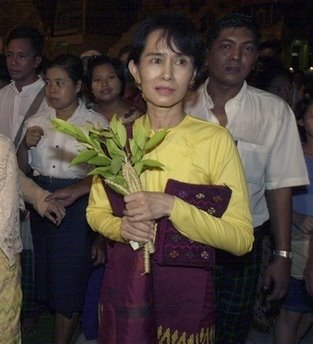


 Posts
Posts


