http://www.radioaustralia.net.au/programguide/stories/200810/s2405507.htm
The world's gemstone traders have decided to fight back against a new US law banning the sale of Burmese rubies and sapphires.
The legislation, which closes a loophole in America's existing ban against Burmese gems, has been praised by human rights groups. However, the peak body for gemstone traders says the move is misguided and the "collatoral damage" could be unemployed Burmese miners pushed into growing opium.
Presenter: Liam Cochrane
Speakers: Dave Mathieson, Human Rights Watch ; Andrew Cody, president of the International Coloured Gemstone Association
Listen: Windows Media
COCHRANE: The new law, which came into effect this week, makes it illegal for American gem dealers to buy Burmese products - even if the stones have been cut, polished and re-traded from a third country. Previously the law banned gems bought directly from Burma but not those traded via other countries. Speaking from the Thai-Burma border, Dave Mathieson from Human Rights Watch, said closing the legal loophole was a small but important step.
MATHIESON: In terms of monetary value it's probably not huge, but in terms of symbolic value and the fact that these counter-measures are in place and being tightened up, it is important because it sents a signal to the Burmese military government and their business associates that abusive production of gems and other precious metals wont be accepted into the United States.
COCHRANE: But the International Coloured Gemstone Association, which represents 600 traders in 40 countries, describes the law as "well-meaning" but "misguided". Andrew Cody is the president of the association.
CODY: The huge concern I have and many other people in the industry [have] is that this was targeted to help the people of Burma and in fact there was little or no collatoral damage study undertaken and they've actually forgotten about the very people they were trying to help.
COCHRANE: Mr Cody cites the example of the gem mining town of Mogok, 200 kilometers northeast of Mandalay.
CODY: Their whole livelihood is based upon the gemstone industry and unfortunately this is going to send them broke. That means that they will have to turn to other things to make a living and as you know there are very little things they can turn to in that area, it might well be they turn to drugs - exactly what the industry doesn't want and what the world doesn't want. We don't need 400,000 people in the world growing more drugs.
COCHRANE: The production of opium poppies in Burma has decreased over the last decade, but some farmers are choosing to go back to the lucrative drug trade. However, Dave Mathieson from Human Rights Watch disagrees with the gem traders' argument - that those at the bottom of the industry will be hardest hit.
MATHIESON: Well that's really not the case, because a lot of the miners around Mogok and other places inside Burma get paid appalingly anyway, so they never see any of the top end profits of the trade. And the small traders, the ones that actually do mine and bring some o fthe stones out... those guys don't actually make that much money and these measures don't affect their low level sales. So that's a spurious argument.
COCHRANE: Since the nineteen-sixties, Burma has held annual gem sales and at the trade fair earlier this month, more two thousand dealers spent an estimated $175 million on Burmese gems. Human rights groups say this money funds Burma's repressive military, but Andrew Cody says only around 5-percent of the profits from gemstones filters back to the Burmese regime.
CODY: Ninety-percent of the value is actually done in the re-working of them, in other world the cutting, the polishing and the treatement and marketing. So who you are really hurting are the Thais, the allies of the United States, and you're hurting India and all those cutting families who spend a lot of time doing this.
COCHRANE: The debate looks set to continue. At a recent meeting of international gem traders in Dubai, the association decided to begin an advocacy campaign against the US law. Andrew Cody.
CODY: We want to take it further into the European Union. We want to take it further into the United States of America and also into Japan... and take into account that the major damage is going to be done to other nations around the world that have nothing to do with the Burmese government.
Thursday, October 30, 2008
Gem traders to fight US ban on Burmese stones


Immediate release of AAPP Statement
http://www.aappb.org/release124.html
Date: October 30, 2008
On October 29th 2008, nine leaders of the 88 Generation Students Group were sentenced to 6 months imprisonment by Northern Rangoon district court.
During the court hearing, Min Ko Naing and other defendants stood up and complained about the lack of a free and independent judiciary. The presiding judge accused them of interrupting court procedures and charged them under Section 228 of the Penal Code for contempt of court. He handed down a six-month sentence for nine student leaders - Min Ko Naing, Ko Ko Gyi, Mya Aye, Pyone Cho (aka) Htay Win Aung, Aung Thu, Htay Kywe, Nyan Lin, Myo Aung Naing, and Hla Myo Naung. The remaining defendants in court stood up and demanded that the judge sentence them too. The judge ordered security forces to remove the defendants from the court and adjourned the trial.
“Trials for political prisoners are grossly unfair,” said Ko Tate, secretary of the Assistance Association for Political Prisoners (AAPP). “Judges and law officers are not operating independently of the ruling State Peace and Development Council. In this case 88 Generation leaders have been harshly punished simply for calling for their right to a free and fair trial to be respected.”
- ENDS -
Back ground information
1. Min Ko Naing (Paw Oo Tun) was arrested on 22 August 2007 and charged with the section 5/96(4), 505/b, 33/a, 17/20, 17/1, 32/b/36, 24/1, 130/b, 6.
2. Ko Ko Gyi was arrested on 22 August 2007 and charged with the section 5/96(4), 505/b, 33/a, 17/20, 17/1, 32/b/36, 24/1, 130/b, 6.
3. Mya Aye (Thu Ya) was arrested on 22 August 2007 and charged with the section 5/96(4), 505/b, 33/a, 17/20, 17/1, 32/b/36, 24/1, 130/b, 6.
4. Pyone Cho (Htay Win Aung) was arrested on 22 August 2007 and charged with the section 5/96(4), 505/b, 33/a, 17/20, 17/1, 32/b/36, 24/1, 130/b, 6.
5. Aung Thu was arrested on 13 October 2007 and charged with the section 5/96(4), 505/b, 33/a, 17/20, 17/1, 32/b/36, 24/1, 130/b, 6.
6. Htay Kywe was arrested on 13 October 2007 and charged with the section 5/96(4), 505/b, 33/a, 17/20, 17/1, 32/b/36, 24/1, 130/b, 6.
7. Nyan Lin was arrested on 21 August 2007 and charged with the section 5/96(4), 505/b, 33/a, 17/20, 17/1, 32/b/36, 24/1, 130/b, 6.
8. Myo Aung Naing (Aung Naing) was arrested on 23 October 2007 and charged with the section 5/96(4), 505/b, 33/a, 17/20, 17/1, 32/b/36, 24/1, 130/b, 6.
9. Hla Myo Naung was arrested on 10 October 2007 and charged with the section 5/96(4), 505/b, 33/a, 17/20, 17/1, 32/b/36, 24/1, 130/b, 6.
AAPP
More information, please contact:
Ko Tate Naing on +66-(0)81-2878751
Ko Bo Kyi on +66-(0) 81-3248935
'Urgent calls' -REACTION TO UN HUMAN RIGHTS ENVOY'S OPINIUM-MIZZIMA
http://www.mizzima.com/edop/letters/1202-urgent-calls.html
'Urgent calls'
by Mizzima News
Tuesday, 28 October 2008 11:42
To the Editor:
Related: "Burma unripe for democracy at present" Mizzima.com (25th October, 2008).
UN Human Rights Envoy Mr.Ojea Quintana recently made an appeal to the international community at the UN General Assembly. After his appointment as the UN's Special Human Rights Envoy for Myanmar (Burma) in May 2008, he officially visited the country in the aftermath of Cyclone Nargis and made his assessment. His overall view was that the situation in Burma is unripe for a democratic change at present. He put forward four fundamental points to develop the needed change.
His four point suggestions have been criticized and I feel a situational analysis is needed to elicit an unbiased view from the international community, and serve as a reminder for the stakeholders in Burmese politics.
1. Revision of domestic laws - Burma at the moment has no legitimate lawmakers and the present, de facto, government is run by a ruling military council, the State Peace and Development Council (SPDC).
It has issued numerous orders which are issued by central as well as regional and local authorities, and officially used as laws to rule the country. In addition to the above, some previously legitimate laws of the 1947 and 1974 Constitutions, which became defunct with the military coup, are put to use whenever it is favorable for the junta. The result is a profusion of "defunct laws and orders" making the public confused (even lawyers). So, there is a need to define the "so-called laws" in Burma. Failure to do so will make the country look like a lawless State, justified or not. No country can survive for long in such a state.
2. Progressive release of political prisoners - Over 2,000 political prisoners are detained without appropriate charges, many tagged with petty crimes related to ill-defined so-called laws, and some are detained incommunicado. Having a political opposition in a country is a necessity for any healthy government in any political system, a method of checks and balances is a requirement for stability. Political opposition should not be seen as an enemy of the State, rather a complementing arm of a government, legal or de facto.
3. Military reform - At the moment, Burma has an army of 400,000 strong, 2nd largest in Asia, in addition to many thousands in mufti as paramilitary personnel, such as the "Swan-Arr-Shin," on its payroll. Considering it is a country which is not at war with any nation, and its socioeconomic status, it is definitely oversized. Nobody can expect professional soldiers to be polite and cultured, as they are trained only to obey orders. In spite of billions of dollars of income from sales of national resources, the income per ca pita of the populace is very low, leading to a condition of poverty near the bottom of the list of the least developed nations in the world. Having an over sized army is a source of danger to the government as well as the nation. Just like a black-magician who happened to keep a blood-thirsty monster for his trade, it proves hard to keep it under control. Reform is needed for them to adapt to normal society when they retire.
(4) Independent judiciary system - This is essential for any civilized society, lacking it the primitive jungle law of "survival of the fittest (strongest)" will prevail and dominate. We all became very excited when General Thura Shwe Mann stated in 2004, when Lt. Gen. Khin Nyunt was arrested for misuse of power, "Nobody is above the law". We were hoping for the rule of law then, but were only to be disappointed later when no change was seen following his words. There must be legitimate laws for an independent judiciary system to follow; otherwise an independent judiciary would be useless. A judiciary system appointed by a de facto government, and using its "so-called laws" itself, is unlawful. Looking at neighboring countries, even with half-hearted democratic rule, they obey their judiciary system. It would be a disgrace to any government not to honor their independent judiciary in a free and fair civilized world.
By giving my analysis of the situation in Burma, I am trying to highlight what is going wrong with the unripe situations of the UN Envoy. I am not an anti-junta activist but I just wish the people concerned to return to the light of wisdom by reading my views and to develop a spirit of tolerance and reconciliation for the sake of our country, as it is in great despair. As a good politician one should be prepared for any sacrifice for the people he/she is leading to freedom from hardship. As a good soldier one should protect the people and their property as a dutiful paid public servant, not only with fighting skill but also by making noble sacrifices, selflessly, as per the Sacred Vows all soldiers shout every morning.
Sd. Vamsapala
New Delhi, October 28, 2008
PFB -【記事紹介】スーチーさんの自宅軟禁、13年間に 女性の政治犯は2
━━━━━━━━━━━━━━━━━━━━━━━━━━━━━━
ビルマ市民フォーラム メールマガジン 2008/10/29
People's Forum on Burma
━━━━━━━━━━━━━━━━━━━━━━━━━━━━━━
今月24日、アウンサンスーチーさんの自宅軟禁期間が、計13年になりました。
以下、関連記事をご紹介いたします。
PFB事務局
http://www1.jca.apc.org/pfb/
━━━━━━━━━━━━━━━━━━━━━━━━━━━━━━
【日刊ベリタ】 ビルマ民主化 2008年10月24日 21時04分掲載
------------------------------------------------------
スーチーさんの自宅軟禁、13年間に
女性の政治犯は2年間で3倍増の178人に
http://www.nikkanberita.com/read.cgi?id=200810242104395
━━━━━━━━━━━━━━━━━━━━━━━━━━━━━━
ビルマ(ミャンマー)の民主化運動指導者アウンサンスーチーさんの
自宅軟禁が、10月24日で計13年間となった。
同日北京で開幕したアジア欧州会議(ASEM)の首脳会議で、
欧州側はあらためて彼女の即時解放を求める予定だが、軍政が
これに応じる可能性はない。ビルマの民主化運動を支援する
国際NGO、ALTSEAN(本部・タイ)によると、同国の
女性政治犯はスーチーさん以外に今月現在で178人。この
2年間で3倍以上も増え、獄中で非人道的な扱いを受けている
という。(永井浩)
スーチーさんの自宅軟禁は現在が3回目。最初は、1990年の
総選挙にむけて国民民主連盟(NLD)書記長として精力的な遊説
活動を展開していた89年7月に国家防御法違反で逮捕された。
彼女は英国からの「ビルマ独立の父」アウンサン将軍の娘として、
民主化闘争は「第二の独立運動」であると国民に訴え圧倒的な人気を
得ていた。このため、同党の勝利を恐れる軍政は彼女の政治活動の
封じ込めを狙った。
党指導者の不在にもかかわらず総選挙の結果はNLDが議席の
8割以上を占める圧勝となったが、軍政は民意を無視して権力の
座に居座りつづけ、民主化運動への締め付けを強化した。スーチー
さんは、その非暴力に徹した闘いを評価されて91年のノーベル
平和賞を受賞するが、自宅軟禁中のためノルウェーでの受賞式には
英国にいる英国人の夫と息子が代理で出席した。
1995年7月に6年間の自宅軟禁から解放された彼女は、
軍政に対して民主化に向けての対話を求めるとともに、徐々に政治
活動を再開する。しかし軍政は対話を拒否、2000年9月に再び
彼女を自宅軟禁とした。2度目の軟禁は02年5月までつづいた。
03年5月、NLDの党員や支持者らとサガイン管区のディペインを
遊説していたスーチーさん一行は、軍政の翼賛組織の暴漢らの襲撃を
受け多数の死傷者がでた。「ディペインの虐殺」と民主勢力が呼ぶこの
事件のあと、彼女は三度目の自宅軟禁とされ現在に至っている。
この間、国際社会はスーチーさんをはじめ1300人といわれる
政治犯の即時無条件釈放をくりかえし軍政に要求してきた。しかし、
軍政は釈放をかたくなに拒否しつづけている。国連安保理は07年、
スーチー解放や人権状況の改善を軍政に求める米英提案の決議案を
採択したが、軍政との経済的な関係が深い中国とロシアが拒否権を
行使し否決された。国連はその後も事務総長特使を何度かビルマに
派遣して、軍政とスーチーさんとの対話回復の努力を重ねているが
成果はあがっていない。
国家防御法の最高刑期は5年とされており、スーチーさんは今年
5月でその刑期が切れることになっていた。ところが軍政は同月、
軟禁をさらに一年延長することを通告した。またサイクロン被災で
国民が困窮する状況のなかで、軍の権限維持と彼女の国家指導者からの
排除をめざす新憲法案の国民投票を強行、成立させた。
スーチーさんの弁護士は10月10日、彼女が国家防御法に
定められた「国家の安全への脅威」にはあたらないとして、軍政に
軟禁への異議申し立てを行ったが、これが受理されるかどうかは
わからない。
こうした民主化運動指導者に対する強硬姿勢と平行して、軍政の
ほかの活動家らへの弾圧も一段とはげしくなってきている。欧州連合
(EU)の欧州議会は同23日、昨年9月の僧侶らを中心とした反軍政
デモ以降、政治犯はこれまでの1300人から2000人に増えたことを
明らかにした。
なかでも目立つのが、女性政治犯の増加だ。ALTSEANの同22日の
発表によると、2006年8月には53人だったのが今年10月現在で
178人となった。
昨年の反政府運動中に157人の女性が拘束され、そのなかには
尼僧10人も含まれていた。19人の女性が行方不明となった。
80歳のポンナミ尼僧は卒中で身体が一部麻痺しているにもかかわらず、
逮捕され、「仏教に反する行為」をしたとして還俗させられた。
ビルマの刑務所はさまざま面できわめて劣悪な状況なうえ、
拷問や虐待、強制労働などの人権侵害が横行していることが受刑者の
数々の証言で明らかにされている。このため国際赤十字委員会(ICRC)が
刑務所の視察を行ったことがあるが、2005年12月以降は軍政に
認められていない。ALTSEANの報告は、とくに獄中の女性政治犯に
ついて性的暴力などの危険を指摘している。
今回のASEM首脳会議の主要議題は金融危機への対応だが、
会合に先立ち欧州議会は23日、EU各国の首脳に対してビルマの
全政治犯の釈放を軍政に要求する共同アピールをだすように求めた。
ただ、欧州議会が同日、すぐれた人権活動家に贈る「サハロフ賞」の
今年の受賞者に中国人人権活動家胡佳氏を選んだことに、中国政府は
内政干渉と強く反発しており、ASEMでもビルマ問題解決への進展は
依然として望めそうにない。
━━━━━━━━━━━━━━━━━━━━━━━━━━━━━━
★ALTSEANの報告書は以下でダウンロード可能です。
"13 YEARS IS TOO LONG: FREE DAW SUU NOW"
http://www.altsean.org/Reports/13years.php
━━━━━━━━━━━━━━━━━━━━━━━━━━━━━━
Wednesday, October 29, 2008
အသက္ရွင္ေနထိုင္နည္း
[Ye Yint Thet Zwe]
ဒါဟာ
အိပ္မက္တခုသာ ျဖစ္လိုက္ပါေတာ့
ညီမေလးေရ ၊
သက္တံ့ဆိုတာ
အျမင္အာရံုနဲ ့ခံစား
ဆြဲကိုင္ဆုပ္လို ့မရတဲ့ အရာမဟုတ္လား ။
ရပ္တန္ ့ေနတဲ့
မီးခိုးနဲ ့တိမ္ေတြကို ေတြ ့ဘူးရဲ ့လား
စိတ္ဆိုတာက
ေၾကကြဲမႈမွာအိပ္စက္
အိပ္မက္ရွည္ေတြနဲ ့ ခရီးဆက္ေနေလရဲ ့၊
သံသရာရွည္သေရြ ့ပါပဲ
က်ည္းေပါင္းတက္ ႏွလံုးသားမွာ
ခံစားခ်က္ေတြ မေပ်ာက္သမွ်
ဒဏ္ရာေတြက
လတ္ဆတ္လွပေနဦးမွာပဲ ယံုတယ္ ၊
အလံုးစံု လြတ္ေျမာက္လိုစိတ္က
၀ဠ္နာ ကံနာတခုလို
တေျမ့ေျမ့ေလာင္ကၽြမ္း
'အဆံုးစြန္ထိသာ
ေတြးႏိုင္ခဲ့ရင္
မဆံုးျဖတ္ခဲ့ပါဘူး၊
အခုေတာ့
ေနာက္ေက်ာကို ဓါးနဲ ့ ထိုးမယ့္
လူေတြၾကားမွာ
အတံု ့အလွည့္ဆိုတဲ့မာနကိုပယ္ထား
အမွန္တရားနဲ ့သာ
ငါ ရွင္သန္ေနခ်င္တယ္ ။
"အသက္ရွင္ေနထိုင္နည္း "
ဒါဟာ
အိပ္မက္တခုသာ ျဖစ္လိုက္ပါေတာ့
ညီမေလးေရ ၊
သက္တံ့ဆိုတာ
အျမင္အာရံုနဲ ့ခံစား
ဆြဲကိုင္ဆုပ္လို ့မရတဲ့ အရာမဟုတ္လား ။
ရပ္တန္ ့ေနတဲ့
မီးခိုးနဲ ့တိမ္ေတြကို ေတြ ့ဘူးရဲ ့လား
စိတ္ဆိုတာက
ေၾကကြဲမႈမွာအိပ္စက္
အိပ္မက္ရွည္ေတြနဲ ့ ခရီးဆက္ေနေလရဲ ့၊
သံသရာရွည္သေရြ ့ပါပဲ
က်ည္းေပါင္းတက္ ႏွလံုးသားမွာ
ခံစားခ်က္ေတြ မေပ်ာက္သမွ်
ဒဏ္ရာေတြက
လတ္ဆတ္လွပေနဦးမွာပဲ ယံုတယ္ ၊
အလံုးစံု လြတ္ေျမာက္လိုစိတ္က
၀ဠ္နာ ကံနာတခုလို
တေျမ့ေျမ့ေလာင္ကၽြမ္း
'အဆံုးစြန္ထိသာ
ေတြးႏိုင္ခဲ့ရင္
မဆံုးျဖတ္ခဲ့ပါဘူး၊
အခုေတာ့
ေနာက္ေက်ာကို ဓါးနဲ ့ ထိုးမယ့္
လူေတြၾကားမွာ
အတံု ့အလွည့္ဆိုတဲ့မာနကိုပယ္ထား
အမွန္တရားနဲ ့သာ
ငါ ရွင္သန္ေနခ်င္တယ္ ။
-
Posted By Ye Yint Thet Zwe to Ye Yint Thet Zwe at 10/28/2008 11:59:00 PM
Japan Small Business Confidence Falls to a Decade Low (Update1)
http://www.bloomberg.com/apps/news?pid=20601068&sid=aDrlYJcXQD1U
By Toru Fujioka
Oct. 29 (Bloomberg) -- Confidence among Japan's small and midsized companies dropped to a decade low as a faltering economy weighed on profits.
Shoko Chukin Bank's index of sentiment fell to 37.6 points this month, the lowest level since October 1998, according to the monthly survey of 1,000 companies by the bank. A number below 50 means pessimists outnumber optimists.
The government last week said Japan has probably entered its first recession in six years after household spending fell and the jobless rate rose in August. Small businesses employ 70 percent of the nation's workforce, making their health critical for consumer spending.
``Small businesses are the ones who suffer most from this recession,'' said Takeshi Minami, chief economist at Norinchukin Research Institute in Tokyo. ``It's hard to predict that consumer spending will pick up anytime soon.''
Sentiment is expected to deteriorate to 36.5 next month, the report said, which would be lowest reading since Shoko Chukin began the survey in February 1985.
The Nikkei 225 Stock Average's 27 percent drop this month hurt sentiment, said Masahiro Eguchi, senior manager of economic research at Shoko Chukin. The benchmark fell to a 26-year low earlier this week.
Shoko Chukin's sentiment index provides an indication of future economic growth, said Masaaki Kanno, chief economist at JPMorgan Chase & Co. in Tokyo. A one-point move in the index translates into a 0.38 percentage point change in the annualized growth rate for gross domestic product, he estimates.
Should the Shoko Chukin index fall below 37, the economy will shrink at least 2 percent on an annualized basis, Kanno said. Japan's GDP contracted 3 percent in the second quarter. The index fell below 40 in Japan's two previous recessions.
``Nothing is good for small and midsized companies,'' Shoko Chukin's Eguchi said. ``The scary part is that this isn't the bottom yet.''
To contact the reporter on this story: Toru Fujioka in Tokyo at tfujioka1@bloomberg.net
Last Updated: October 29, 2008 02:32 EDT
Japan to take fresh crisis action-ECONOMY
http://www.washingtonpost.com/wp-dyn/content/article/2008/10/26/AR2008102602600.html
By David Dolan
Reuters
Sunday, October 26, 2008; 11:43 PM
TOKYO (Reuters) - Japan pledged fresh measures on Monday to try to shield the world's second-biggest economy from the global financial crisis and said the Group of Seven would issue a joint statement on the yen.
A flurry of comments from top lawmakers came as investors dumped banking stocks on expectations they need fresh capital to offset losses in their stock portfolios.
The Nikkei average hit a 26-year low just before Prime Minister Taro Aso said the government will expand its bank bailout scheme and strengthen regulations on short-selling of stocks.
He said the Group of Seven rich nations would soon issue a joint statement. The finance minister, Shoichi Nakagawa, said the statement would be issued on Monday and say that the group will cooperate appropriately on foreign exchange markets.
Only the yen, which soared last week to multi-year highs against the dollar and the euro as investor unwound risk, would be mentioned in the G7 statement, Nakagawa said.
The comments came after the prime minister met with ruling party lawmakers to discuss the financial storm that has toppled banks world wide but which had appeared, until recently, to have largely skirted Japan.
Economics Minister Kaoru Yosano said the prime minister had ordered action in Japan to stabilize the stock market and strengthen the financial system.
The rapid decline in share prices, as well as disorderly currency moves, will hurt the Japanese economy, Nakagawa said earlier.
Underlining concerns about the banks, the economics minister on Sunday call for the country's bank bailout scheme to be increased several-fold to nearly $110 billon.
"The government will have to do something for banks," said Koichi Ogawa, chief portfolio manager at Daiwa SB Investments.
"The problem here is that the stock market has fallen, it has nothing to do with derivatives or anything like that. As stocks have dropped, banks are faced with rising paper losses."
Tokyo's benchmark Nikkei share average (.N225) briefly dropped as low as 7,603 on Monday, its lowest point since 1982.
The benchmark has lost almost a third of its value this month alone and about half so far this year, hurt in part by the yen's recent rise to its highest in nearly 13 years.
SHAREHOLDINGS
Although Japanese banks have so far avoided the credit losses that tore through Wall Street, investors now fear that lenders' extensive shareholdings and market expectations that the economy will slip into recession could unravel profits this year.
Traditionally, Japanese lenders are large stakeholders in their corporate clients as a means to cement business ties. The value of those stocks totaled more than $250 billion at the end of March, data from the Japan Bankers Association shows.
Fresh measures had been expected to slow the fall in share prices -- only days after announcing a plan to inject up to two trillion yen of public funds into banks.
That scheme should be increased to around 10 trillion yen ($106 billion) from 2 trillion yen, Yosano said on Sunday.
Aso is also planning to announce an economic stimulus package later this week to support the economy.
That package, Japan's second in just a few months, is expected to include a total of 5 trillion yen ($54 billion) in new spending, including 2 trillion yen in temporary income tax cuts.
CAPITAL RAISING
Mitsubishi UFJ Financial Group, Japan's top lender, is considering raising up 1 trillion yen ($10.8 billion) to shore up its capital, people familiar with the matter have said.
Mizuho Financial Group (8411.T), Japan's second-largest bank, and third-ranked Sumitomo Mitsui Financial Group (8316.T), are both looking to raise as much as 500 billion yen ($5.4 billion), newspapers reported on Monday.
All three lenders said in statements on Monday that they had made no decisions regarding their capital plans.
MUFG, which recently invested $9 billion in U.S. investment bank Morgan Stanley (MS.N), has also this year paid $3.5 billion to take full control of California lender UnionBanCal Corp (UB.N) and spent about 150 billion yen to raise its stake in consumer finance affiliate Acom (8572.T).
Shares of Mitsubishi UFJ finished the morning down 11.1 percent at 607 yen. Mizuho dropped 8 percent and Sumitomo Mitsui fell 10.6 percent.
The Nikkei finished the morning up 0.4 percent, as buyers picked up technology shares such as Sony Corp., which tumbled last week.
Myanmar uses land cultivation, forced labor, beatings in 8 million acre jatropha drive
http://biofuelsdigest.com/blog2/2008/05/02/myanmar-uses-land-cultivation-forced-labor-beatings-in-8-million-acre-jatropha-drive/
In Myanmar, “Biofuel by Decree: Unmasking Burma’s bio-energy fiasco,” was released by the Ethnic Community Development Forum, detailing the use of forced labor and land confiscation to plant 8 million acres with jatropha to provide a solution to Myanmar’s fuel crisis. The report, based on government documents, media reports, and 131 interviews conducted in Myanmar between November 2006 and April 2008. The report said that individuals “have been fined, beaten, and arrested for not participating.” The plan has been plagued with mismanagement by the army soldiers supervising the work. “The soldiers carry guns. They don’t know anything about agriculture,” said a farmer in the report.
The first national jatropha crops were ready for harvest this month, with up to 7 million acres planted by small farmers, after a national directive in 2006 that all farmers with more than 1 acre of land had to plant a minimum of 200 jatropha seeds to establish a hedge around their landholdings. The ruling junta developed the plan in light of soaring oil import costs, and the biggest anti-junta protests since the 1980s which erupted last year over cuts in diesel subsidies
Myanmar to cultivate seven million acres of jatropha by summer ‘08
http://biofuelsdigest.com/blog2/2007/08/28/myanmar-to-cultivate-seven-million-acres-of-jatropha-by-summer-08/
August 28, 2007
The Myanmar Department of Energy announced plans to cultivate seven million acres of jatropha by summer 2008. Yields from jatropha are roughly 350 gallons of biodiesel per acre, creating a potential supply of 2.4 billion gallons of biodiesel. Financing and logistics for the project were not announced, which would encompass more than 10,000 square miles in a country of 226,000 square miles.
Palm oil, the other leading biodiesel feedstock cultivated in Asia, has doubled in price in the past year, creating opportunities for alternative oil sources.
Myanmar announces jatropha biodiesel JV with Japan Development Institute
http://news.balita.ph/2008/10/27/myanmar-plans-joint-venture-with-foreign-enterprise-for-bio-diesel/
October 27, 2008 1:08 pm by pna
YANGON, Oct. 27 — The Myanmar agricultural authorities will cooperate with some Japanese institutions to produce high-grade bio-diesel by forming a joint venture, the local weekly Flower News reported Monday.
Under Myanmar's Jatropha bio-energy program, a joint venture company, named Myanmar Bio Energy Company, will be formed between the Myanmar Ministry of Agriculture and Irrigation, and Japan Development Institute (JDI) and Japan Bio Energy Development Cooperation (JBEDC) for the move, the report said quoting agricultural experts involved in the project.
In the course of the formation of the joint venture, cultivation of Jatropha physic nut plants, establishment of trading center for such crops and raw edible oil factory and training of experts in the aspects will be carried out, the report said.
The bio-diesel produced from the joint venture will be supplied for domestic use as well as for export, the report added.
Myanmar has set a target to grow 3.23 million hectares of bio- diesel plants in 2008 in a bid to increase the bio-diesel output in the year to substitute diesel, the ministry's related enterprise said.
Output from Jatropha plantations is being projected as up to 20 million tons a year, the sources said.
The Jatropha nuts were being initially planted on 648,000 hectares mainly in three dry zones of Mandalay, Sagaing and Magway divisions.
According to the enterprise, Myanmar has about 6.41 million hectares of land suitable for growing Jetropha plants.
The Myanmar private sector is also participating in playing part in production of bio-diesel fuel, planning to build a first and largest private-run bio-diesel plant in the country this year, private industries sources said.
With a projected production of 80 tons of bio-diesel per day, the six-hectare bio-diesel plant in Yangon's Thardhukan Industrial Zone will be constructed by the Khaing Khaing Group Co. Ltd with an investment of 8 million U.S. dollars and foreign technical know-how will be introduced, local media also said.
Using domestic raw materials, the plant will generate 20,000 tons to 30,000 tons of bio-diesel per year on completion, it said.
Official statistics show that Myanmar yielded about 90 million gallons (405 million liters) of diesel a year while importing more than 200 million gallons (900 million liters) annually to meet its domestic demand.
Myanmar has eyed physic nut oil as fuel since late 2005, advocating the use of it as fuel in the country and urging the country's people to grow such nut plantations extensively.
The authorities also stressed the need for the country to use such biodiesel to avoid spending millions of foreign exchange on fuel, pointing out that the use of biodiesel as an alternative fuel for petrol, kerosene and diesel would also enable rural people to avoid searching fuelwood and help protect forests from depletion and conserve trees.
Cultivation of an acre (0.405 hectare) of land with 1,200 physic nut plants can produce up to 100 gallons (454.6 liters) of biodiesel, Myanmar experts said. (PNA/Xinhua)
ALM/LDV/ebp
Myanmar’s post-cyclone recovery efforts focus of UN-backed expert meeting
http://www.un.org/apps/news/story.asp?NewsID=28741&Cr=myanmar&Cr1=cyclone
28 October 2008 – Participants at a United Nations-backed meeting that wrapped up today in Bangkok have agreed that the need to “build back better” and a focus on disaster risk reduction should be key elements of the post-Cyclone Nargis recovery process in Myanmar.
Some 2.4 million people were affected by the cyclone, which battered the country in early May, leaving around 140,000 dead or missing and displacing 800,000 from their homes.
The two-day meeting in the Thai capital brought together Myanmar’s partners and disaster response experts, and drew from previous natural disasters such as the 2004 Asian tsunami, the 2005 Pakistan earthquake and Cyclone Sidr, which struck Bangladesh in 2007.
Noeleen Heyzer, Executive Secretary of the UN Economic and Social Commission for Asia and the Pacific (ESCAP), which organized the meeting along with the Association of Southeast Asian Nations (ASEAN), said that the experience of the Asia-Pacific region would undoubtedly contribute to the formulation of recovery strategies for Myanmar and other future natural disasters.
While an effective early warning mechanism is one critical part of any sound disaster management approach, she emphasized that early action was also needed to turn early warning into real disaster preparedness.
She added that the outcomes of the meeting would feed into the Post-Nargis Recovery and Preparedness Plan (PONREPP), the ongoing review conducted by the Tripartite Core Group (TCG) – consisting of the UN, ASEAN and the Government of Myanmar – as well as the ASEAN-UN Summit to be held in Thailand in mid-December.
Myanmar’s Deputy Minister U Kyaw Thu, who is also the Chairman of the TCG, said the meeting provided “an opportunity for those who are involved in the post-Nargis recovery efforts to learn from the experience, although painfully gained, of those who have been on a similar path in order to put together a comprehensive and effective early-, medium- and long-term strategy.”
ASEAN’s Secretary-General Surin Pitsuwan agreed, expressing the hope that the information exchanged at the meeting will enhance the capacity of the region, as well as add to the lessons learned which can then be translated into practical action. “If we are not prepared, we will be in deeper trouble the next time around,” he warned.
The gathering is one of a series of regional expert group meetings to be convened by ESCAP on recovery and reconstruction issues in post-cyclone Myanmar, following on Ms. Heyzer’s visits to the country in May and June.
Ms. Heyzer indicated that ESCAP was committed to continue to host such dialogues, and that the next one would be held with donors so as to encourage increased assistance to fill critical funding gaps.
As of early October, nearly half of the $482 million appeal launched in July to aid Myanmar’s cyclone victims remained unfunded.
Myanmar cyclone victims needs sustained support, says UN-backed group
DR THAUNG HTUN, BURMESE NATIONAL COALITION GOVERNMENT UNION: Thanks

http://kanaung.burmabloggers.net/?p=1167
SEN LAM: Dr Thaung Htun, the Opposition Coalition has proposed a new initiative. Can you tell us more about this?
DR THAUNG HTUN: The new initiative we propose is related to active involvement of region affairs and finding a solution for political crisis in Burma. ASEAN and other neighbouring countries like China and Japan, the tradition of their involvement and finding a solution in times of crisis, you know in that case, these regional players actively cooperate with UN and other Western counterparts by hosting conferences, you know, in their capitals like in Jakarta and Bangkok. We propose the same thing. We already have good start by the formation of UN friends of Burma group. That group’s meetings should be continuously organised in regional capitals with active involvement of regional players and they should discuss to set clear benchmarks and particular time frames to implement steps for a peaceful democratic transition in Burma.
SEN LAM: Dr Thaung Htun, you speak of regional players, what about countries like China, India and Thailand who all have trade deals with the Burmese generals and in one way or another support the Junta. Might they be a huge obstacle to your plans?
DR THAUNG HTUN: Of course. The trade and business relations as well as the diplomatic tradition provided by these players like China or India, the United Nations, it’s in contradiction with the statement made by the recently - made by Asia Europe meeting which agreed on the need to take for the military positive reforms for democratic transition. They should review their policy and look at long-term interests of the country because in a smooth transition - Burma is also for the best interests of the region. They should withdraw their protection, for example, at the Security Council. They should apply their economic leverage to post the regime to take positive steps.
SEN LAM: What do you think is the mood of the generals in Burma? Have you made any attempt to reopen dialogue with them?
DR THAUNG HTUN: We have been repeatedly calling for a dialogue. We are for a dialogue negotiation and compromise since 1988, but so far they have ignored our call for dialogue. So now they are having, you know, trying to, you know, organise a new election without any implementation of the 1990 election. What we are calling for is a kind of transition which can be played by all the stakeholders including the military. It is a win-win situation. We need to step up more pressure on the regime to go to the negotiation table.
SEN LAM: Well, Burma, of course, is under US and European economic sanctions over human rights and its failure to reform, do you think those sanctions have worked?
DR THAUNG HTUN: Sanctions worked to the extent that it is the expression of this approval of the behaviour of the regime. Of course, these sanctions were imposed because of their human rights violations committed by the regime and lack of progress and democratisation. But on the other hand, you know, there is the loophole because the Western democratic countries have imposed sanctions. Our neighbouring countries like India, China and ASEAN rushed to Burma to exploit natural resources so there should be more coordination between the Western players and our neighbouring countries because, you know, Burma should not be looking at only international affairs. We have already seen spill over effects from Burma to the region. So if the situation remains unchecked, it will become a sort of regional implication.
SEN LAM: OK, we’ll have to leave it there. Thank you very much for your time.
DR THAUNG HTUN: Thank you.
Posted in: Daily News.
Will civil strife recur in Burma?
http://www.opednews.com/articles/Will-civil-strife-recur-in-by-Zin-Linn-081027-463.html
Bangkok, Thailand — Burma is on the brink of fresh civil strife as many of the young generation have voiced dissatisfaction with nonviolence. The most intolerant citizens have called for a U.S. military invasion or an armed struggle to overthrow the deep-rooted stratocracy in Burma, due to the junta’s insistence on building a military-privileged country.
In addition, many people have a negative attitude toward China for encouraging the junta’s brutal oppression of its own people.
Lieutenant-General Thiha Thura Tin Aung Myint Oo, first secretary of the State Peace and Development Council, has declared that the country will hold a general election in 2010, according to the junta’s mouthpiece newspaper, New Light of Myanmar. Tin Aung Myint Oo said the country had made noteworthy improvements in recent months due to the implementation of a seven-step roadmap to democracy. He made these statements Oct. 24 at a ceremony to mark the 63rd anniversary of the United Nations.
On the same day, the junta demonstrated its blood-and-iron policy. Six opposition leaders from Mandalay were sentenced to prison terms ranging from 11 to 13 years by a military court, on charges of threatening the nation’s “tranquility” and stirring up hatred. All six, including one woman, were executives of the National League for Democracy and were arrested in September last year in a nationwide crackdown on those who participated in the Saffron Revolution protests.
Tin Aung Myint Oo also said cooperation with the United Nations is the cornerstone of the nation's foreign policy. He said the country had consistently cooperated with the United Nations, citing as evidence the visits of several senior U.N. officials including that of U.N. Secretary-General Ban Ki-moon in May this year, following Cyclone Nargis.
However, the regime has turned a deaf ear to successive resolutions adopted by the U.N. General Assembly calling for a return to democracy in Burma through a tripartite dialogue between the junta led by Senior General Than Shwe, democratic forces led by Aung San Suu Kyi, and representatives of ethnic nationalities. It is clear that the junta has no plan to heed the U.N. call or to release political prisoners, a precondition to the tripartite dialogue.
Meanwhile, on Oct. 25, Asian and European leaders urged the ruling junta in Myanmar (Burma) to release detained politicians and lift restrictions on political parties. This call was made at the Asia-Europe Meeting in Beijing attended by leaders from more than 40 countries.
Asian and European leaders, in a joint statement following a two-day summit in Beijing, encouraged the junta to engage all stakeholders in an inclusive political process in order to achieve national reconciliation and economic and social development. They called for the lifting of restrictions placed on political parties and the early release of those under detention.
European Commission President Jose Manuel Barroso said the Beijing statement showed progress on the issue. But military rulers have shown no interest in heeding international calls for political reforms and the protection of human rights. Opposition leader Aung San Suu Kyi has been under house arrest for 13 years. Various human rights groups and activist groups have been calling on foreign government leaders, and the public, to demand she be freed along with all political prisoners in Burma.
The U.N. special rapporteur for human rights in Myanmar, Tomas Ojea Quintana, said last week he would ask the military regime to implement four key measures before the 2010 elections, to pave the way for democracy. These include a revision of domestic laws to ensure compliance with international human rights standards, the gradual release of all prisoners of conscience, and human rights training for the military.
Burma’s ruling junta has been in the limelight again this year for its merciless handling of the Cyclone Nargis tragedy. The cyclone hit Burma on May 2-3, affecting some 2.4 million people in the Irrawaddy delta and in Rangoon district. Almost 140,000 people were killed or remain missing, according to the official figures.
Despite the natural disaster, believed the worst in the country's recent history, the regime insisted on holding a national referendum in May to approve a new Constitution designed to strengthen the military's leading role in politics, even under an elected government.
The referendum, held without international monitoring, was blamed for the junta's disinclination to let in emergency aid and relief workers during the first catastrophic weeks after the storm, which left some 2.3 million people in desperate need of supplies, water, shelter and medical relief.
A new report into the responses and impacts of Cyclone Nargis in Burma was released on Oct. 22 by the National Coalition Government of the Union of Burma. The report found that losses incurred by the cyclone accounted for 21 percent of the country's GDP for the previous fiscal year.
Inflation is currently around 40 percent. The disaster also caused a loss of an estimated 197 million working days. Severe rice shortfalls are expected in 2009, as the affected regions provided much of the country's supply. This will also impact exports to neighboring countries. Forty-two percent of households in the affected regions lost all their food stocks and 45 percent had only enough to last up to seven days soon after the cyclone hit.
In the Irrawaddy and Rangoon districts, 75 percent of health facilities and 91 percent of public education facilities were destroyed. More than one-third of those in these areas have some form of lung or stomach ailment. Some 23 percent of households in cyclone-hit regions reported psychological problems. A disproportionately high female mortality rate means many infants cannot get proper care and feeding. Those surviving are highly susceptible to being forced into the sex trade due to employment pressures.
These indicators show that people have been suffering all kinds of social breakdown that may pave the way toward a rebellion. Besides, the Burmese people are upset with neighboring China, which protects the inhumane junta not only to exploit the natural resources in Burma but also to be in command of the geopolitical situation in Southeast Asia.
Living in poverty for over four decades, the majority of the Burmese people have a bitter hatred toward the military dictatorship and the military elite. They also have an anti-China outlook due to China’s use of its veto at the United Nations Security Council in favor of the rogue regime in Burma.
In brief, before these dissatisfactions and bitter hatred blow up, it is time for China, India and ASEAN to pressure the Burmese junta to comply with the United Nations’ consecutive decisions. The world body should encourage regional players, including Japan, to push for a meaningful dialogue between Aung San Suu Kyi and the incumbent military rulers as soon as possible.
--
(Zin Linn is a freelance Burmese journalist living in exile. He currently serves as information director of the National Coalition Government of the Union of Burma in Bangkok, Thailand. He is also vice-president of the Burma Media Association, which is affiliated with the Paris-based Reporters Sans Frontiers. He can be contacted at uzinlinn@gmail.com. ©Copyright Zin Linn.)
Burma boycott hurting most vulnerable: MSF
http://www.radioaustralia.net.au/programguide/stories/200810/s2404340.htm
Updated Wed Oct 29, 2008 11:15am AEDT
More Burma Stories:
Burma's opposition-in-exile call for democracy timeframe
Burma to release thousands of prisoners
Health agencies fear poison milk may enter Burma
The non-government aid agency Medecins Sans Frontieres says global humanitarian attention is urgently required in Burma to address serious health problems such as malaria, AIDS and malnutrition.
Since the cyclone in May, foreign money and relief workers have gone to Burma to assist with the aid effort but there are still many parts of Burma which remain neglected.
Presenter: Christine Webster
Speaker: Doctor Frank Smithuis from Medecins Sans Frontieres Holland
Conference on future prospects for civil society in Burma/Myanmar
http://www.welcomeurope.com/default.asp?id=1300&idnews=4998
NGOs, advocacy groups, international organisations and think
tanks from Burma/Myanmar and from Europe are meeting
today to discuss the present situation in the country and its
future outlook
The conference programme foresees a session on civil society
responses in the aftermath of cyclone Nargis in May, and
another session on civil society in the political process, in
particular its role, its space and possibilities for support.
The conference is jointly hosted and organised by the
European Commission and the NGOs ICCO (Interchurch
Organisation for Development Co-operation) , BCN (Burma
Centrum Nederlands), TNI (Transnational Institute) and the Euro-Burma Office, sharing the goal of a
better future for the country and its people.
Press room - European Commission
DEMOCRACY-CARTOON-IRRAWADDY
http://www.irrawadd y.org/bur/ images/ca_ images/cartoon- 24-Oct-2008. gif
ညီညြတ္မႈ ၿပိဳကြဲေလေသာအခါ-IRRAWADDY
http://www.irrawadd y.org/bur/ Articles2008/ October/07. html
ေက်ာ္စြာမိုး | ေအာက္တိုဘာ ၂၈၊ ၂၀၀၈
ယခု ျပႆနာက ျမန္မာႏိုင္ငံကို ဖိႏွိပ္အုပ္ခ်ဳပ္ေနသည့္ စစ္အစိုးရႏွင့္ အတိုက္အခံ အင္အားစုမ်ားအၾကား ေရွ႕မတိုး ေနာက္မဆုတ္သာ ျဖစ္ေနရသည့္ လိပ္ခဲတည္းလည္း အေျခအေနမွ်သာ မဟုတ္ေတာ့ပါ။
ေဒၚေအာင္ဆန္းစုၾကည္ စတင္တည္ေထာင္ခဲ့သည့္ ျမန္မာႏိုင္ငံ၏ အဓိကအတိုက္အခံ ပါတီႀကီးအတြင္း၌လည္း အတြင္း ႀကိတ္ ျပႆနာမ်ား၊ ႏိုင္ငံေရး မေက်လည္မႈမ်ားႏွင့္ ႀကံဳေတြ႕ေနၿပီျဖစ္သည္။
အဓိကအတိုက္အခံ ပါတီႀကီးျဖစ္ေသာ အမ်ဳိးသားဒီမိုကေရစီအဖြဲ႔ခ်ဳပ္ (အန္အယ္လ္ဒီ) မွ လူငယ္အဖြဲ႔၀င္ ၁၀၉ ဦးတို႔ မၾကာေသးမီက ႏုတ္ထြက္စာ တင္ၾကသည္မွာ ပါတီစတင္တည္ေထာင္ခဲ့သည့္ ၁၉၈၈ ခုႏွစ္မွစ၍ ျပန္ၾကည့္လွ်င္ အေရး ပါသည့္ အျဖစ္အပ်က္ဟု ဆိုႏိုင္ပါသည္။
ဤျဖစ္ရပ္ေၾကာင့္ ပါတီတြင္း ဒီမိုကေရစီ က်င့္သံုးေနပံုကို ေမးခြန္းထုတ္ဖြယ္ ျဖစ္လာေစၿပီး အသက္အရြယ္ႀကီးျမင့္ေနၾကၿပီ ျဖစ္သည့္ ပါတီ၏ ေခါင္းေဆာင္သူမ်ားအတြက္ ပို၍ သိကၡာက်စရာ၊ အားေလ်ာ့စရာ ျဖစ္လာေစသည္။
လူငယ္အဖြဲ႔၀င္မ်ားက ပါတီ၏ ဆံုးျဖတ္ခ်က္ခ်ရာ လုပ္ငန္းစဥ္မ်ားတြင္ သူတို႔အေနႏွင့္ ပါ၀င္ေဆာင္ရြက္ခြင့္ မရွိေၾကာင္း မေက်လည္ ေျပာဆိုသံမ်ားထြက္လာၿပီးေနာက္ ယခုကဲ့သို႔ အစုအၿပံဳလိုက္ ႏုတ္ထြက္စာတင္ၾကျခင္း ျဖစ္သည္။
အန္အယ္လ္ဒီ ပါတီ ဥကၠ႒ ဦးေအာင္ေရႊက ပါတီေခါင္းေဆာင္မႈအတြက္ လူငယ္အႀကံေပး ၆ ဦးႏွင့္ လူငယ္လႈပ္ရွားမႈမ်ားကို ဦးေဆာင္ရန္ ေခါင္း ေဆာင္ ၁၀ ဦး တာ၀န္ေပး ခန္႔အပ္စာ ထြက္လာၿပီးေနာက္ ဤသို႔ ႏုတ္ထြက္မႈမ်ား ျဖစ္ေပၚလာရသည္။ လူငယ္မ်ားကမူ ပါတီေခါင္းေဆာင္ပိုင္းက သူတို႔ တင္ျပအဆိုျပဳသူမ်ားကိုလည္း လက္မခံ၊ အႀကံျပဳခ်က္မ်ားကိုလည္း နားမေထာင္ခဲ့ၾက ဟု ေျပာဆိုခဲ့သည္။
ျမန္မာႏိုင္ငံ၏ ဒီမိုကေရစီ လႈပ္ရွားမႈကို ဦးေဆာင္ေနသည့္ ပါတီႀကီးအတြင္း အဖြဲ႔၀င္မ်ားအေပၚ ဒီမိုကေရစီက်င့္သံုးပံုႏွင့္ ပတ္သက္၍ ဤသို႔ျဖစ္ပ်က္ရသည္က ဆန္းျပားအံ့ၾသဖြယ္ ျဖစ္သကဲ့သို႔ ရွက္ဖြယ္လည္း ျဖစ္သည္။
“က်ေနာ္တို႔ အဖြဲ႔အစည္းက ဒီမိုကေရစီ အဖြဲ႔အစည္းပါ။ သည္ေတာ့ က်ေနာ္တို႔တေတြ ဒီမိုကေရစီအေျခခံကို ေလးစားလိုက္ နာဖို႔ လိုတယ္။ အကယ္၍ က်ေနာ္တို႔က ဒီမိုကေရစီ စည္းမ်ဥ္းေတြကို မေလးစားဘူး ဆိုရင္ ျမန္မာႏိုင္ငံ ဒီမိုကေရစီ ျပဳျပင္ေျပာင္းလဲေရး လုပ္ရတဲ့ လုပ္ငန္းစဥ္ေတြမွာ အေတာ္ခက္လိမ့္မယ္” ဟု အန္အယ္လ္ဒီ ပါတီ၏ လူငယ္ဌာနမ်ားတြင္ လြန္ခဲ့သည့္ ႏွစ္ ၂၀ အတြင္း သစၥာရွိရွိလုပ္ကိုင္ခဲ့သူ ကိုခင္ထြန္းက ေျပာသည္။ ယခုေတာ့ သူလည္း ႏုတ္ထြက္ခဲ့သူမ်ားတြင္ တဦးအပါအ၀င္ ျဖစ္ေနၿပီ။
ကိုခင္ထြန္းသည္ ၁၉၈၈ ခုႏွစ္ ပါတီ တည္ေထာင္ခဲ့ခ်ိန္မွစ၍ စြဲစြဲၿမဲၿမဲ ပါ၀င္ေဆာင္ရြက္ခဲ့ေသာေၾကာင့္ ေထာင္က်ခဲ့ရသူ ျဖစ္သည္။ ေထာင္ထဲတြင္ သူ ႏွစ္အတန္ၾကာ ေနခဲ့ရပါသည္။ ကိုခင္ထြန္းကဲ့သို႔ပင္ ႏုတ္ထြက္ၾကသူ ၁၀၉ ဦးထဲတြင္ ယခင္ႏိုင္ငံေရး အက်ဥ္းသားေဟာင္း အေတာ္မ်ားမ်ားလည္း ပါ၀င္ေနၾကသည္။
အန္အယ္လ္ဒီ ပါတီေခါင္းေဆာင္မ်ား အေနႏွင့္ ပါတီကိစၥ ဆံုးျဖတ္ခ်က္မ်ား ခ်မွတ္ရာတြင္ လူငယ္တို႔၏ အခန္းက႑ကို အသိ အမွတ္ျပဳသင့္သည္။ မူ၀ါဒမ်ား ဆံုးျဖတ္ခ်မွတ္မည္ဆိုလ်င္လည္း သူတို႔၏ အျမင္မ်ားကို ေလးေလးစားစား ထည့္သြင္း စဥ္းစား သင့္ပါသည္။
“လူငယ္ေတြဆိုတာ အနာဂတ္ပါ။ က်ေနာ္တို႔ေခါင္းေဆာင္ေတြကို က်ေနာ္တိုက္တြန္းခ်င္တာက လူငယ္အဖြဲ႔၀င္ေတြရဲ႕ အျမင္ေတြကို နားေထာင္ေပးဖို႔ပါပဲ” ဟု ကိုခင္ထြန္းက ေျပာသည္။
အမွန္တကယ္တြင္ အန္အယ္လ္ဒီ ပါတီက အလားတူျပႆနာမ်ဳိး ႀကံဳေတြ႔လာခဲ့ရသည္မွာ ၂၀၀၀ ျပည့္ႏွစ္ အေစာပိုင္း ကာလမ်ား ကတည္းက ျဖစ္သည္။ အထူးသျဖင့္ ေဒၚေအာင္ဆန္းစုၾကည္ ထိန္းသိမ္းခ်ဳပ္ေႏွာင္ခံထားရသည့္ အခ်ိန္မ်ဳိးတြင္ ႀကံဳေတြ႔ရေလ့ရွိသည္။ ေဒၚေအာင္ဆန္းစုၾကည္သည္ ပါတီသက္တမ္း ၁၉ ႏွစ္တာကာလ အတြင္း ၁၃ ႏွစ္ေက်ာ္ အခ်ဳပ္ အေႏွာင္တြင္း ေနထိုင္ခဲ့ရသျဖင့္ ပါတီအေရးကို ကိုယ္ထိလက္ေရာက္ ေဆာင္ရြက္ႏိုင္ခြင့္ မရွိျဖစ္ေနရသည္။
လက္ရွိ အန္အယ္လ္ဒီ ပါတီေခါင္းေဆာင္ပိုင္းက သူတို႔ကိုယ္သူတို႔ ပါတီကို မပ်က္စီးရေလေအာင္ ထိန္းသိမ္း ေစာင့္ေရွာက္ ေပးသူမ်ားဟု ခံယူထားၾကေသာ္လည္း ဒီမိုကေရစီအေရးအတြက္ ေရွ႕ဆက္ခ်ီတက္ႏိုင္ရန္ အေတြးအျမင္ႏွင့္ မဟာဗ်ဴဟာ မ်ား ခ်မွတ္ ႀကံဆျခင္းကိုမူ ထိုးထြင္းမလုပ္လိုၾကေပ။
လက္ရွိ ပါတီေခါင္းေဆာင္ပိုင္းအေနႏွင့္ ယေန႔ ဒီမိုကေရစီ အေရးေတာ္ပံုကို ဦးေဆာင္ဦးရြက္ျပဳႏိုင္စြမ္း ရွိ - မရွိႏွင့္ ပတ္သက္၍ အႀကိမ္ႀကိမ္ ေမးခြန္းထုတ္ခံခဲ့ရဖူးသလို စိန္ေခၚမႈမ်ားလည္း အႀကိမ္ႀကိမ္ႀကံဳေတြ႔ခဲ့ရဖူးသည္။ လူထု အစိတ္ အပိုင္းတခ်ဳိ႕၊ ဒီမိုကေရစီအေရး ထဲထဲ၀င္၀င္ လႈပ္ရွားေနၾကသူမ်ား၊ ႏိုင္ငံေရးသမားမ်ားကလည္း အန္အယ္လ္ဒီႏွင့္ ပတ္သက္၍ စိတ္ပ်က္ေနခဲ့ၾကသည္။
သူတို႔အျမင္တြင္ အမ်ဳိးသား ဒီမိုကေရစီအဖြဲ႔ခ်ဳပ္သည္ အလိုအေလွ်ာက္ပဲ့ထိန္းျဖင့္ ေရလႊာေၾကာတြင္ ဦးတည္ရာမဲ့ ေမ်ာ ေနသည္ဟု ျမင္ၾကသည္။ သည္အတိုင္းသြားေနပါက တခ်ိန္ ပါတီတခုလံုး၏တန္ဖိုးႏွင့္ အေရးပါမႈကိုပါ စြန္႔လႊတ္လိုက္ရ ေတာ့မည့္ အႏၱရာယ္ရွိေနသည္ဟု ျမင္ၾကသည္။
လြန္ခဲ့သည့္ႏွစ္ကလည္း ေဒၚေအာင္ဆန္းစုၾကည္ ကိုယ္ႏိႈက္က ပါတီဦးေဆာင္မႈႏွင့္ ပတ္သက္၍ ေျပာဆိုခဲ့ဖူးသည္။ ေဒၚစုက ပါတီ ထိပ္ပိုင္းေခါင္းေဆာင္မ်ားႏွင့္ ေတြ႔ဆံုခြင့္ရသည့္အခ်ိန္တြင္ သူ႔ကို ေစာင့္မေနဘဲ ပါတီ၏ ဦးေဆာင္မႈျဖင့္ ျပတ္ျပတ္ သားသား ေရွ႕ဆက္သြားရန္ေျပာဆိုခဲ့ဖူးသည္။ ပါတီအေနျဖင့္ တခါတရံတြန္းထိုးလႈပ္ရွားရန္လိုသလို တခါတရံ စည္း႐ံုးသိမ္း သြင္းရန္လည္း လိုသည္ဟု ေျပာခဲ့သည္။ တခါတရံ သူက ဦးေဆာင္မည္ျဖစ္ေသာ္လည္း၊ တခါတရံ သူကိုယ္တိုင္က အျခား သူမ်ား ဦးေဆာင္မႈကို လိုက္ရလိမ့္မည္ဟု ေဒၚစုက ေျပာခဲ့သည္။
လက္ေတြ႔တြင္ ဤျပႆနာက မ်ဳိးဆက္ခ်င္း ကြာဟမႈေၾကာင့္ ပို၍ႀကီးသြားပံု ရသည္။ ပါတီဥကၠ႒ျဖစ္သူ ဦးေအာင္ေရႊႏွင့္ ဦးလြင္တို႔က အသက္ ၈၀ ေႏွာင္းပိုင္း၊ ၉၀ ထဲ ၀င္ေနၾကၿပီ။ တခ်ဳိ႕ေသာ လႈပ္ရွားသူမ်ားကလည္း စစ္တပ္ တပ္မႉးမ်ားအျဖစ္ တာ၀န္ထမ္းဖူးခဲ့ၾကသည့္ သူတို႔၏ ေနာက္ခံသမိုင္းေၾကာင္း၊ ဗိုလ္ခ်ဳပ္ေန၀င္းဦးေဆာင္သည့္ အာဏာရွင္ စနစ္တြင္ ထိပ္တန္းတာ၀န္မ်ား ယူခဲ့ဖူးၾကသည့္ အေနအထားတို႔ေၾကာင့္ ယံုၾကည္မႈမရႏိုင္သည့္ အေနအထား ျဖစ္ေနၾကရသည္။
ႁခြင္းခ်က္တခုကမူ အန္အယ္လ္ဒီ ပါတီ၏ ဒုတိယ ဥကၠ႒ ဦးတင္ဦးကို လူအမ်ားက ႏွစ္လို ေထာက္ခံေနၾကျခင္း ျဖစ္သည္။ ဦးတင္ဦးသည္ ဦးေန၀င္းအစိုးရ လက္ထက္တြင္ ကာကြယ္ေရး ဦးစီးခ်ဳပ္အျဖစ္ တာ၀န္ထမ္းခဲ့ဖူးေသာ္လည္း လူအမ်ားက ေလးစားၾကည္ညိဳၾကသည္။ သို႔ရာတြင္ အသက္ ၈၀ ထဲသို႔ ၀င္လာၿပီျဖစ္ေသာ ဦးတင္ဦးလည္း အိမ္အက်ယ္ခ်ဳပ္ က်ခံေနရ သည္။ ယခုအခါ ေဒၚေအာင္ဆန္းစုၾကည္ ကိုယ္ႏိႈက္သည္ပင္ အသက္ ၆၃ ႏွစ္ ရွိလာခဲ့ၿပီ ျဖစ္သည္။
ႏုတ္ထြက္စာတင္ခဲ့ၾကသည့္ လူငယ္မ်ားမွာ ပါတီအနာဂတ္အတြက္ အမွန္တကယ္ အေရးပါသူမ်ား ျဖစ္ၾကသည္။ ယခုလို အစုလိုက္အၿပံဳလိုက္ ႏုတ္ထြက္ျခင္းကို လ်စ္လ်ဴရႈမေနသင့္သလို၊ ေလွ်ာ့တြက္၍ မျဖစ္ႏိုင္ပါ။
ယခုအခ်ိန္သည္ အန္အယ္လ္ဒီ ပါတီ ေခါင္းေဆာင္မႈအတြက္ ေသေရးရွင္ေရး အခ်ိန္ျဖစ္ေနေပၿပီ။ အတိုက္အခံပါတီ၏ အိမ္ကိုယ္ႏိႈက္က ၿပိဳလုတည္းတည္း အေျခအေနတြင္ စစ္အစိုးရ၏ အာဏာရွင္လုပ္ရပ္မ်ားကိုသာ ထိုင္ေ၀ဖန္ေန၍ အက်ဳိးမရွိႏိုင္ပါ။
အမ်ဳိးသားဒီမိုကေရစီအဖြဲ႔ခ်ဳပ္အတြင္း ညီညြတ္ေရးရရွိရန္ အေရးႀကီးသကဲ့သို႔ ဒီမိုကေရစီ လႈပ္ရွားမႈႀကီး အတြင္း၌လည္း ညီညြတ္ေရးက အေရးႀကီးလွသည္။ သို႔မွသာ ႏိုင္ငံ အနာဂတ္လွပႏိုင္မည္ ျဖစ္သည္။
ယခုအခ်ိန္သည္ ဒီမိုကေရစီ အင္အားစုမ်ားအဖို႔ ရွင္းလင္း၊ ျပတ္သားသည့္ မူ၀ါဒ ရည္မွန္းခ်က္မ်ားေအာက္တြင္ စုစည္း ညီညြတ္ရေတာ့မည့္ အခ်ိန္ျဖစ္ပါသည္။ ဤအေျခအေနမ်ဳိးတြင္ အန္အယ္လ္ဒီ ပါတီက မိမိပါတီအတြင္း ကြဲျပားေနမႈ၊ မယံု သကၤာ သံသယလႊမ္းမိုးေနမႈမ်ားကို အလ်င္အျမန္ျပင္ဆင္ၿပီး ဦးေဆာင္သက္ေသျပရေတာ့မည့္ အခ်ိန္ျဖစ္ပါသည္။
ေက်ာ္စြာမိုးေရးသားသည့္ A House Divided ကို ဆီေလ်ာ္ေအာင္ ျပန္ဆိုေဖာ္ျပပါသည္။
A House Divided -IRRAWADDY
http://www.irrawadd y.org/opinion_ story.php? art_id=14467
By KYAW ZWA MOE
Now the issue isn’t just about Burma’s oppressive military regime. Or, the stand off between the junta and the opposition. It’s now about the internal politics of the country’s most popular opposition party founded by Aung San Suu Kyi.
The resignation of 109 youth members of the main opposition National League for Democracy is one of the most significant events since the formation of the party in 1988.
It throws into question the democratic workings of the party itself and further weakens the image of the party’s aging leadership.
The resignation came after younger members’ publicly voiced complaints that they aren’t allowed to participate in decision-making. The move followed a statement by NLD chairman Aung Shwe naming six new youth advisers and ten others to lead youth activities without accepting nominations or suggestions from youth members.
It’s awkward and embarrassing to see the leading pro-democracy group facing problems of democratic principles within its own membership.
“Our organization is a democratic one,” said Khin Htun, who has loyally worked for the NLD youth wing during the past two decades but was among those who resigned. “We must respect the basis of democracy. If we don’t respect the rules of democracy, it will be very difficult to work out the process of democratic reform in Burma.”
Khin Htun has spent years in jail as a result of his dedication to the NLD since its formation in 1988. Like him, many of the 109 members who resigned are former political prisoners.
NLD leaders should allow youth members to play a role in decision-making and genuinely consider their views when deciding on policy issues.
“Youth is our future,” said Khin Htun. “I want to urge our leaders to include the viewpoint of the youth members.”
In fact, the NLD has faced this issue since the early 2000s, especially during times when Suu Kyi has been detained—she has been under house arrest for 13 of the past 19 years.
The current top NLD leaders generally regard themselves as caretakers of the party rather than innovative visionaries crafting a philosophy and strategy that will move the entire pro-democracy movement forward.
The current NLD leadership has been repeatedly challenged and questioned regarding its capability to lead the pro-democracy movement. Segments of the general public and groups within the core circle of activists and politicians have been disappointed that the NLD seems to be floating along aimlessly on automatic pilot and is in danger of becoming irrelevant.
Last year, Suu Kyi herself talked about party leadership. When she was allowed to meet with her party’s senior members, she counseled them to move forward without her. She said the party sometimes needs “to push and pull.” Sometimes she would lead and sometimes she would follow others’ leadership in the party, she said.
In fact, this issue seems to be exacerbated by a generation gap. Party chairman Aung Shwe and U Lwin are respectively in their early 90s and late 80s. Some activists don’t fully trust them because of their backgrounds as former army commanders who held high-ranking positions under Ne Win’s authoritarian government.
A popular exception is Tin Oo, the NLD’s vice-chairman who is currently under house arrest. In his early 80s, he’s gained great respect from the public even though he served as commander-in- chief under New Win’s government.
The youth members who resigned represent a critical core of the party—indeed its very future. A mass resignation is a significant signal that shouldn’t be ignored or discounted.
This is a critical moment for the NLD leadership. It makes little sense to criticize the authoritarian military regime when the opposition party’s own house is in danger of collapse.
Unity within the NLD and unity within the entire pro-democracy movement is critical to the country’s future.
It’s time for the country’s pro-democracy groups to unite under simple, clear policy goals. The NLD can show the way by quickly repairing the distrust and division within its own party.
Tuesday, October 28, 2008
ညီညြတ္ႀကစို ့နဲ ့ လြတ္လပ္မႈအဓိပါၸယ္ FINAL-Re: [8888peoplepower] Fwd: IBMO's response for Moetheezun
88G EXILES က ကိုမိုးသီးဇြန္ ကိုထြန္းေအာင္ေဂ်ာ္ ကို ကိုကိုေလးတို ့ ဂ်ပန္ကိုလာတုံးက က်ြန္ေတာ္ တို ့
ဂ်ပန္ က ေဂ်ေအစီ နဲ ့အစည္းအေဝးလုပ္တုံးက သာသနာ့ေမာလိ ဆရာေတာ္ႀကီးမ်ားနဲ ့ အတူလက္တဲြျပီး
ႀသဝါဒခံျပီးလုပ္ေနပါတယ္လို ့ေျပာသြားပါတယ္။ အခုဘယ္လိုလုပ္ျပီး ကိုေအာင္မိုးဝင္းနာမယ္သုံးျပီး
ဆရာေတာ္ဦးဥတၱရကိုေစာ္ကားတဲ့စာကို ၈၈ ဘေလာက္မွာတင္ထားရတာလဲဆိုတာကိုနားမလည္နိုင္ပါ
ဘူး ပုဂိၢဳလ္တဦးနဲ ့တဦးအႀကား အဖဲြ ့အစည္းတခုနဲ ့တခုအႀကား ေခါင္းေအးေအးထားျပီး မွားရင္လည္း
မွားသြားေႀကာင္းအက်ိဳးအေႀကာင္းရွင္းျပျပီးေတာင္းပန္လိုက္ပါ တဖက္ကလည္းလက္ခံျပီးခြင့္လွြတ္ေပး
ေစခ်င္ပါတယ္။ က်ြန္ေတာ္တို ့အားလုံး ဦးတည္ခ်က္တခုထဲ တလမ္းထဲသြားေနႀကတဲ့လူေတြ အားလုံဲး
ညီညြတ္မွျဖစ္မွာပါ။ က်ြန္ေတာ္တို ့ဒီမိုကေရစီအင္အားစုေတြမွာ အလိုအပ္ဆံုး အရာဟာ ညီညြတ္
ေရးပါ။ အနဖ ေခါင္းေဆာင္ေတြ ညီညြတ္ႀကသေလာက္ က်ြန္ေတာ္တို ့ဒီမိုကေရစီ ေခါင္းေဆာင္ေတြ
သူတလူငါတမင္းျဖစ္ေနသမ်ွေတာ့ ဒီမိုကေရစီ ရဖို ့ဆိုတာအလွမ္းေဝးေနဦးမွာပါဘဲ၊ က်ြန္ေတာ္တို ့
ဒီမိုကေရစီေရးအင္အားစုေတြမွာတခုတည္းေသာအင္အားက က်ြန္ေတာ္တို ့ရဲ့ ညီညြတ္မႈပါ။
နအဖ မွာ ေငြရိွတယ္၊ စစ္တပ္ရိွတယ္၊ ငါတို ့ကဲြရင္ငါတို ့ခံရမယ္ဆိုတဲ့ ညီညြတ္မႈရိွပါတယ္။
က်ြန္ေတာ္တို ့မွာရိွတာကအမွန္တရားဘက္ကရပ္တည္ေနတယ္ဆိုတဲ့အင္အားပါ။
ဒီလိုတခုတည္းရိွတဲ့အင္အားကိုမွညီညီညြတ္ညြတ္မတည္ေဆာက္နိုင္ႀကဘူးဆိုရင္ ျမန္မာျပည္ကိုလြတ္
လပ္ေရးယူေပးခဲ့တဲ့ က်ြန္ေတာ္တို ့ရဲ့မိဘဘိုဘြားေတြ ေခတ္အဆက္ဆက္ဒီမိုကေရစီေရးအတြက္
အသက္ေပးသြားတဲ့ရဲေဘာ္ရဲဘက္ေတြ ေထာင္ထဲေရာက္ေနတဲ့ရဲေဘာ္ရဲဘက္ေတြ နဲ ့ျပည္တြင္းက
နအဖ စစ္ဖနပ္ေအာက္မွာအတိဒုကၡ ေရာက္ေနတဲ့ တိုင္းရင္းသားျပည္သူေတြ အေပၚမွာ က်ြန္ေတာ္တို ့
ျပည္ပေရာက္ဒီမိုကေရစီအင္အားစုေတြ အေနနဲ ့တာဝန္မေက်ဘူးလို ့ဆိုရမွာပါဘဲ။
လြတ္လပ္မႈ တဲ့ လူတိုင္းႀကိဳက္ပါတယ္ လူတိုင္းလြတ္လပ္ခ်င္ပါတယ္ လြတ္လြတ္လပ္လပ္ေျပာခ်င္တယ္
ဆိုခ်င္တယ္ ေဝဖန္ခ်င္တယ္ အစရိွသျဖင့္ေပါ့။ က်ြန္ေတာ္တို ့ျပည္ပေရာက္ဒီမိုကေရစီေရးလႈပ္ရွားသူေတြ
ဟာမ်ားေသာအားျဖင့္ ဒီမိုကေရစီစနစ္ခိုင္မာေနတဲ့အေနာက္နိုင္ငံေတြမွာအေျခစိုက္ေနႀကတာမ်ားမယ္လို ့
ထင္ပါတယ္(ထိုင္းနဲ ့ စကၤာပူကလဲြရင္ေပါ့) ။အဲ့ဒီနိုင္ငံေတြမွာအေျခစုိက္ေနႀကလို ့လြတ္လပ္မႈရဲ့အရသာကို
အထိုက္အေလ်ွာက္သိရိွခံစားေနႀကရျပီးျပီလို ့ထင္ပါတယ္ က်ြန္ေတာ္တို ့ကိုယ္ကိုယ္
ဘယ္ေလာက္လြတ္လပ္မႈရဲ့အဓိပၸါယ္ကိုဘယ္ေလာက္ထိနားလည္လက္ခံထားသလဲဆို
တာကိုစံတခ်ိဳ ့နဲ ့ ေလ့လာႀကည့္ႀကေစခ်င္ပါတယ္။
လြတ္လပ္မႈဆိုတာ စိတ္ထင္တိုင္းလုပ္လို ့ရတာကို မဆိုလိုဘူး၊ သင့္ မသင့္၊ မွန္
မမွန္ စဥ္းစားဆုံးျဖတ္ျပီး ပုဂိၢဳလ္စဲြ၊ အတၱစဲြ၊ အုပ္စုစဲြ မပါဘဲ အသင့္ေတာ္ဆုံး၊
အေကာင္းဆုံး၊ အမွန္ဆုံး၊ လုပ္တာဟာ လြတ္လပ္မႈ၊ ဒါေႀကာင့္ လြတ္လပ္မႈဆိုတာ
သေဘာထားႀကီးမႈနဲ ့ အမွန္ကို သိမႈဆိုတဲ့ ဥာဏ္ပညာေပၚမွာ အေျခခံျပီးမွ ျဖစ္ေပၚ
လာတာပါ။
(ဒီအေႀကာင္းကို ျမန္မာလိုပိုျပီးေလ့လာခ်င္တယ္ဆိုရင္ ဆရာေတာ္ဦးေဇာတိကေရးတဲ့-ေတြးမိတိုင္း ေပ်ာ္တယ္ဆိုတဲ့စာအုပ္ကို
ဖတ္ႀကည့္ဖို ့တိုက္တြန္းခ်င္ပါတယ္။)
ဒီမိုကေရစီေရးလုပ္ေဖာ္ကိုင္ဘက္မ်ားလြတ္လပ္မႈကိုခံစားတတ္သလို လြတ္လပ္မႈရဲ့
အဓိပါၸယ္ကိုလည္းေကာင္းမြန္မြန္အဓိပါၸယ္ေဖာ္နိုင္ႀကပါေစလို ့ ေကာင္းေကာင္းမြန္
မြန္အသုံးခ်နိုင္ႀကပါေစလို ့ဆုေတာင္းလိုက္ပါတယ္။
ဘုန္းလိႈင္
FWUBC-JAPAN
အႏိုင္မခံ -From: "AUNG ZAW BO"
အႏိုင္မခံ
ငါ႔အား ဖံုးလႊမ္းထားေသာ လကြယ္သန္းေခါင္
ဤေမွာင္တိုက္တြင္းမွေန၍ အႏိုင္မခံ အရံႈးမေပးတတ္ေသာ
ငါ၏ စိတ္ကို ဖန္ဆင္းေပးသည့္
နတ္သိၾကားတို႔အား ငါေက်းဇူး ဆိုပါ၏။
ေလာကဓံတရား တို႔၏ ရက္စက္ၾကမ္းၾကဳတ္ေသာ
လက္ဆုပ္တြင္းသို႔ က်ေရာက္ေနရေသာ္လည္း
ငါကားမတုန္လႈပ္၊ မငိုေႂကြး
ကံတရား၏ ရိုက္ပုတ္ျခင္း ဒဏ္ခ်က္ တို႔ေၾကာင့္
ငါ႔ဦးေခါင္းသည္ ေသြးသံတို႔ျဖင့္ ရဲရဲနီေန၏
ၫြတ္ကားမၫြတ္။
ဤေဒါသ ေလာဘတို႔ ႀကီးစိုးရာဌာန၏ အျခားမဲ့၌ကား
ေသျခင္းတရားသည္ ေၾကာက္ဖြယ္ရာ ငံ့လင့္လ်က္ရွိ၏။
သို႔ေသာ္လည္း ငါ့အား မတုန္လႈပ္သည္ကိုသာ ေတြ႕ရအံ့။
ေနာင္ကိုလည္း ဘယ္ေတာ့မွ မေၾကာက္သည္ကိုသာ ေတြ႕ရအံ့။
သုဂတိသို႔သြားရာ တံခါးဝသည္ မည္မွ်ပင္ က်ဥ္းေျမာင္းသည္ ျဖစ္ေစ
ယမမင္း၏ ေခြးေရပုရပိုဒ္၌ ငါ႔အျပစ္တို႔ကို
မည္မွ်ပင္မ်ားစြာ မွတ္သားထားသည္ျဖစ္ေစ
ငါကားဂရုမျပဳ
ငါသာလွ်င္ ငါ႔ကံ၏ အရွင္သခင္ျဖစ္၍
ငါသာလွ်င္ ငါ႔စိတ္၏ အႀကီးအကဲ ျဖစ္ေလသည္။
ဗိုလ္ခ်ဳပ္ေအာင္ဆန္း ႏွင့္ အိုးေဝ ညိဳျမ (တြဲဖက္ေရးသည္)
( ၁၉၃၆ခုႏွစ္ အိုးေဝမဂၢဇင္း အတြဲ (၆) အမွတ္ (၁) ေခါင္းႀကီးပိုင္း)
မူရင္းကဗ်ာမွာ ေအာက္ပါအတိုင္း ျဖစ္ပါတယ္။
Invictus
Out of the Night that covers me, black as the pit from pole to pole
I thank what ever Gods may be for My unconquerable soul
In the fell clutch of circumatance I have not winced nor cried aloud
Under the bludgeoning of chance.
My head is bloody, but unbowed.
Beyond the place of wrath and tears, Loom but the horror of the shade.
And yet the meance of the years finds and shall find me unafraid.
It matters not how strait the gate, how charged with punishments in the scroll.
I am the master of my fate.
I am the captain of my soul.
W.E. Henley
ေတာ္လွန္ေရးတရပ္အတြက္ အသင့္ျပင္ထားၾကစို႔ ... From: "Tom Brown"
ေတာ္လွန္ေရးတရပ္အတြက္ အသင့္ျပင္ထားၾကစို႔ ...
မႏွင္းစု
ျမန္မာနိုင္ငံရဲ႕ အေရးဟာ ထင္ထားတာထက္ အမ်ားႀကီး ခက္ခဲနက္နဲတယ္လို႔
ေျပာရမွာပါ။ ေဆြးေႏြးၾက သံုး သပ္ၾက အျမင္အမ်ိဳးမ်ိဳး
႐ႈေထာင့္အမ်ိဳးမ်ိဳးက တင္ျပေနၾကတာေတြလည္း ရွိခဲ့ ရိွေန ေနာင္လည္း
ရွိေနၾကရဦး မွာပါ။
အဖိႏိွပ္ခံ ျပည္သူေတြကေတာ့ အာဏာရွင္စံနစ္ခ်ဳပ္ၿငိမ္းေရးတိုက္ပြဲမွာ
မေအာင္ျမင္ေသးပါဘူး။ ဘယ္ေတာ့ ေအာင္ျမင္မလဲဆိုတာလည္း ဘယ္သူမွ
နီးနီးစပ္စပ္ေတာ့ မေျပာႏုိင္ေသးပါဘူး။ အာဏာရွင္စံနစ္ ဆိုတာက လည္း
အျမစ္ျပတ္ဖို႔ သမိုင္းနဲ႔ခ်ီၿပီး ၾကာတတ္တာ မဟုတ္ပါလား။
ျပည္သူမွာေတာ့ ပိုၿပီးနင္းျပားဘ၀ကို ေရာက္လာခဲ့တဲ့အျပင္ ဘာဥပေဒမွမရွိတဲ့
စနစ္ဆိုးရဲ႕ေအာက္မွာ လူစဥ္မ မီေအာင္ အဖက္ဖက္က နိမ့္ပါးလာခဲ႔တယ္။ မဆလ
တပါတီေခတ္က ေန၀င္းနဲ႔ အခု နအဖ သန္းေ႐ႊဟာ ကိုယ္ ရည္ကိုယ္ေသြး
အင္မတန္ညံ့ဖ်င္းၿပီး စိတ္ဓာတ္မူမမွန္တဲ႔အျပင္ ျပည္သူေတြအေပၚမွာ
ေစတနာမရွိဘူး။ ႏိုင္ငံ တခုထဲမွာ စစ္တပ္ဆိုတဲ့ ႏုိင္ငံတစ္ခုတည္ေဆာက္ၿပီး
လက္နက္နဲ႔ လူထုကို ဖိႏွိပ္ဖို႔ အကြက္က်က် စီစဥ္ထား တယ္။ စစ္တပ္ထဲမွာ
သူ႔ၾသဇာခံမယ့္သူကို ရာထူး အာဏာ၊ ေငြ၊ အခြင္႔အေရး အမ်ဳိးမ်ဳိးေပး
သိမ္းသြင္းထား တယ္။
ဒီေန႔ ျပည္သူေတြ ေမွ်ာ္လင့္ေနတဲ့ လြတ္လပ္ၿပီး တရားမွ်တမႈရွိတဲ့
စနစ္ကိုရဖို႔ ေ႐ႊျပည္ေတာ္ ေမွ်ာ္တိုင္းေ၀း နက္ျဖန္ သို႔မဟုတ္ ဘယ္ေသာအခါ၊
ကမၻာဦးက ေနနဲ႔လကို ေမွ်ာ္ရသလို Mission Impossible လိုမ်ား ျဖစ္ေန မလား
ေတာင္ေတြးမိပါရဲ႕။
၁၉၈၈ ဒီမိုကေရစီတိုက္ပြဲနဲ႔ မႏွစ္က ၂၀၀ရ သံဃာနဲ႔ လူထုဆႏၵျပ
ေတာင္းဆုိမႈျပဳၾကတဲ့ၾကားမွာ အႏွစ္၂၀ ေလာက္ ၾကာခဲ႔ပါတယ္။ လံုေလာက္တဲ့
အခ်ိန္တခုအတြင္းမွာ ကြၽန္မတို႔ သာမန္ျပည္သူေတြ ဘာေတြေတြးလို႔ ဘာေတြ
လုပ္ကိုင္ေနခဲ့ ၾကပါသလဲ။ ေန႔စဥ္ လူမႈဘ၀ေတြၾကားမွာ ရွင္သန္ေအာင္လုပ္ရင္း
အခ်ိန္ေတြသာ ကုန္ လာခဲ့ၾကတယ္။ ခ်မ္းသာတဲ့သူေတြနဲ႔ ကုန္သည္ေတြကလည္း သူတို႔
စီးးပြားေရး အင္ပါယာခ်ဲ႕ဖို႔နဲ႔ ကားစီး တိုက္ ေဆာက္ဖို႔ ဗိုလ္ခ်ဳပ္ေတြနဲ႔
အေပးအယူ လုပ္ၾကတယ္။ သာမန္ လက္လုပ္လက္စားနဲ႔ အေျခခံ လူတန္းစားက ေတာ့
ဆင္းရဲဒုကၡေတြၾကားမွာ ပညာအေျခခံမရွိလို႔ အေတြးအေခၚ မရွိၾကရတဲ့အထဲမွာ နအဖက
စနစ္တက် အ ေမွာင္ခ်ထားေတာ့ ဘာမွမသိၾကဘူး။ လူဦးေရအမ်ားစုက ဗုဒၶဘာသာပီပီ
မရွိမဲ့ ရွိမဲ့ေလး လႉဒါန္းၿပီး ၁၂ ရာသီပြဲ ေတာ္ေလးေတြနဲ႔
႐ိုးရာစဥ္လာမပ်က္ ဘ၀ေနထိုင္မႈ ပံုစံေလးေတြနဲ႔ ေနၾကရရင္ပဲ ေက်နပ္ေနၾကတာပါ။
တခါတခါ စဥ္းစားၾကည့္မိတယ္။ ျမန္မာျပည္သူေတြဟာ ကိုယ့္ကိုယ္ကိုယ္ Military
Rule စစ္အာဏာရွင္ ေအာက္မွာ ေနၾကရတာကို သာမန္လူမဆိုထားနဲ႔ ပညာတတ္
လူလတ္တန္းစား အလႊာေတြေတာင္ သတိထား မိၾကပံု မေပၚပါဘူး။ တကယ္ေတာ့
ဒါဟာမျဖစ္သင့္ပါ။
ဒါေပမယ့္ ဒီအႏွစ္ ၂၀ေလာက္ အခ်ိန္အတြင္းမွာ psychology warfare
စိတ္ဓာတ္စစ္ဆင္ေရးက အေတြ႔အ ၾကံဳနဲ႔ ကြၽမ္းက်င္မႈေတြရွိထားတဲ့
ဗိုလ္သန္းေ႐ႊကေတာ့ ဒီအတိုင္းမေနပါဘူး။ စစ္တပ္ကို လက္ကိုင္တုတ္လို
ေစလိုရာေစႏိုင္ဖို႔ စနစ္တက် တုိးခ်ဲ႕ဖြဲ႔စည္းၿပီး စိတ္ဓာတ္ေတြကိုလည္း
သူ႔သစၥာခံတပ္ျဖစ္ေအာင္ ပံုစံသြင္းထား တာမို႔ တပ္မေတာ္သားေတြ
ဒီမိုကေရစီဘက္ကို ကူးေျပာင္းဖို႔ဆိုတာလည္း လက္ေတြ႔မွာေတာ႔ မျဖစ္ႏိုင္ေသး
ပါ။ အစိုးရယႏၱရားရဲ႕ ေမာင္းႏွင္အားျဖစ္တဲ့ ၀န္ထမ္းေတြကိုလည္း
ကိုင္တြယ္ရလြယ္ေအာင္ ေ၀းလံတဲ့ေဒသ ေနျပည္ေတာ္မွာ ျပင္ပကမၻာနဲ႔
အဆက္ျဖတ္ထားလိုက္ပါၿပီ။ ေတာ္႐ံုတန္႐ံုနဲ႔ေတာ့ ၀န္ထမ္းေလာကကို ထိုး
ေဖာက္ဖို႔ မလြယ္ကူပါ။
အဲဒီေတာ့ ကြၽန္မတို႔ ျပည္သူေတြ အရင္လိုပဲ အမႈမဲ့အမွတ္မဲ့
ေနာင္ႏွစ္ေပါင္းမ်ားစြာ ၾကာတဲ့အထိ ေနၾကဦးမ လား။တေန႔တျခား ပိုပိုၿပီး
စား၀တ္ေနေရး ၾကပ္တည္းမႈနဲ႔ လူခ်င္းမတူ သူခ်င္းမမွ် လူသားဂုဏ္သိကၡာရယ္လို႔
မ ရွိေတာ့ဘဲ အေျခခံအက်ဆံုး အသက္ရွင္ခြင္႔ေတာင္ မေရရာတဲ့ ဘ၀ေတြနဲ႔ ဘယ္အထိ
လူလူခ်င္း ကြၽန္ျပဳအုပ္ ခ်ဳပ္တာ ခံၾကရဦးမလဲ။ အေျဖကေတာ့ ေ၀းေနဆဲပါ။
အဲဒီေတာ့ ကြၽန္မတို႔ ျပည္သူေတြ ဒီအတိုင္းေတာ့ မေနၾကပါနဲ႔ေတာ့။ ကိုယ့္ကို
ဂုတ္ေသြးစုတ္ေနတဲ့ မိစၦာေတြကို အၿပီးတိုင္ မဖယ္ရွားနိုင္ေသးခင္မွာေတာ့
ရႏိုင္သေလာက္ အင္အားေတြ နည္းေတြနဲ႔ အေျခေနေပးရင္ ေပးသ လုိ လႈပ္ရွားၾကပါ။
ျပည္သူေတြ မေအးခ်မ္းသလို သူတို႔ဘ၀ေတြလည္း အျမဲပူေလာင္ေနေစေအာင္ တိုက္ပြဲ
ပံုသ႑ာန္မ်ိဳးစံုနဲ႔ လႈပ္ရွားၾကပါစို႔္။ စားသာစားေနရေပမယ့္
လည္ေခ်ာင္းထဲမွာ အ႐ိုးစူးေနေအာင္လုပ္တဲ႔ ပံုစံမ်ိဳး ေပါ႔။ ျပည္ပက
ဒီမုိကေရစီလႈပ္ရွားသူမ်ားကလည္း ျပည္တြင္းနဲ႔ အဆက္မျပတ္ေစဘဲ အထဲက
အေျခအေနမွန္ ေတြကို ကမၻာကသိေအာင္ လုပ္ၾကရမယ္။ ငိုတတ္တဲ့ ကေလးမွ
ႏို႔စို႔ရတာပါ။ ကိုယ့္အခြင့္အေရးကို ကိုယ္တိုင္ တိုက္ယူမွရမွာ ျဖစ္ပါတယ္။
ဒီေန႔ေခတ္မွာ ကိုယ့္ျပည္သူကို ေခ်ာင္ပိတ္႐ိုက္လို႔ရေအာင္ ကမၻာႀကီးက
မက်ဥ္းေျမာင္းေတာ႔ဘူးဆိုတာေတာ႔ ရူးခ်င္ေယာင္ေဆာင္ေနတဲ႔ ဗိုလ္သန္းေ႐ႊ
မသိလုိ႔လား။ လြတ္လပ္မႈကုိ ျမတ္ႏိုးတဲ့ ကမၻာ့ျပည္သူေတြရဲ႕ အားေပး
ေထာက္ခံမႈေတြ စဥ္ဆက္မျပတ္ရေအာင္ ျပည္တြင္းျပည္ပ နည္းမ်ိဳးစံုနဲ႔ မေနမနား
ႀကိဳးပမ္းေနၾကဖို႔လည္း အ ေရးႀကီးပါတယ္။ သာမန္ျပည္သူေတြကလည္း ခုလို
သတင္းေခတ္ထဲမွာ ေနာက္မက်ေအာင္ ႏုိးႏိုးၾကားၾကားနဲ႔ ေနၾကဖို႔လိုပါတယ္။
ရႏုိင္သေလာက္ သတင္းစုတာမ်ိဳး သတင္းဖလွယ္တာမ်ိဳးေတြလည္း
လုပ္ၾကဖို႔လိုပါတယ္။
အာဏာရွင္စနစ္ကို တိုက္ဖ်က္တဲ့ေနရာမွာ ေစ့စပ္ေရးနည္း၊ သံတမန္နည္းေတြကို
အႂကြင္းမဲ့အားထားလို႔ မရ ေပမယ့္ ေရဆံုးေရဖ်ားအထိေတာ့ လိုက္ရဦးမွာ
ျဖစ္ပါတယ္။ တၿပိဳင္နက္တည္းမွာလည္း အခ်ိန္တခုမွာ ေတာ္ လွန္ေရးတရပ္ကို
ဆင္ႏႊဲဖို႔ ျပည္သူအားလံုး ျပင္ဆင္ၾကရမယ္လို႔ ယံုၾကည္မိပါေၾကာင္း။
ျမန္မာျပည္သူတို႔ရဲ႕ လြတ္လပ္ေရးတိုက္ပြဲ ေအာင္ရမည္။
မႏွင္းစု
"ႏိုင္ငံေရးဆိုသည္မွာ ကၽြႏု္ပ္တို ့ေန ့စဥ္ႏွင့္အမွ် လူ ့ေလာကတြင္ ေတြ
့ႀကံဳေနၾကရေသာ ကိစၥပင္ျဖစ္ေပသည္။ တနည္းအားျဖင့္ဆိုေသာ္
ႏိုင္ငံေရးဆိုသည္မွာ လူ ့ကိစၥဟု ဆိုရေပမည္။ ကၽြႏ္ုပ္တို ့စားမႈ၊ ေသာက္မႈ၊
ေနမႈ၊ ထိုင္မႈ၊ သြားမႈ၊ လာမႈ အစုစုသည္ ႏိုင္ငံေရးပင္ျဖစ္၏။ ကၽြႏု္ပ္တို
့သည္ ႏိုင္ငံေရးကို မဆင္ျခင္ မေတြးေတာမိေစကာမူ ႏိုင္ငံေရးသည္ ကၽြႏ္ုပ္တို
့ႏွင့္အၿမဲတေစ ဆက္သြယ္ေန၏" (ဗိုလ္ခ်ဳပ္ေအာင္ဆန္း)
"မတရားမႈတခုမွာ သင္ဟာ ၾကားေနတယ္ဆုိရင္...
သင္ဟာ ဖိႏွိပ္သူဘက္က လုိက္ဖုိ႔ ေရြးခ်ယ္လုိက္တာနဲ႔ အတူတူဘဲ"
"If you are neutral in a situation of injustice,
you have chosen to side with the oppressor."
"ပရိုမီးသယတ္နတ္ဘုရား၀င္စားသူမ်ား"
[Ye Yint Thet Zwe]
ရက္စက္ေသာဘုရင္ (ငါ့ရဲ့)
ျဖဴဖတ္ျဖဴေရာ္ျဖစ္ေနေသာေျခေထာက္အစံုက
ေသြးမ်ားကိုသင္နမ္းရႈံ ့ဘို ့အတြက္
အခ်ိန္သည္သင့္ကိုဆြဲခ်ေခၚလာေပလိမ့္မည္
(ရွယ္လီ)
ေျမနတ္သမီးရဲ ့သား
ေမတၱာနတ္သမီးလင္သား
ပရီုမီးသယတ္နတ္ဘုရား
လူသားမ်ားအေပၚေမတၱာထား
ဂ်ဴပီတာနတ္မင္းႀကီးတားျမစ္တဲ့ၾကားက
(ေလာကလူဘံုအတြက္)
မီးကိုယူေဆာင္လာခဲ့ ၊
နတ္မင္းႀကီးရဲ ့ေဒါသတရား
ပရိုမီးသယတ္နတ္ဘုရားအား
ေကာ့ေကးဆပ္ေတာင္မွာ
ေႏွာင္တည္းထားခဲ့ ၊
ပရိုမီးသယတ္ရဲ ့အသဲႏွလံုး
ေန ့အခါမွာ
လင္းယုန္ငွက္မ်ားက ေဖာက္ယူစားသံုး
ေၾကာက္ခမန္းအင္အား ေမတၱာတရားက
ညအခါမွာ
အသဲႏွလံုးအသစ္ျဖစ္ေပၚရစ္တယ္ ၊
တေန၀င္တေနထြက္
အႏွစ္သုံးေထာင္ၾကာေညာင္းရက္ရွည္ထဲမွာ
အလြန္အမင္း ေအးျခင္းပူျခင္း
ဒုကၡတြင္းထဲခံစား
နတ္မိစၦာမ်ားကလည္းႏွိပ္စက္
ပရိုမီးသယတ္ရဲ ့ယံုၾကည္ခ်က္
ကမာႀၻကီးအတြက္မေျပာင္းလဲလ်က္
ေမတၱာတရားသာ
ဒုကၡအဖံုဖံုကိုေဆးေၾကာသန္ ့စင္ျပစ္မယ္လို ့ယံုထားခဲ့ ၊
ဒီလိုပါပဲ
ဒီမိုကေရစီကိုယံုၾကည္ထား
ငါတိုရဲ ့သူရဲေကာင္းမ်ားလည္း
ပရိုမီးသယတ္နတ္ဘုရား
ပူးကပ္၀င္စားလာသလား ၊
ခိုင္မာစိတ္အင္အားနဲ ့
ေလာကလူ ့ဘံုအတြက္
ဒီမိုကေရစီအတြက္
--------အတြက္
--------အတြက္
အာဏာရွင္ေတြကိုတိုက္ဖ်က္ေနတဲ့
ဗမာျပည္ရဲ ့
ပရိုမီးသယတ္နတ္ဘုရားမ်ားအား
ဦးထိပ္ပန္ဆင္ ဂါရ၀ဆင္လ်က္
ရင္၀ယ္ဆုေတာင္း ေအာင္ေစေၾကာင္း ။
ဒီမိုကေရစီသူရဲေကာင္းအပါင္းအားရွယ္လီ၏ပရုိမီးသယတ္
လြတ္ေျမာက္ျခင္းကဗ်ာျပဇာတ္အားခံစားေရးဖြဲ ့ဂုဏ္
ျပဳအပ္ပါသည္။။
-
Posted By Ye Yint Thet Zwe to Ye Yint Thet Zwe at 10/26/2008 10:24:00 AM
Myanmar top leader meets Chinese PLA vice chief-of-staff
http://english.people.com.cn/90001/90776/90883/6522313.html
October 27, 2008
Chairman of the Myanmar State Peace and Development Council Senior-General Than Shwe met with visiting Vice Chief-of-Staff of the Chinese People's Liberation Army (PLA) General Zhang Li in the new capital of Nay Pyi Taw Monday.
Than Shwe is also Commander-in-Chief of the Myanmar Defense Services.
Zhang, who leads a military delegation, arrived Yangon Monday morning on a goodwill visit to Myanmar at the invitation of General Thura Shwe Mann, SPDC member and Chief of General Staff ofthe Army, the Navy and the Air Force.
On Monday afternoon, Zhang had discussions with Shwe Mann on furthering the friendly cooperation between the armed forces of the two countries.
Attending the meeting and talks were also Chinese Ambassador Guan Mu and Military Attache Senior-Colonel Fan Lianfeng.
In the evening, General Shwe Mann held a reception at the Defense Ministry in honor of the Chinese PLA delegation.
Source:Xinhua
A man has been arrested in Myanmar after making a phone call threatening to blow up government offices

File photo shows Myanmar police officers on patrol in Yangon.
A man has been arrested in Myanmar after making a phone call threatening to blow up government offices, state media said Tuesday, as security remained high after a string of blasts in Yangon.
(AFP/File/Saeed Khan)
Tin Myint, 41, was held on Friday, the New Light of Myanmar newspaper reported, three hours after he allegedly threatened to blow up the offices of a pro-junta organisation and a local police station in downtown Yangon.
The paper did not mention his motive for the threats.
Tin Myint's arrest came after a suspected bombmaker accidentally blew himself up on October 19 at his home in Yangon in the latest in a spate of blasts in the military-ruled nation.
Myanmar saw four bomb blasts last month, one of which killed two people and wounded 10 at a video cafe northeast of Yangon. Authorities later arrested an ethnic Karen rebel fighter in connection with the bombing.
The ruling junta has in the past blamed explosions on armed exile groups or ethnic rebels who have been battling the military rulers for decades, but the regime has also started pointing the finger at democracy activists.
State-run media in September accused two members of detained democracy leader Aung San Suu Kyi's National League for Democracy (NLD) of bombing pro-government offices in July.
The NLD won a landslide victory in 1990 elections, but the junta never allowed it to take office and Aung San Suu Kyi has been under house arrest almost constantly since.
Japan PM Aso to delay poll, focus on economy: report

Japan's Prime Minister Taro Aso delivers a speech in Tokyo's Akihabara district October 26, 2008.
(Toru Hanai/Reuters)
By Isabel Reynolds Isabel Reynolds – Tue Oct 28, 3:47 am ET Reuters – Japan's Prime Minister Taro Aso delivers a speech in Tokyo's Akihabara district October 26, 2008. (Toru … TOKYO (Reuters) – Prime Minister Taro Aso has decided to put off calling an election so he can deal with the global financial crisis and take steps to address Japan's own economic woes, Kyodo news agency reported on Tuesday.
A decision to delay an election for parliament's lower house could prompt the opposition, which controls the upper chamber, to drag out debate on key bills, including a bank rescue plan, even as Japan faces financial turmoil that on Tuesday saw Tokyo's Nikkei share average veer wildly from a 26-year intra-day low to close more than 6 percent higher.
"We cannot create a political vacuum at this time," the agency quoted Aso as telling members of the ruling coalition. "I will put economic and financial measures first."
The Kyodo report, which quoted sources close to the premier, was the second in two days to say Aso would put off elections.
On Monday, Aso denied a report in the Nikkei business daily that he had told an aide there would be no election for a while.
The Japanese leader has repeatedly said, however, that he wants to prioritize policy-making, given deepening unease over the economy. Asked at a parliamentary panel what he wanted to achieve while in office, Aso replied: "Short-term, what I need to do most is to revive the economy."
Kyodo said late on Monday that Aso would formally state his intentions about an election on Thursday, when the government is expected to unveil an emergency economic package.
But a deputy government spokesman said he did not expect Aso to announce a delay to the poll.
"Can we expect the prime minister to come out and say he's putting the election off? I don't think so," Jun Matsumoto told reporters.
No election need be held until next year, but when Aso came to office in September he was widely expected to call an early poll to try to gain a mandate to break a stalemate caused by the divided parliament.
Aso's two predecessors quit within a year, worn out from battling the opposition and undercut by sagging public support.
The main opposition Democratic Party, previously eager to clear the legislative decks so Aso could call an early election, had shown willingness to act swiftly on key bills, but on Monday it signaled it was considering changing gears.
DELICATE TASK
Pending legislation includes a law to extend Japan's naval mission in support of U.S.-led military operations in Afghanistan, and a bank bailout scheme to allow the government to inject funds into banks, mainly regional institutions.
The Democrats would risk voters' ire if they appeared to be putting political maneuvering ahead of the public good at a time when the economy is slipping into recession and being hit by a surge in the yen's value that is battering exporters' profits, analysts said.
"It's a delicate situation to be in. If it's to do with the current economic crisis, they'd better not appear obstructionist," said Koichi Nakano, a political science professor at Tokyo's Sophia University. "They might be able to do it on the refueling bill."
Aso also has a tough challenge given the limits to what one country can do on its own to cope with the global crisis.
"It's beyond the power of the Japanese government to do anything meaningful except exert leadership in international coordination, but I don't think Aso or any other Japanese leader has that ability," Nakano said.
Voters tend to support the view that an immediate election is not desirable, a poll published in the Asahi newspaper showed.
About 57 percent of respondents to the poll carried out last weekend said there was no need to rush to hold an election, compared with 33 percent who wanted one soon.
On Monday, Japan's biggest bank, Mitsubishi UFJ Financial Group, said it would raise up to $10.6 billion to replenish a depleted capital base, while the government moved to beef up a bailout package for the country's ailing banks, which are big investors in domestic equities.
(Additional reporting by Linda Sieg; Editing by Michael Watson)
The 2010 Election Challenges -IRRAWADDY
http://www.irrawaddy.org/opinion_story.php?art_id=13292
CONTRIBUTOR
The 2010 Election Challenges
--------------------------------------------------------------------------------
By MIN ZIN Saturday, July 12, 2008
--------------------------------------------------------------------------------
Burma's conflict is moving into a new phase of intractability. In other words, the conflict will become institutionalized in 2010.
The military has unilaterally set the rules of the new game with the ratification of its constitution and is preparing to hold elections in 2010 as part of its seven-step “roadmap.” But the new constitution will not bring about much-needed state-building, a process in which all parties rally together and make their voices heard.
Instead of entering into the state-building process, Burma ranked 12th out of 177 states in order of their vulnerability to violent internal conflict and societal deterioration in the 2008 “failed state” index, presented by Foreign Policy magazine and the Fund for Peace. In the 2007 index Burma was designated 14th in failed state rankings. The country is crumbling.
"I can't really see anything happening that will be positive for the country's better future at this stage," said David Steinberg, a Burma expert from Georgetown University in Washington, DC.
The incompatible goals of the military elites and the opposition, including ethnic minorities, will not be transformed by the new constitution and the 2010 election.
The opposition will continue to fight for the goal of national reconciliation but is likely to find itself ineffective within the new institutional procedures that favor the military's exclusive domination. As result, the opposition will have to pursue alternative course of actions—such as public mobilization and international advocacy.
On the other hand, since the military continues to impose its one-sided goal of exclusive domination with the new constitution and elections it cannot expect to minimize the cost of conflict. The most visible costs of this approach will be the continuation of international isolation and further damage to the country's economy.
"We do not accept the junta's unilateral solution," said Aung Din, a former political prisoner and executive director of the US Campaign for Burma. "Until and unless there is a negotiated political settlement, made by the military, the National League for Democracy led by Daw Aung San Suu Kyi, and ethnic representatives together, the US-led western sanctions against the junta will not be lifted."
Sein Htay, a Burmese economist in exile, goes further, saying: "No matter whether there are western economic sanctions or not, the regime's policy failure and mismanagement will damage the prospect of development and public welfare. The country's economy will continue to worsen after 2010."
The threat of renewed public uprisings will still be present, since the military's intentions do not facilitate a reconciliation of interests. More repression will result, increasing existing grievances and public hostility towards the military.
"As the generals will use the same method of coercion against the people even after 2010, the existing public anger that reached an unprecedented high level during the crackdown against monk-led protests last year and the regime's negligence of cyclone relief in May will then be compounded," said Win Min, a researcher in civil-military relations in Burma. "Antagonistic civil-military relations will continue."
Apart from being unable to transform incompatible goals and relations, the new, post-2010 regime will not change any salience of the issues that the country has been facing and which have earned it pariah status.
According to the military's new constitution, a military chief will independently administer military affairs, including recruitment and expansion of troops, promotions, troop deployment, budget, military-owned businesses, purchase and manufacture of weapons, etc.
Consequently, the issues of child soldiers, forced relocations, forced labor, landmines, internal displaced person, the flow of refugees to neighboring countries, rape and other rights violations—all of which are associated with the military's unchecked interests and behavior— will continue unresolved, especially in ethnic areas such as the eastern areas of Burma.
Since the elected parliament’s legislative power will be restricted and because it will not be able to oversee the military, no civilian mechanisms will be available to redress the military’s excesses. Military personnel accused of crimes will be tried by a court-martial appointed by the head of the armed forces, the Tatmadaw—effectively allowing the military to continue its violations with impunity.
The 2010 elections could, however, contribute to leadership changes, at least on a nominal level during the initial stage. Two power centers will be created—military and government. Aside from the 25 percent of parliamentary seats reserved for the military and its power to appoint the three most important cabinet ministers (Defense, Home and Border Area Affairs) in the Cabinet, the generals are determined to fill the remaining government portfolios and parliamentary seats with members of its own civilian thuggish movement, the Union Solidarity and Development Association (USDA).
The election is sure to be marked by vote rigging, intimidation and bullying attacks orchestrated by the USDA and its affiliates against opposing candidates. Given the record of USDA violence against Suu Kyi's entourage in 2003 and opposition activists in subsequent years, the world will witness an election model of goon-squad democracy—comparable to the travesty of recent elections in Zimbabwe.
The new post-election power arrangement will nonetheless create conflict between two power centers over the command structure and personal interests. Even now, various reports confirm that there is serious animosity and tension between military personnel and USDA members regarding the latter's interference with the military's administrative mandate and other issues of self-interest.
Given the military's lack of experience of sharing power, it will be harder for the generals to accept being outshone by the USDA.
"Many officers in the military hate the USDA and believe it will go down when Than Shwe goes," said a source close to the military establishment.
The government's operation with two centers of power—no matter who pull the strings—could lead to either a serious internal split or miserable inefficiency of the ruling body.
Some advocates expect it will take an evolutionary shift toward liberalization. They believe the military's constitution, although flawed, can give reform options to a new generation of military officers. They suggest "using the generals’ flawed model of democracy as a starting point from which to pursue a more acceptable long-term solution."
However, the nature of the power rivalry within a post-2010 regime will not necessarily lead to a new opening and democratization in the long run. Even if it does so, the question is: how long is the long run? It may be too long to have any strategic relevancy for the opposition movement, within the country as well as abroad.
In fact, political transition is not likely to take place within the framework of a military-imposed constitution. Even amendments made to the constitution in the hope of gradual reform will not be possible within military-dominated parliamentary debate and a new power arrangement. It could happen only if the status-quo is challenged by public pressure and a negotiated settlement is reached with the military. Otherwise, the post-2010 prospect remains bleak.
The UN-led international community, therefore, must double its efforts to push for an inclusive political resolution in Burma before 2010, mediating for meaningful political dialogue among all key stake holders by using coercive diplomacy, rather than pleading to the regime to conduct elections that are just "credible and inclusive".
The international community must be fully aware that the result of the election will be in accordance with the military's constitution. Otherwise, it will make the same major mistake committed by EU leaders at their July 19 summit in Brussels when they called on the military junta "to ensure that the elections announced for 2010 will be prepared and conducted in a way that contributes to a credible and fully participative transition to democracy." Without considering contextual and consequential dangers, the EU leaders just pushed for the 2010 election and perhaps felt they were serving the cause of Burmese democracy. Moral misery and strategic blunder!
UN envoy Ibrahim Gambari, who is planning to return to Burma soon, should be especially cautioned not to lend legitimacy to the regime's constitution and elections in 2010. The UN, which once supported the junta's seven-step “roadmap” as a potential for an inclusive transition, must now say clearly that the map is no longer relevant since it has failed to incorporate key stakeholders.
In brief, the UN-led international community should not give up its attempt to enforce an inclusive political resolution in Burma before 2010.
Copyright © 2008 Irrawaddy Publishing Group | www.irrawaddy.org
Burma’s Wasted Intellectual Potential -IRRAWADDY
http://www.irrawaddy.org/opinion_story.php?art_id=14515
CONTRIBUTOR
Burma’s Wasted Intellectual Potential
--------------------------------------------------------------------------------
By SAI SOE WIN LATT Tuesday, October 28, 2008
--------------------------------------------------------------------------------
As Burma’s economy continues to shrink year by year, the domestic labor market cannot keep pace with the country’s growing population or its expanding number of university graduates. As a result, thousands of graduates leave the country every year for the sake of their future.
The loss of an educated labor force to foreign countries is not a problem unique to Burma. The “brain drain” phenomenon is common one in most underdeveloped countries.
After a recent conversation with several old high school friends who are now working in Singapore, however, I realized that Burma’s youthful university graduates are finding it especially difficult to find a place to use their skills. Both the regime that rules at home and the exile groups that operate abroad have failed to fully appreciate their value.
Many of my friends living both inside Burma and overseas seem to have lost their childhood dreams because of the country’s failing education system. I recall that many of them were among the top 40-45 students out 4-500 students for each grade—very promising young people who had the potential to succeed in high-status professions such as medicine or engineering.
But over past ten years since we all graduated from high school, their aspirations have been beset by a host of problems. The frequent closure of universities in the late nineties was one obstacle; the government’s decision to move campuses to remote, out-of-the-way locations was another. The emergence of information technology drew some of them away from their earlier aspirations of becoming doctors or engineers. Some got Bachelor’s degrees and either married and settled down in Burma or moved overseas to join the migrant workforce.
There are some who went abroad soon after graduating from high school to study in foreign universities. But even these people ended up studying subjects that would enable them to make a living as typical immigrants, instead of pursuing their original dreams.
In Singapore, many Burmese immigrants are university graduates and skilled laborers. They are engineers, computer technicians and managerial staff—the sort of people that commercial and industrial economies are after. But all seven of the people I spoke to complained about exploitation by Singaporean employers who refused to give them the official minimum wage and forced them to work overtime for little or no extra pay. They also said that they were experiencing financial and social distress and even occasional racism in the workplace.
Working in such diverse fields as computer science, engineering, hotel management and accounting, these people could have made an important contribution to the Burmese economy if the opportunities had been there for them. They would have been leaders, decision-makers, bureaucrats, high-end professionals, technicians and university faculty, rather than immigrants in countries that exploit their skills and labor for cheaper wages.
But the Burmese regime is not alone in undervaluing the skills of these young people; pro-democracy groups have also failed to give them the opportunities they need to help them improve both their own and their country’s prospects.
Burma’s pro-democracy groups seem to be reluctant to recruit younger people. Instead of making scholarships available to them—and creating a future talent pool for their organizations—most democracy groups have shown little interest in cultivating the skills of the young. Some groups have had scholarship programs, but they fell far short of the hopes of young people who were prepared to make a commitment to the democracy movement. When opportunities for further study opened up in the late 1990s and early 2000s, they were quickly claimed by older members of the leading organizations.
These groups have failed not only to create new opportunities for study, they have also done little or nothing to make use of the skills of hundreds of students from opposition backgrounds or from border areas who have received an education in Asian or Western countries (not to mention those who came out of Burma directly).
Meanwhile, the Burmese government is recruiting technicians and administrators to support its military bureaucracy by sending them off to colleges and universities in Russia, Singapore and some other countries. But the exile groups are failing to offer any opportunities to those who have taken the initiative in seeking a university education either on very limited scholarship money or by financing themselves.
There have been instances of university graduates being recruited as “assistants” by some exiled organizations. Usually, however, they end up working as general office staff, while their upgraded skills and knowledge go unused. “Assisting” the aging leaders of such organizations seems to be the highest available positions for well-educated young people.
Countries like Canada, the US and other developed nations, on the other hand, are quick to take advantage of the skills of educated people to maintain their superior position in the global order. For example, the Canadian immigration system, which is based on a point system, attracts thousands of educated and skilled people each year by offering permanent residency and citizenship.
Some Burmese graduates in these countries have already been recruited as policy advisors, researchers and junior officers by host governments and government-funded institutions. Some have entered the private sector as technicians as well.
These countries can’t be faulted for recruiting talented young Burmese; they are simply making use of the human resources that are available to them. If Burma wants to retain its best and brightest, both the government and opposition groups need to do more to recognize the need for new minds with fresh ideas.
Sai Soe Win Latt is a Ph.D. student of geography at Simon Fraser University in Burnaby, Canada.
Copyright © 2008 Irrawaddy Publishing Group | www.irrawaddy.org
A Win-Win Situation for China
http://www.antiwar.com/matuszak/?articleid=13682
China currently stands alone in its ability to weather virtually any storm the banking crisis in the U.S. whips up. With almost $2 trillion in foreign currency reserves, China can afford to be unconcerned about an economic decline in the West that spreads throughout the world, hurting dependent and emerging economies from Pakistan to Panama.
China is not completely insulated from the economic crisis – a slowdown in orders from abroad and a credit crunch at home will hurt the Chinese economy like it hasn't been hurt before – but the difference is preparation. China is prepared, socially and economically, for a slowdown. The U.S. is not.
The calls are beginning for China to step forward as a responsible stakeholder and shore up the currencies and liquidity of the Asian economies and help ease the pressure on European banks as well. China, in turn, assures the world that it is "seriously" considering its options and the proposals of near-desperate bankers hoping that China's 20-year economic rise will help defuse the West's 20-year economic decline.
China is now in a position of power that it may have been enjoying for years, but it is now becoming even more apparent. The talk of China taking over the world has always been a "what if" scenario accompanied by calls for social and political reform and sidelong glances at the U.S., still considered by many to be the preeminent power in the world. The next few years will see more and more nations gathering under the umbrella of Chinese solvency and leaving the Coalition of the Willing(ly Misled) behind.
For now, China is taking care of its own through land reform that should give peasants in China the freedom to "lease their land use rights to other individuals or companies, such as big farm contractors, or to exchange them" and send hordes of country folk flocking toward the cities with their loot looking for fortune. This is the latest in a development, started after Deng Xiao Ping took over in 1979, that will bring the peasants of China into the social fold and eventually urbanize the nation.
China hopes to protect its domestic and international interests through increasing the sophistication of its military. In the final frontier, the U.S. is "apoplectic" over the success of a Chinese space program that has now "changed the game" with the recent Shenzhou manned space mission and the addition of a surveillance satellite that passed within 30 mi. of the International Space Station. According to the Richard Fisher in the Asia Times:
"By the middle of the next decade the PLA [People's Liberation Army] will have a robust surveillance satellite network that will allow a many-times daily target tasking on a global level. It will also have the ability to perform 'information operations' by being able to give a range of clients updates on global U.S. military activities multiple times a day."
China might be getting those rushes of adrenaline one gets when victory is nigh and your opponent lies struggling in your dust trail. America's irresponsible, immoral leadership in the White House, on Wall Street, and by extension throughout the world has finally come home to roost with this economic crisis. Now, with the giant of the 20th century down and in trouble, all of the nations in the world that have suffered under America's benevolent hegemony are looking for somewhere to hide.
This is exactly what the Chinese leadership has hoped and prayed for and most likely expected: the return of China to the center of the world.
Supposed allies of the U.S. are looking to China for help in these days of crisis, with Thailand's deputy prime minister, Olarn Chaipravat, who is attending the Asia-Europe Meeting, stating in the Sydney Morning Herald:
''The message of this initiative is for China to consider whether or not China would open up its banking system and allow the strongest currency in the world, which is the Chinese yuan, relative to anybody, to be the rightful and anointed convertible currency of the world."
Pakistan's President Ali Asif Zardari just finished a visit to China in which he declared that he would be ready to "visit every three months" and that Pakistan's economic and security crises are best solved through cooperation with China, not with the U.S.
The whole Asia-Europe Meeting is a sign of times to come. Nobody trusts U.S. leadership anymore, and despite China's list of thuggish buddies (Burma, Sudan, Iran, North Korea, etc.), protest-strangling Great Firewall, and tendency to sell counterfeit and/or tainted goods, world leaders are choosing China. What an incredible statement about the influence and reputation of the U.S.
The bailouts engineered by the central banks of Europe and the U.S. represent the desperation of thieves caught in the act together, not sympathy and goodwill between two staunch allies. The collapse of Wall Street is the last act in the tragedy of America's fall from leadership in the world.
So What?
What we will see is the decisive triumph of the merchants in the low-level battle over what to do with China. Many of the campaigns to halt human rights abuses in China will migrate to the fringe of U.S. policy, if they haven't already, and the tone will ease.
The U.S. will not be able to confront nations with the arrogance of a world leader and the righteous indignation of a moral compass. For many of us, this is a development that has been a long time coming, but for most of America, it will be something very new.
What Americans lack more than anything is a concept of history. It is absolutely natural and normal and desirable for a nation to go through hardship and struggle and eventual transformation. The era of the American Imperium, dependent on historical ignorance and determined action, is over.
What is needed now is a domestic revival and a more nuanced and intelligent approach to international relations. This means talking with people before we bomb them. This means an emphasis on cooperation, not obedience.
China's sound economy and pragmatic, if despotic, leadership make whatever happens in the coming American election into an opportunity to gain political capital or financial assets. It's a win-win either way.


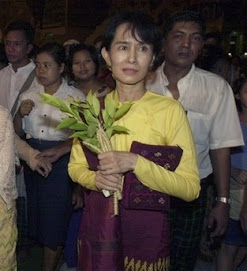


 Posts
Posts


