Nearly 4,000 ethnic Karen are said to have abandoned a camp and villages in eastern Burma to seek refuge in Thailand following attacks on Karen guerrillas by government troops.
Burmese troops were shelling and attempting to advance on five encampments of Karen insurgents as villagers continued to flee in one of the largest movements of refugees across the border in a decade, Karen spokesman David Thaw said.
Thai troops have been deployed along the frontier to keep fighting from spilling over.
June 09, 2009
The ethnic group’s Karen National Union has been fighting for more than 60 years for greater autonomy from Burma’s junta, but its strength has dwindled over the past decade due to army offensives and divisions within its ranks.
Human rights groups and the United Nations have accused Burma’s government of torture, killings and rape of Karen civilians in their attempts to stamp out the insurgency. But this appears to have had no effect and the military regime has denied the charges.
“Once again, the international community is looking the other way while my people are attacked and forced to run for their lives,” Zoya Phan, a Karen with the Burma Campaign UK, said in a statement. “Why hasn’t a single government called for an end to these attacks?”
Some 100,000 mostly ethnic Karen refugees already shelter in camps in Thailand after fleeing counterinsurgency operations, while aid agencies say nearly half a million others are internally displaced inside eastern Burma.
Thaw said a camp in Burma that sheltered internal refugees had been abandoned, and that the government and the Democratic Karen Buddhist Army were trying to overrun five Karen positions nearby.
The Democratic Karen Buddhist Army split from the predominantly Christian Karen National Union in 1995.
About 25 opposing troops have been killed or wounded since the fighting began over the weekend, the spokesman said. He said he had no information about Karen casualties.
Thailand doesn’t allow the refugees to enter established camps in the country, so they are relying on Buddhist monasteries near the border, Thaw said. AP
Wednesday, June 10, 2009
Karen Pushed Over Thai Border by Burmese Troops


Monday, June 8, 2009
スー・チーさん裁判、最終弁論が再延期に
http://jp.reuters.com/article/worldNews/idJPJAPAN-38428020090607
スー・チーさん裁判、最終弁論が再延期に
2009年 06月 7日 09:10 JST 記事を印刷する | ブックマーク| 1ページに表示[-] 文字サイズ [+]
1 of 1[Full Size]ワールド
イランと北朝鮮には「強い姿勢」が必要=オバマ米大統領
メキシコの保育施設で火災、乳幼児38人が死亡・23人が入院
仏機墜落、現場海域から遺体・機体残骸を回収=ブラジル当局
英内閣改造、ダーリング財務相は留任=政府声明 [ヤンゴン 5日 ロイター] ミャンマーの裁判所は5日、予定していた同国最大野党の国民民主連盟(NLD)を率いる民主化運動指導者、アウン・サン・スー・チーさん(63)の最終弁論を来週末に延期することを決めた。
スー・チーさんは、自宅軟禁中に許可なく米国人男性と面会したとして、国家防御法違反の罪に問われている。最終弁論の日程延期はこれが3度目。
スー・チーさんの顧問弁護士はロイターに対し、5日に予定されていた最終弁論が12日に延期になったと説明し、「(延期の)理由は明かされていない」と述べた。
NLDは先にスー・チーさんの健康状態に「重大な懸念」を表明していたが、弁護士はスー・チーさんは元気そうだと説明している。
Fw: [burmainfo] 【続報】スーチーさんの64歳の誕生日に64語のメッセージを送ろう!
Fw: [burmainfo] 【続報】スーチーさんの64歳の誕生日に64語のメッセージを送ろう!Friday, 5 June, 2009 21:18
From: "PFB"
ビルマ市民フォーラム メールマガジン 2009/6/5
People's Forum on Burma
━━━━━━━━━━━━━━━━━━━━━━━━━━━━━━
以下、ビルマ市民フォーラム、ビルマ情報ネットワーク、ヒューマン・ライツ・ウォッチか
らのご案内です。
是非、皆さんからも、スーチーさんとビルマの人々へ、応援と連帯のメッセージを
送ってください!(メッセージは日本語でもOKです)
そして、お友達やお知り合いの方々にも、どんどんこのキャンペーンのことを
紹介してください。スーチーさんの釈放を求めて、一緒に声をあげましょう。
PFB事務局 宮澤
http://www1.jca.apc.org/pfb/
━━━━━━━━━━━━━━━━━━━━━━━━━━━━━━
アウンサンスーチーさんの釈放を求める国際キャンペーン
64歳の誕生日に64語のメッセージを送ろう!
━━━━━━━━━━━━━━━━━━━━━━━━━━━━━━
~☆~☆~☆~☆~☆~☆~☆~☆~☆~☆~☆~☆~☆~☆~☆
日本語でも送れる環境が整いました。皆さんも、送ってみませんか?
~☆~☆~☆~☆~☆~☆~☆~☆~☆~☆~☆~☆~☆~☆~☆
ビルマ(ミャンマー)の民主化リーダーで、ノーベル平和賞受賞者の
アウンサンスーチーさんは、過去19年のうち13年以上もの間を
自宅軟禁下におかれてきました。その拘束期限がやっと切れた今、
不当な起訴によりさらに拘束期間が延期されようとしています。
こうした中、先日お知らせしましたが、スーチーさんの釈放を求め、
応援のメッセージを送ろうという「64語キャンペーン」が行われています。
「64語キャンペーン」サイト
http://www.64forsuu.org
「64語キャンペーン」は、スーチーさんの64歳の誕生日(6月19日)
に合わせ、動画や画像、文、Twitterなどを使ってスーチーさんを
応援する「64語のメッセージ」を送ろうという企画です。
既にイギリスのブラウン首相、ブラッド・ピット、デイビッド・ベッカム、
ボノ、スカーレット・ヨハンソン、マドンナなど、世界の政治、音楽、
文化、社会などあらゆる領域で活躍する人びとから映像やメッセージ
が続々と寄せられています。
みなさんも是非、メッセージ(映像、画像、文章)を送ってみませんか?
送られたメッセージはキャンペーンサイトに掲載され、誰でも見ることができます。
メッセージの送り方(日本語) はこちら:
http://64forsuu.blogspot.com/2009/06/instructions-for-website-in-japanese.ht
ml
送り方について不明点などがありましたら、
ビルマ情報ネットワークの<問合せフォーム>を使ってご連絡ください。
<問合せフォーム>はこちら:
http://www.burmainfo.org/about/contact.php
========================================
早速、日本からもメッセージが集まり始めています!
キャンペーンサイトにも掲載されています。
「64語キャンペーン」 日本からのメッセージ紹介
http://www.burmainfo.org/article/article.php?mode=1&articleid=485
========================================
中川 雅治(参議員議員)
http://www.64forsuu.org/word.php?wid=7194
「アウンサンスーチーさん、並びにビルマで拘束されて
いる全ての政治犯の釈放を求めます。
ビルマの民主化を求める声は今や全世界に広がっています。」
那谷屋 正義(参議院議員)
http://www.64forsuu.org/word.php?wid=7200
『「アウンサンスーチーさんに自由を!」と皆さんの大きな声を
ビルマに届けましょう。今求められている真の世界平和は、
武力によって獲得するものではなく、人間の尊厳を重んじ合うことからスタートしま
す。
皆さんの1人ひとりの力で、アウンサンスーチーさんを自由の
身にすることができる時、その時、真の世界平和への大きな一歩がふみ出せることに
なるでしょう。
「アウンサンスーチーさんの自由」=「世界平和への大きなステップ」』
ビルマ情報ネットワーク
「日本からもFree Burma!」(映像)
http://www.64forsuu.org/word.php?wid=6844
========================================
Myanmar democracy movement appears to be weakening
http://www.latimes.com/news/nationworld/world/la-fg-myanmar7-2009jun07,0,4110571.story
A mishmash of disparate anti-government groups has not been able to persuade foreign powers to push for Aung San Suu Kyi's freedom.
By Charles McDermid
June 7, 2009
Reporting from Bangkok, Thailand -- Even as the trial of activist Aung San Suu Kyi approaches a predictable conclusion in a tumbledown prison courtroom in Yangon, the verdict may already be in for Myanmar's pro-democracy movement.
The opposition, already reeling before Suu Kyi's arrest, increasingly appears powerless, divided and incapable of mustering the international intervention needed to topple the country's long-ruling military government. As one opposition leader put it, the prevailing sentiment within the opposition is "outrage and utter hopelessness."
A mishmash of acronyms, ethnic divisions and agendas, seven alliances of about 100 anti-government groups operate inside and outside Myanmar. Galvanized by recent events, the disparate groups have led a chorus of derision for the arrest and trial of Suu Kyi.
International outrage has followed, with President Obama calling the drama a "show trial." But there have been no changes in the government's stance that Suu Kyi, a Nobel Peace Prize laureate, violated the terms of her house arrest by allowing an uninvited American to spend two nights at her highly guarded compound. She faces three to five years in jail.
Hard-core activists are not impressed by the international response.
"We are very thankful the international community is on our side. But this is only lip service," Khin Maung Swe, an executive committee member of Suu Kyi's National League for Democracy, said by phone from Yangon.
Western threats of crippling economic sanctions have yet to materialize, and the government's closest allies, China, Russia and India, have remained silent.
Sources in Myanmar, also known as Burma, have confirmed that officials from China, Myanmar's biggest supplier of consumer goods and the main investor in the resource-rich country's energy and mineral sectors, have visited in recent days to meet with the ruling generals and hold unofficial talks with opposition leaders.
Political scientist and author Aung Naing Oo was once foreign secretary of the All Burma Students' Democratic Front, an armed group involved in the violent 1988 protests that catapulted Suu Kyi to prominence. More recently, Aung Naing Oo, who studied at Harvard and now lives in exile in Thailand, has advocated dialogue between the regime and the opposition.
"Throwing sanctions from 10,000 miles away" won't change the xenophobic mind-set of the regime, he said.
He blames both the opposition and the regime for stubbornness and inaction, what he calls "old general syndrome."
"I'll give you an example: A 16-year-old fights his whole life for what he thinks is right. Now he's a general, he's 70, that's all he knows. These old politicians won't change their minds for the country even if they know this is the right way," Aung Naing Oo said.
With Suu Kyi again detained and many other leaders jailed, the National League for Democracy is facing a crisis of leadership and morale. Moral authority, according to Aung Naing Oo and others, is not enough to carry the day.
"Moral authority has kept the movement alive, given it a lifeline," he said. But "you need to bring pragmatism into the game. As Bill Clinton said, politics is rhetoric and reality. How to combine the two in Burma, I don't know."
Meanwhile, sources in Myanmar say the streets of Yangon, the former capital, are cloaked in a renewed reign of fear, rage and helplessness.
"In every neighborhood of Yangon, there is always one former political prisoner or a family whose son or husband is in jail for political reasons. People are too afraid and too poor to take risks," former prisoner Swe Win said. "Only if someone or some group can successfully initiate a movement so big and so strong for the ordinary people to participate will protests erupt."
As the trial of Suu Kyi resumes, and the reeling opposition scrambles to rally universal support, the people of Myanmar are left with little more than a day-to-day existence and wishful thinking.
"Hope is something that keeps Burmese going," Aung Naing Oo said. "When you are Burmese, you have to have hope; otherwise, you have nothing."
McDermid is a special correspondent.
Suu Kyi party warned over trial criticism: Myanmar state media
http://www.chinapost.com.tw/asia/other/2009/06/07/211220/Suu-Kyi.htm
YANGON -- Myanmar authorities have summoned members of Aung San Suu Kyi's pro-democracy party to rebuke them for a statement critical of her trial, state media reported Saturday. Four senior members of the National League for Democracy (NLD) met officials for 30 minutes late Friday after comments by the party's youth wing were leaked to the Web site of a prominent blogger, the New Light of Myanmar said.
“Though NLD has rights for freedom of speech, the announcement has harmed peace and stability and prevalence of law and order in the country and disturbed the trial proceedings of a court,” the paper reported in English.
“That can mislead the people into misunderstanding the government, incite activities that may harm the public respect for the government, and cause unrest,” it said.
Aung San Suu Kyi faces up to five years in jail on charges of breaching the conditions of her house arrest after a bizarre incident in which an American man, John Yettaw, swam to her lakeside home in May.
The NLD's youth members had circulated an internal document criticizing the trial for being held mostly behind closed doors and highlighting international condemnation of the proceedings.
But the comments ended up on the “Niknayman” Web site, which is blocked in Myanmar as it is run by a well-known activist, and the New Light said the publication constituted a breach of the country's publishing laws.
“Stating of such incorrect and biased words in advance while the case is still in progress amounts to turning a blind eye to the truth and disturbing the court,” the paper said.
It said the statement had falsely accused authorities of not allowing public reporting of the trial.
Local journalists and two Chinese reporters so far have been allowed in court along with diplomats to cover two of the 10 days of hearings being held inside Yangon's Insein prison.
The newspaper report said that the case was an “internal issue.”
The four NLD members ordered to meet officials Friday were Than Tun, Nyunt Wai, Hla Pe and Soe Myint. They signed a document to acknowledge a formal warning by the authorities.
Security in Yangon has been tightened since Aung San Suu Kyi was taken to Insein prison from her crumbling lakeside house last month.
On Friday her lawyers presented appeal documents to a city divisional court, asking the court to overturn a ban on three of four witnesses whom the 63-year-old opposition leader called to give evidence at her trial.
A judge said a decision on the appeal would be given on Tuesday, June 9, three days before Aung San Suu Kyi's prison trial reconvenes after a week-long adjournment.
U.S. President Barack Obama has described the court proceedings as a “show trial” while Myanmar's usually reticent Asian neighbors have expressed strong concerns.
Japan's deputy minister for foreign affairs, Kenichiro Sasae, urged Myanmar's junta to listen to international concerns during his trip on Thursday and Friday to the capital Naypyidaw, the Japanese ministry said. The Myanmar side replied that the government could not interfere in the trial, it added.
Sasae also said Tokyo hopes Myanmar will go ahead with establishing a democracy in line with international expectations, the ministry statement said.
Myanmar has been ruled by the military since 1962. Aung San Suu Kyi's party won 1990 polls but was never allowed to take office. She has been imprisoned for 13 of the past 19 years.
Elections are planned for next year but critics say they are designed only to entrench the military's power.
Aid groups: 3,000 villagers flee Myanmar shelling
http://www.google.com/hostednews/ap/article/ALeqM5imu9nHyhkDCtBlz5oOh6EcNtf68gD98LQP9O0
By MICHAEL CASEY
BANGKOK, Thailand (AP) — More than 3,000 ethnic Karen villagers have fled into Thailand as Myanmar troops shelled near a camp where they were sheltering, one of the largest movements of refugees across the border in a decade, aid groups said Sunday.
The Thailand-based Free Burma Rangers said that refugees began streaming out of the Ler Per Her camp in eastern Karen state on Friday and that Myanmar forces started launching mortar attacks Saturday morning during fighting with Karen guerrillas. Myanmar is also known as Burma.
The aid group, which conducts missions across the border inside Myanmar, reported the Karen National Union fighters were engaged in a fierce fire fight continuing Sunday with Myanmar forces near the camp, which lies in one of few last rebel redoubts along the border.
Thai Army Lt. Gen. Tanongsak Apirakyotin, who oversees the border region, acknowledged that fighting was ongoing and that since Wednesday refugees began coming across the Thai border. But he put the numbers of refugees at around 1,200.
The KNU has been fighting for half a century for greater autonomy from Myanmar's central government, but its strength has dwindled over the past decade due to army offensives and divisions within its ranks. Some 100,000 mostly ethnic Karen refugees already shelter in camps in Thailand after fleeing counterinsurgency operations and many more are believed displaced inside military-run Myanmar.
In a statement, the Free Burma Rangers called the shelling "a serious attack on defenseless people who fled just to get to the camp and now have had to flee over the border." It said as many as 4,000 refugees had fled to Thailand and that the Ler Per Her camp was mostly abandoned by Sunday.
The Karen Human Rights Group, a Thai-based humanitarian group sympathetic to the KNU, put the number of refugees at 3,000 but their count was only through Saturday. Still, the group said this was "the largest exodus from Karen State on a single occasion" since the government launched a major offensive against the KNU in 1997.
The refugees were taking shelter about 100 kilometers (62 miles) north of Mae Sot, a border town which is 240 miles (380 kilometers) northwest of the Thai capital, Bangkok.
A Myanmar government spokesman did not respond to requests for comment on the reports of fighting.
On Saturday, the rights group Christian Solidarity Worldwide and pro-democracy groups including the U.S. Campaign for Burma called on the United Nations to intervene to prevent a humanitarian crisis along the border.
The groups urged the U.N. Security Council to impose an arms embargo on Myanmar's military regime and establish a commission of inquiry into crimes against humanity.
Copyright © 2009 The Associated Press. All rights reserved.
Thursday, June 4, 2009
ေဒၚေအာင္ဆန္းစုၾကည္အမႈတြင္ သက္ေသ ၃ ဦးအတြက္ တရား႐ံုးက ေလွ်ာက္လဲခြင့္ ျပန္ေပး
ဗုဒၶဟူးေန႔၊ ဇြန္လ 03 2009 18:29 - ျမန္မာစံေတာ္ခ်ိန္
နယူးေဒလီ (မဇၥ်ိမ)။ ။ ေဒၚစုအမႈအတြက္ သက္ေသ ၃ ဦးအား ခ႐ိုင္တရား႐ံုးက ပယ္ခ်ခံရသည္ကို သူမ၏ ေရွ႕ေနမ်ားက ျပန္လည္သံုးသပ္ေပးရန္ တိုင္းတရား႐ံုးသို႔ ေလွ်ာက္ထားခဲ့ရာ ႏွစ္ဖက္ေလွ်ာက္လဲရန္အတြက္ ယေန႔ လက္ခံလိုက္ၿပီျဖစ္သည္။
ၿပီးခဲ့သည့္လ ၂၇ ရက္ေန႔တြင္ အင္းစိန္ေထာင္တြင္း တရား႐ံုးသို႔ ေဒၚစုအတြက္ သက္ေသမ်ားအျဖစ္ ဦးၾကည္ဝင္း၊ ဦးဝင္းတင္၊ ဦးတင္ဦးႏွင့္ ေဒၚခင္မို႔မို႔တို႔ကုိ အမည္စာရင္း တင္သြင္းခဲ့ရာ ဦးၾကည္ဝင္းမွအပ က်န္ ၃ ဦးအား ပယ္ခ်ခဲ့သည္ကို ရန္ကုန္တုိင္းတရား႐ံုးသို႔ ေလွ်ာက္ထားရာ ယခုလုိ အမိန္႔ခ်လိုက္ျခင္း ျဖစ္သည္။
''ဒီေန႔ ၃ နာရီမွာ က်ေနာ္တို႔တင္တဲ့ ျပင္ဆင္မႈ လက္ခံေရးအတြက္ က်ေနာ္ ေလွ်ာက္လဲခ်က္ ေပးပါတယ္။ ေလွ်ာက္လဲခ်က္ ေပးၿပီးၿပီးခ်င္းပဲ တရား႐ံုးက လက္ခံတယ္လို႔ အမိန္႔ခ်တယ္'' ဟု ေဒၚစု၏ ေရွ႕ေန ဦးဉာဏ္ဝင္းက မဇၥ်ိမကို ေျပာသည္။
ျမန္မာစစ္အစိုးရဘက္ႏွင့္ ေဒၚစုဘက္မွ ေရွ႕ေနမ်ား ေလွ်ာက္လဲၾကရန္ ယခုလ ၅ ရက္ေန႔ ညေန ၃ နာရီသို႔ တရား႐ံုးက ခ်ိန္းဆိုလုိက္သည္။
အင္းစိန္ေထာင္တြင္း ေျမာက္ပိုင္းခ႐ိုင္ တရား႐ံုးက ေဒၚေအာင္ဆန္းစုၾကည္၊ လုပ္ေဖာ္ကိုင္ဘက္ ႏွစ္ဦးႏွင့္ ေနအိမ္အတြင္း တိတ္တဆိတ္ ဝင္ေရာက္ခဲ့သူ မစၥတာ ယက္ေတာတို႔အေပၚ စဲြဆိုထားသည့္ အမႈကို အၿပီးသတ္ ေလွ်ာက္လဲရန္အတြက္ ၿပီးခဲ့သည့္လ ၂၈ ရက္ေန႔က ယခုလ ၁ ရက္ေန႔သို႔ ခ်ိန္းဆိုခဲ့သည္။
သို႔ေသာ္ ေနာက္တရက္ျဖစ္သည့္ ၂၉ ရက္ေန႔တြင္ ယခုလ ၅ ရက္ေန႔သို႔ ေရႊ႔ဆုိင္းလိုက္ေၾကာင္း တရား႐ံုးက ေရွ႕ေနမ်ားသို႔ စာေရးသား အေၾကာင္းၾကားခဲ့သည္။
''အင္းစိန္မွာ ၅ ရက္ေန႔မနက္ အၿပီးသတ္ ေလွ်ာက္လဲခ်က္ဆိုတာ ရွိတယ္။ အဲဒါက အလိုလို ေရြ႔သြားတယ္။ တိုင္းတရား႐ုံးက ဒီအမႈတဲြကို မနက္ျဖန္မွာ အင္းစိန္ခ႐ိုင္႐ံုးဆီက ေတာင္းလိမ့္မယ္။ အမႈတြဲေတာင္းတယ္ ဆိုတာနဲ႔ မူလ႐ုံးက လုပ္လက္စ အလုပ္ေတြကို ရပ္ထားရတယ္။ ဒါက ဥပေဒ က်င့္ထံုးပါ'' ဟု ဦးဉာဏ္ဝင္းက ေျပာသည္။
သူက ဆက္ၿပီး ''အၿပီးသတ္ ေလွ်ာက္လဲမွာက အင္းစိန္က တရား႐ုံး။ အခုဟာက တိုင္းမွာ Re-visional cause တခုပဲ။ က်ေနာ္တို႔ တရားခံဘက္က ျပတဲ့သက္ေသ ၃ ေယာက္ကို တရား႐ုံးက ပယ္တာ ဥပေဒနည္းလမ္း မက်ဘူး၊ ဥပေဒနည္းလမ္းက်ေအာင္ က်ေနာ္တို႔ကိုလည္း စစ္ေဆးခြင့္ ေပးထိုက္တယ္ ဆိုတာကို က်ေနာ္တို႔ ေလွ်ာက္လဲမွာ ျဖစ္တယ္'' ဟု ေျပာသည္။
ေဒၚေအာင္ဆန္းစုၾကည္၏ ေရွ႕ေန ေနာက္တဦးျဖစ္သည့္ ဦးၾကည္ဝင္းကလည္း တရား႐ံုးသည္ မိမိတို႔၏ သက္ေသမ်ားအား ဥပေဒျပ႒ာန္းခ်က္အရ ပယ္ခ်ႏုိင္သည့္ အခြင့္အေရးရွိေသာ္လည္း အေၾကာင္းျပခ်က္ ခုိင္လံုျခင္း မရွိဘဲ ျငင္းပယ္ပါက မွားယြင္းေၾကာင္း ေျပာသည္။
သူက ''တရား႐ုံးမွာ က်င့္ထံုးပုဒ္မ ၂၅၇ ျပ႒ာန္းခ်က္အရ ပယ္ႏိုင္တဲ့ အခြင့္အေရးရွိတယ္၊ အာဏာရွိတယ္။ သို႔ေသာ္ ဘယ္လိုအခါမ်ဳိးမွာ ပယ္ရမလဲဆိုေတာ့ တရားစီရင္ေရးကို အေႏွာက္အယွက္ျဖစ္ေအာင္၊ ၾကန္႔ၾကာေအာင္၊ တရားစီရင္ေရး မမွန္မကန္ျဖစ္ေအာင္ လုပ္မွသာ ပယ္ရမွာ ျဖစ္တယ္။ ဒီလို အေၾကာင္းျပခ်က္ ခုိင္ခိုင္လံုလုံ မရွိဘဲနဲ႔ အခုလို ျငင္းပယ္တာ မွားတယ္ေပါ့ဗ်ာ'' ဟု ေျပာဆုိလိုက္သည္။
The president makes a major address in Cairo to call for a "new beginning" with Muslims.
Text of Obama's speech in Cairo - Yahoo! News
Text of Obama's speech in Cairo
By The Associated Press The Associated Press
16 mins ago
Text of President Barack Obama's speech at Cairo University, as transcribed by CQ Transcriptions.
___
I am honored to be in the timeless city of Cairo, and to be hosted by two remarkable institutions. For over a thousand years, Al-Azhar has stood as a beacon of Islamic learning, and for over a century, Cairo University has been a source of Egypt's advancement. Together, you represent the harmony between tradition and progress. I am grateful for your hospitality, and the hospitality of the people of Egypt. I am also proud to carry with me the goodwill of the American people, and a greeting of peace from Muslim communities in my country: assalaamu alaykum.
We meet at a time of tension between the United States and Muslims around the world - tension rooted in historical forces that go beyond any current policy debate. The relationship between Islam and the West includes centuries of coexistence and cooperation, but also conflict and religious wars. More recently, tension has been fed by colonialism that denied rights and opportunities to many Muslims, and a Cold War in which Muslim-majority countries were too often treated as proxies without regard to their own aspirations. Moreover, the sweeping change brought by modernity and globalization led many Muslims to view the West as hostile to the traditions of Islam.
Violent extremists have exploited these tensions in a small but potent minority of Muslims. The attacks of September 11th, 2001 and the continued efforts of these extremists to engage in violence against civilians has led some in my country to view Islam as inevitably hostile not only to America and Western countries, but also to human rights. This has bred more fear and mistrust.
So long as our relationship is defined by our differences, we will empower those who sow hatred rather than peace, and who promote conflict rather than the cooperation that can help all of our people achieve justice and prosperity. This cycle of suspicion and discord must end.
I have come here to seek a new beginning between the United States and Muslims around the world; one based upon mutual interest and mutual respect; and one based upon the truth that America and Islam are not exclusive, and need not be in competition. Instead, they overlap, and share common principles - principles of justice and progress; tolerance and the dignity of all human beings.
I do so recognizing that change cannot happen overnight. No single speech can eradicate years of mistrust, nor can I answer in the time that I have all the complex questions that brought us to this point. But I am convinced that in order to move forward, we must say openly the things we hold in our hearts, and that too often are said only behind closed doors. There must be a sustained effort to listen to each other; to learn from each other; to respect one another; and to seek common ground. As the Holy Quran tells us, Be conscious of God and speak always the truth. That is what I will try to do - to speak the truth as best I can, humbled by the task before us, and firm in my belief that the interests we share as human beings are far more powerful than the forces that drive us apart.
Part of this conviction is rooted in my own experience. I am a Christian, but my father came from a Kenyan family that includes generations of Muslims. As a boy, I spent several years in Indonesia and heard the call of the azaan at the break of dawn and the fall of dusk. As a young man, I worked in Chicago communities where many found dignity and peace in their Muslim faith.
As a student of history, I also know civilization's debt to Islam. It was Islam - at places like Al-Azhar University - that carried the light of learning through so many centuries, paving the way for Europe's Renaissance and Enlightenment. It was innovation in Muslim communities that developed the order of algebra; our magnetic compass and tools of navigation; our mastery of pens and printing; our understanding of how disease spreads and how it can be healed. Islamic culture has given us majestic arches and soaring spires; timeless poetry and cherished music; elegant calligraphy and places of peaceful contemplation. And throughout history, Islam has demonstrated through words and deeds the possibilities of religious tolerance and racial equality.
I know, too, that Islam has always been a part of America's story. The first nation to recognize my country was Morocco. In signing the Treaty of Tripoli in 1796, our second President John Adams wrote, The United States has in itself no character of enmity against the laws, religion or tranquility of Muslims. And since our founding, American Muslims have enriched the United States. They have fought in our wars, served in government, stood for civil rights, started businesses, taught at our Universities, excelled in our sports arenas, won Nobel Prizes, built our tallest building, and lit the Olympic Torch. And when the first Muslim-American was recently elected to Congress, he took the oath to defend our Constitution using the same Holy Quran that one of our Founding Fathers - Thomas Jefferson - kept in his personal library.
So I have known Islam on three continents before coming to the region where it was first revealed. That experience guides my conviction that partnership between America and Islam must be based on what Islam is, not what it isn't. And I consider it part of my responsibility as President of the United States to fight against negative stereotypes of Islam wherever they appear.
But that same principle must apply to Muslim perceptions of America. Just as Muslims do not fit a crude stereotype, America is not the crude stereotype of a self-interested empire. The United States has been one of the greatest sources of progress that the world has ever known. We were born out of revolution against an empire. We were founded upon the ideal that all are created equal, and we have shed blood and struggled for centuries to give meaning to those words - within our borders, and around the world. We are shaped by every culture, drawn from every end of the Earth, and dedicated to a simple concept: E pluribus unum: Out of many, one.
Much has been made of the fact that an African-American with the name Barack Hussein Obama could be elected President. But my personal story is not so unique. The dream of opportunity for all people has not come true for everyone in America, but its promise exists for all who come to our shores - that includes nearly seven million American Muslims in our country today who enjoy incomes and education that are higher than average.
Moreover, freedom in America is indivisible from the freedom to practice one's religion. That is why there is a mosque in every state of our union, and over 1,200 mosques within our borders. That is why the U.S. government has gone to court to protect the right of women and girls to wear the hijab, and to punish those who would deny it.
So let there be no doubt: Islam is a part of America. And I believe that America holds within her the truth that regardless of race, religion, or station in life, all of us share common aspirations - to live in peace and security; to get an education and to work with dignity; to love our families, our communities, and our God. These things we share. This is the hope of all humanity.
Of course, recognizing our common humanity is only the beginning of our task. Words alone cannot meet the needs of our people. These needs will be met only if we act boldly in the years ahead; and if we understand that the challenges we face are shared, and our failure to meet them will hurt us all.
For we have learned from recent experience that when a financial system weakens in one country, prosperity is hurt everywhere. When a new flu infects one human being, all are at risk. When one nation pursues a nuclear weapon, the risk of nuclear attack rises for all nations. When violent extremists operate in one stretch of mountains, people are endangered across an ocean. And when innocents in Bosnia and Darfur are slaughtered, that is a stain on our collective conscience. That is what it means to share this world in the 21st century. That is the responsibility we have to one another as human beings.
This is a difficult responsibility to embrace. For human history has often been a record of nations and tribes subjugating one another to serve their own interests. Yet in this new age, such attitudes are self-defeating. Given our interdependence, any world order that elevates one nation or group of people over another will inevitably fail. So whatever we think of the past, we must not be prisoners of it. Our problems must be dealt with through partnership; progress must be shared.
That does not mean we should ignore sources of tension. Indeed, it suggests the opposite: we must face these tensions squarely. And so in that spirit, let me speak as clearly and plainly as I can about some specific issues that I believe we must finally confront together.
The first issue that we have to confront is violent extremism in all of its forms.
In Ankara, I made clear that America is not - and never will be - at war with Islam. We will, however, relentlessly confront violent extremists who pose a grave threat to our security. Because we reject the same thing that people of all faiths reject: the killing of innocent men, women, and children. And it is my first duty as President to protect the American people.
The situation in Afghanistan demonstrates America's goals, and our need to work together. Over seven years ago, the United States pursued al Qaida and the Taliban with broad international support. We did not go by choice, we went because of necessity. I am aware that some question or justify the events of 9/11. But let us be clear: al Qaida killed nearly 3,000 people on that day. The victims were innocent men, women and children from America and many other nations who had done nothing to harm anybody. And yet Al Qaeda chose to ruthlessly murder these people, claimed credit for the attack, and even now states their determination to kill on a massive scale. They have affiliates in many countries and are trying to expand their reach. These are not opinions to be debated; these are facts to be dealt with.
Make no mistake: we do not want to keep our troops in Afghanistan. We seek no military bases there. It is agonizing for America to lose our young men and women. It is costly and politically difficult to continue this conflict. We would gladly bring every single one of our troops home if we could be confident that there were not violent extremists in Afghanistan and Pakistan determined to kill as many Americans as they possibly can. But that is not yet the case.
That's why we're partnering with a coalition of forty-six countries. And despite the costs involved, America's commitment will not weaken. Indeed, none of us should tolerate these extremists. They have killed in many countries. They have killed people of different faiths - more than any other, they have killed Muslims. Their actions are irreconcilable with the rights of human beings, the progress of nations, and with Islam. The Holy Quran teaches that whoever kills an innocent, it is as if he has killed all mankind; and whoever saves a person, it is as if he has saved all mankind. The enduring faith of over a billion people is so much bigger than the narrow hatred of a few. Islam is not part of the problem in combating violent extremism - it is an important part of promoting peace.
We also know that military power alone is not going to solve the problems in Afghanistan and Pakistan. That is why we plan to invest $1.5 billion each year over the next five years to partner with Pakistanis to build schools and hospitals, roads and businesses, and hundreds of millions to help those who have been displaced. And that is why we are providing more than $2.8 billion to help Afghans develop their economy and deliver services that people depend upon.
Let me also address the issue of Iraq. Unlike Afghanistan, Iraq was a war of choice that provoked strong differences in my country and around the world. Although I believe that the Iraqi people are ultimately better off without the tyranny of Saddam Hussein, I also believe that events in Iraq have reminded America of the need to use diplomacy and build international consensus to resolve our problems whenever possible. Indeed, we can recall the words of Thomas Jefferson, who said: I hope that our wisdom will grow with our power, and teach us that the less we use our power the greater it will be.
Today, America has a dual responsibility: to help Iraq forge a better future - and to leave Iraq to Iraqis. I have made it clear to the Iraqi people that we pursue no bases, and no claim on their territory or resources. Iraq's sovereignty is its own. That is why I ordered the removal of our combat brigades by next August. That is why we will honor our agreement with Iraq's democratically-elected government to remove combat troops from Iraqi cities by July, and to remove all our troops from Iraq by 2012. We will help Iraq train its Security Forces and develop its economy. But we will support a secure and united Iraq as a partner, and never as a patron.
And finally, just as America can never tolerate violence by extremists, we must never alter our principles. 9/11 was an enormous trauma to our country. The fear and anger that it provoked was understandable, but in some cases, it led us to act contrary to our ideals. We are taking concrete actions to change course. I have unequivocally prohibited the use of torture by the United States, and I have ordered the prison at Guantanamo Bay closed by early next year.
So America will defend itself respectful of the sovereignty of nations and the rule of law. And we will do so in partnership with Muslim communities which are also threatened. The sooner the extremists are isolated and unwelcome in Muslim communities, the sooner we will all be safer.
The second major source of tension that we need to discuss is the situation between Israelis, Palestinians and the Arab world.
America's strong bonds with Israel are well known. This bond is unbreakable. It is based upon cultural and historical ties, and the recognition that the aspiration for a Jewish homeland is rooted in a tragic history that cannot be denied.
Around the world, the Jewish people were persecuted for centuries, and anti-Semitism in Europe culminated in an unprecedented Holocaust. Tomorrow, I will visit Buchenwald, which was part of a network of camps where Jews were enslaved, tortured, shot and gassed to death by the Third Reich. Six million Jews were killed - more than the entire Jewish population of Israel today. Denying that fact is baseless, ignorant, and hateful. Threatening Israel with destruction - or repeating vile stereotypes about Jews - is deeply wrong, and only serves to evoke in the minds of Israelis this most painful of memories while preventing the peace that the people of this region deserve.
On the other hand, it is also undeniable that the Palestinian people - Muslims and Christians - have suffered in pursuit of a homeland. For more than sixty years they have endured the pain of dislocation. Many wait in refugee camps in the West Bank, Gaza, and neighboring lands for a life of peace and security that they have never been able to lead. They endure the daily humiliations - large and small - that come with occupation. So let there be no doubt: the situation for the Palestinian people is intolerable. America will not turn our backs on the legitimate Palestinian aspiration for dignity, opportunity, and a state of their own.
(APPLAUSE)
For decades, there has been a stalemate: two peoples with legitimate aspirations, each with a painful history that makes compromise elusive. It is easy to point fingers - for Palestinians to point to the displacement brought by Israel's founding, and for Israelis to point to the constant hostility and attacks throughout its history from within its borders as well as beyond. But if we see this conflict only from one side or the other, then we will be blind to the truth: the only resolution is for the aspirations of both sides to be met through two states, where Israelis and Palestinians each live in peace and security.
(APPLAUSE)
That is in Israel's interest, Palestine's interest, America's interest, and the world's interest. That is why I intend to personally pursue this outcome with all the patience that the task requires. The obligations that the parties have agreed to under the Road Map are clear. For peace to come, it is time for them - and all of us - to live up to our responsibilities.
Palestinians must abandon violence. Resistance through violence and killing is wrong and does not succeed. For centuries, black people in America suffered the lash of the whip as slaves and the humiliation of segregation. But it was not violence that won full and equal rights. It was a peaceful and determined insistence upon the ideals at the center of America's founding. This same story can be told by people from South Africa to South Asia; from Eastern Europe to Indonesia. It's a story with a simple truth: that violence is a dead end. It is a sign of neither courage nor power to shoot rockets at sleeping children, or to blow up old women on a bus. That is not how moral authority is claimed; that is how it is surrendered.
Now is the time for Palestinians to focus on what they can build. The Palestinian Authority must develop its capacity to govern, with institutions that serve the needs of its people. Hamas does have support among some Palestinians, but they also have responsibilities. To play a role in fulfilling Palestinian aspirations, and to unify the Palestinian people, Hamas must put an end to violence, recognize past agreements, and recognize Israel's right to exist.
At the same time, Israelis must acknowledge that just as Israel's right to exist cannot be denied, neither can Palestine's. The United States does not accept the legitimacy of continued Israeli settlements. This construction violates previous agreements and undermines efforts to achieve peace. It is time for these settlements to stop.
(APPLAUSE)
Israel must also live up to its obligations to ensure that Palestinians can live, and work, and develop their society. And just as it devastates Palestinian families, the continuing humanitarian crisis in Gaza does not serve Israel's security; neither does the continuing lack of opportunity in the West Bank. Progress in the daily lives of the Palestinian people must be part of a road to peace, and Israel must take concrete steps to enable such progress.
Finally, the Arab States must recognize that the Arab Peace Initiative was an important beginning, but not the end of their responsibilities. The Arab-Israeli conflict should no longer be used to distract the people of Arab nations from other problems. Instead, it must be a cause for action to help the Palestinian people develop the institutions that will sustain their state; to recognize Israel's legitimacy; and to choose progress over a self-defeating focus on the past.
America will align our policies with those who pursue peace, and say in public what we say in private to Israelis and Palestinians and Arabs. We cannot impose peace. But privately, many Muslims recognize that Israel will not go away. Likewise, many Israelis recognize the need for a Palestinian state. It is time for us to act on what everyone knows to be true.
Too many tears have flowed. Too much blood has been shed. All of us have a responsibility to work for the day when the mothers of Israelis and Palestinians can see their children grow up without fear; when the Holy Land of three great faiths is the place of peace that God intended it to be; when Jerusalem is a secure and lasting home for Jews and Christians and Muslims, and a place for all of the children of Abraham to mingle peacefully together.
(APPLAUSE)
... as in the story of Isra.
(APPLAUSE)
... as in the story of Isra, when Moses, Jesus, and Mohammed -- peace be upon them -- joined in prayer.
(APPLAUSE)
The third source of tension is our shared interest in the rights and responsibilities of nations on nuclear weapons.
(APPLAUSE)
This issue has been a source of tension between the United States and the Islamic Republic of Iran. For many years, Iran has defined itself in part by its opposition to my country, and there is indeed a tumultuous history between us. In the middle of the Cold War, the United States played a role in the overthrow of a democratically- elected Iranian government. Since the Islamic Revolution, Iran has played a role in acts of hostage-taking and violence against U.S. troops and civilians. This history is well known. Rather than remain trapped in the past, I have made it clear to Iran's leaders and people that my country is prepared to move forward. The question, now, is not what Iran is against, but rather what future it wants to build.
It will be hard to overcome decades of mistrust, but we will proceed with courage, rectitude and resolve. There will be many issues to discuss between our two countries, and we are willing to move forward without preconditions on the basis of mutual respect. But it is clear to all concerned that when it comes to nuclear weapons, we have reached a decisive point. This is not simply about America's interests. It is about preventing a nuclear arms race in the Middle East that could lead this region and the world down a hugely dangerous path.
I understand those who protest that some countries have weapons that others do not. No single nation should pick and choose which nations hold nuclear weapons. That is why I strongly reaffirmed America's commitment to seek a world in which no nations hold nuclear weapons. And any nation - including Iran - should have the right to access peaceful nuclear power if it complies with its responsibilities under the nuclear Non-Proliferation Treaty. That commitment is at the core of the Treaty, and it must be kept for all who fully abide by it. And I am hopeful that all countries in the region can share in this goal.
The fourth issue that I will address is democracy.
(APPLAUSE)
I know there has been controversy about the promotion of democracy in recent years, and much of this controversy is connected to the war in Iraq. So let me be clear: no system of government can or should be imposed upon one nation by any other.
That does not lessen my commitment, however, to governments that reflect the will of the people. Each nation gives life to this principle in its own way, grounded in the traditions of its own people. America does not presume to know what is best for everyone, just as we would not presume to pick the outcome of a peaceful election. But I do have an unyielding belief that all people yearn for certain things: the ability to speak your mind and have a say in how you are governed; confidence in the rule of law and the equal administration of justice; government that is transparent and doesn't steal from the people; the freedom to live as you choose. Those are not just American ideas, they are human rights, and that is why we will support them everywhere.
There is no straight line to realize this promise. But this much is clear: governments that protect these rights are ultimately more stable, successful and secure. Suppressing ideas never succeeds in making them go away. America respects the right of all peaceful and law-abiding voices to be heard around the world, even if we disagree with them. And we will welcome all elected, peaceful governments - provided they govern with respect for all their people.
This last point is important because there are some who advocate for democracy only when they are out of power; once in power, they are ruthless in suppressing the rights of others. No matter where it takes hold, government of the people and by the people sets a single standard for all who hold power: you must maintain your power through consent, not coercion; you must respect the rights of minorities, and participate with a spirit of tolerance and compromise; you must place the interests of your people and the legitimate workings of the political process above your party. Without these ingredients, elections alone do not make true democracy.
The fifth issue that we must address together is religious freedom.
Islam has a proud tradition of tolerance. We see it in the history of Andalusia and Cordoba during the Inquisition. I saw it firsthand as a child in Indonesia, where devout Christians worshipped freely in an overwhelmingly Muslim country. That is the spirit we need today. People in every country should be free to choose and live their faith based upon the persuasion of the mind, heart, and soul. This tolerance is essential for religion to thrive, but it is being challenged in many different ways.
Among some Muslims, there is a disturbing tendency to measure one's own faith by the rejection of another's. The richness of religious diversity must be upheld - whether it is for Maronites in Lebanon or the Copts in Egypt.
(APPLAUSE)
And fault lines must be closed among Muslims as well, as the divisions between Sunni and Shia have led to tragic violence, particularly in Iraq.
Freedom of religion is central to the ability of peoples to live together. We must always examine the ways in which we protect it. For instance, in the United States, rules on charitable giving have made it harder for Muslims to fulfill their religious obligation. That is why I am committed to working with American Muslims to ensure that they can fulfill zakat.
Likewise, it is important for Western countries to avoid impeding Muslim citizens from practicing religion as they see fit - for instance, by dictating what clothes a Muslim woman should wear. We cannot disguise hostility towards any religion behind the pretence of liberalism.
Indeed, faith should bring us together. That is why we are forging service projects in America that bring together Christians, Muslims, and Jews. That is why we welcome efforts like Saudi Arabian King Abdullah's Interfaith dialogue and Turkey's leadership in the Alliance of Civilizations. Around the world, we can turn dialogue into Interfaith service, so bridges between peoples lead to action - whether it is combating malaria in Africa, or providing relief after a natural disaster.
The sixth issue -- the sixth issue that I want to address is women's rights.
(APPLAUSE)
I know...
(APPLAUSE)
I know, and you can tell from this audience, that there is a healthy debate about this issue. I reject the view of some in the West that a woman who chooses to cover her hair is somehow less equal. But I do believe that a woman who is denied an education is denied equality.
(APPLAUSE)
And it is no coincidence that countries where women are well- educated are far more likely to be prosperous.
Now let me be clear, issues of women's equality are by no means simply an issue for Islam. In Turkey, Pakistan, Bangladesh, Indonesia, we've seen Muslim-majority countries elect a woman to lead.
Meanwhile, the struggle for women's equality continues in many aspects of American life and in countries around the world. I am convinced that our daughters can contribute just as much to society as our sons.
(APPLAUSE)
Our common prosperity will be advanced by allowing all humanity, men and women, to reach their full potential. I do not believe that women must make the same choices as men in order to be equal. And I respect those women who choose to live their lives in traditional roles. But it should be their choice.
That is why the United States will partner with any Muslim- majority country to support expanded literacy for girls and to help young women pursue employment through micro-financing that helps people live their dreams.
The issues that I have described will not be easy to address, but we have a responsibility to join together to behalf of the world that we seek, a world where extremists no longer threaten our people and American troops have come home; a world where Israelis and Palestinians are each secure in a state of their own and nuclear energy is used for peaceful purposes, a world where governments serve their citizens and the rights of all God's children are respected. Those are mutual interests. That is the world we seek. But we can only achieve it together. I know there are many, Muslim and non-Muslim, who question whether we can forge this new beginning. Some are eager to stoke the flames of division and to stand in the way of progress. Some suggest that it isn't worth the effort, that we are fated to disagree and civilizations are doomed to clash.
Many more are simply skeptical that real change can occur. There is so much fear, so much mistrust that has built up over the years. But if we choose to be bound by the past, we will never move forward. And I want to particularly say this to young people of every faith in every country. You more than anyone have the ability to reimagine the world, the remake this world.
All of us share this world for but a brief moment in time. The question is whether we spend that time focused on what pushes us apart or whether we commit ourselves to an effort, a sustained effort to find common ground, to focus on the future we seek for our children and to respect the dignity of all human beings.
It's easier to start wars than to end them. It's easier to blame others than to look inward. It's easier to see what is different about someone than to find the things we share. But we should choose the right path, not just the easy path. There is one rule that lies at the heart of every religion, that we do unto others as we would have them do unto us.
(APPLAUSE)
This truth transcends nations and peoples, a belief that isn't new, that isn't black or white or brown, that isn't Christian or Muslim or Jew. It's a belief that pulsed in the cradle of civilization and that still beats in the hearts of billions around the world. It's a faith in other people. And it's what brought me here today.
We have the power to make the world we seek, but only if we have the courage to make a new beginning, keeping in mind what has been written. The Holy Quran tells us, Mankind, we have created you male and a female. And we have made you into nations and tribes so that you may know one another.
The Talmud tells us, The whole of the Torah is for the purpose of promoting peace.
The Holy Bible tells us, Blessed are the peacemakers, for they shall be called sons of God.
(APPLAUSE)
The people of the world can live together in peace. We know that is God's vision. Now that must be our work here on Earth.
Thank you. And may God's peace be upon you. Thank you very much.
Thank you.
END
Copyright © 2009 Yahoo! Inc. All rights reserved.Questions or CommentsPrivacy PolicyTerms of ServiceCopyright/IP Policy
Monday, June 1, 2009
Suu Kyi Trial Sparks Helpless Outrage in Burma
http://www.irrawaddy.org/article.php?art_id=15796
--------------------------------------------------------------------------------
By THE ASSOCIATED PRESS Monday, June 1, 2009
--------------------------------------------------------------------------------
RANGOON — The spray-painted demands appear overnight: "Free Aung San Su Kyi" read the scrawls on walls across this city—only to be whitewashed by security forces as soon as they are discovered.
Since the trial of Burma's pro-democracy leader began two weeks ago, these small signs of defiance hint at the undercurrent of anger over the treatment of a woman considered to be a living icon by many of her compatriots.
A man feeds pigeons in downtown Rangoon. (Photo: Getty Images)
But out in public, under the watchful gaze of the military regime, supporters feel helpless to do more as the trial winds to an end, with closing arguments scheduled for Friday.
There is little sign that private anguish will explode into the mass protests—all violently suppressed—that have marked the history of Burma, since the military began its rule in 1962.
"I'm so upset about what has happened in my country," said Zin, a 28-year-old housewife who, like most Burmese, won't give her full name for fear of retaliation. "People are angry and people are sad, but we can't do anything for her. We have no power."
Suu Kyi, 63, a Nobel Peace Prize laureate, is being tried on charges of violating her house arrest after an American, John W. Yettaw, swam uninvited to her lakeshore home and stayed for two days.
Suu Kyi has already been held in detention for 13 of the past 19 years, including the past six years. Closing arguments have been delayed until Friday, but expectations are high that she will be found guilty since Burma's courts operate under the command of the ruling military.
The trial has drawn condemnation from the international community and Suu Kyi's local supporters, who worry that the military junta has found an excuse to keep her detained through elections planned for next year.
But with memories of the government's bloody crackdown against the Buddhist monk-led uprising in 2007 still vivid, few people are willing to challenge a regime with no qualms about using violence against its own citizens. At least 31 people were killed that September, including a Japanese journalist, the UN says.
Aung, a 55-year-old businessman who witnessed the military's response to the protests two years ago, said the Burmese learned a bitter lesson from that experience. Thousands were detained in the aftermath of demonstrations that drew 100,000 people into Rangoon's streets. Hundreds of activists were sentenced to lengthy prison terms.
"The person who becomes involved in protests, their whole family is persecuted. If you want to be brave, OK, but do you think all your family must be brave too?" he said. "Nobody wants to risk that now."
Longtime observers say it is unlikely that major public demonstrations will follow Suu Kyi's sentencing.
"If Suu Kyi is found guilty and jailed, there will be much popular anger, but it won't make a real difference because (the government) is well-equipped and experienced in dealing with the people's protests," said Donald Seekins, a Burma expert at Japan's Meio University.
Seekins said the regime has already posted soldiers throughout Rangoon, the largest city, "and can suppress demonstrations with little difficulty."
For a nation still recovering from the devastation of Cyclone Nargis last year, which left at least 138,000 dead, the ongoing economic hardship makes coping day-to-day—not politics—the priority for many Burmese, said Aung.
"People are so disturbed, so angry" about Suu Kyi, he said, clenching his fist for emphasis. "But Nargis was a big hit. Everybody's suffering and when people suffer, they don't have time to think about anything."
In the streets of Rangoon this past week, there was little evidence of heightened tension, with businesses operating normally.
However, increased security could be seen around Suu Kyi's gently decaying lakeshore home as well as near her party's headquarters as a key anniversary was marked—19 years since Suu Kyi's National League for Democracy won a landslide victory at the ballot box but were prevented from taking office.
A few political stalwarts have still managed to keep the faith. At a small celebration Wednesday attended by foreign diplomats, senior party members wore T-shirts calling for Suu Kyi's freedom and then released a total of 64 doves and balloons into the air at the dilapidated party offices.
ေဒၚစုကို ဆက္ခ်ဳပ္ထားပါက ၂၀၁၀ ေရြးေကာက္ပြဲ တရား၀င္မွာမဟုတ္
http://www.voanews.com/burmese/2009-05-25-voa9.cfm
25 May 2009
ျမန္မာစစ္အစိုးရအေနနဲ႔ ေဒၚေအာင္ဆန္းစုၾကည္ကို ဆက္လက္ခ်ဳပ္ေႏွာင္ၿပီး လက္ရွိပုံစံအတိုင္း ဆက္သြားမယ္ဆုိရင္ စစ္အစိုးရက်င္းပဖုိ႔ စီစဥ္ထားတဲ့ ၂၀၁၀ ေရြးေေကာက္ပြဲဟာ လုံး၀တရား၀င္မွာ မဟုတ္သလို ႏုိင္ငံတကာအလယ္မွာ အမ်ားလက္ခံတဲ့ ေရြးေကာက္ပြဲလည္း ျဖစ္မွာ မဟုတ္ဘူးလို႔ အေမရိကန္ႏုိင္ငံျခားေရး ၀န္ႀကီး ဟီလာရီ ကလင္တန္ (Hilary Clinton) က ေျပာဆုိပါတယ္။
အေမရိကန္ျပည္ေထာင္စုအေနနဲ႔ ျမန္မာစစ္အစိုးရအေပၚ ၾသဇာလႊမ္းမိုးႏိုင္မယ့္ ခ်ဥ္းကပ္မႈမ်ဳိးရွိေအာင္ အခုိင္အမာ ေဆာင္ရြက္ေနပါတယ္လို႔ ေမလ ၂၀ ရက္ေန႔မွာ က်င္းပျပဳလုပ္ခဲ့တဲ့ အထက္လႊတ္ေတာ္ ၾကားနာပြဲမွာ ႏုိင္ငံျခားေရး ၀န္ႀကီး ဟီလာရီ ကလင္တန္ က ေျပာဆုိပါတယ္။
အခုအခ်ိန္ဟာ ျမန္မာႏုိင္ငံအေပၚ ပိုၿပီး တိက်ျပတ္သားတဲ့ အေရးယူတာမ်ဳိးေတြ မလုပ္သင့္ဘူးလားဆုိတဲ့ အထက္ လႊတ္ေတာ္ အမတ္တေယာက္ရဲ႕ အေမးကိုေတာ့ ဟီလာရီ ကလင္တန္ က ျမန္မာႏုိင္ငံအေရးနဲ႔ပတ္သက္လို႔ ဗ်ဴဟာေျမာက္ သုံးသပ္ေနတယ္လုိ႔ ေျပာဆုိပါတယ္။
ျမန္မာ့အေရးနဲ႔ ပတ္သက္ၿပီး ASEAN အေရွ႕ေတာင္အာရွ ႏုိင္ငံေတြနဲ႔ ေဆြးေႏြးခဲ့သလို ကုလသမဂၢရဲ႕ ေထာက္ခံမူေတြ ရဖုိ႔လည္း အေမရိကန္ျပည္ေထာင္စုက ဆက္လက္ႀကိဳးစားေနတဲ့အေၾကာင္း အေမရိကန္ႏိုင္ငံျခားေရး ၀န္ႀကီး ဟီလာရီ ကလင္တန္က ေျပာဆုိသြားခဲ့ပါတယ္။
Saturday, May 30, 2009
Asean Body Calls for Burma to be Kicked Out
http://thejakartaglobe.com/national/asean-body-calls-for-burma-to-be-kicked-out/278163
May 29, 2009
Nurfika Osman
Indonesia and other Southeast Asian nations want Burma suspended from Asean for repeatedly failing to ignore requests to reform its appalling human rights record.
Marzuki Darusman, an Indonesian delegate from the Asean Inter-Parliamentary Myanmar Caucus, or AIPMC, an organization of parliamentarians from Asean countries, said Asean had been pressing Burma to reform since 2004 but it had failed to make any progress, citing political prisoners, the Rohingyas issue and its human rights record.
He said the recommendations to suspend Burma would be brought to the Asean Inter-Parliamentary Assembly (AIPA) meeting in Bangkok this August, where a decision would be made.
Since its inaugural meeting in Kuala Lumpur from Nov. 26-28 2004, the AIPMC has been calling on the military government in Burma to bring about changes and democratic reforms.
The group consists of legislators from Malaysia, Indonesia, Singapore, Thailand, Philippines, Vietnam, Laos and Cambodia. One of AIPMC’s initial campaigns was to urge Asean to deny Burma its turn at chairing the regional bloc in 2006.
“We now further call on Asean and the UN via the UN Security Council to take concrete and binding actions on the military regime of Burma as it continues to show a lack of regard for human rights and fails to adopt concrete democratic reforms in the country,” he said. “Our heart is with Burma.”
Khin Ohmar, an activist from Burma Partnership, applauded AIPMC’s recommendation to suspend Burma from Asean.
“We really support this sanction as this is the only way to fight this regime,” Khin said. “We have to cut off the financial flow to the regime, so they will come to the table with us, talk, release [Burma’s 2,100 political] prisoners and create democracy.”
Obama setting up better security for computers
Buzz Up Send
Email IM Share
Delicious Digg Facebook Fark Newsvine Reddit StumbleUpon Technorati Yahoo! Bookmarks Print Featured Topics: Barack Obama Play Video AP – Writer forcibly removed from near Air Force One
Slideshow:President Barack Obama Play Video Video:Obama's Interior Secretary Visits Everglades CBS4 Miami Play Video Video:Obama presses Abbas, Israel to move toward peace AP AP – President Barack Obama returns a salute as arrives on the South Lawn of the White House in Washington, … By LOLITA C. BALDOR, Associated Press Writer Lolita C. Baldor, Associated Press Writer – 14 mins ago
WASHINGTON – America has for too long failed to adequately protect the security of its computer networks, President Barack Obama said Friday, announcing he will name a new cyber czar to take on the job.
Surrounded by a host of government officials, aides and corporate executives, Obama said this is a "transformational moment" for the country, where computer networks are probed and attacked millions of times a day.
"We're not as prepared as we should be, as a government or as a country," he said, calling cyber threats one of the most serious economic and military dangers the nation faces.
He said he will soon pick the person he wants to head up a new White House office of cyber security, and that person will report to the National Security Council as well as to the National Economic Council, in a nod to the importance of computers to the economy.
While the newly interconnected world offers great promise, Obama said it also presents significant peril as well. The president declared: "Cyberspace is real, and so is the risk that comes with it."
Laying out a broad five-point plan, the president said the U.S. needs to provide the education required to keep pace with technology and attract and retain a cyber-savvy work force. He called for a new education campaign to raise public awareness of the challenges and threats related to cyber security.
He assured the business community, however, that the government will not dictate how private industry should tighten digital defenses.
Government officials have grown increasingly alarmed as U.S. computer networks are constantly assailed by attacks and scams, ranging from nuisance hacking to more nefarious probes and attacks, including suspicions of cyber espionage by other nations, such as China.
Obama noted that his own computer system for the presidential campaign at one point last year was compromised by hackers, but said the security of the names and financial information on contributors was intact.
Emotional funeral for South Korea's Roh Moo-hyun
http://news.yahoo.com/s/ap/20090529/ap_on_re_as/as_skorea_roh_funeral;_ylt=AmJr4L4FKxAc712vQyRE1qKs0NUE;_ylu=X3oDMTJtZDE4NnM3BGFzc2V0A2FwLzIwMDkwNTI5L2FzX3Nrb3JlYV9yb2hfZnVuZXJhbARjcG9zAzIEcG9zAzcEc2VjA3luX3RvcF9zdG9yeQRzbGsDZW1vdGlvbmFsZnVu
Kwang-tae Kim And Jean H. Lee, Associated Press Writers – Fri May 29, 7:21 am ET
SEOUL, South Korea – A sea of wailing mourners filled the streets of Seoul for the funeral Friday of former President Roh Moo-hyun, whose suicide six days earlier amid a deepening corruption probe plunged South Korea into grief and anger.
Heads bowed, thousands took part in a solemn ceremony in the courtyard of the 14th-century Gyeongbok Palace before the hearse carrying Roh's body headed to a grassy plaza outside City Hall for emotional public rites attended by a reported 500,000 people. Riot police later moved in as the crush of mourners delayed the hearse from leaving the capital.
Police dispatched some 21,000 officers to quell any protests by Roh supporters who accuse conservative political opponents led by President Lee Myung-bak of driving the liberal former leader to his death with the bribery investigation.
The criticism comes as Lee faces an increasingly belligerent North Korea, which just two days after Roh's death carried out a nuclear test in a move widely condemned as a violation of U.N. resolutions.
Roh, 62, died May 23 after throwing himself off a cliff behind his home in the southern village of Bongha. Roh, president from 2003 to 2008, recently had been questioned about allegations he and his family accepted $6 million in bribes during his presidency.
He denied the bribery accusations, but they weighed heavily on a man who prided himself on his record as a "clean" politician in a country struggling to shake a deeply rooted culture of corruption.
The suicide stunned the nation of 49 million, where the outspoken Roh — a self-taught former human rights lawyer who swept into office on a populist tide — was celebrated as a leader for the people and was a favorite among young South Koreans for standing up to Washington.
Though many were critical of his antiestablishment ways, others rallied around his efforts to promote democracy, fight corruption and facilitate rapprochement with North Korea.
Roh "lived a life dedicated entirely to human rights, democracy and fight against authoritarianism," Prime Minister Han Seung-soo said at the palace funeral. "Our people won't forget what you accomplished for the country and the people despite a number of hardships."
Last weekend, Roh supporters refused to let Han and others from the ruling Grand National Party pay their respects in Bongha, with some dousing politicians with water and pelting them with eggs.
Roh supporters have called the probe against him "political revenge," and posters accusing Lee of driving Roh to his death plastered the walls of one Seoul subway station.
"I've never been so ashamed of being a citizen of this country — a country that kills its own president," said Won Seung-tae, 52, of Seoul. "It feels like we've lost all respect in pushing each other to extremes."
Opposition lawmakers jeered Lee as he and his wife approached the altar Friday to pay their respects.
"President Lee Myung-bak, apologize!" opposition lawmaker Baek Won-woo yelled, jumping to his feet and cursing Lee before security guards hauled him away. "This is political revenge, a political murder!"
A somber Lee looked back momentarily and hesitated before laying a white chrysanthemum on the altar and bowing before Roh's portrait. Lee had called Roh's death "tragic" upon learning of the suicide Saturday.
Roh's death triggered a wave of grief across South Korea, overshadowing the nuclear threat from North Korea's test blast Monday.
At City Hall, sobbing mourners wore yellow paper hats with images of Roh and waved yellow handkerchiefs as they watched the funeral on large monitors. The plaza was awash in yellow, Roh's campaign color.
"I respected him. He was a person who never compromised with injustice," said Chang Min-ki, 30, a yellow scarf tied around his neck. "I feel like I've lost everything."
The funeral procession began at dawn in Roh's hometown. Villagers lined Bongha's streets as the hearse blanketed with white chrysanthemums departed for the capital.
More than 2,500 were invited to a formal ceremony in the courtyard of the stately palace in the heart of ancient Seoul, where Roh's portrait sat on a bed of 1 million chrysanthemums laid in the shape of a Rose of Sharon, South Korea's national flower.
Roh's suicide note, in which he begs his wife and two children, "Don't be too sad" and describes his suffering as "unbearable," was read aloud.
Buddhist monks and Catholic nuns chanted prayers as part of the multifaith ceremony reflective of South Korea's changing modern history, where Confucian mourning traditions mix with Christian, shamanistic and Buddhist rites.
Roh's prime minister, Han Myung-sook, apologized for "not protecting" the late leader.
"We are sorry, we love you and we were happy with you," said Han, South Korea's first female prime minister, her voice trembling with emotion. "Please rest in peace."
At the plaza outside the City Hall that Lee built, performers in hemp mourning outfits carried out traditional Confucian rites designed to send Roh's spirit to heaven and to comfort his soul. As his hearse moved through the crowd, mourners showered it with airplanes and cranes made of yellow origami.
As some screamed "Down with Lee Myung-bak," riot police began moving in to break up the crowd before the hearse was able to depart.
Roh's ashes were to return to his village to be buried with a small gravestone as he wished.
TV showed the funeral live, as well as footage of Roh in more lighthearted moments: serenading his wife with a guitar, feeding ducklings and taking his granddaughter for a bike ride.
South Koreans mourned online, too, with some portals carrying live broadcasts of the funeral and users flooding bulletin boards and Roh's own Web site with hundreds of thousands of condolence messages.
"You didn't bow to any other country but you bowed to us citizens. You'll always be the father of the nation," wrote one user, Choi Jae-chul. "Rest in peace and please protect South Korea from heaven."
___
Associated Press writers Jae-soon Chang, Ji-ah Kim and ShinWoo Kang contributed to this report.
Movement to Suspend Burma from Asean Grows
http://www.irrawaddy.org/article.php?art_id=15782
--------------------------------------------------------------------------------
Friday, May 29, 2009
--------------------------------------------------------------------------------
The Irrawaddy has conducted a random, unscientific opinion poll on its magazine Web site, asking readers if they would vote “Yes” or “No” to the question: Should Burma be suspended from Asean?
More than 90 percent of the respondents answered “Yes,” based on the results at 6:30 pm on Friday. Ten percent voted “No.” The vote is on-going and the results are immediately displayed.
Meanwhile, a number of Southeast Asian politicians have urged the Association of Southeast Asian Nations (Asean) to suspend Burma's membership in the regional grouping if the military government does not release pro-democracy icon Aung San Suu Kyi.
Asean diplomatic sources told The Irrawaddy on Friday that leading members of the regional bloc such as Thailand, Indonesia, Singapore and the Philippines are considering suspending Burma’s membership if the junta extends Suu Kyi’s detention or sentences her to prison on trumped-up charges.
The Asean Inter-Parliamentary Myanmar Caucus (AIPMC), a watchdog group based in Malaysia, this week called for tough action against Burma, including suspending its membership in the regional organization. Only three Asean member countries—Brunei, Vietnam and Laos—have yet to join the caucus.
Charles Chong, a Singaporean lawmaker, said, "More and more parliamentarians within Asean are beginning to lose their patience with Burma. And, we are calling upon our governments to do more than just expressions of dismay, regret, grave concern and so on, and seriously look at suspending Burma's membership in Asean."
Kavi Chongkittavorn, an editorial columnist on The Nation in Bangkok, said some Cambodian lawmakers have joined AIPMC, increasing the pressure on Burma to open up. Cambodian Prime Minister Hun Sen, who has been a strong supporter of the Burmese junta, told AIPMC delegates that Burma needs to implement political reforms.
Kavi Chongkittavorn wrote that Asean's experience with Burma allows pro-reform members to argue strongly in favor of greater flexibility in exercising its non-interference principle.
Debbie Stothard, coordinator of the Alternative Asean Network (Altsean), said, “It is pretty clear that SPDC has been consistently undermining Asean.”
“Asean should consider some type of action against the regime. AIPMC demands that Asean should suspend Burma. It is quite reasonable,” she said.
Copyright © 2008 Irrawaddy Publishing Group | www.irrawaddy.org
"We are Facing a Crisis of Constitution,” Suu Kyi Tells Lawyer
http://www.irrawaddy.org/article.php?art_id=15786
Burmese citizens living in Japan hold portraits of Aung San Suu Kyi as they shout slogans during a rally in Tokyo on May 27, 2009. Some 200 protesters held a rally to demand the immediate release of the country's democracy leader Aung San Suu Kyi from detention in Yangon. (Photo: Getty Images)
"We are Facing a Crisis of Constitution,” Suu Kyi Tells Lawyer
--------------------------------------------------------------------------------
By MIN LWIN Friday, May 29, 2009
--------------------------------------------------------------------------------
Speaking to The Irrawaddy on Thursday, defense lawyer Nyan Win said that Burmese pro-democracy icon Aung San Suu Kyi privately told him that the charges against her are invalid as she was charged under the 1975 State Security law, which was annulled by the 2008 constitution.
“We are facing a crisis of constitution, not a constitutional crisis,” she reportedly told him on Thursday.
The lawyer said that Suu Kyi was referring to a 1975 law enacted under the 1974 constitution, which became invalidated when the military seized power in 1988. In addition, under the junta’s “seven-step road map,” the country approved a new constitution in May 2008 by national referendum, which would also invalidate the 1975 act.
Defense witness Kyi Win (no relation to Suu Kyi’s lawyer Kyi Win) echoed Suu Kyi’s sentiments in the courtroom on Thursday, testifying that if the 1974 constitution was still in effect, then the existing constitution was “null and void,” according to a report in the state-run The New Light of Myanmar on Friday.
Kyi Win testified on the ninth day of Suu Kyi’s trial on Thursday. He was the sole witness that the defense team was allowed to call; however, three other defense witnesses were denied the opportunity to testify, although the court gave no reason for their disqualification.
Kyi Win also questioned the junta’s claims that Suu Kyi was responsible for the intruder in her compound on May 3-5, according to The New Light of Myanmar.
Although misleading, it is believed the state-run newspaper was attempting to translate Kyi Win’s testimony to read that if the State employed guards around Suu Kyi’s property, then the security of the house was its responsibility, not Suu Kyi’s.
Although the official version of Kyi Win’s statement reads otherwise, it is believed he said that the Law to Safeguard the State against the Dangers of Those Desiring to Cause Subversive Acts has already been invalidated.
Meanwhile, on Thursday afternoon after court proceedings, Rangoon Northern District Court authorities escorted defendant John William Yettaw to Suu Kyi’s lakeside residence to describe how he had entered and left the compound on May 3-5, Burma’s state-run media reported on Friday.
On the ninth day of the trial, Yettaw reportedly testified to the court that he entered Suu Kyi’s compound in the morning on May 4 and he left just before midnight on May 5, and that he had undertaken to go to the Nobel Peace Prize laureate’s house of his own accord.
Speaking to The Irrawaddy on Friday, Nyan Win said Suu Kyi’s defense team had not been informed that court authorities intended to take the American intruder to the lakeside compound.
“The government has just done whatever they wanted,” he said. “In fact, if they want to do something regarding the trial, they must inform us.”
Yettaw reportedly confessed to the court that he accepted that he had broken Burmese immigration law and the law of Rangoon City Development Committee by secretly entering Suu Kyi’s residence at night without asking permission, even though he knew that the house was guarded by security members, the New Light of Myanmar reported.
Copyright © 2008 Irrawaddy Publishing Group | www.irrawaddy.org
Asean Parliamentarians Turn Heat on Burma
http://www.irrawaddy.org/article.php?art_id=15759
--------------------------------------------------------------------------------
By MARWAAN MACAN-MARKAR / IPS WRITER Thursday, May 28, 2009
--------------------------------------------------------------------------------
BANGKOK — In a move reflecting growing anger towards Burma, parliamentarians from across Southeast Asia want the military-ruled country suspended from a 10-member regional bloc for the unjust treatment of Aung San Suu Kyi, Burma’s pro-democracy leader.
The comments made in Singapore’s legislature during the current parliamentary session offers a window onto the growing pressure that Burma is up against from the countries that belong to the Association of Southeast Asian Nations.
"There have been calls in Singapore’s parliament for Myanmar’s [Burma's] membership [in Asean] to be suspended," says Charles Chong, who has been a legislator for 21 years in the ruling People’s Action Party. "This reflects a growing frustration with Myanmar."
Chong personally feels that the 42-year-old regional bloc, which has just transformed itself into a rules-based entity, should even consider more punitive measures. "Asean should also consider doing more. We should not rule out targeted sanctions," he said during a press conference this week in the Thai capital.
A fellow legislator from neighbouring Malaysia echoes Chong’s sentiments. "Asean should seriously consider the issue of sanctions," says Lim Kit Siang, of Malaysia’s opposition Democratic Action Party.
Both lawmakers are members of a regional caucus of parliamentarians created in 2004 to lobby for political reform and democracy in military-ruled Burma. And the Asean Inter-Parliamentary Myanmar Caucus (AIPMC) has not shied away from strong language as a means of applying pressure on the region’s governments to achieve concrete change within the pariah in their midst.
"AIPMC parliamentarians strongly call on Asean to stop protecting Myanmar’s regime and instead remove them from the grouping until and unless Aung San Suu Kyi is free and genuine efforts to begin national reconciliation are underway," the caucus declared this week in a statement.
"The AIPMC further urges Asean member states to consider imposing targeted sanctions on the military regime generals, and its administration, should they still fail to respect the Asean Charter and continue to oppress its people," it added.
AIPMC’s members come from parliaments in six Asean countries: Cambodia, Indonesia, Malaysia, Philippines, Singapore and Thailand. The other countries in the regional bloc are Brunei, under an absolute monarchy; Laos and Vietnam, ruled by communist regimes; and Burma.
The parliamentarians’ call to suspend Burma from Asean stems from the on-going trial that Nobel Peace laureate Suu Kyi has been subject to since May 18 in Rangoon’s notorious Insein prison.
The regime has accused the 63-year-old opposition leader of violating the terms of her house arrest - now in its 13th year. If found guilty in this largely secret trial, Suu Kyi could be sentenced to a further five-year jail term.
The junta’s charge followed revelations of a bizarre tale involving a U.S. citizen who had entered Suu Kyi’s house on the banks of a lake in Burma’s former capital and stayed there for a few days as an uninvited guest earlier this month. John William Yettaw, the 53-year-old former Vietnam War veteran, had crept in by swimming across the lake.
Yettaw, a Mormon who had gone on this mission reportedly out of religious zeal, is also facing charges in the on-going trial. So are two female housekeepers of Suu Kyi.
The junta’s latest effort to oppress Suu Kyi is viewed by Burma watchers as an attempt to keep the widely popular pro-democracy icon from playing a pivotal role in a planned general election in 2010.
The junta has billed next year’s poll as a part of its "roadmap to democracy," even though restrictive measures have already been put into place through a new constitution approved last year under questionable circumstances, including blatant reports of fraud.
It is of little wonder why such an attempt at political reform has failed to convince a growing number of concerned countries in the international community. Foreign ministers from Asia and Europe gathered Tuesday in Hanoi for the Asia-Europe Meeting (Asem) issued a statement that gave the Burmese junta little room to maneuver.
A joint press statement by Asem members - which happen to include Burma - appealed to the junta to lift all restrictions placed on political parties, free Suu Kyi, and release the over 2,100 political prisoners languishing in the many jails that dot the country.
For its part, the US government announced that it would extend the harsh economic sanctions Washington has imposed on Burma for another year. UN Secretary-General Ban Ki-moon has also stepped into the fray, announcing plans to visit Burma, which has been under successive military regimes since a 1962 coup.
"The military regime is aware of the growing pressure and it is feeling the heat," says Soe Aung, spokesman for the Forum for Democracy in Burma, a group of Burmese political activists living in exile. "And it is pressure of the regime’s own making, nobody else."
"[This] has happened when the US government was talking of reviewing its sanctions policy towards Burma," Soe Aung added during an interview. "There is also a debate in the European Union about the sanctions… the European Union may strengthen its sanctions on Burma."
Friday, May 29, 2009
ျပည္ပနိုင္ငံေရးလႈပ္ရွားမႈ အျမင္-by Phone Hlaing-FWUBC
Date-29-05-2009
အေမရိကားမွာက နိုင္ငံက်ယ္ျပီး လူေတြျပန္ ့က်ဲေနလို ့လူစုလို ့မရနိုင္ဘူးဆိုတာကိုကၽြန္ေတာ္တို ့
နားလည္ပါတယ္။ အေမရိကန္အစိုးရကို ခ်ည္းကပ္ျပီး နအဖကိုအမ်ားဆုံးဖိအားေပးေနတာ
အေမရိကားကရဲေဘာ္ေတြလို ့ကၽြန္ေတာ္တို ့နားလည္ထားပါတယ္။တကယ္ေလးစားပါတယ္။
ဂ်ပန္မွာက ကၽြန္ေတာ္တို ့ဗမာအမ်ားစု စုေနတာက တိုက်ိဳမွာပါ ဒါကကၽြန္ေတာ္တို ့ရဲ့အားသာ
ခ်က္ပါ။ျပီးေတာ့ဂ်ပန္ကနိုင္ငံေရးလႈပ္ရွားသူေတြႀကားထဲမွာတေယာက္နဲ ့တေယာက္အဆက္အသြယ္
အျမဲရိွေနႀကပါတယ္။ျပည္တြင္းနဲ ့တိုက္ရိုက္ဆက္သြယ္ျပီး လိုအပ္ရင္ ဆႏၵျပပဲြေတြခ်က္ျခင္းလုပ္နိုင္
ေနပါျပီ ။ ဒါေပမဲ့ကၽြန္ေတာ္တို ့မွာအားနဲေနတာက ဂ်ပန္အစိုးရကိုစည္းရုံးဖို ့အားနဲေနပါတယ္။
ကၽြန္ေတာ္တို ့နဲ ့နီးစပ္မႈရိွတာကအာဏာရပါတီနဲ ့အဓိကအတိုက္အခံပါတီကအမတ္တခ်ိဳ ့ပါ။
ဒါေပမဲ့ဂ်ပန္ရဲ့အုပ္ခ်ဳပ္ေရးရႏၱရားကိုတကယ္ေမာင္းနွင္ေနတာက ဂ်ပန္အစိုးရမဟုတ္ပါဘူး။
ဂ်ပန္အစိုးရဝန္ထမ္းေတြျဖစ္တဲ့ ဗ်ဴရိုဂရက္ေတြပါ ။ဗ်ဴရိုကေရစီကဂ်ပန္မွာအရမ္းအားေကာင္းေတာ့
ဂ်ပန္အစိုးရအဇဲြ ့ေတြ တက္လိုက္ဆင္းလိုက္၊ ဝန္ႀကီးခ်ဳပ္ေတြတက္လိုက္ဆင္းလိုက္ျဖစ္ေနေပမဲ့လဲ
ဂ်ပန္နိုင္ငံရဲ့ နုိင္ငံေရးစီးပြားေရးဘာမွသိပ္ျပီးအေျပာင္းအလဲမရိွဘာဘူး ဘာေႀကာင့္လဲ့ဆိုေတာ့
ဂ်ပန္ရဲ့တကယ့္ေပၚလစီမိတ္ကာေတြဟာ ဗ်ဴရိုဂရက္အရာရိွႀကီးေတြျဖစ္ေနႀကလုိ ့ပါ။
အေမရိကန္သမတေဟာင္းကလင္တန္ေတာင္သူအာဏာရိွေနတဲ့အခ်ိန္တုန္းကေျပာသြားေသးတယ္
မဟုတ္လား ဂ်ပန္ေတြက လုပ္ပါမယ္လုပ္ပါမယ္လုိ ့ကတိေတြေပးေပးသြားေပမဲ့တကယ္တန္းကတိ
အတိုင္းဘာမွျဖစ္မလာဘူး အေျပာတျခားအလုပ္တျခားလို ့ေဝဖန္သြားဖူးပါတယ္။
ဂ်ပန္ရဲ့ျမန္မာျပည္ေပၚလစီဆိုတာလဲဒီတိုင္းဘာဘဲ နိုင္ငံျခားေရးဝန္ႀကီးဌာနကေနေႀကျငာခ်က္ေတြ
ထုတ္ေနေပမဲ့ သူတို ့(ဗ်ဴရိုဂရက္ေတြ) ကသူတို ့နိုင္ငံအႀကိဳးစီးပြားကို အရင္ႀကည့္ေလ့ရိွလို ့
ဗမာျပည္မွာစစ္တပ္ကခိုင္ခိုင္မာမာအာဏာကိုခ်ဳပ္ကိုင္ထားတယ္ ၊ေနာက္ကြယ္က တရုတ္ကေထာက္ခံ
ေနတယ္၊ျပည္ပေရာက္ဒီမိုကေရစီအင္အားစုေတြဟာညီညြတ္မႈမရိွဘူး အင္အားမရိွဘူး
လို ့သုံးသတ္တယ္လို ့ယုံႀကည္ရပါတယ္။
(ကၽြန္ေတာ္တို ့စည္းလုံးညီညြတ္မႈရိွတယ္၊အင္အားရိွတယ္၊အနဖကို
ကိုင္လႈပ္နိုင္ျပီလို ့သူတို ့ယူဆလာရင္ဂ်ပန္ရဲ့ေပၚလစီသိသိသာသာေျပာင္းလဲလာမွာပါ။)
ဒါေႀကာင့္စစ္အစိုးရကိုေျမြမေသတုတ္မကိ်ဳးဆက္ဆံတဲ့ေပၚလစီကိုက်င့္သုံးေနပါတယ္။ဒါေႀကာင့္
ဂ်ပန္ရဲ့ဗမာျပည္ဆိုင္ရာေပၚလစီကိုတကယ္တန္းေျပာင္းလာေအာင္ ကၽြန္ေတာ္တို ့
ဂ်ပန္က ဗမာနိုင္ငံေရးလုပ္သူေတြ အမ်ားႀကီးႀကိဳးစားႀကရပါဦးမယ္။ ဒါကကၽြန္ေတာ္တို ့ရဲ့အားနဲခ်က္
ပါ။တကယ္တန္း နအဖ ကိုျပည္ပကဖိအားေပးနိုင္တာက သက္ဆိုင္ရာနိုင္ငံအစိုးရေတြ အဲ့ဒီအစိုးရေတြ
ရဲ့ေပၚလစီေတြအေပၚမွာႀသဇာေညာင္းတဲ့ပုဂိၢဳလ္ေတြ အဖဲြ ့အစည္းေတြကိုစည္းရုံးနိုင္ဖို ့ ျပီးေတာ့
သက္ဆိုင္ရာနိုင္ငံေတြကျပည္သူေတြကိုဗမာျပည္အေႀကာင္းပိုမိုသိရိွနားလည္လာေအာင္ရွင္းျပစည္း
ရုံးျပီးျပည္သူေတြကတဆင့္ဆိုင္ရာအစိုးရေတြကိုေအာက္ေျခကေနဖိအားေပးဖို ့ေတာင္းဆိုဖို ့လုပ္ႀက
ရမွာပါ ၊ ေလာ္ဘီလုပ္ရမွာပါ ျပီးေတာ့မွ ဆိုင္ရာအစိုးရေတြကအတဆင့္ နအဖကို ဖိအားေပးဖို ့ပါ။
ဆႏၵျပပဲြ ဆိုတာအဲ့ဒီလုပ္ငန္းစဥ္ရဲ့တစိတ္တေဒသပါ။အေမရိကရဲေဘာ္ေတြ ဆႏၵ ျပပဲြမွာ
လူမမ်ားလို ့စိတ္မေကာင္းမျဖစ္ႀကပါနဲ ့ အေမရိကန္အစိုးရကို ေလာ္ဘီမ်ားမ်ားလုပ္နိုင္ဖို ့ကအဓိကပါ။
အဲ့ဒီေနရာမွာ အေမရိကားနဲ ့အီးယူ ကဗမာနိုင္ငံေရးသမားေတြ ကထိပ္မွာေနရာယူထားပါတယ္။ျပည္တြင္းကရဲေဘာ္ေတြကိုလဲစိတ္အား
လူအား ေငြအားတတ္နိုင္သေလာက္ပံ့ပိုးဖို ့ကေတာ့အဓိကအက်ဆုံးလို ့
ထင္ပါတယ္၊ ျပည္တြင္းကျပည္သူလူထုႀကားထဲမွာနိုင္ငံေရးအသိစိတ္ဓါတ္မီးေတာက္ကိုျငိမ္းမသြား
ေအာင္ဝိုင္းဝန္းပ့ံပိုးထိန္းသိမ္းဖို ့လိုပါတယ္။လူထုမပါရင္ဘာမွလုပ္လို ့မရပါဘူး။ စိတ္ဓါတ္ေသမသြား
ဖို ့အေရးႀကီးပါတယ္။
ေလးစားစြာျဖင့္-
ဘုန္းလိႈင္
FWUBC-JAPAN
--- On Fri, 29/5/09, Aung Zin
From: Aung Zin
Subject: Re: [8888peoplepower] japan/tokyo report
To: 8888peoplepower@yahoogroups.com
Date: Friday, 29 May, 2009, 11:24 AM
ခဏခဏေတာ့ အျပန္အလွန္ေတြ မေရးခ်င္ဘူး...
ေရးတဲ့စာ ေတြကို ေသေသခ်ာခ်ာဖတ္ ျပီးမွ Reply လုပ္သင့္တယ္။
ယွဥ္ျပိုင္ျခင္းကို ေရးထား ေျပာထားတာ မဟုတ္ဘူး...။
နွိုင္းယွဥ္ ဳကည့္ ဳကေအာင္....။ ဆိုတဲ့စာေဳကာင္းက တေယာက္နဲ ့တေယာက္ ယွဥ္ျပိုင္ေစျခင္း
မဟုတ္ဘူး။ အေမရီကား မွာလည္း ဂ်ပန္မွာ လို စည္းစည္းလံုးလံုးျဖစ္ေစခ်င္ တာပါဘဲ..။
အေမရီးကား အင္အားစုေတြနဲ ့ ဂ်ပန္ အင္အားစုေတြ ဟာ ဘယ္လိုအေဳကာင္းနဲ ့မွ
စိတ္၀မ္းကဲြစရာ မရွိပါဘူး...။
အေဳကာင္းရင္းခံက အေမရိကားက အင္အားစု ေတြပါပဲ။ အတြင္းပိုင္းမွာ ဘာေတြ ျဖစ္ေနတယ္ဆိုတာ
ေဘးက ဳကည့္ျပီး သီအိုရီ ေတြ ေလ်ာက္ျပီး ရြတ္ျပေနတတ္ရင္ ဟုတ္လွျပီထင္ေန ဳကတာ
အနွစ္နွစ္ဆယ္ရွိ ပါျပီေကာလား...။
ကားမီးရွူိ ့ခိုင္းတဲ့သူကိုလည္း ... ဒါဟာမလုပ္သင့္ဘူးဆိုတာရဲရဲ ေထာက္ျပရမယ္။
ရွဴးတိုးတိုး စစ္အုပ္စု အဳကိူက္ ျဖစ္ေနမယ္ ဆိုတဲ့ ခပ္ညံ့ညံ့ အေျပာေတြ ကသာ ဒီမိုကေရစီေရးေနာက္
ေနွးေနတာ ျဖစ္တယ္။ အရွိကို အရွိ အတိုင္း ေထာက္ျပေန ျခင္းဟာ အမွန္တရား ျဖစ္ပါတယ္။
ကိုယ့္ကိုယ္ကို လိမ္ညာေနျခင္းဟာလည္း ေအာင္ျမင္ျခင္းနဲ ့ ေ၀းသထက္ ေ၀းေစပါတယ္။
အမ်ားညီ ကွ် ္ က်ြဲဖတ္ေန တဲ့အက်င့္ဆိုးေတြကိုျပင္ဘို ့အခ်ိန္တန္ပါျပီ ။။။။။။
တိုင္းျပည္ကို ခ်စ္ရင္ အမွန္တရားကို ခ်စ္ပါ..။ နိုင္ငံေရးလုပ္ေနသူ ေတြဟာအမွန္ကို အမွန္အတိ္ုင္း
ေျပာရဲတဲ့ သူေတြျဖစ္တယ္ဆိုတာကို (ေမာင္ရင ္ဘယ္သူျဖစ္ျဖစ္) ခံယူထားေစ ခ်င္ပါတယ္ ။
မိုးျကိုး
အေမရိကန္ ျပည္ေထာင္စု
--- On Thu, 28/5/09, aung moe
From: aung moe
Subject: Re: [8888peoplepower] japan/tokyo report
To: 8888peoplepower@ yahoogroups. com
Received: Thursday, 28 May, 2009, 12:57 PM
ႏိုင္ငံေ၇းလုပ္တယ္ ဆိုတာ ကိုယ္တက္ႏိုင္တဲ႔ဘက္က ကိုယ္႔ႏိုင္ငံအတြက္ လုပ္ၾကတာပါပဲ
ဘယ္သူက ပိုလုပ္ႏိုင္တယ္။ ဘယ္ႏိုင္ငံကေတာ႔ ပိုလုပ္ႏိုင္တယ္ဆိုျပီး ႏႈိင္းယွဥ္ ၍ မရပါ
ဂ်ပန္က လႈပ္ရွားမႈေတြ အားရစရာေကာင္းတယ္ဆိုရင္ ၀မ္းသာစရာပါပဲ အေမရိကားက
အားနည္းတယ္ဆိုရင္ အားမ်ားေအာင္လုပ္ရမယ္။ တစ္ေယာက္နဲ႔တစ္ယာက္ ယွဥ္စရာမလိုပါ
ညီညြတ္ေအာင္။ စည္းလံုးမႈရွိေအာင္ လုပ္ရမွာပါ။ စိတ္၀မ္းကြဲေအာင္မလုပ္သင္႔ပါ။
တစ္ဦးနဲ႔တစ္ဦးစိတ္၀မ္းကြဲေအာင္လုပ္ေနရင္ ကြ်န္ေတာ္တို႔ႏိုင္ငံဘယ္ေတာ႔မွ ဒီမိုကေရစီမရေတာ႔ပါဘူး
နအဖ အၾကိဳက္ျဖစ္သြားပါမယ္။ အားလံုးကိုညီညြတ္ေစခ်င္ပါတယ္။
2009/5/28 Aung Zin
ဂ်ပန္ကရဲေဘာ၊္ရဲေမေတြကိုခ်ီက်ဴးပါတယ္။ လွုပ္ရွားမွုေတြက အားရဘို့ေကာင္းတယ္၊
၀န္ဳကီးခ်ဳပ္ ရုံးစိုက္ ရာ .......
ေခါင္းေဆာင္ ဳကီးမ်ားဟု ေဳကြး ေဳကာ္ေနသူေတြ စုေ၀းရာ......
အေမရိကန္မွာေတာ့ .... က်ိဳးတိုးက်ဲတဲနဲ ့....။
္ေလကိုနဲနဲ ေလ်ာ့ျပီး... အလုပ္နဲ ့သက္ေသျပ ဳကဘို ့လိုပါတယ္။
ဒီစေန ဒီပဲယင္းပဲြ နယူးေယာက္မွာ အင္အား ဘယ္နွစ္ေယာက္ စည္းရုံးနိုင္မလဲ...။
နွုိငး္ယွဥ္ ဳကည့္ ဳကရေအာင္....။
အားလံုးကို အားကိုး ပါတယ္။
--- On Thu, 28/5/09, htun-ko pwar
BURMA - FORUM-ASIA condemns new charges against Aung San Suu Kyi
FORUM-ASIA issued a statement on the new charges leveled against Burma's democracy leader Aung Sang Suu Kyi on 16 may 2009. The statement urged ASEAN leaders to take a firm stand by urging Burmese authorities to release Suu Kyi unconditionally. Please read rest of the statement below.
The Asian Forum for Human Rights and Development (FORUM-ASIA), which represents 42 member organisations in Asia, condemns the charges leveled against Burmese democracy leader, Daw Aung San Suu Kyi, by the military authorities. FORUM-ASIA calls for an unconditional and immediate release of Suu Kyi, her two aides and around 2,100 political prisoners and urges ASEAN to demand the military authorities to end Suu Kyi's 13-year detention.
The new charges are said to be in connection with the recent intrusion of an American citizen, John William Yettaw, who swam across Inya Lake and entered the home of Suu Kyi uninvited. He was also not prevented from doing so by the guards. Suu Kyi allegedly failed to report to the authorities about the matter. According to Burmese's State Protection law, it is mandatory to notify the military authorities about any overnight visitor and foreigners who spend the night in a Burmese home.
On 14 May, Suu Kyi and her two aides were taken from her home and sent to the notorious Inseon Prison on a charge of breaching the conditions of her house arrest order. They appeared before a special court and were charged under article 22 of the State Protection law. Their trial is scheduled for 18 May. The State Protection Act is frequently used against democratic activists. Other members of National League for Democracy (NLD) party have been imprisoned for similar offences.
We have received reports that Suu Kyi is in poor health and has recently been on an intravenous drip. Her doctors have been repeatedly prevented from giving her the care that she requires and her personal physician was arrested a few weeks ago.
"What happened to Suu Kyi is very upsetting. More over, the basis of the new charges is outrageous" said Yap Swee Seng, the Executive Director of FORUM-ASIA. He added that her imprisonment is illegal under international law.
Therefore, FORUM-ASIA strongly calls for ASEAN leaders to immediately take a firm stand by urging Burmese authorities to release Aung San Suu Kyi unconditionally, while demanding that they urgently respect the principles of rule of law, good governance, and democracy as stipulated in the ASEAN Charter, which entered into force on 15 December 2008, said Yap.
"The behavior and abuse of the military authorities is totally unacceptable and must be urgently terminated without delay. The regime must be held accountable. ASEAN country leaders have the responsibility to protect the rights of Burma People by sending an envoy immediately to Burma to ensure the release of Aung San Suu Kyi and other political prisoners. The Burmese government must observe the protection of human rights spelt out in the ASEAN Charter", he stressed.
Suu Kyi has been under house arrest for almost 14 of the last 19 years at her home in Rangoon. Her house arrest contravenes Articles 9, 10 and 19 of the Universal Declaration of Human Rights, as well as the State Protection Act under which she was initially charged in 2003. This act allows for a maximum of five years' detention, which means that she should have been released in 2008.
This incident is said to be a ploy of the Burmese authorities to prevent her participation in the coming state elections in March 2010. The authorities intend to prohibit any controversy in the elections by prolonging her detention and delaying her release.
The verdict on Aung San Suu Kyi has already been decided

Aung San Suu Kyi arrives for her trial at Rangoon's Insein prison. Photograph: Reuters
The verdict on Aung San Suu Kyi has already been decided
The British ambassador in Burma, Mark Canning, is one of the few outsiders to have been allowed into the courtroom to witness parts of the trial of Aung San Suu Kyi. In the first part of a series on her trial, he recounts his experiences
Perhaps only here in Burma could the bizarre events of the last few days have unfolded. Out of the blue, a show trial has been mounted by the country's military rulers against Aung San Suu Kyi. Her offence? To allow an American intruder into her property, thereby breaching the terms of the detention to which she's been subject since May 2003. This is surely the only place where the victim of the break-in ends up being charged.
Lying behind this is the regime's plan for stage-managed elections in 2010. Suu Kyi spoiled the party in 1990, and they are not about to allow it to happen again. So when the generals learned of the strange happenings in Rangoon, they must have seized on it with some joy: here was a way to negotiate the awkwardness of the expiry of her current term of house arrest and to set the custodial clock ticking afresh.
19 May
Things haven't gone quite to plan. The trial has whipped up a storm of criticism. Burma's neighbours have been outspoken, making clear that the "honour and credibility" of the country is at stake. It's brought Suu Kyi back to centre stage and reminded everyone what an important figure she is. It's provided further evidence – if it was needed – of how the 2010 polls will be conducted. In the face of all this, the generals have tacked and conceded access to the courtroom for foreign diplomats.
26 May
We've been allowed in twice, last week and this. The court is situated in the compound of the notorious Insein jail, a grim and forbidding place shaped like a cake tin, where many of Burma's political prisoners are housed. It has the familiar trappings: two robed judges, defence, prosecution, motions, civility. An ancient typewriter clacks out the record. Carbon paper is stacked ready to go. Dogs bark. Ceiling fans whirr. Prison staff crane to catch a glimpse of the Lady.
To one side is the paraphernalia confiscated from the intruder. No James Bond devices. No stealth submersibles. No CO2 rebreathers. Just a pair of home-made fins, a flotation device fashioned from water bottles, assorted bits and pieces and – most intriguingly – the robes and Jackie O sunglasses in which Suu Kyi was to be asked to make her escape from Rangoon. Two bemused police ladies were asked at one point to model these outfits, complete with glasses, for the benefit of the court.
One of the curiosities of this affair is how, in the most tightly guarded corner of one of the most tightly controlled countries, a visitor from overseas was able, not once but twice, to bob across the fetid waters of Inya Lake to Suu Kyi's home.
The entry of Suu Kyi was a memorable moment. Aside from some TV pictures of her meeting visiting UN envoys, she hasn't been seen since for six years. Despite almost two decades of extraordinary pressure – more than half of it in detention – and agonising personal sacrifices, she looked in remarkable shape. Calm, dignified, upright, exuding quiet authority but no hint of bitterness towards the prosecution side. She commanded her team and in many ways the room.
There was a telling moment as she entered when the police guards rose to their feet before lowering themselves sheepishly down. She welcomed our presence. She hoped to meet us in better times and said how good it was to see people from the outside world. It was deeply impressive and one was left wondering how she managed to display no trace of indignation at this latest twist.
It was good to get access, but I don't imagine anyone will confuse two short trips to the courtroom with the fundamental issue: the illegality of her detention and that of the 2,000 other political prisoners held in Burma. We're often told Suu Kyi is no longer relevant, but what went on in court told a very different story. She remains a towering and respected figure across the political spectrum and the Burmese people, despite living in one of the most disconnected and isolated countries in the world, are agog at what's happening.
27 May
The trial is a glaring injustice. But there's an important wider picture that gets less attention: the 2,000 other political prisoners who languish in Burma's jails and work camps, the repression heaped on many of Burma's ethnic minority peoples and the persistent denial of almost all human rights. Suu Kyi is in many ways a symbol of a much broader misery and is one among many brave people who are struggling to achieve a better future for this country.
28 May
So where's the trial going? It's difficult to see anything but a guilty verdict. Despite the familiar judicial trappings, these trials tend to be pre-scripted. All decisions of any significance in Burma are made by the ubiquitous "higher authority". This will be no exception and the outcome will be determined many miles from the courtroom. The generals will want to make sure Suu Kyi is unable to play a role in the elections next year. So the betting is on a sentence that extends her house arrest well into 2010 or beyond, although there could be some unforeseen twists along the way.
The prosecution yesterday rejected three of the four defence witnesses her team asked to bring forward. The government called 14. The trial wrapped up for the day a short while ago, and we're told proceedings will reconvene on Monday for final statements. A verdict could follow the same day. Nobody expects it to be anything other than bad news. The heavy security presence on the streets suggests the same.
The government newspaper trumpets that this will have no bearing on the election plans: "The government is determined to continue hand-in-hand with the people to implement the Seven-Step Road Map in accordance with their aspirations. " Other important news jockeys for position on the New Light's front page: "PTT lubricants introduced", "Thayet maintaining development momentum", "Nation now on path to development" .
Posted by Mark Canning Thursday 28 May 2009 13.37 BST guardian.co. uk


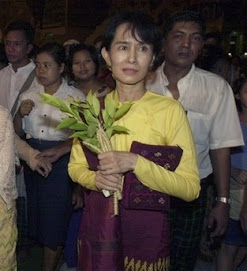


 Posts
Posts


