-------------------------------------------------------------------
-------------------------------------------------------------------
"The beginning of a new Diet session and where we now stand"
The ordinary session of the National Diet convened yesterday. First
I delivered a Policy Speech in which I stated my thoughts regarding
issues that Japan simply cannot avoid addressing in the present day,
including economic partnerships and agricultural reform and also
reform of the social security system and associated fiscal
resources.
In fact, there is a graph that has been key in driving my sense of
impending crisis. Here as we are about to begin our discussions,
I would like to share this graph with you once more.
I would like you to take a good look one more time at the following
graph of the Japanese population, without saying, "Nothing new here."
We have now gone beyond the abruptly projecting peak and in
actuality all of us have now come to stand at the edge of a severe
precipice, at the point directly following where this inverts to
the downhill trend. Yet although we find ourselves at such a point
as this, all discussion is focused on the political situation of
"when will the Cabinet reach a deadlock?"
Here in the midst of a society with a shrinking population,
occurring for the first time since the dawn of Japanese history,
how shall we bring into reality a sustainable social security
system in which people can live without anxiety? I call on the
entire nation to discuss in the immediate future the substance of
policies in a serious manner.
* Shifts in Japan's Total Population (Graph)
http://kansblog.kantei.go.jp/p/p20110125e.jpg
* Policy Speech by Prime Minister Naoto Kan at the 177th Session of
the Diet
http://www.kantei.go.jp/foreign/kan/statement/201101/24siseihousin_e.html
===================================================================
Friday, January 28, 2011
Prime Minister KAN's BLOG "Looking Squarely at the Future"


News & Articles on Burma-Thursday, 27 January, 2011
News & Articles on Burma
Thursday, 27 January, 2011
-------------------------------------------------------------
Security 'tight' ahead of Myanmar parliament opening
Burma gets ready to disclose its military monopolized parliament
Burmese Junta Defends Itself in Geneva
Junta Puts More State-owned Properties up for Sale
Clashes Continue in Karen State
Myanmar Lawmakers Gather for Opening of Parliament
Villages empty as fighting intensifies
Thai, Burma ministers talk migrants
Bargain basement Burma – if you have friends in high places
----------------------------------------------------------------------------------------------
Jan 27, 2011
Security 'tight' ahead of Myanmar parliament opening
YANGON - MYANMAR is 'very concerned' about its fledgling parliament, ramping up security around the building as part of preparations for a grand opening next week, an official said on Thursday.
Cameras, bags and explosives are banned and uninvited visitors risk prison under rules spelled out to lawmakers, while the Myanmar official said even senior military officers will not be able to enter without special clearance.
'The security inside and outside of the new parliament compound in (the capital) Naypyidaw is very tight as the authorities are very much concerned for it,' the source told AFP on condition of anonymity.
'No candidate will be allowed to take their mobile or any electronic devices. Even senior officers who are not responsible for parliament security cannot go inside,' he said.
The official said even security patrols will not be able to use walkie talkies in the area.
Lawmakers, who won seats in the country's controversial first election in 20 years in November, have begun to converge on the capital from across the country for the Jan 31 opening of parliament. -- AFP http://www.straitstimes.com/BreakingNews/SEAsia/Story/STIStory_628962.html
---------------------------------------------------
Burma gets ready to disclose its military monopolized parliament
By Zin Linn Jan 27, 2011 11:16PM UTC
Legislators in military ruled Burma (Myanmar) are going to assemble in the capital Naypyitaw to present at the opening of the nation’s first parliamentary session in 22 years.
The state-run New Light of Myanmar reported Thursday that members of the lower house and the upper house will attend the opening in an enormous new building put up after the capital was moved from Rangoon (Yangon) in 2005.
The incumbent military junta is very worried about its new-borne parliament. Tightening up security around the parliament building as part of measures for a majestic opening on 31 January, as said by observers from media circle. According to local residents, the area around the Naypyitaw has been under serious surveillance and army units are also patrolling day and night.
There are even various restrictions directly toward the members of parliament. The newly MPs are not allowed to hold cameras, computers, electronic gadgets, hand bags and miscellaneous items. No visitors will allow into the parliamentary compound. Uninvited guests may risk prison term under rules make clear to lawmakers; whereas the authorized officials said even senior military officers will not be able to go through without special permission.
The elected People’s Parliament Representatives and National Parliament Representatives who will arrive in Nay Pyi Taw and will be attending the First Parliament Session respectively are to report to Parliamentary Office at the Office Building No. 20. To make certain smooth management of the mechanism, date and time are set for the respective regions and states.
People’s Parliament Representatives from Kachin State, Kayah State, Kayin State, Chin State and Sagaing Region are to report between 9 am and 12 noon, representatives from Taninthayi Region, Bago Region, Magway Region, Mon State and Rakhine State between 1 pm and 6 pm on 28 January, and representatives from Mandalay Region and Yangon Region between 9 am 12 noon and representatives from Shan State and Ayeyawady Region between 1 pm and 6 pm on 29 January.
similarly, National Parliament Representatives from Kachin State, Kayah State, Kayin State, Chin State, Sagaing Region, Taninthayi Region and Bago Region are to report between 9 am and 12 noon and, representatives from Magway Region, Mandalay Region, Mon State, Rakhine State, Yangon Region, Shan State and Ayeyawady Region between 1 pm and 6 pm on 28 January.
Representatives are to report to the Parliamentary Office along with the aforesaid schedule for smooth operation of the work.
Recently, Burma’s military junta has appointed 388 army officers as members of parliaments to fill the military share of the three chambers of parliament which will first assemble on January 31. The junta has appointed 110 military officers for the people’s parliament (lower house), 56 for the national parliament (upper house), and 222 for regional-and-state parliaments, The New Light of Myanmar newspaper reported on 21 January.
All appointed MPs are military officers in commission, including one brigadier general, 19 colonels; the other 368 officers are majors and captains in ranks.
In accordance with the figures pronounced by Union Election Commission (UEC), a total of 1,148 members of parliament representing political parties and 6 independent representatives-elect will be accepted as elected parliamentary representatives at three chambers.
The junta-backed Union Solidarity and Development Party (USDP), led by Prime Minister Thein Sein, won the majority of 882 parliamentary seats or 76.43 percent out of the total 1,154 seats. The USDP is followed by the National Unity Party (NUP) with 64 seats, Shan Nationalities Democratic Party (SNDP) with 57 seats, Rakhine Nationalities Development Party with 35 seats, National Democratic Force (NDF) and the All Mon Region Democracy Party (AMRDP) each with 16 at three levels of parliament.
However, some analysts believe that the foremost subject the new borne government has to face will be the question of ethnic autonomy. The ethnic parties not only representing in parliament but also from outside of the legislative body have the same desire in support of self-determination.
http://asiancorrespondent.com/47143/burma-gets-ready-to-disclose-its-military-monopolized-parliament/
----------------------------------------------------
Burmese Junta Defends Itself in Geneva
By THE IRRAWADDY Thursday, January 27, 2011
Burma defended its human rights record at the Universal Periodic Review held by the Office of the United Nations High Commissioner for Human Rights (UNHCR), in Geneva on Thursday.
During a three-hour review, a number of UN member countries including Britain, France and the United States called on the Burmese military regime to end repression against ethnic minorities, free the more than 2,000 political prisoners, and stop forced labor, arbitrary arrests, and the torture of dissidents.
But Burma's delegation, led by Dr. Tun Shin, the country's Deputy Attorney General, responded that the Burma enjoys a free press, has committed no human rights violations, and cooperated with the UN Human Rights Special Envoy to Burma, Tomás Ojea Quintana.
“The Universal Periodic Review is an opportunity for the intentional community to place principled press on the government of Myanmar to comply with the universal human rights norms,” said Phil Robertson, Deputy Director of Asia Human Rights Watch, in an interview with Al Jazeera.
“But the Burmese government has been very good at making promises in these kind of forums and then forgetting them as soon as the diplomats get on the plane and head back home,” he said.
This week, Human Rights Watch released a report describing Burma's continued human rights violations. Meanwhile, the Burmese junta prepares to convene the first session of the parliament in the country in more than 22 years—a parliament which will be dominated by pro-military lawmakers of the junta's proxy Union Solidarity and Development Party.
On Thursday, elected representatives of political parties started gathering in Naypyidaw to attend the opening of Parliament on Monday.
http://www.irrawaddy.org/article.php?art_id=20621
----------------------------------------
Junta Puts More State-owned Properties up for Sale
By NAYEE LIN LATT Thursday, January 27, 2011
Burma's ruling regime has put another 76 state-owned premises and economic enterprises up for sale as it speeds up its privatization drive ahead of the formation of a new government sometime early this year.
According to reports in state-run newspapers, the sale includes premises belonging to 13 ministries and the offices of the attorney-general and the auditor-general.
An official from the Myanmar Privatization Commission (MPC) told The Irrawaddy on Thursday that the current sale is part of the regime's ongoing privatization process, but this time does not include any prime properties.
“If you look at most of what is available now, you will see beverage shops, theaters located in the outskirts of town, a sugar factory located outside of Rangoon, and so on. They are still available because no one wanted to buy them before,” said the official.
Many of the buildings are old and abandoned and will likely need to be demolished and rebuilt, he said.
“We don't know who got all of the best properties or what price they paid for them, but they're all gone now, so this is more like a clearance sale,” he added.
According to MPC sources, the privatization process, which started in 2008, is now 70 percent complete and will be accelerated in the coming months.
Last year, the regime sold 110 economic enterprises, 32 buildings, 246 gas stations, and jetties along the Rangoon River and in port areas to private companies.
Most of the transferred businesses were acquired by the Union of Myanmar Economic Holdings Ltd, a military-run conglomerate, as well as businessmen with close ties to top generals, including Tay Za of the Htoo Company, Htun Myint Naing (Steven Law) of AsiaWorld, Zaw Zaw of Max Myanmar, Htay Myint of Yuzana, Win Aung of Dagon International, and Khin Shwe of Zaygabar Co Ltd—all of whom are on US and other Western countries' sanctions lists.
Many other properties have gone to relatives of senior military leaders.
“Father and sons companies are very successful nowadays,” remarked one Rangoon-based business writer.
The regime reportedly plans to transfer 90 percent of state-owned enterprises to the private sector before a new government is formed this year.
Burmese economists dismiss suggestions that this will result in an improved economic climate.
“There will be a change in ownership, but it won't make a difference unless businessmen are willing to consider the benefit of the people,” said one Rangoon-based economist. http://www.irrawaddy.org/article.php?art_id=20618
-------------------------------------------
Clashes Continue in Karen State
By SAW YAN NAING Thursday, January 27, 2011
Clashes continued into a second day on Thursday in Kyauk Khet between Burmese government forces and Brigade 5, a renegade faction of the Democratic Karen Buddhist Army (DKBA), with light casualties on both sides, according to Karen sources.
Fighting had broken out on Wednesday morning in Kyauk Khet, which is in Myawaddy Township in southern Karen State, close to the Thai border. A Brigade 5 spokesman said that 26 Burmese soldiers were killed and 35 were injured in the clash, but could not confirm any figures from Thursdays' fighting.
Some 200 local villagers are reported to have fled their homes to escape the fighting and have taken refuge at a shelter in Phop Phra District in Thailand's Tak Province.
Brig-Gen Na Kham Mwe, the commander of DKBA Brigade 5, told The Irrawaddy that the Burmese army transferred its wounded to Myawaddy hospital on Thursday.
Some 200 soldiers from Burma's Light Infantry Battalions (LIB) 546, 548 and 549, under Tactical Operation Command (TOC) 12, and LIB 356 and 357 under TOC 9, were involved in the fighting, according to a DKBA officer, Col. Kyaw Thet.
The DKBA also claimed that about 30 Burmese soldiers were killed and injured in a clash in Palu village in Kyauk Khet area on Sunday.
Several Burmese soldiers were reportedly cut off from their battalion at the front line in eastern Karen State and could not receive supplies or food, although the Thai army had made attempts to supply them, the DKBA said.
The DKBA also accused the Thai authorities of complicity when Burmese troops crossed the border in order to launch an attack on Brigade 5 from Thai soil.
About two weeks ago, a undisclosed number of Burmese soldiers were killed when their boat was ambushed while traveling on the Salween River in eastern Karen State.
Fighting has intensified between DKBA Brigade 5 and Burmese troops since Nov. 8, one day after a general election in Burma. The fighting escalated when another Karen armed group, the Karen National Union, became involved, as did the All Burma Students’ Democratic Front.
http://www.irrawaddy.org/article.php?art_id=20620
---------------------------------------------
Myanmar Lawmakers Gather for Opening of Parliament
Myanmar lawmakers gather for first parliamentary session in more than 2 decades
The Associated Press
YANGON, Myanmar January 27, 2011 (AP)
Lawmakers in military-dominated Myanmar have been gathering in the capital of Naypyitaw for the opening of the country's first parliamentary session in 22 years.
The state-run New Light of Myanmar reported Thursday that 435 members of the lower house and 224 of the upper house will attend the opening in a massive new building constructed after the capital was moved from Yangon in 2005.
The legislators will be sworn in on Monday after elections in November that critics decried as a sham meant to perpetuate military rule. Five lower house seats remain empty because voting was canceled in five politically unstable contituencies.
Parliament last met in 1988 in Yangon before a military crackdown on pro-democracy demonstrations installed the current junta.
Copyright 2011 The Associated Press. All rights reserved. This material may not be published, broadcast, rewritten, or redistributed.
http://abcnews.go.com/International/wireStory?id=12774903
------------------------------------------
Villages empty as fighting intensifies
By NAW NOREEN
Published: 27 January 2011
Residents of two villages south of Karen state’s Myawaddy border town have been forced to flee after a firefight broke out yesterday morning.
Hundreds of ethnic Karen men, women and children are now hiding in the jungle around the villages of Kyaukkhet and Wawlay, which in recent months have become the focus of battles between Burmese troops and an alliance of Karen forces led by the Democratic Karen Buddhist Army (DKBA).
“There is no one left in the village; not even monks,” said a Kyaukkhet man yesterday evening. “We have to go into hiding and not everyone has eaten yet. We have kids crying.
“Seeing this makes me sad. There are over 100 people here and they have no vehicle for transportation or food to eat…We don’t know how to escape.”
Some who had managed to flee to Thailand have been left stranded on the banks of the Moei river that separates the two countries, with Thai police blocking the refugees from entering nearby villages.
Thailand was criticised days after fighting first erupted on 8 November last year when it encouraged refugees to return to Karen state, despite stability there being highly questionable.
A soldier from the DKBA told DVB yesterday evening that the fighting had lasted all day. “[The Burmese army] is advancing in about three or four columns from different routes [towards Kyaukkhet] – one of the columns is pushing forward into our position on a hill and we are crushing them.”
No gunfire was heard today, but tensions remain high. Since early November the border region has experienced near-continuous fighting that has fluctuated in intensity.
Around 30 Burmese soldiers were reportedly injured in a battle on 23 January which forced some 150 refugees into Thailand’s Mawli Chai village. The varying levels of Karen refugees in recent months add to the nearly 150,000 sided in camps along the border, some of whom have been there for decades.
-----------------------------------------
Thai, Burma ministers talk migrants
By JOSEPH ALLCHIN
Published: 27 January 2011
Government ministers from Thailand and Burma met in Shan state on Wednesday as a stand-off between Burmese migrant factory workers and their Thai employers was underway.
The annual talks between Maung Myint, Burma’s deputy foreign minister, and the Thai labour minister Chalernchai Sri-On that focus on Burmese migrant workers in Thailand were “fruitful”, according to state media.
Up to three million Burmese migrants are estimated to live in Thailand, many of whom work in low-skilled industries where exploitation is rife and access to healthcare and legal aid difficult.
The nationality verification scheme promoted by Bangkok, which attempts to categorise foreign workers in Thailand and supposedly allow them to enjoy equal rights with their local counterparts, was also covered in the bilateral talks, which took place in Pyin Oo Lwin, near Mandalay.
Maung Myint had also “proposed dispatching fresh migrant workers to work legally in Thailand”, Chinese news agency Xinhua said.
The issue of Burmese migrants working in Thailand again came to a head this week after employees in the V&K Pineapple Canning Co fruit factory in Ratchaburi province, west of Bangkok, went on strike amid growing anger at the conduct of the management and poor working conditions.
The head of the Thailand-based Migrant Assistance Program (MAP), Jackie Pollock, said that the protest was the “last straw” in their attempts to push for adequate treatment.
On Sunday last week a Burmese worker at V&K was beaten after an altercation with his Thai foreman in the local market place, as was an interpreter who tried to intervene in the dispute. This led to some 700 workers calling primarily for better conditions.
MAP reported that several days later, on 25 January, as many as 200 police arrived to subdue the situation, causing considerable concern. Pollock reported however that “thankfully there was no violence”.
The factory owners eventually said they would meet the workers’ demands, which included raising overtime payment from 20 Thai baht ($US0.65) per hour to 31 Thai baht ($US1) per hour. They also agreed to build an extra 10 toilets – Pollock said there had only been four toilets for around 1000 workers.
“Now workers are waiting this month to see whether that comes to fruition or not,” she said. Asked what sort of official protection there was for migrants, she replied: “There is almost zero protection of Burmese migrant workers by there embassy. There have only been two cases where they’ve actually done something, and those were very high profile.”
http://www.dvb.no/news/thai-burma-ministers-talk-migrants/13908
--------------------------------------------
Bargain basement Burma – if you have friends in high places
Up to 90% of Burma's state-owned industry will be transferred to the private sector. But who will benefit?
Burmese monks defy army warning Burma's junta leaders, from left to right: Thura Shwe Mahn, General Thein Sein and General Kyaw Win. Photograph: Str/EPA
As an "official" parliament will sit on 31 January for the first time since Burma's original dictator, Ne Win, abolished the last, more legitimate one in March 1962, Burma's minister of industry, Khin Maung Kyaw has concocted a bold economic move.
Maung Kyaw told local press earlier this month: "Up to 90% of state-owned industry will be transferred to the private sector as the country makes its transformation to democracy," adding: "This doesn't happen only in Myanmar [Burma]; other democratic countries also use the same practice."
The last sentence is perhaps the most telling and rich with deceit, for few economic schemes anywhere are shrouded in as much secrecy, or lack what the World Bank would term "conditionalities".
Maung Kyaw is a military man, but one would assume that he knows, as Burmese economist Aung Thu Nyein told the Guardian, the largest recipient of state-owned assets is the Union of Myanmar Economic Holdings (UMEH).
Which, the economist adds, is a "parastatal" company "run by the military's quartermaster general".
So as the official dynamic of Burmese politics shifts and the military changes its clothes, it has not forgotten to empty the pockets first.
As Burmese economist Professor Sean Turnell notes: "This demonstrates how Burma is not a normal developing south-east Asian nation."
The military, however, will not be the only beneficiaries. In their capacity as power-brokers they have developed a circle of business cronies. Business families who have built empires in the middle of an economy that was once the envy of the region and where now the UNDP estimates that Burma has a GDP in terms of purchasing power parity of around $881, compared with impoverished Cambodia's $1,619.
Among these cronies, perhaps the most notorious is Lo Hsing Han, a former CIA ally from northern Burma.
Han's empire was, according to Burma scholar and author, Bertil Lintne, built on heroin. "There is no other way," the author notes in his seminal work on the drug trade in Burma, Merchants of Madness.
Han's family owns the Asia World conglomerate, which has taken ownership of lucrative wharves along the crumbling Rangoon riverfront, where the remnants of this colonial city melt into the tropical air and the apathy of military rule.
Their other operations read like a Chinese state shopping list. From giant dams in the foothills of the Himalayas to a pipeline that will traverse the country, carrying Burma's natural gas to China.
Such projects will light and power that country's transformation, while Burma's cities bathe in a darkness inspired by decades of mismanagement; Asia World are the prescribed sub-contractors.
This bold "privatisation" experiment, however, is not without its discontents, even within the military junta. In true Burmese fashion, a whisper has emerged that the energy minister, Brigadier General Lun Thi is not happy. From under his feet the crucial business of distributing fuel to the populace has been transferred to the junta's cronies.
A handful of companies now run some 246 official, privatised filling stations in major cities.
Turnell points out that fuel prices are always politically sensitive, and were believed to be partly responsible for the popular uprisings in 2007 and 1988. As a result fuel prices were capped at roughly $2.50 a gallon for sale to the public while retailers buy the fuel at roughly $2.30.
Such margins provide little if any incentive to expand distribution and increase the number of stations in remote areas, resulting in rationing and long queues at official pumps and a flourishing black market petrol priceshave roughly doubled in some areas.
In all probability the companies themselves are involved in the black market, just to make ends meet.
Lun Thi, it is therefore believed, is waiting for the mess of fuel privatisation to blow up in the faces of the cronies and their military sponsor, Than Shwe, so that Lun Thi can then reclaimthe politically powerful role of fuel distribution.
Not only is the bidding for ownership of state-owned enterprises a closed process, but there is also a strong likelihood that such cronies would simply be told by the military what to do.
Such a modus operandi was elaborated in a WikiLeak. The cable not only showed the world the general's desire to buy Manchester United but also speculated that he simply told this gang of businessmen to open football clubs, and in return gave them mining concessions.
While Burma's state-owned enterprises are in a decrepit state, few apart from the state-run mining partnerships break even, and the natural gas revenues (the country's most lucrative export) are alleged by the Turnell and others to be held in Singaporean bank accounts to be spent on one of Asia's largest standing armies and murky weapons programmes.
And so in the middle of this economic upheaval, little seems to have changed on the streets, where a disgruntled black-market money-changer wades through Burma's dual exchange rates. He mimes a noose around his neck to describe the economic tragedy of this mineral-rich country.
http://www.guardian.co.uk/global-development/poverty-matters/2011/jan/27/burma-privatisation-military-junta
မရိုးႏိုင္သည့္ အိမ္သံုးေဆးၿမီးတိုမ်ား-FROM UTW
အိမ္သံုးေဆးမ်ားသည္ မိရိုးဖလာ အစဥ္အလာအရ သားစဥ္ေျမးဆက္ လက္ကမ္းယူခဲ့ရသည္မွာ ယေန႔တိုင္ ျဖစ္ပါသည္။ ကၽြန္မတို႔ အဘိုးအဘြားမ်ား၏ ၉၆-ပါး ေရာဂါေပ်ာက္ေသာ ေဆးမ်ားလည္း ထင္ရွား ေက်ာ္ၾကားကာ ယေန႔တိုင္ သံုးေနဆဲပင္။ သည့္ျပင္ ယင္းအိ္မ္သံုးေဆးမ်ားမွာ အကုန္အက် စရိတ္စကမရွိဘဲ တျခားလည္း သြားရွာစရာမလိုဘဲ အိမ္တြင္းမွာပင္ ရွိေနေသာ ေန႔စဥ္သံုးစြဲ ေတြ႔ထိလ်က္ရွိသည့္ အရာမ်ားသာ ျဖစ္ပါသည္။ လက္ေတြ႔အားျဖင့္လည္း ယင္းအိမ္သံုးေဆးမ်ားသည္ အံ႔ၾသဖြယ္ေကာင္းေလာက္ေအာင္ အမွန္တကယ္ ထိေရာက္ေၾကာင္း ေတြ႔ရွိရပါသည္။ ေစ်းႏႈန္းလည္း သက္သာ၊ လြယ္လင့္တကူလည္းရျပီး အကုန္အက်မရွိသေလာက္ျဖစ္ေသာ ေဆးျမီးတိုမ်ားျဖစ္ပါသည္။ မိခင္သဘာ၀တရားက လူသားအားလံုးကို ေစာင့္ေရွာက္လ်က္ရွိပါသည္။
(သည္းေျခအိတ္ ေက်ာက္အတြက္ ကုသသည့္ ေဆးျမီးတို)
Dulwish Health Society မွ ျပ႒ာန္းထားသည့္ သည္းေျခအိတ္ ေက်ာက္တည္ေရာဂါအတြက္ ကုသနည္းမွာ ေအာက္ပါအတိုင္း ျဖစ္ပါသည္။
၁။ လတ္ဆတ္ေသာ ပန္းသီးေဖ်ာ္ရည္ ႏွစ္လီတာ (2 liters) ကို ငါးရက္တိတိ ဆက္၍ေသာက္သံုးပါ။ ဤသုိ႔ ေသာက္သံုးျခင္းျဖင့္ သည္းေျခအိတ္တြင္ရွိေသာ ေက်ာက္မ်ားကို ေပ်ာ့ေပ်ာင္းလာေစလိမ့္မည္ဟု ဆိုပါသည္။
၂။ ဆ႒မေျမာက္ေန႔တြင္ ညေနစာ မစားပါနဲ႔။
၃။ ယင္းေန႔ ည ၉း၀၀ နာရီတြင္ ဆားခါးကို စားပြဲဇြန္းႀကီး တဇြန္း၊ သို႔မဟုတ္- ႏွစ္ဇြန္း ေရေႏြးႏွင့္ ဆတူေရာျပီး ေသာက္ပါ။
၄။ အေအးခံထားေသာ သံလြင္ဆီစစ္စစ္ စားပြဲဇြန္းႀကီး ေလးဇြန္းႏွင့္ ထံုးရည္စစ္စစ္ စားပြဲဇြန္းႀကီး ႏွစ္ဇြန္းကို ေကာ္ဖီပန္းကန္ထဲတြင္ ထည့္၍ လႈပ္ျပီး ပန္းကန္တ၀က္ကုန္ေအာင္ ေသာက္ပါ။
၅။ အိပ္ရာခ်က္ခ်င္း၀င္ပါ။ ဒူးေခါင္းကို ေမးေစ့နားေရာက္သည္အထိ ေကြးႏိုင္သေလာက္ေကြးျပီး ညာဘက္သို႔ေစာင္းအိပ္ပါ။
၆။ ယင္းအေနအထားအတိုင္း မိနစ္ ၃၀-ခန္႔ စိတ္ရွည္စြာေနပါ။
၇။ ဆားခါးရည္ကို လိုအပ္လွ်င္ တခြက္ထပ္၍ ေသာက္ပါ။ အနားတြင္ အေဖာ္တေယာက္ ရွိပါေစ။ ေနာက္တေန႔တြင္ သည္းေျခအိတ္မွ ေက်ာက္တံုးေက်ာက္ခဲတို႔သည္ အစိမ္းေရာင္မ်ား အတံုးအခဲမ်ားအျဖစ္ ၀မ္းထဲ၌ ပါသြားေၾကာင္း ေတြ႔ရပါလိမ့္မည္။ လက္မအရြယ္ခန္႔ သည္းေျခေက်ာက္မ်ား ေၾကသြားသျဖင့္ ေ၀ဒနာေပ်ာက္ကင္းသြားေၾကာင္း ေတြ႔ရပါလိမ့္မည္။
(ေက်ာက္ကပ္ေက်ာက္ ေခ်ဖ်က္ေသာ ေဆးျမီးတို)
ေက်ာက္ကပ္ထဲတြင္ ေက်ာက္တည္ျပီဆိုလွ်င္ နာက်င္ေသာ ေ၀ဒနာအေတာ္ေလး ခံစားရပါသည္။ ယင္းေက်ာက္ရွိေနသျဖင့္ မၾကာခဏဖ်ားျခင္း၊ ဆီးထဲ ေသြးပါျခင္း စသည္မ်ားကိုလည္း တြဲဖက္ခံစားရပါသည္။ ေရမ်ားမ်ားမေသာက္၍ ေက်ာက္တည္ရျခင္း ျဖစ္သည္။ ထို႔ျပင္ ကယ္လ္စီယမ္ဓာတ္နည္း၍ ျဖစ္သည္ဟု ဆိုပါသည္။ ခႏၶာကိုယ္တြင္း၌ ကယ္လ္စီယမ္ဓာတ္ နည္းပါးလာျခင္းေၾကာင့္ ေက်ာက္ကပ္မွ ကယ္လ္စီယမ္ ဓာတ္မ်ားကို တတ္ႏိုင္သေလာက္ ျပန္၍စုပ္ယူထိန္းသိမ္းေပးရပါသည္။ ဤသို႔ ျပဳလုပ္ရသျဖင့္ ကယ္လ္စီယမ္မွာ ေက်ာက္ကပ္ႏွင့္ ဆီးအိမ္တြင္ အနည္ထိုင္ျပီး မာေက်ာေသာ ကယ္လ္စီယမ္ဆီးေက်ာက္မ်ား ျဖစ္ရသည္ဟု ဆိုပါသည္။ ယင္းေက်ာက္ကပ္ ေက်ာက္တည္ျခင္းးကို ေဆးသိပၸံနည္းအရ ခြဲစိတ္၍ေသာ္၄င္း၊ အသံလႈိင္းျဖင့္ ေခ်ဖ်က္ျခင္း (Lithoscopy) ျဖင့္ေသာ္၄င္း ကုသၾကရပါသည္။ ယင္းကုသနည္းမ်ားမွာ အႏၲရာယ္လည္းမ်ား၊ ကုန္က်စရိတ္လည္း အလြန္မ်ားျပားလွပါသည္။ ခြဲစိတ္ရသည့္ အႏၲရာယ္လည္း ရွိပါသည္။ အသံလႈ္ိင္းႏွင့္ ကုသရာမွာလည္း စရိတ္စက ႀကီးလွပါသည္။ သက္ေသာင့္သက္သာလည္း မရွိလွပါ။ ထို႔ေၾကာင့္ အကုန္အက်သက္သာျပီး သက္ေသာင့္သက္သာ ရွိမည့္ ေဆးျမီးတိုေလးကို သံုးၾကည့္ၾကပါစို႔-
၁။ ဖရဲသီးေဖ်ာ္ရည္ မ်ားမ်ားေသာက္ေပးပါ။ တေန႔လွ်င္ ႏွစ္လီတာႏႈန္းျဖင့္ ေသာက္ပါ။ ဖရဲသီး အနီျဖစ္ေစ၊ အ၀ါျဖစ္ေစ၊ ေဆးဖက္၀င္ပါသည္။ ဖရဲသီးေဖ်ာ္ရည္သည္ ေက်ာက္ကပ္မွေက်ာက္မ်ားကို ေခ်ဖ်က္ႏိုင္ပါသည္။
၂။ ဆီးေက်ာက္ကပ္အတြင္း အတြင္းၾကြက္သားမ်ား ေပ်ာ့ေပ်ာင္းလာေစမည့္ ေဆးဖက္၀င္ ေဖာ္ျမဴလာ ရွိပါသည္။ ေဆးဖက္ဆိုင္ရာကၽြမ္းက်င္သူ (Pharmacist)မ်ားႏွင့္ တိုင္ပင္၍ ယင္းေဖာ္ျမဴလာအတိုင္းေသာက္ပါ။ ဆီးေက်ာက္တည္ျခင္းေၾကာင့္ နာက်င္ျခင္းမ်ား သက္သာလာပါလိမ့္မည္။
၃။ ဆီးမ်ားမ်ား သြားေစရန္ သံုးေသာ မေလးရွားႏိုင္ငံမွ ေဆးဖက္၀င္ရိုးရာ ေဆးတမ်ိဳးျဖစ္သည့္ မီဆိုင္ကူခ်င္ (Misai Kuching)ကိုေသာက္ပါ။ ေက်ာက္ကပ္ႏွင့္ ဆီးအိမ္တြင္းရွိ ေက်ာက္မ်ား ေၾကသြားပါလိမ့္မည္။ မီဆိုင္ကူခ်င္ အရြက္မ်ားႏွင့္ အပြင့္မ်ားကို ေရေႏြးတြင္ လက္ဖက္ေျခာက္သဖြယ္ ခတ္၍ေသာက္ပါ။ ယခုအခါမ်ားတြင္ မီဆိုင္ကူခ်င္ကို ေဆးအေတာင့္အေနႏွင့္လည္း ၀ယ္ယူရရွိႏိုင္ပါသည္။ ရက္သတၱႏွစ္ပတ္အတြင္း ဆီးအိပ္ႏွင့္ ေက်ာက္ကပ္ထဲမွ ေက်ာက္မ်ား ေၾက၍က်လာပါလိမ့္မည္။
(အစာအိမ္ ေရာင္ရမ္းျခင္း ကုသနည္း)
အစာအိမ္ ေရာင္ရမ္းျခင္းအတြက္ အာလူးအစိမ္းႏွင့္ ပ်ားရည္သံုးရပါမည္။ ေဆးေဖာ္စပ္ပံုမွာ ေအာက္ပါအတိုင္း ျဖစ္ပါသည္။
၁။ အာလူးအစိမ္းရည္ တဖန္ခြက္ျဖစ္ေအာင္္ ျပင္ဆင္ပါ။ မာေနေသာ အာလူးအဖတ္မ်ားကို အရည္ၾကည္သာက်န္သည္အထိ ထုတ္ပစ္ပါ။
၂။ ယင္းအာလူးအရည္ထဲသို႔ ပ်ားရည္စစ္စစ္ လက္ဖက္ရည္တဇြန္းခန္႔ ထည့္ပါ။ ပ်ားရည္သည္ အနာမ်ား က်က္ေစေသာ အစြမ္းသတၱိရွိပါသည္။ ပဋိဇီ၀ေဆးမ်ား (Antibiotics) မေပၚမီ ကာလအခ်ိန္မ်ား၌ ဥေရာပတခြင္တြင္ ေသနတ္ဒဏ္ရာရသူမ်ားကို ပ်ားရည္ျဖင့္ ကုသၾကသည္။
၃။ အထက္ပါအတိုင္း သမေအာင္ ေရာစပ္ထားေသာ အာလူးစိမ္းရည္ႏွင့္ ပ်ားရည္ကို အိပ္ရာမ၀င္မီ ေသာက္ပါ။
၄။ ဤသို႔ေသာက္ျခင္းအားျဖင့္ တညလံုး အက္စစ္မ်ားထြက္၍ အစာအိမ္ကို ဒုကၡပးျခင္းမွ ကာကြယ္ေပးပါလိမ့္မည္။
၅။ ညစဥ္အနည္းငယ္ခန္႔ ဆက္တိုက္ ေသာက္ပါ။
၆။ ဤနည္းျဖင့္ အစာအိမ္ေရာင္ျခင္း မသက္သာလွ်င္ အာလူးသီးအရည္အစား၊ ေဂၚဖီထုပ္အရည္ သံုးၾကည့္ပါ။ ယခုေဖာ္ျပထားသည့္နည္းသည္ သိပၸံနည္းက် အစာအိမ္ေရာဂါအတြက္ သံုးစြဲေနေသာ (cimetidine)ေဆးမ်ားကဲ့သို႔ ထိေရာက္ေၾကာင္း ေတြ႔ရပါသည္။ ယင္းေဆးျမီးတိုကို သံုးစြဲျခင္းျဖင့္ အစာအိမ္ေရာင္ေရာဂါေ၀ဒနာမ်ား တပတ္အတြင္း သက္သာလာသည္ကို ေတြ႔ရပါလိမ့္မည္။
(အစာမေၾကျခင္းအတြက္ ေဆးျမီးတို)
ခ်င္းျပဳတ္ရည္သည္ အစာမေၾကသူမ်ားအတြက္ သင့္ေတာ္ပါသည္။ ခ်င္းရည္ျပဳလုပ္နည္းမွာ-
၁။ လက္မခန္႔ရွိေသာ ခ်င္းကို ႀကိတ္ျပီးေခ်ပါ။
၂။ ေခ်ျပီးသား ခ်င္းကို ဖန္ခြက္တခုထဲထည့္၍ ပြက္ပြက္ဆူေသာ ေရေႏြးကို ဖန္ခြက္ျပည့္သည္အထိ ေလာင္းထည့္ပါ။
၃။ ေရပူႏွင့္ေတြ႔၍ ခ်င္းရည္မ်ား ပြက္ပြက္ဆူျပီး ပလံုထလာပါမည္။ ယင္းကို ၁၀-မိနစ္ ၁၅-မိနစ္ခန္႔ ထားပါ။
၄။ ၄င္းေနာက္ ခ်င္းဖတ္မ်ားကို ဆယ္၍ ယင္းအဖတ္မွ အရည္မ်ား ကုန္သည္အထိ ညႇစ္ေပးပါ။
၅။ ဖန္ခြက္ထဲရွိ အဖတ္မ်ားကို ဖယ္ထုတ္ပစ္ပါ။
၆။ ပ်ားရည္ လက္ဖက္ရည္ဇြန္း တဇြန္းထည့္၍ သမေအာင္ ေမႊပါ။
၇။ ၄င္းေနာက္ ပ်ားရည္ေရာျပီးသားကို ျဖည္းညင္းစြာ စုပ္၍ေသာက္ပါ။
မွတ္ခ်က္။ ။ ယင္းခ်င္းျပဳတ္ရည္ကို အစာမေၾကသည့္ေရာဂါ အတြက္သာမက ကိုယ္၀န္ေဆာင္၍ မူးေ၀ ပ်ိဳ႔အန္ျခင္း၊ ခရီးသြား၍ မူးေ၀ပ်ိဳ႔အန္ျခင္း (Motion Sickness) မ်ားမွာပါ အသံုးတည့္ပါသည္။
(ပါးေစာင္အနာမ်ားအတြက္ ေဆးျမီးတို)
ဗိုင္းရပ္စ္ပိုးမ်ားသည္ ပါးေစာင္္အနာမ်ားကို ျဖစ္ေစတတ္ပါသည္။ ခႏၶာကိ္ုယ္၏ ကိုယ္ခံစြမ္းအားကို ေပးစြမ္းသည့္ အရာမ်ား (Immune System) ပ်က္စီးျပီဆိုလွ်င္ ဗိုင္းရပ္စ္တို႔သည္ ၀မ္းသားအားရ ၀င္ေရာက္တိုက္ခိုက္လာပါ ေတာ့သည္။ စိ္တ္ဓာတ္က်ေနလွ်င္၄င္း၊ စိတ္ပ်က္ေနလွ်င္၄င္း၊ သို႔မဟုတ္-ခႏၶာကိုယ္အေနနဲ႔ ဖိအားေပးခံ ေနရသည့္ အခိုက္အတန္႔မ်ားတြင္၄င္း၊ ယင္းဗိုင္းရပ္စ္မ်ားက ခ်ဳံခိုတိုက္ခိုက္ၾက ပါေတာ့သည္။ ဤတြင္ ပါးေစာင္၌ အနာမ်ား ေပၚလာတတ္ပါသည္။ သို႔ေသာ္ ဘာမွမေၾကာက္ပါႏွင့္။ လြယ္ကူ၍ ေငြကုန္သက္သာမည့္ ေဆးျမီးတိုေလးကို စမ္းသပ္ၾကည့္ရေအာင္။
၁။ ေကာ္ဖီမႈန္႔ကိုယူ၍ ပါးေစာင္ရွိ္ အနာေပၚ၌ သိပ္ေပးပါ။
၂။ ၁၅-မိနစ္မွ မိနစ္၂၀-ခန္႔တြင္ စပ္၍ နာလာပါလိမ့္မည္။
၃။ ျပီးလွ်င္ ယင္းေနရာ၌ ထံုလာပါလိမ့္မည္။
၄။ ဤသို႔ တေန႔တြင္ သံုးခါထက္မနည္း ျပဳလုပ္ေပးပါက ရက္အနည္းငယ္တြင္ သက္သာလာပါလိမ့္မည္။ ေကာ္ဖီမႈန္႔တြင္ ဗိုင္းရပ္စ္ပိုး ေသေစႏိုင္ေသာအရာ သို႔မဟုတ္-ဗိုင္းရပ္စ္ပိုးပြားျခင္းကို ရပ္တန္႔ေစေသာအရာ ပါရွိသည္ဟု ယူဆရပါသည္။ တျခား ပါးေစာင္မ်ားတြင္လည္း အနာမ်ား ထပ္၍မျဖစ္ႏိုင္ေတာ့ပါ။ တျခားနည္း တနည္းမွာ-အုန္းေရျဖင့္ အာလုတ္က်င္းေပးျခင္းျဖင့္ ပါးေစာင္အနာမ်ား သက္သာေစပါသည္။
(အေရျပားအနာမ်ားအတြက္ ေဆးျမီးတို)
Alperr Y-leung ဆိုသူ ဇီ၀ဓာတုေဗဒပညာရွင္က တရုတ္ရိုးရာ ေဆးဖက္၀င္ ေဆးျမီးတို ကုထံုး-မ်ား စာအုပ္၌ အေရျပားအနာမ်ား၊ ေပြးမ်ားေၾကာင့္ ယားျခင္း၊ နာက်င္ျခင္းတို႔ ေပ်ာက္ကင္းေစမည့္ ေဆးေဖာ္စပ္နည္းမ်ားကို ေဖာ္ျပထားပါသည္။ ယင္းမွာ ဘာမွ်မထူးဆန္းပါ။ အိမ္ရွိ နႏြင္းကို ေရျဖင့္ေဖ်ာ္ျပီး အနာမ်ားေပၚသို႔ အံုေပးရန္သာ ျဖစ္ပါသည္။
(ေဗာက္ႏွင့္ ဦးေခါင္းအေရျပား ကူးစက္ေရာဂါ ကုထံုးမ်ား)
ဦးေခါင္းအေရျပားကို ဒိန္ခ်ဥ္ျဖင့္ဆြတ္ပါ။ ဒိန္ခ်ဥ္ ခ်ဥ္ေလ ေကာင္းေလပင္။ ဤနည္းျဖင့္ ဦးေခါင္းအေရျပား အက္စစ္ဓာတ္မ်ား မ်ားလာပါလိမ့္မည္။ သို႔မွသာ ဦးေခါင္းအေရျပားကို ဒုကၡေပသည့္မႈိ (Fungus) မ်ား အေ၀းသို႔ေျပးရပါေတာ့သည္။ တပတ္လွ်င္ ႏွစ္ႀကိမ္မွ သံုးႀကိမ္ထိ ျပဳလုပ္ေပးပါ။ ေဗာက္သည္ မေနႏိုင္၊ ဦးေခါင္း အေရျပားမွ တျခားကူးစက္ေရာဂါမ်ားလည္း ေပ်ာက္ကင္းေၾကာင္း ေတြ႔ရပါလိမ့္မည္။
(အဆစ္နာ ေ၀ဒနာအတြက္ ေဆးျမီးတို)
ေန႔စဥ္အိမ္တြင္း မီးဖိုေခ်ာင္တြင္ သံုးစြဲေသာ ငရုတ္သီးအနီေတာင့္၏ အဓိကပါ၀င္ေသာ Capsicum ဓာတ္အေၾကာင္းကို ေဆးပညာစာေစာင္ေပါင္း မ်ားစြာ၌ သိပၸံပညာ စူးစမ္းေလ့လာမႈ (၁၃၀၀)ထက္မနည္း ေဖာ္ျပပါရွိခဲ့ပါသည္။ သာမန္အရပ္သူမ်ားအေနျဖင့္ ငရုတ္သီးအနီေတာင့္သည္ အရိုးအဆစ္ေ၀ဒနာကို ေပ်ာက္ကင္းေစသည္ဟူေသာ အဆိုကို သိပၸံသုေတသီမ်ားက စာေစာင္မ်ားတြင္ ေဆြးေႏြးေထာက္ခံ ထားပါသည္။ ေဆးပညာအရ ၄င္း Capsicum မွာ Tran s-8-Methyl-N-Vanilyl-6-None-Namide ဟူေသာ ျဒပ္တခု ျဖစ္ပါသည္။ ယင္းအရာျဖင့္ အေရျပားကို ပြတ္ေပးလွ်င္ အဆစ္ထဲထိ ၀င္ေရာက္သြားျပီး အရိုးထုမ်ားပ်က္စီးျခင္းကို ကာကြယ္ႏိုင္သည္ဟု ဆိုပါသည္။ ဤသို႔ျဖင့္ မခံမရပ္ႏိုင္ေအာင္ နာက်င္သည့္ ေ၀ဒနာမ်ား ေပ်ာက္ကင္းျပီး အဆစ္မ်ား အထို္က္အေလ်ာက္ လႈပ္ရွားလာႏိုင္သည္ဟု ဆိုပါသည္။ မီယာမီရွိ ေဆးေက်ာင္းဆိုင္ရာ တကၠသိုလ္မ်ားမွ ဆရာ၀န္တစု၏ ေလ့လာတင္ျပခ်က္မွာ ၄င္း Capsicum သံုးစြဲသူ အဆစ္ေ၀ဒနာရွင္မ်ားသည္ သံုးလအတြင္း အဆစ္ေ၀ဒနာမ်ား ၈၀-ရာခို္ငႏႈန္းခန္႔ သက္သာေပ်ာက္ကင္း သည္ဟု ဆိုသည္။ ၄င္းေဆး မသံုးသူမ်ားမွာ ၅၀-၅၅ ရာခိုင္ႏႈန္းသာ သက္သာသည္ဟု ဆိုသည္။ သို႔ေသာ္လည္း ငရုတ္သီးအနီမွ ထုတ္ထားေသာ လိမ္းေဆးကို ဘယ္ေဆးဆိုင္တြင္မွ ရွာ၍ရႏို္င္မည္ မဟုတ္ပါ။ မိမိတို႔ဘာသာ ေအာက္ေဖာ္ျပပါအတိုင္း ေဆးျမီးတိုလုပ္၍ သံုးစြဲၾကည့္ပါ။
ပါ၀င္ရမည့္ ပစၥည္းမ်ားမွာ-
၁။ ငရုတ္သီး အနီေတာင့္ကို အေစ့မ်ား မဖယ္ဘဲ စားပြဲဇြန္း ၁၅-ဇြန္းခန္႔ လွီးထားပါ။
၂။ အုန္းဆီတကြာတ။
၃။ ပ်ားဖေယာင္းေဖ်ာ္ရည္ စားပြဲဇြန္း ၂-ဇြန္း။
၄။ ဆီေမႊး အစက္ ၄၀။
ျပဳလုပ္နည္းမွာ-
၁။ အုန္းဆီႏွင့္ ငရုတ္သီးအနီ လွီးျပီးသားကိုေရာ၍ ဒယ္အိုးတြင္ ထည့္ျပီး မီးျဖင့္ တျဖည္းျဖည္းဆူပြက္လာသည္အထိ အပူေပးပါ။
၂။ မီးအရွိန္ကိုေလွ်ာ့ျပီး သံုးနာရီခန္႔ ထားပါ။
၃။ သံုးနာရီခြဲခန္႔ အေအးခံပါ။
၄။ ယင္းသို႔ မီးအပူေပးလိုက္ အေအးခံလိုက္ ႏွွစ္ႀကိမ္၊ သံုးႀကိမ္ ျပဳလုပ္ပါ။
၅။ ဆီႏွင့္ငရုတ္သီး အေရာအေႏွာကို ေဖ်ာ္စက္တြင္ထည့္၍ ေပ်ာ့ေပ်ာင္းျပီး ေစးပ်စ္သည္အထိ ေဖ်ာ္ပါ။
၆။ ပိတ္ပါးစ ေရစစ္ပါရွိေသာ ဆန္ခါေပၚတင္၍ စစ္ပါ။
၇။ ျပီးလွ်င္ စတီးအိုးထဲသို႔ ထည့္ပါ။
၈။ အေရေပ်ာ္ေနေသာ ပ်ားဖေယာင္းကိုထည့္ပါ။ ျပီးလွ်င္ ဆီေမႊးထည့္ပါ။
၉။ Cream ျဖစ္လာသည့္အထိ ေမႊပါ။
၁၀။ ပုလင္းေသးေသးေလးထဲ ေလာင္းထည့္ပါ။
၁၁။ အဖံုးေသခ်ာစြာ ဖံုးပါ။
၁၂။ ျပီးလွ်င္ ေအးျပီးေျခာက္ေသြ႔ေသေနရာတြင္ သိမ္းထားပါ။
ေဆးညႊန္းမွာ-
နာက်င္ကိုက္ခဲသည့္ေနရာကို အထက္ပါ ေဆးျဖင့္ ပြတ္သပ္ျပီး ျဖည္းျဖည္းလိမ္းေပးပါက အဆစ္နာေ၀ဒနာမ်ား ေပ်ာက္ကင္းႏိုင္ပါသည္။
(အေရျပားႏွင့္ ရွားေစာင္းလက္ပပ္)
သင့္အိမ္မွာ ေျမအိုးႏွင့္ အပင္တပင္ စိုက္မည္ဆိုလွ်င္ ရွားေစာင္းလက္ပပ္ပင္ကို မေမ့ပါႏွင့္။ ရွားေစာင္းလက္ပပ္မွာ ျမန္မာမ်ား အသိမ်ား၍ ေဆးဖက္၀င္ တိုင္းရင္းေဆးတမ်ိဳး ျဖစ္ပါသည္။ ရွားေစာင္းလက္ပပ္၏ ပံုသ႑ာန္မွာ ေခြးသြားစိပ္သဖြယ္ အထစ္အထစ္ပါေသာ လွံႏွင့္တူျပီး အေရခြံေအာက္၌ အေရရႊမ္းေသာ ဂ်ယ္လီလို ပစၥၫ္းတမ်ိဳးပါ ပါသည္။ ယင္းဂ်ယ္လီကဲ့သို႔ပစၥည္းမွာ အလြန္ေဆးဖက္၀င္ျပီး အေသးစား မီးေလာင္ဖုမ်ား၊ ခုတ္ရွဒဏ္ရာမ်ားႏွင့္ တျခားအနာမ်ား၊ ကုတ္ရာျခစ္ရာမ်ား၊ အေရၾကည္ဖုမ်ား၊ ေနေလာင္ေသာ အေရျပားမ်ားအတြက္ အစြမ္းထက္ေသာ ေဆးျဖစ္ပါသည္။ ရွားေစာင္းလက္ပပ္ပင္၏ အေပၚအေရခြံစုတ္ျပီး အထဲမွအရည္ပ်စ္ခၽြဲခၽြဲကို အနာႏွင့္မီးေလာင္ဖုမ်ားအေပၚသို႔ ညႇစ္ထုတ္ပါ။ အနာမ်ားေအး၍ အမွန္တကယ္ ေပ်ာက္သြားေၾကာင္း ေတြ႔ရပါလိမ့္မည္။ ေလသလပ္ခံပါက ရွားေစာင္းလက္ပပ္ပင္အရည္မွာ ေျခာက္သြားျပီး အျပင္မွ ေရာဂါပိုးမ်ား၀င္ေရာက္ျခင္းငွါ မစြမ္းႏိုင္ေတာ့ပါ။ ရွားေစာင္းလက္ပပ္ပင္၌ Salicylates ေျမာက္ျမားစြာ ပါ၀င္၍ အဆစ္ေ၀ဒနာႏွင့္ ႏွလံုးေရာဂါအတြက္ သံုးေသာ Aspirin ကဲ့သို႔ အကိုက္အခဲသက္သာေစျခင္း၊ အဆစ္ေရာင္ျခင္းမ်ား သက္သာေစသည့္အျပင္ Magnesium Lactate ပါ၀င္သျဖင့္ Anti-histamine သတၱိလည္း ရွိပါသည္။
(အသားမာ ကုသနည္းမ်ား)
အသားမာအတြက္ ေဆးျမီးတိုသည္ လြယ္လြယ္ကူကူႏွင့္ ထိေရာက္ပါသည္။
၁။ ၾကက္သြန္ျဖဴ အခြံႏြာျပီး ေဒါင္လိုက္ ႏွစ္ျခမ္းခြဲထားပါ။
၂။ ၾကက္သြန္ျဖဴ ႏွစ္ျခမ္းကို ႀကိဳးစည္းထားပါ။
၃။ ျပီးလွ်င္ အသားမာ ေပၚ ကပ္ထားပါ။
၄။ ၁၀-နာရီခန္႔ ထားပါ။
၅။ ထပ္ခါတလဲလဲ ျပဳလုပ္ေပးပါ။
၆။ အသားမာေပ်ာက္သြးသည္အထိ ဤနည္းအတိုင္း ျပဳလုပ္ပါက ရက္အနည္းငယ္အတြင္း အသားမာ ေပ်ာက္သြားပါလိမ့္မည္။
(၀မ္းတြင္းမီး သက္သာေစေသာ ေဆးျပီးတိုမ်ား)
အာယုေဗဒေဆးမ်ားတြင္ ေထာပတ္သည္ အလြန္အဖိုးတန္ပါသည္။ ေထာပတ္သည္ အဂၢနီ (Agni) ၀မ္းတြင္းမီးကို အားေပးေသာအစာျဖစ္သည္။ မိမိစားမည့္ အသားေပၚတြင္ ေထာပတ္ လက္ဖက္ရည္ဇြန္း တဇြန္း သုတ္စားပါ။
ေထာပတ္ျပဳလုပ္နည္းမွာ-
၁။ ဆားမပါေသာ ေထာပတ္တေပါင္ကို ဒယ္ျပားေပၚတြင္ မီးေအးေအးျဖင့္ အပူေပးပါ။
၂။ အရည္ေပ်ာ္သည့္အထိ အပူေပးပါ။
၃။ ၄င္းေနာက္ မီးအနည္းငယ္ျမႇင့္ေပးပါ။
၄။ အျမႇဳပ္မ်ားထြက္လာပါက အျမႇဳပ္မ်ားကို ခပ္ထုတ္ေပးပါ။
၅။ ေထာပတ္ဆူပြက္ျပီး အရည္ထြက္လာလွ်င္ မီးကို ျပန္ေလွ်ာ့ပါ။
၆။ ဆယ္မိနစ္ခန္႔ မီးဖိုေပၚ၌ ဆက္ထားပါ။
၇။ အစိုဓာတ္ႏွင့္ အေငြ႔ျပန္သြားလွ်င္ ဒယ္ျပားအလယ္၌ ေရႊအိုေရာင္ သန္းသည့္ အညိဳေရာင္ေထာပတ္ (Ghee) ကို ရပါသည္။
၈။ ဒယ္ျပားကို မီးဖိုမွခ်ျပီး အေအးခံပါ။ ၄င္းေနာက္ သန္႔ရွင္းေသာခြက္တြင္း ခပ္ထည့္၍ သံုးစြဲႏိုင္ပါသည္။ အခန္းအပူခ်ိန္၌ပင္ ယင္းေထာပတ္ကို ရက္ေပါင္းမ်ားစြာထား၍ သံုးစြဲႏိုင္ပါသည္။ ေရခဲေသတၱာထဲတြင္ ထား၍သံုးပါက ထို႔ထက္ပို၍ သံုးႏိုင္ပါသည္။
(အစာေၾကခ်က္ ခ်င္းတက္)
ခ်င္းတက္သည္ အစာေၾကခ်က္ရာ၌ အေထာက္အကူ ျပဳပါသည္။ အစာအိမ္ႏွင့္ အူသိမ္အတြင္းရွိ အစာမ်ားကိုပင္ ေၾကညက္ေစပါသည္။
ခ်င္းရည္ျပဳလုပ္နည္းမွာ-
၁။ လတ္ဆတ္ေသာ ခ်င္းတက္ကို ပါးပါးလွီးပါ။
၂။ အစိတ္စိတ္ အျမႊာျမႊာျဖစ္ေအာင္ ဓားျဖင့္ေပါက္ပါ။ ယင္းေနာက္ ထံုးႏွင့္ ဆား အနည္းငယ္ ထည့္စိမ္ပါ။
၃။ နံနက္စာ သို႔မဟုတ္-ညစာမစားမီ နာရီ၀က္အလိုတြင္ ခ်င္းဆားထံုးအေရာကို လက္ဖက္ရည္ဇြန္း တ၀က္ခန္႔ ျဖည္းျဖည္း၀ါးစားပါ။ ဤနည္းျဖင့္ အစာေၾကခ်က္ႏိုင္ပါသည္။
@mawluu.blogspot.com
လိေမၼာ္ေရာင္ပါေအာင္ စားေပးပါ
လူအမ်ားစုက ဘီတာကယ္႐ိုတင္း (Beta-carotene)ကို မ်က္စိအားေကာင္းေစတယ္၊ ခႏၶာကိုယ္ခုခံစြမ္းအားကို ျမင့္မားေစတယ္၊ အင္တီ ေအာက္ဆီဒင့္ျဖစ္လို႔ အသက္ အရြယ္ေၾကာင့္ ျဖစ္လာတဲ့ အိုမင္း ရင့္ေရာ္တာကို ကာကြယ္ေပးတယ္လို႔ သိရွိၿပီး ဂ႐ုျပဳစားသံုးေနၾကပါၿပီ။
ဘီတာကယ္႐ိုတင္းနဲ႔ အႏြယ္ဝင္ အယ္လ္ဖာ ကယ္႐ိုတင္း (Alpha-carotene) ကိုေတာ့ လူသိနည္းေနပါေသးတယ္။ လိေမၼာ္ေရာင္ သီးႏွံေတြ ထဲမွာပါတဲ့ အယ္လ္ဖာ ကယ္႐ိုတင္းက ႏွလံုးနဲ႔ ေသြးေၾကာေရာဂါေတြ၊ ကင္ဆာေရာဂါနဲ႔ တျခားေသာ အသက္ အႏၲရာယ္ေပးတဲ့ ေရာဂါေတြ ျဖစ္ပြားတာကို ေလွ်ာ့ခ်ေပးပါတယ္။
လိေမၼာ္ေရာင္သီးႏွံေတြကို စားသံုးေပးမယ္၊ သင့္ရဲ႕ ဘဝေနထိုင္မႈဟန္ပန္ကို က်န္းမာေရးနဲ႔ အညီ ေျပာင္းလဲေနထိုင္မယ္ဆိုရင္ သင့္ကို အသက္ေသေစႏိုင္တဲ့ ေရာဂါေတြ ျဖစ္ပြားတာကေန ၄၀ ရာခိုင္ႏႈန္းထိ ေလွ်ာ့ခ်ေပးပါတယ္။ အယ္လ္ဖာ ကယ္႐ိုတင္း ဓါတ္ၾကြယ္ဝစြာပါဝင္တဲ့ ေရႊဖ႐ံုသီး၊ မုန္လာဥနီ၊ ေရႊကန္စြန္းဥေတြကို စားသံုးၿပီး သက္ရွည္ က်န္းမာေအာင္ သင့္ကိုယ္သင္ ေစာင့္ေရွာက္ႏိုင္ပါေစ။
Ref: Good Health
မွတ္ဉာဏ္ေကာင္းခ်င္ရင္ ေန႔လယ္တစ္ေရးအိပ္
သင့္အေနနဲ႔ သတင္း အခ်က္အလက္ အသစ္ေတြ မွတ္သားဖို႔ လိုလာၿပီ ဆိုရင္ ပထမ ဦးစြာ ေန႔လယ္ ေန႔ခင္းမွာ တစ္ေရး ေလာက္ ေမွးၿပီး အိပ္စက္ လိုက္ပါတဲ့။ အေမရိကန္ သိပၸံ ပညာရွင္ တစ္စု ေလ့လာ ေတြ႕ရွိခ်က္ အရ ဦးေႏွာက္ အတြင္းမွာ ရွိတဲ့ ဟစ္ပို ကမ္းပတ္စ္ (Hippo- campus) လို႔ ေခၚတဲ့ ေနရာသည္ သတင္း အခ်က္အလက္ အေတြ႕ အႀကံဳ အျမင္အၾကား အသစ္ ေတြကို လက္ခံ ေပးတဲ့ ေနရာ ျဖစ္ေၾကာင္း၊ တစ္ေန႔တာ ကာလ အတြင္း သတင္း အခ်က္အလက္ အသစ္မ်ား ျပန္ျဖည့္ေပး ႏိုင္ေၾကာင္း၊ သို႔ေသာ္ ေခတၲ ခဏ အိပ္စက္ ေပးဖို႔ လိုေၾကာင္း၊ ယင္းသို႔ ေခတၲ အိပ္ေပ်ာ္ ေနစဥ္တြင္ ရွိၿပီးသား သတင္း အခ်က္ အလက္ မ်ားကို ဦးေႏွာက္ ေရွ႕ပိုင္းရွိ Prefrontal contex ဟု ေခၚေသာ ေနရာသို႔ ေျပာင္းေရႊ႕ေပး လိုက္ၿပီး ထိုေနရာ တြင္ တာရွည္ မွတ္သား သိမ္းဆည္း ထားေပး သြားတာ ျဖစ္ေၾကာင္း သိရ ပါတယ္။ ဟစ္ပို ကမ္းပက္စ္ သည္အီးေမးလ္ စာတိုက္ပံုး (email inbox) ႏွင့္ အလား သဏၭာန္ တူေၾကာင္း၊ သို႔ေသာ္ အိပ္လိုက္ ၿပီးေနာက္ အီးေမးလ္ ကဲ့သို႔ သတင္း အခ်က္အလက္ မ်ားကို ရွင္းထုတ္ ၿပီးမွ သာလွ်င္ အသစ္ ဝင္လာေသာ သတင္း အခ်က္ အလက္ မ်ားကို လက္ခံ ႏိုင္မွာ ျဖစ္ေၾကာင္း သိရ ပါတယ္။ ဒီျဖစ္စဥ္ဟာ အိပ္ေပ်ာ္ျခင္း အဆင့္ (၂) non- REM sleep တြင္ ျဖစ္ေပၚ ေၾကာင္းလည္း သိရ ပါတယ္။
အရိုးပါးေရာဂါ အတြက္ ဓာတ္စာ
ဓာတ္စာ
ကိုက္လန္၊ ငွက္ေပ်ာသီး၊ လိေမၼာ္သီး၊ အာလူး၊ စေတာ္ဘယ္ ရီသီး၊ ဗာဒံေစ့၊ အာလူး၊ လက္ဖက္ရည္၊ ဆီးသီးေျခာက္၊ အစိမ္းေရာင္ ဟင္းရြက္မ်ား၊ ႏြားႏို႔။
ေရွာင္ရန္
အငန္ မ်ားေသာ အစား အစာမ်ား၊ အသားဓာတ္ ျမင့္မားေသာ အစား အစာမ်ား အေျမာက္အျမား စားျခင္း။ " အဘိုးႀကီးအို ခါးကုန္းကုန္း မေသ ပါႏွင့္ဦး၊ ေနာက္ႏွစ္ခါ တန္ေဆာင္မုန္း ပြဲၾကည့္ ပါဦး" ဆိုတဲ့ သီခ်င္း အရ အသက္ ႀကီးလာရင္ ခါးကုန္း လာျပီး အ႐ိုးပါး ေရာဂါ ခံစား ရတတ္တယ္ ဆိုတာ ငယ္စဥ္ ကပင္ ၾကားဖူး ခဲ့ၾကမွာ ျဖစ္တယ္။ သို႔ေသာ္ အဘြားႀကီး ေတြက အဘိုးႀကီး မ်ားထက္ အ႐ိုးပါး ေရာဂါ ပိုျဖစ္ လြယ္ပါတယ္။ ဘာေၾကာင့္လဲ ဆိုေတာ့ ခႏၶာကိုယ္ တည္ေဆာက္ပံု အရ အမ်ိဳးသား မ်ားေလာက္ ၾကြက္သား ေတာင့္တင္း သန္မာမႈ မရွိတာ က တစ္ေၾကာင္း၊ မီးယပ္ ေသြးဆံုးတာ ေစာျခင္း ဒါမွမဟုတ္ သားအိမ္ ေရာဂါေၾကာင့္ သားဥ အိမ္ပါ ဖယ္ထုတ္တဲ့ ခြဲစိတ္ မႈေၾကာင့္ တစ္ ေၾကာင္း ေဟာ္မုန္း အေျပာင္းအလဲ ျဖစ္ကာ အ႐ိုးပါး ေရာဂါ ခံစား ရလြယ္ၿပီး အ႐ိုးက်ိဳး လြယ္ပါတယ္။ သင္ဟာ အမ်ိဳးသမီး တစ္ဦး ျဖစ္ တယ္ ဆိုပါက အသက္ ၂၅ ႏွစ္ အရြယ္ထိ သင့္အ႐ိုး မ်ားက အသန္မာဆံုး အေျခအေနမွာ ရွိေန ပါလိမ့္မယ္။ သင့္ ခႏၶာကိုယ္က သင့္အ႐ိုး မ်ား သန္စြမ္းရန္ ကယ္လ္စီယမ္ႏွင့္ အျခား သတၲဳ ဓာတ္ဆား မ်ားကို သံုးရ ပါတယ္။ ဒါေပမယ့္ အသက္ ၃၀ ေက်ာ္ လာတာနဲ႔ တစ္ၿပိဳင္နက္ ႏွစ္စဥ္ သင့္ အ႐ိုးေတြဟာ အနည္းငယ္စီ ပ်က္စီး ဆံုး႐ံႈးလာ ပါတယ္။ မီးယပ္ ေသြးဆံုး ၿပီးေနာက္ ေဟာ္မုန္း အေျပာင္းအလဲက အ႐ိုး ပ်က္စီး ဆံုး႐ံႈးမႈကို ပိုမို ဆိုး႐ြား လာေစကာ အလြယ္ တကူ အ႐ိုး က်ိဳးသြား ႏိုင္ပါတယ္။ အ႐ိုးပါး ေရာဂါ ရွိေနၿပီ ဆိုရင္ ႏွာေခ် သို႔မဟုတ္ ေခ်ာင္းဆိုး ႐ံုျဖင့္ နံ႐ိုး တစ္ေခ်ာင္း အသာေလး က်ိဳးသြား ႏိုင္ပါတယ္။ ဒါမွ မဟုတ္ ေခ်ာ္လဲ ႐ံုျဖင့္ တင္ပါး ဆံု႐ိုး က်ိဳးသြား ႏိုင္တယ္။ အ႐ိုးပါး ေရာဂါေၾကာင့္ တင္ပါးဆံု႐ိုး က်ိဳးတဲ့ လူႀကီး ၄ ဦးမွာ ၁ ဦးဟာ အ႐ိုး က်ိဳးၿပီး ၆ လ အတြင္း ေနာက္ဆက္တြဲ ေရာဂါ မ်ားေၾကာင့္ ေသဆံုး ႏိုင္ပါတယ္။ သို႔ေသာ္ ကယ္လ္စီယမ္ႏွင့္ သတၲဳ ဓာတ္ဆား လံုေလာက္စြာ စားျခင္းႏွင့္ ေလ့က်င့္ခန္း မွန္မွန္ ျပဳလုပ္ ေပးျခင္းျဖင့္ အ႐ိုးပါး ေရာဂါ မျဖစ္ပြားေအာင္ ကာကြယ္ႏိုင္ ပါတယ္။ မီးယပ္ ေသြးဆံုး ၿပီ ဆိုတာႏွင့္ ကယ္လ္စီယမ္ဓာတ္၊ မဂၢနီစီယမ္ဓာတ္၊ ပိုတက္ စီယမ္ဓာတ္၊ ဗီတာမင္ C ၊ ဗီတာမင္ D တို႔ ပမာဏ မွ်တေအာင္ စားေပးပါ။ ဒါ့အျပင္ ေဟာ္မုန္း အစားထိုး ကုထံုးႏွင့္ ကုသမႈ ခံယူရန္ သင့္ဆရာဝန္ႏွင့္ တိုင္ပင္ပါ။
အရိုးပါး ေရာဂါကို တိုက္ဖ်က္ ေပးမယ့္ အာဟာရဓာတ္မ်ား
(၁) ကယ္လ္စီယမ္
အရြယ္ေရာက္ လူႀကီး တစ္ဦး အတြက္ တစ္ေန႔တာ လိုအပ္ခ်က္ ကေတာ ့၁၂၀ဝ မီလီဂရမ္ ျဖစ္ပါတယ္။ အဆီ ထုတ္ထားတဲ့ ႏြားႏို႔ ၂ ခြက္ (တစ္ခြက္ လွ်င္ ၃၀ဝ မီလီဂရမ္ ပါဝင္) ႏွင့္ ကယ္လ္စီယမ္ ဓာတ္ ျဖည့္စြက္ ထားတဲ့ ေဖ်ာ္ရည္ ၃၀ဝ မီလီဂရမ္ တစ္ခြက္ သို႔မဟုတ္ အဆီနည္း ဒိန္ခ်ဥ္ ဖန္ခြက္ ၄ ပံု ၃ ပံု (၄၅၀ မီလီဂရမ္) ေသာက္ျခင္းျဖင့္ လိုအပ္တဲ့ ပမာဏ ရႏိုင္ပါ တယ္။ ဗာဒံေစ့ ႀကိဳက္ပါက ၂၄ ေစ့ စားလွ်င္ ကယ္လ္စီယမ္ ၇၀ မီလီဂရမ္ႏွင့္ ပိုတက္စီယမ္ ၂၀၆ မီလီဂရမ္ ရရွိႏိုင္ ပါတယ္။ ပိုတက္စီယမ္ႏွင့္ မဂၢနီစီယမ္ (K & Mg) အသီး အရြက္မ်ား စားျခင္းႏွင့္ အ႐ိုး သန္စြမ္း မႈၾကား ဆက္ႏႊယ္မႈ တစ္ခု ရွိတယ္လို႔ သိပၸံ ပညာရွင္မ်ား ေတြ႕ရွိခဲ့ ပါတယ္။ ႏြားႏို႔ ကဲ့သို႔ပင္ အသီးႏွင့္ အရြက္ မ်ားက ကေလး ေတြမွာ အ႐ိုးက်ိဳးတဲ့ အခါ အ႐ိုး ျပန္ဆက္ရန္ အကူအညီေပး ပါတယ္။ အသီး အရြက္ မ်ားတြင္ K ႏွင့္ Mg ျပည့္ဝစြာ ပါဝင္ ပါတယ္။ K ကို ငွက္ေပ်ာသီး၊ အာလူး၊ လိေမၼာ္သီးႏွင့္ ဆီးသီးေျခာက္မ်ားတြင္ ၾကြယ္ဝစြာ ပါဝင္တာ ေတြ႕ရတယ္။ ထို႔အတူ Mg ကိုလည္း တြဲလ်က္ ေတြ႕ရေလ့ ရွိတယ္။ အေစ့ အဆန္မ်ား၊ ပဲမ်ား တြင္လည္း ေတြ႕ရတယ္။
(၂) ဗီတာမင္ C
အ႐ိုးႏု၊ အ႐ိုးႏွင့္ သြားမ်ား ခိုင္မာ ေစေသာ ကိုေလဂ်င္ ေခၚ အမွ်င္ဓာတ္ တည္ေဆာက္ရန္ ဗီတာမင္ C ဓာတ္ လိုအပ္ ပါတယ္။ ဗီတာမင္ C ကို ခ်ဥ္တဲ့ အရသာ ရွိတဲ့ အသီး၊ အရြက္ မ်ားက ရရွိႏိုင္ ပါတယ္။
(၃) ဗီတာမင္ D
ေနေရာင္ထဲ ထြက္လိုက္တဲ့ အခါ အေရျပားႏွင့္ ေနေရာင္ျခည္ ထိေတြ႕ၿပီး ဗီတာမင္ D ဓာတ္ကို ရရွိေစ ပါတယ္။ ဗီတာမင္ D ကို အစားအစာ မွလည္း ရႏိုင္တယ္။ ႏြားႏို႔၊ ဆီရီရယ္ တို႔မွ ရႏိုင္တယ္။ သုေတသီ မ်ားက လက္ဖက္ရည္ ေသာက္တဲ့ အမ်ိဳးသမီး မ်ားတြင္ လက္ဖက္ရည္ မေသာက္တဲ့ အမ်ိဳးသမီး မ်ားထက္ ပို၍ အ႐ိုး သန္မာေၾကာင္း ေတြ႕ခဲ့ ရတယ္လို႔ ေဖာ္ျပ ၾကပါတယ္။ လက္ဖက္ အခ်ိဳေျခာက္ႏွင့္ လက္ဖက္ အၾကမ္းေျခာက္တို႔ ႏွစ္မ်ိဳး စလံုးတြင္ ပါဝင္ေသာ အင္တီ ေအာက္စီးဒင့္ မ်ားက အ႐ိုးကို ကာကြယ္ ေစာင့္ေရွာက္ ေပးႏိုင္ ပါတယ္။ ဒါေၾကာင့္ ေကာ္ဖီႏွင့္ ကိုကာကိုလာ ကဲ့သို႔ေသာ အ႐ိုးကို အားနည္း ေစတဲ့ ေဖ်ာ္ရည္မ်ား ေသာက္မယ့္ အစား လက္ဖက္ရည္လို အ႐ိုးကို သန္မာ ေစတဲ့ ေဖ်ာ္ရည္ မ်ားကို ေသာက္သင့္ပါ သတဲ့။
သတိျပဳရန္
အသားဓာတ္ (ပ႐ိုတင္း) ႏွင့္ ဆား အငန္ဓာတ္တို႔ အလြန္ အက်ဴး စားသံုးပါက ကယ္လ္စီယမ္ဓာတ္ ရရန္ အေႏွာင့္အယွက္ ျဖစ္ေစ ပါတယ္။ ပ႐ိုတင္းဓာတ္ မ်ားတဲ့ အသား ေတြမွာ ေသြးကို အက္စစ္ဓာတ္ ပိုျဖစ္ ေစပါတယ္။ ထိုအက္စစ္ဓာတ္ကို ျပယ္ေစရန္ အ႐ိုး ေတြက သူတို႔ ထဲမွာ ေလွာင္ထားတဲ့ ကယ္လ္စီယမ္ဓာတ္ကို ပို႔ေပး ရပါတယ္။ ထို႔အတူ ဆားအငန္ အမ်ားႀကီး စား ပါက ေက်ာက္ကပ္ ထဲမွာ ကယ္လ္စီယမ္ႏွင့္ ႏွီးႏႊယ္ၿပီး ကယ္လ္စီယမ္ကို ဆီးထဲမွ စြန္႔ထုတ္ပစ္ ပါတယ္။ ဒါေၾကာင့္ သင့္တင့္ မွ်တ ေစရန္ စားသင့္ ပါတယ္။
တင္ပါးတစ္ဝိုက္ နာက်င္မႈမ်ား
တင္ပါးတစ္ဝိုက္ နာက်င္မႈဟာ တင္ပါးမွာပဲ အဓိက ခံစားရတာမဟုတ္ပါဘူး။ ေပါင္အတြင္းပိုင္း ေနရာေတြနဲ႔ ေပါင္ၿခံေတြမွာပါ နာက်င္မႈ ျဖစ္တတ္ပါတယ္။ တစ္ခါတစ္ရံမွာေတာ့ တင္ပါးနာက်င္မႈဟာ တင္ပါးေနရာထက္ ခါးေနရာေတြမွာပါ နာက်င္မႈ ခံစားရတတ္ပါတယ္။ အျဖစ္မ်ားေသာ အေၾကာင္းရင္းမ်ား တင္ပဆံု႐ိုးက်ိဳးျခင္းဟာ ႐ုတ္တရက္ တင္ပါးနာက်င္ေစတဲ့ သိသာထင္ရွားၿပီး ဆိုးရြားတဲ့ အေၾကာင္းရင္းတစ္ရပ္ပါ။
တင္ပဆံု႐ိုးက်ိဳးျခင္းဟာ အသက္ႀကီးတဲ့သူ အမ်ားစုမွာ ပိုအျဖစ္မ်ားပါတယ္။ အေၾကာင္းကေတာ့ အသက္ႀကီးခ်ိန္မွာ အ႐ိုးသိပ္သည္းမႈနည္းၿပီး လဲက်ႏိုင္ေျခ မ်ားတာေၾကာင့္ ျဖစ္ပါတယ္။ အ႐ိုးပါးေရာဂါ ခံစားေနရသူေတြဟာ ႐ိုးစင္းတဲ့ ဘဝေနထိုင္မႈပံုစံနဲ႔တင္ တင္ပဆံု႐ိုးက်ိဳးႏိုင္ေျခ မ်ားပါတယ္။ တင္ပဆံု႐ိုးက်ိဳးတာဟာ ဘဝေနထိုင္မႈဆိုင္ရာ အရည္အေသြးကို သိသိသာသာ ေျပာင္းလဲ ထိခိုက္ေစႏိုင္ပါတယ္။
တင္ပဆံု႐ိုးက်ိဳးၿပီးသူ ၅၀ ရာခိုင္ႏႈန္းေအာက္ကသာ နဂိုအလုပ္ေတြကို ျပန္လုပ္ႏိုင္ေလ့ ရွိပါတယ္။ တင္ပါးနာက်င္မႈကို ျဖစ္ေစႏိုင္တဲ့ တျခား အေၾကာင္းရင္းေတြကေတာ့ အဆစ္ေရာင္ျခင္း၊ ထိုင္ရာမွ ထတဲ့အခ်ိန္မွာ နာက်င္ျခင္း၊ ထပ္ကာထပ္ကာ ျပဳလုပ္ရတဲ့ အျပဳအမူေတြေၾကာင့္ အရြတ္ေရာင္ျခင္း၊ ခါးနာျခင္း၊ ကူးစက္ပိုးဝင္ျခင္းနဲ႔ အဆစ္လြဲျခင္း စတာေတြပဲ ျဖစ္ၾကပါတယ္။
အိမ္တြင္း ေစာင့္ေရွာက္မႈ
- တင္ပါးနာက်င္မႈကို ပိုဆိုးသြားေစမယ့္ အျပဳအမူမ်ိဳးကို ေရွာင္ပါ။
- အိုင္ဗ်ဴပ႐ိုဖန္၊ ပါရာစီတေမာ စတဲ့ ကိုယ့္ဘာသာ ဝယ္ေသာက္ႏိုင္တဲ့ အကိုက္အခဲ ေပ်ာက္ေဆးေတြကို ေသာက္ပါ။
- မနာက်င္တဲ့ ခႏၶာကိုယ္အျခမ္းဘက္ကို ေစာင္းၿပီး ေျခေထာက္ေတြၾကား ေခါင္းအံုးထည့္ကာ အိပ္ပါ။
အေရးေပၚ ေဆးကုသသင့္ေသာ အေျခအေန
- တင္ပါးနာက်င္မႈဟာ လဲက်ျခင္း ဒါမွမဟုတ္ တျခား ထိခိုက္ဒဏ္ရာရျခင္းေတြေၾကာင့္ ျဖစ္တာဆိုရင္၊
- တင္ပါးနာက်င္တဲ့ေနရာဟာ ေသြးထြက္ေနရင္၊ အညိဳအမည္းစြဲေနရင္၊ ပံုပန္းမက် ျဖစ္ေနရင္၊
- တင္ပါးကို မလႈပ္ရွားႏိုင္ေလာက္ေအာင္ ျဖစ္ေနရင္ အေရးေပၚ ေဆးကုသမႈ ခံယူသင့္တဲ့ အေျခအေန ျဖစ္ပါတယ္။
- အိမ္မွာ ကုသတာ တစ္ပတ္ေက်ာ္တဲ့အထိ တင္ပါးနာက်င္မႈက မေပ်ာက္ရင္၊
- ဖ်ားလည္း ဖ်ားေနရင္၊
- ေသြးအားနည္းျခင္း ဒါမွမဟုတ္ တာရွည္ စတီး႐ြိဳက္ေဆး မွီဝဲျခင္းနဲ႔ တြဲၿပီး ႐ုတ္တရက္ တင္ပါးနာက်င္လာရင္၊
- တင္ပါးႏွစ္ဖက္စလံုး နာက်င္ေနရင္ ဆရာဝန္နဲ႔ ျပသဖုိ႔ လိုအပ္ပါတယ္။
ကာကြယ္မႈ
- မညီညာတဲ့ ေျမျပင္ေပၚမွာ ေျပးျခင္းလိုမ်ိဳး တင္ပါးတစ္ဖက္က တျခားတစ္ဖက္ထက္ ျမင့္ထားရတဲ့ အျပဳအမူမ်ိဳး၊ လႈပ္ရွားမႈမ်ိဳးကို ေရွာင္ရပါမယ္။ ေျပးစက္ေပၚမွာ ေျပးတာက တင္ပါးအေနအထားကို ညီမွ်ေစပါတယ္။
- ေလ့က်င့္ခန္းမလုပ္ခင္ ေသြးပူ ေလ့က်င့္ခန္းလုပ္ၿပီး ေလ့က်င့္ခန္းလုပ္ၿပီးခ်ိန္မွာ အေၾကာေလွ်ာ့ ေလ့က်င့္ခန္းလုပ္ပါ။ တင္ပါး၊ ခါးနဲ႔ ေပါင္ေတြကို အေၾကာေလွ်ာ့ေပးပါ။
- လဲမက်ေအာင္ ကာကြယ္ပါ။
- ေဘာလံုးကန္တာလို အားကစားလုပ္တဲ့အခါ တင္ပါးအကာ
- (Hip pad) ဝတ္ဆင္ပါ။
- အ႐ိုးပါးေရာဂါမရေအာင္ ကာကြယ္ၿပီး စားေသာက္ေနထိုင္ပါ။
Ref: Good Health
ေမးခြန္းမ်ား
ငိုေႂကြးျခင္းတခုနဲ ့စ
လူ ့ဘ၀ထဲ ၀င္လာၾကတဲ့အခါ
ဘာမွမပါ ဗလာခႏၶာကိုယ္တခုသာ
ငိုေႂကြးျခင္းမ်ားစြာ
လူ ့ဘ၀ထဲက ျပန္ထြက္တဲ့အခါ
အဲဒီ ခႏၶာကိုယ္တခုသာ
ျပန္ပါသြားၾက …..။
တရားရွာ …. ကိုယ္မွာေတြ ့တဲ ့
ေမြးဖြားျခင္းနဲ ့ ေသဆံုးျခင္း ၾကား
အပ္ႏွစ္စင္း ထိေတြ ့ပံုမ်ား လြယ္ကူးလြန္းစြ
မႏုသတၱဘာေ၀ါ ဒုလႅေဘာ
လူ ့ဘ၀ ရခဲျခင္းသေဘာ
ဘုရားေဟာလည္း အရွိသားမဟုတ္လား ……။
ပူေလာင္မႈေတြ နာက်င္မႈေတြ
ဆာေလာင္မႈေတြ
လိုအင္ဆႏၵ မျပည့္၀သမွ်
ဘ၀ … ဘ၀ …
တရားရစရာ အေကာင္းသား
အေလာင္းမ်ားနဲ ့ယပ္ေတာင္မ်ားကေျပာျပ
ဧည့္သည္တဲ့
သံေ၀ဂေတး ဟစ္ေႂကြးသံမ်ား ပဲ့တင္ထပ္မွ် ……။
ေမြးဖြားျခင္းနဲ ့ေသဆံုးျခင္းၾကား
တို ့လူသားေတြ
ဘာေတြ မွားခဲ့ၾကမလဲ
ဘာေတြ ထားခဲ့ၾကမလဲ
မေသခင္ေတြး
ကိုယ့္ကိုယ္ကို ျပန္ေမးရဦးမယ္ …..။
ရဲရင့္သက္ဇြဲ
ဒီဇဘၤာ ၂၀၁၀
Thursday, January 27, 2011
Demo infront of the National Diet of Japan,tokyo/26-1-2011
(ေပၚေပါက္လာမည့္အစိုးရကိုဂ်ပန္ေရာက္ၿမန္မာ့ဒီမိုအင္အားစုမ်ားမွအသိအမွတ္မၿပဳေႀကာင္းႏွင့္
ဂ်ပန္အစိုးရမွလည္းအသိအမွတ္မၿပဳရန္တိုက္တြန္းေတာင္းဆိုပြဲ
26/27/28-1-2011 pm3 to pm4) ...
News & Articles on Burma-Wednesday, 26 January, 2011
News & Articles on Burma
Wednesday, 26 January, 2011
-------------------------------------------------------------
US Says 'No' to Lifting Sanctions on Junta
Burma: UN Should Tackle Rights Crisis as New Parliament Convenes
Relocation deadline in Myitsone Tang Hpre village creates quandary
Cabinet Members to Resign Before Parliament Opens
Burma’s Path to Privatization Keeps Armed Forces in Economic Control
Japanese auto-makers eye local opportunities
Myanmar, Thailand touch on employment issue
US says ASEAN has role to play in Myanmar and Koreas
------------------------------------------
US Says 'No' to Lifting Sanctions on Junta
By THE IRRAWADDY Wednesday, January 26, 2011
The United States will not consider lifting economic sanctions against Burma unless the country's military rulers recognize opposition leader Aung San Suu Kyi's National League for Democracy (NLD) party and release political prisoners, according to a senior US diplomat.
Deputy Assistant Secretary of State for East Asian and Pacific Affairs Joseph Y. Yun told The Jakarta Post on Tuesday that the Burmese regime should hold a dialogue with Suu Kyi, and release the more than 2,000 political prisoners held around the country—preconditions for the US to consider lifting economic sanctions imposed against the Burmese regime for its human rights violations.
His comment came more than a week after the foreign ministers of the Association of Southeast Asian Nations (Asean) and an alliance of five ethnic political parties in Burma called for an end to Western economic sanctions against Burma.
During their recent meeting in Lombok, Indonesia, the Asean ministers referred to Burma's controversial parliamentary elections and the release of Suu Kyi as “developments,” which they said the international community should positively respond to.
In their call for the lifting of Western economic sanctions, Asean foreign ministers voiced all the same requests to the Burmese regime as the US demands, Yun was quoted as saying.
“These are excellent demands from the Asean ministers, and I think the Myanmar authorities should really take them to heart and make them a reality,” Yun said, adding that a positive US response would follow when the Burmese regime complies with the requests from the international community.
Last Friday in Washington, the State Department spokesman, P J Crowley, said that the Obama administration has no plan to lift sanctions as of now, and that its sanctions are specifically targeted against the leaders of the Burmese military junta, its cronies and business groups that support them—and not against the people of Burma.
“At this point, no,” Crowley told reporters when asked if there is any move to lift the sanctions.
“This is an issue that we regularly discuss with stakeholders—the effectiveness and the impact of our sanctions. Our sanctions are specifically targeted against those most responsible for denying democracy and disregarding human rights in Burma,” Crowley said.
“We have concerns about the people of Burma, but it is the Burmese regime that is fully responsible for the country’s dire economic situation. They are the ones who have institutionalized corruption and they are the ones who have plundered natural resources,” he said.
“We maintain sanctions in order to press authorities to take concrete actions on issues of core concern to the international community, including democratic reform, release of political prisoners, and initiating a genuine dialogue with the democratic opposition and ethnic minority leaders,” Crowley said.
Yun's call to the regime for the recognition of Suu Kyi's NLD came amid her lawyers proceeding with an appeal against last year's dissolution of the party following its decision not to run in parliamentary elections held on Nov. 7.
On Monday, the lawyers presented their arguments to the Supreme Court in Naypyidaw, but no decision was made by the court about whether it would hear Suu Kyi's latest appeal against the disbanding of the party.
In December, Suu Kyi met with Yun in Rangoon and discussed economic sanctions against Burma.
Since 2009, the Obama administration has initiated a senior-level diplomatic dialogue with the Burmese military leadership while continuing to keep sanctions as an important tool of US policy.
However, the Burmese regime has made no tangible positive response. As the country prepares to convene its first session of Parliament in 22 years at the end of this month, more than 2,000 political prisoners remain behind bars in Burma. The Parliament will be dominated by pro-military lawmakers who won in last year's controversial polls.
The Irrawaddy correspondent Lalit K. Jha contributed to this article from Washington.
http://irrawaddy.org/article.php?art_id=20610
--------------------------------------------------
Burma: UN Should Tackle Rights Crisis as New Parliament Convenes
Source: Human Rights Watch (HRW)
Date: 26 Jan 2011
Junta Window Dressing Ahead of First UN Rights ReviewJunta Window Dressing Ahead of First UN Rights Review
(New York, January 26, 2011) – The review of Burma's human rights record at the United Nations this week should reflect reality and not the false promises of the military, Human Rights Watch said today.
Burma will face its first-ever Universal Periodic Review (UPR) in the Human Rights Council in Geneva on January 27, a process all member states must undergo every four years to ascertain each country's progress on human rights. The ruling State Peace and Development Council (SPDC) will face the UPR, just days before the new 2010 elected parliament convenes on January 31 in the nation's capital, Naypyidaw, to select a president and form a new government already dominated by serving and recently retired military officers.
"The UPR process is an opportunity to put one of the most brutal and intransigent authoritarian systems in the world under the spotlight," said Elaine Pearson, deputy Asia director at Human Rights Watch. "Burma's human rights record remains deplorable, and forming a new parliament after sham elections in 2010 shouldn't fool anyone."
Human Rights Watch urged member states to question the Burmese military government on the gravity, extent, and systematic nature of violations taking place in Burma and the need for more effective tools to address the situation.The Human Rights Council has adopted several resolutions strongly condemning the systematic nature of the violations committed against the people of Burma, as has the UN General Assembly. Yet the lack of implementation by Burmese authorities of almost all provisions contained in these resolutions is a matter of serious concern and should be raised during the UPR.
The Burmese government's national report to the UPR process contains numerous assertions that progress has been made on legal reform, that provisions in the 2008 constitution on fundamental rights and duties of citizens is in line with international conventions, that education on human rights has increased in the military, bureaucracy, and school system, and that the fledgling Human Rights Body will soon become a fully fledged Human Rights Commission in line with the Paris Principles on the Status of National Institutions.
The military government also cites its cooperation with the UN on demobilizing child soldiers, and working with the UN Country Team as evidence of progress, despite more comprehensive measures being all but suspended in 2010 as the military stage-managed the elections.The SPDC created the Committee to Prevent the Recruitment of Child Soldiers in 2004, yet this body has failed to take effective action to curtail child recruitment and has not adequately punished military officials involved in predatory recruitment practices. A UN Action Plan on ending child soldier recruitment that meets international standards has yet to be finalized with the Burmese government. The government has also severely limited efforts by the UN country team to monitor the recruitment and use of child soldiers by non-state armed groups.
"UN member states must not mistake rhetoric for improvement," said Pearson. "Burmese authorities only demonstrate perfunctory cooperation, doing the bare minimum to deter international criticism, not genuine efforts to provide for the rights of their citizens."
Human Rights Watch said despite new window dressing, the same grim reality for Burma's people continues to be reported. Serious human rights issues in Burma that have shown no improvement in the past several years and in many cases have continued to deteriorate are mentioned in Human Rights Watch's UPR submission, and include:
Freedom of Expression and Association
Systematic restrictions on basic freedoms in Burma remain, including on the rights to freedom of expression, peaceful assembly, and association. For example, despite Burma having ratified International Labor Organization (ILO) Convention No. 87 on freedom of association, the SPDC continues to refuse to register independent trade unions in the country. The 2010 elections were conducted in a climate of intimidation and tight control of freedom of expression, assembly, and association, for political candidates and citizens.
Arbitrary Detention and Ill-Treatment
Despite democracy leader Aung San Suu Kyi's release in mid-November 2010, the government of Burma currently incarcerates more than 2,200 political prisoners including political activists, journalists, trade unionists and labor rights advocates, artists, Buddhist monks and nuns, and vocal opponents of the SPDC. Many of these prisoners have received harsh sentences – including up to 65 years in prison – on trumped up criminal charges in unfair trials that seek to curtail peaceful political dissent and free expression. Conditions in Burmese prisons do not meet international standards: prisoners are not given adequate health care, face routine ill-treatment and at times torture, and may be transferred to remote facilities in the hinterlands that make visits by family members and UN officials difficult. The government has not granted the International Committee of the Red Cross (ICRC) access to Burmese prisons in accordance with the ICRC's standard procedures since 2006.
Respect for the Rule of Law
The culture of impunity in Burma for government officials and military personnel for serious abuses is supported by a judicial system that is neither impartial nor independent. There has been little if any accountability for serious crimes committed by government security forces in conflict zones in eastern and western Burma, including attacks on civilians, routine use of forced labor, sexual violence against women and girls, recruitment and use of child soldiers, extrajudicial killings of civilians, and other violations of international humanitarian law. Some non-state armed groups have also been implicated in serious abuses, including forced labor and the use of child soldiers.
Protection of Civilians
Civilians in conflict areas face abuses by government and non-state armed groups. In some conflict areas, the Tatmadaw(Burmese army)maintains a "shoot on sight" practice that targets civilians. The Tatmadaw forcibly displaces and evicts communities, confiscates land for security purposes or commercial activities, and in some places forces communities to live in specially constructed relocation sites close to military camps as a counter-insurgency measure. Fighting in Eastern Burma has intensified in the past three months, driving more refugees into Thailand.
Forced Labor
Forced labor remains rampant in ethnic conflict areas, despite cooperation with the ILO for several years and the continuation of an ILO and Burmese government mechanism on investigating cases of forced labor. Civilians in conflict zones continue to report being forced to carry supplies for Burma army units, and civilians also said they feared being used to guide troops through terrain, often acting as human minesweepers, a practice the Burmese army has used in past military operations.
Minorities
Conditions for ethnic Rohingya Muslims in western Burma are extremely dire. The Rohingya are denied citizenship in Burma, and Rohingya communities face sharp restrictions on freedom of movement, access to basic health care, livelihoods, and education, and suffer routine abuses at the hands of Tatmadaw units and paramilitary border security forces called Na Sa Ka. Thousands of Rohingya have fled Burma into Bangladesh and by sea to Malaysia and Thailand.
"Burma's rights record is a source of deep concern for the UN, but principled pressure instead of wishful thinking is needed to improve it," Pearson said. "The UPR review must galvanize the UN to take further measures to end the culture of impunity and the distortion of the legal system to ensure military rule, in or out of the new parliament."
© Copyright, Human Rights Watch 350 Fifth Avenue, 34th Floor New York, NY 10118-3299 USA http://www.reliefweb.int/rw/rwb.nsf/db900sid/MUMA-8DG24B?OpenDocument
-----------------------------------------------------
Relocation deadline in Myitsone Tang Hpre village creates quandary
Wednesday, 26 January 2011 00:00 KNG
Residents of Tang Hpre village located near the Irrawaddy Myitsone dam construction site in Northern Burma, Kachin State are reeling under the dual burden of drugs and pressure from the ruling Burmese junta to relocate the whole village by March, which is the deadline.
“It is akin to hell now. More and more people are addicted to drugs in the village, which is being destroyed due to digging for gold,” said Bawk Naw, a villager from Tang Hpre.
He told Thailand-based Kachin News Group whole paddy fields are being destroyed because of gold mining and no one is even attempting to plant paddy, due to the uncertain conditions. On top of which there is mounting pressure to relocate.
With the gold mining business, drug addiction has increased among the youth but the regime had not acted on it, said the villager.
The Burmese military government Ma-Ya-Ka, police and the Asia World Company had come to the village on January 23 and 24 to talk about compensation and told villagers to relocate to other places by March.
“They are giving compensation of 135 Kyats for one orange tree in Mazup village located between Mali and N’mai rivers,” said Bawk Naw.
Tang Hpre villagers are to be compensated but the authorities have told them that the amount of financial aid will depend on plant count and food stored in every house. There will be no payment for house and land.
“We villagers have decided not to shift from our village whatever comes our way,” said Bawk Naw.
Most young men from the village are still running away from the village because they are being arrested for investigations relating to the April 17, 2010 bomb blasts near the dam construction site.
There are more security check points now and more soldiers around the dam construction site after the explosions.
The National League for Party (NLD) led by Aung San Suu Kyi, pro-democracy icon of Burma, has criticized the construction of the 152 meter high Myitsone Dam, which is being built without taking into account the impact on thousands of people and the ecology.
According to Thailand-based Burma Rivers Network (BRN) the Myitsone dam located over 20 miles from Myitkyina the capital of Kachin State, will displace about 15,000 people living around the site and threatens thousands of people downstream because of flooding and water shortage.
The construction began last year led by China Power Investment Corporation (CPI) and power generated will be sold to China, said Thailand-based Burma Rivers Network (BRN).
The impact of limited water will affect farmers and fisher folk, who depend on the river for their livelihood, said BRN in a statement on January 17.
Myitsone dam is a part of seven dams on headwaters of Irrawaddy River, also Mali Hka in Kachin and is estimated to produce a major part of 17,160 MW of electricity, which is to be exported to China, according to BRN.
Till now, at least six villages have been relocated to new sites, where there is no hope of eking out a livelihood by the villagers with no farmland and agricultural plots.
Residents of Tang Hpre village located near the Irrawaddy Myitsone dam construction site in Northern Burma, Kachin State are reeling under the dual burden of drugs and pressure from the ruling Burmese junta to relocate the whole village by March, which is the deadline.
“It is akin to hell now. More and more people are addicted to drugs in the village, which is being destroyed due to digging for gold,” said Bawk Naw, a villager from Tang Hpre.
He told Thailand-based Kachin News Group whole paddy fields are being destroyed because of gold mining and no one is even attempting to plant paddy, due to the uncertain conditions. On top of which there is mounting pressure to relocate.
With the gold mining business, drug addiction has increased among the youth but the regime had not acted on it, said the villager.
The Burmese military government Ma-Ya-Ka, police and the Asia World Company had come to the village on January 23 and 24 to talk about compensation and told villagers to relocate to other places by March.
“They are giving compensation of 135 Kyats for one orange tree in Mazup village located between Mali and N’mai rivers,” said Bawk Naw.
Tang Hpre villagers are to be compensated but the authorities have told them that the amount of financial aid will depend on plant count and food stored in every house. There will be no payment for house and land.
“We villagers have decided not to shift from our village whatever comes our way,” said Bawk Naw.
Most young men from the village are still running away from the village because they are being arrested for investigations relating to the April 17, 2010 bomb blasts near the dam construction site.
There are more security check points now and more soldiers around the dam construction site after the explosions.
The National League for Party (NLD) led by Aung San Suu Kyi, pro-democracy icon of Burma, has criticized the construction of the 152 meter high Myitsone Dam, which is being built without taking into account the impact on thousands of people and the ecology.
According to Thailand-based Burma Rivers Network (BRN) the Myitsone dam located over 20 miles from Myitkyina the capital of Kachin State, will displace about 15,000 people living around the site and threatens thousands of people downstream because of flooding and water shortage.
The construction began last year led by China Power Investment Corporation (CPI) and power generated will be sold to China, said Thailand-based Burma Rivers Network (BRN).
The impact of limited water will affect farmers and fisher folk, who depend on the river for their livelihood, said BRN in a statement on January 17.
Myitsone dam is a part of seven dams on headwaters of Irrawaddy River, also Mali Hka in Kachin and is estimated to produce a major part of 17,160 MW of electricity, which is to be exported to China, according to BRN.
Till now, at least six villages have been relocated to new sites, where there is no hope of eking out a livelihood by the villagers with no farmland and agricultural plots.
http://www.kachinnews.com/news/1844-relocation-deadline-in-myitsone-tang-hpre-village-creates-quandary.html
---------------------------------------------------
Cabinet Members to Resign Before Parliament Opens
By WAI MOE Tuesday, January 25, 2011
Government ministers serving under Burma's ruling junta, the State Peace and Development Council (SPDC), will likely resign from their posts before the opening session of Parliament on Jan. 31, according to official sources in the administrative capital of Naypyidaw.
Sources said that up to 40 ministers and deputy ministers are expected to resign sometime in the coming days. Many are key members of the junta-backed Union Solidarity and Development Party (USDP), which claimed victory in last year's Nov. 7 election.
After the ministers resign, an interim cabinet will be formed by the SPDC, which is chaired by Snr-Gen Than Shwe. The new cabinet will remain in place until a new government is formed by a new president—a position widely expected to go to Than Shwe.
Ahead of the first session of Parliament, the USDP plans to hold a three-day special meeting beginning on Jan. 27. The party will discuss final preparations for the convening of Parliament and the process of choosing the president and two vice presidents and forming a new government.
Unlike the post-election process in other countries, most significant shifts are likely to be decided by the junta supremo Than Shwe, whose orders will be administered through the War Office.
Sources said Than Shwe and other high-ranking officials in Naypyidaw have been busy for the past month discussing arrangements for the Parliament and new government.
The current situation in the capital is every complicated, as the junta is selecting ministers for key posts in the national Parliament, as well as chief ministers, or governors, for the country's 14 states and regions.
Although sources close to the regime said that several issues remain to be resolved, none are likely to threaten Than Shwe's absolute hold on power. “They are just teething problems,” said one source in Naypyidaw.
Among the issues that need to be addressed are changes in the ruling hierarchy. According to military sources, several leading figures in the current regime will be sidelined as part of the transition to quasi-civilian rule.
The sources said that ex-Gen Tin Aung Myint Oo, the junta's Secretary 1, and the regime's prime minister, ex-Gen Thein Sein, will not be given major positions because they are reportedly not fit for “heavy duty.” However, USDP sources said Thein Sein will be keep one key position.
Meanwhile, the Norway-based Democratic Voice of Burma reported on Tuesday that 1,700 low-ranking officials have been transferred to ministries since the November elections.
“Actually, the numbers are still uncertain,” said the editor of a Rangoon-based journal, commenting on the reports. “But we will soon know which numbers won in the lottery of Burma’s new order.”
http://www.irrawaddy.org./article.php?art_id=20604
----------------------------------------------
Burma’s Path to Privatization Keeps Armed Forces in Economic Control
Ron Corben | Bangkok 25 January 2011
Burma’s military is pressing on with the privatization of state assets as part of economic reforms. Many critics say the program simply transfers assets to the military government’s allies and maintains its economic control.
Burma’s is one of Asia’s poorest countries, and the military government dominates the economy.
But the government is moving forward with economic reforms, including the sale of up to 90 percent of state assets.
While details are sketchy, media reports in Rangoon say more than 400 state-owned assets, including airports, buildings, gasoline stations and land close to the main port have been sold.
Douglas Clayton, managing director of the investment fund Leopard Capital, based in Cambodia, says privatization is a step toward greater efficiency.
"Putting an economy into private assets is likely to lead to a better-managed economy,” Clayton said. “It’s a step toward modernizing Burma and no matter how it is done the outcome is likely to be no worse than it is now and possibly much better. There will be many beneficiaries of a liberalized economy, so there will be more impetus for further reform."
But some Burma experts say privatization is part of the military’s effort to maintain its hold on power. They say most of the assets have gone to business people tied to the military, in an effort to build support before last year’s elections.
Parties close to the military won about 80 percent of the elected seats in November’s elections, the first in 20 years. The constitution additionally sets aside 25 percent of the total seats for the military. The parliament opens next week.
"That whole fire sale of assets that they had prior to the election was to shore up support of some of the big entrepreneurs,” says Alison Vicary, an economist from Australia’s Macquarie University. “The airport, for example, was given to those entrepreneurs that have been aligned with the regime for years. So obviously the regime has some idea that these guys need to be kept onside. How to manage that into the future is another issue."
Some Burma experts note that the buyers of state assets include military-run corporations such as Union of Myanmar Economic Holdings, which controls the army’s pension fund, and the Myanmar Economic Corporation, which oversees funds from the sale of state-owned enterprises.
"The wave of privatization that has taken place – has been a move to transform public assets into personal property of the military regime and their cronies including the leaders of the Union Solidarity and Development Party which is the biggest party backing the regime," said Debbie Stothardt, the spokeswoman for rights group Alternative ASEAN Network.
Bertil Lintner, an author and commentator on Burma, agrees the sell-off leaves much of the economy under military control. But he says it may open the way for private investment.
"People will say look at all these new opportunities here,” said Lintner. “Privately owned companies and organizations – a restructured economy and so on; but also the economy is so bad that they have to do something."
Peter Gallo, who is with the anti-money laundering consulting firm Pacific Risk in Hong, warns that foreign investors must proceed carefully in Burma, despite the privatization. The United States, the European Union and other governments have imposed economic sanctions against the government to push for political reform.
"The big practical issues really are the rule of law and human rights situation,” Gallo said. “You can have any kind of government you like; doesn’t matter whether it’s allegedly democratically elected or not but if there is flagrant abuse of human rights in the country and that is well known – the international condemnation is going to continue."
Several large Burmese corporations, such as the Union of Myanmar Economic Holdings, are on the U.S. sanctions blacklist.
Rights activist Stothardt says the reforms do little to improve life for most Burmese.
"Most people in Burma lack access to clean water basic electricity, to basic health and education,” Stothardt said. “So this whole move to privatize all the assets of the country is mainly to turn public assets into the personal property of military leaders and their cronies, and it’s still not going to improve the situation for the ordinary Burmese person."
Burmese officials and some regional political analysts say that Western sanctions are responsible for the country’s poverty. The Association of Southeast Asian Nations, of which Burma is a member, wants the sanctions lifted.
ASEAN leaders say the elections and the release of opposition leader Aung San Suu Kyi from detention show Burma is making progress on political reforms. As a result, ASEAN says, the sanctions should go.
But rights groups say the changes fall far short for true reform, especially since Burma’s military holds more than 2,000 political prisoners and maintains a tight grip on the economy. http://www.voanews.com/english/news/Burmas-Path-to-Privatization-Keeps-Armed-Forces-in-Economic-Control-114568884.html
----------------------------------------------
Japanese auto-makers eye local opportunities
By JOSEPH ALLCHIN
Published: 26 January 2011
Seventeen Japanese vehicle companies, including Honda, are reportedly eyeing manufacturing opportunities in Burma for sales in local and international markets.
A delegation from the Japanese Suzuka Chamber of Commerce representing automobile manufacturers on 18 January met with Union of Myanmar Federation of Chambers of Commerce and Industry (UMFCCI) officials to discuss the plan.
Burma’s domestic Weekly Eleven journal quoted Suzuka chief Tokushige Shimoda as saying that the company has “been preparing to produce and sell cars in cooperation with other countries, including Myanmar [Burma], Bangladesh and Indonesia.
“Cars manufactured in Myanmar will be sold in the local market as well as in foreign markets, including China,” he added. The delegation had met with 73 Burmese car manufacturers.
Burma is seen as fertile ground for growth in manufacturing, given its low wages and flimsy workers’ rights legislation which sees millions of Burmese travel to neighbouring countries such as Thailand and Malaysia to support their families.
This has prompted positive signs from the country’s garments sector as wages have risen in neighbouring countries like China and Bangladesh. In both cases labour rights and demands have made headlines, with workers in both nations demanding a minimum wage scheme; something that is not seen in Burma.
The Japanese economy has been sluggish of late and as a result the country’s industry giants have been looking at new markets. As Shimoda told local press, “it is getting more and more difficult to manufacture and sell cars in Japan as the population of the country has stopped growing.”
This will come as a welcome boost for Burma’s manufacturing sector, especially given that Japan’s largest car manufacturer, Toyota, recently divested from the country, supposedly over disquiet about the junta’s human rights record.
Concerns also abound however about the poor local infrastructure in Burma. Transport and electricity are considered unreliable or non-existent, pushing business people on the border to relocate to Thailand and utilise desperate, mobile Burmese labour.
The Japanese manufactures will join Indian industry giant Tata, which is due to set up operations in Magwe division to produce heavy trucks.
The majority of the automobiles in Burma had previously been imported from other nations, with the government only handing out a limited number of permits to import vehicles. This has kept the country’s vehicle stock aged and prices high.
This combines with cheap labour and an ASEAN free trade agreement, both within the regional bloc and with China, which would enable tariff-free exports. Overall it points to serious potential for growth in the sector, but more importantly, badly needed jobs in the urban centres.
http://www.dvb.no/news/japanese-auto-makers-eye-local-opportunities/13898
-----------------------------------------
Myanmar, Thailand touch on employment issue
17:17, January 26, 2011
Delegations of Myanmar and Thailand have met in Pyin Oo Lwin in northern Myanmar, touching on issue of Myanmar workers being employed in Thailand, the official newspaper New Light of Myanmar reported Wednesday.
At the 9th meeting between the two countries on employment of Myanmar workers in Thailand, Myanmar was represented by Deputy Foreign Minister U Maung Myint, while Thailand was headed by Minister of Labor Chalermchai Sri-On.
Fruitful discussions were claimed to have been made on matters related to nationality verification of Myanmar and Thailand, enjoying of equal rights with Thai workers in safe and happy working atmosphere without any mistreatment and unfairness, getting opportunity to have all Myanmar workers in Thailand registered and get temporary Myanmar passport and dispatching fresh Myanmar workers to Thailand.
Myanmar proposed dispatching fresh migrant workers to work legally in Thailand and a process of verification of Myanmar nationality has been underway to issue temporary passports to them.
There are three centers for issuing the passports on the Myanmar-Thai border, namely Kawthoung, Tachilek and Myawaddy.
According to earlier report, a total of over 90,000 temporary Myanmar passports had been issued to Myanmar migrant workers at the three centers up to May last year.
Myanmar and Thailand once met for the issue in the ancient city of Bagan in February 2010 during which Thailand said it will recruit about 15,000 Myanmar workers along its border with the country through negotiation of the two governments.
Under the agreement, Myanmar migrant workers are allowed to cross border and take up jobs in Thailand via three border towns with enjoyment of same rights that Thai workers have.
Moreover, a Myanmar Association for Employee Protection was formed in Thailand to help solve labor problems and give protection to Myanmar workers in that country, earlier report also said.
The association, headed by Myanmar ambassador to Thailand, is supported by diplomatic circle, traders and authority concerned.
According to earlier Thai statistics, there are 500,000 to 600, 000 Myanmar migrant workers staying in Thailand.
Source: Xinhua http://english.people.com.cn/90001/90777/90851/7273414.html
------------------------------------------
Corruption charges hit police chiefs
Share
Comments (1)
Corruption charges hit police chiefs thumbnail
A police van is seen driving through the streets of Rangoon (Reuters)
By AYE NAI
Published: 26 January 2011
Five police commanders in states and divisions around Burma have been sacked after corruption charges were levelled by a police intelligence unit.
The five, all the most senior-ranking police officials in their respective regions, had multiple charges brought against them. One of them, Ba Kyi from Magwe division, “was accused of around 100 charges”, some by his subordinates, a source close to the Burmese police told DVB.
“[Ba Kyi] was investigated by the Special Branch [Burmese intelligence] in Minbu town and later given early retirement,” said the source. “However, [authorities] decided to give him an army pension as he was originally an army major.”
It is believed that their status as former army personnel, and not experienced police, angered lower-ranking officers who then brought them up on the allegations.
The remaining four headed police units in Mon state, Pegu division and Kachin and Shan states. It is rumoured that Kachin state’s police commander was laid off without being granted a pension.
Poor salaries among public service workers has led to rampant, almost institutionalised, corruption in Burma. The meagre wages given to lower-ranking government officials, military and police often means they cannot survive without backhanders or some sort of side business, which is technically illegal but widely tolerated.
Indictments such as these against high-ranking officials are thus rare.
The international watchdog Transparency International awarded Burma the penultimate spot on its recent Corruption Perceptions Index, shared with Afghanistan.
http://www.dvb.no/news/corruption-charges-hit-police-chiefs/13894
-------------------------------------------
US says ASEAN has role to play in Myanmar and Koreas
Abdul Khalik, The Jakarta Post, Jakarta | Wed, 01/26/2011 11:46 AM | World
A | A | A |
Myanmar should dialogue with opposition leader Aung San Suu Kyi, release its political prisoners and recognize Suu Kyi’s National League for Democracy (NLD) before the US will consider lifting sanctions, a US diplomat says.
The US also welcomes ASEAN and Indonesia taking an active role in helping to resolve the problems on the Korean Peninsula, he said.
The US secretary of state’s deputy assistant Joseph Y. Yun told The Jakarta Post on Tuesday that ASEAN’s foreign ministers had voiced all the same requests during their meeting in Lombok, West Nusa Tenggara, last week.
“These are excellent demands from the ASEAN ministers, and I think the Myanmar authorities should really take them to heart and make them a reality,” Yun said.
Yun, who oversees affairs in East Asia and the Pacific, said if Myanmar’s government had complied with all the requests from the international community, then there would be a positive response.
“And clearly, as the reconciliation process makes progress, I think the international community can ensure a response,” he said.
During their meeting in Lombok last week, ASEAN’s foreign ministers spoke about the need for the US, the European Union and Canada — all ASEAN dialogue partners — to consider lifting their sanctions against Myanmar because the country had successfully conducted general elections and released Suu Kyi from house arrest late last year
Foreign Minister Marty Natalegawa said after the meeting that ASEAN believed in the early lifting or easing of sanctions against Myanmar by several countries, but said that the lifting of sanctions and reconciliation should go hand in hand.
ASEAN member states reinforced the importance of inclusive dialogue to ensure that all concerned parties could contribute to Myanmar’s future development, Marty said.
On North Korea, Yun welcomed ASEAN’s intention to help on the Korean Peninsula. He said stability on the peninsula would be connected to the denuclearization of North Korea.
“I think the international community, including ASEAN, should be quite clear in requesting that North Korea be denuclearized and come join the IAEA [International Atomic Energy Agency] again. And if ASEAN wants to help in that process, that’s a very good thing.”
At the Lombok meeting, ASEAN ministers agreed to be more active in finding a solution to the conflict between South Korea and North Korea, affirming that ASEAN will play its part to support the efforts of the six-party talks, which include the US, China, Japan and the two Koreas.
“We have real concerns about the ramifications throughout the region. We consider it a fault line. If we neglect this fault line, it can easily be imposed throughout East Asia — like an us versus them scenario. For us, inaction is not an option,” Marty said.
He said that under Indonesian chairmanship, ASEAN will try to make a greater contribution to help solve the problem, adding that there was an ambitious plan to coordinate with the six-party talks countries.
“Through communication with the six-party talks countries, ASEAN will explore how it can contribute to creating conditions to help resume the six-party talks.”
http://www.thejakartapost.com/news/2011/01/26/us-says-asean-has-role-play-myanmar-and-koreas.html
-------------------------------------
Wednesday, January 26, 2011
News & Articles on Burma-Tuesday, 25 January, 2011
News & Articles on Burma
Tuesday, 25 January, 2011
-------------------------------------------------------------
‘We must speak in one voice’
Mon Party to introduce farm ownership bill
Burma Army’s camp construction causing migration
Army officials moved to govt ministries
Two journalists freed in Thailand
Thailand cancels reporters’ deportation
Myanmar to launch new private airline
Exiled print press goes quiet
A New Government for Myanmar (Not)
Speaking Truth to Burma
Hydropower plant opens in Kachin State
-----------------------------------------------
‘We must speak in one voice’
Tuesday, 25 January 2011 14:49 Mizzima News
(Mizzima) - Recently, the Committee for the Emergence of a Federal Union (CEFU) was formed after a joint meeting of the Kachin Independence Organisation (KIO), the Karen National Union (KNU), the Karenni National Progressive Party (KNPP), the Chin National Front (CNF), the New Mon State Party (NMSP) and the Shan State Progressive Party (SSPP) in November 2010.
The committee plans to convene a broad ethnic conference, but one that its leaders describe as different from the proposed second Panglong-type conference that has been proposed by the National League for Democracy and ethnic political parties.
Mizzima reporter Ko Wild interviewed NMSP General-Secretary Nai Han Thar on what type of conference is planned and the issues involved.
Q: The CEFU is comprised of six ethnic organisations, and you’re now in an organizing stage, correct?
A: Yes, we plan to implement our work by coordinating with ethnic alliances such as the National Democratic Front (NDF), the Ethnic Nationalities Council (ENC) and the United Nationalities League for Democracy – Liberated Area (UNLD-LA). These alliance groups will send representatives to the conference. An organising committee will be formed first and it will do the preparatory work.
Q: What are the differences between your conference and the conference being initiated by domestic ethnic political parties and the NLD, which has been described as a second Panglong Conference?
A: The conference being initiated in Burma is like the 1947 conference [Panglong Conference], where Burmese representatives and ethnic representatives met and reached an agreement. Their intention is to implement an agreement similar to the one reached at that time between Burman and ethnic people.
Our conference is different. Most of the ethnic people on the border are waging an armed struggle against the government for our self-defence. Now the military regime is preparing to wage war against cease-fire and other groups. So these ethnic groups have to defend themselves in an coordinated effort.
On the other hand, all ethnic people must be united in trying to achieve a federal union. We must speak in one voice. In this way, we can resist the regime’s offensive in unity. We will be stronger if we can all unite on the same political platform.
Then we can represent ethnic people in a tripartite dialogue, which we are calling for. So our conference will work on all these issues.
Q: Previously, you formed the NDF and ENC for these purposes too.
A: Yes, we have had similar intentions before, but these two organisations diverged and became different entities over time. Their principles are now different from each other, and it is difficult to reconcile them. Under the circumstances, we need to consolidate ourselves as we resist a military offensive.
Q: In trying to consolidate all ethnic groups, some argue that Burman (Burmese groups) should participate as one of the ethnic groups. Do you agree and can you accept Burman groups as an ethnic group? How do you see the role of the ethnic Burman?
A: We can accept it if an organisation representing ethnic Burmese comes and join us. But there are no such organisations representing ethnic Burmese. Also there are no ethnic Burmese organisations fighting for the cause of ethnic Burmese. They are fighting only for democracy and human rights. This is because of their situation.
They are not suffering from national oppression and facing assimilation issue. They fight against military dictatorship only. Unlike us, they don’t need to fight for national liberation and national rights. You don’t have ethnic Burmese organisations fighting for the cause of ethnic Burmese.
Q: Ethnic groups had the Mae Tha Raw Tha Agreement in 1997-98. Is your current plan related to this agreement or different from it?
A: Yes, they are interrelated. Ethnic people held a seminar in Mae Tha Raw Tha in 1997. At that time, we held the meeting as a seminar. Now we intend to hold a conference. But the objective of a federal state will be the same.
Q: Will you include domestic non-armed ethnic political parties in the conference?
A: I think the domestic ethnic political parties cannot come and join us. According to their situation, their political movement works only inside the country. They are calling for a second Panglong conference. They are conducting their movement in this fashion. So their movement is different from ours.
Q: Even so, among the many armed ethnic groups, you now have only six groups in your organization, the CEFU. How will you attract more groups?
A: We will invite all political and armed ethnic organisations when we can convene this conference by integrating both the NDF and the ENC. Our plan is to unite all the ethnic organisations on the border into a strong, single organisation.
Q: Is Mae Tha Raw Tha the only effort by ethnic people in consolidating themselves? Are there others?
A: As far as I can remember, there was one such meeting in 1976 held in Manerpalaw. At this meeting, 13 organisations attended and formed the NDF. Since then, our sole goal and objective is the emergence of a federal union, not secession.
Q: Can you describe the ethnic conference held in Taunggyi in 1961?
A: The 1961 Taunggyi conference was mainly for the implementation of the federal principle. The ethnic people were joined in an independence struggle. The Panglong agreement was achieved by the ethnic Chin, Kachin and Shan just before regaining independence from Britain. But this agreement could never be implemented and the ethnic people became, in effect, a colony under the Burmese people. So the Taunggyi conference was held to look for ways forward and to maintain a unity among all ethnic people. The conference was held to implement an agreement in building unity and to live as brethren on the basis of equality when we regained independence. This is also the federal principle.
Q: Your NMSP is a cease-fire group. Now you plan to join with non-ceasefire ethnic armed groups who are waging war against the regime. Is there more military tension in your control area because of this?
A: Our cease-fire agreement with the regime has been void since September 1, 2010. They do not recognise it anymore. We have to stand our own now, and we have to join with allied forces.
Q: How do you see the future?
A: Ethnic people will continue to call for a federal system of government. The regime cannot resolve the ethnic issues through military means. Military means have been used for more than 60 years and it cannot destroy even one armed group. In 1947, Bogyoke Aung San tried to resolve the ethnic issues based on national equality and self-determination as the basic principle of the Panglong Conference. Everybody would be happy if the same attitude and the same approach could actually be implemented in coordination with the new government. http://www.mizzima.com/edop/interview/4795-we-must-speak-in-one-voice.html
----------------------------------------
Mon Party to introduce farm ownership bill
Tuesday, 25 January 2011 13:23 Kun Chan
Chiang Mai (Mizzima) – The All Mon Region Democracy Party (AMRDP) will introduce a Parliamentary bill to allow farmers to own their farms.
Party leader Nai Ngwe Thein said: ‘We heard recently about the land confiscation cases in Kyaikmaraw to build a cement factory. We discussed that case in our party’s central committee meeting. We want farmers to own their own farms, and we will propose it’.
Last week, Mon MPs-elect traveled to Ye, Thanbyuzayat, Mudon, Chaungzon and Kyaikmaraw to conduct an informal survey of people’s opinions about private ownership of farms.
Many residents in Kyaikmaraw, Mudon and Ye said that their land had been confiscated including some farm land for dam projects, according to the party. Residents in Kyaikmaraw said that the Zaygabar Company Limited had seized more than 800 acres of farm land during the previous months, said party officials.
During 2002-03, the army confiscated land in Ye and Thanbyuzayat in Mon State and Yephyu in Taninsarim Division. More than 12,000 acres of farmland have been confiscated since 2010, according to a report compiled by the Human Rights Foundation of Monland, which is based in Thailand.
The proposal is likely to fail in Parliament, but Nai Ngwe Thein said it was important to introduce the issue for discussion.
The USDP party, which won a majority of seats in Parliament, supports the current law which gives ultimate ownership of farm land to the state.
During mid-January, five ethnic parties including the AMRDP held a meeting in Rangoon and issued a joint statement to urge the junta to release all political prisoners and to give them their full rights.
The statement also urged the international community to lift economic sanctions against Burma and urged the Parliament to select ethnic representatives to be appointed as vice president and ministers in relevant states.
Sixteen out of the 34 AMRDP candidates won parliamentary seats in the recent elections.
http://www.mizzima.com/news/election-2010-/4794-mon-party-to-introduce-farm-ownership-bill.html
----------------------------------------
Burma Army’s camp construction causing migration
Tuesday, 25 January 2011 16:17 Hseng Khio Fah
Burma Army’s new camp constructions, which are under its military expansion project in Shan State South, especially in areas near the territory of rebel armed groups, have reported to have caused more local residents to migrate to other areas as the constructions are demanding forced labor, according to sources from the Thai-Burma border.
The constructions have been conducted in Kali of Kunhing township and Mongzang of Monghsu township where the SSA North’s First Brigade that has spurned the ruling junta’s demand to go along with the Border Guard Force (BGF) program is active.
“All their camps were built by concrete including their bunkers and trenches,” a villager in Monghsu who just fled to Tachilek, opposite Thailand’s Maesai. “They were reportedly ordered to finish all the camps within three months since Deputy Senior General Maung Aye visited in November. Therefore, they [military junta] are working day and night to complete by the deadline.”
One of the camps under the constructions is located at Loi Zeun of Monghsu and another at Mongzarng, southeast of the SSA’s First Brigade.
According to informed sources, the military junta will place heavy artillery in Monghsu, Mongyai, Mongzang and Kali.
Meanwhile, the Burma Army’s Northeastern Region Command,with its headquarters Lashio, Northern Shan State, have also been breaking up units under its command for the newly installed “Middle East” regional command. All balkanized troops will reportedly be deployed to the area by the end of the month.
The expansion is believed to cut communications between armed groups that have been transformed into BGFs and those that had refused to. Its other purpose is also to prepare for a major operation against non-BGFs after the new government has been formed.
On the other hand, the SSA’s First Brigade has also re-formed the SSA North, with 5 new brigades, commanded by Sao Pangfa: 1st, 27th, 36th, 72nd and 74th with 3 battalions each.
The new expansion drive has alarmed people that military operations between the Burma Army and armed groups can break out at anytime and it will also require more recruitment then. http://www.shanland.org/index.php?option=com_content&view=article&id=3426:burma-armys-camp-construction-causing-migration&catid=86:war&Itemid=284
---------------------------------------------
Army officials moved to govt ministries
By MIN LWIN
Published: 25 January 2011
Around 1700 low-ranking army officials have been transferred to government ministries since elections last year.
A source in the Burmese government said that military officials were effectively replacing thousands of civilian workers in offices such as the Ministry of Communication. They have been given positions from departmental head down to administrators.
It appears to be a near continuation of the major governmental shake-up that occurred prior to the November 2010 elections, when hundreds of top-ranking military officials ostensibly retired so that they could compete in the polls.
The move sparked serious doubt about the Burmese junta’s pledge to form a civilian government, particularly so given that a quarter of the new parliament is made up of pre-appointed military men still in their uniforms.
The source said that the recent appointment of army officials to government departments has created procedural difficulties for civilian workers, with the military unfamiliar with the inner-workings of ministries yet being automatically elevated to senior positions.
Parliament is due to hold its first session on 31 January, with the junta-backed Union Solidarity and Development Party (USDP) dominating seats. It won 80 percent of the vote, while the National Unity Party, also with close ties to the regime, came in second.
The 388 army representatives for parliament were named by state media last week, and rank from brigadier-general down to captain. They will hold significant sway over the decision-making process – under the 2008 constitution, they can appoint 25 percent of all legislators, enabling them the power of veto.
A source close to the army said last week that the 388 include Burmese graduates from military schools in Russia, as well as army doctors, but that no personnel from combat and infantry troops were appointed.
http://www.dvb.no/news/army-officials-moved-to-govt-ministries/13874
------------------------------------------------
STRAITS TIMES: Jan 25, 2011
Two journalists freed in Thailand
BANGKOK - THAI authorities have released two photojournalists who had been facing deportation after re-entering the country from neighbouring Myanmar, police said on Tuesday.
Belgian Pascal Schatteman and John Sanlin, a Myanmar passport holder, were detained on Thursday in the border town of Mae Sot after returning to Thailand from eastern Myanmar, where they reported on clashes between rebels and troops.
'The two journalists were released on Sunday, and they can stay in Thailand until their tourist visas expire,' said Lieutenant Colonel Peuan Duangjina at the immigration office in Tak province, where the men were arrested.
The men's passports were returned to them on Tuesday, he added.
Thailand had initially said they would be deported, drawing criticism from a media rights group as Sanlin faced returning to Myanmar, which is known for giving lengthy prison sentences to reporters working for unofficial media.
Thailand should 'take into consideration the prospect that Sanlin will suffer severe reprisals if he is forcibly returned' to his country, said the New York-based Committee to Protect Journalists (CPJ). -- AFP http://www.straitstimes.com/BreakingNews/SEAsia/Story/STIStory_628073.html
-----------------------------------------------
Thailand cancels reporters’ deportation
By AGENCE FRANCE-PRESSE
Published: 25 January 2011
Thai authorities have released two photojournalists who had been facing deportation after re-entering the country from neighbouring Burma said Tuesday.
Belgian Pascal Schatteman and John Sanlin, a Burmese passport holder, were detained Thursday in the border town of Mae Sot after returning to Thailand from eastern Burma, where they reported on clashes between rebels and troops.
“The two journalists were released on Sunday, and they can stay in Thailand until their tourist visas expire,” said Lieutenant Colonel Peuan Duangjina at the immigration office in Tak province, where the men were arrested.
The men’s passports were returned to them Tuesday, he added. Thailand had initially said they would be deported, drawing criticism from a media rights group as Sanlin faced returning to Burma, which is known for giving lengthy prison sentences to reporters working for unofficial media.
Thailand should “take into consideration the prospect that Sanlin will suffer severe reprisals if he is forcibly returned” to his country, said the New York-based Committee to Protect Journalists (CPJ).
Sanlin, who according to CPJ has previously provided video footage to Al Jazeera and France 24, told the group he feared reprisals if he was deported to Burma.
CPJ lists Burma as the world’s fourth-worst jailer of journalists, with at least 13 in prison.
http://www.dvb.no/news/thailand-cancels-reporters-deportation/13883
------------------------------------------
Myanmar to launch new private airline
Yangon, Jan 25 : Asian Wings, a new private airline in Myanmar will be launched Thursday that will provide domestic and chartered services.
Two 70-seat TR 72-500 aircraft have arrived in Yangon for use in domestic flight services that would to cover 11 destinations, Xinhua reported citing the local Weekly Eleven News.
The Asian Wings airline is also planning international flights.
At present, there are three domestic airlines in Myanmar - state-owned Myanmar Airways (MA), private-run Air Mandalay and Air Bagan - and one international airline, Myanmar Airways International (MAI).
There are also 13 foreign airlines flying to Yangon, which includes Air China, China Southern Airline, Thai Airways International, Indian Airlines, Qatar Airways, Silk Air, Malaysian Airlines, Bangkok Airways, Mandarin, Jetstar Asia, Phuket Airline, Thai Air Asia and Vietnam Airlines.
--IANS http://www.newkerala.com/news/world/fullnews-132060.html
------------------------------------------
Exiled print press goes quiet
By JOSEPH ALLCHIN
Published: 25 January 2011
Major funding cuts of some $US300,000 a year have forced leading exiled Burmese news organisation, The Irrawaddy, to cease printing its influential magazine.
The magazine’s informative news and analysis of political and humanitarian affairs was often critical of the Burmese regime, and thus like other independent Burmese media outlets, was banned inside Burma.
Although it was able to generate between six and eight percent of its revenue from subscriptions and commercial funding, editor-in-chief Aung Zaw tells DVB however that the problems were both economic and political.
The main donor agency to cease funding was Denmark’s Danida. Some saw their cessation of funding as policy-driven, in that The Irrawaddy was viewed by some as too belligerent towards the ruling military and the elections in November last year.
Aung Zaw said however that “we will never ever compromise our editorial independence”. He believes the donors’ decisions may have been swayed by civil society groups in Burma who do not share the Irrawaddy’s commitment to free media and expression.
Indeed a number of exiled Burmese groups were said to be suffering from funding cuts due to what Aung Zaw calls “donor fatigue”, which has forced them, as he says, to “suspend printing indefinitely”. The magazine had been forced to reduce printing volume in 2008 after similar cuts.
There is also a perception, Aung Zaw says, that following the widely-doubted elections, the necessity to fund external groups is no longer there. In any case most individuals returning to the country would face the same punitive measures from the government, and Burma’s draconian press censorship shows no sign of abating.
There had also been calls for the publication to achieve a more commercial, or sustainable, business model. However, “name a single exiled media outlet that turns profit,” Aung Zaw says.
Indeed The Irrawaddy’s economic woes reflect a wider malaise in media funding, with few turning a profit. International broadcasters that are publicly funded, such as the BBC, are also facing budget cuts due to the global economic downturn.
The Irrawaddy will still remain active however. Perhaps in a sign of the times, “we will focus on our website and the multimedia” aspect, said Aung Zaw, noting that the organisation will produce a radio show for Radio Free Asia (RFA) and a TV show aired on DVB that “will reach millions” of viewers inside the country.
The Irrawaddy is also confident that the slow yet steady penetration of the internet into Burma will allow more readers to access their content.
Author: JOSEPH ALLCHIN Category: Media, News
http://www.dvb.no/news/exiled-print-press-goes-quiet/13870
--------------------------------------
A New Government for Myanmar (Not)
Jan. 24 2011 - 7:55 pm |
By TIM FERGUSON
YANGON, BURMA - NOVEMBER 13:
Burmese democrats still need to watch their back
Burma is back in the news, with the looming opening on Monday of a kangaroo legislature in the isolated capital of Naypyitaw. This is the poisoned fruit of a manipulated election by which the ruling junta of what calls itself Myanmar aimed to buy some rare legitimacy.
The generals followed on their opposition-light vote by granting a relaxation of strictures on Nobel winner Aung San Suu Kyi, the prime symbol of dissent in a sad land. But any real popular resistance seems destined to be crushed anew.
The New York Times Sunday described the latest video evidence of repression, a documentary about a lapsed member of the 400,000-strong military that tightly rules the country. This follows on an earlier work, Burma VJ, which was nominated for an Oscar award last year. That production used smuggled footage to capture the 2007 Saffron uprising led by Burmese monks. I viewed the film after meeting at a New York reception three of the monks who helped lead that revolt. The trio, who escaped from Burma and reached the U.S., now live in Brooklyn and are trying to maintain their vows while pressing for reforms in their homeland. (An article about them, in the January 2011 issue of First Things magazine, is behind a paywall.)
It is through diligent monitoring and campaigning, mostly by outside non-governmental organizations that furtively keep tabs, that the predations of Burma’s military rulers are kept in the public eye. Certainly officials organizations ranging from the United Nations to the ASEAN group of Southeast Asia nations (which admitted Burma to membership in 1997) have been of limp use in supporting Burmese democrats and ethnic minorities at odds with the generals. Cyclone Nargis in 2008 was a reminder of how useless these bodies have been rendered.
Burma has suffered through nearly 50 years of this brand of dictatorship. An earlier military group seized power in 1962, and resisters have been outflanked or beaten down ever since, particularly in a 1988 uprising and the one followed it (also beginning on Sept. 18) in 2007. In reining in an admittedly splintered populace–with resistance movements that themselves can be violent–the Burmese regime has mixed ruthless muscle with the pretense of democracy.
It held the bogus elections Nov. 7 to set up the next stage of the tyranny (rumor is that ruling Gen. Than Shwe will appear Monday as president before the new legislature) and, having done that, let Aung San See Kyi free of house arrest in Rangoon. (Her surprise victory in a 1990 vote was what triggered the latest 20 years of harsh order.) How many of her fellow Burmese she can now reach in a society where electronic communication is stifled is anyone’s guess–probably few.
The general case for continued despair over both the plight of the Burmese and the unhelpful actions of outside parties is made in this recent posting by veteran Southeast Asia journalist Bertil Lindner, and buttressed by the latest country report from Human Rights Watch.
For now, the civilized world will simply watch how this ruse plays out, and what part international entities, especially the governments of China and India, play in it. http://blogs.forbes.com/timferguson/2011/01/24/a-new-government-for-myanmar-not/
------------------------------------------
The Wall Street Journal: OPINION ASIA
JANUARY 25, 2011
Speaking Truth to Burma
The junta cannot be allowed to win its war against the journalists who resist its tide of lies.
By AUNG ZAW
It's a sad thing to watch your country die a slow death. This is what is happening in Burma today, and like millions of other Burmese living in exile, I am alternately depressed, disgusted and outraged by what I see. It is as if the blood that was spilled when the current military junta seized power in 1988 has never stopped flowing.
Elections held late last year—Burma's first in more than 20 years—were an attempt to staunch this hemorrhaging with a flimsy gauze of lies. It was no coincidence that the country's ruling generals announced their plans to hold these elections soon after brutally cracking down on the "Saffron Revolution," the monk-led mass demonstrations of September 2007. Something had to be done to erase the unsightly images of blood-soaked bodies.
Although a handful of overseas "Burma experts," junta apologists and well-meaning but uninformed humanitarian aid workers will tell you otherwise, Burma is not on the road to recovery after the beating it received over the past two decades. Any impartial Burmese will tell you that the country is still in the throes of social and economic decline. The junta's new era of "disciplined democracy" only forestalls the next political crisis or outbreak of ethnic-based civil war.
As painful as it is to know all this, however, there is no sense averting our eyes or burying our heads in the sand. Indeed, the evidence that Burma is bleeding to death is all around us, in the faces of the estimated two million Burmese who have fled to Thailand to escape persecution or poverty.
Luckily, millions of Burmese both within Burma and around the world are fighting back. As the editor of The Irrawaddy, a magazine that is named for a river that is symbolic of Burma's long and often tortured history, I have tried to fight back in my own way, by joining forces with other exiled journalists to resist a tide of lies with a river of information about what is really happening inside the country.
We make no apologies for believing that journalists must tell the truth, and not simply present different versions of the facts put out by various interested parties. We don't take sides on the basis of political affiliation—we have found fault with Burma's pro-democracy icon, Aung San Suu Kyi, and her party, the National League of Democracy, as well as with the junta and a host of other stakeholders—but we will always come out on the side of those with the courage to speak the simple, honest truth.
It hasn't always been easy. Recently we came to the difficult decision to end publication of our print magazine—our signature product since our founding in 1993—to commit more of our limited resources to reaching wider audiences both inside Burma and abroad. In addition to our Burmese- and English-language websites and blog, we are producing a television program for the Democratic Voice of Burma and a radio program for the Washington-based Radio Free Asia.
For all these efforts, The Irrawaddy depends on support from international donors. This means that we have always had more than our fair share of financial ups and downs. Overall, though, we have continued to grow, from two or three reporters barely getting by on a couple thousand dollars in 1993 to a staff of around five dozen now, with reporters both inside and outside Burma working on a budget last year of nearly $1 million. While we acknowledge that we are far from financially self-sufficient, we have always guarded our editorial autonomy, and most of our donors have respected this.
Recently, however, we have seen disturbing signs that some in the donor community are abandoning our side amid the junta's war of attrition against its critics and opponents. Last year one of our donors circulated an email to fellow donors, without our knowledge, announcing that it had decided we were no longer worthy of its support. The email accused us of being a "donor stooge"—language that echoes that of the regime's official mouthpieces, which were quick to pick up this "news" and declare our imminent demise.
We are not alone in feeling the chill from some donors who have decided their money would be better spent within Burma. While we continue to enjoy solid support from most of our long-time donors, there is a dangerous trend among some others to buy into the junta's line that assisting exiled civil society groups and refugee organizations is merely prolonging Burma's conflict. The elections, they say, point the way forward.
Do they really believe this? It's difficult to imagine any intelligent observer of the situation inside Burma today actually accepting the notion that the election was anything other than a complete farce. And yet, incredibly, some in the West are now criticizing us for our "negative" take on the elections and our efforts to expose some of the shady junta-affiliated organizations now posing as potential "partners" for international donors. It is perhaps the ultimate irony of Burmese journalism that some of my colleagues inside Burma—where draconian censorship is the norm and reporters are routinely locked up—commiserate with me for having to be a bearer of bad news that some in the "free" world simply don't want to hear.
Journalists inside Burma know, but can't report, that the recent wave of "privatization" inside Burma is nothing more than the formal transfer of the country's wealth to a few dozen junta cronies or relatives of top generals, and not a sign of economic reform. And so it falls to us to reveal, for instance, that for every major investment these self-styled entrepreneurs make, hundreds or even thousands of people are summarily evicted from their homes. No inside media will report that the generals' sons and daughters confiscate state-owned prime spots and buildings in Rangoon, for instance, or that junta cronies are stashing millions of dollars in Singaporean banks and buying expensive condominiums overseas.
The generals would like to think that our days are numbered, but they are wrong. It is not funding from the West that sustains us, but the desperate desire of the people of Burma to hear the truth told about their country. As long as the regime continues to deny them their right to know, our own struggle will continue.
Mr. Aung Zaw is founder and editor of The Irrawaddy magazine. He received the Prince Claus Award for Journalism in 2010. http://online.wsj.com/article_email/SB10001424052748703398504576101013572919394-lMyQjAxMTAxMDIwNDEyNDQyWj.html
-----------------------------------------
Hydropower plant opens in Kachin State
Tuesday, 25 January 2011 13:21 Myo Thant
Chiang Mai (Mizzima) – The Tarpein-1 Hydropower Plant, one of 18 hydropower projects built or under construction in Kachin State, opened on Sunday, according to state-run newspapers.
Work on the Tarpein-1 Hydropower Plant in Momauk was begun in December 2007 in partnership with a Chinese company, Datang (Yunnan) United Hydropower Developing Co., Ltd. and the Ministry of Electric Power No. 1.
The plant can generate 1,065 million KW hours a year. According to the development index of Burma that was compiled by the World Bank in 2010, the average Burmese uses 94 kilowatts of electricity per year. Burma is ranked ninth among southeast Asian countries.
Burma has a total of 31 power plants. Fifteen are hydropower plants, one is a coal-fired power plant and 15 are gas-fired power plants. They can generate a total of 3,045 Megawatts a year, according to Burmese officials.
The 18 hydropower projects in Kachin State are Myitsone, Chiphwe, Wusauk, Khaunglanphu, Yeenan, Phizaw, Lazar, Chipwenge, Htarkh, Gawlan, Wukyonejie, Khankan, Htoneshinchaung, Laungdin, Tarpein (1), Tarpein(2), Namtabet (1) and Namtabet (2), with a total capacity of 20,760 Megawatts.
The projects have been implemented in partnership of the Ministry of Electric Power No. 1 and three Chinese companies: Datang (Yunnan) United Hydropower Developing Co., Ltd., China Power Investment Corporation and Yunnan Power Investment Corporation.
The amount of electricity demand in Burma is 1,555.25 Megawatts, according to the Ministry of Energy. http://www.mizzima.com/news/inside-burma/4793-hydropower-plant-opens-in-kachin-state.html
--------------------------------------


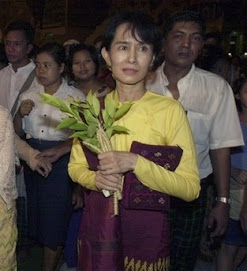


 Posts
Posts


