News & Articles on Burma
Friday, 08 April, 2011
-------------------------------------------------------------
Thein Sein Urges 'Decentralization'
Conflict in Shan State Spreading
Suu Kyi wins global women’s award
Wise man on the hill
Home News Burma seeking membership in ASEAN parliament
Suu Kyi Named 'Voice of the Decade'
Inside the KIA—Ramping-Up and Staying Alert
ASEAN battles ‘hot money’ inflows
Myanmar likely to deport detained Canadian
Time to close Burma camps, says Thai governor
19 'Taliban' Appear in Arakan Court
---------------------------------------------------
Thein Sein Urges 'Decentralization'
By KO HTWE Friday, April 8, 2011
In an address to his union-level, region and state ministers on Wednesday, Burma's new president, ex-Gen Thein Sein, seemed to urge greater government decentralization while at the same time admonishing lower-level organizations to stay within the policy framework set by the central government.
“Now, a new system and new era have emerged. So it is required to make changes in ideas and procedures,” said Thein Sein, according to a report of his speech by The New Light of Myanmar, a state-run newspaper.
“Duties and responsibilities have been assigned to the respective ministers of states and regions,” The New Light of Myanmar reported that Thein Sein said. “The centralization has been reduced and states and regions have been entrusted with rights and powers. They will have to take charge of their own duties.”
The president said that ministers need to work with “initiative, dynamism and conviction without waiting for exhortation.”
Thein Sein acknowledged that there would be initial difficulties in distinguishing between the tasks to be carried out at the union level versus the state/regional level, but said that “experience would solve the problem.”
No specific areas of decentralization were mentioned. Thein Sein said that that local ministers should encourage the development of private businesses in their region, and urged both union and state/regional level ministers to perform their respective duties to ensure the country's transportation system was in good condition.
And while speaking in general terms about decentralization, Thein Sein admonished the ministers to toe the national party line in carrying out their local responsibilities.
“Ministries should know the national policy, objectives and goals and should always work within their framework,” Thein Sein said, while warning the ministers that they can be held accountable for what they have done. “Moreover, they should be aware of the acts that may harm the interest of the people and tarnish the reputation of the country and undermine the nation's sovereignty.”
Thein Sein also included people outside of government in his decentralization policy. He urged the people to work on a self-reliant basis for their socioeconomic development instead of relying solely on the government, saying that the only duty of the people is to work and the government on its part should create job opportunities and levy taxes.
For many politicians and observers, Thein Sein's words about decentralization have little hope of becoming a reality because, they say, he himself cannot do anything without the consent of the commander-in-chief.
All Mon Regions Democracy Party chairman Naing Ngwe Thein said, “They [the government officials] have been using a word like that [decentralization] for a long time. Every important thing is controlled by the central government under the new Constitution, but they don’t mention details on decentralization.”
“The new minister of Arakan State calls all the business from the state. After the discussion, he [the Arakan State minister] said that he has to inform the central government and has no right to decide on his own,” said a businessman from Arakan State.
The president must make all important decisions with the agreement of the National Defense and Security Council, so Thein Sein's speech will be remain just talk, said Aye Thar Aung, an Arakanese leader.
“The authorities of the state and regional governments and legislatures are centralized and have little chance to change. If they want to change freely they will face threats under the Constitution, so state and regional governments do not dare to do this,” said Aye Thar Aung.
“It is not likely he can build a decentralized system. He [Thein Sein] always capitulates to the commander-in-chief,” said Sai Leik, the spokesperson of the Shan Nationalities League for Democracy.
“He [Thein Sein] can do nothing without the knowledge of Snr-Gen Than Shwe. It is not easy for his words to take shape because they have many changes to make in the ministries,” said Phyo Min Thein, a politician based in Rangoon. http://www.irrawaddy.org/article.php?art_id=21107
---------------------------------------------
Conflict in Shan State Spreading
By KO HTWE Friday, April 8, 2011
The ongoing conflict between Burmese government troops and Shan State Army-North (SSA-North) Brigade 1 has spread to additional townships in southern and northern Shan State, according to sources.
Speaking to The Irrawaddy on Thursday, Saengjuen Sarawin, an editor with the Shan Herald Agency for News, said that clashes between government troops and SSA-North Brigade 1 are taking place every day.
“The military operation is named 'Zwe Man Hein.' At first the clashes were limited to 5 townships, but now they have spread to nearly 10 townships,” said Saengjuen Sarawin.
There has been continuous fighting since February between Burmese government forces and SSA-North Brigade 1 in Mongshu, Tangyan and Kyathi townships, causing many residents to flee the area.
Military sources said that the SSA-North may be receiving support from the Shan State Army-South (SSA-South). However, SSA- South spokesman Sai Lao Hseng denied these reports, saying that he had no information about clashes between the SSA-South and government troops.
“If the SSA-North enters our territory, we support them in ways such as sharing information,” said Lao Hseng.
The Burmese army ordered SSA-North Brigade 1 to evacuate its headquarters in Kyethi Township by the end of March.
“The Burmese army placed troops near the headquarters of the SSA-North, so they moved outside their territory and the clashes spread to more townships,” said Saengjuen Sarawin.
Brigade 1 controls territory in Kyethi and Monghsu townships in southern Shan State, as well as Mongyai and Tangyan townships in the northern part of the state.
There are reports that the Burmese government offered to negotiate with the SSA-North, but officials from the SSA-North deny these reports.
Meanwhile, unnamed armed groups fought with government troops in the area of the Golden Triangle on Wednesday, resulting in many Burmese army casualties, said Saengjuen Sarawin.
In addition, one resident was killed and three injured on Monday when an explosion took place in the worker accommodation building for a battalion based in Kali in Kunhing Township, according to residents.
“Unknown people threw hand-grenades into the house of a contractor.
Residents don’t want to talk about the event. The culprit has not yet been arrested. They [officials] say that the perpetrator is from the Shan army because of dissatisfaction among them,” said a resident from Kali.
A breakaway faction of SSA-North Brigade 1 is led by Col Pang Fa and is estimated to be the strongest of the SSA-North's three brigades with some 3,000 troops. Unlike the SSA-North's other two factions—Brigades 3 and 7—Pang Fa's unit refused to join the regime's Border Guard Force (BGF) plan under Burmese army command.
Since last year, the Burmese regime has pressured 17 cease-fire armies to accept the BGF plan, but only a few have joined. The others, including the United Wa State Army (UWSA) and the Karen Independence Army, have refused.
The UWSA and the SSA-South, which never signed a cease-fire with the junta, have offered support to SSA-North Brigade 1 since it resumed hostilities with the Burmese army. http://www.irrawaddy.org/article.php?art_id=21101
------------------------------------------
Suu Kyi wins global women’s award
By DVB
Published: 8 April 2011
Burmese democracy icon Aung San Suu Kyi will follow in the footsteps of international dignitaries such as Hillary Clinton and Melinda Gates next week when she is honoured with the prestigious Global Trailblazer Award.
The honour comes as part of the Global Leadership Awards given annually by the US-based women’s empowerment group, Vital Voices.
The 65-year-old Nobel laureate will also be named Voice of the Decade when she receives the award from Clinton, who was last year’s winner, at a ceremony in Washington on 12 April.
Suu Kyi of course will not be present at the ceremony – the Burmese government, which released her from house arrest in November last year, has said she is free to leave the country, but the chances of her being allowed to return are slim.
Vital Voices says that potential honourees include “social entrepreneurs, political representatives, businesswomen, human rights defenders and civil society advocate.
“From remote villages and wired cities, they promote equality, peace and prosperity as innovators who transcend barriers to move whole communities forward.”
The democracy icon is no stranger to awards, having been honoured with the Rafto Prize and the Sakharov Prize for Freedom of Thought in 1990, and the Nobel Peace Prize the following year. The Indian government has also honoured her with the Jawaharlal Nehru Award for International Understanding, and Venezuela with the International Simón Bolívar Prize.
http://www.dvb.no/news/suu-kyi-wins-global-women%E2%80%99s-award/15240
----------------------------------------------
Southeast Asia
Apr 8, 2011
Wise man on the hill
By Bertil Lintner
CHIANG MAI - There was hardly a vacant seat in the Protestant church by the Ping River in the northern Thai city of Chiang Mai for the funeral. American veterans of the Indochina war mixed with Thai and foreign residents, missionaries and intelligence officers, Lahu and Wa tribesmen, and even some wildlife conservationists.
Wreaths came from a group of people who fought in the secret war in Laos in the 1960s and call themselves the "Unknown Warriors Association 333", former United States Agency for International Development (USAID) workers, the US Drug Enforcement Administration (DEA), and across the border in Myanmar the rebel Shan State Army.
All of them had come to say farewell to former US Central Intelligence Agency (CIA) officer William Young, who on April 1 ended his own life after suffering from severe emphysema and other ailments, aged 76. He was found dead in is home in Chiang Mai with a handgun in one hand and a crucifix in the other. Young was a warrior but also a devout Christian. As the turnout at the funeral showed, Young was a legend long before he died.
His life and that of his family reflected the ups and downs of more than a century of American engagement with Southeast Asia, its most glorious days as well as its most controversial. At the turn of the last century, William Young's namesake, his grandfather William Young, opened a Baptist mission in Kengtung in the eastern Shan states of Myanmar, then known as Burma.
While the staunchly Buddhist plainspeople ignored the Christian gospel he proselytized, Lahu hill-tribesmen flocked to him by the thousands. Like many other hill peoples, the Lahu had a tale about a "white God" with a book who was destined to save them.
The older William Young was indeed white and carried a Bible under his arm. The prophecy seemed to be fulfilled and a record number of baptisms were carried out in the Kengtung hills. His sons carried on his work, Harold among the Lahu and Vincent among the Wa, who were still headhunters when the Youngs first ventured into their area which straddled the border between Burma and China. They founded churches, missionary schools and devised the Roman script for both the Lahu and Wa languages.
Harold's son, William Young, was born during a family visit to California in 1934 but he grew up in the Shan states and became fluent in several local languages, including Lahu and Shan. He later learned Wa, Thai and the northern Thai dialect as well as some Hindi and Chinese. Hindi was added after the Young family was evacuated to India when the Japanese invaded Burma in 1942, and young William attended the Woodstock school in Mussoorie in the hills above Dehra Dun.
When the war was over the Youngs returned to Burma, and Harold, although an American, was appointed as administrator of the Wa Hills by the British colonial power. That lasted until Burma's independence was achieved in 1948. The Youngs moved to northern Thailand where the father, Harold, founded the Chiang Mai zoo and the mother, Ruth, built up the American University Alumni (AUA), which is still one of the most popular places in the city to learn English.
By then, however, Harold Young was already closely connected with US intelligence, during the war with the Office of Strategic Services (OSS) and later the CIA. The recruitment of missionaries into America's spy agencies was not a coincidence. Britain and France had intelligence agencies which were well established in different parts of the world due to their status as global colonial powers.
The US, in comparison, had no coordinated external intelligence agency until World War II, but after the Japanese attack on Pearl Harbor in December 1941 Washington realized that it was of utmost importance to develop one. The need became even more pressing after the end of World War II and the beginning of the Cold War, where espionage was given the highest strategic priority.
The OSS was formed in 1942 and the CIA in 1947. But unlike the colonial powers at the time, the US had no old network of operatives and local intelligence assets from which to draw. There was one exception, though: the Christian missionaries. They had over the years acquired in-depth knowledge of local cultures and languages, and some - among them the Youngs - enjoyed a near-godlike status in their respective communities of Christian converts.
Like father, like son
From their base in Chiang Mai, Harold Young and his eldest son Gordon trained Lahu paramilitary units for intelligence work inside Burma and, more importantly, China, where the communists had seized power in 1949. The younger son, William, was recruited by the CIA shortly after he had finished service with the US army in Germany in the mid-1950s.
When the Indochina war escalated in the early 1960s, William, with his unique linguistic capabilities, was ideally placed to help organize the "secret war" in Laos, which had to be clandestine because Laos's neutrality was guaranteed under the 1962 Geneva Agreement.
No foreign troops were supposed to be in Laos but North Vietnamese forces supported the communist Pathet Lao in the north and northeast, and in other parts of the country CIA operatives were active working alongside Thai special forces known as the Border Patrol Police Aerial Reinforcement Unit (PARU).
The head of the operation, William Lair, was equally legendary and Young became one of his most trusted officers. Alfred McCoy, the author of the classic The Politics of Heroin in Southeast Asia, wrote that "since Young had grown up in Lahu and Shan villages in Burma, he actually enjoyed the long months of solitary work among the hill tribes, which might have strained the nerves of less acculturated agents". Author Francis Belanger referred to Young as "perhaps one of the most effective agents ever".
Young built up a pan-tribal army and recruited a remarkable team of 16 Lahu and Shan operatives he called "the Sixteen Musketeers". He also worked with Vang Pao's ethnic Hmong army - and a little-known unit of Nationalist Chinese soldiers called by its French name, Bataillon Special 111. Manned mainly by ex-prisoners of war (POWs) from the Korean War who chose to go to Taiwan rather than being repatriated to China, they were given special training by the nationalists.
The most trustworthy had been chosen for special operations in the mainland, but to prevent defection they had slogans like "Death to Communism!" tattooed on their arms. A group of them was sent to Laos, where they remained for years as the most secretive of all the mercenary units that were deployed there during the so-called "secret war". Young worked with Bataillon Special 111 in the Phatang area on the Thai-Lao border, from where they were sent north into China to wiretap telephones and collect intelligence.
What had begun as a relatively small but highly effective operation turned into a massive war effort when Theodore Shackley, a new brash CIA station chief, arrived on the scene in 1966. Fresh from the Cuban missile crisis and Germany, Shackley had little or no understanding of local sensitivities in countries such as Laos. Vang Pao's Hmong army was built up into a massive force of tens of thousands of men - and, as Young once told this writer, "People like me became thumbtacks on the map on his wall in his Vientiane office."
Within a year of Shackley's arrival, Young soon fell out with the CIA and the inevitable happened: he left the agency, accused by some of "insubordination". He returned to his family's farm north of Chiang Mai a bitter man and felt that the US government had dealt its hand extremely clumsily in Laos.
Years later he often talked about how "my country", as he always said, should be more understanding of local conditions and cultures. He came across the same problem when in the 1980s he trained security personnel for the Chevron Oil Corporation in Sudan. While Young spent most of his time in the company of Sudanese officers, his colleagues drank and played cards together with little or no interaction with anyone from the host country.
But Young's life was not confined to war and training security personnel. After leaving the CIA in the late 1960s he served as an assistant and interpreter for the American archeologist Chester Gorman, with whom he excavated ancient spirit caves in the backwoods areas of Mae Hong Son and Kanchanaburi provinces in Thailand.
Their findings provided a breakthrough in Thai archeology and Young was proud to have helped fill in the gaps of work previously done by the French in Indochina and the British in Burma. He also ran a guesthouse in Chiang Rai and in later years worked as a consultant for the US DEA.
Many locals in Chiang Mai and elsewhere would argue that Young's passing marked the end of an era. Today's intelligence operatives come from entirely different backgrounds and generally don't have the same experience and local knowledge as Young provided - as the US's many misadventures across the globe are clear and glaring testament.
Bertil Lintner is a former correspondent with the Far Eastern Economic Review and the author of Burma in Revolt: Opium and Insurgency Since 1948 and several other books on Myanmar. He is currently a writer with Asia Pacific Media Services.
(Michael Black and David Lawitts, who conducted and compiled several hours of interviews with William Young, contributed to this story.)
(Copyright 2011 Asia Times Online (Holdings) Ltd. All rights reserved. Please contact us about sales, syndication and republishing.) http://www.atimes.com/atimes/Southeast_Asia/MD08Ae01.html
----------------------------------------------------
Home News Burma seeking membership in ASEAN parliament
Burma seeking membership in ASEAN parliament
Thursday, 07 April 2011 22:19 KNG
The new government of Burma is trying to become a member of the Association of South East Asian Nations (ASEAN) Inter-Parliamentary Assembly (AIPA), by sending its representatives to the AIPA’s conference in Cambodia, according to a member of the Constitutional Drafting Department of the Burmese Pyitu Hluttaw (People’s Parliament).
He said the representatives attended the conference from April 2 to 5 as part of Burma’s efforts to become a long term member of the AIPA.
The representative group was led by former ambassador and mayor of Rangoon, Hla Myint (also an ex-Brigadier General) and included Immigration Office Director, Khin Maung Than, as well as Amyotha Hluttaw Constitutional Drafting Department Vice President, Mya Nyein and Amyotha Hluttaw Constitutional Drafting Committee Member, Hkyet Hting Nan.
The General Assembly (Pyi Htaung-Su Hluttaw) announced on March 28th it agreed to seek long term membership in the AIPA.
Burma will become the ninth member in the AIPA if approved by the assembly. The present members include Cambodia, Indonesia, Laos, Malaysia, Philippines, Singapore, Thailand and Vietnam.
That would leave Brunei as the last of the 10 ASEAN member countries without membership in the AIPA. http://www.kachinnews.com/news/1883-burma-seeking-membership-in-asean-parliament.html
--------------------------------------------
Suu Kyi Named 'Voice of the Decade'
By LALIT K JHA Friday, April 8, 2011
WASHINGTON — US Secretary of State Hillary Clinton will honor Aung San Suu Kyi, the pro-democracy icon of Burma, with the Global Trailblazer Award and named “Voice of the Decade” at a glittering ceremony in Washington on April 12.
Aung San Suu Kyi will not be attending the ceremony, said organizers of the event, Vital Voices, the international NGO dedicated to empowering women leaders around the world. The awards honor and celebrate women leaders on the front lines of positive political, social and economic change who are strengthening democracy, increasing economic opportunity, and preserving human rights.
Nobel Peace Prize winner and leader of the Burmese democracy movement, Suu Kyi will be honored with the Global Trailblazer Award. The gala will feature a special on-camera interview with Suu Kyi conducted last month by Vital Voices in Rangoon.
Suu Kyi, released from years of house arrest last November, is not guaranteed entry back in to Burma if she leaves the country.
“Vital Voices Global Leadership Awards are unique,” said Vital Voices board of directors chair Susan Ann Davis.
“The awards provide additional credibility and often additional security for courageous women leaders, helping to strengthen their leadership and accelerate progress in their communities,” Davis said.
Among other honorees are: Sunitha Krishnan of India, an anti-human trafficking pioneer and co-founder of the NGO, Prajwala; Liron Peleg-Hadomi and Noha Khatieb of Israel, who have defied the Zionist regime by reaching across the cultural barriers dividing Jewish and Arab Israelis; Kah Walla of Cameroon, a businesswoman and elected official working to advance the economic status of the women in her country; and Fatema Akbari of Afghanistan, an entrepreneur who uses her carpentry business to promote economic independence for the women in her community.
“It is humbling to share a stage each year with these incredible women,” said Vital Voices president and CEO Alyse Nelson.
“They are social entrepreneurs, political representatives, businesswomen, human rights defenders and civil society advocates. From remote villages and wired cities, they are innovators who transcend barriers to move whole communities forward.” Nelson said. http://www.irrawaddy.org/article.php?art_id=21102
--------------------------------------------
Inside the KIA—Ramping-Up and Staying Alert
By ALEX ELLGEE Thursday, April 7, 2011
LAIZA, Kachin State—Sitting in an airy hall at a Kachin Independence Army (KIA) training camp, young cadets take turns explaining to their commander why they joined the ethnic militia. “I joined to follow the revolutionary principles of our leaders and will fight for independence from Burma,” one cadet bellows in a hoarse voice.
The fact that the KIA signed a ceasefire agreement with the Burmese regime 16 years ago appears to have had little effect on the young cadet’s fighting spirit, and the rest of the group express similar revolutionary sentiments— all saying they yearn for independence.
The forty-odd young cadets have just completed a two-month-long heavy artillery course. “It’s the first one in six years,” says one of the KIA trainers. “We need to be ready for anything.”
For most of the six-year period since the last artillery training took place, the KIA was reaping the benefits of the ceasefire. In the absence of any raging conflict, a variety of Chinese companies set up business in KIA territory to profit from the resource-rich region.
“We didn’t feel the need for artillery school then, it was a peaceful time,” says the KIA trainer.
During the time of relative peace and quiet, investors in jade mines, logging operations and hydro-dams helped build an infrastructure in parts of the KIA-controlled areas of Kachin State equivalent to that of towns in China. Laiza, where the KIA headquarters is located, has well-built roads, good communications and a string of hotels.
However, in the last year things have taken a turn for the worse and the extended time of relative peace and stability in Kachin State may soon come to an end.
Due to the KIA’s rejection of the regime’s Border Guard Force (BGF) proposal, under which their militia would be placed under the command of the Burmese military, tensions have increasingly escalated with the Burmese generals. In recent months, over twenty KIA liaison offices have closed their doors and all official communication with the regime has ceased.
Now both sides are preparing for war—while the Burmese military reinforces its troops, the KIA is crafting plans to defend against a looming regime offensive
Standing over a trench on “Prostitute Hill”—a title inherited from colonial times when decadent British soldiers allegedly flew in local sex workers by helicopter for the weekend—Maj Aung Myat says the hill would be the first point of attack by the Burmese military.
“They really want this hill, it’s the closest to our headquarters,” he says.
Despite the tensions, life is currently normal on top of the windy hill—but may not remain that way. “This can change at any time,” says the KIA base commander. “We are prepared though, and have reinforcements at the ready.”
At another training camp located down a dusty windy road, men in green boiler suits cram into a one-story lecture hall. The topic is military leadership, and the 150 students furiously scribble down notes—they have come from villages and towns across Kachin State to get leadership training for the purpose of defending their villages in case war breaks out.
Their training commander is Kyaw Pan, an unshaven middle-aged man. While sitting at a bamboo table and sipping tea in what used to be a medical school before tensions escalated, he says the group is being taught combat fighting, Chinese language, first-aid and leadership skills with the intention of organizing thousands of militia troops spread out across Kachin State.
“The purpose of militia training is so in a time of need, manpower across the whole of Kachin State can fight back for our cause,” says Kyaw Pan. “Depending on garrison and guerilla tactics, each of the militia officers can defend their village from a Burmese military attack.”
The renewed KIA training has caught the attention of the junta, which has already issued arrest warrants for anyone suspected of attending the course. In addition, according to Kyaw Pan, searches at checkpoints going in and out of KIA territory have become more vigorous, as has the level of questioning. As a result, none of the students can have their photos taken.
Another long windy drive from the militia training up into the mountains leads to Laison, the former headquarters of the KIA where the cold air and mountainous terrain make for a Himalayan ambiance. Residents wear several layers to protect against the chill and the high cold winds have turned their exposed cheeks dark red.
The KIO’s central committee made the decision to move from this highland stronghold to Laiza in 2003 for commercial reasons. Laison is on the border with China, but on the Sino side there is little for miles, while down in Laiza there is more commercial opportunity as the town has roads leading directly to major trading cities.
Yet for many KIA officers, the near ghost town of Laison remains vitally important because they view it as their last line of defense. “It’s the heart of the KIA,” says Major Aung Myat, while looking admiringly over the town. “Even if we lose Laiza, we could stay here forever, it’s our stronghold. The KIA will never lose this place.”
In fact, the last time there was all out fighting between the KIA and the regime—which occurred before the ceasefire agreement was signed—the hills above Laison were indeed the last line of defense. For months, the KIA defended against advances by junta forces without budging an inch.
Before the move to Laiza, all the ethnic Kachin government and military headquarters were stationed in Laison. Now all the buildings are empty apart from a few soldiers left behind as caretakers. However, things have been busy here this year. In preparation for renewed war, the KIA has built over 40 new buildings in case an emergency evacuation of Laiza becomes necessary.
The Burmese army has also been making preparations. In recent months, reinforcements have been sent to front-line posts and supply shipments have increased. In addition, the KIA reports increased pressure on their troops by the Burmese army.
Sitting in his command post at the KIA's Brigade 5 headquarters, Maj La Din says the main source of recent conflict has been the drug eradication programs the KIA has been attempting to carry out.
“We try to do the drug eradication in our area, but the Burmese junta always disturbs us by telling us not to go there, or going to the area first,” he says. “They want to label us as drug producers in the eyes of the international community.”
According to Naw Bu, who heads up the Kachin anti-drug program, they tried working with the junta before, but it failed.
“They kept taking bribes and not doing the job,” he says while sitting in the drug rehabilitation centre in Laiza, where they are currently treating over 150 patients. “If we let the regime take tax, the drug problem will get out of control and we will lose our Kachin youth and identity.”
The disagreement over drug eradication is not the only dispute igniting conflict. In February, a Burmese military commander was killed when fighting broke out in an area near the Myitsone Dam—which the KIA say the junta has not officially asked permission to build.
Since the incident, armed conflict has nearly flared several times when Burmese troops entered KIA territory.
While the Burmese soldiers used to come freely in and out of Kachin State, this is no longer the case. Strict warnings have been made, and both sides have been arresting soldiers who “trespass.”
In addition, the regime has been utilizing political as well as military means to pressure the KIA. Following a land mine explosion near a dam, state-run The New Light of Myanmar referred to the KIA as ‘insurgents” for the first time since the ceasefire.
Lama Gum Hpan, the secretary of the Kachin Independence Council (KIC), called the renewed labeling of the KIA as “insurgents” by the junta mouthpiece “unacceptable.”
“In the Burmese editions they don’t even use the correct terminology, they just call us a mob, or terrorists,” he says while sitting in a meeting room at the KIO headquarters that overlooks the Laiza valley. “Whatever they call us, we consider ourselves to be a government, with typical governmental structures.”
“We will never sign the BGF,” Lama Gum Hpan says. “It gives us no political power to help our people, it only limits us to the border area and it will mean all our people will lose their Kachin identity and ethnic rights.”
“If we accept it, then the whole struggle by the people for our Kachin land will be in vain,” he adds.
Lama Gum Hpan says that if the new Burmese government were willing to work with the Kachin people to “form a real and authentic federal union,” then the KIO would help them to do so and join the army. The Kachin people, he says, have always been committed to this under the conditions of the Panglong Agreement.
“When our leaders signed the Panglong Agreement,” he says, pointing to a black and white photo of the signed document and another of the signing ceremony, “we agreed to support the union, to join in a whole army and work together to improve the union. We did not agree to become a BGF.”
Despite the high hopes which the KIO and other ethnic groups had for the Panglong Agreement when it was signed, Major Soe Win, the commander of the Burmese army’s Northern Regional Command, was reported to have said, “The age of Panglong has been canceled and it is gone now.”
Lama Gam Hpan completely dismisses Soe Win’s viewpoint, but says that this attitude by the junta was one of the reasons why the KIA decided to work with other ethnic groups to form the United Nationalities Federal Council—Union of Burma (UNFC).
“We are still in the process of preparing the UNFC constitution, but if all goes to plan, all the ethnic groups involved will have to abide by a series of principles to help and support each other,” he says.
If the various ethnic groups are able to come to an agreement on the conditions for working together, the resulting alliance could have a significant impact. For example, the KIA or the United Wa State Army (UWSA) could be bound to provide military support to the Shan State Army-North or any other ethnic group who becomes engaged in conflict with the Burmese army.
At present, however, there are disagreements between “state-based organizations” and “nation-based organizations.” The UWSA is also reported to be reluctant to agree to provide military support to other ethnic groups.
“The idea for the UNFC came about after everyone rejected the BGF—it is a collective effort by the ethnics to find a political situation to Burma’s ethnic problems,” says Lama Gam Hpan.
He says that the KIO hopes that the new Burmese government will work with and seek dialogue with the new coalition “to bring peace and stability in Burma.” However, he wants the UN and other members of the international community to act as mediators in the dialogue.
“If there are no international observers, then Burma will never get peace,” he says.
At a basic training camp down the hill from the KIO headquarters, a rag tag bunch of new recruits, once again in plain green boiler suits, undergo drill training as the sun fades behind a mountain. They are comprised of a mixture of scrawny women and men—some old—and from a variety of ethnicities.
Half the group has wooden guns. “We had to send the others to the front-line in this tense time,” explains a Major.
Owing to the increase in recent tensions, the trainers at the cadet school say there has been an increase in “public interest” in joining the KIA. Another reason for a recent surge in recruits is the announcement by the Burmese government of a military draft.
Aw Pang, a skinny young man from northern Kachin State, says his parents sent him to the camp when they heard about the draft.
“They told me I will either have to fight for the junta or for the Kachin,” he says, before scoffing down a big bowl of rice. “I obviously want to be fighting for my Kachin people when fighting does break out.”
While Aw Pang and other recruits anticipate battle, few are certain when the call to fight will come.
One leader of the officer-training academy—who while ethnically Kachin is a former Burmese military commander who defected to the KIA after a 26-year career fighting ethnic rebels—doesn’t see the regime launching an attack in the next two years.
“They will not be in a political situation to do so—they are trying gain legitimacy from the neighbors,” he says. “Instead they will just try to place more political pressure and economic restrictions on us, they will try to break us down with divide and rule tactics.”
It seems that many in the KIA are under the same impression, as the mood is relatively relaxed around Laiza. Civilians continue to come and go and business is busy as usual. The KIA is even eyeing a plot of land opposite the city to develop a new commercial zone.
But Aung Kyaw Zaw, a military analyst on the Sino Burma border, believes fighting will start after the rainy season is finished in June.
“The Generals are very uncomfortable with this situation,” he says while sitting outside a teashop in the border town of Jiegao. “They can’t deal with the fact there is more than one army, they will take out the Kachin next.”
Aw Pang, the slender cadet from the basic training academy, seems unconcerned about when the fighting will start, but expresses his commitment to the Kachin cause.
“I’m ready to die for my people, and for my land,” he says before marching off to his next drill.
Copyright © 2008 Irrawaddy Publishing Group | www.irrawaddy.org
http://www.irrawaddy.org/article.php?art_id=21090
------------------------------------------------
ASEAN battles ‘hot money’ inflows
By AFP
ASEAN Secretary-General Surin Pitsuwan delivers his address during the recent ASEAN Finance Ministers? Investor Seminar in Kuala Lumpur (Reuters)
Southeast Asian finance ministers meet Friday for talks expected to focus on capital controls to shield the region’s booming economies from destabilising “hot money” inflows.
With Europe’s sovereign debt crisis spreading to Portugal and much of the developing world’s economies still in the doldrums after the global financial crisis, Asia has become a magnet for capital seeking better returns.
But much of the foreign capital has been in the form of volatile portfolio investments which can be withdrawn just as quickly as they were injected, raising fears for stability in economies that are leading the global recovery.
“We can intervene but we don’t know exactly how to do so. In the past few days the inflows have been huge,” Indonesian central bank Deputy Governor Hartadi Sarwono told reporters on Thursday.
“The capital inflows are so massive, and they don’t just flow to Indonesia but in the region.”
Indonesia’s rupiah hit four-year highs against the greenback earlier this week and inflation is running at more than 6.5 percent, underlining concerns that the region’s more successful economies may be close to boiling point.
Indonesian President Susilo Bambang Yudhoyono is expected to open the meeting of finance ministers from the 10-member Association of Southeast Asian Nations (ASEAN) on the resort island of Bali.
ASEAN chief Surin Pitsuwan will attend, as will World Bank managing director Sri Mulyani Indrawati – a former Indonesian finance minister – and officials from the International Monetary Fund and Asian Development Bank.
Indonesia, which holds the current chair of ASEAN, has said the ministers will also discuss food security and progress toward a planned common market in the region of more than 500 million people by 2015.
The ASEAN region grew at around five percent last year, up from 1.5 percent in 2009 in the aftermath of the global credit crunch.
The block includes Brunei, Burma, Cambodia, Laos, Malaysia, the Philippines, Singapore, Thailand and Vietnam.
Analysts say Asia’s emerging economies are poised for another year of solid growth in 2011 even if the impact of the catastrophic earthquake and tsunami in Japan remains unclear.
But inflation is a key concern for the region, which faces tighter monetary policies as authorities seek to temper price rises including in food staples such as rice.
The ADB warned this week that some developing economies were showing signs of “potential overheating” and said more flexible exchange rates and capital controls could help curb soaring prices.
Governments have tried a range of responses to hot money but capital controls, such as transaction taxes and currency restrictions, have until recently been scorned by economists as unnecessary interference.
In February the IMF recognised that such controls were justified in the face of destabilising imbalances in the global economy.
In a recent report on Asian economies, Standard and Poor’s ratings agency said regional central banks might consider further capital controls and other actions to prevent risky asset bubbles.
Within Southeast Asia, it said Singapore’s growth would moderate sharply to 4.5-5.0 percent from 14.5 percent last year, Malaysia would expand 4.8-5.3 percent and Indonesia would grow 5.9-6.4 percent from 6.1 percent.
The Philippines was forecast to grow 5.1-5.6 percent from 7.3 percent and Thailand’s growth would ease to 4.0-4.5 percent from 7.8 percent.
http://www.dvb.no/news/asean-battles-%E2%80%98hot-money%E2%80%99-inflows/15231
-------------------------------------------
Myanmar likely to deport detained Canadian
Friday, 08 April 2011 05:13
YANGON: A Canadian man who was arrested in Myanmar after illegally crossing the border from Thailand will probably be deported, Myanmar officials said yesterday.
Ron Zakreski, 61, was detained on March 24, apparently while taking photos of the scene of an earlier battle between Myanmar government troops and Karen ethnic minority rebels. He is being held in the border town of Myawaddy.
He was brought before a court on March 30 and charged with violating Myanmar’s immigration law. “After he’s sentenced, he is likely to be deported,” said a Myanmar official who declined to be named.
A second official said: “He crossed the border illegally so he will be charged as he broke immigration law. The authorities will take him to Yangon.”
Zakreski, a retired psychologist, is described by his family in Canada as a veteran traveller and part-time photojournalist. Canada, which has no diplomatic mission in Myanmar, has said it is aware of the detention of one of its nationals and is gathering information through its embassy in Bangkok.
Australia is also assisting in the matter. Myanmar, where power was recently handed from the long-ruling junta to a military-backed government, usually deports foreigners who enter the country illegally instead of imprisoning them.
In November, a Japanese video journalist was arrested after crossing the porous border from Thailand to cover Myanmar’s first election in 20 years.
He was deported days later, after fighting erupted between government forces and ethnic insurgents near the place he was being held in Myawaddy. AFP http://www.thepeninsulaqatar.com/s.-asia/philippines/148247-myanmar-likely-to-deport-detained-canadian.html
-------------------------------------
Time to close Burma camps, says Thai governor
Refugees of the Karen peoole - mainly from southern Burma - at the Mae La refugee camp in northern Thailand. [AFP]
Last Updated: 7 hours 1 minute ago
The governor of Thailand's Tak Province says it is time to consider repatriating voluntarily Burmese refugees along the Thai-Burmese border.
Tak Province hosts thousands of Burmese refugees and many more migrants live and work in the province's main town, Mae Sot.
The comments from governor Samart Loifah came after Burmese dictator Than Shwe announced the dissolution of the State Peace and Development Council - the ruling regime in Burma since it seized power in a military coup in 1988.
AlertNet reported that Samart Loifah said Burma is no longer violent, and Thais should start considering asking the refugees to return voluntarily.
He also urged international donors to reduce funding to the refugee camps to encourage people to leave Thailand, said the report.
There are around 145,000 people in nine Burmese camps along the Thai-Burmese border. http://australianetworknews.com/stories/201104/3185973.htm?desktop
--------------------------------------
19 'Taliban' Appear in Arakan Court
By KHIN OO THAR Friday, April 8, 2011
Nineteen Muslim men, who were arrested last month in western Burma for alleged ties with the Taliban, appeared before a court in Maungdaw on Wednesday for a preliminary hearing, according to sources in Arakan State.
Burma's Border Security Forces—a combination of army, police, immigration and customs, known commonly in Burmese as the Nasaka—arrested nearly 100 Muslim men in Maungdaw Township, Arakan State, in early March, and accused them of belonging to a terrorist ring linked to the Taliban.
A lawyer in Maungdaw told The Irrawaddy that the Nasaka had filed a case against the men under Articles 17 (A) and (B) of the Unlawful Association Act and, on April 6, a jury led by Maungdaw District judge Soe Lwin started questioning 19 of them.
“Three lawyers … are preparing to defend the case of the 19 Muslims,” said the lawyer. “The next court hearing will be around the 23rd of this month.”
He said he heard the Nasaka will also bring its own prosecutors to the court. Although the trial is being presided over by the local court, the Nasaka is taking a leading role in the case, he said.
Maungdaw residents told The Irrawaddy that the suspects were arrested in Kamaungseik Village in Arakan State. The authorities immediately accused them of plotting terrorist activities. They were also accused of organizing secret training in combat and bomb-making, and a seal and documents related to the Taliban were allegedly seized at the time of their arrest, residents said.
However, not everyone is convinced as to the Nasaka's claims that there is a Taliban connection.
“Violence often takes place in this area,” said a Maungdaw resident. “Bombs and other explosives are frequently seized.”
He said the authorities have imposed frequent security checks on travelers and taken other measures aimed at preventing people from coming or going freely from predominantly Muslim areas. The Nasaka is still stopping and searching many Muslims they suspect of having connections with the arrestees.
The Maungdaw lawyer said a Nasaka official told him that there were about 400 people suspected of having political ties with the arrested men, some of whom have fled across the border to Bangladesh. The group had planned to attack religious festivals, government offices and officials, he said.
According to statistics from local organizations, over 95 percent of the population in Buthidaung and Maungdaw areas are Muslims, while the rest comprises Arakan, Burman, Mro, Khami, Chin and other ethnic groups. http://www.irrawaddy.org/article.php?art_id=21106
Saturday, April 9, 2011
News & Articles on Burma-Friday, 08 April, 2011


အေရးေပၚ ကာတြန္းျပပြဲသတင္း
ဧၿပီ ၇ ရက္ကေနစၿပီး ၁၂ရက္ေန႔အထိ ေလာကနတ္မွာ ကာတြန္းျပပြဲ ရွိပါတယ္။ Facebook သုံးေလ့ရွိသူမ်ား သတင္းျဖန္႔ေပးၾကပါ။ ႏႈတ္နဲ႔ ဖုန္းနဲ႔ ေျပာေပးၾကပါ။ ကာတြန္းေတြ ေရာင္းခ်လို႔ ရတဲ့ေငြ ၈၀% ကို သက္ၾကီး ကာတြန္း ဆရာၾကီး မ်ားကို ပူေဇာ္ ကန္ေတာ့မွာပါ။ တင္သမွ် ကာတြန္း အားလုံး ျပပြဲ စိစစ္ေရးက ခြင့္ျပဳပါတယ္။ ကာတြန္း အမ်ားစုက original ဆြဲထားတာေတြပါ။ မ်ားမ်ား ေရာင္းရမွ မ်ားမ်ား ကန္ေတာ့ ႏိုင္မွာမို႔ လူမ်ားမ်ား သိေစခ်င္ပါတယ္။ ကာတြန္းျပပြဲ ေတြက ရွားပါးတာမို႔ အခုလို ေႏြေက်ာင္းပိတ္ ရက္မွာ လူငယ္ေတြ ၾကည့္ေစခ်င္ပါတယ္။ လူမ်ားမ်ား ၾကည့္လို႔ ျပပြဲစရိတ္ ပိုမကုန္ပါ။ သႀကၤန္ပိတ္ ရက္နီးလို႔ ဂ်ာနယ္ေတြ မထြက္ေတာ့လို႔ ဒီျပပြဲသတင္း ဂ်ာနယ္မွာ အခ်ိန္မီပါဖို႔ မျဖစ္ႏိုင္ေတာ့ပါ။ လူသတင္း လူခ်င္းေဆာင္ရင္း ကာတြန္း အႏုပညာကို ကူညီေစခ်င္ပါတယ္။ မ်ားမ်ား ေရာင္းရမွ မ်ားမ်ား ကန္ေတာ့ႏိုင္မွာပါ။
ေအာ္ပီက်ယ္
Friday, April 8, 2011
News & Articles on Burma-Thursday, 07 April, 2011
News & Articles on Burma
Thursday, 07 April, 2011
-------------------------------------------------------------
An aye for sanctions
A parliament, but not as you know it
Shan rebels on offensive defense
Chinese army waiting on other side
Than Shwe Continues to Control Burma's Military
US Concerned Over Burma’s Role in Weapons Proliferation
Burmese Authorities Crack Down on VoIP Calls
Time for Refugees to Go Home?
China offers ‘hospitals-for-oil’ deal
Bangladesh seeks Burmese gas
President told of farmers’ abuse
Burma needs to erase the dictatorial traditions
---------------------------------------------------------------------------
The Economist online
Aung San Suu Kyi
An aye for sanctions
Feb 8th 2011, 16:09 by R.C. | JAKARTA
EVER since national elections in early November and then the release of Aung San Suu Kyi, the leader of the pro-democracy opposition, from something close to 20 years' in detention, Myanmar-watchers have been waiting with bated breath to see which way she and her party would jump on the tricky issue of sanctions. At last, it seems, we have something of an answer.
Maintaining Western countries’ sanctions against Myanmar and its military regime were for many years a rallying cry for human-rights activists and opposition groups. Recently though there have been calls from within that community to reassess the policy in the light of what some see as progress towards greater freedom and democracy—such as the elections, the meeting of a first parliament in 20 years, to say nothing of the release of Ms Suu Kyi herself. The pressure has been mounting. The Association of South-East Asian Nations (ASEAN) has called several times for sanctions to be lifted. More pertinently perhaps, five of Myanmar’s “ethnic-based” opposition parties recently argued for the same.
On February 7th Miss Suu Kyi’s party, the National League for Democracy (NLD), issued a statement to the effect that—after a lot of consultation and discussion—they have decided that sanctions should stay. At least for the moment. The length of time it took for the NLD to say this reflects the fact that the issue has become a subject of live debate within the party. Nonetheless, the NLD was quite clear about the fact that the progress that others have claimed to see is in fact a sham; the regime, they say, should not be rewarded for doing so very little.
The NLD rebutted the charge that the sanctions serve only to impoverish the ordinary people of Myanmar—the very people that the NLD professes to represent—rather than to penalise the regime. One NLD official, Tin Oo, was quoted as saying that after extensive research the party had found “that sanctions affect only the leaders of the regime and their close business associates, not the majority of the people.” So, that would appear to be that, then.
But not quite, I think. The NLD must be aware that it will have disappointed many policymakers and business interests in the West who have been hoping to return, if only to offer some counterweight to China and Thailand in their accelerating exploitation of Myanmar’s natural resources. Accordingly, the NLD has given itself some wiggle room. Spokesmen say that the party is keen to “listen” to the people who argue that sanctions ought be lifted, and to have more discussions. We haven’t seen the last of this matter.
http://www.economist.com/blogs/banyan/2011/02/aung_san_suu_kyi
----------------------------------------------------
A parliament, but not as you know it
A far cry from real representation
Jan 27th 2011 | Singapore | from the print edition
IN THE sprawling new capital of Naypyidaw, Myanmar’s enormous showcase parliament building awaits its first legislators. After a general election in November, the military government hopes that the opening of the bicameral parliament on January 31st, amid suitable pomp, will appear to usher in a new democratic era. Its first job will be to form an electoral college to choose a fresh president and two vice-presidents.
Also awaiting the legislators will be the new laws and rules governing their conduct, published with rather less fanfare on January 11th and running to 17 bound volumes. These give a better guide to what might be expected of the new parliament than any pronouncements by the regime. According to those who have seen the rules, MPs may not, for example, simply ask a question. They first have to submit the question to the director-general of the lower house ten days before a parliamentary session, after which it will be vetted to ensure that it does not reveal state secrets, trouble international relations, or undermine the “interests” of the state. Should the poor, defenceless question survive that mangle, the speaker of the lower house still has the right to reject it, with no appeal.
Members themselves have been warned not to bring “cameras, radios, cassette players, computers, hand phones, and any kinds of voice-transmission or recording devices” into parliament on opening day. And no citizen should even think of turning up to sample the cut and thrust of parliamentary debate. Without the direct permission of the speaker, such an enormity would warrant at least a year in prison or a hefty fine.
Both the lower and upper houses will be dominated by the Union Solidarity and Development Party (USDP), a proxy for the military government. The USDP won an overwhelming majority of seats at the election, in part because of a boycott by the main opposition party, the National League for Democracy (NLD), led by Aung San Suu Kyi, released in November from house arrest. The NLD won the previous free election in 1990.
In both houses the USDP has nearly four-fifths of the contested seats. Meanwhile, the army has a reserved quota of a quarter of all seats in both chambers, as well as in the regional state parliaments. A military-controlled parliament therefore has the means to keep dissent to a minimum. The dictator, Than Shwe, could easily win the presidency should he want it. He may, however, prefer to stay in the background and pull strings.
Parliamentary opposition, such as it is, will come from two sources, the National Democratic Force (NDF) and the so-called ethnic parties, 17 of which won at least one seat, representing Myanmar’s diverse ethnic patchwork. The NDF is made up mostly of former members of the NLD who disagreed with Miss Suu Kyi’s call to boycott the election. They won a mere 16 seats, but have been talking a good game in the run-up to parliament’s opening. Khin Maung Shwe, a senior NDF official, argues that “although we have small numbers, we have a chance to use our voice on behalf of the people.” He says that the NDF will table three motions: an amnesty for political prisoners, a new competition law for business and a new law concerning rights to agricultural land.
Still, given the numerical and procedural odds against it, the opposition will struggle to make headway. Indeed, by taking part in a democratic charade, the NDF might merely provide a figleaf for the dictatorship. As it is, ASEAN, the ten-nation Association of South-East Asian Nations, is using the opening of parliament to argue for the lifting of longstanding Western sanctions on the grounds that the country has reformed itself. Mr Khin Maung Shwe rebuffs his party’s critics, arguing that the NDF is “neither a military puppet nor on a confrontational line”.
More might be expected of the ethnic parties, as they at least have sizeable minorities in the seven state legislatures (out of 14) to which they were elected. Nonetheless, it is certain that the central government will want to keep a tight control over these assemblies too. The state parliaments will not sit in their regional capitals, as you might imagine, but in the parliament building at Naypyidaw.
The NLD, for its part, dismisses the parliament as a sham. Win Tin, a party official who was jailed for 19 years before being released in 2008, says that “the parliament is nothing. Whether inside parliament or outside, the situation is almost the same. You have no freedom of expression.”
Instead, Mr Win Tin says, the NLD can act “as a second government”. Although the NLD is still fighting in the courts to regain its legal status as a political party, forfeited because of last year’s election boycott, it realises it needs to be more creative in its opposition. One idea is to use the internet to create a sort of “online parliament”, where issues can be debated among those in opposition, both inside and outside the country. This week Miss Suu Kyi got her first internet connection. She has also been spending a lot of time visiting welfare and other programmes run by her party to try to rebuild it from the grassroots.
Despite government hopes that parliamentary sittings will sideline Miss Suu Kyi, evidence suggests that she remains as popular in Myanmar as ever. Indeed, the real test of the regime’s claims to be heading in a new democratic direction will come not in parliament but when Ms Suu Kyi tries to travel out of Yangon, taking her message to the rest of the country. That is when the regime has clamped down hard before, forcing Miss Suu Kyi to endure years of house arrest. Will it dare to do so again?
http://www.economist.com/node/18014087
-----------------------------------------------
Shan rebels on offensive defense
Wednesday, 06 April 2011 12:40 S.H.A.N.
This morning a Burma Army unit in Wanhsaw in the gemland of Monghsu was attacked by the ceasefire group Shan State Army (SSA) North whose territory was under siege by the Burma Army since early March, according to a source from the Thai-Burma border who had called up his relatives in the area.
“Explosions of shells could be heard on the phone,” he said.
Wanhsaw is only six miles east of Wanhai, until March the main base of SSA North. “It is now almost deserted,” said a Shan rebel officer. “The Burma Army can take it any time they want. We are now off to greener pastures.”
On 28 March, Palaung and other sources reported a clash took place in Namhsan as well as Namtu townships, north of the Mandalay-Lashio highway. Later on 1 April, the non-ceasefire SSA South leader Lt-Gen Yawdserk announced that the two sides had joined hands together in a fight against Burma Army forces in Mongmit township.
“When your enemy calls on you (meaning attack you),” remarked the late Khun Sa, leader of the now defunct Mong Tai Army (MTA), “it is only fair to return the favor.”
The SSA North officer, who wishes to remain anonymous for the time being, however told SHAN areas north of the Mandalay-Lashio highway were under its sway until 2005 when it had pulled out “due to the desire to preserve peace with the junta”, but it had now decided to returned to its old stamping grounds “since the ceasefire pact has been violated by the junta”.
Townships north of the highway where the SSA North is reported active are Mongmit, Kyaukme, Hsipaw, Namhsan, Namtu and Lashio.
These areas have been surveyed by Chinese firms responsible for the planned construction of the oil and gas pipelines coming from Arakan.
Other related news include arrival of more than 20 Burma Army casualties in Tangyan on 4 April. “Those critically wounded were forwarded to Lashio,” reported a local this morning.
The SSA North, that controls Tangyan, Mongyai, Monghsu and Kehsi townships, has been under attack since 13 March. Its principal ally the United Wa State Army (UWSA)s had refused to come to the aid thereby inadvertently facilitating closer relations between it and the non-ceasefire SSA South. http://www.shanland.org/index.php?option=com_content&view=article&id=3587:shan-rebels-on-offensive-defense&catid=86:war&Itemid=284
----------------------------------------------
Chinese army waiting on other side
Wednesday, 06 April 2011 22:17 KNG
China is ready to deploy troops from the People’s Liberation Army (PLA) on the China-Burma border, near Mongko Township, in Northern Shan State, Eastern Burma, as construction of a military camp in the area nears completion, according to a resident.
“All major buildings have been completed and only a small amount of construction is left to finish. Then Chinese troops will be deployed there,” residents from Mongko Township said.
china_army_pla“From the military camp they can clearly see into Burma,” said the resident.
The PLA camp is located 20 miles from the Kachin Independence Army’s (KIA) Brigade 4 camp, based in Shan State. However, it is on the road used by KIA troops to communicate with their headquarters in Kachin State.
And, the road is also strategically important for other ethnic armed groups, such as the United Wa State Army (UWSA) and Shan State Army (SSA).
The Burmese Military warned KIA Brigade 4 to avoid moving around near the China-Burma border in February.
China sent the fourth highest ranking official from the ruling Communist Party, Jia Qinglin, to meet with President Thein Sein, the leader of Burma’s new government, formerly the junta’s Prime Minister.
“We hope new Burmese government will try hard for stability and peace in the border areas,” Jia Qinglin is quoted as saying in the Chinese state run media.
“It is possible the PLA’s military camp was built on the front line to watch for instability on the border. Especially watching carefully when the UWSA and KIA refuse to follow the instructions of the Burmese military government,” said Bum Htoi, the former Captain of the Burmese Communist Party from Mongko. http://www.kachinnews.com/news/1882-chinese-army-waiting-on-other-side.html
-------------------------------------------
Than Shwe Continues to Control Burma's Military
By THE IRRAWADDY Thursday, April 7, 2011
Despite dissolving the State Peace and Development Council and officially transferring the commander-in-chief post, Snr-Gen Than Shwe has apparently retained his grip on Burma’s military, the country's most powerful institution, said sources at the Ministry of Defense (MoD) in Napyidaw.
The MoD sources said the most recent evidence that Than Shwe is still in charge of the military is that the War Office in Naypyidaw was still sending reports marked “secret” and “confidential” to Than Shwe during the week following the announcement that the commander-in-chief position had been transferred to Gen Min Aung Hlaing.
“Actually, the War Office does not need to send any reports to a retired general. But the War Office is still sending reports that are addressed to Snr-Gen Than Shwe,” said a military officer who spoke on condition of anonymity.
“Even though Snr-Gen Than Shwe does not have an office at the War Office in the Zayar Thiri area of Naypyidaw, we can read into the fact that we are still sending him reports that he is still controlling the military and still has power.”
The MoD sources added that Than Shwe remains in the senior general position and his general staff officers, Maj-Gen Nay Win, Brig-Gen Soe Shein and Col Myint Kyi, remain at their positions as assistants to Than Shwe.
Another military source said that although Min Aung Hlaing is authorized to handle a minor military reshuffle of regional military commands, light infantry divisions, regional operation commands and military operation commands, Than Shwe is still the one who will be in charge of any major military reshuffle.
Meanwhile, Lt-Gen Myint Hein, the commander-in-chief of the Air Force, and Vice Admiral Nyan Tun, the commander-in-chief of the Navy, have reportedly been promoted to general and admiral, respectively.
Following their promotion, there are now three four-star generals in Burma alongside Min Aung Hlaing. In making this move, Than Shwe apparently wanted to shift the power balance between the Amy, Navy and Air Force, said military sources.
According to government staff at ministries, Than Shwe’s portrait still remains on the walls of government offices as Burma’s top general.
“The senior general’s pictures are still at all government offices. No one told us to remove the picture,” said a staffer with the Ministry of Finances and Revenues in Naypyidaw. http://www.irrawaddy.org/article.php?art_id=21095
------------------------------------------
US Concerned Over Burma’s Role in Weapons Proliferation
By LALIT K JHA Thursday, April 7, 2011
WASHINGTON — A top Pentagon official has expressed concern over the increasing role of the Burmese military junta in regional weapons proliferation.
“Of increasing concern is Burma’s role in regional weapons proliferation, evidenced by increasing defense cooperation and procurement from the North Korea, in violation of several UNSCRs [United Nations Security Council Resolutions],” Admiral Robert Willard, the commander of the US Pacific command, told lawmakers.
Testifying before the House Armed Services Committee, Willard said Burma presents a number of challenges to regional security. Prominent among these include: violence between Burma's government forces and various domestic ethnic armies which sparks significant refugee flows into Thailand; a maritime border dispute with Bangladesh; narcotics and human trafficking; and the potential for rapid spread of pandemic disease.
“In addition, Burma's government continues to rule without respect for democracy or basic human rights,” the Pentagon commander said. “The US-Burma military-to-military relationship remains suspended as a matter of US policy and public law.”
Willard said that focused efforts by the US president, defense secretary and secretary of state have set the conditions for increased security cooperation with the Association of Southeast Asian Nations (Asean).
Accordingly, the US Pacific Command (USPACOM) now actively seeks opportunities to support Asean initiatives that complement developing coordinated, multilateral approaches to maintaining regional security, he said.
Asean and USPACOM have several convergent interests that include humanitarian assistance/ disaster relief, maritime security, terrorism and peacekeeping. “With an evolved scope and influence, Asean and its offshoots—Asean Regional Forum, Asean Defense Ministers Meeting Plus, and the East Asia Summit—offer a framework to guide regional efforts to secure the commons and underpin cooperation across governmental institutions,” Willard said in an April 6 statement.
“I think the assertions made last year by the United States, in particular (Defense) Secretary (Robert) Gates and Secretary (of State, Hillary) Clinton's very strong statements, within Asean and the Shangri La dialogue series, had an effect,” he said in response to a question.
Willard said the US has extensive interests across the rest of Southeast Asia, and USPACOM seeks to continue maturing military relations with Malaysia, Vietnam, Cambodia, Brunei and Timor-Leste.
“Malaysia maintains a strong leadership role in the region, especially combating terrorism and enhancing maritime security,” he said.
“Military relations with Vietnam continue to grow in areas such as disaster management, conflict resolution, personnel recovery, medical capability, and trafficking in persons. Cambodia is emerging as a strong supporter of US policy in the region, and activities with Laos, Brunei and Timor-Leste have expanded over the past year,” Willard said. http://www.irrawaddy.org/article.php?art_id=21091
----------------------------------------------
Burmese Authorities Crack Down on VoIP Calls
By NAYEE LIN LATT Thursday, April 7, 2011
Authorities in Rangoon on Monday raided cyber cafes to check if they still provide customers with overseas communication service through banned VoIP (Voice-over Internet Protocol) calls, according to sources.
Private Internet shop owners told The Irrawaddy that authorities from the Bureau of Special Investigation came to their cyber cafes in Kyauktada, North Okkalapa and Tamwe townships to see if the VoIP service was available.
The Myanmar Posts and Telecommunication (MPT) last month issued an official warning to Public Access Centers (PACs) and cyber cafes to stop providing VoIP services to the public. It said the increasing use of the VoIP overseas calls via Internet services such as Skype, Google Talk, Pfingo and VZO provided by PACs and cyber cafés have caused official overseas calls through the government's communication services to decline, affecting state revenue.
“Authorities in civilian clothes came to my shop on Monday and told me not to provide Internet phone call service to customers. They said legal action will be taken against me if someone is found using this service in my cafe. They said it is illegal under existing law, but they didn't specify so I don't know which law they were talking about,” said the owner of an Internet cafe near Sule Pagoda in downtown Rangoon.
“Gtalk and VZO are free services, so no matter what the MPT warns people will continue to use them. The MPT wanted to stop these services by saying that because of them the state revenue from overseas calls will be reduced. Most of the cafes exist with VoIP services, so they have continued those services although they are not allowed to do so,” said the Internet cafe owner.
Cafe owners, however, reportedly had to take down advertisements for overseas calls via VoIP services following the MPT instruction.
“When we were told to install CCTV (Closed Circuit Television) cameras in our shops we merely followed the directive because it would affect our business if our customers were not comfortable with those cameras. Owners and customers are the victims of whatever nonsense things they [authorities] do. We can survive only if we have customers. Currently, I have taken out Pfingo shortcuts from computer desktops,” said a staff member of an Internet cafe in North Okkalapa.
He said most of the cyber cafes inside Burma have two main services—overseas communication through VoIP calls and regular Internet usage.
“We continue to provide customers with Pfingo and Skype services, depending on the situation. If people have to use a normal phone to call overseas they will become paupers since calling rates are very expensive. An Internet phone call is the easiest and cheapest way to communicate between those who are working abroad and living inside the country. There can be many problems if they are more restricted and cannot make such phone calls any longer,” added the staff member.
Internet cafes have reportedly charged people 50 kyat [US $0.06] per minute for calls to Singapore, Malaysia and other Asian countries, 200 kyat [$0.23] to the US and 400 kyat [$0.46] to South Africa.
The MPT, however, has reportedly fixed rates for overseas calls using its telephone lines at $1.75 per minute to Singapore, $1.40 to Thailand and $4.50 to the US.
A source close to Myanmar Info-Tech Co. Ltd., the public company responsible for issuing licenses to open Internet cafés across the country, told The Irrawaddy that the MPT's instruction is just an attempt to squeeze public access to the Internet.
“People have to use proxies to access Facebook. They may have the same experience in accessing Gtalk in the future. It is just the MPT's attempt to slow down the Internet speed so that people cannot use the Internet or have access to it easily,” said the source.
“It is hard to follow because they [the authorities] have changed systems from one to another quite often. Nothing has taken shape soundly due to such changes. They allowed Myanmar Info-Tech to issue licenses for PACs before, but have now revoked permission to do so after finding out that such licenses can be very beneficial to them,” the source said.
The MPT reportedly acquired the PAC licenses issuing permit from Myanmar Info-Tech in early April.
“Even though the MPT has taken over PAC licensing, Myanmar Info-Tech still has to take care of what it has issued. I am not sure if it will be allowed to continue to be involved in this process because of policy changes under the new government,” said a technician close to Myanmar Info-Tech.
“Shareholders at Myanmar Info-Tech are certainly not satisfied with the withdrawal of PAC licenses,” added the technician.
A total of 802 PACs across the country reportedly registered at Myanmar Info-Tech on February 28, including 557 in Rangoon. http://irrawaddy.org/article.php?art_id=21092
-------------------------------------------
Time for Refugees to Go Home?
By SAW YAN NAING Thursday, April 7, 2011
The governor of Thailand’s Tak Province, Samart Loifah, said it is time to consider repatriating voluntarily the Burmese refugees along the Thai-Burmese border, according to a report by Reuters' AlertNet.
Tak Province hosts thousands of Burmese refugees and many more migrants live and work in the province's main town, Mae Sot.
His comment came just a few days after Burmese dictator Snr-Gen Than Shwe announced the dissolution of the State Peace and Development Council, the ruling regime in Burma since it seized power in a military coup in 1988.
Burma's notorious military junta officially transferred power to a new civilian government on March 30 led by ex-Gen Thein Sein who is the chairman of the junta’s proxy party, the Union Solidarity and Development Party.
According to AlertNet, Loifah said Burma is no longer violent, and “we should start considering asking them [the refugees] to return voluntarily.”
He also urged international donors to reduce funding to the refugee camps to encourage people to leave Thailand, said the report.
There are around 145,000 people in nine Burmese camps along the Thai-Burmese border. The international aid group that supplies the camps, Thailand Burma Border Consortium (TBBC), said about 50,000 of the refugees have not been screened and are not registered with the Thai authorities.
Loifah reportedly said he would be happy to work with the European Union (EU) and the UN High Commissioner for Refugees (UNHCR) if they began decreasing funding on their assistance to the camps to persuade Burmese citizens to leave Thailand.
Loifah was quoted as saying: “Ideally, the province [Tak] would like to be able to set a deadline for closing these camps, but realistically it’s hard to do so because of international organizations.”
Sally Thompson, the deputy director of the TBBC, told The Irrawaddy on Thursday that repatriation has always been considered by the Thai authorities as one of the solutions for the refugees, but the TBBC has not been given any indication that any repatriations are likely to happen in the near future.
She said that the TBBC has been told many times by the Thai authorities—including Thai Foreign Minister Kasit Piromya—that there will be no forced repatriation to Burma, and that any repatriations will only be carried out voluntarily and in accordance with international standards.
“We have not being informed of any change to Thai policy on Burmese refugees,” said Thompson. “We have been encouraged to provide more livelihood training in the camps to better protect refugees for the day they are ready to return to Burma.”
The Tak governor has rejected international requests that Thailand restart an abandoned screening process to determine which persons are genuine refugees, as opposed to economic migrants.
Aid agencies and donors have asked Thailand to restart its refugee screening and registration process at the camps which they say has been dormant since 2005.
The UNHCR’s regional spokeswoman, Kitty McKinsey, said that repatriations are unlikely to happen at this moment even though many of the refugees wanted to return home.
McKinsey said that she has spoken to Burmese refugees about the issue, many of whom said they wanted to return home only when Burma becomes a democratic country.
The European Commission, UNHCR and the TBBC have pressed the Thai government to loosen restrictions on the movement of residents and allow them to work outside the camps so they become more socially integrated in Thailand.
Last month, an EU delegation visited the largest refugee camp at the border, Mae La, which has a population of between 45,000 and 50,000 refugees. Following the visit, the delegation said it will provide funds for career training to Burmese refugees on the Thai-Burmese border to empower them to support themselves, but that it must reduce annual aid and supplies to the displaced.
The project aims to help Mae La refugees make enough income to support themselves, EU Commissioner for International Cooperation, Humanitarian Aid and Crisis Response Kristalina Georgieva told camp committees.
According to the TBBC, some 65,000 refugees have been resettled in third countries in the past five years, mainly in the US. The camp populations, however, remain about the same, partly due to births but also due to new arrivals.
During his trip to Mae La in October, Kasit said the Thai authorities will not send the refugees back by force, but will only repatriate them if the political situation in Burma improves. http://www.irrawaddy.org/article.php?art_id=21094
-------------------------------------------
China offers ‘hospitals-for-oil’ deal
By FRANCIS WADE
Published: 7 April 2011
Burma's Vice President Tin Aung Myint Oo attends the opening ceremony of a children's hospital in Rangoon, 13 March (Reuters)
Beijing has reportedly offered sweeteners to Burma in the form of hospitals if it speeds up work on oil and gas pipelines destined for Yunnan province.
Through the state-owned China National Petroleum Corporation (CNPC), Burma could receive $US6 million to build new hospitals and improve its woeful healthcare facilities, the Times of India reported. The deal was mooted during the recent visit to Burma by top Chinese official Jia Qinglin.
Qinglin’s visit was the first by a senior ranking Chinese politician since Premier Wen Jiabao was there in June last year. Observers say it is a statement of Beijing’s outright support for the new Burmese government, as well as an attempt to further boost economic ties between the two countries that saw China inject nearly $US10 billion into the Burmese economy last year alone.
The trans-Burma Shwe pipeline project is one of the country’s largest foreign-funded ventures, and will pump some 15 million cubic metres of gas daily from blocks in the Bay of Bengal to China’s developing Yunnan province.
But China has in the past signalled a lack of confidence in the Burmese authorities’ ability to manage such a massive venture. In December last year it gave $US2.4 billion in loans to its southern neighbour, with speculation that it was aimed largely at speeding up construction of the pipelines. The recent offer of further aid may be an indication that the project is still not going smoothly.
Developments of this magnitude in Burma face a number of hurdles, not least the poor infrastructure and transport routes brought about by decades of economic mismanagement and government incompetence.
There is also the added issue of the volatility of certain parts of the pipeline’s route, most notably the final section in Shan state which runs close territory controlled by the opposition Shan State Army.
How the new government reacts to the offer of aid remains to be seen, given the historic lack of interest with which the country’s rulers have shown in the healthcare sector: Burma’s is ranked among the worst in the world, and the new budget announced last month does little to improve its prospects, allocating healthcare only 1.3 percent of total annual spending.
Critics of both China and Burma may also cry foul of hypocrisy, given allegations by rights groups that the Shwe project has led to the exploitation and abuse of civilians living nearby, as well as forced displacement on a large scale.
A recent report by EarthRights International documented several cases of human rights abuses along the pipeline route, and “numerous instances of land confiscation without adequate compensation”.
The pipeline also remains key to the government’s grip on power, with somewhere in the region of $US30 billion expected to be generated over the three decades after it comes online in 2013.
http://www.dvb.no/news/china-offers-%E2%80%98hospitals-for-oil%E2%80%99-deal/15213
----------------------------------------
Bangladesh seeks Burmese gas
By JOSEPH ALLCHIN
Published: 7 April 2011
Bangladeshi PM Sheikh Hasina has sought to build closer ties with Burma (Reuters)
Bangladesh is reportedly holding talks with the Burmese regime to secure gas after a official from Dhaka described his country’s reserves as “limited”.
“New scientific calculations have shown that there is limited gas reserve,” said the deputy High Commissioner to India, Mustafizur Rahman. “We are planning to import gas from Malaysia and Indonesia,” adding that Bangladesh was also “in talks with the Myanmarese [Burmese] government for importing gas”.
If a deal is done it will be a major boost to bilateral relations between the two countries, which had in the past soured after Bangladesh alleged Burma was encroaching on its maritime territory. This lead to a naval stand-off in 2009.
In 2008, the energy advisor to the then-Bangladeshi military government, Dr. M Tamim, said that “Lun Thi [Burma's energy minister] informed us that Myanmar does not have enough gas now for supply to Bangladesh as it has made agreements with China and Thailand for gas supply from the exiting reserve.”
Both the interim military government in Bangladesh and the current government of Sheik Hasina has sought to build ties with its eastern neighbour, but the energy-starved nation will be sorely disappointed that its search for gas in the Bay of Bengal has not been more fruitful.
Bangladesh has also been looking into the possibility of importing hydro-electric power from Burma, mirroring Chinese projects in the country that have similarly looked to exploit the potential of Burma’s rivers.
The warming of relations between Bangladesh and Burma was evidenced by the recent commencement of work on a rail link connecting the two countries, with the opening ceremony attended by Prime Minister Hasina.
Bangladesh meanwhile has also looked into importing hydro-electricity from Bhutan through India to meet its energy shortfall, with electricity supply some 1800 megawatts short of demand.
http://www.dvb.no/news/bangladesh-seeks-burmese-gas/15222
----------------------------------------
President told of farmers’ abuse
By AYE NAI
Published: 7 April 2011
More than 130 farmers in central Burma have filed a complaint directly to President Thein Sein in which they call for action on cases of abuses and land confiscation.
The group of farmers, from Sisayan village in Magwe division, claim that five of them had their land confiscated in January by the military-owned Union of Myanmar Economic Holdings (UMEH). One farmer, Than Oo, also recounted an incident on 21 March in which he was beaten by a group of unknown men.
Now the UMEH is attempting to sue the five men, alleging they themselves are guilty of physical and verbal assault, and trespassing on the land confiscated from them.
The letter, which was also sent to Burma’s head attorney and chief justice, describes how their land was seized by the UMEH, as well as Htoo Trading Company, to build a caustic soda factory. One subsequent lawsuit filed by the farmers against the confiscation was rejected by a local Magwe court.
Furthermore, Rangoon-based legal consultant Aung Thein, who has been following the case, claims that after Than Oo’s beating he was dragged into a portable cabin on the factory construction site. The assailants then called authorities and claimed Than Oo had stoned the office building, injuring one person.
Such reversals of accusations are common in Burma, where farmers have few legal aids to resort to and often become the victim land grabs as the government looks to aggressively expand infrastructural projects. Rampant corruption also allows state-backed enterprises to ignore flimsy laws surrounding land confiscation.
A court session was held in Kanma township on Tuesday to hear the UMEH’s prosecution case, but judges have reportedly referred it to a more senior-level court Upper Minhla township for “security reasons”, although specific details are not known.
Aung Thein said that it is hard to predict how the new government will deal with cases such as these. Ironically, Thein Sein said in a speech last week that he would improve the livelihood of farmers in Burma, where around 60 percent of the population is reliant on agriculture as a chief source of income.
http://www.dvb.no/news/president-told-of-farmers%E2%80%99-abuse/15205
--------------------------------------------
Burma needs to erase the dictatorial traditions
Thu, 2011-04-07 00:10 — editor
By Zin Linn
Burma's military regime has been publicly dissolved, according to state televisions and newspapers, after the country swore in a new president on 30 March.
Referring to an order signed by junta’s chief Than Shwe, said “The State Peace and Development Council will be disbanded after the swearing-in ceremony for the new government and parliaments."
Besides, the new president also made a speech to his members of Union Government, heads of Union level organizations at a ceremony to take heed of presidential address on 31 March.
In his speech, President Thein Sein underlined that the newly formed Union Government “to be a clean government.”
He said, “To be a clean government, we must abstain from corruption and bribery, which tarnishes the image of the nation and the people. Therefore, we have not only refrain from it, but also ensure that the organizations stay away from it. What is very important is that we must not abuse the mandate in the interest of our friends and relatives. Only then, can our government be recognized as a clean government.”
But all the governmental practices are still continuing the same as under the SPDC. Even the township and village level administrations remain the status quo. Corruptions and briberies are at large constantly.
On 5 April, An alliance of democratic political parties - Friends of Democratic Parties - pushed for the new President Thein Sein’s government to start putting into practice the words made in his inauguration speeches without delay.
The 10-party alliance - including Democratic Party of Myanmar (DPM), National Democratic Force (NDF) and five ethnic parties - released a statement urging the Thein Sein Government to carry out the objectives mentioned by him in his speeches on March 30 and 31 concerning the reconstruction of the nation and starting of national reconciliation.
The eight-point statement signed by party leaders called for a general amnesty for political prisoners in the country and the convening of an all-inclusive union conference looking for reconciliation, as said by Democratic Voice of Burma.
The statement says, “In order to implement the objectives practically, we are calling for endorsement of a general amnesty decree for all political prisoners in the country and all those who are in exile for their different political opinions. And we call for the new government to sponsor organizing of all-inclusive union convention, with everyone involved in the over six-decade long civil war. By that mean, the government should find a solution to end the conflict, said the statement.”
The 10-party alliance suggests the new government to do the job as early as possible proving its true benevolence toward genuine national reconciliation.
Although the junta officially transferred power to the Thein Sein government, corruption, forced-labour and land-confiscation cases are going on throughout the country. Chairman of Democratic Party of Myanmar Thu Wei recommended that governmental institutions should take the president’s speeches seriously, while political parties need to be constantly reminding them.
All government departments such as administration and judicial bodies should follow these words precisely for the country, said Thu Wei.
According to Thu Wei, corruption is one of the issues mainly impeding the people. So, political parties need to keep reminding the new government about such wrongdoing until action is taken. Political parties should not just depend on the government; they need to criticize them simultaneously.
He also urged the Affair Committees in the Parliament to take responsibilities, scrutinizing the president’s promises and responsibilities to push for implementation of his pledge. Some of its members said, the 10-party alliance will keep an eye on the new government’s measures to find out whether the president takes adequate measures’ to implement his promises or not.
The key question is that the president or the government has not enough decision-making powers. It is under the control of the National Defense and Security Council in which the military faction is the majority and the commander-in-chief has the supreme authority.
So, people cannot enjoy freedom of information, freedom of association and freedom of communication at all. The new government cannot start practicing of power sharing among the respective admin departments. Even a department head or a high-court judge daren’t to make a decision by themselves rather than waiting an instruction from a high-ranking official.
Most of the government officials and employees are used to obey the instructions of the military officers. They also believe that taking bribe is a birthright opportunity for government officials.
It is obvious; Burma’s new government has new civilian clothes but it still keeping on the old inexcusable practices. Burma may not change straightforwardly into a democratic society without erasing the dictatorial traditions.
- Asian Tribune - http://www.asiantribune.com/news/2011/04/06/burma-needs-erase-dictatorial-traditions
Wednesday, April 6, 2011
News & Articles on Burma-Wednesday, 06 April, 2011
News & Articles on Burma
Wednesday, 06 April, 2011
-------------------------------------------------------------
US keeps Myanmar sanctions
The Dirty Dollars
Myanmar calls on public to be aware of insurgents
Burma, China agree to build petroleum refining plant in Burma
Exploited, in More Ways Than One
Multi-party alliance urges new govt to keep promises
China Discusses Border Security with Thein Sein
Still a pariah despite dogged declarations of change
------------------------------------------------
Apr 6, 2011
US keeps Myanmar sanctions
US Assistant Secretary for East Asian and Pacific Affairs Kurt Campbell said Washington would not lift sanctions against Myanmar despite the country's transition to civilian leadership last month. -- PHOTO: REUTERS
SINGAPORE - THE United States will maintain sanctions against Myanmar while attempting to engage its new leadership, and is concerned about China's crackdown on dissidents, a senior US official said on Wednesday.
US Assistant Secretary for East Asian and Pacific Affairs Kurt Campbell said Washington would not lift sanctions against Myanmar despite the country's transition to civilian leadership last month.
'Our general stance in the current environment is, we think it would be inappropriate for the United States to lift sanctions,' he told reporters in Singapore.
'We're watching and waiting to see how the government is established and whether it will be possible to engage in a productive dialogue with the leadership.' Pro-democracy activist Aung San Suu Kyi was also supportive of US efforts in attempting to engage Myanmar's new leaders, Mr Campbell said.
'She has encouraged us to attempt to engage and we intend to do so,' said Campbell, who is in Singapore as part of an Asian trip that also includes India and China.
Myanmar's military junta - which had ruled the country for almost half a century - ceded power to a nominally civilian government last week after widely-panned elections in November last year marred by accusations of intimidation and cheating. -- AFP
http://www.straitstimes.com/BreakingNews/SEAsia/Story/STIStory_653734.html
-------------------------------------------
The Dirty Dollars
Eyewitness April 06, 2011 1:57 PM
James Cheyne, freelance journalist in Rangoon, Burma
Mid Afternoon. I stepped from a seriously old and battered Toyota into Pazunduang Township, Rangoon, Burma. A sticky 35 Celsius, I felt like I’d just landed on Mars. Fittingly some of the locals looked at me like I’d just come from there. White western tourists are still very few and far between.
I’d organized a place to stay. $15 for a double room. Not the best price ever but not bad. I handed the lady a $20 bill. She immediately gave it straight back to me. “Do you have another?” She asked. “Why what’s wrong with this one?” “It’s broken” she replied, pointing to a tiny tear near the top right hand corner. I dug out a second but to no avail. “It’s dirty” she gestured to an ink stain on the edge which hadn’t seemed important back at Bangkok airport. After a bit more back and forth it emerged around a third of my budget for the week was unuseable. “Where’s the nearest ATM to here?” I asked with slight but rising panic. You might already have guessed her answer … Bangkok Airport.
And so began the battle to get rid of my dirty dollars. Which I did through the black market and by swapping with other departing westerners. They weren’t acceptable because of that very fact, there’s no banks here – at least none accessible to ordinary Burmese. Ordinary Burmese instead hand their dollars to the boss who hands them to a broker who gets them out of the country – often through the hands of people who deal in drugs and weapons as well – people who insist on crisp, clean, smooth notes. They, at the top of the chain, have the power of refusal; those at the bottom have no choice but to comply.
It’s a depressing, frustrating situation, made worse by the fact that when you use some of the local currency, The Kyat, the notes come tattered, torn, faded and held together with tape – another offshoot of having no banks of course, few new ones are ever printed.
A constantly shifting exchange rate between the two currencies can leave you ripped off or clutching huge piles of notes, depending on what hour you head down the local market and who you ask for help. Fifteen years ago there were some U.S. forgeries bearing serial numbers beginning CB, find yourself stuck with a real hundred dollar bill like this and it also becomes useless.
This system seems insane but it’s by no means the biggest financial problem the country has faced. The old President Ne Win, had a habit of declaring certain banknotes officially useless, no longer legal tender. His random decisions would wipe out people’s savings overnight and he’d then introduce new bills with bizarre numbers. He dreamed up a 75 Kyat note on is 75th birthday and a 90 Kyat note because he was obsessed with the number 9. I know this is true because I managed to track a couple of these notes down, buy them for well over their value then break the rules by taking them out of the country.
Many Burmese people are poor, many are hungry. Here in Pazunduang Township many of their children run around the backstreets naked and dirty with little future to speak of right now. Being forced to turn down a sale from a comparatively rich westerner because of a tiny tear in a dollar bill seems to add a pointless layer of sadness to the tragic situation they face. It seems to bring a whole new meaning to our beloved phrase ‘financial crisis.’ It just seems wrong.
-----------------------------------------
Myanmar calls on public to be aware of insurgents
16:47, April 06, 2011
Myanmar officials concerned called on the public to be aware of insurgents in any disguise, the state-run newspaper New Light of Myanmar reported Wednesday.
They also warned that the destructive elements and insurgents at home and abroad are planning to make constant bomb attacks to undermine the rule of law and to cause public panic.
A hand-made time bomb, made of no strange things and the explosion is planned to attack officials and civilians, has been cleared by the Myanmar Police Force near the bus stop on Sule Pagoda Road last Sunday, leaving no casualty, according to the official sources.
On March 21 this year, a mine, planted by Wamhing group, believed to be remnant members of the Shan State Army (SSA), broke a bridge on Mongshu-Mongnawng road in Mongshu township, destroying iron bars from railings on the bridge, while another mine, planted by the same group, destroyed a bridge on Mongyai-Seinkyawt- Hsaungkye road in Hsipaw township on the same day.
The main group of SSA, led by U Say Htin, returned to the government's legal fold in 1989 and was resettled in Shan state ( north) special region-3.
On Feb. 19 this year, four farmers were killed and three others wounded by heavy weapon, fired by the anti-government ethnic armed group of Kayin National Union (KNU) in Myanmar's Bago region.
The authorities charged the KNU with undermining peace of the state, tranquillity of community and prevalence of law and order and committing destructive acts.
KNU is the largest anti-government ethnic armed group operating on the Myanmar-Thai border for over five decades and has not ceased fire with the government.
The government said a total of 17 main anti-government armed groups and over 20 small groups have so far made peace with the government, returning to the legal fold under respective cease- fire agreements since 1989.
Source: Xinhua http://english.people.com.cn/90001/90777/90851/7342138.html
-----------------------------------------------
Burma, China agree to build petroleum refining plant in Burma
Wednesday, 06 April 2011 16:00 Ko Wild
Chiang Mai (Mizzima) – The Union of Myanmar Economic Holdings Limited (UMEHL), controlled by the Burmese army, and China on Monday extended a Memorandum of Understanding to build a petroleum refining plant in Burma capable of processing about five million tons of crude oil a year.
The chairman of the Chinese People's Political Consultative Conference Jia Qinglin signs the guest book at the Shwedagon Pagoda during his visit to Rangoon on April 4, 2011. Qinglin is on an official visit to Burma a few days after Myanmar's military made way for a nominally civilian government after almost half a century in power. AFP PHOTO/Soe Than Win
The chairman of the Chinese People's Political Consultative Conference Jia Qinglin signs the guest book at the Shwedagon Pagoda during his visit to Rangoon on April 4, 2011. Qinglin is on an official visit to Burma a few days after Myanmar's military made way for a nominally civilian government after almost half a century in power. AFP PHOTO/Soe Than Win
During a visit of Jia Qinglin, a member of the Standing Committee of the Political Bureau of the Communist Party of China, UMEHL’s new chairman, Brigadier General Zarni Win, and Guandong Zhenrong Energy chairman Xiong Shohui signed the contract in Naypyitaw.
Jia Qinglin was the first foreign diplomatic visitor after the state power of Burma was transferred to the new government led by President Thein Sein. He is fourth most important person in the Chinese political structure.
The state-run newspaper New Light of Myanmar said on Tuesday that Managing Director U Nyi Phyu Hla of the Myanma Foreign Trade Bank under the Ministry of Finance and Revenue and President Li Ruogu of the Export-Import Bank of China signed the First Tranche Facility Agreement authorising Chinese RMB (Yuan) 30 billion credits from the Export-Import Bank of China to Myanma Foreign Trade Bank.
Moreover, China and Burma also signed a production sharing contract involving the Sabetaung, Sabetaung (South) and Kyisintaung copper mines.
China has invested US $8 billion in Burma including hydropower projects ($5 billion) and oil and gas projects ($2 billion).
Jia Qinglin also met with President Thein Sein, Lower House Speaker Thura Shwe Mann, Union Assembly Speaker Khin Aung Myint and ministers in Naypyitaw.
Talks also included Sino-Burmese border security affairs issues, according to Aung Kyaw Zaw, a Sino-Burmese border -based political analyst.http://www.mizzima.com/business/5122-burma-china-agree-to-build-petroleum-refining-plant-in-burma.html
--------------------------------------------
Exploited, in More Ways Than One
By LINN THANT Wednesday, April 6, 2011
The recruitment of child soldiers in Burma is nothing new to those who know about the country's deplorable human rights record, but there is one facet of this issue that has yet to receive much attention: the abuse that child soldiers jailed for desertion face inside Burma's prisons.
Of the estimated 400,000 soldiers in Burma's army, not one is female, and so there have been no reported incidents of young girls being conscripted. But during my two decades in prison as a political prisoner until 2009, it was not unusual to hear someone talking about making someone into a “girl soldier.”
Late one evening while in prison, I heard the wailing cry of a young man, aged around 16, coming from a punishment cell adjacent to my own cell. The boy later told me that his name was Thaw Zin, and that he was a former child soldier from the Burmese army.
He was one of several child soldiers I had met during my time in jail, serving one- to three-year prison sentences for fleeing from the army. In tears, he said that he had been in jail for just five weeks when he was taken to the punishment cell for breaking a prison rule.
At first, he was reluctant to discuss his “crime,” but when I asked him what had happened to him, he continued crying for a while and then finally told me his heart-wrenching story.
Thaw Zin said that he had been sentenced to a year in prison for breaking Section 65 of the Criminal Code—army desertion. Having been out of contact with his parents since he was recruited as a solider when he was young, he could not hope to receive any visits from his family.
During his first week in prison, he was forced to wash the toilet bowls of prisoners with his bare hands. He said he detested every moment of that work and while he was trying to break free from that ordeal, a hardcore criminal prisoner named Kyaw Gyi approached him, calling him “son.”
“Kyaw Gyi gave me a bath like I was his son. I never had a good bath before I met him. He also bought me medicines for my skin diseases. I thought my own parents were not as kind as he was to me,” Thaw Zin said.
Within a matter of days, Kyaw Gyi, a notorious criminal, became a great benefactor to Thaw Zin and arranged for the latter to be able to come and live with him in the same prison ward. Also through Kyaw Gyi's prison network, Thaw Zin was liberated from his job of washing toilet bowls.
One night, Thaw Zin said Kyaw Gyi asked him for sex. He said that at first he tried to brush off Kyaw Gyi's sexual advances, thinking he had once been a soldier. But when he thought about his first weeks in prison before meeting Kyaw Gyi—doing toilet-bowl duty, and not having enough food or proper clothing or a chance to take a proper bath—he said he was finally compelled to submit to Kyaw Gyi's will.
For several nights, he appeased Kyaw Gyi's desires, but at around ten o' clock on the night before he was taken to the cell next to mine, some other prisoners became aware of what was going on. After that, he was beaten by both guards and prisoners, who started calling him a “girl soldier.”
He was then shackled and taken to the punishment cell. He said he was crying because he feared that his parents and other family members would somehow learn of his “affair” in prison.
In fact, Thaw Zin was just one of many child soldiers and young prisoners who were sexually molested by hardcore criminals who bribed prison authorities so that they could get away with their dirty acts.
According to Human Rights Watch, the vast majority of new recruits in Burma are forcibly conscripted, and there may be as many as 70,000 soldiers—including some from armed opposition groups—under the age of 18, with some as young as just 11 years of age.
In Thaw Zin's case, he said he was deceived by a broker and conscripted into the army at the age of 14. According to his account, he came from a village in Pyawbwe Township and was a student at a state high school at the time he was recruited. But because his parents were very poor peasants working on a plantation, he often missed classes so he could help them with their work.
One day, on his way back home from school, he was approached by a middle-aged man who gave him some snacks and some pocket money. A few days later, together with another boy from the village younger than him, he went along with the man to an army unit in the town.
He said that when he received his military training, he met many other boys as young as 10 and 11, and some boys were even shorter than the guns they were trained to shoot. Besides weapons training, Thaw Zin said he and other fellow child soldiers had to do various chores—ranging from doing laundry to firewood-cutting to fetching water—at the homes of military officers and others of senior rank. Sometimes they also had to pave roads, grow trees, herd cattle owned by the army and do other hard labor.
After four months of military training, during which he received no pay except pocket money, Thaw Zin became an infantry soldier and had to go to border areas in Mon and Shan states. After a few months, he ran away from the army to escape the hardships he experienced, and but was later caught and jailed.
It is certain that there are many other child soldiers in the army who would like to get out but have not yet been able to. Among those who have escaped are many who are arrested and sexually abused in jail. But some of the child soldiers I spoke to in prison told me that they were sexually abused while they were still in the army.
This may need to be corroborated, but I think the sexual abuse of child soldiers in prison also stems from public hatred of the army. Prison inmates are sometimes used as army porters and human shields in the war zones. Those prisoners who attempted to flee away during fighting were severely flogged and punished. Such stories abound in prison, perhaps prompting some prisoners to exact revenge on child soldiers who became prisoners themselves.
As the number of deserters continues to grow, the Burmese army has launched a special recruitment campaign since 2008, according to army sources, who said that each recruitment unit now has to take in as many as 150 child soldiers every month to meet their quota requirement.
An activist in Shan State working on the issue said that child soldiers have even become victims of human trafficking. In the past, the army paid private brokers who specialized in recruiting child soldiers around 30,000 kyat (US $35) for each new recruit, but now pays around 45,000 to 50,000 kyat ($52-58), he said.
Many of these brokers are relatives of soldiers, reserve members of fire-fighting units and members of the state-sponsored Union Solidarity and Development Association, which last year was transformed into a political party that now dominates Burma's newly formed Parliament.
The recruitment targets include juveniles in poor neighborhoods, orphans and teenage beggars wandering in the streets or hanging around parks, bus stops and train stations.
Army deserters like Thaw Zin told me that bullying is rampant in the army and that there is no system to provide proper education or welfare for soldiers, resulting in a dramatic increase in the numbers of deserters in recent years. Army observers said at least 30 to 35 soldiers desert from 500 army units across the country each month.
Copyright © 2008 Irrawaddy Publishing Group | www.irrawaddy.org
http://www.irrawaddy.org/article.php?art_id=21086
-----------------------------------------
Multi-party alliance urges new govt to keep promises
By AHUNT PHONE MYAT
Published: 6 April 2011
An alliance of political parties known as the Group of Democratic Party Friends (GDPF) yesterday urged the new government led by president Thein Sein to immediately start implementing the objectives made in his inauguration speeches.
The GDPF consists of 10 political parties, including Democratic Party Myanmar (DPM), National Democratic Force (NDF) and five ethnic parties. On April 5 they released a statement urging the new government to implement as soon as possible the objectives mentioned by Thein Sein in his speeches on March 30 and 31 regarding politics, economy, defence sectors and a national reconciliation.
The eight-point statement signed by party leaders called for a general amnesty for political prisoners in the country and the convening of an all-inclusive union conference looking for reconciliation.
“In order to practically implement [the objectives], we call to enact a general amnesty law for all political prisoners in the country, and all those who are outside the country for their different political opinions. And we call for the new government to organise and lead an all-inclusive union conference, with everyone involved in the over 60 year long civil armed conflict taking part, looking to find a solution to end the conflict,” said the statement.
“We would like to suggest [the new government] make this happen as early as possible, in order to show their true good will and a wish for national reconciliation.”
On March 30, the junta which has ruled Burma for past 23 years officially handed power to the new government led by Thein Sein. However, corruption by government authorities, forced-labour and land-confiscation cases continue to occur across the country a week into the new government’s rule.
DPM’s chairman Thu Wei said, to stop these abuses from happening, low-level government administrations should take the president’s remarks seriously, while parties need to be constantly reminding them.
“All government departments such as administration and judicial bodies should follow these words precisely – we wish this for the country,” said Thu Wei.
“For example, corruption is one of the issues hampering the people the most and we need to keep reminding [the new government] about this until action is taken. We just can’t depend on [the new government], we need to push, depend on and criticise them at the same time.”
He also urged the affair committees in the parliament tasked with scrutinising the president’s promises and responsibilities to push for implementation of promises.
Some GDPF members say the alliance will monitor the new government’s procedures in order to learn whether the president’s promises are truly being implemented.
The GDPF previously made a call to end international sanctions on Burma.
http://www.dvb.no/news/parties-alliance-urges-new-govt-to-keep-promises/15189
--------------------------------------------------
China Discusses Border Security with Thein Sein
By WAI MOE Tuesday, April 5, 2011
Burma’s closest ally China marked its support for the Southeast Asian nation's new government by sending the Chinese Communist Party's fourth highest ranking Politburo official to meet President Thein Sein.
According to China’s state Xinhua press agency, Beijing's top political adviser Jia Qinglin, the chairperson of the National Committee of the Chinese People’s Political Consultative Conference, raised the two countries' relationship to “a new high” by meeting with Thein Sein in Naypyitaw on Monday.
He pledged to maintain the peace and stability of the 2,200km Sino-Burmese border while supporting Burma’s “development mode”.
“China is ready to make joint efforts with Myanmar [Burma] to push our good-neighborly and friendly ties to a new high,” Jia Qinglin was quoted by Xinhua.
“Jia expressed the belief that Myanmar’s new government will make the utmost effort to safeguard the peace and stability in the border area and create a stable environment for Myanmar’s economic development,” the agency added.
The Chinese media reported that Thein Sein assured Jia Qinglin that Napyidaw’s policy in relation with Beijing “remains unchanged” after the new government was formed.
“Myanmar will maintain friendly exchanges with China and push toward the implementation of major economic cooperation projects,” Thein Sein told the Chinese delegation.
However, the state-run Myanmar News Agency (MNA) report on the visit contrasted slightly with the Chinese version, in particular reference to the Sino-Burmese border issues. “China will mutually cooperate with Myanmar to maintain the stability of border regions, and China opposes any acts that can hinder the stability and development of Myanmar,” MNA reported.
It seems that although Beijing is Napyidaw’s closest ally politically and economically, there could at least remain some different views on the issue of Burma’s ethnic minorities along the two nations’ border.
“Yes, our border issue is a big headache for the Chinese. But they must have mentioned it casually in passing. We want to have their support which they do not want to give. They want us to manage on our own,” said a senior Burmese official in Naypyidaw who spoke on condition of anonymity. He added that ethnic armed groups on the border—such as the United Wa State Army—are closer to Beijing than Naypyidaw.
Burma’s border instability affected China in August 2009 when as many as 37,000 Kokang- Chinese refugees fled to China following a snap offensive by the Burmese army. The Tatmadaw was targetting the pro-Beijing ethnic armed group of the Kokang Army—as also known as the Myanmar National Democratic Alliance Army—in northeastern Burma. At the time Beijing expressed concern about border stability in the region.
The incident came after the Kokang Army and other ethnic armed groups on the Sino-Burmese border rejected Naypyidaw’s plan to put all ethnic ceasefire armed groups under the command of the Burma army through the Border Guard Force proposal.
Also present in Thein Sein’s meeting with the Chinese delegation was Vice-President ex-Gen Tin Aung Myint Oo, Vice-President Sai Mauk Kham and Foreign Minister Wanna Maung Lwin.
Jia Qinglin also separately met other high ranking Burmese officials—including Lower House Speaker ex-Gen Shwe Mann, Tin Aung Myint Oo, who is also chairman of the Trade Policy Council, and Upper House Speaker ex-Maj-Gen Khin Aung Myint—as part of his four-day visit to the Southeast Asian nation.
MNA reported Jia Qinglin pledged relief supplies in response to the powerful earthquake in Burma’s eastern Shan State to Tin Aung Myint Oo during two nations’ business agreement signing ceremony.
On Monday, China and Burma signed five business agreements in Naypyidaw including Chinese’s “First Tranche Facility Agreement” involving a 30 billion yuan soft loan to Burma. The agreement involves economic and technical cooperation between Chinese and Burmese government departments and a mining contract with the Burmese military’s Myanmar Economic Holding Ltd company.
Jia Qinglin was invited to the capital by Shwe Mann as a part of his three nations tour of Burma, Australia and Samoa. http://www.irrawaddy.org/article.php?art_id=21082
---------------------------------------------
Still a pariah despite dogged declarations of change
Published: 6/04/2011 at 12:00 AM
Newspaper section: News
If you read The New Light of Myanmar hoping to find signs of change in Burma, you can be forgiven for feeling a bit despondent. Retired general Thein Sein's inaugural speech as the country's newly minted president gave no indication that his government sworn-in on March 30, has any intention of breaking with the policies of the past two decades.
The new wolves of respectability: Newly appointed President Thein Sein is flanked by his vice presidents Tin Aung Myint Oo (left) and Sai Mauk Khan Maung (right), in this picture distributed by the Burmese government in Naypyidaw on April Fools’ Day.
The central message was clear: the army remains in charge, and real reform, if it ever comes, will only be at a pace that Burma's entrenched military rulers approve of.
Among other things, President Thein Sein laid out his foreign policy in his address to Parliament. Vowing to stand firm as a respected member of the global community, he invited nations wishing to see "democracy flourish" in Burma to cooperate with his government. To this end, he called on foreign governments to end "various forms" of pressure on Burma, "including assistance and encouragement to the anti-government groups and economic manipulations".
But Thein Sein, a staunch loyalist of strongman Than Shwe, head of the now-dissolved State Peace and Development Council, is not likely to get his wish.
Shortly after his speech, the US State Department's acting deputy spokesman Mark Toner dismissed the nominal transfer of authority in Burma from military to civilian figures as "immaterial". Military leaders are still in control, he said, meaning that sanctions would remain in place, even as the Obama administration continues to try to engage the Burmese authorities.
Mr Toner told Voice of America that the United States urges the Burmese authorities to release all political prisoners, recognise the legitimacy of Aung San Suu Kyi's National League for Democracy Party, and enter into a genuine, inclusive dialogue with all democratic and ethnic-based opposition groups "as a first step toward reconciliation". He also said that Burma remained politically oppressive.
There was nothing in Thein Sein's speech to suggest that any of this would happen anytime in the foreseeable future. So Burma's longstanding pariah status in the international community looks set to continue.
It's doubtful that Thein Sein will ever exercise his executive power to free Burma's more than 2,000 prisoners of conscience, grant an amnesty for political dissidents, recognise the existence of opposition parties that decided not to contest in the 2010 election and order an end to the army's aggression toward ethnic groups.
Even if he wanted to do any of these things, it really isn't in his power to do anything without the approval of his boss, (retired Senior General) Than Shwe.
Although Than Shwe has slipped into the shadows and is no longer the face of the ruling military clique, it is clear that he is still very much in command. As the de facto leader, he will continue to steer the country along the same course as he has since first taking the helm in 1992.
Most Burmese are now thoroughly convinced that the country's military supremo, Than Shwe, has indeed handed over power _ from his right hand to his left hand. That is the joke now circulating inside Burma, and for most observers, it comes much closer to the truth than the more laughable claims coming from some quarters that real change is afoot in the country.
In the months since last year's bogus elections, Than Shwe has systematically consolidated his hold on power. His long-time loyalist Thein Sein has been named president, and military hardliner Tin Aung Myint Oo has assumed one of two vice-presidential positions _ the other going to a token ethnic Shan candidate from the junta's proxy party, the Union Solidarity and Development Party.
Prior to the first session of Burma's new parliament, Than Shwe signed a law that gives the commander-in-chief of the military _ the position he held until recently _ absolute authority to use unlimited "Special Funds" in performing duties of protecting the constitution and preserving national sovereignty. These funds, which are in addition to a US$2 billion budget for military, will be permanently at the military's disposal to ensure that it need never worry about losing its half-century-old grip on Burma. What this means in concrete terms is that there will be no compromise with the West. Instead, China will continue to exercise growing influence over Burma as its rulers look to Beijing as their chief source of foreign support. To underline this fact, Jia Qinglin, the fourth highest-ranking leader in the Chinese politburo hierarchy, visited Burma and met with country's new president and senior government officials. China is the first country to meet Burma's new president and his cabinet members.
Chinese President Hu Jintao also sent a congratulatory message to the new government in Burma. China has also praised the new government for promoting democracy and denounced other countries for criticising Burma's new administration.
Offering China's congratulations to the new Burma government, Chinese Foreign Ministry spokeswoman Jiang Yu was quick to warn other countries not to meddle in its neighbour's internal affairs. China, Burma's close political ally and largest investor, has already invested heavily in Burma's "transition" by endorsing the outcome of last year's bogus elections, so it should come as no surprise that it is eager to lend as much legitimacy as it can to Thein Sein's puppet government.
So where does this leave Western policy-makers, particularly in Washington, which has taken the lead in imposing tough penalties on the Burmese regime?
Having already ruled out the possibility of lifting sanctions under the current circumstances, the US may now consider even more stringent measures, including more targeted sanctions. This could happen even if blanket sanctions are eventually lifted.
The US will soon appoint a full-time special representative and policy coordinator on Burma, as authorised by the 2008 JADE Act. President Barack Obama will soon appoint the first US special envoy on Burma: Derek Mitchell, a veteran policy-maker on Asia who now serves at the Pentagon, will be nominated for the position. The appointment will signal a renewed effort to pry open the nation after its much-criticised political transition.
Such a move would show that Washington is serious about making democratic reform in Burma a foreign policy priority, including allegations of Burma's nuclear ambitions, and could add impetus to its efforts to engage the Burmese authorities and opposition members. It is expected that the special US envoy will actively engage regional players including Asean nations and China.
Political observers in Washington predicted that the expected appointment would give momentum to Burma policy provided that the administration gives him enough space to manoeuvre.
After Mr Obama took office in January 2009, his administration initiated a dialogue with the regime in Burma after reviewing the policy on Burma. But US officials were disappointed after seeing no political progress in Burma and felt that the regime had failed to take opportunity of the US' engagement policy and failed to repair the relationship with Washington.
Thus, political pundits and opposition members believe that the US could take a more multilateral approach, including stepping up its efforts to win more support for a United Nations Commission of Inquiry into the military regime's war crimes and crimes against humanity.
Although Burma's military rulers have already granted themselves immunity from prosecution under the 2008 Constitution, it is important to remind them that they are still accountable under international law for any atrocities they committed while in power. This would send a strong message to Naypyidaw that simply swearing in a new government is not going to wipe the slate clean, much less convince anybody that democracy has returned to Burma.
In any case, whatever the West decides to do about Burma, it will be up to the country's rulers to decide for themselves if they can afford to remain pariahs forever.
If Thein Sein truly wants Burma to take its place in the community of nations, he will have to do more than tell the rest of the world to change their policies.
Aung Zaw is founder and editor of the Irrawaddy magazine . http://www.bangkokpost.com/opinion/opinion/230557/still-a-pariah-despite-dogged-declarations-of-change
__._,_.___
ဘုရားစူးပါ့ေစ တကယ့္အျဖစ္ေလး-ELDERS LIFE IN BURMA
ဘုရားစူးပါ့ေစ တကယ့္အျဖစ္ေလး
Posted by admin on January 10, 2011 56 Comments
http://www.egyptsearch.com
အခုတေလာ သတင္းေတြမွာ ပင္စင္စားေတြ အသံကို ၾကားေနရပါတယ္။ တကယ္ကေတာ့
ပင္စင္ရေငြကို တိုးေပးသင့္ တာ အေတာ္ၾကာေနပါၿပီ။ ျမန္မာျပည္မွာ ေငြတန္ဖိုး
အဆမတန္ ေဖာင္းပြေနတာက ေတာ္ေတာ္ ၾကာေနပါၿပီ။ ေငြတ ရာ၊ ေငြႏွစ္ရာ ဆိုတာက
ကေလးမုန္႔ဖိုးပဲရွိပါတယ္။
က်မအဖိုးက သြင္းကုန္ထုတ္ကုန္လုပ္ငန္းက ညြန္မွဴးရာထူးနဲ႔ ၁၉၈၂ ေလာက္က
ပင္စင္ယူခဲ့ပါတယ္။ အဲဒီ အခ်ိန္က အဖိုးရဲ႕ ပင္စင္လစာက ၃၀၀
ေက်ာ္ေလာက္ရတယ္တဲ့။ အဖြားက ျပည္တြင္းအခြန္ကေန ပင္စင္ယူလိုက္ေတာ့ ပင္စင္
လစာ ၂၀၀ နီးပါးရပါတယ္။ အဖိုးနဲ႔ အဖြားက ပင္စင္စားေတြအျဖစ္
ဘယ္သားသမီးဆီကမွ လက္ျဖန္႔စရာ မလိုဘဲ သူ တို႔ဖာသာ
ေနထိုင္စားေသာက္ႏိုင္ပါတယ္။ အဲဒီေခတ္က ေန႔စားတေယာက္ကို ၃ က်ပ္ ၈၅ ျပား
ေပးတဲ့ေခတ္ပါ။ သား သမီးေတြက သိတတ္လို႔ ကန္ေတာ့ရင္ေတာ့ ေငြပိုေငြလ်ံအျဖစ္
လွဴႏိုင္တန္းႏိုင္ပါတယ္။
က်မ ဘႀကီး ဘဏ္လုပ္ငန္းကေန ပင္စင္ယူေတာ့ ၁၉၉၁ ခုႏွစ္မွာပါ။ သူရတဲ့
ပင္စင္လစာ ေငြ ၆၀၀ ရာက သံုးမ ေလာက္ေတာ့ သူ႔ဇနီး စုေဆာင္းထားတဲ့ ေငြေလးကို
အရင္းအႏွီးျပဳၿပီး အတိုးအမ်ားႀကီးမယူဘဲ ႏွစ္ဦး ႏွစ္ဖက္ အလုပ္ ျဖစ္ယံု
ေစ်းသည္ေတြကို ေငြတိုးခ်ရသတဲ့။ အဒီအခ်ိန္က ဆန္တျပည္ကို ၂၅
က်ပ္ေလာက္ျဖစ္ေနပါၿပီ။ ထမင္းစားခ်ိန္ ဧည့္သည္လာရင္ ထမင္းစားေခၚဖို႔
ဝန္မေလးၾကေသးပါဘူး။ က်မ အဖြား အျမဲေျပာေျပာေနတတ္တာက ကမၻာမွာ ျမန္
မာလူမ်ဳိးက ဧည့္ဝတ္ေက်တဲ့ လူမ်ဳိးေတြတဲ့။
က်မအေဖ ပင္စင္ယူေတာ့ ၁၉၉၄ ခုႏွစ္မွာပါ။ က်မေက်ာင္းၿပီးတဲ့ ႏွစ္မွာ အေဖ
ပင္စင္ယူလိုက္ပါတယ္။ အေဖ့ ပင္စင္ ေငြ ၆၀၀ က်ပ္နဲ႔ ဘယ္လိုမွ
မရပ္တည္ႏိုင္ေတာ့ပါဘူး။ က်မ လည္းက်ဴရွင္သင္၊ အေဖ လည္းက်ဴရွင္သင္ေတာ့မွ
ေက်ာင္းေနဆဲ ေမာင္နဲ႔ ညီမ အဆင္ေျပပါတယ္။ လက္ဖက္ရည္ တခြက္ကို ၃ က်ပ္ေလာက္
ျဖစ္ေနၿပီဆိုေတာ့ လက္ ဖက္ရည္ အရမ္းႀကိဳက္တဲ့ က်မ အေမ
လက္ဖက္ရည္ေလ်ာ့ေသာက္ေနရပါၿပီ။
၁၉၉၅ ကေန ၂၀၀၁ အထိ က်မက ႏိုင္ငံေရးအက်ဥ္းသား အျဖစ္ေထာင္ထဲမွာ ရွိေနစဥ္
၁၉၉၆ မွာ က်မ အေဖဆံုးပါး သြားပါတယ္။ ဆက္လက္ခံစားပိုင္ခြင့္အျဖစ္ က်မ အေမက
လစဥ္ ေငြ ၃၀၀ က်ပ္ ရရွိပါတယ္။ အေမကံေကာင္းတာက က်မရဲ႕ေမာင္ေရာ၊ ညီမေရာ၊
အမကပါ၊ တဦးတည္း က်န္ေသာမိခင္ကို ေစာင့္ေရွာက္ၾကေလေတာ့ အေမ မ်က္ႏွာ မ
ငယ္ရေပမဲ့၊ အကယ္၍ အေဖ့ ပင္စင္ေငြ ၃၀၀ က်ပ္နဲ႔သာ အေမရပ္တည္ရမယ္ဆိုရင္
ဘယ္လိုမွ ရပ္တည္ႏိုင္မွာ မ ဟုတ္ပါဘူး။ ဆန္တျပည္ကို ၅၀ က်ပ္နဲ႔ ၆၀ က်ပ္
ၾကားထဲမွာ ရွိပါတယ္။ ကက အငွားယာဥ္ေတြေပၚကာစျဖစ္လို႔ ခရီး စနဲ႔
ခရီးဆံုးကို ေငြ၂၀၀ က်ပ္ က်သင့္တဲ့အခ်ိန္ပါ။
၂၀၀၃ မွာ က်မ အေမဆံုးေတာ့ အေမမထုတ္ျဖစ္တဲ့ ပင္စင္လစာ ၆ လစာ က်န္ခဲ့ပါတယ္။
တကယ္လို႔သြားထုတ္မယ္ ဆိုရင္ ေထာက္ခံစာ ယူရမယ္၊ ေသစာရင္း
အိမ္ေထာင္စုစာရင္း ဘာညာလိုအပ္တာေတြနဲ႔ မကာမိလို႔ က်မတို႔ ညီအမ ေတြလဲ
ဒီအတိုင္းပဲ ထားလိုက္ပါတယ္။ အဲဒါက က်မတို႔ မိသားစု ရင္ဆိုင္ဘူးတဲ့
ပင္စင္စား ဘဝေတြပါ။ အဲဒီ အခ်ိန္ ေရာက္ေတာ့ ဆန္တျပည္ေတာင္ ၅၀၀
ေက်ာ္ေလာက္ရွိပါတယ္။ အေမရတဲ့ ေငြ ၃၀၀ ဟာ ကေလးမုန္႔ဖိုးသာသာ ပါ ပဲ။
၂၀၀၈ ခုႏွစ္ က်မတို႔ မိသားစုလိုက္ ေျမာက္ဒဂံုဘက္ကို ေျပာင္းေရြ႕
ေနထိုင္ခဲ့ ရပါတယ္။ မႏၲေလး လမ္းေစ်းမွာ က်မ ၾကံဳခဲ့ဘူးတဲ့ အေၾကာင္း
ေျပာျပခ်င္မိလို႔ပါ။ မႏၲေလးလမ္းထိပ္မွာ မနက္ ၉ နာရီနဲ႔ ၁၀ နာရီ
ၾကားဆိုရင္ အသားခပ္လတ္ လတ္ အဝတ္အစားႏြမ္းပါးေပမဲ့ သန္႔သန္႔ရွင္းရွင္းနဲ႔
အဖြားႀကီးတေယာက္ ဒန္ဖလား ေျပာင္ေျပာင္ေလး ေရွ႕ခ်ၿပီး ထို္င္ ေနေလ့
ရွိပါတယ္။ တျခားေတာင္းစားသူေတြလို တဂ်ီဂ်ီနဲ႔ ေတာင္းတာမ်ဳိးမဟုတ္ဘဲ
ၿငိမ္ၿငိမ္သက္သက္ ထိုင္ေနတာပါ။ ၁၀ နာရီေက်ာ္လာရင္ စစ္ကိုင္းလမ္းမွာရွိတဲ့
က်မရဲ႕ဆိုင္ဘက္ကို အျမဲလမ္းေလ်ာက္ လာတတ္ပါတယ္။ တခါကေတာ့ က်မဆိုင္ထဲ
ဝင္လာၿပီး မုန္႔ဟင္းခါး ၂၀၀ ဖိုး ေရာင္းပါလို႔ သူက ေျပာပါတယ္။ က်မဆိုင္က
အလုပ္သမားေတြက တပြဲ ၃၀၀ ေရာင္းလို႔ ၂၀၀ ဖိုးဆိုရင္ မေရာင္းရဲဘူးလို႔
ေျပာပါတယ္။ က်မ ေဈးကျပန္လာတာနဲ႔တိုးလို႔ က်မက ေရာင္းေပး လိုက္ပါေျပာမွ
ဆိုင္က ကေလးေတြက ေရာင္းေပးလိုက္ပါတယ္။
သူက မုန္႔ဟင္းဖတ္ မပါလဲရတယ္၊ မုန္႔ဟင္းရည္ ပိုထဲ့ပါလို႔ ေျပာပါတယ္။ က်မက
အဲဒီ အဖြားႀကီးကို စိတ္ဝင္စား ေန တာ ၾကာၿပီမို႔လို႔ အဖြားခဏ ထိုင္ပါလို႔
ေျပာၿပီး ေမးလိုက္ပါတယ္ “အဖြားက အိမ္မွာ ထမင္းနဲ႔စားမလို႔လား” ဆိုေတာ့
အဖြားႀကီးက ေခါင္းညိတ္ အေျဖေပးပါတယ္။ က်မကလဲ စိတ္ထဲမွာ အလွဴလုပ္ခ်င္စိတ္
ေပၚလာလို႔ ဒီမွာ အဝစားသြား ပါလားလို႔ ေျပာလိုက္ပါတယ္။ အဖြားက ေခါင္းခါ
ျငင္းဆန္ၿပီး အိမ္မွာအဖိုးႀကီး ဆာေနလိမ့္မယ္တဲ့။ က်မလဲ ဆိုင္က
ေကာင္မေလးေတြကို ပိုထည့္ခိုင္းလိုက္ပါတယ္။ အဲဒီ တုန္းက ဆန္တျပည္ကို
အညံ့ဆံုး ဆိုရင္ေတာင္ ၉၀၀ ေလာက္ ေပးရပါတယ္။
တရက္မွာေတာ့ အဖြားႀကီးက သူဗိုက္ဆာလြန္းလို႔ မုန္႔ဟင္းခါး
အေႂကြးေရာင္းဖို႔ ေျပာပါတယ္။ က်မလဲ သနားလို႔ သူ႔ ကို ထည့္ေပးလိုက္ပါတယ္။
ပိုက္ဆံ ျပန္ရဖို႔ က်မ မေမ်ာ္လင့္ပါဘူး။ ဒါေပမဲ့ ေနာက္ေန႔မွာ သူက
ရာတန္အႏြမ္းေလး ၂ ရြက္ လာေပးပါတယ္။ က်မက ျပန္လွဴလိုက္လို႔ က်မကို ဆုေတြ
တသီခ်ည္းေပးပါတယ္။ လူေတာ္ေတာ္ မ်ားမ်ားက အ ေႂကြးယူသြားရင္ေတာင္းမွ
ေပးပါတယ္။ အဲဒီလို လူမ်ဳိးထဲ အဖြားမပါ ပါဘူး။
သူ႔ကို က်မေန႔တိုင္းေတြ႔ပါတယ္။ က်မဆီမွာ သူဘယ္ေတာ့မွ အလကားမစားပါဘူး။ ၂၀၀
က်ပ္ေတာ့ သူက ေပးပါ တယ္၊ က်မဆိုင္မွာ ရပ္ကြက္လူႀကီးနဲ႔ သူ႔ကေတာ္က မၾကာခဏ
အလကားအားေပးေပမဲ့ အဖြားကေတာ့ ေငြ ၂၀၀ က်ပ္ကို ေပးသြားတတ္ပါတယ္။
က်မရဲ႕ ဆိုင္နားမွာဘပဲ အသက္ ၇၆ ႏွစ္ ရွိေနၿပီျဖစ္တဲ့ တပ္မေတာ္က
အနားယူထားတဲ့ အဖိုးႀကီးလဲ ရွိပါတယ္။ သူက ပါလီမန္ဒီမိုကေရစီ ေခတ္ကိုလဲ
မွီတဲ့လူပါ။ ေဗဒင္ေဟာစားပါတယ္။ အဖိုးက ေသြးတိုးေၾကာက္လို႔
မုန္႔ဟင္းခါးမစားပါ ဘူး၊ သက္ႀကီးရြယ္အိုဆိုေတာ့ ေရေႏြးလိုခ်င္လို႔
လာဝယ္တာပါ။ က်မက ေရေႏြး အလကားေပးေနၾကပါ။ အဖိုးက ကိုယ္ခ်င္းစာ
စကားေျပာရွာပါတယ္။ ညီး ေလာင္စာဖိုး ကုန္မွာေပါ့တဲ့။ အဖိုးမွာ သားတေယာက္
ရွိတယ္တဲ့။ သူ႔သားက တလကို ေငြ ၂ ေသာင္း ေထာက္ပံတယ္တဲ့။ အဖိုးက
သူ႔ပိုင္တဲ့အိမ္ကို တျခမ္းျခမ္းၿပီး ငွားထားတယ္တဲ့။ အဲဒီကေန တလကို ေငြ ၂
ေသာင္းရတယ္။ ေဗဒင္ေဟာတာက သိပ္မ်ားမ်ားစားစား မရပါဘူး။
အဖိုးက ေနမေကာင္းရင္ ေဆးခန္းမျပဘူး။ ကြမ္းယာဆိုင္မွာေရာင္းတဲ့ ေဆးတြဲပဲ
ဝယ္ေသာက္တယ္။ က်မ ကြမ္းယာ ဆိုင္မွာ မုန္႔သြားတယ္တုန္း အဖိုးနဲ႔ေတြ႔ေတာ့
က်မက အဖိုးေနမေကာင္းဘူးလား လို႔ေမးလိုက္ေတာ့ အဖိုးက ေသြးတိုး ေနလို႔တဲ့၊
က်မက ေဆးခန္းျပပါလားလို႔ေျပာေတာ့ အဖိုးက “ေဆးခန္းတခါ သြားရင္ ေငြ
၁၅၀၀၊၂၀၀၀ ေလာက္ ကုန္ တာ သမီးရဲ႕ ေသြးတိုးတိုင္း ေဆးခန္းေျပးရရင္ အဖိုး
ထမင္းေတာင္ စားရမွာ မဟုတ္ဘူးတဲ့။ ပင္စင္စားေတြရဲ႕ ဘဝ ဟာ အေတာ္ကို
ေအာက္က်ေနာက္က် ႏိုင္ၾကပါတယ္။ တေယာက္ထဲေနတဲ့ အဖိုးက ထမင္းလခ တလကို ၂
ေသာင္း ၅ ေထာင္ ေပးေနရပါတယ္။ ေခၽြတာတဲ့ အေနနဲ႔ ေန႔တိုင္းလက္ဖက္ရည္
မေသာက္ဘဲ တထုပ္ ၇၅ က်ပ္တန္ ေကာ္ဖီမစ္ ကိုပဲ အိမ္မွာ ဝယ္ေသာက္ပါတယ္။
လက္ဖက္ရည္ တခြက္ကို ၂၅၀-၃၀၀ ေလာက္ေပးရပါတယ္။
ဒီလိုနဲ႔ က်မဟာ အျမဲတန္း ဂရုစိုက္ေနမိတဲ့ လူ ၂ ေယာက္ ရွိလာခဲ့ပါတယ္။
အခုတေလာ က်မဆိုင္ေရွ႕က အဖြားျဖတ္ မသြားတာ သတိျပဳ ေနမိပါတယ္။ က်မ ရင္ထဲမွာ
စိတ္ပူေနမိတာ အမွန္ပါဘဲ။ ဒီလိုနဲ႔ အဲဒီရက္ေတြ အတြင္းမွာပဲ က်မ ရဲ႕
ကိစၥတခုရွိလို႔ ေတာင္ဒဂံုဘက္ကို သြားရပါတယ္။ အေတာ္ တိုက္ဆိုင္တယ္လို႔ေျပာ
ရမွာပါ။ က်မသြားတဲ့ လမ္းထဲ က တဲအိမ္တလံုးရဲ႕ အိမ္ေရွ႕ မ်က္ႏွာစာမွာ
ထိုင္ေနတဲ့ အဖြားကိုေတြ႔ပါတယ္။ က်မ ထိတ္ကနဲ ဝမ္းသာသြားပါတယ္။ ဒါေၾကာင့္
အဲဒီ ရပ္ကြက္ထဲက အမကို ေမးလိုက္မိပါတယ္။
အမက ညီမ… ဖြားမိနဲ႔ သိလားတဲ့၊ က်မက သိတယ္လို႔ ေျပာေတာ့ အမက “ဖြားမိက
သနားဖို႔ေကာငး္တယ္တဲ့၊ သူ႔ ေယာက္က်ားက ေတာေက်ာင္းဆရာ၊ သူတို႔ေခတ္က ၇
တန္းေအာင္ရင္ ေတာပိုင္းမွာ မူလတန္းဆရာလုပ္လို႔ ရတယ ္ေလ။
ပင္စင္စားႀကီးေပါ့၊ သားေထာက္သမီးခံလဲမရွိဘူး၊ ဖြားမိက ပညာမတတ္ ရွာဘူး။
သူ႔ခင္ပြန္းကိုပဲ မွီခိုေနရတာ။ အဖိုးႀကီး အိပ္ရာထဲ လဲေနတာ၂ ႏွစ္
နီးပါးၾကာေနၿပီ။ ပင္စင္လခေတြက မေလာက္မငွဆိုေတာ့ ေနေကာင္းေနတုန္း ကဆိုရင္
အဖိုးဂ်ာနယ္ေလးဘာေလး ေရာင္းတယ္ေလ။ အခုေတာ့ ဖြားမိဘဲ လုပ္ကိုင္ေကၽြးေမြး
ေနရတာတဲ့၊ အသက္ ႀကီးမွ ပင္ပင္ပန္းပန္း လုပ္ေနရတယ္တဲ့။ အဲဒီ အမက
ဖြားမိလုပ္တဲ့ အလုပ္ကို ေသခ်ာသိပံုမရလို႔ က်မလဲ ေျပာမျပခဲ့ ပါဘူး။
က်မ ျပန္ခါနီးေတာ့ ဖြားမိအိမ္ကို ဝင္လိုက္ပါတယ္။ အိမ္ေလးက
ယိုင္ယိုင္နဲ႔နဲ႔ေလးပါ။ အိမ္မိုးထားတဲ့ ဓနိေတြလဲ ေပါက္ ျပဲ ေနပါတယ္။
ထရံေတြလဲ ေဆြးေျမ့ ေနပါတယ္။ အိမ္မွ တကဲ့ကို အိမ္ျဖစ္တယ္ဆိုရံုေလးပါပဲ။
အဖြား ဘာျဖစ္လို႔ ဆို္င္ဘက္ မလာတာလဲလို႔ က်မက ေမးေတာ့ အဖြားက
“ေနမေကာင္းဘူး သမီးရယ္တဲ့၊ က်မ အိမ္ထဲကို လွမ္းၾကည့္ လိုက္ေတာ့ အိမ္ထဲက
အိပ္ယာေလးေပၚမွာ ပိန္ပိန္လွီလွီ အဖိုးတေယာက္ အိပ္ေနပါတယ္။ က်မ အိမ္ထဲကို
လွမ္း ၾကည့္တာကို အဖြားက သိသြားေတာ့ “အဲဒါ အိမ္သားေလ၊ သူေနမေကာင္းတာ
ၾကာၿပီ၊ အရင္ကေတာ့ ေဆးခန္းမွန္ မွန္သြားႏိုင္တယ္ အခုေတာ့ ဆရာဝန္
မျပႏိုင္တာေတာင္ ၾကာသြားၿပီ” တဲ့ ။ က်မက ဘာေရာဂါလဲေမးေတာ့ ေက်ာင္း ဆရာ
ဘဝတုန္းက ရွဴခဲ့ရတဲ့ ေျမျဖဴမွဳန္႔ေတြေၾကာင့္ေရာ၊ ဂ်ာနယ္ေရာင္းတုန္းက
မနက္ေစာေစာထ ဂ်ာနယ္တိုက္မွာ ဂ်ာနယ္သြားယူရေတာ့ ပင္ပန္းတာေတြေရာ
ေပါင္းသြားတာေပါ့ေလ။ ေသြးတိုး၊ႏုလံုး၊ ရင္က်ပ္၊ အို…အစံုဘဲ။ ပိုက္ဆံ
ခ်မ္းသာရင္ေတာ့ သက္သက္သာသာ ေနႏိုင္မွာေပါ့။ အင္း အခုေတာ့ သူလဲ
ခံစားရတာမသက္သာ၊ အဖြားလဲ သူ႔ကို ျမင္ရတာ မသက္သာဘူး သမီးရယ္တဲ့။
က်မ လည္း တတ္ႏိုင္သေလာက္ ေငြေလးကို အဖြားလက္ထဲ ထည့္ေပးေတာ့
အဖြားမ်က္လံုးမွာ မ်က္ရည္ေတြ ဝဲေနပါ တယ္။ က်မလဲ ခ်မ္းသာတာ မဟုတ္ေလေတာ့
အမ်ားႀကီး မေပးႏိုင္ေပမဲ့ က်မ မိဘေတြသာဆိုရင္ ဆိုတဲ့ အေတြး ေၾကာင့္ က်မ
ေပးခဲ့မိပါတယ္။ ဒီေငြဟာ သူ႔တို႔အတြက္ တညေနစာ
အဟာရကိုသံုးေဆာင္ႏိုင္မယ္လို႔ က်မ ထင္မိပါ တယ္။ ဒါဆို က်မ အိုမင္းလို႔
မစြမ္းႏိုင္သူေတြကို လွဴရက်ဳိးနပ္ပါတယ္။ လက္ဖက္ရည္ဖိုးကိုေတာ့
ေလ်ာ့ရမွာေပ့ါ။ က်မ လဖက္ရည္ မေသာက္ရတာက ျပႆနာတခု မဟုတ္ဘူးေလ။
အခုေတာ့ က်မရဲ႕ အဖိုးနဲ႔ အဖြားလဲ ပင္စင္လခနဲ႔ အသက္ရွင္ဖို႔ မျဖစ္ႏိုင္တဲ့
အခါမွာ သားသမီး ေျမးျမစ္ေတြကို မွီခို ေန ရပါတယ္။ တခါတေလေတာ့ သားသမီး
ေျမးျမစ္ေတြနဲ႔ တစံုတရာ သေဘာထားကြဲလြဲခဲ့ရင္ ကိုယ့္အခန္းထဲမွာ ကိုယ့္ဖာ
သာပဲ ဝမ္းနည္းေနၾကရတဲ့ အိုမင္းမစြမ္းေတြ ျဖစ္ေနပါၿပီ။ ငယ္ဘဝ
အေတြ႔အၾကံဳေတြကို စားျမံဳျပန္ရင္း ရေသ့ စိတ္ေျဖ ေနၾကရတဲ့ ဘဝေတြပါ။
က်မရဲ႕ ဘႀကီးေတြ ႀကီးေဒၚေတြလည္း ကိုယ္ဖာသာကိုယ္ မရပ္တည္ႏိုင္ၾကေတာ့
သားသမီး ေျမးျမစ္ေတြကိုပဲ အား ကိုး ေနၾကပါတယ္။ က်မရဲ႕ ႀကီးေဒၚကေျပာပါတယ္
“ အသက္ရွည္တယ္ဆိုတာ လူေတြ လိုခ်င္ တမ္းတ တဲ့ အရာျဖစ္ ေပမဲ့ ျမန္မာျပည္က
အသက္ႀကီးရြယ္အိုေတြ ဆိုတာက ဝဋ္ဒုကၡႀကီးတဲ့ လူေတြပဲ ျဖစ္ရမယ္တဲ့ေလ။
ကိုယ္တိုင္လဲ မ ခ်မ္းသာ၊ သားသမီးေျမးျမစ္ေတြကိုလည္း ဝန္ထုပ္ဝန္ပိုး
ျဖစ္ေစပါတယ္။
ႀကီးေဒၚရဲ႕ အယူအဆ အတိုင္းဆိုရင္ေတာ့ အသက္ ၅၈ ႏွစ္နဲ႔ လူ႔ေလာက
ကိုေက်ာခိုင္းခဲ့တဲ့ က်မရဲ႕ အေဖနဲ႔အေမ က ဝဋ္ဒုကၡနည္းသူေတြမ်ားလား
ဆိုတဲ့အေတြးနဲ႔ က်မရင္ထဲမွာ မတင္မက် ခံစားရပါတယ္။
ခင္ၿငိမ္းသစ္
လက္ဆင့္ကမ္းျဖန္႔ေဝရန္
Defiant Japanese boat captain rode out tsunami
Oshima, Japan (CNN) -- Susumu Sugawara looks bemused and a little embarrassed at all the attention he's getting.
The 64 year old has become a local hero on the Japanese island of Oshima. Smashed boats adorn the coastline of this once-idyllic tourist spot, but Sugawara's pride and joy, "Sunflower" is intact and working overtime transporting people and aid to and from the island. It can hold around 20 people at a time.
When the tsunami came, everyone ran to the hills. But Sugawara ran to his boat and steered it into deeper waters. "I knew if I didn't save my boat, my island would be isolated and in trouble," he tells CNN.
As he passed his other boats, used for fishing abalone, he said goodbye to them, apologizing that he could not save them all.
Impact of Japanese disaster
Searching for Japan's missing
Japan mourns unidentified victims
30 ft wall couldn't stop second tsunami
RELATED TOPICS
2011 Japan Disaster
Tsunamis
Then the first wave came. Sugawara says he is used to seeing waves up to 5 meters high but this was four-times that size.
"My feeling at this moment is indescribable," he says with glistening eyes. "I talked to my boat and said you've been with me 42 years. If we live or die, then we'll be together, then I pushed on full throttle."
"Here was my boat and here was the wave," he says, holding one hand low and the other stretched high above his head. "I climbed the wave like a mountain. When I thought I had got to the top, the wave got even bigger."
Sugawara's arms flail wildly as he describes the top of the wave crashing down repeatedly onto his boat. "I closed my eyes and felt dizzy. When I opened them, I could see the horizon again, so I knew I'd made it."
Then the next wave came. Sugawara can't remember if there were four or five waves, but he says he did not feel afraid, he was just focused on steering his boat.
Suddenly the sea was completely calm and he knew he had beaten the tsunami. Sugawara stayed at sea until dark, pumping water from the boat's engine room. He believed his island had been destroyed by the wave. He says he didn't cry but felt angry and utterly helpless. He didn't know if his family had survived.
Trying to get back to Oshima, he had to navigate carefully past wrecked houses, boats and other debris that floated past him. The island of Oshima was in complete darkness; the only way he could find his way was with the guide of raging fires at Kesunnuma -- 5 kilometers (3 miles) away.
For twenty days, he has been making hourly trips to the mainland. For the first two weeks at least he provided almost the only connection with it. Without Sugawara and the Sunflower, the island would have been completely cut off.
He doesn't ask passengers for money if they have none. Those that can, pay just 300 yen (US$3.5) towards fuel.
Oshima is an island of just 3,500 people. Locals say 35 of them are confirmed dead and some are still missing, though they don't know how many. Others are believed to have taken their boats out to sea and tried to ride the tsunami like Sugawara but didn't make it.
The supermarket owner, Tadaomi Sasahara, tells me he gave all of his food away for free after the disaster. Many islanders then brought their food from their homes and shared it out.
He adds, "Everyone used to look out for themselves on this island, but after this, the whole community is now helping each other."
With his supermarket shelves empty, he now helps Sugawara with his hourly trips to the mainland.
Sugawara risked his life for his boat and his island -- one of the very few to ride a tsunami and to live to tell the tale.


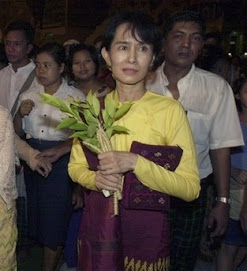


 Posts
Posts


