Clinton warns Myanmar on
NKorea cooperation
By MATTHEW LEE, Associated Press Writer
2 hrs 2 mins ago
HANOI, Vietnam – U.S. Secretary of State Hillary Rodham Clinton warned Myanmar's military
rulers on Thursday against any cooperation with North Korea on a nuclear program and called
on the junta to hold free and fair elections this year.
In Vietnam for regional security talks with senior officials from around Southeast Asia, Clinton
said the U.S. was concerned about reports that North Korea has delivered military equipment
to Myanmar, also known as Burma.
"We continue to be concerned by the reports that Burma may be seeking assistance from
North Korea with regard to a nuclear program," she added. "We will be discussing further ways
in which we can cooperate to alter the actions of the government in Burma and encourage the
leaders there to commit to reform and change and the betterment of their own people."
Clinton also said she shared concerns about upcoming elections in Myanmar, which U.S.
officials say hold no hope of being free and fair. Myanmar has said it will hold elections this
year but has not given a date, and it appears unlikely that opposition figures will be able to
participate.
Myanmar's problems, Clinton said, have an impact "not only on the people of that country but
on their neighbors, as the outflow of refugees continues," contributing to regional instability.
Copyright © 2010 Yahoo! Inc. All rights reserved. Questions or Comments Privacy Policy About Our
Ads Terms of Service Copyright/IP Policy
Print Story: Clinton warns Myanmar on NKorea cooperation - Yahoo! News Page 1 of 1
http:/
Friday, July 23, 2010
Clinton warns Myanmar on NKorea cooperation


Tuesday, July 20, 2010
Burma's Soldiers Of Fortune

Ruling class Army cadets at ease in a juice bar in Pyin U Lwin, home to top military academies for training officers
Reportage / Getty Images for TIME
Read more: http://www.time.com/time/magazine/article/0,9171,2003999,00.html#ixzz0uA3ljCoi
http://www.time.com/time/printout/0,8816,2003999,00.html
Monday, Jul. 26, 2010
Soldiers Of Fortune
By Hannah Beech / Pyin U Lwin
The weekend invasion begins with the click-clack of thumbtack-adorned shoes. For four hours, senior cadets from Burma's Defense Services Academy (DSA) and its sister technological institute march through the streets of Pyin U Lwin, briefcases in hand, maroon berets perched on proudly angled heads. Most are preoccupied with securing the rations of daily life: soap, socks, kung fu DVDs. But even as the stern-faced students contribute to the local economy, shopkeepers whisper about the arrogance of kids who are indoctrinated to believe they are, as the massive English sign in front of the DSA campus proclaims, the "triumphant elite of the future." Even after promised elections later this year, Burma, known by the ruling junta as Myanmar, will remain one of the most militarized states in the world. No wonder the privileged young men marching through this central Burmese town expect nothing less than to one day rule their cowed nation.
At a juice bar in this agreeable former British hill station once known as Maymyo, I chat with a group of cadets hunched over glasses of strawberry milk. Their attitude toward locals notwithstanding, the cadets are polite and surprisingly willing to speak to a foreigner. One baby-faced 20-year-old tells me his major is naval architecture, sharing dreams of designing warships for a nation that boasts 450,000 soldiers and dedicates 21% of its spending to the military, according to lowball official statistics. Another student is focusing on hydro-engineering; he plans to build dams, a lucrative new pursuit of Burma's military dictatorship, which sells plentiful energy to neighboring nations while leaving two-thirds of local households without access to any electricity. Yet another narrow-shouldered cadet is studying nuclear chemistry and confides, "my specialty is uranium and plutonium studies." His chosen subject is particularly topical given the U.S. State Department's recently stated concerns over a possible Burmese nuclear program — a project that a DSA graduate turned defecting army major tells exile media has its headquarters at the Defense Services Technological Academy's fortified campus in Pyin U Lwin. (See pictures of Burma's slowly shifting landscape.)
Later, I wander into an Internet café packed with cadets waiting for the electricity to be restored — a constant waiting game in Burma — so they can play World of Warcraft. I ask if they are skilled at the computer game. "Of course, we are good," says an English-speaking nuclear-physics major, his tone factual, not boastful. "We are students at the DSA. We are very superior." A Burmese friend, who passed all the academic and psychological requirements for the DSA but was rejected at the last moment because he had flat feet, fills me in on the cadets' mentality. "The point of going to the DSA is so you can become a rich and powerful person," he says, relating the trajectory of a schoolmate who attended Burma's West Point. His childhood buddy is now a rising star at a northern regional command, which means he can profit from government timber and mining businesses. "He is rich, his parents are rich, his brothers and sisters are rich, his children will be rich," says my friend. "They don't worry about anything."
Burma may be one of the poorest and most isolated nations on earth, but an emerging elite — a burgeoning officer class, attendant business cronies and the coddled offspring of both groups — is only getting richer, more powerful and less accountable. Over the past few years, the Burmese economy has been transformed as the junta has auctioned off the nation's plentiful natural resources to the highest foreign bidder, Western sanctions notwithstanding. The influx of cash has been reserved for the razor-thin top stratum of Burmese society, whose ostentatious displays of wealth shock a citizenry struggling just to survive. "For a long time, as the regime ran the economy into the ground, there was a feeling that most everyone was growing poor equally," says Sean Turnell, an economist at Macquarie University in Sydney who studies Burma. "But now tensions are growing because you see a small elite growing immeasurably richer while others are getting poorer. It's all about relative position, and in Burma today, the inequalities are growing faster than just about anything." (See pictures of Burma's decades-long battle for democracy.)
Poor Little Rich Country
Burma, which has been run by a military regime since an army coup in 1962, is no tropical North Korea. Amid the crumbling colonial buildings, Rangoon, the country's largest city, boasts glittering nightclubs, day spas and even espresso bars. In fact, because of mushrooming foreign direct investment (FDI) in the country's natural bounty — in 2009, 100% of implemented FDI was from the resource-extraction business — the government has more than $5 billion in foreign-currency reserves at its disposal, according to the International Monetary Fund (IMF). Financial chicanery, however, keeps most money flows obscure. For instance, Burma converts revenues from its lucrative natural-gas sector at an official exchange rate of $1 to 6 kyat, though the market exchange rate is roughly $1 to 1,000 kyat. That means of every $1,000 in energy earnings, just $6 goes into national coffers. Where the rest goes is a mystery. Global watchdog Transparency International ranks Burma as the third most corrupt nation in its survey of 180 nations, outdone only by Afghanistan and Somalia.
See pictures of tension in Burma.
Read "Chevron, Total Accused of Human-Rights Abuses in Burma."
Certainly, the revenues from natural gas, oil, timber, gems and other commodities haven't been used for the betterment of the Burmese. Five years ago, the country's military rulers spent billions of dollars building a sprawling new capital out of scrubland, forcing many civil servants to move from Rangoon with just a couple of days' notice. In two decades, the nation has doubled the number of soldiers in the Tatmadaw, as the Burmese armed forces is called, even though there are far fewer battles to fight against ethnic insurgent groups. Twenty Russian fighter jets — not to mention suspicious nuclear technology — are the military's latest playthings. On the outskirts of Pyin U Lwin, another costly megaproject is materializing: a cybercity whose vastness belies the fact that Burma, even with a proliferation of Internet cafés in Rangoon, remains one of the least wired nations on earth. And in the big cities and beyond, construction crews are busy outfitting Burma's upper classes with marble-lined mansions, fancy vacation homes and towering Buddhist pagodas chiseled with the names of generals and their cronies.
The building boom has surged even as at least one-third of the nation lives below the poverty line, according to the U.N. Inflation is so high that the U.N. estimates an average household spends 73% of its income on food. The World Health Organization ranks the country's health care system as the second worst in the world, just ahead of Sierra Leone's. On the recently built highway from Rangoon to Naypyidaw, the new capital, I meet a 15-year-old girl who spends her days in the 45�C heat carrying chunks of rock on her head. She has been working on this road since she was 11 years old. Her daily pay? $1.50 — and that's when Max Myanmar, a company run by a junta crony whose name was added to the U.S. sanctions list last year, bothers to pay at all. On its polished English-language website, Max Myanmar says employees' welfare is a top priority and that the conglomerate covers "field allowance, bonus, meals, medicare, education allowance and annual celebrations for pleasure and relaxation." The girl laborer has enjoyed none of these. But she dreams one day of reaching the end of her road. "I have heard that Naypyidaw has so much electricity that nighttime looks like day," she says. "Can you imagine such a beautiful place?" (See pictures of Burma's discontent.)
Following the Money
With the nation set to hold carefully orchestrated elections later this year, the economic disparities may soon yawn even wider. The junta ignored the results of Burma's 1990 polls, which the military's proxy party lost badly to Nobel Peace Prize winner Aung San Suu Kyi's National League for Democracy (she remains under house arrest). Now, military leaders seem to want to present a fig leaf of civilian rule to the West. Top posts like the presidency and key Cabinet seats, as well as a big chunk of parliament, will be reserved for military members. But to maintain the appearance of a transition to civilian government, the junta has in recent months privatized dozens of state-owned (read: military-owned) companies. Auctioning off these enterprises creates cash to fund the military's proxy Union Solidarity Development Party in the upcoming polls. In addition, many high-ranking officers are being forced to stand in the elections and they, along with other top brass uncertain about the postelection landscape, must be worried about losing their military lifeline. A redistribution of state assets to people close to them secures their future. (Read "Burma Court Finds Aung San Suu Kyi Guilty.")
Indeed, control of factories and banks, gas stations and ruby mines has been handed over, without exception, to a select circle of favored businessmen or military progeny. Many of these men — for they are all men — are targets of Western sanctions, such as Tay Za, a DSA dropout whose business empire has tentacles in everything from airlines to hotels, and Steven Law, the son of a drug lord whose conglomerate constructs dams, roads and practically any other project that uses copious amounts of cement. These cronies burnish ties with the junta through directorships, donations and even marriages. "I don't know of a single big company that doesn't have a princeling or other [general's] family member on its board or involved somehow," says economist Turnell. "The problem with this system is that these robber barons aren't creating an environment for sustained growth or the building of industry. It's just pure racketeering."
I see how wealthy the Burmese elite has become when I tour the Mindhama Residences in Rangoon, a Tay Za – owned housing development just across the street from an exhibition center where massive slabs of jade are piled high on government trucks. With villa types named after Burma's mineral wealth, like Imperial Jade and Red Ruby, the mansions start at $850,000 and go up to $1.2 million, not counting interior decor. All but one has been sold — this in a nation where per capita GDP is just $442, according to the IMF. Might I be interested in the remaining one? The agent allows me to gawp at the splendor: swirls of gilt and meters of marble, Jacuzzi bathtubs, crystal chandeliers. I feel like I have wandered into a Texas McMansion. "Who has bought the other houses," I ask, feigning interest in my potential neighbors. "Some businessmen," he says. "But mostly ..." he trails off, then taps his fingers to his shoulders, the Burmese code for army stripes.
Read "A Closer Look at Burma's Ethnic Minorities."
Read "Viewpoint: Why Foreigners Can Make Things Worse for Burma."
Hardwired
The red sign blocking the main entrance to the half-built Yadanabon Cybercity looks innocuous enough to someone who doesn't read the local language, a swirl of curved Burmese letters and numbers. But the people of Burma have been conditioned to fear this sign: "This area is under military order 144," it says. "Shoot to capture." It's a measure of Burma's peculiar mix of isolationist paranoia and technological ambition that its future Silicon Valley has been declared a military zone inaccessible to normal civilians. Inside the 4,050-hectare construction site, I drive along empty stretches of tarmac, past plots of land that will soon boast offices for Burma's biggest crony companies: Htoo Trading, Tay Za's conglomerate; IGE, headed by the son of Burma's Minister of Industry General Aung Thaung, who is barred by the European Union; Redlink Communications, owned by the sons of the junta No. 3, General Thura Shwe Mann, one of whom is on the U.S. visa blacklist. Thai, Malaysian, Russian and Chinese firms have staked their ground too. Burma's state media reports that foreign companies have so far invested $22 million in the first phase of Yadanabon.
Ever since images of protesting monks escaped from Burma during the crushed demonstrations of 2007, the regime has been scrambling to centralize control over the Internet. Thousands of websites have been blocked, cyberdissidents jailed and debilitating strikes launched against exile-media websites. Yadanabon will be the nerve center of Burma's Internet operations. But it's not all computer cubicles and high-tech wizardry. On a point overlooking the famous hills of Shan State, $200,000 vacation villas are being built. One model drawing shows a BMW SUV in a garage, and the half-finished houses already feature Tudor trimmings and spacious verandas. Nearby, a farmer toils on a sliver of land that has belonged to her family for at least three generations. Soon the Cybercity will eat up this tiny plot too. The woman doesn't expect any compensation since she received nothing when the rest of her fields were confiscated a year ago. "We are little people, so we cannot complain," she says. "All we can do is concentrate on feeding ourselves." (See pictures of the junta blocking Burma from receiving aid after a cyclone ripped through the country.)
The man entrusted to oversee Yadanabon is neither a businessman nor even an adult. But being the grandson of junta leader Than Shwe brings perks. A scrawny soccer fan with no discernible skills on the pitch, Nay Shwe Thway Aung was once added to the Burmese national team when prominent Japanese player Hidetoshi Nakata went to Rangoon for an exhibition match. Other privileged Burmese youth have made an impression off the field. The most notorious was an informal collective of military offspring called Scorpion, which was forced to disband after two members spooked the junta No. 2, General Maung Aye, by riding up to his car on motorcycles and making menacing gestures. Maung Aye responded by outlawing most motorcycles in Rangoon, a ban that still holds today. (Read "Getting to Know Burma's Ruling General.")
Even beyond Scorpion, there are plenty of other rich kids roaming Rangoon. At the packed JJ nightclub — where the bidding at "model shows," as prostitute auctions are called, reaches $2,500 for a comely maiden — one manager complains about the impunity with which military officers and their sons operate. "They drink for free and can pick girls for free," he says. "Nobody dares say no; otherwise we will be finished."
Flying High
There are no such diversions in Naypyidaw, the austere capital that takes a good hour to cross in a car — an hour in which I pass perhaps a dozen other vehicles. When I visited two years ago, I figured the barren landscape dotted with little more than grandiose ministry buildings and golf courses would eventually be filled with normal signs of life. But today, save the occasional color-coded civil-servant housing complex or shopping center already deteriorating under the unrelenting sun, the capital is still a monochromatic emptiness, as if Mark Rothko took to urban planning. The rumor goes that Naypyidaw was built without nightclubs or bars to prevent princelings and their cohorts from bad behavior.
So the party goes on in Rangoon instead — or in Singapore, where some wealthy Burmese maintain homes and bank accounts. Riding one afternoon in Rangoon in a dilapidated taxi that saw its best days four decades ago, I hear a deep-throated purr behind me. Turning around, I spot a sunflower-yellow Lamborghini careening past the potholes of Strand Road. The taxi driver knows the luxury car well. It is a plaything of Tay Za's family. Later I spot the same vehicle, along with several Mini Coopers and a Ferrari, parked at the mansion of the man the U.S. Treasury Department calls "an arms dealer and financial henchman of Burma's repressive junta." In June, Tay Za is believed to have helped the Burmese regime buy even flashier modes of transport: 50 Karakorum light attack aircraft from China. (His aviation company is also credited with brokering last year's deal for the Russian MiGs.) All these new planes will surely please the DSA cadets, who perhaps one day can graduate from computer games to real fighter jets. For the "triumphant elite of the future" — like the rest of Burma's pampered classes — even the stratosphere is within easy reach.
ဦးေအာင္ဆန္း၏ေနာက္ဆုံးေန႔၊ ေရး - ဒဂုန္တာရာ

ဒဂုန္တာရာ
ဇူလုိင္လ ၁၉ ရက္၊ စေနေန႔ ၁၀ နာရီခြဲ။
မုိးလင္းကတည္းကပင္ ေကာင္းကင္သည္ အံု႔မႈိင္း ညိဳ႕မႈန္လ်က္ရိွသည္။ တိမ္တုိက္ဟူ၍ ဘာမွၾကည္လင္စြာမျမင္ရ။ မုိးကိုၾကည့္ရသည္မွာ ျမဴသန္းေနေသာပင္လယ္ျပင္ႀကီးလုိ ၀ိုး၀ိုး၀ါး၀ါးေနသည္။ မုိးသည္ ကင္းကင္းလြတ္လြတ္စဲသည္ ဟူ၍မရွိ၊ တဖြဲဖြဲ ဖြဲေနလုိက္၊ တၿဖိဳင္ၿဖိဳင္ရြာခ်လုိက္ ႏွင့္၊ ေနာက္ ေစြ၍ ေနေလသည္။
ဒီကေန႔ အတြင္း၀န္မ်ားရံုးသို႔ သြားစရာရွိသည္။ တုိင္းျပဳျပည္ျပဳလႊတ္ေတာ္ အထူးအရာရွိ ဦးသိန္းဟန္(ေဇာ္ဂ်ီ)က စေနေန႔ ေန့လယ္တြင္ ေဆာင္းပါးလာယူရန္ ခ်ိန္းထားသည္။ ဗိုလ္ခ်ဳပ္၏ အပါးေတာ္ၿမဲ ဗုိလ္ထြန္းလွထံမွလည္း ခရီးသြားျခင္း ေဆာင္းပါး၀င္ယူရင္း ခဏတျဖဳတ္ စကားစမည္ေျပာၿပီးေနာက္ ေဇာ္ဂ်ီဆီသို႔ သြားမည္ဟု စိတ္ကူးထား သည္။
၁၀ နာရီေလာက္ကတည္းက အ၀တ္အစားလဲၿပီး မုိးအတိတ္ကို ေစာင့္လ်က္ရွိသည္။ မုိးကား မစဲႏုိင္။ သို႔ႏွင့္ စားပြဲတြင္ ထုိင္ကာ အၿပီးမသတ္ေသးေသာ ကဗ်ာတပုဒ္ကိုစပ္ရင္း ၁၁ နာရီ ထုိးသြားေလၿပီ။ မုိးကား မတိတ္ေသးေပ။
ေနာက္ဆံုးတြင္ မုိးစဲလိမ့္မည္ မဟုတ္ဟု စိတ္ခ်လုိက္ၿပီး အေပၚအက်ႌ ၀တ္ကာ လမ္းမႀကီးသို႔ ထြက္ခဲ့သည္။ အဆင္ သင့္ ေတြ ့ေသာ ေဒါင္းတံဆိပ္ တာေမြ ဘတ္စ္ကားကို တက္စီးလုိက္သည္။ ကားထဲတြင္ ၾကည့္ျမင္တုိင္ဘက္မွ လုိက္ပါ လာမည္ ထင္ရေသာ ေတာသား ၃ ေယာက္ႏွင့္ တရုတ္မ ၂ ဦးကိုေတြ႕ရသည္။ ကား ျပတင္း တံခါးမ်ားမွာ ပိတ္ထားသည္။ ခရီးသည္တုိ႔ကား တိတ္ဆိတ္စြာလုိက္ပါလာၾကသည္။ အျပင္ဘက္တြင္ကား မုိးသည္ရြာလ်က္ပင္။ ရႊံ႕ဗြက္ခ်ဳိင့္၀ွမ္းတုိ႔ျဖင့္ ျပြမ္းေသာ ရန္ကုန္ ကားလမ္းကား စုိစြတ္လွသည္။
ကားသည္ သိမ္ႀကီးေစ်းတြင္ ေခတၱရပ္ၿပီး ဆက္လက္၍ တဟုန္တည္း ေမာင္းလာသည္။ ခရီးသည္ အဆင္း အတက္ သိပ္ မရွိလွ။ သို႔ႏွင့္ စပတ္လမ္း(ယခု ဗုိလ္ေအာင္ေက်ာ္လမ္း) ေရာက္လ်ွင္ က်ေနာ္ ဆင္းလုိက္သည္။
ထုိ႔ေနာက္ ဒါလဟုိဇီ လမ္း(ယခု မဟာဗႏၶဳလ လမ္း)ဘက္မွ စပတ္လမ္းကို ျဖတ္ကူးလုိက္သည္။ လမ္းေဘးတြင္ ေမာ္ေတာ္ကားမ်ားသည္ ဟုိတစု သည္တစု ရပ္လ်က္ရွိသည္။ ကားတခ်ဳိ႕ကား သြားလာလ်က္။
ထီးေဆာင္းလ်က္၊ မုိးကာ၀တ္လ်က္ လူမ်ားသည္ သြားၾကလာၾကႏွင့္ ရႈပ္ရွက္ခတ္ေနသည္။
သူရိယတုိက္ေရွ႕အ၀င္ တံခါးမေပါက္ႀကီးတြင္ကား လူမ်ားသည္ အတြင္းသိုေမ်ွာ္လုိက္။ စကားေျပာလုိက္ႏွင့္ ေနၾက သည္ကိုေတြ႕ျမင္ရသည္။ က်ေနာ္ကား ရံုးဆင္းခ်ိန္မို႔ လူေတြရႈပ္ေနတာ ထင္ပါရဲ့ ဟုသာ သာမန္ ေအာက္ေမ့ မိသည္။
က်ေနာ္သည္ အင္မတန္အရိပ္ေျခကို မသိတတ္၊ မျမင္တတ္သူ ျဖစ္ေခ်သည္။ ခါတုိင္းကဲ့သို႔ပင္ ရဲရဲတင္းတင္း တံခါး ေပါက္မွ အတြင္းသို႔ ၀င္သြားသည္။ လမ္းကူး တြင္ကားလက္နက္ကုိင္ စစ္သားမ်ား ေစာင့္က်ပ္လ်က္ ရွိသည္ကို ေတြ႕ရ သည္။ ခါတုိင္းလည္း ေစာင့္ေနက်ပဲဟု ထင္လုိက္မိသည္။ က်ေနာ္သည္ အတြင္း၀န္ရံုးကို သြားခဲလွေပသည္။
ညွဳိးေလ်ာ္ေသာ မ်က္ႏွာႏွင့္ လံုခ်ည္ အျပာ ၀တ္ထားေသာ စာေရးမ ႏွစ္ဦးသည္ သုတ္သုတ္ သုတ္သုတ္ႏွင့္ ရံုးထဲမွ ထြက္လာသည္။ သို႔ႏွင့္ အလယ္ ဆင္၀င္ေအာက္ ကားဆုိက္သည့္ေနရာသုိ႔ ေရာက္လာသည္။ ခါတုိင္းလုိ ရံုးေစမ်ား ခ်ာပရာစီမ်ား ရပ္ျပဳေနသည္ကို အလ်င္းမေတြ႕ရ၊ တိတ္ဆိတ္ ၿငိမ္သက္၍ ေနသည္။
ဗိုလ္ထြန္းလွ အခန္းသို႔တက္ရန္ ေလွကားထစ္ တထစ္ ႏွစ္ထစ္ တက္မိၿပီးမွ တိတ္ဆိတ္ၿငိမ္ခ်က္သား ေကာင္းလွသည္ ကို စိတ္ထင့္သြား၍ ဗိုလ္ထြန္းလွ ေခတၱရံုးဆင္းခ်ိန္ လက္ဖက္ရည္ေသာက္ သြားေနလိမ့္မည္ဟုေတြးကာ မတက္ ေတာ့ဘဲ ဆင္၀င္ေအာက္မွျဖတ္သန္းကာ တဘက္ရွိ တုိင္းျပဳျပည္ျပဳ လႊတ္ေတာ္ရံုးခန္းသို႔ လာခဲ့ေလသည္။ ေဇာ္ဂ်ီထံသို႔ အျပန္က်မွပဲ ၀င္ေတာ့မည္ေလ၊
လႊတ္ေတာ္ရံုး ၀င္၀င္ျခင္း သခင္ႏု၏ ရံုးခန္းတံခါးမွာ ပိတ္ထားသည္ကို ေတြ႕ရသည္။ သကၠလပ္ ခန္းဆီး အစိမ္းပုတ္ ၾကီးမွာလည္း ဆြဲပိတ္၍ထားသည္။ သခင္ႏု၏ရံုးခန္းကုိေက်ာ္၍ေဇာ္ဂ်ီ၏အခန္းသို့ေရာက္ေလျပီ။ သူ႔အခန္းမွာ လည္း တံခါး ပိတ္ထားၿပီး ခန္းဆီးအစိမ္းပုတ္ၾကီးလည္း ဆြဲ၍ထားသည္။ ရံုးေစ ႏွစ္ေယာက္မွာ နံရံကိုမွီကာရပ္ေနၾကသည္။ ခါတုိင္းလုိစကားေျပာမေနၾက။ သူတုိ႔သည္ေငးမႈိင္ေတြေ၀၍ တမ်ဳိးၾကီးျဖစ္ေနသည္ဟု ေအာက္ေမ့လုိက္သည္။
က်ေနာ္က ငုိင္တုိင္တုိင္ေနေသာ ရံုးေစတဦးအား ‘ဦးသိန္းဟန္ရွိသလား’ ဟုေမးသည္။ ‘ရွိပါတယ္ခင္ဗ်’ ဟု ခပ္တုိးတုိး သာသာေအးေအးေျဖသည္။ သည္ေတာ့မွ မ်က္ႏွာပ်က္ေနေၾကာင္းအေသအခ်ာ သိလုိက္ေတာ့သည္။ စိတ္ထဲတြင္ကား မရွင္း။
တံခါးေစ့ထားသျဖင့္ အတြင္းသို႔ ရုတ္တရက္မ၀င္၀ံ့ေသးဘဲ တံခါး၀တြင္ ရပ္ကာ ရံုးေစဘက္သို႔တဖန္လွည့္၍ ‘‘အထဲမွာအစည္းအေ၀းလုပ္ေနသလား’’ ဟု ေမးရသည္။
ရံုးေစသည္ ဘာမွမေျပာဘဲ အသာတယာ ေစ့ထားေသာ တံခါးကိုဖြင့္ေပးသည္။ လွမ္းၾကည့္လုိက္ရာ သူ၏စားပဲြတြင္ ထုိင္ေနေသာ ေဇာ္ဂ်ီကုိေတြ႕မွ ထီးကိုေထာင္ၿပီးအတြင္းသို႔ ၀င္လုိက္သည္။
ရံုးခန္းကား တိတ္ဆိတ္ၿငိမ္သက္လ်က္။ ေစ့ထားေသာ ျပတင္းတံခါးမွ ျပာစိမ္းစိမ္း မွန္ေရာင္ရိုက္ဟပ္သျဖင့္ အခန္းသည္ စိမ္းစိမ္း ျပာျပာ ျဖစ္ေနသည္။ အခန္းထိပ္ရွိ စားပဲြႀကီးတြင္ကား တုိင္းျပဳျပည္ျပဳ လႊတ္ေတာ္ အႀကံေပး အရာရွိ ၀တ္လံု ဦးခ်န္ထြန္းသည္ ေခါင္းငိုက္ကာ ေငးမႈိင္လ်က္ရွိသည္။
ေဇာ္ဂ်ီသည္ က်ေနာ္၀င္လာသည္ကို ျမင္ေသာ အခါ ဆိတ္ဆိတ္ပင္၊ စကားမဟဘဲ ထုိင္ရန္ ကုလားထုိင္ကိုသာ လက္ ျဖင့္ ညႊန္ျပသည္။ သူသည္ေငးငိုင္၍ေနသည္။ အတန္ၾကာတိတ္ဆိတ္လ်က္ရွိသည္။ က်ေနာ္ကား ခါတုိင္းလႈပ္ရွား ဆူညံ၍ ေနတတ္ေသာ အတြင္း၀န္မ်ားရံုးသည္ ဘာေၾကာင့္ ယခုလုိအံု႔မႈိင္းရီေ၀၍ေနသည္၊ ဆိတ္ၿငိမ္၍ ေနသည္ကို အံ့ၾသလ်က္ရွိသည္။
အတန္ၾကာ ဆိတ္ၿငိမ္ေနရာမွ ‘‘အားလံုးေတာ့ဒုကၡျဖစ္ကုန္ၿပီ’’ ဟု ေဇာ္ဂ်ီက တုိးတုိးညည္းေလသည္။ က်ေနာ္ကား ဘာမွန္း မသိေသးသျဖင့္ ေၾကာင္ေနရာ သူကအကဲခတ္မိ၍ ေနရာမွထကာလက္ျပ၍ အျပင္သို႔ေခၚခဲ့သည္။ က်ေနာ္သည္ထိက္ကနဲျဖစ္သြားသည္။
‘‘လက္ဖက္ရည္ဆုိင္ သြားရေအာင္’’
မုိးတဖြဲဖြဲတြင္ ရံုးခန္းအျပင္ဘက္ ေျမနီလမ္းကေလးေပၚေရာက္မွ က်ေနာ္က မေနႏုိင္၍ ဘာျဖစ္လုိ႔လဲဆရာ ဟု ေမးမိသည္။
‘‘မင္း မၾကားေသးဘူးလား’’ဟု ေဇာ္ဂ်ီက အံ့ၾသေနသည္။
‘‘ဟင့္အင္း … က်ေနာ္အခုပဲ ဘတ္စ္ကားေပၚကဆင္းၿပီး ရံုးကုိတန္းလာတာ’’
သည္ေတာ့မွ ေဇာ္ဂ်ီက ျဖစ္ပံုကို ေျပာျပသည္။ ျခေသ့ၤတပ္ စစ္ယူနီေဖါင္းကို ၀တ္ထားေသာ လက္နက္ကုိင္ လူ ၄ ေယာက္သည္ က်ေနာ္ ျဖတ္လာခဲ့ေသာ အလယ္ဆင္၀င္ေအာက္မွ တက္လာကာ ဦးေအာင္ဆန္း ရံုးခန္း အတြင္းသို႔ အတင္းတြန္း၀င္၍ အစည္းအေ၀းျပဳလုပ္လ်က္ရွိေသာ အမႈေဆာင္ ၀န္ၾကီးမ်ားအားစတင္းဂန္းျဖင့္ပစ္ခတ္ၾကၿပီး မည္သူမ်ွ ဖမ္းဆီးျခင္းမခံရဘဲ ဂ်စ္ကားျဖင့္ ထြက္ေျပး လြတ္ေျမာက္သြားသည္။ က်ေနာ္ မေရာက္မီ ၁ နာရီ ေက်ာ္ေက်ာ္ခန္႔က ျဖစ္သည္။
က်ေနာ္သည္ သည္သတင္းကိုၾကားေသာအခါ ထိတ္လန္႔ တုန္လႈပ္သြားသည္။ အသားမ်ား တဆတ္ဆတ္တုန္လာ သည္။ အတြင္း၀န္ရံုး လက္ဖက္ရည္ဆုိင္ထဲတြင္ကား စာေရး စာခ်ီ စေသာ ရံုးသားတုိ႔သည္ ညွိဳးးငယ္ေသာ မ်က္ႏွာျဖင့္ ဆိတ္ျငိမ္စြာစားေသာက္၍ ေနၾကသည္ကုိေတြ႔ျမင္ရသည္။ တစားပြဲျခားရွိ ႏုိင္ငံေရးရာအတြင္း၀န္ ကုိေက်ာ္ျမင့္ ကေလး က လွမ္း၍ ႏႈတ္ဆက္လုိက္သည္။ သူသည္ ခပ္ေအးေအး ခပ္ေတြေတြပင္ လက္ဖက္ရည္ကို ေသာက္ေနသည္။
‘‘အင္မတန္ႏွေျမာဖို႔ ေကာင္းတယ္ဗ်ာ၊ သိပ္ၿပီး ရက္စက္ၾကမ္းၾကဳတ္တဲ့ႏုိင္ငံေရး လုပ္ႀကံမႈပဲ’’ စသည္ျဖင့္ လူအခ်ဳိ့သည္ျငီးတြားလ်က္ရွိၾကသည္။
ေဇာ္ဂ်ီက ‘‘အမ်ဳိးသားပ်က္စီးျခင္းတရပ္ပဲ’’ ဟု တသသေျပာသည္။
‘‘က်ေနာ္ ရံုး၀င္းထဲ၀င္လာေတာ့ လက္နက္ကိုင္ ပုလိပ္ေတြကိုေတြ႔တယ္။ ဒါေပမယ့္ က်ေနာ္ ၀င္လာတာကုိမတားၾက ဘူး။ ဆင္၀င္ေအာက္ အ၀င္မွာေတာင္ အသိစာေရး ၁ ေယာက္နဲ႔ေတြ႕သားပဲ။ သူကလည္း ဘာမွမေျပာဘူး’’။
‘‘လူေတြဟာမေျပာရက္ၾကဘူး’’ ဟု ေဇာ္ဂ်ီကဆုိေလသည္။
လက္ဖက္ရည္ေသာက္ေနၾကစဥ္ ခုတင္ပဲ ေဆးရံုကျပန္လာေသာ ရံုးသားတဦး အပါးကပ္လာ၍ ‘‘ဘယ့္နဲ႔လဲ’’ဟု က်ေနာ္တုိ႔က ၀ုိင္း၍ေမးျမန္းၾကသည္။ သူက မုိင္းပြန္ေစာ္ဘြားႀကီးမွ တပါး အားလံုးဆံုးရွာၿပီဟု ေျပာသည္။ သူ႔အသံမွာ တုန္ေန၍မ်က္ႏွာမွာ ျဖဴဖတ္ျဖဴေရာ္ျဖစ္ေနသည္။
‘‘ဗိုလ္ခ်ဳပ္ေကာ’’ ဟု တေယာက္က တုိးတုိးေမးသည္။
‘‘မ်က္ႏွာကို အ၀တ္ျဖဴနဲ႔ ဖံုးထားတယ္’’
က်ေနာ္လည္း ၾကာၾကာမေနႏုိင္ဘဲ ဂ်ဴဒါအီစကယ္လမ္း(ယခု သိမ္ျဖဴလမ္း) တံခါးေပါက္မွေက်ာ္၍ အျပင္ဘက္လမ္းသို႔ ထြက္ခ့ဲသည္။ မုိးသည္ တစိမ့္စိမ့္ရြာလ်က္ပင္။ လူတအုပ္သည္ မုိးထဲတြင္ ထီးေဆာင္း၍၊ တခ်ဳိ႕ထီးမပါဘဲ၊ အခ်ဳိ႕ ပလက္ေဖာင္းေပၚတြင္ရပ္ကာ အတြင္း၀န္ရံုးဘက္သို႔ ေမွ်ာ္ၾကည့္ေနၾကသည္။ ကုလားႏွင့္ တရုတ္လည္းပါသည္။
လူတေယာက္က က်ေနာ္၏ လက္ေမာင္းကိုဆဲြကုိင္၍ ‘‘ဒီမယ္… ခုနက၀န္ႀကီးေတြ ေသနတ္ပစ္ခံရတယ္ ၾကားတယ္၊ ဟုတ္သလားခင္ဗ်ာ’’ဟု ေမးသည္။ သူကား အေၾကာင္းမ်ဳိးစံုကို သိခ်င္ေနေပလိမ့္မည္။
‘‘ဟုတ္ကဲ့…’’ ဟူ၍သာ ေျဖၾကားျပီး တဘက္သို႔ ျဖတ္ကူးရင္းအသင့္ေတြ႕ရေသာ ေဒါင္းတံဆိပ္ကားကုိ တက္စီးလုိက္ သည္။ ကားသည္ လမး္မေတာ္ဘက္သုိ႔ေျပးလ်က္ရွိသည္။
ကားထဲတြင္ လူမနည္းလွေပ။ ခရီးသည္အားလံုး မ်က္စိမ်က္ႏွာမေကာင္းၾက။ ခပ္ရြယ္ရြယ္ မိန္းမပ်ဳိတဦးက ‘‘ျဖစ္မွျဖစ္ရေလေနာ္ ျဖစ္မွျဖစ္ရေလ’’ ဟု ျမည္တမ္းလ်က္ရွိသည္။
ေစ်းသည္ဟုထင္ရေသာ ခပ္အုိအုိမိန္းမႀကီး ႏွစ္ေယာက္သည္ ‘‘ဗုိလ္ခ်ဳပ္ အသက္ရွင္ပါေစေတာ္’’ ဟု ဆုေတာင္း၍ ေနသည္။
ယခုမွပင္ သိရေသ ာ မိန္းမတေယာက္က ေမးျမန္းသည္ကို ‘‘မေျပာၾကနဲ႔ မေျပာၾကနဲ႔’’ ဟု အသာလက္ကုတ္၍ တီးတုိးတားျမစ္သည္။ သူတုိ႔သည္ မေျပာရက္ၾက။ သန္႔ျပန္႔စြာ ၀တ္စားထားေသာ တရုတ္တဦး က‘‘အားကီး ရက္စက္တာပဲ’ဟု က်ေနာ့္ ဘက္သို႔ လွည့္၍ ေရရြတ္လ်က္ရွိသည္။ မ်က္ႏွာထားတင္းတင္းႏွင့္ ဘတ္စ္ ကား ဒရိုင္ဘာသည္ ေတာက္ေခါက္လုိက္သည္။
သိမ္ႀကီးေစ်းသို႔ ေရာက္ေသာအခါ လူသြားလူလာ ကင္းရွင္းေနေပၿပီ။ ေစ်းဆုိင္မ်ားပိတ္ထားေလၿပီ။ သတင္းသည္ တမုဟုတ္ခ်င္းပ်ံ႕ႏွံ႔၍သြားေလၿပီ။ ေမာ္ေတာ္ကား၊ လန္ခ်ားတုိ႔ကား ခပ္ျမန္ျမန္သြားလာေနၾကသည္။
ကားလမ္းေပၚမွဆင္း၍ လမ္းထဲသို႔ ၀င္လာေသာအခါ အိမ္၀တြင္ လူတုိ႔သည္ မႈိင္တုိင္တုိင္ႏွင့္ရပ္ကာၾကည့္ေနသည္ကို ေတြ႕ျမင္ရသည္။ လူတုိ႔သည္ အၿငိမ္မေနႏုိင္ၾက။ မုိးသည္မစဲဘဲ ရြာလ်က္ပင္။
လူတုိ႔သည္ ျဖစ္မွျဖစ္ရေလ၊ ျဖစ္မွျဖစ္ရေလ ဟု တတြတ္တြတ္ ျမည္တမ္းရင္းပင္ ညေနေစာင္းလာေတာ့သည္။ ဗိုလ္ခ်ဳပ္ ဆုံးေၾကာင္းကား ညေနထုတ္ သတင္းစာမ်ားမွ ၾကားရေလၿပီ။
မည္သူ႔မ်က္ႏွာၾကည့္ၾကည့္ မ်က္ႏွာညိွဳးငယ္ႏြမ္းလ်စြာႏွင့္။ လမ္းမေပၚမွ စက္ျပင္ဆရာ တဦး၏ မိန္မပါးစပ္မွ ‘‘က်ဳပ္တုိ႔ေတာ့ ထမင္းလည္း မခ်က္ေတာ့ဘူး၊ စားခ်င္စိတ္လည္း မရွိေတာ့ပါဘူးရွင္’’ဟူေသာအသံသည္ သဲ့သဲ့မွ် ေပၚထြက္လာသည္။
ေန၀င္မီးၿငိမ္း အမိန္႔ထုတ္ထားသျဖင့္ ညဥ့္ဦးသည္ တိတ္ဆိတ္ကာ ေမွာင္လွသည္။ အိမ္သားမ်ား ဆံုတုိင္း ေန႔ခင္းက အေၾကာင္းကိုသာ ေျပာၾကသည္။ ရွဳိက္သံ၊ တမ္းတသံ၊ ညဥ္းညဴသံ၊ တသသံ။
တိတ္ဆိတ္ေမွာင္မည္းသျဖင့္ ေစာေစာ အိပ္ရာ၀င္ၾကေသာ္လည္း အိပ္မေပ်ာ္ႏုိင္ၾက။ ေန႔ခင္းကဟာ အိပ္မက္ပဲ ျဖစ္ပါေစေတာ့ဟု မိန္းမမ်ားက ဆုေတာင္းၾကသည္။
ညဥ့္နက္ေသာ္လည္း ေခ်ာင္းဟန္႔သံ၊ လူးလြန္႔သံတုိ႔သည္ ဆက္၍ေနသည္။ ရွဲခနဲ မီးျခစ္၍ေနာက္ေဖး ထၾက ျပန္သည္။
တေရးႏုိးဆံုလွ်င္ ‘‘ဘယ္ေတာ့မ်ားမွ ေမ့ေပ်ာက္ပါ့မလဲေနာ္’’ဟု အိပ္ခ်င္သံႏွင့္ဆုိၾကသည္။ တေရးႏုိးတုိင္းသတိရလ်က္ ရွိသည္။ မၾကာခဏအိပ္မက္ၿပီး ႏုိးသည္။ သို႔ႏွင့္ပင္ တေအာက္ေမ့ေမ့၊ တသသႏွင့္ထုိညကို လြန္ေျမာက္ရသည္။
၁၉၄၇
ၾသဂုတ္လ
“အယ္ဒီတာ စာပြဲ၊ စာေပ၊ အႏုပညာ ေ၀ဖန္ေရး ႏွင့္ ပန္းႏုေရာင္အို” စာအုပ္မွ
Burma honors its fallen martyrs amid political insecurity

Jul. 16 2010 - 02:29 pm
By Zin Linn,
Burma’s Independence has been blended together with blood and lives of the nation’s top leaders. July 19 has been known as Martyr's Day in Burma and citizens will commemorate their independence heroes as always amid political insecurity. On July 19, 1947, seven independence leaders of Burma were assassinated by a group of armed men while they were holding a cabinet meeting at 'The Secretariat' or government house in downtown Rangoon. The assassination plot was made by Galon U Saw, a former prime minister of British colonial Burma.
The assassinated cabinet ministers were General Aung San (father of Aung San Suu Kyi), Thakin Mya, Dedoke U Ba Cho,U Razak, U Ba Win (oldest brother of Aung San and father of Dr Sein Win, the leader of the National Coalition Government of the Union of Burma), Mahn Ba Khaing and Meng -pawng Saopha Sao Sam Htun. Cabinet secretary U Ohn Maung and a bodyguard called Maung Htwe were also slain in the killing.
Most Burmese people believe that the then British authorities had involved in the assassination plot behind the curtain; two British officers were also arrested at the time and one of them charged and convicted for supplying arms and munitions to U Saw. Six months after the assassination, Burma gained its independence from British colonialist.
Trying to gain political power by means of gun or bloodshed is an unacceptable practice, Aung San Suu Kyi highlights time and again publicly. She also believes in non-violent politics to stop the bloodstained politics. That’s why she repeatedly voices that political problems must be solved out by means of political methods. Hence, she always states practicing dialogue is the best way for conciliatory conclusion in political dealings. She offers dialogue to the incumbent junta since September 1988 after founding of her party, the National League for Democracy. But, the authoritarian generals turn a deaf ear not only to the Lady but also to the ethnic leaders so far.
As a result, the socio-economic atmosphere of the country is worsening day-to-day because of political instability. The junta may not be able to manage the socio-economic situation, which is deteriorating fast. It will soon come face-to-face with a bleak future if it continues to refuse dialogue or the national reconciliation process being urged by the opposition the National League for Democracy (NLD) and the United Nationalities Alliance (UNA).
The regime has also ignored calls from the international community, especially from the UN, US and EU, to release over 2,100 political prisoners for meaningful dialogue with the oppositions. In addition, the groupings urge to review the 2008 Constitution, which will not bring real changes to the Burmese citizens. People are convinced that, like the referendum held at gunpoint, the secret ballot will not be free, fair and inclusive. The junta may not be able to deal with the worsening socio-economic situation if it continues to turn down the national reconciliation process being urged by the opposition NLD and the UNA as well as the UN. Without National Reconciliation settlement via dialogue, Burma may not rise above the current political and economic melancholy.
The remarkable withdrawal of the key opposition party-- the NLD -- from planned elections this year has added to the awareness that the votes would bring no change to Burma's political surroundings, other than a magic show of the generals who aim changing into civilian clothes to maintain authority. The withdrawal decision is in line with people’s opinion that NLD must flex its muscles to confront the unreasonable laws forbidding the Lady from participating and call for her expulsion from the party.
Actually, the 2010 election planned by Burma’s ruling junta seems to be a trap for overemotional politicians. Several Burmese politicians are eager to run in the incoming elections hoping a considerable political space. However, they are now stuck in the entanglements when the 'Election Commission’s Directive No.2/2010 dated June 21, 2010' came out in the daily papers. The analysts view the junta’s poll process as ‘deceit’ for there will be more and more complicated regulations before the unknown election date.
Political parties in Burma that want to assemble and give speeches at a designated place must apply to the Election Commission (EC) for permission at least seven days prior to the event, according to state-run media. The new 'EC Directive No.2/2010 dated June 21 requiring political parties to provide the specific place, date, starting and finishing time, and the name and address of speakers. The EC will issue a permit or reject the request at least 48 hours before the requested date.
It looks like creating hindrance towards the political parties on purpose. But, the junta-backed USDP has none of such obstacle. The election date has not been set and the regime has maintained tight restrictions on political opposition in the country and has not granted any operational breathing space for political parties to have a word with the public.
“The nearer the election, the more difficulties we have,” U Thu Wai, the chairman of Democratic Party (Myanmar), spoke out to the media.
Meanwhile, the Obama administration on 12 July criticized the upcoming general election of Burma as scheduled is “flawed” and that the military government has not taken any step towards establishing democracy in the country.
“We think that this is a flawed electoral process,” said State Department spokesman P. J. Crowley.
On the other hand, the State Peace and Development Council (SPDC) is building a multipurpose network of tunnels, bunkers and other underground installations where they and their military hardware can be hidden against any external airborne attack, including most likely from the United States. At the same time, military junta has formed a strategic missile force that works with North Korean contractors. Burma’s missile force is armed with two types of surface-to-surface short and medium range ballistic missiles, such as the Scud-type Hwasong-6 from North Korea, and 122-mm and 240-mm multiple rocket launch systems brought in from China and North Korea.
Moreover, Burma's ruling junta has been in progress with a clandestine program to develop nuclear weapons in a high-stakes bid to put off supposed unfriendly foreign powers. In fact, there has never been a serious threat of foreign invasion. To sum up, the junta – taking example of North Korean style strategy - is strengthening its military might to maintain its political-power everlastingly. According to military experts, Burma spends 40 to 60 percent of the national budget for the armed forces.
In contrast, 0.4 percent of the national budget is spent on health-care, while 0.5 percent is spent for education, according to a report released in 2007 by the International Institute for Strategic Studies, a think-tank based in London. UNICEF reported that SPDC spending on health care in Burma amounted to U.S. $0.40 cents per person per year in 2005, compared to U.S. $61 in neighboring Thailand.
Furthermore, the junta designs the 2010 election as a self-seeking political game undoubtedly to legalize the government by the military. As a result, one cannot discover an inch of political space in the military run parliament aftermath of the upcoming polls.
As the junta monopolizes the state’s assets, natural resources, businesses, institutions and so on, no other political party can compete with the military-backed USDP, led by the current Prime Minister Thein Sein. The political scenario looks like status quo under the gun for the head of Union Election Commission has to obey the order of the military chief.
General Aung San, the founding father of the Burma’s Independence Army, never intended the army to intervene in governmental affairs. A liberal and a democrat, he saw from the fascist Japanese army the dangers of military absolutism. But unfortunately, on July 19, 1947, he was assassinated by a foolish politician and the country lost a genuine national vanguard. Due to his death, the country’s fledgling democracy and unison also ended up.
Although 63 years has passed by, people are still honoring the country’s martyrs, especially Aung San of Burma. It is ironic that Burma’s military top brass are putting their oars in the parliamentary affairs of the nation against the will of General Aung San. Hence, Burma has to put more effort into its struggle for liberation.
------------ ----
Zin Linn is an exiled freelance journalist from Burma.
Friday, July 16, 2010
ေၾကာက္စိတ္
ေၾကာက္စိတ္
(ေရးသူ-စာေရးဆရာ ေမာင္သစ္ဆင္း)
ၾကိမ္လံုးအေၾကာင္းစဥ္းစားမိတိုင္း အထက္တန္းေက်ာင္းသားဘ၀တုန္းက ၾကံဳခဲ့ရတာေလးတစ္ခုကို အျမဲသတိရေန မိပါတယ္။ ျမန္မာစာအခ်ိန္မွာ ပင္ရင္းစကားေျပလက္ေရြးစင္ထဲက မင္းတုန္းမင္းႏွင့္ ငါးေျခာက္ျပား ေဆာင္းပါးကို သင္ျပီးစေပါ့။
မင္းတုန္းမင္းငယ္ရြယ္စဥ္ ေမာင္လြင္ဘ၀က စံေက်ာင္းဆရာေတာ္ဆီမွာ ပညာသင္ၾကားခဲ့ရတယ္။ တစ္ေန႔မွာ မင္းသားၾကီးငၾကဴးက ငါးေျခာက္ျပားၾကီး တစ္ျပားလာျပီး လွဴတယ္။ ဆရာေတာ္က ငါးေျခာက္ကို သိပ္ၾကိဳက္ပါသတဲ့။
ေက်ာင္းမွာကလည္း ငါးေျခာက္ျပတ္လပ္ေနခ်ိန္ျဖစ္ေတာ့ ဆရာေတာ္က ေမာင္လြင္ကို က်က္သေရခန္းထဲမွာ
ေသေသခ်ာခ်ာ သိမ္းခုိင္းလိုက္ပါတယ္။ ေနာက္တစ္ေန႔ ဆရာေတာ္ ဆြမ္းဘုဥ္းေပးတဲ့အခါ ေမာင္လြင္ကို ငါးေျခာက္ ဖုတ္ခိုင္းေတာ့ ငါးေျခာက္က ရွာမေတြ႕ေတာ့ဘူး။
ဆရာေတာ္ကေတာ့ လက္ေဆးျပီးႏွမ္းဆီေမႊးေမႊးနဲ႔ ေရာက္လာမယ့္ ငါးေျခာက္ဖုတ္ကို ေစာင့္ေနတာေပါ့။ ေမာင္လြင္ မွာ ဘယ္လိုမွ ရွာေဖြ ေမးျမန္းစံုစမ္းလို႔မရဘဲ ဗ်ာမ်ားေနခိုက္...။
``ဟဲ႔... ငလြင္ မရေသးဘူးလား`` လုိ႔ေမးလိုက္ေတာ့ ညွဳိးညွိဳးငယ္ငယ္နဲ႔ပဲ ငါးေျခာက္ျပားၾကီး ေပ်ာက္ဆံုးသြားတဲ့ အေၾကာင္း တင္ေလွ်ာက္ရေတာ့တယ္။
``ငလြင္...လာခဲ့`` လို႔ ထား၀ယ္ၾကိမ္ကို ဆြဲျပီး ေခၚလိုက္တဲ့ ဆရာေတာ္အသံက ေက်ာင္းသားအားလံုးရဲ႕
ႏွလံုးသားကို ကန္႔လန္႔ျဖတ္၀င္သြားပါသတဲ့။
``ဟဲ႕...ငလြင္ နင္ဟာ ဘုရင္႔သား၊ အေၾကာင္းညီညြတ္ရင္ နုိင္ငံကို အုပ္ခ်ဳပ္မင္းလုပ္ရမယ့္သူ။ ဒီလိုလူက ငါးေျခာက္ ျပားတစ္ခ်ပ္ကိုေတာင္ လံုျခံဳေအာင္ မေစာင့္ေရွာက္နုိင္ရင္ နုိင္ငံကို နင္ဘယ္လို လံုျခံဳေအာင္ လုပ္နိုင္ ေတာ့မွာလဲ`` လို႔မိန္႔ျပီး အခ်က္ေပါင္းမ်ားစြာ ရိုက္ႏွက္ဆံုးမပါသတဲ့။
ဒီေဆာင္းပါးကို သင္ျပီးေတာ့ ဆရာက သင္ရိုးထဲက ေမးခြန္းေတြကို ေျဖခုိင္းပါတယ္။ ေမးခြန္းတစ္ခုက စံေက်ာင္း ဆရာေတာ္၏ ဆံုးမမႈကို သင္လက္ခံပါသလားလို႔ အဓိပၸါယ္မ်ိဳးေပါက္တဲ့ ေမးခြန္းပါ။ ေနာက္တစ္ေန႔ ျမန္မာစာ အခ်ိန္ေရာက္ေတာ့ ဆရာဟာ အတန္းထဲကို ေျခသံျပင္းျပင္းနဲ႔၀င္လာပါတယ္၊ အေျဖလႊာ ေတြကို စားပြဲေပၚ
ဘုန္းခနဲျမည္ေအာင္ ပစ္ခ်လိုက္ပါတယ္။
ဆရာ႔မ်က္ႏွာက နီျပီး တင္းလို႔။ တစ္တန္းလံုးကို ေ၀႔၀ဲျပီးၾကည္႔တယ္။ တစ္တန္းလံုးကလည္း ျငိမ္လို႔။ ဆရာ ဘာျဖစ္ လာတာပါလိမ္႔လို႔ ေတြးေနၾကပံုပဲ။
ဆရာက ေက်ာင္းသားတစ္ေယာက္ရဲ႕နာမည္ကို ေခၚျပီး အတန္းေရွ႕ ထြက္ခုိင္း ပါတယ္။ ေနာက္ဆံုးခံုက ေက်ာင္းသားတစ္ေယာက္ ထြက္လာပါတယ္။ ဆရာက အေျဖလႊာတစ္ရြက္ကို ဆြဲထုတ္ျပီး အဲဒီ ေက်ာင္းသားကို ေပးလိုက္တယ္။
``ဒါ မင္းအေျဖလား``
``ဟုတ္ပါတယ္ ဆရာ၊ ေအး တစ္တန္းလံုး ၾကားေအာင္ ဖတ္စမ္း``
နည္းနည္းအ့ံၾသေနပံုနဲ႔ ေက်ာင္းသားက သူ႔အေျဖကို ဖတ္ပါတယ္။
မွတ္မိသေလာက္ဆိုရင္ စံေက်ာင္းဆရာေတာ္ရဲ႕ ဆံုးမပံုကို မၾကိဳက္ေၾကာင္း။ ဆရာေတာ္ရဲ႕ အဲဒီအခ်ိန္က စိတ္ခံစားမႈ ဟာ တပည့္ကို လမ္းညႊန္ခ်င္စိတ္ထက္ မိမိအလြန္တရာၾကိဳက္ႏွစ္သက္တဲ့ ငါးေျခာက္ဖုတ္ကို ဘုန္းမေပးရတဲ့အတြက္ ျဖစ္ေပၚလာတဲ့ ေဒါသစိတ္ကပိုျပီး ၾကီးမားေနႏိုင္ေၾကာင္း၊
ျပီးေတာ့ ဒီကိစၥဟာ ဒီေလာက္ရိုက္ႏွက္ အျပစ္ေပးစရာမလိုေၾကာင္း၊ နား၀င္ေအာင္ဆံုးမလွ်င္ ရပါလွ်က္ႏွင့္ ေသရာပါ
အမာရြတ္ထင္ေအာင္ ႐ိုက္က္ႏွက္ျခင္းဟာ ေဒါသစိတ္ေၾကာင့္ဟု သံသယျဖစ္စရာရွိေၾကာင္း၊
ဘုရားသားေတာ္တို႔မည္သည္ ရသတဏွာျဖစ္ေအာင္ ဆြမ္းဘုဥ္း မေပးသင့္သည္ကို သတိရသင့္ေၾကာင္း၊ ဆရာ ကိုယ္တိုင္က ဤ၀ိနည္းကို မထိန္းသိမ္းနိုင္ပါဘဲ တပည့္ကို ဆံုးမျခင္းမွာ စဥ္းစားဖြယ္ျဖစ္ေၾကာင္း၊
အသားနာမွ အရိုးစြဲမွတ္မည္လို႔ထင္ျပီး ျပင္းျပင္းထန္ထန္ အျပစ္ေပးဆံုးမခဲ့ေပမယ့္ မင္းတုန္းမင္း လက္ထက္မွာ ေအာက္ျမန္မာနုိင္ငံတစ္ခုလံုးကို အဂၤလိပ္လက္ ထိုးေပးလိုက္ရတဲ့အတြက္ ဒီဆံုးမနည္းဟာ မေအာင္ျမင္နုိင္ေၾကာင္း၊
အဲဒီလိုေတြ ေျဖထားတာဗ်။
တစ္တန္းလံုးက တခိခိနဲ႔ရယ္ၾကတယ္၊ သူတစ္ေၾကာင္းဖတ္လိုက္၊ ခိခနဲ ႀကိတ္ရယ္လိုက္ၾကနဲ႔။ ဆရာကေတာ့ ေက်ာင္းသားေတြ ရယ္ေလ ေဒါသထြက္ေနေလပါပဲ။
ေက်ာင္းသား ဖတ္သြားျပီးေတာ့ ဆရာက သူ႔ကိုေမးတယ္။
``မင္း ငါ့ကို ေနာက္တာလား``
``ဟာ...မဟုတ္ပါဘူး ဆရာ၊ ကြၽန္ေတာ္ ေမးခြန္းကို ေျဖတာပါ``
``ကဲ...အားလံုး သူေျဖတာကို လက္ခံၾကသလား၊ တစ္ေယာက္စီ ေမးမယ္၊ ကဲ...မင္းကစ၊ သူေျဖတာ မွန္သလား၊
မွားသလား``
ပထမဆံုး အေမးခံလိုက္ရတဲ့ ေရွ႔ဆံုးခံုက ေက်ာင္းသားဟာ ရုတ္တရက္ ဘာေျဖရမွန္း သိပံုမရဘူး။ အေျဖရွင္ေက်ာင္း သားကို ၾကည့္လုိက္ ၊ ဆရာ့ကို ၾကည့္လုိက္ ေဘးဘီကို ၾကည့္လုိက္နဲ႔။
ကြၽန္ေတာ့္ စိတ္ထဲမွာေတာ့ အဲဒီေက်ာင္းသားရဲ႕ အေျဖကိုၾကိဳက္ေနတယ္။ ကြၽန္ေတာ္လည္း သူ႔လိုခံစားမိတာပဲ။ ဒါေပမယ့္ သူ႔လို မေျဖတတ္ဘူး။ သူ႔လို ေထာင့္ေစေအာင္ မျမင္တတ္ဘူး။ ျပီးေတာ့ သူ႔လုိ မေျဖရဲဘူး။ တစ္တန္းလံုး
လိုလိုလည္း ကြၽန္ေတာ့္လိုပဲ ထင္တယ္။ သူတို႔ မ်က္ႏွာေတြကို ၾကည္႔ရင္ သိသာပါတယ္။
``ေဟ့ေကာင္...ေျဖေလကြာ``
ေရွ႕ဆံုးက ေက်ာင္းသားခမ်ာ တုန္သြားပါတယ္။
``ေျဖေလကြ``
အေျဖရွင္ေက်ာင္းသားကို တစ္ခ်က္ခိုးၾကည္႔ျပီး ေခါင္းငံု႔ခ်လိုက္တယ္။ တကယ္ေတာ့ ဆရာကမွန္သလား၊ မွားသလား ဆိုတဲ့ ေမးခြန္းႏွစ္ခုကို ေမးေနတယ္ဆိုေပမယ့္ အမူအရာ၊ ေလသံ၊ ဖန္တီးထားတဲ့ ၀န္းက်င္ အေငြ႕အသက္ေတြက မွားတယ္လို႔ေျဖစမ္း၊ မေျဖရင္ ၾကိမ္လံုးလို႔ ေျပာျပီးသား ျဖစ္ေနပါျပီ။
ဆရာက ေက်ာင္းသားေတြကို လိမ္ေနသလို သူတရားပါတယ္ ျဖစ္ေအာင္ သူကိုယ္တိုင္လည္း ျပန္လိမ္ေနတာပါ။
ဒါကို အဲဒီေက်ာင္းသားလည္း သေဘာေပါက္ဟန္တူပါရဲ႕။
သူေျဖတာ မွားပါတယ္ ဟုတ္ျပီ၊ ေနာက္တစ္ေယာက္ မွား...၊ အဲ...မွားပါတယ္ ေနာက္တစ္ေယာက္ မွားပါတယ္၊
....အဲ...တစ္ေယာက္ျပီးတစ္ေယာက္ ေမးလာလိုက္တာ ကြၽန္ေတာ့္အလွည့္ေရာက္လာပါတယ္။
ကြၽန္ေတာ္ ထရပ္လိုက္ပါတယ္။ အသက္တစ္ခ်က္ ျပင္းျပင္း ရွဴလုိက္တယ္။ မွားပါတယ္၊။ အေျဖရွင္ေက်ာင္းသားကို မၾကည့္ရဲပါဘူး။ ေခါင္းငံု႔ျပီး ခံုေပၚက စာအုပ္ကိုပဲ စိုက္ၾကည့္ေနမိတယ္။ ထူူးျခားတာက ေက်ာင္းသားအားလံုးလည္း ဒီလိုပါပဲ။ လူကုန္သြားေတာ့ ဆရာက အဲဒီေက်ာင္းသားကို ေနာက္ေျပာင္မႈနဲ႔ အတန္းထဲမွာ ရိုက္ပါတယ္။
ၾကိမ္လံုးသံ တစ္ခ်က္ၾကားရတိုင္း ကြၽန္ေတာ့္ခႏၶာကိုယ္ တစ္ေနရာမွာ နာနာသြားသလိုပဲ။ ကြၽန္ေတာ္ကိုယ္တိုင္ အရိုက္ ခံေနရသလိုပဲ။ တစ္တန္းလံုးလည္း ကြၽန္ေတာ့္လိုပဲ ခံစားေနရမွာကပါ။ အဲဒီေက်ာင္းသားဟာ ေက်ာင္းေျပာင္းသြားပါ တယ္။
ကိုယ္႔ထင္ျမင္ခ်က္ကို ပြင့္ပြင့္လင္းလင္း ေျပာရဲတဲ့ သူငယ္ခ်င္းတစ္ေယာက္ကို ကြၽန္ေတာ္တို႔ ဆံုးရံႈးလိုက္ပါတယ္။ ဆရာ့မွာ ဒီလိုတပည္႔မ်ိဳး ဆံုးရႈံုးလုိက္ပါတယ္။ ေက်ာင္းမွာ အဲဒီလို ေက်ာင္းသားမ်ိဳး ဆံုးရႈံးလိုက္ပါတယ္။ အဲဒီက ဆန္႔ေတြးလိုက္ရင္ေတာ့ ႏုိင္ငံေပါ႔ခင္ဗ်ာ။ ဒါဆံုးရႈံးမႈပါ။
ဘာျဖစ္လို႔ ကြၽန္ေတာ္ဟာ ခံစားမႈခ်င္း တူပါလွ်က္နဲ႔ သူ႔လို မေျဖရဲခဲ့တာလဲ။ ေျဖရဲသူ ရွိလာတာေတာင္ ကြၽန္ေတာ္က ဘာျဖစ္လို႔ သူမွန္တယ္လို႔ မေျပာရဲခဲ့တာလဲ။ အာရံုထဲမွာေတာ့ ငယ္စဥ္ကတည္းက ၾကံဳၾကိဳက္ ဆံုစည္းခဲ့ရတဲ့
ၾကိမ္လံုးေတြ၊ ၾကိမ္လံုးေတြ၊ ၾကိမ္လံုးေတြ...။ ခက္ထန္တဲ့ အမူအရာေတြ။
အဲဒီလို ကြၽန္ေတာ္တို႔ရဲ႕ေသြးထဲမွာ အေၾကာက္မ်ိဳးေစ႔ေတြ ပြားမ်ားလာျပီး အရြယ္ရလာတာနဲ႔အမွ် ေၾကာက္သီးေတြ တတြဲတြဲ၊ ေၾကာက္ပြင့္ေတြ တေ၀ေ၀နဲ႔။
လုပ္ငန္းခြင္ထဲမွာ ျပဳျပင္ ေျပာင္းလဲဖုိ႔ လိုအပ္တဲ့ ျပသနာေတြ၊ အခက္အခဲေတြ ရွိရင္လည္း ကြၽန္ေတာ္ ဘာမွ မေျပာရဲဘူး။
အျပဳဘက္က ျမင္ျပီး ေျပာင္းလဲပစ္လုိက္ရင္ အက်ိဳးရွိမယ္ဆိုတာ ေသေသခ်ာခ်ာၾကီး သိျမင္ေနပါလွ်က္နဲ႔ အထက္ လူၾကီးမၾကိဳက္မွာစိုးလို႔ ကြၽန္ေတာ္ဘာမွ အၾကံမျပဳရဲဘူး။
ကြၽန္ေတာ့္ဆီက အၾကံ၊ အေတြး၊ အျမင္၊ သေဘာထားေတြကိုလည္း ဘယ္သူကမွ မေတာင္းၾကဘူးေလ။ သင္ခဲ့ရတဲ့ ပညာေတြ စာအုပ္ထဲ ျပန္သြားလည္း သြားေပေရာ႔ေပါ့။
ေဟာဒီ ပေရာဂ်က္ဟာ ဘယ္ေနရာမွာ မွားေနတယ္လို႔ ကြၽန္ေတာ္ ျမင္ေပမယ့္ ဒါဟာ ေျပာရမယ့္ ကိစၥလုိ႔
ကြၽန္ေတာ္ မထင္ေတာ့ဘူး၊ တျဖည္းျဖည္းနဲ႔ အဲဒါ ကြၽန္ေတာ္မွန္တယ္လို႔ ထင္လာတယ္။
ကြၽန္ေတာ့္အထက္အဆင့္ဆင့္၊ ေအာက္အဆင့္ဆင့္က လူေတြအာလံုးက ဒါကို မွန္တယ္ထင္လာၾကရင္ျဖင့္... ဌာန မနာဘူးလား တုိင္းျပည္မနာဘူးလား၊ ပညာရပ္အျမင္န႔ဲ့ၾကည္႔ရင္ တစ္ကမၻာလံုးနဲ႔ လူသားအားလံုး နာပါတယ္။
ဒါေပမဲ့ ကြၽန္ေတာ္ အိမ္ျပန္ေရာက္ေတာ့ အၾကီးေကာင္ရဲ႕ ငိုသံျပဲၾကီးကို ၾကားရပါတယ္။ သူ႔အေမ လက္ထဲမွာ တုတ္ တစ္ေခ်ာင္းနဲ႔...။
``ဘယ္လိုျဖစ္ေနၾကတာလဲကြာ``
``ဘယ္လိုျဖစ္ရမလဲ၊ ေတာ္႔သားက အိမ္စာျပီးေအာင္ မလုပ္ဘဲ ကျမင္းတာေလ၊ ပန္းကန္တစ္လံုး ကြဲျပီ``
``ဘာျဖစ္လဲကြ၊ ကေလးဆိုတာ ဒီအရြယ္မွာ...``
``ေတာ္... စာအုပ္ထဲကဟာေတြ လာေျပာမေနနဲ႔၊ ပန္းကန္တစ္လံုး ဘယ္ေလာက္ ေအာက္ေမ႔လို႔လဲ၊ ရွင့္၀င္ေငြက
ဘယ္ေလာက္...``
ရြယ္ထားတဲ့ တုတ္ေအာက္ကေနျပီး သားၾကီးက အေၾကာက္မ်က္လံုးမ်ားနဲ႔ ကြၽန္ေတာ့္ကို အားကိုးတၾကီး ၾကည့္ေနရွာပါတယ္။ ဒါေပမဲ့ ေဖေဖ့မ်က္လံုးေတြကလည္း သားရဲ႕မ်က္လံုးေတြလိုပဲ ျဖစ္ေနတာ ၾကာပါျပီေကာလား သားရယ္...။
(မေၾကာက္သင့္တာကို မေၾကာက္ၾကပါစို႔ရယ္...။)
Burma’s Democracy Leaders Hold Parliamentary Hearings in Kuala Lumpur
Burma’s Democracy Leaders Hold Parliamentary Hearings in Kuala Lumpur
Malaysian MPs Support Call for National Reconciliation
Foreign Affairs Coordinating Team of the Ten Alliances
For Immediate Release
8 July 2010
Representatives of the Ten Alliances of Burma’s democracy and ethnic rights movement held hearings in both the Lower and Upper houses of Parliament in Kuala Lumpur, Malaysia, on 7 and 8 July, respectively. Based on the undemocratic flaws in the 2008 Constitution and the military regime’s unjust election laws, the delegation called for the government of Malaysia to denounce this year’s elections unless the military regime changes course.
“Elections in Burma cannot be free, fair or inclusive as long as political prisoners such as Daw Aung San Suu Kyi are kept behind bars, ethnic communities are being attacked by the military, and the regime refuses to engage in dialogue with key stakeholders in the country. If the regime refuses to meet these benchmarks, Malaysia and countries around the world must denounce these elections as the sham they are,” said Ma Khin Ohmar, Foreign Affairs Secretary of Forum for Democracy in Burma, and member of the Foreign Affairs Coordinating Team (FACT) of the Ten Alliances.
In the Lower House of Parliament, the delegation met with Minister in Prime Minister's Department Dato' Seri Nazri Abdul Aziz, Opposition Parliamentary Leader and former Deputy Prime Minister Dato' Seri Anwar Ibrahim, and Senior Opposition Leader and ASEAN Inter-Parliamentary Myanmar Caucus (AIPMC) Malaysia Chapter Chairperson YB Lim Kit Siang.
Members of AIPMC expressed their support for the NLD and other democratic parties who decided not to run in the election, and endorsed the democracy movement’s call for inclusive dialogue and national reconciliation. The MPs also called on ASEAN to suspend Burma’s membership in the bloc if the military regime does not uphold the principles of democracy, abide by the ASEAN Charter, and release all political prisoners, including Daw Aung San Suu Kyi.
“These elections will not be a step forward for Burma or the region. The new government will be built on the broken foundation of a deeply flawed constitution—written by the military, for the military. It won’t take long for this unsteady house to break apart and for the effects of another autocratic regime to be felt throughout the region.So we will boycott this elections.” said Hkun Okker, Joint General Secretary (3) of the National Council of Union of Burma (NCUB).
Khin Ohmar and Hkun Okker were joined by U Win Hlaing, MP-Elect, National League for Democracy, Ma Khin San Htwe, representative from the Women’s League of Burma, and Ko Moe Zaw Oo, Coordinator of FACT.
The Ten Alliances of Burma’s democracy and ethnic rights movement represent the most broad-based and multi-ethnic cooperation of political and civil society organizations from inside and in exile working for national reconciliation, peace, and freedom in Burma.
Download the Burmese version of the Press Release.
For more information, please contact:
Khin Ohmar, Foreign Affairs Secretary of Forum for Democracy in Burma (FDB): +66 (0)818840772 begin_of_the_skype_highlighting +66 (0)818840772 end_of_the_skype_highlighting (Thailand) / +6019-2306995 begin_of_the_skype_highlighting +6019-2306995 end_of_the_skype_highlighting (Malaysia)
Moe Zaw Oo, Coordinator of the Foreign Affairs Coordinating Team (FACT): +66 (0)877735580 begin_of_the_skype_highlighting +66 (0)877735580 end_of_the_skype_highlighting (Thailand) / +6019-2306995 begin_of_the_skype_highlighting +6019-2306995 end_of_the_skype_highlighting (Malaysia)
Challenge impunity in Myanmar
http://www.thejakartapost.com/news/2010/07/06/challenge-impunity-myanmar.html
Challenge impunity in Myanmar
Yozo Yokota, Tokyo | Tue, 07/06/2010 9:07 AM | Opinion A | A | A |
Last month, the UN Special Rapporteur for Human Rights in Myanmar, Tomas Ojea Quintana, told the United Nations that Myanmar’s ruling military junta may be committing war crimes and crimes against humanity, and that these international crimes should be investigated. I agree.
The past three years have drawn the world’s attention to the humanitarian and human rights crisis in Myanmar as never before. Now Myanmar’s dictator Than Shwe is hoping the world has a short memory; he plans a façade of an election later this year, to put sheen of legitimacy on dictatorial rule.
The courageous protests led by Buddhist monks in September 2007, and the regime’s shocking crackdown, including the killing of Japanese photojournalist Kenji Nagai, exposed more clearly than ever before the regime’s cruelty.
Eight months later, Cyclone Nargis ripped through the country, leaving death and devastation in its wake, and the regime’s initial refusal to accept international aid workers evidenced its inhumanity.
The continuing military offensives against civilians in ethnic areas, particularly in eastern Myanmar, the assassination of at least one prominent ethnic leader and attempts on the lives of others and a callous disregard for a famine in Chin State all expose once again the regime’s agenda of ethnic cleansing.
As the regime prepares to hold elections this year, the world must remember the backdrop of the past three years. Last year, a report was published by Harvard Law School called Crimes in Myanmar.
Commissioned by some of the world’s leading jurists, including Judge Patricia Wald (US), Hon. Ganzorig Gombosuren (Mongolia), Sir Geoffrey Nice QC (UK), Judge Richard Goldstone (South Africa), and Judge Pedro Nikken (Venezuela), the report concludes that the regime’s violations of human rights may amount to war crimes and crimes against humanity, and that these should be investigated by the United Nations. As a former UN special rapporteur, I agree.
During my period as UN special rapporteur on human rights in Myanmar, I received incontrovertible evidence that forced labor, the forcible conscription of child soldiers; torture and rape as a weapon of war are widespread and systematic in Myanmar. Since that time, the evidence has grown stronger. It is claimed by the Thailand-Myanmar Border Consortium that as many as 3,500 villages have been destroyed in eastern Myanmar since 1996. Villagers have been used as human minesweepers, forced to walk through fields of landmines to clear them for the military, often resulting in loss of their limbs and sometimes their lives in the process.
I visited prisons and heard many testimonies of cruel forms of torture. Today, over 2,100 political prisoners are believed to be in Myanmar’s jails, and Nobel Peace Prize Laureate Aung San Suu Kyi, Myanmar’s democracy leader, remains under house arrest. She has spent over 14 of the past 20 years in detention.
Religious persecution is widespread. The regime is intolerant of non-Myanmarese ethnic minorities and non-Buddhist religious minorities. The predominantly Christian Chin and Kachin peoples, as well as the partly Christian Karen and Karenni, face discrimination, restriction and persecution, including the destruction of churches and crosses. Christians have been forced to tear down crosses and built Buddhist pagodas in their place, at gunpoint. The Muslim Rohingyas face similar persecution, and are denied citizenship in the country despite living in Myanmar’s northern Arakan state for generations. As a result they face unbearable restrictions on movement and marriage, and have almost no access to education and health care.
The United Nations has been documenting these crimes for many years. My fellow former rapporteur, Rajsoomah Lallah, concluded as long ago as 1996 that these abuses were “the result of policy at the highest level, entailing political and legal responsibility.” A recent General Assembly resolution urged the regime to “put an end to violations of international human rights and humanitarian law”. The UN has placed Myanmar on a monitoring list for genocide, while the Genocide Risk Index lists Myanmar as one of the two top “red alert” countries for genocide, along with Sudan.
Non-Governmental Organizations have made similar assessments. Amnesty International described the violations in eastern Myanmar as crimes against humanity, while the Minority Rights Group ranks Myanmar as one of the top five countries where ethnic minorities are under threat. Freedom House describes Myanmar as “the worst of the worst”.
Human Rights Watch and the International Center for Transitional Justice draw similar conclusions. With “elections” looming and an increase in crimes against humanity already prevalent in Than Shwe’s attempt to end all ethnic minority resistance to his rule, now is the time for concerted international action before more lives are lost.
Impunity prevails in Myanmar and no action has been taken to bring an end to these crimes. That is why we believe the United Nations has an obligation to respond to the current rapporteur’s recommendation and establish a commission of inquiry, to investigate war crimes and crimes against humanity and propose action. The UN Security Council should also impose a universal arms embargo on Myanmar’s regime. The regime has been allowed to get away with these crimes for too long. The climate of impunity should not be allowed to continue unchallenged.
The writer was UN Special Rapporteur on the Situation of Human Rights in Myanmar from 1992 to 1996 and a member of the UN Sub–Commission on the Promotion and Protection of Human Rights from 2000-2009.
People's Forum on Burma 2010/7/15
━━━━━━━━━━━━━━━━━━━━━━━━━━━━━━━━
ビルマ市民フォーラム メールマガジン
People's Forum on Burma 2010/7/15
━━━━━━━━━━━━━━━━━━━━━━━━━━━━━━━━
★メニュー★
【報告】オンライン署名へのご協力ありがとうございました!
【報告】アウンサンスーチーさん65歳の誕生日-祈りの会に300人集う(6/19)
【報告】アウンサンスーチーさんの誕生日に、日本のNGO、国会議員が対話を要請
【イベント案内】次回、ビルマ市民フォーラム 例会のご案内
【お知らせ】ドキュメンター映画「ビルマ VJ 消された革命」 東京での上映7月23日まで~
【書籍紹介】ビルマ: おすすめの一冊!
┏━┳━━━━━━━━━━━━━━━━━━━━━━━━━━━━━━━━
┃★┃ オンライン署名 ビルマに自由と民主化を!軍政のすすめる総選挙にNO!
┗━┛
オンライン署名へのご協力ありがとうございました!
http://pfbkatsudo.blogspot.com/2010/07/blog-post.html
アウンサンスーチーさん65歳の誕生日(6月19日)を前に、
見せかけの選挙を日本政府が非難し、結果を承認しないよう求める要請書
への署名活動へのご協力、どうもありがとうございました。
6月19日の時点で世界35カ国から39,000を越える署名が集まりました。
日本でも、222名(オンライン署名174、直筆48)から署名をいただき、
7月2日に在日ビルマ人の民主化活動家の方から、外務省南東アジア第一課
の方へ手渡しました。在日ビルマ人からの312票もあわせると合計534名に
なりました。
引き続き、ビルマ情勢と日本政府の対応に、関心を持ち続けていただければ
幸いです。
┏━┳━━━━━━━━━━━━━━━━━━━━━━━━━━━━━━━━
┃★┃ アウンサンスーチーさん65歳の誕生日-祈りの会に300人集う
┗━┛
アウンサンスーチーさん65歳の誕生日に、スーチーさんとビルマの人々の自由を
願い、国連大学前の広場で祈りの会を行いました。
集会には300人以上の方が集いました。
当日は現地に来れないけれど、と遠くから応援してくださった皆さんに
感謝いたします。
▼祈りの会の様子はこちら:
・写真:http://www.flickr.com/photos/burmapartnership/sets/72157624220150577/
・動画:http://www.youtube.com/watch?v=KJIe3LVJgpw
▼この日、世界各国で行われたアクションの様子はこちらからご覧いただけます(英語):
http://burmapartnership.org/2010elections/tag/65th-birthday/
┏━┳━━━━━━━━━━━━━━━━━━━━━━━━━━━━━━━━
┃★┃アウンサンスーチーさんの誕生日に、日本のNGO、国会議員が対話を要請
┗━┛
アウンサンスーチーさんの65歳の誕生日に、ビルマ市民フォーラムほか
計10団体が軍事政権トップであるタン・シュエ国家平和発展評議会議長へ
アウンサンスーチー氏との直接対話を求め、要請書を提出しました。
▼プレスリリース、要請書全文、賛同団体一覧はこちらから:
http://pfbkatsudo.blogspot.com/2010/06/ngo.html
6月4日には、上記、NGO要請書と同様の内容で日本の国会議員87名が要望書を
だしております。
両要請書の件は6月22日にはBBCビルマ語ラジオ放送、Democratic Voice of
Burma(DVB)ビルマ語放送、23日にはRadio Free Asia(RFA)ビルマ語放送で
本件が報道されました。
アウンサンスーチーさんにもきっとこの報道が届いたものと信じています。
また、去年に引き続き、ミャンマーの民主化を支援する議員連盟・事務局長である
今野 東議員がアウンサンスーチーさんへのビデオメッセージをだしてくださいました。
▼国会議員87名の要望書・賛同議員リストはこちら:
http://pfbkatsudo.blogspot.com/2010/06/87.html
▼ミャンマーの民主化を支援する議員連盟事務局長 今野 東参議院議員より
タンシュエ議長への要望書に関するビデオ・メッセージ
http://www.youtube.com/watch?v=V6Qfp2E1-cQ
▼ミャンマーの民主化を支援する議員連盟事務局長 今野 東参議院議員より
アウンサンスーチーさん65歳のお誕生日へのビデオ・メッセージ
http://www.youtube.com/watch?v=V6Qfp2E1-cQ
┏━┳━━━━━━━━━━━━━━━━━━━━━━━━━━━━━━━━
┃★┃次回、ビルマ市民フォーラム 例会のご案内
┗━┛
次回、PFB例会を以下の日程で行います。次回は「総選挙を前にした少数民族の
今」のほか、ビルマ最新情勢について報告していただく予定です。
スピーカー等、内容はもう少しで確定するところです。改めてご案内いたしますので
どうぞ宜しくお願いいたします。
・日時:2010年7月31 日(土) 18時00分~20時半(17時45分開場)
・場所:池袋・ECOとしま(生活産業プラザ)8階 多目的ホール
各線池袋駅東口下車 徒歩7分
地図:http://www.city.toshima.lg.jp/shisetsu/shisetsu_community/005133.html
●前回のPFB例会の様子はこちらからご覧いただけます(映像):
「どうなる!?2010年ビルマ総選挙~在日ビルマ人民主化活動家からの声」
http://www.ustream.tv/recorded/7294704
●PFBでは、日本人と在日ビルマ人を対象に、時々のビルマ情勢や
在日ビルマ難民の抱える問題などをテーマに、隔月で例会を実施
しております。
会員・非会員を問わず、どなたでもご参加いただけます。
初めての方でもぜひお気軽にご参加ください。
┏━┳━━━━━━━━━━━━━━━━━━━━━━━━━━━━━━━━
┃★┃ドキュメンター映画「ビルマ VJ 消された革命」 東京での上映7月23日まで~
┗━┛
公式ウェブサイト:http://www.burmavj.jp/
軍事政権の厳しい報道統制に対抗して、ビルマの真の姿を伝えようとする
DVB(ビルマ民主の声)のビデオジャーナリスト(VJ)たちの活動を通じて、
2007年の大規模民主化運動(「サフラン革命」)を描くドキュメンタリー映画
「ビルマVJ 消された革命」。もうご覧になりましたか?東京での上映は
7月23日(金)まで。その他、全国各地で上映されています。
ぜひスクリーンでご覧ください。お見逃しなく!
┏━┳━━━━━━━━━━━━━━━━━━━━━━━━━━━━━━━━
┃★┃ ビルマ: おすすめの一冊!
┗━┛
先月、PFB運営委員でもある根本敬上智大学教授の新刊が発売
されました!ぜひお買い求めください。
また、今年に入り発売されたお勧めの本をご紹介します。こちらも必読です!
■『抵抗と協力のはざま ― 近代ビルマ史のなかのイギリスと日本』
根本 敬 (岩波書店/2010年6月23日発行)
http://www.iwanami.co.jp/shinkan/index.html
「植民地期ビルマに生きた人々は、宗主国イギリス、占領者日本に
どう向き合い、いかに独立を達成したのか。「抵抗」か「協力」かでは
とらえきれない、彼らのしたたかなナショナリズムから、近代ビルマ史
を論じ直す。」
■『タイ・ビルマ国境の難民診療所―女医シンシア・マウンの物語』
宋芳綺(著)、松田薫(編訳) (新泉社/2010年7月刊行)
*解説はPFB運営委員の根本敬上智大学教授が担当しています!
「ビルマのマザー・テレサ」、 「もう一人のアウンサンスーチー」。
タイ・ビルマ国境の町メソット。 ビルマ軍事政権の弾圧を逃れて
タイにやってきたものの、お金がなく、病院に行くことができない
難民や移民に、無料診察を続けている診療所「メータオ・クリニック」。
自身もカレン難民である院長のシンシア・マウン医師と診療所の20年
以上にわたる取り組みを紹介する。 根本 敬氏(上智大学外国語学部
教授) 「私が尊敬してやまない女性医師シンシアさんの地道な医療活動と、
彼女の人格的な魅力について、本書はとてもわかりやすく紹介して
くれている。メータオ・クリニックが抱える日常の苦難についても明確に
書かれている。本書の日本語訳出版を心から喜びたい。」(本書解説より)
■『ビルマ仏教徒 民主化蜂起の背景と弾圧の記録――軍事政権下の非暴力抵抗』
守屋 友江(編訳) (明石書店/2010年3月発行)
http://www.akashi.co.jp/book/b66133.html
「2007年に起きたビルマ軍事政権に対する仏教徒の抵抗を明らかに
するとともに、それがこの年のみに起きた現象ではなく、それ以前から
行われていたことを明らかにする。本書に関する資料や年表も掲載。」
■『閉ざされた国 ビルマ カレン民族闘争と民主化闘争の現場をあるく』
宇田 有三 (高文研/2010年1月30日発行)
http://www.koubunken.co.jp/0450/0434.html
「本書は、17年もの間、軍事独裁政権の厳しい監視をかいくぐり、決死の
取材を敢行した貴重なルポルタージュだ!
実際にビルマ(ミャンマー)という国はどうなっているのか?
この国の情勢を知ることは極めて困難だ。
「報道の自由指数」175ヵ国中171番目の国にランクされている。
ビルマの歴史にはじまり、複雑な諸民族の関係、少数派民族の独立闘争、
民主化闘争の活動家へのインタビュー、軍事独裁政権下の人々の暮らしなど、
「過去」「現在」のビルマが丸ごとわかる、他では知り得ない貴重な
情報源となることは間違いない!(高文研)」
━━━━━━━━━━━━━━━━━━━━━━━━━━━━━━━━
■□■ ビルマ市民フォーラム People's Forum on Burma
━━━━━━━━━━━━━━━━━━━━━━━━━━━━━━━━
東京都新宿区四谷1-18-6 四谷プラザビル4階 いずみ橋法律事務所内
Tel: 03-5312-4817 Fax: 03-5312-4543
●ツイッター:https://twitter.com/home
●ホームページ:http://www1.jca.apc.org/pfb/
━━━━━━━━━━━━━━━━━━━━━━━━━━━━━━━━
Than Shwe's Post-election Plans
BY IRRAWADDY
Than Shwe's Post-election Plans
--------------------------------------------------------------------------------
By BA KAUNG Thursday, July 15, 2010
--------------------------------------------------------------------------------
Burmese military chief Snr-Gen Than Shwe has a number of plans under his sleeve to ensure his continued hold on power following the planned election this year, according to a former senior intelligence officer in Burma’s Ministry of Defense.
Reclusive Than Shwe is totally unprepared to give up his military leadership role at least within the next three or four years, said Aung Lynn Htut, a former intelligence officer for the Burmese army who is now living in the United States.
Based on his military sources in Naypidaw, Burma's capital, he has outlined three possible plans that Than Shwe could pursue.
Than Shwe salutes from a podium as he reviews troops during a military parade marking the country's 65th Armed Forces Day at a parade ground in Naypyidaw on March 27. (Photo: Getty Images)
He said Than Shwe's Plan A is to to become a leader like China's late premier Deng Xiaoping or Iran's former Supreme Leader Ayatollah Khomeini in the event of a landslide victory by the regime-backed Union Solidarity and Development Party (USDP).
“Plan B is if the regime-backed party does not win an outright victory. Than Shwe will form a special military commission like in China or North Korea, holding the reins from behind the scenes as the top leader of the commission,” he said. “I think both Gen Than Shwe and No.2 Gen Maung Aye will continue to hold their military posts after the election.”
According to Burma's 2008 Constitution, the army commander-in-chief will be the most powerful figure in the country, able to appoint key ministers and assume power "in times of emergency." It also gives the military a quarter of the seats in parliament and hence a veto over decisions made by legislators.
“Than Shwe has ordered his subordinates to study the role of military commission in China, Iran, North Korea and also the function of border guard forces in Bangladesh,” Aung Lynn Htut said.
He said that two unexpected events came as surprises to Than Shwe this year: the NLD boycott against the elections, which has damaged the credibility of the election; and the strong opposition of ethnic armed cease-fire groups against joining the government's border guard force plan.
Since April 2009, Naypyidaw has tried to coerce all ethnic armed groups to transform their armies into a border guard force under the regime's command. So far, only the New Democratic Army—Kachin and one Kareni group have indicated they would comply with the order.
Other groups including the large United Wa State Army (UWSA) and the Kachin Independence Army (KIA) have said they would not comply, or are in negotiations with the regime.
“Because of these surprises, I heard Than Shwe is in a bit of confusion over the election,” said the ex-officer said. “But election or not, I would say that Aung San Suu Kyi who is going to be freed in November remains Than Shwe's greatest headache.”
Than Shwe and former intelligence chief Gen Khin Nyunt, who Aung Lynn Htut once reported to, were the two key players in deciding against the army's transfer of power to Suu Kyi's political party, which won a landslide victory in Burma's last election in 1990.
“Not unwillingly, Than Shwe seized power from the then army chief Saw Maung in 1992 and decided not to transfer power to Suu Kyi. Not that he was just obliged to play that role. He seized the opportunity,” Aung Lynn Htut said.
Than Shwe will not take any chances that the 2010 election will produce the results of the 1990 elections, but if something goes wrong, he would order the army to launch another coup d'etat according to his Plan C and be assured of his status quo, Aung Lynn Htut said.
Copyright © 2008 Irrawaddy Publishing Group | www.irrawaddy.org
Thursday, July 15, 2010
Irrawaddy: Burma on new China ‘watch list’ for resources – William Boot
Irrawaddy: Burma on new China ‘watch list’ for resources – William Boot
Thu 8 Jul 2010
Filed under: Business / Trade
BANGKOK—China has put Burma on a special “watch list” for potential acquisition of urgently needed natural resources, including coal, gold and copper as well as oil and gas.All China’s land border neighbors are the subject of a resources study with a view to future acquisition, Beijing’s Ministry of Land and Resources has disclosed in the Chinese official media.
The study follows a the rejection of some takeover bids made by Chinese state firms in minerals-rich Australia, where China has already spent billions of dollars acquiring coal and gas assets.
State-owned Chinese companies venturing abroad are backed by huge national reserves of more than US $2 trillion, and the results of the neighbors’ resources study will be assessed by Beijing’s ministry of finance, the China Business Journal reported.
The study includes Burma, Mongolia, Russia’s Siberian Far East, Vietnam, Kazakhstan and Kyrgyzstan, the paper reported.
It comes as China prepares to become Burma’s biggest natural gas buyer, after it acquired all the gas to be produced from two blocks in the Shwe offshore field in the Bay of Bengal.
But despite huge and increasing imports of gas and oil, China’s main fuel remains coal and millions of tons are being bought from Australia, Indonesia and South Africa.
China is also the world’s biggest buyer of copper, iron ore and some foodstuffs.
Burma has coal, copper and gold.
The recent discovery of new coal reserves in Burma was highlighted by Chinese state media only this week.
“Newly found coal in the Mongma area holds the highest deposit of quality coal and it is estimated to yield thousands of tons of the mineral annually,” said the People’s Daily, noting that China is among several countries vying to help develop Burma’s coal industry.
Burma and Beijing signed a deal on mining among 15 cooperation agreements during a visit in early June by China’s Premier Wen Jiabao.
“One of China’s big five energy firms, the Guodian Corporation, is supposedly going to build a coal-fueled electricity generating plant in Burma, but there must be doubts about that as much of Burma’s current coal output is exported to China and Thailand,” industry analyst-consultant Collin Reynolds told The Irrawaddy this week.
“Burma is desperately short of electricity but Chinese know-how would be needed to revamp Burma’s power transmission infrastructure for any expansion in power capacity to be any use.
“China’s Yunnan Province adjoining northern Burma is also desperately short of electricity and coal,” Reynolds said.
According to unspecified “statistics” Burma has 82 “coal mining blocks” which “produced 233,983 tons of coal in the fiscal year 2009-10,” the official Chinese news agency Xinhua said this week in a report on Beijing’s new assessment of its neighbors assets.
“Burma’s generals have never hesitated from selling out their country’s resources for short-term cash or political protection, and so we cannot see this latest announcement from China as anything but confirmation that the scouring of Burma will go on and on,” prominent Burma economy analyst Sean Turnell told The Irrawaddy.
“In a country where nothing else can be relied on, this one is in the back of the net,” he said, referring to China’s assessment of Burma’s natural resources.
Turnell is an economics professor at Macquarie University in Australia and co-editor of the Burma Economic Watch bulletin.
Despite its highly polluting nature—except maybe when burned in costly plants using the latest technology—coal is being increasingly seen in Asia as the best cheapest substitute for oil and gas.
To underline this trend, Thailand’s state oil and gas giant PTT announced just this week that it intends to expand its acquisition of coal resources abroad.
PTT’s offshore gas fields in the Gulf of Thailand, as well as concessions held by its subsidiary PTTEP in Burma, supply about 70 percent of Thailand’s electricity generating fuel.
But the Thai government has ordered diversification of power fuel to reduce dependency on gas
အမ်ဳိးသမီးမ်ားအေပၚ ရာဇ၀တ္မႈ က်ဳးလြန္ထင္ရွားေၾကာင္း ဂ်ပန္တရားသူႀကီးမ်ား အခုိင္အမာ ေျပာဆို
http://burmese.bnionline.net/news/kic/4707-2010-07-13-16-35-33.html
အမ်ဳိးသမီးမ်ားအေပၚ ရာဇ၀တ္မႈ က်ဳးလြန္ထင္ရွားေၾကာင္း ဂ်ပန္တရားသူႀကီးမ်ား အခုိင္အမာ ေျပာဆို
သတင္း - ေကအိုင္စီ
ေရးသားသူ - ေနာ္ေအာင္ေလး
အဂၤါေန႔၊ ဂ်ဴလုိင္လ 13 ရက္ 2010 ခုႏွစ္
ျမန္မာစစ္အစိုးရသည္ အမ်ဳိးသမီးမ်ားအေပၚ လူသားမဆန္သည့္ ရာဇ၀တ္မႈမ်ား က်ဴးလြန္ခဲ့သည္မွာ သက္ေသထင္ရွားေၾကာင္း ဂ်ပန္ႏိုင္ငံရွိ သ႑ာန္တူခံု႐ုံး တခုက ျမန္မာအမ်ဳိးသမီး ၄ ဦး၏ သက္ေသထြက္ဆိုခ်က္မ်ား ၾကားနာခဲ့ၿပီးေနာက္ အခိုင္အမာ ထုတ္ေဖာ္ေျပာဆိုခဲ့ၾကသည္။
ထိုသုိ႔ လူသားမ်ဳိးႏြယ္စုကို ဆန္႔က်င္သည့္ ရာဇ၀တ္မႈမ်ားကို က်ဳးလြန္ခဲ့သည့္ စစ္အစိုးရကို ထိေရာက္စြာ အေရးယူႏိုင္ရန္ ကုလသမဂၢ လံုၿခံဳေရး ေကာင္စီ အေနျဖင့္ လြတ္လပ္သည့္ စံုစမ္းစစ္ေဆးမႈမ်ား ျပဳလုပ္သင့္ေၾကာင္းလည္း ၿပီးခဲ့သည့္လက ဂ်ပန္ႏုိင္ငံ၊ တိုက်ဳိၿမိဳ႕တြင္ ျပဳလုပ္ခဲ့သည့္ ႏိုင္ငံတကာ ရာဇ၀တ္မႈခံု႐ုံးႏွင့္ သ႑ာန္တူ ျပည္သူ႔ခံု႐ုံးတြင္ ဂ်ပန္လူမ်ဳိး တရားသူႀကီးမ်ား၊ ဥပေဒပညာရွင္ စုစုေပါင္း ၅ ဦးပါ အဖြဲ႔က သေဘာတူ ဆံုးျဖတ္ခဲ့ၾကသည္။
ထိုသ႑ာန္တူ ျပည္သူ႔ခံု႐ုံးတြင္ ဂ်ပန္လူမ်ဳိး တရားသူႀကီးမ်ား ျဖစ္သည့္ ဂ်ပန္ဗဟို တရားသူႀကီးခ်ဳပ္ေဟာင္း မစၥတာ ဟာမာဒါ၊ အျပည္ျပည္ဆိုင္ရာ ဒီမိုကေရစီလိုလားသူ ေရွ႕ေနမ်ားအဖြဲ႔ အတြင္းေရးမႈး အပါအ၀င္၊ ဂ်ပန္ႏိုင္ငံ ခ်ီးဘားတကၠသိုလ္မွ ဥပေဒ ပါေမာကၡႏွင့္ ဥပေဒပညာရွင္တို႔ ပါ၀င္ ေဆာင္ရြက္ခဲ့ၾကသည္။
စစ္အစိုးရ၏ လူမဆန္သည့္ လုပ္ေဆာင္ခ်က္မ်ားကို ကိုယ္တိုင္က်ဴးလြန္ခံခဲ့ရသူ အမ်ဳိးသမီး ၂ ဦးႏွင့္ ကိုယ္စားသက္ေသခံ ထြက္ဆိုခဲ့သူ ၂ ဦးတို႔က တရားလိုဘက္မွ ေရွ႕ေန ၅ ဦးႏွင့္ တရားခံ စစ္အစိုးရဘက္မွ ေရွ႕ေန ၃ ဦးတို႔ အပါအ၀င္ ပရိႆတ္ ၃၀၀ ေက်ာ္ တက္ေရာက္ နားေထာင္ခဲ့သည့္ ၾကားနာပြဲတြင္ အသီးသီး ထြက္ဆိုခဲ့ၾကသည္။
ဂ်ပန္ႏိုင္ငံသည္ အေရွ႕ေတာင္အာရွနိုင္ငံ တႏိုင္ငံ ျဖစ္ကာ ျမန္မာႏိုင္ငံကို ေထာက္္ပံ့မႈမ်ား ေပးထားသည့္ ဆက္စပ္မႈေၾကာင့္တေၾကာင္း၊ ICC ၏ အဖြဲ႔ဝင္ ႏိုင္ငံတႏိုင္ငံ ျဖစ္ေသာေၾကာင့္ ျမန္မာစစ္အစိုးရ က်ဴးလြန္ေနေသာ စစ္ရာဇဝတ္မ်ားကို ဂ်ပန္အစိုးရႏွင့္ ၎ႏိုင္ငံက ျပည္သူလူထုမ်ား ပိုမိုသိရွိလာေစရန္ WLB အဖြဲ႔က ရည္ရြယ္လုပ္ေဆာင္ခဲ့ျခင္း ျဖစ္သည္။
“အမ်ဳိးသမီးေတြကို က်ဴးလြန္တာေတြက လူသားေတြကုိ ဆန္္႔က်င္တဲ့ ရာဇဝတ္မႈေတြ ျဖစ္ပြားေနတယ္လို႔ ေျပာလို႔ ရတယ္။ ဆံုးျဖတ္ခဲ့တယ္။ ကုလသမဂၢရဲ႕ လံုးၿခံဳေရးေကာင္စီ အေနနဲ႔ ဒါေတြကို တကယ္လြတ္လပ္စြာ စံုစမ္းၿပီး အေရးယူဖို႔ကို တိုက္တြန္းႏိႈးေဆာ္ထားတယ္” ဟု ဂ်ပန္ႏိုင္ငံကို သြားေရာက္ခဲ့သည့္ အမ်ဳိးသမီးမ်ားအဖဲြ႔ခ်ဳပ္ - ျမန္မာႏိုင္ငံ (WLB) သဘာပတိ အဖဲြ႔ဝင္ ေဒၚသင္းသင္းေအာင္က ထိုင္းအေျခစိုက္ ကရင္သတင္းဌာန -KIC ကို ေျပာဆိုသည္။
သူမက “က်ဴးလြန္တဲ့ ရာဇဝတ္မႈေတြက သက္ေသ အေထာက္အထား ခိုင္လံုတာေၾကာင့္ လြပ္လပ္စြာ စံုစမ္းစစ္ေဆးၿပီးေတာ့ အမႈေတြကို အေရးယူ ေဆာင္ရြက္သင့္တာကေတာ့ အဓိက အခ်က္ထားၿပီး (တရားသူႀကီးမ်ားက) သံုးသပ္ခ်က္ေပးပါတယ္” ဟုလည္း ဆက္၍ေျပာသည္။
စစ္အစိုးရ အာဏာပိုင္မ်ားကိုယ္၌က အမ်ဳိးသမီးမ်ားအေပၚ ၎တို႔၏ ေအာက္ေျခတပ္သားမ်ား ဆက္တိုက္ က်ဴးလြန္ခဲ့မႈမ်ားကို ထိေရာက္သည့္ အေရးယူမႈမ်ား မရွိခဲ့သည့္အျပင္ ကင္းလြတ္ခြင့္ ျပဳေပးထားမႈမ်ား ရွိေနသည့္အတြက္ လြတ္လပ္သည့္ တရားစီရင္ေရး ရွာမေတြ႔သည့္အဆံုး ႏိုင္ငံတကာ တရားစီရင္ေရး စံႏႈန္းမ်ားႏွင့္ ဥပေဒမ်ားကို အသံုးျပဳကာ စစ္အစိုးရကို အျပည္ျပည္ဆိုင္ရာ ရာဇ၀တ္မႈမ်ား က်ဴးလြန္ေနေၾကာင္း ႏိုင္ငံတကာ အစိုးရႏွင့္ အသိုင္းအ၀ိုင္းမ်ားထံ ေထာက္ျပႏုိင္ရန္ WLB က ရည္ရြယ္ လုပ္ေဆာင္ေနျခင္း ျဖစ္သည္။
“ျမန္မာႏိုင္ငံမွာ က်ဴးလြန္မႈေတြကို ကင္းလြတ္ခြင့္ ေပးထားတယ္။ တရားမွ်တမႈ ရဖို႔အတြက္ ရွာေဖြဖို႔လိုတယ္ဆိုတာကို ႏိုင္ငံတကာကို ေထာက္ျပ ေပးတာပဲ။ ျပစ္မႈေတြက ICC ကို တင္လို႔ရႏိုင္ေလာက္ေအာင္ကိုု အျပည္ျပည္ဆိုင္ရာ ရာဇဝတ္မႈေတြ ေျမာက္ေနတဲ့အတြက္ေၾကာင့္ ႏိုင္ငံတကာ စစ္ခံုရံုးမွာ စစ္ေဆးဖို႔ သင့္တယ္လို႔ လံႈ႕ေဆာ္သြားတာပါ” ဟု ေဒၚသင္းသင္းေအာင္က ဆိုသည္။
၁၉၉၈ ခုႏွစ္တြင္ စတင္ဖြဲ႔စည္းခဲ့သည့္ ICC သည္ နယ္သာလန္ႏုိင္ငံတြင္ အေျခစိုက္သည္။
၎အဖြဲ႔သည္ သေဘာတူညီထားေသာ ေရာမဥပေဒကို က်င့္သံုးၿပီး ကမၻာတ၀ွန္းရွိ လူမ်ဳိးတံုး သတ္ျဖတ္မွႈမ်ား၊ ျပင္းထန္ေသာ ႏုိင္ငံတကာ ရာဇဝတ္မွႈမ်ား၊ လူသားမ်ဳိးႏြယ္စုမ်ားအေပၚ ရာဇဝတ္မႈ က်ဴးလြန္သူမ်ားႏွင့္ စစ္ရာဇဝတ္မႈ က်ဴးလြန္သူမ်ားအား တရားစဲြဆို အျပစ္ေပးေလ့ရွိသည္။
ယခုကဲ့သို႔ အလားတူ သ႑ာန္တူ ခံု႐ုံးတခုကို ယခုႏွစ္၊ မတ္လအတြင္းက အေမရိကန္ႏိုင္ငံ၊ နယူးေယာက္ၿမိဳ႕တြင္ ျပဳလုပ္ခဲ့ရာ ျမန္မာႏိုင္ငံမွ အမ်ဳိးသမီး စုစုေပါင္း ၁၂ ဦးတို႔က စစ္အစိုးရ၏ ေရကာတာ တည္ေဆာက္မႈအတြက္ ေက်းရြာမ်ား အဓမၼ ေရႊ႕ေျပာင္းခံရမႈ၊ ေပၚတာခိုင္းေစမႈ၊ ရြာမ်ားမီး႐ိႈ႕ဖ်က္ဆီးခံရမႈမ်ား၊ ေထာင္တြင္း အက်ဥ္းက်ခံရစဥ္ နည္းမ်ဳိးစံုျဖင့္ ႏွိပ္စက္ၫွင္းပမ္းမႈမ်ား၊ မဖြယ္မရာ ဆက္ဆံေျပာဆိုမႈမ်ားႏွင့္ အျပစ္မဲ့ ရြာသားတခ်ဳိ႕ကို ေသသည္အထိ ကိုယ္ထိလက္ေရာက္ ႐ိုက္ႏွက္မႈမ်ား စသည့္ လူသားမဆန္သည့္ ျပဳမႈမႈမ်ားကို သက္ေသထြက္ဆိုခဲ့ၾကသည္။
ထို႔အျပင္ ေန႔ခင္းတြင္ စစ္တပ္ရိကၡာမ်ားကို ေပၚတာ ထမ္းေစၿပီး ညပိုင္းတြင္ အုပ္စုလိုက္ မုဒိမ္းက်င့္ခံရသူ တုိင္းရင္းအမ်ဳိးသမီး တေယာက္ႏွင့္ ကခ်င္ျပည္နယ္တြင္ ေက်ာင္းသူ ၄ ဦးကို အဓမၼ ျပဳက်င့္ၿပီး ႏႈတ္ပိတ္ရန္ ႀကိဳးစားခဲ့ရာမွ ျပည္ပမီဒီယာ အကူအညီျဖင့္ ေဖာ္ထုတ္ခဲ့ၿပီး ေနာက္ဆံုးတြင္ ၎တို႔ ၄ ဦးကို ေထာင္ဒဏ္အျပစ္ေပးခဲ့ၿပီး ျပန္လည္လြတ္ေျမာက္လာခ်ိန္တြင္ ထိုင္းႏုိင္ငံရွိ ဒုကၡသည္စခန္းအတြင္း ထြက္ေျပးခိုလံႈလာခဲ့ၾကသည့္ တိုင္းရင္းသူတခ်ဳိ႕ကုိယ္စား သက္ေသထြက္ဆိုခဲ့ျခင္းလည္း ရွိခဲ့သည္။
ထိုသ႑ာန္တူခံု႐ုံးတြင္ ဥပေဒပညာရွင္မ်ား ျဖစ္ၾကသည့္ ႏိုဘယ္လ္ၿငိမ္းခ်မ္းေရးဆုရွင္ ဂ်ဳိဒီ၀ီလ်ံ၊ ရွီရင္းအီဘာတီႏွင့္ ေတာင္ကိုရီးယား ႏုိင္ငံမွ ပါေမာကၡ စိန္ဆူးရွင္း၊ ထိုင္းႏိုင္ငံ ခ်ဴလာေလာင္ကြန္း တကၠသိုလ္မွ ဥပေဒပညာရွင္ ဗီတစ္မြန္တာဘြန္တို႔ တက္ေရာက္ၾကားနာခဲ့ၾကသည္။
ျမန္မာႏိုင္ငံဆိုင္ရာ ကုလသမဂၢ လူ႔အခြင့္အေရး အထူးကိုယ္စားလွယ္ မစၥတာ အုိေဟးကင္တားနား (Tomas Ojea Quintana) စစ္အစုိးရ၏ လူသားခ်င္းစာနာမွႈ ကင္းမဲ့စြာ က်ဴးလြန္ခဲ့ေသာ ရာဇဝတ္မွႈမ်ားကုိ ကုလစံုစမ္းေရး ေကာ္မရွင္တရပ္က စံုစမ္းစစ္ေဆးေရးအဆိုကို UN တြင္ တင္ျပထားသည္။
ယခုအခါတြင္ ထိုအဆိုကို ေထာက္ခံသည့္ ႏိုင္ငံမ်ားမွာ ၾသစေတးလ်ား၊ ခ်က္က္၊ ၿဗိတိန္ႏွင့္ စလိုဗက္ကီးယားတို႔ ျဖစ္ၿပီး အေမရိကန္ ျပည္ေထာင္ စုက ေထာက္ခံရန္ စဥ္းစားေနဆဲ ျဖစ္သည္။ အကယ္၍ အေမရိကန္က ေထာက္ခံပါက လက္ရွိတြင္ စံုစမ္းေရး ေကာ္မရွင္တရပ္ ဖြဲ႔စည္းေရး အဆိုကို ေထာက္ခံသည့္ ႏုိင္ငံမွာ ၅ ႏိုင္ငံ ရွိလာမည္ ျဖစ္သည္။
ၿပီးခဲ့သည့္ ဇြန္လဆန္းပိုင္းက အေမရိကန္ႏိုင္ငံ၊ ၀ါရွင္တန္အေျခစိုက္ Freedom House ၏ ၂၀၀၉ ခုႏွစ္ အစီရင္ခံစာတြင္ ကမၻာေပၚရွိ လူ႔အခြင့္ အေရး ခ်ဳိးေဖာက္မႈ အဆိုးဆံုး ေဒသမ်ားအျဖစ္ ၁၇ ႏိုင္ငံႏွင့္ နယ္ေျမေဒသ ၃ ခုအေၾကာင္း ေဖာ္ျပရာတြင္ ျမန္မာႏိုင္ငံလည္း အပါအ၀င္ ျဖစ္သည္။
ထိုႏိုင္ငံမ်ားႏွင့္ ေဒသမ်ားတြင္ ေနထိုင္ၾကသည့္ ျပည္သူလူထုသည္ အေျခခံ ႏိုင္ငံေရးႏွင့္ အခြင့္အေရးမ်ား ဆံုး႐ံႈးေနၾကရသည့္အျပင္ နည္းမ်ဳိးစံု ဖိႏွိပ္ခ်ဳပ္ခ်ယ္မႈ ရင္ဆိုင္ေနၾကသူမ်ား ျဖစ္သည္ဟု ေ၀ဖန္ေထာက္ျပထားေသးသည္။
ယခုလို အမ်ဳိးသမီးမ်ား ႐ုပ္ပိုင္းဆိုင္ရာ၊ စိတ္ပိုင္းဆိုင္ရာ ထိခိုက္မႈမ်ားကို သက္သာရာရေစရန္ ႏွစ္သိမ့္ေဆြးေႏြးမႈမ်ားကို အမ်ဳိးသမီးအဖြဲ႔၀င္မ်ားက တဖက္တလမ္းက လုပ္ေဆာင္ေပးေၾကာင္း ထိုင္းအေျခစိုက္ ကရင္အမ်ဳိးသမီးအစည္းအ႐ုံး KWO အဖြဲ႔က အတြင္းေရးမွဴးျဖစ္သူ နန္းဒါး အယ္ကလယ္ က KIC ကို ယခုလို ေျပာသည္။
“က်မတို႔က အခ်ိန္တိုအတြင္းမွာ အဓမၼ ျပဳက်င့္ခံခဲ့ရတဲ့ အမ်ဳိးသမီးေတြကို စိတ္ပိုင္းဆုိင္ရာ ထိခိုက္မႈေတြအတြက္ ႏွစ္သိမ့္ ေဆြးေႏြးမႈေတြလုပ္တယ္။ ဒါ့အျပင္ မုဒိမ္းမႈ ျဖစ္ခဲ့တဲ့ အမ်ိဳးသမီီး တခ်ဳိ႕ကို ဘ၀လံုၿခံဳမႈအတြက္ တတိယႏိုင္ငံသြားဖို႔ ဆႏၵရွိသူကို ကူညီေပးပါတယ္။ စစ္တပ္ကေနၿပီး အၾကမ္းဖက္မႈ ခံရတဲ့ အမ်ဳိးသမီးေတြအေပၚ ျပစ္မႈက်ဴးလြန္သူေတြကို အေရးယူ ျပစ္ဒဏ္က်ခံေစဖို႔ WLB က နိုင္ငံတကာနဲ႔ ပူးေပါင္းၿပီး ကမၻာ သိေအာင္ လုပ္ေပးေနပါတယ္” ဟု ေျပာသည္။
စစ္အစိုးရ၏ ရာဇဝတ္မႈ က်ဴးလြန္မႈမ်ားကို ႏိုင္ငံတကာက ေစာင့္ၾကည့္ေနေသာ္လည္း စစ္အစိုးရဘက္က ဆက္လက္က်ဴးလြန္ေနမည္ဆိုလွ်င္ အျပည္ျပည္ဆိုင္ရာ ဥပေဒအရ စစ္ရာဇဝတ္မႈ ေျမာက္ၿပီး ျမန္မာစစ္အစိုးရသည္ ICC တြင္ ဆူဒန္ႏိုင္ငံမွ ႏိုင္ငံ့ ေခါင္းေဆာင္မ်ားကဲ့သို႔ပင္ ရာဇဝတ္ ေကာင္မ်ား ျဖစ္လာႏိုင္ေၾကာင္း သံုးသပ္ေျပာဆိုသူမ်ားလည္း ရွိေနသည္။
ယခုလို အေမရိကန္ႏုိင္ငံႏွင့္ ဂ်ပန္ႏိုင္ငံတို႔တြင္ စစ္အစိုးရ အာဏာပိုင္မ်ားက ျမန္မာႏိုင္ငံအတြင္းရွိ အမ်ဳိးသမီးမ်ားအေပၚ အၾကမ္းဖက္မႈမ်ား က်ဴးလြန္ေနမႈမ်ားကို လုပ္ေဆာင္ျခင္းျဖင့္ သက္ဆိုင္ရာ ႏုိင္ငံအစိုးရေခါင္းေဆာင္မ်ားႏွင့္ ျပည္သူလူထုက အျဖစ္မွန္ကို သိရွိလာၾကမည့္အျပင္ အၾကမ္းဖက္မႈ က်ဴးလြန္ေနသည့္ စစ္အစိုးရ အေနျဖင့္လည္း ရပ္တန္႔သြားေစႏုိင္သည္ဟု အမ်ားက သံုးသပ္ေျပာဆိုေနၾကသည္။
ေဒၚသင္းသင္းေအာင္ကလည္း “စစ္အစိုးရ ကိုယ္တိုင္လည္း သတိထားၿပီး ေနာက္ထပ္မက်ဴးလြန္ေအာင္နဲ႔ ရပ္တန္႔သြားေအာင္ ရည္ရြယ္ၿပီးေတာ့ ျပဳလုပ္တာပါ” ဟု ေျပာဆိုသည္။
ထို႔အျပင္ ျမန္မာအမ်ဳိးသမီးမ်ား အၾကမ္းဖက္ခံရမႈမ်ား လံုး၀ရပ္တန္႔သြားေရးကို အမ်ဳိးသမီးထုသာမက အမ်ဳိးသားမ်ားကိုယ္တိုင္ စာနာနားလည္ၿပီး အၾကမ္းဖက္မႈ လုပ္ရပ္ကို ဆန္႔က်င္ကာ ပါဝင္လုပ္ေဆာင္ရန္ကိုလည္း အမ်ဳိးသမီးမ်ားအေရး လုပ္ေဆာင္ေနၾကသည့္ အဖြဲ႕အစည္းမ်ားက လိုလားလွ်က္ ရွိသည္။
၁၉၉၉ ခုႏွစ္၊ ဒီဇင္ဘာလမွ စ၍ ျမန္မာတိုင္းရင္းသူ အမ်ဳိးသမီးအဖြဲ႔ ၁၂ ဖြဲ႔ျဖင့္ တည္ေထာင္ထားသည့္ WLB အဖြဲ႔ အေနျဖင့္ ၂၀၀၀ ခုႏွစ္မွ စတင္ကာ ယေန႔အခ်ိန္ထိ အစီရင္ခံစာ ၁၀ ခု ထုတ္ေ၀ခဲ့သည္။
ထို႔အျပင္ WLB အဖြဲ႔၀င္ အမ်ဳိးသမီးမ်ား အေနျဖင့္လည္း မိမိတို႔ ေဒသရွိ အမ်ဳိးသမီးမ်ားအား နအဖ စစ္တပ္၏ ရာဇ၀တ္မႈ ေျမာက္သည့္ လူ႔အခြင့္ အေရး ခ်ဳိးေဖာက္က်ဴးလြန္မႈမ်ား၊ အမ်ဳိးသမီးမ်ားကို လိင္ေဖ်ာ္ေျဖမႈအျဖစ္ အသံုးခ်မႈမ်ား ပေပ်ာက္သြားေစရန္ သတင္းမီဒီယာမ်ားမွတဆင့္ ထုတ္ျပန္ေၾကညာခ်က္မ်ားႏွင့္ အစီရင္ခံစာတခ်ဳိ႕ ျဖန္႔ေ၀ခဲ့ၿပီး ျဖစ္သည္။
ျမန္မာႏိုင္ငံရွိ အမ်ိဳးသမီးမ်ားသည္ သမိုင္းတေလွ်ာက္ ျဖစ္ေပၚခဲ့့ေသာ က်ား၊ မ ဆိုင္ရာ ခြဲျခားဆက္ဆံမႈ တခုတည္းသာမကဘဲ တရားဥပေဒစိုးမိုးမႈ မရွိျခင္းႏွင့္ စစ္တပ္အုပ္ခ်ဳပ္မႈေၾကာင့္ ျမန္မာႏိုင္ငံ၏ အဆင့္တိုင္း၊ ေနရာတိုင္းတြင္ အၾကမ္းဖက္မႈမ်ားကို ရင္ဆိုင္ေနၾကရသည္။
အထူးသျဖင့္ တိုင္းရင္းသား နယ္ေျမေဒသမ်ားတြင္ စစ္အစိုးရတပ္မွ အာဏာရွိသူမ်ားက အၾကမ္းဖက္မႈမ်ားကို နည္းမ်ဳိးစံု၊ ပံုစံမ်ဳိးစံုျဖင့္ လုပ္႐ိုးလုပ္စဥ္ပမာ က်ဴးလြန္ေလ့ရွိရာ အမ်ဳိးသမီးႏွင့္ မိန္းကေလးငယ္မ်ားအေပၚ အဓမၼ ျပဳက်င့္မႈမ်ားကို လူ႔အခြင့္အေရး အစီရင္ခံစာမ်ား၊ ထုတ္ျပန္ ေၾကညာခ်က္မ်ားမွ တဆင့္ အေထာက္အထားမ်ားစြာ ေတြ႕ရွိႏိုင္ေပသည္။
၎အေျခအေနမ်ားအေပၚ ကုလသမဂၢ အဖြဲ႕အစည္းမ်ားမွ ဝန္ထမ္းမ်ား အပါအဝင္ ျပည္ပအေျခစိုက္ အဖြဲ႕အစည္းမ်ားကို ထိုအမႈကိစၥမ်ားႏွင့္ ပတ္သက္၍ တိုင္ၾကားျခင္း မျပဳရန္ ၿခိမ္းေျခာက္မႈတခ်ဳိ႕ ရွိေနသည့္အတြက္ ျမန္မာႏိုင္ငံတြင္ စစ္တပ္ႏွင့္ ၎တို႔ ၏ လက္ကိုင္တုတ္ အဖြဲ႔အစည္းမ်ား အာဏာတည္ၿမဲသေရြ႕ ျမန္မာႏိုင္ငံရွိ အမ်ဳိးသမီးမ်ား၏ ဘ၀လံုၿခံဳမႈႏွင့္ အခြင့္အေရးမ်ားကို အျပည့္အ၀ ကာကြယ္ေပးႏိုင္မႈမွာ အတိုင္းအတာ တခုအထိ ထိေရာက္ႏိုင္မည္ မဟုတ္ေပ။
Last Updated on အဂၤါေန႔၊ ဂ်ဴလုိင္လ 13 ရက္ 2010 ခုႏွစ္
Foreign investment in Myanmar tumbles
Foreign investment in Myanmar tumbles
Foreign investment in Myanmar down last year as China's figure falls, sanctions continue
On Wednesday July 14, 2010, 6:06 am EDT
YANGON, Myanmar (AP) -- Foreign investment in Myanmar, one of the world's poorest and most authoritarian countries, dropped more than two thirds last fiscal year as Chinese investment tailed off and
economic sanctions on the military-ruled nation continued, according to government figures.
A statistical report from the country's Ministry of National Planning and Development that was seen Wednesday said foreign investment in the 12 months through March 2010 fell 68 percent to $315 million from $985 million the previous year.
The main reason for the drastic drop was because of China's unprecedented investment in Myanmar in 2008-2009. It spent $855.9 million in the mining sector, accounting for 87 percent of total foreign investment. China signed an agreement with resource-rich Myanmar for nickel-production in 2008.
Up-to-date information on Myanmar's economy is difficult to come by and the few official figures that become available are often regarded as unreliable. Though a substantial gas exporter, the revenues barely register in the government's accounts, suggesting the cash is diverted into projects favored by its ruling generals, according to Burma Economic Watch, a group based at Australia's Macquarie University that studies Myanmar's economy.
Myanmar, also known as Burma, saw seven new foreign investments during 12 months, four of which were in its oil and gas sector. These resource extraction investments -- three from Malaysia and one from the United Arab Emirates -- were worth $278.6 million and accounted for more than 88 percent of the total investment during the fiscal year.
Thailand spent $15.25 million in the hotel and tourism sector, China put $15 million into the mining sector and Hong Kong added $6 million to the manufacturing sector during 2009-2010, the government report said.
The United States and the European Union have imposed economic sanctions against Myanmar to pressure the military government to improve human rights and release detained pro-democracy leader Aung San Suu Kyi. Sanctions, including banning U.S. companies from investing in Myanmar and banning Myanmar exports to the United States, were first imposed in 1997.
Since Myanmar liberalized its investment code in 1988, it has attracted large investments in hydroelectric power, oil and gas and mining -- mainly from neighboring countries such as Thailand.
Meanwhile, Myanmar's exports rose 12 percent to $7.6 billion in year through March from $6.78 billion the previous year, according to the report. Imports dropped 8 percent to $4.18 billion from $4.54 billion.
The government report said that natural gas exports, which accounted for about 38 percent of all export revenue, increased 9 percent to $2.56 billion from $2.35 billion. Myanmar gas exports go to neighboring Thailand.
Myanmar is believed to have a large amount of unmeasured trade, mostly goods smuggled across its land borders, especially with eastern neighbor Thailand and northeastern neighbor China.
ဆရာႀကီးနန္းညႊန္ ့ေဆြအတြက္ဝမ္းနဲျခင္း
မိတ္ေဆြအေပါင္းတို ့..
..ယေန ့ ၁၄.၇.၂၀၁၀ ရက္ေန ့(ဗုဒၵဟူးေန ့)ညေန (၅း၀၀)နာရီမွာ..ကြ်န္ေတာ္တို ့ရဲ ့ရဲေဖာ္ရဲဖက္၊သူငယ္ခ်င္း ဇာဂနာ ရဲ ့ဖခင္ဦးေအာင္သိန္း(ေခၚ)
ကဗ်ာဆရာၾကီး နန္းညြန့္ေဆြ (အသက္-၈၇ နွစ္)ကြယ္လြန္သြားရွာျပီဗ်ာ....
.......။
ေလးစားဦးညြတ္လ်က္....ေက်ာ္သူ
(မနက္ျဖန္...၁၅.၇.၂၀၁၀ရက္ေန ့နံနက္၁၁း၀၀နာရီမွာေရေ၀းသုသ၁န္မွာသျဂိဳလ္ရန္စီစဥ္ေနပါေၾကာင္း....။)
Tuesday, July 13, 2010
US sceptical on Myanmar -Jul 13, 2010
Jul 13, 2010
US sceptical on Myanmar
WASHINGTON - THE United States said on Monday it was deeply worried Myanmar's upcoming election would be unfair, dismissing the junta's move to allow former members of the main opposition party to run.
The military regime in Myanmar, also known as Burma, disbanded democracy icon Aung San Suu Kyi's National League for Democracy (NLD) but last week gave permission to some of its former members to run under a new name.
'It doesn't change our concern about the electoral process. We think that this is a flawed electoral process,' State Department spokesman Philip Crowley told reporters.
'We respect decisions that former NLD members have made,' he said. 'We certainly do not have any expectation that what proceeds in Burma here will be anything that remotely resembles a free, fair or legitimate result.' The NLD plans to boycott the elections this year, believing they are an attempt for the junta to legitimise its rule.
The polls will be the first since 1990, when the NLD triumphed but was never allowed to take power. Aung San Suu Kyi, a Nobel laureate, has spent most of the past two decades under house arrest.
Some activists believe the junta allowed the registration of the new National Democratic Force in part to splinter the opposition, weakening the influence of the NLD and of Suu Kyi. -- AFP
Monday, July 12, 2010
Burma’s Nuclear Ambitions: Are natural gas sales funding Burma’s secret nuclear program?
http://www.earthrights.org/campaigns/burma-s-nuclear-ambitions-are-natural-gas-sales-funding-burma-s-secret-nuclear-program
Burma’s Nuclear Ambitions: Are natural gas sales funding Burma’s secret nuclear program?
Thu, 06/24/2010 - 17:27Campaigns
On Tuesday June 22, Paul Donowitz from EarthRights International and Robert Kelley, former Director for the International Atomic Energy Agency (IAEA) spoke at the National Endowment for Democracy on recent revelations that Burma may be pursuing a clandestine nuclear weapons program.
Co-author of the recent exposé with the Democratic Voice of Burma, aired on Aljazeera, Mr. Kelley presented photographic evidence and other top-secret material smuggled out of Burma by defecting army Major Sai Thein Win, a former deputy commander of a top-secret military factory at a town called Myaing. Before escaping Burma, Sai Thein Win collected thousands of files detailing a secret program by Burma’s ruling generals to build nuclear weapons which were then analyzed by Mr. Kelley in his report.
Kelley explained that Burma’s nuclear program appears both rudimentary and nascent, with scientists apparently experimenting with laser isotope separation and gas centrifuge technology for uranium enrichment. Kelley concluded that, while very serious and grounds for international concern, Burma’s nuclear weapons program is still years from being capable of producing a weapon.
In his remarks, Paul Donowitz, ERI’s Campaign Director, examined how Burma, one of the poorest countries in Asia, has been able to finance their alleged nuclear program through natural gas sales from the Yadana and Yetagun projects to Thailand. Donowitz examined recent reports from ERI that billions in gas sales to the Burmese junta never enters Burma, instead remaining in off-shore accounts in Singapore, Dubai and possibly elsewhere. These foreign exchange reserves provide the military junta with much needed US dollars allowing them to purchase nuclear technology, along with other unneeded and harmful purchases, including the recent acquisition of new MiG-29 fighter planes from Russia purchased in December 2009 for approximately $US570 million, a new capital city, Naypyidaw, offensive weapons from China used against their own people.
Donowitz went on to discuss recent efforts to persuade foreign oil companies operating in Burma, including Chevron (US), Total (France), and PTTEP (Thailand), to disclose their payments to the Burmese junta, and the companies refusal to disclose this information.
Thursday, July 8, 2010
Big Oil Firms Accused of Human-Rights Abuses in Burma
Big Oil Firms Accused of Human-Rights Abuses in Burma
Time
July 06, 2010
Vivienne Walt
To the list of Big Oil companies with p.r. problems add two more: Chevron and French energy giant Total. In a report published on Monday, the NGO EarthRights International accuses the firms of being implicated in human-rights violations in Burma, claiming that soldiers guarding Chevron and Total's natural-gas pipeline in the country have murdered locals and forced others to do backbreaking, unpaid labor in order to keep the gas exports flowing smoothly. The report also holds that the revenues from the operation have been propping up the country's oppressive military government for more than a decade, thus fostering harmful political outcomes that affect the entire country.
EarthRights' complaints against Total and Chevron are not new. Last year, the NGO, which is based in Washington and Chiang Mai, Thailand, published interviews with locals describing how soldiers protecting the pipeline had dragooned them into unpaid manual labor. The pipeline, which crosses more than 40 miles of Burmese territory, is a joint venture among Chevron, Total, a Thai energy company and the Burmese state oil and gas authority. Activists say it is a short section of the pipeline that travels overland through a remote part of the country that has led to ongoing conflicts between residents and the Burmese army's Battalion 282, the soldiers charged with protecting the pipeline. Until the pipeline was built in the mid-1990s, the area saw little military action. But according to the EarthRights report, in February some soldiers of the battalion murdered two residents in the pipeline area after suspecting them of being linked to an armed militia group. (See pictures of the Gulf oil spill.)
The report goes on to say that Total and Chevron's operation - which for more than a decade has been exporting gas to Thailand from Burma's Yadana field - is keeping the country's military government afloat. Last October, Total took the rare step of revealing how much it pays Burma's government for its share of the gas revenues, saying that the previous year, Total's portion of the Yadana project had earned the Burmese government about $254 million. In all, EarthRights says, the operation generated about $9 billion in revenues for Burma and the oil companies between 1998 and the end of 2009, with $4.6 billion of that paid directly to Burmese officials.
But should Total and Chevron be held responsible for the actions of Burma's government? For years, energy companies have argued that they operate in scores of countries across the world - many of them authoritarian - and cannot be accountable for the behavior of each of those governments, especially since their contracts can last up to 25 years, often longer than the governments themselves. Total and Chevron reject EarthRights' claims that their operations in Burma led to human-rights violations, and both companies have invested in community programs, such as health clinics and schools, in the country. (See pictures of the world's most polluted places.)
Total spokesman Jean-FranÇois Lassalle told TIME on Monday that the company is "deeply shocked" by the accusations in the report, adding that they "rest on a biased interpretation and a vision that is totally disconnected from the Burmese reality. We work daily for the respect of human rights in our operations and beyond our operations for better governance," he said. After EarthRights made similar accusations last year, Total published an interview with Lassalle on its website in which he said, "Total has never used forced labor, either directly or indirectly through contractors. We always insured that forced labor was not used in the area in which we operated." He also said that when the company learned of forced-labor cases involving the Burmese pipeline, "we paid compensation immediately, on humanitarian grounds."
EarthRights says in its report that Chevron and Total could be liable for major legal challenges if Burmese residents choose to sue the companies in their home territories, the U.S. and France, respectively. For Chevron, that would be familiar territory. In 2005, the now defunct Unocal oil company, which Chevron bought that year, paid an undisclosed sum of money to Burmese plaintiffs after fighting a nine-year legal battle in a California court over human-rights abuses around the pipeline. (See pictures of Burma.)
EarthRights consultant Matthew Smith says Total and Chevron have refused to meet with the group to discuss the situation in the pipeline area and that the Burmese government seems increasingly jittery about the revelations of human-rights abuses by those protecting the gas exports. "There's much more of a concerted effort by security forces to identify people who are documenting what's going on," says Smith, who authored this week's report. Villagers are ordered to report any unusual visitors to the pipeline area. Most of all, perhaps, those writing international reports.
Wednesday, June 23, 2010
Armada of U.S. and Israeli Warships Head for Iran
Armada of U.S. and Israeli Warships Head for Iran
Kurt Nimmo
Infowars.com
June 19, 2010
More than twelve U.S. and Israeli warships, including an aircraft carrier, passed through the Suez Canal on Friday and are headed for the Red Sea. “According to eyewitnesses, the U.S. battleships were the largest to have crossed the Canal in many years,” reported the London-based newspaper al-Quds al-Arabi on Saturday.
Egyptians report the armada includes a U.S. aircraft carrier.
The Israeli newspaper Haaretz reported Egyptian opposition members criticized the government for cooperating with the U.S. and Israeli forces and allowing the passage of the ships through Egyptian territorial waters. The Red Sea is the most direct route to the Persian Gulf from the Mediterranean.
Retired Egyptian General Amin Radi, chairman of the national security affairs committee, told the paper that “the decision to declare war on Iran is not easy, and Israel, due to its wild nature, may start a war just to remain the sole nuclear power in the region,” according to Yedioth Internet, an Israeli news site.
The passage of a warship armada through the Suez Canal and headed for the Persian Gulf and Iran is apparently not deemed important enough to be reported by the corporate media in the United States.
Egypt recently rejected an Israeli request to prevent Gaza aid ships from passing through the Suez Canal. According to a report by al-Jazeera, Israel appealed to Egyptians asking them to prevent the passage of Iranian ships through the Suez Canal. The Egyptians responded that due to international agreements on movement through the Suez Canal, Egypt cannot prevent ships from passing through the canal unless a ship belongs to a state that is at war with Egypt. Iran and Egypt are not at war.
The United States and Israel, the sole nuclear-armed power in the Middle East, have not ruled out a military strike to destroy Iran’s nuclear program.
A number of Israeli politicians and scholars have admitted Israel has used its nuclear weapons for “compellent purposes,” in short forcing others to accept Israeli political demands.
Israel’s threats to use nuclear weapons have increased significantly since it was discovered in 2002 that Iran was building uranium enrichment facilities. Israel’s former Prime Minister Ariel Sharon “called on the international community to target Iran as soon as the imminent conflict with Iraq is complete,” the Sunday Times reported on November 5, 2002. The United States invaded Iraq on March 20, 2003.
A d v e r t i s e m e n t
Earlier this month Israel leaked to the press that they had permission from Saudi Arabia to use their air space to attack Iran. “In the week that the UN Security Council imposed a new round of sanctions on Tehran, defence sources in the Gulf say that Riyadh has agreed to allow Israel to use a narrow corridor of its airspace in the north of the country to shorten the distance for a bombing run on Iran,” the Sunday Times reported on June 12. On June 14, the ambassador of Saudi Arabia to UK Prince Mohammed bin Nawaf issued a categorical denial of the report.
On June 17, Iran’s parliament warned it will respond in kind to inspection of its ships under a fourth round of sanctions imposed on the country by the UN Security Council. “Even if one Iranian ship is stopped for security-check, we will act likewise and thoroughly inspect any (western) ship passing through the Persian Gulf and the Strait of Hormuz,” member of the Iranian parliament’s National Security and Foreign Policy Commission Hossein Ebrahimi said.
Also on Saturday, Iran accused the United States of “deception” and insisted its missile program is for self-defense after a top U.S. official claimed that Iran had the capacity to attack Europe. “The Islamic Republic’s missile capability has been designed and implemented to defend against any military aggression and it does not threaten any nation,” Defense Minister Ahmad Vahidi said in a statement carried by state media.
Vahidi announced on April 10 that Iran will use all available options to defend itself if the country comes under a military attack. “Americans have said they will use all options against Iran, we announce that we will use all options to defend ourselves,” Vahidi told the Tehran Times.
ေဒၚေအာင္ဆန္းစုၾကည္ရဲ႕ (၆၅) ႏွစ္ေျမာက္ေမြးေန႔ အထိမ္းအမွတ္ ဘာသာေပါင္းစုံ ဆုေတာင္းပြဲ အခမ္းအနား(တိုက်ိဳ)
၂၀၁၀ ခုႏွစ္ ဇြန္လ (၁၉) ရက္ေန႔ ဒီမိုကေရစီေခါင္းေဆာင္ ေဒၚေအာင္ဆန္းစုၾကည္ရဲ႕ (၆၅) ႏွစ္ေျမာက္ေမြးေန႔ အထိမ္းအမွတ္ ဘာသာေပါင္းစုံ ဆုေတာင္းပြဲ အခမ္းအနားကို တိုက်ိဳၿမိဳ ့ ရွီဘူယ အရပ္ရွိ ကုလသမဂၢ အေဆာက္အဦးေရွ႕၌ ဂ်ပန္္ႏိူင္ငံေရာက္ ျမန္မာႏိူင္ငံသားမ်ား၏ ပူးေပါင္း ေဆာင္ရြက္ေရး ေကာ္မတီ (JAC)မွ ဦးစီး၍ ညေန ၅း၀၀ နာရီ မွာ စတင္က်င္းပျပဳလုပ္ ခဲ့ပါသည္။
မတရားအဖမ္းဆီး အက်ဥ္းက်ခံေနရေသာ ဒီမိုကေရစီေခါင္းေဆာင္ ေဒၚေအာင္ဆန္းစုၾကည္ အျမန္္ဆုံး လြတ္ေျမာက္ေစရန္ အတြက္ ရည္ရြယ္ၿပီး ယခုလို ဘာသာေပါင္းစုံ ဆုေတာင္းပြဲ က်င္းပျပဳလုပ္ရျခင္း ျဖစ္ပါသည္။ အခမ္းအနား အစီအစဥ္မွာ ဗုဒၶဘာသာဘုန္းေတာ္ႀကီး ၊ ခရစ္ယာန္ဘာသာဆရာ ႏွင့္ အစၥလာမ္ဘာသာ၀င္တို႔မွ မိမိတို႔ ဘာသာအလိုက္ ဆုေတာင္း ေမတၱာပို႔သေပးခဲ့ၾကပါသည္။
တက္ေရာက္လာၾကသည့္ အဖြဲ႔အစည္းအသီးသီးမွ တာ၀န္ရွိသူမ်ားက ဂုဏ္ျပဳအမွာစကား အသီးသီး ေျပာၾကားသြားခဲ့ၾကၿပီးသည့္ေနာက္ တိုင္းျပည္ႏွင့္ လူမ်ိဳးအတြက္ ကုိယ္က်ဳိးစြန္႔လႊတ္အနစ္နာခံသည့္ ဒီမိုကေရစီေခါင္းေဆာင္ ေဒၚေအာင္ဆန္းစုၾကည္၏ ေမြးေန႔ကို ဂုဏ္ျပဳေသာအားျဖစ္ ကဗ်ာရြတ္ဆိုျခင္းမ်ား ၊ ေဒၚေအာင္ဆန္းစုၾကည္၏ မိန္႔ခြန္းေကာက္ႏႈတ္ခ်က္မ်ားကို ဖတ္ၾကားျခင္း ျပဳလုပ္ၿပီးေနာက္ ေဒၚေအာင္ဆန္းစုၾကည္ အျမန္ဆုံး လြတ္ေျမာက္ပါေစ၊ ေဒၚေအာင္ဆန္းစုၾကည္ က်မၼာပါေစ စသည့္ေၾကြးေၾကာ္သံမ်ားျဖင့္ အခမ္းအနားကို ညေန ၆း၅၀ နာရီတြင္ ရုတ္သိမ္းခဲ့ပါသည္။ အခမ္းအနားတြင္ ဂ်ပန္ေရာက္ ျမန္မာႏိုင္ငံသားမ်ား (၂၅၀) ေက်ာ္တက္ေရာက္ခဲ့ၾကပါသည္။
ယေန႔ မနက္ပိုင္းတြင္လည္း ေဒၚေအာင္ဆန္းစုၾကည္ေမြးေန႔အထိမ္းအမွတ္အျဖစ္ မိုးေသာက္ၾကယ္စာၾကည့္တိုက္အဖဲြ႔သားမ်ားမွ ဇီ၀ိတဒါနငါးလႊတ္ျခင္း ၊ ေသြးလွဴဒန္းျခင္း အစီအစဥ္မ်ား ျပဳလုပ္ခဲ့ေၾကာင္း သိရွိရပါသည္။ လႈပ္ရွားမူ မွတ္တမ္းဓါတ္ပုံမ်ားကို http://www.moethaukkye.co.cc/ မွ သြားေရာက္ၾကည့္ရႈႏိုင္ပါသည္။
သတင္းမွတ္တမ္း ။ Mai Kyaw Oo
မွတ္တမ္းဓါတ္ပုံ ။ Lian Khan Sum(CNC-Japan)


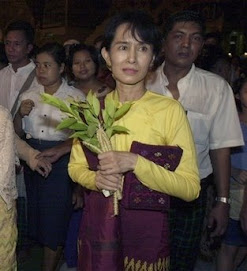


 Posts


